

Where To Get Rid Of A Mattress: A Complete Guide To Responsible, Stress‑Free Mattress Disposal
You bought a new mattress, you are excited to sleep better, and then reality hits: the old one is still sitting in your bedroom or hallway. It is heavy, awkward, and you cannot just shove it in the trash bin. If you feel stuck between not wanting to break any rules and not wanting your old mattress to haunt your garage for the next decade, you are not alone. At Sleepology, we hear this exact question almost every day from shoppers who are ready to upgrade, but not sure what to do with the mattress they already own.
Figuring out where to get rid of a mattress matters more than it might seem at first. Mattresses are big, they take up a surprising amount of landfill space, and in many cities you can be fined for putting one out with regular trash. On the flip side, a mattress in decent condition can genuinely help a family in need, and a worn out one can often be broken down and recycled into new products. Knowing your options can save you money, protect the environment, and give you some peace of mind that you handled things the right way.
You are in the right place if you want practical, no‑nonsense guidance. We will walk through where to get rid of a mattress locally, which options are actually worth your time, how to stay on the right side of local rules, and how to match your disposal method to the condition of your mattress. We will also connect the dots between getting rid of your old bed and choosing a better next one, so you do not repeat the same mistakes.
By the end, you should feel clear on your next step, whether that is scheduling a bulk pickup, loading your mattress for a donation drop off, booking a hauling service, or cutting it up safely for recycling parts. Think of this as a calm, step‑by‑step walkthrough from someone who has helped hundreds of people move on from mattresses that no longer serve them.
Step One: Decide If Your Mattress Should Be Donated, Recycled, Or Thrown Away
Before you start calling charities or hauling your mattress to the curb, it helps to be realistic about its condition. A mattress that is still supportive and sanitary has a very different path than one that sags, smells, or has had a pest issue. This is where a quick self‑assessment saves you time and frustration, and it also keeps donation centers from having to say no at the door.
Begin by checking basic hygiene and structural integrity. Is the mattress free of obvious stains, odors, or visible mold? Are there any signs of bed bugs or other pests, such as tiny black specks, shed skins, or little rust colored spots along the seams? According to the Centers for Disease Control and Prevention, bed bugs spread easily through used furniture and bedding, so any sign of infestation is an immediate stop sign for donation and usually requires professional disposal. At that point, health and safety come first, and most charities and recyclers will not accept it.
Next, consider comfort and support. The Sleep Foundation notes that most mattresses last about 7 to 10 years for average adults, but body weight, sleep position, and materials can shorten or extend that range. If your mattress has deep impressions, broken coils, or you wake up with pain that disappears on another bed, it has likely reached the end of its useful life. Mattresses with structural breakdown are usually poor candidates for donation, but they may still be eligible for recycling if they are clean and pest free.
Once you have taken an honest look, sort your mattress into one of three categories. First, “donation ready,” meaning gently used, clean, and still relatively supportive. Second, “recycling only,” meaning no pests or major contamination, but too worn for someone else to sleep on. Third, “disposal,” meaning unsanitary, heavily damaged, or infested. Knowing which bucket your mattress belongs in will help you focus on the right options and avoid hauling it all over town only to be turned away.
“I was embarrassed about the state of my old queen mattress and kept putting off dealing with it. Sleepology walked me through exactly how to evaluate it and explained why donation was not realistic in my case. That honesty pushed me to recycle it and finally invest in a new hybrid that has transformed my sleep.” – Jenna L., November
Where To Get Rid Of A Mattress Locally: Your Main Options
Most people start by asking a simple question: where can I physically take or send this thing? The good news is that you almost always have more than one option. The more nuanced question is which option fits your mattress condition, your budget, and how much effort you are willing or able to put in.
A useful way to think about mattress disposal is to move from “highest value” options down to “last resort.” At the top are rehoming and donation, where your mattress directly benefits someone else. In the middle are recycling services that extract usable materials and keep bulk out of landfills. Near the bottom, but sometimes necessary, are municipal bulk pickup and landfill disposal. Understanding these tiers can help you feel better about your choice instead of feeling like you are just throwing something away.
Let us walk through each of the most common ways to get rid of a mattress, what they really involve, and where the hidden snags tend to be. As we do, keep your mattress category in mind, because that will largely determine which routes are open to you.
Donating A Mattress: When Giving It A Second Life Makes Sense
If your mattress is still fairly young, clean, and supportive, donation can be a win for everyone. Many regional charities, faith based organizations, and community shelters accept gently used mattresses, especially twin and full sizes that can be used in family housing or transitional programs. The key is that they typically have higher standards than a casual buyer would, because they need to protect their clients and meet health codes.
Most national organizations publish their acceptance rules, and many will not take mattresses with any stains at all, smoking exposure, or visible wear. Some areas have stricter regulations that limit mattress donations altogether. Before you load your mattress, it is worth a quick phone call to confirm what your local charity will allow. This five minute step can save you hauling a mattress across town only to bring it back home.
If you are able to donate, ask about logistics. Some organizations offer limited pickup service for larger items, while others expect you to transport the mattress yourself. You may need to wrap the mattress in plastic for hygiene during transit, which is a common requirement in cities that have had bed bug issues. If you do not have a truck, consider whether a small hauling fee to a local service or a neighbor with a truck is worth it for a donation you feel good about.
“We upgraded to a king and were ready to drag our old full mattress to the curb. After talking with Mia at Sleepology, we called a local family shelter instead. They picked it up after we wrapped it, and said it would go to a teenage girl moving into her first stable home. It felt good not only to clear space but to know it helped someone.” – Carlos T., October
Recycling A Mattress: Breaking It Down The Smart Way
Many people are surprised to learn how much of a mattress can be reused when it is broken down correctly. Industry groups estimate that up to 75 percent of mattress components can be recycled, including steel springs, certain foams, and fabric layers. The Steel Recycling Institute and similar organizations have long noted that metal from old mattresses can be melted down and turned into new products instead of sitting in a landfill for decades.
Mattress recycling options vary widely by region. Some states have formal mattress stewardship programs that collect a small fee on new purchases to fund dedicated recycling facilities. Other areas rely on private recyclers who charge by the piece. A typical process involves stripping the outer fabric, separating comfort foams, and extracting metal spring units. Foams can sometimes be chipped and reused in carpet padding or industrial cushions, while fiber layers may be repurposed as insulation.
If you live in an area where mattress recycling is available, you may be able to drop your mattress at a facility for a modest fee, or schedule a pickup through a third party hauler. The Environmental Protection Agency has encouraged local governments to partner with such programs to reduce bulky waste, and many cities now list mattress recycling options on their solid waste department pages. Just be aware that recyclers still require mattresses to be dry and free of pests. A moldy or infested mattress is not safe to process, even if it seems like “just” a recycling plant.
Municipal Bulk Pickup: Using Your City’s Services The Right Way
When people search “where to get rid of mattress near me,” municipal services often come up first. Many cities and counties provide bulk waste pickup for large items like sofas, appliances, and mattresses, either as part of your regular sanitation bill or for a small additional charge. This can be one of the simplest options if you are physically able to move the mattress to the curb or designated pickup area.
The important thing is to know your local rules. Some municipalities require you to schedule bulk items in advance, others assign specific bulk collection days, and almost all have guidelines about where and when you can place items outside. The Cleveland Clinic has highlighted the role of clutter and disordered environments in stress and poor sleep, so getting old mattresses removed in an orderly way actually supports a calmer home and safer neighborhood environment too.
Most bulk services do not guarantee recycling, although some contracts route mattresses through facilities that recover materials. If landfill diversion is important to you, ask your city whether they partner with a recycler. Either way, expect to wrap the mattress in plastic and secure it with tape, both for sanitation and to prevent the fabric from tearing open on the curb. In some areas, failure to wrap mattresses properly can result in missed pickups or even fines.
Private Haulers And Junk Removal: Paying For Convenience And Speed

For many people, the hardest part of getting rid of a mattress is not choosing the method, but physically moving the thing. Stairs, narrow hallways, apartment rules, or simply living alone can make dragging a queen or king mattress to the curb feel impossible. This is where private hauling and junk removal services come in. You pay someone to do the heavy lifting, literally and figuratively.
The convenience factor is real. A reputable hauling company sends a team to your home, removes the mattress from wherever it is located, and loads it into their truck safely. You do not have to navigate stairwells or risk injuring your back trying to wrestle a bulky mattress through a doorway. Some services will also disassemble matching foundations or remove other furniture at the same time, which can help if you are doing a broader bedroom refresh.
Of course, convenience comes at a price. Costs vary based on where you live, how many items you are removing, and how quickly you need them gone. Many companies now offer upfront pricing online or over the phone once they know the size of the mattress and any access challenges. When comparing quotes, ask not only about the fee but about what happens to the mattress after they haul it away. Some haulers have relationships with recyclers or donation centers and will try to route usable items accordingly, while others take mixed loads directly to landfills.
From an environmental standpoint, you can feel better about paying a bit more for a hauler that prioritizes responsible disposal. The Sleep Foundation and other sleep organizations often remind consumers that quality sleep products are worth investing in, and that includes thinking about the full life cycle of those products, not only the time you spend sleeping on them. If you are already budgeting for a new bed, consider building the cost of ethical disposal into that overall project.
“We live on the third floor with no elevator, and my partner and I tried to move our old king mattress once before giving up. Sleepology suggested a local hauler that offered a mattress recycling option. For $120, two guys had it downstairs and gone in fifteen minutes. It was worth every penny not to argue or get hurt.” – Robin S., December
Retailer Haul‑Away And Trade‑In Programs: Let The Store Handle It
One of the most overlooked ways to get rid of a mattress is to let the retailer or delivery team take care of it when your new one arrives. Many mattress and furniture stores offer old mattress haul‑away as part of delivery packages, sometimes included in the price, sometimes as an optional add on. At Sleepology, we encourage shoppers to ask about disposal at the same time they are comparing comfort levels, because coordinating both pieces can make the entire upgrade feel seamless.
The appeal is straightforward. Instead of arranging a second appointment or wrestling with your mattress after the fact, the crew that delivers your new bed takes the old one out of your home in a single visit. You are not stuck with a hallway full of bedding or an extra mattress leaned awkwardly against a wall. For many customers, especially older adults or anyone with mobility limitations, this option is far safer and less stressful than attempting DIY disposal.
When you explore retailer haul‑away, ask a few key questions. Does the store take all mattress types, including waterbeds, adjustable bases, or split foundations, or are there restrictions? What happens to the removed mattresses? Some retailers work with dedicated recyclers or refurbishment partners, while others deliver them to regional waste centers. Stores also may refuse to haul mattresses that show signs of infestation or severe contamination, since crews and trucks have to stay sanitary.
If you are planning a full sleep system upgrade, it can be smart to align haul‑away with a mattress that will truly last and support you. Many Sleepology customers who choose a premium hybrid, such as a Sealy Posturepedic Elite Soft Hybrid Mattress – Brenham II, appreciate knowing they are not only getting long term comfort but also closing the chapter on a worn out mattress in a responsible way. Bundling delivery, setup, and haul‑away into one plan turns an overwhelming chore into a simple appointment.
DIY Mattress Disposal: When You Have To Handle It Yourself
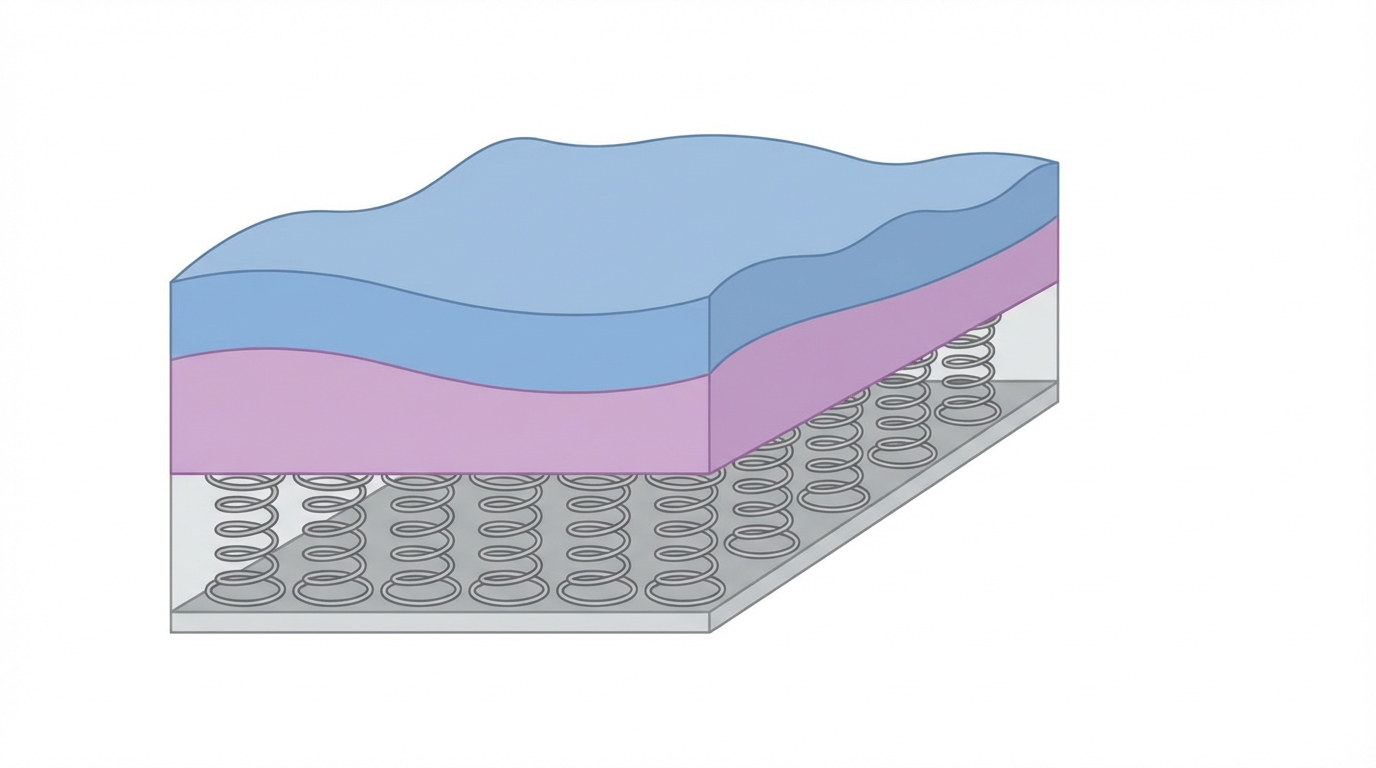
Sometimes, despite your best efforts, donation centers say no, recycling is not available in your area, and you either do not have access to a hauler or prefer not to pay for one. In these cases, you may decide to handle disposal yourself. That usually means transporting the mattress to a landfill or transfer station, or in strict areas, cutting it down into smaller components that meet local waste guidelines.
Before you grab a utility knife, pause and check your local regulations. Many waste facilities publish clear rules on mattress acceptance, fees, and whether you need to make an appointment. Some require you to prove residency or pay per item, and some will not accept mattresses at all due to handling challenges. Calling ahead can prevent the very frustrating scenario of arriving with a mattress on your car roof only to be turned away.
If you are allowed to bring mattresses but the facility encourages or requires them to be broken down, take your time and use proper safety gear. Removing the outer cover, separating foam layers, and cutting out springs can create sharp edges and airborne particles. Gloves, eye protection, and a mask are smart precautions. Foam can often be bagged as bulky trash, while steel springs can sometimes be taken to scrap metal buyers if they are clean and free of fabric. Even partial recycling like this reduces the volume of waste you ultimately send to a landfill.
Keep in mind that while DIY disassembly can save money, it costs time and energy. If you already have a full schedule, children underfoot, or physical limitations, forcing yourself through a complicated tear‑down might not be the most sustainable choice. In my 20 years in the sleep industry, I have seen many people feel guilty about not doing everything “perfectly green.” The reality is that making a thoughtful, informed choice that keeps you safe and moves your life forward is better than letting an old mattress sit in a damp garage for years.
How Mattress Disposal Connects To Your Next Mattress Choice
It might seem like disposal is just the messy aftermath of mattress shopping, but it actually offers a chance to reset how you think about your next bed. The problems that drove you to get rid of your current mattress, whether it was sagging, sleeping hot, or aggravating pain, should directly influence what you choose next. Otherwise, you risk repeating the cycle, and five years from now you are back here wondering where to get rid of another disappointing mattress.
Start by reflecting on why your current mattress is leaving. Did the support fail too early, even though you followed care instructions? That can be a sign that you need a higher quality support core, especially if you carry more body weight or share the bed. Modern hybrids with robust coil systems tend to handle long term wear better than basic all foam options. Many of our customers who complained of early sagging on older beds now sleep comfortably on models like the Sealy Posturepedic Firm Hybrid Mattress – Medina II, which balances firm support with pressure relief.
If overheating pushed you out of your old mattress, pay attention to cooling technologies and breathable materials. Sleep researchers have long emphasized that a cooler sleep environment promotes deeper, more continuous rest, and the Mayo Clinic notes that most people sleep best in a room around 65 degrees Fahrenheit. Your mattress can help or hurt here. Many hybrids and advanced foam beds now include airflow channels, gel infusions, and moisture wicking covers to keep temperatures more stable through the night.
Pain is another big driver of mattress turnover. Waking with back or shoulder pain that eases as you move around is a classic sign that your mattress is not aligning your spine properly during sleep. The Sleep Foundation highlights that medium firm to firm mattresses often support back and stomach sleepers best, while side sleepers may prefer something that is plush but still supportive. For back and combination sleepers who need sturdy support with a touch of contouring, something like the Sealy Posturepedic Plus Firm Mattress – Paterson II Euro Pillow Top can provide both structure and comfort.
Finally, remember that upgrading your mattress is also a chance to improve your entire sleep setup. An adjustable bed frame and base can ease pressure on joints, reduce snoring, and make it easier to read or relax in bed. Fresh linens, pillows, and protectors from our pillows, sheets, toppers, and protectors collection can help you start your new mattress off right and also extend its life.
Comparing Mattress Types And Their Typical End‑Of‑Life Paths
Not all mattresses age the same way, and the material inside your bed can influence both how it performs and how you eventually get rid of it. Understanding the pros, cons, and typical disposal routes for each major type can help you plan ahead and choose a mattress that fits both your comfort needs and your values.
Below is a simple overview of common mattress types, how long they often last, and what usually happens when they reach the end of their life. These are generalizations; individual products and care habits can stretch or shorten these timelines.
| Mattress Type | Typical Lifespan (Years) | Common End‑Of‑Life Path | Notes For Disposal And Replacement |
|---|---|---|---|
| Traditional Innerspring | 6 to 8 | Often landfilled, some metal recycling | Steel coils are highly recyclable; comfort layers usually are not. |
| All Foam (Poly/Memory) | 7 to 9 | Landfill or specialized foam recycling | Harder to recycle; clean foam may be chipped for padding. |
| Hybrid (Coils + Foam) | 8 to 10 | Increasingly recycled in parts | Coils can be reused; foams and fabrics sometimes repurposed. |
| Latex (Natural/Synthetic) | 10 to 12 | Some recycling, occasional donation | Natural latex can be reused or downcycled when clean and intact. |
From a disposal perspective, mattresses with metal coils are often easier to partially recycle because scrap yards and metal recyclers value steel. That gives hybrid and traditional innerspring beds a small edge if you care about reclaiming materials at the end of the line. However, all foam and latex mattresses can also see second lives when clean, either through donation or specialized foam recycling programs.
From a replacement perspective, hybrids remain one of the most popular choices in 2026, because they combine the responsiveness and support of coils with the contouring of modern foams. If you like a soft, cloudlike feel but are wary of premature sagging, you might gravitate toward a plush hybrid like the Sealy Posturepedic Elite Soft Mattress – Albany II Euro Pillow Top or the Sealy Posturepedic Elite Medium Mattress – Brenham II Euro Pillow Top. These models are engineered to resist deep body impressions longer than basic foam beds, which means fewer premature replacements.
Thinking about disposal at the time you purchase also encourages you to invest in proper protection. A waterproof, breathable mattress protector from our pillows, sheets, toppers, and protectors collection can shield the mattress from spills, stains, and allergens. That not only helps your warranty but keeps donation and recycling options open years down the line because the mattress remains cleaner and more sanitary.
When You Absolutely Should Not Donate Or Reuse A Mattress
While it is admirable to want to keep items out of landfills, there are clear situations where a mattress should not be donated, resold, or passed on to friends or family. Understanding these boundaries protects other people’s health and helps charities avoid the cost and labor of disposing of unusable mattresses themselves.
The clearest no‑go is any sign of bed bugs or other pests. The Environmental Protection Agency and public health agencies stress that used mattresses are a primary way bed bugs travel between homes and buildings. Even if you have treated the infestation, a mattress that was heavily colonized at any point is a significant risk. In these cases, disposal needs to follow your local pest guidelines, which may include sealing the mattress, marking it clearly, and arranging for specialized pickup so sanitation workers are aware.
Severe mold or moisture damage is another disqualifier. Mattresses stored in damp basements, exposed to flooding, or showing active mold growth are not safe for anyone to sleep on. Mold spores can aggravate asthma and other respiratory conditions, particularly in children and older adults. No matter how well intentioned, passing along a mattress like this can cause real harm. These mattresses belong squarely in the “disposal” category.
Finally, there are mattresses that are simply worn beyond reasonable use. Large, deep body impressions, broken or protruding springs, or collapsed edges are not minor cosmetic issues. They signal that the mattress can no longer keep a sleeper’s spine in neutral alignment. The Sleep Foundation and multiple academic sleep studies have linked poor mattress support to increased back and neck pain, along with more fragmented sleep. Donating a mattress in that condition only hands someone else the discomfort and health risks you are trying to escape.
If you recognize your current mattress in any of these descriptions, give yourself permission to let it go without guilt. Focus your energy on choosing a supportive, hygienic replacement that will give you and your body the sleep it deserves. For many couples or families, upgrading to a larger size, such as one of our king sized mattresses, also reduces motion transfer and crowding that can wear mattresses out faster.
A Simple Checklist: How To Prepare Your Mattress For Pickup Or Drop‑Off

Once you have chosen your disposal route, a bit of prep work keeps everything smooth and safe, whether you are donating, recycling, or using bulk pickup. These small details are often where people get tripped up, but they really just come down to planning ahead and treating your mattress as a large, shared touchpoint that needs basic hygiene and courtesy.
First, strip the mattress completely. Remove all sheets, mattress pads, toppers, and encasements. Launder what you plan to keep, and dispose of older, stained, or worn bedding separately if needed. Some donation centers or haulers may ask that you keep a bed bug encasement on if it is certified and intact, but in most cases they will prefer bare mattresses for inspection.
Second, inspect one more time for signs of pests or severe damage. If anything new has appeared since your original assessment, it is better to discover that now and adjust your plan instead of after you arrive at a facility. Third, wrap the mattress in plastic if your city, recycler, or charity requires it. Many home improvement stores sell inexpensive mattress bags sized for twin through king, and some transfer stations sell them at the gate. Taping the ends closed helps keep the mattress clean and prevents fabric from snagging.
Here is a quick checklist to keep in mind as you get ready:
- Confirm your mattress’s condition and chosen disposal method
- Call your city, recycler, or charity to verify current rules and hours
- Strip all bedding and bag or launder it separately
- Inspect for pests, mold, or new damage before wrapping
- Place the mattress in a plastic bag and tape it securely
- Plan safe transport or clear a path for pickup crews
- Keep any required paperwork, fees, or ID handy on the day
After you have done this basic prep, disposal day itself usually goes smoothly. Whether you are meeting a charity truck, driving to a transfer station, or welcoming a retailer’s delivery crew, you will be ready. Many Sleepology customers tell us that once the old mattress leaves, they feel an almost immediate sense of relief and a fresh start, especially when a carefully chosen new mattress is set up in its place.
“I downloaded three different ‘mattress disposal checklists’ and still felt overwhelmed. Mia simplified it into a few steps on a sticky note for us. We bagged the mattress, booked city pickup, and the whole thing cost $35. The best part was coming home to our new bed already set up and the old one gone.” – Hannah P., January
Conclusion: Clearing Space For Better Sleep And A Better Mattress
Getting rid of a mattress can feel like one of those annoying “adulting” tasks that lives on your to‑do list for months. It is big, awkward, and tied to how well you are sleeping, which makes the whole situation feel more emotional than taking out an old chair or lamp. The good news is that once you break it into questions you can actually answer, like “Is this mattress donation ready?” or “What services does my city offer?”, the path forward becomes much clearer.
You now know the main routes for where to get rid of a mattress, from donation and recycling to municipal bulk pickup, private haulers, and retailer haul‑away. You also have a sense of when you should not donate or pass on a bed, and how to prepare it properly for whichever option you choose. Just as importantly, you have had a chance to reflect on how your current mattress failed you and how that insight can guide your next purchase, whether that is a supportive hybrid, a larger size for more personal space, or an adjustable base that helps your body truly relax.
If you are standing over an old mattress right now feeling stuck, you do not have to figure it out alone. The team at Sleepology can walk you through both disposal options in your area and new mattress choices that fit your body, your sleep style, and your budget. When you pair responsible disposal with a thoughtfully chosen upgrade, you are not just getting rid of a big, bulky object. You are creating space for deeper rest, less pain, and nights that actually restore you.
Frequently Asked Questions
How do I know if my mattress is good enough to donate?
A mattress is usually donation ready if it is less than about 7 to 10 years old, depending on how heavily it has been used, is free of stains, odors, mold, and pests, and still feels supportive without deep body impressions. If you would feel comfortable letting a close friend or family member sleep on it uncritically, that is a good sign. If you hesitate because of sagging, smells, or visible wear, most charities will likely say no. When in doubt, call the organization you hope to donate to and describe the mattress honestly so they can advise you.
Can I throw a mattress in a dumpster or leave it with regular trash?
In many places, you are not allowed to throw a mattress into a standard dumpster or leave it out with regular trash, and doing so can lead to fines. Municipal solid waste departments often classify mattresses as bulky items that require special handling, both because of their size and because they can harbor pests. Check your city or county sanitation rules before making a move. If dumpsters are allowed to accept mattresses in your area, you may need to get permission from the property manager or rent a dedicated dumpster that permits bulky furniture.
What is the most eco‑friendly way to get rid of a mattress?
The most eco‑friendly route is usually to donate a clean, supportive mattress so someone else can use it, or to send it to a recycler that breaks it down into reusable materials. Donation extends the life of the product, while recycling reduces landfill waste and recovers steel, foam, and fibers for new uses. If those options are not available where you live, choosing a hauler or municipal program that partners with recyclers when possible is the next best thing. Pairing disposal with a durable, well protected replacement mattress also reduces how often you will need to repeat the process.
Is it safe to buy or accept a used mattress instead of disposing of mine?
Used mattresses carry some risks, especially around hygiene and pests, which is why many health and consumer organizations recommend caution. Unless you know the person, the environment the mattress came from, and its full history, it can be very hard to evaluate for bed bugs, allergens, and internal structural damage. Consumer Reports has long advised that mattresses are one of the items best purchased new for both health and support reasons. If budget is a concern, entry level models from reputable brands or seasonal sales can offer a safer, more supportive alternative to an unknown used mattress.
How long should I expect a new mattress to last before I have to get rid of it?
Most adults can expect a quality mattress to last around 7 to 10 years, although this varies by material, body weight, and care. Latex and well built hybrids often last on the longer side, while basic innerspring or low density foam beds may show wear sooner. Using a mattress protector, rotating the mattress if the manufacturer recommends it, and ensuring your foundation or base is supportive all help extend its lifespan. Pay attention to how your body feels in the morning and whether you notice increased sagging or pain, since those are more important signals than the calendar alone.
Can I cut up my mattress to make it easier to dispose of?
Yes, you can cut a mattress into smaller pieces to make disposal easier, but you should do so carefully and within local rules. Use a sharp utility knife, heavy gloves, and eye protection, and be cautious around exposed springs or staples that can cause injury. Many people separate fabric and foam into bagged trash and take metal coil units to scrap yards if they are clean. Before you start, verify that your waste service will accept mattress components in regular trash or in specified bulky waste containers, so your effort actually pays off.
Will Sleepology take away my old mattress if I buy a new one?
Sleepology works with customers to coordinate mattress haul‑away as part of many delivery and setup options, although specifics can vary by location and product. Our team can explain what is available in your area, including whether haul‑away is included or offered for a small additional fee, and what conditions the old mattress must meet. When you call or visit, just mention that you are looking for both a new mattress and help getting rid of your old one, and a Sleepologist will walk you through options that keep the process as simple and stress free as possible.