

Where To Dump A Mattress For Free: Practical, Legal, And Eco‑Friendly Options In
Getting rid of an old mattress sounds simple until you actually try to move the thing. Maybe you upgraded to a new bed and now the old one is leaning against the wall, taking over your guest room or garage. You know you should not just leave it by a dumpster, but you also do not want to pay a small fortune to have it hauled away. If you are wondering where to dump a mattress for free without breaking any rules, you are not alone.
The good news is that you have more options than you might think. The tricky part is that those options depend on where you live, what kind of shape the mattress is in, and what your city or county offers. On top of that, there are environmental rules to consider. The Mattress Recycling Council reports that up to 80 percent of a mattress can often be recycled, yet tens of millions still end up in landfills every year, which is hard on both communities and the planet.
Here, you will find clear, step‑by‑step guidance on how to dispose of a mattress for free or as close to free as possible, while staying on the right side of local laws and doing something that actually helps the environment. We will also connect the dots between responsibly saying goodbye to an old bed and choosing a new one that supports your sleep and your wallet. By the end, you will know exactly which path makes the most sense for your situation and how to avoid the common mistakes that cost people time, money, and sometimes fines.
Most importantly, you will not be left guessing. I will walk you through real‑world options, from city bulky item pickups and nonprofit donation centers to mattress stewardship programs and retailer take‑back services, so you can move on from your old mattress with a clear conscience and a much clearer bedroom.
First Things First: Can Your Mattress Be Reused?
Before you decide where to dump a mattress for free, it helps to get honest about its condition. A mattress that is simply not right for your body can often be reused by someone else. A mattress that is broken down, stained, or harboring allergens should usually be recycled or disposed of instead of passed along.
Think about how the mattress feels and looks. If you see deep body impressions, exposed springs, or it sags so much you roll to the middle, it is not doing your back or anyone else’s any favors. The Sleep Foundation notes that most mattresses last around 7 to 10 years for typical sleepers, but heavy use, kids, pets, and low‑quality materials can shorten that lifespan significantly. Once the support system fails, it can contribute to back pain, restless sleep, and more wakeups through the night.
Hygiene matters too. The Cleveland Clinic and other health organizations point out that old mattresses can collect dust mites, skin cells, body oils, and allergens over time. If there are visible stains from bodily fluids, a strong odor, mold, or any sign of bedbugs, donation centers will not accept it, and you should not try to give it away. In those cases, recycling or landfill disposal through the proper channels is the right path.
On the other hand, if the mattress is still supportive, free of stains, and from a smoke‑free, pest‑free home, it might still have life left in it. College students, first‑time apartment renters, and local nonprofits that furnish homes after crises are often grateful for gently used beds. The Mustard Seed of Central Florida and similar organizations in other cities, for example, have historically accepted clean mattresses for families transitioning out of homelessness or domestic violence, though they screen for condition and safety.
Taking a few minutes to evaluate the real state of your mattress lets you choose the right option and avoid wasted trips. It also helps protect vulnerable recipients and ensures your good intentions do not cause someone else discomfort or health issues.
“I almost posted our old queen on a marketplace site, but after reading about mattress hygiene I realized it was more worn out than I wanted to admit. Sleepology’s guide helped me find a local recycling drop‑off instead, which felt a lot better than passing a problem mattress to another family.” – Jenna R., October
Free City And County Options: Bulky Pickup, Landfills, And Transfer Stations
Many people are surprised to learn that local governments often provide at least one free way to get rid of a mattress, especially for residents who are already paying for trash service. The challenge is that these programs are not always advertised clearly, and the fine print matters. If you know what to ask, though, you can often arrange a legal, no‑cost solution.
A good starting point is your city or county’s solid waste department. Larger cities commonly offer a “bulky item pickup” or “large item collection” service that includes mattresses, frames, and box springs. For example, some municipalities allow residents a certain number of free bulky pickups per year, with fees only applying after you exceed that limit. Others run annual neighborhood cleanup events where you can set large items out at the curb on a specific day. To find your options, check your city’s website or call the main public works or sanitation number and ask specifically about mattresses.
Landfills and transfer stations are another common path, and some allow residents to drop off household items, including mattresses, without a fee if you live within the city limits and can show proof of address. In other areas, you may pay a small disposal fee per piece but still save compared to a junk removal service. Waste management companies and municipal landfills often list what they accept and whether mattresses require special handling, for example certain sites will not accept mattresses with bedbug contamination.
Keep in mind that hours, restrictions, and costs vary by location and can change from year to year. A quick phone call before you load the mattress into your vehicle can save you from being turned away at the gate. Ask how many mattresses you can bring at once, whether box springs count separately, and if you need to bag or wrap the mattress in plastic to prevent fibers from becoming airborne.
“I called our city because I honestly thought leaving the mattress by the dumpster was my only option. It turned out we had two free bulky pickups a year and they grabbed it right from the curb. It took five minutes to schedule and saved me at least $100 compared to the junk haulers I was looking at.” – Mark T., November
Mattress Recycling Programs: The Most Eco‑Friendly Option

If you care about where your old mattress ends up, mattress recycling is one of the best choices available. Instead of tossing the entire bed into a landfill, recycling facilities break it down into components like steel, foam, wood, and fibers. Those materials can become new products such as carpet padding, insulation, or metal parts, which reduces waste and the need for new raw materials.
Organizations like the Mattress Recycling Council, working through programs such as Bye Bye Mattress, report that around three quarters of a typical mattress can be recovered and recycled when processed correctly. This is significant, because mattresses are bulky and inefficient for landfills to handle. They take up a lot of space, their springs can damage landfill equipment, and they can create voids that lead to instability in the waste pile. From an environmental standpoint, recycling is almost always preferable when offered in your area.
In some states, mattress recycling programs are funded through small fees added at the point of sale for new mattresses. These stewardship programs, currently active in states such as California, Connecticut, Oregon, and Rhode Island, often allow residents to drop off old mattresses at designated sites for free or at a very low cost because the recycling has already been prepaid through those fees. Even outside those states, private recyclers, nonprofits, and municipal facilities may accept mattresses specifically for recycling rather than disposal.
To find a recycling option near you, contact your local solid waste authority or search for “mattress recycling” along with your city or county name. Waste management companies, regional recycling centers, and some mattress retailers partner with recyclers to provide drop‑off or pickup services. When you call, ask whether there is a charge per mattress, whether box springs are included, and whether there are any restrictions on size or condition.
Recycling your mattress is not just about feeling good. It is a tangible way to reduce your environmental footprint, support local green businesses where they exist, and align your purchase of a new mattress with more sustainable choices.
Donation And Reuse: When Your Mattress Still Has Life Left
If your mattress is in truly good shape, donation can be a win for both you and someone in need. Nonprofits that furnish homes after disasters, domestic violence shelters setting up new spaces, and charities that run thrift stores often accept gently used mattresses, provided they meet strict cleanliness and safety standards.
From a user perspective, the key word is “gently.” That means no rips, no major stains, no strong odors, and no structural issues like broken coils or severe sagging. Many organizations will only take mattresses that are free of pet hair and from nonsmoking homes, and some require that the mattress be less than a certain number of years old. This is not about being picky, it is about protecting the health and dignity of the people they serve and keeping unusable items out of their warehouses.
Local Habitat for Humanity ReStore locations, regional furniture banks, and smaller faith‑based charities are good places to start. Some will even pick up qualifying items for free, which can save you time and the cost of renting a vehicle. It is always wise to call ahead and ask about current policies, because acceptance rules can change based on space, demand, and health regulations. Many donation centers stopped accepting mattresses temporarily during certain public health periods and then resumed later with updated criteria.
You can also consider offering a good‑condition mattress directly to individuals through local online groups, such as neighborhood forums or college community boards. When you do this, be very transparent about the age, brand, and condition, and provide clear photos. This helps people make informed decisions and builds trust. Arrange the handoff in a safe, public setting or at least with another adult present if you are meeting at home.
Remember that if there is any doubt about bedbugs, mold, or other contaminants, donation is not appropriate. Public health organizations and pest management professionals stress that bedbugs can spread quickly through furniture exchange. If you have had bedbugs, follow your exterminator’s specific guidance for disposal, which often includes sealing and clearly marking the mattress, and use municipal or professional removal services rather than donation.
“We upgraded to a Sealy Posturepedic Pro Soft Mattress – Dupont II Euro Pillow Top so our old guest room mattress still had plenty of life left. Sleepology helped us understand what ‘donation‑ready’ really means, and a local housing nonprofit picked it up for free. Knowing it went to a family starting over instead of a landfill felt incredibly good.” – Carla M., November
Legality Matters: Why You Should Never Dump A Mattress Illegally
When money is tight, it can be tempting to leave a mattress behind a shopping center, on a roadside, or next to an apartment dumpster and hope it disappears. Besides being hard on your neighbors and local environment, that choice can be expensive. Cities treat “fly‑tipping” or illegal dumping as a serious issue, with fines that can reach hundreds or even thousands of dollars depending on your state and local ordinances.
From a community standpoint, abandoned mattresses invite more dumping. One discarded item tends to attract others, and streets that collect large trash can quickly feel less safe and less cared for. Code enforcement teams invest significant time and budget cleaning up items that were left in alleys, parks, or vacant lots. That is money that could be supporting other services, and some municipalities have hotlines or online portals for residents to report illegal dumping.
Public health is another concern. Old mattresses can harbor pests, mold, and other contaminants, especially when left outside exposed to rain and animals. They also create hiding spots for rodents and can become fire hazards if people attempt to burn them. Local fire departments and public health agencies warn against backyard burning of mattresses or cutting them up without proper safety gear, because polyurethane foams and synthetic fabrics can produce harmful fumes and particles.
Legally, you are responsible for ensuring your mattress is disposed of properly. In many lease agreements, tenants are required to follow specific rules for large items, and leaving a mattress behind can result in fees taken from your security deposit. Some landlords even require that you coordinate mattress disposal only through approved methods to avoid fines against the property.
The bottom line is that, while free and low‑cost options do take a bit more planning, they are far better than risking legal trouble or contributing to neighborhood blight. A quick call to your city or your waste hauler can point you to accepted options that protect you and your community.
Comparing Your Main Disposal Options
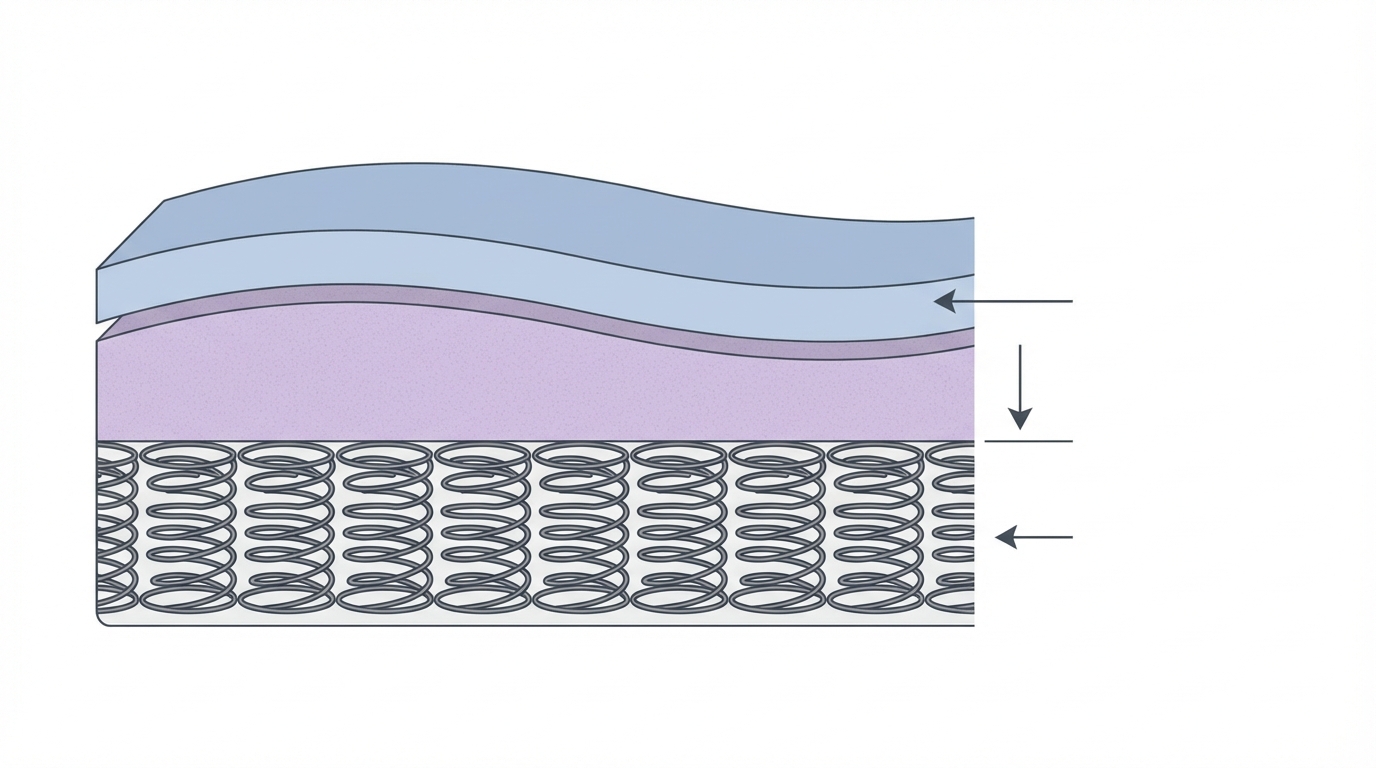
When you are standing in your bedroom staring at a bulky mattress, it helps to see your options side by side. Each path has tradeoffs in terms of cost, convenience, environmental impact, and availability. The best choice for you will depend on your location, vehicle access, and the condition of your mattress.
Below is a simplified comparison of the most common routes people use when they are trying to figure out where to dump a mattress for free or close to it.
| Disposal Option | Typical Cost to You | Pros | Cons |
|---|---|---|---|
| City bulky item pickup | Often free for a limited number/year | Very convenient, curbside service, legal | Scheduled days, must follow rules, not everywhere |
| Landfill or transfer station drop‑off | Free to low cost for residents in some areas | Same‑day option, clear and legal path | Requires vehicle, limited hours, possible fees |
| Mattress recycling program | Free or small fee in some states | Environmentally friendly, materials reused | Locations vary, may need to transport mattress |
| Charity donation or reuse | Free, sometimes includes free pickup | Helps others, keeps mattress out of landfill | Strict condition rules, not all mattresses qualify |
| Retailer haul‑away or trade‑in | Often free with purchase or small fee | Very convenient, handled for you | Tied to buying a new mattress |
Looking at the options side by side can clarify your next steps. If you do not have a truck and want minimal lifting, city bulky pickup or retailer haul‑away are often the simplest. If you are motivated by sustainability and do not mind a drive, recycling centers might appeal to you. If your mattress is in good shape and you want to help someone in need, donation can feel especially rewarding.
As you decide, remember that these categories can overlap. You might donate a gently used guest room mattress and recycle an older primary mattress. You might schedule bulky pickup for a box spring while a retailer takes your mattress when delivering a new bed. The goal is not perfection, it is choosing the most responsible path that fits your life right now.
Retailer Haul‑Away: “Free” Mattress Disposal When You Buy New
One of the most overlooked ways to get rid of an old mattress for little or no cost is to take advantage of retailer haul‑away programs when you are buying a new bed. Many local mattress stores and some national retailers offer to remove your old mattress at the time of delivery. In some markets it is included for free, in others there may be a modest fee, but it often ends up cheaper and far more convenient than hiring a separate junk removal company.
From the customer’s perspective, the biggest advantage is that you do not have to worry about transportation or scheduling with a separate service. The delivery team carries your new mattress and foundation in, sets them up, and hauls the old ones away in the same visit. This is especially helpful for people in apartments, older adults, or anyone without access to a truck. When you are comparing mattress offers, it is worth asking detailed questions about what haul‑away includes and where the old mattresses go.
Some retailers partner with recyclers or donation organizations when the mattresses they pick up are in acceptable condition. Others send all haul‑away mattresses through municipal waste streams. Because there is no single industry standard, a quick conversation can tell you whether your old mattress is likely to be recycled, donated, or discarded. As a consumer, you can factor that into your buying decision if environmental responsibility is important to you.
At Sleepology, we see haul‑away as part of responsible mattress ownership. When you upgrade to a more supportive model, such as a Sealy Posturepedic Elite Soft Hybrid Mattress – Brenham II or a balanced Sealy Posturepedic Plus Medium Mattress – Paterson II Euro Pillow Top, the last thing you should be stressed about is how to wedge your old mattress into a borrowed vehicle. Our goal is to make that transition smooth, safe, and compliant with local rules.
If you already bought a mattress online and did not add haul‑away, you still have options. Some delivery companies will allow you to add removal services for an extra charge after the fact, and local mattress retailers sometimes offer standalone pickup services even if you did not buy from them. These services may not be free, but they can still be more affordable and transparent than general junk removal.
“We bought a Sealy Posturepedic Firm Mattress – Medina II from Sleepology and the delivery team took away our sagging king at the same time. I had budgeted extra for a junk service, so having haul‑away included saved us about $150 and a lot of heavy lifting up a townhouse staircase.” – Luis P., September
How To Find Free Or Low‑Cost Mattress Disposal Near You
Because every city and county sets up waste programs a little differently, the smartest path is to use a simple checklist to identify what is available where you live. With a bit of focused research, you can often find a legal, low‑cost or free solution within a few phone calls or clicks.
Start with your regular trash bill or service provider. Look at the company name on your cart or your online account, then visit their website. Many waste haulers have a “bulky items” or “special pickup” section that lists whether mattresses are accepted, how many you can schedule, and whether there is a fee. Some also provide a list of partner facilities or recycling centers. If the website is unclear, call the customer service number and ask specifically, “How can I dispose of a mattress as a residential customer?”
Next, visit your city or county website and look for sections labeled “Solid Waste,” “Public Works,” or “Sanitation.” Many municipalities publish details about landfills, transfer stations, recycling centers, and special events. Some cities, for example, allow residents to drop off bulky items at a landfill free of charge on certain days of the month, while others offer neighborhood cleanup drives where you can bring mattresses and other large items to a central location.
If you are environmentally focused, add a targeted search for mattress recycling. Waste management companies and nonprofit councils sometimes operate searchable maps where you can plug in your ZIP code and find recycling partners. Because recycling capacity can change, call ahead to confirm hours, any fees, and what conditions they accept. Ask whether they can take box springs, foam toppers, or futon mattresses as well, since not all do.
Finally, if donation is on your radar, make a short list of nearby charities that handle furniture. Visit or call your local Habitat for Humanity ReStore, furniture bank, or community organizations that resettle refugees and support families after crises. They can tell you exactly what they accept, whether they provide free pickup, and whether there is a waitlist. Even if they cannot take your mattress, they may point you to another local partner that can.
Taking this structured approach turns a frustrating chore into a manageable project. Once you know the free and low‑cost options in your area, you can use the same playbook whenever a family member, neighbor, or client asks what to do with an old mattress.
Health And Sleep Reasons Not To Keep An Old Mattress “Just In Case”
It is very common to keep an old mattress “for emergencies” or as a spare in the basement. While having an extra bed for guests sounds practical, holding on to a worn‑out mattress can work against your health more than you might realize. Understanding why can make it easier emotionally to let that old bed go.
From a sleep quality perspective, an unsupportive mattress can contribute to back pain, neck tension, and joint discomfort, especially if you or your guests have existing musculoskeletal issues. The Mayo Clinic and other medical organizations consistently note that spinal alignment during sleep is a key factor in managing chronic pain and preventing morning stiffness. A sagging mattress that lets your hips sink and your shoulders twist is the opposite of what your spine needs, even for a weekend visit.
There is also an allergy and asthma angle. Over years of use, mattresses accumulate dust mites, pet dander, pollen, and other allergens. The Sleep Foundation highlights that dust mites thrive in warm, humid environments like mattress interiors, feeding on shed skin cells. For people with sensitivities, older mattresses can trigger nighttime congestion, coughing, or itchy eyes, leading to fragmented sleep and reduced daytime alertness. This is one reason many experts recommend replacing mattresses after around a decade, even if they appear intact.
Psychologically, sleeping on a visibly old or uncomfortable mattress can send a subtle message that your rest is not a priority. Guest rooms furnished with obviously worn‑out beds can even create a sense of awkwardness for visitors who do not want to complain but leave feeling exhausted. When you invest in a truly supportive mattress, such as a Sealy Posturepedic Elite Soft Mattress – Albany II Euro Pillow Top for plush comfort or a Sealy Posturepedic Medium Mattress – Medina II Euro Pillow Top for a balanced feel, you reinforce the idea that quality sleep is non‑negotiable.
Letting go of an old mattress with intention, through proper disposal or recycling, can be surprisingly freeing. It reduces clutter, removes a potential source of allergens, and makes room for sleep surfaces that truly support your body today, not the way it slept ten years ago.
Simple Checklist: Steps To Dispose Of A Mattress Responsibly

Sometimes it helps to see the whole process laid out from start to finish. Responsible mattress disposal is really just a series of small, doable steps that you can move through at your own pace. Once you break it down, the task feels much less overwhelming.
Here is a practical checklist you can follow:
- Assess your mattress condition honestly for support, stains, odors, and pests
- Decide whether donation, recycling, or disposal is the right path based on that condition
- Check your regular trash hauler for bulky pickup or special mattress programs
- Look up your city or county solid waste department for landfill or transfer station options
- Search for mattress recycling centers or stewardship programs in your state
- Call potential donation centers to confirm acceptance rules and possible free pickup
- Schedule your chosen option and prepare the mattress, for example bagging it if required
Once you pick a path and put it on the calendar, you have already done the hardest part. Preparing the mattress might mean brushing off debris, encasing it in a plastic cover if your city requires it, and making sure hallways and stairs are clear for safe removal. If you have mobility limitations or health concerns, consider asking a friend to help or choosing an option that includes pickup and hauling services.
Completing these steps not only gets the mattress out of your way, it also gives you confidence that you handled it in a way that is kind to your body, respectful of your neighbors, and gentler on the environment. That peace of mind often carries over into how you approach your next mattress purchase.
Conclusion: Turn Mattress Disposal Into A Fresh Start For Your Sleep
Finding where to dump a mattress for free can feel complicated at first, but once you understand your main choices, the path forward gets clear. Between city bulky pickups, landfill or transfer station drop‑offs, mattress recycling programs, donation options, and retailer haul‑away, most people can find at least one low‑cost or no‑cost solution that is legal and responsible. The key is to match your mattress’s condition and your local services to the right route, instead of defaulting to the nearest alley or dumpster.
Taking the time to dispose of a mattress thoughtfully is really about more than getting rid of a bulky object. It is a chance to support community cleanliness, protect the environment, and set a higher standard for your own sleep health. When you choose to recycle or donate what is still usable, you are actively reducing waste and potentially changing someone else’s nights for the better. When you decide that a sagging, allergy‑triggering mattress has truly reached the end of its life, you are saying yes to better rest for yourself and your family.
If you are pairing mattress disposal with the search for a new bed, we are here to help make that transition smooth. Whether you are exploring contouring options in The Best Foam Mattresses or want the balance of coils and comfort foams in The Best Hybrid Mattresses, Sleepology’s team can walk you through the tradeoffs and help you choose a mattress that will support you for years. And once you have your new setup, adding breathable bedding from our Pillows, Sheets, Toppers, Protectors collection completes the fresh start.
You deserve a bedroom that feels calm, clean, and supportive, not cluttered with an extra mattress leaning against the wall. With the guidance above, you can take a confident step toward clearing that space, improving your sleep, and knowing you did the right thing at every stage of your mattress’s life.
Frequently Asked Questions
Where can I dump a mattress for free near me?
Your best bet is to start with your city or county solid waste department and your regular trash hauler. Many areas offer free or low‑cost bulky item pickups that include mattresses, especially if you are already a residential customer. Some landfills and transfer stations allow residents to drop off mattresses at no charge on certain days or as part of neighborhood cleanup events. Because every region is different, a quick phone call or website check with your local waste authority will give you the most accurate, up‑to‑date answer.
Can I put a mattress out with my regular trash?
In most places, you cannot simply put a full‑size mattress out with your weekly trash and expect it to be collected. Many municipalities treat mattresses as bulky items that require special pickup, different trucks, or separate disposal methods. If you place a mattress at the curb without scheduling the proper service, it may be left behind or even result in a notice from your city or property manager. Contact your waste hauler or check their guidelines online to learn the correct process for your address.
Is it legal to leave a mattress by a dumpster or on the curb?
Leaving a mattress next to a dumpster, in an alley, or on the curb without using an approved program is considered illegal dumping in many cities. This can lead to fines, code enforcement actions, and conflicts with property owners. Even if you see other mattresses abandoned in certain spots, that does not mean it is allowed. The only safe approach is to use official channels, such as scheduled bulky pickups, authorized drop‑off locations, or retailer haul‑away services that comply with local rules.
Can I donate my old mattress to charity?
You can often donate a mattress, but only if it is in excellent condition. Charities typically require mattresses to be free of stains, tears, odors, and pests, and some have age limits as well. Organizations that furnish homes after crises or run thrift stores will often list their mattress policies on their websites. Call ahead before you load the mattress to confirm that they are accepting donations, what standards they use, and whether they offer free pickup. If your mattress has significant wear or hygiene issues, recycling or disposal is safer than donation.
How do mattress recycling programs work?
Mattress recycling programs break down your mattress into its component materials and send those materials to manufacturers who can reuse them. The steel coils are melted and turned into new metal products, foam can be used in carpet padding, and fibers and wood can become industrial felt or fuel. In some states, there are mattress stewardship programs funded by small fees on new mattress purchases, which allow residents to drop off old mattresses at participating sites for free or a reduced charge. Check with your state environmental agency or local waste authority to see what is available where you live.
What should I do if my mattress has bedbugs?
If your mattress has had bedbugs, it is important not to donate or give it away. Instead, follow the guidance of a licensed pest control professional and your local waste authority. Many cities require that mattresses with bedbug infestations be sealed in plastic and clearly labeled before pickup or drop‑off to protect sanitation workers and the public. Some areas have specific disposal sites or procedures for bedbug‑affected items. Your exterminator and local solid waste department can provide the safest, most compliant instructions.
When is it time to replace my mattress instead of keeping it as a spare?
Most mattresses need replacement every 7 to 10 years, and sooner if they show signs of sagging, broken coils, or cause you to wake up with new back or joint pain. If you would be embarrassed to offer your mattress to a guest because of visible wear, stains, or odors, it is probably not serving you well either, even in a spare room. At that point, it is better to dispose of it responsibly and consider investing in a supportive, modern model that fits your sleep style. Exploring curated options such as The Best Mattresses For Back Sleepers can help ensure your next mattress supports healthy posture and restful nights.