

Where To Dispose Of A Mattress Without Stressing Out The Planet Or Your Back
You have a new mattress on the way, your old one is hogging half the bedroom, and the delivery team may or may not take it with them. Most cities will not let you drag it to the curb and hope for the best, and the idea of wrestling it onto the roof of your car for a mystery trip to the dump is not exactly appealing. On top of that, you might be wondering what actually happens to all that foam and steel if it ends up in a landfill. It is a lot to figure out when all you really want is to enjoy your new bed and get a good night of sleep.
Where you dispose of your mattress is not just a logistics question, it is an environmental one. The Sleep Foundation notes that mattresses are a major contributor to bulky waste, and they take up a surprising amount of landfill space because they trap air and do not compact well. Many of the materials inside your mattress can be recycled or reused, from the steel coils to the polyurethane foam, which means the choice you make now can keep hundreds of pounds of material out of the ground and possibly save you money on disposal fees. Understanding your options also protects you from fines, illegal dumping issues, and the frustration of dragging a mattress somewhere only to be told they will not accept it.
Here, you will learn practical, step by step ways to get rid of a mattress responsibly, whether you live in a dense city, a small town, or somewhere in between. You will see how to quickly figure out which local options apply to you, how to compare recycling, donation, junk removal, and municipal drop off sites, and what to do if your mattress is stained, sagging, or has had bed bugs. You will also see how to time disposal with your new purchase so you never have to sleep on the couch or in a cluttered room while you wait on pickup.
Most importantly, you will walk away with a simple decision framework you can actually use today. As someone who has spent 20 years helping people choose and replace mattresses, I know that the happiest customers are the ones who think about the full life cycle of their bed, from setup to eventual disposal. When you pair a smart exit strategy for your old mattress with a high quality replacement from a trusted retailer like Sleepology, you set yourself up for years of easier sleep decisions, not just one headache solved today.
Why Mattress Disposal Is More Complicated Than It Looks
If you have ever tried to toss a mattress, you already know it is not like putting out a bag of trash. Mattresses are heavy, awkward, and often too big for hallways and stairwells, which makes moving them physically hard. Even if you can get it to your curb or vehicle, many cities classify mattresses as bulky waste or even special waste, which means they will not pick them up with regular trash or allow them in standard dumpsters without prior approval. That is before you add any local rules around recycling, bed bugs, or limits on how many bulky items can go out in a month.
On the environmental side, the stakes are higher than many people realize. The Environmental Protection Agency has highlighted furniture and furnishings, including mattresses, as a rapidly growing component of municipal solid waste by weight. Mattresses are tricky in landfills because they are springy and light compared with their size, so they can damage machinery and create voids that lead to uneven settling. The good news, according to organizations like the Mattress Recycling Council, is that up to 80 to 90 percent of a typical mattress can be recycled in the right facility, whether that means steel going to scrap metal, foam becoming carpet padding, or fibers going into insulation.
There is also a health and hygiene angle. The Mayo Clinic and other health organizations routinely remind people to replace mattresses when they are no longer supportive or are harboring allergens, but once that mattress leaves your home it can still be a vector for dust mites, mold, or bed bugs if it is not handled properly. Many disposal sites and charities have strict policies about the condition they will accept, both to protect workers and to prevent spreading infestations. Understanding those policies up front saves you from loading up a mattress only to have it turned away.
Finally, there is the financial and time cost. Some municipalities offer free or low cost pickup on certain days, while others require paid stickers, special bulk tags, or scheduled appointments that can be weeks out. Private haulers and junk removal services charge anywhere from modest fees to several hundred dollars depending on size, distance, and whether they remove from inside your home. When you know the full landscape of options, you can match your budget and timeline with the most responsible choice instead of defaulting to whatever sounds easiest in the moment.
“I had no idea my town would fine me for leaving a mattress at the curb until a neighbor warned me. Following a simple checklist and booking a same day pickup through Sleepology’s guidance saved me a $150 ticket and a lot of stress.” – Maria L., January
Step One: Understand Your Local Mattress Disposal Rules
Before you drag your mattress anywhere, it helps to know what is actually allowed where you live. Regulations differ not just by state but by city, county, and sometimes even by neighborhood within large municipalities. Some places have robust mattress recycling programs funded by modest recycling fees, while others rely entirely on private haulers or expect residents to take bulky items directly to transfer stations. Starting with local rules protects you from fines and wasted trips.
Your first stop should be your city or county solid waste department website. Look for sections labeled bulky item pickup, solid waste management, or special waste. Many municipalities now have clear guidance on whether mattresses are accepted at the curb, require appointments, or must be taken to a specific facility. States like California, Connecticut, and Rhode Island participate in mattress stewardship programs where organizations such as the Mattress Recycling Council coordinate drop off locations and recycling for residents. Checking your specific address is important because a city and its surrounding county often have different programs.
If online information is confusing or sparse, a quick phone call can clarify a lot. Ask specific questions about where to dispose of a mattress, whether there are fees, and if there are limits on the number of mattresses or bulky items you can set out per pickup. Be sure to ask about condition requirements, such as restrictions on wet, moldy, or bed bug affected mattresses. Some transfer stations have separate lines or hours for household drop off, so confirming those details will help you plan your day.
While you are gathering that information, think ahead to how you will move the mattress. Apartments and condos might have their own rules about bulky waste, loading dock use, and elevator reservations. Some property managers require you to notify them before moving large items through shared spaces, especially if you are using a private hauler. Clarifying expectations with your building management along with local rules means you can schedule everything in one smooth window instead of dealing with frustrated neighbors or last minute surprises.
Municipal Options: Curbside Pickup, Transfer Stations, And Landfills
Once you understand the landscape, municipal programs are often the most affordable place to start. Many cities offer periodic bulky item pickup services where you can schedule a date to place your mattress at the curb or in a designated area. These programs might be included in your regular trash bill, or they may require you to purchase a bulky item tag or sticker in advance. You usually need to place the tag visibly on the mattress and follow rules about how early it can be put out and how it should be wrapped.
Transfer stations and landfills are the other major municipal route. These facilities often accept mattresses from residents, sometimes for a per piece fee. You are responsible for transporting the mattress there, unloading it in the designated area, and following any special instructions from staff. Some locations have specific lanes or days dedicated to bulky items to keep traffic flowing, which can be helpful if you are also dropping off other large pieces like box springs or furniture. Since landfill policies can change as capacity and contracts shift, checking current rules matters even if you have done this before.
Environmental policies can shape what is available. In some regions, local governments contract with mattress recycling facilities so that mattresses dropped at transfer stations are broken down rather than buried. In others, recycling capacity might be limited or temporarily paused due to budget or equipment constraints, which means your mattress may ultimately be landfilled even if you deliver it to a civic site. If environmental impact is a priority for you, ask whether mattresses are recycled or disposed of, and if there are any designated recycling events during the year.
One important point, supported by guidance from many local health departments, is that you should never leave a mattress on public property without explicit permission. Dumping mattresses in alleys, vacant lots, or by donation bins can result in significant fines and can create real safety and pest problems for your community. If municipal options are limited, that is the time to look at private services or creative reuse, not shortcuts that shift the burden to neighbors.
“Our county transfer station changed the rules and stopped taking mattresses without an appointment. I called Sleepology for advice while buying my new bed, and they walked me through both the county process and a backup private hauler. I ended up paying $40 instead of the $120 I had been quoted elsewhere.” – Devon P., November
Private Mattress Disposal Services: Junk Haulers And Specialty Companies

When municipal options are inconvenient or limited, private mattress disposal services can be a relief. These companies specialize in picking up bulky items from your home or curb and transporting them to appropriate facilities. Some operate nationally, others are local franchises or independent haulers. They typically offer online or phone scheduling, two person crews, and the option for them to remove the mattress from inside your home, which can be a lifesaver if you have tight staircases or physical limitations.
Pricing varies, but most services charge per item or per load, with mattresses sometimes priced slightly higher than smaller items due to their size. Many companies offer a discount if the mattress is already at the curb or doorstep instead of inside your home, since that reduces labor and time. Some also charge extra for additional flights of stairs, rural locations, or very large specialty mattresses. Because there is no single standard, it is worth getting clear upfront quotes and asking what is included, such as same day pickup or scheduling windows.
Responsible disposal is an important differentiator among haulers. Reputable companies will describe whether they prioritize recycling or donation, what facilities they use, and how they handle mattresses that are not suitable for reuse. Some specialize in eco friendly practices and work directly with mattress recycling plants where technicians disassemble beds into foam, steel, and textiles, similar to how nonprofit recyclers like Spring Back and other regional organizations operate. If a company promises to recycle every mattress without any caveats, be a little skeptical and ask detailed questions, since capacity and contamination can affect the final outcome.
For people who value simplicity above all, private services can be the most convenient path. You choose a pickup window, let the crew handle the heavy lifting, and you are done. The trade off is cost, which can be higher than municipal options, but for many households the saved time, reduced physical strain, and clarity about where the mattress goes are worth the price. If you are already purchasing a new mattress, it can be helpful to ask your retailer about their haul away options and whether they partner with responsible third party services.
Donation: When Your Old Mattress Can Still Help Someone Else
Donation is one of the most appealing answers to the question of where to dispose of a mattress, and for good reason. The idea that your gently used bed might give someone else a safer, more comfortable place to sleep is powerful. Organizations that house people transitioning out of homelessness, survivors of domestic violence, or refugees often need beds, and many communities have thrift stores whose proceeds support local programs. Done carefully, donation can extend the life of a mattress and keep it out of a landfill for years.
However, donation is only appropriate when the mattress is in very good condition. Most national charities and local shelters follow strict guidelines influenced by health departments and internal policies. They typically require that mattresses be free of stains, rips, odors, and significant sagging, and they will refuse any item with signs of bed bugs or other pests. Many organizations also no longer accept used mattresses at all due to liability, storage, or sanitation concerns. Before you load a mattress into your vehicle, call specific organizations and describe the brand, age, and condition honestly.
Transport and logistics are the other big factors. Some charities offer pickup for furniture and mattresses if you schedule in advance, but they may have limited windows or focus on larger loads. Others require you to drop items off at a central warehouse or store during set hours. If you do not have access to a suitable vehicle, a private hauler that partners with local charities can be a good middle ground where you pay for the service but still increase the chance that your mattress is reused. Always ask how they decide whether to donate or recycle each item.
It helps to think of donation as a privilege, not a right. If your mattress has deep body impressions, broken springs, or visible damage, it is better to choose responsible recycling or disposal instead of asking someone in a vulnerable situation to sleep on something that is already compromising your own comfort. According to the Cleveland Clinic and other health sources, poor mattress support can contribute to back pain and lower sleep quality, so it is worth being realistic about whether a mattress is truly helping anyone anymore. If you are ready to replace it, there is a good chance its structural life is nearly over.
Mattress Recycling: Turning Old Beds Into New Materials
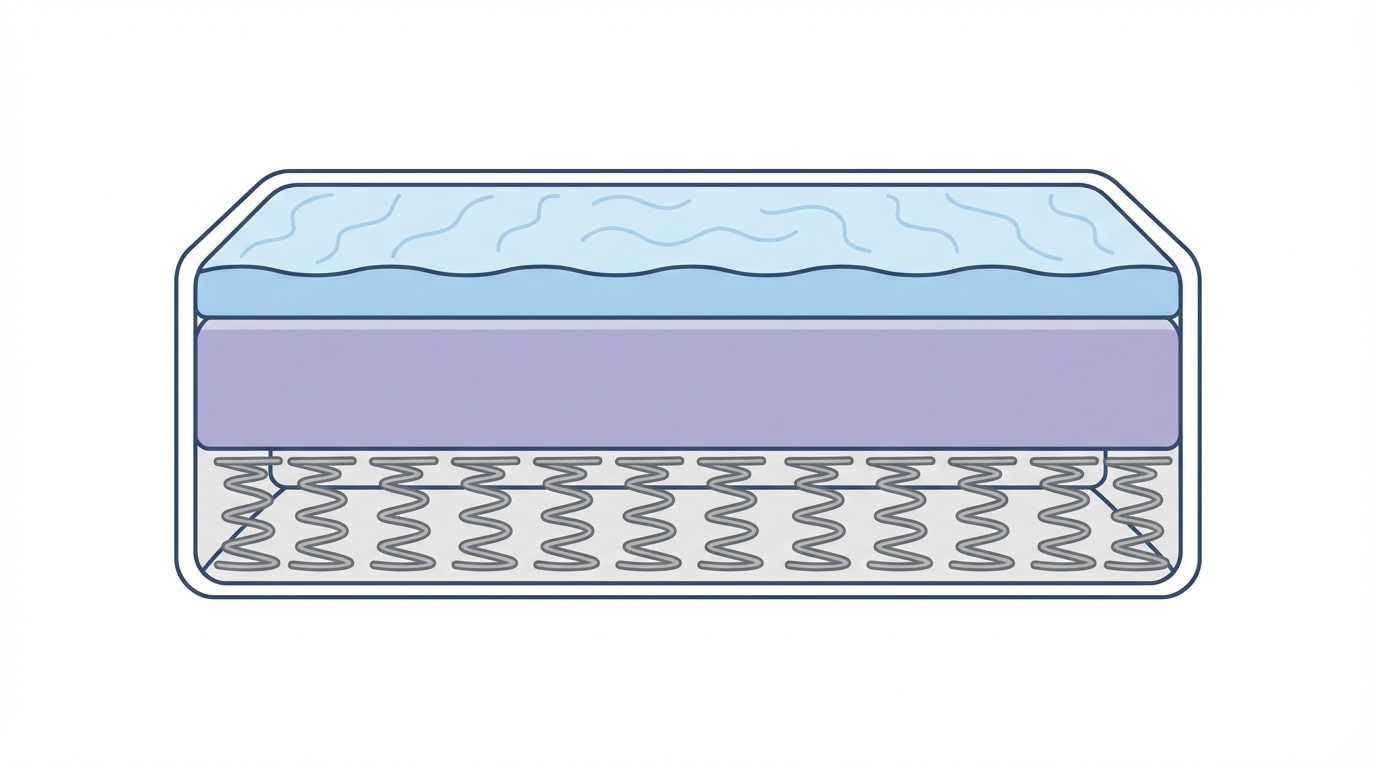
Recycling is one of the most environmentally friendly ways to dispose of a mattress, but access depends heavily on where you live. Dedicated mattress recycling facilities employ trained teams to cut away the fabric and foam, separate out steel coils, and bale materials for resale. The Mattress Recycling Council estimates that a very high percentage of the average mattress by weight can be recovered and turned into products like carpet padding, insulation, and metal components. This significantly reduces the volume of material that ends up in landfills and creates local jobs at the same time.
Some states have formal recycling programs funded by modest fees collected at the time of mattress purchase. In those regions, residents can often drop mattresses off at designated sites at little or no additional cost, and retailers may be required to offer pickup options. In other areas, recycling exists but is run by private companies or nonprofits that charge per mattress or contract with cities and haulers. Availability can be patchy, and some centers only accept mattresses from commercial sources like hotels and retailers, not individual households.
To find recycling options, start with your state or regional waste authority and look specifically for mattress or bulky item recycling programs. National organizations like the Sleep Foundation occasionally maintain guides on mattress disposal and recycling resources, and local environmental nonprofits often know about specialty recyclers in your area. If you are working with a private junk removal company, ask where they deliver mattresses and whether they have relationships with recycling plants or just general transfer stations.
A key detail is condition. Severely soiled or wet mattresses can be very difficult to recycle because they contaminate machinery and downstream materials. Recycling centers may refuse these or charge higher fees to handle them. Bed bug history is another complication. Some facilities accept mattresses that have been professionally treated and sealed, while others will not take them at all. When you call a recycler, be straightforward about any issues so they can tell you what is possible and how to safely prepare the mattress for drop off.
Special Cases: Bed Bugs, Mold, And Other Safety Concerns
Not every mattress can be donated or even recycled. When bed bugs, mold, or bodily fluids are involved, your priority shifts to safety and containment. The Centers for Disease Control and Prevention and local health departments emphasize that after a bed bug infestation, mattresses usually need to be either properly treated and encased or discarded entirely. If your pest control professional has recommended that you dispose of the mattress, you must follow specific preparation steps before anyone will accept it.
In many areas, disposal rules for bed bug affected mattresses require that you enclose the mattress in a heavy duty plastic bag or sealed encasement and clearly label it as contaminated. Some cities sell special bed bug mattress disposal bags at hardware stores. Haulers and municipal crews often refuse uncovered mattresses with suspected infestations to avoid spreading pests to trucks, facilities, or other homes. If you hire a private service, confirm that they are licensed and insured to handle infested items and follow their preparation instructions carefully.
Mold is another serious issue. A mattress that has been soaked in a flood, stored in a damp basement, or colonized by visible mold growth poses real respiratory risks, especially for people with asthma or allergies. Health organizations like the American Academy of Allergy, Asthma & Immunology advise against using heavily mold contaminated soft furnishings, which means these mattresses are candidates for disposal, not donation. Landfills and transfer stations usually accept them if they are wrapped and meet size limits, but recycling and charities will not.
Human or pet waste, heavy smoke exposure, and chemical contamination can all push a mattress into the unsafe category as well. When in doubt, err on the side of safety and professional guidance. You can still choose responsible disposal by using municipal bulky item programs or private haulers who understand how to contain and route these items. The main goal is to protect anyone handling the mattress, from your family to sanitation workers, while keeping your community free from avoidable health risks.
Where To Dispose Of A Mattress: Comparing Your Main Options
At this point you have seen how many pathways there are for getting rid of a mattress. To make things clearer, it helps to compare the major options side by side so you can match your situation with the right solution. Factors like your budget, time frame, physical ability, vehicle access, and environmental priorities will all shape your decision. There is no one right answer for everyone, but there is almost always a responsible answer for you.
Below is a simple comparison of common ways to dispose of a mattress and how they stack up on cost, effort, and environmental impact.
| Disposal Option | Typical Cost To You | Environmental Impact | Effort Required From You |
|---|---|---|---|
| Municipal curbside bulky pickup | Low or included with trash bill | Moderate to high, depends on city recycling practices | Moderate, you move mattress to curb on schedule |
| Drop off at transfer station/landfill | Low to moderate per item fee | Low to moderate, varies by facility contracts | High, you transport and unload |
| Dedicated mattress recycling center | Low to moderate per mattress | High, majority of materials recycled | Moderate to high, you transport or pay hauler |
| Private junk removal or haul away | Moderate to high service fee | Moderate to high, depending on hauler practices | Low, haulers do most of the work |
| Qualified donation to charity | Often free, sometimes small fee | High, mattress reused and diversion from landfill | Moderate, you arrange and sometimes transport |
The right choice may change over time. For example, a young couple with a pickup truck and flexible schedule may happily drive a mattress to a recycling center for a small fee, while an older adult in a high rise might choose a paid haul away service that removes the mattress from their bedroom and recycles it. If you are already investing in a new high quality bed such as a Sealy Posturepedic Firm Hybrid Mattress – Medina II, carving out a bit of your budget for ethical disposal can be part of the same long term sleep upgrade.
Whatever you choose, the key is to align your decision with both your values and your practical realities. There is nothing wrong with prioritizing back safety and time by paying a hauler if that is what makes sense for you. Conversely, if cost is tight but you have access to municipal resources, taking an extra step to schedule bulky pickup can keep money in your pocket and still keep the mattress out of an alley or vacant lot. When you look at disposal through the same thoughtful lens you use for mattress shopping, the decision becomes much clearer.
A Practical Checklist For Getting Rid Of Your Mattress
When people ask where to dispose of a mattress, they are often feeling pressed for time. A new bed is arriving, guests are coming, or a move out date is looming. In that moment, having a simple checklist turns overwhelm into a manageable plan. While every community has its own rules, the basic steps tend to follow a similar pattern.
Before you take any action, pause for a moment to assess your mattress honestly. Ask yourself how old it is, whether there are visible stains or damage, if you have dealt with bed bugs or mold in the past, and whether you would comfortably let a friend or relative sleep on it. This quick reality check will tell you whether donation, recycling, or disposal is the right track. From there, you can match your situation to available services without spinning your wheels on options that will not work.
Once you have a realistic view of your mattress and your local rules, a straightforward checklist can guide your next moves.
- Confirm your city or county rules for mattress disposal, including curbside pickup, transfer station options, and any recycling programs.
- Decide whether your mattress is suitable for donation by evaluating age, cleanliness, and structural condition.
- Call potential donation centers or charities to verify that they accept mattresses and to schedule drop off or pickup if appropriate.
- If donation is not possible, compare municipal disposal versus private haulers, factoring in cost, timing, and how much physical lifting you can realistically do.
- Schedule your mattress removal to align with the delivery or setup of your new mattress so you are not left without a bed or tripping over two.
- Prepare the mattress for pickup or transport by encasing it in a plastic bag if required, clearing a path through your home, and arranging any help you need with lifting.
- Keep records of any fees, receipts, or confirmations in case you later need proof of proper disposal for your landlord or homeowners association.
Once you follow these steps, actually taking action tends to feel calmer. You know who is coming when, what they will do with the mattress, and how that fits your budget and values. This frees up mental space to think about how your new mattress, perhaps a cooling hybrid such as the Tempur-Pedic ProBreeze Medium Hybrid, will support your sleep rather than fretting about the logistics of the old one.
“Mia walked me through a simple game plan when I bought my Tempur mattress from Sleepology. I used my city’s free bulky pickup, wrapped the old mattress correctly, and scheduled delivery for the same day. It felt organized instead of chaotic, and I was never without a bed for even one night.” – James T., October
Planning Mattress Disposal Around Your New Bed
The smoothest mattress transitions happen when disposal and delivery are treated as one coordinated project. If you order a new mattress without thinking about where the old one will go, you can easily end up with a hallway full of foam and springs, or worse, feel pressured into choosing a quick but environmentally poor option at the last minute. Planning ahead gives you more choices and usually saves money, too.
Start by asking your retailer exactly what they offer. Some stores include haul away of your old mattress as part of delivery, while others list it as an optional paid add on. Clarify whether they will remove only the mattress or also the box spring or foundation, and whether there are any condition restrictions, such as refusing stained or infested beds. At Sleepology, our team makes these details transparent so you know if your old foundation will go as well or whether you might want to upgrade to a new, supportive base such as the Sealy Mattress Base Boxspring Foundation | Low Profile 5 inch height.
If your retailer does not offer haul away, or if you prefer a dedicated recycling solution, schedule municipal pickup or a private hauler for the same day or within a day of your new mattress arriving. This might mean waiting a little longer for delivery so dates line up, but it keeps your bedroom livable. Be sure to confirm whether the new mattress will be set up on your frame or base and whether packaging will be removed. Clear expectations on both sides minimize surprises and last minute scrambling.
Think about your sleep in the transition window. If you are switching to a new style of support, such as upgrading from an aging innerspring to a pressure relieving hybrid like the Sealy Posturepedic Plus Soft Hybrid Mattress – Paterson II, you might want to keep your sleep environment calm and consistent otherwise. Having the room decluttered and the old mattress gone quickly supports that by making space to adjust and evaluate how your body feels on the new surface without tripping around extra furniture.
Matching Your New Mattress Choice To Longer Term Disposal
It might sound odd, but one of the best times to think about where to dispose of a mattress is actually when you are buying your next one. The materials, construction, and longevity of your new bed all shape what its eventual end of life options will look like. When you choose a mattress thoughtfully, you are not only buying better sleep today, you are buying fewer disposal headaches in the future.
Mattresses that use high quality, durable components tend to last longer before needing to be replaced, which means fewer trips to the landfill or recycler over your lifetime. According to the Sleep Foundation, many modern hybrids and advanced foam mattresses are designed to provide consistent support in the 7 to 10 year range or longer when properly cared for. Investing in a well built model, such as a Sealy Posturepedic Elite Soft Hybrid Mattress – Brenham II or a Tempur-Pedic LuxeBreeze Medium Hybrid, can mean you replace beds less often overall.
Materials also matter for recyclability. Mattresses that incorporate steel coils, standardized foams, and simple fabric covers are often easier to process in existing recycling facilities compared with highly glued, stitched, or unusual constructions. That does not mean you have to sacrifice comfort or performance, but it does mean there is value in choosing brands that participate in recycling programs or disclose the main materials they use. As industry awareness grows, more manufacturers are designing mattresses with disassembly and circular use in mind, echoing trends highlighted in sustainability research.
Care and protection extend the life of any mattress and preserve its potential for donation or recycling later. Using a breathable waterproof protector and high quality bedding from collections like Sleepology’s Pillows, Sheets, Toppers, Protectors helps shield the mattress from spills, sweat, and allergens. Rotating or repositioning the mattress if the manufacturer recommends it, keeping pets’ claws away from the surface, and avoiding jumping or harsh bending can all reduce early damage that might otherwise push a mattress into the trash sooner than necessary.
When A Mattress Topper Or Base Change Can Delay Disposal
Sometimes people jump to the conclusion that they need to dispose of a mattress when the real issue is something simpler that can be fixed. Sagging or discomfort may come from an inadequate foundation, not the mattress itself, and too much firmness or pressure can sometimes be resolved with a quality topper. Before you commit to hauling a mattress away, it can be worth a quick structural check to see whether a smaller upgrade can buy you time and save money.
Foundations and frames play a big role in how mattresses feel and wear. A supportive base keeps the mattress level and reduces stress points that lead to early impressions. The Sleep Foundation and other experts often emphasize that slats should be close enough together and center support should reach the floor, especially for queen and king sizes. If your current base is sagging, broken, or lacks central legs, replacing it with a sturdy option like the Sealy Mattress Base Boxspring Foundation | Low Profile 5 inch height or an adjustable model from Sleepology’s Adjustable Bed Frame and Base collection can dramatically improve the feel of a still structurally sound mattress.
Toppers are another tool. If your mattress is too firm but otherwise in good condition, adding a high quality foam or hybrid topper can soften the surface and relieve pressure on shoulders and hips, particularly for side sleepers. This can be especially helpful if you are not ready to invest in a full mattress replacement but want meaningful comfort improvements right away. Thoughtful accessories, like a supportive travel and guest bundle such as the Tempur-Pedic Mattress Topper – Pillow Travel and Guest Bundle, can also enhance comfort for temporary sleeping situations without sending an entire mattress to the landfill.
Of course, there are limits. If your mattress has deep sagging, broken coils, severe staining, or simply no longer supports you after many years, it is healthier for your body and your sleep to replace it rather than propping it up indefinitely. The Cleveland Clinic and similar medical organizations note that worn out mattresses can contribute to back and neck pain and fragmented sleep. In those cases, using a topper or new base as a bandage is not the solution, and you are back to choosing a responsible disposal method and a new, supportive bed.
Conclusion: A Better Mattress Story From Start To Finish
Disposing of a mattress is rarely anyone’s favorite chore, but it does not have to be confusing, expensive, or environmentally painful. When you understand the main options in front of you, from municipal bulky pickups and transfer stations to donation, recycling centers, and private haulers, you can match your situation to a clear, responsible plan. You protect your back, your budget, and your community all at once.
The thread that ties good disposal decisions together is respect, both for your own sleep health and for the people and places around you. Respect means not leaving mattresses in alleys or by dumpsters, not passing a worn out or unsafe bed on to someone else in need, and not ignoring infestation or mold risks. It also means giving yourself permission to choose the path that fits your physical ability and schedule instead of feeling guilty if you cannot DIY every step.
As you plan what to do with your current mattress, you also have a chance to shape your future sleep story. Pairing a clear disposal path with a carefully chosen replacement, whether that is a supportive hybrid, a breathable foam, or a new adjustable base, sets you up for years of better rest and fewer hassles. If you are unsure what option is best for your body, your home, and your local rules, the team at Sleepology is here to help you think it through so that your old mattress leaves your life as smoothly as your new one enters it.
Frequently Asked Questions
How do I find out where to dispose of a mattress in my specific city?
The fastest way to get accurate information is to check your city or county solid waste department website, then call if anything is unclear. Look for sections labeled bulky item collection, special waste, or recycling services. Many municipalities have online tools where you can enter your address and see exactly what is available, including curbside pickup schedules, transfer station locations, and any partner recycling facilities. Since rules can change as contracts and budgets shift, especially around large items, verifying current guidance is always worth the few extra minutes.
Can I just leave my old mattress next to a dumpster or in an alley?
In almost every city, leaving a mattress in a public place without permission is considered illegal dumping and can result in fines. It also attracts pests, creates health hazards, and makes shared spaces feel neglected or unsafe for neighbors. Instead of leaving a mattress by a dumpster, contact your building manager, homeowners association, or city solid waste department and ask what they require for bulky items. Even if it takes a little longer, following the proper channel keeps you on the right side of local ordinances and shows respect for your community.
Is it worth trying to donate my used mattress?
Donation can be a wonderful choice if your mattress is relatively new, clean, and structurally sound, but it is not appropriate for every bed. Most charities will only accept mattresses without stains, odors, rips, or heavy impressions, and some do not accept used mattresses at all due to sanitation and storage challenges. Call specific organizations, describe the brand, age, and condition honestly, and ask whether they accept mattress donations and how drop off or pickup works. If your mattress does not meet their criteria, choose recycling or standard disposal instead of insisting on donation.
What should I do with a mattress that had bed bugs?
If your mattress has had bed bugs, follow the guidance of a licensed pest control professional and your local health department. In many cases, mattresses need to be either professionally treated and encased or fully discarded. For disposal, you may be required to seal the mattress in a heavy duty plastic bag and label it clearly so sanitation workers and haulers are aware of the risk. Not all charities, recycling centers, or haulers will accept mattresses that have had bed bugs, even after treatment, so always disclose the history when arranging removal.
Are mattress recycling centers available everywhere?
Dedicated mattress recycling centers are not available in every region, and access can vary widely. Some states have mattress stewardship programs that fund widespread recycling through fees collected at the time of purchase, which means residents often have multiple drop off sites. In other areas, recycling may be offered only through a small number of facilities that primarily serve retailers and hotels, with limited or no household access. To see what is available near you, check your state waste authority, local recycling guides, or ask private haulers where they bring mattresses for processing.
How can I make sure my next mattress will be easier to dispose of responsibly?
You can set yourself up for easier future disposal by choosing a high quality, durable mattress from a reputable brand that participates in recycling or take back programs where available. Opt for constructions that use standard materials such as steel coils and well known foam types, since these are usually easier to process at recycling facilities. Protect the mattress from spills and stains with a breathable protector, and use a strong, supportive base so it wears evenly. These steps help your mattress stay comfortable longer and preserve its suitability for donation or recycling when the time comes.
Will a mattress topper fix my old mattress enough that I can delay disposal?
A good mattress topper can improve surface comfort, especially if your mattress feels too firm, but it cannot fix deep structural issues like broken springs, major sagging, or loss of support. If your mattress is only a few years old and fundamentally sound, adding a topper and upgrading your base can buy more comfortable years and delay the need for disposal. If you consistently wake with pain, feel like you are rolling toward the center, or see obvious dips, it is usually a sign that replacement is the healthier choice for your body, and you should focus on choosing a responsible way to dispose of the old bed and invest in a supportive new one.