

Tired of Typing “Where To Buy Mattress Near Me”? Here Is How To Actually Find The Right One
If you have been searching “where to buy mattress near me” for days and still feel stuck, you are not alone. A mattress is a big purchase, you live with it every night, and those glossy ads and confusing buzzwords can make it feel like a gamble. On top of that, every store claims to have the best prices, the best brands, and the best comfort, which makes it hard to know who to trust or where to start. It is understandable if you are worried about choosing wrong and waking up sore for the next 8 years.
This decision matters more than most people realize. According to the Sleep Foundation, most adults need 7 to 9 hours of sleep per night, and mattress comfort and support play a major role in how restorative those hours are. Poor sleep is linked to higher stress, reduced focus, and even metabolic and heart health concerns according to organizations like the Mayo Clinic. When you connect the dots, “where to buy a mattress” becomes less of a shopping errand and more of a health and quality of life choice.
You do not need to become a mattress expert to make a smart decision. What you do need is a simple way to understand your options, a checklist of what to look for in local stores and online retailers, and a clear idea of which mattress types fit your body and budget. That is what you are going to get here. We will unpack how to compare local shops and big chains, when it makes sense to buy online, and how to match yourself to the right mattress type, size, and support level.
By the end, you should feel less overwhelmed and more confident that you can walk into a store or click “add to cart” knowing you are steering toward the right mattress for your sleep and your wallet. And along the way, I will point out specific Sleepology products that illustrate what to look for, not to push you, but to give you real-world examples built from two decades of seeing what actually works for people in everyday life.
Step One: Get Clear On What You Need Before You Search “Where To Buy Mattress Near Me”
The first place people usually start is with a search engine, but the smartest first step is to start with you. Where you buy a mattress should depend on what your body needs, how you sleep, and how much support you expect from the store after the sale. Without that clarity, the closest or cheapest store will look tempting, even if it is not actually a good match.
Begin by thinking about how you feel when you wake up now. Are you stiff through your lower back, do your shoulders or hips ache, or do you feel like you are “rolling to the middle” of your current mattress. Those clues tell you a lot about whether you need firmer support, more pressure relief, or better motion isolation. For example, if you wake up with hip pain as a side sleeper, you likely need a mattress that cradles pressure points more effectively than a basic firm innerspring.
Next, consider your sleep position and body type together. Medical and sleep organizations, including the Cleveland Clinic, note that spinal alignment is critical for waking without pain. A heavier body or a back sleeping position often needs more underlying support so the midsection does not sag, while a lighter, side-sleeping person generally benefits from more cushioning around the shoulders and hips. Those two factors alone should narrow how you shop and help you ignore store “specials” that ignore your actual alignment needs.
Budget is the third piece of the puzzle, but it is not as simple as picking a number and hoping for the best. Instead, think in terms of value over 8 to 10 years, which is what many experts, including Consumer Reports, cite as a common mattress lifespan when quality is high and care is reasonable. Divide a price range by that many nights, and you will usually find that a modest step up in price often costs just pennies more per night while delivering significantly better support and durability.
Finally, ask yourself how much hand holding you want. Some people are comfortable purchasing entirely online with a long sleep trial and clear return policy. Others prefer an in person fitting experience and the reassurance of seeing the product before buying. There is no right answer here, but knowing your comfort level helps you choose between local showrooms, hybrid retailers, and pure online brands so your “where to buy” question becomes much easier to answer.
“I thought I just needed the closest place that had a king on sale. After talking through my sleep position and back issues with a Sleepology specialist, I realized I had been sleeping too soft for years. Spending a bit more on the right support has made my mornings so much easier.” – Jordan P., November
How To Evaluate Local Mattress Stores Near You
When you narrow in on local options, it is tempting to assume all mattress stores are the same. In reality, there is a huge difference between a warehouse that pushes whatever is on clearance and a specialty retailer that focuses on matching bodies to beds. Learning what to look for in a storefront can save you hours of frustration and a lot of buyer’s remorse.
Start with how transparent the store is about their products and policies. A trustworthy shop will clearly display prices, explain what is inside each mattress in plain language, and be open about who manufactures their private label lines. If a salesperson dodges questions about return policies, trial periods, or what materials are used in the comfort layers, consider that a red flag. Transparency is a big part of why people feel safe enough to relax and really test a mattress in the showroom.
Customer service is just as important as product selection. Pay attention to whether you feel rushed or genuinely guided. A good sleep specialist will ask about your sleep position, comfort preferences, and any pain points before suggesting models, instead of pointing you straight to the most expensive option. They will also encourage you to spend a full 10 to 15 minutes on each mattress you are considering, and they will give you space to talk with your partner about what you are feeling without pressure.
The range of brands and types a store carries matters more than the raw number of mattresses on the floor. Look for a balance of innerspring, memory foam, latex, and hybrid options, as well as a mix of firmness levels. A shop that only carries one type of construction will have a hard time helping if that style simply does not match your body. Sleepology, for example, stocks supportive innerspring models like the Sealy Posturepedic Pro Soft Dupont II Euro Pillow Top for cushioned pressure relief, along with medium hybrid choices such as the Sealy Posturepedic Plus Medium Paterson II Euro Pillow Top for sleepers who want a blend of bounce and contouring.
Finally, review the fine print on sleep trials, returns, and delivery before you get attached to any specific model. Many reputable retailers offer at least a 90 night comfort trial, optional removal of your old mattress, and clear timelines if you decide to exchange. Policies that sound generous but are loaded with restocking fees or complicated steps can turn a simple comfort adjustment into a headache. A store that is upfront about all of this tends to be more confident that you will be happy with your choice long term.
“Our local Sleepology spent almost an hour with us, asking about my husband’s shoulder pain and my hot flashes, then guided us to a medium pillow top with better cooling. We were nervous about spending over $1,500, but after three months of sleeping through the night, we both agree it was the best money we spent in .” – Melissa T., October
Local Store, Big Box, Or Online Mattress Brand: Which Is Best For You?

There is no single best place to buy a mattress that fits every situation. Each channel, local specialty stores, big box chains, and online direct to consumer brands, has strengths and drawbacks. Understanding these tradeoffs will help you decide what combination of in person testing and online research makes you most comfortable.
Local specialty stores tend to shine when it comes to personalized guidance and post purchase support. You can feel the difference between several models side by side, ask detailed questions, and often work with the same team for years when it is time for a new mattress or an adjustable base. For people who have back pain, medical concerns, or complex needs like split firmness for partners, that face to face expertise is hard to beat. The tradeoff is that prices may not be rock bottom on every model, because you are also paying for that service and support.
Big box chains and general furniture stores typically offer aggressive promotions and a wide range of brands, but the sales experience can feel less tailored. Staff may be trained on many categories, from sofas to dining sets, which means they may not go as deep into sleep ergonomics and long term support. If you are very clear about what you want and comfortable reading spec sheets, you can still find a good match, but if you need more thoughtful questions and guidance, you might find it lacking. Return policies are often standardized and sometimes stricter in these environments, so read them closely.
Online mattress brands, including hybrids and memory foam options that ship compressed in a box, have grown rapidly in the last decade for good reason. They offer generous home trials, often 100 nights or more, transparent pricing, and the convenience of shopping from home. Their value can be excellent, especially in the mid range. The downside is that you cannot lie down on the bed before it arrives, and although detailed reviews help, it is still different from feeling a mattress under your own body. For some people, especially those with sensitive backs or very specific comfort needs, that uncertainty is uncomfortable.
For most shoppers in 2026, a hybrid approach works best. You might start by testing mattresses in a local Sleepology showroom to understand what “medium” or “firm” feels like for your body, try a few types such as traditional innerspring and contouring foam, and then use that knowledge to evaluate specific models, both in store and online. This gives you the best of both worlds, real world feedback from your own body plus the pricing and trial information you can compare from home using retailer websites.
Comparing Popular Mattress Types When You Shop Near You
Once you have an idea where you are willing to buy, the next big decision is what type of mattress to choose. Most options you will encounter fall into a few main categories, innerspring, memory foam, latex, and hybrid. Each has a distinct feel and set of strengths, and the right choice depends on your preferences, body type, and how you like your bed to respond when you move.
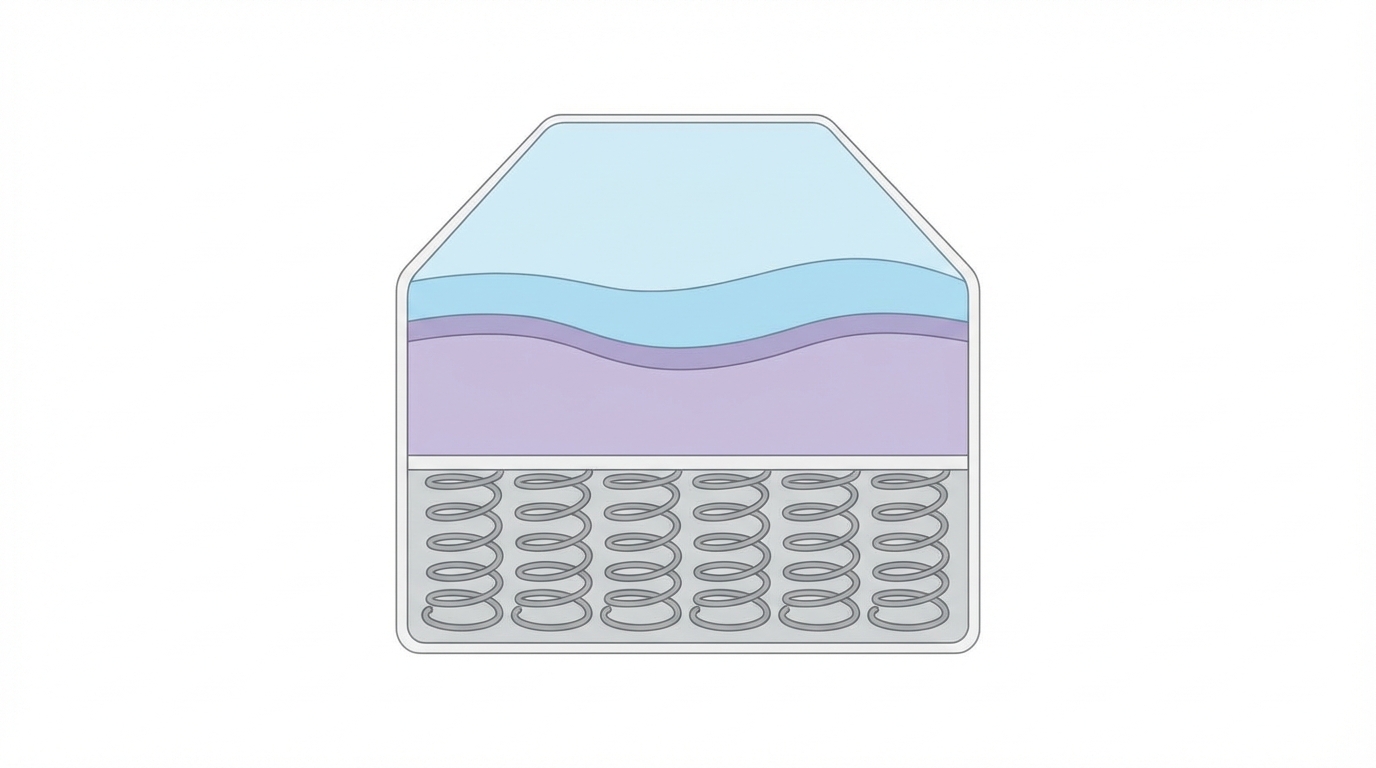
Traditional innerspring mattresses rely on a grid of metal coils for support, often with padding and quilting on top. They tend to feel bouncy and are often a bit cooler because of the air movement through the springs. They are a good fit for people who like a more “on the bed” feel rather than being hugged by foam. Higher quality innerspring models use individually wrapped coils and zoning to better support the lower back while cushioning shoulders and hips.
Memory foam mattresses use layers of viscoelastic foam to contour closely to your body. Many people love these for the way they relieve pressure and reduce motion transfer from a partner. However, if you tend to sleep hot or prefer a very responsive, springy feel, pure memory foam can sometimes feel too enveloping unless you choose a version with cooling features and firmer support cores. According to the Sleep Foundation, memory foam’s pressure relieving properties can be especially helpful for side sleepers and people with joint pain when matched correctly to firmness.
Latex mattresses, made from either natural or synthetic latex foam, often feel buoyant and responsive while still offering excellent pressure relief. They are popular with people who want a more natural option or who dislike the slower response of traditional memory foam. Latex can be a good choice for combination sleepers who move around at night because it tends to recover shape quickly.
Hybrid mattresses combine coils with foam or latex comfort layers, aiming to blend the best of both worlds. In , hybrids continue to dominate many showroom floors because they offer support, airflow, and contouring in one package. For example, a hybrid like the Sealy Posturepedic Elite Medium Brenham II Euro Pillow Top uses a responsive coil system for spinal support, topped with pressure relieving foams, which works well for many couples with different sleep styles.
Here is a simple comparison table to help you see how these types stack up at a glance.
| Mattress Type | Overall Feel | Best For | Potential Drawbacks |
|---|---|---|---|
| Innerspring | Bouncy, supportive, more on top of bed | Back and stomach sleepers, those who like a traditional feel and strong edge support | Less pressure relief in cheaper models, more motion transfer if coils are not individually wrapped |
| Memory Foam | Contouring, slow response, “hugged” feel | Side sleepers, people with joint pain, couples who want less motion transfer | Can sleep warmer without cooling features, may feel too enveloping for some |
| Latex | Buoyant, responsive, gentle contouring | Combination sleepers, people who want a more natural option and quick response | Often higher price, heavier to move |
| Hybrid | Balanced support and cushioning | Couples, people with back pain who want support and pressure relief, wide range of sleepers | Quality varies widely by brand, can be pricier than basic models |
When you visit local stores, use this framework to describe what you liked or disliked about mattresses you have tried in the past. Saying “I liked how supportive my old innerspring felt but I want more shoulder cushioning” is far more helpful to a sales specialist than “I need a queen that is not too hard.” That detail helps them steer you to the right type, such as a medium hybrid pillow top rather than a very firm coil bed.
“I always thought memory foam was not for me because the first one I tried years ago slept hot and felt like quicksand. The Sleepology team showed me a hybrid with newer cooling foams, and it completely changed my mind. It still feels supportive but I finally wake up without shoulder pain.” – Renee K., December
How To Match Firmness And Support To Your Body Type And Sleep Position
Once you know the general mattress type you prefer, the next layer of decision making is firmness and support. Many people confuse those two ideas, but they are different. Firmness describes how hard or soft the surface feels when you first lie down, while support refers to how well the mattress keeps your spine in a neutral alignment all night. You can have a mattress that feels plush on top but still delivers strong underlying support.
Start with your dominant sleep position. Side sleepers usually do best with medium to medium soft surfaces that allow shoulders and hips to sink enough to keep the spine straight from neck to tailbone. Back sleepers often feel best on medium to medium firm mattresses where the lower back is supported but not pushed up. Stomach sleepers typically need the firmest options, because if the midsection sinks too much, the lower back can arch and strain. Studies summarized by Sleep Foundation and other sleep research groups consistently highlight spinal neutrality as a key factor in reducing pain and improving sleep quality over time.
Your body weight also influences how firm a mattress feels. Someone under 130 pounds will not sink into the comfort layers as much, so a medium mattress might feel more like a medium firm. On the other hand, a person over 230 pounds will compress the top layers more deeply and may need a firmer model with a stronger coil unit to avoid bottoming out. That means a heavier side sleeper might prefer a medium firm hybrid instead of a softer all foam mattress to maintain long term support.
Consider any specific pain points or health concerns you have discussed with your doctor or physical therapist. People with chronic lower back pain may benefit from slightly firmer support and good lumbar zoning, while those with arthritis in the shoulders or hips usually need more cushioning at those joints. A mattress like the Sealy Posturepedic Pro Medium Dupont II Euro Pillow Top can offer a nice middle ground, combining targeted back support with a comfortable pillow top, which often works well for mixed position sleepers.
When you are testing mattresses locally, use a simple alignment check. Lie in your normal sleep position, have your partner or the sales associate look at your spine from the side, and see if it appears mostly straight. Check whether you feel any sharp pressure on your shoulders or hips, or if your lower back feels like it is either sagging or being pushed up. These body signals are more useful than getting stuck on marketing labels that may call a mattress “luxury firm” without any clear standard.
How To Test Mattresses In Store Without Feeling Rushed Or Awkward
Many shoppers feel uncomfortable lying on beds in a showroom, which is completely understandable. You might feel self conscious, worry about taking up too much of the salesperson’s time, or wonder if there is a “right” way to test mattresses. With a few simple strategies, you can turn that awkwardness into a confident, focused experience.
First, give yourself permission to take time. A good retailer expects you to spend 10 to 15 minutes on any mattress you are seriously considering. The first 30 seconds usually feel fine on almost any bed, but issues like pressure points, too much sink, or lack of support often show up a few minutes later. Treat this like a mini nap, not a quick sit. Close your eyes, breathe normally, and pay attention to how your back and joints feel as your body relaxes.
Second, move into your usual sleep positions. If you start on your back but usually fall asleep on your side, roll over and notice how the mattress behaves. Do your shoulders sink enough, do you feel like you are rolling toward your partner’s side, or does the edge feel sturdy when you move? If you read or watch TV in bed, sit up briefly and see whether the mattress and base feel supportive enough in that position. This is a good time to ask about adjustable bases such as an adjustable bed frame and base if you often sleep elevated for snoring, reflux, or comfort.
Third, compare how you feel getting off each mattress. A supportive bed should let you rise without struggling or feeling stuck. Memory foam and pillow top designs should contour, but if you feel like you must climb out of a hole, that particular model may be too soft for your body. On the flip side, if the mattress feels like a rigid board when you sit on the edge, it may be too firm or have a comfort layer that is too thin for your pressure points.
Finally, use simple language to describe your impressions. Instead of trying to use industry terms, tell your sleep specialist what you noticed. For example, “My lower back felt relaxed on the second mattress but my shoulder went numb on my side” gives clear direction. A skilled consultant can use that feedback to suggest small adjustments in firmness, type, or even pillow height so your spine lines up more comfortably.
When It Makes Sense To Shop Online For A Mattress Near You
Even if you are focused on local options, online retailers can play a helpful role in your mattress search. Many people now blend in store testing with online comparison shopping so they can make a more informed decision about pricing, construction, and trial policies. When used wisely, “mattress near me” includes both physical distance and fit for your needs.
Online shopping excels when you have already narrowed down your preferred type, firmness, and size. Once you know that a medium hybrid with strong edge support suits your body, you can compare several models and brands that fit that description. Look for retailers that publish detailed specs about coil count and gauge, foam densities, and certifications for materials. Clear descriptions are one good sign of a company that cares about long term performance, not just short term marketing.
Pay close attention to trial periods, returns, and warranty coverage when shopping online. Industry norms often include at least 90 to 120 nights for a comfort trial and 10 years of warranty coverage, but the details matter. Check whether returns are free or require a pickup fee, whether you must keep the mattress for a certain number of nights before returning, and what constitutes a defect under the warranty. Transparent policies give you a practical safety net, especially if you are buying sight unseen.
Online shopping can also shine for accessories and upgrades that enhance a mattress you like but do not want to replace yet. A supportive mattress topper bundle, such as the Tempur-Pedic Mattress Topper, Pillow, Travel, and Guest Bundle, can help fine tune comfort, particularly for a guest room or interim solution. Bedding, protectors, and additional pillows from collections like pillows, sheets, toppers, and protectors are especially easy to buy online based on clear measurements and material preferences.
For some people, especially those in smaller cities or with limited transportation, buying online may simply be the most realistic route. If that is your situation, invest more time in reading buyer reviews, looking for consistent patterns and not just star ratings. Independent testing sources, including Consumer Reports and mattress review sites that perform pressure mapping and durability tests, can also help you weigh options when you cannot visit multiple showrooms in person.
Understanding Mattress Sizes And Choosing The Right One For Your Space
While you are deciding where to buy a mattress, it is just as important to be clear on what size you truly need. Many shoppers default to replacing their old size without rethinking whether it still fits their life. Taking a few minutes to evaluate your sleeping space can make a big difference in your comfort and flexibility for years.
If you share your bed with a partner, a pet, or a restless child who sometimes joins you, moving up in size often brings better sleep. Queen mattresses are a common minimum for couples, but if your bedroom and budget allow, a king size can offer significantly more personal space. Width matters more than length for many people, especially taller or broader shouldered sleepers. Collections of king sized mattresses provide a sense of how much more room you could gain compared with a full or queen.
Room dimensions and layout also influence what feels practical. Measure your space and leave enough clearance to walk around the bed, open drawers, and use doors comfortably. Consider headboard and footboard styles, nightstands, and any future furniture you might add. In some cases, a queen mattress with a more compact frame provides the right balance between space and comfort. In other situations, especially master bedrooms, a king or even California king may still leave room for movement and seating.
Think about who will use the mattress over its lifespan. A twin or full might be perfect for a young child now, but if you expect that room to double as a guest space later, a full or queen can be more versatile. Guest rooms benefit from mattresses with broad appeal in medium firmness, such as the Sealy Posturepedic Elite Soft Albany II Euro Pillow Top if your guests tend toward side sleeping, or a slightly firmer hybrid for varied preferences.
Finally, do not forget ceiling height and any plans for adjustable bases. If you are considering an adjustable frame that lets you raise your head or feet, confirm that the mattress you choose is compatible and that there is enough clearance to tilt without bumping into headboards or shelves. Many modern hybrids and all foam beds pair beautifully with adjustable foundations, which can be helpful for snoring, reflux, or simply reading comfortably in bed.
Key Policies To Check Before You Choose Where To Buy Your Mattress
Even the most comfortable mattress in a showroom is only part of the story. The store’s policies regarding delivery, setup, returns, and warranty support can make a big difference in your overall experience. Treat these policies as part of the product itself when comparing “where to buy mattress near me” options.
Delivery and setup come first. Confirm whether the store includes basic delivery in the price, charges a separate fee, or offers tiered options. Ask if they provide in home setup and removal of packaging, and whether they will haul away your old mattress if needed. These services are particularly valuable if you live in a walk up apartment, have limited mobility, or are moving on a tight schedule. A slightly higher mattress price with white glove delivery can be worth more than a cheaper model that leaves you managing everything alone.
Sleep trials and return policies are your safety net. Many reputable retailers offer a comfort trial that allows one exchange within a certain period, often 60 to 120 nights. Verify if there are minimum break in periods, whether you must purchase a mattress protector to keep the option valid, and if there are any restocking or exchange fees. Experts agree that it can take a few weeks for your body to adjust to a new mattress, which is why a realistic trial period is so helpful.
Warranties are about long term protection, but they are not all created equal. Review what counts as a defect, such as sagging of a certain depth, broken coils, or manufacturing flaws. Check whether the warranty is prorated over time and if you are responsible for shipping or inspection fees. Keeping your mattress on a suitable foundation, like a sturdy platform or a compatible base such as the Sealy mattress base boxspring foundation, also helps ensure your warranty remains valid.
Here is a simple checklist of policy items worth confirming before you buy.
- Length and details of the sleep trial period
- Whether returns or exchanges involve fees or store credit only
- Delivery options, including white glove, old mattress removal, and any surcharges
- Warranty length and what types of damage or sagging are covered
- Requirements for mattress protectors or specific foundations
- How to initiate a return, exchange, or warranty claim if needed
- Any limitations on sale or clearance items compared with regular inventory
When policies are clear and reasonable, you can relax and focus on comfort instead of worrying about worst case scenarios. If a store refuses to provide policy details in writing or makes them hard to find, that is a sign you might be happier working with a retailer that values long term relationships and trust.
Supporting Your New Mattress With The Right Accessories
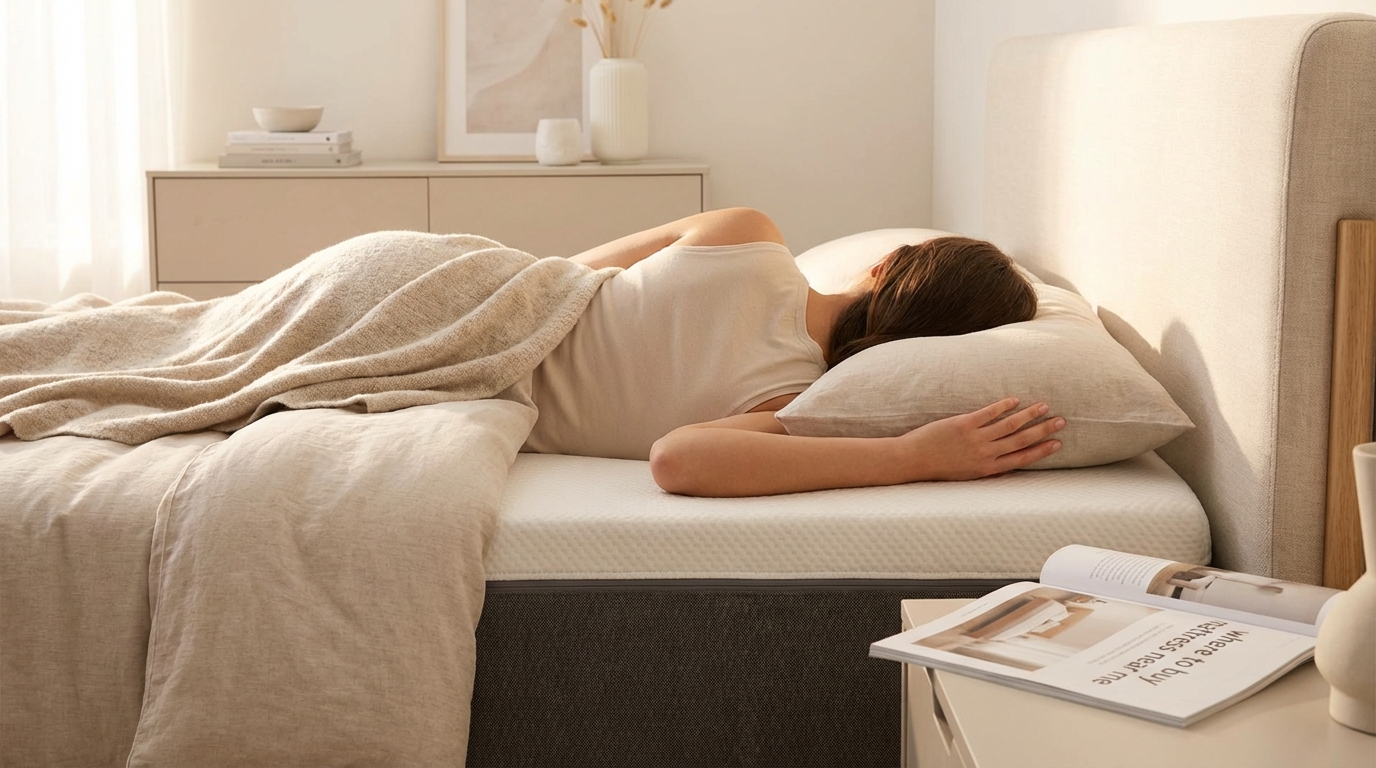
Once you decide where to buy your mattress and which model fits you best, it is easy to forget about the “extras.” However, pillows, protectors, and bases are not just nice to have items, they are essential pieces of your sleep system. Choosing them thoughtfully can extend the life of your mattress and make it perform even better.
The right pillow is crucial for keeping your neck aligned with your spine. For side sleepers, a taller, firmer pillow often helps keep the head from dipping too low, while back sleepers usually need a medium loft, and stomach sleepers benefit from something flatter and softer. Upgrading your pillow at the same time as your mattress helps you re calibrate your whole sleep posture. Specialized pillows in bundles, like the travel and guest pieces in the Tempur-Pedic topper and pillow bundle, can also make guest rooms or on the go sleep more comfortable.
Mattress protectors play a dual role. They shield your mattress from spills, sweat, and allergens, which protects your investment and often keeps the warranty intact, and they can also provide subtle comfort or cooling benefits. A waterproof yet breathable protector such as the TEMPUR-Adapt waterproof, hypoallergenic mattress protector offers hygienic protection without changing the feel of your mattress significantly. Collections that include pillows, sheets, toppers, and protectors are a good place to create a coordinated setup that fits your new bed.
Your foundation or bed frame matters more than many shoppers realize. A sagging box spring or flimsy platform can undermine even the best mattress, causing dips and reducing support. Make sure your new mattress sits on a compatible, supportive base, whether that is a traditional foundation, a platform bed with close slats, or an adjustable frame. If you are switching from a standard box spring to an adjustable base, confirm that your mattress is designed to flex without damage and that there is adequate center support for larger sizes like queen and king.
Investing in these accessories at the time of purchase may feel like adding extra cost, but when you spread that investment over the life of your mattress, the benefits in comfort, cleanliness, and support often far outweigh the price. You are building a complete environment for restorative sleep, not just buying a single product, and each piece plays a part in how rested you feel every morning.
Putting It All Together: A Simple Roadmap To Choosing Where To Buy Your Next Mattress
At this point, you have a lot of information about mattress types, firmness, local stores, policies, and accessories. It can help to think of the process as a series of small, manageable steps rather than one overwhelming decision. When you break it down, the question of “where to buy mattress near me” usually becomes much clearer.
Start with self assessment. Note your current sleep issues, body type, and primary sleep positions. Use that understanding to decide which mattress types and firmness ranges are most likely to help. Then narrow your shopping radius by identifying two or three local specialty retailers or showrooms with good reputations, transparent policies, and a solid mix of brands and constructions. If you live near a Sleepology location, this is a great place to start for hands on guidance.
Next, plan one focused in store visit instead of trying to bounce between multiple stores in a single day. During that visit, test a few thoughtfully chosen mattresses that match your general needs. Use the alignment checks and comfort signals discussed earlier, and take notes on what you like and dislike. Once you find one or two front runners, you can compare their pricing and features with similar online options to confirm you are comfortable with the value you are getting.
Then, look at the whole package. Factor in delivery, setup, removal of your old mattress, sleep trial terms, and warranty coverage. Decide whether you want to add a foundation, adjustable base, protector, and new pillows now or later. When all these pieces feel aligned with your comfort and budget, placing the order becomes a natural next step instead of a leap of faith.
Finally, give yourself time to adapt to your new mattress once it arrives. Most bodies need a few weeks to adjust, especially if you are upgrading from a very old or sagging bed. Follow any care instructions from the manufacturer, use your protector from night one, and reach out to your retailer if anything feels off after an honest break in period. A reputable store will want you to sleep well and will work with you if minor adjustments or an exchange are needed.
Conclusion: You Can Stop Guessing And Start Sleeping Better
Shopping for a mattress does not have to feel like a confusing maze of buzzwords and one day only sales. When you begin with your own sleep needs, understand how different mattress types and firmness levels interact with your body, and choose retailers who are transparent and supportive, the path becomes much clearer. You move from asking “where can I buy a mattress near me” to “which of these good options fits my life best.”
Your sleep truly is a foundation for your health, mood, and daily energy. Organizations like the Sleep Foundation, Mayo Clinic, and Cleveland Clinic all emphasize how deeply consistent, quality sleep supports everything from heart health to mental clarity. A well chosen mattress, paired with the right base, pillows, and protector, is one of the most tangible ways to support that nightly reset.
If you are ready to take the next step, consider visiting a Sleepology showroom or exploring curated options online, from contouring designs in the best foam mattresses collection to generously sized king mattresses for couples who want more room. Bring your questions, your concerns, and even your favorite pillow if you like. With thoughtful guidance and a clear plan, you can stop scrolling search results late at night and start looking forward to a bed that truly supports the way you live and sleep.
Frequently Asked Questions
How far should I be willing to drive when searching for a mattress store near me?
The right driving distance depends on your schedule and how many quality options are already nearby. In general, it is worth traveling a bit farther, even 30 to 60 minutes, if that means working with a retailer known for expertise, transparent policies, and a wider range of mattress types. Since you will keep your mattress for many years, a single longer trip for a better fit is often more valuable than visiting several mediocre stores closer to home. You can also use phone calls and websites to narrow choices before making the drive, so your visit is efficient and focused.
Is it safe to buy a mattress online without trying it first?
It can be safe and smart to buy online if you choose retailers with generous, clearly written trial and return policies and if you have done some homework on your preferences. Try to test similar mattresses locally to understand what firmness and type match your body, then use that knowledge to evaluate online models. Look for at least a 90 night home trial, free or low cost returns, and a solid warranty. If those pieces are in place and you are comfortable with the risk of shipping a mattress back if it does not work out, online shopping can offer excellent value.
How do I know if a mattress store is trustworthy?
Trustworthy mattress stores are upfront about their prices, policies, and product details. They will answer questions clearly about what materials are in each mattress, where it is made, and how returns or exchanges work. Salespeople should focus on understanding your sleep habits and pain points instead of pushing the highest ticket item. Reviews from other customers can be helpful, but pay more attention to patterns in how the store handles issues and supports people after the sale than to a single glowing or negative comment.
What firmness should I choose if my partner and I like different feels?
When partners have different firmness preferences, look first for mattresses that land in a versatile medium or medium firm range, which often works for the widest variety of sleepers. Hybrids with zoned support can keep the back aligned while still providing enough surface cushioning for the partner who prefers a softer feel. In some cases, an adjustable base and separate toppers on each side can fine tune comfort without sacrificing shared support. Communicate clearly with your sleep specialist about where each of you sits on the soft to firm spectrum so they can point you toward models designed for couples.
How important is a mattress protector, and can I skip it?
A mattress protector is more important than many people realize. It helps keep your mattress free from spills, sweat, and allergens, which not only keeps the bed fresher but can also be critical for maintaining your warranty coverage, since stains sometimes void protection. Today’s better protectors, like breathable waterproof designs, add this protection with minimal impact on how the mattress feels. Skipping a protector might save a small amount up front, but over the life of the mattress, it usually costs far more in lost value and hygiene.
Should I replace my foundation when I buy a new mattress?
In many cases, yes, or at least you should have your existing foundation or frame evaluated. An old, sagging box spring or a platform with slats spaced too far apart can compromise the support and longevity of a new mattress. Many manufacturers specify the types of foundations required for warranty coverage, including center support for queen and king sizes. If your new mattress is thicker or heavier than your old one, or if you are switching to a different type such as foam or hybrid, pairing it with a compatible base, whether a traditional foundation or a modern adjustable frame, helps you get the best performance and protects your investment.
How long should I expect a new mattress to last before replacing it?
Most quality mattresses are designed to last around 7 to 10 years, depending on materials, body weight, and how well they are cared for. Organizations like Consumer Reports and the Sleep Foundation note that higher density foams, robust coil systems, and good overall construction tend to extend usable life. Using a mattress protector, rotating the mattress as recommended, and keeping it on a solid foundation also contribute to longevity. Rather than focusing only on years, pay attention to how you feel when you wake up, if you notice new sagging, or if aches return, those are signals it may be time to evaluate a replacement.