

Where To Buy A Mattress: A Clear, Calm Guide To Finding The Right Store For You
If you are searching for where to buy a mattress, there is a good chance you are tired of waking up sore, staring at endless online options, or feeling pressured in a showroom you are not sure you trust. It can feel like everyone is shouting that they have the best deals, the best foam, the best coils, and somehow you are supposed to decode it all while running on broken sleep. Add in confusing marketing terms and heavily edited reviews, and it becomes easy to put off the decision for months longer than you meant to. You are not alone in that feeling, and you are not being picky or dramatic. You are trying to make a decision that will affect every single night for the next decade.
This decision really does matter. According to the Sleep Foundation, most adults need 7 to 9 hours of sleep per night, and mattress comfort and support play a direct role in how efficiently you sleep and how refreshed you feel in the morning. Poor mattress support has been linked to increased back and shoulder pain and more nighttime awakenings, which can ripple into mood, focus, and long term health. When you ask where to buy a mattress, what you are really asking is where you can get trustworthy guidance, honest value for your budget, and a mattress that fits your body instead of forcing your body to adapt.
You are in the right place for that kind of clarity. As a sleepologist who has tested hundreds of beds, I have seen what separates a rushed, regret filled purchase from a confident one that people brag about years later. The answer is rarely a single brand or one magic material. It usually comes down to choosing the right type of store for you, knowing the right questions to ask before you hand over your credit card, and matching your sleep needs with specific products rather than generic promises.
You will walk away with a practical roadmap for where to buy a mattress, how to tell a good retailer from a risky one, and how to narrow down real products that match your sleep style and budget. My goal is not to push you into the most expensive option. It is to help you make a choice you feel calm and confident about, whether you end up buying online, in a showroom, or with guidance from the Sleepology team.
First Things First: What Kind Of Buyer Are You?
Before choosing where to buy a mattress, it helps to be honest about what kind of shopper you are. Some people love walking stores, lying on beds, and asking questions. Others want to make a fast, research driven decision online and avoid sales conversations entirely. Neither is wrong. The right buying channel is the one that supports the way you make decisions, not the one someone else swears is superior.
Start by thinking about how sensitive your body is to comfort and small changes in firmness. If you are dealing with back pain, shoulder pain, or a history of sleep issues, you will usually benefit from testing mattresses in person with an expert who can watch how your spine aligns as you lie down. The Mayo Clinic notes that mattress firmness and spinal alignment are critical for people with chronic back pain, and that often means more nuance than a simple soft, medium, or firm label. In person guidance can prevent painful and expensive returns later.
Next, consider how much time and energy you realistically have. If your schedule is packed, a carefully chosen online option or a local retailer that offers virtual consultations and quick delivery can be a better fit than driving all over town. On the other hand, if you have been burned by an online bed in a box, giving yourself one afternoon with a curated selection in a showroom can save you weeks of second guessing.
Also think about who is sleeping on the mattress. A solo sleeper with a small frame and no pain history has more wiggle room. A couple with different body types, someone who runs hot at night, or a sleeper with a heavier build will benefit from a store that carries higher quality support systems and can explain exactly how each mattress is built. In , hybrid mattresses that combine coils with foam are especially popular for couples and back sleepers because they blend support and pressure relief, but the right one still depends on your body and preferences.
Finally, be honest about your budget and your expectations. If you are shopping primarily on price, you may lean toward warehouse outlets or big box retailers. If you are aiming for long term durability and better materials, a specialty mattress retailer like Sleepology will usually offer higher quality options at fair prices, along with the guidance to avoid overpaying for features you do not need. Once you understand your own priorities, you can look at where to buy with a much clearer lens.
“I had put off buying a mattress for almost a year because I dreaded walking into another pushy showroom. Talking with the Sleepology team over the phone first completely changed it for me. We narrowed it down to two hybrids in my price range, and when I came in, I was in and out in under an hour with a mattress that has finally stopped my 3 a.m. wakeups.” – Jamie R., November
Where To Buy A Mattress: Comparing Your Main Options
When people ask where to buy a mattress, they are usually considering one or more of four main channels: online bed in a box brands, big box and furniture chains, factory outlets or warehouse style stores, and specialty mattress retailers. Each has strengths and tradeoffs. Understanding those differences will keep you from falling for slick marketing that does not match your actual needs.
Buying From Online Bed In A Box Brands
Online mattress brands changed the market by making it easy to buy a compressed mattress shipped to your door. If you like researching on your own, reading reviews, and avoiding in store experiences, these can be appealing. They often advertise long trial periods and simple returns, which reduces some of the fear of making the wrong choice. For renters, students, or guest rooms, that convenience can be a very good fit.
The reality, though, is that no amount of clever copy can fully predict how a mattress will feel to your body. Comfort is intensely personal, and two people of different weights can have very different experiences on the same bed. Research from the Journal of Chiropractic Medicine has shown that switching from an older mattress to a new, moderately firm one can improve sleep and reduce back pain within a month, but what is considered moderately firm varies person to person. With an online brand, you are estimating based on other people’s experiences and hoping your body responds similarly.
Another factor to weigh is durability. Many online only brands use foam densities and coil systems that are fine in the short term but may soften or sag earlier than you expect, especially for heavier sleepers. Consumer Reports and similar testing organizations frequently point out that lower density foams are less durable, particularly in budget friendly models. This does not mean all online beds are low quality. It does mean you need to look closely at materials, foam densities, and real warranty terms instead of being swayed by the initial price or a flashy ad.
Online is a reasonable place to buy if you are comfortable with a bit of trial and error and you understand the return process clearly, including who handles pick up and how long refunds take. If you have very specific pain issues or a history of struggling to get comfortable, I usually recommend at least trying a guided in person experience before committing to an online purchase.
Buying From Big Box or Furniture Chains
Big box retailers and large furniture chains are popular because they are familiar. You might already shop there for household items or décor, so adding a mattress to the cart feels straightforward. They often feature national brands and frequent promotions, which can create the impression that you are getting a strong deal compared with specialty stores. For shoppers who want to see and touch a bed quickly and stay within a known brand ecosystem, this can feel reassuring.
The challenge is that mattresses are rarely the core focus of these stores. Sales staff may be helpful and well meaning but not deeply trained in sleep ergonomics, spinal alignment, or the nuances of foam and coil constructions. You may be guided more by what is in stock or what is on promotion that weekend than by what actually fits your body and sleep style. It is also common to see private label models created just for that retailer, which makes it difficult to compare prices or specs across stores.
Selection can be wide but not always thoughtful. You might see rows of very similar beds with subtle name differences but little transparency about what you are really paying for. If you are already knowledgeable and simply need to test a specific brand or firmness, a big box store can work. If you are looking for expert guidance or have complex needs, you will often get better support from a retailer that specializes in sleep.
Where these stores can shine is for basic needs such as a starter mattress for a child or a quick replacement for a rarely used guest room. For your main everyday bed, especially if you have back or joint concerns, you may want a more consultative environment where every mattress in the lineup has been chosen for specific reasons, not just to fill floor space.
“We almost bought a mattress at a big chain store because the sale sign was huge, but something felt off. After talking with Mia at Sleepology, we realized the model we were looking at used lower density foam than we thought. We ended up with a different hybrid that was actually a better match for my husband’s back issues, and the price with their promotion was almost the same.” – Laura N., October
Buying From Factory Outlets and Warehouse Style Stores
Factory outlets and warehouse style stores focus on price. If your top priority is spending as little as possible upfront, they can look very attractive. You often see large banners advertising mattresses from a very low starting price, and you might even find same day pickup or hyper local delivery, which helps when you are in a pinch. For temporary situations, tight budgets, or second homes, these outlets can absolutely play a role.
What you give up in these environments is usually time, guidance, and sometimes transparency about long term durability. Lower prices are often achieved by using simpler coil units, thinner comfort layers, or foam that is less dense and therefore less resistant to sagging. This is not inherently bad if expectations are realistic. A budget friendly mattress that lasts five years in a lightly used guest room can be a good value. The problem arises when someone with chronic back pain buys that same mattress for nightly use, expecting it to perform like a premium model for a decade.
Another factor to consider is policies. Trial periods may be shorter or nonexistent, and returns can be more restrictive. Warranties sometimes sound generous on paper, but the fine print may specify very particular sagging measurements or conditions that make claims difficult. This is where understanding warranty terms before you buy is more important than the bold marketing copy at the front of the store.
If you choose to buy from a factory outlet, go in with a clear sense of your minimum standards. Test the mattress thoroughly in store, not just with a quick sit or bounce. Lie on your usual side or back positions for at least 10 to 15 minutes. If you feel any sharp pressure points or your lower back does not feel supported, that is your body telling you it might not be a smart compromise, even if the price is attractive. For your primary bed, I recommend thinking of outlets as a backup plan rather than the default.
Why Many Shoppers Prefer Specialty Mattress Retailers

For people who want better sleep, not just a new mattress, specialty retailers tend to offer the most balanced combination of expertise, selection, and service. These are stores that wake up thinking about sleep, not sofas, dining sets, and lighting. At Sleepology, for example, every product on the floor has been vetted for specific sleep needs, and the team is trained to translate your aches, habits, and preferences into actual product recommendations.
Specialty retailers often carry a focused mix of high performing brands rather than dozens of lookalike models. That means you can compare, say, a supportive hybrid against a contouring foam bed without getting lost in endless minor variations. A back sleeper who wants firm support with some surface comfort might be guided to something like the Sealy Posturepedic Pro Firm Hybrid Mattress – Dupont II, while a sleeper who likes a bit more cushion around shoulders could be better suited to a Euro pillow top such as the Sealy Posturepedic Medium Mattress – Medina II Euro Pillow Top.
Another advantage is personalization. When you walk into a good specialty store, the goal is not to rush you onto the priciest mattress. It is to understand how you sleep, whether you wake with stiffness, what you currently like or dislike, and which sizes or features matter most. From there, an experienced sleep guide can narrow choices to a few strong options and explain clearly how each one is built, what kind of support system it uses, and why it may or may not fit your body.
Specialty retailers also tend to have more transparent policies and better after purchase support. You are more likely to see realistic trial periods, meaningful comfort exchanges, and staff who help you troubleshoot issues rather than passing you off to a generic manufacturer phone line. For instance, if you find a mattress too firm after a few weeks, the solution might be a thoughtful topper from a curated collection like pillows, sheets, toppers, and protectors instead of an immediate, stressful return.
Perhaps most importantly, specialty shops are where expertise and empathy often come together. According to the Cleveland Clinic, persistent poor sleep has been linked to increased risk of high blood pressure, diabetes, and mood disorders. When you work with people who understand both the science and the emotional toll of bad sleep, the entire buying process feels less like a sales encounter and more like a collaborative problem solving session.
“We went to three different stores before landing at Sleepology. It was the first place where someone actually watched how my spine aligned and suggested specific models instead of just pointing to the sale tags. We ended up with the Brenham hybrid and a set of new pillows, and my hip pain is down at least 80 percent. I wish we had started there, it would have saved us weeks of stress.” – Daniel S., September
How To Decide: Online, Big Box, Outlet, Or Specialty?
Now that you understand the main channels, the real question becomes: which one is right for you, right now? There is no single correct answer, but there is a clear way to weigh your options. Think in terms of four pillars: guidance, selection, budget, and risk tolerance. Each buying channel balances these pillars differently.
If guidance is your top priority because you have pain, complex needs, or past disappointments, specialty retailers come out ahead. You will have the chance to test mattresses in person with expert support and adjust based on real time feedback. Online brands rank lowest on guidance but highest on self directed research. Big box stores sit in the middle, with some help available but less depth. Outlets often provide minimal guidance, especially during busy times.
In terms of selection, online brands appear to offer endless choice, but within a given brand you are typically choosing from a limited lineup of similar constructions. Specialty stores like Sleepology curate across multiple brands, materials, and firmness options to avoid redundancy and highlight meaningful differences. Big box stores show a lot of beds, but private label naming can make true apples to apples comparison difficult. Outlets may have a more fluid mix depending on overstock and deals, which can be good for bargain hunting but less predictable if you need something very specific.
Budget is often the deciding factor. Outlets and certain online brands usually offer the lowest initial prices, but you need to consider lifespan. A durable mattress that serves you well for 8 to 10 years often costs less per night than a cheaper model that breaks down in 3 to 5. Specialty retailers usually sit in the mid to upper range, but with real value in materials and construction, especially on models like the Sealy Posturepedic Plus Extra Firm Mattress – Paterson II that use advanced coil systems and reinforced support zones.
Risk tolerance involves both financial and comfort risk. If you are fine shipping a mattress back or dealing with exchange logistics, an online trial may be reasonable. If you know returning large items is extremely stressful for you, choosing a retailer with in person guidance and a local comfort exchange program can dramatically reduce that risk. Big box and outlet stores often have more restrictive return policies, which means you should only buy there if you are very confident in the feel and your expectations.
When I work one on one with clients, I often recommend a hybrid approach. Use online research to clarify your needs and budget. Then visit a trusted specialty store to test a focused range of options and ask the questions only an in person specialist can answer. Once you know what works for your body, you can decide whether to purchase through that retailer or, if truly necessary, find an equivalent online option. The key is that your body, not marketing, makes the final decision.
Mattress Types You Will See Wherever You Buy
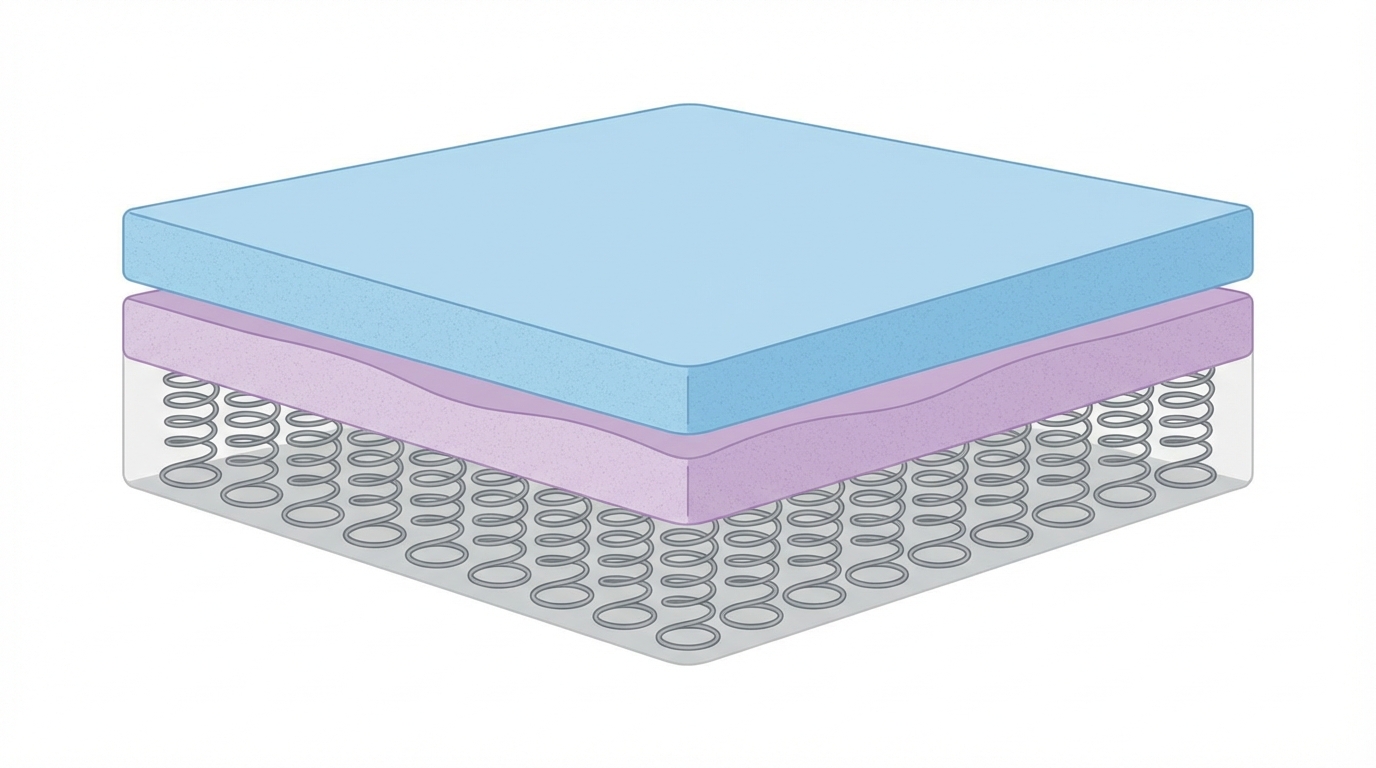
No matter where you buy a mattress, you will almost always run into three main categories: innerspring, foam, and hybrid. Some brands also highlight latex as a separate category, though many latex mattresses are technically foam. Knowing the strengths and tradeoffs of each type will help you navigate any showroom or website with more confidence.
Innerspring Mattresses
Innerspring mattresses are built around a core of steel coils, with comfort layers of foam or fiber on top. They tend to feel more buoyant and responsive, which some people describe as classic mattress feel. If you grew up on a bed that had noticeable bounce, it was probably an innerspring. These mattresses are often a good fit for people who like easy movement on the surface and do not want to feel deeply hugged by foam.
The quality of an innerspring mattress depends heavily on the coil system. Individually pocketed coils, where each spring is wrapped in fabric, provide better motion isolation and contouring than older style interconnected coils. They help your hips and shoulders sink in more precisely without dragging your whole body down. Supportive options like the Sealy Posturepedic Elite Extra Firm Mattress – Brenham II use advanced coil designs and edge reinforcement for people who prefer a very firm, stable feel.
One thing to consider is pressure relief. If you are a side sleeper or have narrower pressure points at the shoulders and hips, you will want an innerspring with adequate cushioning in the comfort layers, not just coils. That is where Euro pillow tops and carefully chosen foams come in. If you lie on an innerspring and feel any sharpness under your hip or shoulder within a few minutes, you may need a softer comfort layer or a different type of mattress entirely.
Foam Mattresses
Foam mattresses include memory foam, polyfoam, and latex foam models. They are known for contouring closely to your body, reducing pressure points, and isolating motion very well. For couples where one partner moves a lot, foam can be a game changer. The Sleep Foundation notes that memory foam can improve sleep quality for people with chronic pain by distributing weight more evenly and reducing localized pressure.
The potential downside is that some foam mattresses can feel too enveloping for people who like to move freely, and lower quality foams can trap heat or develop body impressions more quickly. Higher density foams typically provide better support and durability, especially for heavier sleepers. If you shop foam, look for transparent information about foam density rather than vague marketing language, and test for a balance of support and comfort rather than sinking entirely into the surface.
Foam mattresses shine for side sleepers, people with prominent pressure points, and those who are easily woken by a partner moving. They can also be helpful in smaller spaces or adjustable base setups where quiet, flexible support is important. If you love the idea of foam but are nervous about overheating, pairing your mattress with breathable bedding and a quality protector from a curated collection like pillows, sheets, toppers, and protectors can help manage temperature and protect your investment.
Hybrid Mattresses
Hybrid mattresses combine a coil support core with foam or latex comfort layers on top. In , hybrids continue to dominate many showroom floors because they offer a blend of responsiveness, support, and pressure relief that works well for a wide range of sleepers. The coils provide structure and airflow, while the foam layers fine tune comfort and contouring.
Hybrids are particularly well suited to back and combination sleepers who need their spines held in neutral alignment while still enjoying some cushioning. Models like the Sealy Posturepedic Elite Firm Hybrid Mattress – Brenham II or the Sealy Posturepedic Firm Hybrid Mattress – Medina II are engineered to support the lumbar region while preventing the hips from dipping too far, which is crucial for people who wake up with lower back tightness.
When evaluating hybrids, pay attention to coil count and gauge, foam densities, and zoning. Some hybrids feature firmer coils under the lumbar area and softer ones near the shoulders to better match the shape of your body. Others use specialty foams or gel infusions for temperature control. Try to feel past the very top comfort layer and notice whether your spine feels straight and relaxed in your usual sleep position. That alignment is more important than the first five seconds of plushness.
To help you see the differences clearly, here is a simple comparison of these three core mattress types.
| Mattress Type | Best For | Typical Feel | Key Considerations |
|---|---|---|---|
| Innerspring | Sleepers who like bounce, cooler feel, and easy movement | Buoyant, responsive, with varying levels of cushioning | Coil type and quality matter, may need thicker comfort layer for side sleepers |
| Foam | Side sleepers, people with pain, couples needing motion isolation | Contouring, pressure relieving, less bounce | Foam density and cooling features are important for durability and temperature |
| Hybrid | Back and combination sleepers, couples with mixed preferences | Balanced support and comfort, moderate bounce | Look for pocketed coils, good edge support, and appropriate firmness for weight and position |
Understanding these differences will serve you in any store environment. When a salesperson suggests a model, you will be able to place it in context and ask more pointed questions about how it is built and why it is right for you.
Where To Buy A Mattress If You Have Specific Sleep Needs
Your answer to where to buy a mattress may change if you are dealing with particular issues like back pain, side sleeping discomfort, a partner with different preferences, or a larger body size. In these cases, choosing the right store is as important as choosing the right bed. You want a retailer that recognizes these needs and has products and expertise to match them.
Back Sleepers And People With Back Pain
If you primarily sleep on your back or wake up with lower back stiffness, you will benefit from working with a retailer that truly understands lumbar support. The Mayo Clinic suggests that medium firm mattresses often provide better outcomes for chronic back pain than very soft surfaces, because they maintain the natural curve of the spine without letting the hips sink excessively. That does not mean everyone with back pain needs the same bed, but it does highlight the importance of skilled evaluation.
In a specialty store, a sleep guide can watch your alignment on different firmness levels and recommend models specifically designed for back support. Collections like The Best Mattresses For Back Sleepers are curated with this in mind, featuring coil systems and comfort layers that support the lumbar region effectively. Options such as the Sealy Posturepedic Pro Firm Hybrid Mattress – Dupont II or the Sealy Posturepedic Plus Extra Firm Mattress – Paterson II are engineered for people who want a firmer, more supportive feel.
If you choose an online or big box route with back pain, be extra diligent. Look for clear descriptions of zoning, coil type, and foam density, and only buy from retailers with generous trial periods and straightforward return processes. When your spine is already sensitive, guessing from marketing language alone carries higher risk. In person guidance can shorten the trial and error cycle dramatically.
Side Sleepers And Pressure Relief
Side sleepers tend to have higher pressure at the shoulders and hips, especially if they have narrower frames or sensitive joints. If a mattress is too firm on top, it can cause tingling, numbness, or pain that forces you to toss and turn. If it is too soft through the middle, your hips can sink out of alignment, stressing your lower back. According to sleep research referenced by the Sleep Foundation, side sleepers generally do best with a medium to medium soft surface that still offers solid underlying support.
When asking where to buy a mattress as a side sleeper, prioritize retailers with a thoughtful range of contouring options. Foam and hybrid models often perform well here because they combine cushioning layers with supportive cores. Euro pillow tops like the Sealy Posturepedic Elite Medium Mattress – Brenham II Euro Pillow Top or the Sealy Posturepedic Medium Mattress – Medina II Euro Pillow Top can strike a nice balance by softening the surface without losing structure beneath.
In store, spend time lying on your usual side with your head supported by an appropriate pillow height. Notice whether your shoulder feels jammed or your hip feels like it is hitting a hard spot. A well trained sleep advisor will look from the side and check whether your spine runs in a straight, neutral line from neck to tailbone. Online, look for real customer reviews that mention side sleeping comfort and pay attention to feedback from people with similar body weight to yours.
Couples With Different Preferences
Couples often struggle with where to buy a mattress because they are trying to solve for two sets of needs at once. One partner may love a firmer feel while the other prefers plush. One may be a back sleeper who runs hot, the other a side sleeper who gets cold easily. This is where a retailer with a variety of hybrid and foam options, plus strong product knowledge, can make a big difference.
In a good specialty store, you can test mattresses together and evaluate how much motion transfers when one partner moves, how well the edge supports sitting and sleeping, and whether the surface feel strikes a compromise. Hybrids are often a wise choice for couples, since models like the Sealy Posturepedic Elite Firm Hybrid Mattress – Brenham II offer balanced support that can keep a firmer feel under a slightly softer surface comfort layer. King sizes from curated collections like King Sized Mattresses also give partners more personal space, reducing the feeling of one person rolling into the other.
If you decide to buy online, confirm that the retailer offers a long enough trial for both partners to adjust, and consider models designed for low motion transfer. Foam and pocketed coil hybrids typically excel here compared with traditional interconnected coil systems. Be ready to adjust pillows and bedding along with the mattress to dial in individual comfort.
“My partner is a back sleeper who likes firm and runs hot. I am a side sleeper who loves softer beds and turns into an icicle at night. We were sure there was no way to find something we both liked. The Sleepology consultant walked us through three hybrids and explained what each layer did. We landed on a firm hybrid with a slightly plusher top and upgraded our pillows. It has been the first time in years we are both waking up happy.” – Renee T., December
Practical Checklist: What To Ask Before You Buy Anywhere
Regardless of where you decide to buy, there are certain questions that will protect you from surprises and help you compare options more clearly. Having a simple checklist can keep you grounded when you are faced with sales language, promotions, and a lot of sensory input in a showroom.
Start with materials and construction. Ask what type of coil system is used, whether the coils are individually pocketed, and what gauge they are. For foam, ask about the density of the comfort and support layers rather than settling for descriptive terms alone. Higher density does not always mean firmer, but it usually means more durable. Clarify what the edge support is like and whether the mattress is designed with any zoning for specific body areas.
Next, clarify trial and return policies. Ask how many nights you are expected to try the mattress before initiating a comfort exchange, what fees are involved, and whether you will be responsible for transportation or pick up costs. Understand the warranty coverage, what counts as a defect, and how much visible sagging is required for a claim. Many warranties only cover sagging beyond a certain depth, so knowing that number now can prevent frustration later.
Delivery and setup are also important. Ask whether basic delivery is included, whether the team will remove your old mattress, and if there are additional fees for those services. Confirm approximate delivery windows and whether you can schedule around your availability. In some cases, a slightly higher mattress price that includes full service delivery and removal can be well worth it compared with a cheaper mattress plus the cost and hassle of moving large items yourself.
Here is a concise checklist you can reference when you are in a store or finalizing an online purchase:
- What type of mattress is this (innerspring, foam, hybrid), and why is it a good fit for my sleep position and body type
- What are the key materials inside, including coil type and foam densities
- How is edge support handled, and will it feel stable if I sit or sleep near the edge
- What is the trial period, and what are the exact steps and fees if I need to exchange or return the mattress
- What does the warranty cover, what sagging depth is required, and how do I file a claim if needed
- What is included in delivery, and will the retailer remove my old mattress
- For couples, how well does the mattress reduce motion transfer when one person moves or gets up at night
Once you have these answers, you can compare different retailers and models much more objectively. If a store cannot or will not answer these questions clearly, that is a strong sign you may be better off buying elsewhere. A good mattress purchase should feel transparent and calm, not rushed or confusing.
When Online Research Meets Real World Testing
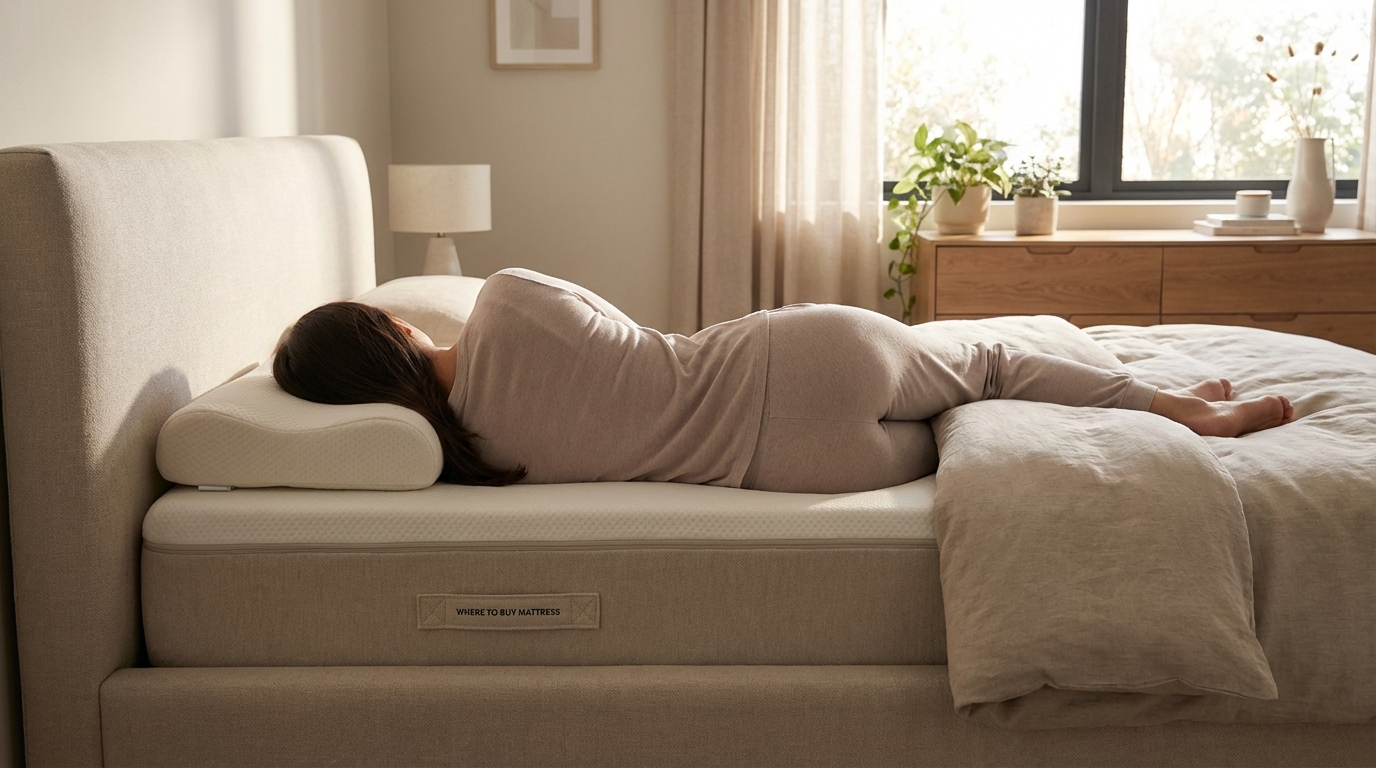
Many people today start their mattress search online, then feel overwhelmed and unsure of what to believe. Between influencer reviews, polished brand websites, and endless product comparison articles, it is easy to collect a lot of information that does not quite translate into how a bed will feel to your body. The most successful mattress shoppers use online research as a starting point, then validate and refine their ideas through real world testing and expert guidance.
Online resources from reputable organizations are especially helpful in setting expectations. The Sleep Foundation, for instance, emphasizes that most mattresses perform best for about 7 to 10 years and that body weight, sleep position, and existing pain all affect which firmness will work best. Academic work and clinical recommendations from places like the Cleveland Clinic and Mayo Clinic reinforce that medium firm surfaces often support spinal alignment well, but there are always individual exceptions. This means any one size fits all claim you see online should be met with healthy skepticism.
Once you have a general sense of what might suit you, bringing that information to a specialty retailer allows you to see how it feels in practice. If you know, for example, that you want a supportive hybrid around medium firm for back sleeping, you can go directly to models built for that need instead of lying on everything in the store. You might test options like the Sealy Posturepedic Firm Hybrid Mattress – Medina II alongside other hybrids and get immediate, physical feedback on which one keeps your spine most relaxed.
Online research also helps you spot marketing exaggerations. If a mattress claims to be “perfect for all sleepers,” yet evidence from sleep medicine suggests that side sleepers often need more cushioning than stomach sleepers, you can ask more pointed questions. If a brand does not share any technical specs, you can notice that gap and decide whether you are comfortable with it. Trustworthy retailers will welcome informed questions and provide clear, jargon free explanations.
A nice middle path is to schedule a visit or a phone consultation with a Sleepology expert after you have done some reading. You bring your research and questions, and we bring twenty years of product testing experience and a showroom full of real examples. Together, you can translate theory into the specific mattress that will see you through many nights of deeper, more restorative sleep.
Conclusion: Turning “Where To Buy A Mattress” Into A Confident Decision
Asking where to buy a mattress is really about wanting a safe, trustworthy path from tired and uncertain to rested and confident. You have seen that there are meaningful differences between online brands, big box stores, factory outlets, and specialty mattress retailers. Each channel can work for the right person and situation, but they are not interchangeable, and they do not all offer the same level of guidance, transparency, or long term value.
The most important step you can take is to match your personal needs, budget, and risk tolerance with the strengths of each buying option. If you crave convenience and are comfortable managing returns, a well chosen online mattress can serve you. If you are dealing with back pain, sharing a bed with a partner who has different preferences, or simply want the highest chance of getting it right the first time, partnering with a specialty retailer like Sleepology gives you access to expert eyes, hands on testing, and carefully curated products.
From here, your next step can be as simple as writing down your top three priorities, gathering a few questions from the checklist above, and deciding whether you want to start with a phone consultation, a showroom visit, or a focused round of online research. Whatever you choose, you deserve a buying experience that leaves you feeling informed, respected, and genuinely hopeful about your next decade of sleep. When you are ready, the Sleepology team is here to turn that “where should I even start” feeling into “I finally found my mattress.”
Frequently Asked Questions
How much should I spend on a mattress for everyday use?
For a primary mattress you will sleep on every night, a realistic investment for most adults is in the mid range rather than the absolute lowest tier. While you can find mattresses at very low prices through outlets or promotions, they often use materials that are more likely to sag or lose support earlier, especially for heavier sleepers. A well built mattress in a moderate price range, such as many of the Sealy Posturepedic hybrids and innersprings offered through Sleepology, can provide 7 to 10 years of reliable comfort, which works out to a small cost per night. If your budget is tight, a specialty retailer can help you prioritize support and durability over bells and whistles you do not truly need.
Is it better to buy a mattress online or in a store?
It depends on your comfort level with risk and how specific your needs are. If you have no major pain issues, are within an average weight range, and feel confident managing returns, a reputable online brand with a generous trial can work. If you have back pain, joint issues, or are unsure about your ideal firmness, buying in a store, especially a sleep focused retailer, lets you test alignment and comfort directly. Many people find a hybrid approach helpful: they research online to narrow down options, then finalize the decision in a showroom with expert guidance.
How long should I try a mattress in a store before deciding?
While you cannot fully simulate a night’s sleep in a showroom, you can learn a lot in 10 to 15 minutes per mattress if you are intentional. Lie in your usual sleep position, use an appropriate pillow height, and give your body time to relax into the surface. Notice whether pressure builds in your shoulders or hips, whether your lower back feels supported, and whether you feel the urge to shift constantly. A knowledgeable sleep advisor can also visually check your spinal alignment and help you compare how it feels across a few top contenders.
Are mattress sales and promotions really good deals?
Some promotions are genuinely valuable, while others are more about creating urgency. The key is to look beyond the percentage off and ask what you are actually getting for the final price. A slightly smaller discount on a higher quality mattress can be a better value than a large discount on a mattress with weaker materials. At Sleepology, promotions are applied to models already vetted for performance and durability, so you are not chasing a discount on a bed that will not serve you well. Always ask whether the model is exclusive to that store, what the comparable everyday price is, and what materials you are paying for.
Where should I buy a mattress if I have chronic back pain or a medical condition?
If you have chronic back pain, arthritis, or another medical condition that affects your sleep, buying from a retailer with deep expertise and a thoughtful selection becomes especially important. A specialty mattress store that understands spinal alignment, firmness needs, and the impact of body weight and sleep position will be better equipped to guide you. It can also be helpful to speak with your healthcare provider or physical therapist about general recommendations, then bring that input to a Sleepology consultant who can translate it into specific products, such as supportive hybrids or firm innersprings designed for back sleepers.
How do I know if a mattress store is trustworthy?
Trustworthy mattress stores are transparent, patient, and focused on your comfort rather than just closing a sale. They explain materials and construction in clear language, welcome questions about warranties and policies, and do not pressure you toward the most expensive option. They also allow and even encourage you to spend time testing beds in your natural sleep positions. Reading reviews can help, but pay closest attention to how the store responds to questions and concerns, both online and in person. If you feel rushed, confused, or dismissed, that is a sign to look elsewhere.
Should I replace my mattress or just add a topper?
A topper can be a smart, budget friendly way to adjust firmness or pressure relief if your mattress is still structurally sound, less than 7 to 8 years old, and not sagging. If you are mostly comfortable but want a bit more softness or support, a high quality topper from a curated selection like pillows, sheets, toppers, and protectors might be enough. However, if your mattress has visible sagging, you wake with consistent pain, or it is well beyond its expected lifespan, a topper will not fix the underlying support problem. In that case, it is usually time to replace the mattress itself rather than layering over issues.