

Where To Buy A DreamCloud Mattress: A Clear, No‑Stress Guide From A Sleep Expert
If you are drawn to DreamCloud because you want that plush, hotel‑style feel without spending a fortune, you are not alone. Many of my clients come in saying some version of, “I think I want a DreamCloud, but I have no idea where to buy it or how to make sure I do not regret the purchase.” When you are already tired, the thought of comparing websites, showrooms, prices, and return policies can feel like one more thing keeping you up at night, not something that will help you sleep better.
Choosing where to buy matters almost as much as choosing what to buy. The retailer you choose determines your trial period, return experience, delivery timing, financing options, and even whether you can lie on the mattress first. It also shapes how easy it is to compare DreamCloud with other mattresses that might actually fit your body and sleep style better. A well chosen buying path protects your budget, your back, and your peace of mind over the next 8 to 10 years.
Here you will find a straightforward roadmap to where you can buy a DreamCloud mattress, the real pros and cons of each option, and how to decide whether DreamCloud is the right mattress in the first place. You will also see how a specialty retailer like Sleepology fits into the picture if you want DreamCloud‑like comfort with different support, price, or feel. My goal is that by the time you are done reading, you will know exactly where and how you want to buy, and you will feel confident that your choice is grounded in both sleep science and real‑world experience.
Throughout, I will pull in what we know from trusted sources such as the Sleep Foundation and Mayo Clinic on how mattress firmness, pressure relief, and spinal alignment affect sleep quality. According to the Sleep Foundation, most adults need 7 to 9 hours of sleep per night, and mattress comfort has a measurable impact on how much of that time is actually restorative sleep, not tossing and turning. When you look at it that way, choosing where and how to buy your mattress becomes less of a chore and more of an important health decision you deserve to get right.
Understanding DreamCloud: What You Are Actually Buying
Before you decide where to buy a DreamCloud mattress, it helps to be clear on what DreamCloud is and who it tends to work best for. DreamCloud has built its reputation on luxury hybrid and memory foam mattresses that feel plush and “hotel‑like” while still landing in the midrange price tier. In , the lineup includes several hybrids and several all‑foam options, from the more budget‑friendly Classic models to more luxurious Premier, Luxe, and Ultra builds.
At a high level, the hybrid models pair coils with foam, which improves airflow and edge support, while the all‑foam versions trade some bounce for stronger motion isolation and a slightly firmer feel under the same “medium firm” label. Independent review labs and consumer testing outlets like Consumer Reports and Tom’s Guide have consistently found that DreamCloud hybrid models provide good pressure relief for most side and back sleepers while remaining supportive enough for many combination sleepers. This combination is a big part of why you see so many “best hybrid mattress for the money” mentions.
From a sleep health standpoint, what you are buying with DreamCloud is primarily a medium firm feel, moderate contouring, and strong support across the middle of the body. Research published in peer‑reviewed journals has linked medium firm surfaces with reduced back pain compared with very firm or sagging mattresses, particularly for people who sleep on their backs or sides. That is because a medium firm surface allows the heavier areas, such as hips and shoulders, to sink just enough while keeping your spine in a neutral position.
At the same time, DreamCloud is not a fully customizable system, and the feel across the range stays in a fairly narrow band. That works beautifully if you are in the “average” range of body weight and sleep mostly on your back or side. If you are very light, very heavy, a strict stomach sleeper, or someone with complex pain patterns, the one‑size‑fits‑many approach can be a mixed bag. This is where the question of where you buy becomes crucial: certain retailers make it much easier to try, compare, and if necessary, change course without regret.
“I was pretty sure I wanted a DreamCloud because of all the reviews online, but once I tried it next to a few other hybrids, I realized I needed a bit more targeted lumbar support. Sleepology helped me pivot to a comparable feel in a different brand and I still stayed in the same budget range.” – Karen D., November
Where To Buy A DreamCloud Mattress: Your Main Options
Once you know you are interested in DreamCloud, the next question is where to buy it. There are four primary paths most shoppers consider: buying directly from DreamCloud online, purchasing from a large national mattress chain, ordering from big box or membership retailers, or working with a specialty store like Sleepology that focuses on matching sleepers to the right mattress, DreamCloud or not.
Each path has slightly different implications for price, perks, and long‑term satisfaction. According to the Better Sleep Council, the average person keeps a mattress about 8 to 9 years, so the decisions you make now will shape hundreds of months of sleep, not just the first few nights. Thinking about the purchase as an 8‑year relationship instead of a one‑time transaction can clarify which buying environment will actually support you.
It is also worth noting that some channels will have access to the most current DreamCloud lineup, while others may continue to sell discontinued or prior‑generation models. This can be an advantage if you know what you are looking for and want to save money, but it can also be confusing if you are trying to compare specs. A retailer who can clearly explain what has changed between generations, and how that affects feel, is incredibly valuable.
Finally, your comfort level with online purchases versus in‑person shopping matters. Some people love the simplicity of ordering online and appreciate a generous sleep trial. Others sleep better knowing they laid on the mattress first and have a real person they can talk to if something feels off. Your “where” should support your personality and preferences, not fight them.
Buying Direct From DreamCloud Online

Buying directly from DreamCloud’s website is the most heavily advertised option and often the first path shoppers consider. The brand leans on what we call a “direct‑to‑consumer plus” model: aggressive online discounts, bundled bedding, a 365‑night trial, and a lifetime warranty in . These headline numbers are attractive for good reason. For many households, knowing you have a full year to decide feels like a safety net under a big purchase.
From a value standpoint, DreamCloud’s own website usually offers the most consistent promotions on current models, along with that long trial and warranty. You also gain direct access to DreamCloud’s customer service team for questions about shipping, returns, or warranty claims. According to DreamCloud’s own materials and independent reporting, shipping in the contiguous United States is typically free, with surcharges for Alaska and Hawaii. Delivery windows can fluctuate by size and inventory, so double‑checking estimated ship dates at checkout is wise.
There are trade‑offs, though. When you buy direct, you are deciding based on reviews, specs, and marketing language instead of your own body’s feedback unless you happen to find a floor model somewhere. Many shoppers discover that their personal sense of “medium firm” does not quite align with the brand’s description once the bed is in their home. Adjusting to any new mattress takes time, and organizations like the Cleveland Clinic note that it can take several weeks for your body to adapt. Still, if the basic feel is wrong from day one and you had no chance to compare beforehand, those first weeks can feel like a test of patience.
Another piece to consider is that, while the trial sounds endless, returning a mattress is still a logistical event. You will not be required to wrestle it back into a box, but you will need to coordinate a pickup and trust that the communication and timing work smoothly. In my experience, this goes fine for most people, but if you already feel anxious about home deliveries or scheduling, it is something to weigh. Buying direct can be an excellent option if you are comfortable with online orders, value the longest possible trial, and have a relatively straightforward sleep profile without complex pain issues.
Buying Through National Mattress Chains
Several national mattress chains and regional furniture stores carry DreamCloud in their showrooms. This option sits between pure online and small specialty retail. You get the benefit of lying on display models, sometimes in multiple comfort levels, while still having access to promotional offers, financing, and brand‑backed warranties. For shoppers who need to feel the bed under them before committing, this is often the first place they head.
The main appeal is sensory feedback. You can sit on the edge to test support, roll to your side to gauge pressure relief at the shoulder, and even bring your partner to lie with you to check motion transfer. Reviews and specs give you clues, but your body’s response is the most honest data point you have. Sleep health organizations regularly emphasize the importance of spinal alignment and pressure distribution, and those are much easier to evaluate in person with a knowledgeable associate watching how your body rests on the surface.
However, there are a few caveats. First, your time on a showroom bed is measured in minutes, not hours, and your muscles behave differently under constant load at 3:00 a.m. than they do during a 10‑minute test. According to the Sleep Foundation, the process of fully adapting to a new mattress can easily take a month or more, which means that a quick showroom impression should guide you but not be your only data point. Second, chain stores often mix house‑branded models and versions of DreamCloud that have slightly different specs than the direct versions, which can make online comparison harder.
Pricing and promotions in chains can also be more complex. You might see a percentage off, a “compare at” number that is higher than the online list, or bundles that look generous but lock you into accessories you might not actually want. This is not unique to DreamCloud; it is the nature of large retail. Asking the salesperson to break down actual mattress price, trial details, and what happens if you need to exchange can quickly reveal how consumer‑friendly a store really is.
“We tried DreamCloud at a big chain store and really liked the feel, but the pricing and return policy were confusing. When we went to Sleepology, they were transparent about how DreamCloud compares to other hybrids and helped us understand what we were sensing on the bed instead of just pushing a sale.” – Luis R., October
Big Box, Membership Clubs, And Online Marketplaces
Another route many shoppers consider is buying DreamCloud from big box stores, membership warehouse clubs, or online marketplaces like Amazon. These channels can occasionally offer lower prices, special events, or the convenience of bundling your mattress with other household purchases. For budget‑sensitive shoppers who already have memberships or rely on free shipping programs, this path can seem very appealing at first glance.
The most important thing to understand here is that your trial, return process, and support will largely be governed by the retailer’s policies, not DreamCloud’s. A marketplace or warehouse club may have generous return windows on paper, but returns can involve repackaging, arranging freight pickups, or bringing a large, heavy item back to a physical location. Online marketplaces, in particular, can also include third‑party sellers, which may complicate warranty eligibility. Reading the fine print on who the seller is and which policies apply is not optional with this route.
There is also a versioning issue. Some big box or club channels will carry specific SKUs that are configured slightly differently for that retailer. These variants might have different covers, foam densities, or coil counts that do not quite match what you see on DreamCloud’s own site or in independent reviews. That is not automatically bad, but it means you need to be careful about assuming that a “Classic Hybrid” in one place is identical to a “Classic Hybrid” somewhere else. Always check listed thickness, construction layers, and any available firmness description.
From a sleep science perspective, none of this changes the basic fact that what your body needs is proper alignment, pressure relief, and thermal comfort. Mayo Clinic and other health organizations have noted that both chronic pain and poor sleep quality are associated with higher long‑term health risks, from cardiovascular issues to mood disorders. Saving a bit of money on the front end is only a win if you still get a surface that supports your health. If you choose this route, do it eyes wide open and be ready to advocate for yourself if anything feels off or confusing.
Buying From A Specialty Retailer Like Sleepology
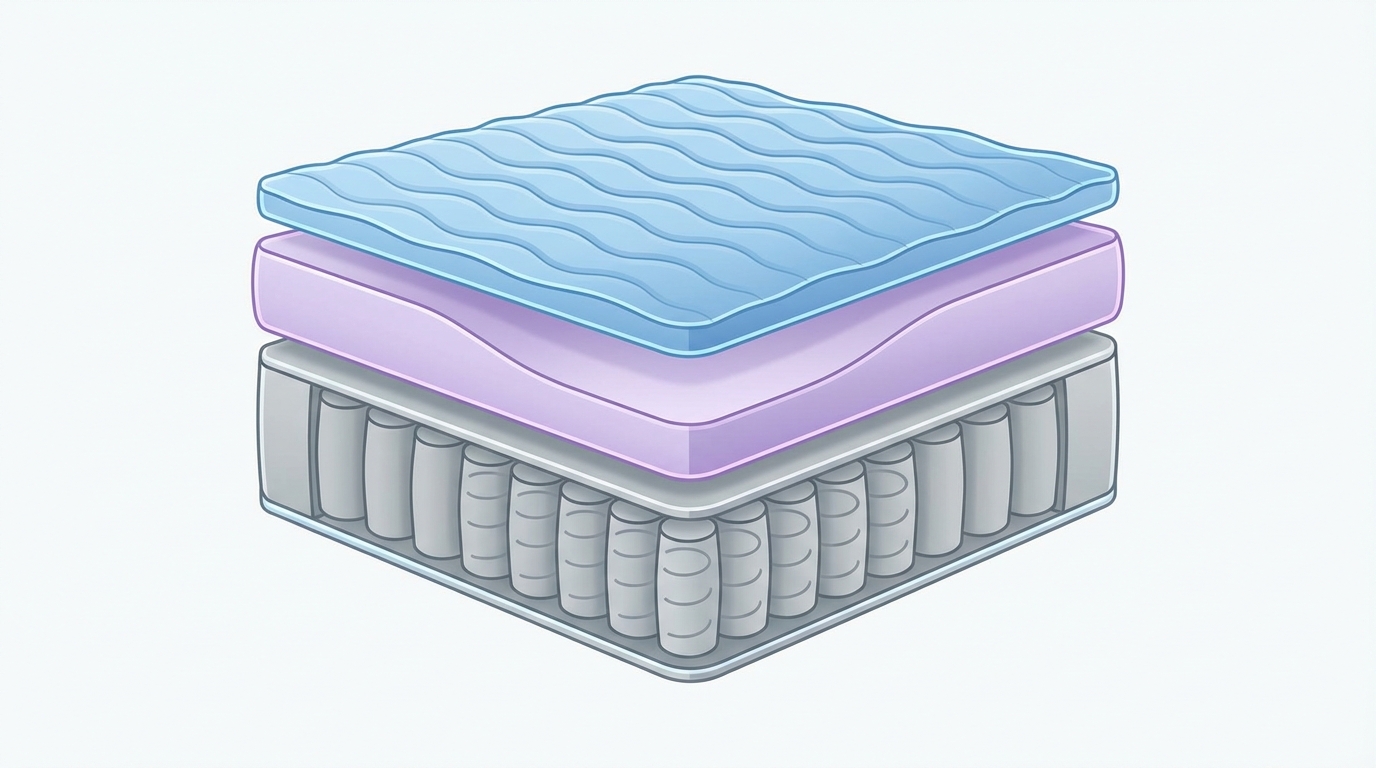
The fourth option, and the one I am obviously close to, is working with a specialty mattress and sleep retailer whose primary focus is matching people with the right sleep solution, not just closing a quick sale. Sleepology does not manufacture DreamCloud, but we regularly help shoppers who are “DreamCloud‑curious” figure out whether that specific brand is the right match, or if an adjacent hybrid or memory foam model might serve them even better over time.
What sets a specialty retailer apart is the level of assessment and comparison you can access. Instead of walking into a sea of mattresses with a salesperson who may or may not understand things like lumbar lordosis, shoulder width, or how different foam densities behave under load, you work with someone whose job is to translate your sleep habits and health concerns into mattress characteristics. We look at your primary sleep position, weight distribution, temperature preferences, and any pain history, then guide you to a cluster of mattresses that share the traits you need.
For example, a back sleeper with mild but chronic lower back pain might fall in love with the plush top of a DreamCloud hybrid, but on closer inspection, we might see that their hips sink slightly too far compared to their shoulders. In that case, a medium hybrid with a slightly firmer core, such as the Sealy Posturepedic Plus Medium Mattress – Paterson II Euro Pillow Top, can offer a DreamCloud‑adjacent feel with more targeted lumbar support. The result is a similar cloud‑like comfort, but with a better alignment profile for that body.
Specialty retailers also tend to invest in carrying accessories that complete the sleep picture. If you are a hot sleeper, pairing a DreamCloud‑style hybrid with temperature‑regulating bedding, such as a TEMPUR‑Breeze Cooling Sheet Set, can significantly improve overall comfort. Because our goal is long‑term satisfaction rather than just selling a specific brand name, we can help you build a full sleep system that supports how you live, not just a single product.
Is DreamCloud Actually Right For You?
The question “where to buy DreamCloud” often hides a more important question: “Is DreamCloud the right mattress for my body and life?” Many people start with a brand in mind because of advertising or a friend’s recommendation. That is understandable, but from a sleep health perspective, the better starting point is your unique profile: how you sleep, where you hurt, and what your environment is like.
Sleep researchers and clinical organizations generally agree on a few core principles. First, your spine should remain as neutral as possible in your primary sleep position. Second, pressure points such as shoulders, hips, and knees should be cushioned enough to prevent numbness and pain. Third, your body temperature should stay within a comfortable range for most of the night. Hybrids like DreamCloud tend to address the first two points for a broad slice of the population by combining coil support with foam comfort layers, and their breathable constructions help with temperature.
DreamCloud is usually a strong candidate if you are a back or side sleeper with average body weight and no major, localized pain that requires surgical precision in your mattress choice. If you like the idea of a medium firm, supportive, slightly buoyant feel with a touch of cushion on top, DreamCloud’s profile aligns well. Independent lab testing has consistently scored DreamCloud hybrids well on edge support and motion isolation, which can be especially helpful for couples.
On the other hand, if you are a strict stomach sleeper or tend to wake with lower back pain, you may need something a little firmer or more zoned in the middle than what most DreamCloud models offer. In that case, browsing a curated category such as The Best Mattresses For Stomach Sleepers can show you options with similar quality that are specifically tuned to your needs. Likewise, if you are a back sleeper who craves a bit of cushioning but absolutely needs rock‑solid midsection support, options like the Sealy Posturepedic Pro Medium Mattress – Dupont II Euro Pillow Top may outperform DreamCloud for you personally.
“I was set on ordering DreamCloud online after weeks of research. At Sleepology, Mia watched me lie on a few beds, including similar hybrids, and pointed out that my hips were dipping slightly and could aggravate my back over time. We ended up with a medium hybrid that felt just as comfortable but left my spine in better alignment. My back and my budget both thanked her.” – Mark H., December
Comparing DreamCloud To Similar Mattresses
Even if you decide to buy DreamCloud, comparing it to similar mattresses is one of the best ways to confirm you are making a solid decision. From an expert’s point of view, the meaningful comparison points are construction type, firmness, support profile, and budget. Hybrid mattresses that combine coils with foam are now the most common category in mid‑ to upper‑tier mattresses in 2026, and DreamCloud sits comfortably in this segment along with brands like Sealy, Saatva, and others.
Here is a simplified comparison table to illustrate how DreamCloud typically stacks up against a few adjacent options you might encounter in a specialty store. These are general patterns, not absolute rules, but they give you a framework for thinking beyond brand names.
| Mattress Type / Example | Overall Feel (Typical) | Best For | Budget Range (Queen, Promo) |
|---|---|---|---|
| DreamCloud‑style luxury hybrid | Medium firm, plush top, buoyant support | Average‑weight back and side sleepers, couples | Mid |
| Zoned support hybrid, e.g., Sealy Posturepedic Plus | Medium to medium firm with stronger lumbar zone | Back sleepers, mild to moderate back pain, combo sleepers | Mid to upper‑mid |
| Softer Euro pillow‑top hybrid, e.g., Sealy Pro Soft | Medium plush, deeper sink at shoulders/hips | Side sleepers, lighter‑weight sleepers needing more cushion | Mid |
| All‑foam medium‑firm mattress | Firmer surface, strong motion isolation | Stomach sleepers, people easily disturbed by partner movement | Budget to mid |
For instance, if you lie on a DreamCloud hybrid and love the initial comfort but feel a hint of strain in your lower back after a few minutes, comparing it to a zoned hybrid such as the Sealy Posturepedic Elite Medium Mattress – Brenham II Euro Pillow Top can reveal whether your body does better with extra midsection support. If the zoned bed feels more stable without sacrificing too much comfort, that is important data.
Similarly, dedicated side sleepers who love DreamCloud’s pressure relief but wish for a touch more plushness at the shoulder might lean toward something like the Sealy Posturepedic Pro Soft Mattress – Dupont II Euro Pillow Top. The goal is not to dethrone DreamCloud, but to make sure it genuinely wins for your body when compared head‑to‑head with peers. This is where a retailer who stocks multiple high‑quality hybrids is invaluable.
It is also worth considering that most people sleep with some combination of mattress, pillow, and bedding that together determine final comfort. If your heart is set on DreamCloud but you tend to wake with neck tension, pairing the mattress with a supportive pillow and breathable bedding, such as the Tempur‑Pedic Mattress Topper and Pillow Travel and Guest Bundle or high‑quality sheets, can fine‑tune your setup without changing the mattress itself.
How To Decide Where To Buy: A Simple Checklist
At this point, you have a sense of what DreamCloud is, how it compares to similar mattresses, and the main channels available for purchase. The last piece is translating that into an actual decision that fits your life. Instead of overthinking every possible angle, I recommend walking through a simple checklist that blends practical logistics with your personal comfort and sleep needs.
First, consider how confident you feel choosing based on online information alone. If you are someone who can read detailed reviews, look at firmness scales, and say “Yes, that aligns with my experience of other beds,” then buying direct from DreamCloud or a reputable online partner can make sense. If you are more tactile, or if you have had a mattress let you down in the past, plan on at least one in‑person testing session, whether at a chain store or a specialty retailer.
Second, weigh how important an extended trial and straightforward returns are for your peace of mind. The Sleep Foundation and similar organizations emphasize that true mattress adaptation takes weeks. A 365‑night trial sounds like overkill, but in practice it simply gives you an entire year of real‑life testing through season changes, colds, stress, and all the variability of normal life. If you know you are sensitive or prone to second‑guessing big purchases, prioritizing retailers that offer long, low‑friction trials is wise.
Third, look at your health picture. If you have chronic back pain, significant joint issues, or conditions like sleep apnea, a more guided, expert‑supported buying process is almost always worth it. In these cases, working with a sleep‑focused showroom such as Sleepology, and browsing curated collections like The Best Mattresses For Back Sleepers, offers a level of nuance that purely online buying typically cannot match. You are not just buying a mattress. You are purchasing a tool that can either help manage or aggravate your symptoms night after night.
Finally, consider budget and timing in a realistic way. DreamCloud and its peers run frequent promotions, and independent reviewers have noted that “evergreen” discounts have become the norm. That means you rarely have to rush into a purchase for fear of missing a once‑in‑a‑lifetime deal. Taking an extra week to test, compare, and ask questions can save you from years of “I wish I had chosen differently” every time you crawl into bed.
Choosing The Right Setup Around Your DreamCloud
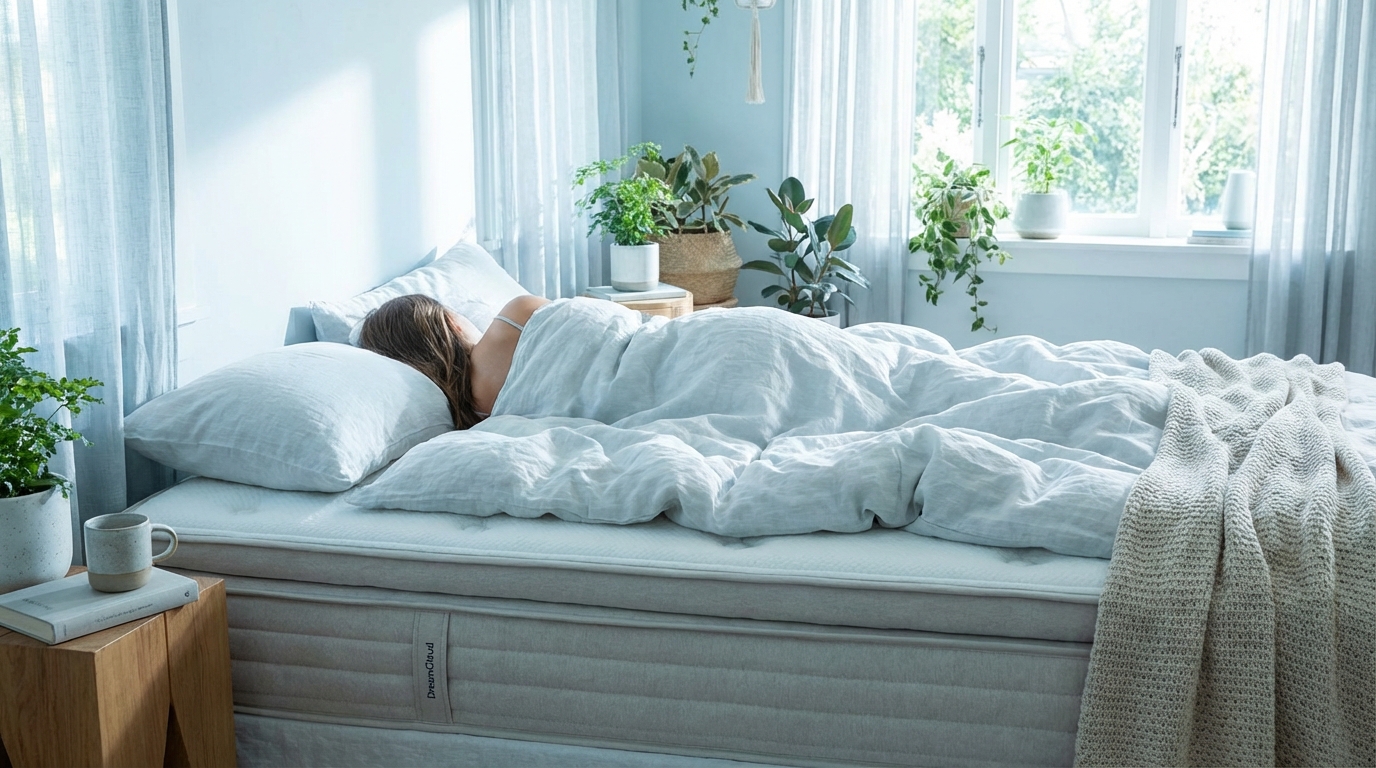
Where you buy your DreamCloud mattress will also influence how easy it is to create the right setup around it. Mattresses do not exist in a vacuum. Your base, pillow, and bedding all interact with the mattress to create what your body actually experiences. According to organizations like the American Academy of Sleep Medicine, sleep environment plays a major role in both falling asleep and staying asleep, and that includes not just noise and light but tactile comfort and temperature.
If you are buying through DreamCloud direct or a large chain, you will see bundles that include a frame, protector, and pillows. Some of these are excellent value. Others are more about optics than long‑term comfort. Specialty retailers, on the other hand, often take a more mix‑and‑match approach. For example, pairing a DreamCloud‑style hybrid with an adjustable bed frame and base can be transformative if you have reflux, snoring issues, or prefer to read or watch TV in bed. Elevating the head slightly can reduce nighttime heartburn and may even help with certain types of back discomfort.
Bedding and pillows matter, too. A breathable mattress topped with non‑breathable sheets or a heavy, non‑ventilated comforter can still leave you overheated. Research on thermoregulation during sleep has shown that small differences in surface temperature can significantly affect sleep continuity, especially in people who already struggle with insomnia. Investing in cooling, moisture‑wicking sheets such as the TEMPUR‑Breeze Cooling Sheet Set can unlock the full potential of a DreamCloud’s breathable cover and hybrid construction.
For some sleepers, adding a thin, high‑quality topper can also adjust feel slightly without changing the core support of the mattress. If you buy DreamCloud and find that it is a hair firmer than your shoulders prefer but you otherwise love it, a targeted topper or even a specific pillow strategy can bridge the gap. The key is to work with a retailer who understands how each component interacts and can help you fine‑tune rather than pushing you toward a different mattress prematurely.
When DreamCloud Is Not The Best Fit (And What To Do Instead)
Even with careful research and generous trials, sometimes a mattress that seems perfect on paper does not quite translate in your bedroom. This is not a failure on your part or the mattress’s part. It is simply a reminder that human bodies are complex, and no single brand can serve everyone perfectly. If you give DreamCloud a fair shot and still wake up stiff, sore, or just not quite rested, your next steps depend heavily on where you bought it.
If you purchased directly from DreamCloud, take full advantage of the trial by giving yourself at least a few weeks to adjust, as recommended by sleep experts, but do not gaslight yourself if persistent pain lingers. Document what you feel, where, and when, then reach out to their support team well before the trial window closes. You may be able to adjust your setup with different pillows, bases, or toppers, and if that fails, the trial exists so you can move on.
If you bought from a chain or big box, revisit the store and talk through your experience with someone experienced, not just whoever is closest to the door. Bring photos of how you look on the bed if possible. A good salesperson or sleep consultant should be able to look at your alignment and suggest whether a firmer, softer, or more zoned mattress might serve you better. This is also where you discover how consumer‑friendly their exchange or comfort guarantee really is.
If you worked with a specialty retailer like Sleepology from the start, you are already in a better position. Because the relationship is consultative, not transactional, we expect to follow up, tweak, and, if necessary, help you transition into a different model. For instance, if you loved DreamCloud’s plushness but your back needs a little extra support, shifting into something like the Sealy Posturepedic Plus Firm Mattress – Paterson II Euro Pillow Top may give you that same high‑end feel with better long‑term ergonomics.
“We bought a DreamCloud online and it was good, just not great for my husband’s back even after three months. Sleepology helped us understand what his spine was doing on the mattress and helped us exchange into a different hybrid that still felt luxurious. It was such a relief to work with someone who cared more about our sleep than about defending a brand.” – Selena P., January
Conclusion: Finding The Best Place To Buy Your DreamCloud
You started with a simple question about where to buy a DreamCloud mattress, but as you have seen, the real answer touches on far more than a URL or a store address. The best place to buy is the one that gives you a fair price, a clear and generous trial, honest guidance about whether DreamCloud is truly right for your body, and support if the first choice does not pan out. DreamCloud’s own website, national chains, big box retailers, and specialty stores all offer pieces of that puzzle in different proportions.
If you are confident in your needs, comfortable with online shopping, and drawn to the long 365‑night trial, buying directly from DreamCloud can be a very reasonable choice. If you want to feel the mattress first and compare it physically to other options, chain stores and especially dedicated sleep retailers like Sleepology can give you the tactile experience and expert feedback that online reviews cannot. And if life or budget nudges you toward big box or marketplace channels, going in informed about policies and versions will protect your investment.
The most important thing is that you end up with a mattress and setup that support restorative, pain‑free sleep, not just a brand you recognize. Your body deserves a surface that respects your spine, cushions your pressure points, and helps you stay comfortably cool for years to come. If you would like help figuring out whether DreamCloud or a similar hybrid is your best path, a Sleepologist at Sleepology would be happy to walk through your sleep habits, health, and budget with you so that when you finally lie down on your new mattress, the only thing left to worry about is which side of the bed you prefer.
Frequently Asked Questions
Is it better to buy a DreamCloud mattress online or in a store?
The right choice depends on how much you rely on in‑person testing and how comfortable you are with returns. Buying online from DreamCloud usually gets you the most consistent promotions and the longest trial, but you are deciding without feeling the mattress first. Buying in a store lets you lie on the bed, check alignment, and compare to other models, though trials and pricing can be more complex. If you are unsure what your body needs, an in‑person assessment at a specialty retailer is often the safest route.
Do I still get the 365‑night trial if I buy DreamCloud from a retailer instead of direct?
Not always. The 365‑night trial is a DreamCloud policy, but how it applies can depend on how the retailer structures their agreement with the brand. Some stores mirror or even exceed it with their own comfort guarantees, while others offer shorter windows or exchange‑only policies. Before you buy, ask directly: “How long do I have to sleep on this mattress, and what happens if it does not work for me?” Get a clear answer in writing so there are no surprises.
How does DreamCloud compare to Sealy Posturepedic and similar hybrids?
DreamCloud generally offers a medium firm, slightly plush feel with strong edge support and good motion isolation at a mid‑range price. Sealy Posturepedic hybrids often add more targeted lumbar zoning and a variety of firmness options. For example, a back sleeper with occasional lower back pain might get more tailored support from a zoned model like the Sealy Posturepedic Medium Mattress – Medina II Euro Pillow Top, while a side sleeper seeking extra cushion might prefer a softer Euro pillow top. Comparing them side by side is the best way to know which profile your body prefers.
I have chronic back pain. Is DreamCloud a good choice for me?
It might be, but chronic back pain warrants extra care and sometimes a more customized approach. Research suggests that medium firm mattresses can reduce back pain for many people, and DreamCloud fits that category. However, the exact way your spine curves, your weight, and your sleep position can make a big difference. If you have ongoing pain, it is wise to both talk with your healthcare provider and work with a knowledgeable mattress specialist who can visually assess your alignment. Collections curated for back support, such as The Best Mattresses For Back Sleepers, are a good starting point for alternatives if DreamCloud does not quite match your needs.
Can I put a DreamCloud mattress on an adjustable base?
Yes, modern DreamCloud mattresses are designed to be compatible with most adjustable bases, as long as the base provides adequate support. Using an adjustable bed can be especially helpful if you experience reflux, snoring, or prefer to sleep with your head elevated. If you are building a new setup, you can explore options in the adjustable bed frame and base collection and confirm that the specific DreamCloud model you are considering is rated for adjustable use.
What else should I buy with a DreamCloud mattress to improve my sleep?
Beyond the mattress itself, focus on a breathable protector, supportive pillow, and temperature‑regulating sheets. Organizations like the Sleep Foundation point out that overheating can fragment sleep, so pairing DreamCloud’s breathable construction with cooling bedding such as the TEMPUR‑Breeze Cooling Sheet Set helps maintain a comfortable sleep temperature. If you travel often or share beds in multiple homes, adding a quality travel pillow or topper bundle can also make your sleep more consistent across different environments.
How long will a DreamCloud mattress last before I need to replace it?
DreamCloud offers a lifetime warranty on its mattresses, which speaks to their confidence in durability. Practically speaking, most mattresses, including high‑quality hybrids, provide their best comfort and support for about 8 to 10 years, depending on body weight, usage, and how well they are cared for. Rotating the mattress as recommended, using a proper base, and protecting it from moisture and stains will help extend its useful life. Regardless of brand, if you start waking up stiff or see significant sagging, it is time to reassess whether your mattress is still serving you well.