

Feeling Stuck On Where To Buy A Mattress? You Are Not Alone
If you are wondering where to buy a mattress, it probably already feels a bit overwhelming. You are bombarded with TV ads, online pop ups, influencer codes, and big red SALE signs in every shopping center. At the same time, you are trying to solve a very real problem, like waking up with back pain, sharing a bed with a restless partner, or finally upgrading from a lumpy old mattress. It is a big purchase that you live with for years, so it makes sense that you want to get it right.
Where you buy your mattress matters almost as much as what you buy. Different retailers have very different levels of expertise, return policies, delivery options, and pricing transparency. According to Consumer Reports, retailer choice can dramatically change how satisfied you feel with your mattress long term because it affects selection, trial periods, and how easy it is to fix a mistake. When you are already tired, the last thing you need is a confusing or high pressure shopping experience that leaves you second guessing yourself.
You are in the right place if you want clear, practical guidance instead of hype. You will learn how to compare major places to buy a mattress, what tradeoffs to expect, and how to spot red flags so you do not get stuck with a mattress that does not fit your body or your budget. You will also see where a service oriented retailer like Sleepology fits into the picture and how to use expert help without feeling pushed into something that is wrong for you.
By the end, you will understand which buying channel matches your personality, your sleep needs, and your comfort with risk. Whether you lean toward seeing and trying mattresses in person, prefer the convenience of shopping from your couch, or want something in between, you will have a clear path to follow and a checklist to use so you can move forward with confidence instead of confusion.
How Your Buying Location Shapes Your Sleep Outcome
Where you buy a mattress is not just about convenience or who has the biggest coupon. It shapes the kind of advice you receive, how honestly pros and cons are discussed, and what options you have if the mattress feels different at home than it did in the store. In other words, it affects both your decision today and your sleep for the next 8 to 10 years.
Mattresses are deeply personal. The same model that feels perfect for your neighbor might aggravate your shoulders or hips. Organizations like the Sleep Foundation and Mayo Clinic consistently emphasize that spinal alignment, pressure relief, and sleeping temperature are key to avoiding pain and waking refreshed. When you choose where to shop, you are also choosing how much support you are going to get in matching those factors to your body, sleep position, and health conditions.
Another often overlooked piece is how realistic the test experience is. A quick 30 second lie down in a noisy showroom or a flashy ingredient list on a product page does not always reflect how a mattress will feel at 3 a.m. on a stressful work night. Good retailers build in ways to bridge that gap, with detailed questions, longer in store trials, and generous at home sleep trials that let your body truly adapt. Less thoughtful retailers might focus on closing the sale and leave you to figure out the consequences later.
Your buying location also influences what is included in the price. Some places fold in delivery, setup, and old mattress removal. Others charge extra for every step, which can add hundreds of dollars and a lot of hassle to what seemed like a bargain. When you compare where to buy a mattress, you are really comparing the entire experience, from research and test lying to delivery, support, and swaps if you need them.
“I had been putting off replacing our sagging queen because I dreaded the shopping process. At Sleepology, Mia asked questions about my back pain and our budget instead of pointing me to the most expensive option. We ended up with a mid range hybrid and saved about $600 compared with what a big box store tried to sell us, and the delivery and old mattress removal were seamless.” – Lauren S., November
Comparing The Main Places To Buy A Mattress
When people search for “where to buy a mattress,” they are usually trying to weigh several very different options. To make this less abstract, it helps to break the landscape into five main categories: dedicated mattress retailers, big box and membership clubs, furniture stores, direct to consumer online brands, and local specialty or boutique shops. Each has strengths and weaknesses, and understanding them will help you narrow down your best fit.
Dedicated mattress retailers focus almost entirely on sleep products. These stores typically carry multiple brands and models, which makes it easier to compare different constructions side by side, such as innerspring, foam, and hybrid. The best of these retailers invest in training and tools to evaluate posture, pressure points, and sleep preferences instead of guessing based on price. A retailer like Sleepology, for instance, centers the experience on sleep education, not just inventory, which is a big reason many shoppers leave feeling more confident rather than more confused.
Big box stores and membership clubs appeal to bargain hunters and people who like one stop shopping. You might be picking up groceries, a TV, and a mattress in the same trip. Prices can be very attractive, especially on their in house brands or seasonal specials. The tradeoff is often a narrower selection, limited ability to customize firmness for specific needs, and staff who may know a little about a lot of product categories but are not necessarily sleep specialists. For some shoppers that is fine, especially if they already know exactly what they want, but it can be risky if you are still figuring out your comfort preferences.
Furniture stores sit somewhere in the middle. They usually carry a small number of mattress brands to complete bedroom sets. The benefit is that you can see the mattress together with your bed frame and headboard, which is helpful for style and height planning. The downside is that mattresses are often treated as an add on instead of the star of the show. You might get more help choosing a dresser finish than optimizing firmness for your shoulders and lower back.
Meanwhile, online direct to consumer mattress brands and marketplaces exploded over the last decade. They promise simple shopping, easy comparison, and free home delivery, all from your laptop. According to more recent Consumer Reports data, online purchasing peaked around 2021 but has been tapering as people return to stores to test in person, which highlights a key tension. Convenience is high, but your ability to feel the mattress before buying is limited. The best online sellers balance this with generous sleep trials and clear return policies, but not every brand handles this equally well.
Lastly, local specialty or boutique shops tend to be smaller and more personalized. Some focus on organic or natural materials, others on luxury hand tufted models, and many on individualized fitting. These stores can be fantastic if you value deep expertise and are willing to spend some time being coached through options. Prices may be higher, but you are paying for careful guidance and long term support rather than massive national advertising campaigns. A service led retailer like Sleepology aims to bring that boutique, sleepologist driven experience to a broader range of budgets.
Mattress Types And Where Each One Is Easiest To Buy
Once you start exploring where to buy a mattress, you will quickly notice that not every retailer leans equally into every type of mattress. Some emphasize memory foam in a box. Others build their identity around traditional innersprings or luxury hybrids with zoned coils. Understanding how mattress type and retailer type intersect can save you a lot of time and walking.
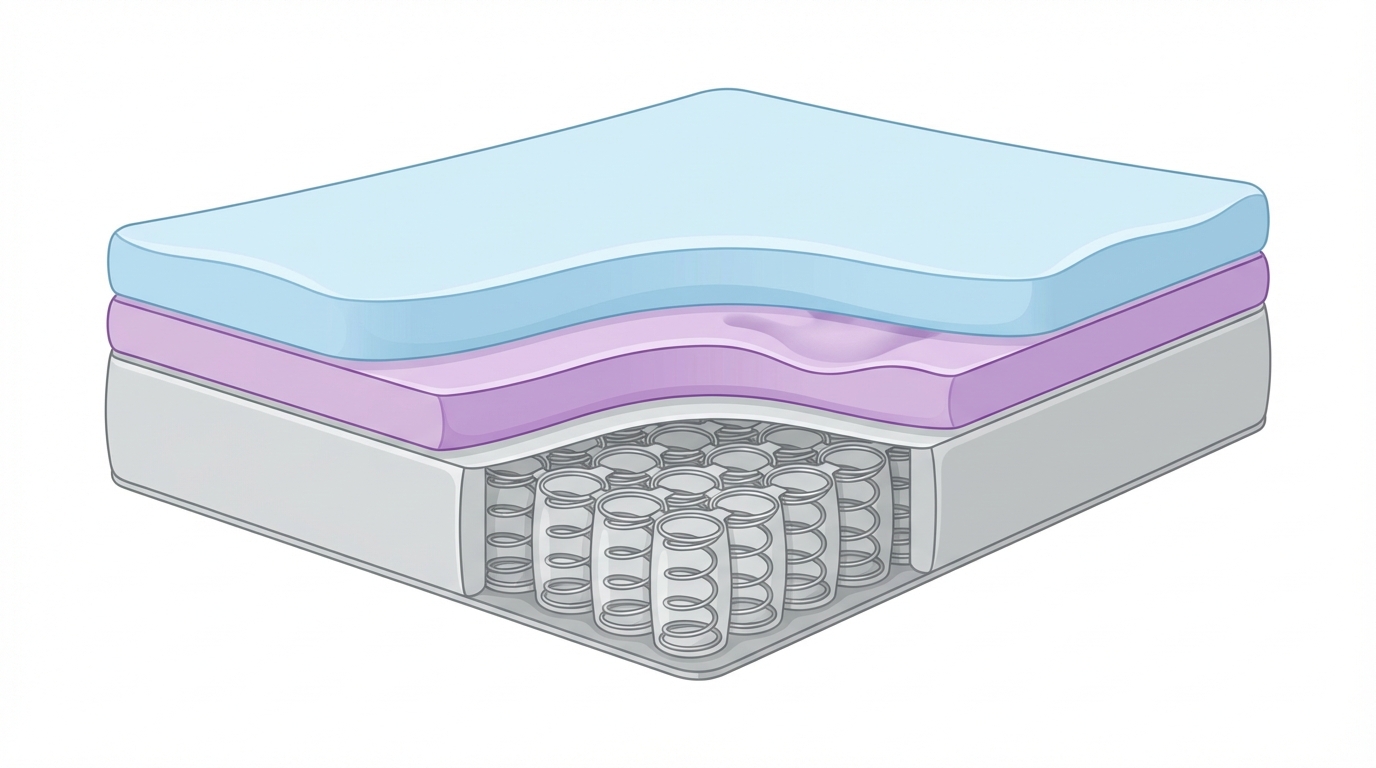
Traditional innerspring mattresses are still widely sold in mattress chains, furniture stores, and warehouse clubs. They are familiar, bouncy, and often carry attractive sale tags. Hybrids, which combine coils with layers of foam or latex, are increasingly popular because they offer the support and airflow of springs with the contouring of foam. In , hybrid mattresses continue to dominate many showrooms because they work well for a wide range of bodies and sleep styles, especially couples with different needs.
All foam mattresses, including memory foam, show up everywhere, but they are especially common from online direct to consumer brands. Many of those brands ship compressed mattresses straight to your door. This can be very convenient if you live in a walk up or do not have a truck. At the same time, foam behaves differently at room temperature and under your body weight than a quick hand press suggests, which is why organizations like the Cleveland Clinic caution people with back pain to prioritize proper support and not just plushness. Having a knowledgeable guide to talk through foam density, layer construction, and your body weight can prevent disappointment.
Hybrid and foam models are a big focus at Sleepology because they offer so much customization for real life bodies. For example, a side sleeper dealing with shoulder pressure might find relief on a plush yet supportive Sealy Posturepedic Pro Soft Mattress – Dupont II Euro Pillow Top, while a person who alternates between side and back could do better on a medium hybrid that keeps the spine aligned. For those back sleepers, a curated collection like The Best Mattresses For Back Sleepers streamlines the search to models that are more likely to match their needs from the start.
If you are most interested in foam, shopping where you can compare multiple densities and feels makes a huge difference. A focused collection such as The Best Foam Mattresses puts comparable options side by side, which is harder to do when foam is only a small corner of a general furniture store. On the other hand, if you know you want a coil based feel, shopping where there are several hybrids and innersprings lined up in a row makes it easier to notice subtleties in support under your lumbar area.
“I thought I wanted the softest memory foam I could find because my old bed felt hard, but after talking through my sleep habits and trying a few options at Sleepology, we switched to a medium hybrid. It still feels cozy, but my hips do not sink like they did before. I wish I had that level of guidance when I bought my previous mattress online and ended up eating a return shipping fee.” – Daniel P., October
Side By Side: Where To Buy A Mattress And What To Expect

Sometimes it helps to see the different buying options in one place. The table below compares four of the most common places people consider when they are deciding where to buy a mattress. It summarizes what you can generally expect in terms of selection, trial and return policies, and the level of expert help you are likely to receive.
| Place to Buy | Typical Selection | Trial / Return Policy | Level of Expert Guidance |
|---|---|---|---|
| Dedicated mattress retailer | Wide range of brands, types, and firmnesses | Often 90–120 night trials, structured swaps | High, with trained sleep specialists |
| Big box or membership warehouse | Limited models, heavy on promotions | Shorter trial windows, stricter conditions | Low to moderate, staff cover many areas |
| Furniture store | Small mattress corner with a few brands | Varies, often tied to furniture policies | Moderate, but sleep is not the focus |
| Online direct to consumer brands | Broad online catalog, often own brand only | Generous at home trials but mail based returns | Low live guidance, more self research |
This comparison is a starting point, not a rigid rule. Individual retailers within each category can be better or worse than the pattern. Some big box stores have well trained sleep specialists, and some mattress specific stores care more about quotas than your comfort. What matters is how closely a particular retailer matches the level of support, flexibility, and transparency you want.
From a sleep science standpoint, what you really need is enough time and feedback to match the mattress to your body. Research cited by the Sleep Foundation shows that comfort and support are strongly linked to subjective sleep quality, which means how you feel matters as much as any technical specification. The more guided, relaxed, and pressure free the buying context, the better your odds of noticing those body signals and choosing well.
Buying From A Dedicated Mattress Retailer
Why Many Shoppers Are Returning To Stores
In recent Consumer Reports surveys, more people have been shifting back to in store mattress shopping after a peak of online purchases a few years ago. One major reason is that comfort is difficult to judge from a screen or a compressed box. When you visit a dedicated mattress retailer, you have the chance to feel immediate differences in firmness, bounce, and temperature regulation across a range of models. For someone who is not sure if they prefer foam, hybrid, or traditional coils, that hands on experience is often invaluable.
A good mattress store also creates a structure for decision making. Instead of pointing you at a wall of beds and telling you everything is on sale, a knowledgeable sleep guide will ask about your sleep positions, whether you share the bed, any pain issues, and your budget. Then they will narrow the field to a small set of options and help you compare what you feel on each bed with what your body needs. That kind of coaching is especially important if you have health concerns like arthritis, sciatica, or sleep apnea, where support and ease of movement really matter.
According to organizations like Mayo Clinic, upgrading to a supportive, comfortable mattress can improve back pain and overall sleep quality, but they also note that there is no one best bed for everyone. That aligns perfectly with the strengths of a specialty retailer that treats every shopper as a unique sleeper instead of pushing one or two “house favorites.” When your salesperson is compensated for long term satisfaction rather than just the ticket size of today’s sale, you get more honest feedback about what you are feeling.
Sleepology is designed around that kind of expert, low pressure experience. The focus is on realistic conversations about your current sleep, the mattresses you have liked or disliked, and your willingness to invest in support versus extras you may not actually need. In many cases, shoppers discover that a thoughtfully chosen mid range hybrid like the Sealy Posturepedic Elite Medium Hybrid Mattress – Albany II gives them the support and comfort they were seeking without stretching their budget to the very top shelf models.
“We had tried to buy online twice and returned both mattresses. It was such a headache. At Sleepology, Mia watched how my husband and I lay down, checked our shoulder and hip alignment, and suggested a different firmness for each of us than we expected. We have been sleeping on the Albany II hybrid for three months now, and for the first time my husband is not complaining about his lower back in the morning.” – Renee T., December
Pros And Cons Of Dedicated Mattress Stores
Dedicated mattress stores offer a lot of advantages, but they are not perfect for every shopper. On the plus side, you typically get a large selection, the ability to compare multiple brands in one trip, access to trained sleep specialists, and structured comfort guarantees. Most reputable retailers offer sleep trials of at least several weeks, and some extend this to 90 nights or more so you can adjust at home and still have options if your first choice is not quite right.
Another strength is the inclusion of support services. Many mattress retailers provide white glove delivery, setup, and removal of your old mattress and foundation. Some, like Sleepology, help you pair your new bed with compatible bases, such as the Sealy Mattress Base Boxspring Foundation | Standard 9-inch height or the Sealy Mattress Base Boxspring Foundation | Low Profile 5-inch height, so you end up at a comfortable bed height and with proper support for your mattress warranty.
The potential downsides come down to specific store culture. Some national chains use aggressive sales tactics, complex pricing games, or high pressure time limited offers that erode trust. Others have less transparent return or exchange fees. It is also possible to feel overwhelmed if there are too many similar options lined up without a clear process for narrowing them down. This is why looking for a store that leads with questions and education instead of discounts and slogans matters so much.
If you choose to buy from a dedicated mattress retailer, go in with a clear budget range, a list of your main sleep challenges, and a willingness to say no to options that do not feel right in your body. A store that genuinely has your back will respect that and help you stay grounded. If you ever feel rushed, you can always pause, step away, or call ahead to schedule time with a sleep specialist who can walk you through the process at your pace.
Big Box Stores And Membership Warehouses
When They Make Sense For Mattress Shoppers
Big box stores and membership warehouses can be appealing if you love the idea of stacking savings and knocking out multiple errands in one trip. You might spot a giant pallet of mattresses next to the televisions or see a row of models set up along a back wall. The pricing often looks very attractive, particularly on exclusive in house brands or special purchase models brought in just for a promotion. For budget conscious shoppers who are not very picky about feel, this can look like the easiest answer.
In some cases, these stores also offer straightforward return policies tied to your membership, which can reduce the fear of making a mistake. If you are already familiar with that store’s house brand, or you are replacing a mattress you liked before with its updated version, the big box path can save time. You may also find occasional high end models at a discount because warehouses can negotiate large volume buys with manufacturers.
However, these environments are not built around quiet, focused mattress testing. Lighting is bright, aisles are busy, and you might feel self conscious lying down for more than a minute or two. The staff, while often helpful, are typically generalists who cover many departments rather than sleep specialists with deep training. As a result, you are relying more on your own research, your instinctive reaction, and brand labels than on personalized guidance about spinal alignment or long term durability.
If you head to a warehouse or big box store, consider using it as a rough feel check rather than your only research. You can get a general sense of whether you like a firmer or softer surface, whether pillow tops appeal to you, and whether foam feels too enveloping. Then you can refine your choice at a sleep focused retailer where someone can connect those preferences to specific models and long term comfort.
Common Tradeoffs At Big Box Retailers
While the sticker price at a big box store can be lower, the tradeoffs often show up later. One common issue is limited selection. You may only see a handful of models, many tailored specifically for that chain. That makes it difficult to compare prices or performance with what you see reviewed by independent sources like Consumer Reports or what sleep experts recommend. You might end up choosing “the best of what is here” instead of “the best fit for my body and budget.”
Another tradeoff is the level of detail you get about construction. Labels might emphasize buzzwords like gel, cool, or orthopedic without clear information about foam densities, coil count, or zoning. The Sleep Foundation and similar organizations stress that these details affect how a mattress wears over time and how supportive it feels for different body weights. Without that information, you may face more uncertainty about how the bed will feel three or five years down the line.
Trial and return policies at big box stores also vary. Some membership clubs have generous return policies, while others impose restocking fees or require that the mattress be in near perfect condition. Delivery and old mattress removal may or may not be included, and you will usually have less flexibility about scheduling. If you live in a tight space or have physical limitations that make moving large items difficult, this can become a significant source of stress.
None of this means you should never buy from a warehouse or big box store. It simply means you should go in with open eyes. Know that you are trading a more tailored, education heavy approach for lower prices and convenience. Many shoppers still choose a dedicated mattress retailer, like Sleepology, even when they are value conscious, because they want the reassurance of expert fitting and structured support if the first choice is not quite right.
Furniture Stores As Mattress Retailers
When A Furniture First Store Might Work
Furniture stores are a natural place to encounter mattresses, especially if you are shopping for a complete bedroom set. You can see the bed frame, nightstands, dresser, and mattress all together, which is helpful for planning your room layout and aesthetics. If you are already committed to a particular brand or type of mattress, or you are replacing the exact model that came with your set years ago, buying through a furniture store can streamline everything into a single delivery and setup.
Some furniture retailers also carry well known mattress brands, so you may recognize names and feel some comfort in that familiarity. If that store trains a few associates as sleep leads, you might get reasonably good guidance on firmness and support. In addition, furniture stores may run promotions that bundle savings across mattress, frame, and accessories like headboards or dressers, which can be attractive if you are furnishing a whole room at once.
However, furniture environments are not sleep labs. Lighting, noise, and priorities are geared more toward design and decor than subtle posture and pressure point assessment. The associate helping you choose a mattress might have just finished advising someone on leather versus fabric for a sectional sofa. They are juggling many product categories at once, which limits how deep they can go into sleep science and mattress engineering.
If you choose to buy a mattress from a furniture store, treat that decision with the same seriousness you would at a specialty retailer. Take the time to lie down for at least 10 to 15 minutes in your usual sleep position. Ask about trial periods, exchange options, and what happens if the mattress does not feel right after a few weeks. Do not let the excitement of decorating a beautiful room overshadow the importance of how you will feel lying in that room every night.
Limitations To Be Aware Of
The biggest limitation at many furniture first retailers is constrained selection. You might only see one or two brands and a narrow slice of firmness levels. If those options happen not to align with your body type or sleep style, you may feel pushed into compromising. For example, a side sleeper with sensitive shoulders might be shown a mattress line that is generally on the firmer side because that is what the store carries, leading to ongoing discomfort that could have been avoided with access to more plush yet supportive choices.
Warranty and return policies can also be more complicated, especially when bundled with furniture promotions. You might discover that mattress exchanges are handled differently than furniture returns, or that you are responsible for all transportation costs. Some stores treat mattress sales as final once the plastic is removed, which can be a shock if you assumed there was a trial period similar to what specialty stores offer. Always ask for written details and read them carefully.
Finally, furniture stores often give less attention to foundation compatibility, airflow, and accessories that impact long term comfort and hygiene. A dedicated mattress retailer is more likely to talk with you about mattress protectors, pillows, and bases that complement your chosen mattress. For example, at Sleepology, a shopper choosing a plush euro pillow top may be guided to supportive pillows and breathable protectors from the Pillows, Sheets, Toppers, Protectors collection to keep their sleep surface clean and comfortable without changing the feel they liked.
If you love the bedroom furniture at a particular store, you can always buy the frame there and your mattress from a sleep specialist. Mix and match is common and perfectly acceptable. The only key is to confirm that the frame and foundation you choose provide adequate support and clearance based on your mattress warranty and thickness.
Buying A Mattress Online
The Appeal Of Online Mattress Shopping
Buying a mattress online can feel very attractive if you are busy, introverted, or simply prefer to research at your own pace. You can compare dozens of models, read reviews, and check specifications without leaving your couch. Many direct to consumer brands highlight simple pricing with frequent discounts, and they bundle delivery directly to your home. For people who live far from major shopping areas or who have limited transportation options, the ability to have a mattress shipped in a compact box is a real advantage.
Online shopping also gives you access to niche brands, organic materials, or specialty constructions that might not be widely available in local stores. You can filter by firmness, type, and price, then dive into independent reviews and expert roundups. Reputable organizations like Consumer Reports and the Sleep Foundation provide buying guides and testing data that can help you sort marketing claims from meaningful features. If you enjoy research, this can feel empowering.
Another major selling point is the at home sleep trial. Many online brands offer 90, 100, or even 365 night trials, allowing you to adapt to the mattress in your natural sleep environment. Since it takes most people a few weeks to adjust fully to a new sleep surface, these trials are valuable. As the Cleveland Clinic notes, it is normal to feel some initial soreness when you move from an unsupportive mattress to a more supportive one, so having time to work through that adjustment is important.
However, online shopping puts most of the responsibility for fitting the mattress on you. You have to interpret firmness scales, compare foam densities, and decide how your body weight and sleep position will interact with specific constructions. If you misjudge, you may face the inconvenience of arranging a pickup or donation for a mattress that did not work out, even if the return is technically free. That is one reason more shoppers are blending online research with in person testing at places like Sleepology before finalizing their choice.
Risks And How To Reduce Them
The main risk with online mattress purchases is that your body experience does not match your expectations. Firmness labels are not standardized. One brand’s medium can feel like another brand’s firm. Without lying down on the bed, it is harder to know how much you will sink at your shoulders, hips, and lower back. People with back pain, arthritis, or higher body weight are especially sensitive to these nuances, and organizations like Mayo Clinic suggest working with a professional when possible to avoid aggravating pain.
To reduce this risk, look for online brands that publish detailed specs, including foam densities, coil gauge, and zoning patterns. Check for third party certifications where relevant, and read a mix of positive and negative reviews with attention to body type and sleep position. If a mattress is consistently described as too soft for stomach sleepers, for example, that is important context if you spend part of the night on your stomach.
Pay close attention to the fine print of sleep trials and returns. Some brands require that you keep the mattress for a minimum number of nights before initiating a return, which is reasonable, while others add handling fees or limit returns to one per household. Clarify who will arrange pickup or donation and whether you have to keep original packaging. These logistics matter more than they may seem, especially if you live in a small space.
A hybrid approach can offer the best of both worlds. You can do your initial research online, then visit a retailer like Sleepology to test similar constructions and firmness levels in person. Once you know, for example, that you prefer a medium firm coil based hybrid with good edge support and enhanced lumbar zoning, you can confidently choose a specific model, whether you ultimately buy it in store or through an online cart.
Local Specialty Shops And Boutique Retailers
What Makes Boutique Mattress Experiences Different
Local specialty and boutique mattress shops often feel very different from national chains or big box aisles. They tend to be quieter, with fewer models on the floor but more depth of knowledge behind each one. The staff are usually owner operators or long time sleep specialists who have personally tested many of the beds they sell. For shoppers who value conversation, nuance, and continuity of care, this can be a refreshing alternative to fast paced, promotion driven environments.
These stores frequently focus on particular niches, such as organic and natural materials, hand tufted luxury builds, or custom made mattresses tailored to each side of the bed. They may spend significant time understanding your health history, sleep challenges, and comfort preferences. Some even offer posture imaging or pressure mapping to visualize how your body interacts with different surfaces. That depth of attention can be especially helpful if you have complex needs or have been disappointed by previous mattresses.
Sleepology embraces many of the strengths of specialty boutiques, with a focus on education, curated assortments, and long term relationships, while also working to keep a range of price points accessible. Rather than flooding the floor with every possible model, the team narrows the selection to beds that perform well across real customers over time. For example, the Sealy Posturepedic Elite Firm Hybrid Mattress – Brenham II and the Sealy Posturepedic Elite Soft Hybrid Mattress – Brenham II exist in both firm and soft versions so that sleepers can fine tune feel without sacrificing core support and durability.
Boutique style retailers are also more likely to see your sleep as an ecosystem rather than a single purchase. They will talk with you about pillows, sheets, toppers, bases, and even bedtime routines. That ecosystem approach aligns well with guidance from the Sleep Foundation, which points out that mattress quality interacts with bedroom temperature, noise, light, and pre sleep habits to influence how restorative your sleep feels.
Who Benefits Most From A Specialty Approach
A specialty or boutique style retailer is not necessary for everyone, but it can be transformative for certain types of sleepers. If you have chronic pain, joint issues, or a history of sleep disruption, working with an experienced guide who has seen many bodies and conditions can shortcut years of trial and error. They can often notice alignment issues that you do not see yourself and suggest targeted changes, such as pairing a medium support mattress with a specific type of pillow or topper.
Couples with very different body types or firmness preferences often benefit too. Instead of compromising on a single middle of the road mattress that leaves both people slightly dissatisfied, a specialty shop can explore split firmness solutions or hybrids that balance contouring and support in more nuanced ways. This can reduce partner disturbance and help both people wake up more refreshed and less resentful of the bed.
Environmentally conscious shoppers or those sensitive to chemicals may also prefer boutique environments, where ingredient transparency and material sourcing are front and center. You can ask detailed questions and expect thoughtful answers instead of general reassurance. If you later decide to adjust your sleep setup, you have a relationship with a specific expert or team who remembers your history and can guide your next step.
If you are not sure whether a specialty retailer like Sleepology is right for you, consider your frustration level. If you have already tried multiple mattresses without lasting success or you feel overwhelmed by online choices, that is a strong sign that more tailored, expert support could be worth the time. A single focused session with a sleepologist may save you from years of compromise and repeated purchases.
What To Look For In Any Mattress Retailer
Regardless of where you finally decide to buy your mattress, certain qualities separate trustworthy retailers from those that are more focused on moving inventory than supporting your sleep. Paying attention to these signals can protect both your wallet and your spine. It also helps you quickly filter out places that do not deserve more of your time.
First, look for transparency. A good retailer explains pricing, promotions, and policies in clear, straightforward language. They are willing to show you models at different price points and explain what you are truly gaining as you move up in price, rather than simply implying that more expensive is always better. They welcome questions about construction, materials, warranties, and long term performance.
Second, pay attention to how they respond when you hesitate or are unsure. An education oriented retailer will slow down, ask more questions, and look for better fits. A pressure oriented store may pivot to urgency or guilt, implying that you are wasting their time if you do not buy today. Since mattress satisfaction is highly individual, as confirmed by surveys from Consumer Reports and academic sleep research, any store that pushes one or two “magic” models as universally perfect is oversimplifying reality.
Third, evaluate how they talk about sleep health. Do they acknowledge that certain conditions, like chronic back pain or sleep apnea, might warrant medical input or specific guidance from health professionals? That level of humility typically reflects a more responsible approach. Organizations like Mayo Clinic and Cleveland Clinic emphasize that while a good mattress can support back health and sleep quality, it is not a cure all. A retailer that understands that distinction is more likely to support your long term wellbeing.
Finally, consider how they support you after the sale. Clear sleep trials, responsive customer service, and realistic expectations about break in periods all contribute to better outcomes. A retailer like Sleepology that remains available to answer questions, adjust bases, or recommend accessories such as the Tempur-Pedic Mattress Topper – Pillow Travel and Guest Bundle when guests are staying over demonstrates commitment beyond the initial purchase. That kind of ongoing support is a strong sign you have chosen well.
A Practical Checklist For Choosing Where To Buy A Mattress
Now that the major retailer types and key considerations are on the table, it is helpful to distill everything into a simple, practical checklist. Bring this with you mentally or jot it down before you start shopping. It will keep you grounded when you encounter flashy promotions or feel decision fatigue setting in from too many options.
Before you even step into a store or open a new browser tab, clarify your top three priorities. For many people, these are relieving pain, reducing partner disturbance, and staying within a certain budget. Once you know these priorities, use them as a filter. If a retailer is primarily talking about free TVs or vacation vouchers instead of listening to your sleep story, it is a sign that their focus is not aligned with yours.
When evaluating where to buy, ask yourself the following questions:
- Does this retailer offer multiple mattress types and firmness levels that suit my sleep position and body type?
- Are trial periods, return policies, and any fees clearly explained and provided in writing?
- Is the salesperson or online guide asking specific questions about my sleep habits, pain points, and preferences rather than pushing one or two “best sellers”?
- Can I see or understand key construction details like foam densities, coil types, and zoning, not just marketing terms?
- Are delivery, setup, and removal of my old mattress available and reasonably priced, and how are they scheduled?
- Is there a realistic plan for what happens if the mattress I choose does not feel right after a few weeks?
- Do I feel respected, unrushed, and comfortable saying I need time to think or compare?
If you can honestly answer yes to most of these questions, you are likely dealing with a retailer that values long term satisfaction. If many answers are no, consider pausing and looking elsewhere. Remember that a mattress is a multi year relationship. Feeling safe and supported with the people helping you choose it is just as important as the technical specs of the bed itself.
“What impressed me at Sleepology was that no one flinched when I pulled out a notebook with questions. Mia actually encouraged it. She walked me through foam densities, coil types, and how different mattresses would interact with my weight and side sleeping. The whole experience felt collaborative instead of salesy, and my new mattress has already made a noticeable difference in my shoulder pain.” – Patrick J., November
Matching Your Buying Location To Your Sleep Style And Personality
You have learned a lot about where to buy a mattress, but you might still be wondering how to match all of this to your specific situation. One way to simplify is to consider your sleep style and your shopping personality together. These two factors often point clearly toward certain buying locations and away from others.
If you are a sensitive sleeper who wakes easily from small changes in feel or temperature, your margin for error is smaller. In that case, testing mattresses in person at a dedicated retailer or specialty shop is usually worth the time. You benefit from having an experienced guide watch your posture and listen to your feedback, then refine options until your body feels genuinely at ease. Pair that with a solid sleep trial, and you have built in safety nets.
On the other hand, if you are relatively easygoing about comfort and have had good experiences with similar mattresses before, you might lean more toward online or warehouse options. You still want to choose carefully and understand the policies, but your risk tolerance is higher. You may prioritize fast delivery or low prices over extensive hand holding. Just remember that even then, a quick visit to a sleep oriented retailer like Sleepology can calibrate your choices and prevent major mismatches.
Your shopping personality matters too. If you are analytical and enjoy research, you might start online, gather insights from trusted sources like Consumer Reports and the Sleep Foundation, then bring your findings to a local retailer for hands on testing. If you are more intuitive or easily overwhelmed by information, you might prefer to skip the deep dive and instead lean on a sleepologist or trained specialist to guide you step by step.
Finally, consider your timeline. If you are in urgent need, perhaps due to sudden back pain or a broken bed, you may need to lean on retailers with inventory on hand and quick delivery. Sleepology, for example, works with customers to prioritize models that can be delivered promptly without compromising fit. If you have more time, you can explore specialty or custom options, test multiple times, and gradually arrive at your best choice.
Conclusion: Turning “Where To Buy A Mattress” Into A Confident Decision
Choosing where to buy a mattress is about far more than finding the lowest price or the biggest sale banner. It is about aligning your unique sleep needs, your personality as a shopper, and your comfort with risk with the kind of retailer that serves you best. Each buying channel, from big box warehouses to boutique specialty shops, brings its own strengths and limitations. Understanding those tradeoffs helps you use each one intentionally instead of being pulled along by advertising or urgency.
You now know that dedicated mattress retailers and specialty shops excel at personalized guidance, in depth selection, and structured support if your first choice needs adjusting. Big box and furniture stores can work when you value convenience and have a clear sense of what you want, as long as you watch for policy details and limited selection. Online brands give you unmatched access and at home trials but ask you to shoulder more of the fitting work. None of these options is inherently right or wrong. The key is choosing the one that fits how you want to be supported.
If you are still unsure, you do not have to solve everything alone. At Sleepology, the goal is to make mattress shopping calm, clear, and genuinely helpful. Whether you are curious about a specific hybrid like the Sealy Posturepedic Pro Medium Mattress – Dupont II Euro Pillow Top or trying to decide between foam and hybrid options in collections like The Best Hybrid Mattresses, you can talk through your questions with a sleepologist who lives and breathes this every day.
Your next step can be as simple as writing down your top three sleep concerns and your realistic budget, then reaching out for guidance or visiting a store prepared with the checklist you saw above. You deserve a mattress buying experience that feels respectful, thoughtful, and aligned with your long term health. When you choose where to buy with intention, you are not just picking a store. You are choosing a partner in your sleep for years to come.
Frequently Asked Questions
Where is the best place to buy a mattress if I have back pain?
If you live with back pain, the best place to buy a mattress is usually a dedicated mattress retailer or specialty shop that offers expert fitting, not just a wide selection. Centers like Sleepology can observe your posture while you lie in your usual positions and recommend models that keep your spine aligned while still cushioning pressure points. Health organizations such as Mayo Clinic emphasize that medium firm mattresses often work well for many people with back pain, but individual preferences and body weights vary. Working one on one with a trained sleep specialist helps translate that general guidance into a specific mattress that feels supportive instead of stiff.
Is it better to buy a mattress online or in store in ?
There is no single better option, but your situation matters. Online purchases give you convenience, access to many brands, and generous sleep trials, which are ideal if you are comfortable doing your own research and managing returns if needed. In store shopping has grown again because people want to feel mattresses before buying and appreciate having an expert guide. Many shoppers are now blending both, researching online through trusted sources and then confirming their choices in person at a retailer like Sleepology before committing.
How important is it to try a mattress before I buy it?
Trying a mattress before you buy is very helpful, especially if you are unsure about your preferred firmness, are switching from a very different type of bed, or have pain issues. Lying on a few options in person lets your body tell you things that spec sheets cannot. According to the Sleep Foundation, comfort and support are highly subjective, and short test periods still offer valuable clues about how well a mattress lines up your spine and cushions your joints. If you cannot test in person, a long at home trial with an easy exchange policy becomes even more critical.
Are big box stores a bad place to buy a mattress?
Big box stores are not automatically a bad choice, but they often involve tradeoffs. You may find good prices and simple promotions, which can be appealing. At the same time, selection is usually limited, sales staff may not be sleep experts, and trial or return policies might be less flexible than those at dedicated mattress retailers. If you choose a big box store, go in with clear expectations, read all policy details carefully, and consider using what you find as a starting point before finalizing your decision at a sleep focused retailer.
How can I tell if a mattress retailer is trustworthy?
Trustworthy retailers tend to be transparent, patient, and education focused. They explain prices, policies, and construction details clearly and in plain language. They encourage you to try multiple options, ask questions, and take your time. They are open about the fact that no single mattress is perfect for everyone and that some adjustment time is normal. Look for retailers that offer written sleep trials, stand behind their recommendations, and are willing to suggest a less expensive option when it is genuinely the better fit for your needs.
Do I need to buy a new foundation or box spring when I get a new mattress?
In many cases, yes, especially if your existing foundation is old, sagging, or not compatible with your new mattress type. An unsupportive base can cause even a high quality mattress to sag prematurely or feel less comfortable. Many mattress warranties also require specific types of support. Retailers like Sleepology help you choose the right base, such as a low profile or standard height Sealy Mattress Base Boxspring Foundation that matches both your mattress and your desired bed height. Replacing the foundation at the same time can extend the life and comfort of your new bed.
What time of year is best for buying a mattress?
Mattress promotions often cluster around major holidays like Presidents Day, Memorial Day, Labor Day, and Black Friday, which can be good opportunities to buy if you are ready. However, sales now occur frequently enough that waiting months is rarely necessary if you are sleeping poorly. A better strategy is to decide on the right type and firmness first, then watch for promotions from reputable retailers who will not compromise fit just to move a specific model. In many cases, a retailer like Sleepology can help you find strong value year round without forcing you into a specific sale window.