

Where Can I Buy A Mattress? A Clear, No‑Stress Guide To Finding The Right Store For You
You might have typed “where can I buy a mattress” after another rough night on a bed that is too soft, too firm, or just plain worn out. Maybe your back is sore when you wake up, you and your partner are rolling into the middle, or you are suddenly hosting guests and realized your spare room mattress belongs in the recycling bin. Whatever brought you here, you are not alone, and it is completely normal to feel a little overwhelmed by the choices in front of you. Mattresses are a big purchase, and you feel the effects of that decision every single night.
What makes this decision so important is not just comfort. The Sleep Foundation notes that mattress quality can influence sleep duration, sleep efficiency, and how often you wake up during the night, which in turn affects mood, focus, and long‑term health. Poor sleep has been linked to higher risks of weight gain, cardiovascular issues, and depression according to organizations like the Mayo Clinic and Cleveland Clinic, so choosing where and how you buy your next mattress is about much more than a good deal on a holiday weekend. It is about protecting your daily energy and your long‑term well‑being.
You might be wondering whether you should go to a big box store, a local sleep specialist, or simply click “buy now” on a mattress in a box that arrives at your door. There is no one perfect answer that fits everyone, and that is exactly why so many people end up stuck in decision paralysis. What you really need is a practical framework that helps you compare your options, avoid common sales traps, and walk into any store or website already knowing what matters most for your body and your budget.
That is what we will walk through together here. You will learn how different types of retailers actually operate behind the scenes, how to spot meaningful policies versus marketing fluff, and how to match specific mattress types and models to the way you sleep. You will also see examples of mattresses and accessories from Sleepology that illustrate what to look for, so wherever you ultimately buy, you feel confident, informed, and in control.
Step One: Get Clear On What You Need Before You Shop
Before you even decide where to buy a mattress, it helps to know what you are shopping for. Most people walk into a store or land on a product page thinking “I want a queen” or “I like it soft,” which is a bit like shopping for a car by asking for “something medium.” A few minutes of clarity upfront can save you hours of confusion in showrooms and weeks of second‑guessing at home.
Start by thinking about your sleep position and your aches and pains. Side sleepers usually need more pressure relief at the shoulders and hips, while back and stomach sleepers need firmer support so their spine stays aligned. The Sleep Foundation and many clinical sources agree that spinal alignment and pressure relief are the two core jobs of a mattress for reducing pain and improving sleep continuity. If you regularly wake with numb arms, hip tenderness, or low back stiffness, that is valuable information you can bring into any store.
Next, consider your body type and whether you share the bed. Heavier bodies often need more robust coil systems or higher density foams to prevent sagging and hammocking over time. Couples may benefit from motion isolation and edge support so you both get usable space without waking each other when someone moves. If you sleep hot, you will want to pay attention to breathable covers, gel infusions, or hybrid designs that allow air to move more freely than solid foam.
Once you have this short personal “sleep profile,” it becomes clear that where you buy a mattress should be tied to whether that retailer can handle your specific needs. A warehouse club with three models stacked to the ceiling might be perfect if you have no pain issues and simply want a budget guest bed. If you are balancing back pain, a partner with different preferences, and a desire for cooling, you will probably want a retailer with a deeper assortment and better guided support.
“Mia helped me narrow my options before I even came into the store. We talked about my hip pain, my weight, and that my husband sleeps hot. By the time I visited Sleepology, I only tried three beds and ended up with a hybrid that has changed my mornings. I genuinely wake up without that heavy ache now.” – Karen D., November
Where Can I Buy A Mattress? Comparing Your Main Options
When you search “where can I buy a mattress,” you are really looking at a handful of categories: big box and warehouse stores, furniture stores, dedicated mattress retailers, and online‑only brands. Each has strengths and trade‑offs. Understanding those trade‑offs makes you a more confident shopper and helps you filter out noise like “lowest price ever” and “today only.”
Big Box & Warehouse Clubs
Big box retailers and warehouse clubs are often the first place people think of because they are so visible. You are already there for groceries, home goods, or electronics, and you see stacks of mattresses advertised at what looks like bargain pricing. The appeal is obvious: one‑stop convenience and a sense that you are getting a volume‑based discount. For certain situations, such as furnishing a college apartment or a short‑term rental, that can be perfectly reasonable.
The trade‑off is usually depth and personalization. Most big box stores carry a limited range of models and firmness options, often focused on popular price points rather than nuanced support needs. The staff may be friendly, but they generally are not sleep specialists, and you are trying beds in a noisy, brightly lit environment where it is hard to really relax. Returns can also be more rigid, with shorter windows or restocking fees, and delivery services may not include old mattress removal.
Warehouse clubs frequently rely heavily on mattress in a box programs, which can be fine if you know exactly what you like, but can be risky if you are still figuring that out. If you have existing pain, uncommon body proportions, or sleep with a partner who has very different needs from your own, a big box environment rarely offers the detailed evaluation and model variety that can make the difference between “good enough” and “life changing.”
Furniture Stores
Many furniture stores carry mattresses as part of their overall assortment. This can be attractive if you are furnishing a bedroom from scratch and want to coordinate style, budget, and delivery. Compared with big box stores, you may see slightly more brand variety and a more relaxed environment, which can make it easier to lie down for longer test periods and get a better feel for each mattress.
However, furniture stores are often generalists, not sleep specialists. Their sales staff is trained across dining, living room, and bedroom categories, so their mattress knowledge might be more surface level. Assortments may lean more toward innerspring and mid‑range models that fit into bedroom sets, with less emphasis on advanced pressure relief or specialty hybrids. Trial periods and warranties can vary widely, and because mattresses are a smaller part of their business, policies may be less generous than dedicated sleep retailers.
Where furniture stores shine is for shoppers who are primarily focused on design, coordination, and budget, and who have relatively straightforward sleep needs. If, for example, you have no chronic pain and are simply upgrading from a full to a king, a furniture store can be a good option as long as you pay close attention to comfort guarantees and return policies.
“We almost bought a mattress from a furniture store while we were picking out a new bed frame, but everything felt the same. At Sleepology, the difference in support between models was obvious, and we learned why some beds would not hold up for us over time. I am so glad we waited.” – James P., October
Dedicated Mattress Retailers vs Online‑Only Brands

This is where most shoppers feel the biggest trade‑off: the hands‑on experience of a mattress store versus the simplicity and often aggressive pricing of “bed in a box” brands that you never touch until it shows up at your door. Both can work well if you understand what each does best and where they fall short.
The Case For Dedicated Mattress Stores
Dedicated mattress retailers, like Sleepology, build their entire business around one mission: helping people sleep better. That usually means a deeper range of models, strengths in hybrid and specialty constructions, and staff who are trained specifically in matching sleep needs to mattresses. You also get the advantage of trying multiple options side by side, noticing subtle differences in lumbar support, shoulder cushioning, and edge stability that are very difficult to predict from a website description alone.
The Mayo Clinic and similar health organizations often emphasize personalized approaches to managing chronic pain and sleep disorders. In the same way, a skilled sleep consultant can observe how your spine lies on different surfaces, ask about your medical history and habits, and recommend mattresses that make clinical sense for your situation. This kind of nuanced matching is very hard to replicate with an online quiz that uses only height, weight, and a couple of preferences.
Good mattress stores also tend to offer longer comfort guarantees, white glove delivery, and old mattress removal, which can be especially valuable if you have a heavier bed, live alone, or simply prefer not to wrestle a mattress up the stairs. At Sleepology, for example, we focus heavily on hybrid designs like the Sealy Posturepedic Elite Soft Hybrid Mattress – Brenham II, which combines coil support with plush foams for side and combination sleepers who need both pressure relief and alignment.
The Case For Online‑Only Mattress Brands
Online‑only mattress brands rose to popularity by simplifying the buying process. You answer a few questions, choose a model, and a compressed mattress shows up at your door. Prices can be very competitive because these brands skip the physical showroom and pass some of those savings on. For shoppers who live in remote areas, are comfortable buying based on research, or have already slept on a similar mattress in the past, this can be a convenient choice.
The trade‑off is the lack of tactile feedback up front. Even with generous sleep trials, shipping a mattress back is not fun, and some brands charge return fees or make the process cumbersome. Many online brands also offer limited firmness variations within each model, which means you may end up between two options without a true “just right” fit. Research from Consumer Reports has noted that satisfaction scores for mattresses often correlate with how closely the feel matches the shopper’s expectations, something that is easier to calibrate when you can lie down on several surfaces in person.
If you go this route, prioritize brands with transparent specifications about foam densities, coil counts, and zoning, as well as clear trial and return policies. But remember that you do not have to choose between online convenience and expert guidance. Sleepology’s showroom experience is designed to give you that hands‑on clarity, while our curated online catalog lets you easily reorder or buy complementary products like an adjustable bed frame and base once you know what works for you.
How Different Mattress Types Compare When You Are Deciding Where To Buy
Where you buy your mattress often determines which mattress types you have access to. Big box stores may lean on basic innerspring and memory foam, while specialty retailers offer more hybrids and zoned systems. To make a smart choice about where to shop, it helps to understand how the main types compare on feel, support, and suitability for different sleepers.
Here is a quick comparison of three core mattress types you will encounter most often.
| Mattress Type | Typical Feel & Support | Best For |
|---|---|---|
| Innerspring | Bouncy, more airflow, strong edge support, may have less contouring unless paired with a plush top | Back and stomach sleepers who like a traditional feel, hot sleepers, shoppers who want easier movement on the surface |
| Memory Foam | Contouring, slower response, strong motion isolation, can sleep warmer without cooling features | Side sleepers, people with joint pain, couples sensitive to motion transfer who prefer a “hugged” feel |
| Hybrid | Combination of coils and foam, balanced contouring and support, often includes zoned support | Most sleepers, especially those with back issues or mixed positions, couples with different needs, those wanting “best of both worlds” |
Hybrids have become particularly popular in 2026, largely because they bridge the gap between pressure relief and support. According to sleep research, pressure points and spinal alignment are two of the biggest drivers of nighttime awakenings, and hybrids are well suited to manage both by using coils for structure and foams for contouring. Sleepology’s lineup reflects this trend with models like the Sealy Posturepedic Pro Firm Hybrid Mattress – Dupont II for back and stomach sleepers who need a firm, supportive surface without giving up comfort.
Knowing which type you are leaning toward can help you decide where to shop. If you are set on a quality hybrid with specific zoning for your back, a dedicated mattress retailer is usually your best bet. If you prefer the slow‑melting feel of classic memory foam and are comfortable with a more standardized build, you may find more affordable options online. The key is that you are making that decision on purpose, not because you only had one type available where you happened to shop.
“I never understood the difference between memory foam and hybrid. Mia had me lie on both and explained exactly how my spine was reacting. I ended up with a medium hybrid, the Brenham II pillow top, and the nagging neck pain I had every morning for years is almost gone.” – Olivia S., December
Key Policies To Check Wherever You Buy
Once you have a sense of your needs and preferred mattress type, the next step is to evaluate store policies. This is where many shoppers get tripped up by flashy promises that sound good but do not actually protect you. A price that looks incredible on paper can turn out to be very expensive if you are stuck with a mattress that hurts your back and a return window that closed 30 days after delivery.
In , most reputable retailers acknowledge that it can take at least a few weeks for your body to adjust to a new surface. The Sleep Foundation points out that adaptation periods are common, especially when switching from an old sagging bed to a properly supportive one. That is why meaningful comfort trials are so important. Look for clearly stated trial lengths, what qualifies for an exchange or return, and any fees involved. Also pay close attention to what happens if you genuinely do not like the mattress after a reasonable adjustment period.
Because policies can vary so much, it can be helpful to have a simple checklist in mind whenever you talk to a salesperson or read an online product page. Use it as a quiet filter that helps you distinguish true consumer‑friendly practices from vague marketing language.
Here are core policies to review before you commit:
- Sleep trial length and whether you can exchange or return
- Return or exchange fees, including pickup or restocking charges
- Warranty length and what defects are actually covered
- Delivery options, including white glove service and old mattress removal
- Whether the retailer offers comfort adjustments, such as adding a topper
- Price protection or price match guarantees
- Financing terms and whether they affect return flexibility
Once you understand these points, you can start to see patterns. Dedicated mattress retailers often provide longer trials, clearer defect definitions, and services like haul‑away that big box and warehouse stores treat as extras. Online‑only companies may lead with very long trial periods but have smaller print around return shipping or “break‑in” minimums. At Sleepology, we design our policies to support real‑world use, not date‑driven pressure, so you have time to sleep, adjust, and decide with confidence rather than rushing a decision after three nights.
Matching The Right Store To Your Specific Situation
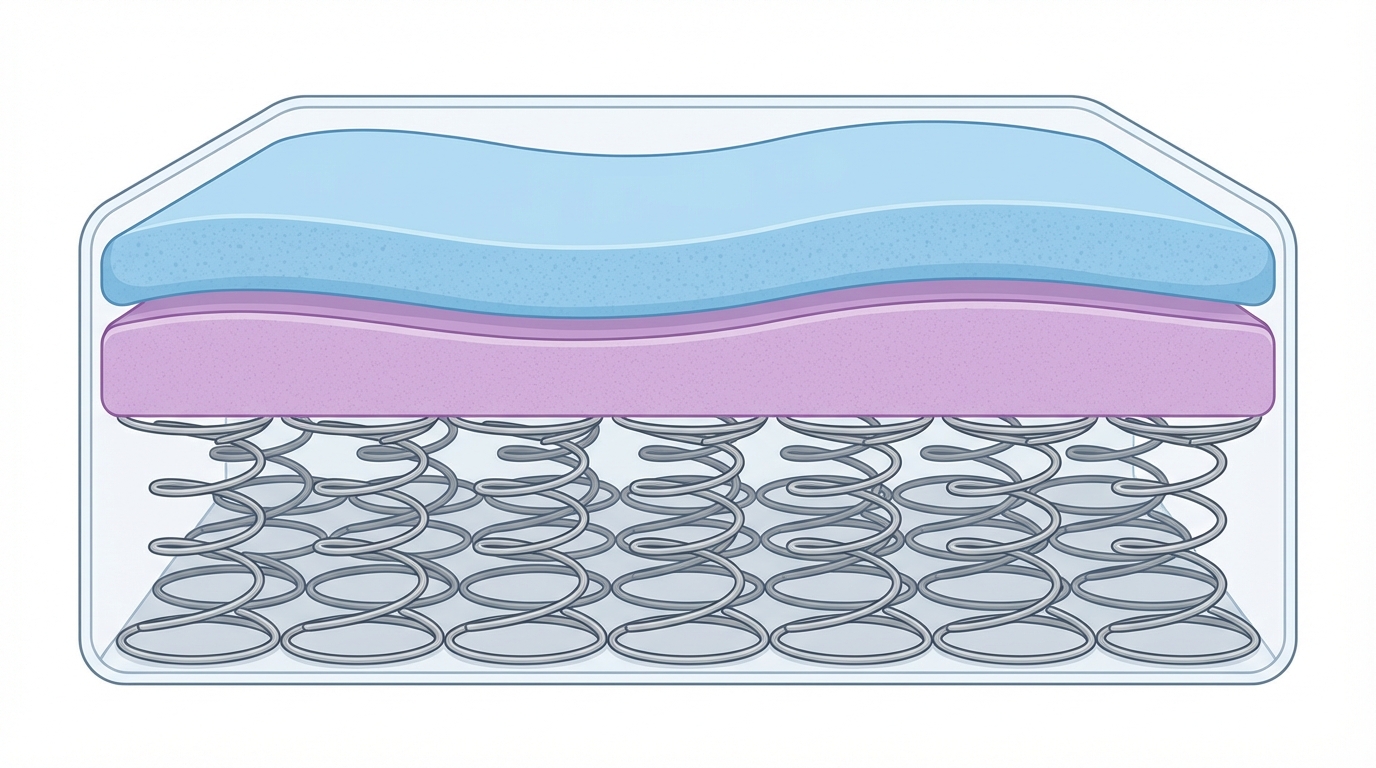
The “best” place to buy a mattress depends on your circumstances. A college student buying a temporary bed has very different priorities from a couple managing back pain or a parent outfitting a bunk bed. Once you know your needs and understand the landscape of retailers, you can match the right type of store to your life instead of trying to force your life to fit what a store offers.
If you are on a tight budget and need a quick upgrade for a guest room or short‑term living situation, a big box store or warehouse club might be appropriate. You know you will not be sleeping on it every night, and your main goals are acceptable comfort, a familiar brand name, and quick availability. In this case, focus on making sure the return policy is at least reasonable and that the mattress quality is sufficient for occasionally heavier use.
If you are investing in a primary bed for yourself or a partner, especially if one of you has back, hip, or shoulder issues, a dedicated mattress retailer like Sleepology will almost always give you better value over time. You will be able to test mattresses like the Sealy Posturepedic Medium Mattress – Medina II or the Sealy Posturepedic Firm Hybrid Mattress – Medina II side by side, feeling the difference that support level and construction make in your body’s alignment.
Online‑only brands may be a good match if you already know exactly what feels comfortable for you, you are confident reading technical specs, and you are willing to manage the logistics of returns if it does not work out. In that case, consider using a local showroom experience as “research” to confirm your preferences, then choose the online brand whose build matches what you liked. Think of it as test‑driving your comfort level before you decide which “model” to park in your bedroom.
“We thought we wanted the softest mattress possible because our old one felt so hard. After working with Sleepology, we realized we needed a supportive medium feel with a plush top. We chose the Medina II medium and added an adjustable base. It cost us a bit more than the big box deal we saw, but we wake up feeling rested for the first time in years. Worth every penny.” – Daniel R., November
Buying In Store: How To Make Your Visit Truly Useful
If you choose to buy in store, the way you use that time matters. Many shoppers lie down for 30 seconds, decide something feels “fine,” and then rely more on price or brand recognition than on actual body feedback. You can get much more value from a showroom visit by treating it like a structured sleep test, not just a quick sit‑and‑bounce.
When you arrive, share your sleep profile honestly. Tell the consultant your primary sleep positions, any pain issues, and what you like or dislike about your current mattress. This tells them which models to start with, saving you from trying 20 beds that are wrong for you. Ask them to show you one softer, one medium, and one firmer option within an appropriate construction, such as hybrids for combination sleepers or more supportive innersprings for heavier back sleepers.
Then, take your time on each mattress. Lie in your normal positions for at least several minutes with your head supported by a proper pillow. Pay attention not to the initial “ahh” feeling but to how your lower back, shoulders, and hips feel after a minute or two. According to clinical guidance on spinal alignment, you should feel supported along the natural curves of your spine without sharp pressure points at your joints. If you feel your hips sinking too far or your shoulders jamming, tell the consultant what you are feeling so they can adjust the options.
A helpful tactic for couples is to try the bed separately first, then together. One person can lie on their side while the other rolls or gets up, noticing motion transfer. Try moving toward the edge to evaluate edge support. If you are considering an adjustable base, like the ones in Sleepology’s adjustable bed frame and base collection, test raising the head and foot to see how it affects comfort and pressure on your lower back or legs. This is especially valuable if you snore or experience reflux, conditions that the Cleveland Clinic notes can sometimes improve with modest head elevation.
Buying Online: How To Reduce The Risk
If your circumstances or preferences lead you to buy online, you can still make a smart, low‑risk choice. The goal is to replace the physical feedback you would get in a store with careful information gathering and realistic expectations. That starts with doing a bit of homework on your body and your past experiences with mattresses.
Think back to mattresses you have liked and disliked. Were they firm, medium, or plush? Did they feel bouncy, cushioned, or slow and sink‑in? If you know you hated a very soft pillow top, then a similarly plush foam bed in a box is unlikely to please you, no matter how many five star reviews it has. On the other hand, if you loved a supportive innerspring but found it a bit too rigid, a hybrid could be a logical online upgrade for you.
Next, evaluate potential brands on their transparency and policies. Reputable brands will disclose foam densities, coil details, and zoning, not just adjectives like “luxury” or “hotel quality.” Look for clear trial lengths of at least several months, straightforward return or exchange processes, and minimal hidden fees. Some sleep research has suggested that people often underestimate how long it takes to assess a new mattress, which makes generous trial periods particularly important when you cannot test in person.
One smart approach is to narrow your choice by testing in person first. For example, you might visit Sleepology, learn that a medium hybrid with targeted lumbar support feels best, and perhaps even fall in love with a specific model like the Sealy Posturepedic Elite Medium Mattress – Brenham II Euro Pillow Top. You can then either purchase directly, enjoying expert delivery and setup, or use that knowledge as a benchmark if you end up comparing a similar online option. This way, online shopping becomes a continuation of your research, not a blind guess.
Do You Need More Than Just A Mattress? Accessories And Supportive Gear
When people ask “where can I buy a mattress,” they often really mean “where can I get everything set up so I actually sleep better.” The mattress is central, but it is not the only factor. Pillows, foundations, toppers, and protectors all interact with the mattress and with your body. A great mattress paired with the wrong pillow can still leave you with neck pain, and a mattress without a protector is at higher risk of stains and voided warranties.
Pillows are particularly crucial because they directly influence neck alignment. A back sleeper with a too‑tall, overstuffed pillow may push their head forward, straining neck muscles, while a side sleeper with a too‑flat pillow can let their head collapse toward the mattress. Many sleep medicine resources emphasize a neutral neck as one of the keys to reducing headaches and neck tension. That is why pairing your new mattress with an appropriate pillow, such as The BodyPillow by Tempur‑Pedic for side sleepers who want full‑body alignment, can make such a noticeable difference.
Foundations and bases matter too. A supportive, compatible base prolongs the life of your mattress and maintains its performance. Adjustable bases can be transformative for people with snoring, reflux, or restless legs, or for anyone who spends time reading or working in bed. Retailers that specialize in sleep products, like Sleepology, will typically carry coordinated foundations and accessories and help you choose the right combination rather than leaving you to guess.
Finally, linens, toppers, and protectors round out the sleep environment. A breathable protector and quality sheets from a curated collection like Pillows, Sheets, Toppers, Protectors can help regulate temperature and keep your mattress clean, which supports both comfort and warranty coverage. Buying from a retailer that understands how these elements work together means you are building a complete sleep system rather than treating each purchase as a separate puzzle piece.
When A King Mattress, Adjustable Base, Or Upgrade Really Makes Sense

Sometimes, asking “where can I buy a mattress” is really about upgrading your entire sleep space. Maybe you are moving in with a partner and your queen suddenly feels cramped, or the kids keep sneaking in and there is just not enough room. A larger mattress or an adjustable base is a bigger investment, and choosing the right store can help you feel confident that the upgrade is worth it.
King mattresses are particularly beneficial for couples and for taller or larger individuals who need more personal space to move without disturbing a partner. According to various sleep surveys, couples often report better sleep satisfaction with larger mattress sizes because they experience fewer disturbances and can maintain more natural sleep positions. At Sleepology, our King sized mattresses collection includes supportive hybrids and innersprings that maintain edge integrity, so you are not just getting more width, you are getting more usable space.
Adjustable bases add another layer of comfort and can be especially helpful if you deal with snoring, mild positional apnea, or reflux, conditions that the Mayo Clinic notes can sometimes improve when the head is slightly elevated. Pairing a supportive mattress like the Sealy Posturepedic Elite Extra Firm Mattress – Brenham II with an adjustable base can create a firm, stable surface that still adapts to your position for reading, relaxing, or relieving pressure on knees and hips.
A dedicated sleep retailer is typically better equipped to guide you through these upgrades than a general store. You will be able to test king sizes, evaluate edge support, and see how different mattresses behave on adjustable frames. This is where the combination of hands‑on experience, expert guidance, and coordinated product offerings really shines and justifies choosing a specialized store when you are making a significant investment in your sleep environment.
Conclusion: The Best Place To Buy A Mattress Is The One That Puts Your Sleep First
There is no single store or website that is right for every shopper, but there is a right way to approach your decision. When you start by understanding your sleep needs, learn how different mattress types support or stress your body, and evaluate retailers based on their expertise and policies rather than just price, you change the question from “where can I buy a mattress” to “where can I invest in better sleep.”
Big box stores and online brands can be perfectly suitable for certain situations, especially when budget and convenience are your top priorities. For your primary everyday mattress, particularly if you have back pain, share the bed with a partner, or are unsure what feel suits you, a dedicated retailer like Sleepology will usually give you the best balance of choice, guidance, and long‑term comfort. You get to test mattresses like our various Sealy Posturepedic hybrids and mediums in person, pair them with the right base and pillows, and lean on clear, supportive policies.
Most importantly, remember that you are not just buying a rectangle of foam and springs. You are choosing how you will feel every morning for the next decade. Good sleep supports your mood, immune system, focus, and long‑term health, as countless sleep studies and medical organizations have shown. Taking the time to choose the right store and the right mattress is a kindness to your future self.
If you are ready to move from research to action, you can visit a Sleepology showroom for one‑on‑one guidance or explore our curated online collections of mattresses, adjustable bases, and sleep accessories. Either way, you do not have to figure it out alone. Thoughtful, expert help is part of what you are buying, and you deserve that level of care.
Frequently Asked Questions
Where is the best place to buy a mattress if I have back pain?
If you have back pain, your best option is usually a dedicated mattress retailer with trained sleep consultants. Back pain is highly individual, and what helps one person can aggravate another. You will benefit from an in‑person assessment of your posture on different surfaces and the ability to test supportive hybrids, firm innersprings, and zoned systems side by side. At Sleepology, we often recommend models like the Sealy Posturepedic Firm Hybrid Mattress – Medina II for back and stomach sleepers with lumbar concerns, but the right choice depends on your body and medical history.
Is it safe to buy a mattress online without trying it first?
It can be safe to buy online if you are careful, but it carries more risk than buying in person. Look for brands with transparent materials, clear trial periods of several months, and easy, low‑fee returns. It helps if you already know what feel works for you, based on past mattresses or an in‑store testing session. If you have complex needs, such as chronic pain, sleep apnea, or significant weight differences between partners, an in‑person visit to a specialist like Sleepology first is usually a wiser starting point.
Are warehouse clubs and big box stores good places to buy a mattress?
Warehouse clubs and big box stores can be good for budget‑friendly, straightforward needs, such as a guest bed or a short‑term solution. They often offer recognizable brands at aggressive prices. The trade‑offs include limited model variety, less specialized guidance, and potentially more restrictive return or exchange policies. If you have any persistent pain, sleep hot, or share the bed with a partner who has different preferences, you will likely get a better fit and more support from a mattress‑focused retailer.
How much should I expect to spend on a quality mattress in ?
In , a quality queen mattress that balances durability, support, and comfort typically falls in the mid to upper mid‑price range, depending on materials and construction. Entry‑level options can certainly work for lighter use or guest rooms, but for an everyday bed that supports healthy sleep for many years, it is often worth stepping up to a well‑built hybrid or innerspring with better foams and zoning. Retailers like Sleepology can help you prioritize features that truly matter for your body so you are investing in performance rather than just luxury touches.
Do I really need to replace my pillows and base when I buy a new mattress?
You do not always need to replace everything, but it is important to make sure your existing pillows and base are compatible with your new mattress and your sleep needs. Worn‑out or poorly matched pillows can undermine the benefits of a great mattress by throwing your neck out of alignment. An unsupportive base can cause premature sagging. When you work with a sleep specialist, they can assess whether it makes sense to keep your current setup or upgrade selectively, perhaps with a supportive body pillow like The BodyPillow by Tempur‑Pedic or a more suitable foundation.
How long should I test a mattress in a store before deciding?
Plan to spend at least 10 to 15 minutes on each serious contender, lying in the positions you actually sleep in. The first few seconds tell you about surface feel, but it takes a bit longer to notice whether your lower back is supported and whether pressure points start to build at your shoulders or hips. Do not be shy about asking for a quieter corner of the showroom or revisiting your top two choices multiple times. A good store will encourage thoughtful testing rather than rushing you into a decision.
Is a king mattress worth it, or should I stick with a queen?
A king mattress is often worth the upgrade for couples, taller individuals, or families whose kids or pets frequently join them in bed. The extra width can significantly reduce partner disturbances and allow each person to maintain healthy sleep positions without hugging the edge. If your room can accommodate it and your budget allows, exploring a king sized mattress at a store like Sleepology can help you feel the difference in personal space and overall relaxation.