

What Size Is A Twin XL Mattress, Really? And Is It The Right Choice For You?
If you are squinting at a tape measure or scrolling sizing charts wondering what size a Twin XL mattress actually is, you are not alone. Twin XL is one of the most confusing mattress sizes, partly because it looks almost identical to a standard twin, and partly because most of us first meet it in a cramped college dorm. If you are shopping for a growing child, a taller teen, a studio apartment, or a split king setup, getting this size right can mean the difference between comfortable sleep and dangling feet.
Mattress size is not just a numbers question. It affects how deeply you sleep, how rested you feel, and even how safe and supported your spine is as you grow or age. The Sleep Foundation notes that mattress fit and comfort play a meaningful role in sleep quality, which in turn influences mood, weight, heart health, and immune function. When your bed is just a few inches too short, you unconsciously curl, twist, and tuck to compensate. Over time that can create neck and back discomfort that no pillow can fully fix.
Here you will learn the exact dimensions of a Twin XL, how it compares to twin, full, and queen sizes, and when it truly shines versus when you might be better off sizing up. We will look at real life scenarios, like furnishing a dorm, planning for a fast growing ten year old, or building a split king on an adjustable base. You will also see how to pair a Twin XL with the right mattress type and bedding, plus a simple measurement process so you do not end up with a mattress that overwhelms your room. Along the way, I will point you to specific Sleepology mattresses and accessories that tend to work beautifully with Twin XL setups.
If you have ever thought, “I just want a mattress that fits my body and my room without wasting money,” you are exactly who this guide is for. By the end, you will know whether Twin XL is your sweet spot or a stepping stone, and you will be able to shop with the kind of calm confidence that leads to better sleep for years to come.
Twin XL Basics: Exact Size And What Makes It Different
Twin XL is often described as “a twin, just longer,” which is mostly correct but leaves out helpful detail. In standard U.S. sizing, a Twin XL mattress typically measures 38 inches wide by 80 inches long. Some manufacturers shave or add up to half an inch, but 38 by 80 is the spec most bed frames, sheets, and mattress protectors are built around. A regular twin is usually 38 by 75, so the XL adds about 5 inches of length without changing the width.
Those 5 inches matter more than they sound like on paper. For someone who is 6 feet tall, a 75 inch long mattress leaves almost no extra space once you account for pillows and a natural ankle point. With an 80 inch length, that same sleeper can stretch out without hitting the headboard or hanging off the foot of the bed. This is why Twin XL is the default choice for most American college dorms and why you will see it recommended so often for teens and young adults who are still growing.
Functionally, Twin and Twin XL share a lot in common. Both are intended for one sleeper, both fit well in narrow bedrooms that cannot handle a full or queen, and both are popular for bunk beds, small guest rooms, and daybeds. The Twin XL shifts the balance a bit in favor of taller bodies and situations where people need a small footprint without sacrificing legroom. If you have been telling your teenager to “stop curling up at the end of the bed,” a Twin XL is usually the next logical step before jumping to a full or queen.
According to organizations like the American Academy of Sleep Medicine, maintaining a comfortable body position through the night supports more continuous, restorative sleep, which is essential for growing kids and teens. That does not mean everyone needs a large mattress, it simply means that the mattress has to match the sleeper’s height and sleep style. A Twin XL is one of the simplest ways to do that in a small space.
“We upgraded our son from a regular twin to a Twin XL when he hit 5'11" and kept waking up scrunched at the bottom. Sleepology helped us compare sizes, and the extra length made a bigger difference than I expected. He stopped complaining about leg cramps within a week.” – Karen T., November
Twin XL vs Twin vs Full vs Queen: How The Sizes Compare
When you are standing in a showroom or scrolling a product page, the Twin XL can feel like an awkward middle child among the more familiar twin, full, and queen sizes. To understand where it fits, it helps to look at both dimensions and real world use. You already know a Twin XL measures around 38 by 80. A standard twin is about 38 by 75, a full is usually 53 by 75, and a queen is about 60 by 80.
The first thing most people notice is that a full is quite a bit wider than either twin option, even though it is the same length as a standard twin. That extra width can make night and day difference for solo adults, especially if they are restless sleepers or share the bed with a pet. On the other hand, if the main problem you are trying to solve is height, not width, then Twin XL is a smart compromise. It gives you the same legroom as a queen without taking up the same floor space.
The width trade off is important for couples. A Twin XL is rarely a good choice for two adults in the same bed, unless they are only using it temporarily or in a very tight space. Sleep medicine experts at places like Mayo Clinic often point out that crowding in bed increases nighttime awakenings and motion transfer, both of which erode sleep quality. In practice, that means putting two adults on a Twin XL typically leads to more tossing, turning, and early morning fatigue. If there are two of you, even if you think of yourselves as “cuddlers,” a queen is usually the minimum to consider.
One interesting comparison that surprises many shoppers is Twin XL versus full. The full is wider, but the Twin XL is longer. For a tall but slender person in a narrow room, the Twin XL may fit the space better and feel more natural. For a broader shouldered person who likes to spread out, the full can be more comfortable even though the feet might get a bit close to the edge. These are the kinds of real world trade offs that rarely show up on simple size charts but matter a lot when you live with the bed.
Finally, when you compare Twin XL to queen, you start to see why the queen size has become the most popular adult mattress in the U.S. A queen gives you both the 80 inch length and generous width, while a Twin XL gives only the length advantage. However, queens also require more room to walk around, more expensive bedding, and often a sturdier frame. For smaller rooms and smaller budgets, Twin XL still has a meaningful role, especially when you consider split king setups, which we will get to shortly.
Where Twin XL Shines: Best Uses And Ideal Sleepers
Some mattress sizes are “everybody” sizes, while others are more niche. Twin XL lives in that second category, and that is actually a good thing. When you understand where it shines, you can either lean into its strengths or move on quickly to something better suited for your situation.
The most obvious use case is tall kids and teens. Many children start on a crib mattress, move to a twin, and then hit a height spurt. They are not ready for a queen sized bed, the room will not support it, or the budget is tight, yet the 75 inch length is no longer working. A Twin XL allows parents to preserve floor space for desks, dressers, and play while supporting a growing body. This is especially helpful in shared sibling rooms, where two Twin XL beds offer growth potential without squeezing out everything else.
College dorms are another classic environment for Twin XL. Universities use this size because it fits in narrow dorm rooms, allows for under bed storage, and accommodates a wide range of student heights. If you are shopping for a dorm bound student, matching that Twin XL spec means your mattress topper, sheets, and any supplemental mattress you buy will actually fit campus furniture. It can also pay dividends if your student later moves home and reuses the same mattress in a small room or studio apartment.
Single adults in narrow spaces benefit as well. Imagine a long, narrow bedroom in an older home or a small city studio where every square foot counts. A Twin XL placed lengthwise can free up enough space for a desk or lounging chair, where a full or queen would dominate the room and make it feel cramped. The Cleveland Clinic highlights that sleep environment, including clutter and ease of movement, affects how quickly you fall asleep and how often you wake. A thoughtfully sized bed helps create that sense of breathing room.
Lastly, Twin XL plays a starring role in split king setups. When you place two Twin XL mattresses side by side, you get the same sleeping surface as a standard king, usually 76 by 80, but with the flexibility for each person to have their own firmness level and adjustable base position. This is a game changer for couples with different sleep needs, snoring issues, or medical conditions that benefit from elevated head or foot positions. It lets each partner customize without sacrificing togetherness.
“My husband needs a much firmer mattress than I do because of his back, and we were fighting our queen every night. The Sleepology team walked us through a split king using two Twin XLs on an adjustable base. I chose a softer pillow top, he picked a hybrid, and it honestly feels like we both got our own bed without losing the shared space.” – Melissa G., October
How Much Space Do You Need For A Twin XL?

Knowing the dimensions of a Twin XL is only half the story. You also need to understand how it will actually sit in your room. A 38 by 80 mattress does not float on its own. It lives on a frame, maybe a headboard and footboard, and it needs clearance around it so that you are not bumping shins every time you walk past.
As a rule of thumb, most people feel comfortable when there is at least 24 to 30 inches of walking space on each side of the bed they regularly use and at the foot if it faces a doorway or dresser. For a Twin XL placed lengthwise along one wall, that usually means a room that is at least about 8 feet wide and 10 feet long feels natural. You can squeeze a Twin XL into a 7 by 9 room if needed, but you may need to be creative with furniture and storage. Lofted or platform frames that add storage under the bed can help keep floor space open.
The length of the bed is what trips people up most often. Five extra inches over a standard twin does not sound like much until you discover that it now overlaps the closet door swing or blocks a radiator. Before you commit, grab painter’s tape or string and outline a 38 by 80 rectangle on your floor. Include a few inches at the head for the headboard and any pillows that might sit slightly above the mattress. Then walk through the room as though it is fully furnished. If you find yourself turning sideways or stepping over the taped outline, it may be worth rethinking placement or size.
Ceiling height and overall volume of the room also play subtle roles. A Twin XL on a tall, boxy frame with a thick mattress and an oversized headboard can feel visually heavy in a very small room. On the other hand, a low profile Twin XL platform with a simple, clean headboard can make the same room feel airy and minimalist. Since good sleep is linked to a sense of safety and calm, the psychological impression of the bed matters. Many of my clients are surprised that a change in frame style or mattress thickness can influence perceived crowding as much as the mattress size itself.
If you are building a room around a Twin XL for a child or teen, think about future needs too. Will they need a larger desk in a few years, more storage for sports gear, or space for a reading nook? Planning the bed placement with those future additions in mind can save you from an expensive and frustrating reshuffle later on. Sometimes that planning confirms that Twin XL is the sweet spot, and sometimes it reveals that going straight to a full or queen is more practical in the long run.
Comfort, Sleep Position, And Body Type On A Twin XL
Knowing that a Twin XL fits your room is one thing. Knowing that it fits your body and sleep style is another. Comfort is not just about length, it is about how your spine, shoulders, hips, and legs are supported across the entire surface. According to the Sleep Foundation, sleep position and body weight are two of the most important factors in selecting both mattress type and firmness for healthy alignment through the night.
If you are a back sleeper of average build, a Twin XL can work beautifully as long as the mattress itself provides consistent support from shoulders to calves. Many back sleepers do well on medium or medium firm mattresses that keep the lower back from sinking. For example, a supportive hybrid like the Sealy Posturepedic Pro Firm Hybrid Mattress – Dupont II in a Twin XL size can offer that combination of coil support and comfort foams, which tends to feel stable and balanced on a narrower width.
Side sleepers need a bit more pressure relief around the shoulders and hips, especially on a narrower mattress where there is not a lot of extra width for those areas to “float.” A medium or medium soft mattress with targeted cushioning can prevent numb arms and hip soreness, issues that the Cleveland Clinic notes are strongly linked to side sleeping on overly firm surfaces. In a Twin XL, something like the Sealy Posturepedic Pro Soft Mattress – Dupont II Euro Pillow Top gives that extra plush top without sacrificing underlying support, which is key in a size often used by lighter framed teens and adults.
Stomach sleepers are a little trickier on any narrow mattress because they tend to extend arms and legs more, and they are especially sensitive to hammock like sagging that strains the lower back. For them, mattress firmness and core support are more important than mattress width. A Twin XL that stays flat and supportive under the pelvis, such as a medium firm or firm coil or hybrid design, can work well as long as the sleeper is not so broad shouldered that they feel cramped. For some stomach sleepers, especially those with back issues, it may still be wiser to move up to a full or queen.
Body weight influences how a Twin XL feels too. Individuals under about 130 pounds often experience mattresses as firmer because they do not sink as deeply into the comfort layers. They can be very comfortable on softer Twin XL options without feeling swallowed. Heavier individuals may compress more deeply, which can make a narrow mattress feel cramped both in width and in how it distributes pressure. For them, sizing up in both mattress firmness and mattress width often leads to better outcomes.
“I am 6'2" and always thought I needed a queen at minimum. Mia suggested trying a Twin XL in a firmer hybrid since my room is narrow. I was skeptical, but the support and length feel great, and I actually have room for a small sofa now. It saved me a few hundred dollars on furniture and bedding too.” – Daniel R., December
Twin XL In Split King And Adjustable Base Setups
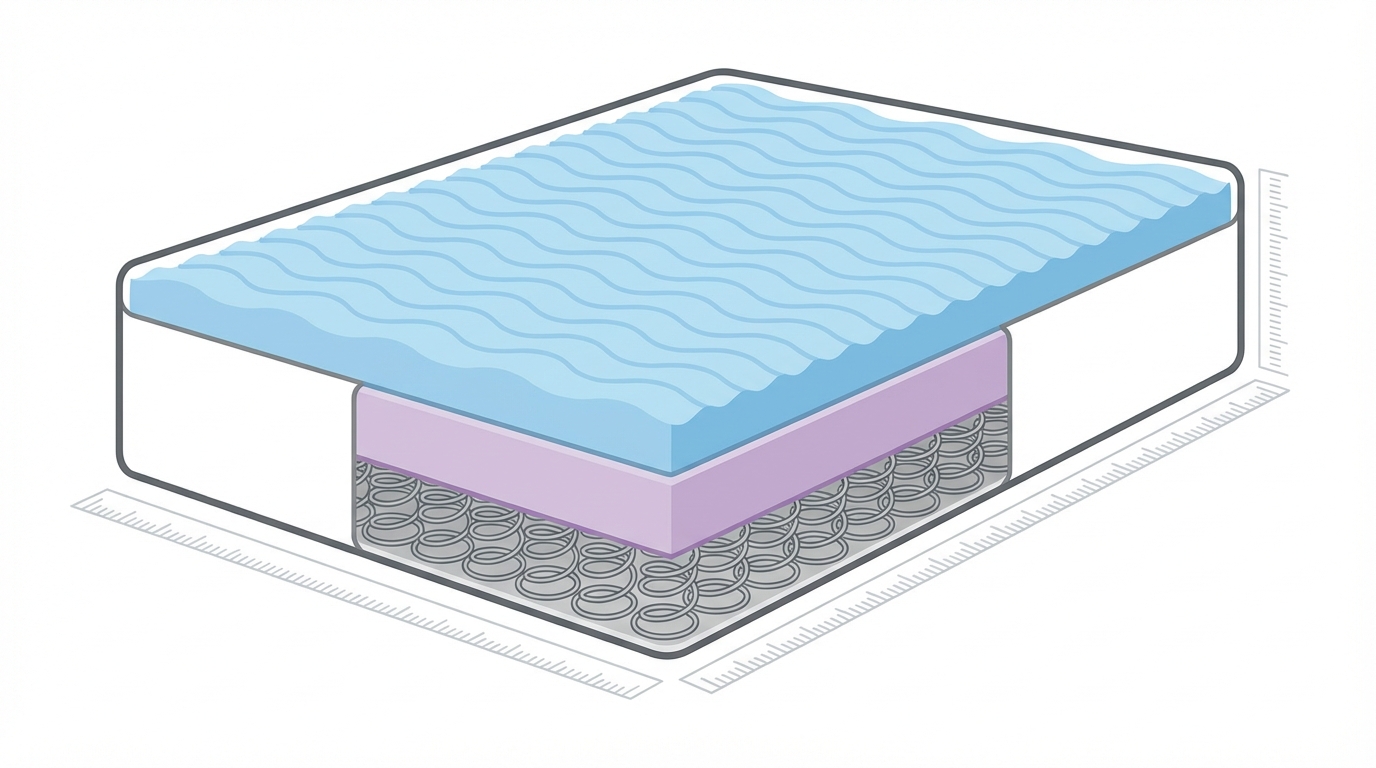
One of the most powerful uses of the Twin XL size is something you do not see when you look at a single mattress on its own. Put two Twin XL mattresses side by side on a compatible frame and you have a standard king sized sleeping area, usually 76 by 80, but made up of two independent surfaces. This split king configuration has become increasingly popular, especially with adjustable bases.
The basic idea is simple. Each partner chooses a Twin XL mattress that suits their body, sleep position, and comfort preferences. One might opt for a medium plush pillow top while the other selects a firmer hybrid or dense foam. Those mattresses sit on either two synchronized Twin XL adjustable bases or a single king base that is wired to move each side independently. At night, one partner can elevate their head to reduce snoring or ease reflux, while the other lies flat or with only a slight incline.
From a sleep health perspective, this flexibility is significant. Mayo Clinic and other medical organizations often recommend head elevation for conditions like obstructive sleep apnea, GERD, and certain types of back pain. An adjustable base under a Twin XL, paired with the right mattress, allows you to implement these recommendations without forcing your partner into the same position. The result is more targeted relief and fewer compromises at bedtime.
At Sleepology, I often see couples use this setup to resolve long standing disagreements about mattress firmness. A partner with chronic back issues might choose a more supportive option like the Sealy Posturepedic Elite Medium Mattress – Brenham II Euro Pillow Top in Twin XL, while their lighter partner chooses a plusher feel. Both mattresses meet in the middle visually, covered by a shared king sized quilt or duvet, but function independently at the comfort level.
When you are planning a split king, there are a few practical considerations. You will need properly sized Twin XL fitted sheets for each mattress, plus either two Twin XL top sheets and blankets or a shared king top layer. Movers and delivery teams often find two Twin XLs easier to navigate through tight stairwells than a single king, which is a small but real benefit if your bedroom is upstairs or in a space with sharp corners. You will also want to confirm that your headboard and frame compatibility supports a split configuration to avoid unwanted gaps.
For some couples, the idea of a small seam down the middle of the bed raises concern. Modern mattresses and frames are designed to minimize that gap, and most people stop feeling it after a few nights, especially if they use a thicker, high quality king quilt and mattress protector. The trade off is usually well worth it for the ability to personalize support and position so precisely.
Bedding And Accessories That Actually Fit A Twin XL
Once you know a Twin XL is the right size, the next challenge is making sure everything that sits on top of it actually fits. Many people have had the experience of buying “twin” sheets or a mattress protector only to discover that they are designed for a standard twin and keep popping off the corners of a Twin XL. Being precise with your shopping terms here can save you from that nightly frustration.
Look for bedding items specifically labeled “Twin XL” rather than “Twin/Twin XL” whenever possible. While combo sets can work, they sometimes skew toward the shorter twin length, especially in lower priced lines. A fitted sheet should list dimensions close to 39 by 80 and indicate that it can accommodate your mattress height. Deeper mattresses, especially pillow tops and hybrids, may require deep pocket or extra deep pocket designs. A performance set like the Tempur-Pedic ProPerformance Sheet Set in Twin XL offers a nice combination of precise fit and moisture wicking fabric, which is helpful for teens and warm sleepers.
Mattress protectors are even more important on Twin XLs that live in dorms, kids rooms, or rental spaces, where spills and allergens are common. A well fitting protector helps guard against dust mites, bed bugs, and stains, all of which the Sleep Foundation notes can impact allergies and long term mattress hygiene. Just like with sheets, confirm the Twin XL labeling and depth range. It is worth spending a bit more here to avoid noisy, plastic like protectors that trap heat and disrupt sleep.
Do not forget about pillows and body support, especially for taller sleepers. A narrow mattress sometimes encourages people to tuck a pillow under their knees, between their legs, or along their back for added support, and you want to choose products that can do that work without dominating the surface. A long, supportive option like The BodyPillow by Tempur-Pedic can help side sleepers align their spine on a Twin XL without needing multiple separate pillows scattered everywhere.
If you are outfitting a dorm or guest space, you might also consider a compact topper for extra cushioning on a basic Twin XL mattress. Look for toppers that match the 38 by 80 footprint to avoid overhang. For travelers or occasional guests, something like the Tempur-Pedic Mattress Topper – Pillow Travel and Guest Bundle can be an easy way to soften a too firm Twin XL without replacing the whole mattress, especially in temporary setups.
Twin XL Mattress Types: Foam, Hybrid, And Innerspring
Size alone does not determine how a Twin XL will feel. The internal construction matters just as much. You will typically see three broad categories of mattresses available in Twin XL: all foam, hybrid, and traditional innerspring. Each has strengths and trade offs that show up a little differently on a narrower, longer mattress.
All foam mattresses use stacked layers of materials like memory foam, polyfoam, or latex. On a Twin XL, these can feel especially quiet and motion dampening, which is useful for light sleepers or bunk beds where one person moving around could wake another on a separate level. Foam tends to contour closely around the body, which can be excellent for pressure relief. That said, if the foam is too soft or not well zoned, a taller or heavier person can sink more at the hips than the shoulders, which can put strain on the lower back over time.
Hybrid mattresses combine a coil support core with comfort foams above. This design is often a sweet spot for Twin XL users, especially teens and young adults whose bodies are still changing. The coils provide breathable support and better edge structure, so you can sit or sleep closer to the side of the bed without feeling like you might slide off. Comfort foams and pillow tops add cushioning where you need it. A model like the Sealy Posturepedic Pro Medium Mattress – Dupont II Euro Pillow Top balances these qualities and tends to feel forgiving across different sleep positions.
Traditional innerspring mattresses lean more heavily on coil systems with thinner comfort layers on top. On a Twin XL, they can offer a buoyant, easy to move on feel that some people prefer, particularly stomach sleepers and combination sleepers who change positions a lot. They usually sleep cooler than dense foam designs. The main caution is pressure relief. If the comfort layer is too modest or the coil system is not well tuned, side sleepers and lighter bodies may feel more pressure on shoulders and hips. That does not mean innersprings are off the table. It just means they should be evaluated carefully for your specific use.
No matter which construction you choose, pay attention to how the mattress feels along the full 80 inch length. When you lie down, scan from your head to your ankles mentally. Do you feel consistent support, or are there zones that feel firmer or softer in an odd way? Good design should keep your spine gently aligned, as the American Academy of Sleep Medicine emphasizes, without forcing your knees or neck into unnatural positions. That is especially key with a longer mattress intended for taller sleepers.
Growing Kids, Teens, And Twin XL: Planning Ahead
If you are a parent shopping for a child or adolescent, you are probably thinking about growth spurts and longevity as much as you are thinking about tonight’s bedtime. A Twin XL can be a smart way to “future proof” a bed for several years, but it helps to be realistic about what those years might look like. Kids develop not only in height, but also in weight, movement patterns, and sleep habits.
For younger children who are still small but trending tall on the growth chart, you have a choice. You can buy a standard twin now and plan to upgrade in a few years, or you can go straight to a Twin XL, especially if the room can easily handle the extra length. If budget allows and the room size cooperates, I often suggest skipping the interim upgrade and investing in a Twin XL with a supportive, durable construction. Over time, that can be more cost effective than buying two different beds across a short span.
Teens deserve special attention here. They are under more academic, social, and often athletic stress, and sleep is a critical buffer. The Sleep Foundation reports that teenagers require about 8 to 10 hours of sleep per night for optimal functioning, but many get less. A mattress that is too short or uncomfortable adds one more obstacle to getting the rest they need. A Twin XL that they can truly stretch out on can remove at least one barrier and signal that their sleep is worth prioritizing.
You may also want to think ahead to life transitions. If your teen is a year or two away from college, a Twin XL at home can mirror the dorm size they are likely to encounter, making the adjustment smoother. When they come home on breaks, they will not be bumping up against the end of a shorter twin after becoming used to more legroom. If they later move into a small apartment, there is a good chance that same Twin XL can move with them, extending the life of your investment.
Of course, not every teen will be comfortable on a Twin XL long term. Broader builds, restless sleepers, or kids who frequently share their bed with pets might still prefer a full or queen. This is where an open conversation, a bit of in store testing, and some honesty about room constraints go a long way. There is no single right answer. The right answer is the one that they will actually sleep well on and that your space and budget can sustain.
Is A Twin XL Big Enough For Adults Long Term?
One of the most common questions I hear is some version of, “I am an adult, is a Twin XL really okay for me, or is it a temporary solution?” The answer depends heavily on your height, body type, sleep style, lifestyle, and your expectations for the bedroom as a whole. For some adults, a Twin XL is perfectly adequate and even optimal. For others, it will feel cramped sooner or later.
If you are under about 6'3", prefer a streamlined bedroom, and sleep alone without pets crowding the bed, a Twin XL can absolutely be a long term choice. It gives you full length support and saves a meaningful amount of floor space versus a queen. Many urban professionals in small city apartments are genuinely happy on a high quality Twin XL, especially when paired with good bedding and a supportive frame. Minimalists often appreciate the visual lightness and the way it keeps the bedroom from turning into a wall to wall bed.
On the other hand, if you anticipate sharing your bed regularly with a partner or a large dog, or you are broad shouldered and like to sleep starfish style, a Twin XL will eventually feel like too little real estate. Consumer testing organizations like Consumer Reports often note that personal sleeping “territory” is a major predictor of satisfaction. When that territory is constrained, even if the mattress quality is high, people report more restlessness and lower satisfaction scores over time.
Lifestyle matters too. If you enjoy reading, working on a laptop, or watching TV in bed, you might prefer the extra sideways room of a full or queen, where you can sit cross legged or lie diagonally without approaching the edges. A Twin XL can accommodate some of that, but you will be more aware of the narrow width. Similarly, if you have mobility challenges or use assistive devices, you might feel safer on a wider surface that gives you more space to maneuver.
Ultimately, I encourage adults considering a Twin XL to be fully honest with themselves about their habits and preferences. There is nothing inherently childish about this size. Its main limitation is width, not length. If that limitation fits comfortably within your daily life, a high quality Twin XL can serve you just as well as any larger mattress.
Simple Checklist: How To Decide If Twin XL Is Right For You
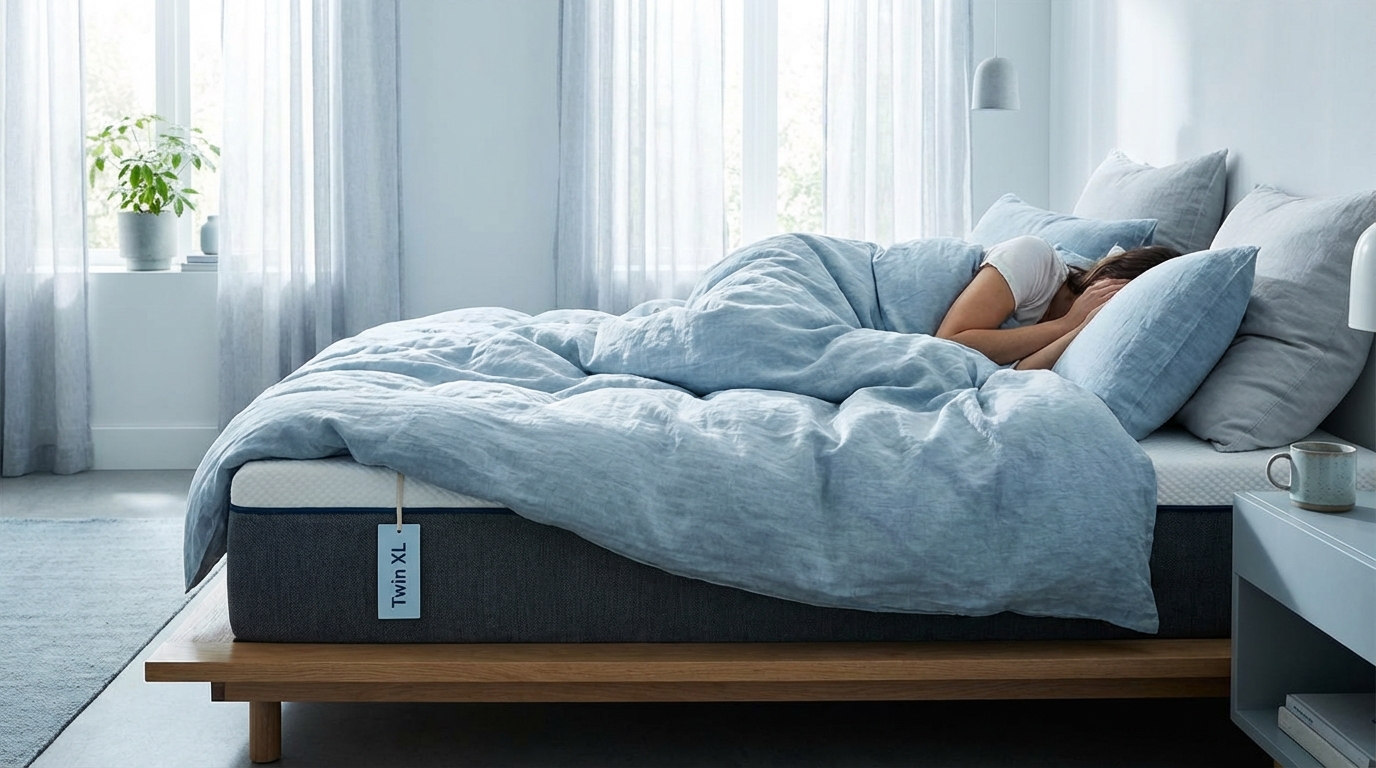
By now, you have a lot of information about Twin XL sizing, uses, and trade offs. It can help to bring those ideas together into a quick mental checklist you can run through before you buy. This is not a rigid formula, but a way to organize your thinking so you avoid impulse purchases or defaulting to “what you have always had.”
Before you click “add to cart” on a Twin XL, walk yourself through questions like these:
- Who will use the bed over the next 3 to 7 years, and will they be sleeping alone or with someone else most of the time
- How tall is the primary sleeper now, and how much more might they grow
- What is the minimum and comfortable amount of walking space you want around the bed in this specific room
- Does anyone using the bed have back, neck, or joint issues that might benefit from more space or an adjustable base
- Will the bed need to move through tight stairwells or doorways where two smaller Twin XLs are easier to handle than a single large mattress
- How much are you comfortable spending on the total sleep setup, including mattress, frame, sheets, protector, and pillows
- Could a split king using two Twin XLs solve a couple comfort conflict more elegantly than compromising on a single shared mattress
Once you have honest answers, patterns usually emerge. If you find yourself answering “yes” to questions about limited space, single sleepers, tall but slender bodies, or split king convenience, Twin XL is likely a strong candidate. If you answer “yes” to frequent bed sharing, very active sleep, or a desire for a more lounge like bed environment, it might be wiser to pivot to a full, queen, or king.
The key is that your decision is now thoughtful, not rushed. Mattress sizes are a bit like shoe sizes. You can technically squeeze into something that is almost right, but your body will notice the mismatch every day. Giving yourself permission to choose the size that really fits is one of the simplest forms of self care you can practice at home.
Twin, Twin XL, Full, And Queen: A Quick Comparison Table
When you are weighing Twin XL against its nearest neighbors, a simple side by side look can be helpful. Below is a quick comparison of the most relevant sizes and how they stack up.
| Mattress Size | Dimensions (approx.) | Best For | Key Trade Offs |
|---|---|---|---|
| Twin | 38" x 75" | Younger kids, small guest rooms, bunk beds | Shorter length, not ideal for tall teens or adults |
| Twin XL | 38" x 80" | Tall kids and teens, single adults in narrow rooms, split kings | Narrow width for adults who sprawl or share with pets |
| Full (Double) | 53" x 75" | Solo adults, teens who like extra width, tighter master bedrooms | Same length as twin, can be short for tall sleepers |
| Queen | 60" x 80" | Most couples, adults who want room to spread out | Requires more floor space and higher budget for bedding |
Keep in mind that exact dimensions can vary by up to about half an inch by brand, but these figures represent common standards. Use them as a reference when you measure your room and think through your needs.
Conclusion: Making Peace With Your Mattress Size Decision
Sorting out mattress sizes can feel surprisingly emotional. There is a lot wrapped up in whether a bed feels “grown up,” spacious, cozy, or constrained. If you have read this far, you have done more than most people ever do to understand what size a Twin XL mattress really is and how it behaves in the real world. That alone puts you in a strong position to choose well.
The main takeaways are simple. A Twin XL is about 38 by 80 inches, which means it is the same width as a twin and the same length as a queen. It shines for tall solo sleepers, growing kids and teens, tight rooms, college dorm setups, and split king configurations. It is less ideal for couples on a single surface or anyone who craves a wide, sprawling sleep area. When combined with an appropriate mattress type and firmness, and properly sized bedding and accessories, it can deliver genuinely healthy, comfortable sleep for years.
From here, your next steps are practical. Measure your room with care. Think honestly about who will use the bed and how. Compare Twin XL to neighboring sizes, not from a place of status, but from a place of genuine bodily comfort and lifestyle fit. If you are still unsure, reach out to a Sleepology specialist or visit a showroom where you can lie on Twin XL options alongside fulls and queens. A few minutes of testing can confirm what your head already knows from this guide.
Whether you end up with a Twin XL, a queen, or a full, the most important thing is that your mattress actually fits you and supports the sleep your body needs. When you invest attention here, you are not just buying a rectangle of foam and springs. You are shaping the space where roughly one third of your life unfolds. That is worth getting right.
Frequently Asked Questions
How big is a Twin XL mattress in exact measurements?
A Twin XL mattress in standard U.S. sizing is approximately 38 inches wide by 80 inches long. Some manufacturers list 39 by 80 or allow for about a half inch of variation, but the functional footprint is the same. When you compare that to a regular twin at about 38 by 75, you are gaining roughly 5 inches of extra length, which is often enough to make a tall sleeper noticeably more comfortable.
Is a Twin XL the same as two of them making a king size bed?
Two Twin XL mattresses placed side by side create the same sleeping surface dimensions as a standard king, usually 76 by 80 inches. This is the foundation of a split king setup, where each side can have a different mattress type or firmness and, with an adjustable base, different elevation settings. If you are planning this configuration, make sure both your frame and your headboard are compatible with split king use.
Can you use regular twin sheets on a Twin XL mattress?
Regular twin fitted sheets are typically too short for a Twin XL and will either not reach the corners or will pop off during the night. You want bedding specifically labeled as “Twin XL” to match the 80 inch length. Some brands sell combined Twin/Twin XL sets, but it is wise to check the actual dimensions on the packaging or product description to ensure they list an 80 inch length for the fitted sheet.
Is a Twin XL mattress big enough for an adult to use long term?
For many solo adults, yes, a Twin XL can be a perfectly reasonable long term choice. It provides adequate length for most people up to around 6'3" and fits well in smaller rooms. It is especially suitable for adults who prefer streamlined spaces, sleep fairly still, and do not regularly share the bed with a partner or large pet. If you like to sprawl, lounge in bed frequently, or anticipate sharing the bed often, a full or queen will likely feel more comfortable over time.
What is the difference between a Twin XL and a full size mattress?
A Twin XL is about 38 by 80 inches, while a full is about 53 by 75. That means the full is roughly 15 inches wider but 5 inches shorter. The choice between them often comes down to what you value more. If you are tall and have a narrow room, the Twin XL’s extra length and smaller footprint may win. If you are a broader or restless sleeper who cares more about shoulder and hip room than legroom, the full’s width can feel better even if your feet come closer to the end.
Is a Twin XL mattress good for kids and teens?
Twin XL is an excellent option for taller kids and teens, especially those hitting growth spurts. It offers room to grow in length without taking up as much space as a full or queen. When paired with a supportive, durable mattress, it can serve a child from late elementary or middle school years through high school and even into early adulthood. Just be sure to consider room size and whether they might eventually want to share the bed with pets or a future partner.
What type of mattress works best in a Twin XL size?
There is no single best type, but hybrids and well designed all foam mattresses tend to work especially well in Twin XL because they balance support, pressure relief, and edge stability. Side sleepers often appreciate a medium or softer Euro pillow top design, while back and stomach sleepers may prefer medium or firm hybrids that keep the spine aligned. Collections like The Best Side Sleeper Mattress Collection, The Best Mattresses For Back Sleepers, or The Best Mattresses For Stomach Sleepers are a helpful way to narrow options by sleep position, then choose Twin XL in the model that fits your needs.