

What Size Is A Full Size Mattress, Really? And Is It Right For You?
If you are asking yourself what size is a full size mattress, there is a good chance you are standing in a bedroom with a tape measure in hand, trying to picture how everything will fit. Maybe you are upgrading from a twin, downsizing from a queen, or setting up a guest room on a realistic budget. You want a mattress that feels spacious enough to sleep well, but not so big that it overwhelms the room or your wallet. That is a smart place to be. Mattress size is one of those decisions you feel every single night, for years.
Size is not just a technical detail. It shapes how well you sleep, how your body feels when you wake up, and how comfortable your everyday life is when you walk around your bedroom. According to the Sleep Foundation, most adults need 7 to 9 hours of sleep per night, and bedroom comfort, including mattress size, plays a real role in whether you actually get that rest. When a mattress is too small, you end up curled on the edge, bumping into a partner, or pinned by a pet, all of which chip away at sleep quality over time.
Here, we will get very clear on what a full size mattress actually measures, how it compares to other common sizes, and who it is best for. We will walk through room sizing, sleeper types, and budget considerations using practical examples so you can picture what a full size looks like in real life. Along the way, you will see how a full size can work beautifully in some scenarios and be a frustrating squeeze in others, and what alternatives might make more sense.
The goal is simple: by the time you are done reading, you should be able to look at your space, think about your body and your habits, and say with confidence whether a full size mattress is the right fit, or if a different size at Sleepology will help you sleep better for years to come.
Full Size Mattress Dimensions: The Exact Numbers
A standard full size mattress in the United States measures 54 inches wide and 75 inches long. Some brands describe a full as 53 inches wide, but in practice, you can think of it as roughly 54 by 75. That extra width over a twin is what makes full size so appealing if you are sleeping alone and want more elbow room. In terms of floor space, a full size mattress covers about 28 square feet.
When you translate those numbers into real life, a full size mattress gives one adult a comfortable amount of room to stretch out, roll from side to side, and sleep in most positions without feeling hemmed in by the edge. For two adults, though, things tighten up quickly. Each person would have about 27 inches of personal width, which is actually less room than each person gets on a standard crib mattress. This is why you will often hear professionals describe full size as ideal for solo sleepers, growing teens, and tighter guest spaces, rather than for long term couple use.
It also helps to think about length. At 75 inches long, a full mattress works well for people up to about 6 feet tall. If you are taller than that, your feet will likely rest at or near the edge, especially if you sleep on your back or stomach with your legs extended. The Cleveland Clinic notes that finding a sleep position where your spine can relax fully is an important part of pain free sleep, and if you are adjusting to keep your feet on the mattress, that can affect comfort in your hips and back over time.
Another detail many shoppers miss is how bed frames and headboards affect usable space. A full size mattress at 54 by 75 inches might sit inside a frame that is 58 by 79 inches or more, once you add wood or upholstery. If your room is already tight, planning for the outer measurements of the bed, not just the mattress, will save you from surprises. At Sleepology, we always encourage people to measure the actual open floor area, then sketch or tape a 54 by 75 rectangle on the floor to feel how much space a full will truly claim.
“I thought I wanted a queen, but Mia had me tape off the sizes on my bedroom floor. Once I saw how much breathing room a full left, it made way more sense. I went with a plush full size Sealy and saved about $300 compared to the queen version, without my room feeling crowded.” – Lauren P., November
Full vs Other Mattress Sizes: How Does Full Compare?
Once you know a full is 54 by 75 inches, the next question is how that actually stacks up against twin, queen, and king options. Sometimes a three inch difference on paper sounds small, but in bed it can feel huge. Understanding the tradeoffs helps you avoid that “I wish I had just gone one size bigger” feeling six months from now.
Compared to a twin, which is typically 38 by 75 inches, a full size mattress is about 16 inches wider. That is the difference between sleeping like you are on a narrow cot and having enough space to comfortably roll or sprawl a bit. If you have been on a twin for years, moving to a full can feel surprisingly luxurious for solo sleep, especially if you like to hug a body pillow, keep a pet at the foot of the bed, or sleep in a more diagonal position.
Against a queen, which measures 60 by 80 inches, the full gives up 6 inches of width and 5 inches of length. When you are sharing a mattress, that extra 6 inches of width on a queen allows each partner a more natural amount of personal space. For taller sleepers, the 80 inch length provides more comfortable leg room. According to Consumer Reports, mattress size is a significant factor in how satisfied couples are with their bed long term, and queen tends to hit the best compromise between space, budget, and room fit for two adults.
If you look at king size, usually 76 by 80 inches, the difference is more dramatic. A king gives you 22 extra inches of width and 5 extra inches of length over a full. That is one reason families who co sleep with kids, or couples dealing with back pain and restless movement, often gravitate toward a king. There is enough separation for motion not to transfer as easily, which the Mayo Clinic notes can be particularly important if one partner has insomnia or a medical condition that affects their sleep cycles.
You may also hear about “full XL,” which keeps the 54 inch width of a full but extends length to 80 inches. Full XL is helpful for taller solo sleepers in smaller rooms, but it is less common and can be harder to shop sheets for. For most people in that situation, a queen is easier to outfit and gives a bit more width. At Sleepology we usually suggest full XL only when you are working with a very specific frame size or niche space.
Is A Full Size Mattress Big Enough For You?

Sleeping Alone: When Full Size Shines
If you sleep alone most or all of the time, a full size mattress can be an excellent sweet spot. You get considerably more space than a twin without jumping all the way up to queen level pricing and room requirements. Many college graduates, young professionals, and people setting up their first “real” bedroom find that a full gives them enough comfort for nightly use, especially if their room is on the smaller side of typical apartment layouts.
Think about your sleep style. If you tend to curl up on your side, tuck your knees in, or sleep in a more compact fetal position, a full will usually feel plenty generous. Side sleepers often like a plusher top to cushion their shoulders and hips, which is where a model like the Sealy Posturepedic Pro Soft Mattress – Dupont II Euro Pillow Top in full size can make a meaningful difference. It lets you use all that 54 inch width without feeling like pressure points are driving you back to the middle.
If you sleep on your back and do a bit of gentle rolling during the night, you will probably be comfortable as well. Full size is also a strong choice for teen bedrooms, where you want to give a growing body more space, but you know the furniture will likely change when they move out or go to college. From a long term perspective, many parents appreciate that full size bedding is easier to repurpose later in guest rooms much more than twin.
Where full size is less ideal is when your habit is to starfish, stretch your arms over your head, or spread diagonally every night. You can make it work, but you may end up waking when you hit the edge or needing to adjust in the middle of the night. In those cases, I usually encourage solo sleepers, budget allowing, to consider a queen as a more future proof option, especially if there is any chance of a partner joining them regularly within the lifespan of the mattress.
“I was worried a full might feel too small coming from a queen I had in a bigger apartment. Mia helped me map out my new studio and we ended up choosing a medium feel full mattress. I honestly do not miss the queen at all, and saving that extra floor space has made the whole place feel calmer.” – Jordan S., October
Sharing The Bed: Couples And Full Size Limits
For couples, a full size mattress is usually best for occasional use, not as a primary shared bed. Two adults each get about 27 inches of width on a full. For reference, a standard airline economy seat is around 17 to 18 inches wide, so your combined sleeping area is a bit wider than two airplane seats with armrests up. It is possible, but it is cozy in a way that can turn into feeling cramped once the novelty wears off.
If you and your partner are both relatively small framed, sleep mostly on your backs or sides without much tossing, and spend many weekends away or on different schedules, you might be able to share a full for a while. It can also function as an intentionally snuggly bed in a guest room, where visitors only sleep a few nights at a time. But for long term nightly couple use, particularly if either of you is tall, broad shouldered, pregnant, or dealing with pain, a queen tends to be the minimum where you both can relax.
The other piece to consider is how you handle heat and movement. When you share a full size mattress, your bodies are close together, which can trap more warmth. That may be welcome in a cold climate, but for hot sleepers it can mean more night waking. Full size also concentrates motion transfer. Even with a high quality hybrid like the Sealy Posturepedic Plus Medium Mattress – Paterson II Euro Pillow Top, the simple reality is that when someone moves within a 27 inch wide zone, the other person feels it more than on a queen or king.
If you are a couple already on a full and you wake up frequently from bumping each other, are always clinging to the edge, or feel you have to coordinate how you roll over, that is your body telling you it is time to size up. The Sleep Foundation points out that unrestricted movement and comfortable sleep positions reduce nighttime awakenings, and enough mattress width is a practical piece of that.
Will A Full Size Mattress Fit Your Room?
Ideal Room Dimensions For Full Size
Even if a full size mattress is the right choice for your body and sleep style, it still has to work with your room. A useful guideline many design and sleep experts use is to leave at least 24 inches of open walking space along each accessible side of the bed and at the foot. That space lets you move around freely, open drawers, and change sheets without contorting yourself against a wall.
For a full size mattress that is 54 inches wide, you are looking at a minimum comfortable bedroom size of about 9 by 10 feet if the bed is pushed against one wall, or 10 by 10 feet if you want it centered with walking space on both sides. In practice, many people find that a 10 by 12 or similar gives a nicer balance between bed, storage, and any desk or chair you want in the room. Remember, you are not just fitting a mattress, you are creating a space you live in every day.
It also helps to think vertically. A taller mattress plus a high profile box foundation can push your sleep surface so high that your knees are above your hips when you sit, which can make getting in and out harder. If your room has lower windowsills, you might also find a very tall bed blocks natural light. Choosing a full size mattress in a thickness that fits your frame, like a mid profile model such as the Sealy Posturepedic Medium Mattress – Medina II Euro Pillow Top, can help you keep the setup proportional.
Layout Tips So The Bed Does Not Dominate The Space
Once you know you have enough square footage, the next question is where the full size mattress should actually go. Placing the head of the bed centered on the longest wall often gives the most balanced feel, especially in rectangular rooms. This allows you to keep a nightstand on at least one side, which sleep researchers often recommend so you have a place for a bedside lamp, water, and any medications, rather than storing those items on the floor.
In narrower rooms, you may decide to place the bed against a corner to free more usable floor area. If you go that route, consider leaving the side of the bed you use for getting in and out open, and keep the foot of the bed clear. That way you are not always climbing over the same corner, which can wear the mattress unevenly and strain your body over time. The American Academy of Sleep Medicine emphasizes consistent, low stress routines at bedtime, and having a bed you can approach easily supports that.
It is worth taking five minutes to physically mark your plan out. Use masking or painter’s tape to outline a 54 by 75 inch rectangle in the room where you think you want the mattress. Walk around it, open closet doors, and imagine where dresser drawers will swing. If you feel squeezed already, that is a sign you may want to adjust your layout or even step down from a queen to a full to gain breathing room. Many Sleepology customers are surprised how much calmer and more functional a room feels when there is a bit of negative space around the bed, even if that means choosing a slightly smaller mattress than they originally envisioned.
Full Size Mattress Pros And Cons
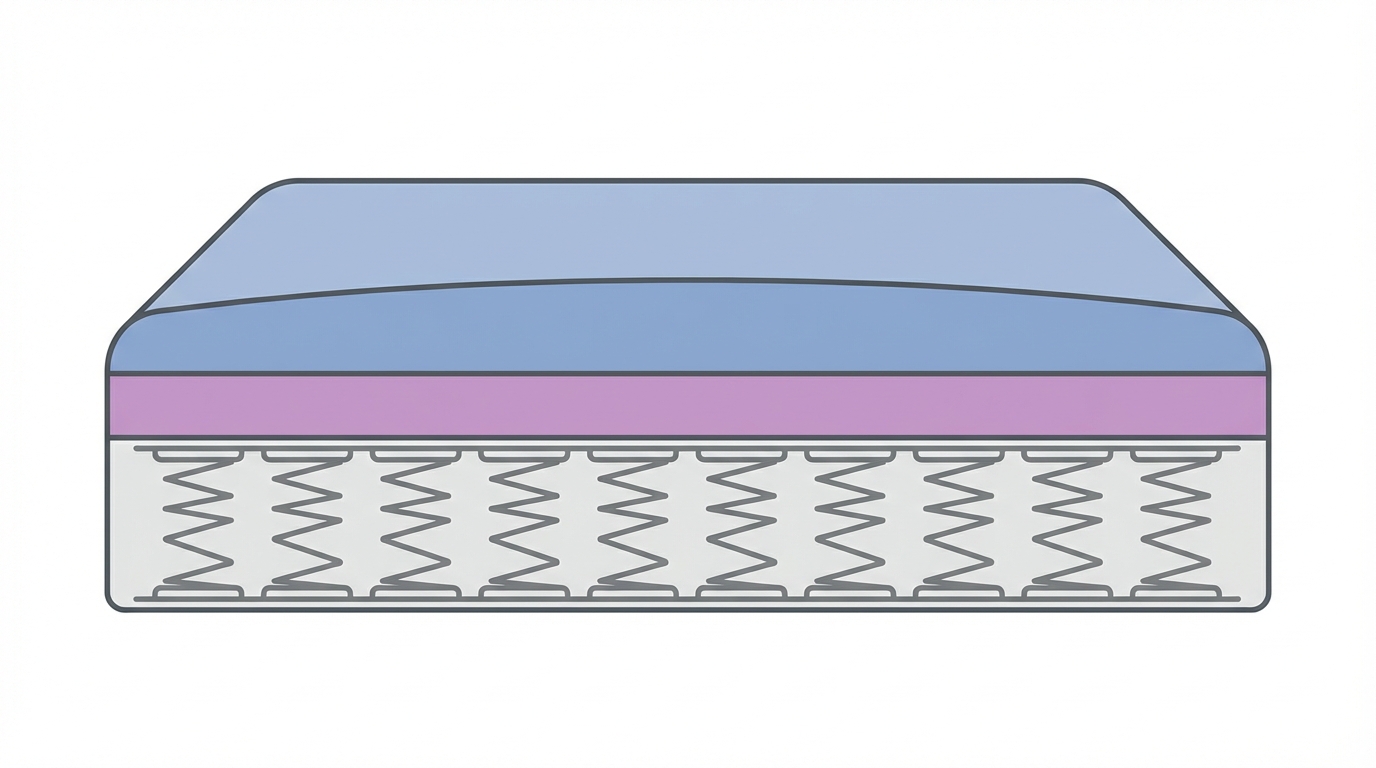
Where Full Size Really Works
Full size shines in certain common, real world scenarios. It is particularly strong for solo adults in apartments or older homes where bedroom dimensions run smaller than today’s typical master suites. The blend of 54 inch width and 75 inch length usually gives one person enough freedom of movement without requiring the floor space of a queen. You often save on both the mattress itself and the ongoing cost of sheets and bedding.
Guest rooms are another great use case. When relatives or friends visit, they will likely sleep on their backs or sides, and for a few nights at a time, the 27 inches per person many couples have described on a full is perfectly acceptable. You can dress a full with quality supportive construction, such as a Sealy Posturepedic Elite Soft Hybrid Mattress – Brenham II, so you are not sacrificing comfort while still keeping the room available for other purposes between visits.
Full size can also be ideal in multi function spaces like home offices that occasionally convert to a sleeping area. A full allows you to keep a desk or small sofa in the same room, whereas a queen or king might make the space feel like a dedicated bedroom. If you are thinking ahead to resale or rental value, having a room that can legitimately serve as a bedroom without losing flexibility can be useful.
For kids and teens, a full size mattress often becomes the “forever” size. It gives enough room for growth spurts, late night studying, and weekend lounging with a laptop or book. When they eventually move out, that same full size bed can be refreshed with new bedding and serve as a guest bed very comfortably.
“We switched my 15 year old from a twin to a full and it was a night and day difference. He is over six feet already, and Mia helped us choose a supportive medium mattress that will last him into college breaks. The full fits his smaller room and still leaves space for his gaming setup.” – Rebecca L., September
Where Full Size Starts To Fall Short
There are, however, clear limits to what a full size mattress can handle gracefully. If both sleepers are over about 5 feet 10 inches or wider in the shoulders, sharing a full can quickly lead to restless nights. Partner motion is more noticeable, and you may unconsciously restrict your sleep positions to avoid bumping each other, which can contribute to stiffness and hot spots in the hips and shoulders.
Full size also struggles when you regularly have kids or pets in bed with you. Adding even a small child or a medium sized dog into that 54 inch width leaves very little uninterrupted space. Over time, many parents and pet owners realize that sizing up to a queen or king protects their own sleep quality, which in turn supports their daytime energy and mood. Academic research on sleep deprivation consistently shows that fragmented sleep leads to worse focus, higher stress, and more health complaints, and a mattress that is too small is one very fixable cause of that fragmentation.
Another limitation is length for taller individuals. If you or your partner is close to or above 6 feet 2 inches, a full size’s 75 inch length means your feet will be close to or beyond the edge. Some people are comfortable with feet slightly over the end, especially if they sleep on their stomach with toes pointed, but others find it aggravates calf tension or leads to colder feet. In those cases, at minimum a full XL or preferably a queen, king, or California king is more appropriate.
Finally, if you have chronic pain, sleep apnea, or another medical condition that already complicates your sleep, giving yourself the flexibility of a larger size can be an act of self care. That could mean upgrading to a queen or king and pairing it with an adjustable bed frame so you can elevate your head or legs more comfortably. Medical organizations like Mayo Clinic often recommend elevating the upper body to help reduce snoring and reflux, which can be much easier to do without feeling squished for space.
Full Size Or Queen: Which One Should You Choose?
Personal Space And Future Planning
The choice between full and queen is usually the toughest size decision for adults. A queen mattress is 60 by 80 inches, giving you 6 extra inches of width and 5 extra inches of length over a full. At first glance that might not seem worth the extra cost, but in practice those few inches can be the difference between “just enough” and “consistently comfortable” for many sleepers.
If you are a solo sleeper and have no plans to share your bed in the next 8 to 10 years, a full size can absolutely meet your needs, especially in a smaller room. However, mattresses are long term purchases, and life circumstances change. Many people partner up, have children, move to different homes, or simply develop new sleep habits over the lifespan of a bed. From a planning perspective, if you are on the fence and your room can reasonably accommodate either, stepping up to a queen often prevents the need to replace your mattress earlier than you intended.
Think about how much personal width you like. On a full, you have the entire 54 inches. On a queen shared with a partner, each person has about 30 inches, which sleep experts often cite as a healthy minimum for comfortable couple sleep. The American Academy of Sleep Medicine notes that comfort and freedom of movement play a prominent role in maintaining deep, restorative sleep stages, and if you know you value elbow room, that queen upgrade is worth serious consideration.
Budget, Bedding, And Room Tradeoffs
Budget is always in the mix. A full size mattress is usually more affordable than a comparable queen in the same model, sometimes by a meaningful margin. You will save a bit on sheets, protectors, and blankets as well. Over the total life of the mattress, those savings can add up, especially if you are furnishing several rooms at once. If you are working with a strict budget, choosing a full and putting the cost difference toward better materials or construction can be a smart strategy.
You can always maximize your comfort on a full with thoughtful accessories. For example, if you are a side sleeper who tends to hug a pillow or tuck one between your knees, a high quality body pillow like The BodyPillow by Tempur-Pedic can help you use the full width efficiently while supporting alignment. Pairing your full with breathable, properly sized sheets, such as the Tempur-Pedic TEMPUR Adapt Luxe Egyptian Cotton Sheet Set, also helps you move smoothly without feeling tangled.
Room dimensions may end up making the final call. If you have a bedroom that is 9 by 10 or smaller, a queen can dominate the space, leaving little room for nightstands or a dresser. In these situations, dropping to a full might give you a better overall living environment, even if you are technically giving up a bit of sleeping real estate. It is often a worthwhile tradeoff to have a balanced, uncluttered room you enjoy.
Full Size Mattress Comparison Table
Sometimes it helps to see how a full size mattress stacks up against neighboring sizes at a glance. Here is a simple comparison of common options.
| Mattress Size | Dimensions (W x L) | Typical Best For | Room Size Fit (Comfortable Minimum) |
|---|---|---|---|
| Twin | 38" x 75" | Kids, narrow rooms, bunk beds | 7' x 9' or larger |
| Full | 54" x 75" | Solo adults, teens, guest rooms | 9' x 10' or larger |
| Queen | 60" x 80" | Most couples, spacious solo sleepers | 10' x 10' or larger |
| King | 76" x 80" | Couples who want maximum space, families who co sleep | 12' x 12' or larger |
This comparison is not about right or wrong, it is about fit. If you read that table and find yourself between full and queen for your situation, that is exactly where a conversation with a Sleepology specialist can be helpful. We can factor in your body size, sleep position, and room layout so you are not relying on numbers alone.
How To Make A Full Size Mattress Feel Bigger And More Comfortable
Smart Bedding Choices And Layout
You cannot change the physical dimensions of a full size mattress, but you can absolutely make it feel more generous and functional. Start by keeping the area around the bed as open and uncluttered as possible. When you have room to move easily at the sides and foot, your brain reads the bed as part of an open, spacious environment instead of a tight corner, which can make the whole setup feel more relaxing.
Bedding that fits correctly is key. Sheets that are overly tight will pull at the corners and can make rolling toward the edge feel restricted. Oversized or loose bedding at the foot can bunch up and steal legroom. Choosing sheet sets specifically sized for full mattresses, like the Tempur-Pedic TEMPUR Adapt Luxe Egyptian Cotton Sheet Set, helps the fabric glide rather than fight your movements. A breathable mattress protector from our pillows, sheets, toppers, and protectors collection can also keep the surface cool and responsive.
Pillow choice affects perceived space more than most people realize. Oversized or excessive pillows can crowd the head of the bed, pushing you farther down and reducing usable length. If you like a stacked or layered pillow feel, consider mixing sizes or using one full length body pillow so you are not scattering smaller pillows all over. When everything has a place and the sleep surface is kept clear, a full size mattress feels more open.
Support, Firmness, And Sleep Position
Comfort on a full is not only about square inches. It also depends heavily on choosing the right support and firmness for your body and position. For back sleepers, a medium to medium firm surface that supports the natural curve of your spine prevents you from drifting toward the center or edges due to sagging. Our curated mattresses for back sleepers are a helpful starting point if you want that balanced feel in a full size.
Side sleepers often need more pressure relief at the shoulders and hips. On a narrower mattress like a full, that cushioning helps you use every bit of width without having to constantly adjust to relieve discomfort. Options like the Sealy Posturepedic Elite Soft Mattress – Albany II Euro Pillow Top in full size give you a deeper comfort layer while maintaining support underneath, which lets your joints sink just enough without misaligning the spine.
For combination sleepers who move between side, back, and sometimes stomach positions, focus on responsiveness and edge support. A mattress that adapts quickly when you change position reduces the sense of “falling off” when you move toward the side. Reinforced edges can make every inch of a full feel usable, rather than feeling like you have to stay in the center. Sleep research consistently shows that minimizing micro awakenings, even ones you barely remember, improves how rested you feel in the morning, so a mattress that supports free, comfortable shifting is a quiet but powerful ally.
When To Consider Going Bigger Than Full
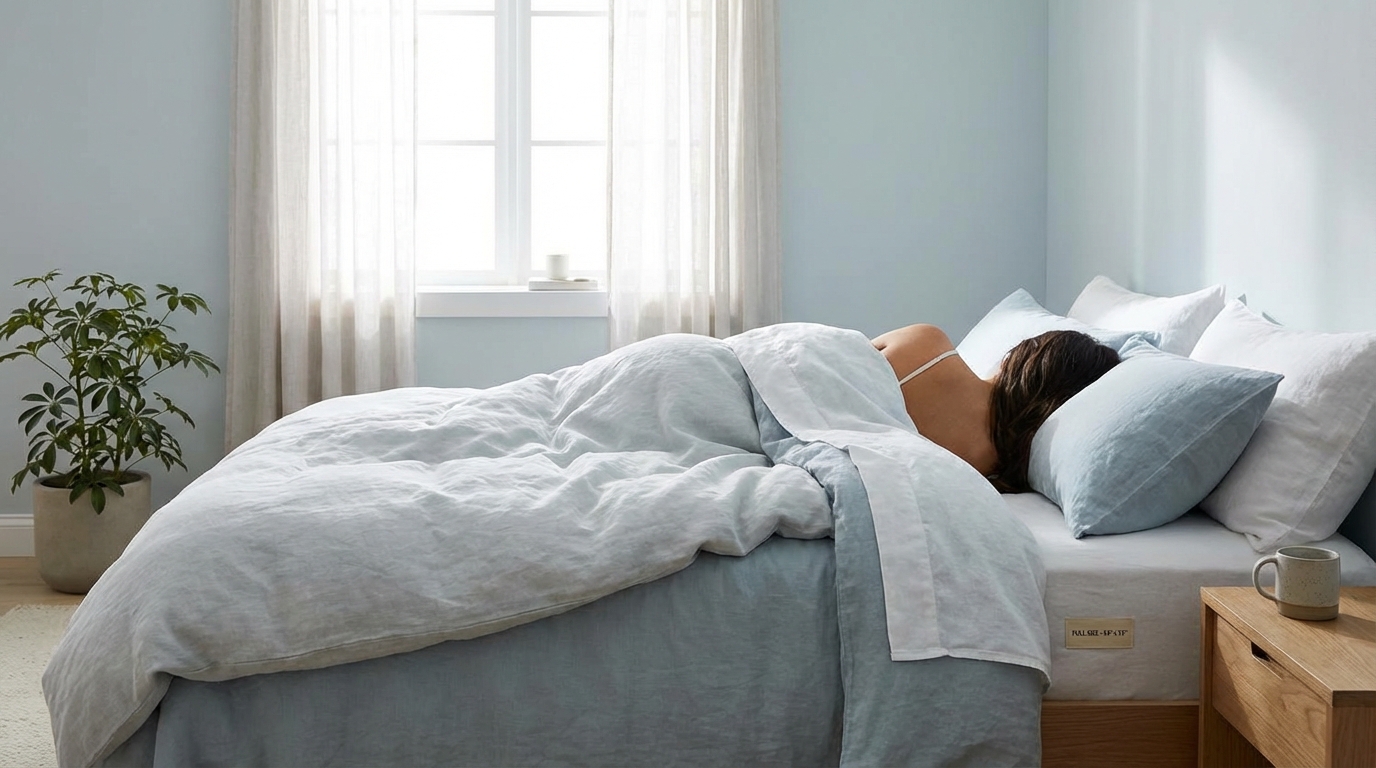
There are times when, no matter how well a full size mattress is constructed, you will simply sleep better and move more easily on a larger size. Recognizing those situations early can save you from buying twice or enduring years of “just okay” rest.
If your current or planned bedroom is at least 10 by 10 feet and you are a couple planning to share the bed nightly, a queen is usually a healthier baseline. It gives both partners at least 30 inches of width and the full 80 inches of length, which aligns more closely with what sleep organizations recommend for shared beds. Adding pets or young children into the equation makes a king even more appealing. In a 12 by 12 or larger room, a king size mattress often ends up feeling like the right scale both visually and functionally.
You should also think seriously about upgrading beyond full if anyone using the bed is dealing with health conditions that affect sleep, such as chronic pain, reflux, asthma, or restless legs. Combining a queen or king mattress with an adjustable base allows for customized positions that medical sources like Mayo Clinic frequently recommend, such as elevating the head to ease snoring or the legs to reduce swelling. Trying to do that on a full size with two people can feel cramped.
Finally, if you are moving into a home you intend to stay in for many years, sizing up now can be a wise investment. The incremental cost of a queen or king compared to a full is small when spread over 8 to 10 years of use, and many couples who choose larger sizes report fewer arguments about covers and personal space. In my 20 years helping people choose mattresses, I have rarely had someone say they regret going bigger, but I often meet people who wish they had not tried to make a smaller size work for so long.
Key Takeaways About Full Size Mattresses
A full size mattress is 54 inches wide by 75 inches long and is best suited to solo sleepers, teens, and guest rooms, especially where room size or budget is a factor. It offers significantly more width than a twin, making it a comfortable step up for one person, but it can feel tight for two adults, particularly over years of nightly use. Matching your mattress size to your body, your room, and your lifestyle is more important than any trend or standard.
When you are deciding, look at the whole picture: how you sleep, who shares the bed, how much you move at night, and how your space is laid out. Use tape to visualize the footprint, think ahead a few life stages, and consider whether the savings on a full versus a queen or king are worth the tradeoff in personal space. If you do opt for a full, you can maximize comfort by choosing supportive construction, appropriate firmness, and right sized bedding and accessories.
At Sleepology, our team, including me, spends a lot of time listening before we recommend. The right size is not just about numbers, it is about how you live, rest, and recover. When you are ready, we are here to help you find a full size mattress that truly fits, or explore whether stepping up to a larger size will be the better long term choice for your best sleep.
Frequently Asked Questions
Is a full size mattress too small for two adults to use every night?
A full size mattress can technically fit two adults, but for most couples it is not ideal as a long term primary bed. Each person ends up with about 27 inches of width, which is less than each person gets in a queen or king. Over time, that often leads to more disturbed sleep from bumping into each other or feeling confined. For occasional use in a guest room or for couples who truly prefer a tight, cuddly setup, a full can work, but if you plan to share the bed nightly and your room allows it, a queen is usually a healthier and more comfortable minimum.
I am about 6 feet tall. Will I be comfortable on a full size mattress?
A full size mattress is 75 inches long, which can work for someone around 6 feet tall, especially if you sleep curled on your side or do not mind your feet being near the edge. However, if you sleep on your back or stomach with your legs extended, you may find your feet feel crowded or slightly off the end. Many people around your height find the extra 5 inches of length on a queen or full XL more comfortable over time. If you are 6 feet 2 inches or taller, professional sleep and health organizations generally recommend an 80 inch long mattress such as a twin XL, queen, king, or California king.
What minimum room size do I need for a full size mattress?
In most cases, a bedroom around 9 by 10 feet is the practical minimum for a full size mattress, especially if you are willing to place the bed against a wall. This allows some walking space and room for basic furniture. For a more balanced layout with the bed centered and nightstands on both sides, a 10 by 10 or larger bedroom feels more comfortable. It is a good idea to measure your room, tape out a 54 by 75 inch rectangle representing the mattress, and walk around it to see how much space is left for dressers, doors, and any desk or chair you plan to include.
How is a full size mattress different from a “double” bed?
In modern U.S. sizing, “full” and “double” refer to the same mattress dimensions. Both are 54 inches wide and 75 inches long. The term “double” is more traditional and is still used by some brands and older furniture listings, while “full” is the more common label you will see today. If you come across either term in product descriptions, you can treat them as interchangeable when it comes to sheets, frames, and accessories.
Can I use queen size bedding on a full size mattress?
You can technically put queen sheets and comforters on a full size mattress, but it is not ideal. Queen fitted sheets will be too loose, which can cause bunching and slipping during the night, and that can make a smaller mattress feel even more constrained. Flat sheets and comforters will hang lower than intended, which some people like visually but others find messy. For the best comfort and fit, it is worth choosing bedding designed for full size, such as correctly sized sheet sets and protectors from Sleepology’s pillows, sheets, toppers, and protectors collection.
Is a full size mattress a good long term choice for a teenager?
Yes, a full size mattress is often an excellent long term choice for a teenager. The 54 inch width gives plenty of room to grow, spread out with books or a laptop, and sleep comfortably through growth spurts. It also transitions well into adulthood if they move back home during college breaks or you later convert their room into a guest space. Just make sure to choose a supportive, durable model that can handle several years of use, and match the firmness to their sleep position. Many teens do well on a medium or medium firm mattress with good pressure relief at the shoulders and hips.
Will a full size mattress work on an adjustable bed base?
Most modern adjustable bed bases are available in full size, and a full size mattress that is compatible with flexible foundations will work well on them. If you are planning to pair a full with an adjustable base, confirm that the mattress you choose is designed for that type of support system. Foam and hybrid models usually work best because they can bend without damaging internal components. At Sleepology, we can help you match a full size mattress with an adjustable bed frame so you can enjoy elevation and comfort even in a smaller footprint.