

What Size Is A Full Mattress, Really, And Is It Big Enough For You?
If you are squinting at size charts and asking yourself what size is a full mattress, you are not alone. Many people hear terms like twin, full, double, and queen and understandably get confused, especially when every inch of bedroom space matters. You might be trying to outfit a first apartment, a teen’s room, or a cozy guest space, and you want to get this right the first time instead of wrestling with returns and sheets that do not fit.
Mattress size is more than a number on a chart. It affects how well you sleep, how your body feels in the morning, and how functional your bedroom feels day to day. According to the Sleep Foundation, sleep quality is closely linked to both comfort and freedom of movement at night, and your mattress size is a big piece of that puzzle. When a mattress is too small, people wake more often, toss and turn, and feel more daytime fatigue, even if the mattress itself is decent.
You are here with a very specific question about full mattresses, but under that question are a few deeper ones. Is a full mattress big enough for me or for two people. How much room will I have compared with a queen. Will it actually fit my bedroom with a dresser and nightstands. You may also be wondering what bedding you need and whether this is the most budget friendly choice without sacrificing comfort.
In the guide that follows, we will unpack exactly how big a full mattress is in inches and centimeters, how it compares to other sizes, what kinds of sleepers it suits, and how to lay out a room so it feels spacious rather than cramped. You will also see how a full mattress fits into your long term plans, from kids growing into teens to adults eventually upgrading to queen or king. By the end, you will be able to say with confidence whether a full size really is your best fit or if another option will serve you better.
Full Mattress Dimensions: The Clear Answer
When people ask what size is a full mattress, they are usually looking for one straightforward number. So let us start with the simple part and then layer in the nuance that actually helps you choose.
A standard full mattress in the United States measures 54 inches wide by 75 inches long. You may see some brands list 53 instead of 54, but industry standards and major manufacturers center around 54 by 75, with up to about 1 inch of variation either way because of quilting and manufacturing tolerances. That means you can safely plan your room around 54 by 75 and assume your mattress will land very close to that.
The term full and double refer to the same size. There is no difference in dimensions, only in naming. Double is the older term from the era when this size was commonly used by couples, while full is now more widely used in catalogs and online stores. If you see double on a vintage headboard or older frame, it is intended to fit a full mattress.
Where the numbers begin to matter is in personal space. At 54 inches wide, a full offers one solo sleeper plenty of room to stretch out. For two adults, however, that width breaks down to just 27 inches per person, which is narrower than a crib mattress and significantly less than what most couples find comfortable over years of use. This is why many sleep organizations and retailers now recommend full mattresses primarily for single sleepers or for short term double use in guest rooms.
Length is the other key factor. At 75 inches, a full mattress comfortably fits sleepers up to about 6 feet tall, but taller bodies will find their feet near or past the edge, especially if they use a pillow with loft. The Cleveland Clinic notes that proper spinal alignment during sleep depends on being able to fully lie flat without curling up to make room, so if you are close to or over 6 feet tall, length becomes non negotiable for healthy posture over time.
“I always thought a full was the standard for adults, but once Mia walked me through the actual inches, it clicked that I was shorting myself on space. Upgrading to a properly sized bed for my height has been the difference between waking stiff and waking rested.” – Jordan P., November
How A Full Mattress Compares To Other Common Sizes
Understanding what size is a full mattress is only half the story. The more useful question is how it compares to the sizes you are also considering, usually twin, queen, or sometimes twin XL. Seeing those differences clearly helps you avoid the classic “I wish we had sized up” regret that many shoppers share after a year or two.
Full vs Twin and Twin XL
A twin mattress is 38 inches wide by 75 inches long. That means a full mattress is 16 inches wider than a twin, while length is the same. If you are moving from a twin to a full as a single sleeper, you gain significant shoulder and hip room, which makes a big difference if you are a side sleeper or tend to sprawl. Research summarized by Mayo Clinic suggests that side sleepers benefit from enough space to bend knees and shift positions without being constrained, especially if they have hip or shoulder sensitivity.
Twin XL mattresses measure 38 inches by 80 inches. So compared with a twin XL, a full is wider, but 5 inches shorter. This is where your height matters. A tall teen or adult who is 6 foot 2 or more will usually sleep better on a twin XL than on a full, because the extra length supports natural posture even if the bed feels narrow. For a person closer to average height who values width more than length, a full is usually the more comfortable option.
If you are outfitting a kid’s or teen’s room and hoping to keep the same mattress into young adulthood, ask two questions. How tall are they likely to be, given family height patterns, and how much floor space do you need for desks, toys, or seating. A full mattress might be perfect for a shorter or average height teen who wants a more grown up feel and sometimes hosts friends, while a twin XL might be better for a very tall teen in a narrower bedroom.
Full vs Queen
The most common comparison is full versus queen. A queen mattress measures 60 inches wide by 80 inches long. That is 6 inches wider and 5 inches longer than a full. On paper that might not sound dramatic, but in practice it translates into noticeably more breathing room for both solo sleepers and couples. With a queen, each partner gets about 30 inches of width. That is still not as roomy as a king, but many couples find it to be the minimum width where they are not consistently bumping into each other or clinging to the edge.
For a single adult, the question is usually less about fitting your body and more about how you use your bed. If you read, work, or watch TV in bed, or if a pet sleeps by your feet or at your side, the added inches of a queen can feel luxurious without being excessive. On the other hand, if your bedroom is compact, a full mattress often opens up enough space for a second nightstand or a comfortable walking path, which can make the room feel calmer and more livable.
Cost is another piece of the puzzle. Industry surveys of mattress pricing consistently show that full mattresses sit in a slightly lower price band than queen, and queen sits lower than king. You are usually not saving thousands by choosing a full over a queen, but you may save enough to upgrade materials or add high quality sheets. A well built full mattress, such as a Sealy Posturepedic Plus Medium Mattress – Paterson II Euro Pillow Top, can be an excellent middle ground if you want strong support and pressure relief and do not truly need queen dimensions.
Full vs King And Why It Matters For Couples
Even if your initial question was only what size is a full mattress, it helps to look all the way up the size ladder when you are shopping for a couple. A king mattress measures 76 inches by 80 inches. Compared with a full, a king gives you 22 more inches of width and 5 more inches of length. This is a completely different sleeping experience if you share your bed with a partner and possibly children or pets.
According to the Sleep Foundation and several large consumer sleep surveys, couples who move from a double or full mattress to a queen or king often report less nighttime disturbance and fewer complaints about feeling crowded. That is not surprising when you consider that a couple in a full bed has less personal width than a baby crib provides. If you are trying to choose a mattress size that will last 8 to 10 years, those inches matter a lot more than they do on a one night hotel stay.
That said, life happens within real budgets and real room sizes. There are plenty of situations where a full mattress still makes sense for couples, especially as a short term solution. If you live in a small city apartment, you are house sharing temporarily, or you are furnishing a part time guest room that you also use as an office, a full can be a practical compromise. The key is to be honest with yourself about how often two people will be using the bed and for how many years.
“My partner and I started on a full size because that was what we could afford. We thought we would be fine, but Mia helped us map out the space and explained the per person width. We went straight to a queen and I am so glad we skipped that cramped phase.” – Melissa R., October
Full Mattress vs Other Sizes: Quick Comparison Table

When you are visual, a simple side by side comparison helps just as much as paragraphs of explanation. This table summarizes how a full mattress stacks up against other common sizes.
| Mattress Size | Dimensions (W x L) | Best For | Key Trade Off vs Full |
|---|---|---|---|
| Twin | 38" x 75" | Children, smaller single adults, bunk beds | Saves floor space but 16" less width than full |
| Twin XL | 38" x 80" | Taller teens and adults in narrow rooms | Adds 5" length, loses 16" width compared with full |
| Full / Double | 54" x 75" | Single adults, teens, tighter guest rooms | Middle ground between compact footprint and comfort |
| Queen | 60" x 80" | Most couples, adults who like extra space | Adds 6" width and 5" length, needs a bit more room and budget |
Once you see it in a grid, the role of the full mattress becomes clearer. It lives squarely in the middle, roomy for one, workable but tight for two, and relatively easy to fit into modestly sized bedrooms. Understanding that helps focus your decision on who the primary sleeper is and how long you want the bed to serve that role before you change sizes.
Is A Full Mattress Big Enough For One Person, Two People, Or Kids?
A full mattress is technically capable of handling many different scenarios, but not every scenario is equally comfortable. The right choice depends on how much you move at night, whether you share your bed, and what stage of life you are in.
Single Adults And Teens
For one adult, a full mattress is usually a very comfortable size, especially if you are under about 6 feet tall and you prefer stretching out sideways rather than lengthwise. Compared with a twin, you gain a generous amount of elbow room, which is helpful if you change positions during the night. Studies from academic sleep labs have shown that people typically shift positions dozens of times throughout a normal night, even if they do not fully wake, so having a bit of extra space to roll can reduce the micro awakenings you remember in the morning.
For teens, a full mattress often feels like a rite of passage into a more adult bedroom. It can make the room more inviting for reading or studying on the bed, and it gives enough space for a friend to sit without feeling crowded. Parents sometimes worry about “overbuying” for a younger teen, but if the room size allows it and your teen is not significantly taller than average, a full can easily serve from middle school through college years.
The only real caution for solo sleepers on full mattresses is height. Once someone starts edging into the 6 foot 2 and above range, you may see them unconsciously slide toward the middle or curl up to keep their feet from hanging over. Over time, that posture can contribute to lower back strain. In those cases, either a twin XL in a narrow bedroom or a queen in a room that can accommodate it will often be a better long term match.
Couples Using A Full Mattress
Two adults on a full mattress can absolutely make it work in the short term, but it is important to be realistic about the trade offs. Each person gets about 27 inches of space, which is narrower than many office chairs and significantly less than the 30 inches per person on a queen. If either of you is a restless sleeper, if there is a size difference between you, or if one of you sleeps hot and needs more space for airflow, those 27 inches begin to feel cramped.
Sleep medicine specialists often remind couples that sharing a bed is both emotional and physical. Connection is important, but so is giving your nervous system enough room to relax. If you already struggle with insomnia or light sleep, suddenly introducing a partner on a small surface can compound the problem. From an E E A T perspective, it is more honest to say that a full is workable for couples only when other constraints insist on it, rather than pretending it is ideal.
There are exceptions, of course. If you and your partner both prefer close contact, you are smaller framed, and your schedules are very synced, a full mattress might feel cozy rather than crowded. Just know that most couples, when surveyed by organizations like Consumer Reports, end up preferring queen or king once they try them, often citing fewer night time disturbances.
Kids, Tweens, And Shared Children’s Rooms
For younger children, a full mattress is sometimes chosen because it can double as a guest bed and gives adults room to curl up during story time. It also allows for growth without needing to replace the mattress during the teen years. Pediatric sleep guidance from groups like the American Academy of Pediatrics focuses more on safety and firmness for younger kids than size, once they are out of the crib stage, so the main decision drivers here are practical.
If you are furnishing a shared room for siblings, full mattresses can be used, but they take up significantly more floor space than twin or twin XL. That is where your room measurements become crucial. In a smaller shared room, two twins often leave more room for play and storage. In a larger space where each child essentially has a side of the room, a full can make sense for the older child, especially if you sometimes host cousins or friends for sleepovers.
“We debated for weeks between full and queen for our guest room. Mia helped us think about who would actually use the bed, and we realized it would be mostly solo guests and my college aged niece. The full gave us space for a small desk as well, and our guests have all commented on how comfortable it is.” – Renee S., September
Room Size And Layout: Will A Full Mattress Actually Fit Well?

Once you understand what size is a full mattress in inches, the next step is seeing how that footprint lands inside your actual bedroom. A mattress can technically fit in many rooms but still make the space feel cramped or awkward if the layout is not thoughtful.
Minimum Room Sizes For A Full Mattress
A commonly recommended minimum room size for a full mattress is around 9 feet by 10 feet. That provides enough space for the bed itself, plus walking paths and at least one nightstand. If you have a 10 by 10 or larger room, a full mattress usually leaves comfortable room for a dresser and perhaps a small chair as well, depending on door and window placements.
Professional sleep environments often echo a guideline similar to what sleep wellness coaches use: aim for at least 24 inches of clearance on the sides of the bed and around 36 inches at the foot if possible. That allows you to move without turning sideways or bumping into corners at night, which is especially important when you wake groggy and less coordinated. With a full mattress, these clearances are easier to maintain in modest rooms than they are with queen or king.
Layout Tips For Maximizing Space Around A Full Mattress
One simple tactic is to mock up the mattress footprint on your floor using painter’s tape. Measure out 54 by 75 inches and tape the outline where you think you want the bed. Then walk around it, open doors, and imagine where furniture will sit. This exercise often makes clear whether your first idea for bed placement will feel natural or cramped.
You can also play with orientation. In rectangular rooms, placing the full mattress with the head against the shorter wall sometimes frees more useful floor area, especially if you like having room at the foot of the bed for a bench or storage chest. In square rooms, centering the bed on one wall balances the room visually and allows even pathways on both sides.
Finally, consider bed height. A full mattress on a very tall frame can visually dominate a small room and feel imposing. Pairing a full mattress with a lower platform or an adjustable bed frame that sits closer to the floor can keep the room feeling light and open while giving you useful under bed storage or elevation for reading and snoring relief when you want it.
When A Full Mattress Is The Smart Choice, And When To Size Up
There is no universal rule that a full mattress is right or wrong. Instead, there are patterns that tend to work well for specific life stages and room situations. Knowing those patterns helps you line up your own priorities with what actually works.
Situations Where A Full Mattress Shines
Full mattresses are often the sweet spot for first apartments and starter homes where rooms are modest but you still want an adult feeling bed. They are also excellent for secondary bedrooms that do double duty as guest rooms and home offices, since the slightly smaller footprint leaves space for a desk or reading chair.
Another strong use case is for older children and teens who will likely live with the mattress for many years. A full offers enough room to grow and feels welcoming for everything from homework to movie nights. If you choose a supportive design, such as a Sealy Posturepedic Medium Mattress – Medina II Euro Pillow Top, you also give their still developing spines consistent support, which is something pediatric and orthopedic professionals emphasize.
Budget is the other clear advantage. Because full mattresses use less material than queen and king, you can often step up in quality within the same budget. That might mean going from a basic innerspring to a more advanced hybrid, or investing in breathable, high thread count sheets like a Tempur-Pedic TEMPUR Adapt Luxe Egyptian Cotton Sheet Set instead of settling for scratchy bedding. Good bedding matters more than many people expect for temperature regulation and comfort.
Signs You Should Consider A Queen Or Larger
If you are a couple and you plan to sleep on this mattress together every night for the foreseeable future, that alone is a strong reason to look at queen or king. Even if you tell yourself you love cuddling, real life includes hot flashes, colds, different alarm times, and the occasional restless leg. Extra inches give you options for those nights.
Height is another non negotiable in many cases. Anyone above about 6 feet 2 will simply be better served by an 80 inch long mattress. This can be a queen, king, or twin XL, depending on whether they sleep alone and how wide the room is. Academic sleep research consistently finds that neutral spinal alignment, where your head, shoulders, and hips can lie in a straight line, reduces pain and improves sleep efficiency, and bed length is a basic requirement for that alignment.
Finally, your “future self” deserves a seat at the table. Mattresses are long term purchases. If you are buying for a period of life you know will change soon, such as planning to move to a larger home or expecting a partner to move in, it can be wiser to choose the size that will fit that future scenario if your current room can possibly handle it. Couples rarely regret having more space, but many quietly admit later that they wish they had gone one size up.
Checklist: How To Decide If A Full Mattress Is Right For You
Since this is a decision with a lot of moving parts, it helps to walk through a simple checklist. Once you understand what size is a full mattress dimensionally, you can use these questions as a quick reality check before you commit.
Ask yourself:
- Who will sleep on this mattress most nights, now and over the next 5 to 8 years
- What are their heights, and do any of them already complain about cramped or dangling feet
- How big is the room, in feet and inches, and can you maintain at least 24 inches of walking space on each side of the bed
- Do you need the room to serve another function, such as office, nursery, or workout space, that would benefit from a slightly smaller bed footprint
- How much do you move in your sleep, and do you or a partner have conditions like back pain or arthritis that make bumps and jolts more noticeable
- Is your budget fixed, and if so, would choosing a full allow you to invest more in mattress quality, pillows, and breathable sheets
- Are you likely to add a regular bed sharing partner in the near future, or will this primarily be a solo sleeper bed
Once you have honest answers to these questions, the right size often becomes surprisingly clear. For example, a 5 foot 6 solo sleeper in a 10 by 10 room who values open space may find that a full mattress checks every box. A 6 foot 3 couple in a 12 by 12 room with a dog at the foot of the bed will quickly see that a full is not a realistic match, even if it looks appealing price wise.
The good news is that a full mattress is rarely a wrong choice for solo sleepers in standard sized rooms. The risk of mismatch is higher when two people are involved or when height and long term plans are not fully considered.
Making A Full Bed Feel Luxurious And Supportive
If you decide a full mattress fits your needs, the next step is making that 54 by 75 inch surface feel like a true retreat, not a compromise. The right combination of support, comfort, and bedding transforms a basic full into a genuinely restorative sleep environment.
Choosing The Right Full Mattress Construction
Within the full size category, you will find innerspring, memory foam, latex, and hybrid designs. Each has pros and cons, and the “right” one depends on your body and sleep style more than on the size itself. Many sleepers like the balanced feel of hybrids, which combine a coil support core with foam or latex comfort layers for both structure and pressure relief.
According to reviews from organizations such as Consumer Reports, people with back pain often do best on medium firm mattresses with good zoned support around the lumbar region. Options like the Sealy Posturepedic Pro Soft Mattress – Dupont II Euro Pillow Top and the Sealy Posturepedic Plus Medium Mattress – Paterson II Euro Pillow Top are designed to offer that kind of targeted support while still feeling cushioned on the surface.
If you are a hot sleeper, do not assume that a smaller mattress will necessarily run cooler. What matters is the breathability of the foam, the airflow around the coils, and the performance of your sheets. Cooling sheet sets like the TEMPUR-Breeze Cooling Sheet Set or Tempur-Pedic ProPerformance Sheet Set can significantly help with temperature control by wicking moisture and allowing air to circulate.
Pillows, Toppers, And Bedding That Elevate A Full Mattress
A full mattress becomes truly supportive when it is paired with the right pillow. The neck and upper spine are especially sensitive to poor alignment, so choosing a pillow appropriate for your sleep position matters. Side sleepers usually need a higher loft and firmer structure, while back sleepers tend to prefer medium loft support. A body length pillow, such as The BodyPillow by Tempur-Pedic, can be particularly helpful for side sleepers on a full mattress, since it lets you hug something and keep your knees aligned without stealing width from your partner if you occasionally share the bed.
Mattress toppers can also fine tune the feel without changing the underlying size. If your full mattress is supportive but a bit too firm, a high quality foam topper smooths pressure points for shoulders and hips. Even for guest beds, a topper like the Tempur-Pedic Mattress Topper – Pillow Travel and Guest Bundle can turn a basic bed into something visitors rave about, especially when paired with soft, breathable sheets from the Pillows, Sheets, Toppers, Protectors collection.
Do not overlook the psychological effect of your bedding choices. According to sleep hygiene recommendations from Mayo Clinic and other medical sources, creating a calm, inviting bedroom environment signals your brain that it is time to wind down. Coordinated bedding, a clutter free nightstand, and appropriate lighting can make even a modest full size bed feel like a sanctuary.
How A Full Mattress Fits Into Your Long Term Sleep Plan
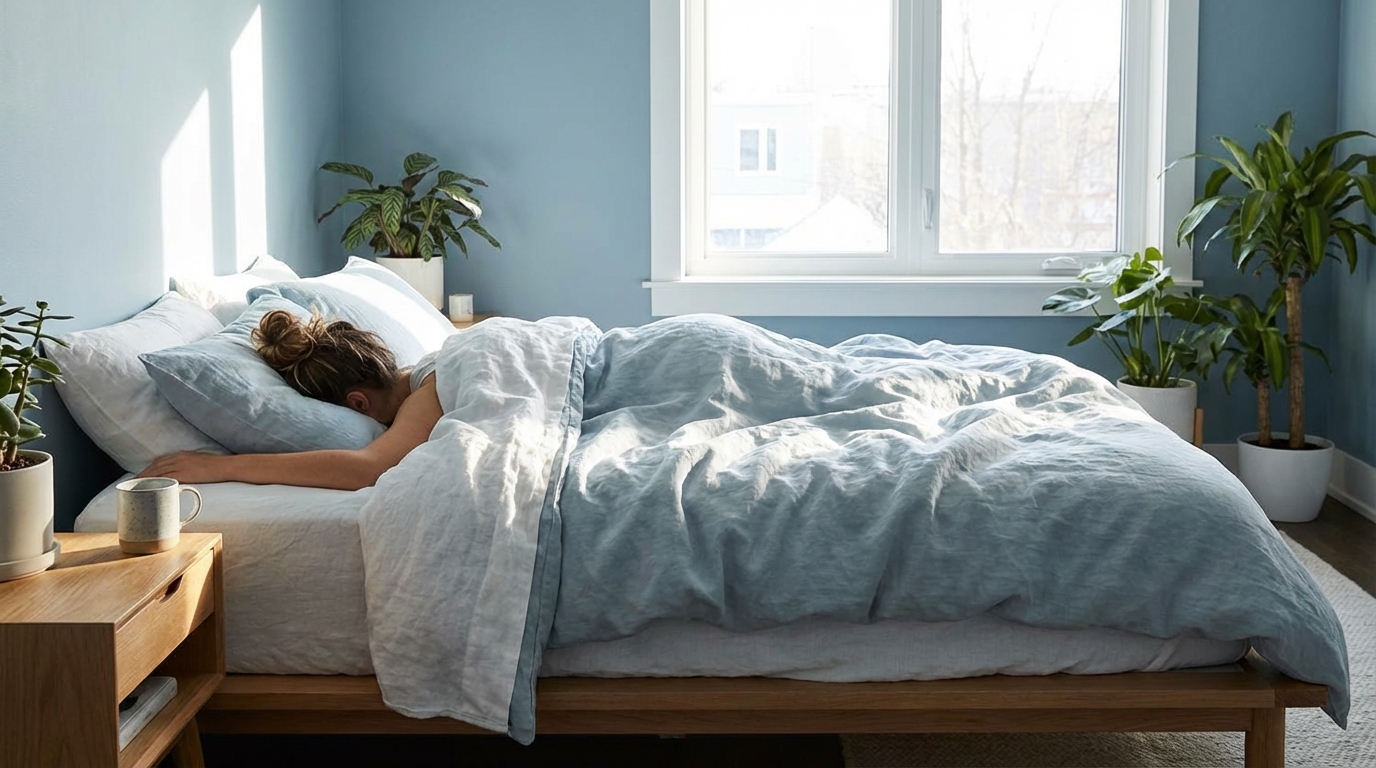
When I help customers in the showroom, I often ask them to think of their mattress choice not just as a purchase for today but as part of a longer sleep story. Life changes, and over the 8 to 10 years many mattresses last, your needs can shift in ways that are worth imagining ahead of time.
A full mattress can be a flexible workhorse in that story. You might start with it as your primary bed in a studio apartment, then later move it into a guest room when you upgrade to a queen or king. You could purchase a full size now for a preteen, then repurpose it to a guest space when they leave for college. Thinking this way often reassures people that a full mattress is not a “dead end” size.
On the other hand, if you know your next move will be into a larger space and you plan to invest in a long term primary bed for a couple, it may be more cost effective to go directly to queen or king even if a full would suffice in your current room. This is especially true for back sleepers and side sleepers who benefit from more even weight distribution, something larger surfaces are good at. A future facing mindset helps you avoid buying twice in a short time frame.
This is also where it is useful to consider an adjustable base. Pairing a full mattress with an adjustable bed frame can add versatility. You can elevate your head for snoring or reflux, raise your feet for circulation, and support your back when reading. If you later move the full into a guest room, that adjustable base becomes a real bonus feature for visitors who might have different comfort needs.
Conclusion: Turning Measurements Into A Confident Mattress Choice
By now, you know the literal answer to what size is a full mattress. It is 54 inches wide by 75 inches long, a size that sits right between compact twin options and more spacious queen and king choices. More importantly, you have seen how those inches translate into personal sleeping space, room layout, budget, and long term flexibility.
A full mattress shines for single adults and teens, for guest rooms that need to stay airy and multi purpose, and for households where budget matters but comfort still counts. It can also be a workable short term solution for couples in smaller spaces, as long as everyone understands the trade offs in nightly elbow room. When matched with quality construction, supportive pillows, and breathable bedding, a full can absolutely deliver the kind of restorative sleep that health organizations emphasize as foundational for mental and physical well being.
If you are still feeling torn between sizes, that is understandable. Mattress shopping carries a lot of pressure, and online information can be overwhelming or contradictory. You do not have to navigate it alone. At Sleepology, we are happy to walk through your room measurements, sleeping styles, and long term plans to help you decide whether a full, queen, or even something larger really fits your life. The goal is not to push you bigger or more expensive, but to make sure that when you lie down on your new mattress, it feels like you finally have the right space to rest.
Frequently Asked Questions
How many people can comfortably sleep on a full mattress long term?
A full mattress can technically sleep two adults, but it is most comfortable for one person on a nightly basis. Two people sharing a full get about 27 inches of width each, which is narrower than what most sleep experts recommend for long term comfort. For couples who plan to share a bed every night, queen or king sizes usually provide better personal space and less disturbance from partner movement.
Is a full mattress big enough for a tall person?
That depends on what you mean by tall. A full mattress is 75 inches long, which usually works well for sleepers up to about 6 feet tall. Once you are closer to 6 feet 2 or above, your feet may rest very close to the edge or hang over, especially if you use a higher loft pillow. Taller sleepers are generally better suited to 80 inch long mattresses, such as twin XL, queen, or king, to maintain proper spinal alignment.
What size room do I need for a full mattress without feeling cramped?
A practical minimum room size for a full mattress is around 9 by 10 feet, assuming you want space for at least one nightstand and clear walking paths. In a 10 by 10 or larger room, a full bed usually leaves comfortable space for a dresser and perhaps a small desk or chair. Aim to maintain about 24 inches of clearance on each side of the bed and around 36 inches at the foot if possible, so you can move freely without bumping into furniture.
Is a full mattress a good choice for a guest room?
A full mattress can be an excellent choice for a guest room, especially if the room is on the smaller side or doubles as a home office. Many guests will be solo sleepers, for whom a full provides plenty of space, and couples staying for short visits can usually manage just fine. If your guest room is larger and you regularly host couples for longer stays, a queen might be more comfortable, but in many homes, a full mattress strikes a nice balance between comfort and floor space.
What bedding size do I need for a full mattress?
You will want bedding labeled as full or double for a full mattress, since both terms refer to the same dimensions. That includes fitted sheets, flat sheets, and mattress protectors. Comforters and duvets sometimes combine full and queen in one size, which works because the overhang is flexible. Just be sure to check that the fitted sheet specifically lists full or double, and consider breathable options like cotton or performance fabrics if you sleep hot.
Will a full mattress fit on a queen or double frame?
A full mattress will fit properly on a frame labeled full or double, because those refer to the same size. It will not fit correctly on a queen frame. A queen frame is designed for a 60 by 80 inch mattress, so a full mattress will be both too short and too narrow, leaving gaps that can cause instability and uneven support. If you have a queen frame and you want to use it, you will need a queen mattress that matches those dimensions.
How does a full mattress compare to a queen in price and value?
In general, full mattresses cost somewhat less than queens because they use less material. The exact difference varies by brand and construction, but choosing a full can sometimes free up budget to invest in higher quality materials or premium accessories like cooling sheets and supportive pillows. From a value perspective, full mattresses are ideal when you are primarily outfitting a solo sleeper in a smaller room. When two people are involved, the extra space and long term comfort of a queen often justify the modest step up in cost.