

What Is A Pillow Top Mattress? A Clear, Honest Guide To The “Cloud-Like” Bed
If you are staring at a showroom tag that says “pillow top” and wondering whether it is worth the extra money, you are not alone. Many shoppers tell me they feel torn between the promise of hotel style plushness and horror stories about sagging. You might be dealing with back or hip pain, trying to stop tossing and turning, or simply wanting that cozy, sink in feeling without regretting it two years later. It can be stressful to decide when every mattress seems to claim the same buzzwords.
Your mattress plays a major role in how deeply you sleep and how you feel during the day. According to the Sleep Foundation, most adults need 7 to 9 hours of sleep per night, and comfort, pressure relief, and spinal alignment are all heavily influenced by your mattress surface. When a mattress is too hard, you can get pressure points at the shoulders and hips. When it is too soft or sagging, your spine can fall out of alignment and aggravate pain. Pillow top mattresses sit right in the middle of that conversation, because they are designed to add cushioning on top of a firmer support core.
You are here because you want specifics, not sales pitches. You want to know exactly what a pillow top mattress is, how it is built, who it helps, who it frustrates, and how it compares to options like hybrid, foam, or a separate mattress topper. You also want to protect your budget and avoid buying something that feels amazing for a month and then slowly collapses into a body shaped crater. That is a very reasonable goal.
In the next sections you will get a straightforward explanation of pillow top construction, the pros and cons based on real world performance, how Euro tops fit into the picture, and a decision framework to help you figure out if a pillow top fits your body, sleep position, and priorities. Along the way I will point out specific Sleepology mattresses and accessories that match those needs, so you can connect the theory to real products without guesswork. By the end, you should feel clear, confident, and ready to choose what works for you, not what looks fluffiest on the showroom floor.
Pillow Top Basics: What It Actually Is (And Isn’t)
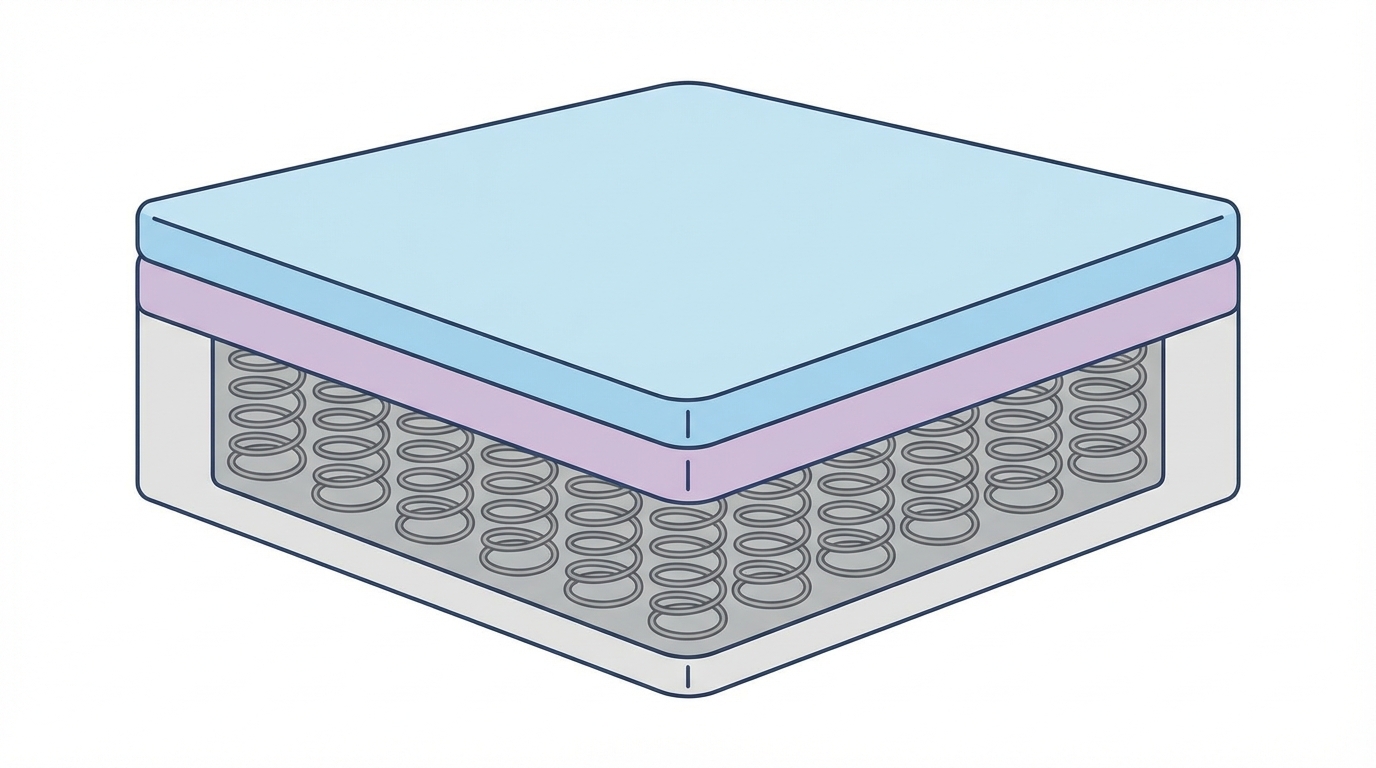
When people hear the term “pillow top,” they usually picture a mattress that feels extra soft or “like a cloud.” That perception comes from how these beds look. A pillow top mattress has an additional comfort layer that is stitched or taped onto the top surface, so visually you see a raised, cushioned section that resembles a thick, attached topper. You can often see a subtle gap or seam where the top layer meets the main mattress body.
Inside, the main mattress underneath is usually an innerspring or hybrid construction that provides support. The top “pillow” layer is made from softer materials, such as polyfoam, memory foam, latex, fiberfill, or sometimes a blend. It is quilted or tufted to create a plush, pillowy surface. Functionally, it is like having a built in mattress topper that you cannot remove. That permanent attachment is key to both the appeal and the drawbacks.
It is important to understand that “pillow top” describes the way the comfort layer is attached, not a specific firmness level. You can find soft, medium, and even firm pillow top mattresses. Some brands also use the term for marketing even when the top is closer to a flush, Euro style design. This is why you might see a pillow top that feels surprisingly supportive or one that is more medium firm than marshmallow soft. The label alone does not guarantee how something will feel.
Sleep science research backs up what many sleepers notice intuitively. The Mayo Clinic notes that a mattress should support natural spinal curves while cushioning pressure sensitive areas. A pillow top is one way to add that surface cushioning, especially when paired with a coil support core that resists sagging when well built. The question is not whether pillow tops are “good” or “bad,” but whether a particular pillow top mattress aligns with your body type, sleep position, and durability expectations.
How Pillow Top Mattresses Are Built
The Support Core Underneath
Under the plush-looking surface, a pillow top mattress starts with a support core. In many models this core is an innerspring or hybrid design that uses a coil system for structure and responsiveness. Pocketed coils, where each spring is wrapped in its own fabric sleeve, are common because they help reduce motion transfer between partners while still giving that buoyant, lifted feel.
The gauge and layout of the coils, as well as whether they are zoned, will affect how supportive the mattress feels. Thicker, lower gauge coils and reinforced edge coils help prevent roll off and sagging at the perimeter. Higher coil counts and quality steel improve long term performance. The support core is what keeps your spine aligned, especially for back and stomach sleepers, and it does not stop doing that job just because a pillow top layer is added above it.
Around those coils you will usually find a foam or high density edge support system. That framing can make a bigger day to day difference than people realize. Good edge support means you can sit comfortably to tie your shoes or use the full width of the mattress without feeling like you are sliding off. Poor edge design can make even a brand new pillow top feel unstable if you sleep near the rim of the bed.
Some pillow top designs use an all foam core instead of coils, but this is less common. In that case, the pillow top becomes a softer, quilted upper layer over denser support foam. This blends the pressure relief of foam with the familiar pillow top aesthetic. Whether the core is foam or coils, the attached top layer does not replace proper support. It simply modifies how your body makes first contact with the bed.
The Pillow Top Comfort Layer
On top of that support core sits the defining feature, the pillow top. Manufacturers use a variety of materials, often in several layers, to create the right level of softness, responsiveness, and pressure relief. Common ingredients include softer polyfoam for a plush hug, gel infused memory foam to contour and help with heat dissipation, natural or synthetic fiber batting to add loft and breathability, and sometimes latex for bouncier responsiveness.
These materials are quilted together and attached to the main mattress with a tape edge or similar stitching. In a traditional pillow top you can usually spot a distinct line where the top section meets the rest of the mattress, often with a visible dip or valley around the edge. The quilting creates small pockets that help keep the filling from shifting too much, which helps maintain a more even surface for as long as possible.
One tradeoff of this construction is that you cannot flip the mattress and you also cannot remove or separately rotate just the top layer. Over years of use, all soft materials naturally compress. According to Consumer Reports, even high quality foams will develop some body impressions with regular use, especially in the hip and shoulder zones. When the comfort layer is permanently attached, you are committing to replace the entire mattress when that top section is no longer comfortable.
From a sleep comfort perspective, though, a well built pillow top can do a beautiful job of relieving pressure. Side sleepers in particular appreciate how the extra cushioning allows the shoulders and hips to nestle in while the support core keeps the midsection lifted. When designed correctly, that combination hits the sweet spot between gentle cradling and healthy alignment.
“I always thought soft meant unsupportive, but Mia walked me through a medium pillow top hybrid. The coils held my back up and the top cushioned my hip arthritis. Two months in and I am sleeping through the night again, which is priceless for me.” – Karen L., November
Pillow Top vs Euro Top vs Standard Tops

How Euro Tops Differ From Classic Pillow Tops
Many shoppers are surprised to learn that Euro tops are a specific style within the broader “pillow top” family. The difference is mainly in how the extra cushioning is integrated into the mattress. In a traditional pillow top, you see a pronounced, rounded top section with a visible gap or ridge between the top and the main body. In a Euro top, the additional material is sewn flush with the mattress edges, creating a cleaner, more squared off silhouette.
Functionally, both add extra cushioning above the support core. The Euro top simply looks more streamlined and often feels a touch more stable toward the edges because the extra material is more tightly secured within the mattress perimeter. Some sleepers also feel that Euro tops are a bit more supportive, although that is more about the specific foams and fibers used than the stitching alone.
At Sleepology, you will see Euro tops featured on several Sealy models because they offer a nice balance of plush comfort and structural integrity. For instance, the Sealy Posturepedic Pro Soft Mattress – Dupont II Euro Pillow Top combines a cushiony surface with targeted coil support through the center third, which is great for people who want a soft feel without losing lower back support. The Euro top format helps that plush layer feel a bit more “tucked in” and durable over time.
Because Euro tops are stitched more tightly into the mattress body, they sometimes resist early edge sagging better than loftier, more billowy pillow tops. Some industry research, including surveys from organizations that track bedding performance, has found better reported edge support in Euro top designs. It is important, though, not to assume a Euro top is automatically firmer or longer lasting. The underlying quality of foams, coils, and quilting is still what matters most.
Standard Tight Tops And Non Pillow Top Designs
On the other end of the spectrum are standard or “tight top” mattresses, where all comfort and transition layers are contained within one continuous cover. There is no separate stitched on section. Many hybrid and foam models fall into this category. The surface can still feel plush, medium, or firm depending on the thickness and density of the materials, but visually the mattress looks flatter and less pillow like.
These non pillow top designs have a couple of advantages. First, there is usually less very soft material concentrated near the surface, which can reduce the risk of developing deep body impressions quickly. Second, you have fewer seams and fewer separate components that can shift or compress unevenly. That can translate into a more consistent feel as the mattress ages, especially for sleepers over 200 pounds or for couples.
Research summarized by the Cleveland Clinic highlights that medium firm mattresses often provide the best combination of pain relief and sleep quality for most adults, especially those with back pain. You can absolutely find that medium firm feel with excellent pressure relief in a non pillow top hybrid or foam design. Many shoppers assume they must choose a pillow top to get comfort, but modern cushioning foams, zoned coils, and quilted covers make that far from true.
If you crave extra cushioning but are nervous about pillow top longevity, one smart option is to choose a supportive hybrid from a curated collection like The Best Foam Mattresses from Sleepology and then add a high quality, removable topper. This way you can refresh or replace the topper when needed while preserving the core mattress underneath.
“Mia suggested we skip the pillow top and start with a solid medium hybrid plus a topper. Three years later we just replaced the topper and the mattress still feels brand new. We spent about 300 on the topper instead of another 1,500 on a whole new bed.” – James R., October
Pros And Cons Of Pillow Top Mattresses
The Real Advantages
Pillow top mattresses became popular for a reason. When they are designed thoughtfully, they offer a combination of comfort and support that many sleepers find deeply relieving. That extra cushioning layer softens the first point of contact, which can dramatically reduce pressure on the shoulders, hips, and outer knees, especially for side sleepers. For people with bony prominences or less natural padding, this can be the difference between waking repeatedly and sleeping soundly.
Another genuine advantage is how many pillow top models use substantial coil systems underneath. Those coils provide support, airflow, and a little bounce that pure foam beds sometimes lack. When a pillow top is paired with a well built support core, you get that hotel like “ahh” feeling when you first lie down, followed by a sense that your body is held, not swallowed. That can be very helpful if you are sensitive to feeling “stuck” in slow response memory foam.
Couples often appreciate pillow tops because they soften the impact of movement. The comfort layer helps absorb micro movements while the pocketed coils below manage bigger shifts. When combined with motion isolating coil design, this reduces how much you feel your partner rolling over. This balance can be especially nice for couples where one person prefers a slightly softer surface while the other needs good underlying support.
Pillow tops can also be forgiving for changing bodies. If you are gaining or losing weight, recovering from surgery, or dealing with a temporary flare of arthritis or fibromyalgia, that upper cushioning can adapt more flexibly than a very firm, flat surface. According to the Sleep Foundation, people with chronic pain often benefit from a slightly softer upper layer that redistributes weight more evenly across the mattress. Pillow tops deliver exactly that when they are not overly plush.
The Common Drawbacks
The biggest concern I hear about pillow top mattresses is sagging or permanent body impressions. These impressions are not automatically a defect, as many manufacturers and independent testing groups point out, but they can become uncomfortable when the top layer is too soft or thin for the sleeper’s body weight and sleep position. Attached pillow tops concentrate softer materials at the top, where they bear the most load, so they are naturally at higher risk of visible wear.
Some durability surveys have suggested that pillow tops may show impressions sooner than comparable non pillow top beds, particularly for heavier individuals or for couples who tend to sleep in the middle. The International Sleep Products Association has noted that expectations for perfectly flat mattresses over many years are unrealistic, because modern comfort materials are designed to conform and will compress with time. That said, design choices absolutely influence how quickly impressions appear and how deep they become.
Another drawback is flexibility. Because the pillow top is stitched on, you cannot remove and flip or rotate only that layer. You are limited to rotating the whole mattress head to toe. When the top eventually compresses, you face replacing the entire bed instead of swapping out a separate topper. For budget conscious shoppers, that replacement cycle can feel frustrating if it happens sooner than expected.
Finally, some pillow tops trap more heat, especially when thick memory foam is quilted into the top without enough airflow beneath. People who sleep hot or who are in perimenopause or menopause often notice this quickly. Quality pillow top designs use breathable quilting, cooling gel infusions, or phase change covers to help manage temperature, but lower end models may feel stuffy. If you are a hot sleeper, this is an area where details matter.
Who Is A Pillow Top Mattress Best For?
Side Sleepers And Pressure Sensitive Bodies
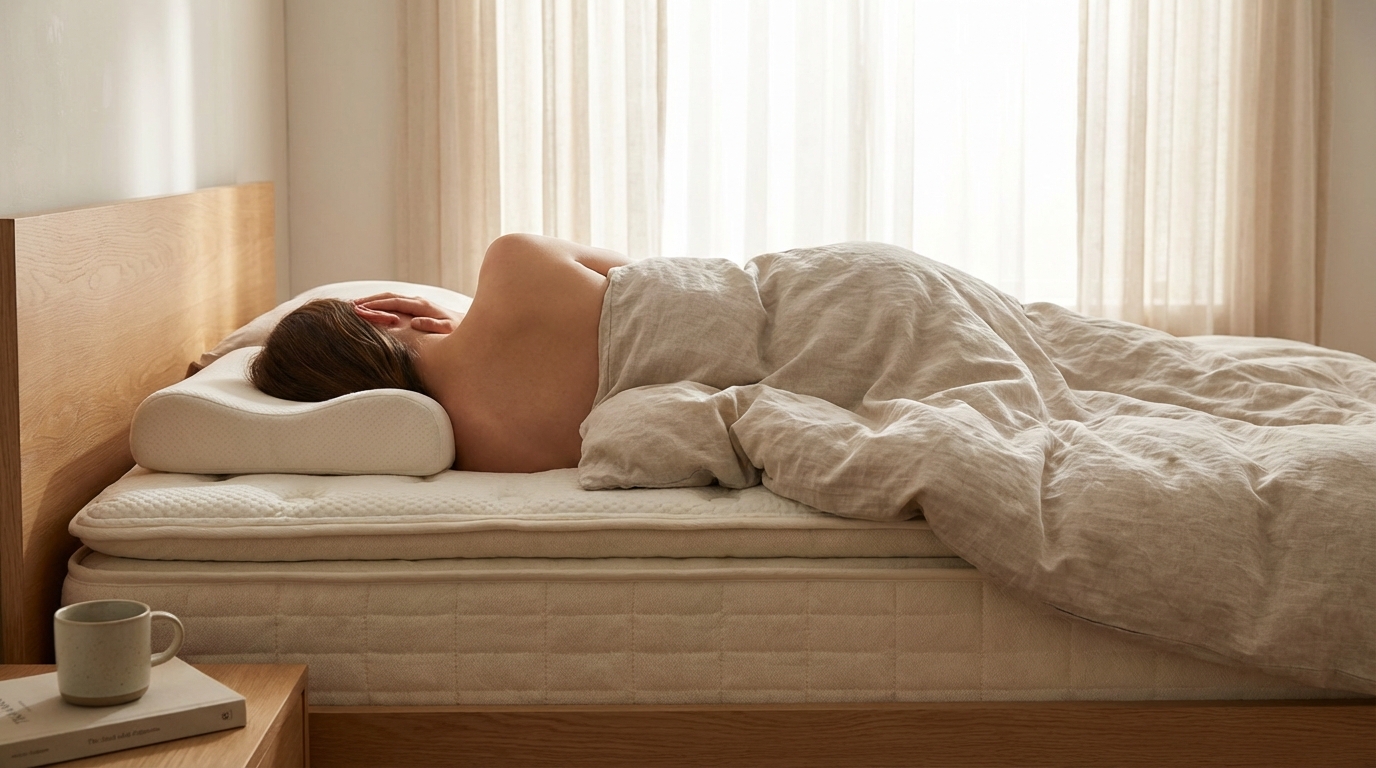
Side sleepers are often the biggest fans of pillow top mattresses. When you lie on your side, most of your body weight is concentrated on a relatively small surface area, mainly your shoulders and hips. Without enough cushioning, you can develop numb arms, aching hips, and even increased tossing and turning as your body tries to relieve pressure. A pillow top’s extra softness on top of supportive coils or foam can be a very effective solution.
For example, a medium or soft Euro pillow top like the Sealy Posturepedic Elite Soft Mattress – Albany II Euro Pillow Top gives side sleepers generous pressure relief without sacrificing alignment. The underlying zoned coils keep your midsection from collapsing, while the Euro top lets your shoulders sink in just enough. This kind of design tends to work well for people under about 230 pounds who prefer a enveloping feel.
Individuals with arthritis, fibromyalgia, or general joint sensitivity can also benefit. The National Institutes of Health has discussed how improving sleep surfaces can reduce nocturnal pain in some musculoskeletal conditions, largely by improving pressure distribution and reducing micro arousals. When a pillow top is built with quality materials that do not pancake quickly, it can deliver this kind of gentle, forgiving cradle.
If you are very lightweight, sometimes even medium firm mattresses feel more like firm ones because you do not sink deeply into the materials. A thoughtfully designed pillow top can help you engage the comfort layers more fully, leading to a softer perceived feel. Just be sure the support core is not too soft overall. You still want your spine to remain relatively straight from neck to tailbone when viewed from behind.
Back Sleepers, Stomach Sleepers, And Combination Sleepers
Back sleepers tend to do very well on medium pillow top designs that pair cushioning with strong lumbar support. The Sealy Posturepedic Plus Medium Mattress – Paterson II Euro Pillow Top is a good example. It offers a balanced feel that lets the hips settle slightly while the lower back retains contact with the mattress, supporting the natural S curve of the spine. This can be a smart choice if you share the bed with a side sleeping partner.
Stomach sleepers need more caution. Sleeping face down tends to accentuate swayback if the surface under the hips is too soft. Many pillow tops, especially ultra plush versions, will not be ideal unless the support core is quite firm and the sleeper is relatively light. For many stomach sleepers, a firmer pillow top or a non pillow top hybrid from a collection like The Best Mattresses For Stomach Sleepers is safer for long term spinal health.
Combination sleepers who roll between positions during the night often appreciate the responsiveness of a coil supported pillow top. The coils help with ease of movement, while the cushioning reduces the jarring feeling of contact when you settle into a new position. A medium or medium firm Euro pillow top such as the Sealy Posturepedic Elite Medium Mattress – Brenham II Euro Pillow Top can be a very nice compromise in these scenarios.
Body weight matters, too. Heavier individuals over about 250 to 275 pounds may find that very plush pillow tops compress too quickly, leading to uneven support. In those cases, a firmer pillow top or a well built non pillow top hybrid with a separate, replaceable topper can be more durable. A one size fits all answer does not exist here, which is why working with a knowledgeable guide and trying models in person, when possible, is so helpful.
“My husband is a 260 pound back and side sleeper and I am 140 pounds on my side. We thought we could never agree on a mattress. The medium Euro top Mia recommended has enough support for him and enough softness for me. We both wake up without that stiff, cranky feeling now.” – Alicia M., December
Pillow Top vs Other Options: A Quick Comparison
Sometimes the easiest way to understand pillow tops is to see how they compare to other common mattress types. Here is a simple side by side look at three popular options.
| Mattress Type | Feel And Comfort Profile | Best For |
|---|---|---|
| Traditional Pillow Top (or Euro Top) | Plush to medium firm surface with a cushioned, quilted top over coils | Side sleepers, combination sleepers, and those wanting hotel style plush |
| Non Pillow Top Hybrid | Balanced, responsive feel with foam layers integrated under one cover | Most sleepers wanting support, moderate contouring, and strong durability |
| Foam Mattress With Separate Topper | Core feel depends on base mattress, topper adds removable cushioning | Shoppers wanting adjustability and easier, cheaper refresh over time |
Each of these can work beautifully when matched to the right person. A traditional pillow top gives that immediate, enveloping comfort that many people fall in love with during a showroom test. A non pillow top hybrid is often the best long term value, blending contouring with robust support and fewer issues with deep impressions. A foam mattress with a topper is flexible, because you can swap the topper if your needs or preferences change.
When you are evaluating these options, think about how sensitive you are to that initial, cloud like feel versus how strongly you prioritize long term durability. If you have had a bad experience with a sagging pillow top in the past, do not assume that all pillow tops are the same. Quality of materials, coil strength, and quilting technique vary widely. The goal is not to chase a label, but to find a construction that supports your body and lifestyle.
How To Evaluate A Pillow Top Mattress In Real Life
Comfort, Alignment, And Pressure Relief
When you lie down on a pillow top in a showroom or at home during a trial, start by noticing your first impression, but do not stop there. Give your body at least 10 to 15 minutes in your primary sleep position. At first, the soft top may feel heavenly, but as your muscles relax, you may notice whether your hips are sinking too far or your lower back is losing contact with the surface. You want your spine to feel relatively neutral, not arched or bent.
For side sleepers, pay attention to your shoulder and hip. Do they feel cushioned or jammed? If you feel sharp pressure at bony points or tingling in your arm, the top may not be thick or soft enough or the overall mattress may be too firm. If you feel like you are rolling inward or struggling to move, it may be too soft or too conforming. Most people do best with a medium to medium soft feel that relieves pressure without swallowing the body.
Research published in medical journals has found that medium firm mattresses often improve sleep quality and reduce back pain compared with very firm models, especially in people with chronic low back pain. That “medium firm” range is broad, but in practical terms it means that you can gently press into the surface without hitting a hard, unyielding core, yet you still feel lifted and supported, not collapsed. A good pillow top can absolutely land in this sweet spot.
If you share a bed, test it together. Lie side by side, and then have one person roll or get in and out of bed while the other notices how much movement they feel. Good pocketed coil pillow tops will keep most of that motion localized. Also test edge support by sitting near the border and then lying close to the side. A durable design should feel stable, not like you need to cling to the middle.
Construction Quality And Longevity Signs
Since durability is one of the biggest concerns with pillow tops, it is worth looking past the surface. Ask about the density of the foams used in the top layer and the coil count and gauge in the support core. Higher density foams, especially above 1.8 pounds per cubic foot for polyfoam and above 3 pounds per cubic foot for memory foam, tend to resist early breakdown better, particularly for average weight sleepers. Heavier individuals benefit from even higher densities.
Look for reinforced edges and, if possible, zoning through the center third of the mattress, where most of your body weight rests. Models like the Sealy Posturepedic Pro Medium Mattress – Dupont II Euro Pillow Top and the Sealy Posturepedic Medium Mattress – Medina II Euro Pillow Top include targeted support in the lumbar area, which can help maintain alignment as the top layers naturally settle over time.
Even in a showroom, gently run your hand over the quilted top and feel for consistency. Lumps, thin spots, or areas that already feel flat compared to others can be red flags. Inspect the stitching along the tape edge for loose threads or uneven lines. While cosmetics are not everything, they often reflect the attention to detail that also shows up inside the mattress.
Finally, pay attention to the warranty and trial policy, but do not rely on them entirely. Many warranties only cover impressions deeper than a certain threshold, often around 1.5 inches, and do not consider comfort preferences. A generous sleep trial gives you time to experience how the mattress performs over several weeks. Use that time to notice how your body feels in the morning, not just how impressed you were on night one.
When A Pillow Top Is Not The Best Choice
Pillow tops are not for everyone, and recognizing that early can save you money and frustration. If you are a strict stomach sleeper, especially over about 180 to 200 pounds, many plush pillow tops will be too soft for healthy alignment. Your hips may sink while your upper body stays higher, creating a hammock effect that strains the lower back. A firmer hybrid or foam model from The Best Mattresses For Stomach Sleepers will usually be safer.
If you are particularly hot at night or live in a very warm climate, some pillow tops can trap extra heat. While modern designs often use cooling gel foams, breathable covers, and moisture wicking fibers, the added loft can still create more insulation. In that case, you might prefer a hybrid or foam mattress with a slightly thinner, more breathable comfort layer plus cooling accessories from a collection like Pillows, Sheets, Toppers, Protectors to fine tune your microclimate.
Heavier individuals, especially above 275 to 300 pounds, may be better served by more robust, non pillow top constructions or by pairing a firm, supportive mattress with a separate topper. The extra mechanical stress of higher body weight can accelerate compression in attached pillow tops. A removable topper lets you refresh just the part that wears the fastest, which can be more economical and more comfortable in the long run.
Finally, if you strongly prefer a very “on top of the bed” feel with minimal sink, you may simply not enjoy pillow tops, even in firmer versions. They inherently add a touch of plushness. In that case, focus on medium firm or firm hybrids and foams with quilted but not overstuffed covers. You can always add a thin, high quality pad later if you want a bit more cushioning.
Simple Maintenance Tips To Help A Pillow Top Last
Even the best built pillow top will change slightly over time, but a few smart habits can extend its comfortable life. First, rotate the mattress head to toe regularly. Manufacturers and sleep experts commonly recommend every three to six months, especially during the first couple of years, to help the materials settle more evenly. This is particularly important if one partner is significantly heavier or if you tend to sleep in the same exact spot.
Second, use a supportive foundation. A solid platform, closely spaced slats, or a compatible box spring or adjustable base keeps the mattress level and prevents sagging from below. Avoid using a worn out box spring or frames with wide slat gaps, which can cause part of the mattress to dip even when the internal structure is sound. Proper support is also typically required to keep your warranty valid.
Third, protect the mattress from moisture and spills with a breathable protector. Liquids can degrade foams and fibers, encourage mold or mildew, and void warranties. A good protector does not have to feel plasticky. Many modern designs use smooth, cool fabrics that do not interfere with the plush feel of a pillow top. You can find options designed to work specifically with taller, cushioned mattresses in collections like Pillows, Sheets, Toppers, Protectors.
Finally, be realistic about gentle body impressions. A quarter inch or so of visible settling is normal, especially in the areas that bear the most weight. Focus on how you feel rather than obsessing over perfectly flat surface aesthetics. If you start waking with new aches, or if you can see and feel deep troughs that make you roll toward the center, then it is time to reassess.
Conclusion: Is A Pillow Top Mattress Right For You?
A pillow top mattress is essentially a standard mattress with an attached, cushioned topper built into the design. That stitched on comfort layer can provide wonderful pressure relief and a cozy, hotel like feel, especially for side sleepers and back sleepers who like a bit of plushness on top of solid support. At the same time, the very features that make pillow tops inviting can also make them more prone to visible impressions if materials are not carefully chosen or if the mattress is mismatched to the sleeper’s body and habits.
When you strip away the marketing language, what matters most is how well a given mattress supports your spine and cushions your pressure points over many nights, not just the first one. For some sleepers, that is absolutely a pillow top or Euro top design, like the carefully engineered Sealy models available at Sleepology. For others, it might be a non pillow top hybrid or foam mattress with a separate, replaceable topper. There is no single “best” choice, only the right combination for your body, budget, and comfort preferences.
If you are unsure where to start, it can help to clarify your primary sleep position, note any recurring pain points, and decide how much you prioritize long term durability versus ultra plush feel. From there, talking with a knowledgeable guide or visiting a Sleepology showroom can bridge the gap between theory and feel. You do not have to figure this out alone or guess based on online buzzwords. With the right information and a bit of guided testing, you can find a mattress that helps you fall asleep faster, wake up more refreshed, and feel good about your investment for years to come.
Frequently Asked Questions
What exactly is a pillow top mattress?
A pillow top mattress is a bed that has an extra layer of cushioning permanently attached to the top surface. This layer is typically made of softer materials such as foam, fiberfill, latex, or a combination, and is quilted or tufted to create a plush, pillow like feel. Underneath, the mattress uses a support core, often an innerspring or hybrid coil system, to provide structure and spinal alignment. The attached top is not removable like a separate mattress topper, which is why evaluating materials and construction quality is so important.
Is a pillow top better than a regular mattress for back pain?
A pillow top is not automatically better or worse for back pain; it depends on the specific design and your body. Research cited by organizations like the Cleveland Clinic suggests that most people with back pain sleep best on a medium firm surface that supports natural spinal curves while offering enough cushioning for comfort. A medium or medium firm pillow top can achieve this balance by combining a strong support core with a gently conforming upper layer. What you want to avoid, especially if you have low back pain, is a pillow top that is so soft your hips sink more deeply than your shoulders or mid back, creating an exaggerated arch.
How long does a pillow top mattress usually last?
Longevity varies widely based on materials, body weight, and how well the mattress is cared for, but many quality pillow top mattresses provide comfortable support for around 7 to 10 years. Lower density foams or very plush designs may show impressions or feel softer sooner, especially for heavier individuals or couples. Rotating the mattress regularly, using a proper foundation, and protecting it from moisture can all extend its useful life. Ultimately, your body is the best judge; when you consistently wake with new aches or feel yourself rolling into troughs, it is time to start mattress shopping again.
Are pillow top mattresses good for side sleepers?
Yes, pillow top mattresses often work very well for side sleepers because they add cushioning at the shoulders and hips, which are high pressure areas in that position. The extra softness helps distribute weight more evenly and can reduce numbness, tingling, or soreness in those joints. Many side sleepers do best with a soft or medium soft pillow top over a supportive core, such as the zoned coil systems used in several Sealy Euro pillow top models at Sleepology. The key is ensuring that while the shoulders and hips can sink slightly, the midsection remains supported so your spine looks relatively straight when viewed from behind.
Do pillow top mattresses sleep hotter?
Some pillow top mattresses can sleep warmer because the thick, cushioned top adds insulation around your body. However, modern designs often incorporate cooling strategies such as breathable covers, gel infused foams, and moisture wicking fibers to offset this. If you are a hot sleeper, look for language about temperature regulation, ask what specific materials are used in the pillow top, and consider pairing your mattress with cooling sheets, protectors, and pillows from a curated collection like Pillows, Sheets, Toppers, Protectors. Proper airflow in the support core, especially with pocketed coils, also helps manage heat.
What is the difference between a pillow top and a Euro top?
Both pillow tops and Euro tops add extra cushioning to the top of a mattress, but they are attached differently. A traditional pillow top looks like a separate, rounded layer sewn on top, often with a visible gap or ridge between it and the main mattress body. A Euro top is stitched flush with the mattress edges, creating a more squared off, uniform appearance. Euro tops often feel slightly more integrated and can provide better edge stability, although the real feel difference comes from the specific foams and fibers used. Many of the pillow top mattresses at Sleepology, such as the Sealy Posturepedic Euro pillow top models, use Euro style tops for a cleaner look and supportive perimeter.
Should I get a pillow top or buy a separate mattress topper?
If you are still deciding, think about how much you value adjustability and long term flexibility. A pillow top offers a seamless, built in plush feel that many people love and that works beautifully when the mattress is well matched to their body. However, you cannot change or replace just that top later. A separate topper on a supportive mattress gives you the option to swap the topper if your needs, preferences, or body change, often at a much lower cost than replacing an entire mattress. For some sleepers with a history of sagging pillow tops, a quality hybrid plus a removable topper is a smart, low risk strategy.