

What Is A Mattress Pad? The Complete, No Nonsense Guide From A Sleepologist
You are not the first person to stare at a wall of bedding terms and think, “Mattress pad, topper, protector… what is all this, and which one do I actually need?” When you are already tired, the last thing you want is more confusion layered on top of your mattress. The good news is that once you understand what a mattress pad does and does not do, decisions get much easier and a lot less expensive than buying the wrong thing twice.
Many shoppers come to Sleepology thinking they need a whole new mattress when what they really need is a strategic layer of comfort and light protection. Others are relying on a thin pad and feeling disappointed because they are asking it to fix problems it simply cannot solve, like deep sagging or chronic back pain from a worn out bed. Knowing the true role of a mattress pad helps you avoid both of those traps.
You will learn what a mattress pad is in simple terms, how it differs from a topper and a protector, and when each option is the smarter choice. We will walk through materials, thickness, cleaning, and how a pad actually feels under your body, not just what the package claims. Along the way, you will see practical examples, decision frameworks, and a few specific Sleepology product suggestions so you can match the right accessory to your current mattress and your sleep goals.
By the end, you should feel clear about whether a mattress pad belongs in your setup, what type makes sense for your sleep style, and when it is time to stop “layering fixes” and invest in a better mattress instead. You deserve a straightforward path to better sleep, and that starts with getting these basics untangled.
Mattress Pad Basics: A Simple, Clear Definition
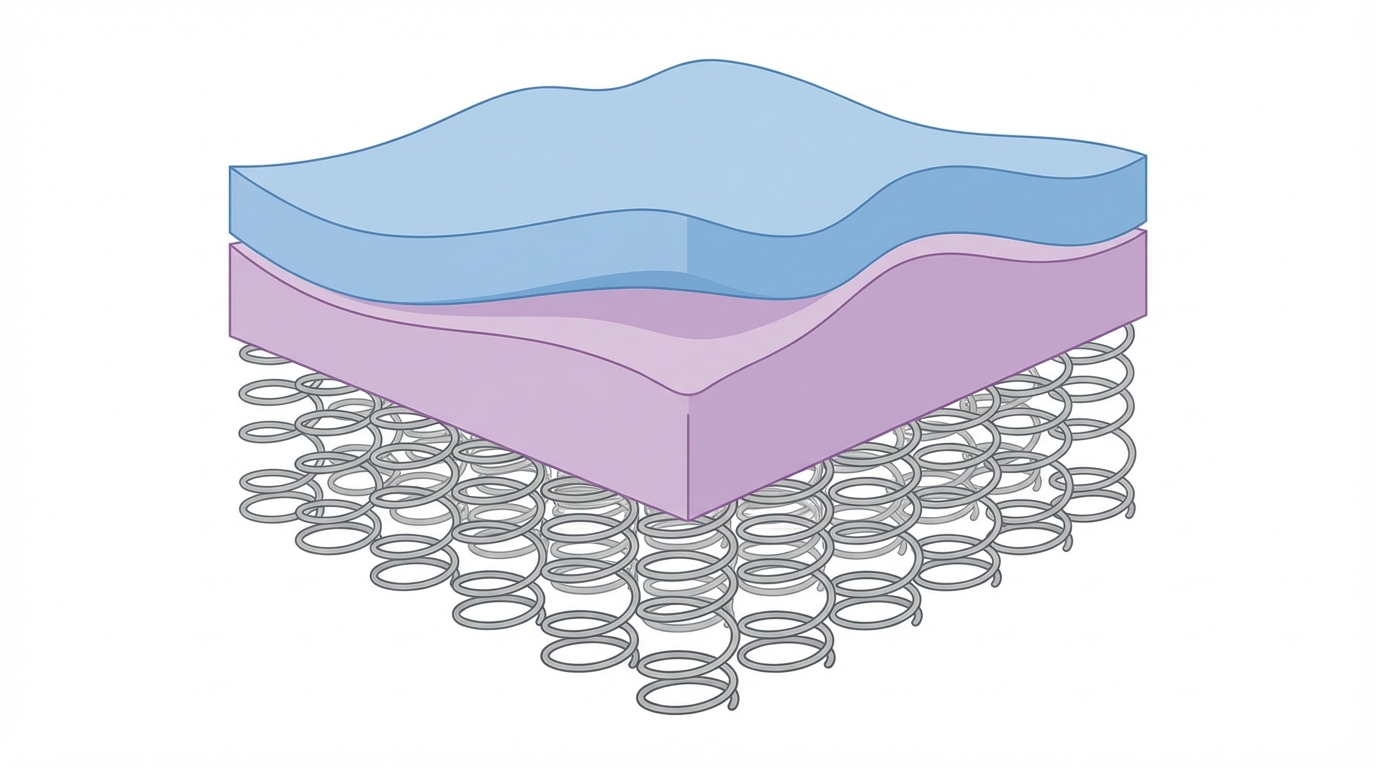
A mattress pad is a thin, cushioned layer that fits over your mattress, usually with a stretchy skirt or anchor bands, and sits underneath your fitted sheet. Think of it as a comfort booster and light bodyguard for a mattress that already has decent support. Most pads add around 1 to 2 inches of quilted loft at most, so they change how the surface feels, but they do not transform the core support of your bed.
According to the Sleep Foundation, mattress pads are best for modest changes in comfort and for some protection against everyday wear and minor spills, while toppers are meant to significantly change firmness and pressure relief. That matches what we see day in and day out at Sleepology. If your mattress feels mostly fine but slightly too firm or a bit flat, a pad can soften that first contact point and smooth out the feel without overwhelming you in plushness.
Most mattress pads are filled with fiber, down, or down alternative and quilted into pockets so the fill does not shift too much during sleep. Some have added features like moisture wicking fibers, a waterproof backing, or light cooling properties. They are generally designed to be machine washable, which is a big plus from a hygiene standpoint, especially if you share the bed with kids, pets, or late night snacks.
It is important to understand that a mattress pad sits in the “comfort enhancement” category more than the “structural support” category. It will not fix a sagging mattress, resurrect collapsed coils, or turn a budget bed into a luxury model. However, as one layer in a smart sleep system, it can polish the feel of a mattress you already like and help keep it fresher for longer.
“I almost replaced my mattress because my hips were sore every morning. Mia suggested starting with a quality pad before jumping to a new bed. A week later, the extra cushioning solved the problem and I saved at least $800.” – Jenna S., November
Mattress Pad vs Mattress Topper vs Mattress Protector
One of the biggest sources of confusion is the language itself. Brands often mix the terms “pad,” “topper,” and “protector,” and sometimes products even try to be two things at once. When you strip away the marketing, the differences are actually very straightforward.
A mattress pad is the thinnest of the three and focuses on adding a gentle layer of comfort with some incidental protection. A mattress topper is thicker, typically 2 to 4 inches, and is designed to noticeably change the firmness and pressure relief of your mattress. A mattress protector is usually very thin but has one job, shielding your mattress from liquids, allergens, and dust so it stays cleaner and lasts longer. The Sleep Foundation and other independent reviewers like Consumer Reports describe protectors as a hygiene and warranty safeguard more than a comfort product.
From a practical standpoint, a pad is the right call when you say, “My mattress is okay, but I want it a little softer, plus I want something washable between me and the bed.” A topper is right when you say, “I wake up sore because this mattress feels wrong under my body,” but the mattress is not deeply worn out yet. A protector is essential when you say, “Spills, sweat, kids, pets, or allergies are an issue, and I want to shield my investment.” In many homes, people will combine a topper or pad with a protector to get both comfort and serious protection.
At Sleepology, for example, we often pair a supportive but plush mattress like the Sealy Posturepedic Plus Medium Paterson II Euro Pillow Top with a breathable protector and, for those wanting a touch more cloudlike feel, a thin padded layer. That way the core support and pressure relief come from the mattress itself, while the pad and protector fine tune feel and guard against spills and allergens.
When You Need A Pad, A Topper, Or A New Mattress
A question I get constantly is, “How do I know if a pad is enough, or if I actually need a topper or even a new mattress?” The answer starts with a quick body check and a quick mattress check. If your main complaint is surface level, such as “It feels a little too firm against my shoulders” or “The bed feels scratchy or flat,” a pad will often do the trick, especially on a mattress that is under 7 to 8 years old and still flat and supportive.
If you are waking up with consistent pain in your lower back, hips, or shoulders, it is important to check whether your mattress has visible sagging, deep body impressions, or a lumpy feel. Research on sleep ergonomics from groups like the Cleveland Clinic highlights that spinal alignment is driven primarily by the core mattress, not the thin accessories on top. In those cases, you may need either a substantial topper to adjust firmness or, if the bed is truly worn, a new mattress from a supportive collection such as The Best Hybrid Mattresses.
Your budget and timeline also matter. If you need an interim solution while you save for a new mattress, a quality topper, such as the TEMPUR‑Cloud Mattress Topper, can buy you 1 to 2 more comfortable years on an otherwise decent mattress. A pad is more of a finishing touch in that scenario, not the main fix.
“Mia helped us figure out that our mattress was the real culprit, not the lack of a pad. We upgraded to a Sealy Posturepedic at Sleepology and added a light padded layer for comfort. The difference was night and day, and my husband’s back pain improved within a week.” – Laura P., October
How A Mattress Pad Actually Feels Under Your Body

Descriptions on packaging can be vague, promising “luxury cloud softness” without telling you what that means at 2 a.m. when your shoulder is digging into the bed. To set proper expectations, it helps to think of a mattress pad as a comfort blender. It slightly blurs the sharp edges of a firm surface, smooths seams or quilting that you might feel through thin sheets, and gives you a more uniform feel from head to toe.
If you sleep on a firm or extra firm mattress and you find it a bit too unyielding, a padded layer will give you a cushier first impression without stealing the underlying support that helps keep your spine aligned. For people with bony hips or shoulders, this can translate into less localized pressure, fewer “hot spots,” and less tossing from side to side. If you sleep on a very soft mattress, a denser or more structured pad can do the opposite, reining in some of that sink and adding a touch of stability on top.
It is important to note that pads are not miracle workers. On a mattress that is already sagging, that extra inch of fiber can actually mask the problem just long enough to make your body hurt more. What they do very well, though, is refine the feel of a mattress that is fundamentally sound. As the Sleep Foundation points out, pads “fine tune” while toppers “transform.” That is a useful mental shortcut to keep in mind.
Your body type also influences how much difference you will feel. Lighter sleepers under about 140 pounds often notice more from a modest pad because their weight does not compress as deeply into the comfort layers of the mattress. Heavier sleepers, especially over about 220 pounds, compress deeper into the bed, so a thin pad feels more like a quilted sheet than a true comfort change. In that case, a topper or a more supportive mattress, such as options in The Best Foam Mattresses, might be a better long term strategy.
Mattress Pad Materials: What They Are Really Like
Once you know you want a pad, the next big question is which material to choose. Materials matter because they affect how warm or cool you feel, how bouncy or cushy the surface is, and how easy the pad is to wash and maintain. Not all pads are created equal, and the wrong material can leave you sweating or constantly re-fluffing.
Common fills include polyester fiber, down or down alternative, wool, and in some specialty pads, small amounts of memory foam or latex quilting. The outer fabric is often cotton, polyester, or a blend. Polyester fiber pads are the most common and usually the most budget friendly. They feel like a slightly thicker version of a quilted comforter under your sheet, with light to moderate cushioning. Down and down alternative pads have a loftier, pillow like feel and can feel very cozy, although true down can run warm and is not ideal for allergy prone sleepers.
Wool pads are prized for their moisture and temperature regulation. Wool can absorb a surprising amount of moisture without feeling wet, and it tends to feel cool when you are warm and warm when you are cool. There is some evidence in sleep research that breathable, moisture wicking bedding helps reduce awakenings caused by temperature discomfort, which is why clinics like the Mayo Clinic encourage a cool, dry sleep environment. Wool is a good fit for people who sleep hot on synthetic pads, but it is often more expensive.
On the surface fabric, cotton tends to feel softer and more breathable than straight polyester. It is also more forgiving for people with sensitive skin. Blends can work very well when designed thoughtfully, especially if the goal is durability and easy laundering. At Sleepology, we look for pads that balance softness, breathability, and structure, so the pad does not just flatten out after a few months. That is one reason some shoppers will upgrade their entire sheet setup at the same time, for example combining a new pad with a cool, smooth Tempur‑Pedic ProPerformance Sheet Set for a more consistent, comfortable feel.
Comparison Table: Mattress Pad vs Topper vs Protector vs New Mattress
At this point, it helps to see the differences side by side. The table below summarizes how a mattress pad compares to a topper, a protector, and investing in a new mattress across a few key attributes.
| Item | Main Purpose | Typical Thickness / Feel | When It Makes The Most Sense |
|---|---|---|---|
| Mattress Pad | Light comfort plus some protection | About 1 to 2 inches, quilted, gentle | Mattress is generally fine but needs small tweak |
| Mattress Topper | Significant comfort change | About 2 to 4 inches, foam or plush | Mattress is too firm or too soft but not worn out |
| Mattress Protector | Waterproof and allergen protection | Very thin, minimal feel change | You want to keep mattress clean and allergy friendly |
| New Mattress | Core support and pressure relief | Full mattress height and structure | Mattress is sagging, noisy, or causing daily pain |
When you place your own situation in this grid, it often becomes immediately clear whether a mattress pad is the right next purchase or just one piece of a larger upgrade plan.
Shopping Checklist: Key Things To Look For In A Mattress Pad
Once you understand materials and roles, the next step is choosing an actual product that will fit your bed and hold up to real life. There are a few practical details that make or break daily usability, and they are easy to overlook if you only focus on price or loft claims.
Fit is one of the biggest ones. You want to check the pocket depth on the pad’s skirt and compare that with the height of your mattress. Modern mattresses, especially pillow tops like the Sealy Posturepedic Elite Soft Brenham II Euro Pillow Top, can be quite tall. If the pad’s skirt is too shallow, it will pop off the corners when you move. If it is well designed, it will hug the mattress securely without needing constant adjustment.
Cleaning instructions are just as critical. The American Academy of Sleep Medicine notes that allergens, sweat, and skin cells can build up in bedding over time and impact sleep quality, particularly for those with allergies or asthma. A mattress pad that can be machine washed and dried, at least on a gentle cycle, is far easier to keep fresh than one requiring spot cleaning only. Pay attention to whether your home washer can handle the pad’s bulk or if a large capacity washer is recommended.
Here is a simple checklist of features that deserve a close look when you are comparing pads in person or online:
- Pocket depth that matches or exceeds your mattress height
- Elasticized skirt or secure anchor bands that hold the pad in place
- Machine washable care instructions that fit your laundry setup
- Breathable surface fabric such as cotton or a cool performance blend
- Fill type that matches your temperature needs, such as wool or cooling fibers if you sleep hot
- Even quilting pattern to keep fill from shifting or clumping
- Any waterproof or moisture barrier if light spill protection is important
If a pad checks those boxes and matches your comfort goals, you are usually in a safe zone. From there, it becomes a question of budget and how premium you want the materials to be.
“The checklist Mia shared helped me avoid a cheap pad that would have just bunched up. I ended up with a breathable, deep pocket style that actually stays put on our thick hybrid mattress.” – Mark D., September
Do Mattress Pads Help You Sleep Better?
A fair question many people ask is whether a mattress pad will make a meaningful difference to their sleep quality, or if it is just a “nice to have” extra. The answer depends on what is currently waking you up. If you are mostly comfortable but wake because you feel sweaty, the surface is scratchy, or you notice small pressure spots, a well chosen pad can absolutely improve sleep continuity.
According to the Sleep Foundation and other sleep health organizations, small changes that reduce micro awakenings, such as improving temperature regulation and comfort at the skin level, can have a surprisingly large impact on how rested you feel in the morning. They often mention breathable, moisture wicking bedding as part of an ideal sleep environment. In that sense, a pad that wicks moisture, softens the surface, and smooths seams supports those goals, especially when paired with breathable sheets and a cool bedroom temperature.
On the other hand, if you are waking from pain related to poor spinal alignment, no pad can compensate for a mattress that does not support your body correctly. Clinical guidance from places like the Mayo Clinic emphasizes that a supportive mattress that keeps your spine neutral is foundational, particularly for people with back pain or arthritis. In that case, your first priority should be assessing whether the mattress itself is due for replacement, potentially with a supportive option like the Sealy Posturepedic Elite Medium Brenham II Euro Pillow Top. A pad can then fine tune comfort on top of that.
It can also help to think about how long you want this solution to last. Pads are a low commitment, relatively low cost way to experiment with slight changes in feel. If you are not ready for a full mattress purchase or you are furnishing a guest room, a protective, comfortable pad is a practical way to make the bed more inviting and cleanable without a large investment. For a master bedroom where you spend every night, a pad should sit on top of a mattress that already meets your support needs.
Special Features: Cooling, Waterproof, Heated, And More
Modern mattress pads sometimes come with extra features that sound appealing, but it helps to understand what they really do. Cooling pads, for example, might use phase change materials, gel infusions, or highly breathable weaves to help pull heat away from your body. For people who sleep hot, these can be helpful, although they will not completely override a very hot mattress underneath. Pairing a cooling pad with lighter, breathable sheets such as the Tempur‑Pedic ProPerformance Sheet Set can create a more complete cool sleep system.
Waterproof pads occupy a middle ground between pads and protectors. They usually include a thin membrane layer beneath the padding that prevents liquids from soaking through to the mattress. According to independent guides and organizations like Sleep Foundation, these hybrid products can be a good solution for light spill protection when you want more comfort than a typical crinkly protector offers. They are popular with families who have small children or pets sleeping on the bed but do not want to sleep on plastic feeling fabric.
Heated mattress pads use embedded wires and a control unit to gently warm the bed surface. Research on thermoregulation and sleep suggests that keeping your core temperature slightly cooler while your skin feels comfortably warm can support falling asleep faster, but any electric bedding should be used with care. For people with certain medical conditions or reduced sensation, it is important to follow medical guidance and manufacturer instructions closely.
When evaluating these special features, ask yourself whether they solve a problem you truly have, or if they are just nice sounding extras. A well made basic pad that fits, breathes, and launders well is often a better investment than an over complicated pad that is hard to wash or prone to failure. If you do need specific functionality, such as protection from pet accidents or strong cooling for menopause related hot flashes, then those added technologies can be worth the extra cost.
Caring For Your Mattress Pad: Hygiene And Longevity
Once you bring a pad home, the way you care for it will determine how long it lasts and how fresh it feels. The first step is always to read the care label carefully. Many pads are machine washable, but the manufacturer will specify water temperature, cycle type, and whether they can go in the dryer. Ignoring those guidelines is a fast path to clumping fill or a shrunken skirt that no longer fits your mattress.
For most households, washing a pad every 2 to 3 months is a good baseline, with more frequent washing if you sweat heavily, have allergies, or share the bed with pets or young children. Allergy focused groups and sleep health organizations often recommend frequent laundering of bedding to reduce dust mites and allergen build up, which can otherwise disrupt sleep and breathing. Using a mattress protector on top of a pad can reduce how often you need to wash the pad itself, since the protector can typically be laundered more frequently and is thinner and easier to dry.
Spot cleaning spills quickly helps prevent stains from setting into the pad. Blot, do not rub, use a small amount of gentle detergent, and follow up with a full wash if recommended. When you dry the pad, make sure it is completely dry before placing it back on the bed to prevent mildew. Using low heat and allowing extra time for thicker pads is usually safer than blasting them on high heat.
If you notice the fill starting to clump, shaking and fluffing the pad when you change your sheets can help redistribute it, especially for down or fiber filled styles. Over time, though, even the best pad will compress somewhat. When you see visible flattening that does not recover or you feel lumps that affect comfort, it may be time to replace it. That replacement cycle is usually much more affordable than replacing an entire mattress, which is one reason many Sleepology customers treat pads and protectors as part of their regular bedding refresh.
Mattress Pads In Real Life: Common Scenarios And Smart Solutions
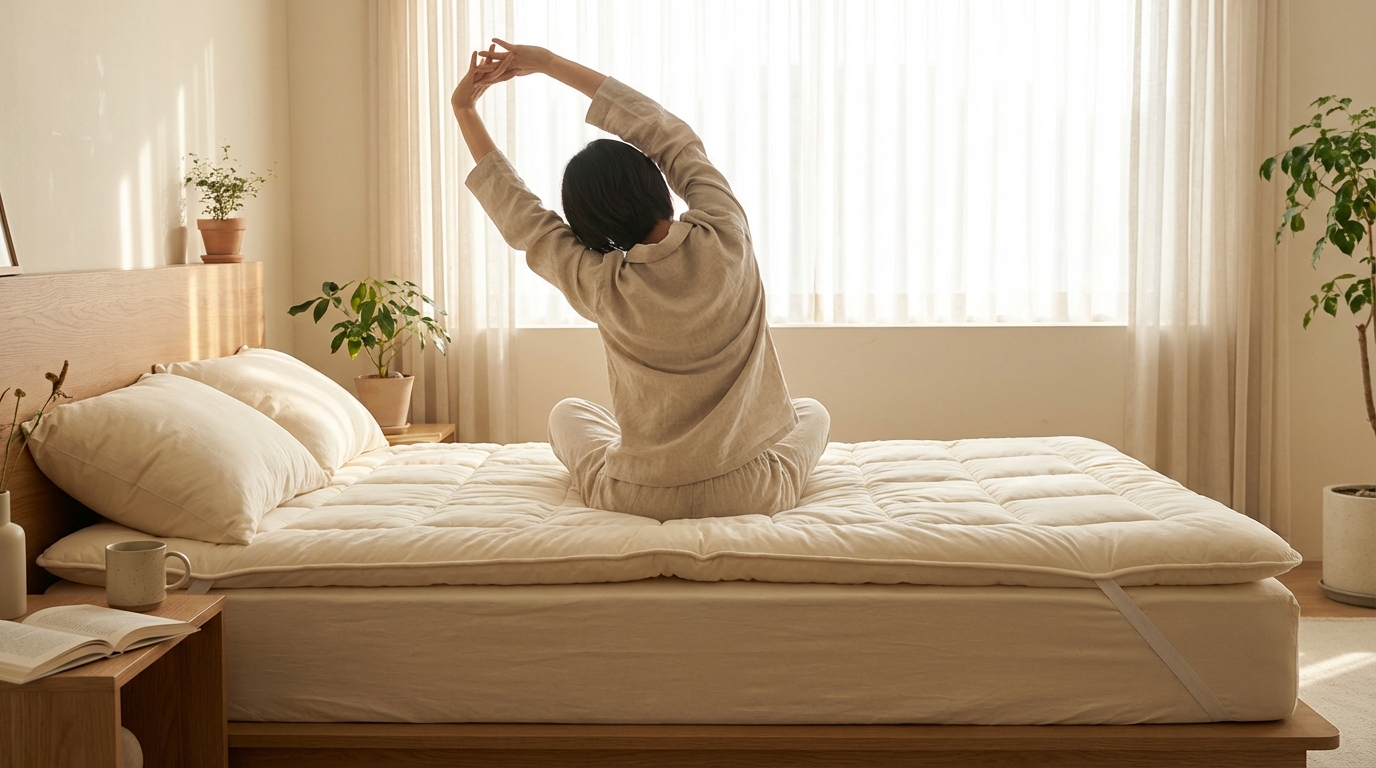
To tie everything together, it can help to look at a few real world scenarios and how a mattress pad might fit in. Imagine you have a supportive hybrid mattress that you bought a few years ago. You like the feel overall, but since you lost or gained some weight, it feels a touch too firm at the shoulders when you sleep on your side. In that case, a quilted, breathable pad can soften just enough of that surface pressure without collapsing the support you still like.
Now imagine a different scenario. Your guest room has a basic, slightly firm mattress that is structurally fine but not very inviting. You do not want to spend a lot on a full upgrade, but you want guests to feel comfortable. A mid range topper added to that mattress can create a more luxurious feel, and pairing it with a soft yet protective pad and fresh sheets from a collection like Pillows, Sheets, Toppers, Protectors completes the setup without the cost of a new bed.
Finally, picture a master bed where your mattress is 10 years old, sagging in the middle, and you wake up stiff. A pad will not solve that. In fact, it may hide the problem just enough that you tolerate it a bit longer while your body continues to complain. This is the moment to consider a new mattress that truly matches your body and sleep style, perhaps a supportive model like the Sealy Posturepedic Pro Medium Dupont II Euro Pillow Top or its softer sibling, the Sealy Posturepedic Pro Soft Dupont II Euro Pillow Top, and then use a pad as a finishing comfort and protection layer on top.
The thread through all of these examples is that a mattress pad is rarely the star of the show. It is the supporting actor that makes a good mattress feel even better, keeps it a bit cleaner, and allows you to personalize comfort without huge cost. Once you understand that role, you can bring a lot more intention to how you build your own sleep setup.
Conclusion: Is A Mattress Pad Right For You?
When you first ask “What is a mattress pad,” it can feel like just another confusing bedding term. Now you know that a pad is a thin, quilted layer that fine tunes comfort and offers some light protection for a mattress that already has decent support. It is not designed to rescue a sagging bed or single handedly fix chronic pain, but it can make a good mattress feel softer, smoother, and more hygienic.
Thinking through your own situation is the best next step. If your mattress is structurally sound but you want a little more plushness, a cooler surface, or an easy to wash layer between you and the bed, a mattress pad is a smart, budget friendly upgrade. If you are dealing with sagging, nightly pain, or an obviously aging mattress, your energy and dollars are usually better spent on a proper mattress replacement and a solid protector, with a pad as an optional comfort extra.
You do not have to figure this out alone. At Sleepology, our sleepologists live in this world every day, fitting real people with the right combinations of mattresses, pads, toppers, protectors, and sheets. If you bring us your sleep story, your current mattress details, and your budget, we can help you decide whether a simple pad is all you need or whether it is time for a more complete refresh. The goal is always the same, helping you wake up feeling rested, not second guessing your bedding choices.
Frequently Asked Questions
How thick should a mattress pad be to make a real difference?
For most people, a pad in the 1 to 2 inch range provides the best balance of noticeable comfort change without overwhelming the mattress underneath. Thinner quilted pads feel more like a plush, protective layer, while thicker, pillow like pads soften the surface more noticeably. If you feel you need more than 2 inches of additional cushioning to be comfortable, you are probably in topper territory rather than a traditional pad, or you may need to reevaluate whether the mattress itself is the right firmness for you.
Will a mattress pad fix a sagging or uncomfortable mattress?
A mattress pad will not fix structural problems such as sagging, broken coils, or deeply compressed foam. It can mask minor surface unevenness for a short time, but if your bed is already causing you pain or you see visible body impressions, the pad will only be a temporary bandage. In those cases, investing in a properly supportive new mattress and then using a pad for fine tuning and protection is a far more effective approach for your comfort and long term sleep health.
Is a mattress pad the same as a mattress topper?
No, they serve related but different purposes. A mattress pad is thinner and focuses on subtle comfort changes plus some protection, while a topper is thicker and designed to significantly alter firmness and pressure relief. Toppers often use foam, such as memory foam, latex, or high density polyfoam, and are a better choice if you need a major shift in feel but are not yet ready to replace your mattress. Pads are better for smaller adjustments and for adding a washable, cushioned buffer between you and your mattress.
Do I still need a mattress protector if I use a mattress pad?
If protecting your mattress from spills, sweat, allergens, or accidents is important, then yes, you still benefit from a dedicated mattress protector. Many pads are not fully waterproof, and even those with a barrier layer may not provide the same level of coverage as a purpose built protector. A common setup is to place the pad on the mattress for comfort, then put a thin, waterproof protector on top, and finally your fitted sheet. This way you enjoy the plush feel of the pad while the protector takes the brunt of daily messes.
Are mattress pads good for people who sleep hot?
They can be, as long as you choose the right materials. Pads with breathable cotton covers, moisture wicking performance fabrics, or natural fibers like wool tend to regulate temperature better than thick synthetic pads that trap heat. Look for descriptions that focus on airflow, moisture wicking, and breathability rather than just thickness. Remember that the mattress, sheets, and bedroom temperature all contribute to how warm you feel, so pairing a breathable pad with cool, lightweight sheets and a supportive mattress often works best for hot sleepers.
How often should I wash my mattress pad?
For most households, washing a mattress pad every 2 to 3 months works well, with more frequent washing if you have allergies, sweat heavily, or share the bed with children or pets. Always follow the care instructions on the label regarding water temperature and dryer settings. Using a protector on top of the pad can reduce how often the pad itself needs a full wash, since the thinner protector can be laundered more frequently and is usually easier to dry thoroughly.
Is it worth buying an expensive mattress pad, or will a budget one do?
It depends on how you plan to use it and how sensitive you are to comfort details. Budget pads can be perfectly adequate for short term setups, guest rooms, or if your main goal is simply adding a light buffer between you and the mattress. Higher quality pads typically offer better materials, more breathable fabrics, deeper pockets that fit modern mattresses, and more durable quilting that holds its shape longer. If you are using the pad nightly and you care about both comfort and longevity, investing a bit more upfront often pays off in how the pad feels and how long it performs well.