

What Are The Dimensions Of A Queen Mattress? A Complete Size, Fit, And Comfort Guide
You are probably here because you keep seeing “queen size” on every mattress page, but when you pull out a tape measure or look at your bedroom, it is not totally clear what that actually means in real life. Maybe you are upgrading from a full, sharing a bed for the first time, or trying to figure out if a queen will squeeze into a smaller room without making it feel cramped. You are not alone. I talk to people every week who are confused about the true dimensions of a queen mattress and how that translates to comfort, room layout, and even budget.
Getting this wrong has real consequences. Too small, and you or your partner end up clinging to the edge of the bed or waking each other up every time someone turns over. Too big for the room, and suddenly your bedroom is all mattress and no space to move, store, or breathe. When you are investing hundreds or thousands of dollars in a mattress, plus a bed frame, foundation, and bedding, those few inches of size matter far more than most people realize.
Here, you will get a clear, practical answer to “what are the dimensions of a queen mattress?” along with the context that really matters. You will see how queen compares to other sizes, how those numbers translate to real bedroom layouts, and what type of sleeper a queen size actually serves best. You will also see how different queen variations work, how mattress thickness and support systems come into play, and how to choose an actual queen mattress that fits both your body and your space. Think of this as a field guide from someone who has spent 20 years watching people lie down, measure, second guess, and finally say, “Yes, this is the one.”
By the end, you should feel confident not only quoting the exact queen dimensions, but also knowing whether a queen is right for you, how it will fit your room, and which products from the Sleepology lineup will support that choice for years to come.
The Exact Dimensions Of A Queen Mattress
A standard queen mattress in the United States measures 60 inches wide by 80 inches long. In feet, that is 5 feet wide and 6 feet 8 inches long. In centimeters, you are looking at roughly 152 cm by 203 cm. These numbers are consistent across reputable brands because accessories like sheets, protectors, and frames are all built around this standard.
When you see retailers show “slight variations,” it is usually due to rounding, manufacturing tolerances, or the way quilted tops and pillow tops puff out at the edges. The usable sleep surface is still based on that 60 by 80 inch footprint. For most couples, that translates to about 30 inches of personal width per person, which is slightly less individual space than a twin mattress offers one sleeper, but far more generous than a full when sharing.
According to the Sleep Foundation, a queen size is the most popular mattress size for adults in the United States, precisely because it balances width, length, and room footprint so effectively for couples and solo sleepers who like to stretch out. The extra 5 inches of length compared with older “double” beds is especially important for anyone over about 6 feet tall, since it keeps feet from hanging off the end and reduces the tendency to curl into less ergonomic positions.
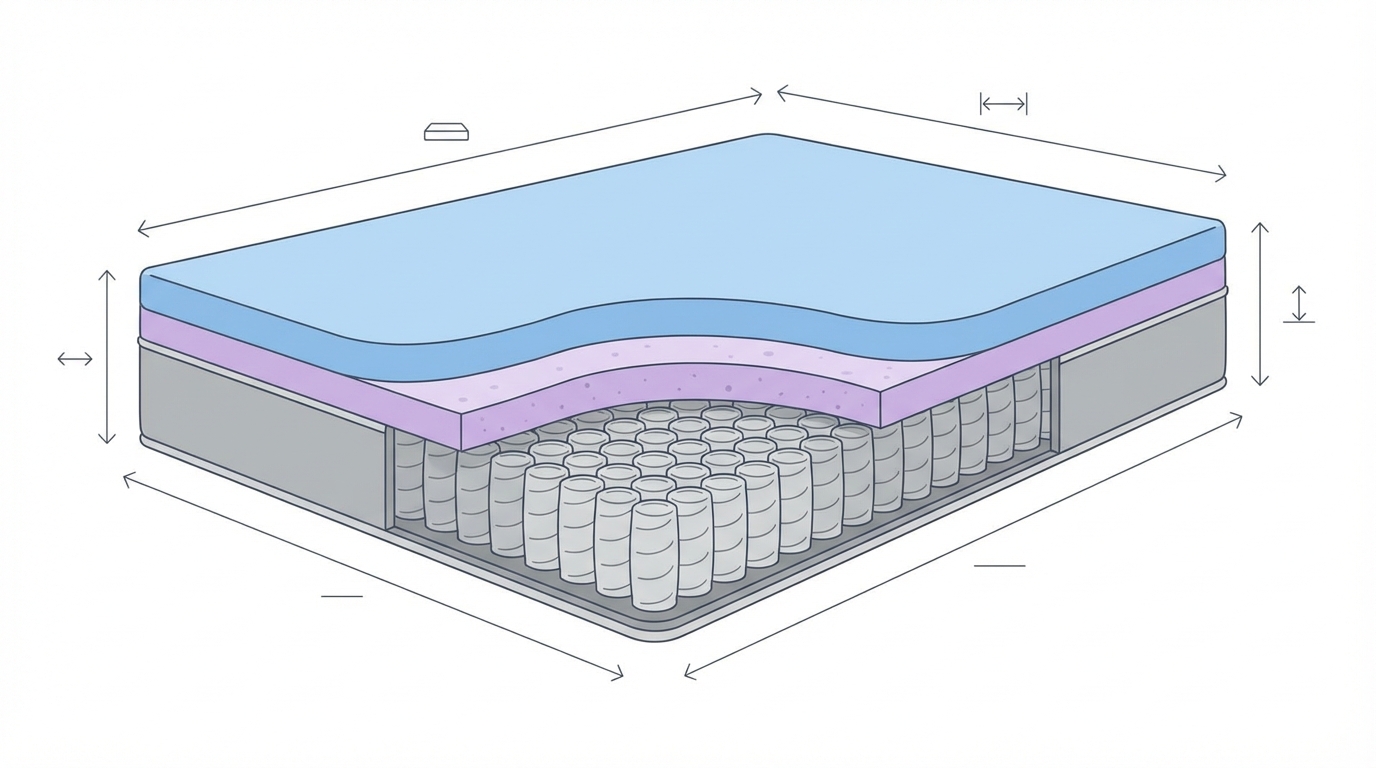
It is also worth mentioning what queen dimensions do not include. That 60 by 80 figure does not count the thickness of the mattress, which can range anywhere from about 8 inches in a basic guest mattress to 14 or more inches in a plush hybrid. It also does not include the frame or headboard, which can easily add 3 to 6 inches to the external footprint, especially on the length side if you have a substantial headboard or footboard.
Finally, while 60 by 80 is the standard, there are a few queen “cousins,” like Olympic Queen, Short Queen, and Split Queen, that use the word “queen” but change the measurements. Those variations are helpful in very specific situations such as RVs, certain older frames, or couples with adjustable bases. We will unpack those later so you do not accidentally buy queen sheets for a mattress that is not actually standard queen size.
“I always thought a queen was just ‘the normal size’ and that all queens were the same. Talking with Mia at Sleepology helped me understand the actual 60 x 80 dimensions, plus mattress thickness. That kept me from buying a bed that would have blocked my closet door. We ended up with a queen hybrid that fits our room and our backs perfectly.” – Jenna P., November
How A Queen Mattress Compares To Other Mattress Sizes
Understanding the bare dimensions of a queen is helpful, but you really feel the difference once you compare queen to twin, full, and king. This is where a lot of people realize they have been mentally picturing the wrong amount of space.
A twin mattress measures 38 by 75 inches, which is perfect for kids or single adults in small rooms, but an obvious mismatch for couples. A full, sometimes called a double, is 53 by 75 inches, which gives one adult more width than a twin, but offers each partner only about 26.5 inches when sharing, less than a twin provides a single sleeper. According to Consumer Reports, many couples who try to make a full work for two end up upgrading within a few years as their sleep quality suffers.
On the bigger side, a standard king comes in at 76 by 80 inches, and a California king at 72 by 84 inches. Both give couples more elbow room, but they come with significant space and budget tradeoffs. A king requires a room that is realistically at least 12 by 12 feet to feel comfortable once you add nightstands and walking paths. Bedding and frames for king sizes also tend to cost more. For many people, queen is the “sweet spot” that delivers enough width for two adults without consuming the entire bedroom.
The queen also stands out when you factor in typical sleep positions. Side sleepers tend to sprawl a bit with bent knees and a rotating upper body, so an extra few inches of width per person can make the difference between a restful night and bumping into each other both figuratively and literally. Back and stomach sleepers often stay more in line, but they still benefit from the human “buffer zone” that helps you relax instead of bracing for impact every time someone rolls over.
When I work with couples at Sleepology, I often ask them to stand side by side and hold their arms slightly away from their bodies. Then we compare that combined width to tape marks on the floor representing full, queen, and king. It is a simple, eye opening way to feel the difference that the numbers on a size chart only hint at.
Queen Vs Full Vs King: A Quick Visual Comparison

Sometimes it helps to see queen dimensions within the family of standard mattress sizes. The table below compares three of the most common options adults consider when they are not looking at twins for kids.
| Mattress Size | Width x Length (inches) | Best For | Key Tradeoff |
|---|---|---|---|
| Full | 53 x 75 | Single adults, tight guest rooms | Tight for two adults, shorter length |
| Queen | 60 x 80 | Most couples, primary bedrooms | Less shoulder room than a king |
| King | 76 x 80 | Couples who want max personal space | Requires larger room, higher cost |
Keep in mind that these numbers represent the mattress only, not the total space consumed by frames and headboards. If you are working with a smaller primary bedroom, queen often threads the needle between personal comfort and a room that still feels usable and calm.
This comparison also lines up with what major sleep health organizations emphasize. The Cleveland Clinic notes that adequate personal sleep space reduces nighttime awakenings and can support better sleep continuity for people who share a bed. That does not automatically mean everyone needs a king. It means you should select the smallest size that still lets each person move freely in their natural sleep style, and for many couples that minimum is clearly queen.
“We went from a full to a queen on Mia’s advice, and the difference was immediate. I am a side sleeper and my husband is a hot sleeper who rotates all night. On the full we were constantly waking each other. On our new queen from Sleepology with a Sealy Posturepedic Medium Mattress – Medina II, I actually sleep through the night, and we did not have to rearrange the whole bedroom.” – Laura S., October
How Much Space Does A Queen Bed Really Take In Your Room?
Knowing that a queen mattress is 60 by 80 inches is one thing. Understanding what that feels like in your actual bedroom is another. Many people picture only the mattress rectangle and forget door swings, closet access, windows, and walking paths. That is how you end up with a stunning bed that you bump into ten times a day.
Most sleep and design experts suggest leaving at least 24 inches of clearance on each side of the bed and at the foot for comfortable movement. The Sleep Foundation notes that 30 to 36 inches of walkway feels more open and reduces nighttime stubbing and tripping. If you start with a queen at 60 by 80 inches and add 2 feet of space on each side and at the end, you are already at a footprint of about 9 by 11 feet, and that is before you consider nightstands or a dresser.
A realistic minimum room size for a queen is about 10 by 10 feet, especially if you are comfortable with smaller nightstands or only one bedside table. In a 12 by 12 or larger room, a queen often looks visually balanced and leaves room for additional furniture and seating. If your room is narrower but longer, you may still be fine with a queen as long as you can maintain at least a couple of feet of clearance on the tight side.
One common mistake I see is measuring only the wall to wall distance and forgetting the added length of a headboard, footboard, and thick pillows. A substantial headboard can add 2 to 4 inches to the length of the bed setup, and a footboard can add another few inches at the end. If your room is exactly 10 feet long, those details really matter. In that case, pairing your queen with a simple frame and a low profile Sealy Mattress Base Boxspring Foundation can reclaim some visual and physical space while still giving your mattress proper support.
It is also smart to think vertically. A very tall, thick mattress on a high foundation can make a small room feel crowded. Choosing a standard 9 inch foundation such as the Sealy Mattress Base Boxspring Foundation | Standard 9-inch height with a 12 to 13 inch mattress will give most adults a comfortable sitting height, similar to a dining chair, and often keeps the bed from overwhelming the room.
Queen Mattress Thickness And Support: The Third Dimension That Matters
While the primary question is about width and length, the third dimension, thickness, has a big impact on how a queen mattress feels and functions in your space. Most quality queen mattresses for adults fall in the 10 to 14 inch range, though you will see some budget models as thin as 8 inches and some luxury pillow tops exceeding 15 inches.
A thicker mattress is not inherently better, but it often reflects multiple comfort and support layers that can be especially helpful for side sleepers or larger body types. For example, a hybrid model like the Sealy Posturepedic Elite Soft Hybrid Mattress – Brenham II combines a coil support core with cushioning foams above. That construction can deliver deeper pressure relief on shoulders and hips without sacrificing spinal alignment, which is key for comfort in a shared queen bed.
Height also affects ease of getting in and out of bed. The Mayo Clinic points out that optimal seat height for reducing strain on knees and hips typically allows your feet to rest flat on the floor with knees at about a 90 degree angle when seated. If your mattress and foundation are so tall that you “climb up,” or so low that you have to push hard to stand, that can add discomfort, especially for older adults or anyone with joint concerns.
Finally, thickness influences how your bedding fits. Deep pocket sheets are designed for taller mattresses, but if you put them on a thinner 10 inch queen, they may bunch up and compromise the smooth, stable surface you need for good sleep. On the other hand, standard pocket sheets may barely stretch over a 14 inch mattress and pop off the corners. When you choose your queen mattress at Sleepology, we can guide you toward a Tempur-Pedic ProPerformance Sheet Set that matches your specific mattress height and helps maintain a crisp, breathable surface all night.
Queen Size Variations: Olympic, Short, And Split Queens Explained
Once you start researching queen dimensions, you will quickly bump into related terms like Olympic Queen, Short Queen, and Split Queen. They sound similar, but they are not interchangeable with a standard queen, and that can become a headache if you mix them up when buying frames or bedding.
An Olympic Queen, sometimes called a Queen XL, typically measures 66 by 80 inches. It adds 6 inches of width while keeping the same length as a standard queen. Olympic Queens usually show up in older homes or specialty frames rather than mainstream retail. If you already own an Olympic Queen frame, you will need a mattress designed for that size, and standard queen sheets will not fit properly.
Short Queens are often used in RVs and some compact primary bedroom setups. A common Short Queen dimension is 60 by 75 inches, essentially a queen width with the length of a full. This helps a bed fit in tight spaces but sacrifices 5 inches of legroom, which taller sleepers quickly notice. Many RV sleep studies and owner surveys mention that upgrading a factory supplied Short Queen to a properly supportive mattress is one of the biggest sleep improvements people make on the road. If you are around or above 6 feet tall, however, a Short Queen can feel too restrictive over time.
Split Queens are designed for adjustable bases. Instead of one 60 by 80 inch surface, you get two pieces that are each 30 by 80 inches. Together they create a queen width but allow each side of the bed to move independently when paired with a compatible adjustable bed frame and base. Some manufacturers use a one piece queen mattress on a split adjustable base, which moves the whole bed at once, so it is important to clarify the exact configuration before you buy.
If you are not dealing with a specific frame or an RV, you can safely assume “queen mattress” means the standard 60 by 80 size. When in doubt, measure any existing frame or platform from internal side to side and head to foot, and compare those numbers rather than relying on the label alone.
Who Is A Queen Mattress Best For?
Queen mattresses have become the default choice for many adult households, but that does not mean they suit every situation. The real question is whether a 60 by 80 inch sleep surface gives you the right combination of comfort, personal space, and room layout for your life today and over the next decade.
Queens are ideal for couples who want to share a bed without dedicating an entire bedroom to a king. If both of you are average sized and relatively calm sleepers, the 30 inches of personal width per person is usually enough to change positions without major collisions. Side sleepers often appreciate the additional room over a full, while back and stomach sleepers tend to feel less constrained than on smaller sizes.
Queens are also an excellent choice for single adults who value space to stretch out or sleep diagonally. Academic sleep research has shown that perceived spaciousness, not just hardness or softness, plays a role in sleep satisfaction and time spent in deeper sleep stages. If you are a solo sleeper who likes to move or co sleep occasionally with a child or pet, a queen can feel like luxury without jumping all the way to a king.
For guest rooms, queen is a smart compromise between flexibility and footprint. It can comfortably host couples, provides generous space for solo guests, and makes the room versatile if you ever need to use it as a temporary primary bedroom. In my experience, homes with queen guest beds tend to get far fewer “that bed is too small for us” comments from visitors.
On the other hand, if both partners are larger framed, very active sleepers, or frequently share the bed with multiple kids or large dogs, a queen might start to feel crowded over time. In those cases, I encourage people to honestly map out who is in the bed most nights, not just occasionally, and consider whether moving up to a king would pay off in healthier sleep for everyone.
“My husband and I were convinced we needed a king, but Mia asked us about our room size, how we actually sleep, and whether our dog is really in the bed all night. Turns out he just visits and leaves. We downsized our plan to a queen Sealy Posturepedic Medium Mattress – Medina II Euro Pillow Top and put the extra savings toward an adjustable base. Our room feels bigger, and our sleep is better than it was on our old oversized bed.” – Rachel T., December
Choosing The Right Queen Mattress For Your Body And Sleep Style
Once you are confident that queen dimensions work for your room and lifestyle, the next step is deciding which queen mattress construction and feel will actually support your body night after night. Size alone does not guarantee comfort or spinal alignment. This is where firmness, materials, and your sleep position come together.
Side sleepers typically need more pressure relief around the shoulders and hips so that those joints can sink slightly while the spine remains in a neutral line. A medium to medium soft queen hybrid or advanced foam model often works well. A mattress such as the Sealy Posturepedic Elite Soft Hybrid Mattress – Brenham II can be a strong match here, since the individually wrapped coils provide targeted support while upper comfort layers cushion the body.
Back sleepers usually do best on a medium to medium firm feel that keeps the lumbar area from sagging without creating painful pressure on the sacrum or shoulder blades. The Sealy Posturepedic Medium Mattress – Medina II is a good example of a queen mattress that balances support and comfort for back sleepers. If you know you spend much of the night on your back, also consider browsing Sleepology’s collection of mattresses for back sleepers to compare options built specifically around that need.
Stomach sleepers, and combination sleepers who spend a lot of time face down, often require firmer support to keep the hips from dipping and stressing the lower back. A queen that is too soft can feel cozy for a few minutes but lead to chronic discomfort. Sleep specialists frequently caution stomach sleepers to pay close attention to spine alignment, and to combine a supportive mattress with a slightly flatter pillow to keep the neck from arching. That is where a curated collection such as The Best Mattresses For Stomach Sleepers can narrow the field to more appropriate queen models.
Other factors such as body weight, heat sensitivity, and existing pain conditions also matter. Heavier bodies generally need more robust coil systems or higher density foam to maintain support and extend the mattress’s lifespan. People who sleep hot often benefit from breathable covers, open coil structures, and moisture wicking sheets. Clinical guidance from groups like the American Academy of Sleep Medicine emphasizes that no single mattress is right for everyone, and that comfort tests and trial periods are crucial for finding the right match.
How To Measure And Plan For A Queen Mattress Step By Step
Before you order a queen mattress and schedule delivery, it pays to do a simple, systematic measurement of your room and access paths. This is where a few minutes with a tape measure can save you hours of frustration on delivery day.
Start by clearing enough floor space to mark a 60 by 80 inch rectangle where you think the bed will go. Use painter’s tape, folded blankets, or even cardboard to outline the footprint. Stand, walk, and sit around that space. Open closet doors, dresser drawers, and the main bedroom door to see if anything collides with the “bed.” This gives you a tangible sense of how the queen will change traffic flow and whether you will still have at least 24 inches of clearance in key areas.
Next, measure the room itself, wall to wall, and note the locations of windows, radiators, vents, and outlets. These details affect headboard placement and where lamps or phone chargers will live. Remember that the mattress is only part of the full bed. If you plan on a thicker mattress, tall foundation, or an upholstered frame, mentally add several inches to your taped area and see how that feels.
Then, think about how the mattress will get into the room. Hallways, stairwells, tight turns, and low ceilings can all cause problems, especially in older homes. Measure the narrowest points along the path the mattress must travel, and compare those dimensions to the 60 inch width and 80 inch length. The good news is that queen mattresses are far more forgiving than king mattresses in tricky spaces, but it is always better to check.
Finally, consider your bedding and accessories. Do you already own queen size sheets, protectors, and comforters that you love, or will you be starting fresh? A well fitting protector and sheet set add to both comfort and hygiene. Investing in a high quality set, such as the Tempur-Pedic ProPerformance Sheet Set along with breathable pillow options like The BodyPillow by Tempur-Pedic, can complete the queen sleep system in a way that supports your new mattress instead of working against it.
One Queen Mattress, Many Sleeping Situations: Real World Scenarios
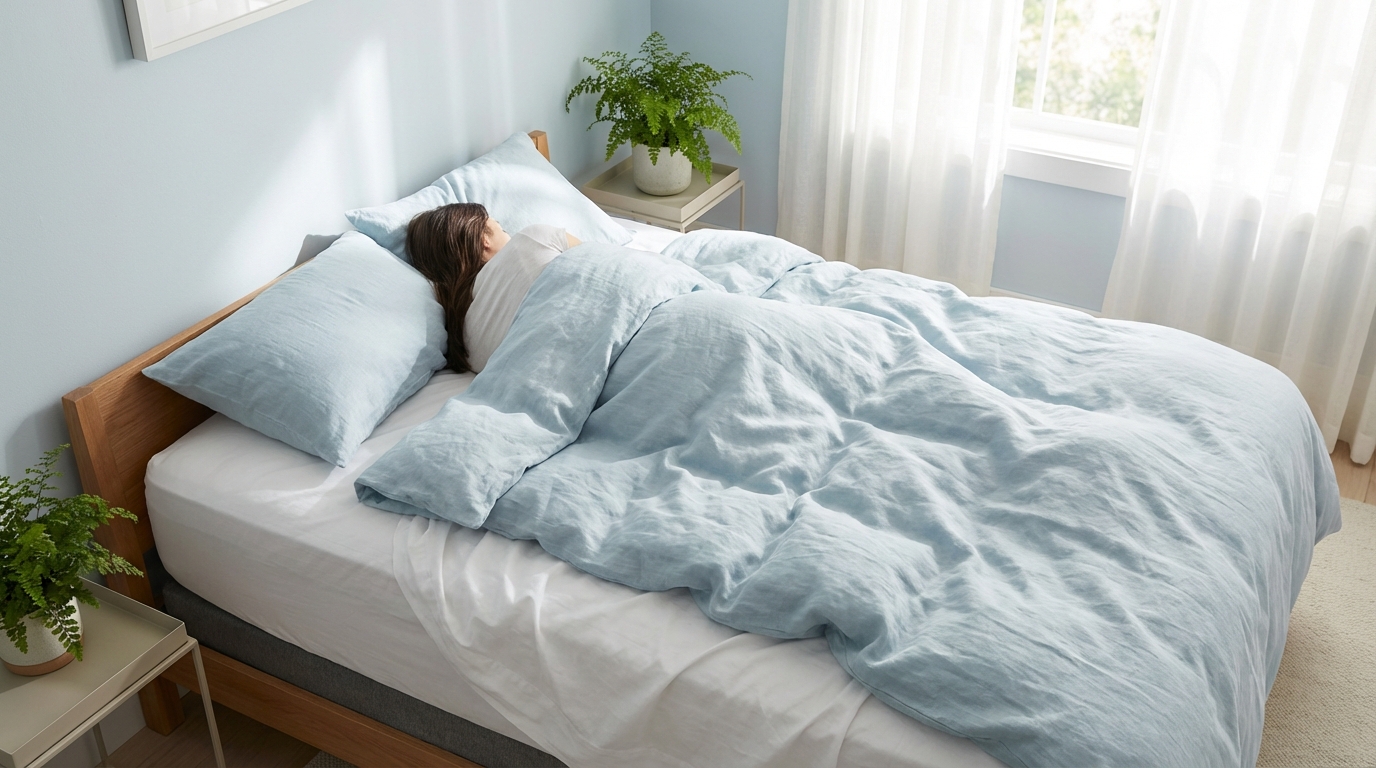
To make the 60 by 80 inch queen size feel more concrete, let’s look at a handful of common life situations and how a queen mattress tends to perform in each.
Imagine a couple in their early thirties living in a small city condo with a 10 by 11 foot bedroom. They both work long hours and want a bed big enough to comfortably share without giving up space for a small desk and dresser. In this case, a queen is an excellent match. It allows two nightstands, a dresser opposite the bed, and enough walking room to feel functional. A king would overpower the space, but a full would likely feel cramped once they both settle in at night.
Now picture a single professional in a 12 by 14 foot room who loves to read in bed, sleep diagonally, and occasionally host overnight guests. A queen gives more than enough room for one person to stretch out and can still host a couple comfortably when needed. In my experience, this is also where investing in a more supportive core, such as a Posturepedic style queen, pays off because the bed becomes a true retreat for both rest and recovery.
Consider a family with one young child who often joins them in bed for morning snuggles. A queen still works well as long as those shared moments are limited to part of the night or early morning. If the child spends the whole night there as a rule, or if another baby is on the way, many parents find that a king becomes more practical. The queen dimensions do not change, but the number of bodies on that surface does, and that alters how much usable space each person truly has.
Finally, think about an older adult downsizing from a larger home to a smaller one. They may have had a king for years but are now dealing with a narrower bedroom and maybe a bit more difficulty getting in and out of bed. Moving to a queen with a supportive but forgiving surface, like the Tempur-Pedic Mattress Topper – Pillow Travel and Guest Bundle layered on a medium support mattress, can provide comfort while keeping the bedroom more open and safe.
When I work through these kinds of scenarios with clients, it becomes clear that the “right” dimensions have as much to do with the people and habits involved as with the measurements on a size chart.
Optimizing Comfort On A Queen: Pillows, Sheets, And Sleep Setup
Once you have settled on queen dimensions and picked a mattress, it is time to fine tune the details that turn a 60 by 80 inch rectangle into a true sleep system. This is where pillows, sheets, protectors, and even mattress toppers play a bigger role than most people expect.
Pillows need to complement both your mattress and your sleep position. A queen mattress that supports your spine well can be undermined by a pillow that is too high or too flat, especially for side and stomach sleepers. Organizations like the Cleveland Clinic emphasize that neutral neck alignment is as crucial as back alignment for reducing pain and improving sleep quality. Body pillows, such as The BodyPillow by Tempur-Pedic, can be particularly helpful on a queen for side sleepers who like to hug or brace their knees, since they offer support without requiring a larger mattress.
Sheets and bedding affect both temperature and surface feel. Breathable, moisture wicking fabrics help regulate body temperature across the night, which numerous sleep studies link to better sleep continuity. A queen mattress that runs slightly warm will feel very different under crisp, cooling sheets compared with heavy, non breathable ones. Choosing high quality, well fitting bedding, like items from Sleepology’s pillows, sheets, toppers, and protectors collection, can transform the overall experience of your queen setup.
Mattress toppers can adjust the feel of a queen mattress by adding a touch more softness for pressure relief or a bit more structure for support, though they cannot fix a deeply worn out or unsupportive core. If you find your queen mattress slightly too firm but solidly supportive, a quality topper, paired with a snug protector and deep pocket sheets, may be all you need to dial in comfort without changing the underlying size or support system.
Lastly, think about your nighttime environment. Even the best queen mattress will not overcome glaring lights, loud traffic, or irregular sleep schedules. According to the Sleep Foundation, maintaining a consistent bedtime, keeping the room dark and cool, and limiting screens before bed all contribute significantly to better sleep outcomes. Your queen is the centerpiece of that environment, but it works best as part of a holistic approach to rest.
Conclusion: Making Queen Dimensions Work For Your Life
A standard queen mattress measures 60 by 80 inches, but as you have seen, those numbers carry a lot of meaning once you translate them into human terms. That footprint determines how easily you and a partner can move without disturbing each other, how freely you can walk around your bedroom, and how naturally your other furniture fits. It also sets the stage for how your body is supported and cradled every night, which matters deeply for your long term health and energy.
For many people, queen is the size that threads the needle: large enough for two adults to share without constant elbow wars, long enough for taller sleepers to stretch out, and compact enough to fit comfortably in the most common bedroom sizes. That is why it consistently ranks as the most popular adult mattress size in America, and why so many sleep health experts use it as the default recommendation when space and budget allow.
If you are still weighing your options, remember that dimensions are only step one. Matching those dimensions with the right firmness, materials, support system, and bedding is what turns a queen mattress into a personal sleep sanctuary. At Sleepology, we help you work through that full picture so you end up with a queen that suits your body, your room, and your lifestyle, not just a number on a tag. When you are ready, reach out, measure together, and let’s find the 60 by 80 inch solution that will carry you comfortably through the next many years of nights.
Frequently Asked Questions
What are the exact dimensions of a standard queen mattress?
A standard queen mattress measures 60 inches wide by 80 inches long, which is 5 feet by 6 feet 8 inches. In metric terms, that is roughly 152 centimeters by 203 centimeters. These dimensions are consistent across reputable U.S. mattress manufacturers, which is why queen size sheets, protectors, and frames are all designed to fit that footprint. You may see minor variations listed due to rounding or quilted edges, but the underlying support core is built around that 60 by 80 inch standard.
How much room do I need for a queen bed to fit comfortably?
Most people do well with at least a 10 by 10 foot bedroom for a queen bed, especially if they want space for one or two nightstands and a dresser. This generally allows for 24 to 36 inches of clearance on each side of the bed and at the foot, which sleep and safety experts recommend for comfortable movement and reduced risk of tripping at night. If your room is slightly smaller, a queen can still work with careful furniture choices and a simpler frame, but it is important to map the 60 by 80 inches on your floor and test door swings and walking paths before you buy.
Is a queen mattress big enough for two people to sleep comfortably?
For most couples, yes, a queen offers a comfortable balance of shared closeness and personal space. Each partner ends up with about 30 inches of width, which is slightly less than a twin offers one sleeper but significantly more than a full bed provides when shared. Queen is particularly suitable when both partners are average sized and neither is an extremely restless sleeper. If you are both larger framed, move a lot at night, or regularly share the bed with multiple kids or large pets, you may want to consider whether the extra width of a king would serve you better long term.
What is the difference between a queen and a Full or Double mattress?
The main differences are width and length. A full, also called a double, measures 53 by 75 inches, while a queen measures 60 by 80 inches. Compared with a full, a queen adds 7 inches of width and 5 inches of length. This means that when two people share a full, each has only about 26.5 inches of space, less than a single sleeper has on a twin, which many adults find tight. The extra width and length of a queen give couples noticeably more room and allow taller sleepers to stretch out without their feet hanging off the end.
What is a Short Queen or Olympic Queen, and do I need to worry about them?
A Short Queen is typically 60 by 75 inches, the same width as a standard queen but 5 inches shorter. It is common in RVs and some compact bedroom setups. An Olympic Queen, sometimes called a Queen XL, is usually 66 by 80 inches, adding 6 inches of extra width while keeping the queen’s length. You only need to worry about these variations if you already own a frame or RV bed designed for them, since standard queen mattresses and sheets will not fit correctly. For most home bedroom setups, when you see “queen mattress,” you can assume the standard 60 by 80 inch size.
How thick should a queen mattress be for good comfort and support?
Most adults do well with queen mattresses that are 10 to 14 inches thick, though there are exceptions. Within that range, you can combine a supportive core with comfort layers that match your sleep position and body type. Thicker does not always mean better, but very thin mattresses, especially under about 8 inches, often lack the deep support and durability needed for nightly adult use. When choosing thickness, also consider how high the bed will sit once you add a foundation, and whether that height makes it easy to sit down and stand up without straining your knees or hips.
What kind of bedding do I need for a queen mattress?
You will need queen size fitted and flat sheets, a queen size mattress protector, and either a queen or full/queen size comforter or duvet, depending on how much overhang you like. Deep pocket sheets are recommended if your queen mattress is thicker, usually above 12 inches, while standard pocket sheets may be fine for thinner models. Investing in breathable, moisture wicking bedding can significantly improve how your queen mattress feels, especially if you tend to sleep hot. Sleepology’s pillows, sheets, toppers, and protectors collection is curated to pair well with a wide range of queen mattresses and thicknesses.