

Have you ever wondered if your mattress is actually working against your spine rather than supporting it? While most people assume a softer mattress equals better comfort, thousands of Americans wake up each morning with persistent back pain, completely unaware that their "comfortable" mattress might be the culprit. The mattress industry has long perpetuated the myth that plush, cloud-like beds provide optimal rest, but recent advances in sleep science tell a different story—especially for those suffering from chronic back pain or spinal alignment issues.
The truth is, mattress firmness levels play a critical role in determining not just how well you sleep, but how your body recovers and regenerates during those precious nighttime hours. An ultra firm mattress, often referred to as level 10 support, represents the firmest option available on the standard firmness scale. Yet despite growing evidence about the benefits of firm mattress support, many sleepers remain confused about whether this type of sleeping surface is right for them. Are ultra-firm mattresses only for people with severe back problems? Do they sacrifice comfort for support? And perhaps most importantly, could switching to an extra firm mattress be the solution you've been searching for to finally achieve restorative, pain-free sleep?
The answers to these questions aren't as straightforward as mattress companies would have you believe. Body weight, sleeping position, existing spinal conditions, and even personal comfort preferences all factor into whether a level 10 support system will transform your sleep quality or leave you tossing and turning all night. At Sleepology Mattress Shop, I've helped hundreds of customers find their perfect firmness match, and I've seen firsthand how the right ultra firm mattress can be genuinely life-changing for certain sleepers—while being completely wrong for others.
What makes this topic even more challenging is that the mattress industry lacks standardized firmness ratings. One manufacturer's "ultra-firm" might feel completely different from another's, making it difficult for consumers to comparison shop or know what they're actually getting. Add in the complexity of different mattress construction types—innerspring, foam, hybrid—and you've got a recipe for confusion that often leads to expensive purchasing mistakes. The good news? Understanding who truly benefits from ultra-firm mattresses doesn't require a degree in sleep science. It just requires honest information about how these mattresses work and whether your specific sleep profile aligns with what they offer.
Whether you're a back sleeper seeking the best mattress for back pain, a heavier individual who's tired of mattresses that sag within months, or simply someone curious about whether firm bed benefits apply to your situation, this comprehensive guide will give you the clarity you need. We'll examine the science behind mattress firmness levels, identify the specific sleeper types who thrive on ultra-firm surfaces, and help you determine if level 10 support is your ticket to better sleep—or if a different firmness level might serve you better. Let's solve the ultra-firm mattress mystery once and for all.
Key Takeaways
- Ultra firm mattresses provide level 10 support ideal for back and stomach sleepers who need maximum spinal alignment
- Heavier individuals typically require extra firm mattress support to prevent excessive sinking and maintain proper posture
- Mattress firmness levels directly impact spine health, with firmer surfaces often being the best mattress for back pain sufferers
- Your sleeping position is the primary factor in determining whether firm mattress support will improve or hinder your sleep quality
- Trial periods are essential when purchasing an ultra firm mattress to ensure the firmness level matches your comfort needs
Understanding Ultra-Firm Mattresses and Their Importance for Spine Health
When I talk with customers about ultra firm mattresses, I often notice a common misconception: many people assume that "firm" automatically means "uncomfortable." This couldn't be further from the truth, especially when we're discussing spine health and long-term sleep quality. An ultra firm mattress is specifically engineered to provide maximum support with minimal give, keeping your spine in a neutral position throughout the night regardless of your movements or sleeping position changes.
The relationship between mattress firmness levels and spinal health is rooted in basic biomechanics. Your spine has a natural S-curve when you're standing upright, and maintaining a similar alignment while lying down is essential for preventing pain and allowing your muscles to fully relax. When a mattress is too soft, heavier parts of your body—typically your hips and shoulders—sink deeper than they should, creating awkward bending in your spine. This misalignment forces your muscles to work overtime to stabilize your body, which means you're essentially exercising all night instead of resting. Over time, this constant muscle engagement leads to chronic tension, stiffness, and the kind of persistent back pain that affects your entire day.
Ultra firm mattresses solve this problem by providing consistent, even support across your entire body. Rather than allowing certain areas to sink excessively, these mattresses maintain a relatively flat sleeping surface that keeps your spine properly aligned. Think of it like sleeping on a supportive floor—but with just enough cushioning to prevent pressure point discomfort. For many people, especially those with existing back problems or those who carry extra weight, this level of support is exactly what their bodies need to achieve truly restorative sleep.
The construction of an extra firm mattress typically involves denser materials and more rigid support systems compared to medium or soft options. At Sleepology Mattress Shop, I've seen how brands like Sealy and Stearns & Foster engineer their ultra-firm models with reinforced coil systems, high-density foam layers, and minimal cushioning on the sleep surface. These design choices aren't about making the mattress feel hard for the sake of being hard—they're about creating a sleep surface that won't compromise on support, even after years of nightly use.
What makes firm mattress support particularly important is its role in preventing the gradual breakdown of spinal health over time. You might not notice the effects of poor spinal alignment after one night on an inadequate mattress, but sleep on that same mattress for months or years, and your body will definitely send you signals. Chronic lower back pain, morning stiffness that takes hours to work out, neck tension, and even numbness in your extremities can all trace back to inadequate mattress support. For people who need level 10 support, switching to an ultra firm mattress often provides relief that they couldn't achieve through stretching, physical therapy, or pain medication alone.
The importance of spine health during sleep extends beyond just comfort—it affects your overall wellness. Poor spinal alignment can interfere with circulation, disrupt your nervous system function, and even impact your breathing patterns during sleep. When your spine is properly supported on an extra firm mattress, your entire body can relax more completely, allowing for deeper, more restorative sleep cycles. This is why many orthopedic specialists and chiropractors specifically recommend ultra firm mattresses for patients with chronic back issues or those recovering from spinal injuries.
The Science of Mattress Firmness Levels
Mattress firmness levels aren't arbitrary—they're based on measurable characteristics that determine how a mattress responds to body weight and pressure. The industry typically uses a scale from 1 to 10, with 1 being the softest and 10 being the firmest. Understanding where different mattresses fall on this spectrum, and more importantly, why these differences matter for your body, is essential for making an informed purchasing decision.
The firmness scale is primarily determined by a mattress's ability to resist compression. When you lie on a mattress, your body weight creates pressure that causes the materials to compress. Softer mattresses compress easily and significantly, allowing your body to sink deeply into the surface. Ultra firm mattresses, on the other hand, resist this compression much more effectively, maintaining their shape and providing a more stable sleeping platform. This resistance isn't just about density—it's about how the mattress distributes your weight and maintains its structural integrity over time.
Here's what you need to know about how mattress firmness levels impact your sleep quality and spinal alignment:
- Firmness determines spinal positioning. A mattress's firmness level directly controls how much your body sinks and where pressure concentrates. Ultra firm mattresses keep your spine straighter by preventing excessive sinking at heavy points like hips and shoulders, which is why they're often considered the best mattress for back pain sufferers who need consistent support.
- Body weight dramatically affects firmness perception. A 130-pound person will experience a level 10 mattress very differently than a 230-pound person. Heavier individuals compress mattresses more, which means what feels ultra-firm to a lighter person might feel merely firm to someone with more body weight. This is why firm mattress support becomes increasingly important as body weight increases.
- Firmness and comfort are not opposites. Many people mistakenly believe that extra firm mattresses sacrifice comfort for support, but properly designed ultra firm mattresses include comfort layers that provide cushioning for pressure points while maintaining overall firmness. The key is finding the right balance where you get adequate support without creating painful pressure on bony areas like shoulders and hips.
- Material composition affects how firmness feels. Two mattresses with the same firmness rating can feel completely different based on their construction. An ultra firm innerspring mattress provides a different type of support than an ultra firm foam mattress, even if both rate as level 10. Innersprings offer more bounce and surface-level firmness, while dense foams provide consistent support that conforms slightly to your body contours.
- Firmness preferences often change with age and health conditions. What feels comfortable and supportive in your twenties might become inadequate in your forties or fifties. As we age, our bodies typically require more support to maintain proper alignment, which is one reason many older adults find that firm bed benefits become more apparent over time. Similarly, developing back problems or gaining weight might make you realize you need more support than your current mattress provides.
The science behind mattress firmness levels also involves understanding how different parts of your body need different amounts of support. Your shoulders and hips are heavier and bonier than your waist and legs, which means an ideal mattress needs to support these areas without creating uncomfortable pressure points. Ultra firm mattresses accomplish this through strategic layering—using firm support cores for overall stability while incorporating slightly softer comfort layers in specific zones where pressure relief is most needed.
Research has shown that spinal alignment during sleep directly correlates with sleep quality and pain levels upon waking. Studies measuring spinal positioning across different mattress firmness levels consistently find that individuals with back pain often experience the most improvement on firmer sleeping surfaces. However, it's worth noting that "firmer" doesn't always mean "ultra-firm"—the optimal firmness depends on individual factors like body weight, sleeping position, and specific health concerns. For some people, a level 8 or 9 firmness provides the perfect balance, while others genuinely need that level 10 support to maintain proper alignment.
Why Choose a Firm Mattress for Back Support?
Choosing a firm mattress for back support isn't just about following conventional wisdom—it's about understanding how your spine functions and what it needs to remain healthy during the seven to nine hours you spend sleeping each night. The best mattress for back pain provides consistent support that prevents your spine from bending in unnatural ways, and for many people, that means opting for an extra firm mattress rather than something softer and more "cushiony."
The primary reason firm mattress support works so effectively for back pain is that it prevents the problematic sagging that occurs with softer mattresses. When you sleep on a surface that's too soft, your hips—which typically represent the heaviest part of your body when lying down—sink deeper than your shoulders and legs. This creates a hammock effect where your spine curves unnaturally, placing strain on the muscles, ligaments, and discs in your lower back. Over time, this nightly stress accumulates, leading to chronic pain and potentially contributing to more serious spinal problems.
An ultra firm mattress eliminates this issue by providing a stable, supportive foundation that keeps your body in proper alignment. Rather than allowing your hips to drop and your spine to curve, a level 10 support system maintains a neutral spine position that closely mimics the natural alignment you'd have when standing with good posture. This positioning allows your back muscles to fully relax, which is essential for recovery and pain relief. Many of my customers report that switching to an extra firm mattress dramatically reduced or even eliminated the chronic back pain they'd been experiencing for years.
"I suffered from lower back pain for over a decade and tried everything—physical therapy, medications, exercise programs. Nothing provided lasting relief until I switched to an ultra firm mattress. Within two weeks, my morning pain was significantly reduced, and after a month, I was waking up pain-free for the first time in years. I only wish I'd made the change sooner!" – Customer review from Sleepology Mattress Shop, March 2024
Beyond preventing spinal misalignment, firm mattress support offers specific benefits for people dealing with various types of back problems. For individuals with herniated or bulging discs, the consistent support of an ultra firm mattress prevents the twisting and bending movements that can aggravate these conditions. For those with arthritis or degenerative disc disease, the stable sleeping surface reduces the micro-movements that can trigger pain and inflammation. Even for people without diagnosed back problems, firm bed benefits include better posture support, reduced muscle tension, and improved sleep quality that comes from spending less time unconsciously shifting positions to find comfort.
The connection between mattress firmness and back support is also about maintaining proper alignment across all sleeping positions. While we'll discuss sleeping positions in more detail later, it's important to understand that different positions create different support needs. Back sleepers need a mattress that supports the natural curve of their lower back without allowing it to flatten or arch excessively. Stomach sleepers require firm support to prevent their hips from sinking and creating an unhealthy arch in the lumbar region. Even side sleepers—who typically need slightly softer mattresses than back or stomach sleepers—can benefit from firm support if they have sufficient body weight or specific back problems that require maximum stability.
Another often-overlooked aspect of why firm mattresses work so well for back support is their durability. Softer mattresses tend to develop body impressions and sagging more quickly, which means they lose their supportive properties within just a few years. An extra firm mattress, built with denser materials and more robust construction, maintains its support characteristics much longer. This longevity means you're not just getting better support today—you're ensuring that same level of support will be there years from now, making ultra firm mattresses a smarter long-term investment for your spinal health.
The reality is that choosing the right mattress firmness for back support often requires challenging your preconceived notions about what "comfortable" should feel like. Many people have spent their entire lives sleeping on mattresses that were too soft for their needs, so when they first try an ultra firm mattress, it can feel surprisingly different—even unexpectedly hard. However, for those who truly need level 10 support, the initial adjustment period is typically short, and the long-term benefits to back health and sleep quality far outweigh any temporary discomfort during the transition period.

Who Should Consider an Ultra-Firm Mattress?
When you're shopping for a new bed, figuring out the right firmness can feel overwhelming. But here's the thing—an ultra-firm mattress isn't just a preference, it's often a necessity for certain sleepers. Understanding who truly benefits from level 10 support can save you from months of restless nights and morning aches.
Ultra-firm mattresses work best for people who need maximum support to maintain proper body alignment throughout the night. If you're a back sleeper or stomach sleeper, you already know how important it is to keep your spine in a neutral position. Softer mattresses tend to let your hips sink too deeply, creating an uncomfortable arch in your lower back. An extra firm mattress prevents this by providing consistent, unwavering support across your entire body.
Heavier individuals also find that firm mattress support makes a significant difference in their sleep quality. When you weigh more than 230 pounds, medium or soft mattresses often don't provide enough resistance, causing you to sink too far into the bed. This creates pressure points and throws off your spinal alignment. The best mattress for back pain in these cases is one that pushes back against your body weight, keeping everything properly supported.
People dealing with chronic back pain frequently turn to ultra-firm options after years of trying softer alternatives. If you've been waking up with stiffness or soreness, your current mattress might be too soft. A Sealy Satisfied Ultra-Firm Mattress provides the rigid structure that many back pain sufferers need to wake up feeling refreshed rather than restricted.
Athletes and active individuals also appreciate the benefits of firm bed support. When your muscles are recovering from intense workouts, you need a surface that keeps your spine aligned and doesn't create additional pressure points. The firmness helps your body maintain proper posture even when you're completely relaxed, which can speed up recovery time and reduce morning stiffness.
There are also sleepers who simply prefer the sensation of sleeping "on" a mattress rather than "in" it. If you feel trapped or overheated on softer surfaces, mattress firmness levels at the higher end of the scale might suit your comfort preferences better. This feeling of sleeping on top of the bed, rather than being cradled by it, appeals to people who want to move freely during the night without feeling restricted.
People who share a bed with a partner might choose an ultra-firm mattress to reduce motion transfer. When one person moves or gets up during the night, the rigid surface minimizes the ripple effect that would wake the other person. This makes firm mattress support particularly valuable for couples with different sleep schedules.
Ideal Sleepers for a Level 10 Support System
Not everyone needs the maximum support that an ultra-firm mattress provides, but certain groups consistently report better sleep quality when they make the switch to level 10 firmness. Let me break down exactly who these sleepers are and why they need this specific type of support.
Back sleepers top the list of people who benefit most from extra firm mattresses. When you sleep on your back, your lower back naturally wants to curve slightly. On a too-soft mattress, your hips sink down, increasing that curve beyond what's healthy and creating strain on your spine. An ultra-firm mattress keeps your hips elevated so your spine maintains its natural S-curve without excessive arching. This is why so many chiropractors recommend firmer sleeping surfaces for their patients who prefer back sleeping.
| Sleeper Type | Why They Need Level 10 Support | Primary Benefit |
|---|---|---|
| Back Sleepers | Prevents excessive lumbar curve and hip sinkage | Maintains natural spinal alignment all night |
| Stomach Sleepers | Stops hips from dropping below shoulder level | Reduces neck and back strain significantly |
| Heavy Individuals (230+ lbs) | Provides enough resistance to prevent bottoming out | Ensures consistent support without sagging |
| Chronic Pain Sufferers | Eliminates soft spots that aggravate existing conditions | Reduces morning stiffness and discomfort |
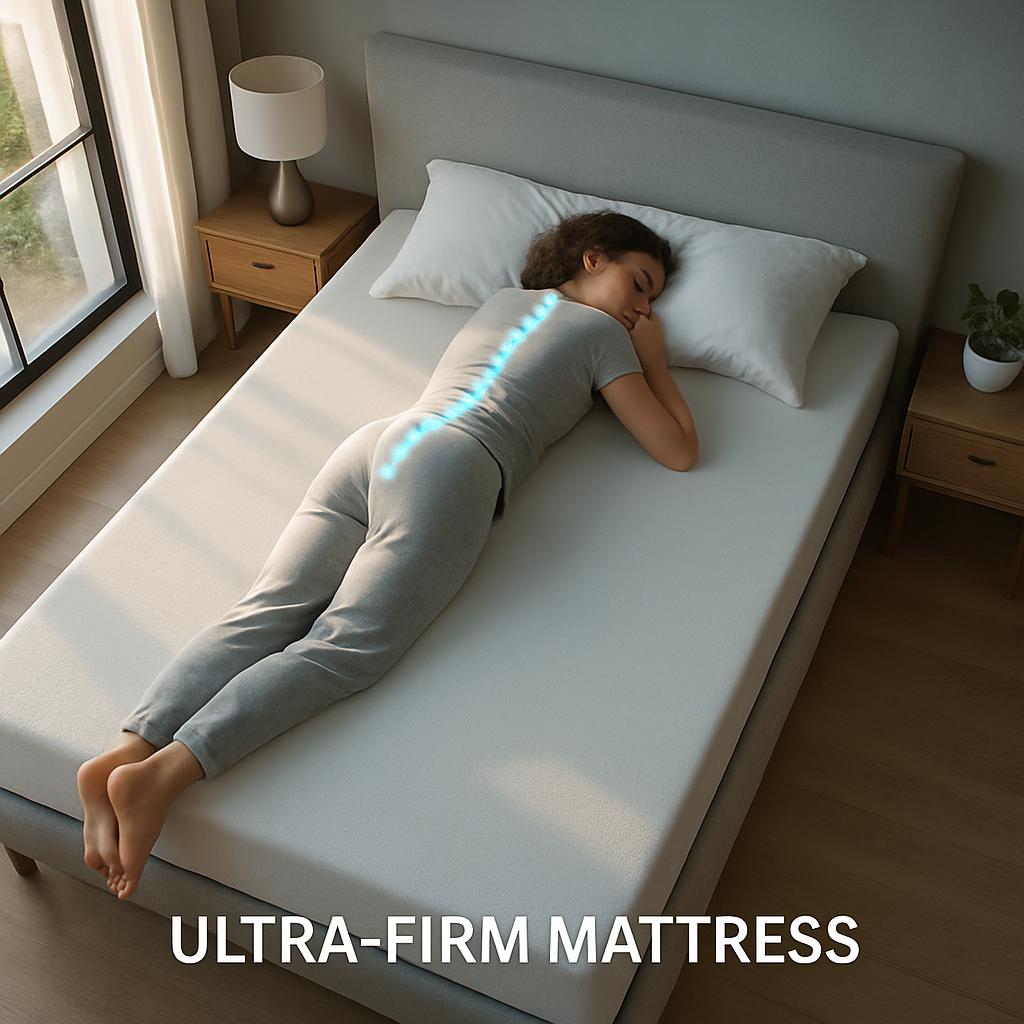
Stomach sleepers face unique challenges that make firm mattress support absolutely necessary. When you sleep on your stomach, your midsection is the heaviest part of your body. On a soft or medium mattress, your pelvis sinks down while your head and legs stay higher, creating a U-shape with your body that strains your lower back and neck. An ultra-firm mattress keeps your body level, preventing this harmful positioning. While stomach sleeping isn't ideal for spinal health in general, the best mattress for back pain for stomach sleepers is definitely one at the firmer end of mattress firmness levels.
Heavier sleepers need mattresses that won't compress too much under their weight. If you weigh over 230 pounds, you've probably experienced the frustration of "bottoming out" on mattresses that seemed firm in the store but quickly developed permanent indentations. Level 10 support provides the structural integrity needed to support higher body weights without breaking down prematurely. This isn't just about comfort—it's about getting the lifespan you paid for out of your mattress investment.
People recovering from injuries or managing chronic conditions like arthritis, fibromyalgia, or degenerative disc disease often find relief with ultra-firm mattresses. When your body is already dealing with pain, the last thing you need is a sleeping surface that creates additional pressure points or allows poor alignment. The consistent, unyielding support of an extra firm mattress can actually reduce inflammation and help your body heal more effectively during sleep.
Heavy Sleepers: Tailoring Support for Weight and Comfort
If you're a heavier person, you already know that shopping for a mattress comes with unique challenges. What works for someone who weighs 150 pounds simply won't provide the same support for someone who weighs 250 pounds. This is where understanding the relationship between body weight and mattress firmness levels becomes really important.
When you weigh more, you exert greater pressure on your mattress. This increased pressure causes softer materials to compress more deeply, which can lead to several problems. First, you might sink so far into the mattress that you lose proper spinal alignment. Second, you could actually compress the mattress all the way through to the foundation, a phenomenon called "bottoming out" that eliminates any cushioning benefits. Third, softer mattresses break down faster under higher weight, developing permanent body impressions that make the bed uncomfortable and unsupportive.
An ultra-firm mattress solves these issues by providing enough pushback to support your weight without excessive compression. Think of it like this—a diving board flexes when someone stands on it, but it doesn't bend all the way down to the ground. That's what you want from your mattress: enough give to relieve pressure, but enough resistance to maintain support. For heavier individuals, achieving this balance requires starting at the firmer end of the spectrum.
"After years of trying medium-firm mattresses that developed sags within a year, I finally invested in the Stearns & Foster Estate Ultra-Firm. It's been three years and it still feels exactly like it did on day one. My back pain is gone and I'm not constantly replacing my mattress anymore. I wish I had gone ultra-firm years ago!" – Review from November 8, 2023
The best mattress for back pain when you're a heavier sleeper is one that distributes your weight evenly across the entire surface. Ultra-firm mattresses excel at this because they don't create the pressure points that happen when certain body parts sink deeper than others. Your shoulders, hips, and lower back all receive consistent support, which means better circulation, less tossing and turning, and deeper sleep overall.
Another consideration for heavier sleepers is edge support. When you sit on the edge of your bed to put on shoes or get up in the morning, you don't want to feel like you're going to roll off. Firm bed benefits include reinforced edges that maintain their shape even under concentrated weight. This makes the entire surface of your mattress usable, not just the middle section.
Temperature regulation also matters more when you're heavier. Your body generates more heat, and if you're sinking deeply into a soft mattress, that heat gets trapped around you. An extra firm mattress keeps you sleeping more on top of the surface rather than enveloped by it, which improves airflow and helps you stay cooler throughout the night. This is especially important if you already tend to sleep hot.
Don't let anyone make you feel like choosing an ultra-firm mattress is settling for something uncomfortable. The truth is that the right firmness for your body weight isn't about toughness or preference—it's about physics and proper support. When a mattress can adequately support your weight without excessive compression, you'll sleep better, wake up with less pain, and get more years of use out of your investment. That's not compromise; that's smart shopping.
Decoding the Benefits of Extra Firm Mattresses
Let's talk about what actually happens to your body when you sleep on an ultra-firm mattress. There's a lot of information out there about firm mattress support, but I want to break down the real, measurable benefits that come from choosing level 10 support for your sleep surface.
The primary advantage of an extra firm mattress is how it maintains spinal alignment throughout the entire night. Your spine isn't straight—it has natural curves that need to be supported in specific ways depending on your sleeping position. When you lie on a surface that's too soft, gravity pulls your heavier body parts (usually your hips and shoulders) down more than your lighter parts, creating misalignment that stresses your muscles, ligaments, and vertebrae. An ultra-firm mattress provides the resistance needed to keep everything properly positioned, reducing strain on your back.
Pain relief is often the most noticeable benefit people experience when switching to firmer mattress firmness levels. If you've been waking up with stiffness or soreness, especially in your lower back, hips, or shoulders, your current mattress might not be providing adequate support. The best mattress for back pain typically falls on the firmer end of the spectrum because it prevents the sagging that creates pressure points and misalignment. Many people report dramatic improvements in their pain levels within just a few weeks of switching to an ultra-firm option like the Stearns & Foster Estate Ultra-Firm Tight Top Mattress.
Improved posture doesn't just happen during the day—it starts with how you sleep at night. When your spine maintains proper alignment for seven or eight hours every night, your muscles don't have to work as hard to compensate for poor positioning. This means you wake up less tense and your body doesn't develop the chronic compensation patterns that lead to poor daytime posture. Over time, sleeping on proper support can actually help correct postural issues you've developed from years of inadequate mattress support.
Durability is another firm bed benefit that often gets overlooked. Softer mattresses compress more under your body weight, and that repeated compression night after night causes the materials to break down faster. Ultra-firm mattresses maintain their structure longer because they're experiencing less compression with each use. This means your mattress stays supportive for more years, which makes it a better long-term investment even if the initial cost is higher.
Sleep quality improves on ultra-firm surfaces for several reasons beyond just comfort. When your body is properly aligned, you don't unconsciously shift positions as often trying to find a comfortable spot. Less movement means fewer sleep disruptions, which allows you to spend more time in the deeper, more restorative stages of sleep. You might not consciously notice these micro-movements on a softer mattress, but your body does, and it impacts how refreshed you feel in the morning.
Enhanced Spinal Alignment for Healthier Sleep
Your spine is the foundation of your entire skeletal system, and how well it's supported during sleep directly impacts your overall health. When I talk to customers about mattress firmness levels, this is where the conversation usually clicks—understanding that spinal alignment isn't just about avoiding back pain, it's about letting your body rest and repair itself properly.
Here's what proper spinal alignment looks like for different sleeping positions on an ultra-firm mattress:
- Back sleepers maintain the natural S-curve of the spine. The firmness prevents your hips from sinking, which would increase the arch in your lower back. Your head, shoulders, lower back, and hips all rest at appropriate levels that mirror your standing posture.
- Stomach sleepers avoid the U-shape curve that strains the lower back. The firm surface keeps your pelvis from dropping below your shoulders and legs, maintaining a more neutral spine position even in this challenging sleep position.
- Heavy individuals receive consistent support across all pressure points. Rather than creating a hammock effect where your midsection sags, the firm mattress support distributes your weight evenly so your spine stays level.
- People with existing back conditions prevent aggravation of problem areas. Whether you have herniated discs, sciatica, or general lower back pain, an extra firm mattress eliminates the soft spots that would allow your spine to bend in ways that increase inflammation.
The connection between spinal alignment and nervous system function is particularly interesting. Your spinal cord runs through your vertebrae, transmitting signals between your brain and the rest of your body. When your spine is misaligned during sleep, it can create pressure on nerves that leads to numbness, tingling, or radiating pain. Proper support from an ultra-firm mattress helps keep your vertebrae in correct positioning, reducing nerve compression and allowing better communication throughout your nervous system.
Muscle recovery happens more efficiently when your spine is properly aligned. Your muscles can fully relax when they're not compensating for poor positioning or fighting against gravity on a too-soft surface. This is especially important for athletes, people with physically demanding jobs, or anyone dealing with muscle soreness. When your muscles don't have to work during sleep, they can focus on repair and recovery, which is why many people report feeling more energized after switching to firmer support.
Breathing quality can even improve with better spinal alignment. When you're properly positioned, your diaphragm has more room to expand and contract efficiently. This is particularly relevant for back sleepers, where maintaining the natural curve of your spine helps keep your airways open and reduces the likelihood of snoring or sleep apnea symptoms. While an ultra-firm mattress won't cure sleep apnea, it can create conditions that make breathing easier throughout the night.
Long-term spinal health depends significantly on how you sleep. Years of poor alignment during sleep can contribute to degenerative disc disease, chronic pain conditions, and reduced mobility as you age. Investing in the best mattress for back pain now—one that provides proper support—is actually an investment in your future quality of life. The few weeks of adjustment period that some people experience when switching to an ultra-firm mattress is minor compared to the years of better health that follow.
Pressure Relief Mechanisms in Firm Mattresses
There's a common misconception that firm mattresses create more pressure points than softer ones, but the opposite is actually true when we're talking about proper firm mattress support. Let me explain how pressure relief works on an ultra-firm surface and why it's more effective than you might expect.
Pressure points develop when too much weight concentrates in too small an area for too long. On a soft mattress, your heavier body parts sink deeply while your lighter parts stay higher, which actually increases pressure on areas like your shoulders and hips because they're bearing a disproportionate amount of your body weight. An extra firm mattress prevents this by distributing your weight across a larger surface area. Instead of sinking into a few concentrated points, your body weight spreads out, which paradoxically reduces pressure even though the surface feels harder.
The materials used in quality ultra-firm mattresses play a huge role in how they achieve this pressure relief. Modern firm mattresses aren't just solid blocks of hard material—they're engineered with layers that provide both support and strategic cushioning. The top comfort layers offer enough give to relieve pressure on areas like your shoulders and hips, while the firm support core underneath prevents excessive sinking that would throw off your alignment. This combination gives you the best of both worlds: pressure relief where you need it and support where it matters most.
Circulation improvement is one of the most important benefits of proper pressure distribution. When pressure concentrates on certain areas for too long, it restricts blood flow to those tissues. This is what causes that numb, tingly feeling when you wake up or the need to constantly shift positions during the night. By spreading your weight more evenly, an ultra-firm mattress maintains better circulation throughout your body, which means more oxygen and nutrients reaching your tissues and better waste removal. This contributes to faster muscle recovery and reduced morning stiffness.
The edge-to-edge support that comes with firm bed benefits means you can use your entire mattress surface without worrying about increased pressure. On softer mattresses, the edges compress more readily, creating an unstable feeling that makes you avoid sleeping near the sides. Ultra-firm mattresses maintain consistent support all the way to the edge, giving you more usable sleeping space and ensuring that pressure distribution remains even no matter where you position yourself on the bed.
Motion isolation works differently on firm surfaces but offers unique advantages. While softer mattresses absorb motion by letting your body sink into them, ultra-firm mattresses minimize motion transfer by not allowing that deep compression in the first place. When your partner moves or gets up during the night, the limited compression means less ripple effect across the surface. This is particularly beneficial for couples where one person is significantly heavier or more restless than the other.
Temperature regulation contributes to pressure relief in ways people don't always consider. When you sleep hot, you're more likely to toss and turn, which increases the likelihood of developing pressure points from staying in one position too long. The improved airflow around your body on an ultra-firm mattress—since you're sleeping more on top of it rather than sinking into it—helps you maintain a cooler temperature. This leads to less movement during the night and more consistent pressure distribution across the same comfortable sleeping positions.
Understanding these pressure relief mechanisms helps explain why so many people who thought they needed a softer mattress actually sleep better on ultra-firm support. The key is finding a quality mattress that combines proper firmness with thoughtful engineering. Not all firm mattresses are created equal—the difference between a cheap firm mattress and a well-designed ultra-firm option is the attention paid to these pressure-relieving details while maintaining the level 10 support that certain sleepers need.
Choosing the Right Firmness for Your Sleeping Position
Finding the perfect mattress firmness for your sleep style isn't just about personal preference—it's about supporting your body in the right places to wake up feeling refreshed instead of achy. The relationship between your sleeping position and mattress firmness levels can make or break your sleep quality, and understanding this connection is one of the most important steps in choosing the best mattress for back pain relief and overall comfort.
Your sleeping position determines where your body needs the most support throughout the night. When you lie down, different parts of your body create pressure points based on how you're positioned. An ultra firm mattress works wonders for some sleepers while leaving others tossing and turning all night. The key is matching the firm mattress support to your natural sleep posture so your spine maintains its healthy alignment from the moment you close your eyes until your alarm goes off.
Back sleepers typically benefit most from firmer mattresses because this sleeping position requires solid support under the lower back. When you sleep on your back, there's a natural curve in your lumbar region that needs to be maintained. A mattress that's too soft will let your hips sink too deeply, creating an uncomfortable arch that strains your lower back muscles. An extra firm mattress keeps your body properly aligned, preventing that painful dip in the middle that so many people struggle with. If you're a back sleeper who's been waking up with back pain, switching to a firmer option like the Stearns & Foster Estate Ultra-Firm Tight Top Mattress might be exactly what your body has been asking for.
Stomach sleepers also need substantial support, often requiring level 10 support or close to it. When you sleep on your stomach, your midsection tends to sink into the mattress more than other parts of your body. This creates an unnatural bend in your spine that puts pressure on your neck and lower back. A firm bed helps prevent this sinking sensation by keeping your body more level across the surface. The firm mattress support essentially acts as a stable foundation that doesn't allow gravity to pull your torso down too far. Many stomach sleepers who thought they just had "bad backs" actually just needed better mattress firmness levels to keep their spine in a neutral position.
Side sleepers, on the other hand, usually need something with a bit more give. While this section focuses on ultra-firm options, it's worth noting that pure side sleepers typically do better with medium-firm to medium mattresses. Their shoulders and hips create more pronounced pressure points that need some cushioning. However, combination sleepers who spend time on their sides but also sleep on their backs might still find success with a firm mattress, especially if they're heavier individuals who need that extra support.
Body weight plays a significant role in how firmness feels to you personally. A person who weighs 130 pounds will experience an ultra firm mattress very differently than someone who weighs 230 pounds. Heavier sleepers compress mattresses more deeply, which means what feels like a rock-hard surface to a lighter person might feel perfectly supportive to someone with more body weight. This is why the same mattress can receive completely different reviews from different people—they're literally having different experiences based on their weight distribution.
The firmness scale typically runs from 1 to 10, with 10 being the firmest option available. Most mattresses fall somewhere between 4 and 8, with the average mattress hovering around a 5 or 6. An ultra firm mattress ranks at 8, 9, or 10 on this scale. When you're shopping for firm mattress support, understanding where a particular model falls on this spectrum helps you compare options more effectively. Keep in mind that firmness ratings aren't standardized across the industry, so a "firm" from one brand might feel different from a "firm" from another manufacturer.
Your age and overall health condition also influence which mattress firmness levels work best for you. Older adults sometimes need firmer surfaces to make it easier to get in and out of bed, while those with certain medical conditions like arthritis might need different support than someone without these concerns. If you're dealing with chronic back pain, an extra firm mattress often provides the consistent support that helps reduce morning stiffness and discomfort.
Temperature regulation is another factor that varies with firmness. Firmer mattresses tend to sleep cooler because you're resting more on top of the surface rather than sinking into it. This allows for better airflow around your body throughout the night. If you're someone who runs hot while sleeping, the cooling benefits of a firm bed might be an unexpected bonus alongside the orthopedic support.
Aligning Sleep Positions with Mattress Firmness Levels
Understanding exactly which firmness level matches your preferred sleeping position takes the guesswork out of mattress shopping. I've created a practical guide that breaks down the ideal firmness ranges for each sleep position, helping you narrow down your options before you even step into a showroom or browse online. This alignment between sleep style and mattress firmness levels is based on how your body distributes weight and where it needs the most support during those crucial seven to nine hours of rest.
Back sleepers need a surface that supports the natural S-curve of their spine without allowing their lower back to sag. The best mattress for back pain in this position typically falls between 7 and 10 on the firmness scale. This range provides enough resistance to keep your spine aligned while preventing that hammock effect where your midsection dips too low. When you're lying on your back, your heavier areas like your hips and shoulders should be supported evenly with your lighter areas.
Stomach sleepers require even firmer support than back sleepers in most cases. Because gravity pulls your abdomen toward the mattress, you need something that resists this downward pressure. Firm mattress support in the 8 to 10 range keeps your spine from bending unnaturally. Many stomach sleepers report significant improvements in neck and back pain when they switch to an ultra firm mattress because it prevents that uncomfortable arching that happens on softer surfaces.
| Sleep Position | Recommended Firmness Level | Why This Range Works | Potential Issues with Wrong Firmness |
|---|---|---|---|
| Back Sleeper | 7-10 (Firm to Ultra-Firm) | Supports lumbar curve and prevents lower back sagging while maintaining spinal alignment | Too soft causes lower back pain from excessive sinking; too firm may feel uncomfortable under shoulders |
| Stomach Sleeper | 8-10 (Extra Firm to Ultra-Firm) | Prevents midsection from sinking, keeps spine neutral, reduces neck strain | Too soft creates unnatural spinal arch; may cause breathing difficulty and neck pain |
| Side Sleeper | 4-6 (Medium-Soft to Medium-Firm) | Cushions shoulders and hips while maintaining support for waist and spine | Too firm causes pressure points at shoulders and hips; too soft misaligns spine |
| Combination Sleeper | 6-8 (Medium-Firm to Firm) | Balances support for multiple positions without being too extreme either direction | Too specific to one position causes discomfort when changing positions during night |
| Heavier Individuals (230+ lbs) | 8-10 (Extra Firm to Ultra-Firm) | Provides adequate support to prevent excessive compression and maintain proper alignment | Softer mattresses compress too much, losing support structure and causing alignment issues |
Side sleepers have different needs compared to back and stomach sleepers. This position creates pronounced pressure points at the shoulders and hips because these are the narrowest points where your body contacts the mattress. While this section focuses on firm options, true side sleepers typically need something in the 4 to 6 range—medium-soft to medium-firm. However, if you're a side sleeper who also spends significant time on your back, you might find success with something in the 6 to 7 range that offers a compromise.
Combination sleepers who change positions throughout the night need a firmness level that accommodates multiple sleep styles. For these folks, a mattress in the 6 to 8 range often works well because it's firm enough to support back and stomach sleeping without being so hard that it becomes uncomfortable when they roll onto their sides. The extra firm mattress category might be too intense for true combination sleepers unless they're heavier individuals who need that additional support.
Body weight dramatically affects how firmness feels and performs. Someone weighing under 130 pounds will sink less into any mattress compared to someone over 230 pounds. This means heavier sleepers almost always need to go firmer than lighter sleepers, regardless of their preferred sleep position. A 250-pound back sleeper might find an 8 or 9 on the firmness scale perfect, while a 140-pound back sleeper might be comfortable at a 6 or 7. This weight factor is why level 10 support exists—it's designed for those who need maximum resistance to prevent excessive compression.
Couples with different sleep preferences face unique challenges when selecting mattress firmness levels. If one partner is a back sleeper and the other is a side sleeper, finding a single firmness that satisfies both can be tricky. Some couples opt for a medium-firm mattress as a compromise, while others choose mattresses with dual firmness options or simply get two separate mattresses and push them together. Understanding each person's needs using this alignment guide makes those conversations much more productive.
Age and flexibility also influence which firmness works best for your sleeping position. Younger, more flexible individuals might tolerate a wider range of firmness levels, while older adults or those with limited mobility often need more specific support. If you have arthritis or joint pain, an ultra firm mattress might help you get in and out of bed more easily while also reducing pressure on painful areas during the night.
Comparing Different Mattress Types for Firmness Needs
The type of mattress construction affects how firmness feels and performs just as much as the actual firmness rating itself. An ultra firm mattress made with innerspring coils delivers a different sleeping experience compared to one made with dense foam layers, even if they're both rated at the same firmness level. Understanding these differences helps you choose not just the right firmness but also the right mattress type to achieve that firm mattress support your body needs.
Innerspring mattresses have been the traditional choice for firm bed seekers for decades. These mattresses use steel coils as their primary support system, with various comfort layers on top. When you're looking for level 10 support, innerspring constructions excel because the coils provide immediate pushback and strong resistance. The coil system doesn't compress much under weight, giving you that solid, supportive feeling that many people associate with extra firm mattresses. Innerspring options also tend to sleep cooler because air can circulate through the coil layers more freely than through solid foam.
Memory foam mattresses deliver firmness in a completely different way. Even when a memory foam mattress is rated as firm or ultra-firm, it still has that characteristic slow response and contouring feel that memory foam is known for. The firmness comes from using denser foam layers that compress less under pressure. For people seeking the best mattress for back pain, memory foam in a firm configuration offers excellent pressure relief while still maintaining the support needed for proper spinal alignment. The material responds to body heat and weight, creating a custom fit that cradles you while keeping your spine properly positioned.
Hybrid mattresses combine innerspring coils with foam comfort layers, attempting to give you the best of both worlds. A firm hybrid mattress uses a sturdy coil system for core support topped with layers of foam for comfort and pressure relief. This construction type has become increasingly popular for those wanting firm mattress support without sacrificing all surface cushioning. The coils handle the heavy lifting of keeping your spine aligned, while the foam layers prevent that "sleeping on a rock" feeling that some people worry about with ultra-firm options.
Latex mattresses, while less common than foam or innerspring options, offer unique benefits for those seeking firmer support. Natural latex is inherently supportive and responsive, bouncing back quickly when pressure is applied. A firm latex mattress provides consistent support across the entire surface without the sinking feeling of memory foam. Latex also sleeps naturally cooler than memory foam and resists dust mites and allergens, making it an excellent choice for people with sensitivities who also need extra firm mattress support.
The comfort layers on top of the support core significantly impact how firmness translates to actual sleep comfort. Two mattresses might have identical coil systems or foam bases, but one includes a plush pillow top while the other has a tight top design. For true ultra firm mattress seekers, tight top constructions work best because they minimize cushioning layers that might soften the overall feel. Euro tops and pillow tops add varying amounts of cushioning that can make a firm mattress feel closer to medium-firm in practice.
Material density plays a crucial role in how long a firm mattress maintains its supportive properties. Higher density foams resist compression and body impressions better over time. When you're investing in an extra firm mattress, looking for high-density materials ensures that firmness level stays consistent for years rather than softening prematurely. This is especially important for heavier individuals who put more stress on mattress materials night after night.
Edge support varies considerably among mattress types and directly affects the usable surface area of your firm bed. Innerspring and hybrid mattresses typically offer superior edge support compared to all-foam options because the perimeter coils reinforce the sides. Strong edge support means you can sleep or sit on the very edge of the mattress without feeling like you might roll off. For firm mattress shoppers, good edge support also means that consistent firmness extends all the way to the borders rather than having softer, less supportive edges.
Motion isolation is another factor that differs by mattress type. Memory foam excels at absorbing movement, making it ideal for couples where one person moves around during the night. Innerspring mattresses transfer more motion, though higher coil counts and individually wrapped coils reduce this effect. If you need firm mattress support but also sleep with a partner, considering how different mattress types handle motion transfer helps you avoid sleep disruptions when your partner shifts positions.
Temperature regulation capabilities vary widely among mattress types. Traditional innerspring mattresses naturally sleep cooler because of airflow through the coil system. Memory foam can trap heat unless it includes cooling technologies like gel infusions or open-cell structures. Latex sleeps cooler than standard memory foam but not quite as cool as innerspring. If you tend to sleep hot and need an ultra firm mattress, an innerspring or hybrid construction might serve your needs better than an all-foam design, or you might look for foam options specifically engineered with cooling features.
Durability expectations differ by mattress type as well. High-quality innerspring mattresses can last 7-10 years, while premium memory foam and latex options often last 10-15 years. Hybrid mattresses typically fall somewhere in between. When you're choosing an extra firm mattress, understanding the expected lifespan helps you calculate the real cost per year of ownership. A more expensive mattress that lasts longer might actually be more economical than a cheaper option that needs replacing sooner.
Your personal preferences regarding how quickly a mattress responds to movement should influence your choice among mattress types. Innerspring and latex mattresses respond instantly when you change positions, making it easy to move around during the night. Memory foam has that slow response characteristic—it takes a moment to adjust when you shift. Some people love the gradual contouring of memory foam, while others find it restrictive. For firm mattress support, think about whether you want immediate pushback or that slower, more gradual adjustment as you settle into position.
Navigating Mattress Trials and Return Policies
Buying an ultra firm mattress is a big investment in your sleep health, and it's natural to feel a little uncertain about committing to such a specific mattress firmness level. That's where mattress trials and return policies become your best friends. I can't stress enough how important these consumer protections are when you're considering a firm mattress purchase. Think of them as your safety net while you figure out if level 10 support is truly what your body needs.
Here's the thing about firm mattress support: what feels right in a showroom for ten minutes might feel completely different after sleeping on it for several nights. Your body needs time to adjust to a new sleeping surface, especially when transitioning to an extra firm mattress. Most reputable mattress companies understand this adjustment period and offer trial periods that typically range from 90 to 120 nights. This generous window gives your muscles, joints, and spine time to adapt to the new support system.
When shopping for an ultra firm mattress, I always recommend reading the fine print of trial periods before making your purchase. Some retailers require you to keep the mattress for a minimum period—often 30 days—before initiating a return. This requirement exists because your body genuinely needs time to adjust to different mattress firmness levels. What might feel too hard during the first week could become perfectly comfortable by week three as your body adapts to the enhanced spinal alignment.
Return policies vary significantly between retailers, so understanding the specific terms can save you from frustration down the road. Some stores offer full refunds, while others provide store credit or exchanges only. If you're considering options like the Sealy Satisfied Ultra-Firm Mattress, make sure you know exactly what your options are if the firmness doesn't work out for your sleep needs.
Another aspect to consider is who handles the return logistics. Does the retailer pick up the mattress from your home, or are you responsible for transportation? What about restocking fees or return shipping costs? These details matter tremendously when you're dealing with a heavy, bulky item like a mattress. The best mattress for back pain is only truly the best if you can actually test it properly in your own home without worrying about complicated return procedures.
The Importance of Trial Periods When Choosing a Firm Mattress
Let me share something I've learned after years of helping people find their perfect sleep surface: trial periods aren't just a nice perk—they're absolutely essential when choosing a firm mattress. Your body is incredibly complex, and how it responds to level 10 support can't be predicted by lying on a mattress for a few minutes in a store. The relationship between your body and your mattress develops over weeks, not minutes.
During a proper trial period, you'll experience your mattress through different seasons, sleep positions, and even varying stress levels. Maybe you'll have a particularly active week where your muscles need extra support, or perhaps you'll go through a period where you're dealing with back pain. These real-life scenarios reveal whether your extra firm mattress truly meets your needs. I've seen people fall in love with firm beds they initially thought were too hard, simply because they gave the adjustment period enough time.
The science behind this adjustment period is fascinating. When you switch to an ultra firm mattress, your muscles and soft tissues need time to adapt to the new pressure distribution. Your body has muscle memory from your old mattress, and breaking those patterns takes consistent exposure to the new sleeping surface. Sleep experts generally recommend at least three to four weeks before making a final judgment on mattress firmness levels.
"I was skeptical about switching to an ultra-firm mattress after years of medium-firm beds, but the 120-night trial gave me peace of mind. By week five, my chronic lower back pain had noticeably decreased, and I was sleeping through the night without tossing and turning. The trial period was absolutely worth it!" – Verified Customer Review from November 8, 2024
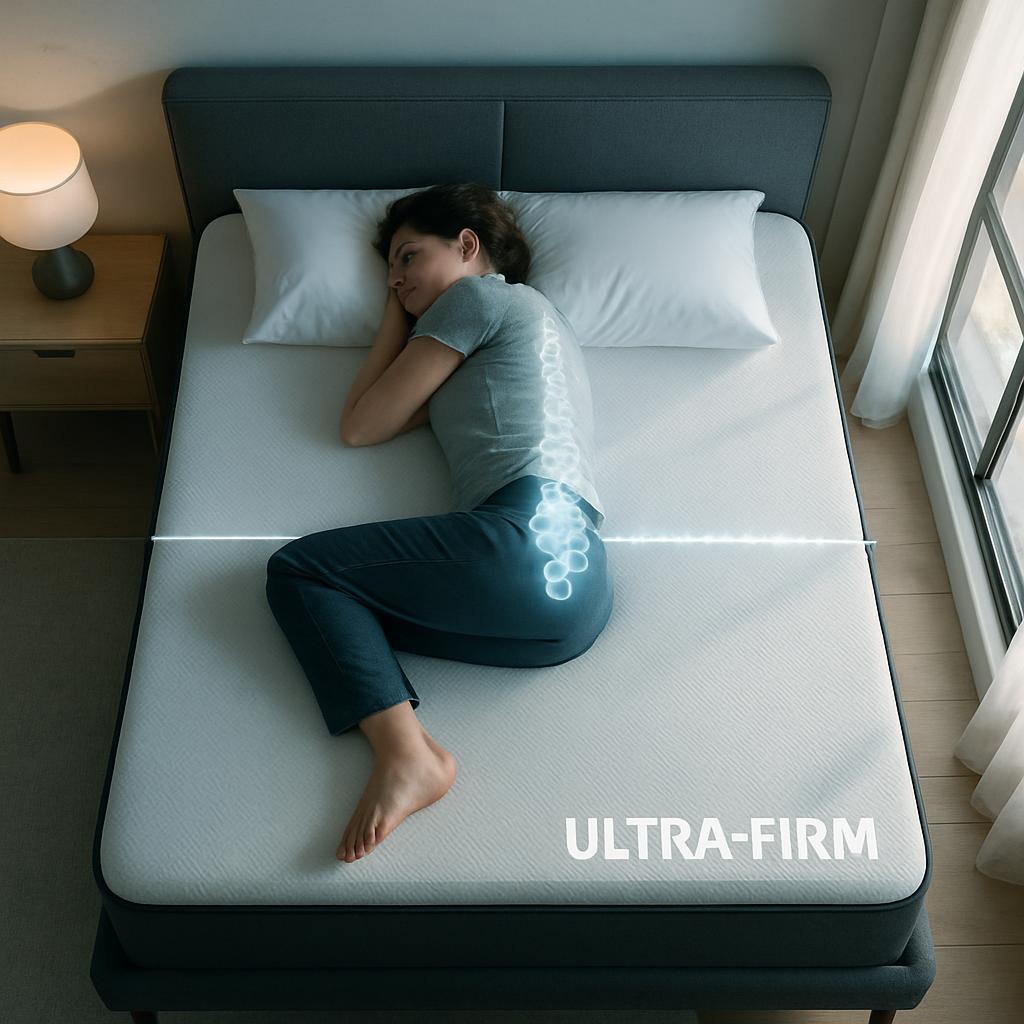
Trial periods also let you test your firm mattress support across different sleeping positions. If you're primarily a back sleeper but occasionally roll onto your side during the night, you need time to understand how the mattress performs in all scenarios. An extra firm mattress that works beautifully for back sleeping might create pressure points when side sleeping, and you won't discover this nuance without proper testing time.
I always tell people to keep a sleep journal during their trial period. Note how you feel when you wake up each morning. Are you experiencing any new aches or pains? Are you sleeping more soundly? Has your partner noticed you moving around less during the night? These observations provide valuable data about whether your chosen firmness level is supporting your spine health goals. The best mattress for back pain should show improvements in comfort and pain levels within the first month.
Another benefit of trial periods is the confidence they provide. Knowing you're not locked into a purchase allows you to truly relax and give the mattress a fair chance. This reduced anxiety actually helps you sleep better during the trial period, giving you more accurate feedback about the mattress's performance. When you're stressed about a purchase, your sleep quality suffers regardless of the mattress quality.
Understanding Return Policies to Avoid Buyer's Remorse
Return policies are where the rubber meets the road when it comes to mattress shopping. I've seen too many people overlook these details during the excitement of purchasing a new mattress, only to face challenges later when the ultra firm mattress doesn't meet their expectations. Understanding return policies upfront transforms what could be a stressful situation into a smooth, manageable process.
First, let's talk about what qualifies for a return. Most retailers require the mattress to be in good condition without stains, tears, or damage. This is why I always recommend using a quality mattress protector from day one—not just for hygiene, but to protect your return eligibility. Some policies void returns if the mattress shows signs of physical damage, so protecting your investment matters even during the trial period.
Timing is another critical factor in return policies. Many companies have specific windows for initiating returns, and missing these deadlines can cost you. Mark your calendar with the trial period end date as soon as you receive your mattress. I suggest setting a reminder a week before the deadline so you have time to make a decision and process the return if needed. When dealing with firm mattress support that might require adjustment time, it's easy to let weeks slip by without realizing your trial window is closing.
The financial aspects of returns deserve careful attention. Some retailers offer full refunds, returning 100% of your purchase price. Others might deduct pickup fees, restocking charges, or return shipping costs. These fees can range from $50 to $200 or more, so factor them into your decision-making process. If you're comparing multiple extra firm mattress options, the return policy terms might be the deciding factor between similar products.
Exchange options often provide more flexibility than straight returns. Many retailers will let you exchange your ultra firm mattress for a different firmness level, sometimes multiple times, within the trial period. This option is particularly valuable when you're on the fence about mattress firmness levels. Maybe level 10 support feels slightly too firm, but you're not ready to give up on firm mattress benefits entirely. An exchange for a slightly softer firm option might be the perfect middle ground.
Documentation is your best friend when dealing with return policies. Keep all receipts, delivery confirmations, and communications with the retailer. Take photos of the mattress when it arrives and throughout the trial period. If you need to initiate a return, this documentation streamlines the process and protects you if any disputes arise. I've seen cases where clear documentation made the difference between a smooth return and a complicated battle.
White-glove delivery and pickup services often come with additional considerations in return policies. If the retailer delivered and set up your mattress, they typically handle pickup as well, which is incredibly convenient. However, if you arranged your own transportation, returning the mattress becomes your responsibility. A king-size ultra firm mattress is heavy and awkward to move, so understanding these logistics before purchase saves major headaches later.
Finally, read reviews about how companies actually handle returns in practice. A generous return policy looks great on paper, but what matters is how the company executes it. Do they respond quickly to return requests? Is the pickup scheduled promptly? Do refunds process within the promised timeframe? Customer reviews often reveal the reality behind the policy promises, giving you insight into what to expect if you need to use the return option.
The Purchase Process: What to Know
The journey to finding your perfect ultra firm mattress involves more than just choosing a firmness level—it's about understanding the entire purchase process from start to finish. I want to walk you through what to expect so you feel confident and informed every step of the way. When you're investing in the best mattress for back pain, knowing the purchase process helps you avoid surprises and ensures a smooth experience.
Start by measuring your current bed frame and bedroom space carefully. An ultra firm mattress only delivers its full benefits when it fits properly on your foundation. Write down the exact dimensions you need, including any height restrictions if you have a low-profile bed frame or limited ceiling clearance. Many people forget about doorways and stairwells—measure these passages too, especially if you live in an older home with narrow corridors or tight turns.
Budget planning extends beyond the mattress price tag. Factor in potential delivery fees, mattress protectors, new sheets that fit properly, and possibly a new foundation if your current one isn't compatible with firm mattress support requirements. Some retailers bundle these items at a discount, which can provide significant savings. If you're considering premium options like the Stearns & Foster Estate Ultra-Firm Tight Top Mattress, these additional costs become even more important to include in your planning.
Financing options have become increasingly common in the mattress industry. Many retailers offer payment plans that break up the cost into manageable monthly installments. These plans typically range from 6 to 36 months, with some offering zero-percent interest if paid within a promotional period. Read the financing terms carefully, including what happens if you return the mattress during a trial period while you're still making payments. Understanding these details prevents financial complications down the road.
Delivery scheduling requires attention to detail. Most mattress companies offer several delivery options at different price points. Standard shipping usually means the mattress arrives compressed in a box, which you'll need to unpack and set up yourself. White-glove delivery includes setup, old mattress removal, and sometimes even disposal of packaging materials. For a heavy extra firm mattress, white-glove service often justifies the additional cost through sheer convenience and physical effort saved.
Ask about the condition your room should be in before delivery. Some delivery teams require you to have the old mattress stripped and ready for removal. Others need clear pathways throughout your home. If you're receiving a mattress in a box, make sure you have the tools needed to unpack it—usually just scissors or a box cutter, but some compressed mattresses can be surprisingly difficult to maneuver without help.
Warranty registration is something many people skip but shouldn't. Take a few minutes after delivery to register your mattress warranty online. This process creates an official record of your purchase date and often provides access to customer service resources. Most ultra firm mattress warranties cover manufacturing defects for 10 to 20 years, but coverage requires proper registration and adherence to care guidelines.
Understanding what voids your warranty matters just as much as knowing what it covers. Common warranty-voiding actions include using an improper foundation, failing to use a mattress protector, or allowing stains to develop on the mattress. Different brands have different requirements, so read your specific warranty terms carefully. Some firm mattress support systems require specific foundation types to maintain warranty validity.
Evaluating Top Picks for Ultra-Firm Mattresses
Choosing among the various extra firm mattress options available can feel overwhelming, especially when you're trying to balance quality, price, and specific features. Let me break down what to look for in top-tier ultra firm mattresses so you can make an informed decision that aligns with your sleep needs and budget.
When evaluating ultra firm mattress options, construction quality should top your priority list. The best firm mattresses use high-density support cores that maintain their shape and firmness for years. Look for mattresses with reinforced edges, which prevent sagging along the perimeter and give you usable sleeping space across the entire surface. Edge support becomes particularly important for heavier individuals or couples who use the full width of the mattress.
Here are the key factors to consider when comparing different ultra firm mattress models:
- Support core composition: High-quality innerspring systems or dense foam bases provide the foundation for level 10 support. Look for individually wrapped coils in hybrid designs or high-density polyfoam in all-foam constructions.
- Comfort layer design: Even ultra firm mattresses need thin comfort layers to prevent pressure points. The best options balance firmness with just enough cushioning to support healthy circulation.
- Temperature regulation features: Firm mattresses can trap heat without proper cooling technology. Look for gel-infused foams, breathable cover fabrics, or coil systems that promote airflow.
- Motion isolation capabilities: If you share your bed, consider how well the mattress minimizes motion transfer. Pocketed coil systems and foam layers both contribute to reducing partner disturbance.
- Certifications and materials: CertiPUR-US certification ensures foams meet safety and environmental standards. OEKO-TEX certification indicates textiles are free from harmful substances.
Brand reputation plays a significant role in mattress quality. Established manufacturers like Sealy, Tempur-Pedic, and Stearns & Foster have decades of experience engineering firm mattress support systems. These brands invest heavily in research and development, testing their products extensively before release. While newer direct-to-consumer brands can offer value, established names provide proven track records and often more comprehensive warranty coverage.
Price ranges for ultra firm mattresses vary widely, from under $1,000 to well over $4,000 depending on size and features. Higher prices typically reflect better materials, more advanced construction techniques, and longer warranties. However, expensive doesn't always mean better for your specific needs. A mid-range extra firm mattress might serve you perfectly well if it matches your body type and sleep preferences.
Customer reviews provide invaluable insights into real-world mattress performance. Look for reviews from people with similar body types and sleep positions as yours. Pay attention to comments about durability over time—does the mattress maintain its firmness after months or years of use? Reviews mentioning the best mattress for back pain often come from people who've tried multiple options, making their feedback particularly valuable.
Compatibility with adjustable bases is worth considering even if you don't currently own one. Many people eventually add adjustable bases to enhance their sleep experience, and not all ultra firm mattresses work well with these foundations. If you think you might want this flexibility in the future, verify that your chosen mattress is adjustable-base compatible.
Sneak Peek at Upcoming Sales and Promotions
Timing your mattress purchase strategically can save you hundreds or even thousands of dollars on an ultra firm mattress. I've watched mattress pricing patterns for years, and certain times consistently offer better deals than others. Understanding these cycles helps you get premium firm mattress support without breaking your budget.
Major holidays bring the most aggressive mattress sales. Presidents' Day in February, Memorial Day in May, Independence Day in July, Labor Day in September, and Black Friday in November consistently feature deep discounts. These sales typically offer 20% to 50% off regular prices, with some retailers throwing in free pillows, mattress protectors, or delivery services. If your current mattress is on its last legs but still functional, waiting for a holiday sale can yield significant savings on mattress firmness levels that might otherwise stretch your budget.
End-of-month promotions happen more frequently than most people realize. Sales teams often have monthly quotas to meet, which means the last few days of each month can bring unexpected deals. These promotions might not be as heavily advertised as holiday sales, but they can offer comparable savings. If you're flexible on timing, reaching out to retailers during the final week of a month might reveal deals that aren't publicly promoted.
New model releases create opportunities for discounts on previous-year models. Mattress manufacturers typically release new lines in spring and fall, which means retailers need to clear existing inventory. These older models often feature the same firm bed benefits as the new versions, with only minor cosmetic or feature differences. You can snag an excellent extra firm mattress at a reduced price simply because a newer model number exists.
Seasonal considerations affect mattress shopping beyond just sales events. Many people buy mattresses in spring as part of annual refreshes or moving to new homes. This high demand period might actually see fewer promotions than slower months like January or August. Shopping during off-peak times can give you more negotiating leverage and attention from sales staff who aren't overwhelmed with customers.
Email lists and loyalty programs often provide early access to sales or exclusive discounts. Sign up for newsletters from retailers carrying the ultra firm mattress brands you're interested in. These lists frequently receive advance notice of upcoming promotions, giving you first crack at limited-inventory deals. Some retailers also offer additional discounts or perks to repeat customers, which matters if you're buying multiple mattresses for different bedrooms.
Price matching policies deserve attention when comparing retailers. Some stores will match competitors' prices on identical mattresses, effectively letting you shop wherever offers the best customer service or return policy while still getting the lowest price available. Always ask about price matching before completing your purchase—the worst they can say is no, and you might save money without any extra effort.
Bundling purchases often unlocks additional savings. If you need a new foundation, pillows, or mattress protector alongside your ultra firm mattress, buying everything together typically costs less than purchasing items separately. Retailers frequently offer package deals that reduce the total price when you buy multiple products. This approach not only saves money but ensures all your sleep products work well together, maximizing your firm mattress support system's effectiveness.
Floor models and returned mattresses sometimes appear at steep discounts. While buying a used mattress has obvious concerns, reputable retailers thoroughly clean and inspect returned mattresses before reselling them. If you're comfortable with this option and the mattress has only been lightly used during someone's trial period, you might find an excellent extra firm mattress at a fraction of the original cost. Just make sure the warranty transfers and you still receive adequate trial period protection.
Conclusion: Is a Firm Mattress Right for You?
After exploring the world of ultra-firm mattresses and understanding who benefits most from level 10 support, you're probably wondering whether this type of mattress is the right choice for your sleep needs. The answer really depends on your unique body type, sleeping position, and any specific health concerns you're dealing with, particularly when it comes to back pain or spinal alignment issues.
An ultra firm mattress isn't just about sleeping on something hard—it's about finding the best mattress for back pain that provides the exact level of support your body requires. If you're a back sleeper, stomach sleeper, or someone who carries more weight, the firm mattress support offered by these mattresses can make a significant difference in your sleep quality and overall health. The enhanced spinal alignment and pressure relief mechanisms we've discussed throughout this post aren't just nice features—they're essential components that can transform how you feel when you wake up each morning.
I want you to think about your current sleep situation honestly. Are you waking up with aches and pains? Does your mattress feel like it's sagging in the middle or not providing enough resistance? These are clear signs that you might benefit from exploring extra firm mattress options. The firm bed benefits extend beyond just comfort—they can genuinely improve your posture, reduce chronic pain, and help you get the restorative sleep your body needs to function at its best.
Remember that mattress firmness levels are not one-size-fits-all, and what works for your partner, friend, or family member might not be the perfect fit for you. That's why understanding your sleeping position and body requirements is so important. The good news is that many retailers, including Sleepology, offer trial periods that let you test your mattress in your own home, giving you the confidence to make this important investment without worry.
If you've been struggling with poor sleep quality or morning discomfort, don't settle for another night of tossing and turning. An ultra firm mattress with level 10 support might be exactly what your body has been asking for. The research is clear—proper support during sleep is fundamental to your health, energy levels, and quality of life. Whether you choose an innerspring model, a foam option, or a hybrid design, the key is finding that perfect balance of firm mattress support that keeps your spine aligned throughout the night.
Your sleep matters more than you might think. It affects your mood, your productivity, your relationships, and your long-term health. By taking the time to understand what your body needs and choosing the right mattress firmness levels, you're making an investment in yourself that will pay dividends every single day. Better sleep is within your reach, and it might just start with embracing the support that only an ultra firm mattress can provide.
Frequently Asked Questions (FAQs)
What exactly is an ultra firm mattress, and how is it different from other firm mattresses?
An ultra firm mattress represents the highest level on the mattress firmness levels scale, typically rated as a 9 or 10 out of 10. Unlike medium-firm or even firm mattresses, an ultra firm mattress provides maximum resistance with minimal give. This level 10 support means you'll experience very little sinkage when lying down, keeping your body positioned on top of the mattress rather than cradled into it. The difference is significant—while a regular firm mattress might have some cushioning layers that provide slight contouring, an ultra firm mattress prioritizes support and spinal alignment above all else.
Can an extra firm mattress really help with chronic back pain?
Yes, an extra firm mattress can be the best mattress for back pain for many people, especially those who need strong support to maintain proper spinal alignment. The firm mattress support prevents your hips and shoulders from sinking too deeply, which keeps your spine in a neutral position throughout the night. This alignment reduces strain on your back muscles and ligaments, often leading to reduced pain and stiffness in the morning. However, it's important to note that back pain has many causes, so what works for one person might not work for everyone. If your back pain persists, consult with a healthcare professional.
Who needs firm mattress support the most?
Several groups of sleepers benefit most from firm mattress support. Back sleepers and stomach sleepers typically need the extra support to prevent their midsection from sagging. Heavier individuals, generally those over 230 pounds, also need an ultra firm mattress to prevent excessive sinkage and maintain proper alignment. Athletes and people with muscular builds often prefer the firm bed benefits because their bodies require more resistance. Additionally, anyone dealing with lower back pain or who has been advised by a healthcare provider to improve their sleeping posture should consider the level 10 support offered by these mattresses.
Will an ultra firm mattress feel uncomfortable or too hard?
This depends entirely on your body type, sleeping position, and what you're used to. If you've been sleeping on a soft or medium mattress, an ultra firm mattress will definitely feel very different at first. There's usually an adjustment period of one to three weeks as your body gets used to the new level of support. For the right person—someone who needs that firm mattress support—the mattress shouldn't feel painfully hard but rather supportive and stable. Many people find that after the adjustment period, they sleep better than ever before. This is why trying a mattress with a trial period is so valuable.
Are side sleepers ever good candidates for an extra firm mattress?
Generally speaking, side sleepers need more cushioning at the shoulders and hips to maintain proper spinal alignment, which is why they typically prefer softer to medium-firm mattresses. However, heavier side sleepers might benefit from an extra firm mattress because their body weight creates enough pressure to allow some contouring even on a firmer surface. If you're a side sleeper considering an ultra firm mattress, pay close attention to whether you experience pressure buildup at your shoulders and hips. Understanding mattress firmness levels and how they relate to your sleeping position is critical for making the right choice.
What's the difference between an ultra firm innerspring and an ultra firm foam mattress?
While both can provide level 10 support, they feel quite different. An ultra firm innerspring mattress uses heavy-gauge coils or a high coil count to create a bouncy, responsive firm mattress support system. You'll feel more surface-level firmness and better airflow with innerspring designs. An ultra firm foam mattress, on the other hand, uses dense foam layers that provide a more solid, less responsive feel. Foam mattresses tend to isolate motion better and conform slightly more to your body shape, even at ultra-firm levels. Your choice between these options should consider your preferences for bounce, temperature regulation, and the specific type of firm bed benefits you're seeking.
How long does it take to adjust to sleeping on an ultra firm mattress?
Most people need between two to four weeks to fully adjust to an ultra firm mattress, especially if they're coming from a softer sleeping surface. During this adjustment period, you might experience some discomfort or different pressure points as your body adapts to the new support system. Your muscles and joints are essentially relearning how to rest in proper alignment. This is normal and usually temporary. The firm mattress support will feel more natural as your body adjusts. If you're still experiencing significant discomfort after 30 days, it might be a sign that the mattress firmness levels aren't right for your needs, which is why a good trial period is so important.
Can I use a mattress topper to adjust the firmness of my ultra firm mattress?
Yes, you can add a mattress topper to an ultra firm mattress if you find it too firm, but keep in mind that this will reduce the level 10 support you're getting. A softer topper will add cushioning and pressure relief but will also allow your body to sink in more, potentially compromising the spinal alignment benefits. If you're considering a topper, choose a thinner one (2 inches or less) to maintain most of the firm mattress support while adding just enough cushioning for comfort. However, if you find yourself needing a thick topper, it might mean the ultra firm mattress isn't the right choice for you, and you'd be better served by a slightly softer mattress from the start.
Do I need a special bed frame or foundation for an extra firm mattress?
An extra firm mattress works with most standard bed frames and foundations, but you want to ensure you have proper support underneath to maintain the firm bed benefits. A solid platform bed or a foundation with closely spaced slats (no more than 3 inches apart) works well. Box springs are fine for innerspring ultra firm mattresses but aren't necessary for foam models. Avoid using an old, worn-out foundation, as this can cause sagging and reduce the effectiveness of your firm mattress support. The key is having a stable, flat surface that doesn't add any additional softness or flex that would counteract the mattress firmness levels you've chosen.
Is an ultra firm mattress good for couples with different firmness preferences?
An ultra firm mattress can be challenging for couples when one partner prefers a softer sleep surface. If you're in this situation, you have a few options. Some couples choose a split mattress setup where each side has different mattress firmness levels. Another option is for the partner who wants less firmness to use a mattress topper on their side only. However, if the difference in preference is significant, you might want to consider a mattress in the firm (but not ultra-firm) range that could be a better compromise. The best mattress for back pain for one person might not provide the comfort the other needs, so open communication and potentially using a trial period are essential.
How do I know if my current mattress is too soft and I need firmer support?
Several signs indicate you might need an ultra firm mattress with better support. If you notice visible sagging in your mattress or feel like you're sleeping "in" the bed rather than "on" it, your mattress is probably too soft. Waking up with lower back pain, feeling like you need to stretch extensively after getting up, or experiencing stiffness in your hips and shoulders are other indicators. If you find yourself feeling better after sleeping on a hotel mattress or notice that you're constantly adjusting your position to find support, these are all signs that you need more firm mattress support. People who need firm mattress options often describe feeling like they're fighting their current mattress rather than being supported by it.
What warranty should I expect with an ultra firm mattress?
Most quality ultra firm mattresses come with warranties ranging from 10 to 25 years, depending on the brand and construction. These warranties typically cover manufacturing defects and excessive sagging (usually defined as more than 1 to 1.5 inches of indentation). Premium brands often offer longer warranties because they're confident in their construction quality. When evaluating warranties for an extra firm mattress, pay attention to what's covered, whether the warranty is prorated, and what maintenance requirements you need to follow to keep the warranty valid. A good warranty is a sign of quality, but remember that it doesn't replace the importance of choosing the right mattress firmness levels for your needs from the start.
Are there any health conditions where an ultra firm mattress is not recommended?
While an ultra firm mattress can be the best mattress for back pain for many people, there are situations where it might not be appropriate. People with certain pressure-sensitive conditions like fibromyalgia or arthritis might find level 10 support too intense and uncomfortable. Those who are very lightweight (under 130 pounds) typically don't create enough pressure to properly engage with an ultra firm surface, which can lead to pressure point discomfort. If you have hip bursitis or shoulder problems, the firm mattress support might create too much pressure at these sensitive points. Always consult with your healthcare provider if you have specific medical conditions before investing in an extra firm mattress, as they can offer personalized guidance based on your health needs.
How does sleeping position affect whether I need an ultra firm mattress?
Your sleeping position is one of the most important factors in determining who needs firm mattress support. Back sleepers benefit greatly from ultra firm mattresses because the firm bed benefits include preventing the lower back from arching unnaturally. Stomach sleepers also do well with extra firm mattresses as they prevent the hips from sinking and the spine from hyperextending. Combination sleepers who spend significant time on their back or stomach can benefit from the versatile support. However, dedicated side sleepers usually need softer surfaces unless they're heavier individuals. Understanding how mattress firmness levels interact with your natural sleeping position is critical for selecting the right mattress and achieving proper spinal alignment throughout the night.
What should I look for during a trial period with an ultra firm mattress?
During your trial period with an ultra firm mattress, pay attention to several key factors. First, track how you feel when you wake up—are you experiencing less back pain, or are new pressure points developing? Monitor your sleep quality by noting whether you're tossing and turning less and sleeping through the night more consistently. Give yourself at least two weeks to adjust before making any final decisions, as the firm mattress support will feel different at first. Check for pressure buildup at your shoulders, hips, and lower back. Also, notice whether you're maintaining your sleeping position comfortably or constantly shifting to find relief. These observations will help you determine if the level 10 support is right for you or if you need to adjust to different mattress firmness levels.