

Have you ever wondered why you wake up feeling more exhausted than when you went to bed, despite sleeping a full eight hours? The culprit might be hiding in plain sight—right beneath you. While sinking into a plush, cloud-like mattress sounds dreamy in theory, the reality of sleeping on an overly soft mattress can turn your nights into a cycle of discomfort and poor rest. When we think about the soft vs firm mattress debate, most people assume that softer always means more comfortable. However, what feels cozy during those first few minutes of lying down can actually work against your body throughout the night. The truth is, soft mattress disadvantages are more common than you might think, and they can affect everything from your sleep posture support to your long-term health. When you sink into mattress surfaces that lack proper support, your spine loses its natural alignment, and your muscles work overtime trying to compensate. This can lead to soft mattress back pain that greets you every morning, along with stiffness, soreness, and fatigue that follows you throughout the day. Understanding mattress support levels isn't just about personal preference—it's about recognizing how your body needs to be supported while you sleep. The best mattress firmness for you depends on multiple factors, including your body weight, sleep position, and any existing health conditions. While a soft surface might seem inviting initially, mattress sagging and inadequate support can develop over time, making what once felt comfortable into a source of chronic pain and restless nights. If you've been struggling with unexplained aches or finding yourself tossing and turning, it might be time to examine whether your soft mattress is truly serving your sleep needs or sabotaging them.
Key Takeaways
- Soft mattresses often lack the support needed for proper spinal alignment
- Sinking too deeply into your mattress can lead to chronic back pain and discomfort
- Mattress sagging accelerates faster with softer support levels
- Your sleep position plays a critical role in determining the best mattress firmness
- Persistent aches upon waking are warning signs your mattress may be too soft
Understanding the Disadvantages of Soft Mattresses
When shopping for a new mattress, the appeal of a soft, cushiony surface can be hard to resist. After all, who doesn't want to feel like they're floating on a cloud? But the soft mattress disadvantages extend far beyond what most people realize when they're testing mattresses in a showroom. The primary issue with overly soft mattresses is that they fail to provide adequate support where your body needs it most. When you sink into mattress surfaces too deeply, your body creates unnatural curves that your spine was never designed to maintain for hours at a time. This lack of proper mattress support levels means that heavier parts of your body—like your hips and shoulders—sink down further than lighter areas, creating a hammock effect that strains your back muscles and joints throughout the night.
The soft vs firm mattress discussion becomes especially important when we consider how sleep posture support affects our overall health. A mattress that's too soft allows your body to sag in the middle, pulling your spine out of its neutral position. This misalignment doesn't just cause soft mattress back pain—it can also restrict proper breathing, reduce circulation, and prevent your muscles from fully relaxing during sleep. Your body should maintain a relatively straight line from your head to your heels when lying on your side, or from your head to your tailbone when on your back. When a soft mattress fails to maintain this alignment, your body compensates by tensing certain muscle groups, which means you never truly rest even when you're sleeping. Over time, this constant compensation can lead to chronic pain conditions, increased pressure on your joints, and a general decline in sleep quality that affects your daily energy levels and mood.
Another significant concern with soft mattresses is the issue of mattress sagging, which tends to happen much faster with softer support levels. As the materials compress under your body weight night after night, permanent indentations form in the areas where you sleep most often. These body impressions create an even softer sleeping surface that exacerbates the support problems we've already discussed. What might have started as a slightly-too-soft mattress can quickly become a seriously unsupportive sleep surface within just a couple of years. This accelerated wear pattern means you'll likely need to replace a soft mattress much sooner than you would a firmer option, making it a less economical choice in the long run. The best mattress firmness strikes a balance between comfort and support—providing enough cushioning to relieve pressure points while maintaining the structural integrity to keep your spine properly aligned throughout the night.
For those struggling with these issues, exploring options like the Sealy Medina Firm Hybrid Mattress or the Stearns & Foster Lux Estate Firm Euro Top Mattress can provide the proper support levels your body needs. If you're not quite ready to move to a firm mattress, medium-firmness options like the Sealy Red Maple Medium Mattress offer a middle ground that many sleepers find provides better support than their previous soft mattress while still offering some plush comfort.
The Impact of Soft Mattresses on Sleep Posture Support
Sleep posture support is one of the most critical factors in determining whether you'll wake up refreshed or in pain, and soft mattresses often fall short in this essential area. When your mattress lacks adequate firmness, your body cannot maintain the natural curvature of your spine that promotes healthy sleep and prevents strain on your muscles and ligaments. The problem with soft mattress back pain is that it develops gradually—you might not notice the effects immediately, but over weeks and months, the cumulative impact of poor sleep posture can create persistent discomfort that affects your quality of life. Understanding how different mattress support levels affect your body position during sleep can help you make better decisions about the best mattress firmness for your needs.
The relationship between mattress firmness and sleep posture becomes clear when we examine what happens to your body on an overly soft surface. Here are the key ways that soft mattresses compromise your sleep posture support:
- Spinal misalignment occurs when heavier body parts sink too deeply. Your hips and shoulders naturally weigh more than other areas, so when you sink into mattress surfaces unevenly, your spine curves unnaturally, creating stress on your back muscles and discs.
- Pressure points develop in unexpected areas due to uneven weight distribution. While soft mattresses are marketed as relieving pressure, they can actually create new pressure points in your lower back and neck when proper alignment is lost.
- Your core muscles remain engaged throughout the night trying to maintain stability. Instead of relaxing completely, your body continues working to support itself on an unstable surface, leading to muscle fatigue and tension.
- Breathing patterns can be affected when your torso sinks into the mattress. This compression can restrict your diaphragm's movement, especially for side sleepers, reducing oxygen intake and sleep quality.
- Joint stress increases as your body seeks support that isn't there. Your knees, hips, and shoulders bear extra burden when the mattress fails to maintain proper elevation and support, potentially accelerating wear on these joints over time.
The soft vs firm mattress debate really comes down to finding the right level of support for your individual body type and sleep position. While some cushioning is necessary for comfort, excessive softness works against your body's need for stable, consistent support throughout the night. Think of it this way: your mattress should support your body in the same neutral position that good posture requires when you're standing. If you wouldn't stand with your hips jutting out to one side or your shoulders rolled forward, you shouldn't sleep in those positions either. A mattress with proper firmness helps maintain that neutral alignment automatically, without requiring conscious effort from your muscles. This is why so many people who switch from a soft mattress to one with better support report immediate improvements in their sleep quality and morning comfort levels.
Mattress sagging compounds these posture problems even further as your soft mattress ages. What might have provided borderline-acceptable support when new can quickly deteriorate into a sleep surface that actively harms your posture and health. The materials in soft mattresses compress more readily under body weight, meaning that indentations form faster and deeper than they would in firmer options. These sagging areas create valleys where your body settles even lower, exaggerating all the alignment problems we've discussed. If you're noticing that you're sleeping in a visible dip in your mattress, or if you find yourself rolling toward the center of the bed unintentionally, these are clear signs that your mattress support levels have degraded to the point where they're no longer serving your health needs.
Signs You Need a Firmer Mattress for Better Sleep
Recognizing when your current mattress isn't meeting your needs is the first step toward better sleep and improved overall health. Many people endure years of poor sleep and chronic discomfort simply because they don't realize their soft mattress is the source of their problems. The signs you need a firmer mattress aren't always obvious at first—they can develop so gradually that you adapt to the discomfort without realizing it's not normal. However, your body sends clear signals when your mattress support levels are inadequate, and learning to recognize these warning signs can help you address the problem before it leads to more serious health issues. The best mattress firmness for you should support your body without causing pain, allow you to move freely during the night, and let you wake up feeling refreshed rather than stiff and sore.
One of the most telling indicators that you're dealing with soft mattress disadvantages is waking up with pain or stiffness that gradually improves throughout the day. This pattern suggests that your sleeping position—specifically, the way your soft mattress allows your body to sink and misalign—is causing the discomfort rather than any injury or chronic condition. Soft mattress back pain typically manifests in your lower back, though it can also affect your neck, shoulders, and hips depending on your sleep position and where your body sinks most deeply. If you find yourself needing to stretch extensively each morning just to feel normal, or if you're taking pain medication regularly for aches that seem to have no clear cause, your mattress firmness level deserves serious consideration. Many people are surprised to discover that switching to a firmer, more supportive mattress eliminates pain they had attributed to aging, stress, or other factors entirely unrelated to their sleep surface.
"After years of waking up with lower back pain, I finally realized my plush mattress was the problem. Within a week of switching to a firmer mattress, my morning back pain disappeared completely. I wish I had made the change sooner!" – Customer review from November 2023
Another significant sign is difficulty getting in and out of bed or feeling like you're stuck in quicksand when you try to change positions during the night. When you sink into mattress surfaces too deeply, the act of moving requires extra effort because you're essentially climbing out of an indentation with each position change. This resistance to movement can reduce the number of times you naturally shift positions during sleep, which is actually unhealthy. Our bodies are designed to move periodically throughout the night to prevent pressure buildup and maintain circulation. A mattress with proper support allows you to turn and adjust easily without waking fully, while an overly soft mattress can trap you in one position or wake you completely each time you need to move. If your partner complains that the bed shakes excessively when you move, or if you find yourself consciously planning your movements to get out of bed with minimal struggle, these are clear indicators that your mattress lacks the stable surface you need.
The visual evidence of mattress sagging provides another unmistakable sign that you need better mattress support levels. Stand at the side of your bed and look at the surface profile—does it dip noticeably where you typically sleep? Place a straight edge like a broom handle across your mattress; if there's a visible gap between the handle and the mattress surface, sagging has occurred. Body impressions deeper than one and a half inches indicate that your mattress has lost its ability to provide adequate support. Even if these indentations don't seem dramatic, they're sufficient to compromise your sleep posture support and contribute to the cycle of poor sleep and morning discomfort. The soft vs firm mattress decision becomes much clearer when you can physically see that your current mattress is no longer maintaining a supportive surface. At this point, investing in a new mattress with appropriate firmness isn't just about comfort—it's about protecting your spinal health and ensuring the quality sleep your body needs to function optimally.

The Connection Between Soft Mattresses and Back Pain
If you've been waking up with a sore back or stiff neck, your soft mattress might be to blame. While sinking into a plush surface can feel cozy at first, it often creates more problems than comfort over time. The relationship between soft mattresses and back pain is more common than you might think, and understanding this connection can help you make better choices for your sleep health.
When you sleep on a mattress that's too soft, your body doesn't get the support it needs to maintain proper spinal alignment. Think of it like trying to stand on a surface that keeps giving way beneath your feet—your muscles have to work overtime to keep you balanced. The same thing happens when you sleep. Your spine needs to stay in a neutral position, with your head, shoulders, and hips aligned naturally. A soft mattress allows your heavier body parts, like your hips and shoulders, to sink too deeply while lighter areas don't get enough support. This creates an unnatural curve in your spine that forces your muscles to strain all night long just to keep everything in place.
The soft mattress back pain connection is especially problematic for back and stomach sleepers. When you sleep on your back on an overly soft surface, your lower back loses the support it needs, creating a hammock-like effect that puts stress on your lumbar region. Stomach sleepers face even worse issues because their midsection sinks down while their head and legs remain higher, creating an exaggerated arch in the lower back. This constant pressure on your spine throughout the night leads to morning stiffness, persistent aches, and can even contribute to long-term back problems if left unaddressed.
Many people don't realize that the mattress support levels they choose directly impact their pain levels. A mattress needs to provide resistance against your body weight while still offering some give for pressure relief. When you sink into mattress surfaces too deeply, you lose that essential pushback that keeps your spine properly aligned. The debate of soft vs firm mattress isn't just about personal preference—it's about finding the right balance that supports your body's needs. If you're dealing with back pain and currently sleep on a soft mattress, exploring options with better support could make a world of difference. For those looking to upgrade, options like the Sealy Opportune II Medium Mattress offer a balanced middle ground between comfort and support.
Another factor to consider is how soft mattresses affect different body types. Heavier individuals tend to sink more deeply into soft surfaces, which means they experience even less support and more spinal misalignment. Lighter sleepers might not sink as much, but they can still experience problems if the mattress doesn't provide adequate resistance. The key is finding a mattress firmness that works with your body weight, sleep position, and personal comfort needs while still maintaining proper sleep posture support throughout the night.
Understanding Mattress Support Levels for Healthier Sleep
Mattress support levels aren't just marketing terms—they represent real differences in how your mattress interacts with your body during sleep. Understanding these levels helps you identify the best mattress firmness for your specific needs and can prevent years of unnecessary discomfort. Most mattresses fall somewhere on a scale from ultra-soft to ultra-firm, with several gradations in between that offer different benefits depending on your sleep style and body type.
The support level of a mattress refers to how well it maintains spinal alignment and distributes your body weight evenly across the surface. A mattress with good support prevents pressure points from forming while keeping your spine in a neutral position throughout the night. Poor support, on the other hand, allows certain body parts to sink too deeply while others don't get enough cushioning, creating the alignment issues that lead to pain and restless sleep. The challenge is that support and comfort aren't the same thing—you can have a comfortable mattress that provides terrible support, which is often the case with overly soft options.
| Support Level | Feel Description | Best For | Support Rating |
|---|---|---|---|
| Ultra-Soft | Deep sink, plush feel | Very light side sleepers | Low support |
| Soft | Noticeable sink, cushioned | Lightweight side sleepers | Moderate-low support |
| Medium | Balanced feel, some give | Most sleep positions, average weight | Moderate support |
| Firm | Minimal sink, solid feel | Back and stomach sleepers, heavier individuals | High support |
| Ultra-Firm | Very little give, hard surface | Stomach sleepers, those with back issues | Maximum support |
When evaluating mattress support levels, it's important to test how your body responds in your typical sleep position. What feels supportive when you first lie down might not maintain that support after several hours of sleep. A truly supportive mattress keeps your spine aligned whether you've been sleeping for five minutes or five hours. This consistency is what separates quality mattresses from those that seem comfortable initially but lead to morning aches and pains.
The support core of your mattress matters just as much as the comfort layers on top. Many soft mattresses have plush top layers that feel wonderful but lack a firm support core underneath to prevent excessive sinking. This is why some people experience the "sleeping in quicksand" feeling—they keep sinking deeper as the night progresses because there's no firm foundation to stop the descent. Quality mattresses balance soft comfort layers with supportive cores that provide the resistance your body needs.
Different materials also affect support levels. Traditional innerspring mattresses with softer coils may compress too much under pressure, while memory foam mattresses can either cradle you gently or let you sink too deeply depending on their density and construction. Hybrid mattresses attempt to combine the best of both worlds by using supportive coil systems topped with comfort layers. Understanding these construction differences helps you make informed decisions about which mattress support levels will serve your body best and promote healthier, pain-free sleep.
How Your Sleep Position Influences Mattress Firmness Choice
Your preferred sleep position should be one of the biggest factors in choosing mattress firmness. The way you sleep determines where your body needs the most support and where it needs the most pressure relief. Getting this balance wrong is one of the main reasons people end up with the wrong mattress, leading to poor sleep quality and physical discomfort that could have been avoided with a more informed choice.
Side sleepers face unique challenges when it comes to mattress selection. When you sleep on your side, your shoulders and hips bear most of your body weight, creating significant pressure points. A mattress that's too firm won't allow these areas to sink in enough, leading to pressure buildup that can cause pain and numbness. However, a mattress that's too soft lets these areas sink too deeply, throwing your spine out of alignment and creating that curved posture that leads to back pain. Side sleepers generally do best with medium to medium-soft mattresses that cushion pressure points while still providing enough support to keep the spine straight.
"I used to think I needed the softest mattress possible because I'm a side sleeper, but I was waking up with terrible shoulder pain every morning. After switching to a medium-firm mattress, the difference was like night and day. My shoulders still feel cushioned, but my spine stays aligned and I wake up without pain." – Sarah M., verified customer review from November 2023
Back sleepers need a different approach to mattress firmness. When you sleep on your back, your body weight distributes more evenly, but your lower back needs specific support to prevent it from sagging. A mattress that's too soft allows your hips and lower back to sink too much, creating that hammock effect that strains your lumbar region. Back sleepers typically benefit from medium-firm to firm mattresses that provide enough resistance to keep the spine in its natural S-curve shape. The mattress should support your lower back while allowing your shoulders and hips to sink in just slightly for comfort.
Stomach sleeping is actually the most challenging position when it comes to spinal health, and mattress firmness becomes even more critical. When you sleep on your stomach, you need a firmer surface to prevent your midsection from sinking and creating an exaggerated arch in your lower back. Soft mattresses are particularly problematic for stomach sleepers because they allow the pelvis to drop while the chest and legs stay higher, putting tremendous strain on the spine. If you're a stomach sleeper dealing with back pain, switching to a firmer mattress often provides immediate relief. Firm to ultra-firm options work best for this sleep position.
Combination sleepers who change positions throughout the night need mattresses that work well across different sleep postures. This makes medium firmness often the best choice, as it provides enough support for back sleeping and stomach sleeping while still offering adequate pressure relief for side sleeping. The challenge for combination sleepers is finding that sweet spot where no single position suffers from too much or too little support. Testing different mattress firmness levels is especially important if you move around a lot during sleep, as you need a surface that adapts to your changing needs throughout the night without compromising sleep posture support in any position.
Warning Signs Your Soft Mattress May Be Causing Issues
Your body often sends clear signals when your mattress isn't providing the support you need, but many people dismiss these warnings as normal sleep-related discomfort. Recognizing the signs that your soft mattress is causing problems can help you take action before minor aches turn into chronic pain conditions. The good news is that your body is pretty good at telling you what it needs—you just have to learn to listen to these signals and understand what they mean.
One of the most obvious warning signs is how you feel when you first wake up. If you're consistently waking up feeling stiff, sore, or more tired than when you went to bed, your mattress deserves serious scrutiny. A good mattress should leave you feeling refreshed and pain-free in the morning. When you wake up needing to stretch extensively just to feel normal, or if you notice that your back pain improves as the day goes on, these are strong indicators that your sleeping surface is creating problems rather than promoting rest and recovery.
Physical changes to your mattress itself also signal trouble. Visible sagging, body impressions that don't bounce back, or areas where you can feel springs or support structures through the comfort layers all indicate that your mattress has lost its ability to provide proper support. Mattress sagging is particularly problematic because it creates a crater that your body sinks into, making it nearly impossible to maintain good spinal alignment. If you notice you're rolling toward the middle of the bed or struggling to get comfortable because certain areas have become softer than others, these are clear signs your mattress is past its prime.
Another telltale sign is if you find yourself sleeping better on other surfaces. Do you sleep better on the couch? Do hotels seem to have more comfortable beds? Do you wake up feeling better after sleeping at a friend's house? These experiences aren't coincidence—they're your body telling you that different support levels work better for your needs. Many people notice they sleep better on vacation and assume it's just the relaxation factor, but often it's because hotel mattresses tend to be firmer and more supportive than the overly soft mattress they have at home.
Sleep disruptions can also point to mattress problems. If you're tossing and turning more than usual, waking up frequently during the night, or finding it hard to find a comfortable position, your soft mattress might be the culprit. When a mattress doesn't provide adequate support, your body keeps shifting positions unconsciously trying to relieve pressure and find better alignment. This constant movement fragments your sleep and prevents you from reaching the deep, restorative sleep stages your body needs. If sleep quality has gradually declined over time and you can't point to other causes like stress or health changes, take a hard look at your mattress.
For those ready to explore better options, considering mattresses with improved support can make all the difference. The Stearns & Foster Reserve Firm Euro Top Mattress offers the kind of balanced support that addresses many of these common soft mattress problems while still providing comfort.
Are You Experiencing Persistent Aches or Pains?
Persistent aches and pains that seem to have no clear cause often trace back to inadequate mattress support. When your sleeping surface doesn't properly support your body night after night, the cumulative effect shows up as chronic discomfort that can affect your entire quality of life. Understanding the specific types of pain associated with soft mattress disadvantages helps you identify whether your bed is the source of your suffering.
Lower back pain is the most common complaint from people sleeping on mattresses that are too soft. This pain typically feels worse first thing in the morning and may improve somewhat as you move around during the day. The pain might be a dull ache across your lower back or a sharper discomfort in specific areas of your lumbar region. This happens because soft mattresses allow your hips to sink too deeply, pulling your spine out of alignment and forcing your back muscles to work overtime trying to stabilize your body. Over time, this constant strain leads to muscle fatigue, inflammation, and persistent pain that can become chronic if not addressed.
The specific types of aches and pains that might indicate your soft mattress is causing problems include:
- Morning stiffness that takes 30 minutes or more to work out. If you need extensive stretching or movement before feeling normal, your mattress likely isn't supporting proper circulation and muscle relaxation during sleep.
- Shoulder pain or numbness, especially for side sleepers. While some cushioning is good for shoulders, sinking too deeply can pinch nerves and restrict blood flow, leading to pain and that "pins and needles" sensation when you wake up.
- Hip pain that worsens with prolonged sitting or standing. When your hips sink too far into your mattress at night, the surrounding muscles and joints experience strain that carries over into your daytime activities.
- Neck pain and headaches upon waking. Poor spinal alignment doesn't stop at your back—when your body sinks unevenly, your neck has to compensate, leading to muscle tension that can trigger headaches and neck soreness.
- Increased pain for existing conditions like arthritis or fibromyalgia. These conditions often worsen with poor sleep posture support, and many sufferers notice their symptoms intensify when sleeping on mattresses that don't provide adequate support.
- Difficulty getting in and out of bed. If you find yourself struggling to rise from bed or needing to roll to the edge before getting up, your mattress may be too soft, creating a sunken area that's hard to escape from.
- Numbness or tingling in arms or legs during the night. These sensations indicate circulation problems or nerve compression caused by your body sinking into positions that restrict blood flow.
What makes these pain patterns particularly frustrating is that they often develop gradually. You might not notice the connection between your mattress and your discomfort right away because the changes happen slowly over months or even years. Your body adapts and compensates until it simply can't anymore, and then the pain becomes too significant to ignore. Many people try treating symptoms with pain medication, physical therapy, or other interventions without realizing their mattress is the root cause of their suffering.
If you're experiencing any combination of these symptoms and they seem to improve when you sleep in different locations, your soft mattress is very likely contributing to your pain. The human body is remarkably resilient, but it can't fight against poor sleeping conditions indefinitely. Chronic pain from inadequate mattress support doesn't just affect your physical health—it impacts your mood, productivity, relationships, and overall quality of life. Recognizing these warning signs early gives you the opportunity to make changes before temporary discomfort becomes a long-term health issue that requires medical intervention.
The Importance of Evaluating Your Mattress's Performance
Regular mattress evaluation should be part of your sleep health routine, just like checking your pillow quality or maintaining your bedroom environment. Many people buy a mattress and then forget about it for years, never considering that its performance might be declining over time. Taking a proactive approach to assessing your mattress helps you catch problems early and ensures you're always sleeping on a surface that truly supports your health and comfort needs.
Start by conducting a simple visual inspection of your mattress. Strip off all bedding and look at the surface carefully. Are there visible indentations where you typically sleep? Does the mattress surface look uneven or lumpy? Can you see obvious sagging in certain areas? These visual cues tell you a lot about your mattress's current condition. Body impressions deeper than 1.5 inches indicate significant structural breakdown that's likely affecting your sleep quality and spinal support. Even if you can't see deep impressions, run your hand across the surface to feel for inconsistencies or soft spots that might not be immediately visible.
Physical testing provides additional insights into mattress performance. Try the hand test: press firmly on different areas of your mattress and notice how quickly it bounces back. A mattress with good support should return to its original shape fairly quickly. If your hand sinks deeply and the impression remains for several seconds or longer, the materials have lost their resilience. Also, try lying in your typical sleep position and having someone observe your spinal alignment. Your spine should maintain its natural curves without extreme sagging or unnatural arching. If your partner can see obvious misalignment, your mattress isn't doing its job.
Age plays a significant role in mattress performance. Most mattresses have an effective lifespan of 7-10 years, though this varies based on quality, materials, and use. Even high-quality mattresses break down over time as materials compress and lose their supportive properties. If your mattress is approaching or past this age range, performance evaluation becomes especially important. Keep in mind that gradual decline means you might not notice how much support you've lost because the changes happen incrementally. Sometimes sleeping on a different mattress—at a hotel or friend's house—provides the wake-up call you need to realize your own mattress has deteriorated significantly.
Pay attention to changes in your sleep patterns and physical comfort over time. Keep a simple sleep journal noting how you feel when you wake up, any pain or discomfort you experience, and your overall sleep quality. Patterns that emerge over weeks or months can reveal mattress-related issues you might not connect otherwise. If you notice you're waking up more frequently, struggling to get comfortable, or experiencing increasing pain despite no other life changes, your mattress performance has likely declined and needs attention.
Environmental factors also affect mattress performance evaluation. Has your mattress been exposed to moisture from spills, humidity, or sweat? Moisture breaks down mattress materials faster and can lead to mold or mildew growth that compromises both support and health. Has your weight changed significantly since you bought your mattress? A mattress that worked well at one body weight might not provide adequate support after weight gain or loss. Have your sleep preferences or positions changed? What felt comfortable years ago might not serve your current needs, especially if you've developed pain conditions or other health issues that affect your sleep requirements.
Don't forget to evaluate your entire sleep system, not just the mattress itself. A worn-out box spring or foundation can compromise even a good mattress by failing to provide proper underlying support. Similarly, an old or inadequate bed frame can cause sagging issues that seem like mattress problems but are actually structural issues. When evaluating mattress performance, check these supporting elements as well to get a complete picture of your sleep surface situation. Taking this comprehensive approach to evaluation ensures you identify and address all factors affecting your sleep quality and physical comfort.
Long-Term Effects of Sleeping on a Soft Mattress
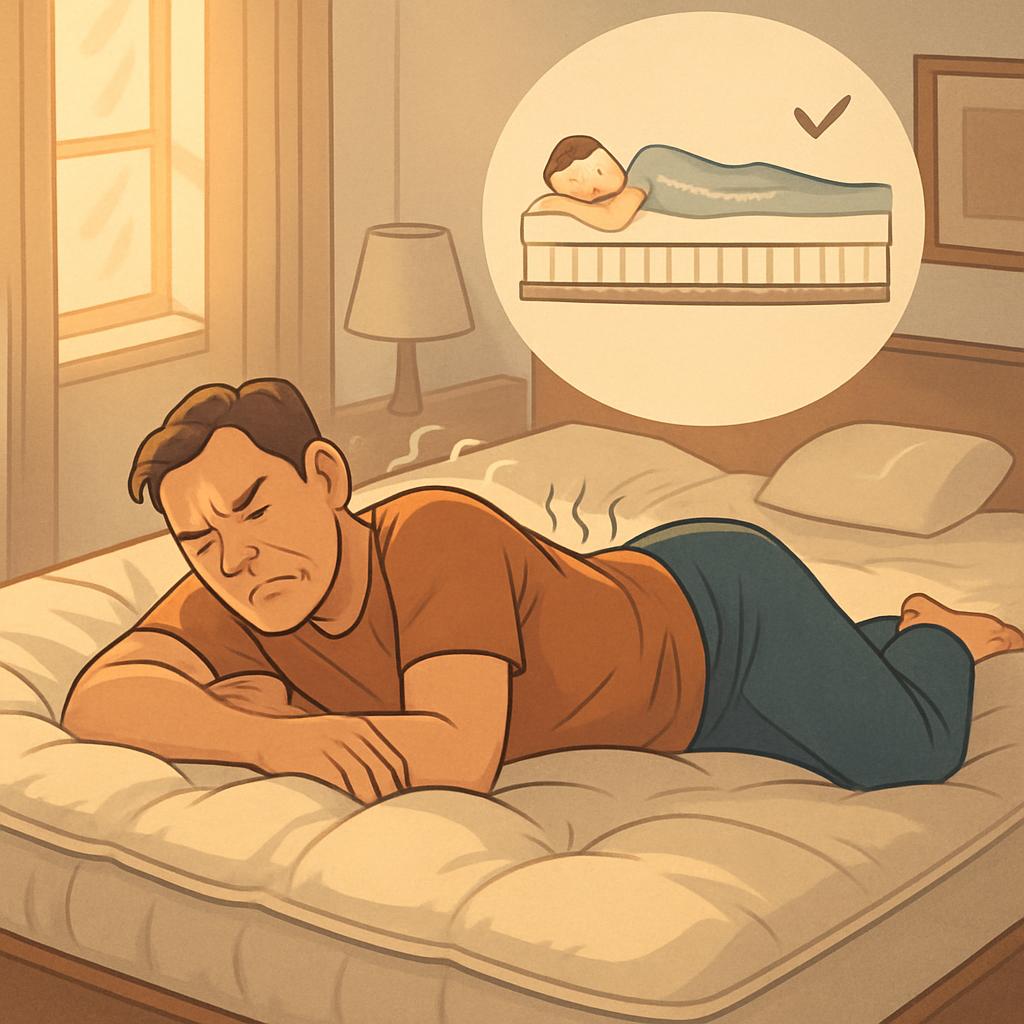
When you first lie down on a soft mattress, it might feel like you're sinking into a cloud. That initial comfort can be appealing, especially after a long day. However, what feels good in the moment doesn't always translate to quality rest over time. The long-term effects of sleeping on a soft mattress can create problems that affect not just your sleep quality, but your overall health and daily functioning.
One of the most significant concerns with consistently sleeping on a soft mattress is the gradual impact on your spine and musculoskeletal system. When you sink into a mattress too deeply, your body loses the neutral alignment it needs during sleep. Your hips and shoulders may sink lower than the rest of your body, creating an unnatural curve in your spine that persists for six to eight hours each night. Over weeks, months, and years, this repeated misalignment can lead to chronic soft mattress back pain that becomes harder to treat.
The relationship between mattress support levels and long-term health goes beyond just back pain. Many people who sleep on overly soft mattresses report developing hip pain, shoulder stiffness, and even neck problems. This happens because when one part of your body sinks too deeply, other areas must compensate, creating tension and stress in muscles and joints that should be relaxing during sleep. The cumulative effect of this nightly stress can lead to reduced mobility, increased inflammation, and a general decrease in your quality of life.
Another long-term consequence involves your sleep architecture itself. When your mattress doesn't provide adequate support, you're more likely to toss and turn throughout the night as your body unconsciously tries to find a more comfortable position. This constant movement disrupts your sleep cycles, preventing you from spending enough time in the deep, restorative stages of sleep your body needs. Over time, this sleep disruption can affect your immune system, cognitive function, memory, and even your emotional well-being.
For people with existing health conditions, the long-term effects of sleeping on a soft mattress can be even more pronounced. If you have arthritis, fibromyalgia, or previous injuries, inadequate mattress support can worsen your symptoms and slow down your body's natural healing processes. The lack of proper sleep posture support means your body never gets the chance to fully recover each night.
The weight distribution issue created by soft mattresses also affects your circulation over time. When you sink too deeply into your mattress, certain pressure points bear more weight than they should, potentially restricting blood flow to those areas. While your body will naturally shift positions to relieve this pressure, the constant need to do so prevents truly restful sleep and can lead to numbness, tingling, or that "pins and needles" sensation when you wake up.
If you're experiencing any of these long-term effects, it might be time to consider whether your current mattress is providing the support you need. Exploring options like a Sealy Medina Firm Hybrid Mattress can help you understand how proper support feels and whether making a change could improve your sleep quality and overall health.
The financial impact of sleeping on an unsuitable mattress shouldn't be overlooked either. The chronic pain and health issues that develop from years of poor sleep posture support often lead to increased medical expenses, from doctor visits and physical therapy to pain medications and other treatments. When you consider the soft vs firm mattress debate, it's important to think not just about immediate comfort, but about the long-term investment in your health and well-being.
Understanding Mattress Sagging: A Major Concern
Mattress sagging represents one of the most visible and problematic long-term effects of sleeping on a soft mattress. When we talk about sagging, we're referring to the permanent indentations or depressions that form in your mattress over time, particularly in the areas where you sleep most often. While all mattresses will experience some degree of wear over their lifetime, soft mattresses are especially prone to developing significant sagging issues much sooner than their firmer counterparts.
The science behind mattress sagging relates directly to how materials respond to constant pressure and weight. Soft mattresses, by their very nature, contain materials that compress more easily. When you lie down on a soft mattress night after night, the materials in those high-pressure zones gradually lose their ability to bounce back to their original shape. This process accelerates with softer materials because they're already designed to compress more readily than firmer materials. What starts as a comfortable sink-in feeling eventually becomes a permanent valley that you can't escape from, no matter how you position yourself.
Understanding when normal wear crosses the line into problematic sagging can help you identify issues before they significantly impact your sleep quality. Here's a helpful comparison of what to expect at different stages:
| Sagging Depth | Severity Level | Impact on Sleep | Recommended Action |
|---|---|---|---|
| Less than 1 inch | Normal Wear | Minimal impact on sleep posture support | Continue monitoring |
| 1 to 1.5 inches | Moderate Concern | Noticeable discomfort, beginning alignment issues | Start researching replacement options |
| 1.5 to 2 inches | Significant Problem | Regular back pain, disrupted sleep, poor support | Replace mattress soon |
| More than 2 inches | Critical Issue | Severe pain, major sleep disruption, health impact | Replace mattress immediately |
The relationship between mattress sagging and your health extends beyond simple discomfort. When your mattress develops a significant sag, you're essentially sleeping in a hammock-like position every night. Your spine curves unnaturally, your hips sink below the level of your shoulders and legs, and your body must work constantly to maintain some semblance of proper alignment. This ongoing struggle prevents your muscles from truly relaxing and puts continuous stress on your spinal discs and joints.
Several factors can accelerate mattress sagging, especially in softer mattresses. Your body weight and sleep position play significant roles. Heavier individuals or those who sleep primarily in one position will create more concentrated pressure in specific areas, leading to faster sagging in those zones. The quality of the mattress materials matters tremendously too. Lower-density foams and less resilient coils are more susceptible to permanent compression. Even the foundation or bed frame supporting your mattress affects how quickly sagging develops. A worn-out box spring or inadequate support system can allow your mattress to sag prematurely.
Temperature and humidity in your bedroom also influence how quickly soft mattresses develop sagging issues. Heat causes many mattress materials to soften further, making them more susceptible to permanent compression. If you sleep hot or live in a warm climate, your soft mattress may develop sagging problems faster than expected. Moisture from humidity or sweat can break down materials over time as well, particularly in foam-based mattresses.
Preventing or minimizing mattress sagging starts with choosing the right mattress support levels for your body type and sleep preferences from the beginning. While you can't completely prevent natural wear, selecting a mattress with appropriate firmness and high-quality materials significantly extends the time before noticeable sagging occurs. Rotating your mattress regularly, typically every three to six months, helps distribute wear more evenly across the entire surface. Using a proper foundation designed for your specific mattress type provides the support needed to minimize sagging from below.
If you're already experiencing mattress sagging, band-aid solutions like mattress toppers or extra padding rarely provide lasting relief. While they might temporarily mask the problem, they don't address the underlying lack of support that's affecting your spine and overall sleep quality. When sagging reaches the point where you're experiencing regular discomfort or waking up with pain, it's time to seriously consider replacing your mattress rather than trying to work around the problem.
Dealing with Restless Nights Caused by Unsuitable Mattress Firmness
Tossing and turning throughout the night isn't just frustrating in the moment. When unsuitable mattress firmness keeps you from settling into restful sleep, the effects ripple through every aspect of your waking life. Many people don't realize that their restless nights stem directly from their too-soft mattress until they experience the difference that proper support makes.
The cycle of restlessness caused by a soft mattress follows a predictable pattern. You lie down and initially feel comfortable as you sink into the plush surface. But as you begin to relax and your body settles in further, something doesn't feel quite right. Your hips sink too low, creating pressure in your lower back. Your shoulders might feel compressed. Unconsciously, your body recognizes that it's not properly aligned, triggering a response to shift positions. You roll over, adjust your arms, pull your legs up, or stretch out differently, seeking that elusive comfortable position that will let you fully relax.
This constant position-shifting has significant consequences for sleep quality. Every time you move, you risk pulling yourself out of deeper sleep stages and back toward lighter sleep or even brief wakefulness. Even if you don't remember these movements in the morning, your sleep tracker or a bed partner could tell you that you're moving far more than someone sleeping on a properly supportive mattress. The result is that you spend less time in the deep, restorative sleep phases your body needs for physical recovery and more time in lighter sleep stages that don't provide the same benefits.
The relationship between best mattress firmness and restful sleep varies from person to person, but certain patterns emerge consistently. Side sleepers need enough cushioning to accommodate their shoulders and hips without those pressure points bearing too much weight. However, if the mattress is too soft, those body parts sink too far, throwing the spine out of alignment. Back sleepers require firm support to prevent their lower back from sagging into the mattress, creating that problematic hammock effect. Stomach sleepers need even firmer support to keep their hips from sinking and hyperextending their spine.
Beyond the physical discomfort, sleeping on an unsuitably soft mattress creates a psychological component to your restlessness. If you've been dealing with poor sleep for weeks or months, you may develop anxiety around bedtime, anticipating another uncomfortable night. This mental stress makes it even harder to fall asleep and stay asleep, creating a vicious cycle where your mattress problems trigger anxiety that further disrupts your sleep quality.
The temperature regulation challenges of soft mattresses also contribute to restless nights. Many soft mattresses contain multiple layers of foam or plush materials that trap body heat. When you sink deeply into these materials, air circulation around your body decreases, causing you to sleep warmer than you would on a firmer, more breathable surface. Overheating during sleep is a major cause of nighttime restlessness and frequent waking. You might find yourself kicking off blankets, sticking your legs out, or frequently waking up feeling too warm, all because your too-soft mattress isn't allowing proper temperature regulation.
For couples sharing a bed, the restlessness caused by an unsuitably soft mattress multiplies. When one partner tosses and turns trying to find a comfortable position, the motion transfers through the soft mattress materials, disturbing the other person's sleep as well. If you and your partner have different firmness preferences or body types, a soft mattress might work for one person while causing significant restlessness for the other, creating conflict and ensuring that at least one of you isn't getting the sleep you need.
The impact of these restless nights extends far beyond feeling tired the next day. Chronic poor sleep affects your immune system, making you more susceptible to illness. It impairs cognitive function, affecting your memory, concentration, and decision-making abilities. Your mood suffers, potentially leading to irritability, anxiety, or depression. Physical performance declines, whether you're an athlete or just trying to keep up with daily activities. Over time, chronic sleep disruption increases your risk for serious health conditions including obesity, diabetes, cardiovascular disease, and more.
Recognizing that your restless nights stem from unsuitable mattress firmness is the first step toward better sleep. Pay attention to patterns in your sleep disruption. Do you wake up more often after initially falling asleep? Do you remember constantly shifting positions throughout the night? Does your partner comment on how much you move during sleep? Are you waking up feeling like you never really settled into deep sleep? These signs point to a mattress that isn't providing the support your body needs to truly rest.
When you're ready to address your restless nights, focus on finding the right balance of comfort and support rather than simply choosing the softest option available. Testing different mattress support levels in person, when possible, helps you identify what truly allows your body to relax. Many people discover that what they thought would be uncomfortable firmness actually provides the support that lets them sleep peacefully through the night without constant position changes. Making the switch from a too-soft mattress to one with proper support often results in immediate improvements in sleep quality, with fewer nighttime awakenings and a more rested feeling in the morning.
Finding the Right Balance: Soft vs. Firm Mattresses for You
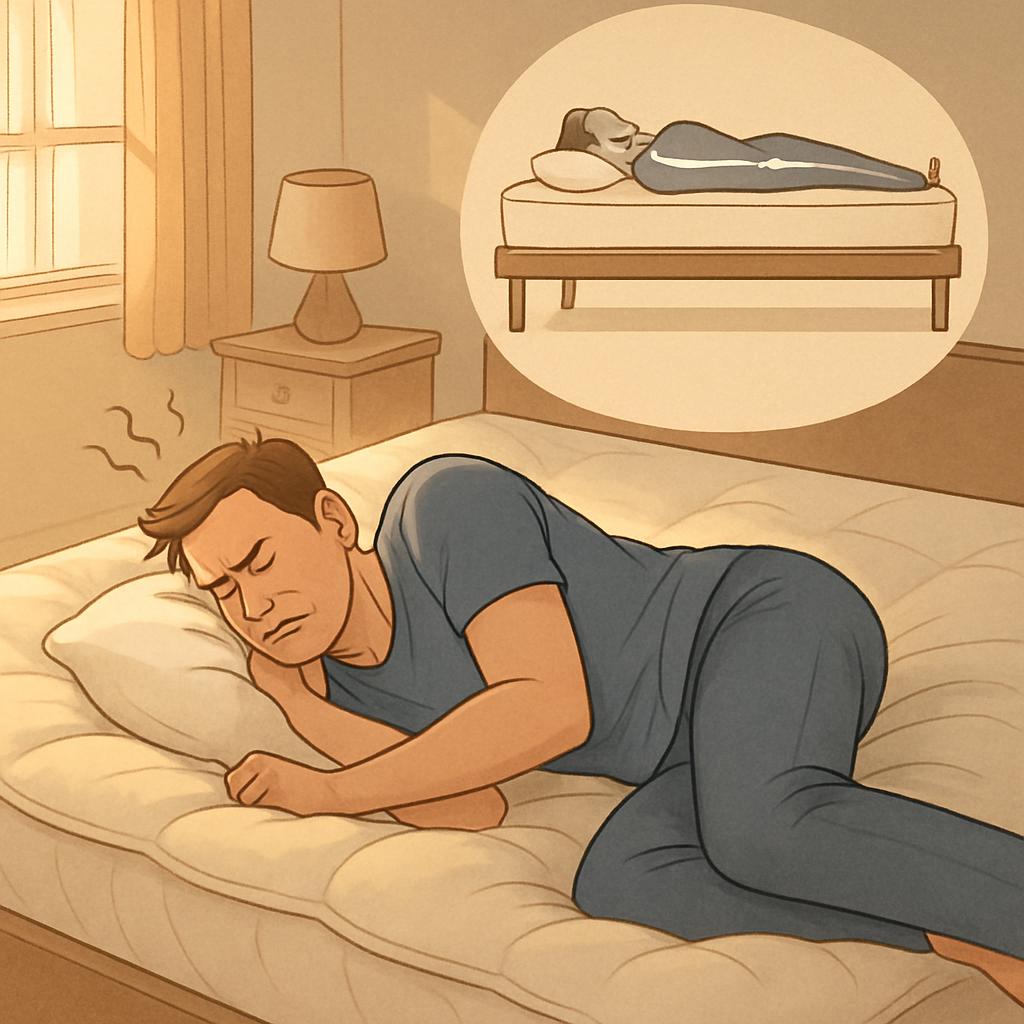
When you're standing in a mattress showroom or scrolling through options online, the soft vs firm mattress debate can feel overwhelming. I've seen countless customers struggle with this decision, and I understand why it's so confusing. The truth is, finding the best mattress firmness isn't about choosing the softest or firmest option—it's about finding what works specifically for your body, sleep position, and comfort preferences.
The conversation around mattress support levels has evolved significantly over the years. We used to think that firmer was always better for back support, but research and customer experiences have shown us that's not the whole story. What matters most is how well your mattress maintains proper spinal alignment while still providing enough cushioning for pressure relief. This is where understanding the spectrum of firmness levels becomes really important.
Think about how you sleep right now. Do you wake up feeling refreshed, or do you notice stiffness in your shoulders, hips, or lower back? These signals from your body are telling you something important about whether your current mattress is working for you. Many people who experience soft mattress back pain discover that their mattress allows them to sink into the bed too much, creating awkward angles for their spine throughout the night.
On the other hand, a mattress that's too firm can create its own set of problems. When there's not enough give in the surface, your pressure points—particularly your shoulders and hips—push against a hard surface all night long. This can cut off circulation and cause you to toss and turn, searching for a comfortable position that just doesn't exist on that particular mattress.
The beauty of modern mattress options is that you don't have to settle for extremes. Medium-firmness mattresses, like the Sealy Opportune II Medium Mattress, offer a balanced approach that works well for many sleepers. These mattresses provide enough support to keep your spine aligned while still offering some conforming comfort that relieves pressure points.
Your body weight plays a significant role in how you experience different firmness levels too. Heavier individuals often need firmer mattresses because they sink deeper into softer surfaces, which can compromise support. Lighter-weight sleepers, however, might not sink into a firm mattress enough to get proper contouring, leaving them feeling like they're sleeping on top of the bed rather than in it.
How to Determine the Best Mattress Firmness for Your Needs
Determining the ideal mattress firmness for your body isn't guesswork—it's about paying attention to specific factors that influence your sleep quality. I always encourage people to start by honestly assessing their current sleep experience. Are you waking up with pain? Do you feel like you sink into your mattress too much? These observations are your starting point for finding better sleep posture support.
Your primary sleep position is probably the single most important factor in choosing mattress firmness. Side sleepers typically need softer to medium-firm mattresses because they have more pronounced curves in their body profile. When you sleep on your side, your shoulders and hips need to sink into the mattress slightly to keep your spine straight. If the mattress is too firm, these pressure points push back against your body, creating uncomfortable pressure that disrupts sleep.
Back sleepers generally do well with medium to medium-firm mattresses. When you're on your back, you need enough support to prevent your lower back from sagging, but you also want some contouring to fill in the natural curve of your lumbar region. This balance helps distribute your weight evenly and prevents that uncomfortable feeling of your lower back being unsupported.
Stomach sleepers—and I'll be honest, this isn't the healthiest sleep position—usually need firmer mattresses. When you sleep on your stomach, softer mattresses allow your hips to sink too deeply, creating an arch in your lower back that can lead to pain. A firmer surface keeps your body more level, though I'd still recommend trying to transition to side or back sleeping if possible.
"I used to wake up every morning with lower back pain on my old soft mattress. After switching to a medium-firm option, I noticed a difference within the first week. My back pain decreased significantly, and I'm finally getting the quality sleep I needed." – Sarah M., verified customer review from November 2023
Beyond sleep position, consider any existing pain or health conditions you're dealing with. If you have chronic back pain, you might benefit from a mattress with more support. Those with arthritis or joint pain often prefer something with more cushioning to ease pressure on sensitive areas. There's no one-size-fits-all answer here, which is why paying attention to your body's feedback is so important.
Temperature regulation is another aspect worth considering when thinking about mattress firmness. Softer mattresses that allow you to sink in more deeply can trap heat around your body, making you feel warmer throughout the night. Firmer surfaces allow for more airflow around your body, which can help you sleep cooler. If you tend to sleep hot, this might nudge you toward a firmer option or a mattress with cooling features.
Weight distribution matters more than many people realize. A mattress that feels perfect for someone who weighs 130 pounds might feel completely different for someone who weighs 230 pounds. Heavier sleepers compress mattress materials more, so what's labeled as "medium-firm" might feel softer to them. Lighter sleepers might find that same mattress feels firmer because they don't sink in as much.
Experimenting with Different Mattresses: Why It Matters
I can't stress enough how important it is to actually try different mattresses before making your final decision. Reading about mattress support levels and firmness options is helpful, but nothing replaces the experience of lying down on different mattresses and feeling how they respond to your body. This hands-on approach is the best way to understand what works for you personally.
When you're testing mattresses, don't just sit on the edge for a few seconds. That tells you almost nothing about how the mattress will perform during a full night's sleep. Instead, lie down in your typical sleep position for at least 10 to 15 minutes. I know it might feel a bit awkward in a showroom, but this extra time allows your body to settle into the mattress and gives you a much better sense of the support and comfort it provides.
Pay attention to specific areas of your body as you test each mattress. How do your shoulders feel if you're a side sleeper? Is there any pressure building up? When you're on your back, slide your hand under your lower back. There should be some space there, but not so much that you could easily move your hand back and forth. This indicates the mattress is supporting your lumbar curve without allowing your lower back to sag.
Many people make the mistake of choosing a mattress based on how it feels for the first few minutes. Here's something I've learned from years of helping customers: the mattress that feels most comfortable initially isn't always the one that provides the best support for long-term sleep. Sometimes a slightly firmer mattress might not feel as immediately plush and comfortable, but it provides the support structure that prevents you from waking up with aches and pains.
Another common mistake is testing mattresses in clothing that doesn't reflect how you actually sleep. If you sleep in lightweight pajamas, don't test mattresses in heavy jeans and a winter coat. The extra layers change how you perceive the firmness and can lead you to choose a mattress that doesn't actually match your needs.
Consider testing mattresses at different times of day if possible. Your body feels different in the morning versus the evening. You might be more sensitive to firmness when you're tired at the end of the day, or you might notice support issues more clearly in the morning when you're more alert. Getting this varied perspective helps you make a more informed decision.
Don't be afraid to ask questions about the construction of each mattress you're considering. Understanding whether a mattress has a softer comfort layer over a firmer support core, or how the coil system works in a hybrid mattress, gives you insight into how that mattress will perform over time. Some mattresses might feel great initially but are more prone to mattress sagging after a year or two of use.
Take advantage of sleep trials when they're available. Many mattress retailers, including online options, offer trial periods where you can return or exchange the mattress if it's not working for you. This takes some of the pressure off making the perfect decision in the showroom because you have the safety net of being able to adjust your choice after sleeping on it for several weeks in your own home.
Conclusion: The Right Firmness Equals Better Sleep
After exploring all the factors that go into choosing between a soft vs firm mattress, I hope you feel more confident about making this important decision. The mattress you sleep on every night has a profound impact on your overall health, energy levels, and quality of life. It's not just about comfort in the moment—it's about supporting your body properly so you can wake up feeling refreshed and pain-free, ready to take on your day.
Understanding the soft mattress disadvantages we've discussed throughout this article puts you in a better position to recognize when a mattress isn't serving your needs. Whether it's waking up with soft mattress back pain, noticing that you sink into your mattress too much, or dealing with the frustrations of mattress sagging, these warning signs tell you it's time to reconsider your current sleep surface.
The relationship between mattress support levels and sleep quality isn't just marketing talk—it's backed by real experiences from people who've struggled with the wrong firmness and found relief when they discovered the right match for their body. Your spine doesn't take a break when you sleep. In fact, those nighttime hours are when your body does important repair work, and it can only do that effectively when properly supported.
Remember that the best mattress firmness for you might be different from what works for your partner, your friends, or your family members. We all have unique bodies, sleep positions, and comfort preferences. What matters is finding the mattress that supports your spine, relieves pressure points, and allows you to sleep soundly through the night without waking up in discomfort.
If you've been dealing with poor sleep, chronic pain, or just that feeling that something isn't quite right with your current mattress, I encourage you to explore your options. Visit a showroom where you can try different firmness levels. Take your time. Ask questions. Pay attention to how each mattress makes your body feel. The investment of time you make now in finding the right mattress will pay dividends in better sleep for years to come.
For those ready to take the next step, consider exploring options that offer the balanced support many sleepers need. The Stearns & Foster Lux Estate Medium Euro Top Mattress combines quality construction with a firmness level that works well for a wide range of sleepers, offering both the support and comfort that contribute to restorative sleep.
Your journey to better sleep starts with understanding what your body needs and being willing to make changes when your current situation isn't working. The right mattress firmness isn't about following trends or choosing what seems most popular. It's about listening to your body, understanding the principles of proper sleep posture support, and making an informed decision that prioritizes your long-term health and comfort.
Sleep is one of the most important aspects of your health, and your mattress is the foundation of good sleep. By choosing wisely and paying attention to the factors we've discussed, you're setting yourself up for nights of restful, restorative sleep and mornings where you wake up feeling genuinely refreshed. That's not just a nice-to-have—it's essential for living your best life, and it all starts with the right mattress firmness for your unique needs.
Conclusion: The Right Firmness Equals Better Sleep
After exploring the various soft mattress disadvantages throughout this post, I hope you now have a clearer understanding of why finding the right mattress support levels is so important for your overall health and well-being. While soft mattresses can feel luxurious and cloud-like when you first lie down, they often fail to provide the proper sleep posture support your body needs throughout the night.
The debate between soft vs firm mattress options isn't about declaring one as universally better than the other. Instead, it's about recognizing that the best mattress firmness for you depends on your unique body type, sleep position, and personal comfort needs. If you've been experiencing soft mattress back pain, waking up with aches and stiffness, or noticing that you sink into mattress more than you used to, these are clear signals that your current sleep surface may not be serving you well.
Remember, mattress sagging is a natural process that happens over time, but it can significantly compromise the support your spine needs. When your mattress loses its ability to maintain proper alignment, it doesn't just affect your comfort during the night—it can impact your energy levels, productivity, and quality of life during the day. Chronic back pain, poor posture, and restless sleep are all consequences that can be avoided by choosing a mattress with appropriate support.
The good news is that you don't have to settle for discomfort. By paying attention to the warning signs your body gives you and being honest about how well your current mattress is performing, you can make informed decisions about when it's time for a change. Whether you need a firmer mattress to correct spinal alignment issues or simply want to explore different mattress support levels, taking action now can prevent more serious problems down the road.
At Sleepology Mattress Shop, I've seen countless customers transform their sleep quality by finding the right balance of comfort and support. Many people come in thinking they need the softest mattress available, only to realize after trying different options that a medium or medium-firm mattress provides the perfect combination of cushioning and support their body craves.
Your sleep is an investment in your health, not an expense. The hours you spend in bed each night should leave you feeling refreshed, restored, and ready to face the day ahead. If your current mattress isn't delivering that experience, don't wait until the problem becomes unbearable. Exploring your options, testing different firmness levels, and consulting with sleep experts can help you find the ideal mattress that supports your body properly while still feeling comfortable.
The journey to better sleep starts with understanding what your body needs and being willing to make changes when something isn't working. By prioritizing proper support over initial softness, you're setting yourself up for years of restful, rejuvenating sleep. Your spine, your muscles, and your overall health will thank you for making the right choice. Sweet dreams and better mornings are waiting for you with the right mattress firmness—all you have to do is take that first step toward finding it.
Frequently Asked Questions (FAQs)
What are the main disadvantages of sleeping on a soft mattress?
The primary soft mattress disadvantages include inadequate spinal support, increased risk of back pain, poor sleep posture support, faster sagging, and difficulty moving or changing positions during the night. When you sink into mattress too deeply, your spine loses its natural alignment, which can lead to chronic discomfort and restless sleep.
Can a soft mattress cause back pain even if it feels comfortable at first?
Yes, absolutely. Many people experience soft mattress back pain even when the mattress initially feels comfortable. The problem is that while a soft surface may feel cozy when you first lie down, it often fails to maintain proper spinal alignment throughout the night. Over time, this lack of support can lead to muscle strain, pressure points, and chronic pain.
How do I know if my mattress is too soft for my body?
Common signs include waking up with back pain or stiffness, feeling like you're sinking too far into the mattress, difficulty rolling over or getting out of bed, visible sagging or body impressions, and experiencing more aches than you did when the mattress was new. If you notice any of these symptoms, your mattress may lack the proper mattress support levels your body needs.
Is there a difference between soft vs firm mattress for different sleep positions?
Yes, your sleep position plays a huge role in determining the best mattress firmness for you. Side sleepers often need slightly softer mattresses to cushion their shoulders and hips, while back and stomach sleepers typically require firmer support to maintain proper spinal alignment. However, even side sleepers can experience problems if their mattress is too soft and allows excessive sinking.
What mattress support levels should I look for to avoid back pain?
Most people find that medium to medium-firm mattress support levels provide the best balance of comfort and spinal support. These firmness levels typically prevent excessive sinking while still offering enough cushioning for pressure relief. The key is finding a mattress that keeps your spine in a neutral position regardless of how you sleep.
How long does it take for mattress sagging to become a problem?
Mattress sagging timelines vary depending on the quality of materials and construction, but soft mattresses tend to develop body impressions faster than firmer ones. You might notice visible sagging within 3-5 years with a soft mattress, though some lower-quality options can show signs even sooner. Any sagging deeper than 1.5 inches is generally considered problematic and can compromise proper support.
Will a mattress topper fix the problems with my soft mattress?
A mattress topper is generally not a long-term solution for a mattress that's too soft or suffering from significant sagging. While a firm topper might provide temporary improvement, it cannot fix the underlying support issues. If your mattress has lost its ability to maintain proper sleep posture support, replacing it is usually the better option for your health and comfort.
Does body weight affect whether I should choose a soft or firm mattress?
Yes, body weight is a critical factor in the soft vs firm mattress decision. People with higher body weight tend to sink into mattress more deeply and usually need firmer support to maintain proper alignment. Lighter individuals may be able to use softer mattresses without experiencing as much sinking, though proper support is still essential regardless of weight.
Can sleeping on a soft mattress affect my energy levels during the day?
Absolutely. When your mattress doesn't provide adequate support, you're more likely to toss and turn throughout the night, experience disrupted sleep cycles, and wake up with aches and pains. This poor sleep quality directly impacts your daytime energy, focus, mood, and overall productivity. Proper mattress support levels are essential for restorative sleep.
What's the best way to test if a mattress has the right firmness for me?
The best mattress firmness can be determined by lying on the mattress in your typical sleep position for at least 10-15 minutes. Your spine should feel supported in a neutral position, without excessive sinking at your hips or shoulders. Pay attention to whether you feel any immediate pressure points or discomfort. If possible, take advantage of trial periods to test a mattress at home for several weeks.
Are there specific brands that offer better support than overly soft mattresses?
Yes, brands like Tempur-Pedic, Sealy Posturepedic, and Stearns & Foster are known for offering excellent support across various firmness levels. These manufacturers design their mattresses with proper spinal alignment in mind, using quality materials that resist premature sagging. They offer multiple firmness options so you can find the right balance of comfort and support for your needs.
How does sleep posture support differ between soft and firm mattresses?
Sleep posture support refers to how well a mattress maintains your spine's natural curve while you sleep. Firm mattresses typically provide better overall support by preventing excessive sinking, keeping your spine aligned. Soft mattresses may feel more comfortable initially but often allow your body to sink too deeply, creating an unnatural spinal curve that leads to soft mattress back pain and discomfort over time.
Can couples with different firmness preferences both be comfortable on the same mattress?
Yes, many couples successfully share a mattress by choosing a medium or medium-firm option that provides a compromise between soft and firm. Some mattresses also offer dual-firmness designs or adjustable bases that allow each person to customize their side. The key is finding mattress support levels that work for both partners' body types and sleep positions without sacrificing proper spinal alignment.
What should I do if I just bought a soft mattress and it's causing problems?
If you recently purchased a mattress that's causing discomfort, first check if there's a break-in period recommended by the manufacturer—some mattresses need a few weeks to adjust. However, if you're experiencing significant soft mattress disadvantages like back pain or poor sleep, contact the retailer about their return or exchange policy. Many mattress stores offer trial periods specifically so you can find the best mattress firmness for your needs.
Is it normal for a new mattress to feel too firm at first if I'm used to a soft one?
Yes, this is completely normal. If you've been sleeping on a very soft or sagging mattress, switching to proper mattress support levels can feel unusual at first. Your body may need time to adjust to the correct spinal alignment. Give yourself at least 2-3 weeks to adapt before deciding if the new firmness level is right for you. Most people find that initial firmness concerns disappear once their body adjusts to the improved support.