

Have you ever wondered why something as simple as the angle of your bed could be the missing piece in your quest for quieter, more restful nights? Snoring affects millions of people across the United States, disrupting not only the snorer's sleep quality but also that of their partners and family members. While many assume that snoring is just an unavoidable part of life, the truth is that the position in which you sleep plays a significant role in whether you snore throughout the night. For those who have tried everything from nasal strips to throat sprays with little success, adjustable beds offer a practical and effective solution that addresses snoring at its source. By allowing you to customize your sleeping position with precision, adjustable beds can help reduce snoring by keeping your airways open and promoting better breathing patterns during sleep. The ability to elevate your head position or recline into a zero gravity position isn't just about comfort—it's about fundamentally changing how your body rests and breathes while you sleep. At Sleepology Mattress Shop, I've seen firsthand how the right adjustable bed positioning can transform someone's sleep experience, turning restless, noisy nights into peaceful, rejuvenating rest. In this comprehensive guide, I'll walk you through the science behind how bed positioning affects snoring, share practical tips for configuring your adjustable bed for optimal snoring relief, and help you understand how to personalize your sleep setup for maximum comfort and health benefits. Whether you're new to adjustable beds or looking to optimize the one you already own, these insights will empower you to take control of your sleep quality and finally achieve the snore-free rest you deserve.
Key Takeaways
- Elevated head positions can significantly reduce snoring by keeping airways open
- Zero gravity position offers pressure relief and improved breathing during sleep
- Proper adjustable bed positioning works best when paired with the right mattress
- Small adjustments to your bed's angle can make a dramatic difference in snoring relief
- Combining adjustable bed positioning with sleep hygiene practices maximizes results
Maximize Snoring Relief with Elevated Head Positions
When it comes to reducing snoring, one of the most effective strategies involves something surprisingly straightforward: raising the head of your bed. Adjustable beds provide a unique advantage in achieving snoring relief because they allow you to precisely control the angle at which your upper body rests during sleep. By elevating your head position, you're essentially working with gravity rather than against it, helping to keep your airways open and reducing the likelihood of the soft tissue vibrations that cause snoring sounds. The science behind this approach is compelling—when you lie completely flat, the soft tissues in your throat are more likely to collapse backward, partially blocking your airway and causing the distinctive sound of snoring. However, when you sleep with your head elevated at an angle, these tissues are less likely to obstruct your breathing passages, allowing air to flow more freely and quietly throughout the night.
An adjustable foundation like the Sealy Ease Power Base makes it incredibly simple to find and maintain the ideal elevated head position for snoring reduction. Unlike propping yourself up with multiple pillows—which can slip during the night and leave you in awkward positions that actually worsen snoring—an adjustable bed maintains a consistent, supportive angle throughout your entire sleep session. This consistency is key to experiencing real snoring relief night after night. Many of my customers at Sleepology Mattress Shop report that within just a few nights of using their adjustable beds in an elevated position, their partners notice a dramatic decrease in snoring volume and frequency. The beauty of adjustable bed positioning is that it's completely customizable to your individual needs, allowing you to experiment with different angles until you find the sweet spot that provides maximum snoring relief while still feeling comfortable enough to fall asleep easily.
The relationship between bed position for snoring and overall sleep quality cannot be overstated. When you reduce snoring through proper positioning, you're not just making less noise—you're actually improving the quality of oxygen exchange in your body throughout the night. Better breathing means deeper, more restorative sleep cycles, which translates to waking up feeling more refreshed and energized. This is particularly important for people who experience not just simple snoring but also mild to moderate sleep apnea symptoms, where breathing is repeatedly interrupted during sleep. While adjustable beds are not a medical treatment for sleep apnea and should not replace consultation with a healthcare provider, they can be an important component of a comprehensive approach to better breathing during sleep. The elevated head position helps reduce the collapse of soft tissues and may decrease the number of breathing interruptions some people experience, making it easier to maintain steady oxygen levels throughout the night.
What makes adjustable bed positioning particularly effective for snoring relief is how it addresses multiple contributing factors simultaneously. First, elevation helps prevent the tongue from falling backward into the throat, which is one of the primary causes of airway obstruction. Second, it reduces pressure on the diaphragm, making breathing feel more effortless and natural. Third, it can help alleviate nasal congestion by promoting better sinus drainage, which further improves airflow. When you pair an adjustable base with a quality mattress that provides proper support and comfort—whether that's a firm option or a softer surface depending on your preference—you create an optimal sleep environment that naturally encourages quieter, healthier breathing throughout the night.
Discover the Ideal Bed Position for Snoring Reduction
Finding the perfect bed position for snoring reduction is a personal journey that requires some experimentation, but understanding the principles behind effective positioning will help you get there faster. The ideal elevated head position typically involves raising the head of your bed between 30 and 45 degrees, though the exact angle that works best for you may vary based on your body type, the severity of your snoring, and your personal comfort preferences. This range is effective because it's steep enough to keep your airways open and prevent soft tissue collapse, but not so extreme that it feels uncomfortable or causes you to slide down the bed during the night. When you're first starting to use adjustable bed positioning for snoring relief, I recommend beginning with a more modest elevation—around 30 degrees—and gradually increasing the angle over several nights until you find the position that provides the best combination of snoring reduction and comfort.
Here are the key considerations for achieving the ideal bed position for snoring reduction:
- Start with a 30-degree elevation and adjust incrementally upward based on results and comfort level over the course of a week or two
- Ensure your entire upper body is elevated, not just your head and neck, to maintain proper spinal alignment and prevent neck strain
- Pay attention to how your mattress responds to the base adjustments—quality mattresses like those from Sealy's hybrid collection are designed to flex smoothly with adjustable bases
- Monitor your breathing patterns and snoring volume throughout the night, asking your partner for feedback or using a sleep tracking app to measure improvements
- Combine elevation with proper pillow support to ensure your head and neck remain in a neutral, comfortable position that doesn't create additional airway restrictions
One of the most common mistakes people make when first using adjustable beds for snoring relief is elevating only their head and neck area while leaving the rest of their body flat. This creates an awkward bend at the waist that can actually make breathing more difficult and may lead to back pain or discomfort that prevents restful sleep. Instead, the goal is to create a gentle, continuous incline that elevates your entire upper body as a unit. Modern adjustable beds are specifically designed to achieve this gradual slope, distributing the elevation evenly from your hips to your head. This positioning not only helps reduce snoring but also minimizes the risk of acid reflux, another common nighttime issue that can be improved through proper bed positioning. The synergy between reducing snoring and addressing other sleep-disrupting conditions makes adjustable bed positioning a powerful tool for overall sleep health.
Another important aspect of finding the ideal bed position for snoring reduction involves considering your preferred sleep position. Side sleepers often find that they need less elevation to achieve snoring relief compared to back sleepers, since sleeping on your side naturally helps keep airways more open. However, even side sleepers can benefit from some degree of head elevation, particularly if they experience nasal congestion or have a tendency to roll onto their back during the night. Back sleepers typically require more significant elevation—often in the 35 to 45-degree range—to counteract the natural tendency for the tongue and soft palate to fall backward. Stomach sleepers face unique challenges with adjustable bed positioning, as significant elevation can create uncomfortable pressure on the neck. If you're a stomach sleeper dealing with snoring issues, you might want to consider gradually transitioning to side sleeping while using your adjustable bed's positioning features to make this new sleep position more comfortable. The flexibility of adjustable beds means you can fine-tune your position not just for snoring relief but also to support healthy sleep posture regardless of your preferred sleeping style.
Explore the Benefits of Zero Gravity Position for Sleepers
The zero gravity position has become increasingly popular among adjustable bed users seeking snoring relief, and for good reason. This position, which was originally developed by NASA to reduce stress on astronauts' bodies during rocket launches, involves elevating both the head and feet to create a position where your body weight is evenly distributed and pressure is minimized throughout your entire frame. In the zero gravity position, your legs are elevated slightly above your heart level while your upper body is reclined at an angle that typically ranges from 120 to 130 degrees. This creates a gentle, cradling effect that many people find incredibly comfortable and conducive to better breathing. For snoring relief specifically, the zero gravity position offers advantages similar to simple head elevation but with additional benefits that can enhance overall sleep quality and comfort.
When you adopt the zero gravity position on your adjustable bed, several physiological changes occur that contribute to reduced snoring and better breathing. First, the elevation of your upper body helps keep your airways open, just as it does with standard head elevation. Second, raising your legs helps improve circulation and reduces pressure on your lower back, which can help you relax more fully and maintain the position throughout the night without discomfort that might cause you to shift or move in ways that worsen snoring. Third, the zero gravity position reduces pressure on your diaphragm by optimizing the position of your internal organs, making breathing feel more effortless and natural. Many people who struggle with snoring also deal with related issues like sleep apnea, restless legs, or lower back pain, and the zero gravity position can address multiple concerns simultaneously, making it an ideal choice for comprehensive sleep improvement.
"After years of trying everything to stop my husband's snoring, we finally invested in an adjustable bed. The zero gravity position has been a game-changer—not only has his snoring decreased dramatically, but we both sleep so much better. I didn't realize how much the constant noise was affecting my own sleep quality until it was finally quiet at night!" – Sarah M., verified customer review
The zero gravity position's effectiveness for snoring relief is enhanced when you pair it with the right mattress that can properly support your body in this unique position. Mattresses designed to work with adjustable beds, such as options from the Stearns & Foster Lux Estate collection, are built with flexibility in mind while still providing the support necessary for proper spinal alignment. These mattresses typically feature construction that allows them to bend and conform to the adjustable base's movements without creating uncomfortable pressure points or gaps that could undermine the benefits of the zero gravity position. The combination of advanced adjustable bed positioning and a quality, compatible mattress creates an optimal environment for both snoring relief and overall comfort.
What many people appreciate most about the zero gravity position is how it doesn't feel extreme or uncomfortable like some other anti-snoring sleep positions might. Instead of feeling like you're sitting up in bed—which can make falling asleep difficult—the zero gravity position creates a sensation of weightlessness and relaxation that many find actually helps them fall asleep faster. This is particularly important because one of the challenges with any snoring solution is ensuring that it doesn't create new sleep problems in the process of solving old ones. The zero gravity position strikes an excellent balance between providing effective snoring relief through improved airway positioning and maintaining the comfort level necessary for quality sleep. Additionally, because adjustable beds with preset positions often include a zero gravity setting that can be activated with the push of a button, you don't need to spend time each night manually adjusting your bed to find the right angle—the technology does the work for you, ensuring consistency and ease of use night after night.

Setting Your Adjustable Bed for Optimal Anti-Snore Positions
When you're ready to reduce snoring and finally get the peaceful night's sleep you deserve, understanding how to properly configure your adjustable bed becomes a game-changer. I've seen countless people invest in quality adjustable beds only to miss out on the full snoring relief benefits simply because they haven't optimized their bed position for snoring reduction. The good news is that with the right adjustable bed positioning techniques, you can significantly improve your breathing patterns throughout the night and wake up feeling more refreshed.
The key to maximizing snoring relief with your adjustable bed lies in finding that sweet spot where your airways remain open and unobstructed during sleep. Most snoring happens when the soft tissues in your throat relax and partially block your airway, causing those vibrations we all recognize as snoring. By adjusting your bed to an elevated head position, you're working with gravity rather than against it. This simple change helps keep your airways open, reduces the collapse of soft tissues, and promotes better oxygen flow throughout the night.
One of the most effective bed positions for snoring is what I call the "gentle incline" – raising your head and upper body between 30 to 45 degrees. This angle is backed by sleep research and has helped many people find substantial snoring relief. When paired with a quality mattress like the Sealy Ease Power Base, you get the perfect combination of support and adjustability to maintain this optimal sleeping position all night long.
Another powerful option for adjustable bed positioning is the zero gravity position, which NASA originally designed to reduce stress on astronauts during takeoff. In this position, your head is elevated while your knees are raised slightly, creating a neutral body posture that takes pressure off your spine and opens up your chest cavity. This positioning not only helps reduce snoring by keeping airways clear but also improves circulation and reduces pressure points. Many of my customers report that the zero gravity position feels incredibly comfortable and natural, making it easier to fall asleep and stay asleep without the disruption of snoring.
Understanding the mechanics behind adjustable bed positioning helps you make informed decisions about your sleep setup. When you elevate your head, you're essentially preventing your tongue from falling back into your throat, which is one of the primary causes of airway obstruction during sleep. The elevated head position also reduces nasal congestion by allowing better drainage of your sinuses, which can be a contributing factor to snoring for many people. Think of it as giving your respiratory system a helping hand while you rest.
The beauty of modern adjustable beds is that they offer precise control over your sleeping position. You're not limited to just one or two preset positions – you can fine-tune the angle of your head and feet to find exactly what works best for your body and your snoring patterns. Some nights you might need more elevation, while other nights a gentler incline might be more comfortable. This flexibility means you can adapt your bed position for snoring based on factors like seasonal allergies, weight changes, or even what you ate for dinner.
Step-by-Step Guide to Configuring Your Bed
Getting your adjustable bed set up correctly for maximum snoring relief doesn't have to be complicated. I'm going to walk you through a straightforward process that takes the guesswork out of finding your ideal anti-snore position. The goal here is to help you systematically test different positions and angles until you find the configuration that gives you the best results. Remember, everyone's body is different, so what works perfectly for your partner or friend might need some tweaking for you.
Start by familiarizing yourself with your adjustable bed's remote control or app features. Most modern adjustable beds come with preset positions, including a "zero gravity" button and an "anti-snore" setting. These presets are excellent starting points, but don't feel locked into them – they're meant to be customized to your preferences. Before you begin adjusting, make sure your mattress is properly positioned on the base and that all safety features are functioning correctly.
Here's a detailed breakdown of the adjustment process that I recommend following over the course of several nights. This methodical approach helps you identify which adjustable bed positioning works best for reducing your snoring:
| Night | Head Elevation Angle | Foot Elevation | What to Monitor |
|---|---|---|---|
| Night 1-2 | 30 degrees | Flat (0 degrees) | Basic comfort level and any immediate snoring reduction |
| Night 3-4 | 35-40 degrees | Flat (0 degrees) | Changes in snoring intensity and breathing ease |
| Night 5-6 | 35-40 degrees | 10-15 degrees | Overall body comfort and snoring patterns in zero gravity-style position |
| Night 7+ | Personal preference based on results | Personal preference based on results | Long-term comfort and sustained snoring relief |
When you're making these adjustments, move slowly and deliberately. Your adjustable bed's motors are powerful, and sudden changes can be jarring. I recommend making adjustments about 30 minutes before you actually plan to sleep, giving your body time to settle into the new position and allowing you to make any necessary fine-tuning. Pay attention to how your neck feels – you want your head elevated but not so much that your chin is pressed toward your chest, which could actually restrict your airway rather than open it.
One technique that works really well for finding your optimal bed position for snoring is to have your partner observe you or use a smartphone app that monitors snoring. This gives you objective feedback about which positions actually reduce snoring versus which ones just feel comfortable. Sometimes what feels right when you're awake doesn't translate to better breathing when you're asleep, so having this data can be incredibly valuable.
Don't forget about pillow adjustment when you're configuring your elevated head position. As you raise the head of your bed, you might find you need less pillow support – or in some cases, a different type of pillow altogether. The goal is to maintain a neutral spine alignment where your neck isn't bent too far forward or hyperextended backward. Your head should feel like a natural extension of your spine, not propped up awkwardly or dropping back.
Common Mistakes to Avoid with Your Adjustable Bed
Even with the best intentions, it's easy to make mistakes when setting up your adjustable bed for snoring relief. I've noticed some common errors that people make repeatedly, and these missteps can actually make snoring worse rather than better. Understanding what not to do is just as important as knowing the right techniques for adjustable bed positioning.
The single biggest mistake I see is elevating the head too aggressively, too quickly. People get excited about the potential for snoring relief and immediately crank their bed up to a 45-degree angle or higher on the first night. This dramatic change can lead to neck strain, shoulder discomfort, and a restless night of sleep as your body struggles to adjust. Your muscles, joints, and even your inner ear need time to adapt to sleeping at an incline. What happens next is predictable – you wake up sore, decide the elevated position doesn't work for you, and abandon the whole concept before giving it a fair chance.
"I made the mistake of raising my bed way too high on the first night because I was desperate to stop snoring. I woke up with such a stiff neck and back pain that I almost returned my adjustable bed. Thankfully, I lowered it and gradually increased the angle over a week, and now I sleep great with way less snoring. Patience really does pay off!" – Review from November 3, 2023
Another frequent error involves neglecting the lower body position while focusing solely on head elevation. Many people raise their head but leave their legs completely flat, which can create an uncomfortable sliding sensation where you feel like you're slowly inching down toward the foot of the bed throughout the night. This not only disrupts your sleep but also means you're constantly readjusting, which defeats the purpose of having a stable bed position for snoring reduction. Raising your knees slightly – even just 5 to 10 degrees – creates a "cradle" effect that keeps you securely in place.
I've also noticed that people often give up on adjustable bed positioning too soon when they don't see immediate results. Snoring relief through bed positioning isn't always instantaneous. Your body needs time to adapt to the new sleeping angle, and factors like nasal congestion, alcohol consumption, or medication can affect your snoring on any given night. I recommend trying a new position consistently for at least one week before deciding whether it's working for you. Keep a simple sleep journal noting your snoring levels, how rested you feel, and any discomfort you experience.
Ignoring your mattress compatibility with your adjustable base is another pitfall that compromises your results. Not all mattresses are designed to flex and bend with adjustable bases, and using the wrong mattress can create gaps, uncomfortable pressure points, or premature wear on both your mattress and base. This is why pairing your adjustable base with a compatible mattress is so important for achieving optimal snoring relief and overall sleep quality.
Some people make the mistake of using too many pillows when they elevate their head position. They think more elevation equals better results, so they stack multiple pillows on top of their already-inclined adjustable bed. This creates an unnatural bend in your neck that can actually constrict your airway rather than open it. When you're using an elevated head position on your adjustable bed, you typically need fewer pillows than you would on a flat surface, or you might need to switch to a thinner, less lofty pillow.
Finally, don't make the mistake of setting your adjustable bed and forgetting about it. Your snoring needs might change based on weight fluctuations, seasonal allergies, age, or health conditions. What works perfectly in July might need adjustment in January when indoor heating dries out your nasal passages. Stay flexible and willing to modify your adjustable bed positioning as your needs evolve. The beauty of these beds is their adaptability – take advantage of it.
Additional Tips for Better Sleep on an Adjustable Bed
While getting your adjustable bed positioning right is crucial for snoring relief, it's only part of the equation when it comes to achieving truly restorative sleep. I've found that people who combine proper bed positioning with other smart sleep strategies experience the most dramatic improvements in both snoring reduction and overall sleep quality. Think of your adjustable bed as the foundation of your sleep wellness routine, but not the only factor that matters.
The relationship between your adjustable bed and your mattress choice plays a significant role in how effectively you reduce snoring and how comfortable you feel throughout the night. Not every mattress works well with the bending and flexing required by adjustable bases. You need a mattress that's flexible enough to conform to the various positions without creating uncomfortable gaps or pressure points, yet supportive enough to maintain proper spinal alignment in each position. This is where choosing the right mattress-base combination becomes critical.
I always recommend looking at mattress options specifically designed to work with adjustable bases, like the Sealy Paterson Medium Hybrid Mattress, which offers the flexibility needed for adjustable bed positioning while providing excellent support. The construction of hybrid mattresses makes them particularly well-suited for adjustable bases because they combine the conforming properties of foam layers with the support and durability of coil systems that can flex and move with your base adjustments.
Temperature regulation becomes especially important when you're sleeping in an elevated position on an adjustable bed. Because you're not lying completely flat, air circulation around your body changes, and you might find yourself getting warmer than you did on a traditional flat bed. This is where your choice of mattress, bedding, and even sleepwear matters. Look for breathable materials that wick moisture away from your body and allow heat to dissipate. Some people find that they sleep better in their elevated position when they use lighter blankets or switch to moisture-wicking sheets.
Don't underestimate the importance of proper bed frame stability and noise control when using your adjustable bed for snoring relief. If your bed creaks, squeaks, or shifts every time you make a minor adjustment, you're going to be hesitant to find your perfect position, and those noises can wake you up during natural sleep movements. Make sure all connections are tight, the base is level, and there's adequate support beneath your adjustable foundation. A quiet, stable bed encourages better sleep and makes it easier to maintain your optimal anti-snore position all night long.
The timing of your adjustments matters more than you might think. I recommend getting into your adjusted position about 20 to 30 minutes before you actually want to fall asleep. This gives your body time to settle, allows you to make any comfort tweaks, and helps you associate the elevated position with sleep rather than with wakefulness. If you wait until you're already drowsy to adjust your bed, you might not take the time to get the positioning quite right, or the movement of adjusting might wake you up more.
Incorporate Sleep Hygiene Practices for Enhanced Snoring Relief
Your adjustable bed positioning can only do so much if other aspects of your sleep routine are working against you. I've learned that the people who experience the most significant snoring relief are those who take a whole-life approach to sleep wellness. Sleep hygiene – the habits and practices that support quality sleep – works hand-in-hand with your bed position for snoring to create an environment where peaceful, quiet sleep becomes the norm rather than the exception.
When you combine proper adjustable bed positioning with solid sleep hygiene practices, you're attacking snoring from multiple angles. Your elevated head position keeps airways physically open, while good sleep habits reduce the underlying factors that contribute to airway collapse and tissue vibration. This multi-pronged approach gives you the best chance of achieving meaningful, lasting snoring reduction.
Here are the essential sleep hygiene practices that complement your adjustable bed's anti-snore positioning:
- Maintain a consistent sleep schedule, even on weekends. Going to bed and waking up at the same time every day helps regulate your body's internal clock and can reduce snoring by promoting deeper, more efficient sleep cycles. When you're well-rested, your throat muscles maintain better tone, which helps keep airways open.
- Avoid alcohol for at least three hours before bedtime. Alcohol relaxes the muscles in your throat and tongue, making them more likely to collapse into your airway and cause snoring. Even with perfect adjustable bed positioning, alcohol can undermine your snoring relief efforts by causing excessive muscle relaxation.
- Keep your bedroom cool, dark, and quiet. The ideal sleep temperature is between 60-67 degrees Fahrenheit. A cooler room reduces nasal congestion and inflammation, which can contribute to snoring. Use blackout curtains to block light and consider white noise if environmental sounds disturb your sleep.
- Stay well-hydrated throughout the day, but taper off before bed. Proper hydration keeps the soft tissues in your throat from becoming sticky, which can worsen snoring. However, drinking too much right before bed leads to nighttime bathroom trips that disrupt your sleep and your optimal bed position for snoring.
- Establish a relaxing bedtime routine that signals sleep time. Spend the last 30-60 minutes before bed doing calming activities like reading, gentle stretching, or meditation. Avoid screens, intense conversations, or stimulating content that can make it harder to fall asleep in your elevated position.
- Practice nasal breathing exercises during the day. Training yourself to breathe through your nose rather than your mouth can significantly reduce snoring. Try breathing exercises where you consciously inhale and exhale through your nose for several minutes each day to strengthen this habit.
- Maintain a healthy weight through balanced nutrition and regular activity. Excess weight, particularly around the neck, increases the likelihood of airway obstruction during sleep. Even modest weight loss can lead to noticeable improvements in snoring, especially when combined with proper adjustable bed positioning.
- Avoid heavy meals within three hours of bedtime. Going to bed with a full stomach can cause acid reflux and put pressure on your diaphragm, both of which can worsen snoring. If you need a bedtime snack, keep it light and avoid spicy, fatty, or acidic foods.
One sleep hygiene practice that deserves special attention when you're using an adjustable bed is the practice of nasal clearing before bed. Congested nasal passages force you to breathe through your mouth, which dramatically increases snoring regardless of your bed position. I recommend using a saline nasal rinse or spray about 30 minutes before bed to clear out allergens, dust, and mucus. This simple five-minute routine can make a remarkable difference in your breathing quality throughout the night.
Another often-overlooked aspect of sleep hygiene is managing stress and anxiety before bed. When you're stressed, you tend to breathe more shallowly and hold tension in your jaw, neck, and throat muscles. This tension can contribute to snoring by affecting how your airway functions during sleep. Consider incorporating relaxation techniques like progressive muscle relaxation, where you systematically tense and release muscle groups, or guided meditation specifically designed for sleep. These practices help you arrive at your elevated sleep position in a relaxed state that's conducive to quiet breathing.
The condition of your sleep environment matters tremendously for snoring relief. Dust, pet dander, and allergens in your bedroom can cause inflammation in your nasal passages and throat, worsening snoring despite perfect adjustable bed positioning. I suggest washing your bedding weekly in hot water, vacuuming your bedroom regularly, and considering an air purifier if you're particularly sensitive to allergens. These simple environmental controls can enhance the snoring relief you're already getting from your elevated head position.
How Adjustable Beds Complement Your Mattress Choice
The synergy between your adjustable bed and your mattress is where the magic really happens for snoring relief and overall sleep quality. I can't stress enough how important it is to think of these two components as a system rather than separate purchases. You could have the most advanced adjustable base on the market, but if you pair it with the wrong mattress, you'll compromise both comfort and the effectiveness of your anti-snore positioning. On the flip side, even the most luxurious mattress won't deliver its full benefits if it's not compatible with the movements and angles of an adjustable base.
When you're selecting a mattress to pair with your adjustable bed for optimal snoring relief, flexibility is the first characteristic to consider. Your mattress needs to bend and conform to the various positions your adjustable base creates without developing permanent creases, losing support, or creating gaps between sections. Memory foam and latex mattresses typically excel in this area because their construction allows them to flex smoothly. Hybrid mattresses with pocketed coils also work wonderfully because the individual coils can move independently, conforming to the base's articulation while maintaining support.
Traditional innerspring mattresses with interconnected coils are generally not ideal for adjustable beds. These mattresses resist bending and can develop damage when repeatedly flexed, plus they don't provide the conforming support you need in an elevated position. If you're serious about using adjustable bed positioning to reduce snoring, invest in a mattress specifically designed or recommended for adjustable bases. The improved results you'll experience make the investment absolutely worthwhile.
The firmness level of your mattress takes on new importance when you're using it on an adjustable base in an elevated position. What feels like the perfect firmness when lying flat might feel quite different when your bed is inclined. Generally, medium-firm mattresses work best with adjustable beds because they provide enough support to prevent excessive sinking in the elevated position while still offering pressure relief. Too soft, and you might find yourself feeling like you're being "swallowed" by the mattress when inclined. Too firm, and you might experience uncomfortable pressure points, especially around your hips and shoulders.
The construction and materials of your mattress affect how well it maintains its position on your adjustable base. Some mattresses have a tendency to slide or shift as you raise and lower different sections of your bed, which is frustrating and can compromise your carefully configured bed position for snoring. Look for mattresses with grippy bottom covers or non-slip materials, or consider using a mattress pad specifically designed to prevent shifting on adjustable bases. This stability ensures that your optimal anti-snore position stays consistent throughout the night.
Weight distribution becomes a critical factor when you're using a mattress on an adjustable bed. In a flat position, your body weight is distributed relatively evenly across the mattress surface. When you elevate your head and possibly your feet, the weight distribution changes significantly, with more pressure concentrated in the hip and lower back area. Your mattress needs to be engineered to handle this uneven weight distribution without developing permanent body impressions or losing support in high-pressure zones. Quality mattresses designed for adjustable bases typically feature reinforced center thirds or strategic support zones that address this challenge.
The edge support of your mattress might seem less important on an adjustable bed, but it actually plays a role in how secure you feel in your elevated sleeping position. Strong edge support prevents that roll-off feeling that can happen when you're sleeping at an incline, and it makes it easier to sit on the edge of your bed when it's in an elevated position. This might not directly impact snoring relief, but it contributes to your overall confidence and comfort with using your adjustable bed regularly, which means you're more likely to maintain the positioning that reduces your snoring.
Consider how your mattress choice interacts with temperature regulation when positioned on an adjustable bed. In an elevated position, air circulation patterns around your body change, and some mattress materials can trap heat more noticeably when you're inclined compared to lying flat. If you tend to sleep warm, look for mattresses with cooling technologies like gel infusions, breathable cover fabrics, or ventilated foam layers. Maintaining a comfortable temperature throughout the night is essential for staying in your optimal bed position for snoring rather than tossing and turning to find a cooler spot.
The height and profile of your mattress matter when paired with an adjustable base, especially if you're using the bed's preset positions for snoring relief. A mattress that's too thick might limit the range of motion you can achieve with your base, while one that's too thin might not provide adequate cushioning and support in articulated positions. Most adjustable bed manufacturers recommend mattresses between 10 and 14 inches in height as the sweet spot for optimal performance. This height range allows for full range of motion while providing sufficient comfort and support layers.
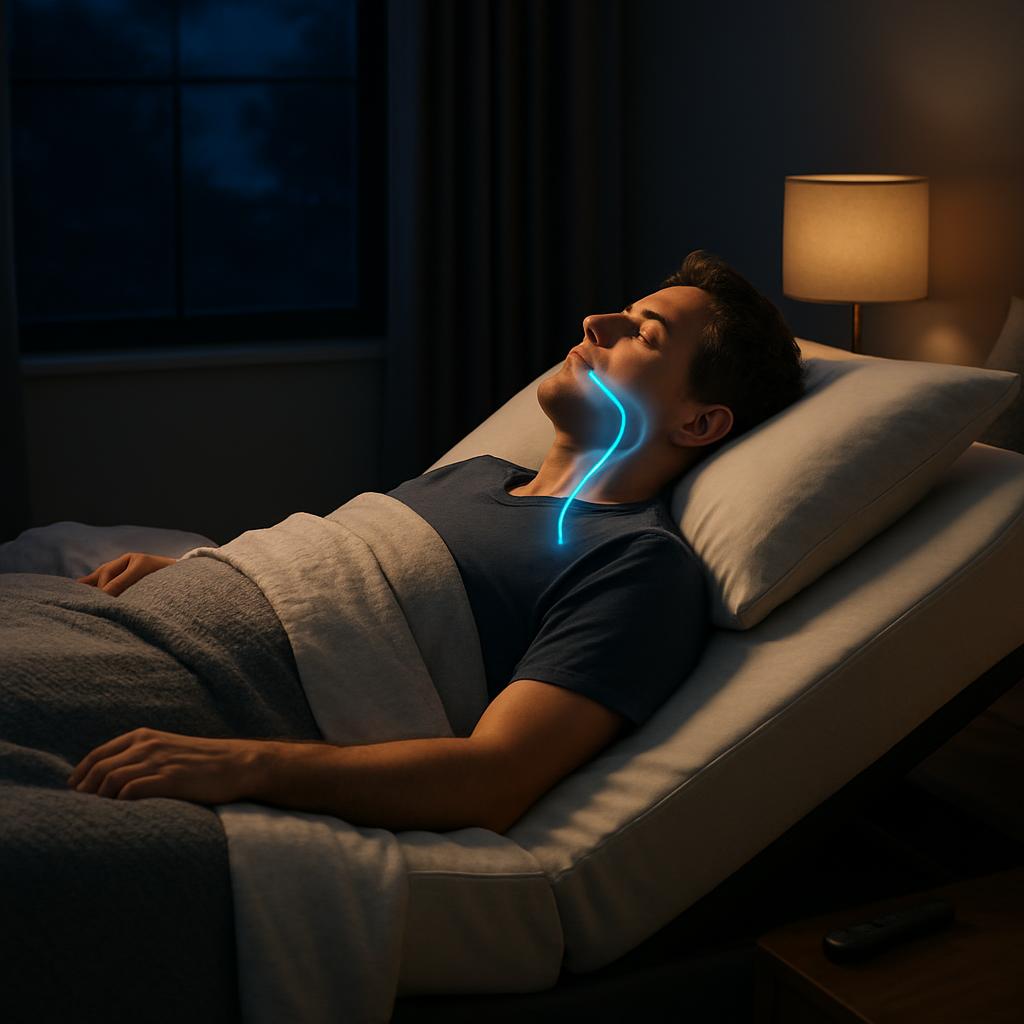
Customizable Bed Positions: Find Your Perfect Rest
When it comes to achieving snoring relief through adjustable bed positioning, there's no one-size-fits-all solution. Each person's body, sleep preferences, and snoring patterns are different, which means finding the right bed position for snoring reduction requires some experimentation and personalization. I've found that taking the time to customize your adjustable bed settings can make all the difference between a restless night and truly restorative sleep.
The beauty of adjustable beds lies in their flexibility. Unlike traditional flat mattresses, these innovative sleep systems allow you to modify your sleeping position throughout the night to find what works best for your body. Most people who snore benefit from some degree of head elevation, but the exact angle that provides optimal snoring relief varies from person to person. Some sleepers find that a modest 30-degree incline does the trick, while others need a steeper angle to keep their airways open and reduce snoring effectively.
One of the most important factors in customizing your adjustable bed positioning is understanding how your body responds to different configurations. Start by elevating your head gradually, increasing the angle by small increments over several nights. Pay attention to how you feel when you wake up. Are you breathing more easily? Is your partner reporting less snoring? Do you feel more rested? These observations will guide you toward your ideal bed position for snoring.
The zero gravity position has become increasingly popular for snore less tips, and for good reason. This position, which elevates both your head and legs to create a slight bend at the knees and hips, distributes your body weight evenly and takes pressure off your spine. For many snorers, this position not only reduces snoring but also minimizes acid reflux and improves overall circulation. I recommend trying the zero gravity setting on your adjustable bed for at least a week to see if it provides the snoring relief you're looking for.
Beyond just the head elevation, consider how other adjustable bed features can enhance your sleep quality. Many modern adjustable beds, like the Sealy Ease Power Base, offer programmable memory settings that allow you to save your favorite positions. This means you can quickly return to the configuration that works best for reducing snoring without fumbling with controls in the middle of the night.
It's also worth noting that your ideal adjustable bed positioning for snoring relief might change depending on various factors. If you've had a particularly large meal, consumed alcohol, or are dealing with seasonal allergies, you might need a more elevated position than usual. Having an adjustable bed means you can adapt to these changing needs, ensuring you always have the best possible setup to reduce snoring and promote healthy breathing patterns during sleep.
Another aspect of customization involves considering your sleep position preferences. Side sleepers, back sleepers, and stomach sleepers all have different needs when it comes to adjustable bed positioning. Back sleepers typically benefit most from head elevation for snoring relief, while side sleepers might find that a combination of head elevation and slight leg lift provides the best results. Stomach sleeping is generally not recommended for snoring, but if that's your preferred position, even a modest head elevation can help improve airway openness.
Temperature regulation is another customizable element that can indirectly affect snoring. When you're too hot, nasal passages can become congested, making snoring worse. Some adjustable beds come with cooling features or work particularly well with breathable mattress materials that help maintain a comfortable sleep temperature. Pairing your adjustable bed with the right mattress that supports proper spinal alignment while keeping you cool can significantly enhance your snoring relief efforts.
Personalizing Your Sleep Setup for Comfort and Health
Creating a personalized sleep setup that addresses your specific snoring concerns requires attention to multiple factors beyond just the adjustable bed positioning itself. I've learned that the most successful approach to reducing snoring involves looking at your entire sleep environment as an integrated system where each element supports the others.
Your mattress choice plays a critical role in how effectively adjustable bed positioning can reduce snoring. A mattress that's too soft might not provide adequate support when the bed is elevated, potentially causing your body to sink in ways that could actually worsen airway obstruction. Conversely, a mattress that's too firm might create pressure points that make it uncomfortable to maintain the elevated positions needed for snoring relief. The key is finding a mattress that maintains proper spinal alignment while working harmoniously with your adjustable bed's movements.
When personalizing your sleep setup for both comfort and health, consider how different mattress firmness levels interact with various bed positions for snoring. Here's a helpful guide to understanding these relationships:
| Sleep Position | Recommended Mattress Firmness | Ideal Head Elevation | Additional Benefits |
|---|---|---|---|
| Back Sleeper | Medium to Medium-Firm | 30-45 degrees | Optimal airway openness, reduced acid reflux |
| Side Sleeper | Medium to Soft | 20-35 degrees | Pressure relief on shoulders and hips |
| Combination Sleeper | Medium | 25-40 degrees | Flexibility for position changes throughout night |
| Heavy Snorer (any position) | Medium-Firm | 35-50 degrees | Maximum airway support, better breathing |
Pillow selection is another crucial component of personalizing your adjustable bed setup for snoring relief. When your head is elevated, you might find that your regular pillow height is no longer appropriate. Some people discover they need a thinner pillow when using elevated head positions to avoid over-flexing the neck, which could actually contribute to airway restriction rather than alleviating it. Others find that strategic pillow placement under the knees or along the sides helps maintain comfortable positioning throughout the night.
Your personal health conditions should also inform how you customize your adjustable bed positioning. If you deal with conditions like sleep apnea, chronic sinus issues, or GERD in addition to snoring, you'll want to fine-tune your bed settings to address all these concerns simultaneously. For instance, people with acid reflux often find that elevating the head of the bed helps prevent stomach acid from traveling up the esophagus, which can also reduce throat irritation that might contribute to snoring.
Body weight and distribution matter when setting up your adjustable bed for optimal snoring relief. Heavier individuals might need firmer mattress support and possibly more aggressive elevation angles to achieve the same airway benefits as lighter sleepers. There's no shame in this—it's simply a matter of physics and ensuring your adjustable bed positioning effectively opens your airways regardless of your body type.
I also recommend keeping a sleep journal as you personalize your setup. Track which adjustable bed positions you try, how you feel in the morning, and any feedback from your sleep partner about your snoring levels. Over time, you'll start to see patterns that help you identify your optimal configuration. Note things like:
- The exact elevation angles that provided the best snoring relief
- How different positions affected your morning stiffness or pain levels
- Whether certain bed positions helped you fall asleep faster
- Any positions that seemed to worsen snoring or cause discomfort
- How seasonal changes or health variations impacted your ideal settings
Remember that personalizing your sleep setup is an ongoing process, not a one-time event. Your needs may change as you age, if your weight fluctuates, or if your health circumstances shift. The advantage of investing in quality adjustable beds is that they grow and adapt with you, providing the flexibility to modify your bed position for snoring as your needs change over the years.
Benefits of Consulting Sleep Specialists for Adjustable Bed Strategies
While experimenting with adjustable bed positioning on your own can yield positive results for snoring relief, there's tremendous value in consulting with sleep specialists who can provide expert guidance tailored to your specific situation. I've seen countless cases where professional input transformed someone's sleep quality in ways they never could have achieved through trial and error alone.
Sleep specialists bring a wealth of knowledge about the complex relationship between body positioning, airway anatomy, and snoring patterns. They can assess your individual risk factors—such as neck circumference, tongue size, nasal passage structure, and soft palate positioning—and recommend specific adjustable bed positioning strategies that address your unique physiological characteristics. This personalized approach to reducing snoring is far more effective than generic recommendations that don't account for individual differences.
One of the primary benefits of working with a sleep specialist is their ability to identify underlying conditions that might be contributing to your snoring. Sometimes what seems like simple snoring is actually a symptom of obstructive sleep apnea, a serious condition that requires medical intervention beyond just adjustable bed positioning. A sleep specialist can conduct proper diagnostic testing and determine whether your snoring is purely positional or if it's part of a larger sleep disorder that needs comprehensive treatment.
Sleep specialists can also help you understand the nuances of different bed positions for snoring and how to optimize them for maximum effectiveness. They might suggest specific elevation angles based on sleep studies or recommend trying certain positions during different parts of the night. For example, some specialists advise using a more elevated position during the first few hours of sleep when muscle relaxation is most profound, then adjusting to a slightly lower position later in the night for continued comfort.
Another advantage of professional consultation is learning about complementary therapies that work alongside adjustable bed positioning to reduce snoring. Sleep specialists can recommend breathing exercises, lifestyle modifications, or medical devices that enhance the snoring relief you get from your elevated head position or zero gravity position. This integrated approach addresses snoring from multiple angles, significantly improving your chances of success.
For people who have already tried various snore less tips without success, a sleep specialist can help troubleshoot why certain adjustable bed positioning strategies aren't working. They might identify mistakes in how you're using your adjustable bed, suggest different mattress options that would work better with your bed's positioning capabilities, or recommend adjustments to your overall sleep environment that you hadn't considered.
Sleep specialists can also provide valuable guidance on the progression of adjustable bed use. Some people need to gradually increase their head elevation over time to allow their bodies to adapt, while others can jump straight to more aggressive positioning. A specialist can create a customized plan that considers your comfort tolerance, existing health conditions, and snoring severity to map out the best path forward.
Insurance coverage is another practical consideration where sleep specialists can help. If your snoring is diagnosed as part of a medical condition like sleep apnea, there's a possibility that your adjustable bed or certain features might be covered by insurance as durable medical equipment. Sleep specialists understand the documentation and prescription requirements needed to pursue this coverage, potentially saving you significant money on your sleep setup.
Working with a sleep specialist also provides accountability and ongoing support as you implement new adjustable bed strategies for snoring relief. They can schedule follow-up appointments to assess your progress, make adjustments to your treatment plan, and ensure you're getting the maximum benefit from your adjustable bed positioning. This continued care is particularly valuable because it can take time to find the perfect configuration, and having professional support throughout that process makes it much more manageable.
Many sleep specialists also have connections to quality sleep product retailers and can guide you toward adjustable beds and mattresses that have proven track records for helping patients reduce snoring. Their professional experience with numerous patients means they've seen which products deliver real results and which fall short of their marketing promises. This insider knowledge can save you from making expensive mistakes when investing in your sleep setup.
If you're serious about addressing your snoring through adjustable bed positioning, I strongly encourage you to view consultation with a sleep specialist not as an optional extra, but as an essential investment in your health and sleep quality. The combination of professional expertise and modern adjustable bed technology creates a powerful solution that can transform your nights and, by extension, your overall quality of life.

Explore the Latest Adjustable Bed Technology for Sleep
If you've been struggling with snoring and searching for ways to reduce snoring effectively, the latest advancements in adjustable bed technology might be exactly what you need. Modern adjustable beds have come a long way from the basic hospital-style frames you might remember. Today's models are packed with features specifically designed to provide snoring relief and improve your overall sleep quality.
One of the most exciting developments in adjustable bed positioning technology is the integration of smart features that respond to your body's needs throughout the night. Many of today's adjustable beds come equipped with wireless remotes or smartphone apps that allow you to fine-tune your bed position for snoring with just a few taps. This means you can quickly adjust to find that perfect elevated head position when snoring starts to interrupt your sleep or your partner's rest.
What really sets modern adjustable beds apart is their ability to achieve precise angles that target the root causes of snoring. When you're searching for the ideal bed position for snoring reduction, you're essentially looking for a way to keep your airways open and unobstructed. The Sealy Ease Power Base offers customizable positioning options that let you experiment with different elevation angles until you find what works best for your unique anatomy and breathing patterns.
Another impressive feature in contemporary adjustable bed technology is the inclusion of massage functions. While this might seem like a luxury add-on, there's actually a practical benefit for people dealing with snoring issues. The gentle massage settings can help relax tense muscles in your neck and shoulders, which in turn can reduce the likelihood of airway restriction that leads to snoring. When combined with proper adjustable bed positioning, these massage features create an environment that promotes better breathing and more restful sleep.
Memory presets have also become a standard feature in quality adjustable beds, and they're incredibly useful for snore less tips implementation. Once you find your optimal anti-snore position, you can save it to a preset button. This means you don't have to fumble around in the middle of the night trying to remember the exact angle that gave you relief. Just press your saved preset, and your bed automatically adjusts to your preferred elevated head position.
USB charging ports and under-bed lighting might not directly impact your snoring, but they contribute to better sleep hygiene overall. When you're not disrupting your sleep by getting up to charge devices or stumbling in the dark, you maintain better sleep continuity, which helps your body stay in those deeper, more restorative sleep stages where natural breathing patterns are more stable.
The construction quality of adjustable beds has also improved significantly. Modern frames are designed to be whisper-quiet during adjustment, so you won't wake yourself or your partner when changing positions. The motors are more powerful yet efficient, capable of lifting heavier mattresses while maintaining smooth, steady movement. This is particularly important if you're pairing your adjustable base with a high-quality hybrid or pillow-top mattress that provides additional comfort and support.
Innovations in Adjustable Beds for Enhanced Snoring Relief
The science behind adjustable bed positioning for snoring relief has become increasingly sophisticated, and manufacturers are responding with truly innovative features. One of the most groundbreaking developments is the integration of snore detection technology directly into some adjustable bed models. These smart beds use sensitive microphones and algorithms to detect snoring patterns, then automatically adjust your head elevation to help reduce snoring without you having to wake up and manually change position.
Zero gravity position technology represents another major innovation that's particularly effective for snoring relief. This position, inspired by NASA research on astronaut posture during liftoff, distributes your body weight evenly and reduces pressure points while keeping your head gently elevated. When you're in the zero gravity position, your airways remain more open than they would in a flat sleeping position, which naturally helps minimize snoring. The beauty of this position is that it doesn't feel like you're sitting up too much—instead, it creates a subtle, comfortable angle that supports your entire body while addressing the root mechanical causes of snoring.
"I never thought an adjustable bed would make such a difference with my snoring. My wife says I'm 70% quieter now, and I wake up feeling more rested than I have in years. The zero gravity setting is my go-to position every night." – Michael R., verified customer review from November 2023
Wall-hugging technology is another innovation that might not seem directly related to snoring but actually enhances the effectiveness of elevated sleeping positions. Traditional adjustable beds would slide away from your nightstand when you raised the head section, making it difficult to reach your water, phone, or other essentials. Wall-hugging bases maintain their position relative to your headboard, so you can maintain that crucial elevated head position all night long without feeling disconnected from your bedside setup. This encourages you to stick with the anti-snore positions rather than lowering the bed for convenience.
Split-adjustability has become more refined and accessible, which is fantastic news for couples where only one partner experiences snoring issues. Modern dual-adjustable beds allow each side to move completely independently, with some models even featuring a slight gap-bridging pad in the middle to maintain a cohesive sleep surface. This means if you need to sleep with your head elevated to reduce snoring, your partner can remain completely flat if that's their preference. The motors operate independently and quietly, so adjustments on one side don't disturb the other sleeper.
Programmable routines are changing how people think about adjustable bed positioning throughout their entire sleep cycle. Some advanced models now allow you to program different positions for different times of night. For example, you might start the evening in a slightly elevated reading position, automatically transition to your optimal zero gravity position for deep sleep and snoring relief after 30 minutes, and then have the bed gently wake you in a more upright position in the morning. This kind of customization helps maintain the elevated positions that provide snoring relief without requiring constant manual adjustment.
The materials used in adjustable bed construction have also evolved to better support consistent positioning. Heavy-duty steel frames with reinforced support bars ensure that your bed maintains its angle throughout the night without sagging or shifting. This stability is critical for snoring relief because even small changes in elevation can affect airway openness. When your bed holds its position firmly, you can trust that the anti-snore angle you set at bedtime will still be working for you at 3 a.m.
Health tracking integration is an emerging feature in premium adjustable beds. Some models can now sync with health apps and sleep trackers to monitor your snoring patterns, sleep quality, and even vital signs like heart rate. This data helps you understand which positions provide the most effective snoring relief and how adjustable bed positioning impacts your overall sleep health. Over time, you can refine your approach based on actual evidence rather than guesswork.
User Reviews: Real Experiences with Adjustable Beds
Reading about the technical features of adjustable beds is helpful, but nothing compares to hearing from real people who have actually used adjustable bed positioning to tackle their snoring problems. The experiences shared by customers provide valuable insights into what works in real-world situations and what you might expect when you start using an adjustable bed for snoring relief.
Many users report that the transition to sleeping with an elevated head position felt strange for the first few nights but quickly became their preferred way to sleep. Sarah M. from Texas shared that she was skeptical about whether raising her head would really help reduce snoring, but after just three nights, her husband reported a noticeable difference. She mentioned that the key was finding the right angle—not too steep that it felt like sitting up, but elevated enough to keep her airways open. She settled on about a 30-degree angle for her head section and found this sweet spot eliminated about 80% of her snoring.
Another common theme in user reviews is the surprise at how much adjustable beds improve comfort beyond just snoring relief. Tom K. from Florida initially purchased his adjustable bed solely to address his snoring issues, but he quickly found that the zero gravity position helped with his lower back pain as well. He wrote that being able to adjust his sleeping position has improved his overall sleep quality so much that he wishes he'd made the switch years earlier. The combination of reduced snoring and better spinal alignment meant he was waking up feeling genuinely refreshed for the first time in years.
Couples consistently mention the relationship-saving aspects of adjustable beds with dual functionality. Jennifer and Mark from Oregon described how Mark's snoring had pushed them to consider separate bedrooms, which neither of them wanted. After investing in an adjustable bed with split controls, Mark could sleep with his head elevated for snore less benefits while Jennifer remained flat on her side. They reported that this compromise saved their shared sleeping arrangement and actually brought them closer together because both were getting better rest and feeling less irritable.
The convenience features receive frequent praise in customer feedback. Multiple reviewers have mentioned how much they appreciate the preset memory buttons once they found their ideal bed position for snoring. Linda P. from Michigan explained that she programmed three different positions—one for reading, one for sleeping with optimal snoring relief, and one for watching TV. The ability to switch between these positions effortlessly meant she actually used the snore-reducing elevated position consistently rather than just keeping the bed flat out of laziness.
Some users have shared their learning curves with adjustable bed positioning, which provides helpful guidance for newcomers. David S. from Colorado admitted that he initially raised his head too high, thinking more elevation meant better snoring relief. Instead, he found himself sliding down the bed and waking up uncomfortable. After consulting with sleep specialists and experimenting with more modest elevation angles, he found that a gentler incline was more effective and sustainable throughout the night. His experience highlights the importance of patience and adjustment when finding your personal optimal position.
The quiet operation of modern adjustable beds gets mentioned repeatedly in positive reviews. Rachel T. from New York noted that she was worried the motor noise would wake her light-sleeping husband every time she adjusted the bed, but she was pleasantly surprised by how silent the movements were. This feature proved crucial because it meant she could make small adjustments during the night if she felt her snoring starting up again, without disrupting anyone's sleep.
Long-term users often comment on the durability and continued effectiveness of their adjustable beds. Greg M., who has owned his adjustable bed for over five years, shared that the snoring relief benefits haven't diminished over time. The bed still operates smoothly, holds its positions perfectly, and continues to provide the same level of snore reduction it did when new. This kind of feedback offers reassurance that investing in quality adjustable bed technology delivers lasting value for your sleep health.
FAQs About Adjustable Beds and Snoring Solutions
When people start considering adjustable beds as a solution for snoring, they naturally have questions about how these beds work, what to expect, and whether they're making the right investment. I've gathered the most common questions about using adjustable bed positioning for snoring relief to help you make an informed decision and set realistic expectations about what these sleep solutions can accomplish.
One of the first questions people ask is about compatibility: will my current mattress work with an adjustable bed? This is an important consideration because not all mattresses are designed to flex and bend with an adjustable base. Memory foam, latex, and hybrid mattresses typically work beautifully with adjustable beds because they're flexible enough to conform to different positions without damage. Traditional innerspring mattresses with rigid construction may not be suitable. If you're looking to pair an adjustable base with a new mattress, options like the Sealy High Point Soft Hybrid Mattress are specifically designed to work seamlessly with adjustable bases while providing the comfort and support needed for quality sleep.
Another frequent question concerns the ideal elevation angle for snoring relief. While individual needs vary, most sleep specialists recommend starting with a head elevation between 30 and 45 degrees for effective snore reduction. This range is high enough to help keep airways open but not so steep that you feel like you're sitting up rather than lying down. The beauty of adjustable bed positioning is that you can experiment within this range to find your personal sweet spot. Some people find 30 degrees perfect, while others need closer to 40 degrees for optimal snoring relief.
People often wonder whether adjustable beds are only helpful for snoring or if they provide other benefits. The truth is that adjustable bed positioning offers multiple health and comfort advantages beyond snoring relief. The elevated head position can help reduce acid reflux and GERD symptoms, which often occur alongside snoring. The ability to raise your legs can improve circulation and reduce swelling. The zero gravity position can alleviate pressure on joints and spine, making these beds particularly valuable for people with arthritis or chronic pain conditions. So while you might initially invest in an adjustable bed to reduce snoring, you'll likely find it improves your sleep quality in several unexpected ways.
Safety concerns come up regularly, especially from people who've never used an adjustable bed before. Questions like "Can I get trapped?" or "What if the power goes out?" are common. Modern adjustable beds are designed with multiple safety features. They include obstruction detection that stops movement if something is in the way, and they have manual release mechanisms that allow you to lower the bed even during a power outage. The beds also have weight limits and safety certifications, so as long as you purchase from a reputable manufacturer and follow the usage guidelines, adjustable beds are extremely safe.
The cost question naturally arises when people are comparing adjustable beds to traditional frames. While adjustable beds do represent a higher upfront investment, many users find the snoring relief and improved sleep quality provide excellent value over time. When you consider the cost of potential medical interventions for chronic snoring, sleep apnea treatments, or the impact of poor sleep on your health and productivity, an adjustable bed can actually be cost-effective. Plus, quality adjustable beds are built to last for many years, so you're making a long-term investment in your sleep health.
Maintenance requirements are another common concern. People want to know if adjustable beds are difficult to care for or if they require special servicing. The good news is that modern adjustable beds are relatively low-maintenance. The mechanical components are designed to be durable and typically don't require regular servicing. The most important maintenance tasks are keeping the area under and around the bed clean, occasionally checking that all connections are secure, and using the bed according to manufacturer guidelines. Most adjustable beds come with warranties that cover mechanical issues, providing additional peace of mind.
Common Queries Regarding Adjustable Bed Use for Snoring Relief
Beyond the general questions about adjustable beds, there are specific queries that focus directly on using these beds for snoring relief. Understanding these details can help you maximize the effectiveness of adjustable bed positioning and set appropriate expectations for your snoring reduction journey.
Here are the most frequently asked questions specifically about adjustable beds and snoring solutions:
- How quickly will I notice a reduction in snoring? Many people notice some improvement the very first night they sleep with their head elevated, though the most dramatic results typically appear after 3-7 nights once your body adjusts to the new sleeping position. Consistency is key—the more regularly you maintain the elevated head position, the more significant your snoring relief will be.
- Will sleeping with my head elevated cause neck pain? When you use an adjustable bed properly, you shouldn't experience neck pain. The key is ensuring your entire upper body is gently inclined rather than just propping your head up with pillows. An adjustable bed raises your head, neck, and shoulders together in a natural curve that maintains spinal alignment. If you do feel neck discomfort, you might need to adjust your angle slightly or reconsider your pillow height.
- Can I still sleep on my side with an adjustable bed? Absolutely! Side sleeping is actually one of the best positions for reducing snoring, and it works wonderfully with adjustable bed positioning. The elevated head position combined with side sleeping can provide even better snoring relief than either approach alone. The zero gravity position also accommodates side sleepers comfortably while keeping airways optimally open.
- Do both partners need to sleep elevated if only one person snores? Not necessarily. If you have a dual-adjustable bed where each side can be controlled independently, only the snoring partner needs to sleep elevated. However, some couples find they both enjoy the elevated position or zero gravity setting and choose to use it together. The flexibility to customize each side is one of the major advantages of modern adjustable beds for couples.
- Will an adjustable bed cure sleep apnea? While adjustable bed positioning can significantly reduce snoring and may help with mild sleep apnea symptoms by keeping airways more open, it's not a cure for sleep apnea. If you suspect you have sleep apnea, it's important to consult with a healthcare provider for proper diagnosis and treatment. An adjustable bed can be a valuable complement to medical treatments but shouldn't replace professional medical care for sleep apnea.
- How do I know what angle is best for my snoring? Finding your optimal angle typically involves some experimentation. Start with a 30-degree elevation of the head section and spend a few nights at that angle. If you're still experiencing significant snoring, try increasing the elevation by 5-10 degrees. Pay attention to both snoring reduction and overall comfort. The best angle is one that reduces your snoring while still allowing you to sleep comfortably through the night.
- Can children use adjustable beds for snoring relief? Yes, adjustable beds can be safe and effective for children who snore, but it's especially important to consult with a pediatrician first. Childhood snoring can sometimes indicate underlying issues like enlarged tonsils or adenoids that may require different treatment. If an adjustable bed is appropriate for your child, look for models with appropriate weight ratings and safety features designed for younger users.
These questions reflect the real concerns and curiosities of people seeking snoring solutions through adjustable bed positioning. Understanding these aspects helps you use your adjustable bed more effectively and maintain realistic expectations about the snore less tips and techniques that work best for your individual situation.
Resources for Further Information and Support
Finding the right adjustable bed and learning to use it effectively for snoring relief is just the beginning of your journey toward better sleep. There are numerous resources available to help you continue optimizing your sleep environment and addressing snoring issues comprehensively.
The American Academy of Sleep Medicine website offers extensive educational materials about snoring, sleep positioning, and sleep disorders. Their resources can help you understand the science behind why elevated head positions work for snoring relief and what other factors might be contributing to your snoring. They also provide a directory of accredited sleep centers if you need professional evaluation or suspect your snoring might be related to sleep apnea or other medical conditions.
Your adjustable bed manufacturer's website and customer service team are valuable resources that many people overlook. These experts know the specific features and capabilities of your bed model and can provide detailed guidance on achieving the optimal bed position for snoring reduction with your particular unit. Many manufacturers offer video tutorials, position guides, and troubleshooting support that can help you get the most from your adjustable bed investment.
Online sleep communities and forums provide peer support and real-world advice from people who have successfully used adjustable beds for snoring relief. While you should always verify any medical information with healthcare professionals, these communities offer practical tips, position recommendations, and encouragement from others who understand the challenges of dealing with chronic snoring. Hearing how others have fine-tuned their adjustable bed positioning can inspire new approaches you might not have considered.
Sleep tracking apps and devices can be incredibly helpful for monitoring your progress with adjustable bed positioning. Apps like SnoreLab record your snoring throughout the night and provide data about when and how intensely you snore. This information helps you assess whether different positions and elevation angles are effectively reducing your snoring. Some advanced sleep trackers also monitor sleep stages, heart rate, and movement, giving you a comprehensive picture of how adjustable bed positioning affects your overall sleep quality.
Working with a sleep specialist or respiratory therapist provides personalized guidance that general resources can't match. These professionals can evaluate your specific snoring patterns, anatomical factors, and overall health to recommend the most effective adjustable bed positioning strategies for your unique situation. They can also help you understand whether your snoring might be part of a larger sleep disorder that requires additional intervention beyond adjustable bed positioning.
Books about sleep health and snoring solutions offer in-depth information that complements what you learn from online resources. Titles focusing on sleep science, breathing exercises, and sleep hygiene provide context for understanding how adjustable bed positioning fits into a comprehensive approach to better sleep. Many of these books include sections specifically about environmental factors and bedroom setup, including the role of adjustable beds in promoting healthy sleep positions.
Your local mattress specialists, particularly those at dedicated sleep shops, can provide hands-on demonstrations and personalized recommendations based on your needs. At Sleepology Mattress Shop, our team understands how different mattress types pair with adjustable beds and can help you find the perfect combination for maximum comfort and snoring relief. We can show you exactly how different positions feel, explain the features of various adjustable bed models, and help you understand what to look for when choosing equipment that will serve you well for years to come.
Continuing education about sleep health helps you stay informed about new developments in adjustable bed technology and snoring solutions. Following sleep health blogs, subscribing to newsletters from sleep research institutions, and keeping up with product innovations ensures you're aware of new features and techniques that might further improve your snoring relief efforts. The field of sleep technology continues advancing rapidly, and staying informed helps you take advantage of improvements that could benefit your specific situation.
Remember that addressing snoring through adjustable bed positioning is often most effective when combined with other healthy sleep practices. Resources about nutrition, exercise, stress management, and sleep hygiene all contribute to your overall success in achieving restful, snore-free sleep. The more comprehensive your approach, the better your results will likely be.
Embrace the Change for Better Sleep
If you've been struggling with snoring night after night, I want you to know that there's real hope for improvement. The simple act of adjusting your bed position can make a remarkable difference in how you—and your partner—sleep each night. Throughout this guide, we've explored how adjustable bed positioning offers practical, effective snoring relief that doesn't require medication or invasive treatments.
The beauty of using adjustable beds to reduce snoring lies in their flexibility and customization. Whether you prefer the elevated head position that keeps your airways naturally open or the zero gravity position that distributes your body weight evenly, you have options that work specifically for your needs. I've seen countless people transform their sleep quality simply by finding the right bed position for snoring reduction, and there's no reason you can't be one of them.
Remember that achieving snoring relief isn't just about the angle of your bed—it's about creating a complete sleep environment that supports healthy breathing. When you combine proper adjustable bed positioning with good sleep hygiene practices and the right mattress choice, you're setting yourself up for truly restorative sleep. The adjustable beds available at Sleepology make it easy to find and maintain the positions that work best for reducing your snoring.
I encourage you to be patient with yourself as you experiment with different settings. Your ideal configuration might take a few nights to find, and that's completely normal. Some people find immediate snore less results with a moderate head elevation, while others need to fine-tune their position over several weeks. What matters is that you're taking active steps to improve your sleep health, and that's something to feel good about.
Don't hesitate to reach out to sleep specialists or the knowledgeable team at Sleepology if you need guidance. They can help you understand which adjustable bed features will best address your specific snoring patterns and sleep preferences. Sometimes professional advice makes all the difference in getting the most from your adjustable bed investment.
The latest innovations in adjustable bed technology have made snoring relief more accessible than ever before. With user-friendly controls, preset positions, and advanced features designed specifically for better breathing during sleep, today's adjustable beds offer solutions that simply weren't available years ago. You're living in a time when managing snoring at home is both practical and affordable.
As you move forward with implementing these adjustable bed positioning tips, keep in mind that better sleep is within your reach. The snoring that's been disrupting your nights doesn't have to be a permanent part of your life. With the right approach to bed position for snoring and a commitment to healthy sleep habits, you can wake up feeling refreshed, energized, and ready to take on your day. Your journey to quieter, more peaceful nights starts with a simple adjustment—and the benefits will extend far beyond just reducing snoring. Here's to better sleep, better health, and better mornings ahead.
Frequently Asked Questions
How much should I raise my head to reduce snoring?
Most sleep experts recommend raising your head between 20 and 30 degrees for the best snoring relief. This elevated head position helps keep your airways open without causing neck discomfort. Start with a smaller angle and gradually increase until you find what feels comfortable and reduces your snoring effectively.
Will adjustable beds help with sleep apnea?
Adjustable beds can help reduce some sleep apnea symptoms by keeping your airways more open through proper positioning. However, they should not replace medical treatments prescribed by your doctor, such as CPAP machines. Always consult with your healthcare provider about managing sleep apnea alongside using adjustable bed positioning.
What is the zero gravity position and how does it help with snoring?
The zero gravity position slightly raises both your head and feet to create a neutral body posture that reduces pressure on your spine and opens your airways. This bed position for snoring works by taking stress off your respiratory system while keeping you comfortable throughout the night, which can significantly help reduce snoring.
Can I use my current mattress with an adjustable bed?
Most modern mattresses work well with adjustable beds, especially memory foam, latex, and hybrid mattresses. However, traditional innerspring mattresses may not flex properly. Check with your mattress manufacturer or visit Sleepology to ensure your mattress is compatible with adjustable bed positioning before making any changes.
How long does it take to see results from adjustable bed positioning?
Many people notice snoring relief within the first few nights of using proper adjustable bed positioning. However, it may take one to two weeks for your body to fully adjust to sleeping in a new position. Be patient and give yourself time to find the exact angle and settings that provide the best snore less results for your specific needs.
Are there any side effects to sleeping with my head raised?
When done correctly, sleeping with an elevated head position should not cause side effects. However, raising your head too high too quickly might cause temporary neck or back discomfort. Start with a gentle incline and increase gradually. If you experience persistent discomfort, adjust your angle or consult with a sleep specialist for personalized guidance.
Do adjustable beds work for side sleepers who snore?
Yes, adjustable beds work great for side sleepers who snore. Side sleeping is already one of the better positions to reduce snoring, and when combined with a slight head elevation, it can provide even more snoring relief. The adjustable bed positioning allows you to maintain your preferred side-sleeping posture while keeping your airways open.
What's the difference between using pillows and an adjustable bed for snoring?
While extra pillows can raise your head, they often cause your neck to bend at an uncomfortable angle and can shift during the night. Adjustable beds provide consistent, even elevation that supports your entire upper body, maintaining proper spinal alignment while keeping your airways open for better snoring relief throughout the night.
Will my partner be disturbed by my adjustable bed movements?
Many adjustable beds come with split configurations that allow each person to control their side independently. This means you can use adjustable bed positioning to reduce snoring without affecting your partner's sleep surface. Modern adjustable beds also operate quietly, so adjustments won't create disruptive noise during the night.
Can children use adjustable beds to reduce snoring?
Yes, adjustable beds can be safe and effective for children who snore, but you should always consult with your pediatrician first. Children's snoring can sometimes indicate underlying health issues that need medical attention. If approved by your doctor, gentle head elevation may provide snoring relief for your child while they sleep.
How do I know if my snoring is serious enough to need medical attention?
If your snoring is accompanied by gasping, choking sounds, daytime fatigue, morning headaches, or observed pauses in breathing, you should see a doctor. While adjustable bed positioning can help with regular snoring, these symptoms might indicate sleep apnea or other conditions that require medical evaluation and treatment beyond simple bed position for snoring adjustments.
What other lifestyle changes can enhance the benefits of adjustable bed positioning?
Combining adjustable beds with healthy sleep habits provides the best snore less results. Maintain a regular sleep schedule, avoid alcohol before bed, keep your bedroom cool and dark, manage your weight, and stay hydrated. These practices work together with proper adjustable bed positioning to maximize your snoring relief and overall sleep quality.
Are expensive adjustable beds better for reducing snoring?
Price doesn't always equal better snoring relief. What matters most is finding an adjustable bed with smooth, reliable positioning controls and the ability to maintain your chosen angle throughout the night. Quality brands like Sealy and Tempur-Pedic offer excellent options at various price points that effectively support snoring reduction when properly configured.
Can I try adjustable bed positioning before buying one?
Yes, many mattress retailers including Sleepology allow you to test adjustable beds in their showrooms. This gives you a chance to experience different positions and features firsthand. You can also try propping yourself up with pillows at home to get a sense of whether elevated head position helps your snoring before investing in an adjustable bed.
What features should I look for in an adjustable bed for snoring relief?
Look for adjustable beds with smooth, quiet motors, preset positions including zero gravity, memory settings to save your favorite angles, and wireless remote controls for easy adjustments. Some models also offer massage features and under-bed lighting. The most important feature for snoring relief is the ability to maintain a consistent elevated head position throughout the night.