

Have you ever wondered why you wake up feeling refreshed after one night but achy and exhausted after another, even though you slept the same number of hours? The answer might not be about how long you sleep, but rather what you're sleeping on. When it comes to choosing between a memory foam vs hybrid mattress, the decision can feel overwhelming with so many options available today. I've spent years helping customers at Sleepology Mattress Shop find their perfect sleep solution, and I can tell you that understanding the fundamental differences between these two popular mattress types is the first step toward achieving those consistently restful nights you deserve. Memory foam mattresses have dominated the sleep industry for decades with their pressure-relieving properties and body-conforming comfort, while hybrid mattresses have emerged as a compelling alternative that combines traditional innerspring support with modern comfort layers. Both mattress types offer unique benefits that cater to different sleep preferences, body types, and lifestyle needs. The mattress comparison between memory foam and hybrid options isn't just about picking the more expensive or popular choice—it's about finding what truly works for your individual sleep needs and preferences. Whether you're a side sleeper who needs pressure relief, a back sleeper seeking proper spinal alignment, or someone who sleeps hot and needs better temperature regulation, understanding these differences will empower you to make an informed decision. This comprehensive mattress buying guide will walk you through everything you need to know about memory foam benefits, hybrid pros cons, and how to choose between the best memory foam mattress and the best hybrid mattress for your specific situation. By the end of this post, you'll have the knowledge and confidence to invest in a mattress that will support your sleep health for years to come.
Key Takeaways
- Memory foam mattresses offer superior pressure relief and motion isolation for undisturbed sleep
- Hybrid mattresses combine innerspring support with comfort layers for balanced performance
- Sleep position and body type significantly influence which mattress type works best
- Temperature regulation differs greatly between memory foam and hybrid options
- Trial periods and warranties protect your investment when choosing a new mattress
The Ultimate Showdown: Memory Foam vs Hybrid Mattresses
When I talk with customers about the memory foam vs hybrid debate, I always start by explaining that both mattress types have evolved significantly over the years. Memory foam mattresses are constructed entirely from foam layers—typically a high-density support foam base topped with memory foam comfort layers that respond to your body heat and weight. This all-foam construction creates that signature contouring sensation that memory foam is famous for. On the other hand, a hybrid mattress combines a supportive innerspring coil system as its foundation with foam comfort layers on top, giving you the bounce and support of a traditional mattress with the pressure relief of modern foam technology. The fundamental difference in construction leads to distinctly different sleep experiences, and understanding these differences is crucial when making your mattress comparison.
The best memory foam mattress options, like the Sealy Paterson Medium Gel Foam Mattress, feature multiple layers of foam engineered to work together for optimal comfort and support. These layers typically include a firm base foam for stability, transitional foam layers for progressive support, and top comfort layers that contour to your body. Many modern memory foam mattresses also incorporate gel infusions or open-cell technology to address the heat retention issues that plagued earlier memory foam designs. Meanwhile, the best hybrid mattress selections combine individually wrapped pocket coils or continuous coil systems with various comfort materials including memory foam, latex, or specialized comfort foams. The Sealy High Point Soft Hybrid Mattress exemplifies this construction, offering the responsive support of coils with plush comfort layers on top.
One of the most significant factors in the hybrid vs memory foam decision is how each mattress type responds to pressure and movement. Memory foam mattresses excel at distributing your body weight evenly across the sleep surface, which reduces pressure points and can alleviate pain in sensitive areas like hips, shoulders, and lower back. The foam slowly contours to your body shape and stays molded to your position, creating a cradling sensation that many sleepers love. Hybrid mattresses, however, offer more responsive support—when you move, the coils immediately adjust and push back, providing a more traditional mattress feel with enhanced support. This responsiveness makes hybrid mattresses easier to move around on, which can be important for combination sleepers who change positions throughout the night or for activities beyond just sleeping.
Temperature regulation is another critical consideration in this mattress comparison. Traditional memory foam has a reputation for sleeping hot because the dense foam structure restricts airflow and the material itself retains body heat. However, modern memory foam mattresses like the Sealy Medina Firm Gel Foam Mattress incorporate cooling technologies such as gel infusions, copper particles, or phase-change materials to help dissipate heat more effectively. Hybrid mattresses naturally sleep cooler due to their coil systems, which allow air to circulate freely through the mattress core. This built-in ventilation helps regulate temperature throughout the night, making hybrids a popular choice for hot sleepers or those living in warmer climates. If you tend to wake up sweaty or uncomfortable from overheating, the cooling advantage of a hybrid mattress might tip the scales in its favor.
Edge support is an often-overlooked aspect of the memory foam vs hybrid discussion, but it matters more than you might think. If you sleep near the edge of your bed, sit on the edge while getting dressed, or share your bed with a partner or pet, you need a mattress that maintains its shape and support right to the perimeter. Memory foam mattresses typically have weaker edge support because foam compresses under weight, causing the sides to sink when you sit or sleep near them. Some higher-end memory foam models include reinforced foam perimeters to address this issue, but it's still generally a weak point. Hybrid mattresses, with their sturdy coil systems extending to the edges, provide significantly better edge support and a more stable sleeping surface across the entire mattress. This can be especially important for couples who want to maximize their usable sleep surface.
Unraveling the Secrets of Memory Foam Mattresses
Memory foam technology was originally developed by NASA in the 1960s to improve seat cushioning and crash protection for astronauts, but it wasn't until the 1990s that memory foam mattresses became commercially available to consumers. The material is technically called viscoelastic polyurethane foam, which is a fancy way of saying it's both viscous (flows slowly under pressure) and elastic (returns to its original shape). When you lie on a memory foam mattress, your body heat softens the foam, allowing it to mold precisely to your contours. This creates a custom sleep surface that's unique to your body shape and sleeping position, which is why memory foam has become such a popular choice for people seeking personalized comfort and support.
The construction of a memory foam mattress typically involves several distinct layers, each serving a specific purpose:
- High-density base layer: This foundation layer is usually 6-8 inches thick and provides the structural support for the entire mattress, preventing sagging and ensuring longevity.
- Transition foam layers: These middle layers help distribute weight evenly and create a gradual transition from the firm base to the softer comfort layers on top.
- Memory foam comfort layer: The top layer is where you feel the signature memory foam experience—this is typically 2-4 inches of softer, more responsive memory foam that contours to your body.
- Cover fabric: Most memory foam mattresses feature a removable, washable cover made from breathable materials that enhance comfort and protect the foam layers underneath.
- Additional technology layers: Many modern designs include gel-infused foam, copper-infused foam, or phase-change materials to improve temperature regulation and add extra comfort features.
Memory foam density is measured in pounds per cubic foot (PCF), and this measurement significantly impacts the mattress's feel and durability. Low-density memory foam (3-4 PCF) is softer and less expensive but tends to break down faster and may not provide adequate support for heavier individuals. Medium-density foam (4-5 PCF) offers a good balance of comfort, support, and durability for most sleepers. High-density memory foam (5+ PCF) is firmer, more durable, and typically found in premium mattresses—it provides excellent support and maintains its shape for many years. When shopping for the best memory foam mattress, I always recommend looking for mattresses with at least medium-density foam in the comfort layers and high-density foam in the base layer.
The memory foam mattress market has expanded dramatically, with options ranging from budget-friendly bed-in-a-box models to luxury mattresses costing thousands of dollars. What distinguishes the best memory foam mattress options from mediocre ones includes factors like foam quality and density, the thickness and layering of different foam types, cooling technologies integrated into the design, and the overall construction quality. Options like the Sealy Lacey Firm Gel Foam Mattress represent the higher end of memory foam construction, featuring advanced gel technology for better temperature regulation alongside premium foam layers for support and comfort. When comparing memory foam options, it's worth investing in quality materials that will support your sleep health and last for years rather than choosing the cheapest option that might break down quickly.
Benefits of Memory Foam: Why Choose This Popular Option
The memory foam benefits that have made this mattress type so popular go far beyond just the unique feel of the material. One of the most significant advantages is exceptional pressure relief, which is particularly important for people dealing with joint pain, arthritis, or chronic pain conditions. Because memory foam distributes your body weight evenly across the sleep surface, it eliminates pressure points that can cause discomfort and interrupt sleep. Your shoulders, hips, and lower back—the areas that typically bear the most weight—sink gently into the foam while maintaining proper spinal alignment. This pressure-relieving quality is why many doctors and chiropractors recommend memory foam mattresses for patients with back pain or recovering from injuries. I've had countless customers tell me that switching to a memory foam mattress dramatically reduced their morning aches and improved their overall sleep quality.
Motion isolation is another standout memory foam benefit that makes these mattresses ideal for couples or anyone sharing their bed. When your partner moves, gets in or out of bed, or tosses and turns during the night, traditional innerspring mattresses transfer that motion across the entire sleep surface, potentially disturbing your sleep. Memory foam absorbs movement rather than transferring it, so you can sleep soundly even if your partner is restless. This motion isolation capability also makes memory foam mattresses excellent for pet owners who share their bed with furry friends. The dense foam structure dampens vibrations and movement, creating individual sleep zones on opposite sides of the bed. For light sleepers or anyone whose sleep quality suffers when their partner moves around, this feature alone can make a memory foam mattress worth the investment.
"After years of waking up with shoulder pain, I switched to a memory foam mattress and noticed a difference within the first week. The way it contours to my body and relieves pressure points has been life-changing for my sleep quality. I don't wake up stiff anymore, and I feel more rested in the morning." – Sarah M., verified customer review from November 2023
Memory foam mattresses also offer excellent durability when you choose quality construction. A well-made memory foam mattress can last 8-10 years or even longer with proper care, which makes it a smart long-term investment in your sleep health. The dense foam doesn't develop the sagging, lumps, or uncomfortable valleys that can plague innerspring mattresses over time. High-density foam maintains its supportive properties and shape even after years of nightly use. This durability means you won't need to replace your mattress as frequently, and you'll enjoy consistent comfort and support throughout the mattress's lifespan. Models like the Sealy Lacey Soft Gel Foam Mattress are designed with premium materials and construction techniques that ensure they'll provide reliable comfort for many years.
Hypoallergenic properties make memory foam mattresses an excellent choice for people with allergies or asthma. The dense structure of memory foam is naturally resistant to dust mites, mold, and other common allergens that thrive in traditional mattresses. Dust mites, in particular, need fibrous materials to burrow into and feed on dead skin cells, but memory foam's dense composition doesn't provide the environment they need to survive. This means you're sleeping on a cleaner surface that's less likely to trigger allergic reactions or respiratory issues. For families with children who have allergies or anyone looking to create a healthier sleep environment, this hypoallergenic quality adds significant value to memory foam mattresses. Many memory foam mattresses also come with removable, washable covers that further protect against allergens and make maintenance easier.
The contouring and customization that memory foam provides creates a truly personalized sleep experience that adapts to your unique body shape and sleeping position. Unlike traditional mattresses that have a fixed firmness level, memory foam responds dynamically to your body heat and weight, becoming softer where you need more cushioning and maintaining support where you need it most. This adaptive quality means the mattress works with your body rather than forcing your body to adapt to the mattress. Whether you're a side sleeper who needs extra cushioning for your shoulders and hips, a back sleeper requiring lumbar support, or a stomach sleeper who benefits from a slightly firmer surface, memory foam adjusts to provide optimal comfort. This customization is one of the key memory foam benefits that sets it apart from other mattress types in any thorough mattress comparison.

Memory Foam Drawbacks: What You Should Consider
While memory foam mattresses have earned their popularity for good reason, it's important to understand their potential limitations before making your purchase decision. Being aware of these drawbacks helps you make an informed choice in the memory foam vs hybrid debate and ensures your new mattress meets your specific sleep needs.
One of the most common concerns with memory foam mattresses is heat retention. Traditional memory foam has a dense cellular structure that can trap body heat throughout the night. If you're someone who tends to sleep hot or lives in a warmer climate, this characteristic might affect your comfort level. You may find yourself waking up feeling too warm, which can disrupt your sleep quality. Many sleepers who experience night sweats or hot flashes report that standard memory foam mattresses can amplify these issues. However, modern innovations like gel-infused foam have helped address this concern, and options like the Sealy Paterson Medium Gel Foam Mattress incorporate cooling technology to help regulate temperature.
Another consideration is the initial off-gassing smell that accompanies many new memory foam mattresses. When you first unpack your mattress, you might notice a chemical-like odor resulting from the manufacturing process. While this smell is generally harmless and dissipates within a few days to a couple of weeks, it can be bothersome for people with sensitive noses or those with chemical sensitivities. Proper ventilation in your bedroom can help speed up this process, but it's something to plan for when your mattress arrives.
Movement on a memory foam mattress can feel different compared to other mattress types. The material's slow response time, which creates that signature contouring effect, also means you might feel like you're sinking into the bed or experiencing a "hugging" sensation. Some people love this feeling, while others find it restrictive. If you tend to change positions frequently during the night, you might notice it takes a moment for the foam to adjust and release as you move. This can make getting in and out of bed feel slightly more challenging, particularly for older adults or those with mobility issues.
The weight of memory foam mattresses is another practical consideration. These mattresses tend to be heavier than traditional innerspring options, which can make tasks like rotating the mattress, changing sheets, or moving to a new home more physically demanding. If you live alone or have physical limitations, this added weight might present some challenges with routine mattress maintenance.
Edge support is typically weaker in memory foam mattresses compared to hybrid or innerspring alternatives. When you sit or sleep near the edge of the bed, you may experience more compression and less stability. This can reduce the usable sleep surface and might be problematic if you share your bed with a partner or pet, or if you like to sit on the edge of your bed when getting dressed.
Cost can also be a factor when considering the best memory foam mattress for your needs. High-quality memory foam mattresses with advanced features like cooling technology, multiple foam layers, or organic materials can carry a higher price tag. While options exist across various price points, the most comfortable and durable memory foam mattresses often represent a significant investment.
Finally, some sleepers report feeling "stuck" in their memory foam mattress, particularly with higher-density foams. This sensation occurs because the material contours closely to your body shape. While this provides excellent pressure relief, it can make spontaneous movement feel more difficult, and some people find this restricting rather than supportive.
Discover the Hybrid Mattress: Performance and Features
A hybrid mattress represents an innovative approach to sleep comfort by combining two distinct mattress technologies into one comprehensive sleep system. Understanding what makes a hybrid mattress unique is essential when comparing hybrid vs memory foam options and determining which mattress type aligns best with your sleep preferences.
At its core, a hybrid mattress features a support system of individually wrapped coils or pocket springs as its foundation, topped with multiple layers of comfort materials such as memory foam, latex, or gel-infused foam. This construction method aims to deliver the pressure relief and contouring properties of foam mattresses while maintaining the responsive support and breathability that coil systems provide. The result is a mattress that attempts to address many of the common complaints associated with all-foam or all-spring mattresses.
The coil system in a hybrid mattress typically uses pocketed coils, which are individual springs wrapped in fabric sleeves. These coils move independently from one another, responding to pressure in specific areas without transferring motion across the entire mattress surface. This targeted support system helps maintain proper spinal alignment while you sleep, regardless of your preferred sleeping position. The spaces between the coils also promote airflow throughout the mattress, addressing the heat retention concerns that many people experience with traditional memory foam mattresses.
Above the coil base, hybrid mattresses incorporate various comfort layers that provide cushioning and pressure relief. These layers might include memory foam for contouring, latex for responsiveness and bounce, gel-infused foam for cooling, or specialized foams designed for specific sleep needs. The combination and thickness of these layers vary by manufacturer and model, creating different firmness levels and feel profiles to accommodate diverse sleeper preferences.
| Mattress Component | Hybrid Mattress | Memory Foam Mattress |
|---|---|---|
| Support Core | Pocketed coil system | High-density foam base |
| Comfort Layers | Multiple foam types (memory foam, latex, gel) | Memory foam layers |
| Edge Support | Strong due to perimeter coils | Moderate to weak |
| Temperature Regulation | Excellent airflow through coils | Can retain heat without cooling features |
| Motion Isolation | Good with pocketed coils | Excellent |
| Bounce and Responsiveness | Moderate to high | Low to minimal |
One of the defining characteristics of hybrid mattresses is their balanced feel. They offer enough contouring to relieve pressure points at your shoulders, hips, and other sensitive areas, but they don't create the deep sink-in sensation that some people find uncomfortable with pure memory foam. Instead, you get a more floating-on-top feeling with responsive support that makes changing positions easier throughout the night.
The best hybrid mattress options also excel in providing superior edge support compared to all-foam alternatives. The coil system extends to the mattress perimeter, creating a reinforced edge that maintains its structure when you sit or sleep near the side of the bed. This feature effectively increases the usable sleep surface and makes getting in and out of bed feel more stable and secure.
Hybrid mattresses have gained particular popularity among couples because they balance motion isolation with ease of movement. While the pocketed coils do transfer some motion, the foam layers above them absorb much of this movement, reducing sleep disruption when your partner shifts positions or gets up during the night. At the same time, the responsive nature of the mattress makes intimate moments more comfortable compared to the restrictive feel of some memory foam options.
Advantages of Hybrid Mattresses: The Best of Both Worlds
When conducting a thorough mattress comparison between memory foam and hybrid options, the advantages of hybrid mattresses become increasingly clear. These versatile sleep surfaces have earned their reputation by successfully addressing many of the limitations found in single-construction mattresses, making them an attractive choice for a wide range of sleepers.
The temperature regulation capabilities of hybrid mattresses stand out as one of their most significant benefits. The pocketed coil system creates natural channels for air to circulate through the mattress, preventing the heat buildup that plagues many memory foam mattresses. This breathability keeps you cooler throughout the night, which is particularly valuable if you're a hot sleeper or live in a warm climate. The cooling effect is enhanced when manufacturers combine the coil system with gel-infused comfort layers or breathable cover materials, creating a sleep surface that actively works to maintain a comfortable temperature.
Responsive support is another key advantage that sets hybrid mattresses apart. The coil system provides immediate pushback when you apply pressure, creating a supportive foundation that helps maintain proper spinal alignment. This responsiveness makes it easier to change sleeping positions during the night, as you don't experience the slow-responding, quicksand-like sensation that can occur with high-density memory foam. For combination sleepers who move between back, side, and stomach positions throughout the night, this responsive quality can significantly improve sleep comfort.
Durability is an often-overlooked benefit of hybrid mattresses. The steel coil system provides a robust foundation that maintains its supportive properties for many years. While foam layers may soften over time, the coil base continues to provide the structural support your body needs. Quality hybrid mattresses often outlast all-foam alternatives, making them a smart long-term investment for your sleep health. Many manufacturers recognize this durability advantage and offer extended warranties on their hybrid models.
"After years of sleeping on memory foam, I switched to a hybrid mattress and immediately noticed the difference. I sleep so much cooler now, and I don't feel trapped when I need to roll over during the night. The support is incredible, and my back pain has improved significantly. I wish I had made this change sooner!" – Sarah M., verified mattress buyer
The versatility of hybrid mattresses makes them suitable for various body types and sleeping preferences. The combination of conforming foam layers and supportive coils creates a balanced feel that works well for lightweight sleepers who need cushioning without sinking too deeply, as well as heavier individuals who require substantial support. This adaptability extends to different sleeping positions, with hybrid mattresses offering enough contouring for side sleepers while providing the firm support that back and stomach sleepers need.
Edge-to-edge support in hybrid mattresses provides practical benefits beyond just increasing usable sleep surface. The reinforced perimeter makes sitting on the edge of your bed more comfortable when you're putting on shoes, reading, or simply starting your day. This stability also prevents that rolling-off-the-edge feeling that can occur with softer memory foam mattresses, giving you confidence to use the entire mattress surface without restriction.
For couples, hybrid mattresses offer an excellent compromise between motion isolation and ease of movement. The individually wrapped coils minimize motion transfer when one partner moves, helping the other person sleep undisturbed. At the same time, the mattress maintains enough responsiveness for comfortable movement and repositioning. This balance addresses one of the most common sleep challenges that couples face, making hybrid mattresses a popular choice for shared sleeping surfaces.
The reduced off-gassing associated with hybrid mattresses is another practical advantage. Because hybrid mattresses contain less foam overall compared to all-foam alternatives, they typically produce less noticeable odor when new. The coil system also promotes air circulation that helps any initial smells dissipate more quickly, so you can enjoy your new mattress sooner without dealing with extended periods of ventilation.
Comfort and Support: Balancing Softness and Firmness
Finding the right balance between comfort and support is one of the most critical decisions you'll make when choosing between memory foam vs hybrid mattresses. This balance directly affects your sleep quality, physical health, and overall satisfaction with your mattress purchase. Understanding how different mattress types achieve this balance helps you identify which option best serves your individual needs.
Support refers to how well a mattress maintains proper spinal alignment while you sleep. Your spine has natural curves that need to be supported in a neutral position, regardless of whether you sleep on your back, side, or stomach. When a mattress provides adequate support, your spine maintains its natural alignment, reducing pressure on your back, neck, and joints. Insufficient support can lead to your body sinking unevenly, creating misalignment that contributes to aches, pains, and poor sleep quality.
Comfort, on the other hand, relates to the immediate feeling you experience when lying on a mattress. It encompasses pressure relief, cushioning, and the overall sensation of the sleep surface against your body. A comfortable mattress relieves pressure at key contact points like your shoulders, hips, and heels, preventing numbness, tingling, and the need to frequently change positions due to discomfort.
Memory foam mattresses approach this balance through layered foam construction. The top layers provide contouring and pressure relief by conforming closely to your body shape, while the denser base layers offer foundational support. This design excels at pressure relief because the foam responds to your body heat and weight, creating a custom cradle that distributes your weight evenly across the sleep surface. For side sleepers who experience pressure points at their shoulders and hips, this contouring quality can provide significant relief. However, the trade-off can be a reduction in overall support, particularly for heavier individuals or those who prefer a firmer sleep surface.
Hybrid mattresses take a different approach to balancing comfort and support. The pocketed coil system provides a responsive, supportive foundation that maintains spinal alignment, while the comfort layers above offer pressure relief and cushioning. This construction method creates a sleep surface that feels both supportive and comfortable without sacrificing one quality for the other. The coils adjust to your body's contours while providing immediate pushback, creating what many sleepers describe as a more balanced, neutral sleeping experience.
Firmness level plays a crucial role in achieving the right balance for your body type and sleeping position. Mattresses are typically rated on a scale from 1 to 10, with 1 being the softest and 10 being the firmest. Most sleepers find their ideal comfort range between 4 and 7, with side sleepers generally preferring softer options (4-6), back sleepers gravitating toward medium firmness (5-7), and stomach sleepers often choosing firmer surfaces (6-8). Options like the Sealy Albany Medium Hybrid Mattress offer that middle-ground firmness that works well for various sleeping positions and body types.
Your body weight significantly influences the firmness level you need. Lighter individuals (under 130 pounds) typically require softer mattresses to achieve adequate pressure relief, as they don't compress the comfort layers as much. Average-weight sleepers (130-230 pounds) usually find medium-firmness options most comfortable. Heavier individuals (over 230 pounds) often need firmer mattresses with robust support systems to prevent excessive sinking and maintain proper alignment. Hybrid mattresses often perform better across different weight ranges because the coil system provides consistent support regardless of body weight.
Couples face unique challenges when balancing comfort and support because two people rarely have identical preferences. One partner might prefer a softer surface while the other needs firmer support. Hybrid mattresses often provide a better compromise in these situations because their balanced construction offers a middle ground that satisfies different comfort preferences. The responsive support of the coils combined with varying comfort layer options creates a sleep surface that works reasonably well for both partners without requiring a split-firmness mattress.
It's worth noting that comfort and support needs can change over time. Injuries, aging, weight changes, and evolving sleep patterns all affect what feels comfortable and supportive. A mattress that felt perfect five years ago might no longer meet your current needs. This reality makes choosing a versatile mattress type important, and both quality memory foam and hybrid options can adapt reasonably well to gradual changes in your sleep requirements.
Unique Features: From Gel Infusion to Pocket Springs
Modern mattress technology has introduced numerous innovative features that enhance sleep quality and address specific comfort concerns. When comparing memory foam vs hybrid mattresses, understanding these unique features helps you identify which mattress type and specific model best matches your needs and preferences.
Both memory foam and hybrid mattresses now incorporate advanced features that weren't available just a few years ago. These innovations target common sleep complaints like temperature regulation, pressure relief, motion transfer, and edge support. Familiarizing yourself with these features empowers you to make an informed decision based on more than just basic mattress type.
- Gel-infused foam technology addresses one of memory foam's most persistent drawbacks: heat retention. Manufacturers infuse memory foam with gel beads or create gel layers that help dissipate body heat away from the sleep surface. The gel material has higher thermal conductivity than traditional foam, pulling heat away from your body and dispersing it throughout the mattress. This technology has made memory foam mattresses much more viable for hot sleepers who previously avoided this mattress type due to temperature concerns.
- Pocketed coil systems represent a significant advancement over traditional interconnected spring systems. Each coil is individually wrapped in fabric and operates independently from its neighbors. This design allows the mattress to contour to your body while maintaining support, and it significantly reduces motion transfer compared to older innerspring mattresses. The number of coils varies by mattress, with higher coil counts generally providing more precise support and better conforming capabilities. Quality hybrid mattresses feature coil systems with counts ranging from 800 to over 2,000 coils.
- Zoned support systems recognize that different parts of your body need different levels of support. These systems use firmer materials in areas that carry more weight (like your hips and lower back) and softer materials where you need more contouring (like your shoulders and feet). This targeted approach to support helps maintain proper spinal alignment while relieving pressure points. Both memory foam and hybrid mattresses can incorporate zoned support, though hybrid mattresses often achieve this through varied coil gauges in different zones.
- Phase change materials actively regulate temperature by absorbing, storing, and releasing heat as needed. These materials change their physical state (from solid to liquid at the molecular level) based on temperature thresholds, creating a consistent sleep surface temperature throughout the night. When your body temperature rises, the material absorbs the excess heat; when you cool down, it releases that stored heat back. This technology provides more active temperature regulation than passive cooling methods like gel infusion.
- High-density foam bases provide the foundation for memory foam mattresses and the comfort layers in hybrid mattresses. Higher density foam (typically measured in pounds per cubic foot) offers better durability and support, though it can also increase heat retention and weight. Quality mattresses use foam densities between 3 to 5 pounds per cubic foot in their comfort layers, with even higher densities in base layers. This dense foam prevents premature sagging and maintains its supportive properties for many years.
- Reinforced edge support systems use firmer foam or additional coil reinforcement around the mattress perimeter. This feature prevents the collapsed-edge feeling that can occur when you sit or sleep near the side of the bed. Strong edge support effectively increases the usable sleep surface and provides stability when getting in and out of bed. Hybrid mattresses typically excel in this area because the coil system naturally extends to the edges, though some manufacturers add foam rails or higher-gauge perimeter coils for additional reinforcement.
- Copper-infused foam offers potential antimicrobial properties while assisting with temperature regulation. Copper is naturally antimicrobial and has high thermal conductivity, making it effective at drawing heat away from the body. Some sleepers also report that copper-infused foam helps with joint pain and inflammation, though scientific evidence supporting these claims remains limited. This feature appears in both memory foam and hybrid mattress comfort layers.
- Latex comfort layers provide a more responsive, bouncy feel compared to memory foam while still offering pressure relief. Natural latex is also more breathable than memory foam and resists dust mites and allergens. Hybrid mattresses sometimes incorporate latex layers to create a more buoyant sleep surface that responds quickly to movement. This combination appeals to sleepers who want pressure relief without the sinking feeling of traditional memory foam.
These innovative features have blurred the traditional distinctions between mattress types. You can now find memory foam mattresses that sleep cool and hybrid mattresses with deep contouring. This evolution means your mattress buying guide should focus not just on the basic construction type, but also on the specific features that address your individual sleep concerns and preferences.
When reviewing mattress options, pay attention to how manufacturers combine these features. The best memory foam mattress or best hybrid mattress for you depends on which combination of technologies addresses your specific needs. Someone who sleeps hot might prioritize gel infusion or phase change materials, while a person with chronic back pain might focus on zoned support systems and firmness levels.
Making the Right Choice: Memory Foam vs Hybrid
After exploring the characteristics, benefits, and drawbacks of both memory foam and hybrid mattresses, you're now equipped to make an informed decision about which mattress type best serves your sleep needs. This choice ultimately comes down to your personal preferences, sleep habits, physical requirements, and budget considerations.
Start by evaluating your primary sleep concerns. If pressure relief is your top priority, particularly if you're a side sleeper with shoulder or hip pain, memory foam mattresses excel in this area. The deep contouring and body-hugging sensation of memory foam can provide significant relief for pressure points and create a feeling of sleeping "in" the mattress rather than "on" it. However, if you value temperature regulation and sleeping cool, hybrid mattresses generally perform better due to their enhanced airflow through the coil system.
Consider your typical sleeping position and how often you change positions during the night. Combination sleepers who move frequently between back, side, and stomach positions often prefer the responsive nature of hybrid mattresses. The coil system makes repositioning easier because you're not working against the slow-responding memory foam. Pure memory foam works well for people who stay in one position most of the night, as the mattress has time to conform to your body shape without needing constant adjustment.
Your body type and weight play significant roles in which mattress type will feel most comfortable and supportive. Heavier individuals typically benefit from the robust support system that hybrid mattresses provide, as the coils maintain their supportive properties under greater weight. Lighter sleepers might find that memory foam offers adequate support while providing the pressure relief they need, though they should be careful not to choose a foam that's too firm, as they may not compress the comfort layers enough to reach the supportive base.
Budget considerations matter when choosing between memory foam and hybrid options. Generally speaking, comparable quality levels put hybrid mattresses at a slightly higher price point due to their more complex construction and the cost of the coil system. However, you can find excellent options in both categories across various price ranges. Remember that a mattress is a long-term investment in your health and well-being, so focusing on value rather than just initial cost often leads to greater satisfaction.
Think about your sleeping environment and whether you share your bed. If you sleep with a partner, consider both people's preferences and needs. Hybrid mattresses often provide a better compromise for couples with different preferences because their balanced construction satisfies a wider range of comfort requirements. The reduced motion transfer of hybrid mattresses also helps minimize sleep disruption when one partner moves or gets up during the night, though memory foam still holds a slight advantage in motion isolation.
Practical considerations like mattress weight and ease of movement shouldn't be overlooked. If you need to move your mattress frequently, rotate it regularly, or navigate tight spaces during delivery, the lighter weight of many memory foam options might be advantageous. However, if edge support matters for sitting on your bed or maximizing usable sleep surface, hybrid mattresses generally perform better in this area.
Your sensitivity to temperature changes during sleep is another important factor. If you consistently wake up feeling too warm or experience night sweats, the enhanced breathability of hybrid mattresses makes them the more suitable choice. Modern cooling technologies in memory foam mattresses have improved their temperature regulation significantly, but the natural airflow through a coil system remains difficult to match with foam alone.
Health considerations, particularly back pain or joint issues, should influence your decision. Both mattress types can provide appropriate support for various health conditions, but the key is matching the right firmness level and support characteristics to your specific needs. People with chronic back pain often report success with medium-firm hybrid mattresses that balance contouring comfort with responsive support. Those with arthritis or joint pain might prefer the pressure-relieving properties of memory foam, which reduces stress on sensitive areas.
Finally, consider trying before buying whenever possible. Many mattress retailers offer sleep trials that allow you to test a mattress in your home for a specified period, typically 90 to 120 nights. This opportunity to experience the mattress in your actual sleeping environment provides invaluable insight that you simply can't get from a brief test in a showroom. Pay attention to how you feel when you wake up, whether you're sleeping through the night, and if any existing aches or pains improve or worsen.
The memory foam vs hybrid decision doesn't have a universal right answer because every sleeper has unique needs and preferences. By carefully considering your sleeping habits, physical requirements, and personal preferences against the characteristics of each mattress type, you can confidently choose the option that will provide you with the comfortable, restorative sleep you deserve. Whether you select a memory foam mattress for its conforming pressure relief or a hybrid mattress for its balanced support and breathability, making an informed decision based on your individual needs is what matters most.
Who Should Choose a Memory Foam Mattress?
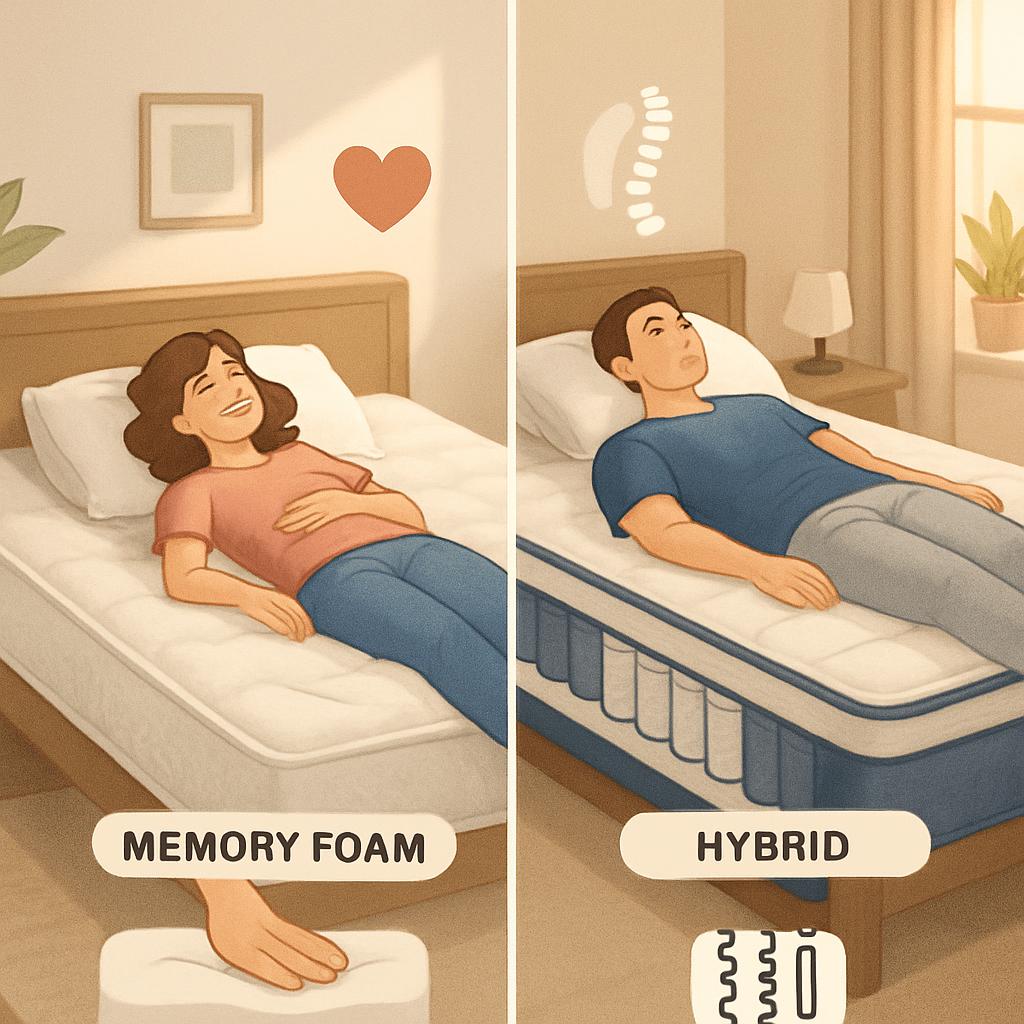
Making the choice between memory foam vs hybrid mattresses starts with understanding your personal sleep needs and preferences. A memory foam mattress might be the perfect fit for you if you're looking for that classic contouring sensation that gently cradles your body throughout the night. These mattresses have earned their reputation for providing exceptional pressure relief, making them a favorite among sleepers who deal with joint pain, back discomfort, or simply want to wake up feeling refreshed and pain-free.
One of the standout memory foam benefits is how these mattresses absorb motion. If you share your bed with a restless partner or a pet who likes to move around during the night, you'll appreciate how memory foam isolates movement. You can sleep soundly without being disturbed every time someone shifts position. This makes memory foam an excellent choice for light sleepers who are easily awakened by movement.
Temperature sensitivity is another factor to consider when choosing the best memory foam mattress for your needs. Modern memory foam technology has come a long way from the heat-retaining mattresses of the past. Today's options, like the Sealy Paterson Medium Gel Foam Mattress, incorporate cooling gel infusions that help regulate your body temperature while you sleep. These advanced materials work to pull heat away from your body, creating a more comfortable sleep environment even during warm summer months.
Memory foam mattresses also excel at conforming to your unique body shape and sleeping position. The foam responds to your body heat and weight, creating a custom sleep surface that supports your natural spinal alignment. This adaptive quality means the mattress works with your body rather than against it, reducing pressure points that can cause you to toss and turn throughout the night.
People who suffer from allergies often prefer memory foam mattresses because their dense structure makes it harder for dust mites, pet dander, and other allergens to accumulate. The solid foam construction doesn't have the same open spaces found in traditional innerspring mattresses where allergens can settle and thrive. This can lead to better breathing and fewer allergy symptoms during the night.
Budget-conscious shoppers will find that memory foam mattresses often provide excellent value for the money. While prices vary based on thickness, density, and special features, many quality memory foam options are available at price points that make them accessible to a wide range of buyers. The durability of memory foam means you're making an investment that should provide comfortable sleep for many years to come.
If you're someone who appreciates a quieter sleep environment, memory foam delivers on that front as well. Unlike traditional spring mattresses that can squeak and creak with movement, memory foam is completely silent. You can get in and out of bed, shift positions, or adjust your sleeping posture without creating any noise that might wake you or your partner.
Ideal Sleepers: Are You a Back, Side, or Stomach Sleeper?
Your primary sleeping position plays a huge role in determining whether a memory foam mattress will work well for you. Understanding the relationship between memory foam and your preferred sleep position helps you make a more informed decision in this mattress comparison.
| Sleep Position | Memory Foam Suitability | Key Benefits | Recommended Firmness |
|---|---|---|---|
| Back Sleepers | Excellent | Supports natural spine curve, reduces lower back pressure | Medium to Medium-Firm |
| Side Sleepers | Excellent | Cushions shoulders and hips, maintains spinal alignment | Medium to Medium-Soft |
| Stomach Sleepers | Good with Caveats | Prevents hip sinking when firm enough | Firm to Extra-Firm |
| Combination Sleepers | Very Good | Adapts to different positions throughout the night | Medium |
Back sleepers tend to do really well with memory foam mattresses because the foam naturally supports the curve of your lower back while keeping your spine in proper alignment. When you lie on your back on memory foam, the material conforms to your body's natural contours without allowing your hips to sink too deeply. This balanced support helps prevent the morning back pain that can occur when your mattress doesn't provide adequate lumbar support. For back sleepers, a medium to medium-firm memory foam mattress typically works best, offering enough give to be comfortable while maintaining the support your spine needs.
Side sleepers often report that memory foam mattresses are among their favorites when weighing hybrid vs memory foam options. When you sleep on your side, your shoulders and hips bear most of your body weight, creating pressure points that can lead to discomfort and poor circulation. Memory foam excels at relieving this pressure by allowing your shoulders and hips to sink into the mattress just enough while supporting your waist and keeping your spine straight. A medium to medium-soft memory foam mattress usually works best for side sleepers, providing the cushioning needed at pressure points without compromising overall support.
Stomach sleepers need to be more selective when choosing a memory foam mattress. The main concern for stomach sleepers is preventing excessive sinking in the hip area, which can create an unnatural arch in the lower back. If you primarily sleep on your stomach, you'll want to look for a firmer memory foam mattress that provides more resistance. A firm or extra-firm memory foam option will keep your body more level and prevent your midsection from sinking too deeply. While memory foam can work for stomach sleepers, you'll need to pay closer attention to firmness levels than other sleep positions require.
Combination sleepers who move between different positions throughout the night will find that memory foam mattresses adapt well to their changing needs. The responsive nature of memory foam means it adjusts as you shift from your back to your side or any other position. A medium firmness level typically provides the best balance for combination sleepers, offering enough support for back sleeping while still providing adequate cushioning for side sleeping.
Sleep Preferences: Evaluating Comfort Needs and Sleep Environment
Beyond your sleeping position, your personal comfort preferences and bedroom environment should guide your decision when comparing memory foam vs hybrid mattresses. Think about what makes you comfortable at night and what factors might disrupt your sleep. These considerations are just as important as sleep position when selecting the best memory foam mattress for your needs.
Temperature regulation is often at the top of people's minds when shopping for a memory foam mattress. If you're someone who naturally sleeps hot or lives in a warmer climate, you'll want to pay attention to cooling technologies. Traditional memory foam has a reputation for retaining heat, but modern memory foam mattresses address this issue through various cooling innovations. Look for mattresses that feature gel infusions, open-cell foam structures, or phase-change materials that actively work to dissipate heat. These cooling features can make a significant difference in your sleep quality if temperature is a concern for you.
Your bedroom environment also affects how well a memory foam mattress will perform. The temperature of your room influences how the foam responds to your body. Memory foam becomes softer in warmer temperatures and firmer in cooler environments. If you keep your bedroom quite cool, you might find that your memory foam mattress feels firmer than expected. Conversely, a warmer bedroom will make the foam more pliable and conforming. Understanding this temperature relationship helps you choose the right firmness level for your specific environment.
Consider your sensitivity to initial odors when making your mattress buying guide decisions. New memory foam mattresses often have a chemical smell when first unpacked, commonly called off-gassing. This smell comes from the manufacturing process and typically fades within a few days to a couple of weeks. If you're particularly sensitive to odors or have respiratory concerns, you might want to set up your new mattress in a well-ventilated room or give it time to air out before sleeping on it. Higher-quality memory foam mattresses tend to have less noticeable off-gassing and dissipate odors more quickly.
Think about your preferred level of sinkage and hug. Some people love the feeling of being embraced by their mattress, while others prefer sleeping more on top of the mattress rather than in it. Memory foam provides that characteristic hug feeling that many sleepers find comforting and secure. However, if you prefer easier movement and the ability to change positions quickly, you might want a less dense memory foam or consider whether the hybrid vs memory foam debate might tip toward a hybrid for your needs.
Your body weight plays a role in how memory foam will perform for you. Heavier individuals typically need denser, firmer memory foam to prevent excessive sinking and maintain proper support. The foam should compress enough to relieve pressure but not so much that you feel stuck or have difficulty moving. Lighter individuals can often use less dense foam and enjoy a softer feel while still receiving adequate support. Many memory foam mattresses are available in different firmness levels to accommodate various body weights and preferences.
Edge support is another practical consideration in your mattress comparison. Traditional memory foam mattresses sometimes lack strong edge support, which can make sitting on the side of the bed less stable and reduce the usable sleep surface. If you often sit on the edge of your bed or sleep close to the edge, look for memory foam mattresses that specifically address edge support through reinforced perimeters or denser foam along the sides.
Finally, consider any specific health concerns or physical conditions you're dealing with. Memory foam benefits people with arthritis, fibromyalgia, chronic pain conditions, and recovering from injuries due to its pressure-relieving properties. The way memory foam distributes your body weight can significantly reduce pain and discomfort that might keep you awake or cause you to wake up feeling stiff. If you have specific medical concerns related to sleep, a memory foam mattress might offer the therapeutic benefits you need for better rest and recovery.
When to Opt for a Hybrid Mattress?
The decision between memory foam vs hybrid mattresses often comes down to your personal sleep needs, lifestyle preferences, and what you value most in a mattress. While memory foam mattresses have their dedicated fans, hybrid mattresses bring something special to the table that makes them the perfect choice for many sleepers.
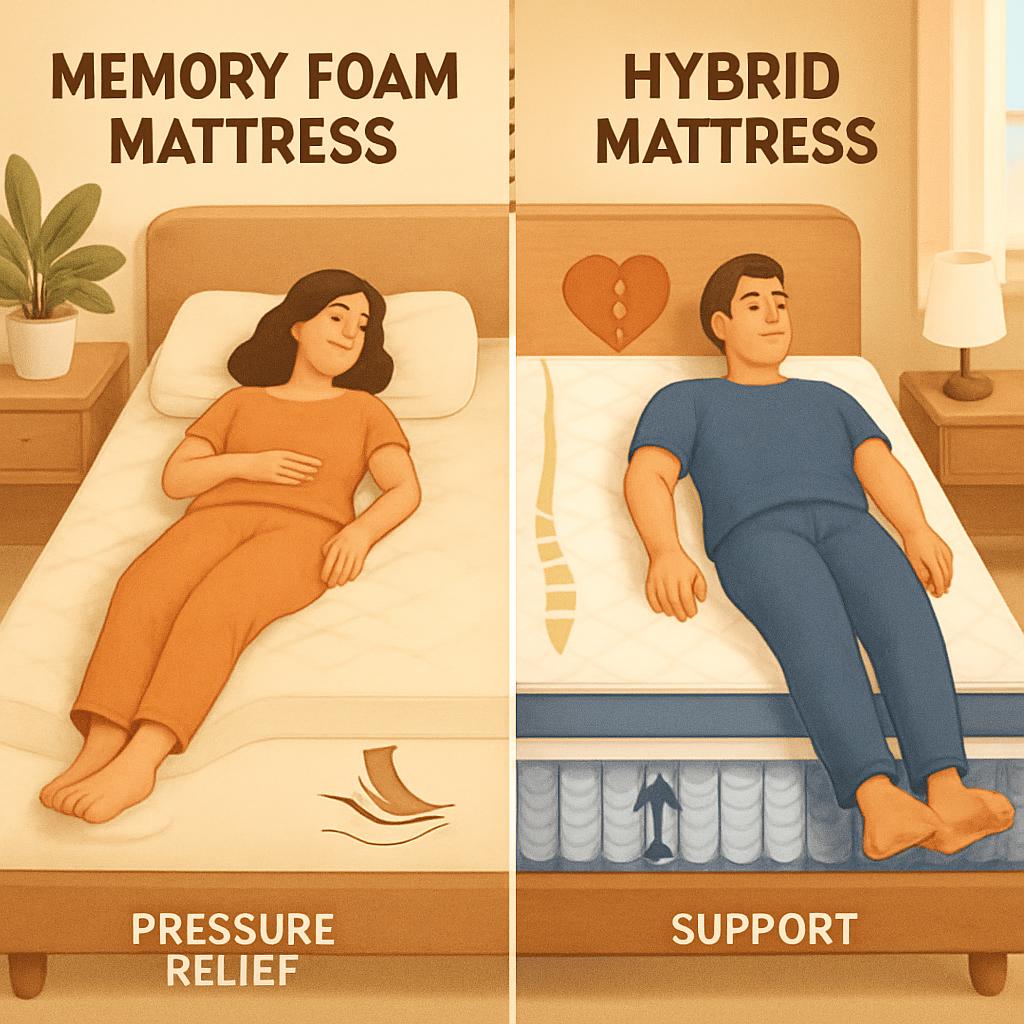
If you're someone who values responsive support that adapts quickly to your movements throughout the night, a hybrid mattress might be calling your name. Unlike traditional memory foam that can sometimes feel like you're sinking into quicksand, hybrid mattresses offer that perfect bounce-back quality that makes changing positions during sleep feel effortless and natural. This responsiveness comes from the individually wrapped coils that form the foundation of every quality hybrid design.
Temperature regulation is another major reason people choose hybrid over memory foam mattresses. If you've ever woken up in the middle of the night feeling uncomfortably warm, you know how disruptive this can be to quality sleep. Hybrid mattresses excel at keeping you cool because the coil system creates natural airflow channels throughout the mattress core. This built-in ventilation system allows heat to escape rather than getting trapped against your body like it sometimes can with all-foam constructions.
For those of you who need stronger edge support—whether you're sitting on the side of your bed to put on shoes or you sleep near the edge and don't want to feel like you might roll off—hybrid mattresses deliver exceptional perimeter support. The coil system extends right to the edges, creating a stable, supportive border that maintains its integrity over time. This feature makes the entire surface of your mattress usable, which is especially valuable if you're working with a smaller bedroom or sharing your bed with a partner or pet.
Heavier individuals often find that hybrid mattresses provide better long-term support and durability compared to memory foam alternatives. The coil system offers robust foundational support that prevents excessive sinking, while the comfort layers on top still provide pressure relief where you need it most. Options like the Sealy Medina Firm Hybrid Mattress combine strong coil support with responsive comfort layers that adapt to your body without compromising on the sturdy foundation you need for proper spinal alignment.
Active sleepers and combination sleepers—those of you who switch between sleeping on your back, side, and stomach throughout the night—typically find hybrid mattresses more accommodating to your movement patterns. The responsive nature of the coil system makes it easier to shift positions without feeling stuck or having to work against the mattress. This quality becomes even more valuable as we age and may need to adjust our sleeping position more frequently during the night.
Versatility for Couples: Managing Different Sleep Preferences
One of the biggest challenges couples face when shopping for a new mattress is finding something that works for both partners. When you're sharing a bed with someone who has different sleep preferences, body types, or comfort needs, the hybrid vs memory foam decision becomes even more important. This is where hybrid mattresses really shine, offering solutions that keep both sleepers happy night after night.
The individually wrapped coil systems in quality hybrid mattresses provide excellent motion isolation, which means when your partner gets up in the middle of the night, shifts position, or gets into bed after you've already fallen asleep, you're far less likely to be disturbed. Each coil responds independently to pressure and movement, containing the motion to that specific area rather than transferring it across the entire mattress surface. This feature has saved countless relationships from the frustration of disrupted sleep caused by a restless partner.
Weight distribution is another area where hybrid mattresses prove their worth for couples. If there's a significant weight difference between partners, memory foam mattresses can sometimes create an uneven sleeping surface where the heavier person sinks more deeply, causing the lighter person to feel like they're rolling toward the middle. Hybrid mattresses handle weight differences more effectively because the coil system provides consistent support across the entire surface while still adapting to each person's body contours through the comfort layers above.
"My husband and I have completely different sleep preferences—he likes firm support and I need something softer for my shoulders. Our hybrid mattress gives us both what we need. I don't feel him moving around at night anymore, and we both wake up without those aches and pains we used to have. Best sleep investment we've made!" – Review from November 3, 2023
Temperature compatibility is another common issue for couples. One partner might sleep hot while the other is always cold. Hybrid mattresses address this challenge better than memory foam because the airflow created by the coil system helps regulate temperature across the entire sleep surface. Some hybrid designs even incorporate different comfort layers on each side or use advanced cooling technologies that can be adjusted independently, though even standard hybrid constructions offer better temperature neutrality than most all-foam options.
The edge support that hybrid mattresses provide also gives couples more usable sleeping space. When both partners can sleep right up to the edge without feeling like they might roll off or experiencing a loss of support, it effectively increases your sleeping area. This is particularly valuable if you're working with a queen-size mattress and need every inch of space you can get, or if one partner tends to sprawl while sleeping.
Different sleeping positions between partners also become less of an issue with hybrid mattresses. If one of you is a side sleeper who needs pressure relief at the shoulders and hips, while the other is a back sleeper who requires firm support for proper spinal alignment, a well-designed hybrid mattress can accommodate both needs simultaneously. The combination of responsive coils and adaptive comfort layers creates a sleep surface that supports different body positions without forcing either partner to compromise on comfort.
Durability and Support: What You Can Expect from a Hybrid
When you're investing in a new mattress, you want to know it's going to last. Durability is a key factor in any mattress comparison, and this is an area where hybrid mattresses consistently outperform many memory foam alternatives. Understanding what makes hybrid mattresses so durable can help you make a more informed decision and feel confident about your purchase.
The core strength of any hybrid mattress lies in its coil system. High-quality individually wrapped coils are engineered to maintain their shape and supportive properties for years, typically ranging from seven to ten years or even longer with proper care. Unlike memory foam, which can develop body impressions over time as the foam breaks down, steel coils are remarkably resilient and resistant to permanent sagging. This structural integrity means your mattress will continue providing the support your body needs long after a pure memory foam mattress might have started showing its age.
The layered construction of hybrid mattresses also contributes to their longevity. By combining different materials—coils for foundational support and foam or other comfort materials on top—hybrid designs distribute wear more evenly across the mattress. The coils handle the heavy lifting of support, which reduces the stress on the comfort layers above. This division of labor means each component can focus on what it does best without being overstressed, resulting in a mattress that maintains its comfort and support characteristics longer.
Support consistency is another hallmark of quality hybrid mattresses. While some memory foam mattresses can soften over time or respond differently depending on room temperature, the coil system in a hybrid maintains consistent support regardless of environmental conditions. You'll experience the same level of support on a cold winter night as you do during a warm summer evening. This reliability means you can count on your hybrid mattress to deliver the same comfortable sleep experience year after year.
Premium hybrid mattresses often feature reinforced edges that add both to the usable sleeping surface and to overall durability. Edge reinforcement typically involves using firmer foam encasements or additional coil support around the perimeter. This construction prevents the edges from compressing prematurely, which is often one of the first areas to show wear on lesser-quality mattresses. Strong edges mean you can sit on the side of your bed to read, watch TV, or put on your shoes without worrying about damaging the mattress structure.
The best hybrid mattresses also incorporate high-density foams in their comfort layers, which resist breakdown better than lower-quality foams. When manufacturers combine these durable comfort materials with a robust coil system, you get a mattress that can truly stand the test of time. Brands like Sealy and Stearns & Foster have built their reputations on creating hybrid mattresses that maintain their supportive properties and comfortable feel for many years of regular use.
Weight capacity is another aspect of durability worth considering. Hybrid mattresses generally support higher weight limits more effectively than memory foam mattresses because the coil system can handle substantial weight without compromising support or accelerating wear. This makes hybrid mattresses an excellent long-term investment for individuals of all body types, as well as for guest rooms where different people with varying weights might use the mattress over time.
Proper support from your mattress isn't just about comfort—it's about protecting your health. A hybrid mattress that maintains its supportive properties over time helps ensure your spine stays properly aligned night after night, year after year. This consistent support can help prevent or reduce back pain, neck pain, and other musculoskeletal issues that can develop when a mattress loses its ability to properly support your body. When you think about durability in these terms, the longevity of a hybrid mattress becomes about more than just getting your money's worth—it's about investing in your ongoing health and wellbeing.
A Comprehensive Mattress Buying Guide
Shopping for a new mattress can feel overwhelming with all the options available today. Whether you're leaning toward memory foam or considering a hybrid mattress, having a solid mattress buying guide helps you make a decision you'll be happy with for years to come. I've helped countless customers work through this process, and I want to share the insights that will make your mattress shopping experience easier and more successful.
The first step in any good mattress buying guide is understanding that there's no single "best" mattress for everyone. Your perfect mattress depends on your unique combination of body type, sleeping position, comfort preferences, budget, and any specific health concerns like back pain or allergies. What works beautifully for your best friend might leave you tossing and turning, and that's completely normal. The goal is finding what's best for you, not what's best according to some generic rating system.
Budget is obviously a practical consideration, but I encourage you to think about it differently than you might approach other purchases. You spend roughly a third of your life sleeping, which means your mattress is one of the most-used items you own. When you break down the cost over the years you'll use it, even a higher-priced mattress becomes quite reasonable on a per-night basis. That said, you don't need to buy the most expensive option to get great sleep—you just need to find the right balance of quality and features that match your needs and budget.
Size matters more than many people realize when they're mattress shopping. If you're currently sleeping on a full-size mattress and finding yourself cramped or frequently disturbing your partner, moving up to a queen or king can dramatically improve your sleep quality. Consider not just your current situation but potential future needs. If you're single now but might share your bed with a partner down the road, or if you have pets or children who join you in bed sometimes, sizing up might be a smart investment. Options like the Sealy Albany Medium Hybrid Mattress come in multiple sizes to fit different bedroom configurations and sleeping arrangements.
Your bedroom environment also plays a role in which mattress type will serve you best. If your bedroom tends to run warm or you live in a hot climate, temperature regulation becomes a priority, which might push you toward a hybrid design with its superior airflow. If noise is a concern—maybe you're a light sleeper or have a partner who gets up at different times—you'll want to pay attention to how quiet the mattress is during movement. Quality hybrid mattresses with individually wrapped coils are virtually silent, while some cheaper innerspring designs can squeak or make noise over time.
Don't overlook the importance of your current or planned bed frame and foundation. Some mattresses require specific support systems to maintain their warranties and perform as designed. Platform beds, box springs, adjustable bases, and slatted frames all interact differently with various mattress types. If you're considering an adjustable base for reading or watching TV in bed, or for health reasons like acid reflux or snoring, you'll need a mattress that's flexible enough to bend without damaging its internal structure—most modern hybrid and memory foam mattresses work well with adjustable bases, but it's always worth confirming before you buy.
Health considerations should factor into your mattress buying decision as well. If you have chronic back pain, hip pain, or shoulder issues, certain mattress types and firmness levels can help alleviate your discomfort while others might make it worse. Side sleepers with shoulder or hip pain often benefit from slightly softer surfaces that cushion pressure points, while back and stomach sleepers typically need firmer support to maintain proper spinal alignment. If you have allergies or asthma, look for mattresses with hypoallergenic materials and covers that resist dust mites and other allergens.
The return policy, sleep trial period, and warranty offered by the retailer and manufacturer are critical elements that should influence where you buy your mattress and which one you choose. These protections give you peace of mind that if the mattress doesn't work out, you have options. I'll go into more detail about these important protections in the next section, but keep them in mind as you narrow down your choices.
Key Considerations for Your Mattress Purchase
Before you commit to a specific mattress, there are several key factors you should carefully think through. These considerations will help ensure you end up with a mattress that truly meets your needs rather than one that looked good in the store or online but doesn't deliver the comfort and support you need at home.
Here are the most important considerations to keep in mind during your mattress shopping process:
- Your primary sleeping position and how often you change positions during the night. Back sleepers need different support than side sleepers, and combination sleepers who move through multiple positions need a mattress responsive enough to accommodate those changes comfortably.
- Your body weight and build. Heavier individuals typically need firmer support and more durable construction to prevent excessive sinking and premature wear, while lighter sleepers might find those same firm mattresses uncomfortably hard and might not compress the comfort layers enough to get proper pressure relief.
- Whether you sleep alone or with a partner. Sharing a bed introduces considerations like motion transfer, edge support, and accommodating different comfort preferences that don't matter as much when you're sleeping solo.
- Any existing pain or health issues. Chronic back pain, arthritis, fibromyalgia, sleep apnea, and circulation problems can all influence which mattress type and firmness level will serve you best.
- Your temperature preferences during sleep. If you tend to sleep hot, breathability and cooling features become priorities. If you're always cold, you might actually prefer a mattress that retains some body heat rather than one designed for maximum cooling.
- The age and condition of your current mattress. If your existing mattress is over seven to ten years old or showing signs of wear like sagging, permanent body impressions, or exposed springs, it's definitely time for a replacement—continuing to sleep on a worn-out mattress can contribute to poor sleep and physical discomfort.
- Your budget and how you want to allocate it. Remember to factor in the cost of pillows, mattress protectors, and potentially a new foundation or bed frame if your current setup isn't compatible with your new mattress.
- The reputation and reliability of the brand and retailer. Buying from established companies with strong customer service and proven track records gives you confidence that they'll stand behind their products if any issues arise.
Taking the time to honestly assess these considerations before you start seriously shopping will save you from buyer's remorse and help you zero in on the mattresses most likely to meet your needs. It's tempting to get caught up in sales and marketing messages about the "best" or "most popular" mattress, but what matters is finding the best mattress for your specific situation.
Another key consideration that doesn't always get the attention it deserves is thinking about how your sleep needs might change in the coming years. If you're expecting lifestyle changes—perhaps a new job with different hours, planning to have children, or approaching retirement—think about how those changes might affect your sleep and whether the mattress you're considering will adapt to those new circumstances. A versatile option like a quality hybrid mattress often provides the flexibility to accommodate changing needs without requiring another mattress purchase sooner than you'd planned.
Personal preferences matter tremendously in mattress selection, but they can be hard to articulate if you haven't thought about them before. Do you like the feeling of sleeping "in" your mattress with more envelopment, or do you prefer sleeping "on top" with a more responsive surface? Do you want to feel the person next to you moving, or would you rather be completely isolated from their movements? These aren't questions with right or wrong answers—they're simply preferences that should guide you toward certain mattress types and away from others.
Understanding Mattress Types: The Essential Breakdown
To make an informed decision in the memory foam vs hybrid debate—or to consider other mattress types entirely—you need to understand the basic characteristics, benefits, and limitations of each major mattress category. This essential breakdown will give you the foundation you need to evaluate different options with confidence.
Memory foam mattresses are constructed entirely from layers of polyurethane foam, with the top layers typically being the viscoelastic memory foam that gives this mattress type its name. Memory foam responds to your body heat and weight, softening and contouring closely to your body shape. This creates exceptional pressure relief by distributing your weight evenly across the sleep surface rather than concentrating it at high-pressure points like your shoulders and hips. The best memory foam mattresses excel at motion isolation, making them popular with couples, and they're generally quite durable when made with high-quality, high-density foams.
However, traditional memory foam has some drawbacks worth understanding. Many people find memory foam sleeps warmer than other mattress types because the dense foam restricts airflow and can trap body heat. While newer memory foam designs incorporate cooling technologies like gel infusions, open-cell structures, and breathable covers to address this issue, temperature regulation remains a common concern. Memory foam also responds more slowly to movement compared to other mattress types, which some people describe as feeling "stuck" in the mattress—this slow response can make changing positions more difficult, particularly for older adults or those with mobility limitations.
Hybrid mattresses combine a supportive coil core with comfort layers typically made from foam, latex, or other cushioning materials. This construction brings together the best attributes of different mattress types—the responsive support and airflow of innerspring mattresses with the pressure relief and motion isolation of foam or latex. The coil system, usually featuring individually wrapped coils rather than interconnected springs, provides targeted support that adapts to your body's curves while maintaining proper spinal alignment. The comfort layers on top add contouring and pressure relief without the excessive sinking or heat retention sometimes associated with all-foam constructions.
The main advantage of hybrid mattresses is their balanced performance across multiple criteria. They offer good pressure relief without excessive sinking, effective motion isolation without feeling stuck, strong edge support, excellent airflow for temperature regulation, and a responsive feel that makes changing positions easy. Hybrid mattresses tend to be more durable than memory foam options because the steel coil system is highly resilient and resistant to permanent sagging. The main potential drawback is cost—quality hybrid mattresses often carry higher price tags than comparable memory foam models because they're more complex to manufacture and use more varied materials.
Innerspring mattresses, the traditional mattress type that dominated the market for decades, feature a coil support system topped with relatively thin comfort layers. Modern innerspring designs have evolved significantly from the bouncy, squeaky mattresses of the past. Quality innerspring mattresses now use individually wrapped coils for better motion isolation and feature more substantial comfort layers for improved pressure relief. They're typically the most affordable mattress type and offer excellent cooling due to unrestricted airflow through the coil system. However, they generally provide less pressure relief and contouring than memory foam or hybrid options, and lower-quality innerspring mattresses may develop uncomfortable pressure points or lose support over time.
Latex mattresses, made from natural rubber tree sap or synthetic latex, offer a unique combination of contouring support with a more responsive, buoyant feel than memory foam. Latex is naturally antimicrobial and resistant to dust mites, making it an excellent choice for allergy sufferers. It sleeps cooler than memory foam due to better breathability, and high-quality latex is exceptionally durable, often lasting 10-15 years or more. Natural latex is also an eco-friendly option for environmentally conscious consumers. The main drawbacks of latex mattresses are their higher cost compared to most memory foam or hybrid options, their substantial weight which makes them difficult to move or rotate, and the fact that some people simply don't enjoy the unique feel of latex.
Adjustable air mattresses (not to be confused with air mattresses for camping) use air chambers as the support system, allowing you to adjust firmness by adding or removing air. High-end models like those marketed for sleep numbers offer dual chambers so each partner can customize their side independently. These mattresses appeal to people who want complete control over firmness or whose firmness preferences change over time. However, they're typically quite expensive, require electricity to operate the pump system, and can need occasional maintenance if air chambers develop leaks.
Understanding these different mattress types helps clarify why the hybrid vs memory foam comparison is so common in mattress buying guides—these two types represent different philosophies about what makes a great mattress, and each serves different sleeper needs effectively. Memory foam prioritizes pressure relief and motion isolation through conforming foam layers, while hybrid mattresses balance multiple performance attributes through their layered construction of coils and comfort materials. Neither is objectively better than the other—the right choice depends on which characteristics matter most to you based on your sleeping position, body type, temperature preferences, and personal comfort preferences.
Conclusion: Making Informed Decisions for Restful Nights
Crafting Your Perfect Sleep Experience
After exploring the ins and outs of the memory foam vs hybrid mattress debate, you're now equipped with the knowledge to make a choice that truly fits your sleep needs. Both mattress types bring unique advantages to the table, and understanding these differences is the first step toward transforming your nightly rest into something truly restorative.
When it comes to choosing between a memory foam mattress and a hybrid mattress, there's no universal answer that works for everyone. Your ideal mattress depends on factors like your preferred sleeping position, whether you share your bed with a partner, your body weight, temperature preferences, and even your budget. What matters most is finding the mattress that aligns with your personal comfort needs and helps you wake up feeling refreshed every single morning.
If you're someone who values deep pressure relief, motion isolation, and that classic contouring sensation, a best memory foam mattress might be your perfect match. Memory foam excels at cradling your body's curves, making it particularly beneficial for side sleepers and anyone dealing with joint or pressure point discomfort. The way memory foam absorbs movement also makes it an excellent choice if you sleep next to someone who tosses and turns throughout the night.
On the other hand, if you need more bounce, edge support, and temperature regulation, a best hybrid mattress could be the answer you're looking for. Hybrids combine the pressure-relieving benefits of foam layers with the sturdy support of innerspring coils, creating a balanced sleep surface that works well for a wider range of body types and sleeping styles. The increased airflow through the coil system helps keep you cooler, while the responsive feel makes it easier to move around and get in and out of bed.
Remember that your mattress is one of the most important investments you'll make for your health and well-being. We spend roughly a third of our lives sleeping, which means the quality of your mattress directly impacts the quality of your daily life. A good night's sleep affects everything from your mood and energy levels to your immune system and mental clarity. That's why taking the time to research and test different options is so worthwhile.
Before making your final decision, I encourage you to visit Sleepology Mattress Shop where you can explore a wide selection of both memory foam and hybrid options from trusted brands like Tempur-Pedic, Sealy, and Stearns & Foster. Take advantage of sleep trial periods whenever possible, so you can test your new mattress in the comfort of your own home and make sure it's the right fit.
Your sleep sanctuary deserves thoughtful consideration. Whether you ultimately choose the conforming embrace of memory foam or the balanced support of a hybrid, you're taking an important step toward better sleep and better health. Sweet dreams await, and with the right mattress supporting you through every night, you'll be ready to face each new day with energy and enthusiasm. Here's to many nights of deep, comfortable, restorative sleep ahead!
Frequently Asked Questions
What is the main difference between memory foam and hybrid mattresses?
The main difference is in the construction. Memory foam mattresses are made entirely of foam layers that contour closely to your body, while hybrid mattresses combine foam comfort layers on top with a supportive innerspring coil system underneath. This makes hybrids more responsive and bouncy, while memory foam offers deeper contouring and pressure relief.
Which mattress type is better for back pain?
Both memory foam and hybrid mattresses can help with back pain, but it depends on your specific needs. Memory foam provides excellent pressure relief and spinal alignment by contouring to your body's natural curves. Hybrids offer more support through their coil systems, which some back pain sufferers prefer. The best choice often comes down to whether you need more contouring or more firm support.
Do hybrid mattresses sleep hotter than memory foam?
Actually, it's the opposite. Hybrid mattresses typically sleep cooler than traditional memory foam because the coil system allows for better airflow throughout the mattress. Memory foam can trap heat, though many modern memory foam mattresses now include cooling technologies like gel infusions or open-cell foam to help regulate temperature better.
How long do memory foam and hybrid mattresses last?
Hybrid mattresses generally last longer, typically between 7-10 years, because the coil system maintains its support well over time. Memory foam mattresses usually last 6-8 years before they start to lose their shape and support. However, the lifespan of any mattress depends heavily on the quality of materials, how well you maintain it, and your body weight.
Which mattress type is better for couples?
Memory foam mattresses excel at motion isolation, meaning you won't feel your partner moving around during the night. However, hybrid mattresses offer better edge support, making it easier to use the full surface of the bed, and they provide a good compromise between motion isolation and responsiveness. If you and your partner have different firmness preferences, a hybrid might be more versatile for both of you.
Are hybrid mattresses more expensive than memory foam?
Generally, yes. Hybrid mattresses tend to cost more because they contain both quality foam layers and a coil support system, which makes them more complex to manufacture. However, prices vary widely depending on the brand, materials used, and specific features. You can find quality options in both categories at various price points to fit different budgets.
Can I use an adjustable base with both memory foam and hybrid mattresses?
Most memory foam mattresses work great with adjustable bases because the foam is flexible and can bend with the base. Hybrid mattresses can also work with adjustable bases, but you should check with the manufacturer first, as some coil systems may not be designed to flex properly. Many modern hybrids are specifically built to be adjustable-base compatible.
Which mattress is better for side sleepers?
Memory foam mattresses are often the preferred choice for side sleepers because they provide excellent pressure relief at the shoulders and hips, which are the main pressure points for side sleeping. The contouring nature of memory foam helps maintain proper spinal alignment. However, a hybrid with a thick comfort layer can also work well for side sleepers who want some bounce along with pressure relief.
Do hybrid mattresses make noise?
Modern hybrid mattresses with individually wrapped pocket coils are designed to be very quiet. Each coil moves independently and is wrapped in fabric, which prevents the squeaking associated with older innerspring mattresses. Memory foam mattresses are completely silent since they contain no moving parts. If noise is a concern, look for hybrids with pocketed coils rather than traditional interconnected coils.
How much does a quality memory foam or hybrid mattress cost?
A quality memory foam mattress typically ranges from $800 to $2,500 for a queen size, while hybrid mattresses usually cost between $1,200 and $3,500 for a queen. Premium brands like Tempur-Pedic, Stearns & Foster, and Sealy Posturepedic may cost more but often come with better warranties, materials, and customer support. Remember that your mattress is a long-term investment in your health.
What firmness level should I choose for a memory foam or hybrid mattress?
Firmness preference depends on your body weight, sleeping position, and personal comfort preference. Side sleepers typically prefer medium to medium-soft (4-6 out of 10), back sleepers often do best with medium to medium-firm (5-7 out of 10), and stomach sleepers usually need medium-firm to firm (6-8 out of 10). Heavier individuals generally need firmer mattresses for proper support, while lighter people may prefer softer options.
Will I sink into a memory foam mattress?
Memory foam does contour around your body, which creates that "hugging" sensation, but you shouldn't sink excessively into a quality memory foam mattress. The amount of sinkage depends on the density and firmness of the foam. Higher-density memory foam provides more support and less sinkage. If you're concerned about feeling stuck, a hybrid mattress might give you the pressure relief of foam with more bounce from the coils.
Do memory foam mattresses have a chemical smell?
New memory foam mattresses may have a temporary odor called off-gassing when first unpackaged. This smell comes from volatile organic compounds released from the foam and typically fades within a few days to a week. To speed up the process, you can air out your mattress in a well-ventilated room before using it. Most quality memory foam mattresses today use low-VOC materials that produce minimal odor.
Which mattress type provides better edge support?
Hybrid mattresses typically offer superior edge support compared to memory foam because the coil system extends all the way to the edges, providing a stable perimeter. Memory foam mattresses can feel less supportive near the edges, which might make you feel like you'll roll off or make it harder to sit on the edge of the bed. If you sleep near the edge or sit on your bed frequently, a hybrid is usually the better choice.
Should I try my mattress before buying, or is online shopping okay?
While testing a mattress in a store can be helpful, lying on it for a few minutes doesn't always tell you how it will feel after sleeping on it for weeks. Many mattress companies now offer generous sleep trial periods that let you test the mattress at home for 90-120 nights. This is actually a better way to determine if a mattress works for you. Whether shopping online or in-store, always look for a good sleep trial period and warranty to protect your investment.