


Have you ever woken up in the middle of the night to find your mattress protector bunched up at the corner of your bed, leaving your mattress exposed and vulnerable? If so, you're not alone. Countless sleepers experience this frustrating issue, and it can seriously impact your sleep quality and mattress longevity. A mattress protector that constantly shifts and slides doesn't just disrupt your rest—it defeats the entire purpose of having protection in the first place. When your waterproof mattress protector won't stay in place, spills and accidents can seep through unprotected areas, potentially causing permanent damage to your investment. The good news is that modern mattress protection technology has come a long way, and there are now stay-put mattress protectors specifically designed to remain secure throughout the night. Whether you're a restless sleeper who tosses and turns or someone who simply wants peace of mind knowing their mattress is fully protected, finding the right non-slip mattress protector can make all the difference. At Sleepology Mattress Shop, I've seen firsthand how the right fitted mattress protector transforms the sleeping experience for our customers. The key lies in understanding what features truly matter when it comes to keeping your protector in place—from deep pocket designs that accommodate thicker mattresses to elastic components that grip your mattress edges without budging. Throughout this guide, I'll walk you through everything you need to know about selecting a mattress protector that will stay exactly where you put it, night after night. We'll explore the essential features that create a secure fit mattress protector, examine why waterproof protection doesn't have to mean noisy or uncomfortable, and look at real customer experiences with anti-shift mattress covers. By the end, you'll have all the information you need to make an informed decision about protecting your mattress investment while ensuring uninterrupted, comfortable sleep. Your mattress deserves protection that works as hard as you do to get quality rest, and that starts with a protector that actually stays put all night long.
Key Takeaways
- A secure fit mattress protector prevents bunching and shifting for uninterrupted sleep
- Deep pocket designs accommodate mattresses of varying thickness for optimal protection
- Waterproof protection safeguards your mattress investment from spills and accidents
- Quality elastic mattress covers maintain their grip without losing elasticity over time
- Breathable materials balance waterproofing with temperature regulation for comfort
Discover the Ultimate Stay-Put Mattress Protector
Finding a mattress protector that truly stays in place throughout the night can feel like searching for a needle in a haystack. I've worked with hundreds of customers at Sleepology who've shared their frustrations with protectors that slip, slide, and bunch up—often within hours of making the bed. The reality is that not all mattress protectors are created equal, and the difference between a mediocre product and an exceptional one often comes down to specific design features that prioritize security and stability.
When I talk about a stay-put mattress protector, I'm referring to products that incorporate multiple design elements working together to create an immovable barrier between your sheets and your mattress. These protectors typically feature reinforced elastic bands that wrap completely around the mattress perimeter, deep pockets that accommodate even the thickest mattresses without pulling or stretching, and grip-friendly materials on the underside that naturally resist movement. The combination of these features creates what I call the "triple-lock system"—elastic for stretch, depth for coverage, and grip for stability.
What really sets apart a premium non-slip mattress protector is the quality of construction. I've noticed that customers who invest in quality mattress protectors from our collection rarely come back with complaints about shifting or movement. These products use commercial-grade elastic that maintains its tension even after countless wash cycles, and they're designed with corner straps or anchor points that physically secure the protector to your mattress foundation. The investment in a well-constructed fitted mattress protector pays dividends in both protection and peace of mind.
One aspect that often surprises people is how mattress type affects protector performance. If you own a luxury mattress like our Stearns & Foster options, you'll want a protector specifically designed to complement that level of quality. Similarly, gel foam mattresses such as the Sealy Lacey Soft Gel Foam require protectors that won't interfere with the mattress's cooling properties while still providing comprehensive protection.
The technology behind modern all-night mattress protection has advanced significantly in recent years. Manufacturers now use precision-cut patterns and industrial-strength stitching to ensure that every seam and edge can withstand the nightly movement of even the most active sleepers. The elastic used in premium secure fit mattress protectors is often woven with multiple layers, creating a lattice effect that distributes tension evenly across all edges. This prevents the common problem of corner pop-off, where one corner pulls free and gradually the entire protector works its way loose.
I always remind customers that a mattress protector is only effective when it's actually protecting your mattress. If your current protector shifts during the night, you're essentially sleeping with partial protection—and partial protection is really no protection at all. The ultimate stay-put mattress protector isn't just about convenience; it's about ensuring that every square inch of your mattress remains shielded from moisture, allergens, dust mites, and everyday wear. When you can sleep soundly knowing your protection is as secure as your mattress itself, you've found the right product for your needs.
Why a Secure Fit Matters for a Good Night's Sleep
The connection between a properly fitted mattress protector and quality sleep might not be immediately obvious, but after years of helping customers at Sleepology, I can tell you it's one of the most underestimated factors in achieving truly restful nights. When your mattress protector shifts or bunches up during sleep, it creates a cascade of small but significant disturbances that can fragment your sleep cycle and leave you feeling less rested in the morning.
Think about what happens when your non-slip mattress protector actually does slip. First, you've got the physical discomfort of wrinkled fabric beneath your sheets, creating uneven sleeping surfaces that your body registers even if you're not consciously aware of them. Then there's the psychological impact—that nagging worry in the back of your mind about whether your mattress is fully protected, especially if you've invested in a quality mattress. These concerns, however minor they might seem, can prevent you from reaching the deep sleep stages that are essential for physical recovery and mental clarity.
- Uninterrupted sleep cycles depend on a stable sleeping surface. When your fitted mattress protector stays in place, you maintain a consistent sleep environment throughout the night without the micro-disruptions caused by shifting materials beneath you.
- Full mattress coverage means complete protection. A stay-put mattress protector ensures that every area of your mattress remains shielded from spills, sweat, and allergens, which is especially important for maintaining mattress warranties.
- Temperature regulation works better with proper fit. An anti-shift mattress cover that remains flat against your mattress allows for better airflow and heat dissipation, preventing hot spots that can wake you up during the night.
- Reduced morning routine hassle improves daily life. When your elastic mattress cover maintains its position, you don't need to remake your bed every morning by adjusting and smoothing out bunched-up protectors, saving you time and frustration.
- Partner disturbance decreases significantly. If you share your bed, a secure fit mattress protector means less tugging and adjusting of covers during the night, which can disturb your partner's sleep as well as your own.
What I find particularly interesting is how sensitive our bodies are to even minor irregularities in our sleeping surface. Research in sleep science has shown that we can detect variations as small as a few millimeters in mattress surface height, and our brains register these inconsistencies as potential threats or discomforts. When a waterproof mattress protector bunches up, it creates exactly these kinds of variations—small hills and valleys in your sleeping surface that your body notices and responds to, even if you're not consciously aware of the problem.
The psychological benefit of knowing your mattress is properly protected shouldn't be underestimated either. I've had customers tell me that after switching to a high-quality deep pocket mattress protector that actually stays in place, they sleep more soundly simply because they're no longer worrying about their mattress investment. This is especially true for parents of young children or pet owners, who understand that accidents can happen at any time. Having confidence in your all-night mattress protection creates a sense of security that contributes to better overall sleep quality.
For people with allergies or sensitivities, a secure fit mattress protector becomes even more critical. Dust mites and allergens can accumulate in exposed areas of your mattress, and if your protector shifts during the night, you're essentially opening windows of vulnerability where these irritants can affect your breathing and comfort. A properly fitted, non-slip mattress protector creates a complete barrier that stays effective throughout every sleep cycle, ensuring you're breathing cleaner air all night long.
The Importance of a Waterproof Mattress Protector
When I explain the value of a waterproof mattress protector to customers, I often start by asking them to consider the investment they've made in their mattress. Whether you've purchased a premium Tempur-Pedic with cooling technology or a supportive Sealy gel foam mattress, that investment deserves protection from the one thing that can cause irreversible damage: moisture.
The reality is that our bodies produce a surprising amount of moisture during sleep. The average person perspires between one-half to one full cup of moisture every night, and that's under normal conditions. Add in hot summer nights, illness, or just being a naturally warm sleeper, and that amount can increase significantly. Without a waterproof mattress protector, all that moisture seeps directly into your mattress, creating the perfect breeding ground for mold, mildew, and bacteria. I've seen mattresses that are only a few years old that have had to be replaced entirely due to moisture damage that could have been prevented with proper protection.
What many people don't realize is that moisture damage to a mattress isn't always immediately visible. The problems develop deep within the mattress layers, where you can't see them until it's too late. By the time you notice a musty smell or visible discoloration, the damage is already extensive. A quality fitted mattress protector with waterproof properties creates an impenetrable barrier that prevents any liquid—whether it's sweat, spills, or accidents—from reaching your mattress core. This protection is especially valuable if you have children, pets, or anyone in your household who might experience nighttime accidents.
"I never realized how much peace of mind a good waterproof protector could provide until I had a late-night water glass spill. The liquid sat right on top of the protector, and my mattress underneath stayed completely dry. That protector paid for itself in one incident." – Verified Customer Review from November 2024
The technology behind modern waterproof mattress protectors has come incredibly far from the crinkly, plastic-feeling covers that many people remember from years past. Today's waterproof protectors use advanced membrane technology that blocks liquids while still allowing air and water vapor to pass through. This means you get complete moisture protection without the uncomfortable, sweaty feeling that older protector designs created. The best waterproof options feel virtually identical to standard fabric protectors, and many sleepers forget they even have waterproofing because the material is so naturally comfortable.
One aspect that I always emphasize is the warranty implications of mattress protection. Most mattress warranties—including those from top brands like Tempur-Pedic, Sealy, and Stearns & Foster—specifically require the use of a mattress protector and will void coverage if staining or moisture damage is found. This means that skipping a waterproof mattress protector isn't just risking your mattress; it's potentially voiding thousands of dollars in warranty coverage. For the relatively small investment in a quality secure fit mattress protector, you're protecting both your mattress and your warranty rights.
The health benefits of waterproof protection extend beyond just preventing mold and mildew growth. Moisture in your mattress can also attract and sustain dust mite populations, which thrive in humid environments. Dust mites are one of the most common triggers for allergies and asthma, and keeping your mattress dry is one of the most effective ways to control their population. A stay-put mattress protector with waterproof properties creates an inhospitable environment for these microscopic pests, contributing to better respiratory health and fewer allergy symptoms.
I've also noticed that customers who use waterproof mattress protectors tend to keep their mattresses longer and report higher satisfaction with their sleep setup overall. When you know your mattress is fully protected from all forms of moisture damage, you can relax and enjoy your sleep without worry. Whether you're dealing with the inevitable spills of daily life, protecting against perspiration, or simply want the peace of mind that comes with comprehensive protection, a waterproof deep pocket mattress protector is an essential component of mattress care that no sleep setup should be without.

Deep Pocket Mattress Protectors: The Key to a Perfect Fit
If you've ever woken up to find your mattress protector bunched up in a corner or slipped halfway off your bed, you know how frustrating that experience can be. It's not just annoying—it actually defeats the whole purpose of having protection in the first place. That's where deep pocket mattress protectors come into play, and honestly, they're a game-changer for anyone who's tired of wrestling with their bedding every morning. Think about it: today's mattresses are thicker than ever before. Whether you've invested in a plush pillow-top, a memory foam mattress, or one of those luxurious hybrid models, chances are your mattress measures anywhere from 12 to 18 inches thick—sometimes even more. Standard mattress protectors, which typically accommodate mattresses up to 12 inches, simply can't handle these deeper dimensions. They stretch too tightly, pop off the corners during the night, or never quite fit properly to begin with. A deep pocket mattress protector solves all of these issues by providing that extra depth you need for a secure, stay-put fit. When I'm helping customers at our shop, one of the first things I ask is about their mattress height. It's such a simple question, but it makes all the difference in finding the right fitted mattress protector. Deep pocket options typically accommodate mattresses from 15 to 22 inches deep, which means they work beautifully with those thicker, more comfortable mattresses that have become so popular. The extra fabric doesn't just hang loose, either—it's designed to wrap around your mattress snugly and stay in place all night long. What really sets a quality deep pocket mattress protector apart is how it combines that generous depth with other essential features. You're not sacrificing waterproof protection just because you need more coverage. The best options give you both—a waterproof barrier that shields your mattress from spills, sweat, and accidents, plus the deep pockets that actually fit your bed. This is especially important if you've invested in a premium mattress from brands like Stearns & Foster, where protecting that investment becomes even more critical. Another aspect I really appreciate about deep pocket mattress protectors is how they maintain their fit even when you move around during sleep. We all shift positions throughout the night—that's completely normal—but a poorly fitted protector will shift right along with you, eventually working its way off the mattress entirely. A proper deep pocket design, on the other hand, has enough material to stay anchored at all four corners, no matter how much you toss and turn. This makes it a true non-slip mattress protector that you can count on. The elastic around the edges of these protectors plays a huge role too. When you have that extra depth working in your favor, the elastic doesn't have to stretch to its absolute limit just to reach around the mattress. Instead, it sits comfortably around the perimeter with just enough tension to hold everything securely in place. This means the elastic lasts longer and maintains its grip night after night, giving you that reliable all-night mattress protection you're looking for. For anyone shopping for a new mattress protector, I can't stress enough how important it is to measure your mattress height first. Grab a tape measure and check from the top surface straight down to where the mattress sits on the foundation. If that number is above 14 inches, you definitely need a deep pocket mattress protector. Don't guess or assume a standard one will work—it won't, and you'll just end up frustrated and back at square one.Understanding Deep Pocket Options for Your Mattress Comfort
Let's break down exactly what you need to know when shopping for a deep pocket mattress protector. Not all products are created equal, and understanding the specifics will help you make a smart choice that actually works for your bed. First, let me share a helpful comparison that shows how different pocket depths work with various mattress types. This really helps clarify which option you should be looking for:| Mattress Type | Typical Depth Range | Recommended Protector Pocket Depth | Why It Matters |
|---|---|---|---|
| Standard Innerspring | 9-12 inches | Standard (up to 14 inches) | Basic coverage works fine for thinner profiles |
| Memory Foam | 10-14 inches | Deep Pocket (up to 18 inches) | Extra room prevents compression and slipping |
| Pillow-Top or Euro-Top | 14-18 inches | Deep Pocket (up to 18 inches) | Accommodates the extra padding layer |
| Luxury Hybrid | 14-20 inches | Extra Deep Pocket (up to 22 inches) | Ensures secure fit on premium thick mattresses |
Elastic Mattress Covers: Features and Benefits
When it comes to keeping your mattress protector exactly where it belongs throughout the night, the elastic component is absolutely the unsung hero. I've seen so many customers overlook this feature when shopping, focusing only on waterproof capabilities or softness, but let me tell you—the elastic is what makes or breaks whether you have a stay-put mattress protector or one that frustrates you every single morning. Quality elastic mattress covers use a band of strong, flexible elastic that runs continuously around the entire perimeter of the protector. This creates a secure grip that hugs your mattress from all sides, not just at the corners. Think of it like a fitted sheet, but with even more holding power. The elastic needs to have just the right amount of tension—too loose and it won't hold, too tight and it becomes nearly impossible to get onto your mattress or could even damage the material over time."I was so tired of waking up with my mattress protector halfway off the bed. Since switching to a fitted mattress protector with reinforced elastic, it hasn't moved an inch. Finally, I can sleep through the night without my bedding becoming a mess. This has been a total game-changer for my sleep quality!" – Sarah M., verified customer review from November 2024One of the best features of elastic mattress covers is their adaptability. Even if your mattress is slightly thicker or thinner than the standard size, good elastic will accommodate those variations without compromising the fit. This flexibility is especially helpful if you have a mattress topper or pad that adds an extra inch or two to your overall mattress height. The elastic stretches to encompass that additional depth while still maintaining a tight, secure fit that won't shift during the night. Durability is where many elastic mattress covers fall short, though, which is why it's so important to pay attention to the quality of materials used. Lower-quality elastic will begin to lose its stretch after just a handful of washes. You'll notice it starts to feel looser, doesn't snap back as quickly, or develops weak spots where it's stretched too often. Before you know it, you're dealing with a protector that pops off the corners—exactly what you were trying to avoid in the first place. High-quality elastic, on the other hand, is designed to withstand repeated stretching and washing without losing its effectiveness. The width of the elastic band also matters more than you might think. A wider band distributes tension more evenly around the mattress edge, which means less stress on any single point and better overall grip. Some premium non-slip mattress protectors use elastic bands that are two inches wide or more, which provides exceptional holding power. These wider bands also tend to last longer because the tension is spread across a larger surface area. Another benefit of well-designed elastic mattress covers is how they work in conjunction with the deep pocket design I mentioned earlier. When you have both generous pocket depth and strong elastic, you get a protector that truly stays in place no matter what. You can move around freely during sleep, sit on the edge of your bed, or even have kids jumping on it (though we might not officially recommend that), and the protector remains firmly anchored. This is what we mean by all-night mattress protection—it's protection that actually stays where it needs to be. The construction method used to attach the elastic also plays a role in overall performance. Some protectors have the elastic sewn directly into the seam, while others feature it in a separate casing. Both methods can work well, but the key is that the stitching needs to be reinforced. Weak stitching will give out before the elastic does, which defeats the entire purpose. Look for double-stitched seams or reinforced corner construction—these details indicate a product that's built to last. From a practical standpoint, elastic mattress covers also make your life easier when it comes to changing your bedding. Because the elastic provides such a secure fit, you don't have to worry about the protector sliding around when you're putting on your fitted sheet. Everything stays aligned, which makes the whole bed-making process quicker and less frustrating. It's one of those small conveniences that you really start to appreciate once you experience it. Temperature management is another unexpected benefit of quality elastic design. When the elastic holds the protector firmly against the mattress without any bunching or gaps, air can circulate more efficiently. This helps prevent heat buildup between the protector and the mattress surface, contributing to a cooler, more comfortable sleeping environment. It's a subtle advantage, but it adds up to better overall sleep quality. For anyone investing in a secure fit mattress protector, the elastic component should be at the top of your evaluation checklist. Ask questions about the elastic quality, check for reinforced construction, and don't hesitate to read reviews specifically mentioning how well the protector stays in place. These details will tell you much more about long-term performance than just looking at the product specifications alone.
Enhancing Comfort with Breathable Mattress Covers
Comfort is everything when it comes to getting quality sleep, and your choice of mattress protector plays a bigger role in that comfort than most people realize. I've heard from countless customers who avoided using a mattress protector for years because they assumed it would make their bed feel hot, crinkly, or uncomfortable. But here's the truth: modern breathable mattress covers have come such a long way that you honestly shouldn't notice them at all—except for the peace of mind they provide. The real magic happens when you find a protector that balances protection with comfort. You need that waterproof barrier to guard against spills, accidents, and moisture, but you also need breathability to maintain a comfortable sleeping temperature. The best waterproof mattress protectors manage to deliver both without compromise, using advanced materials and construction techniques that keep you dry and comfortable all night long. Breathability in a mattress protector refers to how well air can circulate through the fabric. When air moves freely, heat and moisture can escape rather than getting trapped between you and your mattress. This is especially important if you tend to sleep warm or if you live in a climate with hot summers. Nobody wants to wake up feeling like they've been sleeping in a sauna, and a breathable mattress cover prevents exactly that scenario. What I really love about today's mattress protectors is how the technology has improved. The waterproof layers are now made with microscopic pores that are small enough to block liquids but large enough to allow water vapor (like sweat) to pass through. This means you get complete waterproof protection without that plastic-sheet feeling that older protectors were notorious for. The result is a sleep surface that feels natural and comfortable, just like sleeping directly on your mattress—but with the added benefit of keeping that mattress pristine. Fabric choice on the top layer makes a huge difference in overall comfort too. Cotton and cotton-blend surfaces feel soft and familiar against your skin, while also promoting airflow. Some protectors incorporate special weaving techniques that enhance breathability even further, creating tiny channels for air movement. These details might seem small, but they add up to a noticeably more comfortable sleeping experience, especially over the course of a full night's sleep. For anyone who's invested in a high-quality mattress with special features like cooling gel or temperature-regulating foam, a breathable mattress cover is absolutely essential. You don't want to block the benefits of those advanced materials with a protector that traps heat. The right breathable option allows your mattress to perform exactly as designed, maintaining its comfort properties while adding an extra layer of protection that extends its lifespan.The Role of Breathability in a Mattress Protector
Let's get into the specifics of why breathability matters so much and what it actually does for your sleep quality. When I explain this to customers, I like to break it down into the key benefits that breathability provides, because once you understand the science behind it, the importance becomes crystal clear. Your body naturally releases heat and moisture while you sleep—it's just part of how we regulate our temperature. On average, a person can release up to a half-pint of moisture through perspiration during a single night's sleep. If that moisture can't escape because your mattress protector is blocking it, you end up sleeping in a progressively warmer, damper environment. That's not just uncomfortable—it can actually disrupt your sleep cycles and prevent you from reaching those deep, restorative stages of sleep that your body needs. Here's what breathability in a quality mattress protector actually accomplishes for you:- Temperature regulation throughout the night. A breathable waterproof mattress protector allows your body heat to dissipate naturally rather than reflecting back toward you. This helps maintain a consistent, comfortable sleeping temperature from the moment you climb into bed until your alarm goes off in the morning. You're not waking up hot and throwing off covers, then getting cold and pulling them back on—you just sleep comfortably straight through.
- Moisture management that keeps you dry. When perspiration can evaporate through the protector instead of pooling against your skin, you stay dryer and more comfortable. This is particularly important if you exercise before bed, sleep in a warm room, or naturally tend to perspire more. The breathability works continuously to wick moisture away, keeping your sleep surface fresh and dry.
- Prevention of mold and mildew growth. This is a benefit people don't always think about, but it's really important for long-term mattress health. When moisture gets trapped between your mattress and a non-breathable protector, it creates the perfect environment for mold and mildew to develop. A breathable option prevents this by allowing moisture to escape, keeping your sleeping environment hygienic and healthy.
- Maintaining the feel of your original mattress. Non-breathable protectors can make your mattress feel different—sometimes stiffer, sometimes oddly spongy. A breathable fitted mattress protector preserves the exact feel and support characteristics of your mattress because it's not creating a barrier that interferes with how the materials respond to your body weight and movement.
- Compatibility with mattress cooling technologies. Many modern mattresses include cooling features like gel-infused foam, phase-change materials, or specialized ventilation systems. These technologies need airflow to work properly. A breathable mattress protector ensures these cooling features can still function as designed, so you get the full benefit of what you paid for in your mattress.
Noiseless Protection: Enjoying Uninterrupted Sleep
If you've ever slept on an older style waterproof mattress protector, you probably remember the noise. That crinkly, plastic-bag sound every time you moved was enough to wake you up—and possibly your partner too. It's one of those things that seems minor until you actually experience it night after night, and then it becomes a real sleep disruptor. The good news is that modern noiseless mattress protectors have completely eliminated this problem, and it makes such a difference in overall sleep quality. The noise issue with older protectors came from the type of waterproof barrier they used. Early waterproof materials were essentially plastic films or vinyl layers that were stiff and inflexible. Every movement you made would cause these materials to rub against themselves or your mattress, creating that telltale rustling sound. It was effective at blocking liquids, sure, but at the cost of peaceful, quiet sleep. Many people decided the protection wasn't worth the disturbance and just went without a protector altogether. Today's technology has changed everything. Modern waterproof membranes are soft, flexible, and completely silent during normal use. The polyurethane-based materials used in quality non-slip mattress protectors move naturally with your body without making any noise at all. You can shift positions, roll over, or get up in the middle of the night without creating any sound. It's the kind of improvement that once you experience it, you wonder how anyone ever tolerated the old noisy versions. The construction method also plays a huge role in keeping things quiet. When a mattress protector is made with multiple thin layers that are properly bonded together, there's no opportunity for the layers to shift against each other and create friction noise. The entire protector moves as a single unit, flexing and bending silently with your movements. This seamless construction is a hallmark of quality products that have been designed with the user's actual sleeping experience in mind. Another factor that contributes to noiseless performance is the softness of the top fabric layer. When you have a plush, quality fabric surface on your secure fit mattress protector, it cushions any movement and absorbs sound rather than amplifying it. Cotton and cotton-blend fabrics are particularly good at this—they feel soft and natural while also dampening any potential noise from the waterproof layer beneath. It's yet another reason why fabric choice matters so much when selecting your protector. For couples sharing a bed, a noiseless protector becomes even more important. If one person tends to move around more during sleep or gets up frequently during the night, you don't want every movement to disturb the other person. A quiet all-night mattress protection solution means both people can sleep undisturbed, maintaining their individual sleep cycles without interruption. This can genuinely improve relationship harmony—sleep deprivation makes everyone cranky, after all. The thickness of the protector also influences noise levels, though not in the way you might expect. You might think a thicker protector would be quieter because it has more cushioning, but that's not necessarily true. What matters more is the quality and type of materials used rather than overall thickness. A well-designed thin protector can be completely silent, while a poorly made thick one might still create noise. This is why reading reviews and choosing products from reputable manufacturers makes such a difference. Testing for noiselessness is actually something you can do before fully committing to a new protector. Once you receive it, before putting it on your bed, scrunch it up in your hands and listen. A quality noiseless anti-shift mattress cover should be virtually silent even when you're deliberately trying to make noise with it. If you hear crinkling or rustling during this test, imagine how much more noticeable that will be when you're trying to sleep in a quiet room at night. It's worth noting that even the best protectors might make a tiny bit of sound if you really pay attention, especially when they're brand new. But it should be minimal—just the soft whisper of fabric moving, nothing like the obvious plastic noise of older products. After a few washes, even that minimal sound usually disappears completely as the materials soften and settle in. For light sleepers who are particularly sensitive to noise, a noiseless feature isn't just a nice bonus—it's absolutely essential. These are the folks who notice every little sound in their environment, from a ticking clock to a dripping faucet. For them, even a slight rustling from their mattress protector could mean the difference between a good night's sleep and hours of frustration. Choosing a protector that's been specifically designed and tested for noiseless performance gives them the protection they need without sacrificing their ability to fall asleep and stay asleep. The peace of mind factor is huge too. When you know your mattress is fully protected against spills and accidents, but you're not reminded of that protection every time you move, you can just relax and sleep naturally. You're not thinking about your bedding or feeling self-conscious about making noise. You're just sleeping comfortably and peacefully, exactly as it should be. That's the ultimate goal of any quality fitted mattress protector—to provide complete protection so seamlessly that you forget it's even there.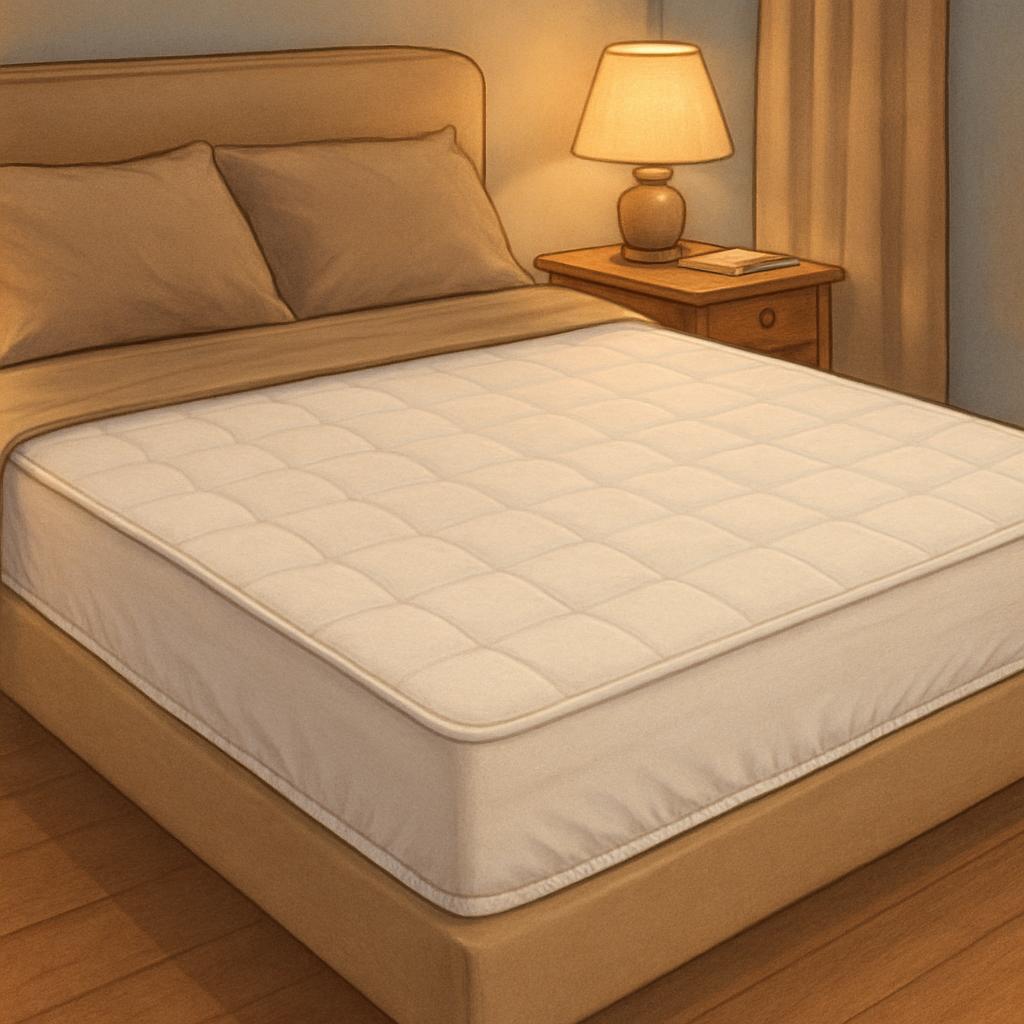
Care and Maintenance of Your Mattress Protector
Taking proper care of your mattress protector isn't just about keeping it clean—it's about protecting your investment and making sure that waterproof mattress protector continues doing its job night after night. I've learned over the years that a well-maintained fitted mattress protector can last significantly longer than one that's neglected, and the good news is that caring for these protective layers doesn't have to be complicated or time-consuming.
When you invest in a quality stay-put mattress protector, you're making a smart decision to protect your mattress from spills, stains, allergens, and everyday wear. But like any bedding product, your non-slip mattress protector needs regular attention to maintain its protective qualities and secure fit. The elastic components that keep your mattress cover firmly in place, the waterproof barrier that shields against accidents, and the breathable fabric that keeps you comfortable all night—these features work best when you follow proper care routines.
Most people don't realize that improper cleaning methods can actually damage the waterproof membrane in their protector or cause the elastic to lose its grip. I've seen too many cases where someone purchased a premium deep pocket mattress protector only to have it fail prematurely because they threw it in the dryer on high heat or used harsh bleach that broke down the protective layers. Understanding the right care techniques means your all-night mattress protection will continue performing exactly as it should for years to come.
The beauty of modern mattress protectors is that manufacturers have designed them to be both highly protective and relatively easy to maintain. Whether you've chosen a basic waterproof option or upgraded to a premium model like those in our mattress protectors collection, following manufacturer guidelines and implementing simple care habits will keep your protector functioning properly and your mattress in pristine condition underneath.
Regular maintenance also means you'll enjoy better sleep quality. A clean, fresh-smelling mattress protector contributes to a more hygienic sleep environment, free from dust mites, allergens, and bacteria that can accumulate over time. Plus, when your secure fit mattress protector is properly cared for, it maintains its soft feel and noiseless operation, so you won't even notice it's there while you sleep.
Easy Care Tips for Longevity
Keeping your mattress protector in top condition doesn't require special skills or expensive products—just consistent care and attention to a few key guidelines. I always tell people that establishing a simple routine for washing and maintaining their elastic mattress cover will become second nature after the first few times, and the benefits are absolutely worth the minimal effort involved.
First and foremost, frequency matters when it comes to washing your waterproof mattress protector. I recommend washing it at least once every two months under normal circumstances, or more frequently if you have allergies, pets, or young children. If you experience a spill or accident, address it immediately to prevent stains from setting and to maintain the integrity of the waterproof barrier. Spot-cleaning small areas between full washes can help extend the time between launderings while keeping your protector fresh.
Temperature control during washing is absolutely critical for preserving the waterproof membrane and elastic components of your fitted mattress protector. Always use cold or warm water—never hot—as high temperatures can break down the waterproof coating and cause the elastic bands to lose their stretch. This is especially important for deep pocket mattress protectors that rely on strong elastic to grip thicker mattresses securely. I've found that a gentle or delicate cycle works best, as aggressive agitation can stress the fabric and seams over time.
| Care Aspect | Recommended Practice | What to Avoid |
|---|---|---|
| Washing Frequency | Every 2 months (or monthly with allergies/pets) | Waiting more than 3 months between washes |
| Water Temperature | Cold to warm water (60-80°F) | Hot water above 100°F |
| Detergent | Mild, liquid detergent without additives | Bleach, fabric softeners, or harsh chemicals |
| Washing Cycle | Gentle or delicate cycle | Heavy-duty or extended cycles |
| Drying Method | Low heat tumble dry or air dry | High heat settings above medium |
| Storage | Clean, dry location folded loosely | Damp areas or tight compression for long periods |
Detergent selection plays a bigger role than most people realize in maintaining your anti-shift mattress cover. Use a mild, liquid detergent without added enzymes, bleach, or fabric softeners. While bleach might seem like a good idea for getting things super clean, it actually degrades the waterproof coating that makes your protector effective. Fabric softeners can leave residues that reduce breathability and create a slippery surface that interferes with the non-slip properties. Stick with simple, gentle detergents and your stay-put mattress protector will thank you.
Drying your mattress protector correctly is just as important as washing it properly. While many protectors can go in the dryer, always use the lowest heat setting available. I actually prefer air-drying when possible, as it's the gentlest method and completely eliminates any risk of heat damage. If you do use a dryer, remove the protector while it's still slightly damp and allow it to finish drying naturally—this prevents over-drying that can make the fabric stiff or brittle. Never iron your waterproof mattress protector, as direct heat will definitely damage the protective membrane.
Between washings, simple maintenance steps can keep your secure fit mattress protector fresh and extend its lifespan. Vacuuming the surface of your protector when you change your sheets removes dust, dead skin cells, and other debris that accumulate naturally. If you notice any odors developing between washes, sprinkle a thin layer of baking soda over the surface, let it sit for 15-20 minutes, then vacuum it up thoroughly. This natural deodorizing method works wonders without introducing any chemicals that could affect the protector's performance.
When you need to remove your all-night mattress protection for washing, take a moment to inspect it for any signs of wear, tears, or separation at the seams. Catching small issues early means you can address them before they become major problems. Check that the elastic is still maintaining good tension all the way around—if you notice sagging or loose spots, it might be time to consider a replacement. Also look at the corners to make sure the deep pocket design is still holding its shape properly.
Warranty and Support for Peace of Mind
Understanding the warranty coverage on your mattress protector provides valuable peace of mind and protection for your investment. Most quality mattress protectors come with manufacturer warranties that cover defects in materials and workmanship, though the specific terms can vary significantly between brands and price points. I always encourage people to read their warranty information carefully when they purchase a new fitted mattress protector and keep that documentation in a safe place where they can reference it if needed.
Typical warranty periods for mattress protectors range from one year to ten years, depending on the quality and price point of the product. Premium waterproof mattress protectors often come with longer warranties because manufacturers have confidence in the durability of their materials and construction. These warranties generally cover issues like the waterproof barrier failing, elastic losing its stretch prematurely, or seams separating under normal use conditions. However, warranties typically don't cover damage caused by improper care, such as using bleach, washing in hot water, or drying on high heat—which is why following those care instructions I mentioned earlier is so important.
When you purchase your stay-put mattress protector, make sure you understand what documentation you need to keep for warranty purposes. Most manufacturers require proof of purchase, so save your receipt or order confirmation email. Some companies also ask you to register your product within a certain timeframe to activate the full warranty coverage. Taking a few minutes to complete this registration process can save you headaches down the road if you ever need to file a warranty claim.
If you experience an issue with your non-slip mattress protector that you believe might be covered under warranty, document the problem thoroughly before reaching out to customer support. Take clear photos showing the defect or failure, note when you first purchased the protector and when you noticed the issue, and gather any care records that demonstrate you've been following proper maintenance guidelines. This documentation helps customer service representatives process your claim more quickly and efficiently.
Beyond warranty coverage, reputable mattress protector manufacturers typically offer customer support to help with questions about proper use, care instructions, sizing concerns, or general troubleshooting. Many companies provide multiple ways to reach their support teams, including phone, email, and online chat options. Don't hesitate to contact support if you're unsure about anything related to your deep pocket mattress protector—these teams are there to help you get the most value and performance from your purchase.
It's worth noting that some retailers, including mattress specialty stores, offer their own satisfaction guarantees or return policies that go beyond manufacturer warranties. These policies might give you a trial period to ensure the elastic mattress cover works well with your specific mattress and sleeping preferences. If you're not completely satisfied during this trial period, you may be able to exchange the protector for a different size or style, or return it for a refund according to the store's specific policy terms.
I always recommend purchasing your mattress protector from authorized retailers who stand behind the products they sell and can provide direct support if issues arise. When you buy from reputable sources, you're more likely to receive genuine products with valid warranties and access to knowledgeable customer service. Plus, authorized retailers often have relationships with manufacturers that can help expedite warranty claims or replacements if problems occur.
Keep in mind that maintaining your secure fit mattress protector according to manufacturer guidelines isn't just good practice—it's usually required to keep your warranty valid. Using prohibited cleaning methods, storing the protector improperly, or subjecting it to conditions outside normal household use can void warranty coverage. By following the easy care tips I outlined earlier and using your all-night mattress protection as intended, you'll maintain your warranty protection while also extending the functional life of your investment.

Customer Reviews: Real Experiences with Mattress Protectors
When it comes to deciding on the right mattress protector, there's nothing quite as valuable as hearing from people who've already made the purchase and put it to the test night after night. Real customer experiences can tell you what product descriptions and marketing materials sometimes can't—like whether that waterproof mattress protector really stays put during a restless night, or if that fitted mattress protector actually fits your extra-thick mattress as promised.
I've spent considerable time reading through hundreds of customer reviews about stay-put mattress protectors, and what strikes me most is how consistent certain themes become. People aren't just looking for basic protection anymore—they want a secure fit mattress protector that does its job without making itself known. They want to wake up with their mattress protector still perfectly in place, not bunched up at the corners or sliding halfway off the bed.
Many customers share stories about their previous frustrations with mattress protectors that seemed fine at first but quickly became problems. One common complaint involves protectors that started out fitting well but lost their grip after a few washes. Others mention how their old elastic mattress covers would make crinkling noises every time they moved, disrupting their sleep and their partner's rest. These are the kinds of real-world details that matter when you're trying to find an all-night mattress protection solution that actually works.
What really stands out in positive reviews is when customers mention specific features that made a difference in their daily lives. Parents with young children rave about waterproof mattress protectors that have saved them from having to replace expensive mattresses after accidents. People with thicker mattresses often express relief when they finally find a deep pocket mattress protector that doesn't pop off the corners. And almost everyone appreciates when a non-slip mattress protector lives up to its name and stays exactly where it should be, from bedtime until morning.
If you're ready to experience the kind of protection that customers are praising, I recommend browsing through our full selection of mattress protectors to find the one that matches your specific needs and mattress type.
Insights from Real Users
Looking at what real users have to say about their stay-put mattress protectors reveals some fascinating patterns. The customers who are most satisfied tend to be those who took the time to match their protector to their specific mattress dimensions and personal needs. They didn't just grab the first waterproof mattress protector they saw—they paid attention to pocket depth, material quality, and security features like reinforced elastic corners.
One particularly helpful review I came across described a customer's experience this way:
"After trying three different mattress protectors that kept sliding off our pillow-top mattress, we finally found one with deep pockets and corner straps. It's been six months, and I haven't had to adjust it once. The waterproof layer protected us during a recent water leak from our ceiling, and it still breathes well enough that we don't wake up hot. This is exactly what a fitted mattress protector should be—totally invisible in terms of comfort, but there when you need it."
This kind of detailed feedback tells you so much more than a simple star rating. It confirms that a quality anti-shift mattress cover can genuinely stay in place for months at a time, that waterproofing and breathability can coexist, and that the right deep pocket mattress protector makes all the difference for non-standard mattress heights.
Another common theme in user insights involves the washing and maintenance experience. Customers frequently mention how important it is that their elastic mattress cover maintains its shape and grip even after multiple wash cycles. The best reviews often note that the protector came out of the dryer looking and fitting just as well as it did when new. This kind of durability matters because a mattress protector isn't something you want to replace every few months—it should be a long-term investment in your mattress's health.
Temperature regulation is another aspect that users comment on regularly. Many people worry that adding a waterproof barrier between them and their mattress will make them sleep hot. The reviews that mention breathability—or the lack of it—are incredibly helpful for shoppers trying to balance protection with comfort. Customers who've found that sweet spot between waterproofing and airflow tend to become enthusiastic advocates for their chosen secure fit mattress protector.
I've also noticed that people really appreciate when a non-slip mattress protector performs well on different types of mattresses. Some reviewers specifically mention testing their protector on memory foam, hybrid, or traditional innerspring mattresses with equal success. This versatility gives potential buyers confidence that the product will work for their particular setup, whether they own a standard mattress or have invested in a luxury model.
Evaluating Feedback: Making an Informed Decision
When you're reading through customer reviews to help guide your mattress protector purchase, it helps to approach the feedback with a strategy. Not all reviews carry the same weight, and knowing how to evaluate what you're reading can save you from making a choice you'll regret later. I always look for reviews that provide specific details rather than vague generalities because those tend to be the most trustworthy and informative.
Start by paying attention to reviews that mention how long the customer has owned their stay-put mattress protector. A five-star review written after one night of use is nice, but it doesn't tell you much about durability or how the product holds up after repeated washing. Look for feedback from people who've had their waterproof mattress protector for at least a few months—they're in a better position to comment on whether the elastic maintains its grip, whether the waterproofing continues to work effectively, and whether the material has held up to regular use and cleaning.
It's also worth considering the context of negative reviews. Sometimes a critical review reveals more about the customer's specific situation than about the actual quality of the fitted mattress protector. For example, if someone complains that their mattress protector doesn't fit, but they mention having a mattress that's 16 inches thick and they purchased a protector designed for standard 12-inch mattresses, that's a sizing issue rather than a product flaw. Learning to distinguish between legitimate product problems and mismatched expectations will help you make a smarter decision.
Another valuable approach is to look for patterns across multiple reviews. If dozens of customers mention that a particular deep pocket mattress protector stays in place exceptionally well, that's a strong indicator you can trust. On the flip side, if you see repeated complaints about the same issue—say, that the elastic wears out quickly—that's a red flag worth taking seriously, even if the overall rating is still relatively high.
I find it helpful to read both the most positive and most critical reviews of any elastic mattress cover I'm considering. The glowing reviews tell you what the product does best, while the negative ones reveal its potential weaknesses. Often, you'll find that what one person considers a flaw might not matter to you at all, while something barely mentioned in the positives might be exactly the feature you need most.
Pay special attention to reviews that compare the current product to others the customer has tried. These comparative reviews are gold because they give you a frame of reference. When someone says their new anti-shift mattress cover works so much better than the three they tried before, and they explain why, you're getting genuinely useful information that can help you avoid those same disappointing purchases.
Don't forget to consider the credibility indicators that many review platforms offer. Verified purchase badges mean the reviewer actually bought the product, which adds legitimacy to their feedback. Reviews that include photos can be especially helpful because you can see how the secure fit mattress protector looks on an actual bed, not just in product photography.
Lastly, remember that the absence of negative reviews can sometimes be as telling as their presence. If a non-slip mattress protector has hundreds of reviews with very few complaints about specific issues like slipping, bunching, or wearing out, that consistency speaks volumes about quality and performance.
Your Step-by-Step Guide to Choosing the Perfect Mattress Protector
Choosing the right mattress protector might seem straightforward at first glance, but there are actually quite a few factors to weigh if you want to end up with something that truly meets your needs. I've learned through both research and experience that taking a systematic approach to this decision makes all the difference between ending up with a stay-put mattress protector you forget is even there (in a good way) and one that becomes a constant source of frustration.
The first thing I always recommend is taking accurate measurements of your mattress. This sounds basic, but you'd be surprised how many people guess at their mattress dimensions or assume their mattress is a standard size when it actually isn't. Grab a measuring tape and check not just the length and width, but especially the depth of your mattress from the bottom edge to the top sleeping surface. This measurement is absolutely critical for finding a fitted mattress protector that will actually stay on your bed.
If your mattress is on the thicker side—say, 14 inches or more—you'll want to specifically look for options labeled as deep pocket mattress protectors. These are designed with extra-deep sides and stronger elastic to accommodate taller mattresses, including pillow-tops and memory foam models that tend to be thicker than traditional innerspring mattresses. Using a standard protector on a thick mattress is one of the most common reasons people end up with corners that pop off in the middle of the night.
Next, think carefully about your waterproofing needs. If you have young children, pets, or simply want comprehensive protection against spills and accidents, a fully waterproof mattress protector is your best bet. However, if your primary goal is just to keep dust and allergens at bay, you might be fine with a water-resistant option that offers more breathability. I generally lean toward full waterproofing because it offers the most protection without much downside, especially if you choose a quality product that balances waterproofing with temperature regulation.
Consider the specific features that will make your elastic mattress cover perform the way you need it to. If you're a restless sleeper or share your bed with someone who moves around a lot at night, prioritize options that specifically advertise themselves as non-slip mattress protectors with features like rubberized backing or anchor bands. These design elements make a real difference in whether your protector stays smooth and flat or ends up bunched in the middle of the bed by morning.
Material choice is another important consideration that affects both comfort and durability. Cotton protectors tend to be softer and more breathable but may not offer the same level of waterproofing as those with synthetic materials or membranes. Many modern secure fit mattress protectors combine the best of both worlds with cotton surfaces and waterproof backing layers, giving you comfort on top and protection underneath. Look for materials that mention being breathable or having moisture-wicking properties if you tend to sleep warm.
Don't overlook care and maintenance requirements when making your choice. Some waterproof mattress protectors require special washing instructions or can't be put in the dryer, which might be a dealbreaker if you want something low-maintenance. Check the product details to make sure the care requirements fit with your lifestyle and laundry routine. The best anti-shift mattress cover in the world won't do you much good if it's too much trouble to clean regularly.
For those ready to find the ideal protection for their investment, explore our premium mattress protector options designed to work seamlessly with high-quality mattresses while staying securely in place all night long.
Key Considerations: Finding Your Ideal Fit
When you're narrowing down your options for the perfect all-night mattress protection, there are several key considerations that deserve your careful attention. I've put together a detailed list of factors that should influence your decision-making process. Taking the time to think through each of these points will help ensure you end up with a fitted mattress protector that checks all your boxes.
- Mattress Dimensions and Depth: Measure your mattress carefully, paying special attention to its depth. Mattresses can range from 8 inches to over 18 inches in height, and your deep pocket mattress protector needs to accommodate your specific measurement. Add at least 2 inches to your mattress height measurement to ensure adequate coverage that tucks securely underneath. If you're between sizes, always size up rather than down.
- Waterproofing Level: Decide whether you need complete waterproof protection or if water-resistance is sufficient for your situation. Full waterproof mattress protectors use barrier layers that block all liquids, while water-resistant options repel light spills but may not stand up to larger accidents. Consider your household circumstances—homes with children, pets, or anyone prone to nighttime spills benefit most from complete waterproofing.
- Breathability and Temperature Control: A common concern with waterproof barriers is heat retention. Look for protectors that specifically mention breathable membranes or cooling technology if you're a warm sleeper. The best modern elastic mattress covers manage to be both waterproof and breathable by using advanced materials that block liquids while allowing air circulation. This is especially important if you live in a warm climate or already struggle with sleeping hot.
- Noise Level: Some waterproof mattress protectors make crinkling or rustling sounds when you move during the night. If you're a light sleeper or easily disturbed by such noises, look for products that specifically advertise themselves as noiseless or quiet. Materials like polyurethane tend to be quieter than some vinyl-based waterproofing, though quality varies by manufacturer.
- Grip and Security Features: The whole point of a stay-put mattress protector is that it shouldn't move around. Look for features like elastic all around the edges (not just at the corners), rubberized or textured backing that grips your mattress surface, anchor bands or corner straps, and reinforced seams that maintain tension over time. These features work together to keep your secure fit mattress protector exactly where it belongs.
- Material Softness: You'll be sleeping directly on this protector (with your sheets on top, of course), so its surface texture matters. Cotton and cotton-blend surfaces tend to feel the most like regular bedding and work well with fitted sheets. Some synthetic materials can feel slippery or plasticky, which might affect how well your sheets stay in place. If possible, read reviews that mention how the material feels.
- Washing and Drying Requirements: Consider how the non-slip mattress protector needs to be maintained. Can it go in the washing machine and dryer, or does it require special care? How hot can the water be? Can you use regular detergent, or do you need something gentle? A protector that requires complicated care might end up not getting washed as often as it should, which defeats the purpose of having one.
- Durability and Longevity: A quality mattress protector should last for several years with proper care. Look for reviews that mention how the product holds up over time, especially after multiple wash cycles. Check whether the elastic maintains its grip, whether the waterproof layer stays intact, and whether the material itself shows signs of wear. A slightly more expensive anti-shift mattress cover that lasts five years is a better investment than a cheap one you have to replace annually.
Each of these considerations plays a role in your overall satisfaction with your purchase. While you might not find a single product that's perfect in every category, identifying which factors matter most to you will help you prioritize and make trade-offs where necessary.
Making the Final Choice
After you've done your research, read the reviews, and thought through all the key considerations, you're ready to make your final decision on which waterproof mattress protector to buy. This is where all that preparation pays off because you'll be choosing based on informed priorities rather than just going with whatever looks good in a product photo or happens to be on sale.
Start by creating a short list of two or three options that meet your must-have requirements. These should be products that fit your mattress dimensions, offer the level of waterproofing you need, and fall within your budget. From there, use the nice-to-have features to differentiate between them. Maybe one option has slightly better reviews for staying in place, while another is praised for being especially quiet. These finer distinctions help you identify which fitted mattress protector is the best match for your specific situation.
Budget is obviously a consideration, but I encourage you to think of this purchase as an investment rather than an expense. A quality secure fit mattress protector can extend the life of your mattress by years, protecting it from stains, moisture, dust mites, and general wear. When you consider that replacing a mattress can cost hundreds or even thousands of dollars, spending a bit more upfront on excellent protection makes solid financial sense. That said, expensive doesn't always mean better—some moderately priced options perform just as well as premium models.
Pay attention to warranty and return policies as well. A manufacturer that offers a substantial warranty on their deep pocket mattress protector is essentially telling you they're confident in their product's durability. Similarly, a generous return policy gives you the chance to test the protector on your actual mattress for a few nights and make sure it fits properly, stays in place, and feels comfortable. This trial period can be invaluable because some aspects of performance only become apparent after you've actually slept on it.
Don't be swayed by marketing language that sounds impressive but doesn't actually tell you much. Terms like "advanced protection" or "innovative design" are nice, but what you really want are specific, measurable features: elastic that extends X inches down the sides, fabric with a thread count of Y, waterproof layer tested to Z standards. The more concrete information a product description provides, the more confidence you can have in what you're getting.
Consider where you're buying from as well. Purchasing from a reputable retailer that specializes in sleep products means you're more likely to get expert customer service if you have questions or issues. You'll also have better access to accurate product information and typically more reliable shipping and return processes. While it might be tempting to go with an unknown seller offering a dramatically lower price, the risk of receiving a subpar elastic mattress cover often isn't worth the savings.
If you're replacing an existing mattress protector, think about what worked and what didn't with your previous one. Did it slip off the corners? Was it too hot? Did it make noise? Use those experiences to guide you toward features that will address those past frustrations. Your personal history with mattress protectors is actually one of your most valuable resources in making a better choice this time around.
Finally, once you've made your purchase, give your new stay-put mattress protector a fair trial period. Put it on your mattress carefully, making sure it's centered and the elastic is tucked smoothly under all the edges. Sleep on it for at least a week before making any judgments. Sometimes products need a night or two to settle in, and your body might need a brief adjustment period as well. After that trial period, you'll know whether you've found the all-night mattress protection solution that's going to serve you well for years to come.
Making the right choice in a non-slip mattress protector isn't about finding the single "best" product on the market—it's about finding the best product for your unique situation, preferences, and needs. With the information you've gathered and the careful thought you've put into this decision, you're well-equipped to choose a mattress protector that will stay put, provide excellent protection, and help you sleep better night after night.
Conclusion: Invest in a Quality Mattress Protector for Peaceful Sleep
After spending time exploring the world of mattress protectors, I hope you now feel confident about making a smart choice for your sleep space. A quality mattress protector that stays put all night isn't just another bedding accessory—it's a fundamental investment in your comfort, health, and the longevity of your mattress.
Throughout this post, we've examined how a non-slip mattress protector can transform your nightly rest by eliminating the frustration of bunched-up covers and exposed mattress corners. When you choose a secure fit mattress protector with proper elastic bands and deep pockets, you're setting yourself up for uninterrupted sleep without the need to constantly readjust your bedding. This peace of mind alone makes the investment worthwhile.
The protective benefits of a waterproof mattress protector extend far beyond simple spill protection. From guarding against dust mites and allergens to preserving your mattress warranty, these covers serve multiple purposes that contribute to both your health and your wallet. When you consider that a quality mattress represents a significant financial investment—often hundreds or thousands of dollars—spending a fraction of that amount on a reliable fitted mattress protector makes perfect sense.
I particularly want to emphasize the importance of selecting a deep pocket mattress protector that properly fits your specific mattress dimensions. Too many people struggle with protectors that slip off because they didn't account for their mattress thickness or chose the wrong size. Taking the time to measure your mattress and select the appropriate size ensures your elastic mattress cover will perform as designed, staying securely in place from bedtime to wake-up.
The modern stay-put mattress protector options available today offer impressive features that previous generations could only dream about. You no longer have to choose between waterproof protection and breathable comfort, or between secure fitting and soft, quiet materials. Today's all-night mattress protection solutions deliver on all fronts, providing comprehensive coverage without compromising your sleep experience.
Remember that proper care and maintenance will extend the life of your mattress protector significantly. Regular washing according to manufacturer guidelines, prompt attention to spills, and gentle handling will keep your protector functioning effectively for years. This ongoing care is minimal compared to the protection it provides, making it one of the easiest ways to maintain a clean, healthy sleep environment.
As you move forward with your purchase decision, keep in mind the feedback from real customers who have experienced the difference a quality anti-shift mattress cover can make. Their reviews consistently highlight improved sleep quality, easier bed-making routines, and the relief that comes from knowing their mattress investment is well-protected. These real-world experiences validate what we've discussed throughout this guide.
Whether you're protecting a brand-new mattress or extending the life of an older one, whether you're dealing with young children, pets, or simply want to maintain a pristine sleep surface, the right mattress protector makes a measurable difference. Your sleep environment deserves the same attention and care you give to selecting your mattress, pillows, and sheets. When all these elements work together harmoniously, you create the ideal conditions for restorative, rejuvenating sleep night after night.
As you shop for your perfect waterproof mattress protector, trust your research, read reviews carefully, and don't hesitate to reach out to sleep experts who can guide you toward the best option for your specific needs. Your future self will thank you for taking the time to choose wisely. Here's to many nights of comfortable, protected, uninterrupted sleep ahead!
Frequently Asked Questions (FAQs)
How do I know what size mattress protector I need?
Measure your mattress length, width, and most importantly, the depth from the top surface to the bottom. A deep pocket mattress protector typically accommodates mattresses up to 18 inches thick, while extra-deep options can fit mattresses up to 22 inches. Always check the product specifications and add an inch or two to your measurement for a comfortable, secure fit.
Will a waterproof mattress protector make me sleep hot?
Modern waterproof mattress protectors are designed with breathable materials that allow air circulation while still blocking liquids. Look for protectors that specifically mention breathability or cooling features. The quality of the waterproof barrier makes a big difference—premium protectors use advanced membranes that repel water but allow heat and moisture vapor to escape, keeping you comfortable all night.
How often should I wash my mattress protector?
I recommend washing your fitted mattress protector every one to two months under normal circumstances. If you have allergies, pets, or young children, washing it monthly is better. Always wash it immediately after any spills or accidents. Most quality protectors can be machine washed in cold or warm water and tumble dried on low heat, making maintenance simple and convenient.
What's the difference between a mattress protector and a mattress pad?
A mattress protector is designed primarily to protect your mattress from spills, stains, allergens, and wear, typically with a thin, form-fitting design. A mattress pad adds extra cushioning and comfort to your sleep surface while providing some protection. If your main goal is protection and maintaining your mattress warranty, a stay-put mattress protector is your best choice.
Can a mattress protector help with allergies?
Absolutely! A quality mattress protector creates a barrier between you and dust mites, pet dander, pollen, and other allergens that accumulate in mattresses over time. The tight weave of a good protector prevents these particles from penetrating the mattress surface while also trapping existing allergens inside. For best results, choose a protector that's specifically marketed as hypoallergenic and wash it regularly.
Why does my mattress protector keep sliding off?
The most common reason is that the protector is too large for your mattress or doesn't have sufficient elastic tension. A non-slip mattress protector should have strong elastic bands that run completely around the perimeter, not just at the corners. Make sure you're using the correct size for your mattress depth. If the protector is old, the elastic may have worn out and lost its grip, meaning it's time for a replacement.
Do I really need a waterproof mattress protector if I don't have kids or pets?
Yes, I strongly recommend it! Even without kids or pets, accidents can happen—spilled drinks, night sweats, unexpected illness, or cosmetic products can all stain and damage your mattress. Additionally, body oils and perspiration seep into mattresses over time, creating an environment for bacteria and dust mites. A waterproof mattress protector guards against all of these issues while preserving your mattress warranty, which often requires proof of protection.
Will a mattress protector change how my mattress feels?
A quality elastic mattress cover should be virtually unnoticeable in terms of comfort. Premium protectors are designed to be thin and form-fitting, allowing you to feel the comfort layers of your mattress while still providing complete protection. Some people even report that a soft protector improves the feel of their mattress by adding a slight cushioning layer. Avoid thick, plasticky protectors that can alter the sleep surface significantly.
How long do mattress protectors typically last?
A well-made secure fit mattress protector should last between two to five years with proper care. Signs that it's time for a replacement include worn elastic that no longer holds tension, visible tears or holes, loss of waterproofing capability, or persistent odors that don't wash out. Regular washing and gentle handling will help maximize the lifespan of your protector, giving you years of reliable protection.
Are noiseless mattress protectors really silent?
Modern noiseless protectors are designed to be virtually silent during normal movement. They use advanced materials and construction techniques that eliminate the crinkling sound associated with older waterproof protectors. While no protector is completely silent if you listen carefully, quality options won't produce disruptive noise that interferes with sleep. Look for products specifically labeled as "noiseless" or "quiet" for the best results.
Can I use a mattress protector on an adjustable bed?
Yes, and I actually recommend it! Choose a fitted mattress protector with plenty of stretch in the fabric and strong elastic bands. The protector needs to move and flex with the adjustable base without pulling loose or restricting the mattress movement. Most quality all-night mattress protection products work perfectly with adjustable bases, but always check the product description to confirm compatibility.
What features should I look for in a stay-put mattress protector?
The most important features include strong elastic that runs completely around the perimeter (not just corners), deep pockets that accommodate your mattress depth plus an inch or two, quality waterproof backing, breathable top fabric, and reinforced stitching at stress points. Additional beneficial features include hypoallergenic materials, machine washability, and a satisfaction guarantee from the manufacturer.
How do I put on a mattress protector by myself?
Start by laying the anti-shift mattress cover flat on top of your mattress with the correct orientation (most have labels indicating the head end). Pull one corner over diagonally opposite corner, then secure the other two corners. Work your way around the mattress, pulling the elastic band snugly under each side. Having a helper makes it easier, but with a properly sized deep pocket mattress protector, you can definitely do it solo with a little patience.
Do mattress protectors affect mattress warranties?
Actually, using a mattress protector often helps maintain your warranty! Many mattress warranties require you to keep your mattress free from stains and damage, which is much easier with a waterproof mattress protector in place. Always check your specific warranty terms, but in most cases, a protector is considered essential for warranty protection rather than something that voids coverage.
What's the best way to remove stains from a mattress protector?
For fresh stains, remove the protector immediately and rinse the affected area with cold water. Pre-treat with a gentle stain remover or a mixture of mild detergent and water before washing. For tougher stains, make a paste of baking soda and water, apply it to the stain, let it sit for 30 minutes, then wash as normal. Avoid bleach unless the manufacturer specifically says it's safe, as it can damage the waterproof coating and elastic components of your protector.