

Have you ever wondered why some nights feel like a never-ending battle between your mind desperately craving rest and your legs refusing to stay still? For millions of people suffering from Restless Leg Syndrome, this isn't just an occasional annoyance—it's a nightly reality that can turn what should be peaceful sleep into an exhausting ordeal. The uncomfortable sensations, the irresistible urge to move, and the constant disruption to your sleep cycle can leave you feeling drained, frustrated, and searching for answers. While many factors contribute to managing RLS, one often overlooked element might be right beneath you every night: your mattress.
The connection between your mattress and RLS symptoms is more significant than most people realize. When you're dealing with restless legs, every pressure point, every uncomfortable surface, and every moment of inadequate support can amplify your discomfort and make symptoms worse. A mattress that doesn't provide proper pressure relief can create additional tension in your legs, intensifying the sensations that keep you awake. On the other hand, the right pressure relief mattress can work alongside your body to minimize discomfort, support healthy circulation, and create conditions that may help reduce the severity of RLS episodes.
I've spent years helping people find the perfect mattress for their specific needs, and I can tell you that choosing a mattress when you have RLS isn't just about comfort—it's about finding a sleep surface that actively works to reduce the factors that trigger and worsen your symptoms. The best mattress for RLS needs to balance several key features: adequate pressure point relief to reduce tension, proper support to maintain healthy alignment, and materials that promote the kind of restorative rest your body needs. Memory foam mattresses and gel infused mattresses have become popular choices among RLS sufferers because they contour to your body's shape, distributing weight evenly and eliminating the pressure points that can make restless sensations worse.
But pressure relief is just one piece of the puzzle. An orthopedic mattress designed with proper support structures can help maintain the natural alignment of your spine and legs throughout the night, potentially reducing the nerve irritation that contributes to RLS symptoms. The firmness level matters too—while some people swear by firm support, research and customer feedback consistently show that a medium firmness mattress often provides the ideal balance for those dealing with leg pain and restless sensations. It's firm enough to provide support but soft enough to cushion pressure points and allow for natural movement when those irresistible urges to move strike.
In this comprehensive guide, I'm going to walk you through everything you need to know about selecting an RLS mattress that can genuinely improve your sleep quality. We'll explore the specific mattress features that matter most for pressure point relief, discuss why materials like memory foam and gel infusions make such a difference, and examine how innovations like adjustable firmness mattresses are giving RLS sufferers unprecedented control over their sleep environment. Whether you're shopping for your first pressure point relief mattress or replacing one that's no longer serving your needs, understanding these essentials will empower you to make an informed decision that could transform your nights from restless struggles into the peaceful, restorative sleep you deserve.
Key Takeaways
- The right mattress can significantly reduce RLS symptoms through proper pressure point relief and support
- Memory foam and gel-infused mattresses offer superior contouring for people with restless legs
- Medium firmness mattresses typically provide the best balance of support and pressure relief for RLS sufferers
- Temperature regulation and breathability are critical features that can impact RLS symptom severity
- Combining the right mattress with lifestyle adjustments creates the most effective approach to managing RLS
Understanding Restless Leg Syndrome and Its Implications on Sleep Quality
Restless Leg Syndrome is far more than just an inconvenient quirk that makes your legs feel fidgety at night—it's a legitimate neurological disorder that affects roughly 10% of the population, with varying degrees of severity. When RLS strikes, it creates an overwhelming compulsion to move your legs, often accompanied by uncomfortable sensations that people describe as crawling, tingling, burning, or aching deep within their leg muscles. These sensations typically worsen during periods of rest or inactivity, which means they're at their peak exactly when you're trying to fall asleep or stay asleep through the night.
The impact on sleep quality goes far beyond just losing a few hours here and there. When you're constantly waking up to move your legs, stretch, or reposition yourself, your body never gets the chance to complete full sleep cycles. You miss out on the deep, restorative stages of sleep that your body needs for physical recovery, and you lose the REM sleep that's essential for cognitive function and emotional regulation. Over time, this chronic sleep disruption creates a cascade of health problems—from daytime fatigue and difficulty concentrating to increased risk of depression, anxiety, and cardiovascular issues. The frustration of knowing you need sleep but being physically unable to stay still enough to get it adds a psychological burden that can make the condition even worse.
What many RLS sufferers don't realize is that their mattress might be contributing to their symptoms rather than helping to relieve them. When you lie on a surface that creates pressure points—particularly around your hips, lower back, and legs—it can restrict blood flow and create additional discomfort that compounds the sensations RLS already causes. Poor circulation in your legs can intensify that creeping, crawling feeling, making the urge to move even more irresistible. This is where a quality gel foam mattress with pressure relief features becomes more than just a luxury—it becomes a therapeutic tool that works with your body to minimize the physical triggers that make RLS worse.
The relationship between sleep surface and RLS symptoms is rooted in both physiology and comfort. When your mattress properly distributes your body weight, it reduces pressure on blood vessels and nerves in your legs, promoting healthier circulation throughout the night. Better circulation means fewer of those uncomfortable sensations that trigger the need to move. Additionally, a mattress for leg pain that provides the right combination of cushioning and support helps reduce the micro-movements and position shifts that can partially wake you throughout the night. While a pressure relief mattress won't cure RLS, it can create conditions that make symptoms more manageable and allow for longer stretches of uninterrupted rest—which, for anyone who's spent nights battling restless legs, can feel like a genuine life-changer.
What is Restless Leg Syndrome?
Restless Leg Syndrome (RLS), also known as Willis-Ekbom Disease, is a neurological movement disorder characterized by an irresistible urge to move the legs, usually accompanied by uncomfortable and sometimes painful sensations. While the exact cause isn't fully understood, researchers believe RLS involves an imbalance in dopamine, a brain chemical that plays a key role in controlling muscle movement. The condition can affect people of all ages, though it becomes more common and typically more severe as people get older. Women are also more likely to experience RLS than men, particularly during pregnancy when symptoms often intensify.
The hallmark of RLS is that symptoms follow a distinct pattern that sets it apart from other leg discomforts or movement disorders. Understanding these characteristic features can help you determine whether what you're experiencing is truly RLS or another condition that might require different treatment approaches:
- Uncomfortable sensations deep in the legs. People describe these feelings as creeping, crawling, tingling, pulling, throbbing, or aching sensations that occur deep within the leg muscles rather than on the surface of the skin. These sensations are distinct from typical muscle cramps or surface itching.
- An overwhelming urge to move. The discomfort creates such a strong compulsion to move your legs that resisting it feels nearly impossible. Moving provides temporary relief, but the sensations typically return as soon as you stop moving and try to rest again.
- Symptoms worsen during rest or inactivity. RLS symptoms are triggered or intensified when you're sitting still, lying down, or trying to relax. This makes activities like watching movies, reading in bed, or—most problematically—falling asleep particularly challenging.
- Relief through movement. Walking, stretching, rubbing your legs, or shifting positions temporarily eases the uncomfortable sensations. This relief lasts only as long as you keep moving, which is why RLS so severely disrupts sleep—you can't stay still long enough to fall into deep sleep.
- Symptoms peak in the evening and nighttime. RLS follows a circadian pattern, with symptoms typically absent or minimal in the morning and gradually worsening as the day progresses. The worst symptoms usually occur between bedtime and the early morning hours, directly interfering with your ability to fall asleep and stay asleep.
The severity of RLS varies significantly from person to person. Some people experience mild symptoms a few times a month that are annoying but manageable, while others deal with severe symptoms every single night that seriously impact their quality of life. Certain factors can trigger or worsen RLS episodes, including caffeine consumption, alcohol use, certain medications (particularly antihistamines and antidepressants), and even iron deficiency. Sleep deprivation itself can make symptoms worse, creating a vicious cycle where RLS prevents sleep, and lack of sleep makes RLS more severe.
Living with RLS means constantly adapting your daily routines around when symptoms are likely to strike. Many sufferers avoid evening activities that require sitting still, struggle with long car rides or flights, and dread bedtime because they know what's coming. The condition doesn't just steal sleep—it can strain relationships when restless movements disturb a partner's rest, limit social activities, and create a persistent feeling of exhaustion that affects work performance and overall well-being. Understanding that RLS is a legitimate medical condition rather than just "fidgety legs" is the first step toward finding effective management strategies, including optimizing your sleep environment with a mattress for leg pain that provides the pressure relief your body needs.
The Connection Between RLS and Sleep Disruption
The relationship between Restless Leg Syndrome and sleep disruption creates one of the most frustrating health challenges many people face. Unlike other sleep disorders where the primary problem is falling asleep or staying asleep due to external factors, RLS creates an internal barrier that makes it physically impossible to remain still enough for sleep to occur. Your body is exhausted and desperately needs rest, but your legs simply won't cooperate. This creates a unique form of sleep deprivation that's particularly difficult to manage because the very act of lying down to rest triggers the symptoms that prevent rest from happening.
When RLS disrupts your sleep night after night, the consequences extend far beyond just feeling tired the next day. Chronic sleep deprivation from RLS has been linked to a range of serious health problems. Your immune system weakens, making you more susceptible to infections and illnesses. Your body's ability to regulate blood sugar and metabolism becomes impaired, increasing your risk for weight gain and diabetes. Cognitive function suffers—you may notice problems with memory, concentration, and decision-making that affect your work performance and daily activities. Perhaps most concerning, the constant sleep disruption puts stress on your cardiovascular system, potentially increasing your risk for high blood pressure and heart disease over time.
"After years of restless nights, switching to a pressure relief mattress was like discovering a secret weapon I didn't know existed. The difference in how my legs feel at night is remarkable—I'm not saying the RLS is gone, but the mattress takes away that extra layer of discomfort that used to make everything worse. I'm finally getting stretches of real sleep again."
The psychological toll of RLS-related sleep disruption deserves special attention because it's often overlooked. Night after night of insufficient sleep doesn't just make you physically tired—it erodes your emotional resilience and mental health. Research shows that people with severe RLS have significantly higher rates of depression and anxiety compared to the general population. Part of this connection is biological (sleep deprivation directly affects brain chemistry and mood regulation), but there's also a psychological component. The frustration of being unable to control your own body, the dread of bedtime, the guilt of disturbing a partner's sleep, and the exhaustion of trying to function normally during the day while running on inadequate rest all contribute to emotional distress that can feel overwhelming.
What makes the sleep disruption from RLS particularly insidious is that it often prevents you from reaching the deeper stages of sleep where the most restorative processes occur. You might drift into light sleep periodically throughout the night, but the frequent movements and partial awakenings mean you rarely complete full sleep cycles. Deep sleep is when your body repairs tissues, builds bone and muscle, and strengthens your immune system. REM sleep is when your brain processes emotions, consolidates memories, and performs essential cognitive maintenance. Missing out on these critical sleep stages night after night creates a sleep deficit that can't be made up with occasional good nights or weekend catch-up sleep.
This is where the right sleep surface becomes a crucial part of your RLS management strategy. While a mattress for RLS won't cure the neurological aspects of the condition, it can address the physical discomfort factors that compound your symptoms. A proper pressure point relief mattress works by distributing your body weight more evenly across the surface, reducing the concentrated pressure on your hips, legs, and lower back that can restrict blood flow and create additional discomfort. When circulation in your legs improves, you may notice that the crawling, tingling sensations that characterize RLS become less intense or occur less frequently. Better support means less tossing and turning to find comfortable positions, which allows for longer periods of stillness—and stillness, even if you're not fully asleep, gives your body more opportunity to rest and recover than constant movement does.
The impact of improved sleep on RLS symptoms creates a positive feedback loop that can genuinely improve your quality of life. When you sleep better, your nervous system has a chance to regulate itself more effectively, which may reduce the severity of RLS symptoms. Lower symptom severity means better sleep, which further improves nervous system function. While this positive cycle won't eliminate RLS, it can make the condition more manageable and help you reclaim some of the restful nights you've been missing. Investing in a quality medium firmness mattress or orthopedic mattress with proven pressure relief capabilities isn't just about comfort—it's about giving yourself the best possible foundation for the restorative sleep your body and mind need to function at their best.

Crucial Mattress Features for Relieving Restless Leg Syndrome
When you're dealing with Restless Leg Syndrome, finding the right mattress can make all the difference between tossing and turning all night and finally getting some quality rest. The best mattress for RLS isn't just about comfort—it's about choosing specific features that work together to calm those uncomfortable sensations in your legs. I've found that understanding what makes a mattress effective for RLS helps you make a smarter choice rather than just hoping for the best.
The key to relieving RLS symptoms during sleep lies in how well your mattress handles pressure distribution. When pressure builds up at certain points on your body, particularly around your hips, legs, and lower back, it can trigger or worsen those restless feelings. A pressure relief mattress works by spreading your body weight more evenly across the surface, reducing those concentrated pressure points that make your legs feel like they need to move constantly. This is exactly why many people with RLS find relief when they switch from their old, worn-out mattress to one specifically designed with pressure point relief in mind.
The materials used in your mattress play a huge role in managing RLS symptoms throughout the night. Memory foam mattresses have become incredibly popular among people with leg pain because they conform to your body's natural curves while providing consistent support. When you lie down on a quality memory foam mattress, it responds to your body heat and weight, creating a custom fit that reduces pressure on your legs and joints. For those who tend to sleep hot, a gel infused mattress offers the same pressure-relieving benefits while helping regulate your body temperature—an important factor since overheating can sometimes trigger RLS symptoms.
Beyond the foam layers, the overall construction matters tremendously when selecting an RLS mattress. An orthopedic mattress is specifically engineered to support proper spinal alignment and reduce strain on your muscles and joints. This type of support is essential because poor alignment can lead to circulation issues and muscle tension, both of which can make restless leg symptoms worse. When your spine maintains its natural curve and your body weight is distributed properly, your muscles can truly relax, giving your legs the best chance at staying calm through the night.
If you're exploring options for a pressure point relief mattress, I recommend looking at models like the Sealy Paterson Medium Gel Foam Mattress, which combines cooling technology with responsive support layers that adapt to your body throughout the night. The medium firmness level in this mattress offers a balanced feel that many RLS sufferers find helpful—not too soft that you sink in awkwardly, but not so firm that pressure builds up on your legs.
Another critical feature to consider is how your mattress responds to movement. People with RLS often shift positions frequently during the night, and your mattress needs to accommodate these movements without creating new pressure points or causing you to feel stuck in one position. The best mattress for RLS will have enough give to let you move naturally while maintaining consistent support that keeps your body properly aligned no matter how you sleep.
Essential Materials for Pressure Point Relief
Choosing the right materials in your mattress can be the difference between another restless night and actually getting the restorative sleep your body needs. Each type of material offers unique benefits for managing RLS symptoms, and understanding how they work helps you find the perfect match for your specific needs.
Memory foam stands out as one of the most effective materials for people dealing with restless legs. This material was originally developed by NASA, and it works by responding to both heat and pressure from your body. When you lie down on a memory foam mattress, it slowly conforms to your shape, creating a cradling effect that eliminates hard pressure points. For someone with RLS, this means your legs aren't fighting against firm resistance all night—instead, they're gently supported in a way that promotes better circulation and reduces the uncomfortable sensations that make you want to move.
The thickness and density of memory foam layers matter more than you might think. Higher-density foam provides more substantial support and lasts longer, while lower-density foam offers a softer, more immediate response. Most quality RLS mattresses use multiple layers of different foam densities to balance comfort with support. The top comfort layer typically uses softer foam for immediate pressure relief, while the deeper support layers use firmer foam to prevent you from sinking too far into the mattress.
Gel infused foam technology takes memory foam benefits a step further by addressing one of its main drawbacks—heat retention. Traditional memory foam can trap body heat, which becomes problematic when you're already dealing with RLS symptoms that might worsen with temperature changes. A gel infused mattress incorporates cooling gel beads or gel layers within the foam structure, helping to draw heat away from your body and maintain a more consistent sleeping temperature. This cooling effect can be particularly helpful for RLS sufferers, as staying comfortable throughout the night reduces the likelihood of symptom flare-ups.
| Material Type | Pressure Relief | Temperature Control | Best For |
|---|---|---|---|
| Traditional Memory Foam | Excellent contouring and pressure distribution | Tends to retain heat | Side sleepers who need deep pressure relief |
| Gel Infused Foam | Very good contouring with responsive support | Enhanced cooling properties | Hot sleepers with RLS symptoms |
| Hybrid Construction | Balanced pressure relief with added bounce | Better airflow than all-foam | Combination sleepers who change positions |
| Orthopedic Foam Layers | Targeted support for joints and spine | Variable based on specific design | Those with leg pain and alignment issues |
Orthopedic foam represents another specialized material category worth considering for a mattress for leg pain. These foams are engineered with specific support zones that provide extra reinforcement where your body needs it most. For RLS sufferers, this often means enhanced support in the lower body region, helping to maintain proper leg positioning and reduce strain on muscles and joints. The targeted support helps prevent your legs from falling into awkward positions that could trigger discomfort or restless sensations.
Latex foam offers an alternative to memory foam that some people with RLS prefer. Natural latex provides a more responsive feel—it contours to your body but bounces back more quickly than memory foam. This can be helpful if you need to shift positions frequently during the night, as the mattress responds immediately rather than slowly conforming. Latex also naturally resists heat buildup and provides excellent pressure point relief, though it tends to be firmer overall than memory foam options.
The quality of materials directly impacts how long your mattress will continue providing effective RLS relief. Higher-quality foams maintain their supportive properties for many years, while lower-quality materials can break down quickly, developing body impressions that create new pressure points rather than relieving them. When you're investing in a pressure relief mattress specifically for managing RLS symptoms, choosing durable materials means your investment continues paying off night after night for years to come.
Firmness and Adjustability: Finding Your Ideal Comfort Level
The firmness level of your mattress plays a surprisingly significant role in managing RLS symptoms, yet it's one of the most misunderstood aspects of mattress shopping. Many people assume they need either an extremely soft mattress for comfort or an extra-firm one for support, but the reality for most RLS sufferers is that the sweet spot usually lies somewhere in between.
A medium firmness mattress typically provides the ideal balance for people dealing with restless legs. This firmness level offers enough cushioning to relieve pressure on your hips and legs while still providing the support needed to keep your spine properly aligned. When your mattress is too soft, you sink in too deeply, which can restrict circulation and create awkward leg positions that trigger RLS symptoms. On the other hand, a mattress that's too firm doesn't contour to your body at all, leaving your legs pressed against a hard surface where pressure builds up quickly.
Think of medium firmness as the Goldilocks zone for RLS relief—not too soft, not too hard, but just right for most people. This firmness level allows your shoulders and hips to sink in slightly while keeping your spine in a neutral position. For your legs specifically, medium firmness provides enough give to eliminate hard pressure points on your calves, thighs, and knees, while the supportive base layer prevents your lower body from sagging into positions that could trigger discomfort.
"After years of struggling with restless legs, I finally tried a medium firmness gel foam mattress and the difference has been incredible. My legs don't ache anymore when I lie down, and I can actually stay still long enough to fall asleep. I wish I had known about pressure relief mattresses sooner!"
The beauty of an adjustable firmness mattress is that it takes the guesswork out of finding your perfect comfort level. These innovative mattresses let you modify the firmness to match your changing needs, which can be particularly valuable for RLS sufferers whose symptoms may vary in intensity from night to night. Some adjustable mattresses use air chambers that you can inflate or deflate to change firmness, while others feature removable or interchangeable comfort layers that let you customize the feel.
Body weight significantly influences which firmness level works best for you. Heavier individuals typically need a firmer mattress to prevent excessive sinking, while lighter-weight people often find that medium-soft to medium firmness provides adequate support without feeling too rigid. Your preferred sleeping position also matters—side sleepers with RLS usually benefit from slightly softer surfaces that cushion their shoulders and hips, while back sleepers often do better with medium to medium-firm options that support the natural curve of their lower back.
When testing firmness levels, pay attention to how your legs feel after lying in one position for several minutes. If you notice tingling, numbness, or an increasing urge to move your legs, the firmness level isn't right for your needs. The ideal firmness for a mattress for leg pain should allow you to lie still comfortably without any building pressure or discomfort in your lower body. Your legs should feel supported but not compressed, with good circulation maintained throughout the night.
Temperature can also affect how firm your mattress feels. Memory foam mattresses tend to soften slightly as they warm up from your body heat, which means a mattress might feel firmer when you first lie down and softer after a few minutes. This characteristic actually works well for many RLS sufferers—the initial firmness provides good support as you settle in, while the gradual softening offers enhanced pressure relief as the night progresses.
Don't overlook the importance of trying before buying when it comes to firmness selection. What feels perfect in a showroom for ten minutes might feel completely different after several hours of sleep. Many quality mattress retailers offer generous trial periods that let you test your chosen firmness level in your own home for weeks or even months. This real-world testing is invaluable for confirming that your selected firmness level truly helps manage your RLS symptoms rather than making them worse.
Choosing the Best Mattress: Key Considerations for RLS Relief
Selecting the best mattress for RLS involves more than just picking the softest option or the one with the most impressive marketing claims. I've learned that a methodical approach to evaluating specific features helps you identify which mattress will truly make a difference in managing your restless leg symptoms. Let me walk you through the most important considerations that deserve your attention during the shopping process.
First and foremost, assess how well the mattress maintains proper spinal alignment while accommodating the natural curves of your body. When your spine is properly aligned, the muscles in your legs can fully relax rather than staying partially engaged to compensate for poor positioning. Lie down on any mattress you're considering and pay close attention to whether your lower back feels supported or if there's an uncomfortable gap. Your hips should sink in slightly while your waist receives adequate support—this balanced support helps prevent the muscle tension and circulation issues that can worsen RLS symptoms.
The overall construction quality of your RLS mattress determines how consistently it will perform night after night. Look for mattresses with multiple comfort and support layers rather than single-layer designs. These multi-layer constructions typically include a softer comfort layer on top for immediate pressure relief, transition layers that prevent you from sinking too deeply, and a firm base layer that provides foundational support. This layered approach creates a more sophisticated sleep surface that responds appropriately to different parts of your body.
Edge support might not seem relevant to RLS management at first, but it actually matters more than you'd think. Mattresses with reinforced edges give you the full surface area to sleep on without feeling like you might roll off. This means you can sleep near the edge if needed, which becomes important when you're shifting positions frequently due to restless legs. Poor edge support can leave you feeling confined to the center of the bed, limiting your movement options and potentially increasing frustration when symptoms flare up.
Consider how the mattress performs across different sleeping positions, even if you have a preferred position. People with RLS often change positions multiple times throughout the night, and your mattress should provide appropriate support whether you're on your back, side, or stomach. A versatile pressure point relief mattress adapts to these different positions without creating new pressure points or leaving parts of your body unsupported. Models like the Sealy Albany Medium Hybrid Mattress excel at this adaptability, combining responsive foam layers with supportive coil systems that work well for various sleeping positions.
The longevity of your mattress investment deserves careful thought, especially when you're purchasing specifically to address a health concern like RLS. Higher-quality mattresses maintain their pressure-relieving properties much longer than budget options that quickly develop sagging or soft spots. When a mattress starts to break down, those degraded areas create new pressure points that can trigger or worsen restless leg symptoms. Investing in a durable mattress means consistent RLS relief for seven to ten years rather than needing to replace a worn-out mattress after just a few years.
Don't forget to factor in your partner's needs if you share your bed. RLS can be frustrating enough without adding relationship stress from a mattress that works for only one person. Look for mattresses that offer good motion isolation—which we'll discuss in more detail shortly—and consider larger sizes that give both sleepers enough personal space. A queen-size mattress might have been adequate before, but upgrading to a king might significantly improve sleep quality for both you and your partner when RLS symptoms require frequent position changes.
Breathability and Temperature Regulation
Temperature regulation in your mattress can directly impact the severity and frequency of your RLS symptoms, making it one of the most critical factors to evaluate. Many people with restless legs notice that their symptoms worsen when they're too warm, and a mattress that traps heat can turn an already challenging night into a completely sleepless one. Understanding how different mattress features affect temperature will help you choose an option that keeps you comfortable all night long.
The materials used in your mattress construction largely determine how well it manages heat. Traditional memory foam mattresses gained a reputation for sleeping hot because the dense foam structure restricts airflow, causing your body heat to become trapped in the mattress layers. Modern gel infused mattresses address this problem by incorporating cooling technologies that actively work to dissipate heat. The gel particles or layers within the foam help conduct heat away from your body, maintaining a more consistent sleeping temperature that's less likely to trigger RLS symptoms.
Breathability refers to how well air can circulate through your mattress, and it's closely related to temperature regulation. Mattresses with better breathability allow warm air to escape while cooler air circulates through the layers, preventing heat buildup. Hybrid mattresses that combine foam comfort layers with innerspring support cores typically offer superior breathability compared to all-foam options. The open coil structure in the support layer creates natural channels for air movement, helping your mattress stay cooler throughout the night.
Several specific design features enhance mattress breathability and cooling performance:
- Open-cell foam structures allow for better air circulation compared to traditional closed-cell foams, helping heat escape more effectively while still providing excellent pressure relief for your legs.
- Ventilated foam layers feature strategic holes or channels that promote airflow throughout the mattress, creating pathways for warm air to dissipate rather than accumulating around your body.
- Breathable cover fabrics made from moisture-wicking materials help draw heat and perspiration away from your body, keeping your sleep surface feeling fresh and comfortable even during warmer nights.
- Phase-change materials in some advanced mattresses actively absorb excess heat when you're warm and release it back when you cool down, helping maintain an optimal sleeping temperature.
- Coil systems in hybrid mattresses create natural air channels that promote circulation throughout the entire mattress, preventing the heat retention issues common in solid foam designs.
Your bedroom environment works together with your mattress to manage temperature effectively. Even the most breathable mattress can struggle if your room temperature is too high. Most sleep experts recommend keeping your bedroom between 60 and 67 degrees Fahrenheit for optimal sleep quality. When you combine a cool room temperature with a breathable, cooling mattress, you create ideal conditions for managing RLS symptoms throughout the night.
The mattress cover or protector you use can significantly impact breathability, so choose carefully. Some waterproof protectors create an impermeable barrier that traps heat, essentially negating the cooling features built into your mattress. Look for protectors specifically designed to maintain breathability, such as those made with moisture-wicking fabrics or those featuring specialized waterproof membranes that still allow air circulation. Options like the Tempur-Pedic Breeze Cooling Mattress Cover are engineered to protect your mattress while enhancing cooling performance rather than hindering it.
Seasonal temperature changes might require adjustments to your sleep setup. During warmer months, you might benefit from lighter bedding paired with your cooling mattress, while colder months might allow for slightly heavier covers without overheating. The key is maintaining that comfortable temperature zone where your body can relax fully and your RLS symptoms remain calm. Pay attention to how temperature affects your symptoms specifically—some people with restless legs are particularly sensitive to warmth, while others might not notice as strong a connection.
Understanding Motion Isolation and Its Benefits
Motion isolation might seem like a feature that only matters for couples, but it actually plays an important role in managing RLS symptoms, whether you sleep alone or with a partner. Understanding how motion transfer affects your sleep quality helps you appreciate why this feature deserves consideration when choosing your RLS mattress.
Motion isolation refers to a mattress's ability to absorb movement in one area without transferring that movement to other parts of the sleep surface. When you move your legs due to RLS symptoms, a mattress with good motion isolation contains that movement to your immediate area. This matters because poor motion isolation can create a feedback loop—you move your legs to relieve discomfort, the entire mattress surface responds to that movement, and the resulting motion can actually trigger more restless sensations or disturb you just as you're starting to settle down.
Memory foam mattresses excel at motion isolation because of how the material responds to pressure. When you move on a memory foam surface, the foam compresses and absorbs the energy from your movement rather than transferring it across the mattress. This absorption creates a stable, quiet sleep surface that doesn't amplify or echo your movements. For someone with RLS, this means you can adjust your position or move your legs without creating distracting bounce or motion that might interfere with your ability to relax and eventually fall asleep.
The benefits become even more apparent when you share your bed with a partner. RLS can already strain relationships when your symptoms disturb your partner's sleep, and a mattress with poor motion isolation makes this problem worse. Every time you move your legs or shift position, your partner feels the movement, potentially waking them or preventing them from reaching deeper sleep stages. A mattress with excellent motion isolation lets you manage your RLS symptoms with less worry about disturbing your partner, reducing stress and guilt that can actually make symptoms worse.
Different mattress constructions offer varying levels of motion isolation. All-foam mattresses typically provide the best motion isolation because there are no springs or coils to transfer movement. Memory foam and gel-infused foam layers work together to absorb motion at each layer, effectively containing movement to a very localized area. Hybrid mattresses can also offer good motion isolation, especially newer models that use individually wrapped coils combined with substantial foam comfort layers. Each coil in these systems moves independently, reducing motion transfer compared to traditional innerspring designs where all coils are interconnected.
The thickness and quality of comfort layers directly impact motion isolation performance. Thicker comfort layers—typically three to four inches or more—provide better motion absorption than thin toppers over a firm support core. When evaluating a pressure relief mattress for RLS, check how much cushioning sits between you and the support layer. More cushioning generally means better motion isolation, though you need to balance this against maintaining adequate support for proper spinal alignment.
Motion isolation works hand-in-hand with edge support to give you confidence moving around your mattress. When you know you can shift positions without creating disruptive motion, you're more likely to adjust your position as soon as you feel RLS symptoms starting rather than trying to tough it out in an uncomfortable position. This freedom to move naturally and respond to your body's signals helps you manage symptoms more effectively before they escalate into severe discomfort.
Testing motion isolation before purchase gives you confidence in your choice. If you're shopping in person, have someone lie on one side of the mattress while you gently move around on the other side. They should barely feel your movement on a mattress with good motion isolation. If you're buying online, check customer reviews specifically mentioning motion transfer—real user experiences provide valuable insight into how the mattress performs in actual sleep situations rather than controlled testing environments.
Keep in mind that motion isolation and responsiveness exist on opposite ends of a spectrum. Mattresses with excellent motion isolation tend to have less bounce and slower response times, while highly responsive mattresses that make position changes easy often transfer more motion. For RLS sufferers, the trade-off usually favors motion isolation, as the benefits of contained movement typically outweigh the slight delay in mattress response when shifting positions. However, your personal preferences and the severity of your symptoms should guide this decision.
Recommendations for Optimal Sleep Environments
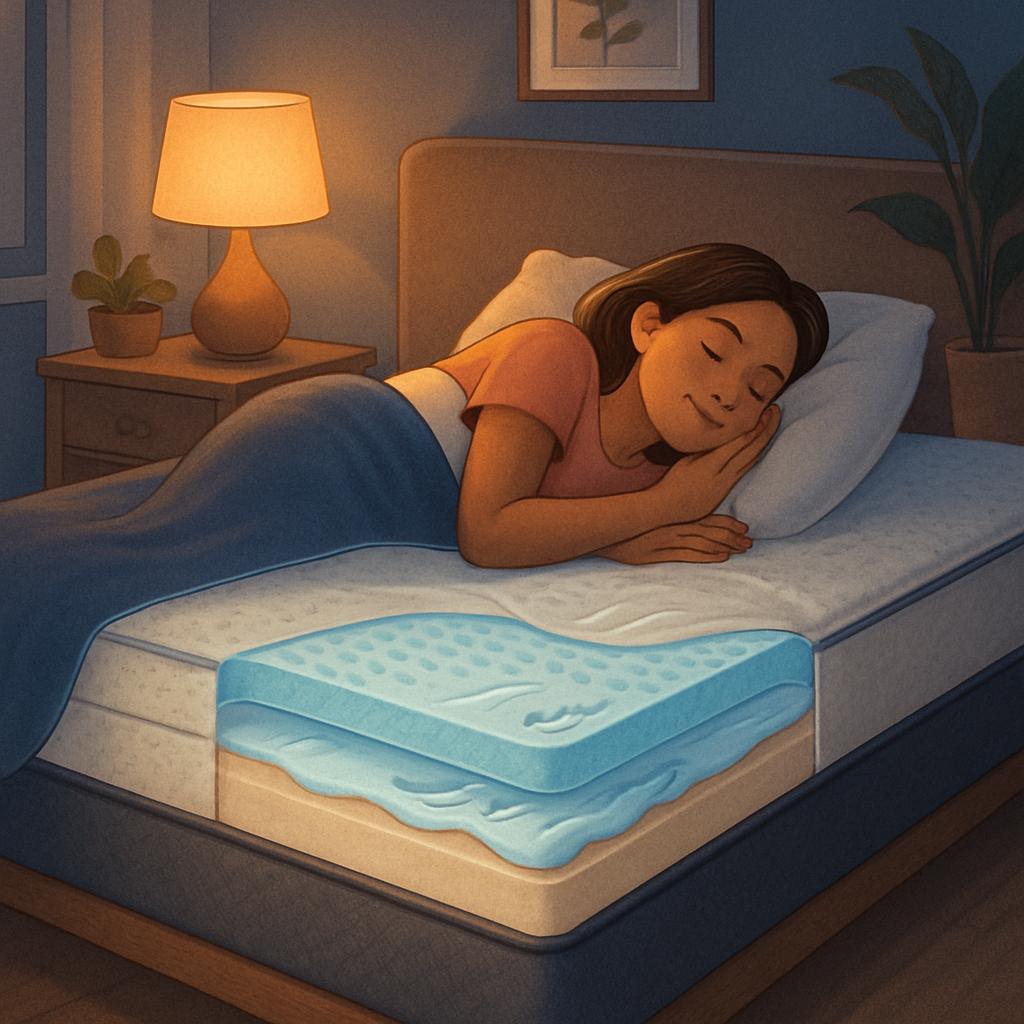
When you're dealing with restless leg syndrome, your bedroom becomes more than just a place to sleep—it transforms into a therapeutic space where every element plays a role in managing your symptoms. The right sleep environment can make the difference between tossing and turning all night and finally getting the restorative rest your body desperately needs. I've found that people with RLS need to be particularly thoughtful about creating a bedroom that supports both comfort and symptom management.
The foundation of any sleep sanctuary for RLS sufferers starts with choosing the best mattress for RLS. Your pressure relief mattress should work in harmony with other environmental factors to create the ideal conditions for sleep. Temperature regulation stands out as one of the most critical factors. Many people with restless leg syndrome report that their symptoms worsen when they're too warm, which makes cooling bedding and climate control essential. Keep your bedroom temperature between 60-67 degrees Fahrenheit, as this range typically promotes the best sleep quality while helping to minimize the uncomfortable sensations in your legs.
Lighting also plays a significant role in your sleep environment. Install blackout curtains or shades to block external light sources that might interfere with your natural sleep cycles. Even small amounts of light from street lamps or electronic devices can disrupt your ability to fall asleep and stay asleep. Consider using dim red lights if you need nighttime illumination, as this wavelength is less likely to interfere with melatonin production than blue or white light.
The quality of your bedding materials matters just as much as your mattress choice. Natural, breathable fabrics like cotton, bamboo, or linen help regulate body temperature and wick away moisture throughout the night. When paired with a gel infused mattress, these materials create a cooling sleep surface that can help reduce the frequency and intensity of RLS symptoms.
Sound management is another often-overlooked aspect of creating an optimal sleep environment. Some people with RLS find that white noise, nature sounds, or soft music helps distract from the uncomfortable sensations in their legs. Others prefer complete silence. Experiment with different sound environments to find what works best for you. A fan can serve double duty by providing both white noise and air circulation to keep you cool.
Don't forget about air quality in your bedroom. Poor air quality can lead to congestion and breathing difficulties that disrupt sleep, making RLS symptoms feel even more pronounced. Use an air purifier to remove allergens, dust, and other particles. Maintaining proper humidity levels between 30-50% helps prevent dry air from irritating your respiratory system while you sleep.
Finally, consider the organization and cleanliness of your sleep space. A cluttered bedroom can create mental stress that makes it harder to relax and fall asleep. Keep your sleeping area tidy, remove work-related items, and designate your bedroom as a space exclusively for sleep and relaxation. This mental association helps signal to your brain that it's time to wind down when you enter the room.
Creating a Sleep Sanctuary for RLS Relief
Building a true sleep sanctuary goes beyond just having a comfortable mattress for leg pain—it requires attention to multiple environmental factors that work together to support restful sleep. I recommend taking a systematic approach to optimize each element of your bedroom for maximum RLS relief. Start by assessing your current sleep environment and identifying areas that might be contributing to sleep disruption or worsening your symptoms.
Your bed itself should be a dedicated sleep zone. Remove all electronic devices, books, and other distracting items from your bed. Reserve this space exclusively for sleep and intimacy. This behavioral conditioning helps train your brain to associate your bed with rest rather than wakefulness or activity. If you enjoy reading before bed, do so in a comfortable chair in your bedroom rather than in bed.
The arrangement of furniture in your bedroom can also impact your sleep quality. Position your bed away from windows if possible to minimize temperature fluctuations and outside noise. Ensure you have adequate space to move around comfortably, as people with RLS often need to get up and walk during the night to relieve symptoms. Keep the path from your bed to the door clear and well-lit with a small nightlight to prevent trips and falls during nighttime movement.
| Environmental Factor | Optimal Setting | Impact on RLS |
|---|---|---|
| Room Temperature | 60-67°F | Reduces symptom intensity and promotes deeper sleep |
| Lighting | Complete darkness or dim red light | Supports natural melatonin production and sleep cycles |
| Noise Level | Quiet or consistent white noise | Minimizes sleep disruptions and provides distraction from leg sensations |
| Humidity | 30-50% | Prevents respiratory irritation that can worsen sleep quality |
| Mattress Type | Medium firmness with pressure relief | Directly reduces pressure points and supports proper alignment |
Scent can be a powerful tool in your sleep sanctuary arsenal. Certain aromatherapy scents like lavender, chamomile, and bergamot have been shown to promote relaxation and improve sleep quality. Use an essential oil diffuser or linen spray to introduce calming scents into your bedroom about 30 minutes before bedtime. Avoid overwhelming fragrances that might cause headaches or respiratory irritation.
Consider investing in a medium firmness mattress that provides the right balance of support and comfort for your body. The best mattress for RLS offers pressure point relief without allowing your body to sink too deeply into the surface. An orthopedic mattress designed with proper spinal alignment in mind can help reduce the overall discomfort that might be exacerbating your restless leg symptoms.
Your sleep sanctuary should also include elements that support your pre-sleep routine. Keep a glass of water on your nightstand to stay hydrated, but not so much that you'll need multiple bathroom trips during the night. Have any medications or supplements you take for RLS readily accessible. Some people find it helpful to keep a journal beside the bed to write down worries or thoughts that might otherwise keep them awake, though be mindful not to use your phone for this purpose due to the sleep-disrupting effects of blue light.
Remember that creating the perfect sleep sanctuary is a personal process that may require some trial and error. What works wonderfully for one person with RLS might not be ideal for another. Pay attention to how different environmental changes affect your symptoms and sleep quality, and be willing to make adjustments until you find the combination that works best for your specific needs.
Adapting Sleep Positions and Using Accessories
The way you position your body during sleep can significantly impact the severity of your RLS symptoms throughout the night. While there's no single "perfect" sleep position for everyone with restless leg syndrome, certain positions tend to provide better relief than others. I've noticed that many people find sleeping on their back with legs slightly elevated helps reduce the uncomfortable sensations in their legs. This position promotes better circulation and can minimize the urge to move that characterizes RLS.
If you prefer sleeping on your side, try placing a pillow between your knees to maintain proper hip and spine alignment. This small adjustment can reduce pressure on your legs and lower back, potentially lessening RLS symptoms. Side sleeping also allows you to alternate which leg is on top throughout the night, giving each leg a chance to experience less pressure. Some people find that the slight compression from having one leg over a pillow provides a comforting sensation that helps manage the restless feelings.
Sleeping on your stomach is generally the least recommended position for RLS sufferers because it can restrict circulation and put strain on your lower back and legs. However, if you're a committed stomach sleeper, try placing a thin pillow under your hips to reduce the arch in your lower back and improve leg alignment. You might also experiment with positioning one leg straight and bending the other at the knee, which can help relieve some of the pressure.
Weighted blankets have gained significant attention as a potential aid for managing RLS symptoms during sleep. These blankets, typically weighing between 15-25 pounds, provide gentle, consistent pressure across your body that many people find soothing. The deep pressure stimulation from a weighted blanket can help calm the nervous system and reduce the uncomfortable sensations in your legs. While research is still ongoing, many RLS sufferers report that weighted blankets help them fall asleep faster and experience fewer nighttime awakenings.
Leg compression devices or compression socks designed for nighttime use can also provide relief for some people. These accessories apply gentle, graduated pressure to your legs that may help improve circulation and reduce the crawling or tingling sensations associated with RLS. However, be careful not to use compression that's too tight, as this could actually worsen symptoms or cause other circulation problems. Always consult with your healthcare provider before trying compression therapy.
Body pillows serve multiple purposes for RLS sufferers. A long body pillow can be positioned between your legs while side sleeping, under your knees while back sleeping, or even used to prop yourself into a semi-reclined position that some people find helpful. The versatility of body pillows makes them an affordable accessory worth trying as you work to find your optimal sleep position.
Adjustable bed bases offer another level of customization for sleep positioning. These bases allow you to elevate your head, legs, or both at the touch of a button. Many people with RLS find that slight leg elevation helps reduce symptoms, and an adjustable base makes it easy to find and maintain the perfect angle throughout the night. When combined with an adjustable firmness mattress, you can create a truly customized sleep surface that addresses your specific pressure relief needs.
Cooling leg wraps or ice packs applied before bed can provide temporary relief from RLS symptoms for some people. The cooling sensation can help numb the uncomfortable feelings in your legs and make it easier to fall asleep. Just be sure to wrap ice packs in a towel to prevent skin damage, and remove them before actually falling asleep to avoid excessive cooling during the night.
Don't forget about the importance of proper pillow selection for your head and neck. Even though RLS primarily affects your legs, poor head and neck support can lead to overall discomfort that makes it harder to find a comfortable position and may indirectly worsen your symptoms. Choose a pillow that maintains your spine's natural alignment based on your preferred sleep position.
Finally, remember that finding the right combination of sleep positions and accessories often requires patience and experimentation. Keep a sleep diary to track which positions and accessories seem to help your symptoms and which ones don't make a difference. This information can be valuable not only for improving your own sleep but also for discussions with your healthcare provider about managing your RLS more effectively.
Tips for Managing Restless Leg Syndrome Effectively
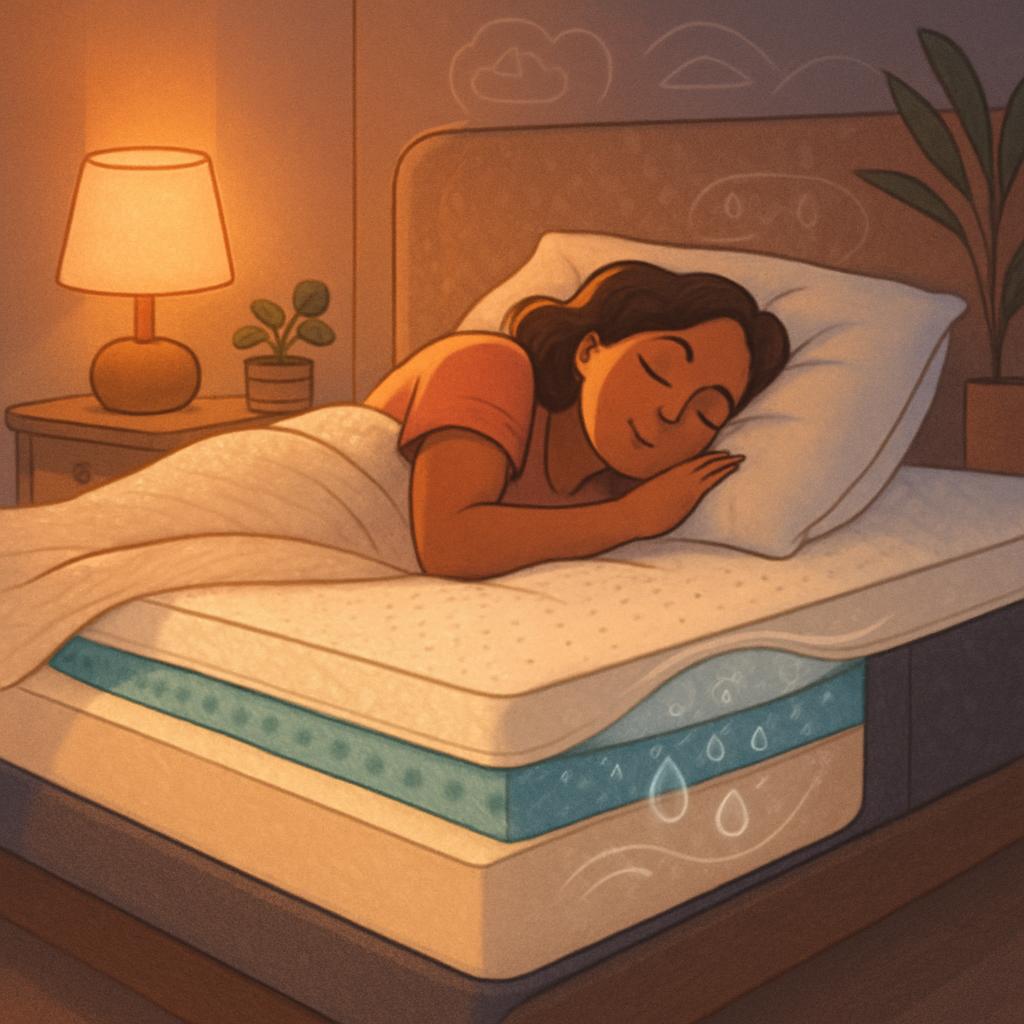
Living with restless leg syndrome doesn't mean you're stuck with poor sleep forever. While finding the best mattress for RLS is a critical step, there are many other practical strategies you can use to manage your symptoms and improve your overall sleep quality. From making simple changes to your daily routine to practicing specific relaxation techniques before bed, these tips can work together with a quality pressure relief mattress to help you finally get the rest you need.
The good news is that many people with RLS find significant relief by combining the right sleep surface with thoughtful lifestyle adjustments. Whether you're dealing with mild discomfort or more severe symptoms, these evidence-based strategies can make a real difference in how you feel both during the night and throughout your day. Let's explore some of the most effective ways to take control of your restless leg syndrome and create better sleep habits.
Lifestyle Adjustments to Improve Sleep Quality
Your daily habits play a much bigger role in RLS symptoms than you might think. What you eat, when you exercise, and how you spend your evenings can all affect how restless your legs feel when you finally climb into bed. Making a few targeted lifestyle changes can work hand-in-hand with your RLS mattress to give you the relief you're looking for.
First, let's talk about what you're putting into your body. Caffeine is often a major trigger for RLS symptoms, so cutting back on coffee, tea, soda, and energy drinks—especially in the afternoon and evening—can make a noticeable difference. Alcohol is another common culprit that can worsen leg discomfort, even though it might seem to help you relax initially. Instead, try drinking plenty of water throughout the day to stay hydrated, as dehydration can sometimes intensify RLS symptoms.
Your diet matters too. Many people with restless leg syndrome have found that iron deficiency can make their symptoms worse. If your iron levels are low, talk to your doctor about whether you should increase iron-rich foods like lean red meat, spinach, lentils, and fortified cereals, or if you need a supplement. Magnesium is another mineral that might help—foods like almonds, black beans, and avocados are great sources. Some folks also find that reducing sugar and processed foods helps them sleep better overall.
"After I started paying attention to my caffeine intake and eating more iron-rich foods, my legs felt so much calmer at night. Combined with my new medium firmness mattress, I'm finally sleeping through the night again!" – Jennifer M., verified customer
Exercise is another powerful tool for managing RLS, but timing and intensity matter. Regular physical activity—like walking, swimming, or cycling—can significantly reduce symptoms, but working out too close to bedtime might actually trigger restless legs instead of calming them. I recommend getting your exercise in during the morning or early afternoon, giving your body plenty of time to wind down before sleep. Even gentle stretching or yoga in the evening can help release tension in your legs without overstimulating them.
Speaking of stretching, making it a nightly routine can work wonders. Spend 10-15 minutes doing gentle leg stretches before bed—focus on your calves, hamstrings, and quadriceps. Some people also find relief from leg massages or using a foam roller on tight muscles. These practices help improve circulation and can reduce the uncomfortable sensations that keep you awake.
Temperature regulation is another factor worth considering. Many people with RLS find that their symptoms worsen when they're too warm. Taking a cool shower before bed or keeping your bedroom on the cooler side can help. If you're using a memory foam mattress or gel infused mattress, make sure it has good breathability features to prevent overheating during the night. Pairing your mattress with cooling mattress protectors can also help maintain a comfortable sleep temperature throughout the night.
Techniques for Stress and Relaxation Management
Stress and anxiety have a funny way of making restless leg syndrome symptoms worse. When you're worried or tense, your body stays in a heightened state that can trigger or intensify those uncomfortable sensations in your legs. That's why learning to manage stress and practicing relaxation techniques before bed is just as important as having the right pressure point relief mattress.
One of the most effective relaxation methods for RLS is progressive muscle relaxation. This technique involves tensing and then releasing different muscle groups throughout your body, starting with your toes and working your way up. When you get to your legs, really focus on the sensation of tension leaving your muscles. This practice not only helps calm restless legs but also signals to your brain that it's time to sleep. I like to do this while lying on my orthopedic mattress, as the proper support makes it easier to fully relax each muscle group.
Deep breathing exercises are another simple but powerful tool. When you feel your legs starting to get restless, try the 4-7-8 breathing technique: breathe in through your nose for four counts, hold your breath for seven counts, then exhale slowly through your mouth for eight counts. Repeat this several times. This type of breathing activates your parasympathetic nervous system, which helps your body shift from a state of alertness to one of relaxation. It's something you can do anywhere, anytime you feel symptoms coming on.
Meditation and mindfulness practices have also shown promising results for people dealing with RLS. Even just five to ten minutes of meditation before bed can help quiet your mind and reduce the anxiety that often accompanies restless legs. There are plenty of free apps and online videos that can guide you through beginner-friendly meditation sessions. The key is consistency—making it part of your nightly routine rather than only doing it when symptoms are particularly bad.
Creating a proper wind-down routine is essential. Your brain needs time to transition from the busy activities of the day to a state that's ready for sleep. Start your bedtime routine at least an hour before you plan to get into bed. This might include dimming the lights, taking a warm bath, reading a book, or listening to calming music. Warm baths are especially helpful for RLS because they help relax tense muscles and improve circulation in your legs.
One thing I really need to emphasize is the importance of reducing screen time before bed. The blue light from phones, tablets, and computers can interfere with your body's natural production of melatonin, the hormone that helps you sleep. But beyond that, scrolling through social media or watching stimulating content can keep your nervous system activated, which may trigger RLS symptoms. Try putting your devices away at least an hour before bedtime. If you absolutely must use a screen, enable the blue light filter and keep the brightness low.
Some people find relief through alternative therapies like acupuncture or massage therapy. While more research is needed, many individuals with restless leg syndrome report that regular massage sessions help reduce their symptoms. If professional massage isn't in your budget, you can try self-massage techniques focusing on your calves and thighs. Using a tennis ball or foam roller can help release tight spots and improve blood flow to your legs.
Finally, don't underestimate the power of a consistent sleep schedule. Going to bed and waking up at the same time every day—yes, even on weekends—helps regulate your body's internal clock. This consistency can actually reduce RLS symptoms over time. When combined with a supportive mattress for leg pain and these relaxation techniques, you're giving yourself the best possible chance at restful, restorative sleep.
Exploring Top Mattress Recommendations for RLS
Now that we've covered lifestyle changes and relaxation techniques, let's get into the specifics of what makes certain mattresses better than others for restless leg syndrome. The right mattress can genuinely transform your sleep experience when you're dealing with RLS. It's not just about comfort—it's about finding a sleep surface that provides the right combination of pressure relief, support, and temperature regulation to minimize those uncomfortable sensations that keep you awake.
When I'm helping customers find the best mattress for RLS, I always emphasize that there's no one-size-fits-all solution. What works perfectly for one person might not be ideal for another. That's why it's so important to understand the key features that benefit RLS sufferers and then find the specific model that matches your personal preferences, body type, and sleep style. The good news is that mattress technology has come a long way, and there are excellent options available at various price points.
The foundation of a good RLS mattress starts with proper pressure point relief. Memory foam mattresses and gel infused mattresses excel in this area because they contour to your body shape, distributing your weight evenly across the surface. This even distribution means no single area—like your hips or legs—bears too much pressure, which can trigger or worsen restless sensations. The best pressure relief mattress options will cradle your legs while still providing enough support to maintain proper spinal alignment.
Another critical consideration is adjustability. Many people with RLS find significant relief when they can elevate their legs slightly during sleep. That's where an adjustable foundation becomes a game-changer. Being able to raise your legs just a few inches can improve circulation and reduce the uncomfortable sensations that characterize RLS. If an adjustable base isn't in your budget right away, you can start by placing a pillow under your knees to test whether leg elevation helps your symptoms.
Temperature regulation is another make-or-break factor. If you've ever noticed your RLS symptoms getting worse when you're too warm, you're not alone. Many people find that overheating triggers or intensifies restless legs. That's why gel-infused memory foam and hybrid mattresses with breathable coil systems tend to work well for RLS sufferers. These materials help dissipate heat throughout the night, keeping you at a comfortable temperature that won't aggravate your symptoms.
The firmness level of your mattress matters too, but it's more nuanced than you might think. While a medium firmness mattress works well for many people with RLS, the ideal firmness really depends on your weight, sleep position, and personal comfort preferences. A mattress that's too soft might not provide adequate support, while one that's too firm could create pressure points that worsen symptoms. Most RLS sufferers find their sweet spot somewhere in the medium to medium-firm range, where they get both contouring comfort and supportive stability.
Leading Models that Offer Exceptional Support
Let me walk you through some of the top-performing mattresses that consistently receive positive feedback from people dealing with restless leg syndrome. These models stand out because they combine the essential features we've discussed—pressure relief, support, temperature control, and quality construction—in ways that specifically benefit RLS sufferers.
Gel foam mattresses are often my first recommendation for people with RLS, and here's why: the gel infusion helps regulate temperature while the foam provides excellent pressure point relief. These mattresses conform to your body's curves without creating those uncomfortable pressure spots that can trigger restless sensations. Let's look at some standout options:
- Sealy Paterson Medium Gel Foam Mattress – This medium firmness mattress hits that perfect balance between cushioning comfort and supportive stability. The gel-infused foam helps keep you cool throughout the night, which many RLS sufferers find essential for symptom management. The medium feel works well for most sleep positions and body types.
- Sealy Lacey Soft Gel Foam Mattress – If you prefer a softer sleeping surface but still need pressure relief, this model offers gentle contouring that cradles your legs and hips without letting you sink in too much. The gel infusion provides consistent cooling, and the softer feel can be especially comfortable for side sleepers with RLS.
- Sealy Medina Firm Gel Foam Mattress – For those who need firmer support, this option provides excellent pressure point relief while maintaining a stable sleeping surface. The firmer feel helps keep your spine aligned and prevents that "stuck" feeling some people experience with softer foams.
Hybrid mattresses are another excellent category for RLS because they combine the pressure-relieving benefits of foam with the breathability and support of innerspring coils. The coil system allows for better airflow, which helps prevent overheating—a common RLS trigger. Consider these hybrid options:
- Sealy Albany Medium Hybrid Mattress – This hybrid strikes an ideal balance with its combination of memory foam comfort layers and supportive coils. The medium firmness works well for couples where one or both partners deal with RLS, and the coil system provides excellent motion isolation so restless movements don't disturb your partner.
- Sealy Spring Bloom Medium Mattress – Another hybrid option that offers responsive support with excellent pressure relief. The medium feel and hybrid construction make this a versatile choice that accommodates different sleep positions while keeping you comfortably cool.
- Sealy High Point Soft Hybrid Mattress – For those who prefer a plush sleeping surface, this soft hybrid provides luxurious cushioning while the coil system ensures you don't overheat. The combination can be particularly soothing for legs that feel restless and uncomfortable.
For those seeking premium options with advanced features, the Stearns & Foster collection offers exceptional craftsmanship and materials that can make a significant difference for RLS sufferers:
- Stearns & Foster Lux Estate Medium Euro Top Mattress – This luxury mattress features multiple layers of pressure-relieving foams topped with a plush euro top for exceptional comfort. The premium construction provides consistent support throughout the night, and the breathable materials help maintain optimal sleep temperature.
- Stearns & Foster Studio Medium Euro Top Mattress – Another excellent medium-firmness option that combines hand-crafted quality with modern pressure relief technology. The euro top adds an extra layer of cushioning that many people with leg pain find soothing.
- Stearns & Foster Estate Euro Pillowtop Firm Mattress – If you need firmer support but don't want to sacrifice surface comfort, this pillowtop design provides the best of both worlds. The firm foundation keeps your body properly aligned while the pillowtop layer offers gentle pressure relief where you need it most.
What sets these models apart is their attention to detail in construction and materials. Each one addresses the specific needs of people dealing with leg discomfort and sleep disruptions. Whether you lean toward foam, hybrid, or luxury pillowtop designs, these mattresses incorporate the features that matter most for managing RLS symptoms night after night.
Customer Insights: What Real Users Say About Their RLS Mattresses
There's nothing quite as valuable as hearing from real people who've been in your shoes—dealing with restless legs night after night and finally finding relief through the right mattress. The feedback we receive from customers with RLS helps paint a clear picture of what works and what doesn't. These aren't just generic reviews about comfort; they're specific testimonials from people who understand the unique challenges of trying to sleep with restless leg syndrome.
One of the most common themes in customer feedback is the immediate difference that proper pressure relief makes. Many people report that within the first few nights on their new pressure relief mattress, they noticed their legs felt less restless. One customer who switched to a gel infused mattress shared that she'd been dealing with RLS for over a decade and had tried everything from medication to special compression socks. What finally made the difference was upgrading from her old, sagging mattress to a newer model with better pressure point support. She said the change was "like night and day"—her legs no longer felt like they needed to constantly move to find a comfortable position.
Temperature regulation comes up again and again in reviews from RLS sufferers. Several customers have mentioned that they didn't realize how much overheating was contributing to their symptoms until they switched to a cooler-sleeping mattress. One gentleman shared that he used to wake up multiple times per night with his legs feeling "hot and crawly," but after moving to a hybrid mattress with better airflow, those wake-ups decreased dramatically. He particularly appreciated that he didn't have to choose between pressure relief and temperature control—his new mattress delivered both.
The medium firmness mattress category receives consistently positive feedback from people with RLS. Customers appreciate that these mattresses provide enough contouring to relieve pressure without making them feel stuck or unable to adjust positions easily. One reviewer explained that her previous mattress was too firm and created pressure points on her hips and legs, while the one before that was too soft and made her feel trapped. Finding that middle ground with a medium-firm option finally gave her the combination of comfort and support she needed to manage her RLS symptoms effectively.
Couples where one or both partners have RLS often comment on motion isolation in their reviews. They're grateful that when one person needs to move their legs or adjust positions during the night, it doesn't wake up the other person. This feature might not directly treat RLS, but it significantly improves overall sleep quality for both partners. One couple shared that before upgrading their mattress, the partner without RLS was almost as sleep-deprived as the one with it because of the constant movement. Their new mattress for leg pain changed that dynamic completely.
Interestingly, many customers mention that they didn't expect a mattress to make such a significant difference in their RLS symptoms. They'd assumed that the condition was something they'd just have to live with and manage through other means. While most acknowledge that a mattress alone isn't a cure for RLS, they're pleasantly surprised by how much it can reduce symptom severity and frequency. One customer put it perfectly: "I thought my doctor was exaggerating when she suggested I look into a new mattress, but I'm so glad I listened. It hasn't cured my RLS, but it's made it so much more manageable that I actually look forward to bedtime now instead of dreading it."
The longevity and durability of quality mattresses also gets mentioned in reviews. People with RLS often note that their symptoms had gradually worsened over the years, and they didn't realize their aging mattress was part of the problem. After investing in a better-quality orthopedic mattress, they experienced not just immediate relief but sustained comfort over time. The better construction and materials meant their mattress maintained its supportive and pressure-relieving qualities night after night, rather than breaking down quickly and losing effectiveness.
Finally, many customers express relief at finding a solution that doesn't involve adding more medications to their routine. While some people with RLS do need medical treatment, there's something empowering about making an environmental change—like upgrading your mattress—that provides real, measurable improvement in symptoms. As one reviewer shared: "I've been taking medication for my RLS for years, and while it helps, adding a supportive mattress to the mix has made a bigger difference than I ever imagined. I'm sleeping better, waking less often, and feeling more rested during the day. I wish I'd made this investment years ago."
Achieving Restful Nights with the Right Mattress
Living with Restless Leg Syndrome doesn't mean you have to accept poor sleep as your reality. Throughout this guide, I've explored the essential features that make a mattress truly effective for managing RLS symptoms, from pressure point relief to temperature regulation. The right best mattress for RLS can be the difference between tossing and turning all night and finally getting the restorative sleep your body desperately needs.
When you're shopping for an RLS mattress, remember that the key factors work together to create an optimal sleep surface. A pressure relief mattress with memory foam layers helps cushion your legs and reduces those uncomfortable sensations that keep you awake. The medium firmness mattress provides just the right balance of support and comfort, preventing your body from sinking too deeply while still cradling pressure points. And features like gel infused mattress technology keep you cool throughout the night, which many RLS sufferers find particularly helpful in managing their symptoms.
I can't stress enough how important it is to consider your personal needs when selecting a mattress for leg pain. What works wonderfully for one person might not be ideal for another. That's why adjustable firmness mattress options have become so popular among those dealing with RLS. They allow you to fine-tune your comfort level as your needs change from night to night. An orthopedic mattress design provides the structural support your body needs while a pressure point relief mattress ensures that no single area bears too much weight.
Beyond just choosing the right mattress, creating a complete sleep environment makes a real difference. Combine your new pressure relief mattress with good sleep hygiene practices, like maintaining a consistent bedtime routine and keeping your bedroom cool and dark. Consider your lifestyle choices too—regular exercise, a balanced diet, and stress management techniques all contribute to better sleep quality and may help reduce RLS symptoms.
The investment you make in a quality RLS mattress is truly an investment in your overall health and wellbeing. Poor sleep affects every aspect of your life, from your mood and energy levels to your ability to focus and your physical health. When you finally find that perfect combination of support, pressure relief, and comfort, you'll wonder why you waited so long to make the change. Many people report that switching to the right mattress for leg pain was one of the best decisions they made for managing their RLS.
Remember that you don't have to settle for sleepless nights. Whether you choose a memory foam mattress, a gel infused mattress, or an orthopedic mattress with adjustable features, there's a solution out there that can help you rest more comfortably. Take the time to research your options, test different firmness levels if possible, and don't be afraid to ask questions. Your path to better sleep starts with making an informed choice about the surface you sleep on every night. With the right pressure point relief mattress supporting you, those restful, rejuvenating nights you've been dreaming about can become your new normal.
Frequently Asked Questions (FAQs)
What type of mattress is best for someone with Restless Leg Syndrome?
The best mattress for RLS typically features memory foam or gel infused materials that provide excellent pressure point relief. A medium firmness mattress often works well because it offers enough support to keep your body aligned while cushioning your legs to reduce uncomfortable sensations. Look for a pressure relief mattress that conforms to your body shape without making you feel stuck or overheated.
Can a mattress really help reduce RLS symptoms?
While a mattress won't cure RLS, the right pressure point relief mattress can significantly improve your comfort and sleep quality. Proper support and pressure relief can reduce the uncomfortable sensations that trigger the urge to move your legs. Many people with RLS report sleeping better on a mattress for leg pain that properly supports their body and reduces pressure on their lower limbs.
Should I choose a firm or soft mattress for RLS?
Most RLS sufferers find that a medium firmness mattress works best. A mattress that's too firm can create pressure points that worsen symptoms, while one that's too soft may not provide adequate support. An adjustable firmness mattress gives you the flexibility to find your perfect comfort level and adjust it as your needs change over time.
How does memory foam help with Restless Leg Syndrome?
A memory foam mattress contours to your body shape, distributing your weight evenly and reducing pressure points that can trigger RLS symptoms. This material adapts to your movements throughout the night while providing consistent support. The cradling effect of memory foam can help calm the uncomfortable sensations in your legs that keep you awake.
Why is temperature regulation important for RLS mattresses?
Many people with RLS find that their symptoms worsen when they get too warm. A gel infused mattress helps regulate temperature by pulling heat away from your body. Staying cool throughout the night can reduce the severity of RLS symptoms and help you sleep more soundly without those uncomfortable leg sensations that come with overheating.
What is an orthopedic mattress and can it help with RLS?
An orthopedic mattress is designed to support your joints, spine, and overall body alignment. For RLS sufferers, an orthopedic mattress can help by maintaining proper leg positioning and reducing pressure on nerves and blood vessels. This specialized support can minimize the triggers that cause those restless sensations in your legs at night.
How long should I expect a pressure relief mattress to last?
A quality pressure relief mattress typically lasts between 7 to 10 years with proper care. However, if you have RLS, you might notice your symptoms returning earlier if your mattress starts to lose its supportive properties. Pay attention to any changes in your sleep quality or increase in RLS symptoms, as these could signal it's time to replace your RLS mattress.
Can an adjustable base help with Restless Leg Syndrome?
Yes, pairing an adjustable firmness mattress with an adjustable base can be very helpful for RLS. Being able to elevate your legs slightly can improve circulation and reduce the uncomfortable sensations. The ability to change positions easily throughout the night without disturbing your partner is another benefit that many RLS sufferers appreciate.
Does motion isolation matter for people with RLS?
Motion isolation is extremely important for an RLS mattress, especially if you share your bed. When RLS symptoms cause you to move during the night, good motion isolation ensures you won't disturb your partner. A memory foam mattress or pressure point relief mattress with excellent motion isolation helps both you and your partner get better rest.
Should I consider a mattress topper for RLS relief?
A mattress topper can provide temporary relief if you're not ready to invest in a new mattress for leg pain. However, a topper won't fix an old, unsupportive mattress. For best results with RLS, a complete pressure relief mattress designed with the right materials and support system will give you more consistent and long-lasting relief than adding a topper to an inadequate mattress.
How does pressure point relief help with RLS symptoms?
Pressure point relief works by distributing your body weight evenly across the mattress surface, preventing uncomfortable pressure buildup in your legs, hips, and lower back. A pressure point relief mattress reduces nerve compression and improves blood flow to your legs, which can help minimize the uncomfortable sensations that characterize RLS and keep you awake at night.
What sleep position is best for someone with Restless Leg Syndrome?
Many people with RLS find relief by sleeping on their back with a pillow under their knees or on their side with a pillow between their legs. These positions help maintain proper alignment and reduce pressure on your legs. The best mattress for RLS should support whatever position you naturally prefer while providing adequate pressure relief in all the right places.
Are gel infused mattresses better than traditional memory foam for RLS?
A gel infused mattress offers the pressure relief benefits of memory foam while addressing the heat retention issue that some people experience. Since overheating can worsen RLS symptoms, the cooling properties of gel infusion make these mattresses particularly appealing for RLS sufferers. The gel helps regulate temperature while still providing the contouring support your legs need.
How quickly will I notice improvement in my RLS symptoms with a new mattress?
Many people notice improved sleep quality within the first few nights on a proper pressure relief mattress, though it may take a week or two for your body to fully adjust. Keep in mind that while a medium firmness mattress or orthopedic mattress can significantly improve your comfort and reduce RLS triggers, it works best as part of a comprehensive approach that includes good sleep habits and any medical treatments your doctor recommends.
What should I look for when shopping for an RLS mattress in person?
When testing a mattress for leg pain in person, lie in your typical sleep position for at least 10-15 minutes. Pay attention to how your legs feel and whether you notice any pressure points. Ask about the materials used, especially whether it's a memory foam mattress, gel infused mattress, or has other pressure-relieving features. Don't hesitate to try several different firmness levels to find what feels most comfortable for your specific needs.