

Have you ever found yourself lying awake at 3 AM on a mattress that feels more like a medieval torture device than a sleep surface, wondering if those too-good-to-be-true online mattress deals could actually save your aching back and your wallet? You're not alone. The hunt for a cheap mattress online has become something of a modern-day treasure hunt, with thousands of shoppers clicking "add to cart" on mattresses they've never touched, let alone slept on. But here's the million-dollar question that keeps savvy shoppers scrolling through endless reviews and comparison charts: does choosing the cheapest mattress online mean you're getting an incredible bargain, or are you just buying yourself a one-way ticket to buyer's remorse? The truth isn't as simple as you might think. While some budget-friendly mattresses deliver surprising comfort and quality that rival their expensive counterparts, others fall apart faster than your New Year's resolutions. I've spent countless hours researching the ins and outs of online mattress shopping, talking to real customers, and examining what actually separates the best cheap mattresses from the ones that end up on the curb six months later. What I've learned might surprise you. The world of online mattress deals has genuinely changed the game when it comes to affordable sleep solutions, but it's also created a minefield of potential pitfalls that can leave you with a sore back and an empty bank account. Some shoppers swear by their budget finds, claiming they sleep better than ever before, while others warn that cheap mattress drawbacks outweigh any initial savings. The reality is that finding the right affordable mattress requires more than just hunting for the lowest price tag. You need to understand what you're actually getting for your money, how to spot red flags before they become expensive mistakes, and which mattress buying tips actually matter when you're shopping in the budget-friendly range. Whether you're a college student furnishing your first apartment, a parent trying to stretch a tight household budget, or simply someone who refuses to overpay for a good night's sleep, this guide will help you figure out if that tempting cheap mattress online is a smart investment or a decision you'll regret every single night.
Key Takeaways
- Online shopping often offers better deals on mattresses than traditional stores
- Cheap mattresses can provide great value, but quality varies significantly between brands
- Trial periods and return policies are essential when buying affordable mattresses online
- Material quality directly impacts how long your budget mattress will last
- Understanding the real difference between expensive vs cheap mattress options helps you make smarter choices
Online Mattress Buying vs. In-Store Shopping: Which is Better for You?
The debate between buying a cheap mattress online versus heading to a brick-and-mortar store has divided shoppers for years, and honestly, both approaches have their merits. When I first started looking into affordable mattress benefits, I assumed that in-store shopping would always win because you could test the mattress right there. But after digging deeper into how the mattress industry actually works, I realized the landscape has shifted dramatically. Online mattress deals have fundamentally changed what's possible for budget-conscious shoppers. The traditional mattress store model, with its high overhead costs and commissioned salespeople, often meant paying a premium that didn't necessarily translate to better quality. Meanwhile, online retailers have slashed those costs and passed the savings directly to customers. That said, online shopping isn't without its challenges. You're making a significant purchase based on descriptions, reviews, and specifications rather than personal experience. This is where understanding your sleep preferences becomes critical. If you already know whether you prefer firm or soft mattresses, what size you need, and whether you sleep hot or cold, online shopping can be incredibly efficient. But if you're unsure about these basics, an in-store visit might provide valuable hands-on education before you commit to an online purchase. The good news is that these two approaches aren't mutually exclusive. Many smart shoppers actually use both. They visit stores to test different firmness levels and mattress types, then search for similar options online where prices tend to be more competitive. This hybrid approach gives you the tactile experience of in-store shopping combined with the pricing advantages of online retailers. When it comes to finding the best cheap mattresses, location often matters less than research. A quality budget mattress from a reputable online retailer can absolutely compete with more expensive options found in showrooms. The key is knowing what to look for and understanding which compromises you're willing to make. For example, brands like Sealy offer hybrid mattresses that balance affordability with proven construction quality, whether you buy them online or in person. The mattress buying tips that matter most focus on value rather than simply finding the absolute lowest price. A slightly more expensive mattress that lasts eight years delivers better value than a rock-bottom option that needs replacing after eighteen months.
Advantages of Buying Mattresses Online
Shopping for a cheap mattress online comes with several compelling advantages that have made it my preferred method for mattress hunting. The convenience factor alone is hard to beat. Instead of driving across town, dealing with parking, and spending your Saturday afternoon in a showroom, you can browse hundreds of options from your couch in your pajamas. But convenience is just the beginning of what makes online mattress shopping so attractive for budget-conscious buyers.
- Significantly lower prices compared to traditional retail. Online mattress companies don't have to maintain expensive showrooms or pay commissioned sales staff, which means they can offer the same quality mattresses at prices that are often 30-50% lower than what you'd find in stores. This pricing structure makes it much easier to find genuinely affordable options without sacrificing quality.
- Access to extensive customer reviews and detailed specifications. When you're shopping online, you can read hundreds of real customer reviews that give you honest insights into how mattresses perform over time. These reviews often mention details that salespeople might gloss over, like how the mattress holds up after a year of use or whether it actually sleeps as cool as advertised. This transparency helps you make more informed decisions about which cheap mattress online options are truly worth your money.
- Easy price comparison across multiple brands and retailers. Within minutes, you can compare dozens of mattresses side by side, looking at everything from materials and construction to warranties and return policies. This kind of comprehensive comparison would take days if you were visiting physical stores. Online shopping makes it simple to identify which retailers are offering the best online mattress deals at any given time.
- Generous trial periods and return policies. Most reputable online mattress companies offer sleep trials ranging from 90 to 365 nights, giving you months to decide if your purchase was the right choice. This extended testing period actually gives you more time to evaluate a mattress than the ten minutes you'd spend lying on it in a showroom. If the mattress doesn't work out, many companies will arrange pickup and provide a full refund.
- Detailed product information and educational resources. Online retailers typically provide comprehensive information about mattress construction, materials, and care instructions. Many also offer sleep quizzes, comparison tools, and educational articles that help you understand what you actually need in a mattress. This educational approach empowers you to make smarter decisions rather than relying solely on a salesperson's pitch.
The combination of these advantages has made online mattress shopping particularly appealing for anyone seeking affordable mattress benefits without compromising on quality. I've found that the transparency of online shopping actually helps you avoid many of the cheap mattress drawbacks that plague budget options in traditional stores. When you can thoroughly research a product, read honest reviews, and take advantage of extended trial periods, you're much more likely to end up with a mattress that meets your needs and lasts for years. That said, online shopping does require some patience and willingness to do your homework. You can't rush the process or make impulsive decisions based on how something feels in the moment. But for those willing to invest a little time in research, the payoff in terms of value and savings can be substantial.
In-Store Benefits You Should Consider
While I'm a big advocate for online mattress shopping, I'd be doing you a disservice if I didn't acknowledge the genuine benefits of shopping in physical stores. There's something to be said for the traditional approach, especially if you're someone who values tactile experiences or needs personalized guidance. The immediate, hands-on experience you get in a showroom simply cannot be replicated by photos and descriptions, no matter how detailed they might be. When you walk into a mattress store, you can lie down on multiple mattresses in quick succession, getting an instant sense of how different firmness levels and constructions feel against your body. This direct comparison can be incredibly valuable, particularly if you're not sure what type of mattress suits your sleep style. A knowledgeable salesperson can watch how your body aligns on different mattresses and provide recommendations based on your specific needs. For people with chronic pain conditions, specific health concerns, or unique body types, this personalized attention can make a real difference in finding the right mattress. The expertise available in quality mattress stores shouldn't be underestimated. While some salespeople are simply pushing commission-heavy products, many genuinely understand mattress construction and can explain the differences between various materials and technologies. They can answer your questions immediately, clarify confusing specifications, and help you understand what you're actually paying for when you compare expensive vs cheap mattress options.
"I was ready to buy online until I visited Sleepology Mattress Shop and tried their Stearns & Foster collection. The staff helped me understand why I was waking up with back pain and guided me to a medium-firm hybrid that's completely changed my sleep. Sometimes you really do need expert advice." – Review from November 2024
Another significant advantage of in-store shopping is the immediate gratification of taking your mattress home the same day or having it delivered within a day or two. If your current mattress is causing serious discomfort or has become unusable, waiting a week or more for an online delivery might not be practical. In-store purchases also eliminate concerns about shipping damage or delivery complications that can occasionally occur with online orders. You can inspect your mattress before it leaves the store and address any issues immediately. Additionally, establishing a relationship with a local retailer can provide long-term benefits. If issues arise with your mattress, having a local contact who knows your purchase history can make warranty claims and customer service interactions smoother. Some local stores also offer services like mattress removal, foundation delivery, and setup that might cost extra or be unavailable with online purchases. The sensory experience of in-store shopping extends beyond just feeling the mattress. You can see the actual construction quality, examine stitching and edge support, and get a better sense of the mattress's overall build. This visual inspection can help you identify potential quality issues that might not be apparent in online photos. For shoppers considering options like the Stearns & Foster Estate collection, seeing the craftsmanship in person can justify the investment in ways that online descriptions simply can't match. The trade-off, of course, is that in-store mattresses typically come with higher price tags. The question becomes whether the personalized service, immediate availability, and hands-on experience justify the additional cost. For some shoppers, especially those making their first mattress purchase or dealing with specific health concerns, the answer might be yes. The key is understanding what you value most in the shopping experience and making a choice that aligns with both your needs and your budget.

Evaluating Affordability: Are Cheap Mattresses Really Worth It?
When you're shopping for a cheap mattress online, the biggest question on your mind is probably whether sacrificing some cash means sacrificing quality sleep. I've spent countless hours researching online mattress deals and talking with real customers who've taken the plunge on budget-friendly options, and I can tell you the answer isn't as simple as yes or no.
The truth is, affordable mattresses have come a long way in recent years. What used to mean uncomfortable springs poking your back now includes decent memory foam options, hybrid constructions, and materials that won't leave you waking up sore. But like anything else in life, there are trade-offs when you're hunting for the best cheap mattresses on the market.
One thing I've learned through my mattress buying tips research is that price doesn't always tell the whole story. Sometimes you'll find a genuinely great mattress at a lower price point because the company cut out the middleman by selling directly to you online. Other times, that rock-bottom price tag is hiding some serious compromises that'll bite you later—literally and figuratively.
The key is understanding what you're getting into before you click that "buy now" button. A cheap mattress might be perfect if you're furnishing a guest room that only gets used a few times a year, or if you're a college student who needs something comfortable for the next few years without breaking the bank. On the other hand, if you're dealing with back pain or you're a heavier sleeper who needs extra support, skimping on your mattress could end up costing you more in the long run through poor sleep quality and potential health issues.
I always recommend checking out options like the Sealy Lacey Soft Gel Foam Mattress, which offers a great balance between affordability and quality construction. It's proof that you don't always have to spend thousands to get a decent night's sleep.
What matters most is knowing exactly what benefits you're getting and what drawbacks you might face with your cheapest mattress review options. Let me break down both sides so you can make a smart choice that fits your budget and your sleep needs.
Benefits of Affordable Mattresses
Let's start with the good news—there are plenty of legitimate reasons why buying an affordable mattress makes perfect sense for many people. I've seen firsthand how budget-friendly options have helped friends and family get better sleep without emptying their savings accounts.
The most obvious benefit is the money you'll save upfront. Instead of dropping two or three thousand dollars on a premium mattress, you might spend just a few hundred. That extra cash can go toward other important things like bills, savings, or even high-quality pillows and bedding that'll make your sleep experience even better. When you're working with a tight budget, finding a cheap mattress online that still delivers comfort can feel like winning the lottery.
Another huge advantage is the low-risk factor. If you're not totally sure what firmness level you need or what type of mattress material works best for your body, starting with a more affordable option lets you experiment without major financial consequences. You can learn what you like and don't like, then use that knowledge for future purchases. It's like a learning experience that doesn't cost you an arm and a leg.
| Benefit | Why It Matters | Best For |
|---|---|---|
| Lower Initial Cost | Saves hundreds to thousands of dollars upfront | First-time buyers, students, budget-conscious shoppers |
| Good for Guest Rooms | Provides comfort without overspending on occasional use | Spare bedrooms, vacation homes, in-law suites |
| Short-Term Solutions | Perfect when you only need a mattress for a few years | Renters, college housing, temporary living situations |
| Trial Without Major Investment | Learn your preferences without financial risk | First mattress purchases, those unsure of their needs |
I also love that many cheap mattress options these days come with trial periods and warranties, just like their expensive counterparts. This means you're not completely flying blind when you make your purchase. You can test the mattress in your own home and return it if it doesn't work out. That's a game-changer compared to the old days when buying cheap meant you were stuck with whatever you got.
For certain situations, an affordable mattress is genuinely the smartest choice. If you're furnishing a guest room that only gets used when relatives visit during the holidays, spending top dollar doesn't make much sense. Similarly, if you're in a temporary living situation—like a year-long work assignment in another city or a college dorm—a cheaper mattress gets the job done without the guilt of leaving an expensive investment behind when you move.
The quality of best cheap mattresses has improved dramatically too. Many budget-friendly brands use similar materials to expensive mattresses, including memory foam, gel layers for cooling, and supportive base foams. The difference often comes down to the thickness of these layers or the density of the foam, not whether these features exist at all. You might get three inches of memory foam instead of five, but you're still getting the pressure relief and contouring that makes memory foam popular.
Plus, buying online gives you access to tons of customer reviews and detailed product information that helps you make an informed decision. You can read about real experiences from people who've slept on these mattresses for months or even years. This transparency wasn't available when shopping for cheap mattresses meant taking a gamble on whatever was at the local discount store.
Hidden Costs and Drawbacks of Cheap Mattresses
Now for the reality check—cheap mattress drawbacks are real, and ignoring them can lead to regret down the road. I've talked to plenty of people who thought they scored an amazing deal, only to find themselves shopping for a replacement mattress way sooner than expected.
The biggest issue with many cheap mattresses is durability. While that brand-new budget mattress might feel pretty comfortable when it first arrives, the materials often break down faster than premium options. The foam loses its supportiveness, springs start sagging, and what felt fine at first becomes increasingly uncomfortable. Most cheap mattresses show significant wear within two to three years, whereas quality mattresses can last seven to ten years or more.
This is where the hidden costs come in. If you buy a $300 mattress that lasts three years, you're essentially spending $100 per year. But if you invest in a $1,200 mattress that lasts ten years, you're only spending $120 per year—and getting better sleep quality throughout that entire time. The math doesn't always favor the cheaper option when you look at the long-term mattress value guide perspective.
"I bought the cheapest mattress I could find online, and it was great for about six months. Then I started waking up with back pain. By the one-year mark, there was a noticeable sag in the middle where I sleep. I ended up buying a better mattress and realized I should have just spent more from the beginning. Live and learn!" – Sarah M., verified purchaser
Another drawback is that cheap mattresses often use lower-quality materials that can affect your health and comfort. Some use foams that off-gas more, creating that "new mattress smell" that can linger for weeks and bother people with sensitivities. Others might not have adequate edge support, meaning you can't use the full surface of the mattress because the sides compress too easily. And if you sleep with a partner, motion transfer can be a real problem with cheaper mattresses—you'll feel every time they roll over or get out of bed.
Temperature regulation is another area where budget mattresses often fall short. Premium mattresses include cooling technologies like gel-infused foams, breathable cover fabrics, and airflow-friendly construction. Cheaper versions might trap heat, leaving you sweating through the night. If you're someone who already sleeps hot, this can turn into a nightly battle with your blankets.
The support level in cheap mattresses can also be inconsistent. You might find that a cheap mattress online feels fine when you're lying on your back, but terrible when you switch to your side. Or it might work okay for someone who weighs 150 pounds but completely fail to support someone who weighs 200 pounds. More expensive mattresses are engineered to provide consistent support across different sleeping positions and body types.
There's also the issue of limited options when shopping for the cheapest mattress online. You might not get to choose different firmness levels, or you might be stuck with only one type of construction. This lack of customization means you're more likely to end up with a mattress that's just "okay" rather than one that's truly right for your needs.
And let's talk about customer service and warranties. While some budget brands offer decent coverage, others have warranties so full of loopholes and exclusions that they're basically worthless. I've heard stories of people trying to make warranty claims only to be told that the sagging in their mattress doesn't meet the minimum depth requirement, or that some type of stain (even if you used a protector) voids everything.
Mattress Quality: Cheap vs. Expensive – What's the Real Difference?
When you're comparing an expensive vs cheap mattress side by side, the differences might not be immediately obvious—especially when they're both still new and sitting in their showroom or warehouse packaging. But I can tell you from experience and research that the gap between them becomes crystal clear over time, and understanding these differences is important for making a smart purchasing decision.
The quality gap shows up in almost every aspect of mattress construction. Premium mattresses use higher-density foams that resist compression and maintain their shape year after year. They feature more advanced coil systems with individually wrapped springs that respond independently to your body's pressure points. The cover fabrics are often made from more breathable, durable materials that stay intact through years of use and washing.
One of the biggest differences I've noticed is in the layering and engineering of the mattress. A cheap mattress might have two or three basic layers—a comfort layer on top and a support layer beneath it. An expensive mattress could have five, six, or even more layers, each designed for a specific purpose: temperature regulation, pressure relief, edge support, motion isolation, and deep compression support. This thoughtful construction translates to better sleep across a wider range of body types and sleeping positions.
Take something like the Stearns & Foster Lux Estate Medium Euro Top Mattress compared to a basic budget option. The Stearns & Foster uses premium materials throughout, from the high-quality steel coils to the hand-tufted cover. Every element is designed to work together for long-lasting comfort and support. A cheap mattress might look similar at first glance, but it's using lower-grade materials that simply won't perform the same way over time.
The testing and quality control processes also differ significantly. Premium mattress manufacturers put their products through rigorous testing to make sure they'll hold up to years of nightly use. They test for durability, comfort retention, edge support degradation, and material safety. Budget mattress companies often skip these expensive testing phases, which is part of how they keep costs down—but it also means you're taking on more risk as the buyer.
That said, expensive doesn't automatically mean better for everyone. Some people genuinely sleep fine on cheaper mattresses and don't notice or care about the differences. And some expensive mattresses are overpriced because of marketing and brand names rather than actual quality improvements. The key is understanding what you're paying for and whether those features matter for your specific sleep needs and situation.
Materials That Matter: Analyzing Cheap Mattresses
Let's get into the nuts and bolts of what actually goes into cheap mattresses versus their pricier counterparts. Understanding these materials helps you figure out whether a budget mattress will meet your needs or leave you disappointed.
The foam quality is probably the single most important factor when you're looking at cheap mattress pros cons. Budget mattresses typically use lower-density polyurethane foam in their comfort and transition layers. This foam costs less to manufacture, but it also breaks down faster. You'll see specifications like 1.5 to 2.5 pounds per cubic foot (PCF) density on cheap mattresses, while premium options use foams in the 3.0 to 5.0 PCF range or higher. That might not sound like a huge difference, but it translates to years of additional usable life.
- Lower-Density Memory Foam: Cheap mattresses often use memory foam with a density between 2.5 and 3.5 PCF. While this still provides some contouring and pressure relief, it won't last as long as the 4.0 to 5.0 PCF memory foam found in premium mattresses. You'll notice it starting to lose its bounce-back quality after a year or two of regular use.
- Basic Polyfoam Layers: Most budget mattresses rely heavily on standard polyurethane foam for their support layers. This foam is inexpensive and provides adequate support when new, but it compresses permanently over time. Higher-end mattresses use high-resilience (HR) polyfoam or latex, which maintains its supportive properties much longer.
- Simpler Coil Systems: When cheap mattresses include springs, they usually feature bonnell coils or continuous wire systems. These older coil designs connect all the springs together, which means less motion isolation and more noise over time. Premium mattresses use pocketed coils that are individually wrapped and can respond independently to pressure.
- Thinner Comfort Layers: Budget options might give you one or two inches of comfort foam on top, while expensive mattresses often have three to five inches. This affects how much cushioning and pressure relief you experience, especially if you're a side sleeper who needs extra padding for your shoulders and hips.
- Less Advanced Cooling Technology: Cheap mattresses might claim to have "cooling" features, but this usually just means the foam isn't actively heat-trapping rather than having actual cooling properties. Premium mattresses use phase-change materials, copper or graphite infusions, and specialized gel layers that actively pull heat away from your body.
- Basic Cover Materials: The cover on a budget mattress is typically a simple polyester blend that's thin and not particularly breathable. More expensive options use fabrics like Tencel, organic cotton, or specially engineered knits that enhance airflow and wick away moisture while also being more durable.
Another material consideration is the adhesives and flame retardants used in mattress construction. Cheaper mattresses sometimes use chemical flame retardants that meet safety standards but can off-gas and bother people with chemical sensitivities. Premium brands often use natural flame barriers like wool or plant-based materials, or they use less volatile adhesives that produce minimal odor.
The edge support materials also differ significantly. Budget mattresses might have no edge support at all, or just use the same foam throughout the perimeter. This means when you sit on the edge of the bed or sleep near the side, you'll experience significant compression and might feel like you're going to roll off. Better mattresses incorporate foam rails or reinforced coil systems around the edges to maintain a stable, usable sleeping surface all the way to the borders.
Understanding these material differences helps explain why some cheap mattresses feel decent initially but quickly develop problems. The materials themselves aren't necessarily bad—they're just not designed for long-term daily use. If you know you only need a mattress for a short period, or if you're a lighter-weight sleeper who doesn't compress the foam as much, a budget option with these materials might serve you just fine.
Why Premium Mattresses Just Might Be Worth the Investment
After breaking down all the ways cheap mattresses cut corners, you're probably wondering whether spending more actually gets you meaningful benefits. From my research and conversations with sleep experts, I can tell you that premium mattresses offer real advantages—but only if those advantages align with what you need.
The most compelling reason to invest in a quality mattress is longevity. A well-made mattress from brands like Sealy Posturepedic or Stearns & Foster can easily last eight to ten years or more with proper care. Some even come with warranties that extend up to 20 years, showing the manufacturer's confidence in their product's durability. When you calculate the cost per night of sleep over that lifespan, the price difference between cheap and expensive often shrinks considerably.
Better sleep quality is another major factor that's harder to quantify but incredibly important. Premium mattresses are engineered to provide consistent support throughout the night, which means less tossing and turning as you unconsciously try to find a comfortable position. The higher-quality materials conform to your body more precisely, reducing pressure points that can cause pain and disrupt sleep. If you're someone who struggles with back pain, hip pain, or shoulder discomfort, the right premium mattress can make a genuine difference in how you feel both at night and during the day.
Motion isolation is a big deal if you share your bed with a partner or a pet. Premium mattresses with pocketed coil systems or high-quality memory foam do an excellent job of absorbing movement, so you won't feel your partner rolling over or getting up in the middle of the night. This feature alone can dramatically improve sleep quality for couples, especially if one person is a restless sleeper or has a different schedule than the other.
Temperature regulation technology in premium mattresses isn't just marketing hype—it really works. If you've ever woken up sweating in the middle of the night on a cheap foam mattress, you know how miserable that can be. Higher-end options incorporate multiple cooling technologies that work together to maintain a comfortable sleep temperature. Some use phase-change materials that actively absorb and release heat, while others feature specialized foams with open-cell structures that promote airflow. For hot sleepers, this technology can be life-changing.
The customer service and warranty support you get with premium brands tends to be far superior. These companies have more to lose reputation-wise, so they're typically more responsive and helpful when issues arise. Their warranties are usually more comprehensive and easier to actually use if you need them. When you're spending significant money on a mattress, having solid support behind your purchase provides valuable peace of mind.
Edge support in premium mattresses means you can use the entire surface of your bed without feeling like you might roll off or sink down too far when sitting on the side. This effectively increases your usable sleeping area, which is especially valuable if you have a smaller mattress size or if you and your partner need all the space you can get.
Premium mattresses also tend to offer more customization options. You might be able to choose from multiple firmness levels, different heights, or even split firmness options for each side of the bed if you and your partner have different preferences. This level of personalization helps make sure you're getting a mattress that truly fits your needs rather than settling for whatever's available in your price range.
For people with specific health concerns—chronic pain conditions, injuries, circulation issues, or respiratory problems—a premium mattress designed to address these needs can be worth every penny. The proper support and pressure relief can reduce pain, improve circulation, and lead to deeper, more restorative sleep. When you look at it through the lens of health and quality of life rather than just as a furniture purchase, the investment makes a lot more sense.
That said, I want to be clear that not everyone needs a top-of-the-line mattress. If you're a teenager who's still growing, a guest room mattress that gets used a few times a year, or someone in a temporary living situation, spending thousands on a premium mattress might not be the best use of your money. The key is honestly assessing your situation, your sleep needs, and your budget to find the right balance between cost and quality for your specific circumstances.
Trial Periods: What to Expect When Buying Online
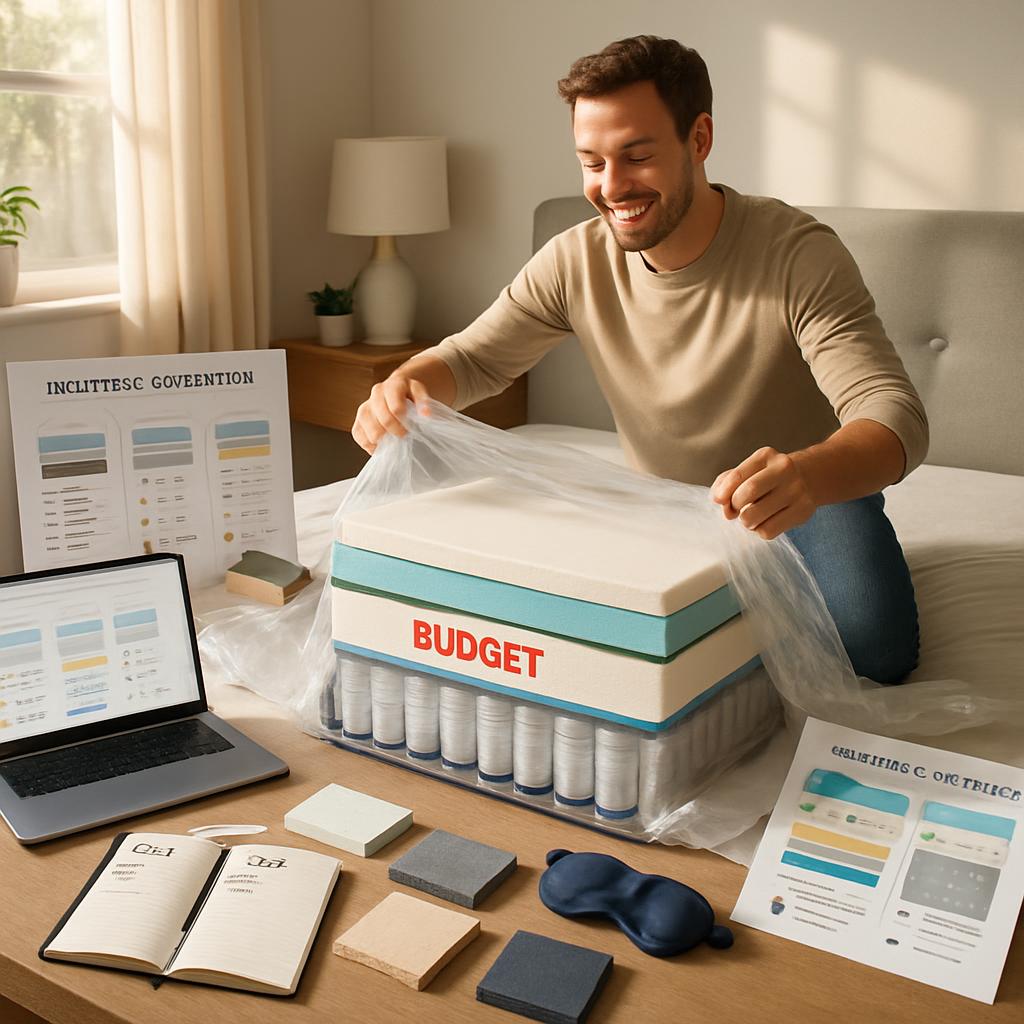
When you're shopping for a cheap mattress online, one of the most valuable features to look for is a solid trial period. This gives you the chance to test out your new mattress in the comfort of your own home, rather than making a quick decision in a showroom. Most online mattress retailers understand that buying a mattress without trying it first can feel risky, which is why many offer sleep trials ranging from 90 to 120 nights or even longer.
The beauty of these trial periods is that they level the playing field between online mattress deals and traditional in-store shopping. You get to spend weeks or even months sleeping on your new mattress, giving your body time to adjust and allowing you to truly assess whether it's the right fit for your sleep style. This is especially important when considering the best cheap mattresses, since you want to make sure that affordability doesn't mean sacrificing your comfort or sleep quality.
During the trial period, pay attention to how your body feels when you wake up. Are you experiencing any new aches or pains? Do you sleep through the night, or are you tossing and turning? These are important mattress buying tips that can help you decide if your purchase is working out. Remember that it can take a few weeks for your body to adjust to a new sleeping surface, so don't judge too quickly in the first few days.
Many retailers, including quality brands like Sealy, offer trial periods that allow you to return or exchange your mattress if it's not meeting your needs. This takes a lot of the pressure off when you're trying to find the right balance between cost and comfort. The key is to actually use the full trial period to your advantage rather than settling too quickly.
It's also worth noting that trial periods can vary significantly between different online retailers. Some companies might charge a return shipping fee, while others offer completely free returns. When you're comparing online mattress deals, make sure you read the fine print about what the trial period actually includes. A generous trial period with easy return policies can make even the cheapest mattress online feel like a safer investment.
Keep in mind that most companies require you to try the mattress for a minimum period before accepting a return, usually around 30 days. This policy exists because your body needs time to adjust to a new sleeping surface, and what feels uncomfortable at first might actually become your favorite mattress after a proper break-in period. This is part of what makes the trial period so valuable when you're weighing the cheap mattress pros cons.
Understanding the Importance of a Trial Period
A trial period isn't just a nice perk when shopping for affordable mattress options online—it's actually one of the most important factors in making a smart purchase decision. Think of it as your insurance policy against buyer's remorse. When you're looking at the cheapest mattress review options, a good trial period can be the difference between a great deal and a costly mistake.
The trial period gives you something that in-store shopping simply can't provide: real-world testing. You can lie on a mattress in a store for ten minutes, but that doesn't tell you how it will feel after eight hours of sleep, night after night. This is where online mattress deals really shine. You get to test your mattress in your own bedroom, with your own pillows, at your own temperature, and through your actual sleep patterns.
Here's what makes trial periods especially valuable for those considering the best cheap mattresses:
| Trial Period Feature | Benefit for Budget Shoppers | What to Look For |
|---|---|---|
| Length of Trial | More time to assess quality and comfort without rushing | 90-120 nights minimum |
| Return Shipping | Saves money if mattress doesn't work out | Free return shipping included |
| Full Refund Policy | No financial loss if mattress isn't right | 100% money-back guarantee |
| Minimum Trial Period | Ensures you give mattress fair chance to break in | Usually 30 days required |
| Exchange Options | Ability to try different firmness levels | At least one free exchange allowed |
When you're evaluating cheap mattress drawbacks, the trial period can help you identify quality issues before you're stuck with them. Maybe the mattress starts to sag after a few weeks, or perhaps the edge support isn't as strong as you hoped. These are things you simply won't notice during a brief test in a showroom. The trial period protects you from these surprises and gives you leverage to find a better option if needed.
Another critical aspect of trial periods is that they force companies to stand behind their products. When a retailer offers a generous sleep trial, they're essentially saying they're confident in their mattress quality. This confidence should give you peace of mind when considering whether a cheap mattress online is worth the investment. Companies that skimp on trial periods or make returns difficult might be trying to hide something about their product quality.
The trial period also helps you understand the expensive vs cheap mattress debate from personal experience. You might find that a more affordable option actually sleeps better for you than a premium model would have. Or you might realize that certain features are worth spending a bit more for. Either way, the trial period gives you real data to work with rather than just marketing claims and specifications.
From a practical standpoint, make sure you document your experience during the trial period. Take notes about how you sleep each week, any discomfort you experience, and how the mattress holds up over time. This information will be valuable if you need to request a return or exchange, and it will help you make better decisions about future mattress purchases. This kind of hands-on testing is one of the most valuable mattress buying tips you'll ever receive.
Navigating Return Policies for Online Purchases
Understanding return policies is just as important as understanding trial periods when you're shopping for online mattress deals. While a trial period tells you how long you have to test the mattress, the return policy explains what actually happens if you decide it's not working out. These policies can vary widely between retailers, and knowing what to expect can save you a lot of headaches down the road.
First, let's talk about what a good return policy should include. When you're buying the cheapest mattress online, you want to see clear, straightforward language about how returns work. The best policies will tell you exactly how to initiate a return, whether you need to contact customer service or fill out an online form, and what happens next. There shouldn't be any hidden fees or surprise requirements that pop up when you actually try to return something.
One of the most important things to check is whether you'll be responsible for return shipping costs. Some companies offer completely free returns, meaning they'll arrange pickup of your mattress at no cost to you. Others might deduct a return shipping fee from your refund, which can sometimes be $50 to $150 or more depending on your location. This is a significant consideration when comparing the mattress value guide options, because that return fee could eat into the savings you got from buying a budget-friendly mattress.
Many online retailers have partnerships with local charities or recycling centers, and they'll actually donate your returned mattress rather than having you ship it back. This is good for the environment and usually means you don't have to deal with the hassle of repackaging a mattress. However, some companies might require you to keep the mattress for a certain period before initiating a return, or they might ask you to provide proof that you've tried to resolve any issues first.
Here's something else to watch out for: restocking fees. While less common with mattresses than with other products, some retailers might charge a restocking fee if you return your mattress. This fee typically ranges from 10% to 20% of the purchase price. When you're already working with a tight budget and looking for the best cheap mattresses, a restocking fee can really sting. Always read the return policy carefully to see if this applies.
The timeline for receiving your refund is another important factor. Some companies process refunds within a few days of receiving your returned mattress, while others might take several weeks. If you're planning to use that refund money to purchase a different mattress, you'll want to know how long you might be without a proper bed. This is one of those practical mattress buying tips that doesn't get talked about enough but can really affect your experience.
You should also understand the condition requirements for returns. Most companies will accept returns even if you've removed all the packaging and slept on the mattress for months, as long as it's within the trial period. However, they typically won't accept mattresses that are stained, damaged, or infested with bed bugs. This is why using a mattress protector from day one is such a smart move—it protects your investment and ensures you can return the mattress if needed.
Some return policies include exchange options as an alternative to a full refund. This can be helpful if you like the brand but need a different firmness level or size. Exchanges are often easier and faster than full returns, and some companies will cover the shipping costs for exchanges even if they wouldn't for a return. When you're comparing cheap mattress pros cons, having a flexible exchange policy can tip the scales in favor of a particular retailer.
Pay attention to whether the return policy treats all purchases the same way. Some retailers might have different policies for sale items or clearance mattresses compared to regular-priced options. If you're taking advantage of special online mattress deals, make sure those deals don't come with restricted return rights. A great price isn't so great if you're stuck with a mattress that doesn't work for you.
Finally, keep all your documentation. Save your order confirmation, any emails from customer service, and notes about when you purchased the mattress and when you initiated the return. Having this paper trail makes the return process much smoother if any issues come up. Most reputable companies make returns straightforward, but having documentation protects you just in case something goes wrong.
Remember that a strong return policy is a sign of a confident retailer. Companies that make returns easy are usually selling quality products they believe will satisfy most customers. When you're trying to determine if the cheapest mattress review options are legitimate, looking at the return policy can give you valuable insights into whether the company truly stands behind what they're selling. A generous, customer-friendly return policy should make you feel more confident about taking a chance on an affordable mattress option.
Customer Service in Online vs. In-Store Mattress Purchases
When you're hunting for the best cheap mattresses, the level of customer service you receive can make or break your buying experience. Whether you're clicking through online mattress deals or walking into a physical showroom, understanding what kind of support you'll get is just as important as finding a great price. The customer service experience differs significantly between these two shopping methods, and knowing what to expect can help you feel more confident about your purchase—especially when you're trying to balance affordability with quality.
Online mattress shopping has transformed the way we buy sleep products, offering convenience that traditional retail simply can't match. You can browse hundreds of options in your pajamas at midnight, compare prices across multiple retailers instantly, and read countless reviews from real customers. However, the trade-off is that you're mostly on your own during the research phase. There's no salesperson hovering nearby to answer questions or guide you toward the right firmness level for your sleeping position.
On the flip side, in-store shopping provides that human connection that many of us still value. You can ask questions, get immediate answers, and even lie down on a Sealy Opportune II Medium Mattress to see how it actually feels. The personalized attention you receive can be incredibly helpful, especially if you're new to mattress shopping or have specific needs like back pain or partner disturbance issues.
The reality is that both shopping methods have their strengths when it comes to customer service. Online retailers have invested heavily in chat support, detailed FAQ sections, and video tutorials to bridge the gap left by not having face-to-face interaction. Meanwhile, brick-and-mortar stores continue to offer that irreplaceable benefit of immediate, personalized guidance. Your choice often comes down to what type of support you value most: the convenience and extensive written resources of online shopping, or the personal touch and immediate feedback of in-store assistance.
Online Customer Support: What You Need to Know
Shopping for a cheap mattress online doesn't mean you're left completely on your own. Today's online mattress retailers have developed comprehensive customer support systems designed to answer your questions and guide you through the buying process without ever setting foot in a store. Understanding how to access and use these resources effectively can help you make a smart purchase decision while snagging those online mattress deals you've been eyeing.
Most online mattress companies offer multiple ways to get in touch with their support teams. Live chat has become incredibly popular because it gives you real-time answers without having to pick up the phone. I've found that chat representatives are usually knowledgeable about their products and can quickly answer questions about firmness levels, materials, and which mattress might work best for your sleeping style. Many companies also staff their chat lines during extended hours, so you can get help even during late-night browsing sessions.
Email support is another common option, though it requires more patience. When you're researching affordable mattress benefits or trying to understand the specifications of a particular model, sending a detailed email with all your questions can actually be helpful. You'll get a thoughtful, comprehensive response that you can refer back to later. The downside is that response times can range from a few hours to a full business day, which isn't ideal if you're ready to make a purchase decision quickly.
"I was nervous about buying a mattress online without trying it first, but the customer service team answered all my questions through chat and even helped me figure out which firmness would work best for my back pain. The whole process was way easier than I expected!" – Review from March 15, 2024
Phone support remains the gold standard for many shoppers who want to have a real conversation about their purchase. When you're comparing the expensive vs cheap mattress options and trying to understand what you're really getting for your money, talking to someone directly can clear up confusion quickly. Phone representatives can walk you through mattress buying tips, explain warranty details, and help you understand exactly what's included in your purchase.
One thing I've noticed about online customer support is the wealth of self-service resources available. Most online mattress retailers maintain extensive knowledge bases with articles, videos, and comparison tools. You can find cheapest mattress reviews written by other customers, watch videos showing how the mattress gets delivered and set up, and use comparison charts to see how different models stack up against each other. These resources are available 24/7, which is perfect for those of us who do our research at odd hours.
Social media has also become an unexpected customer service channel. Many mattress companies actively monitor and respond to questions and comments on their Facebook, Instagram, and Twitter accounts. I've seen customers get quick answers to simple questions this way, though I wouldn't recommend using social media for complex issues or anything involving personal information.
The biggest challenge with online customer support is that you can't physically show someone what you're talking about. If you're trying to describe your current mattress problems or explain what kind of support you need, it can be harder to communicate without being able to point and demonstrate. However, many online retailers have gotten really good at asking the right questions to understand your needs, even through text-based communication.
In-Store Guidance: Personalized Shopping Experience
Walking into a physical mattress store offers something that online shopping simply can't replicate: immediate, personalized guidance from someone who can see you, talk with you face-to-face, and watch how you actually interact with different mattresses. This human element can be incredibly valuable, especially when you're trying to determine whether that cheap mattress online you've been considering would actually meet your needs or if spending a bit more would serve you better in the long run.
In-store sleep consultants (yes, that's really what many of them are called) are trained to assess your needs based on your sleeping position, body type, any pain issues you're experiencing, and your partner's needs if you share your bed. When you walk in and mention that you're looking for the best cheap mattresses, a good consultant won't just point you toward the clearance section. Instead, they'll ask questions about how you sleep, what your current mattress feels like, and what problems you're hoping to solve. This personalized approach helps narrow down options quickly, saving you from the paralysis that can come from having too many choices.
One of the biggest advantages of in-store shopping is the ability to try before you buy. Reading a cheapest mattress review online can give you some insights, but nothing compares to actually lying on a mattress for several minutes. Good sales consultants will encourage you to spend real time on each mattress you're considering—not just a quick sit on the edge. They might suggest you lie in your normal sleeping position, roll from side to side, and even bring your partner if you shop together. This hands-on testing is probably the single biggest benefit of in-store shopping.
In-store staff can also demonstrate features that might be hard to understand from online descriptions. They can show you the difference between a pillow top and a Euro top, explain how different coil systems feel, and even cut open display models to show you the internal construction. When you're weighing the cheap mattress pros cons, seeing the actual materials and construction can help you understand what you're getting for your money and where manufacturers might cut corners on budget models.
The immediate feedback you get in-store can address concerns right away. If you have questions about a warranty, delivery timeline, or whether a particular mattress will work with your adjustable base, you can get answers on the spot. There's no waiting for email responses or hoping your question gets answered correctly through an online chat. This real-time problem-solving can be especially helpful when you're making a significant purchase decision and want to feel completely confident before handing over your credit card.
Another benefit of in-store shopping is the relationship-building aspect. When you work with the same sales consultant through your entire visit, they get to know your preferences and can make increasingly refined suggestions. They can remember which mattresses you liked and didn't like, and explain why certain options might work better based on what they've observed. This running dialogue creates a shopping experience that feels collaborative rather than transactional.
However, it's important to be aware that in-store consultants work on commission at many retailers, which can sometimes create pressure to purchase or to buy more than you originally intended. The best approach is to be clear about your budget from the start and not be afraid to take your time or come back another day if you're not ready to decide. A good consultant will respect your timeline and won't push you into a purchase you're not comfortable with.
Delivery Services: The Pros and Cons of Buying Online
Once you've decided on the best cheap mattresses for your needs, the next big consideration is getting that mattress from the warehouse to your bedroom. Delivery might seem like a minor detail compared to choosing the right mattress, but the experience can vary dramatically between online and in-store purchases. Understanding what to expect from delivery services can help you plan accordingly and avoid surprises that might turn your exciting new purchase into a frustrating experience.
Online mattress delivery has become incredibly streamlined over the past decade, with most companies offering nationwide shipping right to your doorstep. The convenience factor is hard to beat—you place your order, and within a week or two, your new mattress arrives without you having to coordinate schedules or take time off work to meet a delivery truck. Many online retailers have perfected the "bed-in-a-box" concept, where mattresses are compressed, rolled, and shipped in surprisingly compact boxes that one person can usually handle. This compression technology has made it possible for companies to offer free or low-cost shipping, which contributes to those attractive online mattress deals you see advertised.
The compressed delivery method does come with some considerations, though. When your mattress arrives, you'll need to unbox it, cut away the plastic wrapping, and watch it expand to its full size. This process is usually straightforward and even kind of fun to watch, but it does require you to do the work yourself. You'll need to get the box to your bedroom (or wherever you plan to set up the mattress), maneuver it into position, and handle the unboxing process. For most people, this isn't a big deal, but if you have mobility issues, live alone, or need to navigate tight staircases, it's something to consider when evaluating affordable mattress benefits.
Traditional in-store delivery offers a different experience altogether—one that's more hands-off but comes with its own set of trade-offs. When you buy from a physical store, you typically get what's called "white glove" delivery service, where a team comes to your home, brings the mattress inside, sets it up in your bedroom, and often removes your old mattress for disposal. This full-service approach means you don't have to lift a finger, which can be worth the extra cost if you value convenience or can't handle the physical work yourself. Many retailers, including those carrying quality options like the Stearns & Foster Lux Estate Medium Euro Top Mattress, provide this level of service to ensure your expensive purchase gets handled properly from start to finish.
Timing and flexibility differ significantly between delivery methods as well. Online purchases usually ship within a few business days, and you'll receive tracking information so you know when to expect your package. The delivery happens whenever the shipping carrier arrives—you don't need to be home if you have a safe place for the package to be left. In contrast, in-store delivery requires scheduling a specific delivery window, often a several-hour range during which you need to be home. You might have to wait a week or more for an available delivery slot, especially during busy periods.
Cost is another factor in the delivery equation. Many online mattress companies include free shipping as part of their business model, which helps keep their prices competitive and makes those cheap mattress online options even more attractive. Some do charge delivery fees, but these are usually clearly stated upfront so there are no surprises at checkout. In-store purchases often include delivery charges that can range from $50 to several hundred dollars, depending on the retailer and the level of service provided. When you're calculating the true cost of your mattress and trying to find the best value, make sure to factor in these delivery expenses.
The environmental impact is worth considering too. Compressed mattresses in boxes use less fuel for shipping because more units fit in a single truck, and the packaging is generally more efficient. Traditional delivery requires larger trucks making individual stops, which has a bigger carbon footprint. If environmental considerations factor into your mattress value guide, this might influence your decision between online and in-store purchases.
Understanding Delivery Options for Affordable Mattresses
When you're shopping for a cheap mattress online, understanding your delivery options can help you choose the method that works best for your situation and avoid unexpected hassles. Not all delivery services are created equal, and knowing what's available can actually influence which mattress you ultimately purchase. The good news is that affordable mattresses often come with surprisingly flexible delivery options that make getting your new bed easier than you might expect.
The most common delivery method for budget-friendly online mattresses is standard compressed delivery, also known as "bed-in-a-box." Here's what typically happens with this option:
- Free or low-cost shipping to your doorstep. Most online retailers include shipping in the price or charge a minimal fee, making this the most economical delivery option. The mattress arrives compressed and rolled in a box that's much smaller than you'd expect, usually deliverable by standard carriers like FedEx or UPS.
- Curbside or threshold delivery. The delivery person will bring your package to your front door or building entrance, but they won't bring it inside to a specific room. You're responsible for getting it from that drop-off point to your bedroom. The compact box size makes this manageable for most people, but it's still something to plan for.
- Room of choice delivery. Some online retailers offer an upgraded service where the delivery team will bring the mattress to the room of your choice. This typically costs extra but can be worth it if you live in a multi-story home or have physical limitations. They usually won't unpack or set up the mattress, but getting it to the right room is half the battle.
- White glove delivery service. An increasing number of online mattress companies now offer full white glove service for an additional fee. This includes bringing the mattress to your chosen room, unpacking it, setting it up on your bed frame, removing all packaging materials, and sometimes even removing your old mattress. This option bridges the gap between online convenience and in-store service levels.
Timing is an important consideration when evaluating delivery options for your cheap mattress online purchase. Standard compressed shipping usually takes anywhere from 3 to 10 business days, depending on where you live and where the mattress ships from. Some retailers offer expedited shipping for an additional cost if you need your mattress faster. If you're without a bed or dealing with an emergency replacement situation, check whether rush delivery is available and what it costs before finalizing your purchase.
One aspect of online delivery that surprises many first-time buyers is the expansion process. When your compressed mattress arrives, it needs time to fully expand and air out after you open it. Most mattresses will expand to about 90% of their full size within a few hours, but they can take 24 to 48 hours to reach their complete dimensions and firmness level. Some mattresses also have a noticeable "new mattress smell" when first opened, which comes from the compression and packaging process. This smell typically dissipates within a few hours to a few days, but it's something to be aware of, especially if you're sensitive to odors.
Mattress removal services for your old mattress are increasingly available through online retailers, though they're not always included by default. Some companies partner with recycling services or local charities to responsibly dispose of your old mattress for a fee. If this service isn't offered, you'll need to arrange disposal on your own, which might involve hauling it to a local recycling center or scheduling a bulk trash pickup with your municipality. When you're creating your mattress value guide and comparing total costs, factor in what you'll do with your old mattress if removal service isn't included.
Tracking and communication have become much better in recent years, with most online mattress companies providing detailed shipping updates via email and text. You'll usually know when your mattress ships, receive tracking information, and get notifications about expected delivery dates. This transparency takes a lot of the stress out of waiting for your purchase to arrive, especially when you're excited about your new budget-friendly find.
Potential Challenges with In-Store Delivery
While in-store mattress delivery offers the appeal of full-service convenience, it's not without its potential complications and frustrations. Understanding these challenges ahead of time can help you prepare for them and decide whether the benefits of in-store delivery outweigh the possible headaches. When you're already stretching your budget to find the best cheap mattresses, unexpected delivery issues can add stress to what should be an exciting purchase.
Scheduling conflicts are probably the most common frustration with in-store delivery. Most mattress retailers offer delivery windows rather than specific times—something like "between 10 AM and 2 PM" or "between 1 PM and 5 PM." These four-hour windows mean you need to be available and at home for an extended period, which can be tough if you work traditional hours or have other commitments. Some retailers have started offering narrower windows or even specific appointment times, but these slots often book up quickly, meaning you might have to wait longer to receive your mattress.
The scheduling challenge gets more complicated if you need to coordinate with an apartment building manager for access, or if you live in a building with specific delivery hours. I've heard stories from friends who had to reschedule deliveries multiple times because the timing didn't align with their building's rules or the manager's availability. Each reschedule means more waiting and more time sleeping on your old, uncomfortable mattress, which is frustrating when you've already paid for your new one.
Delivery delays can turn your excitement into disappointment quickly. Unlike online purchases where the mattress ships as soon as you order, in-store purchases often depend on stock availability and delivery route optimization. Your mattress might be in stock at the warehouse, but the delivery company might not have an available slot for a week or more. During busy periods—like Memorial Day, Labor Day, or Black Friday when everyone is chasing online mattress deals—wait times can extend even longer. What you thought would be a few days might turn into two or three weeks, leaving you sleeping on your old mattress far longer than anticipated.
Access issues present another potential challenge, especially if you live in an apartment, have narrow staircases, or need to navigate tight hallways and doorways. Full-size mattresses aren't compressed for in-store delivery, meaning the delivery team needs to maneuver a large, unwieldy item through your home. Most delivery teams are experienced at this, but sometimes they'll get to your home and determine that your mattress won't fit through your doorway or up your staircase. When this happens, you're left in a difficult position—you might need to return the mattress and order a different size, or you might need to remove doors or even windows to get it inside.
Communication problems can create unnecessary stress during the delivery process. Some retailers are great about confirming appointments, calling ahead before arrival, and keeping you updated if there are delays. Others, unfortunately, are less reliable with communication. You might sit home for hours waiting during your delivery window, only to get a call at the end of the window saying the truck is running behind and won't arrive until the next day. Or worse, you might not get a call at all and waste an entire day waiting for a delivery that never comes.
Cost surprises can also catch buyers off guard, even after they've factored delivery fees into their budget. Some stores charge extra for flights of stairs, long carries from the truck to your home, or weekend deliveries. These additional fees aren't always clearly communicated at the point of sale, and you might not learn about them until the delivery team arrives or until you see your final bill. When you're already focused on finding affordable mattress benefits and staying within budget, unexpected delivery charges can feel like a punch to the gut.
Old mattress removal, while often included in in-store delivery service, sometimes comes with its own complications. Delivery teams might refuse to take your old mattress if it's in particularly poor condition, has bed bugs, or is excessively dirty or damaged. Some companies also have restrictions about removing certain types of mattresses or box springs. If the delivery team refuses to take your old mattress, you're suddenly stuck with both a new mattress and an old one to dispose of, creating an immediate problem you weren't expecting.
Damage during delivery is relatively rare but definitely possible. When delivery teams are rushing through multiple stops in a day, mattresses can get scuffed, torn, or stained. Sometimes the plastic wrapping gets ripped during transport, exposing the mattress to dirt or weather. Most retailers will address these issues, but it means going through the hassle of reporting the damage, waiting for an inspection or photos to be reviewed, and potentially scheduling another delivery date for a replacement. This extends your wait time even more and adds frustration to the process.
Finding Your Perfect Sleep Solution Without Breaking the Bank
After looking at all the angles of buying a cheap mattress online—from comparing online versus in-store shopping experiences to weighing the real differences between budget and premium options—it's clear that there's no one-size-fits-all answer. The truth is, finding the best cheap mattresses online comes down to understanding your own needs, doing your homework, and knowing exactly what you're willing to compromise on (and what you're not).
I've seen countless shoppers at our Sleepology Mattress Shop locations who initially came in determined to spend as little as possible, only to realize that spending just a bit more gave them features they didn't know they needed. On the flip side, I've also watched plenty of satisfied customers walk out with affordable mattress options that perfectly met their needs without any regrets. The key difference? Those smart shoppers knew their priorities and did their research before clicking "buy now" or walking through our doors.
When you're shopping for online mattress deals, remember that a cheap mattress online doesn't automatically mean a bad mattress. Many affordable options use quality materials and come from reputable manufacturers who've simply found ways to cut costs through direct-to-consumer sales models or efficient manufacturing processes. However, you do need to read those cheapest mattress reviews carefully, pay attention to warranty details, and make absolutely sure there's a solid trial period backing up your purchase.
The mattress buying tips I've shared throughout this post aren't meant to scare you away from budget options or push you toward expensive choices you can't afford. Instead, I want you to feel confident in whatever decision you make. Whether you choose an affordable mattress online or decide to invest in something pricier, you'll sleep better knowing you made an informed choice based on facts rather than marketing hype or impulse decisions.
My biggest piece of advice? Use that trial period wisely. Don't just sleep on your new mattress for a night or two and call it good. Give yourself at least 30 days to really test it out. Your body needs time to adjust to any new sleeping surface, and sometimes what feels uncomfortable at first becomes perfectly comfortable once you've adapted. Keep track of how you feel each morning—are you waking up refreshed or achy? Is your partner sleeping better or worse? These details matter when you're deciding whether to keep or return your purchase.
Also, don't forget about the total value package. A slightly more expensive mattress with free shipping, a longer warranty, and exceptional customer service might actually cost you less in the long run than the absolute cheapest option with hidden fees and poor support. Always calculate the complete cost of ownership when comparing prices.
At the end of the day, everyone deserves quality sleep, regardless of their budget. The mattress market has never been more competitive or consumer-friendly, which means you have more affordable, high-quality options available now than ever before. Whether you're a college student furnishing your first apartment, a family trying to outfit multiple bedrooms without emptying your savings account, or simply someone who believes in spending wisely, there's a mattress value solution out there waiting for you.
Take your time, trust your research, listen to your body during that trial period, and remember that the best mattress is the one that helps you wake up feeling rested and ready to take on your day. Sweet dreams and happy shopping!
Frequently Asked Questions (FAQs)
What's the average price range for a cheap mattress online?
Most cheap mattresses online range from $200 to $600 for a queen size, depending on the materials and brand. While you can find options under $200, they typically sacrifice durability and comfort. The best cheap mattresses usually fall in the $400-$600 range, where you can still get decent quality materials and a reasonable warranty without breaking your budget.
How long do cheap mattresses typically last compared to expensive ones?
Budget-friendly mattresses usually last 5-7 years with proper care, while premium mattresses can last 10-15 years or more. However, this isn't a hard rule—some affordable mattress options from quality manufacturers can outlast poorly-made expensive models. Pay attention to the warranty length as a good indicator of expected lifespan, and always check cheapest mattress reviews for real-world durability feedback.
Are there hidden fees when buying a cheap mattress online?
Some online mattress deals do come with hidden costs like shipping fees, return shipping charges, or restocking fees if you need to send it back. Always read the fine print carefully before purchasing. Many reputable companies now offer free shipping and returns, but budget brands sometimes add these fees to keep their advertised prices low. Calculate the total cost including all potential fees before making your decision.
Can I negotiate prices at a physical mattress store?
Yes, mattress prices in physical stores are often negotiable, especially during holiday sales or end-of-month periods when salespeople are trying to meet quotas. At Sleepology Mattress Shop, our team is always willing to work with customers to find the best value for their budget. Don't be afraid to ask about floor models, package deals, or price matching—the worst they can say is no.
What's the minimum trial period I should look for when buying a mattress online?
Look for at least a 90-day trial period when shopping for a cheap mattress online. Some companies offer 100 or even 365-night trials, which gives you plenty of time to truly test the mattress in different seasons and sleeping positions. Anything less than 30 nights isn't really enough time for your body to adjust to a new sleeping surface, so be cautious of extremely short trial periods.
Do cheap mattresses have toxic chemicals or off-gassing problems?
Many affordable mattresses do have a "new mattress smell" that fades within a few days to a week. This off-gassing is usually harmless, though people with chemical sensitivities should look for CertiPUR-US certified foams or other third-party safety certifications. The best cheap mattresses will clearly list their certifications and material safety information. If a company is vague about their materials or certifications, that's a red flag worth paying attention to.
Should I buy a cheap mattress online if I have back pain?
If you have chronic back pain, investing a bit more in your mattress might save you money on medical bills down the road. That said, some affordable mattress options do provide adequate support for back pain sufferers, especially those that use quality foam or hybrid constructions. Read reviews from people with similar pain issues, and make sure the trial period is long enough to test whether the mattress helps or hurts your condition. When in doubt, visiting a store to test similar firmness levels can help you make a better online purchase decision.
What's the difference between a cheap online mattress and a budget mattress from a store?
Online mattresses often cost less because they skip the middleman and ship directly to consumers in compressed boxes, reducing overhead costs. Store mattresses let you test before buying and typically come with in-person customer service and professional delivery. Neither option is automatically better—it depends on whether you value trying before buying or prefer the convenience and potential savings of online shopping. Some stores now offer both options, giving you the best of both worlds.
How do I know if online mattress reviews are trustworthy?
Look for detailed cheapest mattress reviews that mention specific pros and cons, include photos or videos, and come from verified purchasers. Be suspicious of reviews that are all positive with no criticism, or ones that sound like marketing copy. Check multiple sources—not just the company's website—including independent review sites, Reddit discussions, and Better Business Bureau complaints. Real customers talk about specific experiences with delivery, comfort changes over time, and customer service interactions.
Will a cheap mattress make noise or squeak?
All-foam mattresses—whether cheap or expensive—don't make noise on their own. However, budget hybrid mattresses with innerspring coils may develop squeaks over time, especially if the coil quality is lower. Your bed frame or foundation can also cause noise that seems like it's coming from the mattress. If noise is a concern, stick with all-foam options or look for hybrid models with individually-wrapped coils, which tend to stay quieter longer.
Can I use my old box spring with a new cheap mattress?
It depends on the mattress type and your box spring's condition. Memory foam and latex mattresses typically need solid, flat support rather than a traditional box spring. If your box spring is sagging or more than 8-10 years old, it could void your warranty and reduce your mattress's lifespan. Most mattress buying tips recommend checking the manufacturer's foundation requirements before assuming your old box spring will work—sometimes investing in a proper foundation protects your investment in even a cheap mattress online.
What happens if I hate my online mattress purchase?
Most reputable online mattress companies will arrange for the mattress to be picked up and either refund your money or let you exchange it for a different model. Some donate returned mattresses to charity, while others refurbish and resell them. The process is usually straightforward—you contact customer service, they schedule a pickup, and you get your refund within a few weeks. This is why understanding return policies before buying is one of the most important mattress buying tips I can share.
Are Black Friday and Cyber Monday good times to buy cheap mattresses online?
Yes, holiday shopping events often feature some of the best online mattress deals of the year, with discounts ranging from 20% to 50% off. However, mattress sales happen year-round—Memorial Day, July 4th, Labor Day, and Presidents Day also tend to have great promotions. Don't feel pressured to buy just because it's a holiday sale. Compare the "sale" price to prices from the previous few months to make sure you're getting a genuine deal and not just clever marketing.
Do I need to buy a mattress protector with a cheap mattress?
Absolutely—a mattress protector is even more important with budget mattresses because you're maximizing the lifespan of a product that may not be built to last as long as premium options. Most warranties are voided if there are stains on the mattress, and a $50-100 protector is much cheaper than replacing an entire mattress. Waterproof, breathable protectors defend against spills, sweat, dust mites, and allergens without changing how the mattress feels. Think of it as affordable insurance for your affordable mattress investment.
What are the biggest cheap mattress drawbacks I should watch out for?
The most common cheap mattress drawbacks include shorter lifespans, less durable materials, minimal edge support, less motion isolation, and faster sagging in high-pressure areas like hips and shoulders. Budget options may also lack advanced cooling features, offer fewer firmness choices, and come with shorter or more limited warranties. That doesn't mean all affordable mattresses have these problems—it just means you need to carefully research and prioritize which features matter most to you before making a purchase decision.