

Is DreamCloud A Good Mattress? An Expert, No‑Fluff Guide For Real Sleepers
If you are looking at DreamCloud and wondering whether it is a smart buy or an overhyped internet mattress, you are not alone. I talk to a lot of shoppers who are exactly where you are right now. Your back is tired of saggy beds, your budget is not unlimited, and you keep seeing “too good to be true” deals in your feed. It is hard to know who to trust.
The stakes are real. According to the Sleep Foundation, poor sleep quality is linked to higher rates of chronic pain, depression, and cardio‑metabolic problems, and your mattress is one of the biggest controllable factors in sleep comfort and spinal alignment. If you choose well, you could be buying yourself hundreds of nights of deeper, more restorative sleep. Choose poorly and you may be stuck with new discomfort, restless nights, and the hassle of returns.
Here, we will walk through DreamCloud the way I would if you were standing in a Sleepology showroom with me. We will look at who it suits, who it does not, how it compares to higher quality store brands, and how to translate all the performance jargon into “will I sleep better on this.” You will also see concrete alternatives from Sleepology when DreamCloud is not the right match, so you are not left with theory only.
By the time you reach the conclusion, you should have a clear, grounded answer to the question “is DreamCloud a good mattress for me,” and a short list of next steps you can feel confident about.
DreamCloud At A Glance: What Kind Of Mattress Is It?
Before you can judge whether DreamCloud is good, you need to know what it actually is. One of the more confusing parts of shopping online is that product pages throw around words like “luxury,” “cloudlike,” and “hotel feel” without telling you what you are really buying.
DreamCloud’s current lineup in includes two main constructions most people bump into: the Classic Hybrid and the Premier Hybrid. There is also an all‑foam Premier Memory Foam model, but the hybrid Classic is the one that shows up in most ads and comparison charts, so we will center on that.
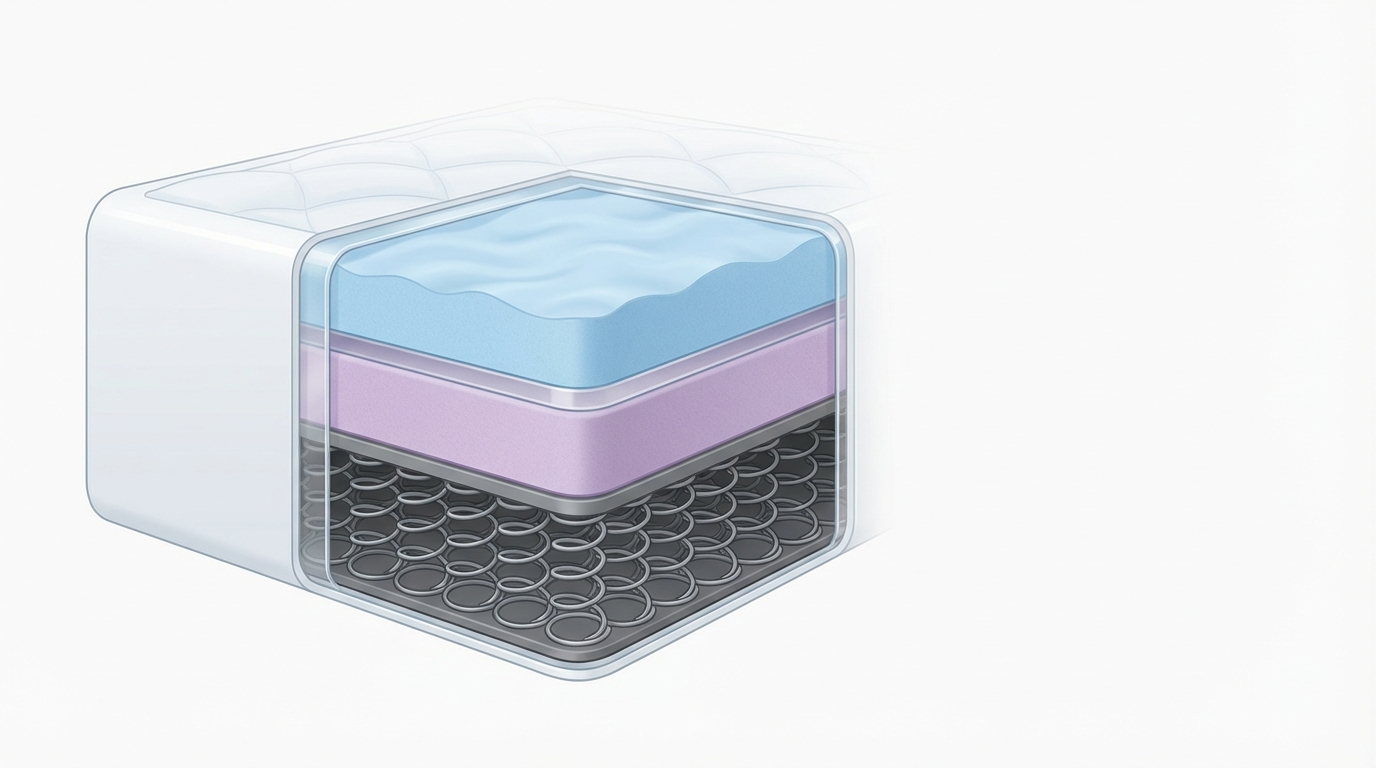
The Classic Hybrid is a 12 to 14 inch thick hybrid mattress with:
- A quilted top that has a bit of foam sewn in for initial softness
- About 2 to 3 inches of comfort foam layers
- An 8 inch or so pocketed coil support core
- A thin stabilizing foam base underneath the coils
Independent testers who cut the mattress open have found CertiPUR‑US certified foams and individually wrapped coils. That means the foams are screened for certain harmful chemicals, which lines up with what we like to see for health and safety. Organizations like the Sleep Foundation and the Cleveland Clinic both note that low VOC, certified foams can reduce odor and indoor air quality concerns for sensitive sleepers.
On a typical firmness scale where 1 is feather soft and 10 is ultra firm, most reviewers and lab tests peg DreamCloud Classic Hybrid in the medium‑firm zone, around a 6 to 7 out of 10. That medium‑firm feel is not an accident. Academic sleep research has repeatedly found that medium‑firm mattresses tend to provide better back pain outcomes than very soft models, especially for mixed and back sleepers.
So, structurally, DreamCloud is a fairly standard modern hybrid, designed to feel broadly comfortable to a wide range of people at a price that looks very attractive compared to many traditional brands.
> “I had been reading about DreamCloud for months, but I still felt uneasy pulling the trigger online. Mia walked me through the construction and how it compares to the hybrids on the Sleepology floor. Once I understood the tradeoffs, I ended up going with a Sealy hybrid that felt really similar but had better edge support. I still spent under what I expected.” > – Daniel P., November
Is DreamCloud A Good Mattress? The Honest Short Answer
When customers ask me point blank “is DreamCloud a good mattress,” I give them an answer that has two parts.
From a value standpoint, DreamCloud is generally a good mattress for the money. Several independent testing labs have scored it in the “good” range for overall performance, with especially nice marks for motion isolation and support relative to its sale prices. When a queen is on promotion around the mid‑hundreds, you are getting a lot of mattress for the price.
From a performance standpoint, DreamCloud is a solid but not elite hybrid. It typically does well for:
- Average weight back sleepers who like a “on the bed, not in it” feel
- Combination sleepers who need easy movement
- Couples who want low motion transfer and decent cooling without spending several thousand dollars
It tends to be less ideal for:
- Petite, pressure‑sensitive side sleepers who need a deeper cushion at the shoulder and hip
- People who want very strong sitting edge support for getting up and down
- Those who value top tier pressure relief and long‑term material durability over initial price
That does not make DreamCloud bad. It just means it plays in a particular lane: broadly comfortable, decent quality, strong value, but not a replacement for carefully engineered, heavier duty premium hybrids you can test at a store like Sleepology.
When I see DreamCloud work best is when customers understand that tradeoff and match it to the right body type and sleep style. The rest of this guide will walk through how to do that in detail.
How DreamCloud Feels: Firmness, Support, And Pressure Relief

Firmness And Sleeping Position
Firmness is subjective, but across multiple lab reviews and real sleepers, DreamCloud Classic Hybrid consistently lands in that medium‑firm 6 to 7 out of 10 zone. That has very specific implications for how it feels in different sleeping positions.
Back sleepers under about 230 pounds often find DreamCloud quite comfortable. The quilted top and foam layers give a little cradle under the shoulder blades and lumbar area, while the coil core keeps hips from sinking too far. Orthopedic and sleep medicine groups, including Mayo Clinic, emphasize that spinal alignment is crucial for reducing back pain, and this style of support is generally helpful for that.
Stomach sleepers are a bit more divided. Lightweight and some average weight stomach sleepers often do well, because the firmer feel holds the pelvis up, which helps avoid the “U‑shaped” sway back that can strain the lower spine. However, heavier stomach sleepers sometimes still sink a bit more than ideal, especially around the hip pocket, and may be better on an extra firm surface such as a Sealy Posturepedic Plus Extra Firm that is built to run significantly firmer.
Side sleepers are where the question “is DreamCloud a good mattress” gets trickier. The hybrid’s medium‑firm feel can work nicely for:
- Heavier side sleepers who compress through the top foams and engage more of the comfort layers
- Some lighter sleepers who enjoy a more “floating” feel and are not very pressure sensitive
But for many average weight side sleepers, the cushion at the shoulder and hip is only “okay,” not exceptional. Several test labs have commented that pressure relief on DreamCloud is good but trails softer, thicker comfort systems. That aligns with my own in‑store experience watching people who love a true plush top compare DreamCloud to something like the Sealy Posturepedic Pro Soft Euro Pillow Top, which has noticeably more depth of foam above the coils.
Support And Spine Alignment
Support is about more than how firm a mattress feels when you press your hand into it. A supportive mattress keeps your spine in its natural, gentle S‑curve when you lie down. On a hybrid, the coil system does most of that heavy lifting.
DreamCloud uses a fairly tall spring unit with individually wrapped coils. That type of build is good news for:
- Contour: coils can flex individually under your curves
- Stability: they rebound quickly, so you do not feel stuck
- Breathability: air flows more freely around springs than through solid foam blocks
During third‑party tests, DreamCloud’s support has generally been rated “good to excellent” for sleepers up to about 230 to 250 pounds. Above that range, support is still serviceable but may not feel as rock solid as some heavy duty coil systems specifically engineered for higher weights.
If you are a back sleeper who often wakes up stiff through the mid back and hips, a medium‑firm hybrid like DreamCloud can absolutely be a step in the right direction. That said, when someone with chronic back issues sits down with me at Sleepology, I often steer them to a model that pairs a very robust coil system with zoned comfort layers, like the Sealy Posturepedic Elite Firm Euro Pillow Top, because that extra tuning often makes a long‑term difference.
Pressure Relief And Comfort Layers
Pressure relief is where you feel that “ahh” when your hips and shoulders finally relax. DreamCloud is decent but not outstanding in this department.
Most measurements show that DreamCloud’s total comfort layer thickness is slightly below many premium hybrids, and the foams used are solid, but not particularly advanced or slow‑responding. The result is a balanced, non‑dramatic hug around the body. For many sleepers, especially those who dislike deep sink, this is a plus. For others, particularly:
- Side sleepers with sensitive shoulders
- People with arthritis in the hips
- Very light sleepers whose body weight does not compress the foams much
pressure relief can feel a little “thin” over the course of the night.
The Arthritis Foundation and similar organizations point out that evenly distributing pressure can reduce night‑time pain flares. If you know your joints complain on firmer surfaces, then a plusher Euro top hybrid such as the Sealy Posturepedic Plus Soft Mattress will usually be a better fit than DreamCloud.
> “I have arthritis in both hips, so I was really nervous about going too firm. I tried DreamCloud at a friend’s house and liked the support, but my shoulders were tingling by 5 a.m. Mia suggested I stay in that hybrid family but with more foam up top. I ended up on a Sealy Euro pillow top and genuinely wake up less sore now.” > – Holly R., October
DreamCloud For Different Body Types And Sleep Styles
One reason online reviews can sound contradictory is that a mattress never feels the same to a 120 pound side sleeper as it does to a 260 pound back sleeper. Here is how DreamCloud usually lands across those spectrums.
Lightweight Sleepers (Under 130 Pounds)
If you are fairly petite, most mattresses will feel firmer to you than they do to a heavier person. Your body simply does not sink deeply enough to engage all the foams and pocketing.
On DreamCloud, that means:
- Back and stomach: often feel well supported, with a buoyant, slightly firm character that many light sleepers enjoy.
- Side: can feel borderline too firm across the shoulder and outer hip, especially if you have narrower curves.
Many lightweight sleepers who prefer side or combination sleeping end up happier on a slightly softer surface. Something like the Sealy Posturepedic Plus Medium Euro Pillow Top keeps good support, but the extra foam thickness lets a lighter frame sink enough for proper contour.
Average Weight Sleepers (130 To 230 Pounds)
This is DreamCloud’s sweet spot. The mattress is designed to appeal to this majority group, and it usually does.
- Back: very good match. Hips sink just enough for the lumbar curve to be cradled, while the coil system holds everything aligned.
- Combination: easy to roll, sit up, and change positions, thanks to fast‑responding foams and moderate bounce.
- Side: mixed. Some average weight side sleepers have no issues, while others wish for slightly more depth of cushioning under the shoulder.
If you are in this range and split your time between back and side, DreamCloud is at least worth a serious look, especially if you value budget and motion isolation.
Plus Size Sleepers (Over 230 Pounds)
For higher weight sleepers, mattress quality and design matter a bit more. There is more downward force on the foams and springs, more potential for sag, and more need for true support.
On DreamCloud, heavier sleepers often report:
- Back: decent initial comfort and support, but some notice more sink over time.
- Side: better contouring than lighter sleepers get, which can actually be an advantage, but long‑term durability of the foams matters.
- Stomach: risk of hips sinking too far for ideal spinal alignment.
If you are plus size and mostly a back or side sleeper, DreamCloud can work, but I would generally treat it as a value conscious choice rather than the most robust thing on the market. This is one group that benefits a lot from trying thicker coil units with zoned support at a store, where you can really feel differences in pushback and long‑term resilience.
Cooling, Motion Isolation, And Edge Support: The “Living With It” Factors
Cooling And Temperature Regulation
Most sleepers want a mattress that at least does not trap extra heat. True active cooling systems are more specialized, but plenty of beds manage a comfortable “temperature neutral” feel.
DreamCloud’s design helps here:
- Hybrid construction allows air to circulate around coils
- The foam comfort layers are not overly thick, which limits that slow “heat sink” feeling
- Some models use gel‑infused foam and a fabric cover marketed with cooling fibers
Independent temperature tests show that DreamCloud tends to warm slightly above baseline while you are lying on it, then releases heat fairly quickly once you get up. That lines up with what the Sleep Foundation describes as “good cooling performance” for mainstream hybrids.
If you are an average hot sleeper who just wants to avoid full‑on night sweats, DreamCloud is usually adequate. If you are dealing with severe hot flashes, certain medications, or very warm bedrooms, pairing any mattress with breathable sheets and a good protector from a collection like pillows, sheets, toppers, and protectors often makes more impact than splitting hairs between similar hybrids.
Motion Isolation For Couples
This is where DreamCloud often punches above its weight. Because the comfort foams up top absorb energy and the coils below are not overly bouncy, most tests find:
- Low overall motion transfer
- Some movement duration, but with lower intensity than many springy hybrids
- Easy partner movement without dramatic waves across the surface
From a practical couple’s point of view, that means you are less likely to wake when someone rolls over, climbs into bed, or gets up for the bathroom. For co‑sleepers with mismatched schedules or restless partners, that can be the difference between “we tolerated our old bed” and “we are actually sleeping through each other’s habits.”
Edge Support And Usable Surface
Edge support is one of the more polarizing aspects of DreamCloud. Lab tests and user reports suggest:
- Very good sitting edge support for the price. You can sit to tie shoes without feeling like you are about to slide off.
- Only fair to good lying edge support. When you lie right up against the edge, some people feel a bit more give than they prefer.
If you sleep in the middle, this may never matter. But if you:
- Share a smaller size with a partner and routinely use the full width
- Have balance issues and rely on the side of the bed as a “perch” before standing
- Like to sit on the edge to read or watch TV
you may want an especially reinforced perimeter. Some Sealy Posturepedic models, including the Sealy Posturepedic Plus Firm Euro Pillow Top, use stronger perimeter coils and foam rails for exactly that reason.
> “My husband has Parkinson’s, so getting in and out of bed is not casual for us. We tried DreamCloud based on a friend’s recommendation, but the side compressing when he sat made both of us nervous. At Sleepology, Mia watched how he transfers and pointed us to a hybrid with much firmer edges. That little detail made a huge difference to his confidence.” > – Carol S., November
DreamCloud’s Trial, Warranty, And Durability: Will It Last?
Trial Period And Returns
One of DreamCloud’s biggest selling points is its 365 night trial. A full year is generous compared to the industry average of about 100 to 120 nights, and it means you can experience the mattress across seasons and schedules.
There are a few things to keep in mind, though:
- You usually must keep the mattress for a minimum “break‑in” period before returning, often around 30 days. That is standard, and also wise; your body needs time to adjust.
- Return processes involve scheduling pickups and coordinating with the brand, which can take a bit more effort than simply bringing a mattress back to a local Sleepology store.
From a shopper’s perspective, a long trial is a real plus, but it does not replace the benefit of trying several constructions side by side before you buy. The best case scenario is using store tests to narrow options, and then using a home trial to confirm your choice holds up night after night.
Warranty And Real‑World Longevity
DreamCloud advertises a “lifetime” or “forever” warranty, and that sounds like a dream. It is important to understand what that means in practice.
Most mattress warranties, including DreamCloud’s, cover:
- Manufacturing defects
- Body impressions above a certain depth (commonly around 1.5 inches)
- Broken coils or significant structural failures
They do not cover:
- Normal softening of foams and comfort layers over time
- Personal preference changes
- Damage from misuse or improper foundations
Hybrid mattresses in this price and construction category generally perform well for about 7 to 10 years for average weight sleepers, sometimes a bit less for heavier sleepers. That lines up with what organizations like the National Sleep Foundation note as a typical lifespan for mainstream mattresses.
So is DreamCloud durable “enough”? For many households, yes, if you treat it as a 7 to 10 year mattress and rotate it periodically. If you are looking for something that will stay extremely close to brand new firmness and support over a very long horizon, then heavier build quality, denser foams, and more robust coils in a well‑built in‑store brand may justify the extra investment.
DreamCloud Vs Store‑Brand Hybrids: How It Compares
Because Sleepology works with brands like Sealy and Tempur‑Pedic, my day‑to‑day perspective tends to be “how does this online mattress compare to what I can show you right now.”
Here is a simple, high‑level comparison between DreamCloud Classic Hybrid and a representative Sleepology hybrid such as the Sealy Posturepedic Plus line.
DreamCloud Classic Hybrid
- Price: Very aggressive sale pricing online, especially for queen sizes.
- Feel: Medium‑firm, balanced hug, moderate bounce.
- Strengths: Motion isolation, overall value, long trial, low entry price for a hybrid.
- Limitations: Slightly thinner comfort system, average edge support, mid‑range materials.
Typical Sealy Posturepedic Plus Hybrid (for example, Paterson II Euro Pillow Top)
- Price: Higher ticket than DreamCloud, especially outside promotions, but with frequent in‑store deals.
- Feel: Available in firm, medium, and soft, with deeper comfort layers and more tuning for different positions.
- Strengths: Better edge reinforcement, more precise pressure relief options, very robust coil systems, the ability to test feel in person.
- Limitations: Shorter trial window compared to a full year, though with easier returns via store; higher up‑front cost.
In practice, many Sleepology guests who are tempted by DreamCloud find that when they lie on a Posturepedic Plus Medium or Soft Euro Pillow Top, they prefer the way deeper foams and zoned support feel under real bodies. Others feel the DreamCloud tier is exactly where their budget, needs, and expectations line up.
The correct answer is not “store good, online bad” or the reverse. It is “know what each type gives you, then pick according to your body and priorities.”
When DreamCloud Is A Good Choice (And When It Is Not)
Good Fit Scenarios
DreamCloud tends to be a good mattress for you if:
- You are an average weight back or combination sleeper who prefers a medium‑firm, slightly buoyant feel.
- You share your bed and care about low motion transfer, but your budget is not ready for ultra‑premium hybrids.
- You want hybrid support and cooling without paying traditional big‑brand pricing.
- You are comfortable managing an online purchase, scheduling a pickup if needed, and waiting a few days for the mattress to off‑gas and fully expand.
Situations Where I Would Be Cautious
I would be more cautious about DreamCloud if:
- You are a primarily side sleeper with sensitive joints, especially under 150 pounds. You may be more comfortable on a noticeably plusher top like the Sealy Posturepedic Pro Soft Euro Pillow Top.
- You are over about 250 pounds and want maximum long‑term support, especially if you sleep on your stomach. A firmer, more heavily built hybrid or innerspring will usually serve you better.
- You or your partner rely on very strong edge support to get in and out of bed safely.
- You strongly prefer testing multiple feels side by side and having the option to work with a local team if you ever need to troubleshoot comfort.
In these cases, DreamCloud is not a “bad” mattress, it is simply not the best matched tool for the job.
How To Decide Between DreamCloud And Alternatives

Even with all this information, you might still feel torn, and that is completely normal. Here is a simple decision framework I use in consultations.
Step 1: Anchor On Your Primary Sleep Position
- Mostly back: DreamCloud is a reasonable candidate. Also look at best mattresses for back sleepers to compare designs specifically tuned for back support.
- Mostly side: Prioritize pressure relief and thicker comfort layers, which may mean stepping up to a plusher Euro top or softer foam hybrid.
- Mostly stomach: Treat firmness and pelvic support as non‑negotiable. Many stomach sleepers do best in the firm or extra firm category.
- Mixed: Choose a balanced feel with enough surface response to change positions easily. DreamCloud fits here, along with several mid‑firm store hybrids.
Step 2: Be Honest About Your Sensitivities
Ask yourself:
- Do I wake up often when my partner moves?
- Are my hips, shoulders, or knees frequently sore in the morning?
- Do I sleep very hot, or just “a little warm”?
- Is getting out of bed physically demanding for me?
Your answers will tell you whether you need standout performance in motion isolation, pressure relief, cooling, or edge support. For example, if your main complaint is being woken by every toss and turn, DreamCloud’s motion isolation is a major plus. If mobility is the challenge, a model with stronger rails and edges takes priority.
Step 3: Decide How Much Work You Want To Do
Some shoppers are happy to order online, manage returns, and wait for shipping. Others really want to feel a mattress the day they pick it, sit on edges, and talk face to face with a consultant.
If you are in the second camp, using DreamCloud mainly as a point of comparison while you try similar hybrids at Sleepology can be more satisfying. You can say “I like the idea of DreamCloud, what do you have that feels like that but with better X,” and we can walk you to those models.
Conclusion: So, Is DreamCloud A Good Mattress For You?
DreamCloud, in 2026, is a legitimately strong value in the crowded hybrid mattress category. Its medium‑firm feel, quiet coil system, and motion‑dampening foams add up to a comfortable, supportive surface for many back and combination sleepers, especially around average body weights. The full‑year trial and lifetime warranty are consumer friendly, and the pricing is intentionally aggressive.
At the same time, DreamCloud is not a magic, one‑size solution. For side sleepers who crave a plush shoulder cradle, for heavier sleepers who need heavy duty support, and for people whose mobility or pain picture demands very specific performance, there are better matches in well‑built store brands you can try at Sleepology. You might pay more up front, but you gain finer tuning of firmness, pressure relief, and edge support.
If you take one thing from this guide, let it be this: “Is DreamCloud a good mattress?” is not a useful question unless you tack on “for my body, my sleep style, and my budget.” Once you define those, DreamCloud’s pros and cons become very clear, and the decision usually follows naturally.
If you would like help turning all this into a concrete choice, you can always bring your answers to these questions into a Sleepology store or a phone consultation. We can show you hybrids that feel similar to DreamCloud along with options that correct the specific weaknesses that matter in your case, whether that is deeper pressure relief, firmer edges, or a different foam feel. And if you end up choosing DreamCloud after all, you will do it with eyes wide open, which is exactly how a big purchase should feel.
Frequently Asked Questions
Is DreamCloud a good mattress for back pain?
DreamCloud can be a good option for some types of back pain, especially for average weight back sleepers who are currently on a sagging or very soft mattress. The medium‑firm hybrid structure tends to improve spinal alignment compared with worn out beds, and research reviewed by the Sleep Foundation suggests medium‑firm surfaces often help chronic low back pain. That said, if your pain is severe, radiating, or linked to a diagnosed spinal condition, you will likely benefit from a more precisely tuned support system and should speak with your doctor or physical therapist before relying on any specific mattress to “fix” back pain.
How does DreamCloud compare to Tempur‑Pedic or high‑end store brands?
DreamCloud is built and priced for the mid‑market. It offers a lot of mattress for its promotional prices, but its materials and construction are not directly comparable to high‑end Tempur‑Pedic or top tier Sealy hybrids that use proprietary, very dense foams and heavier coil units. Those premium mattresses typically provide more refined pressure relief and potentially longer‑term durability, which is why we feature them in curated collections like the best foam mattresses, but they also cost significantly more. DreamCloud makes more sense when you want strong value and “good enough” performance, not ultra‑luxury build.
Will DreamCloud sag or develop body impressions quickly?
All foam‑topped mattresses develop some level of impression over time. With DreamCloud, most testers and owners report typical softening over the first few months and then a gradual settling over several years, consistent with many mid‑range hybrids. Its warranty generally covers impressions above a certain depth, often around 1.5 inches, but not normal softening. To slow visible wear, rotate the mattress a few times a year, use a supportive foundation, and avoid sitting in the same spot on the edge repeatedly. Heavier sleepers will always compress foams more, so if you are over 230 pounds and want minimal body impressions, a more robust build may be worth the extra cost.
Is DreamCloud good for side sleepers with shoulder or hip pain?
DreamCloud can work for some side sleepers, especially heavier ones, but those with sensitive shoulders or hips often find its comfort layers a bit on the firm or shallow side for all‑night relief. Side sleepers with pain generally do better on mattresses that offer thicker, softer cushioning on top of a supportive core, such as plush Euro top hybrids or softer memory foam constructions. At Sleepology, we often compare DreamCloud to models like the Sealy Pro or Plus Euro pillow tops for side sleepers, because those give more “room” for the shoulder and hip to nestle in while the coils hold the spine straight.
Does DreamCloud sleep hot?
Most people find DreamCloud to be reasonably temperature neutral. The hybrid design allows airflow around the coils, and the foam layers are not excessively thick, so heat does not build as dramatically as on some dense all‑foam beds. Cooling tests from independent labs typically rate DreamCloud as “good” rather than “ice cold.” If you are an average sleeper who just wants to avoid extra warmth, DreamCloud should be fine. If you are a very hot sleeper, combining any mattress with breathable bedding from a collection like pillows, sheets, toppers, and protectors near me is usually more impactful than choosing between two similar hybrids.
How long should I expect a DreamCloud mattress to last?
For many households, DreamCloud should provide comfortable, supportive sleep for about 7 to 10 years, which is in line with what groups like the National Sleep Foundation mention as a typical mattress lifespan. Lighter sleepers and those who rotate their mattress regularly may see it stay comfortable toward the longer end of that range. Heavier sleepers or those who prefer a “brand new” firmness feel may want to plan closer to the shorter end. A lifetime warranty sounds like the bed will last forever, but in real life, your comfort preferences, body, and foam softening usually lead you to consider replacement around that 7 to 10 year mark.
Should I buy DreamCloud online or choose a similar mattress in a Sleepology store?
If you are comfortable with online purchases, are not highly sensitive to subtle feel differences, and are primarily motivated by maximizing value, ordering DreamCloud online can make sense. If you are dealing with pain, mobility issues, or simply want to be absolutely sure of your comfort and support before you commit, coming into a Sleepology store to try several hybrids side by side is often wiser. You can directly compare DreamCloud‑like feels to tuned alternatives for back, stomach, or side sleepers in our curated collections, such as the best mattresses for stomach sleepers, and leave with a mattress that fits your body with much more precision.