

Is Beautyrest a Good Mattress? An Expert, No‑Nonsense Guide From Sleepology
Finding the right mattress can feel strangely high stakes. You are about to spend a serious amount of money on a product you cannot truly evaluate until you have slept on it for weeks, and you are swimming in jargon about coils, foams, and “cooling technology.” If you have landed here because you keep seeing Beautyrest everywhere and you are wondering whether it is actually good, you are not alone. I talk to shoppers every week who are torn between familiar brand names like Beautyrest and newer options with aggressive online marketing.
Your sleep, your back, and your budget are all on the line. According to the Sleep Foundation, most adults need 7 to 9 hours of sleep per night, and mattress comfort and support have a measurable effect on sleep efficiency and next day functioning. When the surface you sleep on is wrong for your body, you are more likely to experience insomnia, morning pain, and daytime fatigue, all of which ripple through mood, work, and relationships. A mattress is not just a purchase, it is part of your daily health routine.
Beautyrest sits in an interesting place in the market. It is a long established brand with deep mattress engineering experience, and its pocketed coil design has influenced the entire industry. At the same time, not every Beautyrest is created equal, and some models simply do not deliver the value many shoppers expect at their price point. The goal here is not to cheerlead or attack Beautyrest, but to give you a grounded, practical view so you can decide whether a Beautyrest fits your body, sleep style, and budget, or whether a different option, including some we carry at Sleepology, might be smarter.
You will learn what Beautyrest actually does well, where it falls short, how it compares with similar hybrids and innersprings, and how to translate your own sleep needs into the right type of mattress. I will also share a comparison table that lines Beautyrest up against some Sealy Posturepedic models we know intimately from the showroom floor. By the end, you should feel like you could walk into any mattress store, look at a Beautyrest, and know within a few minutes whether it deserves to be on your shortlist.
How Beautyrest Earned Its Reputation
Beautyrest is not a pop up mattress brand. It is part of Simmons, an American bedding company whose roots go back to the 1870s. In the 1920s, Simmons introduced the pocketed coil, a design in which each spring is wrapped individually in fabric instead of being tied together in a grid. That design dramatically reduced motion transfer between partners and gave mattresses a more contouring, less bouncy feel. Today, almost every modern hybrid or pocketed coil mattress owes something to that idea.
Reputation matters because it usually reflects years of product iteration, warranty history, and consumer feedback. Brands that survive more than a century tend to have at least two things in common. First, they know how to build support systems that hold up for many years when used correctly. Second, they know how to tune comfort so a broad range of sleepers can find something that feels right. Beautyrest checks both boxes, particularly in its mid and higher tier collections.
However, a big brand name can also create a false sense of security. I often meet shoppers who assume “Beautyrest” automatically means “top of the line,” when in reality the company produces several tiers, from entry level mattresses made to compete with big box brands up through the premium Beautyrest Black and World Class lines. The gulf in feel, durability, and price between those tiers can be huge. Saying “Is Beautyrest a good mattress?” is a bit like asking “Is Toyota a good car?” The answer depends heavily on which model you are talking about.
From a sleep science perspective, what matters is not the logo on the label, but how a specific mattress handles support, pressure relief, temperature regulation, and motion control for your body. Organizations such as the Cleveland Clinic and Mayo Clinic consistently point out that spinal alignment and pressure reduction are critical for preventing or easing back and joint pain during sleep. Beautyrest has models that achieve this beautifully, but it also has versions that are primarily about hitting a price point, not delivering long term performance. Part of my job here is to help you separate those.
“Mia helped us understand that ‘Beautyrest’ is a family name, not a single mattress. We almost overspent on a fancy model we did not need. With her guidance we ended up saving about $900 and my husband’s shoulder pain is finally easing up.” – Alicia R., October
The Beautyrest Lineup Explained In Plain English
Beautyrest’s current lineup can be confusing because the brand uses overlapping terms like Black, World Class, Hybrid, and PressureSmart. Underneath the marketing, though, there are only two basic constructions: quilted innerspring style mattresses and smooth top hybrids.
The Main Beautyrest Collections
At a high level, you will encounter these collections most often in stores and online:
Beautyrest (sometimes called the “core” or Signature collection) is the entry to mid level line. These mattresses use the company’s pocketed coil system with foams on top, and you can find them in a range of firmness levels. They are designed to hit mainstream price points rather than wow you with exotic materials. For guest rooms, college students, or lighter weight sleepers with a moderate budget, these can be perfectly adequate when chosen carefully.
Beautyrest Hybrid is, as the name suggests, the smoother topped hybrid version, combining pocketed coils with thicker foam layers and a tight, non quilted surface. Sleep Foundation’s testing team found the Beautyrest Select Hybrid to perform well for side and back sleepers under 230 pounds, especially in the medium and firm versions. Their observations mirror what I see with many hybrid shoppers, which is that the right firmness in a well built hybrid can feel both cushioned and supportive over many years.
Beautyrest World Class and World Class Hybrid step up material quality, height, and comfort layering. These tend to offer more sophisticated pressure relief and slightly better edge reinforcement than the basic lines. Think of them as a bridge between mainstream and luxury.
Beautyrest Black and Beautyrest Black Hybrid sit at the top of the line. These models often include features like specialized cooling foams, micro coils in the comfort layer, and very tall profiles. Independent reviewers consistently praise their pressure relief, motion isolation, and overall build quality. The tradeoff is price. Many configurations cost multiples of a solid midrange hybrid, and your goal is to make sure you are paying for performance that you will actually feel, not just a halo name.
What makes all of these “Beautyrest” rather than simply “Simmons” is the use of that pocketed coil support core across the lines. In practice, that support system tends to provide a slightly more contouring, less “springy” feel than older open coil designs, while still giving airflow through the mattress and reliable support along the spine.
Comfort Levels And Firmness Choices
Across almost every Beautyrest collection you will see similar comfort descriptors. Common labels include plush, medium, firm, and extra firm, sometimes with pillow top versions layered on top of those.
Functionally, plush on a Beautyrest usually means a softer quilt or thicker foam package over the coils that lets you sink more deeply. Medium tries to balance contouring with support. Firm and extra firm typically rely on thinner comfort layers and a tighter quilt pattern or foam configuration to prevent excessive sinkage. Pillow top versions in any firmness add extra loft and softness at the very surface, which can be a relief for side sleepers’ shoulders and hips, but may feel too enveloping or warm for some stomach and back sleepers.
One limitation with Beautyrest’s marketing is that the terms are still subjective. There is no universal “medium” across the entire industry. This is where your own body weight and sleep position matter more than any word on a spec sheet, and it also explains why online reviews for the exact same model can range from “way too hard” to “way too soft.”
“I kept reading reviews that totally disagreed with each other. Mia walked me through how my 6'2", 230 pound frame would feel a medium differently than my 120 pound partner. That perspective was the missing piece. We ended up with a hybrid that feels medium-firm to me and just plain medium to her, which is exactly what we needed.” – Daniel K., November
Is Beautyrest A Good Mattress For Support And Spinal Alignment?

Support is where long established brands like Beautyrest often shine, but we need to define support carefully. In sleep science, “support” means your spine stays in a neutral, natural curve throughout the night, not that the mattress feels rock hard. A mattress can be soft at the surface and still very supportive underneath if the underlying coil system and transitional foams are well engineered.
Beautyrest’s pocketed coil systems are designed to compress individually under different parts of your body. That allows heavier regions, such as the hips, to sink slightly while lighter regions, such as the waist, receive enough upward force to prevent hammocking. Properly executed, this is exactly what authoritative sources like the Mayo Clinic recommend for people with back pain, who often benefit from a medium firm feel that conforms without collapsing.
In mid and upper tier Beautyrest models, particularly many World Class and Black versions, coil counts and coil gauge (thickness) are high enough that heavier sleepers and couples can get solid long term support. Some Beautyrest Black models even use triple stranded pocketed coils, essentially three wires twisted together for each coil, to increase durability and motion separation. For back and stomach sleepers who like a very steady, planted feel, that can be a strong plus.
Where I see more variability is in the lower priced Beautyrest models sold through big box stores and some department chains. In those, the coils can be thinner, and the foam layers above them may use lower density materials. This does not mean every entry level Beautyrest will fail early, but it does mean that for heavier sleepers, or for couples who share a smaller size like full or queen, support can loosen noticeably by year five or six. When you are evaluating any Beautyrest, ask yourself whether you are choosing it for a guest room that sees occasional use, or as your primary bed for years of nightly sleep.
If you are looking for very consistent support across the mattress surface and want options that let you dial in firm, medium, or plush without sacrificing spinal alignment, you might also consider some of the Sealy hybrids we carry. A model like the Sealy Posturepedic Elite Firm Hybrid Mattress – Brenham II uses zoned coils and high density foams in a way that feels similar to some World Class or entry level Black mattresses, often at a more approachable price.
Pressure Relief, Comfort, And Pain Points
If support is about what your spine is doing, pressure relief is about what your shoulders, hips, and joints are feeling. This is especially important for side sleepers and anyone with arthritis, bursitis, or past injuries. Too much pressure at a joint can cause you to toss and turn, decreasing your time in deeper stages of sleep. The Sleep Foundation notes that balanced pressure relief is closely linked to less nighttime awakening and better perceived sleep quality.
Most Beautyrest mattresses rely on some combination of memory foam, polyfoam, and occasionally latex above the coils to accomplish this. In the softer and more premium models, you will often find multiple layers of foams with varying densities and additives, such as gel or phase change materials, which are marketed as cooling. When done right, this layering creates a gentle cradle around the shoulders and hips without letting them “bottom out” against firmer layers.
However, this is also where Beautyrest’s price spread shows up. On the very high end, especially in Beautyrest Black configurations that include thick comfort stacks and micro coils, pressure relief for side sleepers can be outstanding. Independent pressure mapping tests have shown some Beautyrest Black models keeping peak pressures significantly below common thresholds associated with discomfort, even in back and stomach positions. For people with pronounced curves, broad shoulders, or aching hips, that can feel transformative.
On mid level and lower priced models, pressure relief is more hit or miss. Softer versions may feel great during a short showroom test, but foams that lack sufficient density can develop body impressions faster, which gradually shifts pressure back to your joints instead of through the foam down into the coil system. Conversely, some firm entry level Beautyrest models stack thin quilt foam over coils that do not contour much, which can leave lighter side sleepers feeling like they are sleeping on a board.
One practical way to think about it is this. If you are a strict side sleeper, or you already struggle with hip or shoulder discomfort, you usually want either a well executed pillow top or a hybrid with enough high quality comfort foam to genuinely cradle those areas. In our experience at Sleepology, many side sleepers find that a mattress such as the Sealy Posturepedic Soft Mattress – Medina II Euro Pillow Top delivers that deep cushioning with reliable underlying support, similar to some Beautyrest pillow tops, but with a slightly more budget friendly structure.
Cooling And Temperature Regulation On Beautyrest
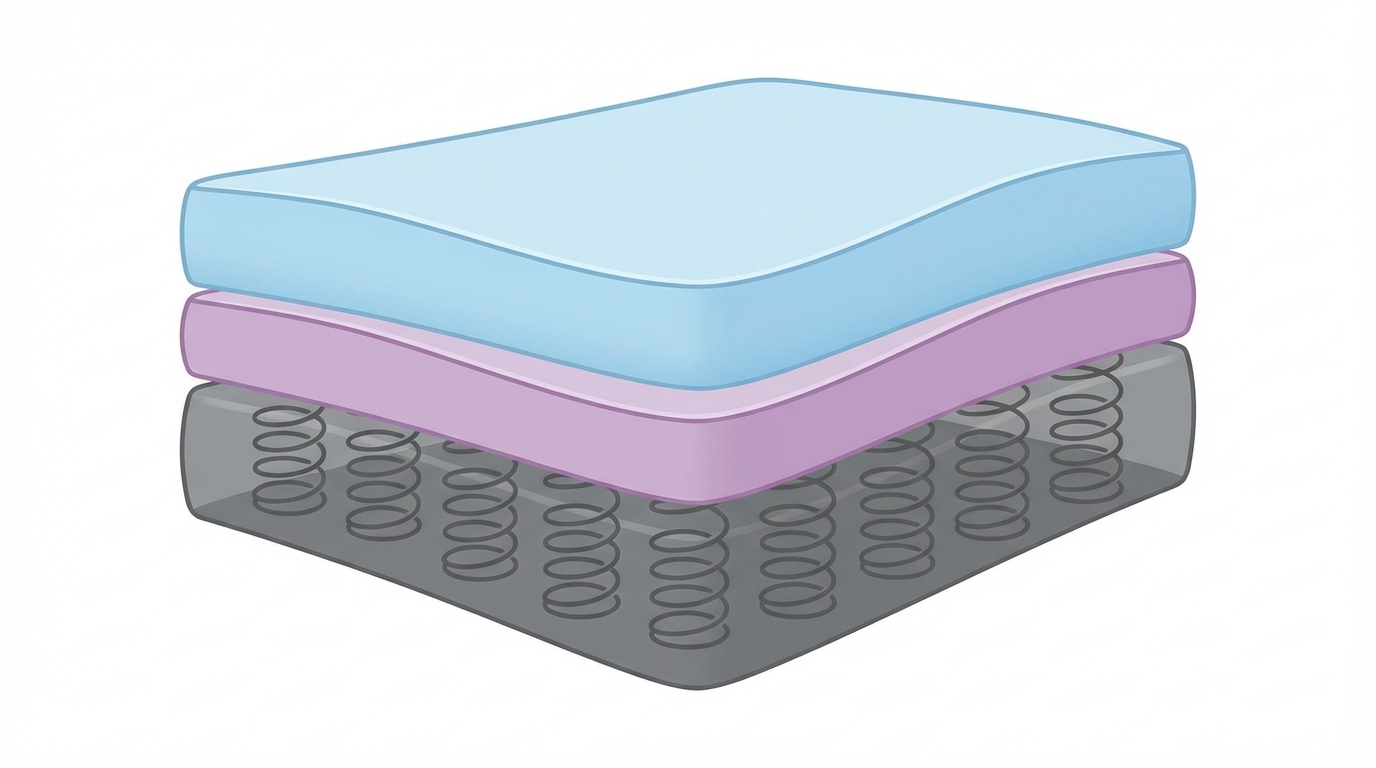
One of the most common complaints I hear about modern mattresses is, “It sleeps hot.” Memory foam in particular has a reputation for trapping heat, and many Beautyrest models do incorporate memory foam as a key part of the comfort system. Hot sleepers often worry that moving to a hybrid that uses foam for pressure relief will make their night sweats worse.
Beautyrest addresses this in several ways. The pocketed coil core itself promotes airflow through the mattress, which is inherently cooler than a thick, all foam design. Many current models incorporate gel infusions, open cell foam structures, or branded cooling covers designed to wick moisture and move heat away from the body. Some of the premium Black and World Class mattresses use more advanced phase change materials in their quilting or surface foams, which can provide a pleasantly cool initial hand feel.
Independent testing aligns with what I see anecdotally. Sleep Foundation evaluations of Beautyrest hybrids, and other third party lab tests of Beautyrest Black models, typically rate their temperature control as above average for memory foam based hybrids, particularly in the medium and firm versions where you do not sink as deeply into the foam. Softer, plusher configurations can trap a bit more warmth simply because more of your body is surrounded by foam.
Of course, mattress cooling is just one piece of the temperature puzzle. The Sleep Foundation and other sleep health organizations emphasize that bedding, room temperature, and personal factors like menopause or certain medications all affect perceived heat. Pairing a reasonably cool hybrid like the right Beautyrest or Sealy with breathable sheets and a protector designed for airflow, such as many found in our pillows, sheets, toppers, and protectors collection, often makes a bigger difference than chasing the most aggressively marketed “cooling” mattress.
Motion Isolation, Edge Support, And Partner Sleep
Most Beautyrest shoppers are not sleeping alone. Motion isolation and edge support can make or break a mattress for couples, especially if one person is restless or significantly heavier than the other. Pocketed coils are inherently better at motion isolation than old school interconnected coil systems, because each spring moves somewhat independently rather than transferring energy through steel ties.
Beautyrest leverages that strength well in many models. Reviews from independent testers and customers consistently highlight good to very good motion isolation in mid and higher tier Beautyrest mattresses, particularly when thicker foam and pillow top layers are involved. The tradeoff is that when you combine very deep foams with coils, responsiveness can slow down. Some sleepers describe feeling “a little stuck” in ultra plush versions, which is pleasant for pressure relief but less ideal for combination sleepers who change positions frequently.
Edge support is another area where Beautyrest’s construction details matter. In premium models, you often see reinforced coil rows or high density foam encasements around the perimeter. These create a more stable sitting surface and reduce roll off sensations when sleeping close to the edge. This can be especially important in queen sizes where couples want to use the full width of the mattress. Lower end Beautyrest models sometimes use foam encasement without coil zoning, which can still work reasonably well but may soften faster at the edges.
If very robust edges are high on your priority list, many of the Sealy Posturepedic Plus models at Sleepology compete well here. For example, the Sealy Posturepedic Plus Firm Mattress – Paterson II Euro Pillow Top is built with a reinforced coil perimeter and denser edge foams. This kind of design helps couples, heavier sleepers, and anyone who likes to sit on the side of the bed to get dressed.
“We thought we needed a super soft pillow top because my wife is a side sleeper, but I kept sliding toward the edge. At Sleepology we tried a slightly firmer hybrid with stronger edge coils and it felt immediately more secure. We also noticed we were not waking each other up as much when rolling over. Worth every penny.” – Marcus L., November
Value: Are Beautyrest Mattresses Worth The Price?
This is where the answer to “Is Beautyrest a good mattress?” becomes more nuanced. A mattress can be technically very good and still be a poor value if you are paying far more than comparable options. Conversely, a simpler, more affordable Beautyrest can be an excellent value if it aligns with your needs and you do not require luxury level features.
Beautyrest’s pricing spans a wide range. Entry level collections compete head to head with mainstream innerspring and hybrid brands. Mid tier World Class and Hybrid models move into solid upper middle territory. Beautyrest Black and the highest configurations, particularly with plush pillow tops and microcoil layers, compete in true luxury pricing, often rivaling or exceeding premium offerings from other heritage brands.
Industry research and consumer testing outfits such as Consumer Reports and various comparison labs typically find that while Beautyrest delivers strong performance in many categories, the very top price points do not always deliver proportional gains in comfort or durability compared with well designed competitors that cost less. The most common scenario I see in the showroom is a shopper falling in love with the feel of a very plush Beautyrest Black, only to realize the price is several thousand dollars more than a high quality hybrid that feels 90 percent as good to them.
One of the reasons we stock multiple Sealy Posturepedic and Posturepedic Plus models at Sleepology is because they often land in that sweet spot between performance and price. A mattress like the Sealy Posturepedic Elite Medium Mattress – Brenham II Euro Pillow Top or the Sealy Posturepedic Plus Medium Mattress – Paterson II Euro Pillow Top offers thick comfort layers, excellent coil support, and strong motion isolation with price tags that are usually well below comparable Beautyrest Blacks.
That does not mean Beautyrest is never the right call. For some shoppers, specific features like the feel of a particular Black pillow top, or the aesthetics and brand loyalty, justify the extra spend. The key is to compare how your body feels on multiple options at similar and lower price points before you assume the most expensive Beautyrest is inherently “best.”
Beautyrest vs Sealy Posturepedic: Side By Side Comparison
Sometimes it helps to see how Beautyrest stacks up against real world alternatives. Below is a simplified comparison between a typical Beautyrest Black style hybrid and a representative Sealy Posturepedic Plus Euro pillow top we often recommend for the same type of sleeper. This is illustrative, not a spec sheet for a single SKU, but it mirrors what many shoppers experience on our showroom floor.
| Feature / Attribute | Beautyrest Black Style Hybrid | Sealy Posturepedic Plus Euro Pillow Top (example: Paterson II) | What It Means For You |
|---|---|---|---|
| Core support system | High coil count pocketed coils, some triple stranded | Zoned pocketed coils with reinforced center third | Both provide strong support, Sealy focuses more on lumbar zoning |
| Comfort materials | Multiple layers of memory foam, some with microcoils | High density foams, targeted memory foam in middle third | Both relieve pressure, Sealy may feel slightly more “buoyant” |
| Firmness options | Plush, medium, firm, extra firm, plus pillow tops | Soft, medium, firm pillow tops and tight tops | Similar range, but feel will differ slightly by brand |
| Edge support | Foam encasement, sometimes with reinforced coils | Robust coil perimeter plus firm edge foam | Sealy often has a slightly stronger sitting edge |
| Motion isolation | Excellent in plusher models, very good in firmer ones | Very good to excellent depending on firmness | Both are strong choices for couples |
| Temperature regulation | Cooling foams, airflow through coil system | Moisture wicking cover, breathable foams and coils | Both run cooler than all foam; exact feel depends on model |
| Typical price for a queen, retail | Higher, especially in Black series | Generally mid to upper mid range | Sealy often undercuts comparable Beautyrest by a significant sum |
| Ideal sleeper profile | Wants a luxury feel, deep pressure relief, brand cachet | Wants high support and comfort without paying for “halo” name | Your priorities decide which offers better value |
Again, this is not about declaring a “winner,” but about showing that Beautyrest’s strengths, such as pocketed coil support and strong motion isolation, are not unique to the brand. When you shop at a retailer like Sleepology that carries multiple proven brands, you can often find two or three mattresses that check your essential boxes, then let your body and your budget decide which one feels right.
How To Decide If Beautyrest Is A Good Mattress For You
So how do you take all of this information and translate it into a decision you feel comfortable with? Start with your body, then your budget, then the brand.
Match Your Body And Sleep Style To The Right Construction
First, think about how you actually sleep most nights, not how you wish you slept. Are you a strict side sleeper who curls up and rarely rolls onto your back? Do you start on your back and inevitably wake on your stomach? Are you sharing your bed with a partner and possibly pets? All of these factors influence whether a particular Beautyrest will be a good fit.
Side sleepers usually do best on mattresses with generous pressure relief at the shoulders and hips. For many, that means a plush or medium Beautyrest hybrid with a pillow top, or an equivalent Sealy Euro pillow top in our Best Side Sleeper Mattress collection. Back sleepers often feel best on medium to medium firm constructions that let the hips sink slightly while holding the lumbar area. Our Best Mattresses For Back Sleepers collection includes many hybrids and Euro tops that offer that balance.
Stomach sleepers typically need more surface firmness to protect the lower back from sagging, so extra plush Beautyrest pillow tops are rarely ideal. Some firm or extra firm Beautyrest models, as well as options in our Best Mattresses For Stomach Sleepers collection, are built with this in mind.
Your weight also matters. Lighter sleepers under 130 pounds usually perceive the same mattress as firmer than heavier sleepers do. Deep, soft foams in a plush Beautyrest may not compress enough under a very light person to provide full body contact, which can actually increase pressure points. Conversely, heavier sleepers may compress quickly through thin comfort layers, turning a “medium” into a de facto firm. In cases where there is a large weight difference in a couple, medium firm hybrids are often the safest shared ground.
Align Your Budget With Your Priorities
Only after you have a good sense of your body’s needs is it time to weigh budget versus brand. If you have the means and you fall in love with a specific Beautyrest Black that genuinely makes your body sigh with relief, there is nothing inherently wrong with choosing it. It is a well built mattress with solid materials. The key is that you are not paying extra solely for a label.
If, like many shoppers, you have a target number in mind, consider how many of Beautyrest’s signature strengths you can get at or below that number from either Beautyrest’s own mid tier models or from peers like Sealy. Often, a thoughtfully chosen hybrid such as the Sealy Posturepedic Elite Extra Firm Mattress – Brenham II or Posturepedic Pro Euro pillow top will give you similar or better performance where it matters for your body at a more accessible price.
Finally, remember that spending slightly less on the mattress to reserve room in your budget for a breathable protector, proper pillows, and good sheets is usually a smarter move than stretching too far and skimping on everything else. Sleep health is a system, not a single product.
Conclusion: So, Is Beautyrest A Good Mattress?
Beautyrest is a good mattress brand with a long track record, but “good” is not a blanket verdict, it is a question of fit. At their best, Beautyrest’s pocketed coil hybrids offer strong spinal support, excellent motion isolation, and very comfortable pressure relief, especially in the Black and World Class collections. For many sleepers, especially those who love a plush, enveloping feel with a stable, quiet core, that combination feels luxurious and restorative.
Where you need to be cautious is in assuming that any mattress with the Beautyrest logo will automatically be the best choice for your body or your budget. Lower tier models are built to hit specific price points, and sometimes that means compromises in foam density or long term edge performance. On the very high end, some configurations, while technically impressive, cost more than equally supportive and comfortable options from other respected brands.
If you take away one thing, let it be this. Start with what your body needs and how you sleep. Use brand and model names, including Beautyrest, Sealy, and others, as tools, not destinations. Compare how you feel on at least two or three well matched options, including choices from collections like Sleepology’s curated side, back, and stomach sleeper assortments. With that approach, Beautyrest may very well emerge as your favorite, or you might discover a better fit you had not considered.
Either way, you deserve to wake up feeling rested, not second guessing a major purchase. If you are unsure how to translate all of this into a specific short list, a Sleepology sleepologist can help you narrow it down in a focused, low pressure conversation.
Frequently Asked Questions
Is Beautyrest a good mattress for back pain?
Beautyrest can be a good option for back pain, particularly in its medium firm and firm hybrids that use higher quality coils and foams. Back pain relief typically comes from maintaining neutral spinal alignment while reducing pressure on sore joints and muscles. Research summarized by organizations like the Sleep Foundation indicates that medium firm mattresses often strike the best balance between comfort and support for chronic low back pain. Many Beautyrest Hybrid, World Class, and Black models in those firmness ranges are designed with that target in mind. That said, some Sealy Posturepedic Plus models we carry at Sleepology provide comparable or better lumbar zoning at a lower cost, so it is always wise to compare how your back feels on both.
Do Beautyrest mattresses last a long time?
Longevity depends heavily on the specific model, your body weight, and how you use the mattress. In general, modern hybrids and innersprings, including Beautyrest, last between 7 and 10 years for most sleepers before support and comfort begin to noticeably decline. Higher end Beautyrest Black and World Class models that use denser foams and more robust coils tend to age more gracefully, especially for heavier sleepers. Entry level Beautyrest mattresses can soften sooner, particularly if used nightly by a couple or someone over about 230 pounds. Rotating the mattress a few times a year and using a supportive base or foundation can help maximize its lifespan.
Do Beautyrest mattresses sleep hot?
Most Beautyrest mattresses sleep cooler than all foam beds but warmer than very firm, thin innersprings. Their pocketed coil cores allow for airflow, and many current models incorporate gel infused memory foams or cooling fabrics in the cover. Independent testing from outlets like Sleep Foundation generally rates Beautyrest hybrids as good to very good for temperature control, especially in medium and firm versions. Ultra plush, thick pillow top models can feel a bit warmer simply because more of the body is surrounded by foam. Pairing any Beautyrest or comparable hybrid with breathable sheets and a temperature conscious protector will usually address heat for the majority of sleepers.
Is Beautyrest worth it compared to cheaper mattress brands?
Beautyrest’s mid and higher tier models often justify their prices with better coil systems, more consistent quality control, and stronger motion isolation than many budget brands. However, on the very high end, especially in some fully loaded Beautyrest Black configurations, you may be paying extra for features you will not fully appreciate night after night. Cheaper mattresses can be tempting, but they often use lower density foams and simpler coils that wear out faster, particularly under heavier bodies. A smart strategy is to compare mid tier Beautyrest models with well built alternatives like Sealy Posturepedic Plus and choose the mattress that feels best to your body within a budget you are comfortable with, rather than chasing the lowest sticker price or the fanciest name.
Which Beautyrest firmness should I choose?
Firmness choice should be based on your sleep position, body weight, and personal comfort preferences. Side sleepers typically do best with plush or medium models that cushion shoulders and hips. Back sleepers often prefer medium to medium firm, which supports the lumbar area without feeling rigid. Stomach sleepers are usually safest on firm or extra firm designs that prevent the midsection from sagging. Lighter individuals often perceive mattresses as firmer than heavier people, so a 120 pound side sleeper may find a “medium” Beautyrest comfortable, while a 220 pound side sleeper might need plush for similar pressure relief. When in doubt, medium firm hybrids are the most universally forgiving starting point for many couples.
How does Beautyrest compare to Sealy Posturepedic?
Both Beautyrest and Sealy Posturepedic are long established, research driven brands that build strong coil based mattresses. Beautyrest tends to emphasize pocketed coil engineering and layered foams across lines like Hybrid, World Class, and Black, with a heavy focus on motion isolation and luxurious feel in the premium tiers. Sealy’s Posturepedic and Posturepedic Plus collections lean into targeted support, especially around the middle third of the mattress where most of our body weight rests. In our Sleepology showrooms, we often find that some shoppers prefer the slightly more “hugging” feel of a Beautyrest Hybrid or Black, while others gravitate toward the buoyant yet cushioned feel of models such as the Brenham II or Paterson II Euro pillow tops. Neither is universally better, but Sealy frequently provides very competitive performance at a somewhat lower price.
Do I need a box spring or special base for a Beautyrest mattress?
Most modern Beautyrest mattresses, like most hybrids and innersprings today, can be used on a variety of supportive foundations, including platform beds with closely spaced slats, adjustable bases, or traditional box springs in good condition. What matters most is consistent, non flexing support under the mattress to preserve coil integrity and prevent sagging. Beautyrest and other manufacturers generally specify maximum slat spacing and center support requirements for larger sizes, especially queen and king. If you are unsure whether your current base is appropriate, a Sleepology specialist can review it with you and recommend whether to reuse it or upgrade to something that better supports your new mattress.