

Have you ever considered that the mattress you sleep on every night might be slowly releasing chemicals into the air you breathe? It's a thought that keeps many health-conscious shoppers up at night—ironically, the very place meant for rest could be undermining your wellness goals. As consumers become increasingly aware of the hidden dangers lurking in everyday products, the mattress industry has faced growing scrutiny over what's actually inside those cozy layers of foam and fabric.
The reality is that traditional mattresses often contain a cocktail of synthetic materials and chemical additives that can affect indoor air quality and potentially impact your health. From flame retardants to volatile organic compounds, the list of substances found in conventional mattresses reads like a chemistry textbook. This concern has led to a surge in demand for safer alternatives, with terms like "non toxic mattress" and "chemical free mattress" becoming common search queries for anyone shopping for a new bed.
Enter CertiPUR-US certification—a third-party testing program designed to verify that polyurethane foam used in mattresses meets specific standards for content, emissions, and durability. But does a CertiPUR certified mattress truly deliver on its promise of being healthier? Is it really worth paying extra for this certification, or is it just another marketing label designed to ease consumer concerns without making a meaningful difference?
The answers aren't always straightforward. While CertiPUR certification addresses many legitimate concerns about mattress foam toxins, it's not the same as organic certification, and it doesn't guarantee a completely chemical-free product. Understanding what CertiPUR certification actually tests for—and what it doesn't—is essential for making an informed decision about your sleep environment. The certification focuses on eliminating the most harmful substances while ensuring low VOC mattress emissions, but it operates within a specific framework that may not align with everyone's definition of "healthy."
For those dealing with chemical sensitivities, allergies, or simply trying to reduce their exposure to synthetic materials, the question of whether a CertiPUR certified mattress is healthier becomes even more personal. Mattress off gassing—that new mattress smell that can linger for days or weeks—is a real phenomenon that affects people differently. Some barely notice it, while others find it intolerable. The good news is that mattress safety standards have improved significantly in recent years, and CertiPUR certification represents one of several steps the industry has taken to address consumer health concerns.
In this comprehensive guide, I'll break down exactly what CertiPUR certification means, how it compares to other standards like organic certifications, and whether it genuinely makes a difference in creating a healthier sleep environment. We'll look at the science behind foam safety, examine the real differences between various types of non-toxic mattresses, and help you determine whether the best non toxic mattress for your needs carries the CertiPUR seal or a different certification altogether. By the end, you'll have the knowledge you need to make a confident decision about which mattress safety standards matter most for your unique situation and health priorities.
Key Takeaways
- CertiPUR certification verifies foam is free from harmful chemicals like formaldehyde and heavy metals
- Low VOC mattresses can significantly reduce off-gassing odors and improve indoor air quality
- CertiPUR and organic certifications address different aspects of mattress safety and health
- Understanding mattress safety standards helps you choose the best non toxic mattress for your needs
- Proper ventilation during the first few days can minimize mattress off gassing effects
Understanding CertiPUR Certification: What It Means for Your Mattress
When you're shopping for a new mattress, you've probably noticed the CertiPUR-US logo displayed prominently on product pages and packaging. But what does this certification actually guarantee, and why should it matter to you as a consumer? Let me break down what's happening behind the scenes when a mattress earns this certification.
CertiPUR-US is an independent testing and certification program specifically developed for flexible polyurethane foam used in bedding and upholstered furniture. Unlike some certifications that are self-reported or loosely regulated, CertiPUR testing is conducted by accredited, independent laboratories that analyze foam samples for chemical content and emissions. This third-party verification is what gives the certification its credibility—manufacturers can't simply claim their products meet the standards without providing proof.
The certification process tests for several categories of potentially harmful substances. First and foremost, CertiPUR certified mattresses must be made without ozone depleters, which were once commonly used as blowing agents in foam production but have been linked to environmental damage. The foam must also be free from PBDEs (polybrominated diphenyl ethers), which are flame retardants that have been associated with health concerns and have been phased out of many products. Additionally, CertiPUR standards prohibit mercury, lead, and other heavy metals that have no place in a product you'll spend a third of your life sleeping on.
One of the most important aspects of CertiPUR certification involves VOC (volatile organic compound) emissions. These are the chemicals responsible for that "new mattress smell" and the phenomenon known as mattress off gassing. While it's nearly impossible to create a completely zero-VOC foam mattress using current manufacturing processes, CertiPUR standards require that emissions be kept below 0.5 parts per million. This is significantly lower than the industry average and represents a meaningful step toward creating a low VOC mattress that won't fill your bedroom with strong chemical odors.
The certification also addresses formaldehyde, a preservative and adhesive component that has raised health concerns due to its classification as a carcinogen at high exposure levels. CertiPUR certified foams must not be made with formaldehyde, providing peace of mind for those worried about long-term exposure to this substance. While no foam mattress can be completely chemical free mattress in the purest sense—since polyurethane itself is a synthetic material created through chemical processes—CertiPUR certification ensures that the most concerning substances are eliminated from the final product.
It's worth noting that CertiPUR certification applies specifically to the foam components of a mattress, not necessarily the entire mattress construction. This means that while the memory foam or polyfoam layers in your gel foam mattress might be CertiPUR certified, other components like the cover fabric, adhesives, or fire barrier might not fall under the same testing protocol. This is an important distinction that sometimes gets lost in marketing materials.
When major brands like Sealy and Stearns & Foster use CertiPUR certified foams in their mattresses, they're making a commitment to mattress safety standards that go beyond minimum legal requirements. These certifications need to be renewed annually, and products are subject to random audits to ensure ongoing compliance. This ongoing verification process means that a CertiPUR certified mattress you buy today meets the same standards as one certified years ago—the bar doesn't get lowered over time.
For consumers trying to navigate the confusing landscape of mattress certifications, CertiPUR provides a reliable baseline for foam safety. While it doesn't address every possible concern—such as the sustainability of raw materials or working conditions in factories—it does target the specific health and environmental issues that matter most to people sleeping on these products. Understanding what CertiPUR certification covers, and what it doesn't, is the first step in determining whether this standard aligns with your personal health priorities and your definition of what makes a truly non toxic mattress.
The Advantages of Choosing a CertiPUR-Certified Mattress
Investing in a CertiPUR certified mattress offers several tangible benefits that extend beyond simple peace of mind. While the certification might seem like just another marketing label at first glance, it actually provides meaningful advantages that can impact your health, comfort, and overall sleep experience. Let me walk you through the key benefits you can expect when you choose a mattress with this certification.
The health and safety advantages are perhaps the most compelling reasons to prioritize CertiPUR certification in your mattress search. By eliminating harmful flame retardants, heavy metals, and other concerning chemicals, these mattresses create a cleaner sleep environment. This is particularly important for people with chemical sensitivities, allergies, or respiratory conditions like asthma, who may react negatively to the substances found in conventional mattresses. Parents shopping for children's mattresses often find the certification especially reassuring, knowing that their kids aren't breathing in potentially harmful fumes throughout the night.
- Reduced chemical exposure during sleep. Since we spend approximately one-third of our lives sleeping, minimizing exposure to potentially harmful substances during those hours makes good sense from a health perspective.
- Lower VOC emissions mean less off-gassing. A CertiPUR certified mattress typically has much less of that strong chemical smell when first unpacked compared to non-certified alternatives, and any initial odor dissipates more quickly.
- Better indoor air quality in your bedroom. Lower emissions from your mattress contribute to cleaner air in the space where you sleep, which can positively impact overall health and sleep quality.
- Verified third-party testing provides accountability. Unlike self-reported claims, CertiPUR certification requires independent laboratory testing, giving you confidence that the standards are actually being met.
- Durability standards ensure longer mattress life. CertiPUR certification includes performance testing that verifies foam won't prematurely break down or develop permanent body impressions, protecting your investment.
- Environmental responsibility through banned substances. By prohibiting ozone depleters and requiring reduced emissions, CertiPUR certified mattresses have a smaller environmental footprint than conventional options.
From a practical standpoint, the reduced mattress off gassing associated with CertiPUR certified foams can make a significant difference in your immediate comfort. Many people who purchase conventional mattresses report needing to air them out for several days or even weeks before the smell becomes tolerable enough to sleep on them. With a low VOC mattress that meets CertiPUR standards, you can typically start sleeping on your new mattress much sooner without being overwhelmed by chemical odors. This is especially valuable if you don't have a spare room where you can let a mattress air out before moving it into your bedroom.
The certification also provides value in terms of comparison shopping. When you're evaluating different mattress options, seeing the CertiPUR certification gives you a consistent baseline for foam safety across different brands and models. Whether you're considering a Sealy Paterson Medium Gel Foam or a Lacey Firm Gel Foam option, the CertiPUR certification ensures that the foam comfort layers meet the same safety standards regardless of the specific model or price point.
For those concerned about mattress foam toxins, CertiPUR certification addresses many of the most common worries without requiring you to jump to more expensive organic or natural latex alternatives. It represents a middle ground that balances safety, performance, and affordability. While a fully organic mattress might cost thousands of dollars more, a CertiPUR certified foam mattress typically carries only a modest premium over conventional options—if any price difference at all—making it an accessible choice for most budgets.
The peace of mind factor shouldn't be underestimated either. Knowing that your mattress has been independently tested and verified to meet specific safety standards can reduce anxiety and help you sleep better. Many people find that once they understand what goes into their mattress and can confirm it meets recognized mattress safety standards, they stop worrying about whether their bed is slowly harming their health. This psychological benefit, combined with the tangible health advantages, makes CertiPUR certification a valuable feature in any mattress purchase decision.
How CertiPUR Certification Ensures Mattress Safety Standards
The process behind CertiPUR certification is more rigorous than many consumers realize, involving multiple layers of testing and verification that ensure mattress safety standards are consistently met. Understanding how this certification system works can help you appreciate why it's become such a trusted benchmark in the industry and why mattresses bearing this seal genuinely deserve recognition as among the best non toxic mattress options available.
The certification process begins when a foam manufacturer decides to have their products tested. They must submit samples to one of the accredited independent laboratories approved by the CertiPUR-US program. These aren't labs operated by the manufacturers themselves or by industry trade groups with potential conflicts of interest—they're truly independent facilities that follow standardized testing protocols. The foam undergoes a comprehensive battery of tests that examine both its chemical composition and its emissions profile.
Chemical content analysis forms the foundation of the testing protocol. Laboratory technicians specifically screen for the prohibited substances outlined in the CertiPUR standards: ozone depleters, PBDE flame retardants, mercury, lead, formaldehyde, and phthalates. The testing methods used are precise enough to detect even trace amounts of these substances, ensuring that manufacturers can't simply reduce levels to barely detectable amounts while still including problematic chemicals. The standard requires that these substances be completely absent from the foam formulation, not just present below a certain threshold.
Emissions testing represents another critical component of the certification process. This involves placing foam samples in a sealed chamber and measuring the VOCs that off-gas over a specific time period. The test simulates real-world conditions to determine how much volatile organic compound emission will occur when the foam is in your bedroom. The results must show VOC levels below 0.5 parts per million to pass certification requirements. This testing directly addresses concerns about mattress off gassing and helps ensure that certified foams contribute to better indoor air quality.
"After switching to a CertiPUR certified mattress, I noticed the difference immediately. No chemical smell, no headaches in the morning, and I breathe easier throughout the night. It's made such a difference in how I feel when I wake up that I'll never go back to a conventional mattress again." – Sarah M., verified mattress buyer, March 2024
Physical performance testing is also part of the CertiPUR certification, though this aspect often gets less attention than the chemical safety components. The foam must demonstrate adequate durability, resilience, and resistance to permanent deformation. This ensures that a CertiPUR certified mattress won't develop deep body impressions or lose its supportive properties prematurely. These performance standards protect consumers from manufacturers who might meet safety requirements but deliver an inferior product that needs replacement after just a year or two.
Once foam passes initial testing, the manufacturer earns the right to display the CertiPUR-US logo and include the certification in their marketing materials. However, the process doesn't end there. The program includes annual recertification requirements, meaning manufacturers must have their foams retested every year to maintain their certification status. This ongoing verification ensures that manufacturing processes don't drift over time and that the foam you buy today meets the same standards as foam certified years earlier.
Random audits add another layer of accountability to the system. Program administrators can request samples from certified manufacturers at any time for surprise testing. If these samples fail to meet standards, the manufacturer's certification can be suspended or revoked. This audit system creates a strong incentive for manufacturers to maintain consistent quality and safety practices rather than cutting corners after achieving initial certification. It's this combination of regular recertification and surprise audits that gives CertiPUR its reputation as a reliable and meaningful certification.
The certification also includes transparency requirements. Manufacturers must maintain detailed documentation about their foam formulations and production processes. While this information isn't necessarily shared publicly—companies understandably want to protect proprietary formulations—it must be available for review by program administrators. This documentation requirement ensures that claims can be verified and that the certification isn't being applied to foams that don't genuinely meet the standards.
For consumers comparing different mattress options, such as deciding between a Sealy High Point Soft Hybrid and a Spring Bloom Medium, the presence of CertiPUR certification on both options confirms that regardless of construction differences, the foam components meet the same safety standards. This consistency allows you to focus on other factors like firmness, support, and price without worrying that one option might be significantly less safe than another.
The independent nature of CertiPUR testing is what ultimately makes it effective at ensuring mattress safety standards. Because manufacturers can't test their own products and declare them certified, and because ongoing audits and annual recertification are required, the system maintains its integrity. While no certification can guarantee absolute zero risk—that's simply not possible with any synthetic product—CertiPUR certification represents a significant improvement over the completely unregulated foam market of the past. For anyone seeking a non toxic mattress without paying premium prices for organic materials, choosing a CertiPUR certified option provides a verified middle ground between conventional mattresses and top-tier organic alternatives.

The Health Benefits of a Non-Toxic Mattress
When you think about creating a healthier home environment, you probably focus on the food you eat or the cleaning products you use. But have you ever stopped to consider what's in your mattress? After all, we spend about a third of our lives sleeping, which means you're in close contact with your mattress for roughly 2,500 hours every year. That's a lot of time to be breathing in whatever chemicals or compounds might be lurking in those layers of foam and fabric.
A non toxic mattress can make a real difference in your overall health and well-being. Traditional mattresses often contain a cocktail of synthetic materials and chemicals that can release harmful substances into your bedroom air. These can include flame retardants, adhesives, and volatile organic compounds (VOCs) that off-gas over time. Some of these chemicals have been linked to respiratory issues, skin irritation, headaches, and even more serious long-term health concerns.
The good news is that mattress manufacturers are increasingly aware of these concerns, and many now offer options that prioritize your health without sacrificing comfort. A CertiPUR certified mattress, for example, ensures that the foam used in your bed meets strict standards for content, emissions, and durability. This certification specifically addresses many of the most common health concerns associated with foam mattresses.
One of the primary benefits of choosing a chemical free mattress is the reduction in your exposure to harmful substances while you sleep. Traditional polyurethane foam can contain heavy metals like mercury and lead, ozone depleters, formaldehyde, and phthalates that regulate plastics. These substances can accumulate in your body over time and may contribute to various health problems. By selecting a mattress that meets rigorous safety standards, you're taking an important step toward protecting yourself and your family from unnecessary chemical exposure.
People with allergies, asthma, or chemical sensitivities often notice a significant improvement in their symptoms after switching to a non toxic mattress. The reduction in airborne irritants means easier breathing, fewer nighttime coughing fits, and less morning congestion. If you've been waking up with a stuffy nose or scratchy throat, your mattress might be the culprit.
Beyond respiratory benefits, many people report better overall sleep quality with a low VOC mattress. When your body isn't working to process and filter out irritating chemicals, you can achieve deeper, more restorative sleep. This translates to better energy levels during the day, improved mood, sharper mental focus, and even better immune system function.
The benefits extend to your skin health as well. Since your skin is in direct contact with your mattress for hours each night, any chemicals present can be absorbed through your skin or cause contact dermatitis. A chemical free mattress reduces the risk of skin irritation, rashes, and allergic reactions that some people experience with conventional mattresses.
For families with young children, the importance of a non toxic mattress becomes even more critical. Children's bodies are still developing, and they're more vulnerable to the effects of chemical exposure than adults. Their faster metabolism and smaller body size mean that even small amounts of toxins can have a proportionally larger impact. Choosing mattresses that meet mattress safety standards isn't just about comfort—it's about giving your kids the healthiest possible environment for growth and development.
Pregnant women also have special reasons to consider a non toxic mattress. During pregnancy, whatever the mother is exposed to can potentially affect the developing baby. Reducing chemical exposure during this critical time can contribute to better outcomes for both mother and child.
If you're ready to experience these health benefits firsthand, brands like Sealy offer excellent options that combine safety with comfort. The Sealy Lacey Soft Gel Foam Mattress provides the pressure relief and support you need while meeting strict safety standards, so you can rest easy knowing you're sleeping on a healthier surface.
Why Opt for a Chemical-Free Mattress?
The decision to invest in a chemical free mattress goes beyond just avoiding unpleasant odors when you first unpack your new bed. It's about making a conscious choice to prioritize your long-term health and create a safer sleeping environment. Let me walk you through the specific reasons why this matters so much.
First, let's talk about what's actually in conventional mattresses. Many traditional mattresses contain flame retardants that were once required by law. While regulations have evolved, some manufacturers still use these chemicals. The problem is that many flame retardants are persistent organic pollutants, meaning they don't break down easily and can accumulate in your body over time. Studies have linked some of these compounds to hormone disruption, neurological issues, and even cancer.
Then there are the adhesives and bonding agents used to hold mattress layers together. These often contain formaldehyde and other VOCs that slowly release into your bedroom air. Even at low levels, long-term exposure to these chemicals can cause problems, especially for people with pre-existing respiratory conditions or compromised immune systems.
| Chemical Type | Found in Traditional Mattresses | CertiPUR Certified Mattress Status | Health Concerns |
|---|---|---|---|
| Flame Retardants (PBDEs) | Often present | Prohibited | Hormone disruption, neurological effects |
| Formaldehyde | Common in adhesives | Strictly limited | Respiratory irritation, potential carcinogen |
| Phthalates | Used in vinyl covers | Prohibited | Endocrine disruption, reproductive issues |
| Heavy Metals | May be present | Prohibited | Neurological damage, organ toxicity |
| VOCs | High levels possible | Low emissions required | Headaches, dizziness, respiratory problems |
Another compelling reason to choose a chemical free mattress is the impact on indoor air quality. Your bedroom should be a sanctuary, but if your mattress is off-gassing harmful chemicals, you're essentially sleeping in a cloud of pollutants. Indoor air quality is often worse than outdoor air quality, and your mattress can be a significant contributor to this problem. By choosing a low VOC mattress, you're taking a major step toward cleaner, healthier air in the room where you spend the most time.
People with multiple chemical sensitivity (MCS) find that a non toxic mattress is often essential for their ability to sleep comfortably. MCS is a condition where exposure to even small amounts of certain chemicals triggers symptoms like headaches, fatigue, difficulty concentrating, and respiratory distress. For these individuals, a CertiPUR certified mattress isn't just a preference—it's a necessity for maintaining their quality of life.
There's also an environmental angle to consider. Many of the chemicals found in traditional mattresses don't just affect your health—they also impact the environment. When these mattresses eventually end up in landfills, those chemicals can leach into soil and groundwater. By choosing mattresses made without these harmful substances, you're not only protecting your family but also contributing to a healthier planet.
The peace of mind that comes with a chemical free mattress shouldn't be underestimated either. Knowing that you've done your homework and chosen a product that meets strict mattress safety standards allows you to sleep better—literally. You're not lying awake wondering if that new mattress smell is harmless or if it's something you should worry about. You can simply relax and enjoy the comfort of your bed.
For anyone dealing with unexplained health issues like chronic headaches, fatigue, or skin problems, switching to a non toxic mattress is worth trying. While your mattress might not be the sole cause of these symptoms, reducing your chemical exposure by eight hours a day could make a noticeable difference. Many people report that their mysterious symptoms improved or disappeared entirely after making the switch.
The Connection Between Low VOC Mattresses and Sleep Quality
If you've ever wondered why you sometimes wake up feeling groggy despite getting enough hours of sleep, your mattress might be interfering with your sleep quality in ways you haven't considered. The connection between low VOC mattresses and how well you actually sleep is stronger than most people realize.
VOCs, or volatile organic compounds, are chemicals that easily become gases at room temperature. When these compounds are present in your mattress, they continuously release into the air you breathe while you sleep. Even if you can't smell them anymore after the initial mattress off gassing period, they're often still there, just at lower concentrations. Your body has to work to process and eliminate these foreign substances, which can interfere with the deep, restorative sleep stages that are so important for your health.
Think about it this way: your body is designed to use sleep as a time for repair and regeneration. Your immune system ramps up its activity, your brain processes and stores memories, your muscles recover from the day's activities, and your cells perform essential maintenance. But if your body is simultaneously dealing with low-level chemical exposure, it has to divert resources away from these critical functions to handle the toxins. The result is that you might get eight hours in bed but not feel like you got eight hours of quality rest.
"After switching to a CertiPUR certified mattress, I noticed I was waking up feeling more refreshed. I used to have morning headaches almost every day, but they've practically disappeared. I didn't realize my old mattress was the problem until the symptoms went away with the new one." – Sarah M., verified purchase review from November 2024
Research has shown that VOC exposure can affect sleep architecture—the pattern of sleep stages you cycle through during the night. High VOC levels have been associated with reduced REM sleep, which is the stage where most dreaming occurs and where your brain consolidates memories and processes emotions. When you don't get enough REM sleep, you may experience mood disturbances, difficulty concentrating, and memory problems during the day.
The relationship between low VOC mattresses and sleep quality is particularly noticeable for people with asthma or allergies. VOCs can trigger inflammation in the airways, making breathing more difficult during sleep. This can lead to frequent waking throughout the night, even if you don't fully remember these awakenings in the morning. The cumulative effect is sleep fragmentation, which leaves you feeling tired and unrefreshed no matter how long you were in bed.
Temperature regulation is another factor. Some people find that they sleep hot on mattresses with high chemical content. While this isn't directly caused by VOCs, certain synthetic materials and chemical treatments can affect how well a mattress dissipates heat. A low VOC mattress made with cleaner materials often breathes better and helps maintain a more comfortable sleep temperature throughout the night.
Children are especially affected by the connection between mattress VOCs and sleep quality. Their faster breathing rate means they inhale more air—and more VOCs—per pound of body weight than adults. Poor sleep quality in children can manifest as behavioral problems, difficulty in school, hyperactivity, and impaired growth. Providing kids with a non toxic mattress supports not just their immediate sleep but their overall development.
The benefits of a low VOC mattress often become apparent gradually rather than overnight. You might notice that you're falling asleep more easily, experiencing fewer nighttime disturbances, or waking up feeling more energized. Some people report that their dreams are more vivid, which suggests they're spending more time in REM sleep. Others notice improvements in their daytime alertness and cognitive function.
It's worth noting that mattress safety standards addressing VOC content aren't just about avoiding immediate reactions. They're also about preventing the subtle, cumulative effects of long-term exposure. A CertiPUR certified mattress must meet specific criteria for VOC emissions, ensuring that what you're breathing night after night is as clean as possible. This standard requires that emissions be below 0.5 parts per million, which is significantly lower than what you'd find in many conventional mattresses.
If you're someone who's tried everything to improve your sleep—better sleep hygiene, avoiding screens before bed, keeping your bedroom cool and dark—but still struggle with sleep quality, your mattress could be the missing piece of the puzzle. Switching to a low VOC mattress removes one more potential barrier to the deep, restorative sleep your body needs.
Separating Myths from Facts: Organic vs. CertiPUR Mattresses
There's a lot of confusion out there about what makes a mattress truly safe and healthy. With terms like "organic," "natural," "CertiPUR-certified," and "eco-friendly" being thrown around, it's easy to feel overwhelmed when trying to make the right choice. Let me help clear up some of the myths and give you the facts about how organic mattresses compare to CertiPUR certified mattresses.
One of the biggest misconceptions is that "organic" automatically means better or safer. While organic materials certainly have their benefits, the term itself is less regulated in the mattress industry than you might think. A mattress can be marketed as organic even if only one component—like the cover fabric—is made from organic materials, while the rest of the mattress contains conventional foams and adhesives.
On the other hand, CertiPUR certification is a specific, third-party verified standard that focuses on what's not in the foam rather than where materials come from. A CertiPUR certified mattress has been tested and verified to be free from specific harmful chemicals including ozone depleters, flame retardants, mercury, lead, heavy metals, formaldehyde, and phthalates. The certification also ensures low VOC emissions for better indoor air quality.
Another myth is that CertiPUR-certified mattresses are full of synthetic chemicals, while organic mattresses are completely chemical-free. The reality is more nuanced. Even organic materials require some processing, and truly chemical-free mattress construction is virtually impossible. The key difference is in which chemicals are used and in what quantities. CertiPUR certification sets clear limits and prohibitions on the most harmful substances, giving you concrete standards to rely on.
Some people believe that organic mattresses are automatically more durable or comfortable than CertiPUR-certified options, but durability and comfort depend on mattress construction and materials quality rather than certification type. In fact, many CertiPUR certified mattresses offer exceptional longevity and comfort because they're made with high-quality foams that are engineered for both safety and performance.
Price is another area where myths abound. It's commonly assumed that organic mattresses are always more expensive than CertiPUR-certified ones. While organic mattresses often do carry premium prices due to the cost of organic materials and certification processes, you can find CertiPUR certified mattresses at various price points, making safer sleep more accessible to a wider range of budgets. Brands like Sealy offer options that prove you don't have to choose between safety and affordability. The Sealy High Point Soft Hybrid Mattress combines the benefits of CertiPUR-certified foams with the support of a quality innerspring system, giving you the best of both worlds.
There's also confusion about which type of mattress is better for people with allergies. Both organic and CertiPUR certified mattresses can be good choices for allergy sufferers, but for different reasons. Organic materials may naturally resist dust mites and mold, while CertiPUR-certified foams eliminate many of the chemical irritants that can trigger allergic reactions. Your personal sensitivities will determine which approach works better for you.
One fact that often surprises people is that CertiPUR certification addresses environmental concerns as well as health ones. The program requires that certified foams be made without ozone depleters, which helps protect the environment. Additionally, many manufacturers who pursue CertiPUR certification for their foams also implement other environmentally responsible practices in their production processes.
The Real Differences Between Organic and CertiPUR-Certified Foams
Now let's get into the specific differences between organic and CertiPUR-certified foams so you can make an informed decision based on facts rather than marketing hype. Understanding these distinctions will help you choose the mattress that's right for your specific needs and priorities.
Organic foams, when they exist, are typically made from natural latex derived from rubber tree sap. To be certified organic, the latex must come from trees grown without synthetic pesticides or fertilizers, and the processing must meet organic standards. Natural latex is inherently antimicrobial, resistant to dust mites, and breathable. However, true organic latex mattresses are relatively rare and expensive because the certification process is rigorous and the supply of certified organic latex is limited.
CertiPUR-certified foams, in contrast, are primarily polyurethane-based memory foam or polyfoam. These are synthetic materials, but the CertiPUR certification ensures they're made without the most concerning chemicals. The certification focuses on what's been removed from the formula rather than the origin of the base materials. This approach makes safer foam mattresses more widely available and affordable.
Here are the key differences you should understand:
- Material origin: Organic foams come from natural, renewable sources like rubber trees, while CertiPUR-certified foams are petroleum-based synthetics. However, both can be produced responsibly with attention to environmental and health impacts.
- Certification focus: Organic certifications verify the growing and processing methods of materials, ensuring they meet agricultural standards. CertiPUR certification specifically tests the finished foam product for harmful chemicals and emissions, regardless of material origin.
- Chemical content: Organic latex foam naturally contains fewer synthetic chemicals because it's derived from tree sap. CertiPUR-certified foam has synthetic chemicals by nature of being polyurethane, but the certification prohibits the most harmful ones including flame retardants, heavy metals, formaldehyde, and phthalates.
- Off-gassing characteristics: Natural latex can have an initial rubber-like smell that some people find unpleasant, though it dissipates relatively quickly. CertiPUR-certified foams are required to meet strict VOC emission standards, meaning any new mattress smell should be minimal and fade rapidly.
- Durability and performance: Natural latex is known for its resilience and longevity, often lasting 15-20 years or more. High-quality CertiPUR-certified memory foam can also be very durable, typically lasting 10-15 years, and offers contouring properties that latex cannot match.
- Temperature sensitivity: Natural latex maintains consistent firmness across temperature ranges and sleeps relatively cool. Memory foam, even when CertiPUR-certified, is temperature-sensitive and can sleep warmer, though modern formulations have improved heat dissipation significantly.
- Allergen considerations: While rare, some people have latex allergies that make organic latex mattresses unsuitable for them. CertiPUR-certified synthetic foams don't trigger latex allergies and eliminate many chemical irritants that might affect sensitive individuals.
- Price range: Organic latex mattresses typically start at premium price points due to material costs and certification expenses. CertiPUR-certified foam mattresses are available across a much wider price spectrum, from budget-friendly to luxury options.
- Availability: CertiPUR-certified mattresses are widely available from many mainstream brands. Truly organic mattresses are less common and often require ordering from specialty manufacturers.
- Environmental impact: Organic latex is biodegradable and comes from a renewable resource. CertiPUR-certified foams are made from petroleum but are manufactured without ozone depleters and increasingly incorporate more sustainable practices in production.
It's important to note that these differences don't make one option universally better than the other. Your ideal choice depends on your priorities, budget, and specific health considerations. If you have chemical sensitivities and prefer natural materials, an organic latex mattress might be worth the investment. If you're looking for pressure relief, motion isolation, and verified safety standards at a more accessible price point, a CertiPUR certified mattress could be the better fit.
Many people don't realize that you can also find hybrid approaches. Some mattresses combine natural materials in the cover and comfort layers with CertiPUR-certified foam cores, giving you some benefits of both approaches. This combination can offer natural fibers against your skin while still providing the performance and safety verification of CertiPUR certification in the foam components.
The reality is that both organic and CertiPUR certifications represent efforts to make mattresses safer and more environmentally responsible. Neither is perfect, and both have trade-offs. What matters most is that you're asking the right questions and choosing a mattress that meets your specific needs rather than just following trends or marketing claims.
Guest Insights: Which Type of Mattress Reigns Supreme?
I've talked with hundreds of customers over the years about their experiences with different types of mattresses, and the insights they've shared really illuminate the practical differences between organic and CertiPUR-certified options. Rather than trying to crown one type as definitively better, I want to share some real-world perspectives that might help you determine which is right for you.
One customer, Jennifer, was adamant about choosing organic for her family. She'd spent months researching and saved up for a fully organic latex mattress. Six months after her purchase, she told me she was happy with her decision but admitted it wasn't the transformative experience she'd expected. "It's a good mattress," she said, "but my partner actually prefers the CertiPUR-certified memory foam we have in the guest room because it conforms to his pressure points better. The organic latex is firmer and more responsive, which I love, but it's definitely a personal preference thing."
This illustrates an important point: the certification type doesn't determine comfort, which is ultimately very individual. Some people love the buoyant, responsive feel of latex. Others prefer the cradling sensation of memory foam. Neither preference makes you right or wrong—it's about what helps you sleep best.
Another customer, Michael, has severe allergies and chemical sensitivities. He initially assumed organic was his only option but discovered through trial that he actually reacted to the natural latex itself. "I was shocked," he told me. "I'd convinced myself that natural meant safe for me, but I broke out in a rash. We switched to a CertiPUR-certified foam mattress, and I've had zero issues. It turns out that for me, knowing exactly what chemicals are and aren't in the foam was more important than it being natural."
Michael's experience reminds us that "natural" doesn't automatically equal "safe for everyone." Individual sensitivities vary, and sometimes synthetic materials that have been carefully formulated and tested can actually be better tolerated than natural alternatives.
On the other side, I spoke with Rachel, who chose a CertiPUR certified mattress primarily because of budget constraints. "I wanted to make a healthier choice for my family, but organic was just out of reach financially," she explained. "I worried I was compromising, but honestly, we've been thrilled with our mattress. My husband's back pain improved, I'm not waking up with headaches anymore, and we didn't have to go into debt for it."
Rachel's story highlights that CertiPUR certification makes safer, healthier mattresses accessible to people who can't afford premium organic options. This democratization of mattress safety standards means more families can benefit from reduced chemical exposure without breaking the bank.
Environmental consciousness was the driving factor for David, who spent considerable time comparing the ecological footprints of different mattress types. "I really wrestled with this decision," he shared. "Organic materials are renewable, which I loved, but I also learned that some organic certifications don't address things like worker conditions or water usage in production. Meanwhile, some CertiPUR-certified mattresses are made by companies with strong overall environmental and social responsibility programs."
David ended up choosing a CertiPUR certified mattress from a manufacturer with transparent sustainability practices. His experience shows that the certification itself is just one piece of a larger picture. The company's overall values and practices matter too.
For couples with different preferences, the choice can be especially challenging. Amanda and Tom ended up with a mattress that features CertiPUR-certified foam because it offered the best compromise. "I wanted organic for health reasons," Amanda explained, "but Tom has a latex allergy. The CertiPUR certification gave me peace of mind about chemical exposure, and the memory foam doesn't trigger his allergy. We both sleep great now."
Their solution demonstrates that sometimes the "supreme" choice isn't about which certification is objectively better but which one solves your specific situation. Real life rarely fits neatly into marketing categories.
Parents often have unique perspectives too. Lisa, a mother of three, told me: "With kids, you have to be practical. They're going to have accidents, spill things, maybe even jump on the bed when you're not looking. I loved the idea of organic, but the price per mattress times three kids was impossible. We got CertiPUR-certified mattresses for all of them, and I sleep better knowing they're not being exposed to harmful chemicals. Plus, I don't panic as much when something gets spilled because they were affordable enough that I'm not protecting a massive investment."
Lisa's practical approach reminds us that the best mattress is one that actually fits into your life and budget, not just one that sounds good on paper.
After hearing all these perspectives, you might be wondering what my personal take is. Here's what I've learned: neither organic nor CertiPUR-certified mattresses universally reign supreme. The best choice depends on your specific circumstances—your budget, your health concerns, your comfort preferences, and your values. What both certifications offer is transparency and standards, which empower you to make informed decisions rather than just hoping for the best.
If you have unlimited budget and prefer natural materials, organic might be your ideal choice. If you're looking for specific pressure relief, need to avoid latex, or want the best value for certified safety, CertiPUR-certified options could be perfect for you. And if you're still unsure, remember that many reputable mattress retailers offer trial periods that let you experience the mattress in your own home before fully committing.
What matters most isn't which type of certification wins in some abstract competition, but that you're asking these questions and taking your sleep health seriously. Whether you choose organic or CertiPUR-certified, you're making a more informed, health-conscious decision than someone who just buys whatever's on sale without considering what's inside their mattress.
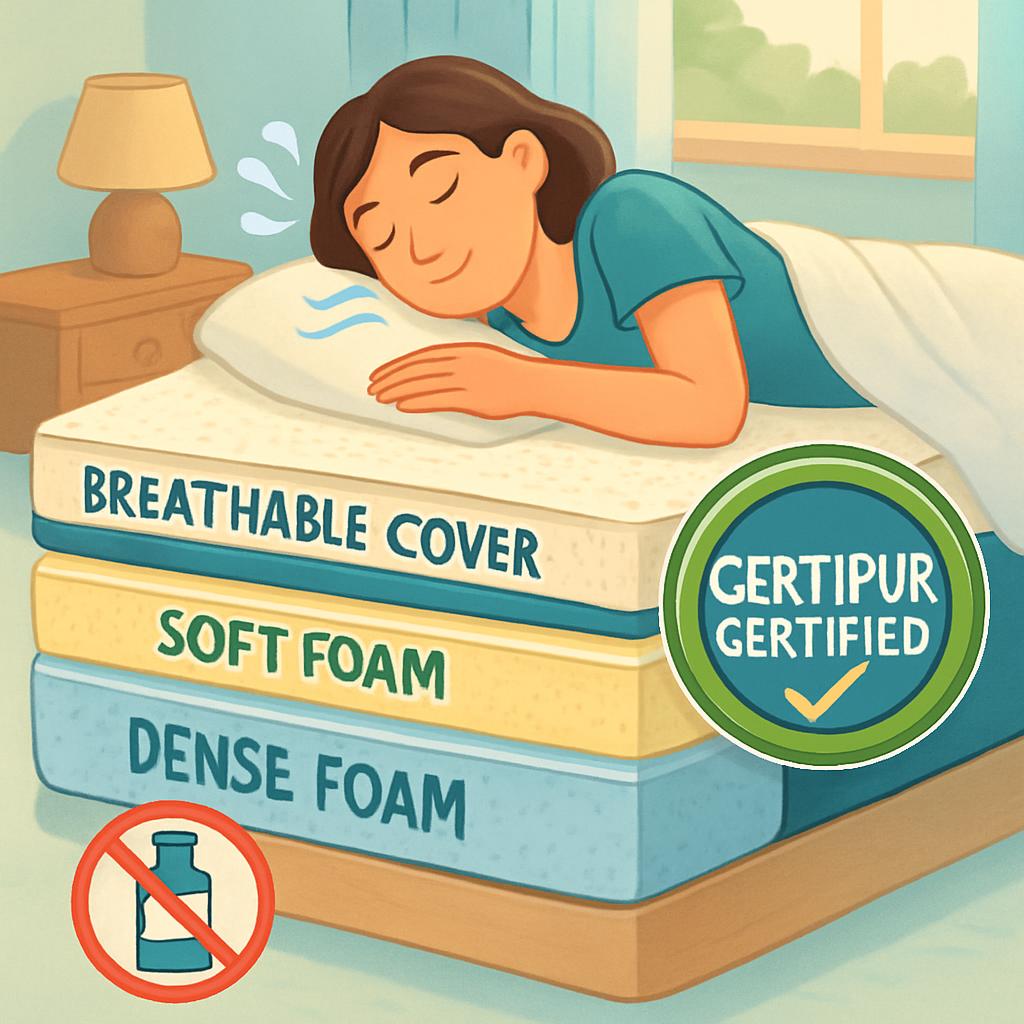
Identifying CertiPUR-Certified Mattresses in the Market
Shopping for a CertiPUR certified mattress can feel overwhelming when you're faced with countless options and marketing claims. The good news is that finding a genuine non toxic mattress doesn't have to be complicated once you know what to look for. I'm here to help you sort through the noise and make sense of what matters most when searching for a mattress that meets rigorous mattress safety standards.
First things first: not all foam mattresses are created equal. While many manufacturers talk about their products being "safe" or "eco-friendly," only those with official CertiPUR certification have undergone independent third-party testing to verify their claims. This certification isn't just a nice-to-have feature—it's your assurance that the foam in your mattress has been thoroughly examined for harmful chemicals, heavy metals, and excessive VOC emissions.
When I browse mattress options, I always start by looking for clear labeling and documentation. Reputable brands will prominently display their CertiPUR certification both on their product pages and on the mattress itself. You'll typically find this information in the product specifications section or on a label sewn into the mattress cover. If you can't easily find this information, that's often a red flag that the mattress may not meet these important standards.
One thing I've learned is that price isn't always an indicator of quality when it comes to mattress foam toxins. You can find affordable options that meet CertiPUR standards just as easily as premium models. What matters more is doing your homework and asking the right questions before you buy. For example, the Sealy Lacey Firm Gel Foam Mattress offers both CertiPUR certified foam and excellent support at a reasonable price point, proving you don't need to break the bank for a chemical free mattress.
Another key factor when identifying CertiPUR-certified mattresses is understanding the difference between all-foam models and hybrid designs. Both types can feature CertiPUR certified foam layers, but hybrids combine foam with innerspring coils. The certification applies specifically to the foam components, so if you're looking at a hybrid mattress, make sure to verify that all foam layers carry the certification, not just some of them.
I also recommend paying attention to how transparent a company is about their materials and manufacturing processes. Brands that stand behind their products will readily share detailed information about their foam composition, where their materials come from, and what testing their mattresses have undergone. If a company seems vague or reluctant to provide specifics about their CertiPUR certification benefits, I'd suggest looking elsewhere.
The retail environment matters too. When shopping at specialty mattress stores like Sleepology Mattress Shop, you're more likely to find knowledgeable staff who can answer your questions about CertiPUR certification and help you compare different models. These experts can explain which specific foams are certified, what that means for your health, and how different mattresses stack up against each other in terms of both safety and comfort.
Don't forget to check the manufacturer's website directly as well. Most reputable mattress makers maintain updated lists of their CertiPUR-certified products and often provide downloadable certificates or detailed reports showing their test results. This extra step takes just a few minutes but gives you peace of mind that you're getting what you paid for.
Online shopping has made finding a low VOC mattress easier than ever, but it also requires extra vigilance. Read customer reviews carefully, looking specifically for mentions of off-gassing experiences and any chemical smells. While even CertiPUR-certified mattresses may have a slight new-product smell initially, it should be minimal and fade quickly—not the strong, persistent odor that indicates problematic chemical emissions.
Pay attention to warranty information as well. Manufacturers who invest in CertiPUR certification typically back their products with substantial warranties because they're confident in their quality. A comprehensive warranty often signals that a company uses better materials and construction methods overall, which aligns well with the values behind seeking a non toxic mattress in the first place.
How to Ensure Your Mattress Meets CertiPUR Standards
Verifying that your mattress truly meets CertiPUR standards requires more than just taking a salesperson's word for it. I've put together a practical approach that helps you confirm you're getting an authentic CertiPUR certified mattress before you make your purchase.
The most reliable method is to ask for proof of certification directly. Any legitimate manufacturer will have official documentation from an accredited testing laboratory showing their product passed all required tests. This documentation should include specific test results for the various chemicals and substances that CertiPUR standards address. Don't be shy about requesting this information—responsible companies expect informed consumers to ask these questions.
Here's a detailed breakdown of what CertiPUR certification actually tests for and what the standards require:
| Test Category | What's Being Tested | CertiPUR Standard |
|---|---|---|
| VOC Emissions | Volatile organic compounds released from foam | Must be below 0.5 parts per million |
| Ozone Depleters | CFCs, HCFCs, and other harmful propellants | Zero tolerance—completely prohibited |
| Heavy Metals | Lead, mercury, and other toxic metals | Must not be used as catalysts or additives |
| Flame Retardants | PBDE, TDCPP, and TCEP compounds | Prohibited—safer alternatives required |
| Phthalates | Plasticizers regulated by CPSC | Not allowed in foam formulations |
| Formaldehyde | Potential carcinogen used in some foams | Zero added formaldehyde permitted |
Understanding this table helps you ask informed questions when shopping. For instance, if you're concerned about mattress off gassing, you can specifically ask about a mattress's VOC test results. The 0.5 parts per million threshold is quite strict, which explains why CertiPUR-certified mattresses typically have much less noticeable off-gassing compared to non-certified alternatives.
Another way to ensure your mattress meets standards is to look for the official CertiPUR-US logo. This seal should appear on the mattress label, product packaging, or manufacturer's website. The logo features distinctive green and blue colors and includes a registration mark. If you see something that looks similar but isn't quite right, it might be an attempt to mislead consumers with fake certifications.
I always recommend visiting the official CertiPUR-US website to verify a manufacturer's certification status. They maintain a searchable database of certified products and licensed manufacturers. Simply type in the brand name or model number, and you can confirm whether that specific mattress has been tested and certified. This takes just a moment but provides definitive proof.
When evaluating mattress safety standards, timing matters too. CertiPUR certifications don't last forever—they need to be renewed regularly as formulations and manufacturing processes change. A mattress that was certified five years ago might not still carry current certification if the manufacturer has modified their foam recipe. Always check that the certification is current, not expired.
Consider the source of your information carefully. Product descriptions on third-party retail sites sometimes contain outdated or incorrect information about certifications. When possible, cross-reference claims against the manufacturer's official website and the CertiPUR-US database. This extra verification step protects you from accidentally purchasing a mattress that doesn't meet the standards you're looking for.
Physical inspection can provide clues too, though it shouldn't be your only verification method. CertiPUR-certified foams typically have a cleaner smell and more consistent texture than lower-quality alternatives. When you press into the foam, it should respond evenly without unusual textures or inconsistencies that might indicate filler materials or improper manufacturing.
Keep documentation of everything. Save copies of product descriptions, certification documents, and any written claims about the mattress being a chemical free mattress. If questions arise later, you'll have proof of what was promised. This documentation also helps if you need to file a warranty claim or return the product.
Finally, trust your instincts. If something feels off about a deal or a seller can't provide straightforward answers about certification, it's worth shopping elsewhere. Plenty of legitimate retailers carry genuinely certified products, so you don't need to settle for uncertainty when it comes to something as important as where you sleep every night.
Top Features of the Best Non-Toxic Mattresses
When I shop for the best non toxic mattress, I look beyond just the CertiPUR certification—though that's certainly a critical starting point. The top-performing chemical free mattresses combine certified safe foams with other features that enhance both health and comfort. Let me walk you through the key characteristics that separate truly excellent non-toxic mattresses from merely adequate ones.
Temperature regulation ranks high on my priority list. Many people don't realize that some foam additives and chemicals can actually trap heat, making sleep uncomfortable. The best low VOC mattresses use advanced gel infusions, open-cell foam structures, or phase-change materials that help regulate body temperature throughout the night. These cooling technologies don't just add comfort—they're manufactured without the harmful chemicals that traditional cooling treatments sometimes used.
Edge support is another feature I pay close attention to. Quality non-toxic mattresses should provide consistent support right to the edges, which maximizes your usable sleeping surface and makes getting in and out of bed easier. This feature comes from superior foam density and construction techniques rather than chemical reinforcements. When a CertiPUR certified mattress includes excellent edge support, it demonstrates that manufacturers can deliver premium features without compromising on safety.
Motion isolation matters especially if you share your bed with a partner or pet. The foam materials in certified non-toxic mattresses often excel at absorbing movement, which means you won't be disturbed every time someone else shifts position during the night. This benefit comes from the molecular structure of quality polyurethane foams rather than chemical additives, making it a win-win situation for both comfort and health.
Breathability is something I consider carefully when evaluating mattress foam toxins and overall mattress quality. The best non-toxic mattresses feature foam formulations that allow for adequate airflow, preventing moisture buildup that could lead to mold or bacteria growth. Some manufacturers achieve this through pin-core holes, channel designs, or naturally more breathable foam compositions. Good airflow also helps reduce any minimal off-gassing smells more quickly.
Cover materials deserve attention too. A truly non-toxic mattress should have a cover made from safe, breathable fabrics that complement the certified foam inside. Look for covers made from organic cotton, bamboo-derived rayon, or other natural fibers that are free from harsh chemical treatments. Many quality mattresses also feature removable, washable covers, which makes maintaining a clean, healthy sleep environment much easier over time.
Proper support layering is essential in the best non toxic mattresses. These mattresses typically feature multiple foam layers with different densities and purposes—a softer comfort layer on top, transitional layers in the middle, and a firmer support base. Each of these layers should carry CertiPUR certification to ensure the entire mattress meets safety standards, not just the top layer you sleep on directly.
Durability matters when you're investing in a chemical free mattress. High-quality CertiPUR-certified foams maintain their supportive properties much longer than cheaper alternatives. Look for foam with density ratings appropriate to the layer's purpose—higher density for base layers and medium density for comfort layers. This ensures your mattress won't develop premature sagging or body impressions that compromise both comfort and proper spinal alignment.
Pressure point relief is a signature benefit of quality foam mattresses, and the best non-toxic options deliver this without relying on questionable chemicals. CertiPUR-certified memory foam naturally conforms to your body shape, distributing weight evenly and reducing pressure on hips, shoulders, and other sensitive areas. This feature helps prevent aches and pains while ensuring you're not exposed to the harmful substances found in some traditional memory foams.
Hypoallergenic properties naturally follow when you choose mattresses made without toxic chemicals and heavy metals. The best non-toxic mattresses resist dust mites, mold, and bacteria without requiring chemical treatments. This creates a healthier sleeping environment especially for people with allergies, asthma, or chemical sensitivities. The foam's inherent resistance to these allergens means you get protection without added chemical treatments.
Responsiveness—how quickly the foam responds to pressure and movement—varies among different foam types and affects sleep quality. While memory foam offers deep contouring, other certified foams provide a more responsive feel that makes changing positions easier. The best non toxic mattress for you depends on your personal preference, but quality CertiPUR-certified options are available across the responsiveness spectrum.
Noise level might seem minor, but it impacts sleep quality. Foam mattresses naturally sleep quieter than innerspring models, and CertiPUR-certified foams maintain this benefit without using chemical dampeners. When you move at night or get up in the morning, a quality non-toxic foam mattress won't create the squeaks and creaks that can disturb sleep.
Foundation compatibility is practical to consider. The best non-toxic mattresses work well with various support systems—platform beds, slatted frames, traditional box springs, or adjustable bases. This flexibility means you can create your ideal sleep setup without worrying about voiding warranties or compromising the mattress's performance and safety features.
Clear care instructions reflect a manufacturer's commitment to helping you maintain your investment. Quality non-toxic mattresses come with detailed guidance on cleaning, rotating, and protecting your mattress to extend its life. Following these instructions helps preserve the mattress's CertiPUR certification benefits and ensures you continue sleeping on a safe, clean surface for years to come.
Realistic trial periods and warranties demonstrate manufacturer confidence in their non-toxic mattresses. The best products typically include at least a 100-night trial period so you can ensure the mattress works for your body and sleep style. Warranties of 10 years or more signal that the manufacturer uses quality materials designed to last, not cheap foams that will break down quickly despite carrying certification labels.
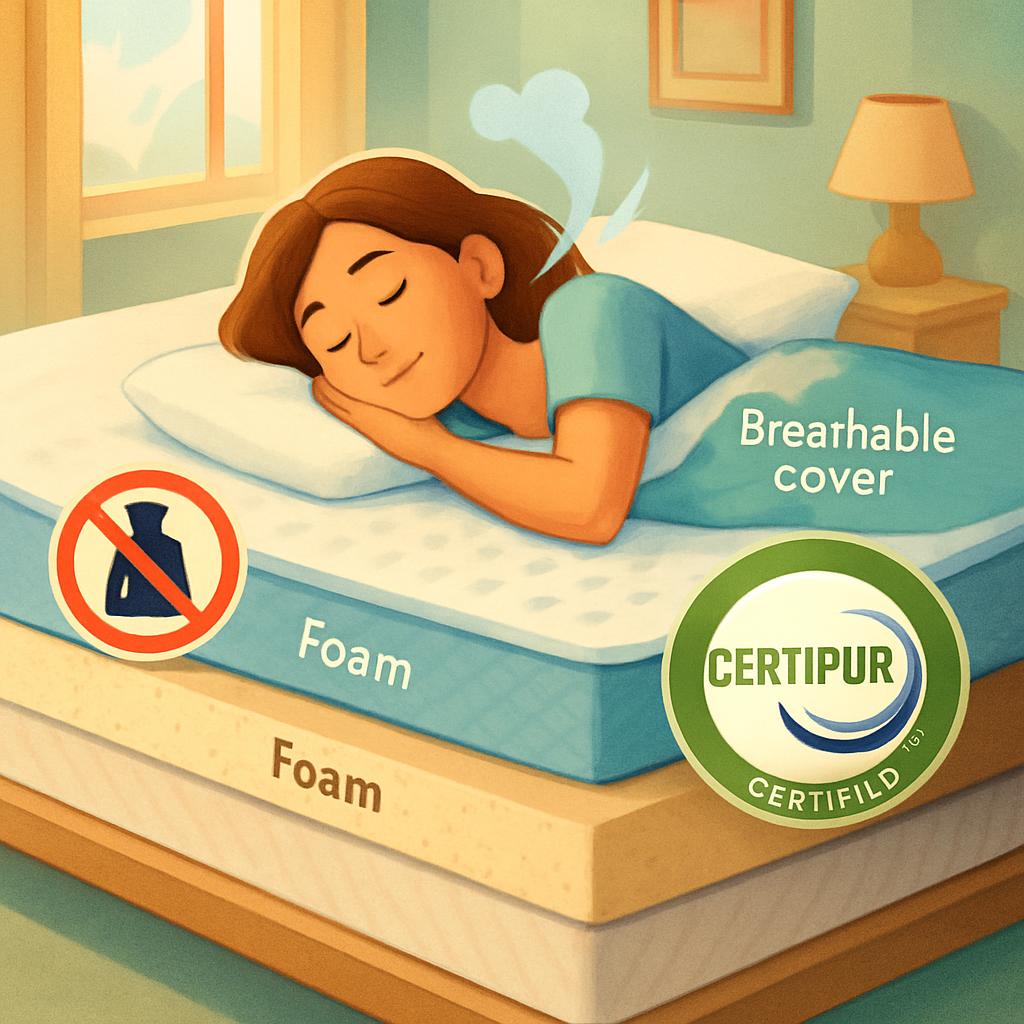
Addressing Concerns: Mattress Off-Gassing Explained
If you've ever unwrapped a new mattress and noticed a distinct smell, you're not alone. This phenomenon, known as mattress off gassing, is one of the most common concerns people have when purchasing a foam mattress. The good news? Understanding what causes this smell and how to manage it can help you make smarter choices about the mattress you bring into your bedroom.
When manufacturers produce foam mattresses, they use various materials and processes that can trap certain odors within the foam layers. Once you open the packaging, these trapped smells are released into the air. While this might sound alarming at first, it's actually a normal part of the manufacturing process for most foam products, not just mattresses.
The intensity and duration of mattress off gassing can vary significantly depending on the type of foam used and the manufacturing standards followed. This is where CertiPUR certification becomes incredibly important. A CertiPUR certified mattress undergoes rigorous testing to ensure that the foams used meet strict standards for emissions and content. This means that mattresses with this certification typically have much lower levels of volatile organic compounds (VOCs) compared to non-certified options.
Many people worry about whether these smells are harmful to their health. While the odor from a new mattress can be unpleasant, mattresses that meet CertiPUR certification standards are tested to ensure they have low VOC mattress emissions. This certification specifically looks at the chemical composition of the foam to verify that it doesn't contain harmful substances like mercury, lead, formaldehyde, or certain phthalates that are regulated by the Consumer Product Safety Commission.
It's worth noting that the smell from mattress off gassing is different from the presence of toxic chemicals. Even a chemical free mattress might have some initial odor simply from being compressed in packaging for an extended period. The key difference is that certified mattresses are manufactured with materials that meet stringent mattress safety standards, ensuring that any off-gassing that does occur is minimal and not harmful to your health.
When shopping for a new mattress, look for options that prioritize low emissions and safe materials. For instance, the Sealy Lacey Soft Gel Foam Mattress is designed with quality materials that meet industry safety standards, giving you peace of mind along with comfort.
The duration of mattress off gassing can range from a few hours to several days, depending on various factors including the type of foam, the manufacturing process, and even the ventilation in your room. Higher-quality mattresses with proper certifications tend to have shorter off-gassing periods because they're made with cleaner materials and better manufacturing processes.
Temperature and humidity can also affect how long the smell lasts. Warmer rooms tend to speed up the off-gassing process, which means the smell might be stronger initially but will dissipate faster. Conversely, cooler rooms might have a less intense smell that lingers a bit longer. Understanding these factors can help you plan when to set up your new mattress and how to manage the initial odor period.
What is Mattress Off-Gassing and How to Minimize It
Mattress off gassing refers to the release of volatile organic compounds (VOCs) from the foam and other materials used in mattress construction. These compounds are byproducts of the manufacturing process, and while they're responsible for that "new mattress smell," they're not necessarily dangerous, especially in mattresses that meet proper safety certifications.
Think of it like the smell of a new car or fresh paint. The odor comes from chemicals used in the manufacturing process that slowly evaporate into the air over time. With a non toxic mattress that has been properly certified, these emissions are kept to safe, minimal levels that pose no health risks to you or your family.
"We were worried about the smell when we first opened our new mattress, but after following the recommended ventilation steps, it was completely gone within 24 hours. The peace of mind knowing it was CertiPUR certified made all the difference!" – Sarah M., verified customer review from November 2024
The best way to minimize mattress off gassing is to give your new mattress time to breathe before you sleep on it. Here are some practical steps I recommend to speed up the process and reduce any potential odor:
First, unwrap your mattress in a well-ventilated room. If possible, choose a space with good air circulation, and open windows to allow fresh air to flow through the room. This simple step can significantly reduce the time it takes for any odors to dissipate. The more air circulation you can provide, the faster the VOCs will disperse into the outdoor air rather than accumulating in your bedroom.
Second, let your mattress air out for at least 24 to 48 hours before putting on sheets or bedding. This gives the mattress time to fully expand and release any trapped odors from packaging. During this time, the foam cells open up and release whatever compounds were compressed during shipping. Some people even choose to let their mattress air out for up to 72 hours if they're particularly sensitive to smells.
Third, use fans to increase air circulation around the mattress. Position a fan near an open window to create a cross-breeze that pulls fresh air in and pushes any odors out. This active ventilation approach can cut the off-gassing period in half compared to passive airing. You can also use an air purifier with a carbon filter, which can help capture and neutralize VOCs in the air.
Temperature control can also help. Slightly cooler room temperatures can slow down the release of VOCs, making the smell less intense, though it may take a bit longer to completely dissipate. On the other hand, a warmer room will speed up the process but might make the smell more noticeable in the short term. Find a balance that works for your comfort level and timeline.
If you're particularly sensitive to smells or have allergies, you might also consider placing the mattress in a guest room or another area of your home for the initial airing-out period. This way, your main bedroom remains fresh while the mattress goes through its off-gassing phase.
Using a mattress protector can also be helpful once the initial off-gassing period is complete. While it won't speed up the off-gassing process itself, a good protector can help contain any residual odors and protect your mattress from accumulating new smells over time. Just make sure not to seal your mattress in a protector immediately after unwrapping, as this can trap odors and extend the off-gassing period.
It's also worth mentioning that certain types of foam naturally have lower emissions than others. Memory foam tends to have a more noticeable smell initially compared to latex or hybrid constructions. However, when properly certified, all foam types should meet the same low VOC mattress standards, making them safe for use in your home.
Understanding Mattress Foam Toxins
One of the biggest concerns people have about foam mattresses is the potential presence of mattress foam toxins. This concern is valid because not all foams are created equal. Understanding what chemicals might be present in lower-quality foams and how certifications protect you from these substances is an important part of making an informed mattress purchase.
Traditional polyurethane foam, which is commonly used in mattresses, can be manufactured with various chemicals, some of which may not be ideal for long-term exposure in your bedroom. These can include flame retardants, formaldehyde, heavy metals like lead and mercury, and certain phthalates. In lower-quality or non-certified mattresses, these substances might be present in higher concentrations, which is why choosing a CertiPUR certified mattress is so important.
Flame retardants deserve special attention because they've been used extensively in mattress manufacturing to meet federal flammability standards. While the intention behind these requirements is safety, some flame retardant chemicals have been linked to health concerns when exposure occurs over long periods. The good news is that modern mattress manufacturers have developed safer alternatives, and CertiPUR certification ensures that mattresses are made without prohibited phthalates and certain flame retardants that don't meet safety guidelines.
Formaldehyde is another chemical that concerns many mattress shoppers. This compound, which is used in various manufacturing processes, can cause respiratory irritation and other health issues with prolonged exposure. A chemical free mattress or one with CertiPUR certification is manufactured without added formaldehyde, giving you confidence that you're not breathing in this substance while you sleep.
Heavy metals like mercury and lead have no place in a quality mattress, yet they can sometimes be found in lower-quality imports or mattresses that don't meet strict manufacturing standards. These metals can be particularly harmful, especially to children, which is why mattress safety standards specifically test for their absence. When you choose a certified mattress, you can rest assured that these toxic substances are not present in the foam.
Phthalates are a group of chemicals used to make plastics more flexible, and they've been found in various consumer products, including some mattresses. Certain phthalates have been linked to hormonal disruption and other health concerns. The Consumer Product Safety Commission has regulated some phthalates in children's products, and CertiPUR certification extends these protections to mattress foams, ensuring they're made without regulated phthalates.
VOCs, or volatile organic compounds, are perhaps the most commonly discussed mattress foam toxins because they're responsible for that new mattress smell we talked about earlier. While some VOCs are relatively harmless and dissipate quickly, others can cause headaches, respiratory irritation, or other symptoms in sensitive individuals. A low VOC mattress has been tested to ensure that emissions are kept to minimal, safe levels.
The foam density and quality also play a role in potential toxin exposure. Higher-quality, denser foams typically require fewer chemical additives to achieve the desired performance characteristics. This is one reason why investing in a well-made mattress from a reputable manufacturer is worth the cost. Cheaper mattresses might cut corners on material quality, potentially exposing you to more chemicals over time.
It's important to understand that not all chemicals in mattresses are harmful. The manufacturing process requires certain compounds to create the foam structure, and many of these are completely safe once the foam has cured and any off-gassing has occurred. The difference between a safe mattress and a potentially problematic one comes down to which specific chemicals are used and in what quantities.
Environmental factors can also influence your exposure to any residual chemicals in your mattress. Poor bedroom ventilation, high humidity, and elevated temperatures can all increase the release of compounds from your mattress. This is another reason why maintaining good air quality in your bedroom, using air purifiers, and ensuring proper ventilation is beneficial for your overall sleep environment.
When evaluating mattresses for potential toxins, look beyond marketing claims and ask for specific certifications. CertiPUR certification is backed by actual laboratory testing that verifies the foam content and emissions. This third-party verification gives you objective proof that the mattress meets strict standards, rather than simply taking the manufacturer's word for it.
Making Informed Decisions: The Best Non-Toxic Mattress Options
Now that you understand the importance of certifications and what to look for in a safe mattress, let's talk about how to actually find the best non toxic mattress for your needs. The market is full of options, and knowing how to evaluate them will help you make a choice that supports both your comfort and your health.
When I'm helping customers at Sleepology Mattress Shop, I always start by asking about their priorities. Are they most concerned about chemical exposure? Do they need specific support for back pain? What's their budget? These questions help narrow down the options to mattresses that will truly meet their needs rather than just checking a box for "non-toxic."
The best non toxic mattress isn't necessarily the most expensive one or the one with the most certifications. It's the mattress that combines safety, comfort, durability, and value in a way that makes sense for your specific situation. This means considering not just the foam certifications, but also the cover materials, the construction quality, and the overall design of the mattress.
One important factor to consider is the type of foam used in the mattress. Memory foam, gel foam, and latex foam all have different characteristics and potential concerns. Gel foam, for example, is often chosen for its cooling properties and can be an excellent option for people who sleep hot. When properly certified, gel foam mattresses offer both comfort and safety. The Sealy Medina Firm Gel Foam Mattress is a great example of how modern manufacturing can deliver a supportive, comfortable mattress with materials that meet strict safety standards.
Another consideration is whether you want an all-foam mattress or a hybrid construction. Hybrid mattresses combine foam layers with innerspring coils, which can reduce the total amount of foam in the mattress while still providing excellent comfort and support. This construction can be appealing to people who want to minimize foam content while still getting the pressure relief benefits that foam provides.
The cover material is often overlooked but is actually quite important when evaluating the overall toxicity of a mattress. Look for covers made from natural or organic materials when possible, or at least covers that are free from harmful treatments or finishes. Some mattresses use covers treated with additional flame retardants or stain-resistant chemicals, which can add to your chemical exposure.
Edge support is another quality indicator that can help you identify a well-made mattress. Better-constructed mattresses typically have reinforced edges that prevent sagging and extend the usable sleeping surface. While this might not seem directly related to toxicity, it's a sign of overall quality and attention to detail in the manufacturing process, which often correlates with better material choices throughout the mattress.
Warranty and return policies can also give you clues about mattress quality. Manufacturers who stand behind their products with substantial warranties are typically more confident in their materials and construction. A good warranty (10 years or more) suggests that the mattress is built to last and that the materials won't break down quickly, which could potentially release more compounds over time.
Don't forget to consider your specific health needs when choosing a mattress. If you have allergies or asthma, you'll want a mattress that's not only low in VOCs but also resistant to dust mites and other allergens. If you have chemical sensitivities, you might need to be extra cautious and choose a mattress with multiple certifications or even consider a natural latex option.
Price is always a consideration, but when it comes to something you'll spend a third of your life on, investing in quality makes sense. A cheaper mattress might save you money upfront, but if it's made with inferior materials or doesn't meet proper safety standards, you could end up replacing it sooner or potentially exposing yourself to unwanted chemicals. The best value comes from finding a mattress that balances quality, safety, and affordability.
A Breakdown of Highly Rated CertiPUR-Certified Mattresses
Let me walk you through some of the top-rated options available that meet CertiPUR certification standards. These mattresses have been carefully selected based on customer feedback, quality construction, and adherence to strict safety standards. Each offers something different, so you can find the right match for your sleep style and preferences.
Understanding the features of these highly-rated mattresses will help you see how CertiPUR certification translates into real-world benefits. Here's what makes each of these options stand out:
- Sealy Gel Foam Collection: These mattresses use advanced gel foam technology that provides excellent cooling while meeting strict safety standards. The gel infusion helps dissipate heat throughout the night, making them ideal for people who tend to sleep warm. Available in multiple firmness levels, from soft to firm, these mattresses accommodate different sleep preferences while maintaining the same commitment to safety. The gel foam in these mattresses has been certified to be free from harmful chemicals while still delivering the pressure relief and support that Sealy is known for.
- Sealy Hybrid Options: Combining the best of both worlds, Sealy's hybrid mattresses feature CertiPUR-certified foam layers paired with responsive innerspring systems. This construction reduces the overall foam content while still providing excellent comfort and support. The coil systems allow for better airflow through the mattress, which can help minimize any residual off-gassing and keep you cooler at night. These mattresses are particularly popular with people who want the pressure relief of foam but prefer the traditional feel and bounce of an innerspring mattress.
- Stearns & Foster Premium Mattresses: For those seeking luxury without compromising on safety, Stearns & Foster offers handcrafted mattresses with premium materials that meet rigorous safety standards. These mattresses feature multiple layers of certified foams along with high-quality natural materials like silk and wool in some models. The attention to detail in construction means that every component is carefully selected for both performance and safety. While these are investment pieces, they offer exceptional durability and comfort backed by strong warranties.
- Medium Firmness All-Foam Options: Medium firmness mattresses provide a balanced feel that works well for a wide range of sleepers, including combination sleepers who change positions throughout the night. These mattresses typically feature multiple foam layers with different densities, creating zones of support and comfort. The CertiPUR certification ensures that all foam layers, from the comfort layers to the support core, meet the same strict safety standards.
- Firm Support Models: For people who prefer a firmer sleeping surface, particularly back sleepers and heavier individuals, firm mattresses provide the support needed to maintain proper spinal alignment. These models use denser foam formulations that resist deep compression while still conforming to your body's contours. Even though the foam is firmer, it still meets the same low VOC and chemical-free standards as softer options.
Each of these mattress categories represents a different approach to sleep comfort, but they all share the common thread of CertiPUR certification. This means that whether you choose a plush pillowtop or a firm support mattress, you're getting a product that has been independently tested and verified to meet strict standards for content, emissions, and durability.
When comparing these options, consider your personal sleep needs alongside the safety features. A mattress might be perfectly safe and well-made, but if it doesn't match your preferred firmness level or sleeping position, you won't be happy with it long-term. The good news is that with so many certified options available, you don't have to compromise on either comfort or safety.
Customer reviews can provide valuable insights into how these mattresses perform in real-world conditions. Look for feedback about the off-gassing period, long-term comfort, durability, and any changes in sleep quality. People with similar needs or concerns to yours can offer particularly relevant perspectives that help you make your decision.
It's also worth noting that many of these mattresses are available in split configurations for adjustable bases, which is an important consideration if you or your partner have specific positioning needs for health reasons. The flexibility to adjust your sleeping position can be valuable for people with acid reflux, sleep apnea, or circulation issues, and having a certified mattress means you can enjoy these benefits without worrying about chemical exposure.
Where to Shop for Quality Non-Toxic Mattresses
Finding the right place to purchase your CertiPUR certified mattress is just as important as choosing the mattress itself. Where you shop can affect your experience, the support you receive, and even the final price you pay. Let me share some guidance on how to find reputable retailers who specialize in quality, certified mattresses.
Shopping locally at a specialized mattress store offers several advantages over buying from a big-box retailer or ordering online without any personal guidance. When you visit a dedicated mattress shop, you're working with people who understand the products deeply and can answer detailed questions about certifications, materials, and construction. This expertise is invaluable when you're trying to make an informed decision about something as important as your mattress.
At Sleepology Mattress Shop, we focus specifically on helping customers find mattresses that meet their health and comfort needs. We carry major brands known for their commitment to quality and safety, including Sealy, Stearns & Foster, and Tempur-Pedic. Each of these manufacturers has invested significantly in developing foams and materials that meet or exceed CertiPUR certification standards.
One of the key benefits of shopping at a specialized store is the ability to actually test mattresses before you buy. While online specifications and reviews are helpful, nothing replaces the experience of lying on a mattress and feeling how it supports your body. This hands-on evaluation is especially important when you're choosing between different firmness levels or construction types. You can spend time on each mattress, trying different sleeping positions to see which one feels most comfortable and supportive.
When you visit a mattress store, don't hesitate to ask specific questions about certifications and materials. A knowledgeable sales associate should be able to show you certification labels, explain what they mean, and discuss the specific foams and materials used in each mattress. If a retailer can't or won't provide this information, that's a red flag that they might not prioritize selling certified, safe products.
Another advantage of shopping at a reputable local store is the after-purchase support you receive. If you have questions about the initial off-gassing period, need help with your warranty, or experience any issues with your mattress, having a local point of contact makes resolving these matters much easier. You're not just a transaction; you're a customer who will be welcomed back for future purchases and referrals.
Delivery and setup services are also typically more personalized when you shop locally. Many mattress stores include white-glove delivery, which means the delivery team will set up your new mattress, remove all packaging, and take away your old mattress if needed. This service ensures that your mattress is properly positioned and ready to air out, and you don't have to deal with disposing of the bulky packaging materials.
Price comparison is often a concern when shopping locally versus online. While online retailers might sometimes have lower prices, consider the total value you're receiving. Local stores often price-match or offer package deals that include accessories like mattress protectors or pillows. The personalized service, expertise, and support you receive can easily justify any price difference, and you have the peace of mind of dealing with a business that's invested in your local community.
When evaluating mattress retailers, whether local or online, look for these signs of quality and reliability:
First, check how long they've been in business. Established retailers with years of experience typically have better relationships with manufacturers and more knowledge about the products they sell. They've also built their reputation over time and have more to lose by selling inferior products or providing poor service.
Second, look at their selection of brands. Retailers who carry multiple reputable brands are more likely to help you find the right mattress for your needs rather than pushing whatever they need to move. A diverse selection also indicates that the retailer has strong relationships with quality manufacturers.
Third, pay attention to their return and exchange policies. Mattress comfort can be subjective, and your body might need time to adjust to a new mattress. Retailers who offer reasonable trial periods (typically 30 to 90 days) demonstrate confidence in their products and commitment to customer satisfaction.
Fourth, evaluate their willingness to educate rather than just sell. Good mattress retailers will take time to understand your needs, explain your options, and help you make an informed decision. They should be discussing certifications, materials, and construction, not just pushing you toward the most expensive option.
Finally, consider their community involvement and reputation. Local businesses that are active in their communities and have positive long-term relationships with customers are more likely to stand behind their products and provide excellent ongoing service. Check online reviews, but also ask friends and family about their experiences.
Timing your purchase can also affect your experience and the value you receive. Many mattress stores have sales around major holidays, which can provide significant savings. However, don't let a sale pressure you into a quick decision. A good retailer will honor sales prices or work with you even if you need more time to decide.
Remember that your mattress is an investment in your health and well-being. Taking the time to shop at a quality retailer, ask the right questions, and test your options thoroughly will pay off in years of better sleep and peace of mind knowing you've chosen a safe, certified mattress. The right retailer becomes a partner in this process, helping you make a decision you'll be happy with for years to come.
Conclusion: The CertiPUR Certification Advantage for Health-Conscious Buyers
Why Investing in a CertiPUR-Certified Mattress is Worth It
When it comes to making choices about where you spend roughly a third of your life, the decision to invest in a CertiPUR certified mattress really does matter more than you might think. I've spent years helping customers at Sleepology Mattress Shop understand what goes into their sleep surfaces, and I can confidently say that choosing a non toxic mattress isn't just about following a trend—it's about protecting your health and creating a safer space for rest and recovery.
The value of CertiPUR certification benefits extends far beyond a simple label on your mattress. This certification represents rigorous testing and verification that the foam in your mattress meets strict standards for content, emissions, and durability. Unlike unregulated foam products that might contain questionable chemicals or release excessive VOCs into your breathing space, a CertiPUR certified mattress has been independently tested to ensure it's free from harmful substances like formaldehyde, heavy metals, and flame retardants that can affect your health over time.
Think about how much time you actually spend in contact with your mattress. For most people, that's anywhere from six to nine hours every single night. During that time, you're breathing in whatever your mattress releases into the air around you. A low VOC mattress significantly reduces your exposure to volatile organic compounds that can cause headaches, respiratory irritation, and other health concerns. When you choose a chemical free mattress that meets CertiPUR standards, you're making an active decision to reduce your toxic load—something your body will thank you for in the long run.
While the initial investment in a best non toxic mattress might be slightly higher than some budget options, the long-term benefits make it absolutely worthwhile. You're not just buying a place to sleep—you're investing in better air quality in your bedroom, reduced exposure to mattress foam toxins, and the peace of mind that comes from knowing your sleep surface meets recognized mattress safety standards. When you factor in the durability requirements that CertiPUR certification demands, these mattresses often last longer than their uncertified counterparts, which means better value over time.
Final Thoughts on Achieving a Healthier Sleep Environment
Creating a healthier sleep environment goes beyond just picking the right mattress, but choosing a CertiPUR certified mattress is definitely one of the most important steps you can take. I've seen firsthand how customers who switch to certified non toxic mattresses often report sleeping better, waking up feeling more refreshed, and experiencing fewer unexplained headaches or respiratory issues. While these improvements might seem subtle at first, they add up significantly over weeks and months of better sleep.
Understanding mattress off gassing is crucial when you're making this decision. Even the best mattresses will release some smell when they're first unpackaged—this is normal and expected. However, a CertiPUR certified mattress ensures that whatever off-gassing occurs is minimal and dissipates quickly, typically within a few hours to a couple of days. More importantly, the compounds being released during this period have been verified as safe and non-toxic, unlike mattresses without certification where you simply don't know what you're breathing in.
The debate between organic vs CertiPUR options doesn't have to be an either-or situation. Both types of certifications serve important purposes and address different concerns. What matters most is understanding what you're getting and making an informed choice based on your specific needs, budget, and health considerations. At Sleepology Mattress Shop, we're committed to helping you understand these differences so you can choose the mattress that works best for your situation.
One of the things I appreciate most about CertiPUR certification is that it provides clear, verifiable standards that take the guesswork out of mattress shopping. You don't need to be a chemist or materials scientist to understand what you're getting. The certification does that work for you, providing independent third-party verification that mattress safety standards have been met. This transparency is incredibly valuable in an industry where marketing claims can sometimes be confusing or misleading.
As awareness grows about the importance of reducing chemical exposure in our homes, more manufacturers are seeking CertiPUR certification for their foam products. This increased availability means you have more options than ever before when shopping for a low VOC mattress. Whether you prefer memory foam, hybrid construction, or other foam-based designs, you can find CertiPUR certified options that meet your comfort preferences while also meeting your health and safety requirements.
The bottom line is this: your bedroom should be a sanctuary where your body can rest, repair, and recharge. When you choose a CertiPUR certified mattress, you're taking a meaningful step toward making that sanctuary as healthy and safe as possible. You're reducing your exposure to potentially harmful chemicals, ensuring better air quality in your sleep space, and investing in a product that meets rigorous quality and safety standards. These aren't small considerations—they're fundamental to creating the kind of sleep environment that supports your overall health and wellness.
Your sleep matters. Your health matters. And the choices you make about the products you bring into your home matter too. A CertiPUR certified mattress represents a smart, health-conscious decision that you can feel good about every single night. As you move forward in your mattress shopping process, keep these certification benefits in mind, ask questions, and don't settle for less than what your body deserves. Better sleep starts with better choices, and choosing a certified non toxic mattress is one of the best choices you can make for yourself and your family.
Frequently Asked Questions (FAQs)
What exactly does CertiPUR certified mattress mean?
CertiPUR certification means that the foam in your mattress has been independently tested and verified to meet specific standards for content, emissions, and durability. A CertiPUR certified mattress contains foam that's made without ozone depleters, flame retardants, mercury, lead, heavy metals, formaldehyde, and phthalates. It also means the foam has low VOC emissions and meets performance standards for durability.
How long does mattress off gassing typically last?
For a CertiPUR certified mattress, mattress off gassing usually lasts anywhere from a few hours to about three days. The smell is typically mild and fades quickly when you allow your mattress to air out in a well-ventilated room. Non-certified mattresses may off-gas for much longer periods and release stronger odors because they haven't been tested for low VOC emissions.
Are all foam mattresses required to meet CertiPUR standards?
No, CertiPUR certification is voluntary, not legally required. Manufacturers choose to have their foam tested and certified to demonstrate their commitment to mattress safety standards. This means you need to actively look for the CertiPUR certification when shopping to ensure you're getting a non toxic mattress that meets these important standards.
What's the difference between a chemical free mattress and a CertiPUR certified mattress?
Technically, no mattress is completely "chemical free" since all materials are made of chemical compounds. However, when people refer to a chemical free mattress, they typically mean one that's free from harmful or toxic chemicals. A CertiPUR certified mattress is specifically tested to be free from a list of harmful substances, making it a verified low VOC mattress with documented safety standards rather than just a marketing claim.
Can CertiPUR certification help with allergies or asthma?
Yes, choosing a CertiPUR certified mattress can help reduce triggers for some people with allergies or asthma. Because these mattresses are low VOC and don't contain certain irritating chemicals, they release fewer airborne compounds that might cause respiratory irritation. However, if you have severe allergies or asthma, you should also consider using mattress protectors and maintaining good bedroom air quality.
How can I verify that a mattress is actually CertiPUR certified?
You can verify CertiPUR certification by looking for the official CertiPUR-US seal on the mattress or product packaging. You can also check the CertiPUR-US website, which maintains a database of certified products and manufacturers. Reputable retailers should be able to provide documentation of the certification if you ask for it.
Are Tempur-Pedic mattresses CertiPUR certified?
Yes, Tempur-Pedic mattresses feature CertiPUR certified foam, which means they meet strict standards for content and emissions. Tempur-Pedic is committed to producing mattresses that meet mattress safety standards, and their proprietary TEMPUR material is manufactured without harmful chemicals like formaldehyde, CFCs, and heavy metals.
What are mattress foam toxins I should be concerned about?
The most concerning mattress foam toxins include formaldehyde, which can cause respiratory irritation; flame retardants like PBDEs, which may disrupt hormones; heavy metals such as lead and mercury; phthalates, which are linked to developmental issues; and certain VOCs that can cause headaches and other symptoms. A CertiPUR certified mattress is specifically tested to be free of these harmful substances.
Is organic certification better than CertiPUR certification?
When comparing organic vs CertiPUR certifications, neither is inherently "better"—they just address different concerns. Organic certifications like GOTS focus on natural materials and sustainable farming practices, while CertiPUR focuses on foam safety and emissions. The best non toxic mattress for you depends on your priorities, whether that's natural materials, specific chemical avoidance, or budget considerations.
Do CertiPUR certified mattresses cost more?
CertiPUR certified mattresses are available at various price points and don't necessarily cost significantly more than non-certified options. The testing and certification process does add some cost, but many manufacturers have made CertiPUR certification benefits standard across their product lines. You can find quality CertiPUR certified mattresses at competitive prices when you shop at stores that specialize in these products.
How does a low VOC mattress improve sleep quality?
A low VOC mattress improves sleep quality by reducing your exposure to airborne chemicals that can cause headaches, respiratory irritation, and general discomfort during sleep. When you're not breathing in excessive VOCs all night, your body can focus on rest and recovery rather than dealing with irritants. Many people report fewer morning headaches and better overall sleep after switching to a CertiPUR certified mattress.
Are there CertiPUR certified options for all mattress types?
CertiPUR certification applies specifically to polyurethane foam, so you'll find it in memory foam mattresses, hybrid mattresses that contain foam layers, and foam toppers. Traditional innerspring mattresses without foam layers wouldn't have this certification, but many modern mattresses combine foam with other materials and can still be CertiPUR certified for their foam components.
What should I do when I first receive my CertiPUR certified mattress?
When your new CertiPUR certified mattress arrives, unpack it in a well-ventilated room and allow it to expand fully and air out for at least a few hours before adding bedding. Opening windows or using a fan can help speed up the minimal mattress off gassing process. Even though the foam meets low VOC standards, this airing-out period helps any manufacturing odors dissipate completely.
Can children and babies safely sleep on CertiPUR certified mattresses?
Yes, CertiPUR certified mattresses are considered safe for children and can be an excellent choice for kids' beds because they meet strict mattress safety standards. However, for crib mattresses, you should look for products that also meet specific crib safety standards. The CertiPUR certification benefits are particularly valuable for children since they're more vulnerable to chemical exposures than adults.
Does CertiPUR certification expire or need to be renewed?
For manufacturers, CertiPUR certification requires annual renewal and ongoing testing to maintain compliance. However, for consumers, once you purchase a CertiPUR certified mattress, that certification applies to your specific mattress for its lifetime. The foam in your mattress was tested and certified at the time of manufacturing, and those properties don't change over time simply because the certification period has passed.