

How Wide Is A Twin Mattress? A Practical Guide To Twin Size Dimensions, Room Layout, And Real-Life Fit
If you are searching for how wide a twin mattress is, there is a good chance you are trying to solve a very real puzzle. Maybe you are outfitting a child’s first “big kid” bed, trying to fit a guest bed into a tight room, or wondering if a twin is wide enough for you as an adult. You might even be staring at a tape measure and some crowded furniture right now, wondering what will actually work before you hit “buy.” It is a small detail on paper, but it has a big impact on how comfortably you sleep and how livable your room feels.
Mattress sizes can be surprisingly confusing, especially when different sites toss around terms like twin, single, small single, and twin XL as if they are all the same. On top of that, you are probably trying to keep a budget in mind while also thinking about growth spurts, overnight guests, and maybe a dog who refuses to sleep anywhere else. The width of a twin mattress might sound like a basic measurement, but it quietly shapes everything from your child’s bedtime routine to how easily you move around the room at night.
Here at Sleepology, we look at mattress sizing through two lenses: what the tape measure says and how it feels in real life. You will walk away with a clear answer to how wide a twin mattress is, how that compares to other sizes, and whether it is truly the right fit for your body, your room, and your long term plans. You will also see where a standard twin shines, where it starts to feel cramped, and how to avoid the common sizing mistakes that lead to buyer’s remorse.
Most importantly, you will get practical, experience based guidance, not sales fluff. Twin size mattresses are often the smallest bed in the house, but the decision around them is not small at all. If you want clear numbers, real world examples, and calm, trustworthy advice, you are in the right place.
Twin Mattress Dimensions: The Simple Answer Behind “How Wide Is A Twin Mattress?”
When people ask how wide a twin mattress is, they are usually looking for a quick, confident number they can trust while measuring their space. The standard twin mattress is approximately 38 inches wide and 75 inches long. That width is what defines the twin size and what separates it from other mattresses that might look similar in photos but feel very different in person.
That 38 inch width gives a single sleeper a personal sleep surface that is just over 3 feet across. For many children, teenagers, and smaller adults, that is enough space to sleep comfortably on their back or side, as long as they do not sprawl dramatically. If you imagine yourself lying on the bed with your arms at your sides, you will likely have a few inches to spare on each side. If you like to starfish or hug multiple pillows, that narrow footprint starts to matter more.
Length is just as important as width, especially as kids grow. At 75 inches long, a standard twin comfortably fits sleepers up to about 5 feet 8 or 5 feet 9. Beyond that height, toes may start flirting with the edge. This is one of the reasons colleges and many dorms use twin XL rather than standard twin. If you are shopping for a fast growing middle schooler or a taller teenager, the length may actually be your limiting factor more than the width.
It helps to remember that mattress dimensions are for the mattress itself, not the full bed footprint. When you add a headboard, footboard, or a thicker frame, the overall width and length increase by a few inches in each direction. That is why measuring your room and allowing some buffer is just as important as knowing that a twin is 38 by 75. We will walk through room planning details in a later section so you can translate those numbers into a layout that actually works.
According to the Sleep Foundation, mattress size is one of the key environmental factors that influences sleep quality, especially if a bed is too small for your body or your sleep style. Squeezing onto a too small surface can increase nighttime awakenings and discomfort, even if the mattress materials themselves are good quality. When you think about the width of a twin, you are not just thinking about furniture placement. You are protecting your sleep and your child’s sleep for years at a time.
“Mia helped us figure out that a twin’s 38 inch width was fine for our 7 year old now, but the 75 inch length would be tight by high school. We ended up with a twin XL in a slimmer frame and avoided a second mattress purchase. It felt like she saved us a few hundred dollars and a future headache.” – Lauren S., November
Standard Twin vs Other “Twin-like” Sizes

When shoppers look up how wide a twin mattress is, they often stumble into a swirl of related terms that do not always mean what they expect. Single, small single, narrow twin, twin XL, and even crib sizes can all show up in the same chart, and it is easy to walk away feeling more confused. Getting these definitions clear will help you choose confidently and make sure your sheets and bed frame line up with what you buy.
Standard Twin And Single: Same Width, Different Name
The standard twin mattress and what some brands call a “single” mattress have the same dimensions: 38 inches wide by 75 inches long. In most of today’s American mattress market, twin and single are used interchangeably, and you can treat them as the same size when you are planning your space or buying bedding. The term “single” is used less often now, but older furniture catalogs and some international retailers may still mention it.
This is where many people feel they have missed something, because it sounds like there should be a difference. Historically, the word “twin” came from the practice of putting two matching beds in a shared room, for children or in hotels, while “single” emphasized that the mattress was meant for one person. Over time, the industry gravitated toward “twin” as the standard name, but the actual 38 inch width did not change. If your main question is how wide is a twin mattress, it does not matter which label you see. The answer stays the same.
From a practical standpoint, the twin/single size works well for children’s rooms, bunk beds, daybeds, trundles, and narrow guest spaces where every inch counts. If you are pairing two twins in the same room, that 38 inch width per bed helps leave walking space between and around them. Just remember that putting two twin mattresses side by side does not create a king. Two standard twins together are 76 inches wide, which matches king width, but the 75 inch length is 5 inches shorter than a standard king’s 80 inch length.
Twin XL: Same Width, Extra Length
The twin XL mattress keeps the same 38 inch width as a standard twin but extends the length to 80 inches. That extra 5 inches might not sound like a lot, but for anyone over about 5 feet 10, it can be the difference between curling knees all night and finally stretching out. It is why twin XL is the go to size for college dorm rooms and for many tall teenagers and single adults.
If you already know a standard twin is 38 inches wide and that width works for your room, the choice between twin and twin XL usually comes down to the sleeper’s height and growth potential. For elementary age kids, the standard 75 inch length often carries them comfortably into the early teen years. For middle schoolers, fast growing teens, or adults, twin XL is usually the safer and more future proof choice, especially if ceiling height allows you to use a loft or bunk to reduce floor footprint.
Twin XL has a second strategic use that surprises many people. Two twin XL mattresses push together to form a split king, matching a standard king’s 76 by 80 inch overall dimensions. This setup lets partners choose different firmness levels while still sharing one large bed surface, especially when paired with an adjustable bed frame that allows each side to move independently. For couples who love personalized comfort and options like zero gravity or head elevation for snoring, this twin XL pairing is much more flexible than a single king mattress.
Small Single And Other Narrow Variants
Alongside standard twins, you may see sizes called “small single,” “narrow twin,” or youth mattresses. These typically measure around 30 inches wide by 75 inches long, which is 8 inches narrower than a regular twin. The width reduction makes them useful in very tight spaces or built in bunks, but they are not widely stocked, and it can be harder to find matching bedding and frames.
For most families, a 30 inch wide bed is truly best for young children only, since it leaves very little room to move before bumping into the edge. From a comfort and longevity standpoint, a standard 38 inch twin is usually a better investment unless you are working with extreme space constraints such as a tiny loft, RV, or micro apartment. The Cleveland Clinic notes that children’s sleep can be disrupted by environmental factors that limit movement during the night, and a too narrow mattress is a simple example of that.
If you are considering one of these special narrow sizes, it becomes even more important to measure not just the room but how the sleeper moves at night. Watching a child’s normal sleep posture for a few nights, even just by peeking in once or twice, gives you a sense of whether they stay centered or roll close to the edge. That real world observation is often more useful than any sizing chart when you are debating between a narrow special size and a standard twin.
Is A Twin Wide Enough? Matching Twin Width To The Sleeper
Knowing that a twin mattress is 38 inches wide is a helpful starting point, but it does not automatically answer whether that width is truly enough. Comfort depends on who is sleeping on it, how they sleep, and what their body is doing now and a few years from now. A twin that is perfect for a first grader may feel tight for a busy sleeping teenager, even though the measurement on the tag never changed.
Kids And Preteens On A Twin Mattress
For most children, a twin’s 38 inch width strikes a nice balance between cozy and practical. It provides enough room for natural movement without taking over the whole bedroom. If your child is moving from a crib or toddler bed, a twin will usually feel like a huge upgrade in space, since crib mattresses are only about 28 inches wide. It also leaves room on the floor for play, reading nooks, or a small desk, which matters in real life just as much as nighttime comfort.
Parents sometimes worry that a twin will be “too small” as kids grow, but the early and middle elementary years are where a twin really shines. During this time, growth spurts tend to be more modest, and the 75 inch length is plenty. What often matters more is whether there is enough space for the adult who occasionally crawls in to soothe a bad dream or read a bedtime story. In my experience, most adults can sit or lie next to a small child on a twin, but it is not meant for two full sized bodies all night.
Sleep hygiene experts often suggest keeping the bed reserved primarily for sleep and quiet reading, not all day hangouts, especially for kids who struggle with bedtime. A twin size helps gently enforce that boundary, since it is less tempting as an all purpose lounge spot than a big full or queen. That can support better associations with sleep, which the Mayo Clinic notes is a key part of establishing healthy routines in childhood.
Teens, College Students, And Petite Adults
The gray zone for twin width tends to be older teenagers and adults who still want or need a compact bed. For smaller framed or petite adults under about 5 feet 8, a standard twin may still work if they sleep fairly centered and do not share the bed with pets. For teens who sprawl, toss and turn, or are already taller than average, the twin width can start to feel narrow and the standard 75 inch length can become limiting.
This is why many families treat the middle school years as a “look ahead” moment. If your child is already closing in on 5 feet 5 or is projected to be quite tall, it may make sense to go straight to a twin XL or even a full size depending on room space. That way you are not buying a new mattress just as they hit their full height. From a budget standpoint, it often costs less to upgrade once and choose a slightly larger option now than to replace a too short mattress in a few years.
For adults in apartments or studio spaces, the twin’s 38 inch width can be a thoughtful tradeoff. It creates more floor area for a workspace or seating while still allowing a single sleeper to rest comfortably. What I encourage adults to consider is their natural sleep posture. If you curl on your side, hug a body pillow, or sleep close to the edge, you may feel cramped on a twin and more at ease on a full. If you are a still back sleeper, a twin can be enough, especially when paired with good support from a quality mattress like the Sealy Posturepedic Medium Mattress – Medina II, which balances contouring with stability so you can comfortably use every inch of the surface.
When A Twin Is Too Narrow
There are also clear cases where a twin’s width simply is not enough. Two average size adults sharing a twin almost never works beyond a quick nap. The available width per person drops to around 19 inches, which is smaller than many airline seats. A twin is sized for one sleeper only, and trying to stretch it further usually leads to poor sleep, discomfort, and more frequent wakeups. Sleep Foundation resources consistently point out that insufficient space to move and change position increases nighttime disturbances.
Larger framed single sleepers may also feel constrained at 38 inches wide, especially if they tend to adjust position frequently or sleep with arms raised or outstretched. Waking up with a shoulder pressed into the headboard or one arm sliding off the side is a sign that width, not just mattress comfort, is working against you. In those cases, upgrading to a full or queen, even in a modest room, can do more for sleep quality than any fancy pillow top or cooling fabric alone.
“I tried to make a twin work in my studio, but I was rolling into the rails constantly. Mia suggested I sketch my furniture to scale and showed me how a full would actually still leave walking room. I ended up with a Sealy hybrid instead of just shrinking my bed, and my back and my mood thank her every morning.” – Daniel K., October
How Wide Is A Twin Mattress Compared To Other Standard Sizes?
Sometimes the easiest way to decide if a twin’s 38 inch width is right for you is to see it next to the other common bedding sizes. Visualizing that jump in width and length helps you decide whether the tradeoffs in floor space are worth the extra comfort or future growth.
Side By Side Mattress Size Comparison
The table below compares standard mattress sizes that most shoppers consider for kids, teens, and adults. All dimensions are approximate and can vary by about half an inch from brand to brand, but these are the accepted standards used across most of the industry.
| Mattress Size | Width (inches) | Length (inches) | Typical Use Case |
|---|---|---|---|
| Twin | 38 | 75 | Single child, teen, or petite adult, bunk beds, tight rooms |
| Twin XL | 38 | 80 | Taller teens and adults, dorms, split king setups |
| Full (Double) | 53 | 75 | Single adults who want more width, cozy couples, guest rooms |
| Queen | 60 | 80 | Most couples, main bedrooms, adult sleepers who like extra space |
| King | 76 | 80 | Couples who want maximum width, families with kids or pets joining |
You can see how the twin’s 38 inch width and 75 inch length stack up. Going from a twin to a full adds 15 inches of width, which is a big jump in how the bed feels. Going from twin to twin XL keeps the same width but adds 5 inches of length at the foot. Moving all the way to a queen adds both width and length, and that is where many adults and couples find their long term comfort sweet spot.
From a room layout standpoint, knowing these numbers helps you weigh realistic options. If your wall space is limited to about 8 feet and there is a door swing nearby, a twin or twin XL may be the only sizes that let you keep clear paths and usable storage. On the other hand, if you have the depth for a full, that extra 15 inches of width can transform the same room from “just enough” to “truly comfortable” for a teen or single adult.
It is worth noting that the width of the mattress is just one part of support and comfort. Choosing a well engineered mattress, such as the Sealy Posturepedic Elite Soft Hybrid Mattress – Brenham II, can make a twin feel more generous because you can sleep closer to the edge without feeling like you are rolling off. Edge support, coil design, and foam density all matter when you are working with a narrower surface.
After you have looked at comparisons like these, it can help to mark out different widths directly on your floor using painter’s tape. Tape a 38 inch by 75 inch rectangle, step inside it, and lie down or move as you naturally would. Then tape out a 53 inch by 75 inch full and see how that extra 15 inches feels. This simple exercise often clarifies more in five minutes than an hour of reading charts.
Room Planning: How Much Space Do You Really Need For A Twin?
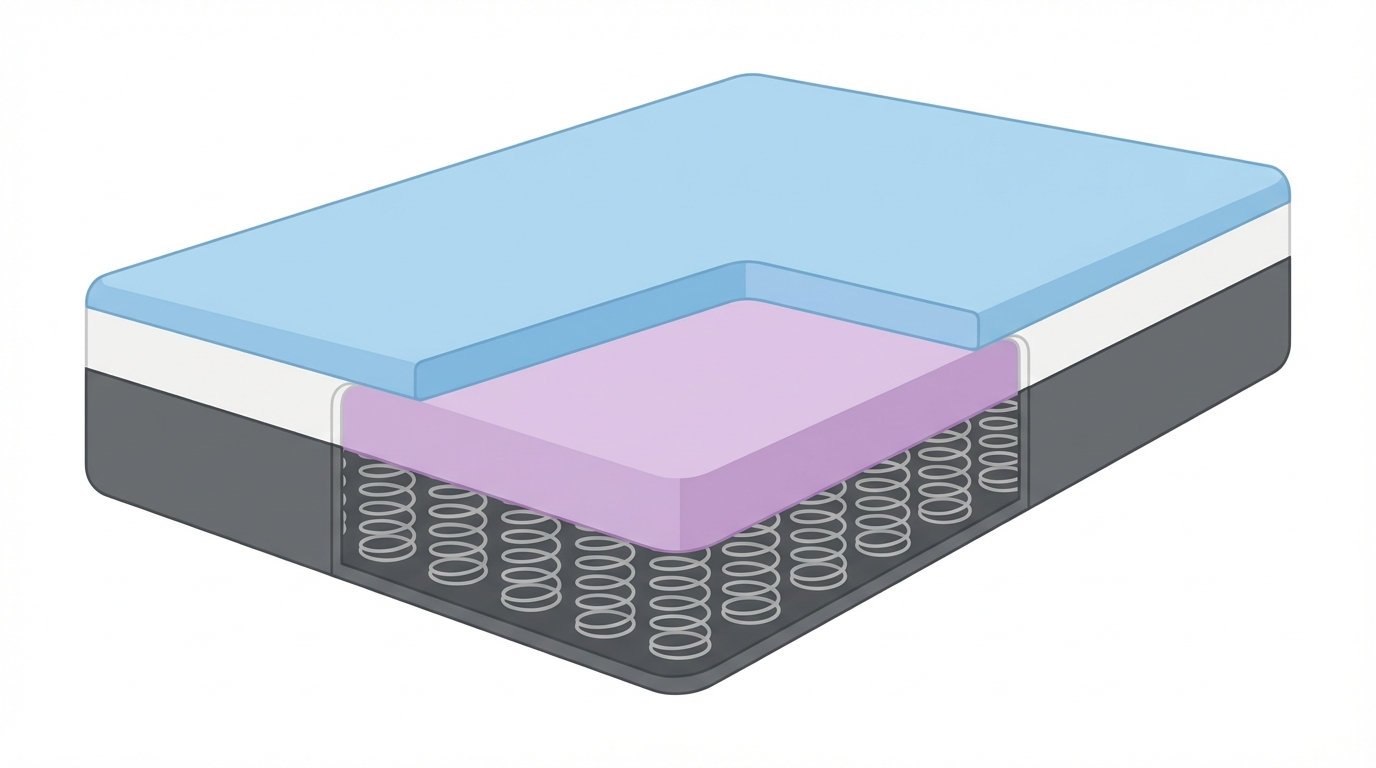
Once you know how wide a twin mattress is, the next question is usually whether it will work in your specific room. Even when a mattress technically fits wall to wall, a room can feel cramped if there is not enough breathing room, or if doors, drawers, and windows clash with the bed’s position.
Recommended Room Size For A Twin Mattress
A twin’s compact 38 inch width is a blessing in small rooms, but you still want enough clearance for daily life. A commonly recommended minimum room size for a comfortable twin setup is around 7 by 9 feet, which allows the bed against one wall with space for a nightstand and a bit of walking area. If you want a desk, dresser, or a reading chair in the same room, closer to 8 by 10 feet often feels more balanced.
Think about where the door and any closet doors are located, along with windows and heaters. Ideally, you want at least 24 to 30 inches of clear space on the side of the bed you use most, so you are not turning sideways to shimmy out each morning. If the twin will sit lengthwise against a wall with the head against the shorter wall, the 38 inch width projects into the room. Visualizing it as a 3 foot deep “sofa” can help you decide whether you can still open drawers fully or pull out a chair.
When you place a twin in the center of a wall with equal space on both sides, you will need more total wall length, but the room can feel more symmetrical. This layout is common in guest rooms with two twins or in rooms designed for siblings. Again, that 38 inch width multiplied by two is 76 inches, or just over 6 feet 3 inches, plus some gap in between the beds. Measuring your wall before you settle on twin layouts keeps you from discovering too late that the nightstand no longer fits between two mattresses.
Height, Frames, And Under Bed Storage
The footprint of a twin mattress is the same regardless of thickness, but the depth of the mattress and style of bed frame affect how the room feels. A very thick pillow top on a tall frame can visually dominate a small room, while a slimmer profile mattress with a low or mid height platform keeps sight lines clearer. If you are trying to maximize storage, a simple platform frame with 10 to 14 inches of under bed clearance can replace a bulky dresser.
Adjustable bases introduce another planning layer. If you think you may eventually pair a twin XL with an adjustable foundation like the TEMPUR-ERGO EXTEND ProSmart Base Adjustable Mattress Foundation, keep in mind the moving clearance at the head and foot. You will want a few inches of space so that when the head is elevated, it does not bump a wall mounted shelf or low window sill.
For kids, bunk and loft beds built for twin mattresses can open up dramatic floor space, but they do change how the room feels vertically. Consider ceiling height and who will be climbing up and down. Pediatric sleep recommendations from organizations like the American Academy of Pediatrics emphasize safety for younger children, and most manufacturers suggest that top bunks are safest for kids aged 6 and older. The twin’s narrow width makes these designs possible, but safety and daily usability should always be part of the sizing conversation.
“We were trying to squeeze two twins into a 9 by 10 room for our kids and it felt impossible. Mia had us map out the 38 inch widths with tape and then suggested a bunk plus a narrow dresser. We kept the twins for long term use, and the kids actually have more play space now than they did before.” – Jenna R., December
Comfort, Sleep Health, And The Role Of Mattress Width
It is easy to treat the width of a twin mattress as just a number, but that number quietly shapes how your body moves all night and how rested you feel the next day. While sleep position, mattress materials, and pillow choice all matter, the surface area you have to work with can either support or undermine all of those other choices.
Space To Move And Sleep Quality
During healthy sleep, most people change positions several times throughout the night. The Sleep Foundation notes that natural position changes are part of the body’s way of preventing pressure buildup and maintaining circulation. If a mattress is too narrow, you may unconsciously restrict your movement to avoid bumping into the edge or rolling out. Over time, that can lead to sore shoulders, hips, or lower back discomfort, even if the mattress is otherwise supportive.
On a 38 inch wide twin, many children and smaller adults have enough room to turn from back to side without hitting the rails. For larger framed adults, or for sleepers who like to sprawl with arms or knees outward, that width may feel more limiting. This is especially true if the mattress has softer edges without strong support along the perimeter. A mattress with reinforced edges, like many modern hybrid designs, can help you feel secure sleeping closer to the side, which makes a twin feel more usable.
Sleep health research from organizations such as the Mayo Clinic also reminds us that environmental factors like feeling cramped or constrained can increase micro awakenings, the tiny moments your brain surfaces from deep sleep without you fully realizing it. Over a long enough night, these interruptions matter, and many people only notice them indirectly as “I slept, but I do not feel rested.” Ensuring that the sleeper has adequate width and length on the bed is a simple, non medical way to reduce that risk.
Matching Mattress Construction To Twin Size
If you decide a twin’s 38 inch width is right for your space and situation, choosing a mattress construction that works well at that size is the next step. On a smaller surface, you feel every inch more intensely. A twin that is too soft may let you sag and feel trapped, while one that is too firm can create pressure points at the hips and shoulders.
For back sleepers who want a responsive feel on a twin, a medium to medium firm surface, like what you would find on a mattress from our best mattresses for back sleepers collection, often works well. The spine stays aligned even if you drift slightly toward the edge, and you still have some cushioning for the lower back. Stomach sleepers, especially on a narrower bed where they may sleep close to one side, typically need a bit more support to prevent the midsection from bowing. Options from our best mattresses for stomach sleepers collection are designed for that kind of alignment.
If you are using a twin as a guest bed or a daybed, a hybrid model such as the Sealy Posturepedic Plus Soft Mattress – Paterson II Euro Pillow Top can make the narrower width feel more indulgent. The combination of coils and foams offers both edge support and pressure relief, so visitors do not feel like they are “on rails” despite the compact size. For trundles or occasional use, some people add a high quality topper instead of replacing the entire mattress, and a product like the Tempur-Pedic Mattress Topper – Pillow Travel and Guest Bundle can upgrade a basic twin into a much more comfortable sleep surface for guests.
Bedding, Accessories, And Making A Twin Feel Grown Up
After you settle on a twin’s width and length, the next set of questions tends to revolve around sheets, pillows, and how to make a smaller bed feel inviting instead of “temporary.” The right accessories can make a twin bed look and feel polished, whether it is in a child’s room, a guest space, or a studio apartment.
Sheets And Protectors For A 38 Inch Wide Twin
Standard twin sheet sets are designed for that 38 inch width and 75 inch length, with some flexibility for mattress thickness. A fitted sheet should tuck securely under all four corners without riding up or popping off. If you have a deeper mattress or add a topper, look for “deep pocket” twin sheets, which have more elastic depth to accommodate the extra height.
When you invest in a mattress, especially for kids or in guest rooms where spills are more likely, pairing it with a breathable mattress protector is smart protection. A good protector helps guard against dust mites, moisture, and stains without making the bed feel plasticky. You can find protectors sold specifically for twin mattresses that match the 38 inch width, and they typically fit underneath your regular fitted sheet without changing the feel.
For sleepers who run hot, cooling and moisture wicking fabrics matter more on smaller beds, because you have less space to spread out from warm spots. High quality sheet sets like the Tempur-Pedic TEMPUR Adapt Luxe Egyptian Cotton Sheet Set or the Tempur-Pedic ProPerformance Sheet Set are available in twin sizes and bring a noticeably more luxurious, breathable feel to a compact bed.
Pillows And Layout On A Twin
On a 38 inch wide surface, the number and size of pillows matter for both comfort and appearance. One or two standard size pillows usually fit nicely across the top without crowding. Oversized king pillows are often too wide and can visually overpower a twin. If you love hugging a pillow or need additional alignment support as a side sleeper, a full length option like The BodyPillow by Tempur-Pedic can provide that extra cushioning along the body while still leaving enough room to move.
Layering a twin bed thoughtfully can make it feel grown up and intentional. A minimal setup might include a fitted sheet, a flat sheet, a light quilt or duvet, and one or two pillows. Adding a textured throw or a cushion can soften the look without turning the bed into a mountain of decor that has to be moved every night. For teens and adults in smaller spaces, thinking of the twin as both a bed and a daytime lounge spot can guide your choices. Slightly firmer pillows against the wall can double as a backrest for reading or working.
If you are outfitting multiple twin beds, such as for siblings or a bunk setup, consistent bedding colors with individual accent pillows can create a cohesive look while still letting each sleeper’s personality come through. This becomes especially helpful in guest rooms, where you want the space to feel calm and inviting regardless of who is visiting.
Conclusion: When A 38 Inch Twin Is The Right Choice, And When To Size Up

A standard twin mattress is 38 inches wide and 75 inches long, and those simple numbers carry a lot of weight in real homes. For children, many teens, and petite adults, that width is enough to sleep comfortably while preserving valuable floor space for play, work, or storage. In bunk beds, lofts, and tight guest rooms, a twin’s compact footprint can be the difference between having a real bed or settling for a flimsy cot or air mattress.
At the same time, mattress width is one of those quiet details that you really feel at 2 a.m. If the sleeper is tall, broad shouldered, highly active during sleep, or sharing the bed with a pet, 38 inches can start to feel constraining. This is where twin XL, full, or queen sizes often become better long term choices. Thinking through the sleeper’s height, habits, and a few years of growth ahead will help you avoid outgrowing a mattress too soon.
If you are still on the fence, it is perfectly okay to reach out for personal guidance. At Sleepology, our role is to help you translate measurements, charts, and sleep science into a mattress decision that feels good in your specific space. Whether that means confirming that a twin is exactly what you need, or gently suggesting that a larger size will serve you better, our goal is always the same: better sleep, fewer regrets, and a bedroom that works with your life instead of against it.
Frequently Asked Questions
How wide is a twin mattress compared to a twin XL?
Both a standard twin and a twin XL mattress are approximately 38 inches wide. The key difference is in length. A twin is about 75 inches long, while a twin XL is about 80 inches long. If width and room footprint are your main concerns, both sizes behave the same in your floor plan. If you are shopping for a taller teenager or adult, the extra 5 inches of length in a twin XL often makes a noticeable difference in comfort, especially for sleepers over about 5 feet 10.
Is a twin wide enough for an adult to sleep on every night?
A twin’s 38 inch width can be wide enough for a single adult, particularly someone with a smaller frame who sleeps relatively still and does not share the bed with pets. However, many adults find that moving up to a full or queen improves comfort because it allows more freedom of movement and reduces the feeling of sleeping “on the edge.” If you are an adult considering a twin, think about your height, shoulder width, and how much you move at night. If you often feel cramped on hotel beds or love to sprawl, you may be happier with a wider mattress even if it takes a bit more room.
What is the minimum room size for a twin mattress to feel comfortable?
You can technically fit a twin mattress in very small spaces, but for a room to feel functional, many people find that around 7 by 9 feet is a practical minimum. That allows the 38 inch wide bed to sit along one wall with enough clearance for a door to open and for someone to walk beside it. If you want to include a dresser, desk, or extra seating, closer to 8 by 10 feet is usually more comfortable. The best way to be sure is to measure your room and mark out a 38 by 75 inch rectangle with tape to see how the remaining floor space feels.
Are “single” and “twin” the same width?
Yes. In modern mattress sizing in the United States, “single” and “twin” are two names for the same size. Both are about 38 inches wide and 75 inches long. The term “single” is less common now and tends to show up in older catalogs or in some international markets. If you see a mattress labeled “single” from a reputable brand, you can generally assume it has the same dimensions as a standard twin, including that 38 inch width.
Can two twin mattresses make a king size bed?
Two standard twin mattresses pushed together create a surface that is 76 inches wide and 75 inches long, which matches a king’s width but is 5 inches shorter than a standard king’s 80 inch length. To match both the width and length of a king, you would use two twin XL mattresses, each 38 by 80 inches, which combine to 76 by 80. This configuration is often called a split king and is popular for couples who want individualized firmness or who are using an adjustable base that allows each side to move independently.
Is there a mattress size smaller than a twin?
Yes. The most common smaller size is a crib mattress, which is usually about 28 inches wide and 52 inches long. There are also specialty sizes like “small single” or youth mattresses that are around 30 inches wide and 75 inches long, but these are less common in mainstream stores and can make bedding harder to find. For most children transitioning out of a crib, a standard 38 inch wide twin provides a better balance of comfort, longevity, and easy access to sheets and accessories.
What bedding size should I buy if my mattress is a twin?
If your mattress is a standard twin, you will want bedding labeled “twin” for fitted sheets, flat sheets, protectors, and most comforters. These are designed around the 38 by 75 inch mattress size. Twin XL bedding is specifically for twin XL mattresses that are the same width but 5 inches longer. When you choose higher quality sheets, such as the Tempur-Pedic TEMPUR Adapt Luxe Egyptian Cotton Sheet Set or Tempur-Pedic ProPerformance Sheet Set, just be sure to select the twin option to match your mattress width and length correctly.