

How Wide Is A Full Size Mattress? A Sleepologist’s Guide To “Just Right” Bed Width
If you are squinting at your tape measure and wondering whether a full mattress will actually feel roomy or cramped, you are not alone. The label sounds generous, but the reality of how much space you and possibly a partner will have at 2 a.m. is less obvious. Many shoppers arrive at Sleepology saying, “I thought a full would be plenty, but now I am not so sure.” That hesitation is smart, because the width you choose affects your nightly comfort, how your room feels, and how well your mattress investment pays you back over the next decade.
The short answer is that a standard full size mattress is about 54 inches wide and 75 inches long. You may also see 53 inches listed in some guides. In real life, manufacturers treat 53 and 54 inches as interchangeable for full width, which is why you will sometimes see both numbers used. The important part is how that space divides up for you, your partner, and any pets that wander in, and how it compares with twin and queen options.
Getting clear on full size mattress width matters because it shapes everything from whether you wake up pinned to the edge to how easily you can walk around your bed. The Sleep Foundation notes that sleep quality is closely tied to comfort and sufficient room to move, and mattress size is a big part of that picture. When you understand exactly how wide a full mattress is, what that feels like for one or two people, and how it fits in real bedrooms, decisions become much less stressful and far more confident.
Here, you will walk through full mattress width in plain language, see how it compares to other sizes, learn how body size and sleep position change the equation, and get concrete tips on measuring your bedroom so you do not end up with a beautiful bed that makes your room feel like a storage unit. Along the way, you will see specific product examples and real customer stories from Sleepology shoppers who grappled with the same questions you are working through now. By the end, you will know whether a full size mattress is truly “just right” for you or if a different width would serve you better.
Full Size Mattress Dimensions: The Exact Numbers And Why They Vary
A full size mattress in the United States is typically 54 inches wide and 75 inches long. Some brands list the width as 53 inches instead of 54. That one inch difference does not come from some special “narrow full” category. It has more to do with how manufacturers round and how tightly they measure around rounded corners and side panels. Bedding and foundations are made to accommodate either measurement, which is why you do not see “53 inch full sheets” and “54 inch full sheets” as separate products.
What matters most is what that width feels like when you lie down. For a single sleeper, 54 inches gives noticeably more elbow and legroom than a twin mattress, which is about 38 inches wide. For two people, however, that 54 inches suddenly turns into roughly 27 inches per person. That is actually less width per person than a twin offers a solo sleeper, which is why many couples who start on a full eventually move up to a queen. The Cleveland Clinic and other sleep health organizations emphasize that restricted movement at night can worsen back and joint discomfort, so space is not a luxury. It is part of basic sleep ergonomics.
There is also thickness to consider. Full mattresses come in a wide range of profiles, often from about 8 to 15 inches thick. A plush hybrid like the Sealy Posturepedic Elite Soft Hybrid Mattress – Brenham II can feel roomier than a thinner bed because strong edge support lets you comfortably use the full width without feeling like you are about to roll off. When you compare full mattresses, do not just look at the 54 inch spec. Pay attention to firmness and edge reinforcement as well, because that changes how usable every inch really is.
Room size is another hidden factor behind those dimensions. A full mattress is generally recommended for bedrooms that are around 10 by 10 or 10 by 11 feet. That gives you enough space for nightstands and basic circulation without crowding the room. If your room is significantly smaller than that, the full width might still fit, but you may end up sliding sideways between the bed and the wall each morning, which gets old fast. Measuring your room now saves you from planning a frustrating game of furniture Tetris later.
“Mia walked me through exactly how wide a full is compared with our old twin and had me measure out the footprint on our bedroom floor with painter’s tape. That five minutes kept us from buying a size that would have turned our guest room into an obstacle course. We ended up with a full and a low profile box spring and it looks like the room was designed around it.” – Jordan P., November
According to the American Academy of Sleep Medicine, adults generally need 7 to 9 hours of quality sleep, and comfort is a critical ingredient in reaching that range consistently. Getting the dimensions right, starting with that 54 inch width, puts you in a better position to sleep through the night instead of waking up sore, squished, or overheated.
Full Width In The Real World: One Sleeper, A Couple, Or A Teen?

How A Full Mattress Feels For Single Adults
For a solo sleeper, a full mattress is often the first experience of truly having “room to move.” If you are coming from a twin, jumping up to 54 inches wide means roughly 16 extra inches of horizontal space. That margin lets you change positions freely, stretch out diagonally, and still keep your pillow and shoulders fully supported on the mattress. Young adults moving into their first apartment, or anyone upgrading from a childhood bed, often find a full to be a sweet spot between comfort and a manageable footprint.
Sleep position matters here. Back sleepers generally do not need as much horizontal space as side sleepers, but they are sensitive to support. A supportive medium feel, like the Sealy Posturepedic Medium Mattress – Medina II, can work beautifully on a full for a solo back sleeper because it provides consistent support from center to edge. Side sleepers may want a bit more cushioning for shoulders and hips, yet still benefit from the same 54 inch width, which keeps them off the edge even when they curl up.
Height also plays into how that width feels. While length is technically what determines whether your feet hang off the end, taller sleepers often sprawl diagonally to get comfortable. On a full, that habit feels fine when you are alone, but it becomes a limitation if you later want to share the bed. The Sleep Foundation notes that mattress size should be chosen with likely future needs in mind, not just current ones. If you plan to keep your next mattress 8 to 10 years, think about how you live now and how you may live three or five years from now.
There are also lifestyle factors. If you read or work on your laptop in bed, that 54 inch width gives you space for a body pillow or a partner’s pet that inevitably migrates to your side of the bed. Pairing a full mattress with an adjustable base, such as the TEMPUR-ERGO® Smart Base Adjustable Mattress Foundation, can make a modest width feel incredibly functional by giving you more ways to sit, recline, or elevate your legs without needing a larger mattress.
When A Full Mattress Works For Couples And When It Does Not
Couples often ask whether a full is “big enough for two.” The honest answer is that it can be, but it depends heavily on body size, preferred sleep position, and how much you like your personal space. At 54 inches wide, a full gives each person about 27 inches, which is about the width of many office chairs. If you both tend to fall asleep cuddling and stay fairly still, and if neither of you is very tall or broad shouldered, a full can work, particularly on a budget or in a smaller room.
However, many couples underestimate two things. First, people rarely stay perfectly still all night. Movement is a healthy part of normal sleep cycles. Second, sleep preferences often diverge over time. One partner may find they sleep better with a bit more space between bodies, or with a body pillow wedged between their knees. According to Mayo Clinic, chronic sleep disruption is linked with mood, focus, and even long term cardiovascular health, so prioritizing space is not selfish. It is a wellness choice for both of you.
This is where a queen often becomes the default size for couples, because it adds 6 extra inches of width while also extending to 80 inches in length. That gives each person about 30 inches of personal space. To put that in perspective, moving from a full to a queen gives a couple roughly the equivalent of an extra pillow’s width between them. For some partners that gap is exactly what keeps elbows, knees, and pets from becoming a nightly obstacle course.
If you are leaning toward a full as a couple, ask yourselves some practical questions. Do either of you run hot and prefer a bit of distance to avoid overheating? Do you plan to share the bed with a child or a pet, even occasionally? Are you both smaller framed, or would one person’s shoulder take up half the bed if they slept on their back? Answering those honestly helps you see whether that 54 inch width will be cozy or cramped.
“My husband and I tried to make a full work for six months because we were trying to save money. After one conversation with Mia and a demo on the floor, we realized we were each sleeping on less space than our son has on his twin. We upgraded to a queen Sealy Posturepedic Pro medium and the extra 6 inches changed everything. I woke up without a dead arm for the first time in months.” – Dana L., October
Full Size For Teens, Guests, And Multi Use Rooms
For teenagers, a full is often the perfect bridge between a childhood twin and an adult bed. The 54 inch width feels significantly more grown up and gives them space to stretch, study, and even host a friend for a movie night, without swallowing the whole room. Since the length is still 75 inches, it usually works well at least into the late teens unless the child is especially tall. If you expect a growth spurt into college athlete territory, you may want to consider a queen or a longer option.
Guest rooms are another strong match for full size mattresses. Many guests are solo travelers, especially for short stays, and they will appreciate the extra space compared with a twin. Even couples can manage comfortably on a full for a weekend or a holiday visit, especially if the mattress itself is supportive and you provide thoughtful bedding. A quality full mattress paired with good pillows and breathable sheets from a collection like Pillows, Sheets, Toppers, Protectors can make a compact guest setup feel surprisingly luxurious.
In multi use rooms, such as offices or flex spaces that double as a guest room, the footprint of a full often works better than a queen. You keep the width under 60 inches, which opens up room for a desk or storage. The key is to measure carefully so you can still open closet doors and walk naturally around the bed. Even in these spaces, it is wise to choose a mattress that will support a range of body types, since your guests will not all be the same height or weight.
For sleepers dealing with back pain, a supportive full mattress can be an excellent choice, provided they are not crowded. Collections such as The Best Mattresses For Back Sleepers include options in full size that prioritize spinal alignment and edge support. That way, guests or teens can stretch right to the perimeter of the mattress without feeling like the side is collapsing beneath them.
Full Size Width Compared To Other Mattress Sizes
Twin, Full, Queen, And King: How The Widths Stack Up
Understanding how wide a full mattress is becomes much clearer when you compare it directly to other sizes. While exact dimensions can vary by a half inch or so between brands, there are standard measurements that most follow. A twin mattress is about 38 inches wide and 75 inches long. Full size, as we have already discussed, is roughly 54 inches wide and 75 inches long. A queen is about 60 inches wide and 80 inches long, and a standard king comes in at about 76 inches wide and 80 inches long.
When you move from twin to full, you gain about 16 inches in width. That is a dramatic difference for a solo sleeper and is usually the first upgrade that makes a bed feel like an adult space. Going from full to queen, you gain another 6 inches in width and 5 inches in length. For couples, that 6 inches can easily be the difference between jostling each other awake and sleeping soundly through normal tossing and turning. From queen to king, you gain 16 more inches of width, which is why king size is often favored by couples who share their bed with kids or large dogs.
From a health and comfort standpoint, these width changes line up with research on nighttime movement. A study published in the journal Ergonomics found that having more personal space reduces arousals and micro awakenings, particularly in people sharing a bed. It is not that you cannot sleep on a smaller size, but that the more constrained the width, the more likely you are to wake when someone else shifts. Seeing the numbers side by side makes it easier to visualize how much “buffer” each mattress size gives you.
Comparison Table: Is Full Width “Enough” For Your Situation?
To pull these relationships together, here is a simple comparison table of common sizes and how their widths feel in everyday life.
| Mattress Size | Approx. Width x Length | Typical Use Case | Personal Space Per Sleeper (for 2 people) |
|---|---|---|---|
| Twin | 38" x 75" | Kids, solo adults in very small rooms | 38" for one person |
| Full | 54" x 75" | Solo adults, teens, occasional couples, guest rooms | 27" each for two people |
| Queen | 60" x 80" | Most couples, master bedrooms, long term primary bed | 30" each for two people |
| King | 76" x 80" | Couples with kids or pets, larger primary bedrooms | 38" each for two people |
Looking at the table, you can see that the full is a big jump up from a twin in width, but it is still conservative for two adults. It gives each sleeper less space than a solo person has on a twin, which explains why couples with any history of elbow wars usually prefer a queen or king. At the same time, if you are one person who wants a cozy bed that does not dominate a modest bedroom, full has a strong case.
Another way to think about it is to consider your mattress as shared real estate. On a full, every inch counts. Edge support, firmness, and motion isolation become more important because you are using more of the mattress surface. A model like the Sealy Posturepedic Pro Medium Mattress – Dupont II Euro Pillow Top offers pressure relief in the center plus reinforced edges in full size, which maximizes the comfort you get out of those 54 inches.
If you find yourself right on the line between full and queen, look at your room measurements and your timeline. If you are in a temporary space for a couple of years and you are on your own, full can be ideal. If you are outfitting a long term home and sharing the bed most nights, the extra six inches of a queen is often worth both the cost and the slightly larger footprint.
How Bedroom Size And Layout Affect Whether A Full Width Will Work
Measuring Your Space So The Bed Fits Your Life
Knowing how wide a full mattress is is only half the story. The other half is how that width, plus your bed frame and base, will live in your actual room. Before committing, it is worth a few careful measurements. Start with the length and width of the room itself, wall to wall. Then measure door swings, closet doors, and any windows or radiators that could interfere with where the bed can sit. It is common to forget how much room you need to open drawers or walk around the foot of the bed until the mattress is already in place.
A helpful rule of thumb used by many interior designers is to aim for at least 24 to 30 inches of clear walking space on the sides of the bed you plan to access regularly. For a full mattress, which is around 54 inches wide, plus a basic frame, that generally means a room around 9.5 to 10 feet wide at minimum to keep things comfortable. If you also want nightstands on both sides, factor in their widths too. In slightly tighter rooms, you can sometimes place the bed against a wall on one side, but then one person may have to climb over the other to get in and out.
Height and thickness matter as well. If you pair your full mattress with a standard 9 inch foundation like the Sealy Mattress Base Boxspring Foundation | Standard 9 inch height and a tall headboard, the bed will feel more substantial in the room than a lower profile setup. In a small bedroom, choosing a lower foundation or even an adjustable base can help the space feel more open, because you are not visually filling as much vertical space.
One simple but powerful trick is to use painter’s tape to outline the exact size of the mattress on your floor, including the frame’s footprint if you know it. Walk around it, pretend to make the bed, and see where you naturally reach for a light or a book. This “test drive” gives you an immediate sense of how that 54 inch width will play with your room’s circulation, doors, and windows.
Multi Purpose Rooms, Storage, And Traffic Flow
In guest rooms, offices, and other multi purpose spaces, the full size mattress width can be a real asset. It strikes a balance between giving guests a proper bed and leaving enough open floor for work or hobbies. However, these rooms often have more furniture competing for space, from desks and filing cabinets to exercise equipment. That is where a few extra minutes of planning pays off.
Think about the “traffic pattern” in the room. If you have to shuffle sideways between the bed and the desk chair every time you cross the room, you may start resenting the mattress size no matter how comfortable it is. In those cases, a full mattress aligned against a wall with an adjustable base, such as the TEMPUR-ERGO EXTEND® ProSmart Base Adjustable Mattress Foundation, can allow you to sit up and use the bed like a daybed during the day, then sleep flat at night.
Storage is another consideration that sneaks up on people. Under bed storage bins, rolling drawers, and trunks at the foot of the bed all occupy additional real estate. A full mattress is narrower than a queen, which sometimes frees up just enough room for a narrow dresser or bookcase that would not fit otherwise. If you are looking to maximize storage in a small room, that difference in width can mean having a place for linens and clothes without feeling cramped.
Finally, consider line of sight. In a small room, where you place the bed relative to the door changes the impression of how spacious the room feels. Many people prefer to see the side of the bed when they walk in instead of walking straight toward the foot of the mattress. A full’s 54 inch width often works well on the wall opposite the door in modest bedrooms, letting you keep a sense of openness without giving up a full size sleep surface.
“We live in a small 1950s bungalow, and I was convinced we had to squeeze in a queen. Mia had us tape out both a full and a queen and then ‘live’ with the outlines for a day. The full ended up being perfect. We can open our closet now without bumping the bed, and our guests still say it feels like a hotel bed, not a cramped futon.” – Laura S., December
Body Size, Sleep Position, And How They Interact With Full Width
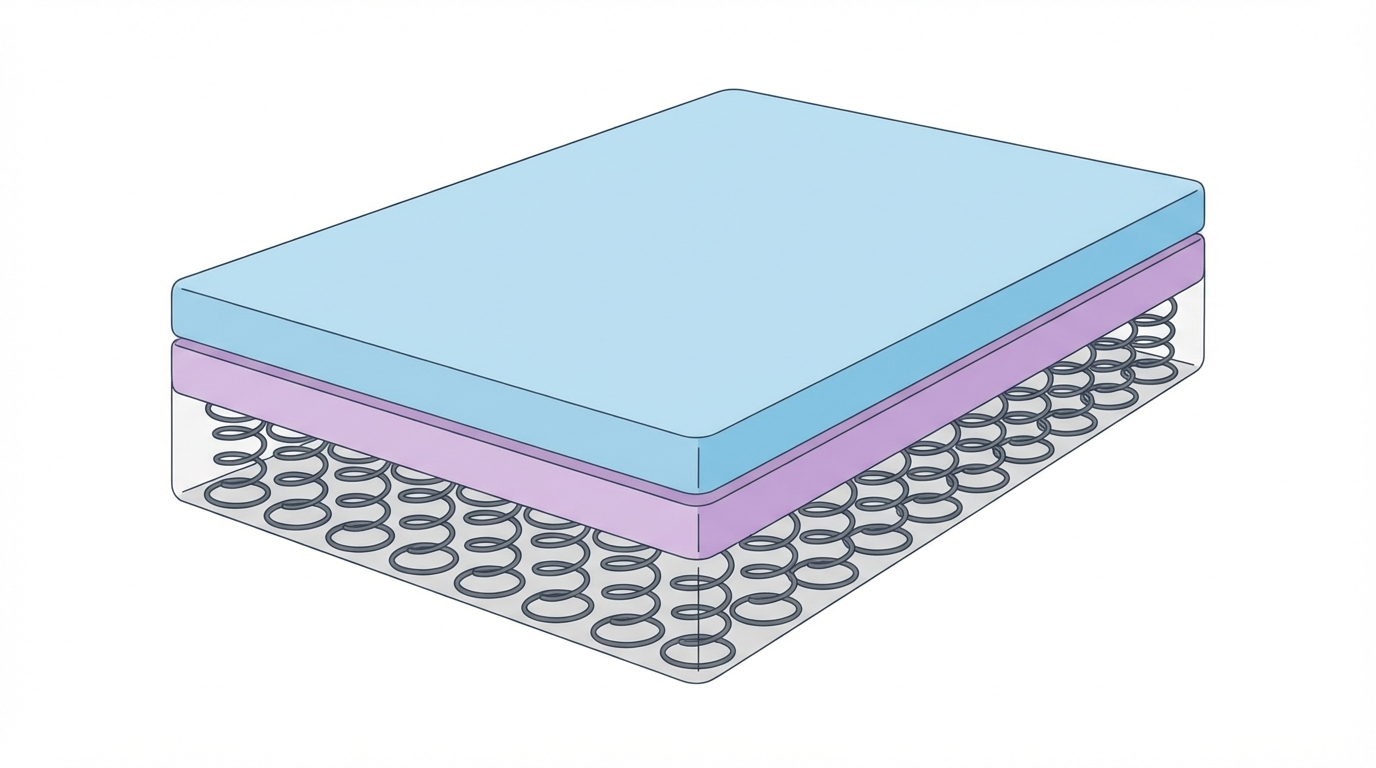
Height, Shoulder Width, And Personal Comfort
Even with the same width, different bodies experience a mattress differently. Two people can lie on a 54 inch wide full and have entirely different reactions based on height, shoulder breadth, and how they naturally position themselves. Taller individuals often feel more comfortable with extra width because they tend to stretch out more. Broad shouldered sleepers may find their arms naturally splay out, taking up more horizontal space. For them, the same 54 inches that feels spacious to a petite sleeper can feel more confining.
If you are under about 5 foot 8 and sleep alone, a full is usually more than enough width, provided you are not an extremely restless sleeper. If you are closer to or above 6 feet tall, you may still do well on a full width, but you will want to pay attention to length as well. Since a standard full is 75 inches long, or 6 foot 3, taller sleepers sometimes find their feet pressing near the edge, especially if they use a thicker pillow. In that case, a queen or twin XL may be more comfortable, even if you are content with the width.
For couples, body size differences can become more pronounced on a full. If one person is significantly taller or broader than the other, they may naturally occupy more of the width. Over time, this can make the smaller partner feel crowded, even if neither of you initially thinks you need much space. In those cases, thinking ahead and choosing a queen can prevent resentment and sleep disruption down the line.
The National Sleep Foundation points out that maintaining a neutral spinal alignment is key to preventing aches and pains. If you are pushed to the edge of a mattress because of limited width, you are more likely to twist into awkward positions to avoid falling off. So when you evaluate whether a full is wide enough, pay as much attention to how you feel near the edge as you do to how you feel in the center.
Sleep Position And How Much Width You Really Need
Sleep position shapes how much usable width you need just as much as body size does. Side sleepers typically need more room because they bend at the knees and often hug a pillow or tuck their arms under their head. This naturally takes up more horizontal space than lying flat on your back. If you are a dedicated side sleeper who tends to change sides often during the night, a full size mattress may feel just right for a single person but tight when shared.
Back sleepers usually need less width but are often more sensitive to the mattress’ overall support. On a full, a back sleeper who stays mostly centered can sleep very comfortably on a supportive mattress that keeps their spine aligned. Collections like The Best Mattresses For Back Sleepers are curated with that alignment in mind and are available in full size, making width less of an issue if the mattress itself is doing its job.
Stomach sleepers are in a more delicate category. Many spine experts, including those at Cleveland Clinic, caution that stomach sleeping can strain the neck and lower back. If you sleep on your stomach, you may tend to sprawl diagonally, which takes up more width than you might think. For a solo stomach sleeper, a full can work well if the mattress is firm enough to keep the hips from sinking. For two stomach sleepers on a full, however, sideways elbow encounters are common.
Combination sleepers, who switch between positions during the night, should be conservative with width if they are sharing the bed. Their movements mean they will naturally use more of the mattress’ surface. In those cases, the 54 inch full is often best for one person, while a queen generally serves two people better. The mattress’ ability to isolate motion also becomes crucial when space is limited.
If you are unsure, try this quick home experiment. Make your bed as if it were a full by placing pillows where the edges would be, leaving only about 54 inches of width for you and your partner to share. Lie down in your usual positions and see how it feels. This simple drill often reveals faster than any spec sheet whether a full width will feel cozy or constrained.
The Hidden Extras: Foundations, Bedding, And Full Width Compatibility
Foundation Height And Actual Footprint
The term “full size mattress” usually refers only to the mattress itself, but in real bedrooms, that mattress almost always lives on a foundation, box spring, platform, or adjustable base. Each of these adds a bit to the footprint. While they rarely change the width dramatically, some frames are slightly wider than the mattress, so that 54 inches can functionally become 56 or 57 inches in the room.
If you prefer a traditional setup, a sturdy foundation like the Sealy Mattress Base Boxspring Foundation | Standard 9 inch height offers consistent support and keeps your full mattress at a comfortable height for sitting and getting in and out of bed. In small rooms, some people choose a lower foundation to keep the bed from feeling visually bulky. Others go taller to create a more dramatic focal point. Just remember that the total height can affect how easy it is for pets, kids, or older adults to use the bed.
Adjustable bases change the equation a bit. They are typically measured closely to the size of the mattress, but hardware and design can add a half inch or so. Bases like the TEMPUR-ERGO® Smart Base Adjustable Mattress Foundation come in full size and let you change positions at the touch of a button. For many people, the ability to elevate the head or feet is worth slightly tighter side clearance in the room.
Whatever you choose, be sure to measure the foundation or frame itself if possible, not just rely on the mattress size, so you understand the true width that will sit in your room. Combine that with the painter’s tape trick, and you will have a highly accurate preview of how your full setup will live in your space.
Sheets, Protectors, And Full Size Compatibility
The good news is that full size bedding is widely available and easy to find. Because full is a standard size, most sheet sets clearly list “Full” on the label, and they are designed to accommodate the small variation between 53 and 54 inch mattress widths. What you do need to watch carefully, though, is depth. Many modern mattresses, including plush hybrids and pillow tops, are thicker than older models. If your full mattress is 14 or 15 inches tall, standard depth full sheets may be difficult to tuck securely.
Mattress protectors and toppers also come in full sizes, but again, depth matters. A protector that is too shallow can pull at the corners and take away from the comfort of the mattress. Investing in a quality protector from a curated collection like Pillows, Sheets, Toppers, Protectors can extend the life of your full mattress by shielding it from spills and allergens. This helps preserve support and hygiene, two factors the Mayo Clinic points to as important for people with allergies or asthma.
Pillows and accessories also shape how the width feels in practice. Large body pillows, such as The BodyPillow by Tempur-Pedic®, provide excellent alignment for side sleepers but do take up horizontal space. On a full mattress, this is usually comfortable for one person, but if two people are sharing the bed and one uses a body pillow, the effective sleeping width for the partner is reduced. Thinking through these details before buying helps you avoid that “I love my new pillow, but now my partner has nowhere to sleep” moment.
Overall, full size compatibility is one of the format’s strengths. You have broad access to bedding, protectors, and frames without needing custom sizes. As long as you pay attention to depth and consider how accessories will use up some of the 54 inch width, you can build a very comfortable and practical sleep system around a full mattress.
When A Full Size Mattress Is The Best Choice And When To Size Up
Scenarios Where Full Width Really Shines
Putting everything together, there are clear situations where a full mattress width is not just adequate, but ideal. If you are a solo sleeper in a moderate sized room, a full gives you the freedom to stretch without dominating the entire space. It is a natural step up from a twin for young adults, students in off campus housing, or anyone outfitting a studio apartment. You enjoy a grown up sleeping surface that still leaves space for a desk, dresser, or seating.
Full size also shines in well planned guest rooms. Many guests travel alone, and even couples usually do not expect a king size sleep experience for a weekend stay. Being able to offer a supportive, comfortable full mattress, perhaps in a model like the Sealy Posturepedic Pro Soft Mattress – Dupont II Euro Pillow Top, tells your visitors you care about their rest without requiring a large room or oversized furniture.
Budget is another area where full has advantages. All else equal, full mattresses, foundations, and sheets tend to cost less than their queen and king counterparts. If you are early in your career, furnishing a first place, or investing in multiple beds for a vacation property, choosing full sizes can free up resources for higher quality materials or better pillows, rather than stretching your budget thin for extra inches you may not truly need.
Full width is also well suited to multi use rooms, such as offices, dens, or hobby rooms that double as guest spaces. The 54 inch footprint leaves room for desks, shelving, or workout gear in ways that a queen sometimes cannot. If that sounds like your home, a full can be the difference between having a flexible, usable space and feeling like your “office” is just a bed with a laptop on it.
Signs You Might Be Happier With A Queen Or Larger
At the same time, there are clear red flags that suggest a full might not serve you well long term. The biggest one is two adults sharing the bed on a regular basis, especially if either of you is taller or broader framed. While a full can technically fit two people, the 27 inches of width each person gets is often not enough for uninterrupted sleep. If you already find yourselves clinging to the edge of your current bed, or if one partner routinely escapes to the couch for more space, those are strong signals that a queen or king would be healthier for both of you.
Another sign is if you share your bed with children or pets. Even a small dog at the foot of the bed takes up more space than you think, and children who climb in during the night often shift around a lot. On a full, those sweet moments can quickly turn into a cramped, restless night. In those households, a queen or king gives you the grace to say yes to nighttime snuggles without sacrificing adult sleep quality night after night.
Chronic pain is also a factor. If you or your partner live with back pain, joint issues, or conditions like fibromyalgia, having room to change positions comfortably throughout the night matters even more. The ability to spread out slightly, or to use specific pillows and bolsters without crowding the other person, can make a noticeable difference in how you wake up. In those cases, stepping up to a wider mattress is often money well spent, especially paired with a supportive model and an adjustable base.
Finally, think about your future horizon. Mattresses are not short term purchases. Many high quality models perform well for 8 to 10 years when properly cared for. If you expect life changes during that time, such as moving in with a partner, starting a family, or moving to a larger home, it can be wise to size with that future in mind. Choosing a full today may mean replacing it sooner if your circumstances change, while opting for a queen now can carry you comfortably through several life stages.
Conclusion: Turning Full Size Specs Into Confident Sleep Decisions
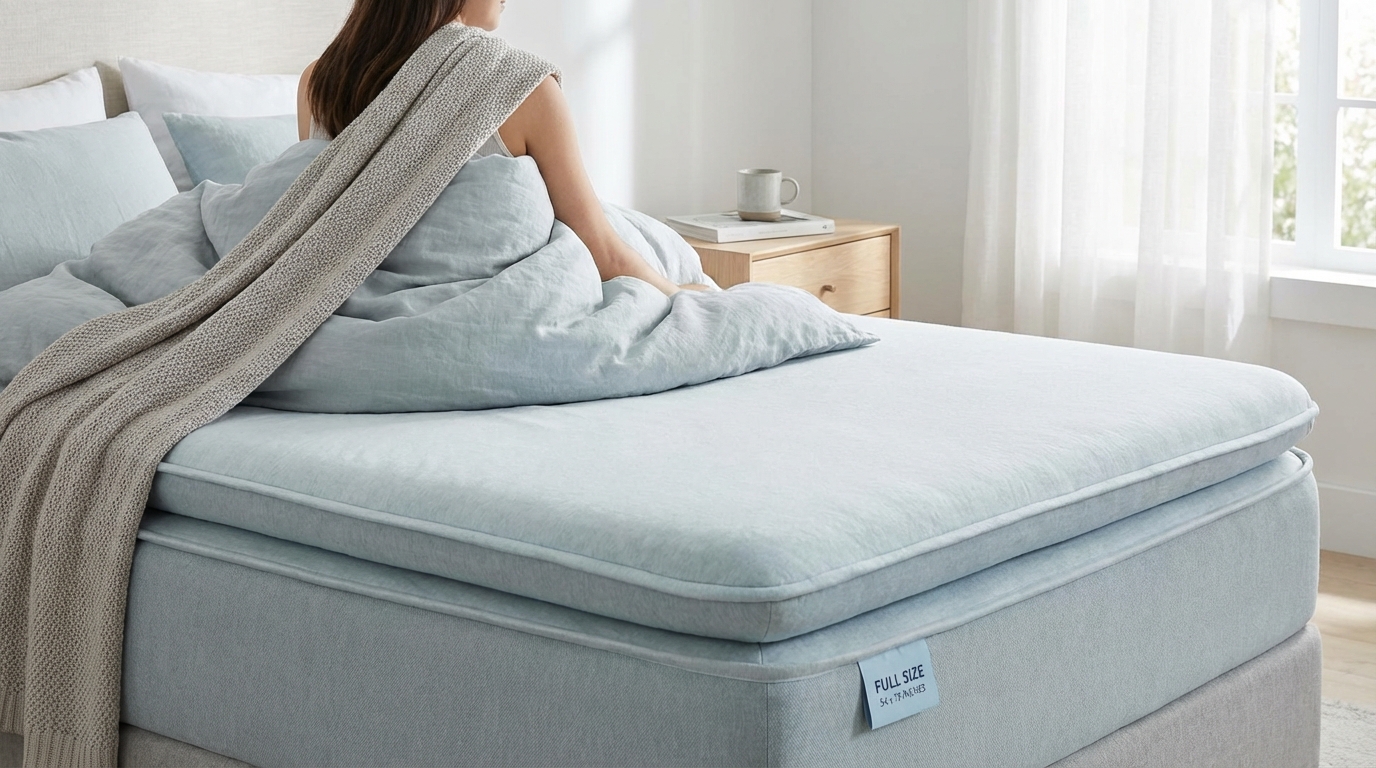
Understanding that a full size mattress is about 54 inches wide may seem like a small piece of data, but as you have seen, those few inches affect your sleep, your room, and your daily comfort in meaningful ways. When you translate that number into real scenarios how much space you and a partner will truly have, how you like to sleep, how easily you can move around your room the choice between full and other sizes becomes less abstract and more about how you want to feel every night.
If you are a solo sleeper in a modest room, or designing a welcoming guest space or teen bedroom, the full size mattress has a lot going for it. It offers genuine stretch out comfort without taking over the entire floor plan or budget. When paired with a supportive model, a compatible foundation, and thoughtful bedding, it can absolutely deliver the kind of restorative sleep the Sleep Foundation and other health organizations highlight as essential for well being.
On the other hand, if two adults will share the bed regularly, especially with kids, pets, or chronic pain in the mix, paying attention to how 54 inches divides up between you often leads to the conclusion that a queen or king is the better investment. There is no one right answer for everyone. The right decision is the one that respects your body, your space, and your life over the many nights you will spend on this mattress.
If you would like help translating all of this into a specific recommendation, the Sleepology team, including me, is always glad to talk through your measurements, sleep habits, and room photos. Whether you end up on a full, queen, or something larger, the goal is the same: to help you wake up rested, pain free, and happy with the space you have created.
Frequently Asked Questions
How wide is a full size mattress compared to a twin and a queen?
A full size mattress is about 54 inches wide and 75 inches long. A standard twin is about 38 inches wide and 75 inches long, so moving from a twin to a full gives you roughly 16 extra inches of width. A queen measures about 60 inches wide and 80 inches long, which is 6 inches wider and 5 inches longer than a full. For a single sleeper, that jump to a full usually feels substantial. For couples, the added width and length of a queen often provide a more comfortable long term solution.
Is a full mattress wide enough for two adults to sleep comfortably every night?
A full mattress can fit two adults, but whether it is comfortable depends on your body sizes, sleep positions, and how much personal space you like. On a full, two people share about 54 inches, or roughly 27 inches each. That is less than a solo sleeper has on a twin, which is about 38 inches. Many couples find this workable for short stays or guest use, but tight for nightly sleeping, especially if either person is tall, broad shouldered, or moves a lot during the night. For regular co sleeping, a queen or king usually provides healthier space for restful sleep.
Why do some guides say a full mattress is 53 inches wide instead of 54?
The difference between 53 and 54 inches comes from how manufacturers measure and round dimensions, not from two different “full” standards. Some brands measure slightly inside the tape edge or around rounded corners, and then list the more conservative 53 inch number. Others round up to 54 inches. In everyday use, bedding, foundations, and frames labeled for full size are designed to accommodate this minor variation, so you can treat 53 and 54 inches as effectively the same width when choosing sheets or bases.
What size room do I need for a full size mattress to feel comfortable?
A full size mattress works best in rooms that are around 10 by 10 or 10 by 11 feet or larger. This allows space for the 54 inch mattress width, a frame or foundation, and at least 24 to 30 inches of walking space on accessible sides of the bed. In a smaller room, a full can technically fit, but you may sacrifice room for nightstands or end up sliding sideways between the bed and the wall. Using painter’s tape to outline a 54 by 75 inch rectangle on your floor is a quick way to see how a full will fit in your specific space.
Is a full or a queen better if I am buying my “forever” mattress?
If you sleep alone and expect to stay in similar sized rooms, a well chosen full can absolutely be a long term mattress. However, if you are thinking of this purchase as a “forever” or ten year mattress and there is a good chance you will share the bed with a partner, kids, or pets at some point, a queen is often the safer choice. The extra 6 inches of width and 5 inches of length give you more flexibility as life changes, without an extreme jump in price or room requirements compared with a full.
Will full size bedding fit if my mattress is labeled 53 inches wide?
Yes, standard full size bedding is designed to fit full mattresses in the 53 to 54 inch width range. The more important dimension to watch is depth. If your full mattress is thicker than average, such as 14 or 15 inches, you will want deep pocket full sheets and a protector that can accommodate that height. When in doubt, check both the width and depth specs on bedding to be sure they will stay securely in place on your particular mattress.
How can I tell if a full size mattress width is right for my teenager?
For most teens, a full is an excellent upgrade from a twin. It provides extra width for growing bodies, more legroom when they stretch diagonally, and space to lounge or study comfortably. To be sure, consider your teen’s current height, projected growth, and how they like to sleep. If they are already tall, approaching 6 feet, or sprawlers who love to sleep starfish style, a full may still work very well, especially if they sleep alone. If they are likely to exceed 6 foot 3 or want to share the bed with friends for sleepovers often, a queen may be worth considering if the room can handle it.