

How Wide Is A Full Mattress? A Practical Guide To Sizing, Space, And Real-Life Comfort
If you are squinting at a tape measure, trying to figure out whether a full mattress will actually fit your room and your life, you are not alone. Size questions are some of the most common conversations I have with shoppers at Sleepology. You might be moving into your first place, upgrading from a twin, or trying to make a small guest room welcoming without swallowing the whole floor. Getting the size right matters, because a mattress is not something you swap out every few months if it feels cramped.
Mattress width is more than just a number on a spec sheet. It influences how freely you can move at night, whether you feel hemmed in at the edges, and even how easily you can change the sheets without bruising your knuckles on the wall. According to the Sleep Foundation, a well matched mattress size can directly support sleep quality by allowing natural movement and healthy spinal alignment, which ultimately affects how rested you feel during the day. That is a lot of impact from a few inches of foam and springs.
If you have been wondering how wide a full mattress actually is, whether it is big enough for two people, or how it compares to twin and queen sizes, you are in the right place. We will walk through standard dimensions, real bedroom layout examples, pros and cons for singles and couples, and how to match a full size to your body type and sleep habits. Along the way, I will flag common mistakes people regret later, and share the kind of practical, lived experience you only get from fitting mattresses into hundreds of real homes.
By the end, you should feel clear on whether a full is the right width for you, when to step up to a queen, and how to shop smarter so your new bed supports the way you live, not just the way your floor plan looks on paper.
Full Mattress Dimensions: Width, Length, And Why That Extra Inch Matters
When people ask how wide a full mattress is, they are often surprised that different websites give slightly different numbers. The standard answer, and the one you will see from most manufacturers, is that a full mattress is about 54 inches wide and 75 inches long. Some brands round that width to 53 inches, but in everyday use a full is considered roughly 54 by 75.
That 54 inch width is what makes a full feel noticeably more generous than a twin. A twin is 38 inches wide, so moving to a full gives you about 16 extra inches of horizontal space to stretch out. That is a big deal if you are a side sleeper who likes to bend your knees, or if your arms tend to migrate out from under the blanket during the night. The length, 75 inches, is the same as a standard twin mattress, which works well for most adults up to about 6 feet tall, especially if you sleep with your knees slightly bent.
The reality though is that mattress dimensions are not always exact down to the fraction of an inch. Sleep Foundation notes that while these standard numbers are the norm, manufacturers can vary by up to an inch in width or length. That means a full might measure 53 by 74, or 54 by 76, and still be labeled full. This is why so many people are confused when their fitted sheet is either too loose or a bit too snug. It is not that you mismeasured, it is that brands use slightly different cuts.
For your bedroom planning, it is safest to work with the 54 by 75 guideline, then allow a couple of extra inches on each side for the bed frame or headboard you choose. If you are considering a fuller profile mattress or a plush top, such as the Sealy Posturepedic Elite Soft Mattress – Albany II Euro Pillow Top, also factor in height, since taller beds can feel visually heavier in a small space. Width determines whether the mattress fits, but height influences how roomy the room feels when you walk in.
“I kept thinking a full meant ‘small’ until Mia walked me through the actual measurements on the showroom floor. Once we taped out 54 by 75 in my tiny studio layout, it was clear a full gave me just enough stretch space without blocking the closet. I have never felt cramped, and I am glad I did not jump straight to a queen.” – Jordan P., November
Full vs Other Mattress Sizes: Width Comparisons That Actually Feel Different
Once you know the basic width of a full mattress, the next practical question is how that width stacks up against the other common sizes. Numbers on a chart are useful, but it really helps to translate those inches into how it will feel around your shoulders, hips, and nighttime sprawl.
A twin mattress is about 38 inches wide and 75 inches long, which is manageable for kids, teens, and adults who do not mind a snug fit. When you upgrade to a full at 54 inches wide, you gain roughly a foot and a third of extra width. Imagine laying on a twin, then adding eight inches on one side and eight on the other. That is what turns a bed from a narrow cot feel into something you can roll over in without falling off the edge.
Step up again to a queen, which is typically 60 inches wide and 80 inches long, and you are adding another 6 inches of width compared to a full, plus 5 inches more length. That extra width is the main reason queens are so popular for couples. Industry research and consumer tests from organizations like Consumer Reports consistently find that couples report better satisfaction with queen or larger beds because each person gets a bit more shoulder and elbow room. With a full, two adults each get about 27 inches of width. With a queen, that jumps to 30 inches, which can feel surprisingly different over a full night of tossing and turning.
From there you move into king and California king territory, where width and length both expand significantly. A standard king is about 76 inches wide and 80 inches long, which spreads the sleeping area out to roughly the size of two twin beds side by side. California kings trade a little width for extra length, around 72 by 84, which helps especially tall sleepers avoid having their feet hang off the end. Compared to those, a full is firmly in the smaller, space efficient category.
Where full really shines is that middle ground between twin practicality and queen level sprawl. For a solo sleeper, those 54 inches can feel luxuriously wide, particularly if you are coming from a twin or twin XL. For two adults, it is technically possible to share, but it becomes a question of how close you like to sleep and how much you move.
Is A Full Mattress Wide Enough For Two People?
This is the heart of the decision for many shoppers: is a full mattress actually wide enough for a couple, or will you end up elbowing each other awake every night. Full beds have a long history as “double” beds, and for many decades they were the default choice for couples. Technically, two adults can sleep on a full mattress, especially if you enjoy sleeping close together.
However, it is useful to put the width into perspective. On a full mattress, each person effectively gets about 27 inches of space, which is roughly the width of a crib mattress. For some couples, that is just fine, especially if you tend to fall asleep in the same position and do not move much. For others, especially if one or both partners are broad shouldered or restless sleepers, that can feel cramped very quickly. The American Academy of Sleep Medicine emphasizes that undisturbed sleep and the ability to change positions freely support deeper, more restorative sleep stages, and cramped quarters can interfere with that.
If you and your partner are considering a full mattress to save space or money, I encourage you to be very honest about your sleep habits. Do you both like to sleep on your backs with your arms by your sides, or is one of you a starfish sleeper who spreads out diagonally? Does anyone run hot, which might make close contact uncomfortable in the warmer months? Do children or pets climb into bed with you in the early morning hours? These real life habits matter much more than any marketing label that says “sleeps two.”
For couples who are compact, who enjoy cuddling, and who live in a smaller apartment or studio, a full can be a workable and budget friendly solution. For example, pairing a full mattress with an adjustable base like the Tempur-Pedic ERGO Adjustable Mattress Base can give you more individualized comfort zones within the limited width by adjusting head and foot positions separately. The added flexibility can compensate somewhat for the tighter sleeping surface.
“We started on a full to save money and because our bedroom was tiny. At first it felt cozy, but as my husband’s back issues flared up, the lack of space made it hard for him to change positions without waking me. We eventually upgraded to a queen from Sleepology and I wish we had done it sooner, but the full did get us through those first couple of years.” – Alisha R., October
How A Full Mattress Fits Real Bedrooms

Understanding how wide a full mattress is is only half the puzzle. The other half is how that width interacts with the size and shape of your bedroom. Room layout is one of the most overlooked factors during mattress shopping, yet it affects your daily experience every time you walk into the room, make the bed, or try to open a dresser drawer.
Design wise, a full mattress often works best in rooms around 10 by 11 feet or a bit smaller, which aligns with guidance from sources like Sleep Foundation that recommend roughly 120 square feet or more for this size. That does not mean you cannot fit a full into a smaller room. It means that in that 120 square foot range, you can usually place nightstands, a dresser, and still have walkable space around the bed. In tighter rooms, a full might still be the sweet spot where a queen would start to feel wall to wall.
When planning layout, aim for at least 24 to 30 inches of clear walking space on the sides you will use to get in and out of bed. If your full mattress is 54 inches wide and your room is 9 feet (108 inches) wide, placing the bed centered leaves you with about 27 inches of clearance on each side before factoring in furniture. That works remarkably well for many small secondary bedrooms and studios. Add a low profile headboard or a platform base to keep everything feeling visually open.
Guest rooms are another place where full mattresses shine. Instead of oversizing the bed and turning the room into nothing but sleeping space, a full allows you to create a dual purpose guest room and office. The slightly narrower width compared to a queen lets you tuck a desk or reading chair into the corner, making the room feel inviting even when it is not in use as a bedroom. In that context, a supportive yet welcoming option like the Sealy Posturepedic Elite Medium Mattress – Brenham II Euro Pillow Top often hits the right balance for many different body types who might visit.
Full Mattress Width And Your Body Type
Body size and proportions play a quiet but meaningful role in how a mattress width feels. Two people can sleep on the same full mattress and have very different reactions, not because the bed changed, but because their shoulders, hips, and movement patterns interact differently with the 54 inch space.
If you are a slimmer or more compact adult, that 54 inches can feel comfortably roomy, even if you sprawl out a bit. You might be able to sleep diagonally, bend your knees, and still stay comfortably within the borders of the mattress. For taller or broader individuals, particularly those with wider shoulders, the same full width can start to feel like it is constantly asking you to tuck your arms in. Over time, that can contribute to shoulder or neck tension if you are unconsciously bracing yourself not to roll off the edge.
Medical and sleep organizations like Cleveland Clinic point out that maintaining neutral alignment of the spine and joints during sleep helps reduce pain and stiffness. Mattress width supports this by giving your body space to assume its preferred, natural posture. If you find that you are regularly waking up pressed against the side rail or hanging onto the edge, it can signal that the width is not quite matching your frame, even if the mattress itself is high quality.
If you are on the taller side, also remember that full mattresses share the same 75 inch length as a twin. For people over 6 feet, your feet may rest close to the edge, especially if you sleep stretched out on your back or stomach. In those cases, even if the width feels acceptable, you might still be more comfortable on a longer mattress like a queen or pairing your mattress with an adjustable base such as the TEMPUR-ERGO EXTEND ProSmart Base Adjustable Mattress Foundation. Elevating the knees slightly can effectively shorten the length you need and take pressure off your lower back.
“I am 6'2" and used a full for years because it fit my old apartment. After talking with Mia, I realized my constant foot cramps were partly from sleeping jammed against the bottom edge. Once we switched me into a queen with a medium firm Sealy at Sleepology, my legs finally had room and my morning stiffness dropped a lot.” – Kevin L., December
Sleep Position, Movement, And How Wide Your Bed Should Be

Even if your body size technically fits on a full, your natural sleep position and how much you move at night can change whether that 54 inch width feels freeing or confining. When I work with clients, we always talk about how they actually fall asleep and wake up, not just how they think they should sleep.
Back sleepers often do fine on a full mattress, particularly if they sleep fairly still. Your shoulders and hips stay fairly aligned and you are less likely to fling an arm out to the side. Stomach sleepers, on the other hand, can need a bit more width because that position naturally encourages one leg to slide out and the arms to reach to the side. Over time, if there is not enough horizontal room, you might find yourself unconsciously twisting to make space, which can strain the lower back and neck.
Side sleepers have unique width needs as well. You tend to take up more horizontal room when you curl your knees or bring your arms up under your head. On a full mattress, a single side sleeper usually has more than enough space, especially when paired with the right firmness level. For example, a plusher option like the Sealy Posturepedic Plus Soft Mattress – Paterson II Euro Pillow Top can cushion the shoulders and hips so that your body can sink in comfortably without having to roll away from the edge.
Nighttime movement is another key piece. Research on sleep efficiency frequently highlights that the ability to change positions without fully waking is part of healthy sleep architecture. If you or your partner are very active sleepers, a full mattress you share might start to feel like a narrow bridge. For solo active sleepers, a full still usually offers plenty of roll room. For couples, especially those sharing with pets, that is when I more strongly recommend considering a queen or larger if room and budget allow.
When A Full Mattress Is The Right Width For You
With all these variables, it can help to gather them into some clear scenarios where a full mattress is genuinely the smart, right sized choice. Full beds are not a compromise by default. In many situations they are exactly the width that balances comfort, space, and budget.
A full mattress is often ideal for solo adults in apartments or smaller homes who want more space than a twin without turning the bed into the dominant feature of the room. If you are moving from a twin to living on your own, that upgrade can feel like a real luxury without overwhelming a modest floor plan. Many recent grads and young professionals fall in this category and find fulls to be the sweet spot.
Another group well served by full width mattresses is older children and teens who have outgrown their childhood beds but are not yet living with a partner. Fulls allow them space to spread out, read, study, and even host a sleepover with a friend, while still leaving space in the room for a desk or storage. From a long term perspective, investing in a quality full now can carry them into their early adult years.
Guest rooms and multipurpose rooms are also natural homes for full mattresses. Because fulls are narrower than queens, they leave more open floor area for a desk, workout equipment, or storage, yet still provide a comfortable surface for visiting friends or family. When paired with breathable bedding and good pillows, such as options in Sleepology’s pillows, sheets, toppers, and protectors collection, a guest ready full can feel just as thoughtful and welcoming as a larger bed.
When You Should Skip A Full And Go Wider
Just as there are situations where a full mattress shines, there are common scenarios where that 54 inch width will probably feel tight fairly quickly. Recognizing this before you buy can save you the cost and hassle of an early upgrade.
Couples who value independent movement and space almost always do better with at least a queen size bed. When I talk to shoppers who are upgrading from full to queen, the most common thing I hear is that they did not realize just how much difference those 6 extra inches of width would make until they experienced it. If either of you is a light sleeper, sensitive to motion, or likes to change positions often, erring on the side of more width is usually a wise choice.
People with larger body frames also tend to feel more comfortable on wider beds. This is not only about weight, but about shoulder breadth and hip width. When your body has enough lateral space, you are less likely to brace or tense your muscles to avoid falling off. Over time, that can mean fewer pressure points, less numbness in the arms, and a more natural, relaxed posture. For many back sleepers with broader shoulders, exploring options among king sized mattresses can be worth it if the room size supports it.
There are also lifestyle factors that push against full width comfort. If you regularly co sleep with a child, share the bed with a large dog, or enjoy weekend coffee and reading sessions with your partner stretched out beside you, stepping up to at least a queen or king helps the bed function as the shared retreat it is meant to be. The mattress becomes not only a place to sleep, but a shared space to relax without feeling perched on the edge.
Comparing Mattress Widths: Full, Twin, Queen, And King
Because visual comparison helps many shoppers, here is a simple look at how a full mattress width lines up against a few common sizes. Remember that small variations by manufacturer are normal, but these are the standard reference dimensions most brands use.
| Mattress Size | Approx Width (inches) | Approx Length (inches) | Typical Use Case |
|---|---|---|---|
| Twin | 38 | 75 | Kids, teens, very small rooms, narrow guest spaces |
| Full | 54 | 75 | Solo adults, teens, small primary bedrooms, guest rooms |
| Queen | 60 | 80 | Most couples, solo sleepers who like extra space |
| King | 76 | 80 | Couples who want maximum width, families who co sleep or share with pets |
Use this comparison less as an abstract chart and more as a way to picture how much “personal lane” you have on each bed. On a full, you are gaining a big step up from the slim twin lane. On a queen, each sleeper’s lane widens noticeably. On a king, it often feels like you each have your own mini bed within the big bed.
Once you have that mental picture, it becomes easier to weigh what truly matters in your situation. If you are a solo sleeper in a tight room, the generous full lane may be perfect. If you and your partner are currently on a full and finding yourselves doing a nightly edge dance, it is a sign that your needs have outgrown that width.
How Mattress Type And Firmness Interact With Full Width
While the question that brought you here is specifically about width, in real life the type of mattress and its firmness can change how that width feels to your body. Two full mattresses with the same measurements can offer very different experiences based on what is inside.
Innerspring mattresses, with their coil support systems, often have a more pronounced usable surface from edge to edge, especially if they include reinforced edge support. This can make a full feel a bit more expansive, because you do not feel the need to stay strictly in the middle. Hybrid mattresses, which combine coils with foam or latex comfort layers, often strike a nice balance between edge stability and pressure relief. In , hybrids continue to be a popular choice for sleepers who want support without sacrificing cushioning.
All foam mattresses can vary more. Some have sturdy edges, while others feel softer when you get close to the side. On a full width, that can make a difference in perceived size. If the edges compress significantly, you may unconsciously avoid them, effectively shrinking the comfortable width. This is why I often suggest that shoppers test how a mattress feels all the way to the edge, not just in the center, particularly when considering full size for adults.
Firmness also matters. A firmer full mattress, such as the Sealy Posturepedic Firm Mattress – Medina II, can give a stable, supportive surface that lets you confidently use the entire width, which especially helps back and stomach sleepers. A softer full, like the Sealy Posturepedic Soft Mattress – Medina II, can feel wonderfully cozy for side sleepers and lighter body types, but if you are sharing the bed or have a larger frame, you will want to pay extra attention to edge feel so you do not feel like you are sliding off.
Measuring Your Space: A Simple Pre Shopping Checklist
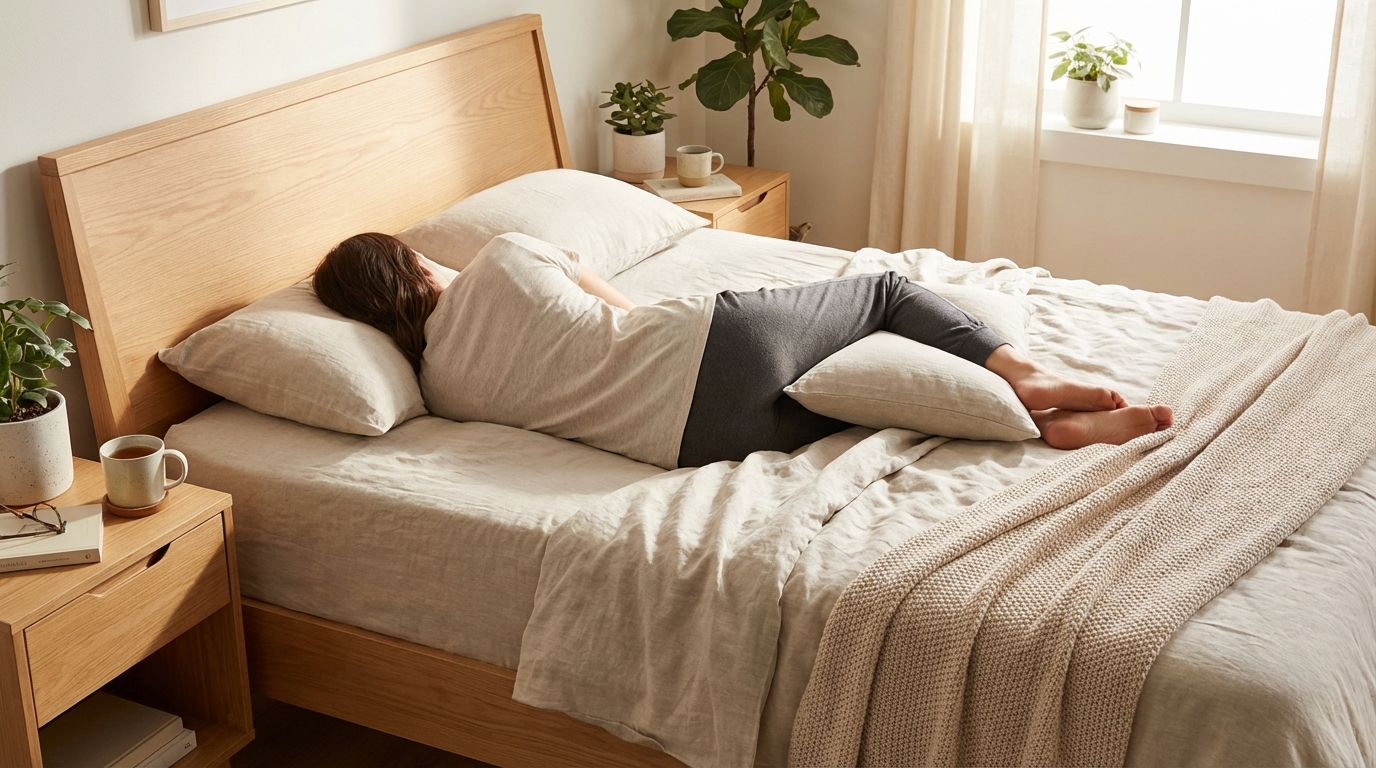
Before you commit to a full mattress, it helps to have a clear sense of how that 54 inch width will live in your actual room. A bit of simple measuring can prevent some of the most common regrets I see after a rushed purchase.
Start by measuring the wall where you expect to place the head of the bed. Note the total width from corner to corner, and then subtract the width of any furniture you plan to keep there, such as a dresser or built in shelving. With the remaining space, picture the 54 inches of the mattress plus an estimated 2 to 4 additional inches for the bed frame or headboard.
Next, consider the walking paths in the room. You will want enough space to move comfortably around the bed, open closet doors, and pull out dresser drawers without feeling like you have to turn sideways or squeeze. Aiming for at least 24 inches of clearance on the sides you use most is a good rule of thumb that aligns with many interior design recommendations.
If you are a visual person, use painter’s tape to outline a 54 by 75 rectangle on your floor. Stand where your doorway is and walk into the room as if the bed were there. Pay attention to whether the taped zone feels natural and balanced, or if it dominates the room more than you would like. This simple step often brings instant clarity about whether a full is the right call or if you can comfortably go up to a queen.
To keep these details organized, here is a concise checklist of what to verify before purchasing a full mattress:
- Measure wall width where the headboard will sit and confirm 54 inches plus frame will fit comfortably
- Check for at least 24 to 30 inches of walking space on the main entry side of the bed
- Ensure closet doors, entry doors, and dresser drawers can fully open without hitting the bed outline
- Confirm ceiling height and window placement work with your chosen headboard height
- Measure tight corners, stairwells, and hallways to be sure the full mattress can be delivered without issues
Once you have walked through these steps, you will have more than just a theoretical answer about full mattress width. You will have a practical, room specific sense of how that size fits your life. That is exactly the kind of confidence that makes mattress shopping feel less like a gamble and more like a thoughtful upgrade.
Fine Tuning Comfort On A Full: Bedding And Bases
Even when the width is set, you still have quite a bit of control over how spacious and supportive your full mattress feels. The right bedding and base can make a full feel more dialed in to your body, while the wrong ones can exaggerate any limitations in size.
Starting with bedding, fitted sheets designed specifically for full mattresses are important. Because manufacturers vary slightly on width, choosing quality sheets with a bit of stretch and generous corner pockets helps the fabric hug the mattress without pulling too tight or bunching up. Breathable materials like cotton or bamboo blends are often recommended by health organizations and sleep researchers because they support temperature regulation, which is especially helpful when you are sharing a bed and body heat accumulates. Exploring curated options in a collection like pillows, sheets, toppers, and protectors can simplify this part of the process.
Mattress protectors and toppers also affect how your full mattress feels. A supportive but thin protector can preserve the mattress without adding bulk, while a well chosen topper can slightly change both firmness and perceived surface area. For instance, a responsive foam topper that extends support all the way to the edge can help a full feel more generously usable, particularly for solo sleepers who move across the whole bed during the night.
Bases and foundations are another piece. A stable platform base or a supportive adjustable base, such as the TEMPUR-ERGO Smart Base Adjustable Mattress Foundation, can improve how evenly your body weight is distributed, which helps you feel secure even on a narrower width. For back sleepers especially, the ability to slightly elevate the head or foot can reduce pressure and make the full feel like it is supporting you from head to toe, even if you are near the edge.
Conclusion: Turning Dimensions Into Confident Decisions
Choosing a mattress size can feel like a small decision until you live with it every night. Understanding how wide a full mattress is, roughly 54 inches, is the starting point. The real magic happens when you connect that number to your bedroom, your body, and your everyday routines. Width shapes how freely you can move, how close you sleep to your partner, and how balanced your room feels when you walk through the door at the end of a long day.
For many solo sleepers, teens, and people living in modest sized homes, a full mattress hits that sweet spot where comfort meets practicality. It offers a noticeable step up from a twin without overwhelming the space, and it can serve beautifully in guest rooms and multipurpose rooms for years. For couples, particularly those who value elbow room and independent movement, acknowledging the limits of a 54 inch shared width early can help you avoid frustration and lean confidently toward a queen or king instead.
If you are still feeling unsure, that is exactly the kind of question our team at Sleepology works through daily. Bringing your room measurements, sleep habits, and even photos of your space to an in store or phone consultation can turn abstract dimensions into a personalized recommendation. With the right guidance, your full sized decision, whether you choose it or decide to go bigger, becomes one more step toward deeper, more restorative sleep in a bedroom that truly fits you.
Frequently Asked Questions
How wide is a full mattress compared to a twin?
A full mattress is typically about 54 inches wide, while a standard twin is about 38 inches wide. That means you gain roughly 16 extra inches of width by moving from a twin to a full. For a solo sleeper, that extra space can make a dramatic difference in comfort, especially if you are a side sleeper or tend to move around at night. Twins and fulls share the same standard length of about 75 inches, so the change is all in horizontal room.
How wide is a full mattress compared to a queen?
Most queen mattresses are about 60 inches wide and 80 inches long, compared with a full at 54 inches wide and 75 inches long. That 6 inch increase in width might sound small on paper, but it provides each sleeper about 3 extra inches of personal space if you are sharing the bed. The additional 5 inches of length also helps taller sleepers feel less cramped. That is why sleep experts and testing organizations frequently list queens as the most popular choice for couples who share a bed.
Is a full mattress too narrow for a couple to share long term?
Whether a full feels too narrow for a couple depends on your body sizes, sleep habits, and tolerance for close quarters. On a full, each partner gets about 27 inches of personal width, which many couples find tight over time, especially if either of you moves a lot during the night or prefers your own space. If you both like to cuddle and sleep fairly still, a full can work, particularly in smaller rooms or as a short term solution. For most couples considering a long term investment, I usually suggest aiming for at least a queen if space and budget allow.
What is the minimum room size that works well with a full mattress?
A room around 10 by 11 feet usually accommodates a full mattress comfortably, leaving space for nightstands and basic bedroom furniture while still maintaining reasonable walking paths. You can technically fit a full into a smaller room, especially if you are willing to place one side against a wall, but you will want to check that closet doors and drawers can open fully. Designers and sleep experts often recommend having at least 24 to 30 inches of clearance on the sides you use to access the bed to keep the room feeling functional rather than crowded.
Are full mattresses always exactly 54 inches wide?
No, full mattresses are not always exactly 54 inches wide, even though that is the commonly cited standard. Manufacturers may vary by up to about an inch in width and length, so you might see some full mattresses listed at 53 inches wide or slightly longer or shorter in length. Sleep Foundation and other industry resources note this kind of variation as normal. Because of that, if you have a tight bed frame or specific bedding in mind, it is smart to check the exact dimensions listed for the mattress model you are considering.
Is a full mattress wide enough if I sleep with my child or pet?
A full mattress can be workable for an adult who occasionally shares the bed with a young child or a small pet, especially for short stretches like weekend mornings. However, the combined width of an adult, a child, and even a medium sized dog can make 54 inches feel cramped quickly. If co sleeping is a regular part of your routine or your pet is large, you may find that a queen or king offers a more restful experience for everyone by giving each sleeper enough space to move without constant bumping or crowding.
How does mattress type affect how spacious a full feels?
Mattress type affects how much of the 54 inch width feels comfortably usable. Innerspring and hybrid mattresses with reinforced edge support generally let you sleep closer to the edge without feeling like you are sliding off, which can make a full feel roomier. Some all foam models have softer edges that compress more, effectively reducing the comfortable width if you shy away from the sides. Firmness also plays a role, since a firmer mattress can feel more stable from edge to edge, while an extra plush surface may feel cozier but less supportive if two people are sharing the full sized width.