


How To Wash A Mattress Protector: A Complete, No‑Stress Guide To Keeping Your Bed Clean
You pull back the sheets, look at your mattress protector, and wonder whether you are taking care of it the right way. Maybe a spill happened last night, your child had an accident, or you are simply staring at the care tag trying to decode tiny laundry symbols. It is easy to worry that one wrong wash cycle might ruin the waterproof layer you invested in to protect your mattress. If that sounds familiar, you are in exactly the right place.
Mattress protectors are the quiet heroes of a healthy bed. They catch sweat, oils, allergens, and spills before they ever touch your mattress, yet they rarely get the same care and attention that sheets do. According to organizations like the Sleep Foundation and the Mayo Clinic, a clean sleep environment supports better breathing, fewer allergy symptoms, and more restorative sleep, especially for people with asthma or dust mite sensitivities. When you know how to wash your mattress protector correctly, you extend the life of both the protector and the mattress underneath.
Many people assume they can simply throw the protector in on hot with a heavy cycle and call it good. Others are so nervous about ruining the waterproof backing that they barely wash it at all. Both approaches cause problems: harsh washing can crack or peel waterproof layers, while not washing often enough lets sweat and allergens build up. You deserve a calm, step by step approach that keeps things simple, protects your investment, and fits into the reality of a busy life.
You are going to learn how to wash a mattress protector based on its materials, how to treat specific stains like urine and coffee, which settings to use on your washer and dryer, and how often to wash in real life, not in a perfect world. I will also walk through common mistakes that silently destroy protectors, show you how to compare different protector types, and point you toward Sleepology protectors that are easier to care for and more durable over time.
Why Mattress Protector Care Matters So Much
A mattress protector does far more than block the occasional spill. It sits where your body meets your bed every night, quietly absorbing sweat, body oils, dead skin cells, and sometimes illness related fluids. Research summarized by the Sleep Foundation notes that dust mites thrive on skin flakes and moisture, and these microscopic allergens can worsen nasal congestion, asthma, and eczema. Caring for your protector correctly is really about caring for your lungs, your skin, and your long term sleep quality.
There is also a financial side to this. A high quality mattress can easily cost four figures, and a good protector is your first line of defense against stains that can void a mattress warranty. Manufacturers often consider visible stains as evidence of liquid damage, even if the mattress still feels fine. When you wash and dry your protector properly, you help it stay fully waterproof for longer, so it can keep doing its job of shielding that bigger investment underneath.
From a hygiene standpoint, think of your protector as the barrier that keeps your mattress from becoming a sponge for life events. Illness, night sweats, hot flashes, potty training, pets sleeping at the foot of the bed, late night snacks, and morning coffee all happen in real households. The Cleveland Clinic and similar health organizations consistently remind people that surfaces near your respiratory system should stay clean to help reduce exposure to allergens and microbes. A protector that is laundered on an appropriate schedule makes that much easier.
Finally, there is comfort. Today’s better protectors are quieter, more breathable, and more fitted than the crinkly covers you might remember from childhood. Wash them the right way and they stay soft and flexible instead of stiff or plasticky. That means less rustling when you move, fewer hot spots, and more of that cozy, clean bed feeling when you slip under the covers. My goal is to help you protect both the practical and the emotional side of your sleep space.
Know Your Mattress Protector Type Before You Wash
Before you touch the washer controls, it helps to understand what you are actually washing. Not all protectors are built the same, and their construction directly affects how they should be cleaned. If you have ever wondered why one protector survived years of washing while another peeled after three cycles, the answer usually lies in the materials and the backing.
Broadly, most modern mattress protectors fall into a few categories. There are basic fabric protectors that act as a light barrier against dust and minor spills, fully waterproof protectors with a thin membrane backing, and encasement style protectors that zip around the entire mattress and are often used for allergy or bed bug protection. Within those groups, you will see cotton, polyester, bamboo derived rayon, or blends on the surface, with a waterproof layer beneath.
Higher end protectors, like the cooling TEMPUR‑Breeze Mattress Protector, use breathable knit fabrics and temperature regulating fibers on top of a carefully bonded waterproof membrane. That membrane is what keeps liquids out of your mattress. It is also what can be damaged by very hot water, harsh detergents, or high heat in the dryer. On the other hand, a simpler cotton protector without a waterproof layer is more forgiving in the wash but does not offer the same spill protection.
The care label on your protector is the single most important source of truth. Manufacturers test their specific fabric and backing combinations to determine safe water temperatures, detergent types, and drying methods. If you have lost the tag, many brands list care instructions on their websites. When in doubt, washing on the gentler side with cool water and low heat is safer for modern waterproof materials than aggressive sanitizing cycles.
If you are actively shopping for a new protector and care is a top concern, look for descriptions that mention machine washable waterproof backing and low heat tumble dry compatibility. Sleepology’s TEMPUR‑Adapt Mattress Protector, for example, is designed to be both waterproof and easy to launder, which takes a lot of guesswork out of your weekly or monthly routine.
How Often Should You Wash A Mattress Protector In Real Life?
One of the first questions I get in the showroom is not how to wash a mattress protector, but how often. Most people have a good rhythm for washing sheets, usually every one to two weeks, yet the protector underneath tends to be more mysterious. Industry guidance from the Sleep Foundation and other sleep health educators suggests washing protectors roughly every one to two months under normal conditions, and more often if you have allergies, pets, or frequent spills.
That range is a good starting point, but your real life schedule depends heavily on who is using the bed and what is happening on it. If you live in a hot climate or tend to sleep warm and sweat at night, monthly washing is a wise baseline. The same is true if you share your bed with a pet. Pet dander, hair, and outdoor dirt will collect on the protector over time, and laundering it regularly will help your bedroom feel fresher and smell cleaner.
Allergies and asthma are another reason to wash more often. Medical experts at organizations like Mayo Clinic often recommend that allergy sufferers wash bedding in hot water to reduce dust mites and remove allergens, but hot cycles are not ideal for many waterproof protectors. In that case, you can rely on regular cool or warm washes for the protector itself, and use hot cycles on your sheets and pillowcases, which come into direct contact with your face. Combining those habits still significantly cuts down on allergens in your sleep environment.
There are also special circumstances. After any spill, accident, or illness, plan to wash your mattress protector as soon as reasonably possible, regardless of when you last washed it. Bodily fluids, drinks with sugar or cream, and anything that can grow bacteria or mold should not be left to sit. If the spill is heavy, it is often wise to run a second rinse or even a second gentle cycle after pretreating, to be sure everything is thoroughly removed.
If all of this feels like one more thing to remember in an already busy week, a simple trick is to tie your protector washing to something you already do. For many households, that might be flipping or rotating the mattress a few times a year, or swapping out seasonal bedding. Every second or third sheet change, slide the protector off and toss it in with its own gentle cycle. Consistency matters more than perfection.
“Mia suggested we wash our protector every month or so instead of waiting for spills, and it was a game changer. Our bedroom smells fresher, and my spring allergies are gentler. I set a reminder on my phone, and it takes maybe ten extra minutes on laundry day.” – Jenna R., April
Step By Step: How To Wash A Mattress Protector Safely

A lot of guides jump straight into numbered checklists, but what really helps most people is understanding the why behind each step. Once you see how the process protects both the fabric and the waterproof layer, it becomes easy to repeat on autopilot without second guessing yourself.
Start with a quick inspection as you strip the bed. Look for any fresh spills, dried spots, or areas that feel sticky or discolored. The goal is to catch stains before they are set by the dryer. For fresh liquid accidents, blot up as much as possible with a clean towel, pressing gently rather than scrubbing. Scrubbing can push liquid deeper into seams or damage the surface fibers. If you have a zippered encasement, check both the top and sides, and unzip to make sure liquid has not seeped further than you think.
Next, check the care label. Most waterproof protectors recommend cool or warm water, a gentle or delicate cycle, and a mild detergent without bleach or fabric softeners. Fabric softeners can coat fibers and interfere with moisture wicking, and bleach can weaken or discolor fabrics and damage bonded waterproof layers. If your protector is made of a more delicate knit or has specialty cooling fibers, being conservative here will help it stay soft and flexible.
Pretreating stains is your best friend, especially with sweat, body oils, urine, coffee, or blood. For many stains, a small amount of liquid laundry detergent, gently worked into the area with your fingers or a soft cloth, is enough. For tougher spots, especially organic stains, an enzyme based cleaner is often effective. Many of the same principles outlined by the Sleep Foundation for mattress protector stain removal apply here: use cold water initially on protein based stains, let your cleaner sit for several minutes, and avoid harsh chemicals that could degrade the backing.
When you load the washer, give your protector some space. Washing it alone or with a small load of lightweight items like sheets is ideal. Avoid washing it with heavy items such as jeans, towels, or items with zippers and hooks that can snag. Choose a gentle cycle with cool or warm water, depending on the label. If your machine allows, an extra rinse can help ensure all detergent is removed, which prevents buildup that can stiffen the fabric over time and can also be helpful for sensitive skin.
Once the cycle finishes, decide how to dry based on the protector’s materials. Many modern protectors can be tumble dried on low heat, which is the upper limit of what you should use if any waterproof membrane is involved. If you are unsure, or if your protector feels particularly delicate, air drying over a clothesline or drying rack is the safest route. Spread it out as evenly as possible, and make sure it is fully dry before putting it back on the mattress to prevent trapping moisture against the foam or springs beneath.
Machine Washing Versus Hand Washing: Which Is Better?
Most households will machine wash their mattress protector, and for many products that is perfectly fine. The key is matching your method to your protector’s construction and your priorities. If your top concern is convenience and your protector is clearly labeled as machine washable, a gentle cycle is typically the best balance of cleaning power and fabric care. Manufacturers design protectors like the TEMPUR‑Adapt Mattress Protector with this in mind so that busy families can realistically maintain a healthy bed.
Hand washing becomes worth considering in a few specific situations. If your protector has a very thin or delicate waterproof membrane, if it feels like a luxe knit that you would handle like a fine sweater, or if you have already seen early signs of peeling from previous high heat cycles, switching to hand washing can slow further wear. The Sleep Foundation’s stain treatment guidance for protectors also highlights that some waterproof layers are attached with adhesives that do better with gentler agitation and cooler water over time.
To hand wash, use a bathtub or large sink, fill it with cool or lukewarm water, and add a small amount of mild liquid detergent. Gently agitate the water with your hands to distribute the soap, then submerge the protector. Work it slowly through the water, paying extra attention to any stained areas you have pretreated. Avoid wringing or twisting the protector, since that can stress seams and the bond between fabric and waterproof backing. Once it feels clean, drain the soapy water and refill with clean water to rinse several times.
The main trade off with hand washing is space and drying time. A queen or king size protector holds a lot of water and can be heavy to move without stretching. If you choose this route, support the protector from underneath as you lift it, then drape it over a wide drying rack, balcony, or railing where air can circulate on all sides. For some households, a hybrid approach works best: occasional hand washing for deep cleaning and a careful machine wash for lighter maintenance.
If your household runs frequent loads of laundry and you realistically know that a delicate care routine will not happen, you might be better off choosing a protector that is specifically built and warranted for machine washing and low heat drying. When we help guests select protectors at Sleepology, we look closely at lifestyle and laundry habits first. A protector that looks great on paper but cannot survive your actual home routine is not really serving you long term.
“I used to dread washing our old mattress cover because it always came out twisted and half melted. We upgraded to a waterproof protector Mia recommended that can handle gentle machine cycles, and it has been night and day. Three months in, it still looks brand new.” – Carlos M., November
How To Tackle Common Mattress Protector Stains
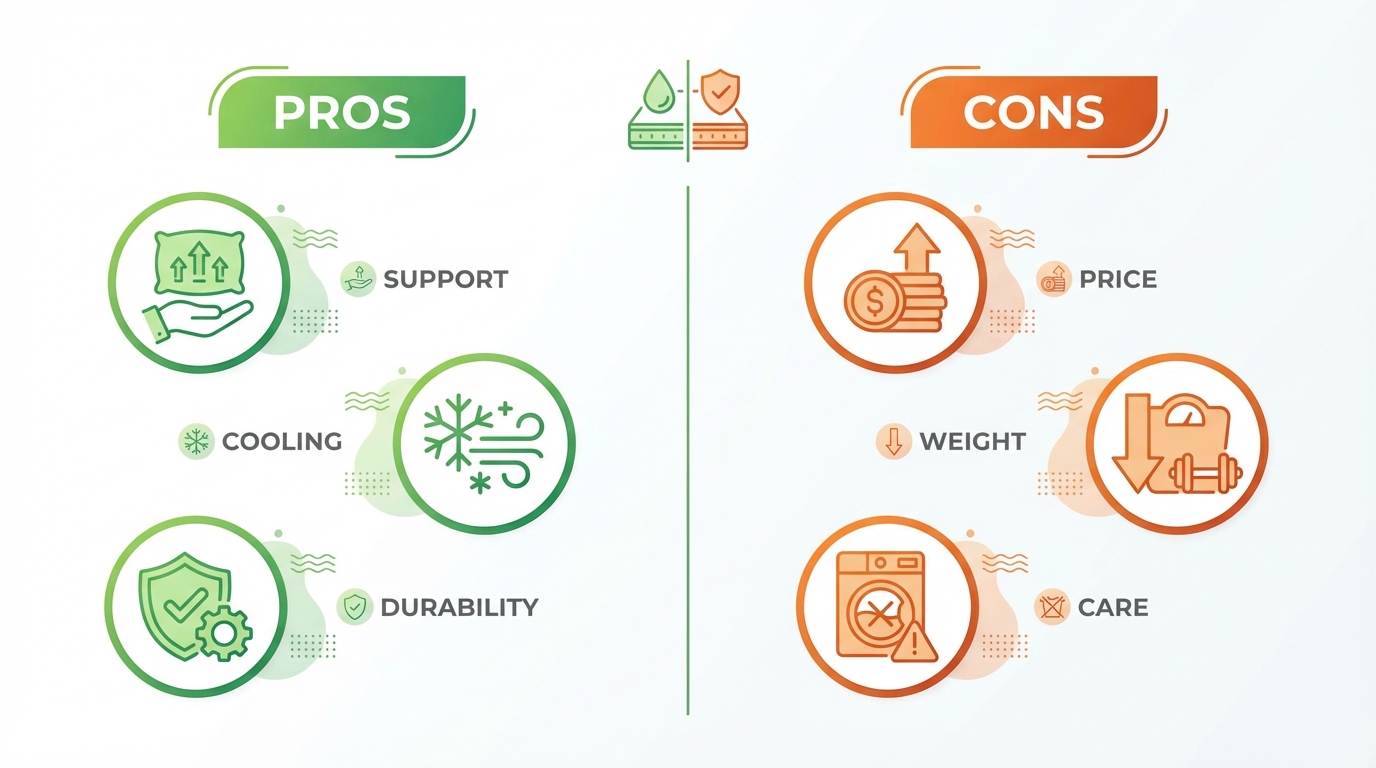
Even with the best intentions, life ends up on your bed. Knowing how to target specific stains will help your mattress protector look and smell fresh without overusing harsh cleaners.
Urine stains are very common on kids’ beds and in households with pets. The priority is fast action. Blot up as much liquid as possible with an absorbent towel. Then rinse the stained area from the back with cold water if you can, which helps push urine out of the fibers rather than deeper in. An enzyme cleaner designed for urine works well here, since enzymes break down the proteins and uric acid crystals that cause odor. Let it sit according to the product instructions before washing. If odor lingers after the first wash, you can soak the area in a mixture of water and a bit of white vinegar, then wash again on a gentle cycle.
Sweat and body oil stains are slower and more subtle. Over time, they can cause yellowing, especially around the torso area. A small amount of liquid laundry detergent applied directly to these areas before washing can help. For heavier discoloration, a paste of baking soda and water gently rubbed in may lighten the area. According to many cleaning recommendations echoed by organizations that cover fabric care, pairing baking soda with a mild detergent and a warm water wash is often enough, as long as you are respecting your protector’s maximum temperature.
Coffee, tea, and wine stains have tannins that can set in if they are not treated quickly. Start again by blotting, not rubbing. Rinse the area with cold water from the back side if possible. Then use a stain remover that is safe for your fabric, or a small amount of liquid detergent. Some people find that combining a few drops of dish soap with hydrogen peroxide helps lift tannin stains on white or light protectors, but you should always test on an inconspicuous area first, and avoid peroxide entirely on dark or colored fabrics because it can lighten them.
Blood stains are protein based and can be stubborn if treated with hot water too soon. Always start with cold water for blood. Rinse from the back, then apply a small amount of enzyme based cleaner or cold water mixed with a bit of liquid detergent. Let it sit, gently work it in, and rinse. Only once the visible stain is mostly gone should the protector be washed in the machine. Hot water or a hot dryer can set any remaining trace, which is why patience pays off here.
Across all stains, there are two golden rules. First, avoid chlorine bleach unless your care label specifically says it is safe, which is rare for waterproof protectors. Bleach can degrade the waterproof membrane and weaken fibers. Second, never send a still stained protector into a high heat dryer cycle. The heat can lock in any remaining discoloration and odor. If a stain remains after washing, repeat the pretreat and wash process, then dry on low or in fresh air once you are satisfied with the result.
Drying A Mattress Protector Without Ruining The Waterproof Layer
The wash cycle gets most of the attention, but the dryer is where many protectors quietly lose years of useful life. Waterproof membranes are usually made from materials like polyurethane. These are excellent at blocking liquid while letting some vapor pass through, yet they are sensitive to sustained high heat. When they are overheated, they can crack, stiffen, or separate from the fabric above, which leads to peeling and a loss of waterproof performance.
If your protector’s care label allows for machine drying, the safest approach is always low heat. Many dryers have a specific “delicate,” “low,” or “air dry” setting. Using one of those options and making sure the drum is not overcrowded allows the protector to move freely and dry evenly. Drying it with a couple of lightweight items, such as pillowcases, can help balance the load and reduce noise, but avoid heavy towels or anything with hooks, zippers, or rough textures that could abrade the surface.
Air drying is even gentler, particularly for protectors that feel rubbery or have a very thin, slick membrane. Hang the protector over a line or rack in a well ventilated space. If you dry it outside, choose a shaded or partly shaded area. Direct, intense sunlight can be harsh on certain synthetic fabrics for long periods. Make sure to spread the protector out so that as much surface area as possible is exposed to the air. This also helps reduce dry time and the risk of any musty smells from slow drying folds.
One often overlooked step is checking for complete dryness before the protector goes back on the mattress. If any part of it still feels cool and slightly clammy, it needs more time. Trapping that moisture between the protector and the mattress can create a microclimate that favors mold growth, particularly on foam mattresses that do not breathe as freely as coil units. The Sleep Foundation and similar resources consistently remind sleepers that moisture management is key to a healthy bed, and your protector is part of that system.
If you live in a humid climate, a hybrid approach can work well. You might start with an air dry until the protector is mostly dry, then finish with ten to fifteen minutes on low heat in the dryer to remove any remaining dampness and soften the fabric. This minimizes heat exposure while ensuring there is no hidden moisture in seams or corners. Again, stay far away from high heat and timed “sanitize” settings, even if they are convenient. Those cycles are typically designed for sturdy cotton towels, not bonded waterproof fabrics.
“We ruined our first protector by drying it on high every time. The waterproof layer started peeling within six months. After talking with Sleepology, we switched to low heat and occasional air drying, and the difference is huge. Our new one still feels flexible and quiet after a year.” – Alicia T., October
Common Mistakes That Shorten A Mattress Protector’s Life
Most people do not intentionally damage their mattress protector. The issues I see again and again usually come from good intentions and a little too much enthusiasm for heavy duty settings. Knowing the most common missteps can save you from repeating them.
High heat is at the top of the list. It feels natural to use hot water or the hottest dryer setting when you want something “really clean,” especially during cold and flu season. The problem is that many waterproof layers are simply not engineered for that level of heat. Over time, this leads to cracking, peeling, or a sticky feel where the membrane begins to break down. If you are caring for someone with a contagious illness and want extra reassurance, focus your hottest water cycles on items that touch the skin directly, like sheets and pillowcases, while keeping the protector on its recommended cool or warm water routine.
Another frequent mistake is overloading the washer or pairing the protector with rough items. When a protector is squeezed into a tight load with towels, jeans, and zipper heavy garments, it takes more abrasion. This not only wears at the fibers but can also stress seams and corner anchors, leaving you with a protector that no longer fits smoothly on the mattress. A loosely filled drum, ideally with only light bedding, lets the protector move, rinse, and spin without unnecessary friction.
Using bleach, fabric softeners, or strong solvents is also problematic. Chlorine bleach can weaken fibers, fade colors, and break down adhesives that hold the waterproof layer in place. Fabric softeners and dryer sheets leave residues that may interfere with moisture wicking and can trap odors in the long run. Strong spot cleaners with high solvent content can eat away at coatings or cause discoloration. A mild, bleach free detergent is enough for routine cleaning, and targeted enzyme cleaners can handle most organic stains without those side effects.
Finally, neglect plays a quieter role. Leaving stains to sit for months, rarely washing the protector, or putting it away damp all chip away at its performance. Over time, buildup from sweat, oils, and environmental dust can give the protector a persistent odor or cause yellowing that is much harder to remove. A simple, consistent routine, even if it is just every other month, will serve you far better than occasional, intense “rescue” washes with aggressive settings.
If you recognize some of these habits, you are not alone. The good news is that protectors are relatively affordable compared to mattresses, and you can treat your current one as a learning experience. When you are ready to upgrade, consider looking at higher quality, washable options in Sleepology’s pillows, sheets, toppers, and protectors collection, where we prioritize products that can realistically survive the way real families do laundry.
Comparing Protector Types: Waterproof, Encasement, And Cooling
Choosing the right protector can make washing and long term care much easier. The market is full of options, and each design has different strengths. A quick side by side comparison can help you understand how they differ in protection level, breathability, and maintenance needs.
Below is a simple comparison of three common protector styles you will see at Sleepology and other quality retailers.
| Protector Type | Primary Protection Focus | Breathability & Comfort | Typical Care Needs |
|---|---|---|---|
| Fitted Waterproof Topper | Liquids, everyday spills, sweat | Good to very good, depends on fabric top | Machine wash cool or warm, low heat or air dry |
| Full Encasement (zippered) | Bed bugs, dust mites, full mattress coverage | Moderate, can feel warmer if not a breathable knit | Machine wash on gentle, lower heat, more drying time |
| Cooling Performance Protector | Temperature regulation and moisture, plus spills | Very good, designed to feel cool and wick moisture | Follow specific label, usually gentle wash and low heat |
A fitted waterproof topper style protector is what most people picture. It stretches over the top and sides of the mattress like a deep pocket sheet. This is often the easiest to remove and wash on a regular basis, and it works well for most adult and kid beds where bed bugs are not a concern. Models like the TEMPUR‑Breeze Mattress Protector add cooling fibers and breathable knit fabrics, which improves comfort for warm sleepers and makes it more pleasant to sleep directly on the protector if you use thin sheets.
Full encasement protectors zip around the entire mattress, closing on all sides. They are especially popular for those with dust mite allergies or for protecting guest beds and mattresses in areas where bed bugs might be a concern. Because they cover all sides and are often made from tightly woven fabrics, they can feel slightly warmer and take longer to remove and launder. Cleaning routines still rely on gentle washes and lower heat, but you will want to allow extra time for drying since the fabric surfaces are larger.
Cooling performance protectors are a subset that focus on moisture wicking, phase change materials, and other technology aimed at regulating temperature. These can be a good match with hybrid or foam mattresses that already tend to sleep warm. At Sleepology, we often pair cooling protectors with breathable hybrid beds from our best hybrid mattresses collection to help people who run hot feel more balanced. With these protectors, you will want to follow care instructions even more closely to preserve the cooling treatments and specialty fibers.
When you weigh your options, think about who is using the bed, local climate, and how often you are realistically going to wash the protector. Adults with no major allergies might prioritize a soft, quiet, waterproof protector that is easy to toss in the wash. Parents of young kids might want extra robust waterproofing and simple care. Those with allergies or in multi unit housing might lean into full encasements despite the slightly higher maintenance. Matching the protector type to your care habits will make everything downstream feel simpler.
How Mattress And Protector Work Together For Healthier Sleep
It can be tempting to think of mattress care and mattress protector care as separate topics, but they are more like two parts of the same system. A supportive mattress gives your body the alignment it needs, while a well chosen and well maintained protector keeps that mattress cleaner and drier for longer. Quality sleep is easier to achieve when both are working in sync.
For example, a breathable hybrid mattress, such as the Sealy Posturepedic Elite Soft Hybrid Mattress – Brenham II, allows more airflow through the comfort layers and coils. Pairing it with a cooling, waterproof protector maintains that airflow while still guarding against sweat and spills. If that protector is washed regularly on gentle settings, the surface fibers stay responsive and the waterproof layer stays intact, so you keep enjoying the full performance of the mattress underneath.
On the other end of the spectrum, a mattress that has absorbed years of moisture and dust because it was never protected is much harder to rehabilitate. Studies summarized by organizations such as the American Academy of Sleep Medicine show that allergens in the sleep environment can contribute to nighttime awakenings and reduced sleep quality. Once those allergens are embedded deep in a mattress, cleaning options are limited. That is why a protector that is easy to wash is one of the simplest, highest impact upgrades you can make to your bed.
Your protector also affects how your bedding feels against your skin. If you enjoy luxuriously soft sheets but your protector is stiff, crinkly, or smells even slightly off, you will notice. Washing it correctly so that it remains flexible and neutral in scent is part of preserving the whole sleep experience. When we help someone choose a mattress like the Sealy Posturepedic Pro Soft Dupont II Euro Pillow Top, we always have a conversation about protectors and care routines at the same time, because one without the other is an incomplete solution.
The nice part is that once you have the right protections in place, maintenance becomes very straightforward. Your protector takes the brunt of daily wear, and you focus your cleaning energy there. The mattress itself only needs occasional vacuuming on the surface and periodic rotation if the design calls for it. That simple division of labor is part of how you keep your sleep setup feeling like new for as many years as possible.
A Simple Laundry Routine You Can Actually Stick With
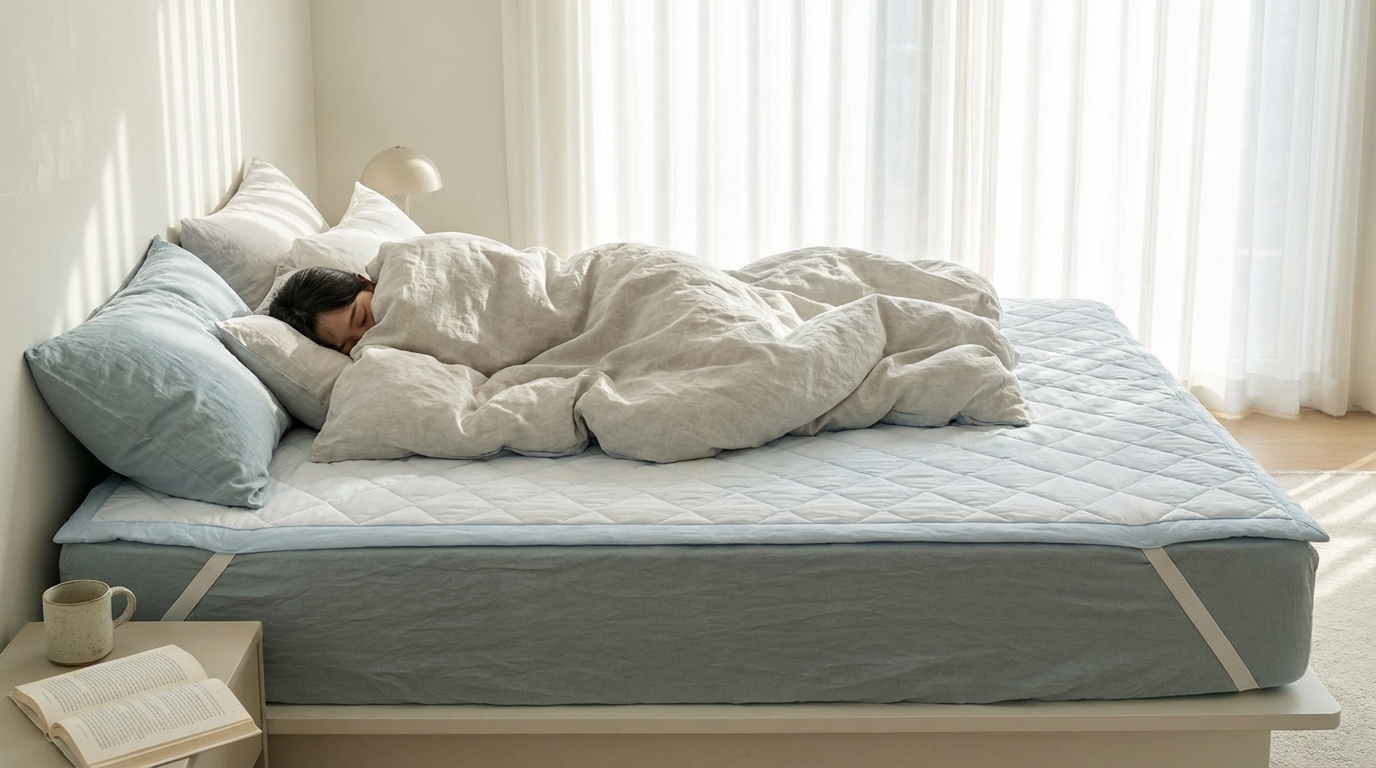
You do not need a complicated spreadsheet or a stack of special detergents to care for your mattress protector. What you do need is a routine that fits naturally into your week or month, so that it becomes almost automatic. The best routine is the one you will keep, not the most elaborate one you read about.
Start by deciding on your baseline frequency. For most adults without major allergies, washing the protector every one to two months is a solid target. If you have kids, pets, or allergies, aim closer to once a month. Tie that schedule to something you already do regularly. Maybe the first weekend of the month is when you wash towels, or when you flip the calendar on the fridge. Add “wash mattress protector” to that same day, and it quickly becomes a habit.
On that day, strip your bed, toss the sheets into their usual wash, and give the protector a quick scan for stains. Pretreat anything you see, then start a gentle cycle with cool or warm water, depending on the label. Use your regular mild detergent. While it runs, continue with your normal laundry. When the cycle finishes, decide whether to air dry or tumble dry on low. Either way, make sure the protector is fully dry before putting it back on. If you have a second protector, you can rotate them, which is especially helpful in busy households.
It is also wise to have a plan for “emergency” washes. Accidents rarely happen on schedule. Keeping an extra protector on hand for kids’ beds or guest rooms means you can quickly swap a soiled protector for a clean one without waiting for laundry. Sleepology’s pillows, sheets, toppers, and protectors collection includes options at different price points so that having a backup does not need to feel extravagant.
If you are already juggling a lot, remember that perfection is not the goal. Maybe you skip a month or stretch a wash a little longer during a busy season. That is normal. The important part is that you know how to wash your mattress protector safely, you are avoiding the high heat and harsh products that cause lasting damage, and you are giving your protector the care it needs most of the time. That alone will put you well ahead of where most people are with their bedding care.
Quick Reference: What To Use And What To Avoid
Sometimes it helps to have a simple mental checklist for what is safe and what is risky when you are standing in front of the washer. Below is a concise list you can keep in mind whenever you are about to wash or dry your mattress protector.
- Mild, bleach free liquid detergent, used sparingly
- Cool or warm water, never boiling or very hot unless your label clearly allows it
- Gentle or delicate wash cycles to protect seams and membranes
- Extra rinse if you have sensitive skin or want to be sure all detergent is removed
- Low heat tumble drying or air drying in a well ventilated area
- Prompt removal from the dryer to reduce wrinkles and keep the fit neat
- Periodic stain pretreatment using enzyme cleaners or diluted detergent rather than harsh chemicals
With that short list in mind, you can confidently skip chlorine bleach, fabric softeners, high heat settings, overcrowded loads, and aggressive scrubbing. Each of those is a small risk factor that, repeated over time, shortens the life of your protector. The more often you can stick to the safer side of the list, the longer your protector will quietly do its job in the background.
If you ever feel unsure, remember that your protector’s care label is your north star. When you are browsing new protectors, do not hesitate to ask about care instructions before you buy. At Sleepology, we are happy to explain how a given protector holds up in real laundry rooms and to suggest combinations that fit your sleep style. For instance, pairing a breathable protector with a supportive mattress and a travel friendly topper like the Tempur‑Pedic Pillow Travel and Guest Bundle can create a flexible, easy to care for sleep system for guests or small spaces.
Conclusion: Clean Protector, Healthier Bed, Better Sleep
Caring for your mattress protector is one of those small habits that quietly supports your sleep night after night. Once you understand how the materials work, why heat and harsh chemicals can be a problem, and how often to wash in your real life situation, the mystery disappears. You are left with a simple pattern of gentle cycles, mild detergents, and low heat or air drying that you can follow without overthinking.
By putting a little extra care into this often overlooked layer, you protect something much bigger: your mattress, your warranty, your allergy symptoms, and your overall sense of comfort when you climb into bed. Trusted organizations that study sleep and health consistently emphasize the role of a clean, supportive sleep environment in how rested we feel and how well our bodies recover overnight. Your protector is a central part of building that environment.
If you are ready to upgrade to a protector that is easier to care for and more comfortable to sleep on, or if you want help matching your protector to a new mattress from our best foam mattress collection or best hybrid mattress collection, the team at Sleepology is here to walk you through it step by step. You should not have to guess about something you use every single night. With the right guidance and a straightforward care routine, you can keep your bed cleaner, your mattress safer, and your sleep more peaceful for years to come.
Frequently Asked Questions
How much detergent should I use when washing a mattress protector?
Use less detergent than you would for a full load of heavy clothing. Mattress protectors are relatively light, and too much detergent can leave residue in the fibers and along the waterproof layer, which may make the fabric feel stiff or slightly tacky. A small squeeze of liquid detergent, usually about half your machine’s normal “small load” mark, is enough for most protectors. If your washer has a high efficiency design, follow the “HE” recommendations and err on the lighter side. An optional extra rinse helps remove any leftover soap, which is especially helpful if you have sensitive skin.
Can I wash a mattress protector with my sheets and towels?
You can wash a protector with lightweight sheets, but it is best to avoid combining it with heavy or rough items like towels, jeans, or clothing with zippers and hooks. Those bulkier pieces can create extra friction and tugging that may stress the protector’s seams or damage the surface over time. Washing it with just sheets or on its own gives the protector more room to move freely in the drum, which improves cleaning and reduces wear. If you are short on time, a small mixed load now and then is not catastrophic, but making gentle pairings your default will help the protector last longer.
What water temperature is safest for most waterproof mattress protectors?
For modern waterproof mattress protectors that use polyurethane or similar membranes, cool to warm water is typically safest. Very hot water can soften or warp the membrane and accelerate peeling or cracking. Unless the care label clearly specifies that hot water is acceptable, assume that staying at or below warm is the better choice. This still allows detergent and stain treatments to work effectively, especially when you pretreat problem areas, without exposing the backing to unnecessary stress. Sheets and pillowcases can handle hotter cycles if you want an extra level of sanitizing close to your skin.
How do I know when it is time to replace my mattress protector?
You will usually see or feel clear signs. If the waterproof layer starts to peel, crack, or separate from the fabric, the protector can no longer guarantee a full barrier against liquids. Persistent odors that do not wash out, or stains that keep reappearing despite proper cleaning, are also cues that the fabric has absorbed more than it can reasonably release. Another sign is a change in texture, such as becoming stiff, noisy, or excessively slick after years of use. Many households find that a well cared for protector lasts several years, and replacing it before it visibly fails is a smart way to keep your mattress fully protected.
Is it safe to use stain removers or enzyme cleaners on a mattress protector?
Yes, as long as you choose products that are intended for washable fabrics and avoid harsh solvents or chlorine bleach, stain removers and enzyme cleaners can be very effective. Enzyme based formulas are particularly helpful for organic stains like sweat, urine, and food spills because they break down the proteins that cause discoloration and odor. Always test any new product on a small, less visible area first, especially if your protector has a specialty cooling finish or a colored fabric. Apply the cleaner, allow it to sit for the recommended time, then wash using the protector’s usual gentle cycle.
What should I do if my protector accidentally went through a hot dryer cycle?
If your mattress protector has gone through a hot dryer cycle once, do not panic, but inspect it carefully. Let it cool completely, then check the surface for any signs of warping, sticking, or peeling, especially on the underside where the waterproof membrane sits. If everything still looks and feels smooth and flexible, you may have avoided damage this time. Going forward, switch to low heat or air dry to prevent cumulative stress. If you see areas where the backing has cracked, flaked, or separated, it is safest to treat the protector as no longer reliably waterproof and plan to replace it.
Do I need a mattress protector if my mattress already has a stain resistant cover?
Stain resistant mattress covers and fabrics are helpful, but they are not the same as having a separate, washable waterproof barrier. The integrated cover on a mattress is not designed to be removed and laundered frequently, and liquids that make it past that surface can still damage internal foams or coils and may void your warranty. A dedicated mattress protector is easy to strip off and clean, which means you can realistically keep the sleep surface fresh. For most people, using both together provides the best balance of comfort, hygiene, and long term protection for the mattress investment underneath.