

How To Wash A Mattress: A Step‑By‑Step Guide To A Fresher, Healthier Bed
If you are staring at a stained mattress wondering where to even start, you are not alone. Most people wash their sheets regularly, but the mattress itself is out of sight and out of mind until a spill, a smell, or an allergy flare up forces the issue. It can be embarrassing, confusing, and a little overwhelming to figure out how to wash a mattress without ruining it.
Your mattress quietly works for you every single night. It absorbs sweat, body oils, dead skin cells, dust, and sometimes pet accidents or kid mishaps. According to the Sleep Foundation, mattresses can harbor dust mites and allergens that aggravate asthma and allergies, particularly if they are not cleaned at least a couple of times a year. A neglected mattress is not just a cosmetic problem, it can chip away at your sleep quality and your health.
Learning how to wash a mattress the right way protects your investment, helps you sleep cleaner, and often buys you a few more good years before you need to replace it. You do not need fancy gear or harsh chemicals, but you do need a simple plan that respects how different types of mattresses are built. That is where a sleep retailer like Sleepology can really help, because we care as much about what you sleep on today as what you will need in a few years.
By the time you finish reading, you will know exactly how to deep clean, spot clean, and deodorize your mattress, how to treat specific stains like sweat, urine, and blood, and how to keep things fresher for longer with smart protection and maintenance. You will also get some guidance on when cleaning is not enough and it is time to consider a new mattress or protective accessories that fit the way you live and sleep.
Mattress Hygiene 101: Why Cleaning Matters More Than You Think
We spend roughly a third of our lives in bed, and our mattresses quietly collect the story of that time. Every night, your body sheds skin cells, releases moisture, and leaves microscopic traces of everyday life behind. Over months and years, that buildup becomes food for dust mites and a breeding ground for odors and discoloration. Research cited by organizations like the American Academy of Allergy, Asthma & Immunology notes that dust mites are a common trigger for indoor allergies and can thrive in warm, humid mattress environments.
A clean mattress does more than look nicer. It can reduce morning congestion, itchy eyes, and nighttime coughing for allergy sensitive sleepers. The Cleveland Clinic has highlighted that keeping the sleep environment clean and relatively allergen free is an important part of managing asthma and allergy symptoms. For many people, simply cleaning and encasing the mattress can make the difference between waking foggy and waking reasonably refreshed.
Mattress hygiene also affects how long your bed feels good. Stains, moisture, and improper cleaning methods can break down foams, rust springs, or weaken adhesives that hold layers together. That is one reason the Better Sleep Council and other industry groups typically estimate a mattress life of about seven to ten years, depending on quality and care. If you routinely let liquids soak in or use the wrong cleaners, you may find that your mattress sags, smells, or discolors long before its time.
Finally, there is the comfort factor. Going to bed on a mattress that smells a little musty or shows obvious stains does not exactly put your nervous system at ease. Good sleep hygiene includes the sensory side of the bedroom, from lighting and noise to feel and smell. When your mattress smells neutral and feels fresh, it becomes easier to relax, fall asleep, and stay asleep. Cleaning your mattress is not about perfection. It is about creating a healthier, more pleasant foundation for rest.
Before You Clean: Know Your Mattress Type And Labels
Before you grab the baking soda and the spray bottle, it helps to pause and figure out what kind of mattress you have and what its care instructions say. Not all mattresses can handle the same level of moisture or cleaning methods. Paying attention here can keep you from accidentally voiding a warranty or damaging internal layers.
Most modern mattresses fall into a few main categories. All foam and memory foam mattresses are built from layers of foam and are particularly sensitive to soaking and high heat. Hybrids combine coils with foam or latex comfort layers and have better airflow, but still do not like to be saturated. Traditional innerspring mattresses with thinner comfort layers can sometimes tolerate a bit more moisture, although they can rust or grow mold if they never fully dry. Latex mattresses are resilient but, like foam, are vulnerable to harsh chemicals and over wetting.
Look for a law tag or fabric label on the side or foot of the mattress. Manufacturers often include basic guidance there, like "spot clean only," "do not steam clean," or "do not remove cover." Some covers are designed to zip off and wash, while others are permanently attached and only meant to be spot cleaned. If you still have your warranty booklet, it is worth scanning it for any cleaning restrictions, since visible stains or water damage can sometimes be grounds to deny a future claim.
If you are sleeping on a hybrid such as a Sealy Posturepedic Elite Soft Hybrid Mattress – Brenham II, you will usually be in the "spot clean, keep it relatively dry, and rotate periodically" camp. With a memory foam model from a curated collection like The Best Foam Mattresses, you should be even more conservative with liquids and avoid steam.
Once you know your mattress type and any restrictions, you can choose cleaning methods with more confidence. When in doubt, treat "less water, more blotting, gentle cleaners" as your north star.
How Often Should You Wash A Mattress?
A common question is how often you really need to clean the mattress itself, not just your sheets. There is no single rule that fits every household, but research based recommendations give us a useful starting point. The Sleep Foundation and similar organizations often suggest washing sheets weekly and cleaning or encasing your mattress to reduce allergen buildup a few times per year, especially if you have allergies or pets.
For most people, a practical rhythm is a light refresh every one to three months and a deeper cleaning once or twice a year. A light refresh might include stripping the bed, vacuuming the surface, and sprinkling baking soda to absorb odors. A deeper clean would add targeted stain removal and extra drying time. Households with children, pets, incontinence, or night sweats may need to clean more often or spot treat as needed.
Humidity and climate also play a role. In more humid regions, mattresses can hold onto moisture more easily, which raises the risk of mildew and odor. If you live in a damp climate, giving your mattress extra airflow, using a breathable, waterproof protector, and spacing out deeper cleanings for good drying time can make a big difference. In drier climates, dust is a bigger problem than moisture, so regular vacuuming and encasements are especially helpful.
Your body is another clue. If you wake up congested, itchy, or with your asthma feeling worse, and you know your sheets and bedroom are generally clean, your mattress may be the next place to look. Mayo Clinic notes that reducing dust mite exposure, including in the mattress, is a key part of managing allergy symptoms. If you notice less congestion after cleaning or encasing the mattress, you have likely found one of your triggers and should make mattress hygiene a recurring habit.
Step‑By‑Step: How To Wash A Mattress Safely

This is a general deep cleaning process that works for most modern mattresses when you adjust the moisture level to match your mattress type. If your mattress label gives more restrictive instructions, follow those first. Think of this as the "golden path" for how to wash a mattress at home without special equipment.
Step 1: Strip The Bed And Wash Bedding
Start by removing all bedding, including sheets, pillowcases, blankets, quilts, and any mattress protectors or toppers that are machine washable. Washing everything at once ensures you are not putting clean sheets back on a dusty surface. Follow fabric care labels for temperature and cycle. For allergy control, many experts, including the Sleep Foundation, recommend washing sheets and pillowcases in water of at least 130 degrees Fahrenheit when the fabric allows, as this hotter water can help kill dust mites.
Pillows also deserve periodic attention. Some are machine washable, while others, like many memory foam pillows, should only be spot cleaned. If you are using supportive specialty pillows such as The BodyPillow by Tempur-Pedic®, check the tag or manufacturer instructions so you do not accidentally damage the fill or cover. Clean bedding and breathable pillows help your freshly washed mattress stay that way longer.
While your bedding runs through the washer and dryer, let the bare mattress breathe. If possible, open a window or turn on a ceiling fan in the room. This simple airflow step will help later when you need the mattress to dry thoroughly after spot cleaning.
“I followed Mia’s mattress cleaning steps on a Saturday morning and finally washed all the layers at once. I honestly did not realize how dingy everything had gotten. That night my bed smelled neutral again, not like detergent or perfume, just fresh. I slept straight through for the first time in weeks.” – Andrea L., November
Step 2: Vacuum The Mattress Surface
Vacuuming is the foundation of mattress cleaning. It removes loose dust, hair, pet dander, crumbs, and skin flakes before you introduce any moisture. Use the upholstery attachment on your vacuum, and if possible, a machine with a HEPA filter, which helps capture smaller particles. Studies on indoor air quality suggest that HEPA filtration can reduce allergen levels more effectively than standard filters in soft furnishings.
Work in slow, overlapping passes across the entire top of the mattress. Pay extra attention to seams, quilting, tufts, and the edges where dust tends to collect. If your mattress is not too heavy and you feel comfortable doing so, gently tilt it to vacuum the sides as well. Try not to press so hard that you distort the foam or springs, just enough to keep the attachment in contact with the fabric.
If you have a fabric or upholstered headboard, now is a good time to vacuum that too. Dust and allergens do not care whether they settle on the mattress or the headboard. Keeping the entire bed area clean will improve the impact of your effort and extend that "fresh bed" feeling.
Step 3: Choose The Right Cleaner For Your Mattress And Stain
Before you spray anything on your mattress, decide what you are dealing with. Different stains often respond better to different approaches. There are three main categories of stains you are most likely to see: general dirt and discoloration, protein based stains like blood, sweat, and vomit, and urine or other bodily fluid stains.
For light, general soiling or slight dinginess, a small amount of mild liquid dish soap or gentle laundry detergent mixed with cool water is usually enough. You are after a very diluted solution, just enough to lift oils and grime without leaving a sticky residue. Always apply the solution to a cloth, not directly to the mattress, so you control the moisture level.
For protein based stains, enzyme cleaners are often the most effective. These cleaners use proteins that help break down other organic proteins in the stain. According to consumer testing organizations such as Consumer Reports, enzyme cleaners can outperform standard detergents on blood and sweat when used correctly. If you prefer a more DIY approach, a mix of cool water and a small amount of hydrogen peroxide can sometimes lighten older protein stains, but it can also bleach some fabrics, so spot test in an inconspicuous area first.
Urine stains are a bit different because odor is a major concern. A mixture of white vinegar and water can help neutralize both the stain and the smell when used promptly. Vinegar is naturally acidic and can help break down urine salts. For heavier accidents, you might combine an initial vinegar treatment with an enzyme cleaner formulated for pet or human accidents, which targets the organic components more directly.
The golden rules are simple: no bleach, no ammonia, no strong solvents, and no soaking. These can damage foams, break down fire barriers, and degrade adhesives inside the mattress. Keep your cleaning solution gentle, diluted, and always applied sparingly.
How To Spot Clean A Mattress Without Soaking It
Spot cleaning is the heart of learning how to wash a mattress. It is where you tackle the visible issues without introducing enough moisture to encourage mold, mildew, or internal damage. Think of it as "treat and blot," not "scrub and saturate."
The Basic Spot Cleaning Technique
Start by gently blotting any fresh liquid with a clean, absorbent cloth or paper towels. The goal here is to lift as much as you can before you add any cleaner. Avoid rubbing, which can push the stain deeper into the fabric and underlying foam. For older, dried stains, skip this step and move straight to the cleaner.
Next, lightly dampen a clean, white cloth with your chosen cleaning solution. White cloths make it easier to see how much of the stain you are removing and help you avoid dye transfer. Press the cloth onto the stain, then lift straight up. Work from the outside of the stain toward the center to avoid spreading it. Repeat this gentle blotting, reapplying a small amount of solution as needed.
As soon as the stain begins to transfer to your cloth, switch to a new clean area of the cloth or a fresh cloth. This prevents you from redepositing the stain. Once you are satisfied that you have lifted as much as you reasonably can, follow with a second cloth lightly dampened with cool water and blot the area again. This helps remove any residual cleaning solution.
Finally, use a dry towel to press firmly on the damp area and pull out as much moisture as possible. If you have a small, handheld wet dry vacuum designed for upholstery, this is an excellent moment to use it, but it is not required. The key is to finish the process with the mattress just slightly damp, not wet.
Special Considerations For Foam, Hybrid, And Innerspring Mattresses
All foam and memory foam mattresses are the most sensitive to moisture. Their structure is designed to contour and hold weight, which also means they can hold liquid deep in the cells if you over apply. When spot cleaning foam, stay at the surface. Lightly damp cloths, very conservative use of cleaner, and extra blotting time afterward are your best tools. Avoid steam, as the combination of heat and moisture can weaken foam and compromise feels.
Hybrid mattresses sit in the middle. You have foam layers on top of coils, so the same "less is more" approach to liquid still applies. Fortunately, good hybrid designs often have better airflow thanks to the coil unit, which can make drying a bit easier. A breathable model like the Sealy Posturepedic Elite Medium Mattress – Brenham II Euro Pillow Top is a great example of a mattress that can stay comfortable while you keep the surface fresh with routine spot cleaning and protection.
Traditional innerspring mattresses with thinner padding are somewhat more forgiving if you accidentally use a touch more liquid, but they carry their own risk: coils can rust if moisture lingers. If you have an older innerspring, take your time drying after you clean, and consider using fans to ensure the interior does not stay damp.
Whatever type you own, treat the "no soaking" rule as non negotiable. Spot cleaning is slow and methodical on purpose. It respects your mattress as a layered system, not just a big sponge.
Tackling Common Mattress Stains: Sweat, Urine, Blood, And More
Life happens on mattresses, especially if you have kids, pets, or you enjoy morning coffee in bed. Different stains each have their quirks, so let us walk through realistic strategies for the ones most people face.
Sweat And Yellowing
Over time, even a well protected mattress can develop yellowish patches from sweat and body oils. This is not a sign of poor hygiene, it is simply the result of nightly use. To address light sweat staining, start with a gentle solution of water and a small amount of dish soap or mild detergent. Blot as described earlier, then follow with baking soda to absorb lingering odors once the area has partially dried.
For older, more stubborn yellowing, an enzyme cleaner formulated for body soils can sometimes help. Apply sparingly with a cloth and be patient. These cleaners often keep working as they dry. It is realistic to expect some improvement, not a complete return to showroom white. Mattress fabric is not bleached like some sheets, so a little patina of use is normal.
Urine Stains And Odors
Urine is one of the biggest questions that comes up when people search how to wash a mattress. Whether it is a child’s nighttime accident, an aging pet, or an adult incontinence issue, the smell can feel discouraging. The key is acting as quickly as you can and working in layers.
First, absorb as much liquid as possible with towels. Really press down to draw moisture up, and switch to fresh towels as they become damp. Then lightly apply a mixture of equal parts white vinegar and cool water to a cloth and blot the area. Vinegar helps neutralize odor causing compounds and loosen the stain. After another round of blotting with clean towels, you can sprinkle a generous amount of baking soda over the damp area and let it sit for several hours.
Once the baking soda is dry and clumpy, vacuum it thoroughly. If a faint smell remains, an enzyme cleaner specifically designed for urine can provide an additional pass. Always test it in a small hidden area first, and remember to blot, not oversaturate. Severe or repeated accidents that soak through deep layers can be difficult to fully resolve. In those situations, a waterproof protector going forward is essential, and in some cases, replacement may eventually be the kindest option for your sleep and your nose.
Blood And Other Protein Stains
Blood stains can feel alarming, but they are manageable if you stick with cool water and patience. Hot water can set protein stains, making them more difficult to remove, so always use cool. Begin by blotting with a cloth slightly dampened with plain cool water to lift as much as you can. If the stain persists, mix a teaspoon of mild dish soap into a cup of cool water, stir gently to create some suds, and use only the foam from the top with a cloth to dab the stain.
Hydrogen peroxide can sometimes help with dried blood, but it can also bleach or weaken some fabrics. If you decide to use it, dilute it with an equal amount of water, test in an inconspicuous corner of the mattress, and apply it with a cotton swab or cloth only to the stained area. When the bubbling slows, blot with a clean damp cloth, then dry thoroughly.
Vomit and other bodily fluids should be handled similarly, but here, enzyme cleaners really shine. They are designed to break down the same kind of proteins and organic compounds that are in these stains. Given that some of these situations are also biohazard concerns, wear gloves if needed, and wash any reusable cloths in hot water afterward.
“Our toddler had a major accident on our hybrid mattress and I was sure we would need to replace it. With Mia’s vinegar, baking soda, and enzyme cleaner process, plus a new waterproof protector, the smell is gone. That clean up probably saved us a thousand dollars.” – James K., October
Deodorizing A Mattress: Getting Rid Of Musty Or “Old Bed” Smells
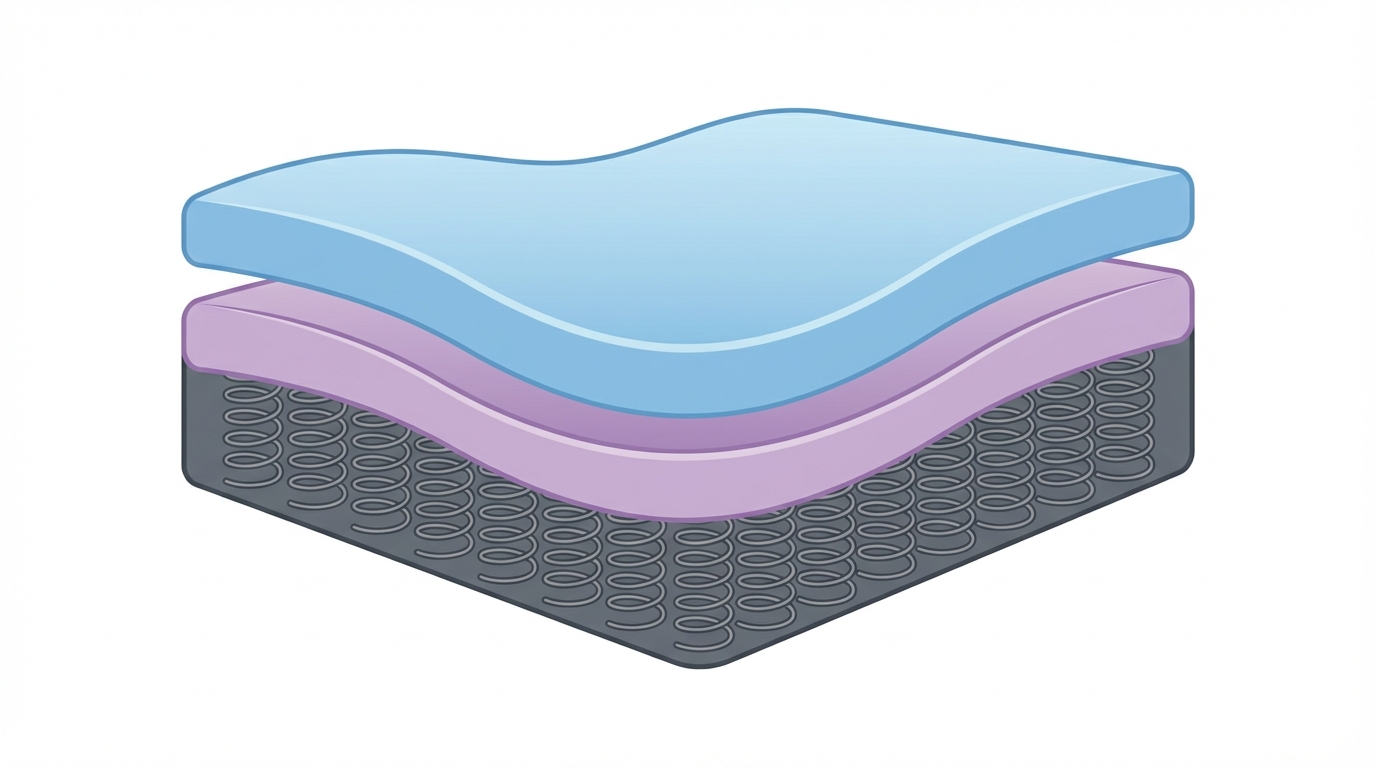
Sometimes your mattress does not look terrible, but it has a vague musty smell or that faint "old bed" scent that lingers even after you wash your sheets. Odor removal is a big part of understanding how to wash a mattress effectively, and it deserves its own attention.
Baking soda is the simplest, safest, and most accessible deodorizer for mattresses. After vacuuming and any spot cleaning have dried, sprinkle a thin, even layer of baking soda across the entire surface of the mattress. Use your hand or a clean, dry cloth to gently rub it into the fabric. Let it sit for at least a few hours. If you can, leave it on all day while you are out, or even overnight if you are not using the bed.
Baking soda works by absorbing moisture and neutralizing acidic odors. It will not mask strong smells with fragrance, but it can noticeably reduce stale or sour notes. Once the waiting period is over, vacuum the baking soda thoroughly, paying attention to seams where powder can collect. If you notice an improvement but still catch hints of odor, it is fine to repeat the process a second time.
Air and light also help. While direct harsh sunlight can be too strong for some foams and fabrics, indirect natural light and fresh air are excellent allies. If it is safe to do so, open windows on a dry day, turn on fans, and let the mattress breathe for several hours. Just be cautious about dragging a foam or hybrid mattress outside into direct midday sun, which can degrade materials over time. Better to keep it indoors with cross ventilation.
For persistent, localized odors related to accidents, the combination of vinegar treatment, enzyme cleaner, and baking soda is more effective than fragrance sprays. Products that only perfume the surface may temporarily make things smell better, but they do not solve the underlying issue and can mix oddly with old odors over time.
Drying Your Mattress: The Step Many People Rush
Drying is the unglamorous part of mattress washing, but it separates a mattress that feels fresh from one that develops new problems. Trapped moisture can lead to mold or mildew, especially in thick foam or tightly wrapped designs. Taking an extra hour or two to ensure your mattress is thoroughly dry is a smart investment.
After any spot cleaning, always blot as much moisture out as you can with dry towels. Use your body weight to press into the towels and pull water out of the fabric and upper layers. Change towels as soon as they feel damp, and keep going until the surface only feels slightly cool to the touch, not obviously wet.
Then, focus on airflow. Position a fan so that it blows across the mattress surface rather than straight down. If you have a ceiling fan, turn it on as well. Opening windows on a dry day creates a cross breeze that speeds evaporation. If your mattress sits on a platform or slatted base, you can sometimes lean it up against a wall to let both sides air out more quickly, as long as it is stable and safe in that position.
Avoid applying high, concentrated heat like a hair dryer on hot or space heater directly against the mattress. Uneven high heat can damage foams or shrink fabrics. Low to medium heat from a distance, plus airflow, is safer. You will know the mattress is ready for bedding when the cleaned areas feel the same temperature and dryness as the untouched sections.
Patience here pays off. If you put your protector and sheets back on too soon, you can trap a small amount of moisture, and that sealed environment becomes exactly what mildew loves. Giving it extra time on the front end can save you from repeating the cleaning process later.
Protecting Your Mattress So You Don’t Have To Wash It As Often
Once you have gone through the work of learning how to wash a mattress, you will naturally want to minimize how often you have to do the deeper steps. That is where protection comes in. The right layers between you and the mattress can dramatically reduce staining, odor, and allergen buildup.
A waterproof, breathable mattress protector is the first line of defense. These thin covers sit directly on the mattress and underneath your fitted sheet. Quality protectors use a quiet, flexible membrane that blocks liquids and many allergens while still allowing air to pass through. That means night sweats, spills, and accidents stay at the surface where they can be easily washed, instead of soaking into your mattress core.
If you tend to sleep hot or live in a warm climate, a cooling protector like the TEMPUR-Breeze Mattress Protector – Cooling, Waterproof, Breathable Cover can be especially helpful. It offers liquid protection along with temperature management, so you are not trading comfort for practicality. If you simply need reliable, everyday waterproofing and hypoallergenic defense, the TEMPUR-Adapt Mattress Protector – Waterproof Mattress Cover, Hypoallergenic is a solid choice for most mattress types.
For sleepers with significant allergies or asthma, mattress encasements that fully zip around the mattress and box spring can add another layer of dust mite protection. According to allergy specialists, encasements that are specifically rated for dust mite protection can help reduce exposure, especially when combined with regular washing of sheets and pillow covers.
Beyond protectors and encasements, a well chosen topper can add comfort and extend the life of the mattress by absorbing some of the wear and minor soil. If you host guests or often convert spaces into sleeping areas, a product like the Tempur-Pedic® Mattress Topper - Pillow Travel and Guest Bundle combines comfort with removable, washable covers that are easy to refresh between uses.
“Mia talked me into getting a waterproof protector after I deep cleaned my mattress. Two months later, my dog got sick on the bed and I was beyond grateful. The protector washed up perfectly, and the mattress underneath never showed a stain or smell.” – Carla S., December
Mattress Maintenance Habits That Keep Cleaning Simple
Washing a mattress goes much more smoothly when you view it as part of an overall maintenance routine, not a once in a decade emergency. Small, regular habits extend the time between deep cleans and help your mattress feel better throughout its life.
Rotating your mattress is one of the easiest of these habits. Many modern mattresses, especially hybrids and pillow tops, are designed to be one sided and should not be flipped. They can almost always benefit from a 180 degree rotation a few times a year, where the head becomes the foot. This helps distribute wear more evenly, particularly if you tend to sleep on one side of the bed. For example, a supportive hybrid like the Sealy Posturepedic Pro Soft Mattress – Dupont II Euro Pillow Top will stay comfortable longer if you periodically rotate it so body impressions develop more gradually and evenly.
Regular sheet changes are another important piece, both for hygiene and for protecting the surface of the mattress. Health organizations like Mayo Clinic generally recommend washing bed linens at least once a week, or more often if you have allergies, sweat heavily, or sleep with pets. Clean sheets act as the first barrier for sweat and oils, reducing how much reaches your mattress or protector.
Every month or two, it is worth taking a few extra minutes when you change the sheets to give the mattress a quick vacuum and visual inspection. Look for new stains, spots, or areas of wear. Catching problems early makes them easier to address. If you notice a small spill, tackle it right away rather than waiting for your next deep clean.
Finally, be realistic about lifestyle. If you regularly eat and drink in bed, share it with kids or pets, or deal with medical conditions that affect nighttime continence, then a higher level of protection and more frequent light cleanings are just a practical choice, not a judgment. Matching your cleaning plan to your real life is the best way to keep your sleep space in good shape without stress.
When Cleaning Isn’t Enough: Signs It Might Be Time For A New Mattress
Sometimes people turn to "how to wash a mattress" searches because they are trying to salvage a bed that has simply reached the end of its life. Cleaning can improve hygiene and smell, but it cannot fix structural issues like sagging, weakened support, or permanent body impressions that throw off your alignment.
As a general guideline, many sleep experts and industry groups suggest evaluating your mattress every seven to ten years, though high quality models can last longer with good care. Some warning signs are fairly obvious: you can see deep sags or dips, you feel springs or hard spots, or you wake up with new aches that ease when you sleep elsewhere. According to guidance from the Sleep Foundation, noticing that you sleep better in a hotel or guest bed than your own is a strong clue that your home mattress is no longer supporting you properly.
Persistent odors or stains that do not respond to reasonable cleaning attempts can also be a signal. If you have tried the layered approach of spot cleaning, baking soda deodorizing, and airflow, and the mattress still smells musty or sour, there may be deeper issues like mildew or internal contamination that you cannot safely reach. In those cases, it is kinder to your lungs and sinuses to consider replacement rather than live with an ongoing irritant.
Your body and sleep patterns matter too. As we age, our pressure points, mobility, and sensitivity change. A mattress that felt amazing ten years ago may be too firm or too soft now. If you find yourself stacking toppers, propping yourself with pillows, or waking sore despite cleaning your mattress, your discomfort is likely more about support than hygiene. Exploring updated designs, like back friendly options in The Best Mattresses For Back Sleepers or cooling Best Hybrid Mattresses, can be a smart next step.
Replacing a mattress is a significant purchase, and cleaning cannot indefinitely postpone that day. What it can do is keep you sleeping healthier and more comfortably on the mattress you have, while you take the time to choose the right next one when the moment comes.
Comparison: Cleaning Needs By Mattress Type

Different mattress constructions respond differently to moisture, cleaning agents, and wear. Understanding those differences will help you tailor your cleaning routine.
| Mattress Type | Moisture Tolerance | Typical Cleaning Focus | Notes |
|---|---|---|---|
| All Foam / Memory Foam | Low, keep surface only slightly damp | Gentle spot cleaning, odor control, dust removal | Avoid steam and soaking, always dry thoroughly |
| Hybrid (Coils + Foam) | Low to moderate, but avoid saturation | Spot cleaning, rotation, vacuuming seams and edges | Better airflow for drying, still treat like foam on top layers |
| Traditional Innerspring | Moderate, but risk of rust and mold if soaked | Stain removal, deodorizing, possible flipping if double sided | Older models may be flippable, check design before flipping |
In , hybrids continue to dominate many showroom floors because they blend support, contouring, and temperature management. From a cleaning standpoint, that means most shoppers are dealing with either all foam or hybrid mattresses at home. Both should be treated with a "surface, not deep soak" cleaning approach. Traditional two sided innerspring mattresses that you can flip are less common, but if you do have one, you can sometimes flip to extend life after cleaning, as long as both sides are designed for sleeping.
Whatever category you fall into, pairing your mattress with protective layers and a realistic cleaning rhythm will matter more than the label alone. But when you wonder whether a certain cleaning method is safe, always lean conservative for foam and hybrid designs.
A Simple Mattress Cleaning Checklist
When life is busy, it is helpful to have a quick reference so you do not have to remember every detail of how to wash a mattress each time. After you understand the reasoning behind each step, you can rely on a short checklist to guide you.
Here is a practical mattress cleaning checklist you can keep handy:
- Strip bedding, wash sheets and pillowcases on appropriate settings
- Remove and launder mattress protector or topper cover if machine washable
- Vacuum entire mattress surface and sides with upholstery attachment
- Identify stains and select appropriate gentle cleaner
- Spot clean stains using blotting method, avoid soaking fabric
- Blot with dry towels to remove excess moisture
- Apply baking soda to deodorize, let sit several hours, then vacuum
- Allow mattress to air dry fully with fan and, if possible, open windows
Once you run through this flow a couple of times, it will feel less like a project and more like seasonal home care. After you finish, take a moment to enjoy how your bed looks and feels. That small sense of reset is part of the payoff.
Conclusion: You Don’t Need A Perfect Mattress, Just A Well Cared For One
Learning how to wash a mattress can feel intimidating at first, especially if you have been nervous about "ruining" your bed with one wrong move. The truth is, caring for your mattress is mostly about consistency and gentle methods, not perfection. When you vacuum regularly, treat stains with patience instead of panic, and give your mattress time to dry, you create a calmer, cleaner foundation for sleep.
Your mattress is only one piece of your sleep ecosystem, but it is a big one. A thoughtfully cleaned and protected mattress, paired with supportive pillows, breathable bedding, and a room that feels restful, can help your body let go at the end of the day. You may still have busy seasons, kids, pets, or health issues that bring the occasional surprise to your bed. That is real life, and your cleaning plan can flex with it.
If you ever feel unsure about what your specific mattress can handle, or you are realizing that cleaning is not fixing fundamental comfort problems, that is a great moment to reach out to a sleep specialist. At Sleepology, we help people every day figure out whether they should keep caring for the mattress they have, update it with the right protectors and toppers, or start planning for a new model that better fits their body and schedule. You do not have to guess alone.
Frequently Asked Questions
How often should I deep clean my mattress if I use a waterproof protector?
If you consistently use a quality waterproof protector and wash it with your sheets, you can usually deep clean the mattress itself only once or twice a year, unless there is a specific spill or accident that reaches the fabric. Light maintenance like vacuuming and a baking soda refresh every few months is still helpful, but the protector greatly reduces how much soil penetrates to the mattress surface. For households with heavy night sweats, pets, or allergies, you might add one extra mid year check in just to be safe.
Can I steam clean my mattress?
In most cases, it is safer to avoid steam cleaning, especially for all foam and many hybrid mattresses. High heat and moisture can break down foams, affect adhesives, and drive water deeper into the mattress than you can easily dry. Some traditional innerspring models may tolerate careful, professional steam cleaning on the surface, but always check the manufacturer’s care instructions and warranty terms first. When in doubt, stick with vacuuming, spot cleaning, and baking soda, which are effective and far less risky for modern constructions.
Is professional mattress cleaning worth it?
Professional mattress cleaning can be worth considering if you have a high quality mattress with deep, stubborn stains or odors that have not responded to gentle home methods, especially when replacement is not in the budget yet. Professional equipment can remove more moisture and lift some embedded soils more effectively than consumer tools. However, it is not a cure all, and in cases where there is suspected mold in the core, severe structural wear, or a mattress well past its expected lifespan, your money may be better spent on a replacement or quality protector for a newer bed. Always confirm that any service you hire understands your mattress type and warranty limitations.
How can I tell if a stain or odor is a health concern rather than just cosmetic?
Stains and mild, occasional odors are mostly cosmetic, but there are situations where they point to deeper issues. If you notice a persistent musty smell that does not improve with cleaning and airflow, see visible mold spots, or experience consistent respiratory symptoms like coughing or wheezing that ease when you sleep away from home, your mattress may be harboring moisture or mold. In those cases, it is wise to talk with a healthcare provider about your symptoms and to consider replacing the mattress rather than trying to salvage it. Your lungs and immune system are more important than the cost of a new bed.
Do I really need a mattress protector if I hardly ever spill in bed?
Even if you rarely eat or drink in bed, your body still releases moisture and oils every night that slowly migrate into your mattress. A protector catches those, making it easier to keep your mattress clean and often improving its resale or donation potential later. It also acts as insurance for the rare, bigger mishaps like an illness, a pet accident, or a tipped water glass. Most sleepers find that once they have a comfortable, quiet protector in place, they forget it is even there until it saves them from a stain. Given how relatively inexpensive protectors are compared with a new mattress, they are one of the best value upgrades you can make.
How do I wash a mattress topper compared to the mattress itself?
Mattress toppers vary widely in materials, from down alternative and fiberfill to memory foam and latex. Many fiber and some down alternative toppers can be machine washed and dried on gentle cycles, while most foam toppers should only be spot cleaned, much like a foam mattress. Always read the care label. If your topper has a removable cover, wash the cover frequently, and treat the inner core carefully. Using a protector over both the topper and mattress can simplify cleaning and keep all the layers working together for comfort and cleanliness.
What is the quickest way to refresh a mattress between deep cleans?
For a speedy refresh when you do not have time for a full wash, strip the bed, give the mattress a thorough vacuum with the upholstery attachment, and lightly sprinkle baking soda over the surface. Let it sit for an hour or two while you wash and dry your sheets, then vacuum the baking soda and re make the bed. This simple combination of vacuuming and baking soda can noticeably reduce dust and odors in a single afternoon and works well as a monthly or seasonal touch up.