

How To Throw Away A Mattress The Right Way: Safe, Legal, And Low‑Stress Options
You are ready for a better night’s sleep, but your old mattress is standing between you and that upgrade. Maybe it is sagging, stained, or triggering your allergies, and now it is leaning against a wall while you wonder what on earth you are supposed to do with it. It is bulky, it is awkward, and the last thing you want is to drag it to the curb only to discover your city will not take it. If that sounds familiar, you are in the right place.
Figuring out how to throw away a mattress is more complicated than tossing a bag of trash, and you are not wrong to feel a little stuck. Many cities have specific rules, fees, or pickup schedules for bulky items, and some places ban mattresses from regular landfill loads altogether. On top of that, most of us would prefer not to send hundreds of pounds of foam, steel, and fabric to a landfill if there is a better option. According to the Sleep Foundation, mattress quality makes a real difference in sleep health, so once you have decided to replace yours, the last hurdle should not be disposal.
You are going to learn the options that actually work in the United States, how to know which ones apply to you, and what to do if your mattress is stained, infested, or truly at the end of its life. We will walk through recycling, donation, junk haulers, municipal pickup, and even creative reuse, along with practical step‑by‑step guidance. You will also see where your old mattress fits into the bigger environmental picture and how to make room for an upgrade to something that genuinely supports your sleep.
By the time you finish reading, you will know exactly how to get your old mattress out of your home legally, safely, and with far less stress. You will also have a clearer path toward choosing a replacement that will serve you better, whether that looks like a pressure‑relieving foam mattress or a supportive hybrid mattress that keeps your spine aligned.
Why Mattress Disposal Matters More Than Most People Think
Most people only think about mattress disposal once every 8 to 10 years, which is the average lifespan many sleep experts recommend for a well‑used bed. The problem is that a single mattress can take up to 40 cubic feet of landfill space and can take decades to break down. The steel springs, wood, polyurethane foam, and textiles do not disappear quickly, and in traditional landfills they simply sit, often releasing small amounts of chemicals and contributing to overcrowded waste sites. The U.S. Environmental Protection Agency has repeatedly flagged bulky waste, including mattresses, as a major challenge for cities trying to meet sustainability goals.
From a health perspective, holding onto an old mattress for too long has its own costs. The Mayo Clinic notes that dust mites and allergens thrive in older bedding, especially materials that trap moisture and skin cells. If you are waking up congested, itchy, or with more asthma symptoms, your mattress may be part of the problem rather than part of the solution. Getting rid of a mattress that is past its prime is not only a clutter issue, it is also a step toward a cleaner sleep environment.
There is also the legal side. Many municipalities treat mattresses as a special waste category. That means leaving one in an alley, next to a dumpster, or on the curb without permission can trigger fines. Illegal dumping is more than an eyesore. It attracts pests, blocks sidewalks, and costs cities significant money to clean up, and those costs eventually trickle down to residents. Choosing a responsible disposal route keeps your neighborhood cleaner and helps you avoid an unwelcome ticket.
On the flip side, mattresses are surprisingly recyclable. Industry groups and programs like state mattress recycling councils report that 75 to 90 percent of a typical mattress, including the steel springs, wood frame, and foam, can be separated and turned into new products like carpet padding, industrial filters, or recycled metal feedstock. Academic research on circular economies points to bulky items like mattresses as key opportunities for reducing landfill use. In , more and more communities are building systems that support recycling and reuse, but consumers still need clear guidance on how to plug into them.
At Sleepology, we see the disposal step as part of the complete sleep upgrade. When a customer chooses a new Sealy Posturepedic Firm Hybrid Mattress – Medina II, for example, we talk not just about support zones and coil counts, but also about what they plan to do with the mattress they are replacing. When that last piece of the puzzle is handled well, people can actually relax and enjoy their new bed instead of worrying about the one propped in the garage.
“I dreaded getting rid of our lumpy queen mattress more than buying the new one. Mia walked me through local rules, suggested a recycler, and I had it handled in two days. We upgraded to a hybrid and I finally stopped waking up with hip pain.” – Monica P., November
Step One: Decide Whether Your Mattress Can Be Reused Or Must Be Disposed
Before you focus on how to throw away a mattress, pause and decide whether it really needs to be thrown away. Not every old mattress is trash. Some can be donated, some can be recycled almost entirely, and some are truly at the end of the road and must be treated as waste. Making this distinction upfront saves time and helps you choose the right path.
Start by closely examining the condition of your mattress in good lighting. Look for major sagging, broken or protruding coils, large body impressions, and any obvious structural failure. Then check the surface for stains, odors, mold, and any signs of bed bugs or other pests. Health organizations like the Cleveland Clinic emphasize that moldy or severely soiled mattresses can contribute to respiratory problems, so those should never be donated or passed to another sleeper.
If a mattress is reasonably clean, free of structural damage, and not more than 7 to 8 years old, it might be a candidate for donation or give‑away. Think of a lightly used guest room bed that only saw visitors a few times a year. On the other hand, if your mattress has deep indentations, broken components, or any history of infestation, it is a disposal or recycling case, not a donation. Charities, shelters, and thrift organizations typically have strict requirements for accepting mattresses, and some no longer accept them at all because of hygiene concerns.
Next, consider your own body and sleep quality. The Sleep Foundation points out that consistent back or neck pain upon waking is a sign that a mattress is no longer supporting you properly, even if it looks visually fine. If you wake up feeling worse than when you went to bed, watch for that as a signal that it is time to move on, not just cosmetically but functionally. In that scenario, your energy is better spent putting the old mattress on a disposal or recycling path and investing in a supportive replacement, such as a Tempur-Pedic ProBreeze Medium Hybrid Mattress if you also run hot at night.
Finally, think about your timeline. If you are coordinating disposal with delivery of a new bed, you may prefer a service that will remove the old mattress at the same time. That can influence whether you pursue donation on your own or opt for retailer haul‑away or a junk removal service. Once you have a clear answer to “reuse or dispose,” the next steps become far easier to plan.
“We had a barely used full‑size mattress from our guest room. I assumed we had to pay to dump it, but Mia suggested checking with a local shelter first. They picked it up, and I put the savings toward a Sealy Posturepedic Elite Soft Hybrid – Brenham II for our master bedroom. Win‑win.” – Daniel R., October
Responsible Ways To Throw Away A Mattress

Once you know your mattress is not suitable for donation, it is time to look at disposal options that are both legal and practical. The right approach depends on where you live, how much physical lifting you can do, and whether you have access to a vehicle that can safely transport a bulky item. There is no single “best” method for everyone, which is why it is helpful to understand the full menu of choices.
Municipal Bulk Pickup And Drop‑Off Centers
Many cities and counties offer bulky item collection or designated drop‑off locations for items like mattresses, box springs, and furniture. These services sometimes come with a small fee and often require scheduling a pickup window. In some areas, you are allowed a limited number of free bulky pickups per year. City sanitation or public works websites usually list clear instructions on how to prepare and when to place your mattress out so it is not considered illegal dumping.
For example, some cities require that mattresses be wrapped in plastic bags or shrink wrap, particularly if there is concern about bed bugs. Others ask residents to separate metal bed frames from soft components. Local public health departments sometimes coordinate these rules, and it is worth checking because failing to follow them can mean your mattress is left at the curb. The U.S. Centers for Disease Control and Prevention notes that bed bug prevention often includes containment and proper disposal, which is why some jurisdictions are strict about wrapping and labeling infested items.
If you have access to a truck or large SUV, you may be able to take your mattress directly to a transfer station, landfill, or material recovery facility. Fees for direct drop‑off can be lower than curbside collection. However, be sure to secure the mattress properly during transport. Strapping it loosely to the roof of a car is unsafe and illegal in many states. When in doubt, call the facility or your local 3‑1‑1 information line and ask what is allowed.
The advantage of using municipal systems is cost control and regulatory compliance. You know you are following local rules, and you are tapping into infrastructure that is already funded by your taxes. The trade‑off is that scheduling can be slower and you may need to handle the heavy lifting yourself or enlist a friend.
Mattress Recycling Programs
Recycling is one of the most environmentally friendly ways to “throw away” a mattress. Instead of going to a landfill intact, the mattress is dismantled. Steel springs are pulled for metal recycling, wood can become mulch or biomass fuel, and foam and fibers can be turned into carpet padding or industrial filters. Industry data from mattress recycling councils shows that the majority of mattress materials can be reused when processed correctly, which is a significant improvement over landfilling.
Some states in the U.S. have formal mattress recycling programs supported by small fees collected when new mattresses are sold. These programs make it relatively straightforward to find participating drop‑off locations and events. In other regions, private recyclers or junk haulers partner with municipalities or operate independently, accepting mattresses for a set fee. Because the landscape varies so much, your first step should be to search for “mattress recycling” plus your city or county name, or check your waste management company’s website.
When you contact a recycler or drop‑off site, ask about any conditions that might lead them to reject a mattress. Severe mold, heavy contamination, or untreated pest infestations are common reasons a facility will decline an item. In those cases, they may still be willing to accept it for disposal, but it might go through a different process. Even partial recycling is better than none, so do not assume that a less‑than‑perfect mattress automatically disqualifies you from this option.
One thing to keep in mind is that some recyclers operate business hours that may not align with your work schedule. Plan ahead and avoid the stress of rushing across town with a mattress strapped to a vehicle 10 minutes before closing. If daytime drop‑off is not realistic for you, a pickup service that recycles may be a better fit, even if it costs a bit more.
Private Junk Removal And Haul‑Away Services
If you prefer a hands‑off solution, junk removal companies and mattress haul‑away services are another way to throw away a mattress without dealing with the logistics yourself. These businesses generally schedule a time window, send a small crew to remove the mattress from your home, and then handle transportation and disposal. According to Consumer Reports, professional removal can be especially valuable for people with limited mobility or those living in walk‑up apartments where hauling a queen or king mattress down stairs is risky.
Pricing for these services often depends on how many items you are removing and how much space your load occupies in the truck. Some companies promote eco‑friendly practices and advertise that they recycle or donate mattresses whenever possible. If environmental impact is important to you, ask specifically what percentage of their loads go to recycling or reuse versus landfill. Transparent operators will usually share that information and may even list their partners.
This route shines when you are dealing with more than one bulky item or when you are coordinating a move, renovation, or whole‑home cleanout. It also reduces your risk of injury from lifting or navigating tight hallways and staircases. The trade‑off is cost. You are paying for labor, truck space, and expertise. For many families, that is worth it to get their space back quickly, especially when a new bed is scheduled to arrive within a day or two.
Retailers sometimes partner with these services to offer haul‑away at a discounted rate when you purchase a new mattress. At Sleepology, when a customer upgrades to something like the Sealy Posturepedic Elite Medium Hybrid Mattress – Albany II, we help them compare haul‑away options in their area so delivery and removal line up smoothly. That way, they are not sleeping on the couch between beds or living with an old mattress blocking a hallway.
Donation: When “Throwing Away” Might Mean Giving It A Second Life
If your mattress is clean, structurally sound, and relatively young, donating it or passing it on can be far better than sending it to a landfill. The key is to be realistic about its condition. Charities and shelters must prioritize the health and dignity of the people they serve, so they cannot accept mattresses that are saggy, stained, or suspected of having bed bugs. When a mattress is in great shape, though, it can provide real comfort to someone who needs it.
Start by checking with large, well‑known charities in your area and reading their current mattress policies. Many publish guidelines online that spell out exactly what they accept. Some organizations have moved away from taking mattresses entirely, while others accept them only through specific programs. When donation is allowed, expect requirements such as no rips or tears, no visible stains, no odors, and sometimes proof that the mattress came from a smoke‑free home.
You can also consider local nonprofits such as domestic violence shelters, refugee resettlement programs, or organizations serving families transitioning out of homelessness. These groups sometimes accept mattresses on a case‑by‑case basis, especially if they are pairing a recipient with a new apartment. Calling in advance is important. Showing up with a mattress they cannot take puts everyone in an awkward position and leaves you back at square one.
If traditional donation routes do not work out, you still have neighbor‑to‑neighbor options. Offering a gently used mattress through trusted community channels can be helpful for students, new arrivals, or someone setting up a temporary space. Always be honest about age and condition. Transparency builds trust and protects your reputation in local groups.
Ethically, donation should never be a way to offload something you know is unhealthy to sleep on. If your mattress contributed to your back pain or allergy flares, do not pass that problem to someone else. In that case, you are better off focusing on responsible disposal or recycling and putting your energy into selecting a replacement, such as a breathable Tempur-Pedic LuxeBreeze Medium Hybrid Mattress if you want a significant comfort and cooling upgrade.
“We had two twin mattresses our kids had outgrown. I almost paid for junk removal, but a local housing nonprofit was setting up beds for families. They inspected both, took the newer one, and we recycled the other. The kids were thrilled that their old bed was helping someone else.” – Sharon L., December
How Different Mattress Types Are Disposed Of Or Recycled
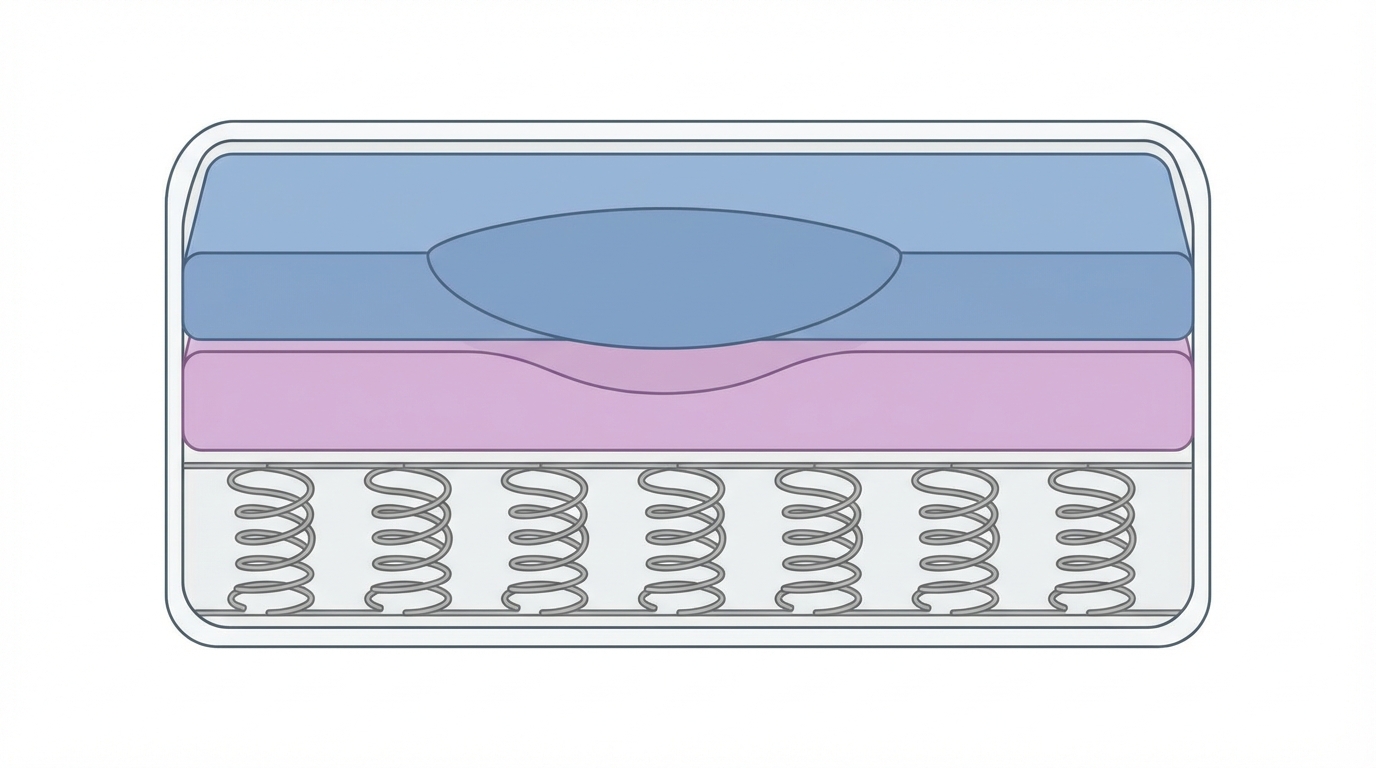
Not all mattresses are built the same way, which means they are not always handled the same way when it is time to throw them away. Understanding what is inside your mattress helps you anticipate what a recycler, hauler, or landfill might do with it. It also sheds light on why some facilities accept one type and decline another.
Traditional innerspring mattresses have a core of steel coils surrounded by padding and fabric. From a recycling standpoint, these are often the most straightforward. The steel can be pulled and sent to metal recyclers, and the wood or fiber border rods can be repurposed. The foam and textiles vary in recyclability, but overall, innersprings are relatively resource rich. That is one reason programs in some states have focused heavily on capturing innerspring units for dismantling.
Foam mattresses, especially those made entirely of viscoelastic memory foam or polyurethane, present a different profile. They lack a steel coil system, so recyclers focus on the foam itself, which can sometimes be shredded and rebonded into carpet underlay or padding. According to some industry reports, not all foam formulations are equally easy to recycle, which can affect whether local facilities are willing to accept them. When you buy a new foam mattress from collections like The Best Foam Mattresses, you are often getting more modern formulations that align better with current recycling practices than older models manufactured decades ago.
Hybrid mattresses combine coils and foam layers, which gives recyclers multiple material streams to work with but can be more labor intensive to dismantle. If you own a hybrid like the Sealy Posturepedic Plus Firm Mattress – Paterson II Euro Pillow Top, the recycling facility will typically separate the steel coils, foam comfort layers, and fabric covering. This can still divert a significant portion from landfill, but it may cost slightly more for processing, which can show up in drop‑off or haul‑away fees.
Specialty mattresses such as air beds, waterbeds, or those with built‑in electronics often require extra steps. Waterbeds must be safely drained, air bladders removed, and any electronic components handled appropriately. Recycling options for these can be more limited, and sometimes only the wooden frame or base materials are easily reused. If you have a specialty bed, call ahead and describe it clearly so the disposal facility can tell you what they can and cannot take.
Here is a quick comparison of how common mattress types are typically handled at end of life:
| Mattress Type | Typical Recyclable Components | Common Challenges |
|---|---|---|
| Innerspring | Steel coils, wood frame, some foam and fabric | Handling soiled or heavily worn padding |
| All‑foam | Polyurethane or memory foam layers, some textiles | Foam formulation may limit recycling options in some regions |
| Hybrid | Steel coils, foam layers, textiles | More labor to separate mixed materials |
| Latex | Natural or synthetic latex core, some textiles | Heavier and denser, may require specialized processing |
| Air/Waterbed | Wood or platform components, some textiles | Fluid bladders and electronics are harder to recycle |
Knowing which category your mattress falls into helps you ask smarter questions when you call local recyclers or haulers. It also informs your next purchase. If you like the idea of maximizing recyclability at the end of your new mattress’s life, you might lean toward a well‑constructed hybrid or innerspring with clearly documented materials and a simple foundation such as the Sealy Mattress Base Boxspring Foundation, Low Profile 5‑inch, which is easy to handle and dispose of when the time eventually comes.
Special Situations: Bed Bugs, Mold, And Heavily Soiled Mattresses
Some mattresses cannot be donated, and even recycling can become complicated. Bed bugs, mold, and severe contamination are red flags for both public health and facility workers. In these cases, “throwing away” your mattress means focusing on containment, safety, and following local regulations closely.
If you suspect bed bugs, your first call should be to a licensed pest control professional. The U.S. Environmental Protection Agency advises against simply throwing an infested mattress out without treatment and containment, because that can spread the infestation to neighbors or sanitation workers. Once a pest pro has confirmed the situation and given you guidance, you will likely be told to encase the mattress in a thick plastic cover or bag and seal it with strong tape. Some cities require that mattresses with bed bugs be clearly labeled to protect workers.
Mold is another serious concern. Mattresses stored in damp basements, exposed to flooding, or repeatedly soaked and dried can harbor mold spores deep inside the foam or padding. The Cleveland Clinic warns that mold exposure can trigger respiratory symptoms, headaches, and other health issues in sensitive individuals. If you see visible mold or smell a persistent musty odor, the mattress should not be donated or reused. Wrap it in plastic, minimize handling, and arrange for bulk pickup or disposal according to your city’s rules.
Heavily soiled mattresses, whether from bodily fluids, pet accidents, or long‑term neglect, are typically rejected by recyclers and charities. Even if you can surface clean some of the staining, most facilities must assume there is deeper contamination and cannot put staff or recipients at risk. Again, plastic wrapping is often required before curbside placement or drop‑off at a disposal site. Call ahead so you do not make a trip only to be turned away.
While it can feel wasteful to send a mattress straight to landfill in these situations, remember that health and safety come first. The silver lining is that you can use this experience to guide your next setup. Investing in a quality waterproof protector from the Pillows, Sheets, Toppers, Protectors collection and maintaining a dry, well‑ventilated bedroom can extend the life of your new mattress and keep it eligible for recycling or donation in the future.
Practical Checklist: How To Throw Away A Mattress Safely And Legally
Once you understand your options, it helps to translate them into a simple, practical plan. Think of this as your bedside playbook for getting the old mattress out and making room for better sleep. These steps are especially useful if you are coordinating timing with a new mattress delivery.
Begin by confirming the condition of your mattress and deciding whether it is a candidate for donation, recycling, or disposal. Then, check your local municipal guidelines online or by calling the public works or sanitation department. From there, you can line up the right service and prepare the mattress so the process is smooth from pickup to final handling.
Here is a straightforward checklist you can follow:
- Inspect the mattress for damage, stains, mold, and signs of bed bugs or other pests.
- Decide whether the mattress is suitable for donation, recycling, or must be disposed of as trash.
- Check your city or county website for bulky item pickup rules, fees, and scheduling details.
- Contact local charities or shelters if donation seems realistic, and confirm their mattress policies.
- Search for “mattress recycling” in your area and call facilities to ask what they accept and what it costs.
- If needed, research junk removal or haul‑away services and compare pricing, recycling practices, and availability.
- Wrap or bag the mattress if required, label it clearly if there are pests, and follow all instructions from the service or facility.
Once you have moved through this checklist, you will be in a much better position to take action without second guessing yourself. If you are planning a full sleep upgrade, you can also coordinate these steps with the delivery window of your new bed, such as pairing the removal of your old mattress with the arrival of a supportive Sealy Posturepedic Elite Medium Hybrid – Albany II. That way, you experience as little disruption as possible and can start enjoying improved sleep right away.
Planning Your Replacement: Linking Disposal To Better Sleep
Throwing away a mattress almost always happens at the same time you are thinking about a new one. It is tempting to treat disposal as an annoying chore and rush through it, but there is an opportunity here to step back and think about what your body truly needs. Research from the Sleep Foundation and several academic sleep labs has shown that upgrading from a worn‑out mattress to a properly supportive one can reduce back pain and improve overall sleep quality, even when other life factors stay the same.
As you plan disposal, take five minutes to reflect on why the old mattress is leaving. Is it sagging in the middle and leaving you with back or hip pain in the morning? Did it run hot and force you to peel off layers during the night? Was motion transfer waking you up every time your partner rolled over? These clues should guide your replacement search just as much as your budget and preferred feel.
If support and alignment are top priorities, a well‑built hybrid with zoned coils and cushioning comfort layers strikes a strong balance. Options like the Sealy Posturepedic Firm Hybrid – Medina II are designed to keep your spine in a more neutral position while still giving shoulders and hips some cushioning. If you are a side sleeper with sensitive pressure points, a softer hybrid such as the Sealy Posturepedic Elite Soft Hybrid – Brenham II can relieve pressure while maintaining underlying support.
For hot sleepers, the materials on top matter just as much as the support core underneath. Temperature regulating designs like the Tempur-Pedic ProBreeze Medium Hybrid or Tempur-Pedic LuxeBreeze Medium Hybrid pair advanced foams with cooling covers that help manage heat buildup. Backed by both Tempur’s internal testing and independent evaluations from organizations like Consumer Reports, these beds are often a relief for people who felt like their old mattress was trapping heat.
Once you settle on your replacement, look for retailers who coordinate delivery with old mattress removal. At Sleepology, our team helps customers line up disposal options that fit their local rules and physical needs so they are not stuck storing an old mattress in a hallway. When you see disposal and replacement as one continuous process, you are much more likely to end up with a setup that supports your body, your schedule, and your space.
How To Keep Your Next Mattress In Donation Or Recycling Shape

One of the best ways to make “how to throw away a mattress” easier next time is to care for the new one so it remains clean, supportive, and structurally sound for as long as possible. That care not only extends your comfort but also increases the odds that your mattress will be eligible for donation or recycling at the end of its life. Basic maintenance does not have to be complicated or time consuming.
Start with protection. A high quality, breathable mattress protector acts as the first line of defense against spills, sweat, and allergens. This is especially important if you share your bed with kids or pets. By blocking liquids from soaking into the comfort layers, you reduce the risk of mold and odors that could later disqualify the mattress from reuse. Sleep experts often recommend pairing a new mattress with fresh protectors and sheets to create a healthier micro‑environment around your body.
Next, choose a sturdy, appropriate support system. A sagging, broken, or mismatched foundation can cause premature wear in your mattress. Manufacturers like Sealy and Tempur-Pedic design their beds to perform best on solid platforms, adjustable bases, or matching box springs such as the Sealy Mattress Base Boxspring Foundation, Low Profile 5‑inch. Using the right base helps the mattress maintain its shape, which keeps it more attractive to recyclers or future owners.
Regular cleaning also plays a role. Vacuuming the surface a few times a year, addressing spills quickly, and washing bedding weekly can reduce dust mites and allergen buildup. The Mayo Clinic notes that these basic hygiene steps can improve symptoms for people with allergies or asthma. When combined with rotating or repositioning the mattress according to manufacturer guidance, you can reduce body impressions and keep wear more even.
Finally, pay attention to indoor air quality and humidity. Running a dehumidifier in damp climates or using air conditioning to limit excessive moisture can help protect foam and fibers. Try to avoid storing mattresses in basements or garages during their working life. These spaces are more prone to temperature swings and humidity spikes, which accelerate deterioration. Treat your mattress like an investment in your health, not just a piece of furniture, and it will be much easier to part with responsibly down the road.
Conclusion: Clearing Space For Better Sleep
Throwing away a mattress is one of those life maintenance tasks that feels bigger than it should, especially when local rules, bulky logistics, and environmental concerns get involved. Once you break it down, though, it really comes down to a few key decisions: Is the mattress still in usable condition, what options does your city support, and how much of the physical work do you want to handle yourself? When you answer those questions in order, the right path becomes much clearer.
You have seen how municipal bulk pickup, recycling programs, donation channels, and haul‑away services each serve different situations. You have also seen how mattress type, condition, and special issues like bed bugs or mold shape your choices. Perhaps most importantly, you have connected disposal to what comes next: choosing a replacement that aligns with your body, your sleep style, and your priorities for temperature, support, and long‑term health.
As you move forward, remember that you do not have to figure this out alone. Sleepology’s role is to guide you through the entire sleep upgrade journey, from letting go of the mattress that is not serving you to finding a new one that helps you wake up rested and comfortable. Whether you end up on a contouring all‑foam design, a supportive hybrid, or an adjustable base with a cooling top layer, the space you clear by responsibly saying goodbye to the old mattress is the first real step toward better nights.
Frequently Asked Questions
How do I know if my mattress should be donated or thrown away?
Look at both condition and age. If your mattress is under about 7 to 8 years old, has no sagging, rips, or broken coils, and is free from stains, odors, mold, and any signs of pests, it might qualify for donation. If it is older, structurally compromised, or visibly soiled, most charities will not accept it, and you should focus on recycling or disposal instead. When in doubt, call the organization you have in mind and describe the mattress honestly so they can advise you.
Can I just cut up my mattress and put it in the regular trash?
Technically, you can cut a mattress into smaller pieces, but it does not always solve the problem. Many municipalities have rules against putting large amounts of foam, steel, or textiles into regular trash, even if they are cut up, and sanitation workers may refuse to collect bags that obviously contain mattress materials. Cutting a mattress is also physically demanding and can expose you to dust, allergens, and sharp springs. In most cases, scheduling a bulky pickup or using a recycler or hauler is safer and more compliant.
What should I do with a mattress that had bed bugs?
A mattress with bed bugs should never be donated or passed to another sleeper. Work with a licensed pest control professional to treat your home and get specific instructions. Typically, you will be told to encase the mattress in a thick plastic bag or wrap, tape it securely, and label it according to local rules. Many cities require that infested items be wrapped and sometimes tagged before bulk pickup. Once sealed, arrange for municipal bulky item collection, a specialized hauler, or direct drop‑off at a facility that accepts infested mattresses.
Does my new mattress retailer have to take my old one?
In some regions, retailers are required by law to offer haul‑away of your old mattress when you purchase a new one, while in others it is purely a service choice. Even when haul‑away is available, it might come with a fee or specific conditions, such as limiting removal to one old mattress per new mattress delivered. When you shop for a new bed, ask about disposal options, fees, and whether the old mattress is recycled or landfilled. At Sleepology, our team is happy to explain your local options and help you coordinate timing so you are never left with two mattresses and one bed frame.
Are foam mattresses harder to dispose of than innerspring mattresses?
Foam mattresses are handled a little differently, but they are not inherently harder to dispose of. Because they lack steel coils, recyclers focus on the foam itself, which can sometimes be shredded and turned into products like carpet padding. In areas with advanced recycling infrastructure, foam beds can be processed efficiently. Where such facilities are scarce, they may be more likely to go to landfill unless you find a specialized recycler. Innersprings are often more attractive to recyclers because of the steel content, but both types can usually be managed through municipal bulky pickup or junk removal services.
How much does it usually cost to throw away a mattress?
Costs vary widely depending on where you live and which route you choose. Municipal bulky item pickup is sometimes free or included in your regular trash service, but some cities charge a modest fee per item. Private recyclers may charge a drop‑off fee, often in the range of a typical landfill tipping charge. Junk removal and haul‑away services are usually the most expensive, because you are paying for labor, truck space, and convenience, especially if they remove the mattress from inside your home. Calling two or three local options for quotes is the best way to understand your specific costs.
How can I keep my new mattress in good enough shape to donate or recycle later?
Use a quality waterproof or water‑resistant protector, wash bedding regularly, and address spills promptly to prevent stains and odors from soaking in. Make sure the mattress is on a supportive, appropriate base so it does not sag or develop premature structural issues. Follow manufacturer guidance for rotating or repositioning if applicable, and avoid jumping on the bed or placing extremely heavy, localized loads on it. Keep the mattress in a dry, well‑ventilated bedroom instead of damp basements or garages. These simple steps not only keep you sleeping better in the short term, they also help your mattress remain a good candidate for donation or recycling when you eventually replace it.