


How To Remove Pee Stains From A Mattress: A Sleepologist’s Complete Guide
If you just discovered a pee stain on your mattress, you are not alone and you are not a bad pet parent or caregiver. Accidents happen to every household, whether it is a potty‑training toddler, a sick partner, or a senior pet who could not hold it. What feels alarming in the moment is usually very fixable, and with the right steps you can save your mattress, your sleep, and your peace of mind. The goal is to help you feel calm, clear, and confident about what to do next, instead of guessing and hoping for the best.
Urine on a mattress is more than just a cosmetic issue. If it is not cleaned correctly, moisture can work its way deep into the comfort layers, weakening foams, encouraging odor‑causing bacteria, and in some cases contributing to mold growth. According to organizations like the Sleep Foundation and Mayo Clinic, a clean, dry sleep surface supports both better sleep quality and better respiratory health, especially for people with asthma or allergies. When the mattress is dirty or damp, your body may react with more nighttime awakenings, congestion, and discomfort.
The good news is that most fresh and even old pee stains can be significantly reduced or fully removed with household ingredients and a bit of patience. You do not need professional equipment, but you do need the right order of steps so you do not accidentally spread the stain, set the odor, or damage sensitive materials like memory foam or latex. You will learn clear methods for fresh accidents, older dried stains, and stubborn odors, plus when it might be more realistic to protect what you can and plan for a replacement.
You will also see how different mattress materials respond to moisture, what cleaners are safe versus risky, and what realistic expectations look like when you are cleaning up after kids, pets, or long‑term incontinence. As a sleepologist who has worked hands‑on with hundreds of mattresses over 20 years, I will share the same practical guidance I give Sleepology customers in the showroom. By the end, you should know exactly how to remove pee stains from a mattress, how to keep odors from coming back, and how to better protect your bed going forward so the next accident is no big deal.
First Things First: Stay Calm And Assess The Damage
When you first spot a wet patch on the mattress, the natural reaction is to panic, scrub, or grab the strongest cleaner you can find. That instinct is completely understandable, but it is also the fastest way to push urine deeper into the comfort layers. The very first step is to pause for a moment, take a breath, and look at what you are dealing with. Is the stain still wet and warm, or already cool and partly dry. Did it reach the edges or stay in a small area. Are there multiple accidents in the same spot.
Next, think about your mattress type and age. A newer memory foam or hybrid mattress with thick comfort layers will absorb liquid differently than a firmer innerspring model with a thinner quilted top. Older mattresses that already sag or show discoloration may tolerate more aggressive cleaning because you are not trying to preserve them for another decade. Newer beds deserve a gentler approach so you do not unintentionally void a warranty or break down delicate foams.
It also helps to decide on your main priority. In some cases, your focus is cosmetic, for example, a single light stain on a guest bed used a few times a year. In other situations, odor control and hygiene are the real concern, such as chronic bedwetting or a pet who repeatedly marks the same spot. Understanding whether you are fighting a one‑time mishap or an ongoing pattern will guide how much time, product, and energy you should realistically invest.
Finally, be kind to yourself and the person or pet who had the accident. Bedwetting, illness, and aging are sensitive topics that can carry shame or frustration. As the Cleveland Clinic and other health organizations emphasize, nighttime accidents are often tied to medical or developmental issues, not laziness or poor character. Keeping that in mind can make the cleaning process feel less stressful and more like an act of care for everyone involved.
“My five‑year‑old was so embarrassed after an accident on our new queen mattress. I followed Mia’s blotting and baking soda steps, and by the next day the stain was barely visible and the smell was gone. The best part was being able to tell my son it was truly no big deal.” – Lauren H., November
How Urine Affects Different Mattress Types
Before grabbing the spray bottle, it helps to understand how your specific mattress construction reacts to liquids. Urine is mostly water, but it also contains salts, urea, and other compounds that can discolor fabrics and feed odor‑causing bacteria if they stay trapped in the material. The way those compounds move through your mattress will differ from one design to another, which is why some cleaning tricks work beautifully on one bed and poorly on another.
Traditional innerspring mattresses with a quilted top and fiber padding are often more forgiving with surface stains. The quilting and fibers can hold some moisture near the surface, which means blotting and surface treatments may be enough if you move quickly. At the same time, those same fiber layers can hang on to odors if they are repeatedly soaked, especially along seams and tufts, so odor control products and thorough drying are still important.
All‑foam and memory foam mattresses behave differently. Foams are porous and act a bit like sponges, pulling liquid down and sideways as they absorb it. According to Consumer Reports testing on mattress durability, repeated liquid exposure can speed up softening and reduce support in foams over time. These beds demand fast blotting and very light moisture going forward so you avoid saturating the core. Strong oxidizers, including high concentrations of hydrogen peroxide, are particularly risky for foam and latex because they can weaken cell structure and leave permanent light spots.
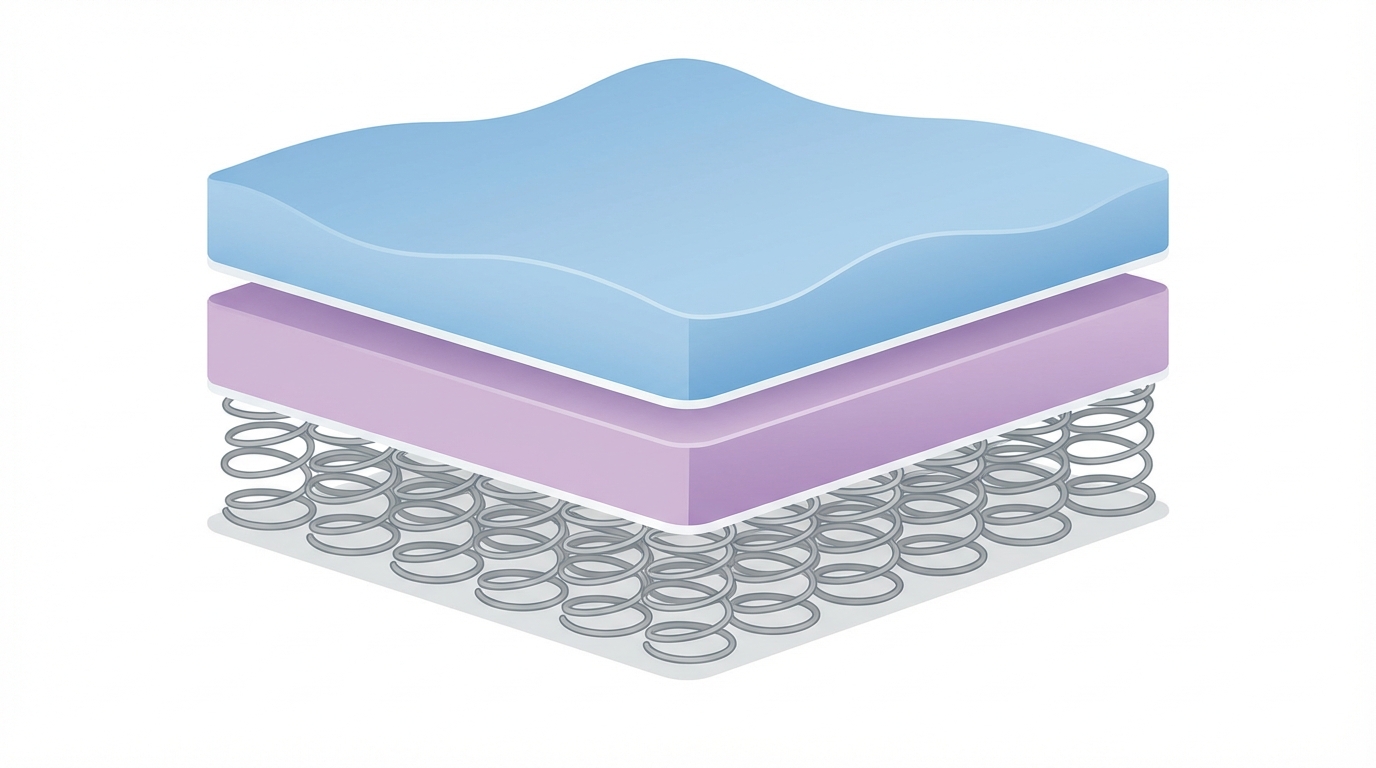
Hybrid mattresses blend foam layers on top of individually wrapped coils. The comfort layers will soak in liquid much like an all‑foam mattress, but the coil support unit tends to stay drier unless the accident is very large or left for a long time. The key for hybrids is to work thoroughly at the surface while keeping liquids from reaching the coil unit where metal components and glue points live. Even if rust risk is small, lingering moisture in the lower half of the mattress can be very slow to evaporate.
In general, if your mattress has a thick pillow top, memory foam, or natural latex, err on the side of gentle, low‑moisture cleaning and more drying time. If you have a firmer, thinner‑topped innerspring and the mattress is older, you can be a bit more assertive, but it is still smart to avoid harsh cleaners like bleach. Bleach can break down fibers, discolor stitching, and is not recommended by most manufacturers or health organizations for direct use on mattresses because of residue and fume concerns.
Step‑By‑Step: How To Clean Fresh Pee From A Mattress
When the stain is still wet, you have the best chance of getting both the mark and the odor out with minimal fuss. The goal with a fresh accident is to remove as much liquid as possible, then use the right mild cleaning solution, and finally dry the mattress thoroughly. Each of these steps matters, and the order matters too.
Start by stripping the bed completely. Remove sheets, protectors, and any toppers or pads, and place them in the washer. Use cold water at first so you do not accidentally set the stain in your linens, then follow with a warmer wash if the care label allows. At the mattress level, gently blot the wet area with clean, absorbent towels or paper towels. Press straight down without rubbing, rotating to dry sections as they pick up moisture. Rubbing can spread the stain outward and push liquid deeper into the layers.
Once you have blotted thoroughly and the surface feels damp but not shiny‑wet, it is time for a mild cleaning solution. For most mattresses, a mixture of distilled white vinegar and water works well to help dissolve urine salts and reduce odor. Many cleaning guides and home care experts recommend around a 1 to 3 ratio of vinegar to water. Using a spray bottle, lightly mist the stained area until it is damp but not saturated. Gently press again with a clean towel to help lift both the liquid and some of the dissolved discoloration.
After that first round, sprinkle a generous layer of dry baking soda over the treated spot. Baking soda is widely recognized for its ability to absorb moisture and neutralize odors, and it is commonly recommended by resources like the Sleep Foundation for basic mattress care. Let the baking soda sit for several hours, ideally overnight, so it can draw moisture upward as the mattress dries. Once completely dry, vacuum the baking soda using the upholstery attachment, working slowly to pick up all the powder.
If the stain is new and relatively small, this simple vinegar and baking soda sequence is often enough. You may still see a faint outline when the fabric is completely dry, but it should be much lighter and noticeably fresher smelling. If there is still a visible mark or lingering odor, you can repeat the process once more, staying mindful not to oversaturate the mattress. At this stage, you are better off focusing on smell and hygiene than chasing perfection on every faint shadow in the ticking fabric.
“Our senior lab has the occasional leak, and I thought for sure we had ruined the mattress. I followed the step‑by‑step guidance with vinegar, baking soda, and lots of blotting. It took a full day to dry, but the dog smell disappeared and we did not have to spend another thousand dollars on a new bed.” – Marcus P., October
How To Remove Dried Or Set‑In Pee Stains

Dried pee stains can look intimidating, especially on light‑colored mattress fabrics. By the time you notice them, the moisture has evaporated but salt crystals and other compounds are embedded in the surface layers. These settled stains are more stubborn, and you will likely need to repeat treatments over several days. The key is patience and gentle persistence, not aggressive scrubbing.
Start by vacuuming the area to remove dust, dander, and any loose particles. This gives your cleaning solution a clearer path to the stain itself instead of making mud at the surface. Next, lightly rehydrate the stained area with plain water or a very dilute vinegar solution. You are not trying to fully soak the mattress, only to dissolve some of the dried residue so it can be lifted out. Mist the area or dab with a slightly damp cloth, then blot carefully to pull loosened material toward the surface.
For more stubborn discoloration, some households use a very mild hydrogen peroxide solution, often around 3 percent peroxide mixed with water and a small amount of gentle dish soap. Hydrogen peroxide has lightening and oxidizing properties that can help with old yellow stains, but it must be used carefully. As Mayo Clinic and other medical sources note, peroxide can irritate skin and eyes when misused, and on mattresses it may discolor fabrics or weaken foam if applied heavily. Always spot test in a hidden area first, use it sparingly, and avoid it entirely on latex mattresses and very delicate memory foams.
Apply the dilute solution with a cloth rather than spraying directly on the bed. Gently dab and lift, working from the outer edges of the stain toward the center so you do not spread it. Blot with a dry towel after each pass to remove as much liquid as possible. Then, as with fresh stains, finish with a generous baking soda layer and let it sit for several hours before vacuuming. You may not erase a very old or heavily set stain completely, but you can usually soften its appearance and significantly improve odor.
If, after a couple of careful attempts, you are still seeing a dark shadow and smelling urine when you get close, you will need to decide what “good enough” looks like for your situation. For a child who will likely outgrow bedwetting in a few years, a cosmetically imperfect but odor free mattress under a high quality protector is often perfectly acceptable. If the mattress is already old, sagging, or stained in several areas, it may be smarter to treat what you can, add a washable topper, and start planning for a replacement within the next year or two rather than overclean and damage the core.
Dealing With Lingering Odor: When The Smell Will Not Quit
Sometimes, even after the visible stain fades, you notice a sour or ammonia‑like smell every time you change the sheets or sit on that part of the bed. Odors can stick around when urine penetrates deeper padding or when enough time passes before cleaning that bacteria have a chance to flourish. Because you sleep so close to the mattress surface every night, even low level smells can feel intrusive, especially in a warm bedroom with minimal airflow.
One simple deodorizing strategy is a focused baking soda treatment. Instead of spreading a light dusting over the mattress, mound a thicker layer directly over the smelly area and leave it in place for 12 to 24 hours. The longer contact time gives baking soda more opportunity to absorb volatile compounds from deeper within the comfort layers. Many people find that repeating this process two or three times makes a noticeable difference, particularly on innerspring mattresses and thinner pillow tops.
If baking soda alone is not cutting it, consider using an enzyme based cleaner specifically designed for urine. These cleaners contain beneficial enzymes and bacteria that help break down the organic components responsible for odor. Veterinary and pet care sources often recommend them for carpets and upholstery after pet accidents, and you can find versions that are safe for most mattress fabrics as well. Always follow the manufacturer instructions, spot test a small area, and use a light touch so you are not oversaturating the bed.
For households with frequent pet accidents, a layered approach can be helpful. After basic cleaning, apply an enzyme cleaner according to directions, then once fully dry, follow with a baking soda treatment to capture remaining smells. Make sure you give the mattress plenty of time to dry between each step. You can speed up drying with a fan, open windows, or low gentle heat from a hair dryer held far from the surface, but avoid high heat that might affect synthetic fabrics or foams.
If, after multiple rounds and several days of thorough drying, you still smell urine strongly when the bed is made, the mattress may be saturated beyond what home cleaning can fix. This is more common with all‑foam beds that have absorbed repeated accidents or with older mattresses stored in humid areas. At that point, it becomes a health and comfort decision. Chronic strong odor can contribute to poor sleep quality and embarrassment, which can be particularly hard on children. When that happens, directing your energy toward prevention on a new, well protected mattress will serve you better than fighting a losing battle with an old one.
“We tried every spray in the cleaning aisle to get cat urine smell out of our mattress and nothing worked for more than a day. The enzyme cleaner and deep baking soda treatment finally did it. We also added a waterproof protector from Sleepology so it will not soak through again. It honestly saved us from having to replace a king mattress we love.” – Daniel R., December
Special Considerations For Pet Urine
Pet urine behaves a bit differently from human urine, and it often smells stronger and sticks around longer. Cats and dogs can have more concentrated urine, especially if they are not drinking enough water, and they may return to the same spot if they can still detect their own scent. That means you are not only dealing with a one‑time cleaning issue, but also with behavior reinforcement. Getting the odor out thoroughly becomes critical to stopping the cycle.
For pet accidents, enzymatic cleaners are usually the first choice rather than home vinegar mixes. Many pet trainers and veterinary professionals caution that strong vinegar odors can actually encourage some pets to remark, since they interpret the smell as something unusual in their territory. Enzyme cleaners, on the other hand, break down the proteins and other organic components your pet recognizes, making the spot less interesting or familiar. Choose a product labeled for cat or dog urine specifically, as their formulas can differ.
You will still want to start with basic blotting to remove as much liquid as possible, then apply the enzyme product according to the package directions. This often involves saturating the stained area lightly and allowing it to sit for a period of time so the enzymes can do their work. Some brands suggest covering the area with a clean cloth or plastic wrap while it sits, which helps keep it from drying out too quickly. Afterward, blot again to remove excess and allow the mattress to air dry completely.
Preventing repeat accidents involves both behavior changes and environmental setup. Make sure dogs have ample opportunities to go outside and that litter boxes are clean, accessible, and appropriately sized for cats. If your pet is older, dealing with incontinence, or experiencing anxiety, consult your veterinarian, since medical support can make a big difference. On the environmental side, using a high quality waterproof mattress protector and washable pet blankets can give you an easy first line of defense against new messes.
Finally, be realistic about wear and tear. If a pet has used a mattress as a primary bathroom spot for a long period, there may be extensive staining and odor all the way through the core. In that case, sanitation and your own comfort may be better served by retiring the mattress, choosing a more resilient model that fits your household, and committing to protective layers from day one. That might mean a durable hybrid such as the Sealy Posturepedic Plus Firm Mattress – Paterson II Euro Pillow Top, paired with a waterproof protector to stand up better to life with animals.
How Mattress Materials Compare For Cleanup And Durability
When people ask how to remove pee stains from a mattress, they are often also quietly asking whether they chose the wrong type of mattress in the first place. The reality is that any mattress can be affected by repeated liquid exposure, but some materials are more forgiving than others when you are cleaning up accidents over many years.
The table below compares three common mattress categories and how they typically handle urine accidents, both in terms of cleaning and long term durability.
| Mattress Type | Cleanup Friendliness | Long‑Term Impact Of Repeated Accidents |
|---|---|---|
| Traditional Innerspring with Quilt Top | Often easier to blot and surface clean, shallower comfort layers mean less deep absorption if cleaned quickly | Fiber padding can hold odors, stains along seams may remain visible, older models may clump or compress where repeatedly wet |
| All‑Foam / Memory Foam | More challenging to keep liquids near surface, foams readily absorb and spread moisture laterally | Repeated saturation can accelerate softening and body impressions, deep odors may be hard to remove even with enzymes and baking soda |
| Hybrid (Foam Over Coils) | Moderate: behaves like foam on top but usually keeps coil unit drier if accidents are limited and cleaned promptly | Foams can still soften faster with repeated wetting, but good protectors help preserve both comfort layers and coil support over time |
This comparison is not meant to scare you away from any particular material. Instead, it is a reminder that prevention is usually more important than the specific mattress type. A well protected foam or hybrid mattress will generally outlast an unprotected innerspring that is regularly exposed to moisture. If you are actively shopping, a mattress with a quality, removable, and washable cover, or one that pairs easily with a protector, can be a smart choice for households with kids or pets.
If you currently sleep on an older innerspring that has seen years of life and more than a few accidents, it may be time to consider upgrading to a modern design with better support and easier protection options. For example, a Euro pillow top style like the Sealy Posturepedic Pro Medium Mattress – Dupont II Euro Pillow Top gives you cushioned comfort on top of a supportive core, and pairs well with waterproof protectors that fit smoothly without bunching. The key is to start protective habits as soon as your new mattress is delivered so your cleanup jobs in the future are simple and stress free.
Safe Cleaning Products vs What To Avoid
Once people understand that bleach is usually a bad idea on mattresses, they often swing to the opposite extreme and reach for every “natural” cleaner they own. It is helpful to sort solutions into three buckets: generally safe when used correctly, conditionally safe with caution, and best avoided on mattresses altogether. This way, you can build a small, reliable cleaning kit and ignore the rest of the cleaning aisle.
Generally safe options for most mattresses include distilled white vinegar diluted with water, mild clear dish soap in very small amounts, plain water for light rehydration, and baking soda for odor absorption. These ingredients are commonly recommended by mattress manufacturers and household health organizations because they rinse relatively clean and do not leave heavy residues. They are not magic, but when combined with good blotting and proper drying, they can tackle the majority of household stains.
Conditionally safe products include low concentration hydrogen peroxide solutions, commercial enzyme cleaners, and some upholstery or fabric sprays labeled as safe for mattresses. These can be very effective, particularly for older stains and pet odors, but they carry more risk if misused. Always read labels, spot test in a hidden area, avoid direct contact with bare foam or latex, and do not use more than you need. The goal is targeted treatment, not soaking.
Products to avoid include chlorine bleach, anything with strong dyes or heavy fragrances that could transfer to fabrics or skin, and harsh solvents like acetone or strong alcohols. These can damage fibers, irritate skin, and in some cases create fumes that are not healthy to breathe in close quarters. Medical sources like Mayo Clinic and larger health systems consistently recommend avoiding harsh chemicals on bedding and sleep surfaces, especially if anyone in the home has asthma, allergies, or chemical sensitivities.
No matter which cleaner you choose, ventilation and drying time are as important as the product itself. Open windows when you can, run a fan across the surface of the mattress, and give it enough time to dry fully before remaking the bed. If you need to sleep on it the same night, focus on using as little moisture as possible in your cleaning steps so you are not trapping dampness under your sheets.
A Practical Pee‑Cleanup Checklist For Busy Households
Even with the best intentions, it is easy to forget a step when you are tired, dealing with a crying child or a restless pet, and trying to clean a mattress at the end of a long day. Having a simple mental checklist can keep you on track and make sure you are not missing anything important. Once you have walked through it a few times, it will feel almost automatic.
Here is a straightforward sequence many Sleepology customers find helpful for fresh accidents:
- Strip bedding and start washing linens promptly in cold water.
- Blot, do not rub, the wet area of the mattress with absorbent towels.
- Lightly mist with a diluted vinegar solution or apply an enzyme cleaner, depending on whether the accident involves humans or pets.
- Blot again to lift residue and avoid oversaturating the mattress.
- Cover the spot with a thick layer of baking soda and let it sit for several hours or overnight.
- Vacuum the baking soda thoroughly once the mattress is completely dry.
- Allow extra air drying time if needed before remaking the bed with a waterproof protector and fresh sheets.
Once you have this checklist in mind, keep your basic supplies together in one easy‑to‑reach place. A small caddy with vinegar, a spray bottle, baking soda, clean white cloths, and your chosen enzyme cleaner means less scrambling when something happens unexpectedly. This alone can lower your stress level during middle‑of‑the‑night emergencies and help you respond in a way that protects both your mattress and your sleep.
Protecting Your Mattress From Future Accidents
Even the best cleaning routine cannot fully undo years of repeated accidents, which is why prevention matters so much. Think of mattress protection the way you think of a phone case or car insurance. You hope you will not need it, but when life happens, you are grateful it is there. A well chosen protector or encasement can turn a major cleanup into a quick laundry load.
Waterproof mattress protectors sit directly on the mattress like a fitted sheet and add a quiet, breathable barrier between your bed and any spills. High quality versions are soft and flexible rather than crinkly, so they do not change the feel of your mattress. According to many sleep health resources and allergy experts, protectors also help block dust mites and allergens, which is an extra win for people with asthma or sensitive skin. Look for protectors that are machine washable and rated as waterproof rather than simply water resistant.
If you live with kids, pets, or anyone managing incontinence, combining a protector with an extra washable layer can make your routine even easier. That might mean a machine washable mattress pad on top of the protector or a removable, washable topper that adds both comfort and protection. For example, a travel or guest topper bundle like the Tempur‑Pedic® Mattress Topper - Pillow Travel and Guest Bundle can give you a sacrificial comfort layer that takes the brunt of spills while still feeling luxurious to sleep on.
In some homes, especially where incontinence is ongoing, a full mattress encasement that zips all the way around can offer the highest level of protection. This style fully wraps the mattress and can keep liquids, bed bugs, and allergens out of the core. It is important to choose an encasement that is breathable and appropriately sized for your mattress height so it does not strain seams or tear. Once installed, you can layer a simpler waterproof protector and fitted sheets on top for easy washing.
Do not forget to protect the rest of your sleep system as well. Foundations and box springs can stain, and headboards or upholstered bases can absorb odors similar to a mattress. Pairing your bed with quality support such as the Sealy Mattress Base Boxspring Foundation | Low Profile 5‑inch height and covering adjacent textiles with washable throws can keep your whole setup cleaner. Over time, this kind of holistic protection can significantly extend the life of your sleep investment.
“After our second kid started potty training, we finally invested in a good protector and a washable topper from Sleepology. We have had a few accidents since, but clean‑up is just pulling a couple of layers off and tossing them in the wash. The actual mattress still looks brand new under everything.” – Jenna L., January
When To Repair, When To Replace
At some point, every mattress reaches an age and condition where pouring more energy into cleaning is no longer the best use of your time. Knowing when to draw that line can be tricky, especially if you have already put money into a mattress and feel guilty about letting it go. A few key questions can help you decide whether to keep working on removing pee stains or to redirect your focus toward replacement.
First, consider the age and structural condition of the mattress. Many experts, including the Sleep Foundation, suggest that most mattresses provide their best support for around 7 to 10 years, depending on materials and usage. If your mattress is already in that range or older, and you are seeing sagging, squeaks, or significant loss of comfort in addition to staining, it may be wiser to focus on finding a supportive new bed instead of rescuing the old one. Deep body impressions, exposed coils, or crumbling foam are clear signs that structural integrity is compromised.
Second, evaluate the severity and spread of staining and odor. A single, localized stain on an otherwise clean, supportive mattress is often worth the effort of careful cleaning and strong protection going forward. Multiple dark stains across the surface, a musty or urine smell you notice every time you walk into the room, or visible mold or mildew growth, are signs that contamination has gone beyond cosmetic. In these cases, continued exposure may not be good for your respiratory health, especially in children or people with asthma or allergies.
Third, factor in emotional comfort. If you or a family member feels constant embarrassment, frustration, or anxiety about visible staining or lingering odor, that emotional burden may justify moving on sooner. A fresh start on a clean, protected mattress can relieve a surprising amount of stress around bedtime, particularly for kids working through bedwetting. As a sleep coach, I see regularly how psychological comfort around the bed impacts overall sleep quality.
If you decide that replacement is the right move, you do not necessarily have to buy the most expensive mattress in the showroom. Focus on supportive, breathable options that match your sleeping position and budget, and then commit to strong protection from day one. For instance, if you are a side sleeper looking for pressure relief and durability, a Euro pillow top like the Sealy Posturepedic Elite Soft Mattress – Albany II Euro Pillow Top can deliver plush comfort, while a medium option such as the Sealy Posturepedic Medium Mattress – Medina II Euro Pillow Top can work beautifully for combination sleepers. Pair any of these with a quality protector and breathable sheets, and you will have a forgiving setup if another accident occurs.
Supporting Better Sleep After Accidents
Cleaning the mattress is only part of the picture. Pee accidents can shake a family’s confidence around sleep, especially for kids, older adults, and anyone managing a medical condition. After you tackle the stain, it is worth taking a moment to support the emotional side of bedtime and make sure everyone feels safe and comfortable getting back into bed.
For children, try to normalize accidents without shame. Pediatric sleep and health experts often remind parents that bedwetting is a developmental phase for many kids, not a disciplinary issue. Keeping a spare set of sheets and pajamas handy, and maybe even a “nighttime basket” with wipes, a small towel, and a comforting stuffed animal, can make late night changes smoother. Let your child know that the protector on the bed is there to help the mattress, not to monitor them.
Adults managing incontinence or post‑surgery recovery may benefit from medical input as well. Urinary changes can be linked to a wide range of treatable conditions, and healthcare providers can suggest strategies, schedule adjustments, or medications when appropriate. According to major health systems and organizations like the Cleveland Clinic, open conversations about these concerns can significantly improve quality of life and reduce nighttime worry. A clean, protected sleep surface gives you one less thing to stress over.
From a practical standpoint, consider your whole sleep environment. Clean pillows, breathable sheets, and appropriate support all contribute to feeling truly refreshed in the morning. If your pillows are stained or flattened from age or exposure to moisture, or your sheet set has seen better days, upgrading these pieces can enhance your sense of “reset” after a rough night. Sleepology’s curated collection of pillows, sheets, toppers, and protectors makes it easier to choose coordinated layers that work together for comfort and protection.
Over time, a combination of practical steps and gentle reassurance helps accidents become a small bump in your nighttime routine instead of a major event. The more prepared you feel, the less energy each incident will steal from your rest.
Conclusion: You Can Save Your Mattress And Your Sleep
Urine stains on a mattress feel urgent and personal, but they are also incredibly common, and very often they are manageable with the right approach. Responding quickly with blotting, gentle cleaners, and thorough drying gives you the best chance of removing both the mark and the smell. For older, set‑in stains, a bit more patience and targeted tools like enzyme cleaners and baking soda can still make a meaningful difference, especially when you respect your mattress materials and avoid harsh chemicals.
Beyond the stain itself, this is an opportunity to future proof your sleep space. A good waterproof protector, thoughtful layering, and realistic expectations about your household’s needs are powerful allies. They turn overwhelming midnight messes into brief, manageable tasks. And if you reach the point where your mattress is simply too worn or too compromised, choosing a supportive, well protected replacement can feel like a genuine fresh start, not a failure.
Most importantly, remember that accidents do not define your mattress, your home, or your family. With a bit of know‑how and the right gear, you can protect your investment, protect your health, and get back to what really matters, which is resting well. If you ever feel unsure about whether a mattress can be saved or what kind of replacement would work best for your situation, the team at Sleepology is always ready to help you talk through options and find a solution that lets you sleep with confidence.
Frequently Asked Questions
How fast do I need to act to prevent a pee stain from setting?
The sooner you can start blotting, the better. Urine begins soaking into mattress fibers and foams immediately, so even a few minutes of delay can allow more liquid to travel deeper into the comfort layers. That said, if you discover a stain hours later, it is still worth working through the cleaning steps. You may not get a perfect visual result, but you can still greatly improve hygiene and odor.
Can I use hydrogen peroxide on my memory foam mattress to remove yellow stains?
Hydrogen peroxide can sometimes lighten yellow urine stains, but it must be used carefully, especially on memory foam. Peroxide is an oxidizer that can weaken foam structure and discolor fabrics when applied too heavily or at high concentration. If you choose to try it, always dilute a 3 percent solution with water, spot test in a hidden area, and apply with a cloth instead of spraying directly. If you see any texture change or color shift you do not like, stop and switch to gentler methods like vinegar and baking soda.
Will steam cleaning completely remove pee from a mattress?
Steam cleaners can be helpful for surface sanitation, but they are not a magic fix for deep urine contamination. The high heat and moisture can drive liquid and residues further into foams and padding if used incorrectly, and many mattress manufacturers advise against heavy steam cleaning for this reason. If you already have a consumer steam cleaner and want to use it, reserve it for light, quick passes on the surface after you have already blotted and treated the area, and always allow ample drying time. For extensive staining or odor, enzyme cleaners and careful drying are usually more effective.
How do I know if it is time to replace my mattress instead of trying to clean it again?
Look at a combination of age, comfort, and contamination. If your mattress is more than 8 to 10 years old, sags noticeably, or leaves you waking with new aches and pains, it may be nearing the end of its useful life regardless of staining. Add in multiple large urine stains, strong odors that return even after cleaning, or signs of mold or mildew, and replacement becomes the healthier and more cost‑effective choice. In contrast, a relatively new, supportive mattress with a single localized stain usually responds well to careful cleaning and added protection going forward.
What kind of mattress protector is best for kids who wet the bed?
For kids who occasionally or regularly wet the bed, a quiet, fully waterproof mattress protector that fits like a fitted sheet is usually the best first line of defense. Look for a protector with a soft, breathable top layer and a waterproof backing, ideally one that is machine washable and dryer safe. Some families also like to keep a second protector and extra sheets on hand so they can do a quick “strip and remake” in the middle of the night. For heavy or frequent bedwetting, consider adding an absorbent pad or washable topper on top of the protector for extra insurance.
How can I keep my mattress from smelling after multiple pet accidents?
After cleaning each accident with blotting and an enzyme cleaner, give the mattress plenty of time to dry completely before covering it again. Follow up occasionally with a deep baking soda treatment to absorb lingering odors, and vacuum thoroughly afterward. Using a high quality waterproof protector will keep future accidents from soaking into the core, making cleanup faster and more effective. It is also important to address the underlying cause of accidents with your veterinarian and, if needed, a trainer, so you are not constantly battling new messes in the same spot.
Do pee stains void my mattress warranty?
Most mattress warranties cover manufacturing defects in materials and workmanship, not staining or damage from spills, accidents, or misuse. In fact, visible stains of any kind can sometimes be used as grounds to deny a warranty claim, since they indicate that the mattress has been exposed to liquids that may have affected its performance. This is one of the biggest reasons sleep experts strongly recommend using a waterproof protector from day one. Protectors help keep your mattress in a condition that remains eligible for coverage if a genuine defect shows up later.