


How To Remove Mattress Stains: A Complete, Real‑World Guide From A Sleepologist
If you are staring at a fresh stain on your mattress right now, you are not alone. It only takes one sick kid, a tipped coffee mug, a sweaty summer, or a pet accident for a spotless bed to turn into a stressful mess. When that happens, it is easy to panic and worry that your mattress is ruined or that you will never get rid of the smell. You might even be wondering whether you have to replace the whole thing, which is not exactly in most people’s budget plans.
The good news is that most mattress stains can be treated at home with supplies you already have, as long as you understand how different stains behave and what actually works. As someone who has spent 20 years in the mattress world, I have watched people write off good mattresses that could have been saved in under an hour with the right approach. I have also seen the flip side, where a few common cleaning mistakes accidentally void warranties or shorten the life of the mattress.
Here you will find calm, step by step guidance on how to remove mattress stains, how to avoid making them worse, and how to protect your bed going forward so the next accident is no big deal. We will walk through specific plans for urine, blood, sweat and yellowing, vomit, food and drink, and mystery stains that have simply built up over time. You will also learn when to call in a professional and when it is actually smarter to retire a mattress and put your money toward a healthy, supportive upgrade from Sleepology instead.
According to organizations like the Sleep Foundation and Cleveland Clinic, mattress hygiene influences not only how long your mattress lasts, but also allergies, asthma, and overall sleep quality. Regular stain management, along with good protection, is one of the simplest ways to keep your sleep environment clean and supportive in . By the time you finish reading, you should feel confident that you know what to do next, whether you are dealing with a single fresh spill or years of built up discoloration.
Mattress Stain Basics: What You Need To Know Before You Start
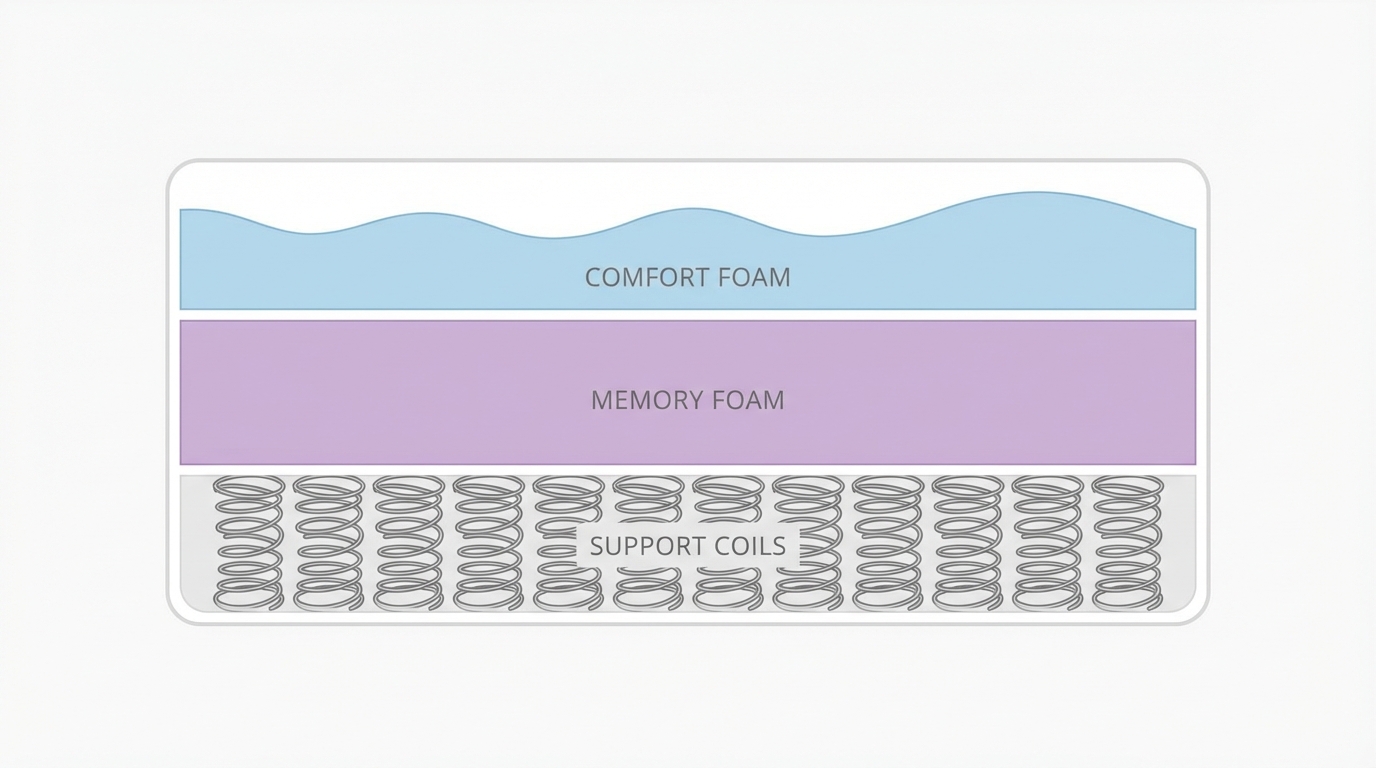
Before you grab the nearest cleaner and start scrubbing, it helps to understand why mattress stains are so tricky. Unlike a shirt or curtain, your mattress cannot go in the washing machine. It is a thick, layered structure designed to absorb weight and motion, which means it can also absorb and hold onto liquids if you are not careful. The goal with stain removal is always to treat the surface and upper layers without saturating the core, which can lead to mold, mildew, or permanent damage.
Most mattress stains fall into a few broad categories: protein based stains like blood, sweat, vomit, and urine; oil based stains from body oils, lotions, or food; and pigment based stains such as coffee, wine, or juice. Protein stains dislike heat and can set permanently if exposed to hot water or a hot hair dryer, while oil and pigment stains respond better to gentle detergents and sometimes a bit of diluted oxygen based cleaner. This is why you will see different recipes and strategies in this guide depending on what you are dealing with.
There is also the question of health. Your mattress collects dust mites, dander, pollen, and skin cells over time. Consumer Reports notes that regular vacuuming and surface cleaning helps reduce allergen load and can make sleep more comfortable, especially for people with asthma or allergies. When stains sit, they not only discolor the surface but can become a food source for microbes and mites. So treating stains promptly is about appearance, smell, and hygiene all at once.
Finally, it is worth mentioning warranty and safety. Many manufacturers warn against using steam cleaners or soaking a mattress, because both can damage foam cells, rust springs, or encourage mold that is extremely hard to remove. Harsh chemicals like full strength bleach can also break down fabrics and foams. Whenever possible, stick to mild solutions, cool or room temperature water, and blotting rather than scrubbing. If your mattress has a specific care tag, read that first and use it as your guardrail.
“I was convinced the mattress we bought three years ago was a goner after our dog had an accident. Following Mia’s steps, the smell and stain both disappeared, and we avoided spending another $1,500 on a new bed. It honestly felt like a minor miracle.” – Danielle R., November
Build Your At‑Home Mattress Stain Toolkit
Before you tackle specific stains, it helps to assemble a small mattress cleaning kit you can keep in a closet or laundry room. That way, when a 2 a.m. accident happens, you are not rifling through cabinets trying to improvise with whatever is under the sink. A prepared approach usually leads to gentler, more effective cleaning.
Most mattress stain treatments rely on mild, household products that are safe around people and pets when used correctly. The idea is to dissolve or break apart the compounds in the stain without damaging mattress fibers or foams. According to cleaning guidance from groups like the American Cleaning Institute, simple combinations like diluted dish liquid, baking soda, and white vinegar can handle a surprising range of messes when used correctly.
Aim to gather light colored, lint free cloths or small towels, because dyes from dark cloths can transfer and create a new stain problem. A spray bottle gives you more control over how much liquid you apply, which is crucial when you are trying not to saturate the mattress. A small bowl and spoon work well for mixing thicker pastes for set in stains. If you have allergies or are working with bodily fluids, disposable gloves and an inexpensive mask are smart additions, so you are not dealing with irritation later.
Here is a simple, practical kit many of my clients keep on hand:
- Plain, clear liquid dish detergent
- Baking soda
- Distilled white vinegar
- 3 percent hydrogen peroxide in the original dark bottle
- Table salt
- Enzyme cleaner labeled for urine and pet messes
- Several white or light microfiber cloths
- A spray bottle and small mixing bowl
- A handheld or regular vacuum with an upholstery attachment
- Disposable gloves and a basic face mask
Once you have a stain under control, this is also the perfect time to think about protecting your mattress investment more thoroughly. A waterproof, breathable protector prevents most spills and accidents from reaching the mattress at all, which drastically reduces the intensity of cleaning you will have to do in the future. Many Sleepology customers like the TEMPUR‑Breeze Mattress Protector because it combines waterproof protection with cooling and a quiet, soft surface that actually improves comfort instead of feeling plasticky.
Rules Of Thumb For Any Mattress Stain
No matter what kind of stain you are dealing with, a few core principles will keep you out of trouble. Think of these as your “do no harm” guidelines before you reach for more targeted solutions. A little restraint at the beginning usually saves you from bigger headaches later.
First, act as quickly as you reasonably can, especially when the stain is liquid based. Fresh spills are far easier to remove because the liquids have not fully soaked or bonded with the mattress fibers. Use a dry cloth to blot up as much moisture as possible before you introduce any cleaner. Rubbing or scrubbing at this stage can push the stain deeper or fray the fabric surface, so press straight down, lift, and rotate to a dry area of the cloth.
Second, avoid heat with almost all mattress stains. Warm or hot water can cook proteins in blood, sweat, and vomit, causing them to set more firmly into the fibers. The same is true for using a hot hair dryer in an attempt to speed drying. Stick with cool or room temperature solutions and let airflow, a fan, or open windows handle the drying phase. Sleep organizations like the Sleep Foundation point out that full drying is important both for stain removal and for preventing mold and dust mite growth in a damp mattress.
Third, scale back on liquid. It is tempting to soak a stain in cleaner, but mattresses are not meant to be wet through the core. Use a spray bottle to lightly mist or a lightly damp cloth to apply solution in controlled amounts. After each treatment, blot thoroughly with a dry cloth to remove as much moisture as possible, then give the mattress hours of open air time before remaking the bed. If you can position the mattress near a window for some indirect sunlight, that natural light can help with sanitation as well.
Finally, test before you commit. If your mattress cover has a visible zipper, check your warranty instructions before removing it, as some brands warn against removing non removable covers. Whatever you are using, test your cleaner on a small, inconspicuous area first to be sure it does not cause discoloration. Hydrogen peroxide, for example, is a gentle bleach and may lighten colored fabrics, so I recommend using it only on white or already very light mattress surfaces.
“I always thought you had to scrub stains hard to get them out. Learning to blot and use just a small amount of cleaner was eye opening. My mattress fabric looks better, and I am not getting those fuzzy spots or rings anymore.” – Michael T., October
How To Remove Fresh Urine Stains From A Mattress

Why Fresh Urine Stains Need Fast, Gentle Action
Urine stains are one of the most common reasons people search for help with mattress stains, especially in homes with young children, older adults, or pets. Fresh urine has two main issues: moisture that can soak deep into the mattress and compounds that will oxidize over time into stronger, harder to remove odors. The earlier you intercept both, the more likely you are to restore your mattress to a neutral state.
Human urine is mostly water with some salts, urea, and other waste products that bacteria love to feed on. According to health organizations like Mayo Clinic, these compounds are harmless when cleaned promptly but can be irritating and unhygienic if allowed to sit, particularly for people with allergies or respiratory conditions. When urine dries inside a mattress, it can leave behind crystals and residues that continue to off gas an odor, which is why older stains smell so persistent.
When dealing with a fresh accident, your first priorities are to reduce the amount of liquid in the mattress and neutralize the odor causing compounds before they oxidize. That is why many effective do it yourself methods rely on a combination of white vinegar, which helps break down and neutralize odors, and baking soda, which absorbs moisture and pulls residues toward the surface where you can vacuum them away. This combination can be surprisingly powerful when you give it enough time to work.
Step By Step: Treating Fresh Human Urine
Start by stripping all bedding and washing it in the warmest water safe for the fabric, using an enzyme based laundry detergent if available. While that is in the wash, focus on the mattress itself. Using a dry, light colored cloth, press down firmly on the wet area to blot up as much urine as possible. Rotate or switch cloths frequently so you are always blotting with a dry area rather than redistributing moisture.
Next, mix a solution of half distilled white vinegar and half cool water in a spray bottle. Lightly mist the stained area until it is damp but not soaked. The goal is to reach roughly as deep as the stain penetrated, not to saturate fresh layers of foam or padding. Let the vinegar solution sit on the stain for at least 10 to 15 minutes so it can break down odor causing compounds. After that rest period, blot again with fresh cloths to remove excess liquid.
Once the surface feels damp rather than wet, sprinkle a generous layer of baking soda over the entire affected zone, extending an inch or two beyond the visible edges of the stain. This powder will absorb remaining moisture and help pull residues upward as it dries. Leave the baking soda in place for at least eight hours, and longer if possible. During this time, it is best to leave the mattress uncovered so air can circulate. When it is completely dry, vacuum the baking soda thoroughly using an upholstery attachment.
If any odor or light discoloration remains, you can repeat the process a second time. For pet urine, which often contains different compounds and stronger odors, an enzyme cleaner specifically labeled for urine can be especially helpful, as Sleep Foundation’s mattress cleaning guidance points out. Just remember to follow the product directions carefully and avoid over soaking.
After everything is dry and odor free, adding a high quality waterproof protector such as the TEMPUR‑Breeze Mattress Protector creates a barrier so the next accident stops at the washable protector instead of sinking into the mattress.
How To Remove Set‑In Urine Stains And Odors
Why Old Urine Stains Behave Differently
Set in urine stains are more challenging because the liquids have long since evaporated, leaving behind concentrated salts and oxidized compounds that bond more stubbornly to fibers and foam. These older deposits are often the source of that lingering “old mattress” or “pet” smell that will not go away, even when the bed looks mostly clean. By the time clients call me about these, they are often on the fence about replacing the mattress entirely.
The science here is straightforward. As urine dries, urea converts to ammonia and other byproducts, which can be pungent and irritating. Over time, these residues can work deeper into porous materials. An effective treatment has to both break down these compounds and give them a way out of the mattress structure. That usually means a combination of a gentle oxidizing agent, like diluted hydrogen peroxide, and an absorbent like baking soda or a dedicated enzymatic cleaner.
You do need to be more cautious with colored fabrics and specialty materials when you use oxidizing cleaners. Hydrogen peroxide at 3 percent is relatively mild, but it still has a lightening effect and can slightly weaken fibers with repeated heavy use. That is why I typically reserve peroxide based recipes for light or white mattress surfaces and always suggest you test a small hidden area first.
A Targeted Method For Dry, Set In Urine Stains
Begin by vacuuming the mattress surface to remove loose dust and debris, which makes it easier for your cleaning solution to reach the stain. If you notice any crusted or powdery areas, gently break them up with your fingers or a soft brush before vacuuming. Put on gloves if you are sensitive to irritants or dealing with older pet stains.
In a small bowl, mix about eight ounces of 3 percent hydrogen peroxide, three tablespoons of baking soda, and one or two drops of clear liquid dish detergent. Stir gently until the baking soda dissolves. This solution is most effective when it is fresh, so plan to use it right away rather than storing it. You can either transfer it to a spray bottle for more even application or dip a clean cloth into the mixture.
Lightly apply the solution to the stained area, either with a spray bottle or by dabbing with your cloth. You should see some mild fizzing as the peroxide reacts with contaminants, which is normal. Avoid soaking the mattress; you are looking for a surface level dampness. Let the solution sit for 10 to 20 minutes. As it dries, a light baking soda residue may remain on the surface. Once everything is completely dry, vacuum well.
If the odor persists, a second round using an enzymatic pet urine cleaner can help, especially on older animal accidents. These cleaners contain enzymes that break down the specific organic molecules in urine. Consumer oriented resources and many veterinarians agree that enzymatic products are often the most effective choice for pet stains, as long as you follow the contact time recommended on the label.
There is a practical limit to what home cleaning can do. If a mattress has multiple, large, deeply soaked urine stains from months or years ago, the core may be compromised, even if the surface looks better. In those cases, once you have done what you can for hygiene and odor, it is worth considering a replacement that offers both comfort and easier maintenance. Hybrid models like the Sealy Posturepedic Elite Soft Hybrid Mattress – Brenham II pair contouring comfort with strong edge support and work very well under a high quality protector.
“Our teenager’s mattress had several old stains from years of bedwetting that we had tried to ignore. After following Mia’s deeper cleaning method twice and then adding a protector, the room finally stopped smelling musty. We decided that if we ever replace it, we will protect the new one from day one.” – Karen L., September
How To Remove Blood Stains From A Mattress
Why Blood Requires Cool, Patient Treatment
Blood stains can feel alarming, but they are one of the more predictable mattress stains if you know what not to do. Blood is a protein rich fluid that binds to fibers as it dries. Hot water or aggressive scrubbing essentially cooks that protein into the fabric, which is why many people accidentally set blood stains permanently by trying to clean them with hot, soapy water. The key is to use cool temperatures and a gentle, lifting action.
Sleep research organizations and textile experts consistently advise cold water for fresh blood stains on fabrics, because cold water keeps proteins from coagulating and moving deeper into fibers. The same logic applies to your mattress. You are trying to dissolve and blot away as much as possible before it has a chance to settle in. If some residue remains, then you can use a carefully mixed cleaner to break it down further without harming the mattress surface.
When you see blood on a mattress, the source also matters. For a small cut or menstrual leak, you may only need to treat a small surface area. For heavier bleeding or medical issues, there can be more extensive staining and a higher hygiene risk. In those situations, I always suggest using gloves, a mask, and erring on the side of calling a healthcare provider for advice about safety and exposure, especially for caregivers.
How To Treat Fresh And Dried Blood Stains
For a fresh blood stain, start quickly. Using a clean, slightly damp cloth soaked in cold water, blot the stain gently, working from the outer edges toward the center. Rinse the cloth frequently in cold water so you are not re depositing blood. Avoid rubbing in circles, which can spread the stain outward and inward. With fresh blood, this cool water blotting can sometimes remove most of the discoloration on its own.
If the stain has already dried or there is still a visible shadow after initial blotting, you can create a simple paste. In a small bowl, mix two ounces of 3 percent hydrogen peroxide, one tablespoon of clear dish detergent, and one tablespoon of salt. The salt and detergent help loosen the stain while the peroxide acts as a mild bleaching and oxidizing agent. Again, test this solution in a hidden area first, and only use it on light colored fabrics.
Using the back of a spoon or a cloth, spread a thin layer of the mixture over the stained area. Let it sit for about 10 to 20 minutes, allowing it to work on the dried blood. As it dries, you will see it thicken and possibly crack. Gently scrape away the dried paste with a spoon or cloth, then lightly dab the area with a cloth dampened in plain cold water to remove any residue. Blot with a dry cloth and allow the mattress to air dry completely.
For stubborn stains that do not fully disappear after one treatment, it is usually better to repeat this cool, gentle process than to escalate to harsh chemicals. Bleach and strong oxidizers can weaken fibers and damage foams over time. For people who are especially concerned about appearance, a fitted sheet and mattress protector can cover a faint shadow once you are confident the area is clean, dry, and sanitary.
If frequent nighttime bleeding or heavy periods are a recurring challenge, consider layering your bedding strategically. A breathable protector plus a soft topper can add both comfort and protection. Many people find that a topper like those in the Pillows, Sheets, Toppers, Protectors collection gives them a removable, washable layer that catches small leaks before they reach the main mattress.
How To Remove Sweat, Yellowing, And Body Oil Stains
Why Mattresses Turn Yellow Over Time
Even if you never spill a drink or deal with a major accident, it is common for mattresses to slowly develop yellow or tan patches over the years. These are usually a combination of sweat, body oils, and oxidation of the mattress materials themselves. Sleep Foundation notes that sweat and natural body oils can gradually discolor foams and fabrics, particularly in warmer climates or for people who sleep hot or have night sweats.
Sweat stains tend to appear in the torso, hip, and shoulder zones and can be more pronounced on older mattresses that were never protected. They are often accompanied by a slight musty odor if the mattress has absorbed moisture repeatedly. While these stains are not usually hazardous, they can be unappealing and may signal that the mattress is carrying a higher moisture load than ideal, which can encourage dust mites and reduce overall comfort.
Body oils and some lotions or skincare products can also seep into the fabric cover, leaving darker or shinier patches. These respond somewhat differently than pure sweat stains and may need more detergent action rather than oxidizing treatments. Fortunately, you can often improve the appearance and smell of sweat and oil related stains, especially if the mattress is still structurally sound and less than eight to ten years old.
Gentle Cleaning For Sweat And Yellow Stains
Start again by vacuuming the mattress thoroughly, paying attention to seams and quilting lines where dust can accumulate. Removing this loose debris gives your cleaning solution better contact with the actual stain. If there are any localized darker spots, take note of them so you can focus your efforts there.
For general yellowing and sweat stains on a white or very light colored mattress, a diluted hydrogen peroxide spray can be effective. Fill an opaque spray bottle with a few ounces of 3 percent peroxide. Lightly mist the stained areas until they are damp but not soaked. You may see some bubbling or lightening as it dries. Allow the mattress to air dry completely; as it does, many of the yellowish areas will fade. Remember that peroxide can have a mild bleaching effect, so avoid this on darker or patterned covers.
If you prefer a detergent based approach, especially for oilier stains, mix a teaspoon of gentle liquid dish detergent with a cup of cool water. Lightly dampen a cloth in the solution and blot the stained areas, again avoiding heavy scrubbing. Follow with a cloth dampened in plain water to remove soapy residue and then blot dry. Many people like to sprinkle baking soda over the area afterward to absorb any remaining moisture or odors, then vacuum it up once dry.
At a certain point, persistent yellowing and odors can be a sign that the mattress has simply reached the end of its healthy lifespan. Most sleep organizations suggest replacing mattresses every seven to ten years, sooner if there are sagging zones, significant staining, or worsening allergies. If your bed is in that window and cleaning only makes a small cosmetic difference, it may be more satisfying to invest in a new, more breathable mattress. Hybrid designs like the Sealy Posturepedic Plus Soft Hybrid Mattress – Paterson II combine cooling technologies with pressure relief, which can help reduce sweating and moisture buildup from the start.
How To Clean Vomit From A Mattress Safely
Safety And Hygiene First
Few stains feel as urgent or unpleasant as vomit on a mattress. Along with odor and discoloration, there is a very real hygiene concern. Vomit can contain stomach acid, food particles, and sometimes infectious agents. This is why both medical organizations and cleaning experts emphasize protective gear and prompt action when cleaning it up. Protecting yourself with gloves and, ideally, a simple mask helps you clean effectively without compromising your own health.
The first step with vomit is always to remove solid material, then address the liquid and odor. Unlike some other stains, you will usually need to work in stages: scrape, blot, neutralize, absorb, and finally deodorize. White vinegar and baking soda are especially helpful here, because vinegar helps neutralize odor causing compounds while baking soda absorbs both liquids and smells as it dries. Patience is important, since effective deodorizing often takes many hours.
One extra note: if the person who was sick has a contagious illness, it can be wise to consult healthcare guidance about disinfecting and consider temporarily using a different bed while everything dries and airs out. Opening windows to increase ventilation and using a fan pointed across the mattress, not directly at your face, can make the cleanup process more tolerable.
Step By Step: Cleaning Vomit From Your Mattress
Put on disposable gloves and, if possible, a basic mask. Use a dustpan, piece of cardboard, or sturdy paper plate to gently scrape up any solid material and dispose of it in a plastic bag that you can tie and remove from the bedroom. Once solids are gone, use dry, disposable cloths or paper towels to blot the remaining moisture from the mattress surface without rubbing.
Sprinkle a generous layer of baking soda directly over the damp area. This immediately begins to absorb liquid and odor. Next, fill a spray bottle with straight distilled white vinegar. Lightly spray the baking soda covered area. You will see foaming and fizzing as the vinegar reacts with the baking soda and helps lift contaminants from the fibers. Allow this foaming action to continue undisturbed for at least 10 to 15 minutes.
After the initial reaction subsides, leave the baking soda and vinegar mixture on the mattress for several hours, or ideally overnight, so it can fully dry and absorb odors. The surface will become crusty as the baking soda dries. Once everything is completely dry to the touch, vacuum up all the powder very thoroughly. If any residual odor remains, a second round of baking soda alone, left for several more hours, can help.
If you are particularly concerned about sanitization, you can lightly mist the area afterward with a fabric safe disinfecting spray that is approved for use on upholstery, being careful not to soak the mattress. Always allow ample drying time before putting sheets back on. If someone in your home is immune compromised or there is a known infectious illness, consulting a healthcare provider or professional cleaning service for additional guidance is a reasonable extra step.
Going forward, combining a quality mattress with a waterproof protector can dramatically lower the stress of future stomach bugs. Many families also like to keep an extra washable layer, such as a thin mattress pad or topper from the Pillows, Sheets, Toppers, Protectors collection, to catch smaller incidents and make middle of the night bed changes easier.
How To Remove Coffee, Wine, And Food Stains From A Mattress
Understanding Pigment And Tannin Stains
While bodily fluids get most of the attention, food and drink stains are just as common, especially if you enjoy breakfast in bed or use your bed as a movie night hub. Coffee, tea, wine, and juice are largely pigment and tannin based stains. They can leave dramatic marks but are often easier to remove than old sweat or urine if you respond quickly and use the right solution.
Pigments and tannins respond well to mild detergents and, in some cases, specialized stain removers, because the goal is to break the bond between the colored compounds and the fabric surface. Unlike protein stains, they are less sensitive to water temperature, although sticking with cool or lukewarm water is still safest for the mattress as a whole. Oil based food stains, such as salad dressing or butter, need a bit more detergent power and sometimes more repetitions to fully lift.
The main hazard with food and drink stains is that sugary residues can attract insects and microbes if not fully removed. Even if the visible mark fades, sticky residues left deep in the fabric or quilting can darken over time. That is why I recommend at least one round of detergent based cleaning, not just plain water, anytime you spill a colored or sugary drink on the bed.
Practical Cleanup For Common Spills
If you spill coffee, tea, or soda, start by blotting up as much liquid as possible with a dry cloth. Work gently from the edges inward and avoid pushing the liquid deeper. Next, mix a teaspoon of mild dish detergent into a cup of cool to lukewarm water. Dampen a clean cloth in this solution, wring it out well, and dab the stained area. You should see some color transferring to the cloth. Rotate to a clean section of the cloth frequently.
After a few passes, switch to a cloth dampened with plain water to remove detergent residue. Then blot with a dry cloth to remove moisture. If the stain is still visible, you can repeat this cycle. For red wine, which contains strong pigments, you may see more improvement over two or three rounds. Avoid using undiluted bleach, as it can create pale rings or damage the fabric.
For greasy food stains, add a drop or two more dish detergent to your water so it can better cut through oils. You may need to let the damp, soapy cloth sit on the stain for a few minutes before blotting it away. Again, always follow with a plain water cloth and then dry blotting to avoid leaving a soapy patch that attracts dirt later.
As a final step, sprinkling a little baking soda over the treated area and vacuuming it once completely dry can help remove any lingering odor or dampness. If you regularly eat or drink in bed, think about upgrading your bedding to fabrics that are both comfortable and stain resistant. High quality sheets like the TEMPUR‑Breeze Cooling Sheet Set or the TEMPUR Adapt Luxe Egyptian Cotton Sheet Set are easier to wash thoroughly, which gives your mattress an extra buffer.
Deep Cleaning Versus Spot Cleaning: When To Do Which
Spot Cleaning For Specific Stains
Most of the time, you will be dealing with isolated stains rather than an entire mattress that needs a full reset. Spot cleaning focuses your effort, saves time, and reduces the risk of over saturating the mattress. Any time you have a known incident in a specific area, spot cleaning is your first line of defense. The methods we have already covered for urine, blood, sweat, vomit, and food all fall into this category.
Spot cleaning works best when your mattress is otherwise in good shape. If the rest of the surface is relatively fresh, firm, and unstained, there is no need to overhaul it, especially if you are diligent about using a protector and washing your bedding regularly. Organizations like Consumer Reports suggest pairing occasional spot cleaning with routine vacuuming a few times a year to maintain a hygienic surface without a lot of drama.
One mistake I sometimes see is people attacking the same spot over and over with harsher methods, creating a worn patch that looks worse than the original stain. If you have tried a few gentle, evidence based methods and the mattress is more than eight years old, it may be more realistic to accept a faint stain or consider a mattress refresh, rather than escalating to aggressive chemicals or tools that could void your warranty.
When A Full Mattress Deep Clean Makes Sense
There are times when a broader deep clean is worthwhile. If you have inherited a mattress, survived a messy toddler phase, or simply never cleaned your mattress in many years, a deliberate top to bottom refresh can improve both cleanliness and indoor air quality. A deep clean does not mean soaking or steam cleaning the mattress, which most manufacturers and experts advise against, but rather a thorough surface level reset.
A simple deep cleaning routine looks like this: strip all bedding and wash it, vacuum the entire mattress surface slowly with an upholstery tool, lightly spot treat any visible stains, then deodorize the surface by sprinkling baking soda over the whole mattress and letting it sit for 12 to 24 hours before vacuuming again. Consumer Reports notes that this kind of routine, done once or twice a year, helps reduce dust mites and odors and can contribute to better sleep.
During a deep clean, you also get a chance to really inspect your mattress for sagging, lumps, or structural issues. If you notice deep body impressions, broken springs, or areas that feel significantly softer or firmer than others, those are signs that cleaning will not solve the root problem. In that case, it can be smarter to direct your time and budget toward choosing a new mattress with strong support from the start. Sleepology’s curated collections of best foam mattresses and best hybrid mattresses can be a helpful place to start that process.
Comparing Common Mattress Cleaning Methods
Why The Method Matters
Not all cleaning methods are created equal, and in . there are more gadgets and solutions marketed for mattress cleaning than ever. From handheld steam cleaners to specialty powders, it can be hard to tell what actually works and what is more marketing than substance. As someone who has seen many mattresses over treated or damaged by well meaning cleaning attempts, I think it helps to compare the main approaches side by side.
The big factors to consider are how deeply a method wets the mattress, how compatible it is with typical mattress materials, how effective it is on common stains, and how much risk it carries for warranty issues or long term damage. For home use, the safest and most practical methods tend to be dry or low moisture approaches focused on the upper layers, combined with a good protector to prevent future problems.
To make this easier to visualize, here is a simple comparison of four common approaches I am often asked about.
Common Mattress Cleaning Options Compared
| Method | Best For | Key Advantages | Main Drawbacks / Risks |
|---|---|---|---|
| DIY spot cleaning (vinegar, baking soda, detergent, peroxide) | Fresh and light to moderate set in stains on most mattresses | Inexpensive, uses common household products, low risk when done correctly | Requires time and patience, may not fix severe or very old damage |
| Vacuuming plus baking soda deodorizing | General freshening, mild odors, routine maintenance | Dry method, safe for most materials, reduces allergens and smells | Does not remove deep or colored stains by itself |
| Enzyme cleaners for urine and pet stains | Human and pet urine, some food and organic stains | Specifically targets organic molecules, often very effective on odors | Must follow label exactly, can over wet if over applied |
| Professional cleaning service | Broad, complex staining, allergy concerns, or very expensive mattresses you want to preserve | Stronger tools and expertise, may include disinfection | Costly, some methods may void warranties or over wet mattress if not done correctly |
For most households, starting with DIY spot cleaning and routine vacuum plus baking soda is enough to keep a mattress healthy for its natural lifespan. Enzyme cleaners are an excellent tool for repeat pet accidents or stubborn urine odors if used carefully. Professional cleaning is worth considering only when the mattress is high value and relatively new and the staining is beyond what home methods can reasonably handle without risk.
Preventing Future Stains And Extending Mattress Life
The Role Of Protectors, Sheets, And Bases
Once you have gone through the effort of removing mattress stains, the next logical step is making sure you do not have to repeat that process very often. Prevention is easier, cheaper, and kinder to your mattress than frequent heavy cleaning. Three main layers help here: a good mattress protector, quality sheets, and a supportive base or foundation that encourages airflow.
A waterproof, breathable protector is non negotiable in my book, especially in homes with kids, pets, or anyone who occasionally eats or drinks in bed. According to cleaning experts interviewed by Consumer Reports, encasements and protectors dramatically reduce the risk of deep stains and make cleanup as simple as tossing the protector in the wash. The TEMPUR‑Breeze Mattress Protector is a strong example, combining waterproofing with cooling properties so you do not trade comfort for protection.
Sheet quality matters more than many people realize. Natural and performance fabrics that wick moisture and wash well can help minimize how much sweat and body oil reaches the mattress. Rotating between two or three sets of high quality sheets and washing them weekly or every other week keeps your sleep surface cleaner and more comfortable. The Tempur‑Pedic ProPerformance Sheet Set and TEMPUR‑Breeze Cooling Sheet Set both offer good moisture management, which can reduce sweat related yellowing over time.
Your foundation or base also plays a role. A sturdy, ventilated foundation like the Sealy Mattress Base Boxspring Foundation keeps the mattress off the floor, allows for airflow, and prevents moisture from building up underneath. Proper support helps the mattress age evenly, so you are less likely to see dips where sweat and pressure concentrate.
Simple Habits That Make A Big Difference
Beyond products, a few everyday habits can go a long way. Airing out your bed each morning by pulling the top bedding down for 20 to 30 minutes lets any overnight moisture evaporate instead of staying trapped. Keeping bedroom humidity in a healthy range, often around 40 to 50 percent, also discourages mold and dust mites. This aligns with recommendations from health organizations that emphasize environmental control as part of allergy and asthma management.
It also helps to set realistic household rules about eating and drinking in bed. Maybe coffee is allowed but red wine is not, or snacks are okay but messy sauces are not. For young children, using nighttime training pants during transition phases and always layering a waterproof pad on top of the sheet can spare the mattress from repeated accidents while they are still learning.
Finally, listen to what your body tells you at night. If you notice new or worsening allergy symptoms, more morning congestion, or a musty smell that cleaning does not fully resolve, these can be signs that your mattress is harboring more than surface stains. In those cases, talking with a sleep specialist or allergist and considering a refresh is not just about aesthetics, it is about supporting your overall health.
When To Replace A Stained Mattress Instead Of Trying To Save It
Signs Your Mattress Is Beyond A Simple Clean
As much as I love helping people rescue a good mattress from a single bad night, there are times when trying to fix a badly stained mattress becomes an exercise in frustration. Recognizing when a mattress is truly at the end of its useful life can save you time, money, and a lot of scrubbing. The goal is not perfection, but a realistic balance between hygiene, comfort, and cost.
If your mattress is more than eight to ten years old, heavily stained in multiple areas, sagging or lumpy, and consistently causing aches, it may be more sensible to put your effort into choosing a new bed. Deep, extensive urine or vomit saturation that has reached the core layers is very difficult to fully sanitize at home, and lingering odors often creep back over time, particularly in warmer months.
Structural issues are another big signal. If you see visible sagging, broken springs, or compressed foam zones that no longer rebound, cleaning the surface will not restore proper spinal alignment. Organizations like the Sleep Foundation and Consumer Reports both highlight comfort and support as primary reasons to replace a mattress, beyond just visible wear. In other words, a spotless but unsupportive mattress is not serving you any better than a clean but sagging couch.
If allergies or asthma have worsened dramatically over the years and are particularly bad at night, and cleaning plus protectors do not bring lasting relief, it can also be a sign that the mattress is harboring dust mites and allergens deep inside. Medical sources like Mayo Clinic emphasize that replacing old mattresses can be an important part of creating an allergy friendly sleep environment.
Choosing A Cleaner, Easier To Maintain Upgrade
When you reach the point where replacement makes more sense, look for a mattress that not only feels great but is also easy to keep clean. Removable, washable covers are a plus if the manufacturer supports removing them. Breathable, moisture wicking materials in the comfort layers can reduce sweat buildup, while a quality protector completes the system.
Hybrid mattresses, which combine innerspring support with foam comfort layers, are a popular choice in for many sleepers because they balance contouring with airflow. The Sealy Posturepedic Elite Soft Hybrid Mattress – Brenham II and Sealy Posturepedic Plus Soft Hybrid Mattress – Paterson II are both good examples of supportive, pressure relieving options that perform well under a protector.
If you are not ready for a full replacement but your mattress surface feels tired, adding a high quality topper can be a smart bridge solution. It is much easier to clean or replace a topper than a whole mattress, and it can significantly improve comfort on a firm or slightly uneven bed. Many Sleepology customers also travel with compact comfort items like the Tempur‑Pedic Mattress Topper and Pillow Travel Bundle so they can enjoy cleaner, more familiar comfort even on hotel mattresses they cannot control.
When in doubt, a personalized conversation with a knowledgeable sleep specialist can help you weigh the cost of deep cleaning versus the long term benefit of upgrading. Sometimes, knowing that your mattress is truly clean inside and out is worth more than squeezing a couple of extra years out of a bed that is already past its prime.
Conclusion: A Cleaner Mattress, A Calmer Mind
Mattress stains can feel overwhelming in the moment, but they do not have to spell the end of a good bed. With the right knowledge, a small set of everyday supplies, and a little patience, most urine, blood, sweat, vomit, and food stains can be significantly improved or even fully removed. The key themes are always the same: act promptly when you can, use cool and gentle methods, avoid over soaking, and give your mattress plenty of time to dry.
Over the longer term, pairing smart stain removal with preventive steps like a breathable waterproof protector, washable moisture wicking sheets, and a supportive, well ventilated base will make every cleaning job simpler. As sleep health experts frequently point out, a clean, supportive mattress contributes to better rest, fewer allergy flares, and a more comfortable bedroom environment in . These benefits build over time, night after night.
If you are looking at your current mattress and realizing it might be carrying more history than you are comfortable with, you are not failing by considering a fresh start. Upgrading to a thoughtfully chosen mattress and protection system can turn stain panic into a non issue and make your whole sleep setup feel calmer and more under control. And if you are not sure whether to rescue or replace, that is exactly the kind of question Sleepology’s team, including me, loves to help you sort through.
Frequently Asked Questions
How do I get old yellow stains out of a mattress that has no protector?
Old yellow stains are usually a mix of sweat, body oils, and general oxidation of the materials, especially on mattresses that have never had a protector. You can often lighten them by first vacuuming thoroughly, then lightly misting the area with 3 percent hydrogen peroxide in an opaque spray bottle and allowing it to air dry completely. For oilier patches, gently dabbing with a solution of mild dish detergent and cool water, followed by blotting with plain water and then baking soda, can help. That said, very old stains on mattresses that are already eight to ten years old may never disappear entirely, and at that point it becomes a question of whether cosmetic improvement is enough or a replacement would give you more peace of mind.
Is it safe to use a steam cleaner on my mattress to remove stains?
In most cases, I do not recommend using a steam cleaner directly on a mattress. Steam forces very hot moisture deep into the layers, where it can be hard to dry thoroughly, increasing the risk of mold, mildew, and damage to foams or adhesives. Many mattress manufacturers warn that steam cleaning can void warranties for this reason. For stain removal, low moisture methods like blotting with cool solutions, using baking soda, and vacuuming are much safer and usually effective enough. If you feel you truly need high level sanitization, consulting your mattress warranty and a reputable professional cleaner who understands mattress construction is a better path.
How long does it take a mattress to dry after cleaning a stain?
Drying time depends on how much liquid you used, the materials in your mattress, and the airflow in your room, but as a rule of thumb you should plan on several hours at minimum. For small, lightly treated stains, four to six hours in a well ventilated room with a fan may be enough. For larger areas or deeper spot treatments, I often recommend leaving the mattress uncovered for a full 12 to 24 hours before making the bed again. Ensuring complete dryness is crucial to prevent musty odors and hidden moisture that can encourage mold or dust mites.
What is the best way to remove urine smell from a mattress after I cleaned the stain?
If a urine smell lingers after initial cleaning, it usually means some residues remain in the fibers or upper foam layers. A second round with an enzyme based urine cleaner, applied according to the product instructions and allowed to sit for the full recommended contact time, can make a big difference because enzymes break down the specific molecules responsible for odor. After that, covering the area with dry baking soda for eight to twelve hours and then vacuuming thoroughly helps absorb remaining smells. If odor persists despite two or three careful treatments and the mattress is older, that is often your signal that the contamination has reached deeper layers and replacement may be more realistic.
Can stain removal methods damage my mattress or void the warranty?
They can, which is why method choice matters. Over saturating a mattress with water or using steam, bleach, or strong solvents can break down foams, rust coils, and encourage interior mold, all of which may void coverage. Most manufacturers consider stains themselves to be normal wear and thus not covered, but they also reserve the right to deny claims if there is evidence of improper cleaning. Sticking to mild, cool solutions applied sparingly, avoiding removal of non removable covers, and reading your mattress care tag before cleaning helps keep you within safe boundaries.
How often should I deep clean my mattress if I use a protector?
If you are using a good waterproof protector consistently and washing it regularly, you probably only need a gentle deep clean once or twice a year. That routine would include removing all bedding, vacuuming the entire mattress surface with an upholstery tool, lightly spot treating any small visible marks, and then deodorizing with a light layer of baking soda left for several hours. In between, focus on washing sheets every one to two weeks and addressing any spills or accidents on the protector immediately so they do not reach the mattress. This approach balances hygiene with preserving the structural life of your mattress.
Are there any stains that mean I should replace my mattress immediately for health reasons?
A single stain rarely requires immediate replacement, especially if you clean it promptly and thoroughly. However, extensive contamination from sewage, flood water, or repeated bodily fluid exposure deep into the mattress core can pose health concerns that are very hard to resolve at home. Visible mold growth, a strong persistent musty odor even after thorough drying and cleaning, or worsening respiratory symptoms that trace clearly to time spent in bed are all signs to take seriously. In those situations, talking with a healthcare provider and replacing the mattress is often the safest choice.