

How To Get Urine Smell Out Of A Mattress Without Ruining It
If you are reading this, there is a good chance a child, a pet, or an unexpected bladder issue just turned your bed into a very stressful science experiment. You walk into the room and that sharp ammonia smell hits you, or you notice a yellow shadow that was not there yesterday. It is frustrating, a little embarrassing, and it can feel like your mattress is permanently ruined. You are not alone, and you absolutely are not the first person to Google how to get urine smell out of a mattress in a mild panic at 11 p.m.
Urine feels high stakes because it affects more than aesthetics. That lingering smell can make your bedroom feel less like a relaxing retreat and more like a reminder of an accident. Moisture trapped deep in the mattress can increase the risk of mold, dust mites, and bacteria, which is especially concerning if anyone in your home has asthma, allergies, or sensitive skin. The Sleep Foundation notes that a clean, dry sleep surface is an important part of sleep hygiene and can influence both sleep quality and respiratory comfort. When your mattress smells like urine, it is hard to relax enough to fall asleep, let alone stay asleep.
You might be wondering if you really can get the smell out, or if this is your sign to start mattress shopping immediately. In many cases, you can fully remove both odor and stains with the right approach. The key is understanding how urine behaves in different mattress materials, which cleaning methods are actually safe, and when it is smarter for your health and peace of mind to retire an older bed. Having walked hundreds of customers through this exact situation, I can tell you that the right process makes a huge difference.
You are in the right place if you want step by step help that is practical and realistic, not just a list of products you do not have in the house. You will learn how to triage a fresh accident, how to tackle old urine smells that have been hanging around for months, what to do differently for memory foam and hybrids, and how to keep this from becoming a recurring crisis. Along the way, I will point out when to call in a professional cleaner or consider a replacement, and how protective accessories from Sleepology can make future accidents a minor inconvenience instead of a major event.
Why Urine Smell Is So Stubborn In Mattresses
Before you grab the nearest cleaning spray, it helps to understand why urine odor can feel almost impossible to remove once it sets in. Urine is mostly water, but the rest is a mix of urea, uric acid, salts, and waste products. When urine dries, the water evaporates but those solids stay put. The uric acid and salts form microscopic crystals that lodge deep inside mattress fibers and foams. Every time humidity rises or the mattress gets even slightly damp, those crystals can reactivate and release that familiar smell all over again.
Different mattress types handle urine very differently. In a classic innerspring mattress with lots of air channels, liquid can spread laterally but sometimes does not penetrate quite as deeply. All foam or memory foam mattresses, on the other hand, act more like a sponge. They absorb liquid quickly and hold it close, which is part of why body heat is retained so easily. That same absorbency makes foam mattresses particularly prone to long lasting urine odors if spills are not handled properly. According to guidance from organizations like the Cleveland Clinic, prolonged exposure to moisture and biological fluids can encourage bacterial and mold growth in soft furnishings, which can aggravate respiratory and skin issues in sensitive individuals.
Time is another major factor. Fresh urine is much easier to handle because it has not yet crystallized or oxidized. Once a stain has been sitting for days or weeks, it often takes an enzyme based approach or multiple rounds of treatment to fully neutralize odor. This is where many people give up too soon, mistakenly thinking the smell is permanent when they simply needed one or two more cycles of the right method and more drying time. As a rule of thumb, if an accident is addressed within a few hours and dried thoroughly, most modern mattresses can be saved.
There is also a psychological component that is worth acknowledging. When a bed smells like urine, people often start to feel ashamed or anxious about their sleep space, especially in households managing bedwetting, incontinence, or aging pets. That stress itself can interfere with sleep and make bedroom routines feel exhausting. Part of my job at Sleepology is helping people separate the accident from their identity and look at the mattress as a piece of equipment that can be cleaned, protected, or replaced if needed. You deserve a calm, fresh bedroom, even if life is messy sometimes.
“I was convinced our guest room mattress was a lost cause after an older dog accident. Mia walked me through what was happening inside the foam and why the smell kept coming back. Two enzyme treatments and a new protector later, the room smells neutral and I did not have to replace a mattress I bought only three years ago.” – Karen S., November
Immediate Response: What To Do When An Accident Just Happened
A fresh accident feels urgent, and that instinct is correct. Acting quickly can be the difference between a small inconvenience and a lingering odor problem. Your main goals in the first hour are simple: stop the urine from spreading deeper into the mattress, dilute and break down odor causing compounds, and remove as much moisture as possible without damaging the materials.
Start by stripping all bedding, including mattress protectors and toppers. Washable items can go straight into the washer on a warm cycle with an enzyme containing detergent if you have one. The American Academy of Dermatology notes that enzyme detergents break down proteins and organic soils more effectively than standard formulas, which is helpful for urine, sweat, and other body fluids. This step gets the smell out of fabrics and prevents them from re contaminating a freshly cleaned mattress later.
On the mattress itself, resist the urge to scrub. Scrubbing pushes urine deeper into foams and batting. Instead, blot gently but firmly using absorbent towels or paper towels, working from the outside of the wet area toward the center. Keep rotating to dry sections so you are lifting liquid, not reapplying it. For a thick memory foam bed, you may want to stack a folded towel on the spot and press down with your body weight for a minute or two. The goal here is to remove as much free moisture as you can before any cleaning solution goes on.
Once you have blotted thoroughly, you can move on to a gentle cleaning solution. A common and effective option is a mix of equal parts distilled white vinegar and cool water in a spray bottle. Vinegar helps neutralize ammonia odor and begins to break down some of the salts and urea. According to the Sleep Foundation, vinegar based solutions are widely recommended for urine accidents on mattresses, especially in the first stage before more targeted products are used. Lightly mist the affected area until it is damp but not soaked, then let it sit for about 5 to 10 minutes.
After that contact time, blot again to lift the vinegar solution and any dissolved residue, then generously sprinkle baking soda over the area. Baking soda is a natural deodorizer that absorbs both moisture and odor. Let it sit for at least 8 hours, ideally all day or overnight. When it is completely dry, vacuum the baking soda slowly using an upholstery attachment. If you still notice an odor, it is reasonable to repeat this process once more. For most fresh accidents, this combination of blotting, mild vinegar solution, and baking soda is enough to prevent a lasting smell.
Deep Cleaning Old Or Lingering Urine Smells

Sometimes you do not discover an accident right away. Maybe you pull back the sheets in a guest room and find a faint yellow halo, or you realize that a child’s bed has had multiple small accidents over time. Old urine stains and smells require a slightly different approach. Because those uric acid crystals are now well established in the mattress, you need a cleaner that breaks them down chemically rather than just masking them.
Enzyme cleaners are the gold standard for this job. These products, often labeled for pet urine or biological stains, contain enzymes that digest uric acid crystals and other organic components. Veterinary and allergy specialists often recommend enzyme cleaners for household surfaces because they neutralize the source of the odor rather than covering it with fragrance. According to Mayo Clinic guidance on managing home allergens, properly cleaning and drying soft furnishings that have been exposed to bodily fluids can help reduce bacteria and odor and maintain a healthier indoor environment.
To treat an old stain, start with dry vacuuming to remove dust and loose particles. Then, apply the enzyme cleaner according to the label directions. Typically, you will saturate the stained area enough for the solution to reach the depth of the original urine penetration, which is often more than the surface shows. This is one time when a bit more moisture is appropriate, but you still want to avoid over soaking memory foam to the point it feels waterlogged. Let the enzyme cleaner sit for the full dwell time recommended, often 15 to 30 minutes or more, then gently blot out the excess with clean towels.
In many cases, it helps to follow the enzyme step with a long baking soda treatment. Once the surface feels only slightly damp, cover it with a thick layer of baking soda, leave it for 12 to 24 hours, then vacuum thoroughly. This two part method, enzymatic breakdown plus odor absorption, can significantly reduce scents that have lingered for months. For very old or severe spots, repeating the cycle two or three times over a few days is often necessary. It takes patience, but each round usually yields a noticeable improvement.
If you prefer a more DIY route for some stains, a carefully mixed solution of hydrogen peroxide, baking soda, and a drop of mild dish soap can help with discoloration on light colored mattress fabrics. Use this cautiously, only after patch testing, because hydrogen peroxide has a mild bleaching effect and can damage certain foams. For example, on a white quilted cover of a traditional innerspring, this mix can reduce yellowing, but it is not recommended for dark fabrics or sensitive materials. Always test a hidden corner first, and never use peroxide on a mattress that already shows signs of fabric breakdown.
“Our son’s twin mattress had a year’s worth of ‘oops’ moments and a constant sour smell. I followed Mia’s advice and did two full enzyme plus baking soda rounds with lots of drying time. The room smells neutral now, and we invested in a waterproof protector like she suggested. That one conversation probably saved us $800 on a new mattress.” – Daniel R., October
Step By Step: How To Get Urine Smell Out Of Different Mattress Types
Different mattresses respond best to slightly different strategies. The cleaning principles are the same, but how aggressively you can apply moisture, pressure, and certain solutions depends on the construction. Understanding those nuances helps you clean effectively without voiding warranties or damaging materials.
Innerspring And Traditional Hybrid Mattresses
Innerspring and many traditional hybrid mattresses combine steel coils with layers of foam and fiber. The surface quilting is often more forgiving of light moisture, and airflow through the coils can help speed drying if you create good room ventilation. For these beds, the fresh accident protocol of blotting, dilute vinegar, and baking soda works well as a first line response.
If odor persists, a targeted enzyme cleaner can usually be applied a bit more liberally than you would on solid foam. You still want to avoid soaking all the way through to the base, but a deeper spray into the top few layers is often safe. After treatment, propping the mattress on its side near an open window or running a fan across the damp area will encourage faster drying. This airflow matters because trapped moisture around coils and padding can create conditions where rust or mildew might eventually develop.
When a traditional hybrid is approaching the end of its lifespan and also has repeated urine exposure, you may find that odor reductions plateau. Even with good cleaning, older comfort foams that have compressed and broken down can hold onto smells. In those cases, upgrading to a fresh hybrid that balances support and pressure relief, such as a Sealy Posturepedic Plus Medium Mattress – Paterson II Euro Pillow Top, can solve both smell and sagging at the same time.
All Foam And Memory Foam Mattresses
All foam and memory foam mattresses need a gentler, slower approach because they absorb liquid more deeply. The first rule is to use as little liquid as you can while still allowing cleaners to reach the urine. Excessive soaking can cause foam to break down faster and can trap moisture for days in the core. When treating fresh accidents on foam, focus heavily on blotting up as much urine as possible before any cleaner touches the surface.
For odor removal, give preference to enzyme sprays specifically labeled as safe for upholstery and foam. Mist in light layers instead of one heavy application, allowing each layer to soak in before adding the next. After the dwell time, blot thoroughly and consider placing the mattress in a room with cross ventilation or even in a safe, shaded outdoor spot if weather permits. Direct sun can overheat or fade fabrics, but indirect open air can speed the drying that foam mattresses really need.
If your foam mattress is older and beginning to show body impressions or loss of support at the same time you are fighting recurring odor, that is usually your sign to plan a replacement. Many of the customers we work with transition from older boxed foam mattresses to hybrids that sleep cooler and are easier to keep dry. A model like the Sealy Posturepedic Elite Soft Hybrid Mattress – Brenham II offers contouring comfort with sturdier coil support underneath, which can feel like a significant upgrade after living with an aging foam bed.
Safety First: What Not To Use On A Mattress
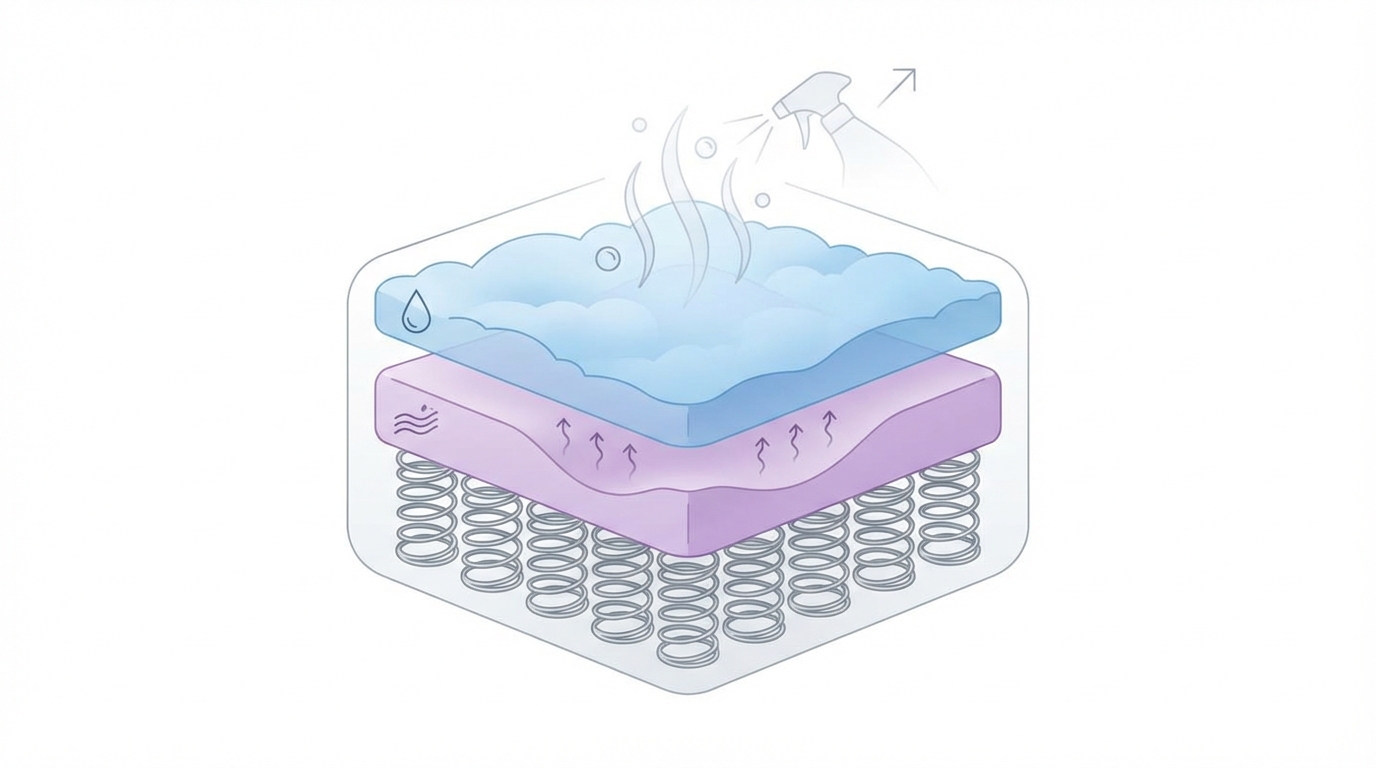
When you are frustrated with a smell that refuses to leave, it is tempting to reach for the strongest thing under your sink. Bleach, heavy duty degreasers, and mixed chemical cocktails might feel powerful, but they are almost always a bad idea on a mattress. They can damage fabrics, break down foam, leave harsh residues, and in some cases create unsafe fumes when combined with urine or other cleaners. Health organizations such as the Environmental Protection Agency consistently warn against mixing bleach with ammonia containing substances, because this can create toxic chloramine vapors.
Bleach is particularly problematic because it is highly oxidative and can literally eat away at polyurethane foams over time. It may whiten a stain in the short term, but it often leaves brittle, weakened material behind. Strong solvents in some multi surface cleaners can have a similar effect. Even if the mattress looks fine at first, repeated exposure to these chemicals can void warranties and shorten the usable life of the bed.
Another common misstep is using steam cleaners or very hot water directly on urine stains. While steam cleaning can be helpful for some types of dirt, high heat can actually set protein based stains and make odors more stubborn. It can also drive moisture deeper into foam cores, where it takes much longer to dry. Consumer Reports and similar testing organizations often caution that steam cleaning soft furnishings requires careful technique and is not always suitable for every mattress type.
Over saturating a mattress with any liquid, even mild cleaners, is also risky. When the internal layers stay damp for too long, they become a breeding ground for mold and bacteria. You may notice a musty or sour smell, and in severe cases you might see dark spots indicating mildew. At that point, the problem is no longer just cosmetic. For anyone with asthma, chronic bronchitis, or immune system concerns, mold in the mattress can be a genuine health issue that requires replacement rather than further cleaning.
“Before I talked with Sleepology I had tried almost everything on our mattress, including a diluted bleach spray I found in a forum. The smell got weirder, and the fabric started to look patchy. Mia explained why those harsh cleaners were actually making things worse. We ended up replacing that mattress with a Sealy hybrid and using a waterproof protector from day one. Lesson learned, and the new bed still looks and smells brand new after six months.” – Lisa M., December
Odor Removal Methods Compared
At this point you have heard me mention vinegar, baking soda, enzyme cleaners, and hydrogen peroxide. Each of these tools plays a slightly different role. To help you choose the right approach for your situation, here is a quick comparison of the most common odor removal methods and where they shine.
| Method | Best For | Pros | Cautions / Limitations |
|---|---|---|---|
| Vinegar + water solution | Fresh accidents, light odor | Cheap, widely available, helps neutralize odor | Smell can bother some people, does not fully break down uric acid on its own |
| Baking soda | Absorbing moisture and mild to moderate odor | Gentle, non toxic, good for extended dwell | Needs many hours on the mattress, must be vacuumed thoroughly |
| Enzyme cleaner | Old stains, recurrent odor, pet urine | Breaks down uric acid crystals and bacteria | Must follow label directions and allow full dwell time |
| Hydrogen peroxide mix | Lightening yellow stains on light fabrics | Can reduce discoloration | May bleach or damage fabric and foam, always patch test |
| Steam cleaning | General sanitation on some mattresses | Kills many microbes with heat | Can set urine odor and over wet foams if used directly on fresh stains |
Used thoughtfully, you can combine these methods over a few days. For example, a realistic plan for an old pet stain might be: vacuum, enzyme soak and blot, long baking soda treatment, vacuum again, and only then a cautious hydrogen peroxide treatment for any remaining visible discoloration on a white surface. The key is always to allow full drying between steps and to avoid rushing by stacking too many wet processes back to back.
Preventing Future Odors: Protection, Habits, And Smart Upgrades
Once you have done the hard work of removing urine smell from your mattress, the natural next question is how to keep it from happening again, or at least how to make the cleanup much easier next time. Prevention does not mean you will never see another accident. It means building layers of protection and simple routines so that when life happens, your mattress stays clean and your stress level stays low.
The most impactful change you can make is to use a high quality waterproof mattress protector. This is not the same as the old crinkly vinyl covers many of us grew up with. Modern protectors use breathable membranes bonded to soft fabrics, so you get a quiet, comfortable sleep surface that still blocks liquid from entering the mattress. For example, the TEMPUR-Adapt Waterproof Mattress Protector wraps the mattress with a thin, hypoallergenic barrier that resists spills, sweat, and urine without trapping heat. For hot sleepers or kids who tend to overheat, a cooling option such as the TEMPUR-Breeze Cooling Waterproof Mattress Protector adds temperature regulation along with moisture defense.
Layering your bedding wisely also helps. Many families who are managing bedwetting or nighttime incontinence keep two layers ready to go. A common setup looks like this: mattress, waterproof protector, fitted sheet, then a washable absorbent pad or thin topper on top. If an accident happens at 2 a.m., you can strip the top pad and sheet, replace them with a backup set, and go back to sleep while the main protector continues to shield the mattress. This is much easier than trying to clean foam under time pressure in the middle of the night.
Beyond physical protection, small habit shifts can reduce the frequency and severity of accidents. Encouraging bathroom visits right before bed, limiting caffeine and heavy fluids late in the evening, or setting a quiet alarm for a scheduled nighttime bathroom trip are all evidence based strategies that pediatricians and continence specialists often recommend. According to the American Academy of Pediatrics, bedwetting in children is very common and often resolves with gentle behavioral approaches, patience, and occasional guidance from a pediatrician when needed.
For households with older mattresses that already struggle with support and odor, prevention might look like a planned upgrade to a new bed that is designed with durability and hygiene in mind. A supportive model like the Sealy Posturepedic Plus Firm Mattress – Paterson II Euro Pillow Top or the Sealy Posturepedic Plus Soft Hybrid Mattress – Paterson II can improve spinal alignment and comfort while giving you a fresh, odor free starting point, especially when paired with a protector from day one. That combination usually pays for itself in fewer crises and better sleep over several years.
When Cleaning Is Not Enough: Knowing When To Replace Your Mattress
There comes a point where cleaning again and again becomes more stressful and less effective than simply starting fresh. Knowing how to recognize that point is important for both your health and your budget. A mattress with recurring urine exposure and lingering odor is not just an annoyance. Over time, it can undermine your sleep quality and the overall feel of your bedroom, even if you stop noticing the smell consciously.
Structural signs are the first clue. If the mattress has deep body impressions, sagging in the center, or obvious lumps in the comfort layers, that alone can justify replacement. Most sleep experts, including those at the Sleep Foundation, note that many mattresses need replacement roughly every 7 to 10 years, sometimes sooner for lower density all foam models. Add repeated moisture exposure from urine or other spills, and that timeline often shortens. Once foams are broken down and compressed, they tend to hold on to odors and are harder to dry completely.
Odor that returns quickly after proper cleaning is another sign. If you have done at least two full rounds of enzyme treatment and long baking soda soaks, allowed generous drying time with good airflow, and still notice a persistent urine smell when you enter the room after the door has been closed, the contamination may simply be too deep. This is especially important for households where anyone has asthma, COPD, or frequent respiratory infections. Mayo Clinic and other medical sources emphasize that ongoing exposure to mold, bacteria, and strong odors in the sleeping environment can aggravate these conditions.
Visible mold or mildew inside the mattress is a red flag that should not be ignored. If you unzip a removable cover and see dark spots, fuzzy growth, or streaks that smell musty, it is not worth trying to salvage. At that stage, replacing the mattress is the safest option. No amount of surface cleaning will fully remove mold that has colonized internal layers, and continuing to sleep on it can pose genuine health risks.
When you decide it is time for a change, you can turn the experience into an opportunity instead of a defeat. Focus on selecting a mattress that supports your preferred sleeping position and body type, and pair it with thoughtfully chosen bedding. For example, back sleepers who want a supportive, odor free upgrade often enjoy models curated in collections like The Best Mattresses For Back Sleepers. Add a waterproof, breathable protector and soft, washable linens from the Pillows, Sheets, Toppers, Protectors collection, and you set yourself up for a fresh start that is much easier to keep clean long term.
Creating A Healthier Sleep Environment After An Accident
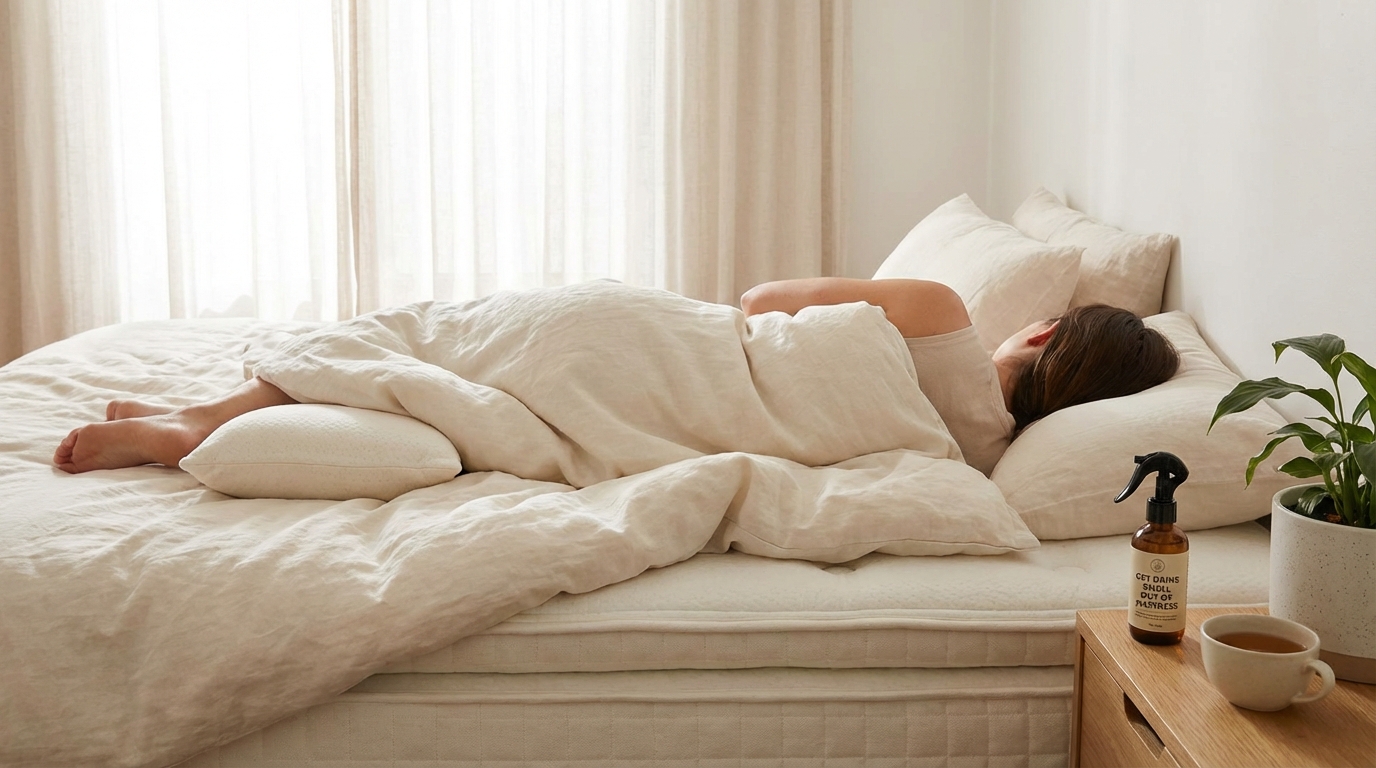
Once the mattress is clean and either salvaged or replaced, it is worth zooming out and looking at your overall sleep environment. A bed is part of a larger ecosystem that includes bedding, pillows, air quality, and nighttime routines. After a stressful urine incident, spending a little time on the rest of the space can restore your sense of calm and control.
Start with soft goods. Wash pillows, mattress pads, and blankets that may have been exposed to odor, using warm water and an enzyme containing detergent when fabrics allow. For pillows that cannot be machine washed, spot clean and then allow them to air out near a sunny window for several hours. This combination of cleaning and fresh air helps reset scents that might otherwise linger in the room and confuse your brain into thinking the mattress still smells, even when it does not.
Ventilation is your next ally. Open windows when weather and outdoor air quality permit, or run an exhaust fan or portable HEPA air purifier if you have one. According to the American Lung Association, improving indoor ventilation and filtration can reduce airborne irritants, including odors and some particles from household cleaning. Even a simple box fan in a window can dramatically speed up drying and help your bedroom smell fresher after a deep clean.
Finally, re establish your normal pre sleep routine as soon as you can. That might mean dimming the lights, putting your phone aside, reading for a few minutes, or doing some light stretching before bed. The sooner your brain associates the bedroom with relaxation again instead of cleanup stress, the faster your sleep will normalize. If you have a child who feels embarrassed about an accident, involve them in choosing new sheets or a fun waterproof pad pattern. This reframes the situation and helps them feel supported rather than ashamed.
Conclusion: You Can Get Your Fresh, Comfortable Bed Back
Urine accidents are inconvenient and sometimes emotional, but they do not have to ruin your mattress or your sleep. Understanding what is actually happening inside the layers of foam and fabric turns a mysterious, frustrating problem into a series of manageable steps. Fresh spills respond well to quick blotting, a mild vinegar solution, and generous baking soda. Older, stubborn smells usually need enzyme cleaners, patience, and plenty of drying time, especially in all foam mattresses that hold moisture more tightly.
At the same time, your energy and peace of mind matter. If you are fighting the same stain over and over on a mattress that is already sagging or seven to ten years old, giving yourself permission to replace it and start fresh can be a gift to your future self. Combining a supportive new mattress with a quiet, waterproof protector and washable bedding means the next midnight accident is a minor laundry event instead of a crisis. Collections like The Best Hybrid Mattresses make it easier to choose a bed that fits your body and your lifestyle, not just your cleaning needs.
Most importantly, remember that accidents happen in loving, busy homes. Pets get sick, kids have developmental phases, and adults manage medical conditions. None of that means you have to settle for a bedroom that smells like urine. With the right tools, habits, and sometimes the right upgrades, you can restore your mattress, protect it wisely, and get back to what your bed is supposed to be for restful, comfortable sleep that helps you feel like yourself again.
Frequently Asked Questions
How do I get urine smell out of a mattress fast if guests are arriving tonight?
If you are under time pressure, your best move is a focused, two stage approach. First, strip the bed and blot the wet area thoroughly, then treat with a 1 to 1 mix of white vinegar and cool water, allowing 10 minutes of contact time before blotting again. Second, apply a generous layer of baking soda and let it sit as long as possible, even if that is only a few hours, then vacuum well. This will dramatically reduce odor, even if a faint scent lingers. If you have a waterproof protector, put it on the mattress, then add fresh sheets. For a truly neutral smell later, repeat the treatment when you have more drying time.
What is the best cleaner to remove dried urine smell from a mattress?
For dried urine, an enzyme based cleaner is usually the most effective choice. Enzyme cleaners contain proteins that break down uric acid crystals and other organic matter, which are the main sources of lingering urine odor. Look for products labeled specifically for urine, pet stains, or biological odors, and follow the instructions carefully, especially regarding dwell time. After the enzyme step, a long baking soda treatment helps pull out remaining moisture and odor. This combination is more reliable than relying on vinegar alone for old stains.
Is it safe to use hydrogen peroxide on my memory foam mattress?
Hydrogen peroxide can be used cautiously on some mattress surfaces, but it carries risks, especially for memory foam. Peroxide has a mild bleaching and oxidizing effect, which means it can lighten stains on white fabrics but may also discolor or weaken foam and colored covers. If you choose to use it, patch test a hidden area first, use low concentration (around 3 percent), and apply sparingly to the fabric surface rather than soaking into the foam. For most foam mattresses, it is safer to stick with enzyme cleaners and baking soda for odor and rely on a mattress protector to keep future stains from reaching the core.
When should I stop trying to clean and just replace a urine soaked mattress?
It is time to consider replacement when multiple thorough cleaning attempts no longer improve odor, when the mattress also shows sagging, lumps, or deep body impressions, or when you see signs of mold or mildew. If you zip open a removable cover and find dark, musty spots inside, or if a urine smell returns quickly after you close the bedroom door for a few hours, the contamination is likely deep in the core. In those cases, for both comfort and health reasons, replacing the mattress is the better choice. Pairing a new mattress with a quality waterproof protector from day one will help you avoid ending up in the same situation again.
How can I prevent bedwetting accidents from ruining my child’s mattress?
Prevention comes down to two main strategies: protection and routine. Protect the mattress with a waterproof, breathable cover and consider adding a washable absorbent pad on top of the fitted sheet for quick middle of the night changes. Then, support your child with gentle routines such as a bathroom trip right before lights out, limiting drinks close to bedtime, and using a small nightlight to make bathroom visits less intimidating. Pediatric and sleep organizations emphasize that bedwetting is very common and usually not the child’s fault, so approach it with patience and encouragement. With the right setup, even frequent accidents will not reach the mattress itself.
Will a mattress protector really stop urine from soaking into the bed?
A good quality waterproof protector is designed to stop liquid from reaching the mattress surface. Modern protectors use thin, breathable membranes that block moisture while still allowing air circulation, so they do not feel like plastic. Models like the TEMPUR-Adapt Waterproof Mattress Protector and TEMPUR-Breeze Cooling Waterproof Mattress Protector are made specifically to shield against spills, sweat, and urine. As long as the protector is properly fitted, without tears or gaps, and you wash it promptly after accidents, it will significantly reduce or eliminate urine reaching the mattress itself.
Is it unhealthy to sleep on a mattress that still smells faintly of urine?
A very faint residual odor after a recent accident is not typically dangerous if the mattress has been cleaned and dried thoroughly, especially for otherwise healthy adults. However, persistent, noticeable urine smell that does not improve with proper cleaning can indicate that moisture and organic matter remain deep in the mattress. Over time, that environment can support bacteria and mold growth, which may aggravate asthma, allergies, or other respiratory conditions. If anyone in your home has these issues or if the smell remains strong despite careful cleaning, it is safer to either repeat enzyme based treatments with more drying time or, if that fails, plan a replacement.