


How To Get Urine Out Of A Mattress: A Sleepologist’s Complete Guide For Fresh, Clean Beds
Waking up to a wet spot on the mattress is one of those moments that can make your heart sink. Maybe your toddler had an accident, your older dog could not quite hold it, or you had a bladder issue you would rather not talk about. On top of the embarrassment or stress, you are suddenly worried about stains, lingering smells, and whether your mattress is permanently ruined. If you are standing there with a stack of towels and no idea what to do next, you are not alone.
Urine is tricky because it is not just about surface moisture. It can soak deep into foams, leave behind stubborn yellow staining, and create odors that keep coming back if you do not treat them correctly. According to organizations like the Sleep Foundation, mattress hygiene plays a real role in sleep quality, because moisture and biological contaminants can encourage allergens and bacteria that aggravate breathing and skin. When the accident is on the very surface you sleep on for a third of your life, it feels like a big deal, and it is worth getting right.
The good news is that most urine incidents, even dried or smelly ones, are fixable without replacing the entire bed. With the right step by step process, simple household products, and a little patience, you can remove moisture, lift staining, and neutralize odor safely for both people and pets. You will also learn how to prevent repeat issues, so one accident does not turn into an ongoing problem.
You are here at Sleepology, which means you have access to mattress specialists who deal with the real life side of sleep every day, not just the showroom version. I will walk you through what to do immediately after an accident, how to handle old or set in stains, proven odor removal methods, and when it is finally time to protect or upgrade your mattress. By the end, you will feel confident handling spills and accidents and know how to keep your bed clean, healthy, and comfortable for years.
Understanding Urine In A Mattress: Why Acting Smart Matters
Before we grab the spray bottle, it helps to know what you are up against. Fresh urine is mostly water, but it also contains urea, salts, and compounds that break down into ammonia as they dry. On a mattress, especially one with porous foams, that liquid can travel more deeply than you expect. Once inside, it is harder to reach with surface only cleaning, which is why quick action, blotting, and the right cleaning chemistry are important.
When urine dries, the water evaporates and the remaining solids can form crystals that trap odor. That is why a bed can seem fine at first but develop a pungent smell over the next few days. Professional cleaners and researchers who look at urine contamination in soft furnishings talk about this crystallization process as a major reason simple water and soap do not fully solve the problem. Enzyme based cleaners work so well because they attack those crystals at a chemical level, instead of just rinsing around them.
Unaddressed urine can also change the environment inside the mattress. A warm, damp pocket of foam is a welcoming place for bacteria and, if the moisture persists, even mold. Mayo Clinic notes that sleeping in allergen rich or damp environments can worsen asthma, allergies, and upper airway issues, especially in children and older adults. That does not mean one accident is dangerous, but it does mean thorough drying is just as important as stain removal.
Different mattress types respond differently to urine. An all foam bed is absorbent and can pull liquid sideways as well as down, which means the stained area might be larger underneath than what you see on top. A hybrid model with a robust coil system, like many best hybrid mattresses, may keep more structure and reduce deep pooling because of improved airflow, but the comfort layers can still hold moisture. Understanding your mattress construction will help you decide how aggressively to treat a stain and when to consider professional help or replacement.
Finally, it is worth saying out loud that bedwetting, incontinence, and pet accidents are part of many normal households. The Cleveland Clinic and American Academy of Pediatrics both note that nighttime accidents are common during childhood and that adult bladder issues are far more widespread than people admit. You are not failing as a parent or pet owner, and you are not “gross” for needing this guide. You are simply being proactive about your sleep health.
“When our senior lab mix started having nighttime accidents, I was convinced we would have to toss our mattress. After following Mia’s vinegar and baking soda method and then adding a protector, the smell was completely gone and we saved at least $1,500 on a replacement.” – Jenna P., November
Step One: What To Do Immediately After A Fresh Accident
The first few minutes after you discover fresh urine on a mattress are the most important. Your goal is to remove as much liquid as possible before it penetrates deeply, without accidentally pushing it further into the layers. That means resisting the urge to scrub and instead focusing on gentle, firm blotting and controlled moisture.
Start by stripping all bedding and getting it into the washing machine right away, ideally on a warm or hot cycle if the fabric care tag allows. That prevents urine from drying on the sheets and keeps odor from spreading through the room. Once the bed is bare, locate the entire wet area on the mattress. In low light or with lighter accidents, you may need to feel for dampness with a clean hand or cloth to identify the edges.
Next, use absorbent materials such as white cotton towels or several layers of paper towels to blot the area. Press firmly, lift, rotate to a dry section, and repeat. The idea is to coax moisture upward, not force it downward. Avoid colored cloths that might transfer dye, and avoid any wiping motion that drags liquid into a larger area. Spend a full five to ten minutes on this step if necessary. Every ounce of liquid you pull out now will make the stain removal process easier.
After you have removed as much as you reasonably can, you are ready to apply a cleaning solution. I recommend starting with a gentle vinegar based mix for most fresh accidents, especially if you are dealing with a child’s bedwetting incident and want to avoid harsh chemicals. According to consumer oriented organizations like Consumer Reports, household white vinegar and baking soda are safe, widely available tools that are highly effective for neutralizing many odors, including urine, when used correctly on textiles.
If the mattress has a removable, machine washable cover, check the manufacturer’s instructions before cleaning the internal layers. Some performance foams are sensitive to over saturation, while others do better with spot cleaning only. When you shop mattresses at Sleepology, we will often point out whether a model like the Sealy Posturepedic Elite Medium Mattress – Brenham II Euro Pillow Top has a removable cover or whether you should treat only the surface fabric.
Safe Cleaning Methods For Fresh Urine Stains

Gentle Vinegar Solution For Fast Cleanup
For most fresh urine accidents, a simple distilled white vinegar solution is a safe and effective starting point. Vinegar is mildly acidic, which helps break down the alkaline elements in urine and reduce odor. It also evaporates relatively cleanly, especially when followed with thorough drying and baking soda.
Mix a solution of roughly one part distilled white vinegar to two parts cool water in a spray bottle. If you want a mild surfactant, you can add a tiny drop of clear, unscented dish soap, but keep it minimal to avoid residue. Lightly mist the stained area, making sure it is damp but not soaked. The goal is to deliver enough solution to reach the urine without creating a new deep puddle in the foam.
After applying the solution, let it sit for about ten to fifteen minutes. This dwell time allows the vinegar to interact with the urine compounds. Then, blot again with fresh, absorbent towels, pressing firmly to pull up the liquid. You can repeat this cycle once or twice if you still see yellow coloration transferring to the cloth. Always prioritize blotting over more spraying. The mattress should end this phase only lightly damp, not saturated.
Once you are comfortable that you have lifted the bulk of the stain, sprinkle a generous layer of dry baking soda over the affected area. Baking soda is a well established deodorizer that the Sleep Foundation and many cleaning experts recommend for soft surfaces. Let the baking soda sit for at least several hours, or ideally overnight, to absorb both moisture and odor. The longer it remains untouched, the more work it can do.
Finally, vacuum the baking soda thoroughly using a clean upholstery attachment. Move slowly, making multiple passes until the powder is gone. If a faint smell remains, you can repeat the baking soda step once more. Do not make the common mistake of covering a still damp mattress with fresh sheets. Give it time to air dry completely before remaking the bed, using fans or open windows to speed the process if humidity allows.
“Our five year old had three bedwetting nights in one week, and I was sure the mattress was done. We followed the vinegar and baking soda routine Mia outlines, and after a day of drying and vacuuming, there was no visible stain and no smell. We added a protector, and it has been smooth sailing since.” – Lucas M., October
When To Use Hydrogen Peroxide Based Solutions
Hydrogen peroxide solutions can be very helpful when you are dealing with more noticeable yellow staining, but they should be used more carefully than vinegar. Peroxide is a mild bleaching and oxidizing agent, which means it can lighten stains but may also discolor some mattress fabrics or damage materials like memory foam or natural latex when overused. According to the American Cleaning Institute, patch testing on an inconspicuous area is essential before broad application.
If your mattress manufacturer permits it and your test spot looks fine after it dries, you can create a basic cleaning mix by combining about one cup of 3 percent hydrogen peroxide with one tablespoon of baking soda and a small drop of mild dish soap. Stir gently to dissolve the baking soda without creating too much foam, and then pour the solution into a spray bottle. As with vinegar, resist the urge to soak. Lightly mist the stained area and allow the solution to sit for ten to fifteen minutes.
During this time, the peroxide will work on oxidizing the chromophores, the parts of the stain that give it color. You may notice some light fizzing where the solution contacts dried urine. After the dwell time, blot carefully with clean, white towels. Do not rub, especially if your mattress cover has a knit or delicate texture. Give the area time to air dry, then reassess. For very stubborn stains, you can repeat the process once, but you do not want to do multiple aggressive peroxide cycles on foam.
Because of the risk of lightening, peroxide based cleaning makes the most sense on white or very light colored mattress fabrics where a bit of whitening will not be obvious. If you have a premium mattress with a designer knit cover, you may want to stay with clear vinegar and enzyme based cleaners instead, or talk with a professional cleaning service that knows bedding foams. At Sleepology, we often suggest peroxide sparingly and only when appearance is a high priority and the fabric is compatible.
If you are using peroxide on a hybrid mattress with coils, keep in mind that you still need to avoid over saturating the comfort layers. Coils can help with airflow during drying, but trapped moisture in fiber pads can still lead to odor or corrosion over time. Whether you are cleaning a hybrid like the Sealy Posturepedic Elite Firm Hybrid Mattress – Brenham II or a plush all foam model, the principle remains the same: light application, good blotting, generous dry time.
How To Get Dried Or Old Urine Out Of A Mattress
Fresh accidents are one thing, but many people do not notice a stain until it is already dried or they realize a pet has been secretly using a guest bed for weeks. Dried urine is more challenging because the odor causing crystals have had time to form, and the stain has likely bonded with the fabric fibers. That does not mean the mattress is a lost cause, but it does mean you will need more time and possibly multiple treatment rounds.
Start by vacuuming the surface gently with an upholstery tool to remove any dust and loose debris. This helps your cleaning solution make direct contact with the stained fibers. Then, rehydrate the area slightly with your chosen solution, which could be a diluted vinegar mix or an enzyme based cleaner specifically labeled for urine. The concept here is to dissolve the dried solids so they can be blotted away, similar to how you would soften a stuck on food stain before washing.
For old stains, enzyme cleaners are often the most effective choice, particularly for pet urine. Enzymatic formulas contain proteins that break down the uric acid and organic components in urine. Veterinary and pet care sources consistently recommend them for deep odor removal because they help address the source instead of masking the smell with fragrance. Follow the product instructions closely, especially regarding how long the enzyme must remain on the fabric to work fully.
You may need to apply, cover the area lightly with a clean cloth or plastic sheet to keep it from drying too quickly, and then let it sit for thirty minutes to an hour before blotting. In more severe cases, especially on older pet stains, multiple enzyme treatments spaced over several days with full drying between each can yield much better results than one heroic attempt. Patience really pays off here.
After each treatment round, allow the mattress to dry completely, then do a sniff test up close. If a faint odor persists but is much reduced, another enzyme cycle may be worthwhile. However, if the fabric still feels slightly tacky or you notice any signs of mold or discoloration spreading, it may be a sign that the urine penetrated very deeply or the internal layers are compromised. At that point, a serious evaluation of the mattress’s age, support, and hygiene is appropriate, especially if you have been considering an upgrade.
Deep Odor Removal: When The Smell Will Not Go Away
Baking Soda “Odor Draw” For Lingering Smells
Even after you have removed visible staining, odors can linger, especially on warm or humid days when volatile compounds are more active. A thorough baking soda treatment is one of the gentlest and most effective ways to address light to moderate residual smells. Because it is alkaline and porous, baking soda can absorb both moisture and odor molecules from fabrics over time.
For an odor focused refresh, start with a completely dry mattress. Lightly mist the affected area with plain water, just enough to slightly dampen the surface. This helps the baking soda adhere and interact with the fabric, but you do not want visible wetness or pooling. Then, sift a thick, even layer of baking soda over the entire exposed surface of the mattress, not just the exact stain. Odors can migrate, and a full surface treatment gives you a more uniform result.
Leave the baking soda undisturbed for at least eight hours, and preferably for a full day if schedules allow. Many people like to do this in the morning and vacuum in the evening, or apply in the evening and leave it overnight. During this time, keep pets and children off the bed, and open windows or run a fan to increase air circulation. Afterward, vacuum thoroughly. If the smell is noticeably lighter but not gone, a second full mattress treatment is reasonable.
Some people like to mix a small amount of dried, finely ground lavender or a few drops of an essential oil into the baking soda for a pleasant scent. If you choose to do this, keep the amount extremely small and avoid oils that can irritate the skin, especially if anyone using the bed has asthma, allergies, or chemical sensitivities. The Mayo Clinic notes that strong fragrances can be a trigger for some respiratory conditions, so neutral is usually safer than strongly scented.
Baking soda treatments are especially helpful after the main stain removal process, or as a maintenance step for mattresses in homes with pets and kids. At Sleepology, customers who invest in a high quality hybrid like the Sealy Posturepedic Plus Medium Hybrid Mattress – Paterson II often pair it with periodic baking soda refreshes to keep the sleep surface feeling and smelling new between deeper cleans.
Enzyme Cleaners For Stubborn, Set In Odors
When urine odor is strong, has been present for some time, or is related to pet accidents, enzyme cleaners are usually the best option. These products do something vinegar and baking soda cannot. They actually break down the complex organic molecules in urine, including uric acid and related compounds, into simpler, non odorous substances. That is why veterinarians and many pet behavior experts recommend enzyme cleaners for cats and dogs that repeatedly mark the same spot.
To use an enzyme cleaner effectively, begin by reading the label very carefully. Look for a product that specifically calls out urine and mentions uric acid or pet stains, and make sure it is safe for use on upholstery or mattresses. Spot test an inconspicuous area for colorfastness. Once you are confident it is safe, apply the cleaner generously to the stained area. Unlike with vinegar, a bit more saturation is often recommended with enzymes because they need to reach all the dried urine to work properly.
Some manufacturers recommend lightly covering the treated area with plastic wrap or a clean trash bag to slow evaporation and keep the enzymes moist longer. This can significantly boost performance, because enzymes are most active in a damp, not dry, environment. Let the cleaner dwell for the full time recommended, which might be anywhere from twenty minutes to several hours. Then uncover, blot thoroughly, and allow the mattress to air dry completely.
It is common for enzyme cleaners to have a mild, temporary scent of their own. This usually fades as the mattress dries. After a day or two, evaluate again by smell rather than sight. If you detect only the faintest hint of urine when your nose is very close, one more enzyme treatment may finish the job. If the odor is still strong, that could indicate very deep penetration, or that the incident was far larger or more frequent than you realized.
Because enzyme cleaners represent a more intensive type of treatment, you would not use them every time you spill a glass of water, but for repeated accidents, they are invaluable. Many households with aging pets keep enzyme cleaners on hand the same way they stock laundry detergent. When you combine them with a high quality waterproof protector, such as a TEMPUR-Adapt Mattress Protector – Waterproof Mattress Cover, Hypoallergenic, you create a layered defense that keeps your actual mattress core far safer from long term odor issues.
“We foster dogs, and one of them decided our guest room mattress was the bathroom when we were at work. The enzyme cleaner method Mia recommends took two rounds, but the smell was truly gone. We topped it with a Tempur-Protect style cover, and now I do not panic when we get a new rescue.” – Sarah K., December
What Not To Do When Cleaning Urine From A Mattress
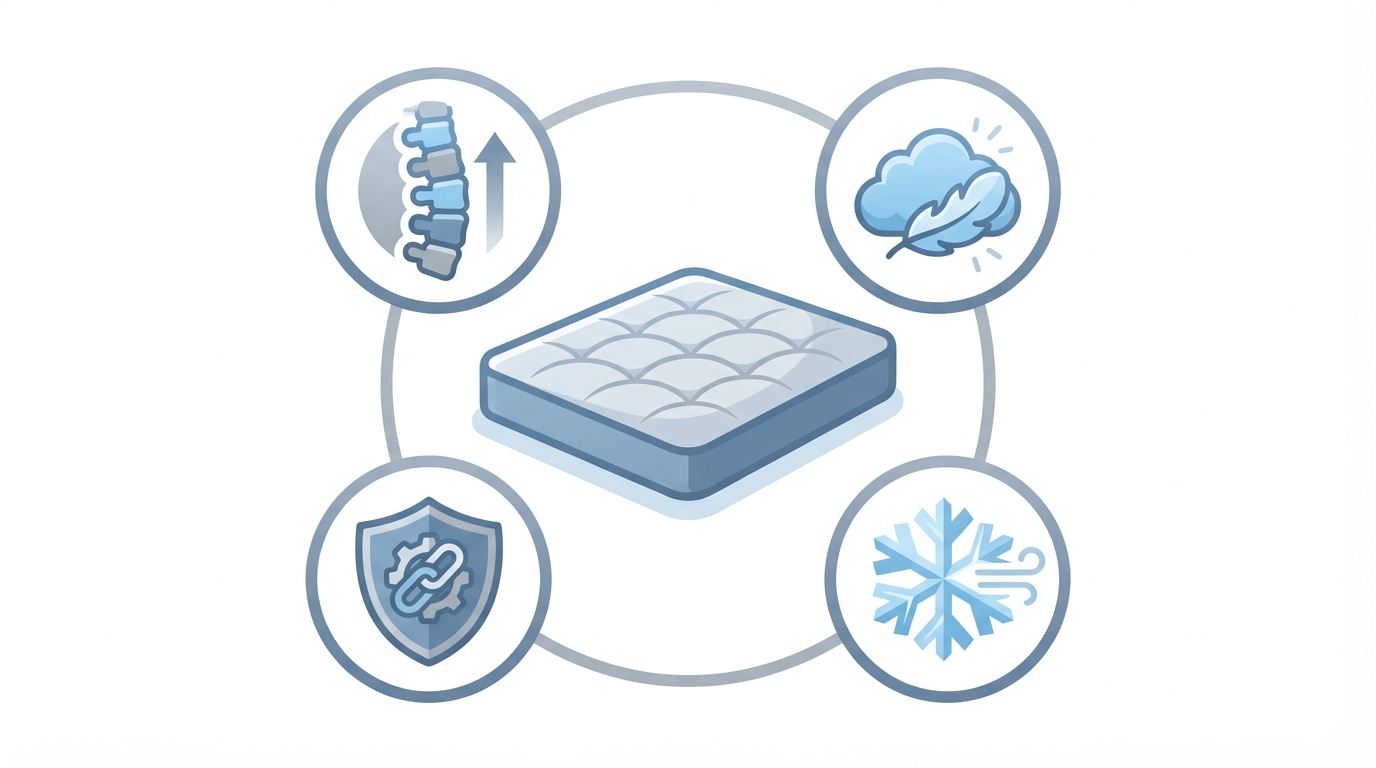
Knowing what to avoid is as important as knowing what to use. A few instinctive reactions can actually make matters worse, damage your mattress, or even void the warranty. Some of these mistakes come from treating a mattress like a carpet, but unlike carpet with padding and subfloor, you cannot easily pull a mattress apart to dry internal layers.
Do not use bleach or harsh chemical disinfectants on your mattress unless the manufacturer explicitly says they are safe, which is rare. Bleach can degrade foams, discolor fabrics, and release irritating fumes in the confined area where you sleep. The Sleep Foundation and many mattress brands caution against bleach based cleaning for exactly these reasons. Similarly, heavy use of strong solvents or high alcohol products can damage synthetic fibers and backing layers.
Avoid pouring water or cleaning solutions directly onto the stain in large volumes. Flooding the mattress may feel thorough, but it drives liquid deep into the core where it is almost impossible to dry fully. That trapped moisture can lead to mildew or internal odors that come back on humid days. Always work with sprays, light mists, and patient blotting rather than soaking.
Steam cleaners also deserve caution. While steam can be great on some upholstery, mattresses are thick and multilayered. Steam introduces both heat and moisture. The heat can compromise memory foam or latex performance, and the moisture may condense deep inside. Some mattress warranties specifically warn against steam cleaning for this reason. If you are considering a professional steam service, make sure they have specific training and equipment for mattresses rather than general carpet tools.
Finally, do not rush the drying process by moving the mattress outside in very humid, rainy, or extremely hot conditions. Direct, intense sun can fade fabrics and damage some foams, while high humidity prevents proper drying. A better approach is to stand the mattress on its side in a well ventilated room, run fans, and if possible, use a dehumidifier. Drying might feel slow, but it is essential for long term mattress health.
Drying Your Mattress The Right Way
Thorough drying is where many cleaning jobs fail. Even if you remove the stain and neutralize the odor, leaving moisture in the mattress can create new problems. A dry to the touch surface does not always mean the interior is dry, especially with thick comfort layers like high density foam or plush pillow tops.
After you complete any cleaning treatment, give the mattress as much breathability as possible. Remove it from the bed frame or slats if you can safely lift it, and lean it on its side or against a wall so that air can circulate on both faces. This is especially helpful for larger beds like queens and kings, which can trap air when lying flat. Point a fan directly at the cleaned area and keep windows or doors open if weather allows.
If you live in a humid climate, consider running a dehumidifier in the room during the drying period. Reducing ambient humidity speeds up evaporation and reduces the risk of musty smells. The Environmental Protection Agency generally recommends indoor humidity between about 30 and 50 percent for comfort and mold prevention, and your mattress is no exception. A small investment in a dehumidifier can pay off in better sleep and better furniture longevity.
You will want to allow at least 8 to 24 hours for full drying, depending on how much solution you used and how thick your mattress is. Hybrid models with coil support, like many featured in our best hybrid mattresses collection, often dry somewhat faster because internal air channels between coils allow more airflow. All foam beds take longer, especially if the foam has a dense, slow response feel.
Before remaking the bed, perform a final check. Press your hand into the cleaned area and hold for several seconds. If it feels cool or slightly damp compared to the rest of the mattress, it is not ready. Trust this tactile feedback. Add more time with airflow rather than hiding the moisture under sheets and blankets. It is far easier to be patient now than to deal with odor or mold later.
Preventing Future Urine Stains And Smells
Why Mattress Protectors Are Non‑Negotiable
If you take one long term lesson from a stressful urine cleanup, let it be this: a waterproof mattress protector is essential, not optional, for any household with kids, pets, or incontinence concerns. Even for adults without obvious risk factors, spills happen, illness happens, and bodies sweat every night. A good protector forms a washable barrier between life and the expensive, less washable mattress core.
Modern protectors are not the crinkly plastic covers many of us remember from childhood. High quality models typically use a soft knit or terry cloth top with a thin, breathable waterproof membrane underneath. This design stops liquids from passing through while allowing air to circulate, so you do not feel hot or trapped. Consumer health organizations and pediatric groups routinely recommend waterproof mattress covers for children with bedwetting, precisely because they make cleanup so much easier and more hygienic.
At Sleepology, we often steer customers toward performance options like the TEMPUR-Adapt Mattress Protector – Waterproof Mattress Cover, Hypoallergenic or the TEMPUR-Breeze Mattress Protector – Cooling, Waterproof, Breathable Cover. The first offers a soft, snug fit and strong moisture barrier, ideal for general protection, while the Breeze version adds cooling fibers for hot sleepers who worry a protector might increase warmth. In both cases, the protector takes the brunt of accidents, and you simply wash and reapply, sparing the mattress itself.
A good protector should be fitted like a deep pocket sheet, staying in place during movement. Look for one that fully encases the top and sides of the mattress if possible, especially for kids’ beds, rather than a simple pad that can shift. Wash it according to instructions, usually in warm water and low heat drying, to preserve the waterproof membrane. It is a relatively small investment compared to the cost of the mattress it guards.
Once you have a protector in place, occasional accidents become much less stressful. Most urine incidents will not even reach the mattress, so your cleaning process is as simple as changing sheets and tossing the protector into the wash. That alone can extend the life and freshness of your mattress significantly, especially for premium models you hope to use comfortably for many years.
Other Smart Habits To Reduce Accidents
While no habit will prevent every accident, a few simple routines can lower your risk and help you catch issues early. For children who are still potty training, pediatric sleep experts often recommend limiting large drinks right before bed and incorporating a calm pre sleep bathroom visit into the bedtime routine. Consistency helps children’s bodies sync with the schedule over time, though occasional accidents are still entirely normal.
For older adults or anyone with bladder or prostate concerns, talking with a healthcare provider can be very worthwhile. The Mayo Clinic notes that nocturia and incontinence are common and treatable. Sometimes medication timing, pelvic floor exercises, or simple lifestyle changes can significantly reduce nighttime urgency. Addressing the underlying cause not only protects your mattress but also improves sleep continuity and overall health.
Pets are a little different, since accidents can be behavioral as well as physical. Ensuring dogs get adequate outdoor time before bed, blocking access to certain rooms overnight, and working with a trainer or veterinarian if you see repeated marking behavior can all help. For cats, a clean litter box, enough boxes for the number of cats, and attention to any changes in urination (which may signal medical issues) are important.
Finally, make a habit of checking mattresses periodically. When you change sheets weekly or biweekly, give the mattress a quick once over for any new marks, dampness, or odor. A fast response to a small, just discovered stain is almost always more successful than a major rescue mission on a months old problem. Think of it as routine sleep environment maintenance, much like vacuuming or dusting.
When It Might Be Time To Replace Your Mattress
Even with the best cleaning techniques, there are times when replacing the mattress is the healthier, more cost effective choice. This is especially true if the mattress is already nearing the end of its natural lifespan. Most sleep health organizations and mattress industry groups suggest that many mattresses perform best for about 7 to 10 years, depending on materials, usage, and maintenance.
If your mattress is sagging, has obvious dips, or no longer supports your spine comfortably, an accident can become the final nudge you needed to upgrade. In such cases, investing in a new, supportive model with proper protection from day one is often wiser than pouring time and money into restoring a bed that is already underperforming. Chronic back or shoulder pain, restless sleep, or frequent tossing and turning are also signs that support has faded.
Severe contamination is another reason to consider replacement. If a large volume of urine has soaked deeply into the mattress, especially multiple times, and you are still noticing strong odor after several enzyme treatments and thorough drying, the internal structure may be compromised. Moisture trapped in lower layers can lead to microbial growth you cannot see but can breathe in, which organizations like the Cleveland Clinic caution can be problematic for those with respiratory sensitivities.
Families with children or pets often find that a durable hybrid mattress, such as the Sealy Posturepedic Elite Soft Hybrid Mattress – Brenham II, paired with a waterproof protector, offers a good balance of resilience and comfort. The coil support helps maintain shape and airflow, while the comfort layers still feel plush. For those who prefer the pressure hugging feel of foam, collections like the best foam mattresses can be paired with high quality protectors to prevent liquids from ever reaching the foam itself.
When you do decide to replace a mattress after urine damage, treat it as an opportunity to create a fully protected, sleep optimized setup. Add a waterproof protector, consider breathable bedding from a curated collection like pillows, sheets, toppers, protectors, and think about an adjustable base if comfort, circulation, or reflux are ongoing concerns. That way, you are not just replacing what you lost; you are upgrading your entire sleep ecosystem.
Mattress Materials And Urine: How Different Types Compare
Understanding how different mattress constructions respond to liquid can help you set realistic expectations and choose the right long term protection. The type of mattress you have influences how deeply urine can penetrate, how quickly it dries, and how forgiving it will be after an accident.
All foam mattresses, whether memory foam or other polyurethane blends, are generally the most absorbent. Their comfort layers act like a sponge, pulling moisture down and sideways. They often require the most cautious approach to liquid volume during cleaning and the longest drying time afterward. On the plus side, they are typically lighter than thick hybrids, so you can tilt or move them more easily for airflow.
Hybrid mattresses and innerspring models have coil systems that naturally allow more airflow through the core. This can help with drying if the liquid does not pool too deeply in the upper foam or fiber layers. However, if a lot of urine reaches the coil unit and underlying insulator pads, odors can hide in places you cannot reach with surface cleaning. Protective barriers become very important here.
Latex mattresses, whether natural or synthetic, tend to be less absorbent than traditional memory foam in their core, but they still have quilted covers and sometimes additional foams on top that can hold moisture. Natural latex, in particular, is sensitive to certain harsh chemicals and direct sunlight, so you should always follow the manufacturer’s cleaning guidelines.
To make this easier to visualize, here is a simple comparison:
| Mattress Type | How It Handles Urine | Drying Time Tendency | Cleaning Risk Level |
|---|---|---|---|
| All Foam | Absorbs deeply, can spread stain laterally | Slower, needs extra airflow | Higher, risk of over saturation and foam damage |
| Hybrid (Foam + Coils) | Upper layers absorb, coils add airflow but can trap odor if saturated | Moderate, faster core drying | Moderate, must avoid soaking into coil unit |
| Innerspring with Pillow Top | Pillow top and fiber layers absorb most, core has airflow | Moderate, depends on top thickness | Moderate to higher, pillow tops can be tricky |
| Latex (with quilted cover) | Less absorbent core, but cover and top layers still vulnerable | Moderate, good airflow if not over wet | Moderate, sensitive to strong chemicals |
This is one reason Sleepology’s mattress recommendations often come with a strong nudge toward a protector from day one. A supportive hybrid like the Sealy Posturepedic Pro Firm Hybrid Mattress – Dupont II can handle daily use beautifully, but a single unprotected spill can complicate its maintenance. Choosing the right combination of mattress type and protection reduces both anxiety and cleanup effort later.
Conclusion: A Cleaner Mattress And A Calmer Mind
Urine on a mattress can feel like a disaster in the moment, but in reality, most accidents are completely manageable with the right steps and a bit of patience. By focusing first on blotting instead of scrubbing, using gentle yet effective cleaners like vinegar, baking soda, and enzymes, and giving your mattress time and airflow to dry fully, you can rescue a bed that might otherwise have seemed ruined. Understanding the science a little, from how urine dries to how different materials behave, gives you a sense of control that cuts through the panic.
The bigger picture is about protecting your sleep environment long term. A waterproof protector, smart bedtime and pet routines, and periodic quick checks can dramatically reduce future headaches. When you do eventually need or choose to replace a mattress, you can build a setup that is both comfortable and resilient, from supportive hybrids or foams to breathable, protective bedding. That way, you are prepared for real life, not just showroom perfect nights.
If you are facing a stubborn stain right now, take a breath and remember that you have options. Tackle the cleanup step by step, do not be afraid to repeat a process once or twice, and be honest with yourself about when replacement might be the healthier choice. And if you want tailored advice based on your specific mattress construction, your family’s needs, or your next mattress purchase, the team at Sleepology is always here to help you make confident, informed decisions so you can get back to sleeping comfortably.
Frequently Asked Questions
How fast do I need to act to get urine out of a mattress?
The sooner you act, the better, ideally within minutes to a couple of hours. Fresh urine is mostly water, so if you blot quickly before it penetrates deeply, you can often prevent permanent staining and strong odor. That said, if you discover the accident the next morning, it is still worth going through the blot, clean, and dry process. Even older stains can be improved significantly with patient treatment and, when needed, enzyme cleaners.
Can I use regular household bleach to clean urine from my mattress?
Bleach is not recommended for mattress cleaning in most cases. It can weaken foams, discolor fabrics, and release fumes you do not want in a confined sleep space. Many mattress manufacturers warn that using bleach or harsh chemicals can void your warranty. Safer options include diluted white vinegar, gentle hydrogen peroxide solutions on compatible fabrics, and enzyme based cleaners designed for urine. These address staining and odor without the same level of material damage risk.
Will a urine accident ruin my memory foam mattress permanently?
A single urine accident rarely ruins a memory foam mattress permanently, especially if you act quickly and dry it thoroughly. Memory foam is absorbent, so you will need to be careful not to over saturate it with cleaning solutions and to give it extended drying time with good airflow. If repeated accidents have soaked through to deep layers and strong odors remain after multiple enzyme treatments, then replacement may be worth considering, particularly if the mattress is already several years old and showing wear.
How do I know if the urine smell is really gone?
The most reliable way to know is to evaluate after the mattress has dried completely, usually a full day or more after your last treatment. Get close to the previously stained area and smell in several spots. If you notice only a faint detergent or cleaner scent and no distinct urine odor, you have likely succeeded. If a noticeable ammonia like smell returns on warm, humid days or when you first lie down and breathe close to the surface, you may need one more enzyme treatment or a deeper odor draw with baking soda.
Do I still need a waterproof protector if my mattress has a stain resistant cover?
Yes, you still need a waterproof protector even if your mattress fabric is marketed as stain resistant. Stain resistance usually means the fabric repels some spills and delays absorption, not that it is fully waterproof. Liquids can still seep through seams, tufting, or over time with pressure. A dedicated waterproof protector creates a continuous barrier that stops urine, sweat, and spills from reaching internal layers, making cleanup dramatically easier and preserving your mattress’s performance and hygiene.
Is it safe for kids or pets to sleep on a mattress right after cleaning?
It is best to wait until the mattress is completely dry and free of strong cleaner smells before letting kids or pets sleep on it again. Residual moisture can feel uncomfortable and may contribute to mold or bacterial growth, while intense chemical odors can irritate sensitive airways. Once the mattress feels dry, smells neutral or only lightly fresh, and has had several hours of airflow, it should be safe to remake the bed and resume normal use.
When should I stop trying to clean and start shopping for a new mattress?
Consider moving from rescue to replacement when multiple factors line up. If the mattress is already near or past its typical lifespan, has noticeable sagging or poor support, and still has strong urine odor or deep staining after several careful cleaning attempts, replacement is often the healthier and more comfortable choice. Ongoing odors, signs of internal moisture damage, or recurring issues on an older bed are all signals that your time and cleaning products might be better invested in protecting a new, properly supported mattress from the start.