


How To Get Stains Out Of A Mattress Without Ruining It
You notice the spot in daylight. Maybe it is a yellow ring from a nighttime accident, a shadow of old sweat, or something you do not even want to label. Your first instinct might be to grab the strongest cleaner in the house and start scrubbing. Then the worry sets in: what if you damage the mattress, set the stain permanently, or make the smell worse instead of better.
Mattress stains feel personal. This is where you rest, recover, and share some of your most private moments. When it looks dirty, it can feel embarrassing, even if the cause was completely normal life: kids, pets, coffee in bed, hot nights, or a bout of the flu. The good news is that most stains can be greatly improved, and many can be removed, if you know what to use, what to avoid, and how to work with the materials inside your mattress.
In , mattress care is not just about appearance. Research from organizations like the Sleep Foundation and Mayo Clinic has highlighted how allergens, moisture, and microorganisms in your sleep space can aggravate asthma, allergies, and even worsen your sleep quality over time. A well cleaned, well protected mattress can help control dust mites and odors and keep your bedroom feeling like a fresh, calm place to unwind.
You are in the right place if you want step by step stain removal that is realistic, safe for most modern mattresses, and grounded in actual sleep expertise. We will walk through what causes stains, how to treat fresh and set in marks, exactly how to approach tricky fluids like urine and blood, when it is time to call in a pro, and how to set your bed up so the next spill is a 5 minute clean up instead of a full afternoon project. Along the way, I will point to Sleepology tools and products that can help, without pushing you into replacing your mattress before you are ready.
Mattress Stains 101: What You Are Really Dealing With
Before grabbing cleaners, it helps to understand what that stain actually is. Different messes need different chemistry. Treating urine like red wine, or blood like coffee, is how good mattresses get permanently discolored or damaged.
Most mattress stains fall into a handful of categories: water based spills like coffee, tea, or juice, protein based fluids like urine, sweat, blood, and vomit, body oil buildup, and environmental grime such as dust, pet dander, and general discoloration from age. Each of these behaves differently once it hits the fabric and foam of your bed. Proteins, for example, can set into fibers when exposed to heat, which is why hot water is such a bad idea on blood or urine stains.
Mattress construction matters too. Foam and hybrid mattresses, which have become increasingly popular in 2026, tend to absorb liquids quickly compared with traditional very firm innerspring designs. According to the Sleep Foundation, all foam beds are especially prone to holding onto odors when liquids penetrate deeply, because the porous structure of foam traps moisture and organic material. That does not mean you cannot clean them, but it does mean you must focus on blotting, not soaking, and drying thoroughly before you put sheets back on.
There is also a health layer to this. Studies summarized by groups such as the American Lung Association and Cleveland Clinic have connected long term moisture and organic buildup in mattresses with higher levels of dust mites and mold, which can trigger congestion, coughing, and sleep disruption if you are sensitive. So removing stains is not just about making your mattress look decent if guests walk by. You are also cutting down on irritants that can quietly chip away at your sleep quality over years.
Finally, keep expectations fair. A 6 year old mattress that has seen kids, pets, and summers without air conditioning is not going back to showroom white. What you can reasonably aim for is a mattress that is clean, sanitized, and visually far less noticeable, backed up by a good protector that will stop new accidents from sinking in. If you are consistently fighting stains and sagging, that is your mattress telling you it might be time to talk about a replacement that will actually support good sleep again.
Before You Start: Safe Mattress Cleaning Ground Rules
It might sound dramatic, but the way you try to remove a stain can matter more than the stain itself. A well intentioned cleaning session with the wrong tools can leave permanent water rings, bleach spots, or even break down foams and adhesives inside the mattress.
The first rule is always blot, never scrub. When you scrub a wet stain you push it deeper into the fabric and foam and spread it outward, which makes the mark larger and harder to fully remove. Blotting with a clean, absorbent cloth or towel pulls liquid out instead. This is one key principle that sleep product testers at consumer organizations like Consumer Reports emphasize when they test cleaning methods on modern mattresses.
Next, avoid harsh chemicals like chlorine bleach, strong solvents, and anything labeled for mildew on outdoor fabrics. Those products can react with the flame barrier inside many mattresses, degrade memory foam or latex, and they are not great for your lungs in a small bedroom. Safe standbys that are supported by sleep and health resources include cool water, mild clear dish soap, baking soda, distilled white vinegar, and 3 percent hydrogen peroxide in moderation. These are the same basic ingredients the Sleep Foundation recommends in their urine cleaning guides, precisely because they work without destroying the underlying materials.
Heat is another hidden enemy. It is very tempting to use hot water or a hair dryer on high to speed things along. For protein stains like urine, sweat, and blood, heat can literally cook the proteins into the fibers and set the stain, just like hot water sets a food stain in clothing. For foam mattresses, excessive heat can also warp the structure. Stick with cool or lukewarm water for mixing solutions and gentle, room temperature air drying supported by a fan or open window.
Finally, keep your own safety in mind. Bodily fluids can carry bacteria and viruses that you do not want on your bare hands. Disposable gloves, a simple mask if you are dealing with vomit or heavy urine odor, and washing your hands afterward are all reasonable, especially if you have kids or an older family member in the home. Cleaning stains is about caring for your space, not playing hero with bare hands in questionable liquids.
Your Basic Mattress Stain Toolkit (Low Cost, High Impact)

You do not need a cabinet full of specialized products to handle most mattress stains. With the right handful of supplies you can respond quickly when something happens and do deeper cleaning when you have time. The trick is knowing when and how to use each item.
At the simplest level, you need absorbent white or light colored cloths or towels, a small bowl or spray bottle for mixing solutions, and a way to help the mattress dry, like a fan. White or light cloths are important because dark dyes can transfer to your mattress when wet and create a whole new problem. For vacuuming up dried baking soda or loose debris, a hand vacuum or the upholstery attachment on a regular vacuum gives you enough control not to tug at seams.
The core cleaning ingredients that work for many common stains are clear liquid dish detergent, baking soda, distilled white vinegar, plain table salt, and 3 percent hydrogen peroxide. Clear dish detergent helps break up greasy residues without adding dyes. Baking soda is a gentle deodorizer and absorbent that can help lift moisture and odors. White vinegar can help dissolve minerals and some organic residues and has mild antimicrobial action. Hydrogen peroxide at 3 percent is a useful bleaching and sanitizing agent for light colored ticking, though it should be used cautiously on foam and always patch tested.
For future prevention, pairing this toolkit with a breathable, waterproof mattress protector is incredibly powerful. A quality protector means most accidents never reach the mattress surface in the first place, which turns a 12 step deep clean into a quick trip to the washing machine. If you tend to sleep warm or live in a humid climate, consider a cooling option like the TEMPUR‑Breeze Mattress Protector – Cooling, Waterproof, Breathable Cover, which adds moisture blocking without turning your bed into a plastic feeling surface.
Once you have these basics on hand, you are prepared for almost anything real life can throw at your mattress, from a dog with an upset stomach to a spilled latte. The key from here is using specific recipes and patience rather than dumping everything on at once and hoping for the best.
How To Tackle Fresh Mattress Stains Step By Step
Fresh stains are where you have the most power. The quicker you act, the less time liquids have to soak into deeper layers. According to testing shared by several mattress manufacturers and cleaning experts, the difference between treating a urine spill within 15 minutes versus after a full night can be the difference between a faint ring and a smell that never fully leaves.
The first move with any fresh liquid stain is to strip all bedding immediately, being careful not to drag wet areas across the mattress. Take a stack of clean, absorbent towels and gently press them onto the wet spot, rotating to clean areas as they become damp. Your only goal in this stage is to pull as much moisture up and out as possible without pushing it sideways or downward. If you see the towel coming away almost dry, you have done the most important part.
Once you have blotted thoroughly, you can introduce a very small amount of cleaning solution tailored to the type of stain. For a simple food or drink spill that is not strongly colored, a mix of a few drops of clear dish soap in a cup of cool water works as a gentle starter. Lightly dampen a cloth in the mixture, blot the stain from the outside edge inward, then follow up with a new cloth dampened in plain water to rinse. Work slowly, using as little liquid as possible so the mattress never feels soaked.
At this point, many people stop, but drying is just as crucial as cleaning. Leaving even a slightly damp area buried under a fitted sheet can encourage mildew, odor, and that stiff water ring look. Position a fan to blow across the damp spot, or, if conditions allow, open a window to increase ventilation. Only remake the bed when both the surface fabric and the layers just below feel completely dry to the touch. If you want extra help with lingering odor from a food or drink spill, you can sprinkle baking soda over the area once it is mostly dry, leave it several hours, and then vacuum it up.
How To Remove Common Mattress Stains By Type
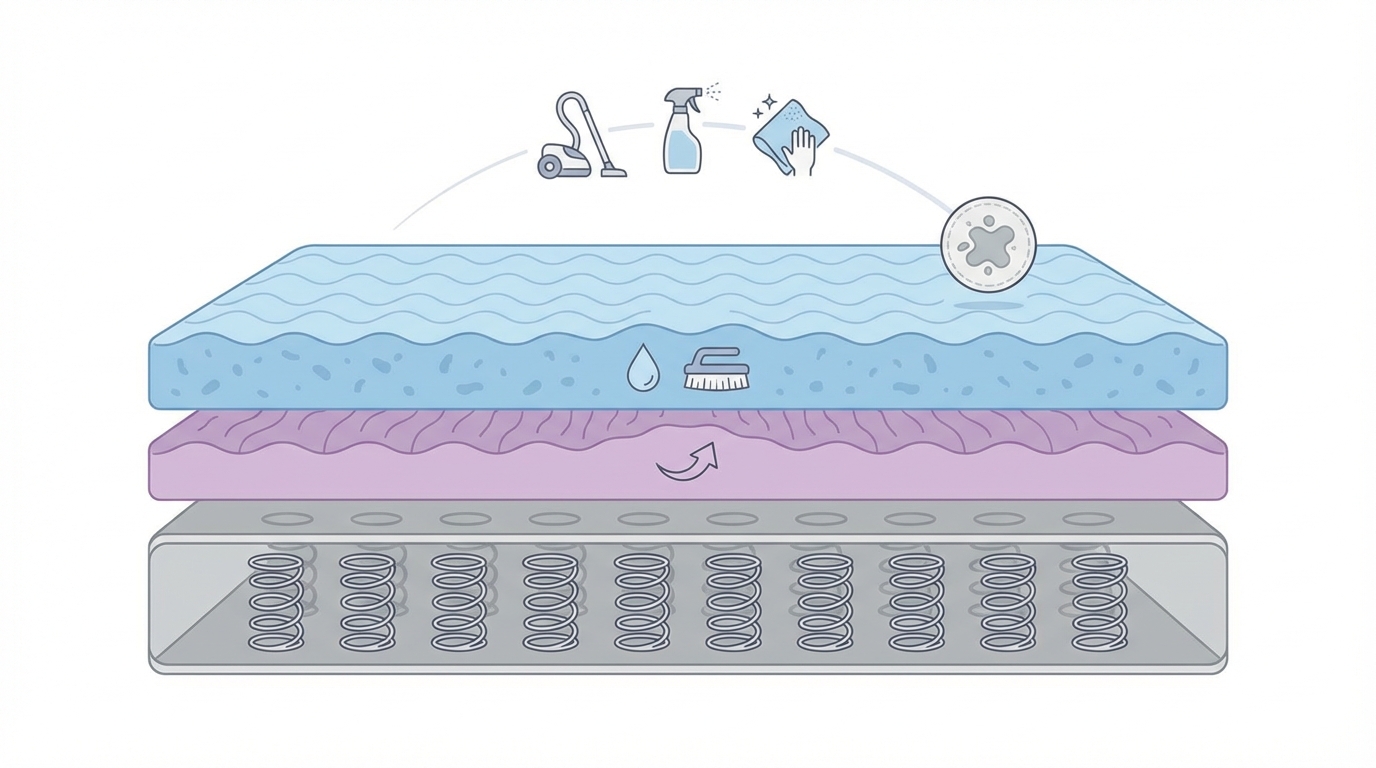
Most real life mattress stains are not mysterious. They are the things we deal with elsewhere in the home, just more awkward to address because you cannot toss the whole mattress in a washing machine. The right strategy depends on both what caused the stain and how long it has been sitting.
According to the Sleep Foundation, the two biggest categories of mattress stains their readers ask about are urine and sweat, followed by blood and vomit. That lines up with what we see at Sleepology when customers come in asking if a stain means they must replace a mattress immediately. The reality is that many of these fluids respond well to persistent, gentle cleaning.
Below are targeted approaches for the most common mattress stains using that basic toolkit of household ingredients. If your mattress warranty has specific cleaning instructions, always cross check those first. Some specialty foams and fabrics may have extra precautions.
How To Get Urine Stains Out Of A Mattress
Urine is one of the most stressful mattress stains, because it brings both discoloration and strong, persistent odor. The key is to break down the uric acid crystals that cause the smell and lift as much moisture as possible so it does not sit in the foam.
For a fresh urine accident, start with thorough blotting. Use dry towels to press into the wet area until they are no longer picking up much moisture. Then mix a solution of half distilled white vinegar and half cool water in a spray bottle or bowl. Lightly apply this to the stained area, either with a gentle mist or by dabbing with a cloth, and allow it to sit for 10 to 15 minutes. Vinegar helps neutralize odor and begins to break down components of the urine.
After the solution has had time to work, blot again. You want the mattress damp, not wet. While the area is still slightly damp, sprinkle a generous layer of baking soda over the stain. Allow the baking soda to sit for at least 8 hours, or overnight if possible. It will clump as it absorbs remaining moisture and odor. Once fully dry, vacuum the baking soda thoroughly and evaluate both the look and smell. If necessary, you can repeat this process a second time for stubborn cases.
For older, set in urine stains that have already dried and left a dark yellow ring, you may need a slightly stronger approach. A commonly used mixture involves 3 percent hydrogen peroxide, baking soda, and a drop or two of clear dish soap. It should be applied sparingly and patch tested on an inconspicuous area first, because peroxide can lighten some fabrics. If the stain persists after two careful treatments or if the smell remains strong, it may be worth using an enzyme based cleaner designed for urine or consulting a professional cleaning service that understands modern foams.
“We had two back to back potty training accidents on our queen mattress and I was convinced we had to replace it. I followed Mia’s vinegar and baking soda steps, repeated them twice, and the smell is completely gone. That bought us another few years until we were ready to upgrade to a hybrid at Sleepology in November .” – Karen L., November
How To Get Blood Stains Out Of A Mattress
Blood stains look dramatic, but they are manageable if you act quickly and stick to cool temperatures. Since blood is protein based, hot water or heat of any kind will set it into the fibers just like cooking an egg.
Begin by blotting up as much fresh blood as possible with a clean, dry cloth. Then mix cool water with a small amount of clear dish soap. Dampen a clean cloth with this solution and gently dab the stain from the outside edges inward. You should see some of the color transfer to the cloth. Keep turning the cloth to clean areas and re dampening as needed. Avoid scrubbing, which can push the stain deeper.
If a faint mark remains, you can move to a slightly more targeted mixture. Combine a small amount of 3 percent hydrogen peroxide with a pinch of salt and a drop of dish detergent to form a loose paste. Spread a thin layer over the stained area and let it sit for about 10 to 20 minutes. The peroxide will foam slightly as it reacts. Gently blot and lift away the paste with a damp cloth, then blot with a dry towel. As always, test peroxide on a hidden area first and use the least amount that gets the job done.
Older, brownish blood stains are more stubborn. You may lighten them considerably but not always erase them. In those cases, aim for clean and sanitized rather than perfection. A good quality mattress protector will prevent new incidents from reaching the fabric and make any remaining marks purely cosmetic.
How To Get Sweat Stains Out Of A Mattress
Sweat stains are sneaky. You rarely see them form in the moment, but over months or years they can leave widespread yellowing or general dinginess across the sleep surface. According to organizations like Cleveland Clinic, night sweats are common for people going through hormonal shifts, taking certain medications, or sleeping in very warm rooms, so this type of staining is incredibly common and nothing to feel embarrassed about.
Because sweat is also protein based, you want to avoid hot water and harsh chemicals. Start by vacuuming the mattress surface with an upholstery attachment to remove dust and skin flakes that can be caught in the fibers. Then, if the mattress fabric is light, you can try lightly misting the stained areas with 3 percent hydrogen peroxide in an opaque spray bottle, allowing it to sit and air dry while you watch for lightening. For darker fabrics where peroxide might be risky, you can instead apply a mild dish soap and water solution, then blot and rinse carefully.
For generalized odor and mild discoloration from sweat, an all over baking soda treatment can help. Sprinkle a thin, even layer of baking soda across the entire sleep surface and let it sit for at least several hours. The baking soda will absorb some moisture and odor. Vacuum thoroughly, making sure to get around quilting and seams. If you regularly wake up hot or damp, pairing your cleaning efforts with breathable bedding, such as the TEMPUR‑Breeze Cooling Sheet Set or Tempur‑Pedic ProPerformance Sheet Set, can reduce future sweat from soaking into the mattress in the first place.
If you are routinely sweating through your sheets or waking up drenched, it is also worth mentioning to your healthcare provider. While occasional night sweats are common, groups like Mayo Clinic note that persistent, heavy night sweats can sometimes be a sign of underlying medical conditions that deserve attention.
How To Get Vomit And Illness Stains Out Of A Mattress
Cleaning up after a stomach bug is probably at the bottom of your wish list, but it is one of the more important times to be thorough. Vomit contains stomach acids and partially digested food, which are both tough on fabrics and a potential source of lingering odor and bacteria.
Start by scraping up any solids with a disposable tool like a cardboard piece or dustpan, being careful not to grind anything into the mattress. Then use paper towels or old rags you are willing to throw away to blot up as much liquid as possible. Once most of the visible mess is gone, mix equal parts distilled white vinegar and cool water in a spray bottle or bowl. Apply this solution to the affected area, allow it to sit for 10 to 15 minutes, then blot again. Vinegar helps neutralize odors and some bacteria.
While the mattress is still damp from the vinegar solution, sprinkle a generous amount of baking soda over the area. It will fizz slightly as it reacts. Let it sit for several hours or overnight, then vacuum thoroughly once it is bone dry. For larger or more severe illness episodes, it can be wise to repeat the process and allow the mattress to air out in a well ventilated room to ensure everything is fully dry and fresh before making the bed again.
“Our 4 year old got sick in the middle of the night and I honestly thought the mattress was ruined. Mia’s advice to layer vinegar and baking soda, then give it real drying time, worked better than the ‘heavy duty’ cleaner I almost bought. We also picked up a waterproof protector at Sleepology in October , which has already saved us twice.” – Brian S., October
How To Remove Odors And Freshen A Mattress After Stains
Even when a stain looks better, a faint smell can linger, especially with urine, vomit, or long term sweat. The goal here is not to cover the smell with stronger fragrance but to remove the odor causing compounds from the upper layers of the mattress.
Baking soda is a star for this job. After your cleaning steps are complete and the mattress surface is only lightly damp or fully dry, sprinkle a generous amount of baking soda over the affected area or, for widespread odor, across the whole mattress. Leave it in place for 8 to 24 hours. Baking soda particles help absorb odor molecules and some residual moisture from the fabric and shallow foam. When time is up, vacuum slowly using an upholstery attachment so you do not scatter the powder into the air.
For deep urine or pet smells that persist even after baking soda, an enzyme based cleaner formulated for urine can help. As sleep hygiene resources like those from the Sleep Foundation point out, enzymes work by breaking down the specific organic molecules that cause odor, rather than perfuming over them. Always check that the product is safe for use on upholstery and follow the directions carefully, using minimal moisture and lots of drying time.
Ventilation makes a difference as well. After a major stain and cleaning, giving your mattress several hours of uncovered air time in a room with open windows or a fan running can help odors dissipate faster. This is one reason many sleep experts recommend periodically stripping your bed completely and letting the mattress breathe, even when you are not dealing with a specific spill.
If you find yourself repeatedly battling smells, especially a musty or sour odor that returns even after cleaning, that may be a sign moisture has penetrated deeper layers or that age and wear are catching up. In those cases, we often talk with customers about whether a replacement mattress, perhaps in a more breathable hybrid design like the Sealy Posturepedic Elite Soft Hybrid Mattress – Brenham II, might give them a fresher starting point and better airflow going forward.
Deep Cleaning Versus Daily Care: Keeping Stains From Building Up
You do not need to deep clean your mattress weekly for it to stay fresh, but a little routine care can dramatically reduce how often you face serious stains. Think about it as basic hygiene for an item you spend about a third of your life on.
Every time you change your sheets, give the mattress surface a quick scan for new spots. Addressing a tiny coffee splash or a faint ring from a humid night right away with a simple dish soap and water blot can prevent them from ever turning into a real stain. While the bed is bare, use your vacuum with the upholstery attachment to run slowly over the surface, paying attention to seams and quilting where dust and debris collect.
Most people benefit from a more thorough refresh a couple of times per year. Organizations like the Sleep Foundation often suggest a schedule of about once every six months for a deeper mattress cleaning, more often if you have allergies or pets that sleep in the bed. A deep clean can involve a full surface vacuum, targeted spot cleaning of any visible marks, and a broad baking soda treatment left for several hours before vacuuming again.
Rotation also plays a role, even though it does not directly address stains. Rotating your mattress head to foot every few months helps distribute wear and can improve how it feels and looks over time. If you are using a traditional foundation, like the Sealy Mattress Base Boxspring Foundation | Low Profile 5 inch height, make sure it is still providing even support. An uneven base can cause dips where sweat and body oils tend to collect more heavily.
“I used to ignore my mattress until something bad happened, then panic clean. After talking with a Sleepology consultant, I started doing quick vacuums and baking soda every few months. My 7 year old mattress actually looks and smells much better now, and I feel like I bought myself time before I upgrade to a hybrid next year.” – Melissa J., September
Mattress Protectors, Toppers, And When Replacement Makes More Sense
No stain removal guide is complete without talking seriously about prevention and the point where cleaning is no longer the smartest option. Protectors, toppers, and new bedding all work together to reduce how often your mattress has to take the hit.
A waterproof mattress protector is the single best defense you can put in place. Compared with older, crinkly plastic covers, modern protectors use breathable membranes bonded to soft fabrics to block liquids without trapping heat. This means spills, sweat, and accidents generally sit on top of the protector, where they can be wiped up or washed out, instead of seeping into your mattress. For people who sleep warm or live in humid climates, a cooling protector like the TEMPUR‑Breeze Mattress Protector – Cooling, Waterproof, Breathable Cover adds temperature regulation on top of stain defense.
Toppers, on the other hand, are more about comfort than protection, though they do take some of the wear and tear that would otherwise hit the surface of your mattress. A high quality topper can smooth out slight lumps or add cushioning to an overly firm bed. If you have guests occasionally or travel frequently, a supportive travel pillow bundle such as the Tempur‑Pedic Mattress Topper – Pillow Travel and Guest Bundle can help you stay comfortable and keep more of your body oils and sweat off the main mattress.
There is also a point where stains plus sagging plus years of use add up to “this mattress has done its job.” Most sleep health organizations and manufacturers reference a typical mattress lifespan of about 7 to 10 years, though high quality hybrids and foam beds can sometimes go longer if well cared for. If you are seeing multiple deep stains that never fully come clean, noticeable dips or lumps, or waking with new aches that improve when you sleep elsewhere, scrubbing harder may not be the best investment of your time.
In those cases, looking at a fresh start with a supportive, stain protected mattress can make a real difference in both sleep quality and peace of mind. Many Sleepology customers who come in for advice after a big stain incident end up exploring options like the Sealy Posturepedic Plus Soft Hybrid Mattress – Paterson II or Sealy Posturepedic Pro Soft Mattress – Dupont II Euro Pillow Top, paired with a waterproof protector from day one so they never have to see the kinds of stains their old mattress collected.
When you are unsure whether to keep cleaning or start fresh, one simple question helps: if you woke up on this mattress in a hotel, would you feel comfortable staying the night. If the honest answer is no, it might be time to explore a new sleep surface and build a smart protection plan around it.
Comparing Mattress Types: How Easy Are They To Clean And Protect?
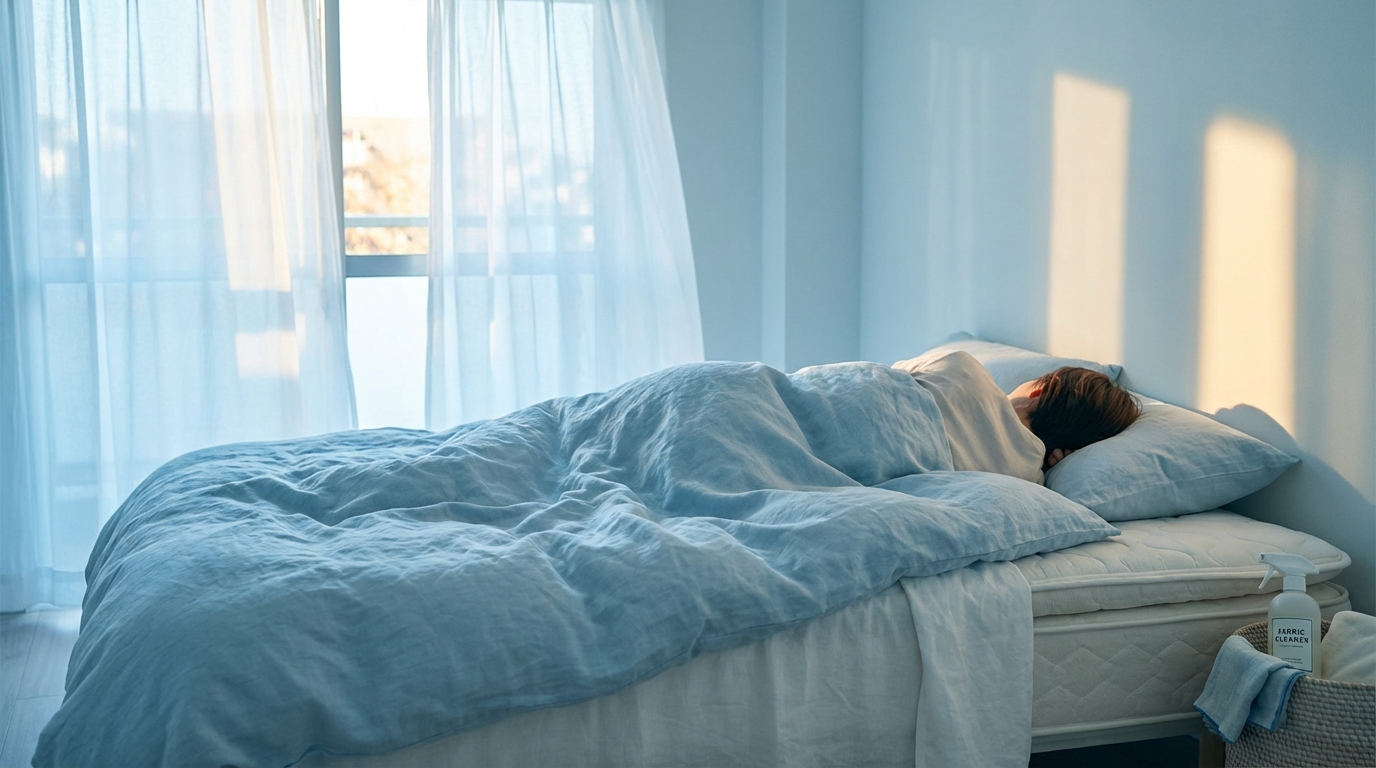
When you are thinking about stains and long term cleanliness, the type of mattress you own or plan to buy matters. Different constructions absorb liquids differently and offer different levels of breathability. Understanding these distinctions can help you choose realistic cleaning methods now and make smarter choices when you are ready for a new bed.
Here is a simple comparison of three common mattress categories from a cleaning and stain management perspective:
| Mattress Type | Stain Absorption Tendency | Odor Retention Risk | Ease Of Surface Cleaning |
|---|---|---|---|
| Traditional innerspring with thin comfort layer | Lower absorption into deep layers, but cover still stains | Moderate, can breathe better if not heavily padded | Relatively easy, surface fabrics clean up well |
| All foam (memory foam or polyfoam) | High absorption if unprotected, foam soaks liquids quickly | Higher, foam structure can trap odors and moisture | Requires careful spot cleaning, avoid over wetting |
| Hybrid (springs plus thicker foam or pillow top) | Moderate, comfort layers can absorb but core breathes | Moderate, better airflow helps odors dissipate | Manageable with protectors and prompt care |
In , hybrid mattresses continue to be popular because they balance pressure relief with support and airflow. From a stain perspective, that airflow is helpful because it allows moisture that reaches upper layers to dry more quickly than in a dense all foam bed. Collections like The Best Hybrid Mattresses at Sleepology are chosen not only for how they feel but also for how they hold up in real world homes with kids, pets, and the occasional cup of coffee in bed.
All foam mattresses, which you can explore in collections such as The Best Foam Mattresses, can still work beautifully if you pair them with a truly waterproof protector and pay attention to spills immediately. Their contouring comfort is excellent for pressure relief, but that same contouring comes from materials that really do not like being soaked. Gentle, low moisture spot cleaning is essential here.
Traditional innerspring beds with thinner top layers are the most forgiving from a cleaning standpoint, simply because there is less absorbent material between the fabric and the coil support system. However, many people today want more pressure relief than these designs provide. If you are staying with a classic innerspring but worried about stains, a quality protector plus breathable sheets from collections like Pillows, Sheets, Toppers, Protectors can give you a good balance of comfort and practicality.
Conclusion: A Cleaner Mattress, Less Stress, And Better Sleep
Stains on your mattress do not mean you have failed at keeping a clean home. They mean life is happening where you actually live and rest. With the right mindset and tools, most marks can be greatly improved, many odors can be neutralized, and your bed can feel like a fresh, safe place to land again.
The core principles are simple. Act quickly when you can, blot instead of scrub, use gentle household cleaners tailored to the stain type, and give the mattress real drying time. Support your efforts with smart prevention: a breathable waterproof protector, sheets that help manage sweat, and an occasional deep refresh with baking soda and a vacuum. According to major sleep health organizations, these habits line up well with broader sleep hygiene practices that support better rest over time.
If your mattress is heavily stained, sagging, or leaving you sore despite your best cleaning efforts, that is not a moral failing. It is a sign that your sleep surface has reached the end of its natural lifespan. At that point, shifting your energy from scrubbing to choosing a supportive, well protected new mattress may give you a bigger return in comfort, cleanliness, and peace of mind.
Wherever you are starting from today, you can move toward a fresher, healthier bed step by step. If you would like help deciding whether to keep rehabilitating your current mattress or explore a new one, the team at Sleepology is always happy to walk through your specific situation and help you choose a path that fits your body, your home, and your budget.
Frequently Asked Questions
How do I get a fresh urine stain out of a mattress fast without ruining it?
Start by stripping the bed and blotting up as much urine as possible with clean, absorbent towels, taking care not to rub or push the liquid deeper. Mix equal parts distilled white vinegar and cool water, lightly apply it to the stained area, let it sit for 10 to 15 minutes, then blot again until the mattress is only damp. While it is still slightly damp, sprinkle a generous layer of baking soda over the area and leave it for at least 8 hours or overnight. Once the baking soda is fully dry, vacuum it thoroughly. This combination helps neutralize odor and lift moisture without harsh chemicals, a method that aligns with guidance from resources like the Sleep Foundation for cleaning urine from mattresses.
What is the safest way to get old yellow stains out of a mattress?
Old yellow stains are usually from dried sweat, body oils, or older urine accidents, and they are more about lightening than perfectly erasing. Vacuum the mattress surface to remove dust, then spot treat stains with a mild solution of clear dish soap and cool water, blotting gently and rinsing with a damp cloth. For light colored mattress fabrics, a cautious application of 3 percent hydrogen peroxide can help lighten persistent yellowing, but always patch test in a hidden area and use as little as needed. Follow with a baking soda treatment and thorough vacuuming to address any remaining odor. If large areas remain noticeably discolored and the mattress is several years old, pairing continued cleaning with a good protector and planning for a future replacement is often the most realistic approach.
Is it okay to use a steam cleaner on my mattress to remove stains?
Steam cleaners can be risky for modern foam and hybrid mattresses because they introduce high heat and a lot of moisture, both of which can damage foam, weaken adhesives, and encourage mold if the core does not dry completely. Most manufacturers and health oriented sleep resources caution against heavy steam cleaning on these mattresses, especially if you are not able to dry them in a very well ventilated environment for a long time. If you want professional level deep cleaning, look for a service that specifically understands your mattress type and uses low moisture, upholstery appropriate methods. For home care, stick with spot cleaning using small amounts of solution and plenty of air drying.
How often should I deep clean my mattress if I want to prevent stains from building up?
For most households, a practical schedule is a light refresh every time you change sheets and a more thorough deep clean about twice a year. The light refresh means scanning for new spots and addressing them right away, plus a quick vacuum of the sleep surface. A deeper session every 6 months can include a full vacuum, targeted cleaning of any visible stains, and a baking soda treatment left for several hours before vacuuming again, which helps with mild odors and moisture. People with allergies, pets who sleep on the bed, or frequent night sweats may benefit from more frequent refreshes, which aligns with advice from sleep health sources that emphasize keeping allergens and moisture under control.
When is a stain bad enough that I should replace my mattress instead of just cleaning it?
A single stain, even if it is from urine or vomit, rarely means an otherwise healthy mattress must be replaced, especially if you can clean it promptly and protect it going forward. Replacement starts to make more sense when there are multiple deep stains that never fully come clean, persistent odors even after repeated careful cleaning, visible sagging or lumps, or new aches and pains that improve when you sleep on a different bed. If your mattress is in that 7 to 10 year range that many sleep organizations cite as an average lifespan, and it is both stained and unsupportive, directing your time and budget toward a new, well protected mattress is usually the more sleep friendly choice.
Will a mattress protector really stop stains, or do spills still get through?
A true waterproof mattress protector that uses a quality membrane backing is very effective at preventing liquids from reaching the mattress surface, as long as it fully encases the top and sides and fits snugly so it does not shift. Spills and accidents will typically stay on top of the protector, where they can be wiped and then washed out in a washing machine. The key is choosing a protector that is both waterproof and breathable so you do not feel like you are sleeping on a plastic sheet. Modern options, including cooling designs like the TEMPUR‑Breeze protector available at Sleepology, are engineered to block liquids while allowing airflow, which helps manage both stains and sleep temperature.
Are homemade stain removers better than store bought mattress cleaners?
Homemade solutions using ingredients like baking soda, vinegar, mild dish soap, and 3 percent hydrogen peroxide are often enough for common mattress stains and have the advantage of being simple, inexpensive, and less harsh than many all purpose cleaners. They are also in line with recommendations from reputable sleep resources that caution against strong chemicals on mattresses. That said, enzyme based commercial cleaners can be very helpful for stubborn urine or pet stains because they specifically break down the odor causing proteins. The best approach is often a combination: start with gentle, low cost methods and, if needed, bring in a specialized cleaner that is labeled safe for upholstery and your mattress materials, always using minimal moisture and lots of drying time.