

How To Get Stains Out Of A Mattress Without Ruining It
You are not the first person to pull back the sheets, see a mysterious stain, and feel your stomach drop. Maybe it is your toddler’s midnight accident, a nosebleed that caught you off guard, or a coffee spill on a lazy Sunday. Whatever the cause, a stained mattress can feel stressful, expensive, and a little embarrassing, especially when you are not sure what is safe to use on the foam or fabric you sleep on every night.
The truth is, mattresses are stain magnets. We spend about a third of our lives in bed, and our mattresses quietly absorb sweat, body oils, dust, spills, and the occasional bodily fluid. According to organizations like the Sleep Foundation and Mayo Clinic, a clean sleep surface does more than look nicer, it helps reduce allergens, odors, and disrupted sleep so your body can actually recover at night. When stains sit for years, they can also shorten the life of your mattress, which means you end up replacing it sooner than you wanted.
The good news is that most mattress stains, even old ones, can be improved a lot and often removed completely with the right steps, some patience, and basic household ingredients. You do not need to soak your bed in chemicals or drag it outside with a power washer. What you do need is to match the cleaning method to the type of stain, work with the way mattress foams actually behave, and avoid a few common mistakes that make stains worse or damage the materials.
As a Sleepologist at Sleepology, I spend a lot of time helping people choose the right mattress, but just as often I am walking them through what to do after an accident. Here you will learn how to safely treat fresh and set in stains like urine, blood, sweat, yellowing, and vomit, how to dry your mattress properly, and how to protect it going forward, along with some smart upgrades when it really is time for a new bed. By the end, you should feel clear, confident, and ready to take action the moment a stain happens, instead of panicking or guessing.
Before You Start: Mattress Cleaning Basics That Actually Matter
Before you grab the nearest cleaner from under the sink, it helps to understand what you are working with. Mattresses are thick, porous structures, often made from layers of foam and fabric that trap liquids deeply. If you flood a stain with water or harsh chemicals, it can drive residue further inside, encourage mold, or break down foams and adhesives. That is why the first rule of mattress cleaning is always to use as little liquid as you can get away with, and to focus on blotting instead of scrubbing.
Another key concept is time. Fresh stains are always easier to remove than ones that have dried and bonded to fibers over days or months. Blood, for example, contains proteins that cling to fabrics as they dry, and heat can make that bond stronger. Urine can oxidize and turn yellow, and sweat can slowly create that overall yellow cast people associate with older mattresses. Acting quickly improves your odds, but even old stains often respond to a few rounds of targeted treatment and thorough drying.
You will also want to think about your specific mattress type. Memory foam, polyfoam, latex, and hybrids all share one thing: they do not like being soaked. According to the Sleep Foundation and major mattress manufacturers, you should never saturate foam or apply bleach directly, since this can damage the cell structure and void many warranties. Instead, you will rely on diluted solutions of white vinegar, small amounts of 3 percent hydrogen peroxide, mild dish soap, baking soda, and sometimes enzyme cleaners, especially for urine or vomit.
Finally, always prioritize safety, both for you and your mattress. Wear gloves and, if you are dealing with vomit or large urine accidents, a simple mask can make the job less unpleasant and more hygienic. Work in a well ventilated room, keep pets and kids away while things are drying, and remember that the goal is not to make the mattress smell like perfume, but to remove the source of the odor. Once you have those basics down, you can confidently move on to specific stain types.
“I almost tossed my old queen mattress after a pet accident, but Mia walked me through these same steps in store. Two rounds of cleaning and a day with a fan, and the smell was gone. I ended up saving at least $1,000 by not replacing it immediately.” – Rachel P., November
Your Mattress Stain Toolkit
When you understand why each ingredient is in your toolkit, you are less likely to reach for products that do more harm than good. Most mattress stains can be handled with a small group of gentle, affordable supplies you may already own. That is helpful when something happens at midnight and you cannot run to the store.
Baking soda, for example, is a true workhorse. It absorbs moisture and odor, helps loosen dried gunk, and is safe on virtually all mattress fabrics. Distilled white vinegar is slightly acidic, which helps break down alkaline residues like urine. According to Cleveland Clinic and other health organizations, vinegar also has mild antimicrobial properties, which can be helpful when you are trying to neutralize odors from bodily fluids. When diluted properly with water, it is generally considered safe for both innerspring and foam surfaces.
Hydrogen peroxide at 3 percent strength is another powerful tool when used sparingly. It oxidizes and lifts some of the pigments found in blood and yellow stains, and it also has antibacterial effects. Many stain removal guides and labs, including Consumer Reports, caution that it can lighten fabrics, especially darker mattress covers, so you should always spot test in an inconspicuous area and favor it on white or light colored mattresses. A few drops of clear liquid dish detergent help cut through body oils and greasy spills without leaving colored residue behind.
The last piece of your toolkit is mechanical rather than chemical. Clean, white cotton towels or microfiber cloths are essential for blotting, not rubbing, and a small handheld or hose vacuum lets you remove dried baking soda and loose debris efficiently. A portable fan, box fan, or even an adjustable base set to elevate the head of your hybrid mattress can dramatically speed up the drying process by increasing airflow around the treated area.
After you have these supplies gathered, stop for a moment and identify what type of stain you are facing. A coffee ring, a faint yellow halo from sweat, and a distinct urine odor each call for a slightly different approach, which we will walk through step by step.
General Rules: What To Do (And Avoid) With Any Mattress Stain
Whether you are dealing with a tiny spot near the foot of the bed or a full on accident that soaked through your sheets, starting the right way can prevent permanent damage. The very first step is always to remove all bedding, including mattress protectors and toppers, so you can see the true size of the stain. Sheets and protectors can usually go straight into the wash on the warmest setting the care label allows, which helps remove residue before it can set.
Once the surface is exposed, gently blot, do not rub, with a clean, dry towel to lift as much liquid as possible. Press straight down and lift, rather than dragging the cloth back and forth. Rubbing can spread the stain, push it deeper, and rough up delicate knit covers. According to cleaning experts and home care guides, working from the outer edge of a stain inward helps prevent it from expanding as you dab it. If the area feels very saturated, you may need several towels before it feels merely damp.
The next rule is to control how much cleaning solution actually reaches the foam or padding. Instead of pouring anything directly onto the mattress, apply solutions using a spray bottle or by dipping and wringing out a cloth so it is damp, not dripping. This is especially important on memory foam and pillow top surfaces, which can hold onto moisture in their thick comfort layers. A lightly dampened surface may look less dramatic at first, but you will avoid the long dry times and potential odor issues that come with over wetting.
There are also a few “never do” items that are worth stating plainly. Avoid bleach on mattresses, even diluted. Bleach can break down fibers, potentially irritate your skin and lungs, and is not necessary for effective cleaning. Avoid steam cleaners as well, because the combination of heat and moisture can damage foams and trap humidity deep inside the mattress. Most mattress makers and sources like the Sleep Foundation emphasize air drying at room temperature with fans rather than applying heat.
When you are done with any round of cleaning, allow the mattress to dry completely before putting sheets back on. Depending on the size of the stain and the amount of liquid used, this can take several hours or, in some cases, most of a day. Elevating the head or foot of the bed on an adjustable base can help air reach more surface area, and if you have good weather and can safely open a window, fresh air is your friend. Once you can no longer feel any cool dampness with the back of your hand, you are ready to move on to protection and prevention.
How To Get Urine Out Of A Mattress (Fresh And Set In)

Urine stains are one of the most common mattress issues, especially in families with young kids, seniors, or pets. They are also some of the most stressful, because the odor can linger if they are not handled thoroughly. The process for fresh urine is quite different from treating old, dried accidents, so it is worth learning both.
Treating Fresh Urine Stains Quickly
When an accident happens, try to get to it as soon as you can, even if that means doing a quick first pass in the middle of the night and a more detailed clean the next day. Start by blotting up as much liquid as possible with thick, absorbent towels. Continue pressing clean, dry areas of the towel into the mattress until you are no longer picking up moisture. This step can easily remove a surprising amount of urine before you even bring out cleaners.
Once the area is merely damp, mix a solution of equal parts distilled white vinegar and cool water in a spray bottle. Lightly spray the stained area so it is evenly damp, but not saturated, then let it sit for 10 to 15 minutes. Vinegar helps neutralize the ammonia odor and begins to break down the uric acid crystals that contribute to lingering smells. According to home cleaning experts and health sites, this mild acidity is usually safe for most mattress fabrics when diluted.
After the dwell time, blot again with clean towels to lift out the solution and dissolved residue. While the spot is still a bit damp, sprinkle a generous layer of baking soda over the area, extending an inch or two beyond the stain. The baking soda will help pull remaining moisture out of the mattress and trap odors as it dries. Leave it in place for at least 8 hours, or overnight if possible, then vacuum thoroughly using a hose or upholstery attachment to remove all the powder.
Once everything is dry, give the mattress a quick smell test up close. If you still detect a hint of odor, you can repeat the baking soda step or do a second, lighter round of the vinegar solution. For chronic accidents, especially from pets, an enzyme based cleaner labeled as safe for upholstery can be a helpful follow up, since these formulas contain proteins that specifically break down organic residues that other cleaners can miss.
“My son was in a bedwetting phase and I was convinced the mattress was done. I followed Sleepology’s urine cleaning steps twice and invested in a waterproof protector. Two months later, there is zero smell, and we avoided replacing a perfectly good hybrid we bought for $1,400.” – Jason L., October
Removing Old, Set In Urine Stains
Old urine stains are trickier, because the liquids have fully dried, and the compounds that cause odor can crystallize inside the foam or padding. They may appear as faint yellow or tan rings, often with a stronger smell in humid weather. While you might not erase the stain completely, you can usually lighten it and significantly reduce odor with a more targeted approach.
For set in urine, hydrogen peroxide can be more effective than vinegar alone. Combine about 8 fluid ounces of 3 percent hydrogen peroxide with 3 tablespoons of baking soda and a very small amount of clear dish detergent, one or two drops, in a small bowl. Stir gently until the baking soda dissolves. This mixture works best when used immediately, so mix only what you will apply that day. Peroxide helps lift staining, while baking soda and detergent work on odor and oils.
Dip a clean white cloth in the solution, wring it out, and dab it over the stained area. You want the surface to be damp but not soaking. You may see some improvement as you work. Avoid scrubbing, and stay within the boundaries of the original stain as much as possible. Once the area has been treated, leave it to air dry fully. The solution will continue to work as it evaporates, and any light crust of baking soda left behind can be gently vacuumed up when dry.
Because peroxide can lighten or slightly bleach fabrics, always test it under the mattress or along a side seam first, and use particular caution with darker or patterned mattress covers. If you are not comfortable with even a small risk of lightening, you can instead use a pet specific enzyme cleaner designed for dried urine, following the instructions closely. These products are commonly recommended by veterinarians and cleaning experts because they break down uric acid salts that simple detergents leave behind.
If repeated cleanings do not fully resolve the smell, consider combining this process with a mattress topper and a high quality waterproof protector so the remaining discoloration is purely cosmetic. A plush topper such as the Tempur-Pedic Mattress Topper Travel and Guest Bundle can also restore comfort if the original surface has stiffened from over cleaning or age.
How To Remove Blood From A Mattress
Blood stains look intimidating, but they respond well to the right approach, especially if you act while the spot is still fresh. Blood is rich in proteins, and those proteins are sensitive to temperature. Hot water can cause them to coagulate and bind more tightly to fibers, which is the opposite of what you want on a mattress that cannot go into a washing machine.
Fresh Blood Stains: Work With Cold, Not Heat
As soon as you notice fresh blood, blot gently with a dry, clean towel to remove as much as you can. It may help to lightly dampen a cloth with cold water and continue blotting, but stay away from warm or hot water completely. According to cleaning guidance supported by academic textile research, cold water keeps proteins from setting so they are easier to lift out of fabrics.
If plain cold water is not enough, you can make a simple paste from 3 percent hydrogen peroxide, a bit of clear dish detergent, and salt. Combine 2 fluid ounces of peroxide with 1 tablespoon of dish detergent and 1 tablespoon of salt to create a spreadable mixture. Apply a thin layer directly to the stain with a spoon or cloth, and let it sit for 10 to 30 minutes. As it dries slightly, the paste can help pull the blood out of the top fibers of the mattress cover.
Once the dwell time is up, gently scrape away any dried paste with a spoon edge or the back of a butter knife, being careful not to snag the fabric. Dampen a clean cloth with a bit more cold water or diluted hydrogen peroxide and blot again to remove any remaining residue. Then blot dry with a towel and allow the mattress to air dry completely. If a faint mark remains, you can repeat the process once more rather than applying a very strong solution that might damage the fabric.
Old Blood Stains: Patience And Gentle Repeats
Old blood stains on mattresses often appear brownish or rust colored, and they can be stubborn, especially if someone tried to clean them once with hot water. While you may not always achieve a completely pristine surface, you can usually improve the appearance enough that the discoloration is no longer obvious through sheets or a protector.
For older stains, start with a spot test of the hydrogen peroxide solution on a hidden area to make sure it will not alter the fabric in a way you dislike. Then apply the same peroxide, salt, and detergent paste, leaving it on the stain for up to 30 minutes. It may help to gently press the mixture into the fabric using a cloth rather than just spreading it loosely over the top, so it makes better contact with the stained fibers.
After scraping and blotting the area, allow the mattress to dry completely. If the stain is still prominent, alternate the peroxide paste treatment with a round of gentle cleaning using just cold water and a tiny amount of dish soap. This alternating approach can slowly lift layers of the stain without over exposing the fabric to oxidizers. According to Consumer Reports and other testing organizations, repeated light treatments are safer for delicate textiles than one aggressive one.
If the blood stain is from a medical event or you are concerned about pathogens, you can still follow these steps, but also consult with your physician about any additional hygiene measures needed, especially in cases of immunocompromised sleepers. When in doubt, a full coverage, waterproof protector over a cleaned mattress provides a barrier between you and any residual traces that may remain deep within the padding.
How To Clean Yellow Stains, Sweat, And General Mattress Discoloration
Not every mattress stain is a dramatic accident. Over time, many people notice their mattress developing an overall yellow or dingy cast, often in the torso area. This type of yellowing typically comes from a cocktail of sweat, body oils, dead skin cells, and exposure to air and light. It is normal, but it can make an otherwise good mattress feel older and less inviting.
Sweat stains often respond well to hydrogen peroxide, particularly on white or off white covers. A simple method is to put a small amount of 3 percent peroxide into an opaque spray bottle, which protects it from light that can degrade its strength. Lightly mist the discolored area until it is damp but not saturated, and watch as the stain often fades while the peroxide dries. Always let the mattress dry fully and check for any changes in fabric color before repeating.
If you prefer a peroxide free option, or if your mattress cover is dark or patterned, a mixture of cool water and small amounts of dish detergent can also help. Dampen a cloth with the soapy solution, dab it gently onto the stained area, and then follow with a cloth dampened only with water to rinse away detergent residues. Finish by blotting with a dry towel. This is a milder approach that may not erase deeper yellowing completely, but it will remove surface oils that contribute to odor and dinginess.
Chronic overheating and sweating can make yellowing worse over time. Health organizations like Mayo Clinic note that overheating at night may be tied to hormones, medications, or room environment. If you consistently wake up hot and sweaty, consider both a breathable mattress protector and a cooler sleep surface. For example, a hybrid like the Sealy Posturepedic Elite Soft Hybrid Mattress – Brenham II uses coils and specialized foams to improve airflow, which can help reduce how much sweat your mattress absorbs long term.
Even with the best care, some gradual yellowing is simply part of a mattress aging. At that point, what matters most is whether the mattress is still supportive and comfortable underneath. If you see sagging, feel pressure points, or wake up sore in addition to noticing discoloration, that is often a sign that it may be time to start exploring a new model, especially if your mattress is 8 to 10 years old or more.
“We had an eight year old foam mattress that was starting to look pretty rough. Sleepology showed us how to clean the surface and then helped us choose a new Sealy hybrid when we realized the support layer was done. The side by side comparison made spending around $1,800 feel like an informed decision rather than a guess.” – Denise R., September
How To Clean Vomit And Other “Bio” Messes From A Mattress
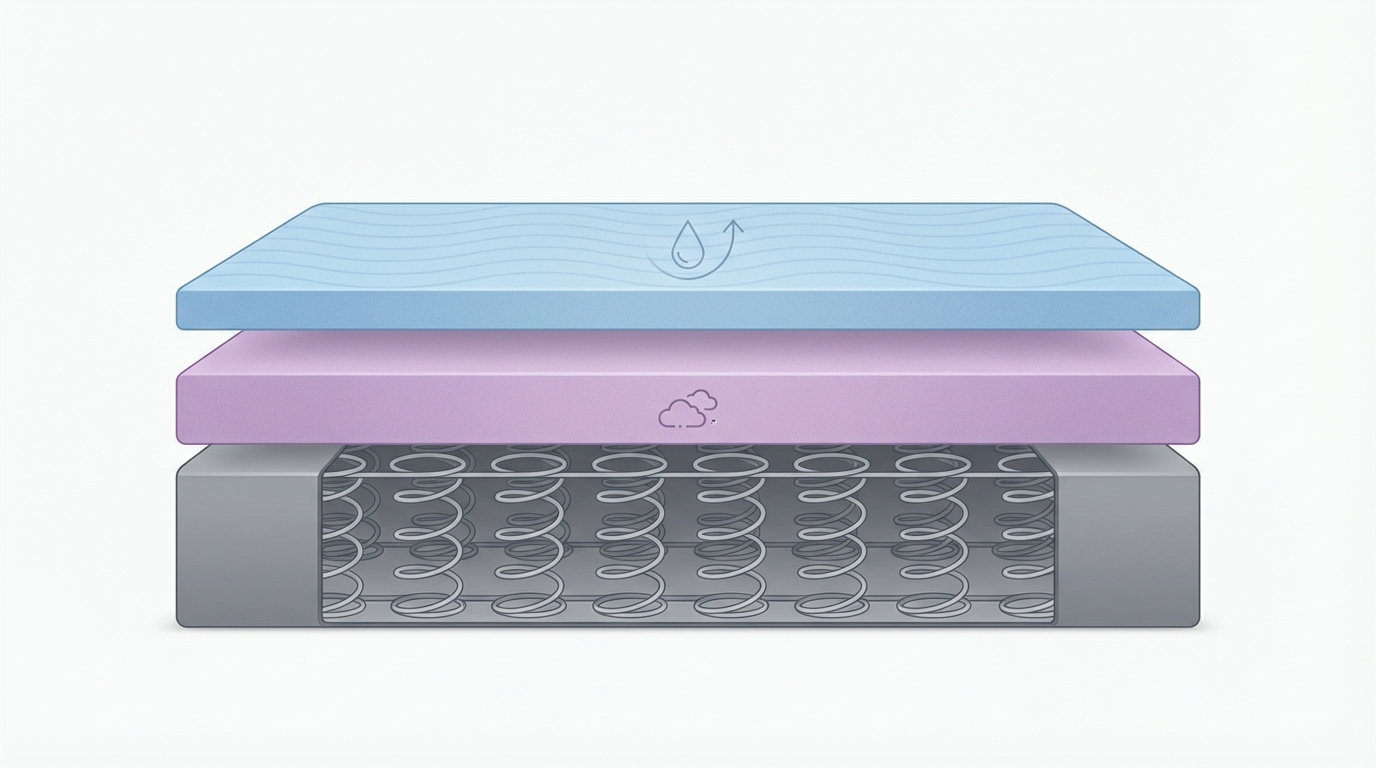
Vomit, diarrhea, and similar messes are the scenarios most people dread, and understandably so. They are unpleasant to deal with, can carry bacteria or viruses, and often involve both solids and liquids. The key is to protect yourself, remove solids first, and then use gentle chemistry and lots of patience rather than harsh disinfectants that can damage your mattress.
Start by putting on disposable gloves, and if you are sensitive to smells, a simple mask can make the process more bearable. Carefully lift away any solid material using a dustpan, stiff piece of cardboard, or even a plate you plan to wash thoroughly afterward. Try not to push material deeper into the mattress surface. Once solids are removed, blot the remaining moisture with towels, again pressing rather than rubbing.
Next, sprinkle a thick layer of baking soda over the affected area. This helps absorb liquid and can immediately start reducing odor. Leave it in place for at least 15 to 30 minutes, then vacuum away what you can. At this stage, the mattress will probably still be discolored and may smell, but you will have removed much of the loose residue.
To tackle what is left, mix a solution of equal parts distilled white vinegar and water in a spray bottle. Lightly spray the stained area until it is damp. The vinegar will react with any remaining baking soda, fizzing lightly as it works its way into the surface. Let this sit for several hours, ideally 6 to 8, then add another layer of dry baking soda on top and leave it overnight. The next day, vacuum thoroughly. This combination helps break down organic matter and absorb both moisture and odor.
If the smell persists, a second round of baking soda alone may help, or you can follow up with an upholstery safe enzyme cleaner meant for pet messes and vomit. Always test in a hidden area and follow the product directions carefully. While these situations are never pleasant, most mattresses can be restored enough to remain in use, especially once you add a high quality waterproof protector like the TEMPUR-Breeze Mattress Protector, which creates a washable barrier between you and any residual discoloration.
Quick Comparison: Best Cleaning Approaches By Stain Type
When you are tired and standing over a stained mattress, it helps to have a quick reference. Use this table as a high level guide, then follow the detailed sections above for step by step instructions and safety notes.
| Stain type | Best main cleaning approach | Key extras or cautions |
|---|---|---|
| Fresh urine | Blot dry, dilute vinegar and water spray, baking soda overnight | Avoid over wetting, consider enzyme cleaner for pets |
| Set in urine | Peroxide, baking soda, tiny dish soap solution, dab and air dry | Test on fabric first, may need multiple treatments |
| Fresh blood | Blot with cold water, optional peroxide, salt, detergent paste | Never use hot water, avoid scrubbing |
| Old blood | Repeated light peroxide paste treatments, gentle rinsing | May not disappear fully, focus on lightening |
| Sweat and yellowing | Light peroxide spray on light covers, or mild soap and water | Address overheating and use protector to prevent more |
| Vomit and “bio” messes | Remove solids, baking soda, vinegar and water, then baking soda | Wear gloves, consider enzyme cleaner, prioritize drying |
Once you know which path to follow, you will be less tempted to reach for random cleaners that could void your warranty or discolor your cover. The goal is always to pair the right chemistry with careful moisture control and thorough drying.
Drying Your Mattress Safely And Completely
Effective cleaning is only half the story. According to experts who study mold and indoor air quality, lingering moisture in thick, porous materials like mattresses can create an environment where mildew and microbes thrive. That is why every cleaning step you take should be followed by deliberate drying, even if the stain looks good on the surface.
After you finish treating a stain and blotting away as much liquid as possible, focus on airflow. If you have a bed frame or adjustable base that allows airflow underneath, you are already ahead. Elevate the head or foot of the bed so air can circulate around the cleaned area. Position a box fan or oscillating fan so it blows across the surface, not directly at one point, which helps moisture evaporate more evenly.
If the weather and your home security allow it, opening a window can speed drying by reducing humidity in the room. A dehumidifier nearby can also be helpful in very humid climates, since drier indoor air pulls moisture out of fabrics more quickly. What you want to avoid is direct, intense heat from hair dryers or space heaters pointed at one area. Quick, uneven heating can warp foams or affect adhesives that hold comfort layers together.
Expect drying to take anywhere from several hours to most of a day, depending on the size of the stain and how much liquid was used. The mattress should feel completely dry to the touch and should not feel cool or clammy when you press the back of your hand into the treated area. If you are unsure, give it more time. Putting sheets and protectors on too early can trap moisture and slow the process.
Once the mattress is dry, this is the perfect time to add or upgrade a protector if you have not already. A waterproof, breathable protector such as the TEMPUR-Breeze cooling waterproof mattress protector helps defend against future stains and makes cleanup dramatically easier, since most spills will never reach the mattress surface in the first place. You will simply remove the protector and toss it in the wash, instead of repeating a full multi step process directly on the mattress.
Preventing Future Stains And Protecting Your Investment
Every mattress has a lifespan, but how you care for it can make a difference in how long it stays comfortable, hygienic, and structurally sound. Prevention is where you shift from emergency cleanup to simple, sustainable routines. Think of it like dental care. Regular brushing and flossing at home plus periodic check ins help you avoid painful, expensive problems down the road.
The single best preventive measure is a good mattress protector. Modern protectors are not the crunchy plastic covers you might remember from childhood. Many are soft, breathable fabrics backed with a waterproof membrane that blocks liquids but still allows air to pass. That means you can protect against spills, sweat, and dust mites without adding uncomfortable heat. Choosing a protector that matches your mattress size and depth is important so it stays smooth and does not bunch up under your sheets.
In addition to a protector, your bedding choices matter. Using washable mattress toppers or pads can add another removable barrier that is much easier to clean than the mattress itself. The Pillows, Sheets, Toppers, Protectors collection at Sleepology includes options designed for both comfort and protection, so you can build a layered system that keeps your sleeping surface fresh with regular laundering. Changing and washing sheets weekly, or more often if someone is ill or sweating heavily, also goes a long way.
Finally, your bedroom environment and routines can reduce how much your mattress has to contend with. Keeping drinks away from the bed, encouraging kids and pets to use waterproof pads for crafts or treats, and managing room temperature so you are not overheating all reduce the likelihood and severity of stains. Health organizations and sleep researchers consistently recommend a cool, dark, and quiet bedroom for better sleep quality, often around 65 to 68 degrees Fahrenheit, which conveniently also minimizes heavy sweating at night.
If something does happen despite all your precautions, try to view it as a maintenance moment rather than a disaster. With the methods you have learned here, plus a protector already in place, you will be better equipped to handle it quickly and calmly.
When Cleaning Is Not Enough: Knowing When To Replace
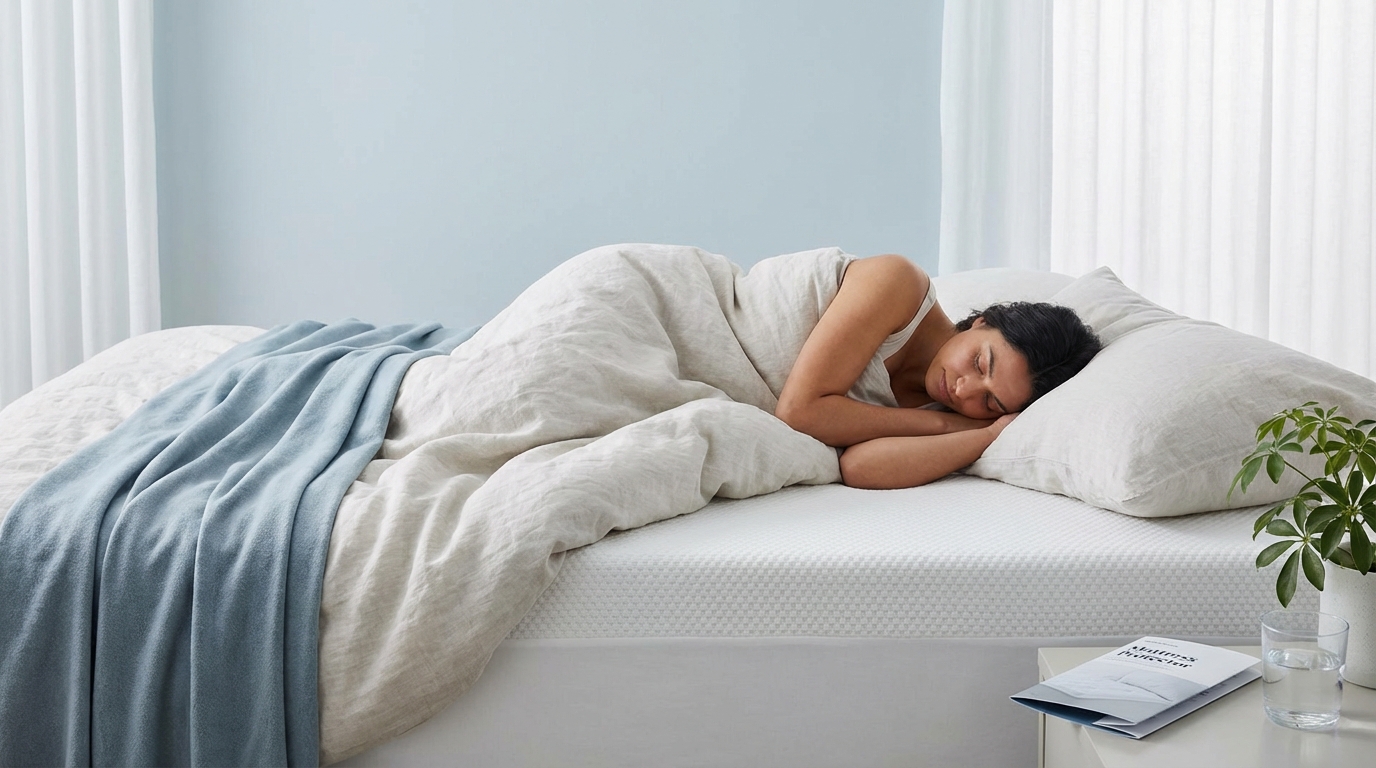
Even the best cleaning routines cannot turn a worn out mattress into a new one. There comes a point where stains are only one symptom of a mattress that is past its prime. Recognizing that line can save you from throwing time and money at a bed that will still leave you sore and tired.
Pay close attention to how your body feels in the morning. If you wake with new or worsening back, shoulder, or hip pain that eases as you move around, that is often a sign that your mattress is no longer providing adequate support. Visible sagging, deep impressions that do not bounce back, or a lumpy feel under the surface fabrics are also indicators that the internal structure has broken down. Industry guidance and sleep health sources generally suggest evaluating most mattresses around the 7 to 10 year mark, though some higher quality models can last longer with good care.
If a mattress has been heavily soiled by multiple accidents, flooding, or a major biohazard event and you cannot confidently clean and dry it, safety and peace of mind matter more than squeezing out another year. In those cases, replacing the mattress is a reasonable choice. Many customers I work with feel a sense of relief once they let go of a badly stained, uncomfortable mattress and invest in one that truly supports their sleep and health.
When you are ready to explore new options, consider both your comfort preferences and your practical needs around stain resistance and temperature. Hybrids like the Sealy Posturepedic Plus Medium Hybrid Mattress – Paterson II combine supportive coils with pressure relieving foams and often run cooler and more breathable than all foam models, which can reduce sweat related staining. For those who love a plush feel, models such as the Sealy Posturepedic Pro Soft Mattress – Dupont II Euro Pillow Top offer cushioning at the surface with robust support underneath.
Whichever direction you go, pairing a new mattress with a quality protector from day one is one of the simplest ways to extend its life. Think of it as part of the mattress purchase, not an optional accessory. It protects your investment, your sleep, and your future self from late night stress when a spill or accident happens.
Conclusion: A Cleaner Mattress And Calmer Mind
Stains on a mattress can feel overwhelming in the moment, but they do not have to mean the end of your bed or your budget. Once you understand how different stains behave, how mattress materials respond to moisture and cleaners, and why blotting and patience matter so much, you are in a much stronger position. Urine, blood, sweat, and even unpleasant bio messes each have a proven, practical path to improvement or full removal.
You have also seen that drying and prevention are just as important as the cleaning itself. Thorough drying protects against hidden moisture problems, while a layered approach with a good protector, breathable bedding, and smart bedroom habits keeps your mattress looking and smelling better year after year. Reliable sources like the Sleep Foundation and major medical organizations consistently remind us that a clean, comfortable sleep environment is not just about aesthetics, it supports deeper, more restorative rest.
If, as you go through this process, you realize your mattress is not only stained but also sagging or unsupportive, that is your cue to consider a thoughtful upgrade rather than another round of spot cleaning. The team at Sleepology is here to help you choose a mattress that fits your body, your sleep style, and your lifestyle, whether that is a cooling hybrid, a plush pillow top, or a foam model paired with the right protector. With the right knowledge and the right products, you can move from frustration and worry to confidence and comfort every time you pull back the covers.
Frequently Asked Questions
How fast should I act when I see a new mattress stain?
The sooner you respond to a new stain, the better your results will be. Fresh stains, especially from urine and blood, are much easier to lift out before they have a chance to dry and bond to the fibers of your mattress cover. Ideally, start blotting within minutes to remove as much liquid as possible, then do a more thorough cleaning within a few hours. If a spill happens overnight, do a quick blot and basic treatment, then come back the next day for baking soda or deeper cleaning when you are more awake.
Is hydrogen peroxide safe on every mattress?
Hydrogen peroxide at 3 percent strength is commonly used for stain removal, but it is not completely risk free for all fabrics. It can lighten or slightly bleach some colored or patterned mattress covers, especially if used in strong concentrations or left on for very long periods. Always spot test in an inconspicuous area first, like the side of the mattress near the bottom. On white or light covers, small amounts used as directed are generally safe and effective for blood and some yellow stains.
Can I steam clean my mattress to get stains and germs out?
Steam cleaning is not recommended for most mattresses. While steam can kill some germs, it combines high heat with a lot of moisture, which is not ideal for foam layers and dense padding. The moisture can become trapped deep inside the mattress, creating conditions for mold or mildew, and the heat may damage adhesives or alter the feel of certain foams. Instead, use gentle cleaners, controlled amounts of liquid, and thorough air drying, and rely on a washable, waterproof protector to maintain hygiene.
What should I do if a stain still shows after several cleanings?
Some older or very intense stains may never disappear completely, especially if they have been sitting for years or were originally set with heat. If you have followed the correct cleaning process a few times and the odor is gone but a faint mark remains, your next best step is to cover the cosmetic discoloration with a good protector and, if you wish, a mattress topper. At that point, as long as the mattress is structurally sound and comfortable, the remaining stain is mostly a visual issue rather than a hygiene problem.
Are household products like vinegar and baking soda really enough?
For most common mattress stains, yes. Household ingredients like distilled white vinegar, baking soda, mild dish soap, and small amounts of hydrogen peroxide are usually sufficient when combined with prompt action and proper drying. According to many cleaning and home care resources, these basic products can neutralize odors, break down organic residues, and lift many stains without the harshness of bleach or heavy solvents. For very stubborn organic stains, adding an upholstery safe enzyme cleaner can provide an extra boost.
How can I tell if a stain problem means I should replace my mattress?
Look at both the stain and the way the mattress feels. If the stain is part of a larger pattern of damage, like sagging, lumps, or loss of support, and you are waking up with more aches and pains, your mattress may simply be at the end of its lifespan. If it has been heavily contaminated by flood water, severe biohazards, or cannot be dried thoroughly, replacement is usually the safest choice. On the other hand, if the mattress still feels supportive and comfortable and any odors are resolved, you can often keep using it with a good protector in place.
Do mattress protectors really make a big difference?
A quality mattress protector can be the difference between a five minute cleanup and a full afternoon of stain removal. Modern protectors are designed to be waterproof to liquids but breathable to air, so they block spills, sweat, and accidents from reaching the mattress surface. Because they are removable and machine washable, they simplify hygiene and significantly extend the life of the mattress underneath. When you factor in the cost of most mattresses, a protector is a relatively small investment that protects both your sleep and your budget.