

How To Get Rid Of An Old Mattress: Simple, Legal, And Low‑Stress Options That Actually Work
You brought home a new mattress, your sleep is already feeling better, and now you are stuck staring at the old one leaning against a wall like an awkward houseguest that will not leave. If you feel overwhelmed by the size, the weight, and all the confusing rules about where mattresses can and cannot go, you are not alone. As someone who talks with shoppers every day, I know that “What do I do with my old mattress?” is one of the most stressful parts of upgrading your sleep.
Figuring out how to get rid of an old mattress matters for more than just clearing space in your bedroom. Mattresses are large, difficult to move, and in many areas you can be fined for dumping them incorrectly. On top of that, most people care about where their mattress ends up and do not love the idea of something that big sitting in a landfill if there is a better option. When you are busy, it can feel tempting to drag it to the curb and hope for the best, but that choice can come back to haunt you.
You are in the right place if you want a clear explanation of every realistic option, what it costs in time and money, and how to choose the path that fits your situation. We will walk through donation, recycling, resale, bulk pickup, and professional haul‑away, plus what to do if your mattress has stains, damage, or bed bugs. You will also see how to time your disposal around your new purchase and which Sleepology products can help you get more years out of your next mattress so you are not repeating this process any sooner than necessary.
My goal is for you to close this page feeling calm, informed, and ready to make a decision that is legal, environmentally responsible, and kind to your back and your budget.
Step One: Decide Whether Your Mattress Is Truly “Done”
Before you worry about trucks, fees, or recycling centers, it helps to be honest about whether your old mattress still has useful life left, or if it is truly at the end of the road. According to the Sleep Foundation, most mattresses last about 7 to 10 years, although that range can be shorter for lower quality models and longer for well built hybrids and latex designs. Age is a helpful first filter, but it is not the whole story because how you sleep and how the mattress has been cared for both matter.
Take a few minutes to visually inspect and physically test the mattress. Look for deep body impressions, sagging across the middle, coils you can feel through the top, or foam that feels cracked, crunchy, or lumpy when you press on it. Lying down, notice if your hips drop, if your spine feels twisted, or if you roll toward the center. If you were waking up sore, numb, or more tired than when you went to bed, that is your body telling you the mattress is no longer providing healthy support, even if it looks “okay” on the surface.
Also consider the hygiene side. The Cleveland Clinic and other medical organizations note that mattresses collect skin cells, sweat, dust mites, and allergens over time, which is one reason they advise replacing them periodically, especially for people with asthma or allergies. If your mattress has visible stains, strong odors, mold, or any sign of an infestation, it should not be resold or donated, and your options will narrow to disposal or specialized treatment.
If you suspect the mattress still has life but no longer works for your body, there are situations where a topper can buy you more comfortable months or years. For example, a too‑firm guest bed might feel far better when you add pressure relief with something like the Tempur-Pedic® Mattress Topper - Pillow Travel and Guest Bundle, which softens the surface without needing a full replacement. That said, if sagging is the issue, a topper usually cannot fix the underlying lack of support.
“Mia helped me realize our old mattress was not worth saving. It was over 11 years old and had a big valley in the center. Instead of trying to ‘patch it’ with layers of toppers, we recycled it and invested in a hybrid she recommended. My back pain was noticeably better within a week.” – Carla R., November
Know Your Local Rules Before You Move Anything
Once you have confirmed the mattress really needs to go, the next step is to understand what your city or county allows. This sounds like boring red tape, but it can save you from fines, wasted trips, and the frustration of dragging a mattress back up from the curb after the trash truck ignores it. In many parts of the United States, mattresses are treated as “bulky waste” with special handling rules.
Some municipalities allow limited curbside pickup for bulky items, but only on specific days or with advance scheduling. Others require you to purchase a tag, bundle the mattress with plastic, or keep it separate from box springs and frames. A number of cities either restrict or completely ban mattresses from dumpsters and standard trash bins because of the space they take up and the difficulty of compacting them. Solid waste districts sometimes redirect residents to specific transfer stations or recycling programs.
It is worth taking ten minutes to visit your local solid waste or public works website or to call the non‑emergency city services number. Ask directly whether mattresses can be picked up at the curb, whether you need an appointment, and whether there are size or condition restrictions. Many cities list public mattress recycling events or drop‑off locations that are not obvious if you only look at regular trash calendars.
If you live in an apartment or HOA community, you will also need to check your building rules. Property managers often have strict policies about leaving mattresses in common areas, using the shared dumpster, or blocking hallways with bulky items. In my experience, a quick call to the office can sometimes unlock help from maintenance staff or a preferred hauler, which can be cheaper and easier than trying to manage everything yourself.
Once you understand what is allowed where you live, you can start weighing your actual options instead of guessing and hoping your plan is legal.
The Main Ways To Get Rid Of An Old Mattress
There are five broad paths most people choose from: donate, recycle, resell or give away, use municipal bulk pickup, or hire a professional haul‑away service. Each comes with its own mix of cost, effort, and availability.
According to the Mattress Recycling Council, millions of mattresses are discarded in the United States every year, and only a fraction are recycled, even though up to 80 percent of the components can often be recovered. That means there is real room for improvement if more of us choose donation or recycling when it is safe and practical to do so. At the same time, not every mattress is fit for a second life, and in those cases responsible disposal is the right goal.
The best choice for you depends on the condition of the mattress, whether you have help or a vehicle, how quickly you need it gone, and how much time you are willing to spend coordinating logistics. Someone in a walk‑up apartment with no truck and a mattress that has seen better days will need a different plan than a homeowner with a pickup and a nearly new guest bed they are trading out.
In the next sections, we will walk through each path in more detail, including what to watch for, how to avoid common mistakes, and small tips that can make each option smoother and safer.
Donating A Mattress: When It Works And When It Does Not

Donation is often the first idea people have, and it can be an excellent choice when the mattress is truly in good condition. Nonprofits, shelters, and local charities are always looking for safe, comfortable sleeping surfaces, and giving your mattress a second life can feel much better than throwing it away. The key is to be realistic about quality and to respect the guidelines of the organizations you contact.
Most reputable charities will only accept mattresses that are less than a certain age, often under 8 to 10 years, with no rips, sagging, major discoloration, or smells. They will typically refuse anything with visible stains, pet damage, or broken springs. Many organizations are also careful about allergen and bed bug concerns, which means even a small suggestion of infestation will be a hard no. These standards protect the people they serve and help avoid expensive pest problems.
Start by calling local organizations such as shelters, transitional housing programs, church outreach groups, and resale shops with furniture sections. National chains sometimes accept mattresses in certain regions but not others, depending on local regulations. Ask not only whether they accept mattresses, but also what sizes they can take, whether they offer pickup, and which conditions are disqualifying. Taking photos in good lighting and sharing them ahead of time can prevent you from loading and driving only to be turned away at the door.
If you do not have a vehicle or the physical ability to move a mattress downstairs, some areas have partnerships between charities and haulers, where you pay a discounted pickup fee and the hauler delivers the mattress directly. You can also look at community “Buy Nothing” groups or neighborhood platforms where you can give away items for free, as long as you are very honest about age and condition so the recipient can make an informed choice.
“We hated the idea of dumping a perfectly good guest room mattress that we had only used a handful of times. Mia suggested calling a local housing nonprofit and even helped us evaluate the condition so we would not waste their time. They picked it up, and we used the money we saved on disposal to upgrade to a Sealy Posturepedic Plus Soft Hybrid Mattress – Paterson II for our main bedroom. Best decision.” – Jordan P., October
Recycling Your Mattress: The Most Eco‑Friendly Route
When donation is not an option, recycling is often the next best choice. A modern mattress is a puzzle of materials: steel coils, polyurethane foam, fabric, cotton or wool batting, and sometimes latex or specialty foams. Proper recycling facilities can separate these layers and send the components into new products, which reduces landfill volume and the demand for new raw materials. Environmental agencies highlight mattress recycling as a key way to cut waste from the bulky items stream.
Depending on where you live, mattress recycling can happen in a few different ways. Some states have mattress recycling programs funded by small fees on new mattress purchases, which support dedicated facilities and drop‑off locations. In these areas, you may be able to bring your mattress to a designated center for a modest fee, or occasionally for free. In other regions, private companies operate recycling yards that accept mattresses for a per‑item charge, and some haulers include recycling in their service prices.
The challenge is that not all recycling facilities accept mattresses, and some that used to offer the service have stopped because of cost, space, or contamination issues. This means you may have to spend a little time online or on the phone verifying who actually takes mattresses near you. Many municipal solid waste websites list partner recyclers or note special events for bulky item recycling. It is smart to confirm acceptable conditions and fees before you strap a mattress to the roof of your car.
There are also limited “DIY recycling” options, where you disassemble the mattress yourself and bring the components to different centers that accept metal or clean foam. While this can keep some material out of the trash, it is a labor intensive task that requires tools, space, and a way to safely deal with sharp springs and dust. For most people, working with a recycler or a hauler who recycles when possible is the more practical choice.
If recycling is important to you, ask specifically whether your chosen service separates materials and how they handle items that cannot be recycled. Responsible companies are usually transparent about their process and will admit that not every single mattress can be diverted from landfill, especially those with heavy contamination or advanced damage.
Using Municipal Bulk Pickup Or Transfer Stations
For many households, the most budget friendly choice is to use whatever bulk pickup or transfer station services are offered by the local municipality. This option tends to work best if you can wait a bit, have a safe place to store the mattress until pickup day, and the item is manageable enough to get to the curb or into your vehicle.
Bulk pickup usually requires scheduling ahead or waiting for a designated bulky item day. The rules can be surprisingly specific: some programs allow one mattress and one box spring per pickup, some insist the mattress be wrapped in plastic for hygiene, and others require you to keep items separate from regular trash bins. Fees range from free to modest, depending on your local tax structure and the size or number of items. If your city does not accept mattresses curbside, it may direct you to a particular transfer station where you can drop them off for a set fee.
Before you rely on this route, confirm whether your area imposes limits per household per year. Some people plan their bedroom refresh around bulk pickup, scheduling delivery of the new mattress for the same week and standing the old one in a garage or hallway until pickup day. If you have limited space, consider whether you can temporarily move the mattress to a basement, balcony, or spare room so it is not blocking your living area while you wait.
Transfer stations or landfills that accept public drop‑off usually require you to transport the mattress yourself. If you do not own a truck or van, you may be able to borrow one from a friend or rent a small pickup for a few hours. Be very careful about securing the mattress properly; mattresses catch the wind easily, and highway patrol and safety organizations warn that unsecured loads are a common source of accidents. Use ratchet straps rather than a single rope, and if you are unsure, err on the side of professional help.
Municipal options are not glamorous, but they are often the most straightforward legal route, and they ensure your mattress is handled within the rules of your local waste system.
Hiring A Mattress Haul‑Away Service
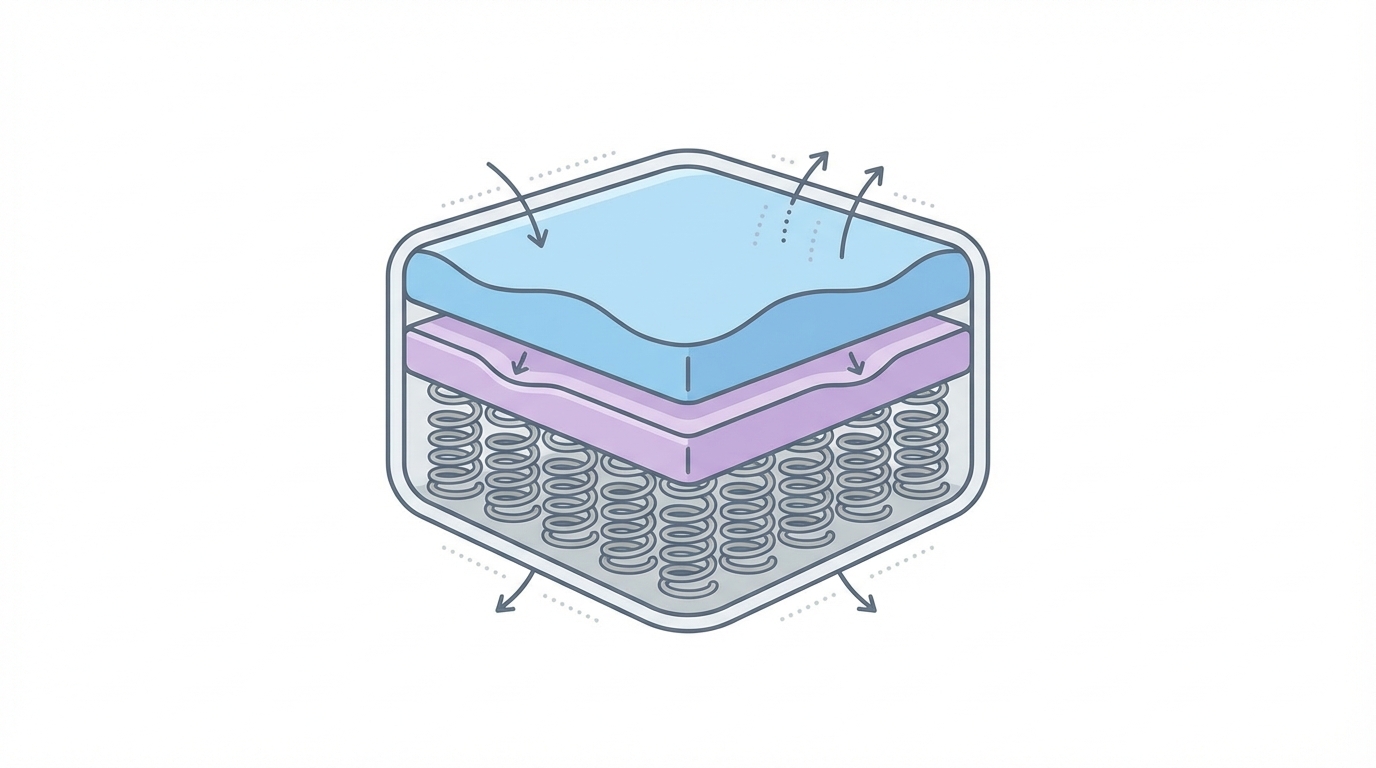
If you are short on time, lack the physical ability to move a mattress, or simply want the simplest path, hiring a professional haul‑away service can be worth the investment. Junk removal companies, moving services with disposal add‑ons, and independent haulers all operate in this space. They will generally come into your home, remove the mattress from the bed frame, navigate stairs or tight hallways, and load it into a truck for disposal or recycling.
The big advantages here are convenience and safety. You do not need to coordinate with city calendars, borrow a truck, or figure out where mattresses are allowed. Reputable haulers also carry insurance, which helps protect both you and your home if something is damaged while they maneuver the mattress through tight spaces. Many companies offer same day or next day service, which is helpful if you left mattress disposal to the last minute before your new bed arrives.
Costs vary widely by region, but many services use per item or volume-based pricing. In general, you will pay more than municipal bulk pickup and more than self drop‑off, but you are trading money for reduced effort and reduced risk. Some mattress retailers offer haul‑away of your old mattress when they deliver your new one, often for a modest flat fee. If you are shopping with Sleepology, ask whether haul‑away is available in your delivery area so you can coordinate everything in one visit.
When you are evaluating haul‑away options, ask a few direct questions: whether they recycle when possible, what their base fee covers, whether there are extra charges for stairs or tight spaces, and how they handle mattresses with potential bed bug exposure. Read reviews that mention punctuality, care taken inside the home, and transparency about pricing. Even if you only use the service once a decade, it pays to choose a company that handles your home and your time respectfully.
“We are in our seventies and the idea of carrying a king size mattress down a narrow staircase was honestly scary. The delivery team that brought our new Sealy Posturepedic Elite Soft Hybrid Mattress – Brenham II also removed the old one in under ten minutes. They protected the walls and even moved the bed frame for us. Worth every dollar.” – Leonard S., December
Comparing Your Mattress Disposal Options
It can be helpful to see the main options side by side. The right choice often comes down to how much time, money, and physical effort you are willing to spend.
| Disposal Option | Best For | Typical Cost Range | Key Limitations |
|---|---|---|---|
| Donation | Newer, clean mattresses with light use | Usually free, may need transport | Strict condition/age rules, limited pickup |
| Recycling drop‑off or event | Mattresses not fit for donation but still intact | Low to moderate per item fee | Availability varies by region |
| Municipal bulk pickup / transfer station | Budget conscious, can plan around set dates | Often free to modest fee | Scheduling, curb rules, must move mattress |
| Professional haul‑away | Limited time, physical constraints, convenience | Moderate to higher per item | Higher cost, must vet provider |
This comparison is a starting point, not a rigid rulebook. For example, someone with a badly stained older mattress might go straight to professional haul‑away if their city does not take mattresses, while another person with a nearly new mattress and a truck might prioritize donation first, then recycling as a backup. The important part is choosing a path that is realistic for your situation instead of trying to force an option that will cause stress or risk injury.
Once you have narrowed it to one or two approaches, you can start making actual phone calls or online bookings, and you will know the questions to ask to confirm you are really getting what you expect.
Special Situations: Bed Bugs, Mold, And Heavily Soiled Mattresses
Not every mattress can go through the same channels. If you are dealing with bed bugs, mold, or severe contamination, there are extra steps to take to protect your health and prevent spreading the problem. This is where it is especially important to pay attention to guidance from pest control professionals, local health departments, and your city’s waste management office.
Bed bugs are the most complicated scenario. According to public health recommendations, any infested mattress that is being removed should be properly encased, labeled, and disposed of according to local rules to avoid spreading bugs to other homes or into collection trucks. Many haulers will not accept actively infested mattresses unless they have been treated by a licensed pest control company, and some will charge a surcharge for handling them with extra precautions and protective gear.
If you suspect or know you have bed bugs, your first call should be to a pest control provider, not a disposal company. They can advise whether your mattress can be salvaged after treatment or whether it should be replaced. Once treatment is complete, ask for documentation you can share with a hauler or municipality, as some require proof that the infestation has been addressed before they will take the item.
Mold or water damage is another red flag. Mattresses that have been soaked in a flood, exposed to chronic dampness, or show black, green, or fuzzy patches on the surface are not safe to donate, and they can also be problematic to recycle because of contamination. Mayo Clinic and other medical sources warn that mold exposure can trigger or worsen allergies and respiratory problems, especially in vulnerable individuals, so it is important not to try to “clean and donate” a moldy mattress.
Heavily soiled or bodily fluid stained mattresses must usually be treated as trash, not as charity. If you are uncomfortable handling the item, pay for professional haul‑away or rope in help from someone stronger and more experienced with lifting. Wear gloves, a mask, and protective clothing, and avoid dragging the mattress across carpets where contaminants can transfer.
When in doubt, assume that anything that may harm the next person who touches the mattress should not be donated. Focus instead on safe, contained disposal, even if that means paying a bit more.
What About The Box Spring Or Foundation?
Most people focus on the mattress itself, but if you are refreshing your sleep setup, there is a good chance you also have a box spring, foundation, or bed base to deal with. These pieces often fall under the same bulky waste rules as mattresses, but the materials and disposal options can be slightly different.
Traditional box springs are built with a wooden frame, metal springs, and fabric covering. Many donation centers will not take old box springs because they are prone to squeaks, breakage, and pest issues. Recycling options vary; some facilities can strip the wood and metal for reuse, while others treat box springs as trash. Municipal bulk pickup programs typically allow them, but may limit how many you can put out at once. When hiring a hauler, ask whether box springs cost the same as mattresses or count as separate items, so you know what your total will be.
If you are switching from a box spring to a more modern foundation or an adjustable base, consider whether the new design might last longer and reduce future waste. A well built platform or base with good support can extend the life of your next mattress by keeping it properly aligned and ventilated. For example, pairing a hybrid mattress with a sturdy foundation like the Sealy Mattress Base Boxspring Foundation | Standard 9-inch height or the low profile Sealy Mattress Base Boxspring Foundation | Low Profile 5-inch height can help prevent sagging and protect your investment.
Adjustable bases are heavier and more complex, but they are often built with motors and frames designed to last for many years. Since replacing only the mattress while keeping the base is common, your future “old mattress” scenarios may be easier because you will not be dealing with as many bulky support pieces at once.
If the box spring or bed frame is in great condition, you might be able to donate or give it away even if the mattress is not acceptable. Always separate them and clean them thoroughly; charities often have more flexibility with frames and bases than with mattresses.
Can You Sell Or Give Away An Old Mattress?
Resale is a tempting option, especially if your mattress is relatively new and you invested a significant amount in it. From a legal and safety standpoint, though, you need to be cautious and transparent. Different states have different rules about reselling used mattresses, including requirements for sanitizing, labeling, and handling. Commercial resellers must usually follow strict regulations, while private person to person sales are often less formal, but you are still responsible for honesty about condition.
If you choose to sell or give away a mattress through an online marketplace or community group, be clear about age, any stains, pets in the home, smoking exposure, and whether the mattress has ever had pests. Include multiple photos in natural light, showing the whole surface and any imperfections. Avoid over promising or using language that implies the mattress is like new if it is not. The goal is to find someone for whom your mattress is a step up from their current situation, not to hide problems.
Price expectations should be realistic. Mattresses depreciate faster than many people realize, and there is an understandable “ick factor” for some buyers. Even luxury mattresses rarely sell for more than a fraction of their original price when used. If you are mainly trying to avoid disposal hassle rather than recoup money, offering the mattress for free to a neighbor or friend might attract the right person more quickly.
Keep safety in mind when arranging pickup. Meet in a public area if you can manage to move the mattress there, or have someone else with you at home when the buyer or recipient comes by. If you live in a building with strict rules, confirm with management that this kind of private pickup is allowed in your hallway or parking lot.
From a Sleepology perspective, I usually encourage people to prioritize donation or recycling over resale when possible, because it reduces the risk of conflict and promotes more straightforward matching between mattresses and people who need them. That said, for some lightly used guest beds, selling can be reasonable.
Timing Your Mattress Disposal Around Your New Purchase

One of the most frustrating mistakes I see shoppers make is getting the timing wrong. Either they get rid of the old mattress too early and end up sleeping on an air bed or couch for weeks, or they wait too long and find themselves with two full size mattresses squeezed into one bedroom, nowhere for delivery teams to work, and a partner who is tired of climbing over furniture every night.
The smoothest experience usually comes from planning disposal as part of your shopping process. When you start looking at new mattresses, think about your disposal path at the same time. If you plan to use municipal bulk pickup, check the calendar and try to choose a new mattress delivery date that falls just after your scheduled pickup. That way, you can move the old mattress out the night before and create a clear space for the new one to land.
If you are hiring a professional haul‑away service, see whether you can schedule them for the same day as delivery or the day before. Many shoppers find it easiest to move the old mattress into a hallway or spare room the morning of pickup, so the bedroom is empty and easy to vacuum or dust before the new mattress arrives. When you buy from Sleepology, ask your sleep consultant if delivery and haul‑away can be coordinated at once to avoid extra trips and overlapping windows.
For those who are still evaluating what kind of mattress to buy, remember that construction impacts lifespan. In , hybrid mattresses continue to be popular because they blend the durability and support of coils with the comfort of foam. Well built hybrids like the Sealy Posturepedic Firm Hybrid Mattress – Medina II or the Sealy Posturepedic Pro Firm Hybrid Mattress – Dupont II often maintain support longer than basic all foam models, which can mean fewer disposal headaches down the line.
Planning disposal early also gives you room to pick up protective accessories for your new mattress, such as a quality protector or breathable sheets from collections like Pillows, Sheets, Toppers, Protectors. These small investments can significantly slow down wear and tear, keep allergens at bay, and ultimately stretch out the time before you are dealing with the “old mattress problem” again.
Protecting Your Next Mattress To Delay The Next Disposal
The best mattress disposal advice I can give is to need it less often. While no mattress lasts forever, how you care for it can easily swing its usable life by several years. According to guidance from organizations like the Sleep Foundation, using a supportive base, rotating as recommended, and protecting the sleep surface are simple habits that make a real difference in performance and hygiene over time.
Start with the foundation or base. Mattresses are engineered to perform on stable, evenly supportive surfaces. Slats that are too far apart, broken box springs, or sagging frames can shorten the life of even a high quality mattress by allowing it to bow or flex in ways it was not designed to handle. If you are upgrading to a king size, look at options in King Sized Mattresses along with a foundation or adjustable base that is matched to the mattress type and weight.
Next, add a protector. A waterproof, breathable protector catches spills, sweat, and body oils before they reach the comfort layers. This not only helps with cleanliness, it also helps maintain foams and fabrics so they do not break down as quickly. Most manufacturers strongly recommend a protector, and some warranties may be voided by certain types of staining. A protector is far easier to wash or replace than a whole mattress.
Rotation can also help, depending on the design. Many hybrids and traditional mattresses benefit from being rotated head to toe a few times a year, which spreads wear more evenly across the surface. Check the manufacturer’s instructions; some mattresses, such as those with zoned support, are not meant to be flipped, but they can still be rotated. Set a reminder in your phone, or align it with seasonal tasks like changing HVAC filters, so you do not forget.
Finally, pay attention to sleep hygiene that affects the mattress. Using a supportive pillow that keeps your neck aligned reduces pressure patterns that can contribute to uneven wear. Layering with breathable sheets and bedding from thoughtfully designed collections can help regulate temperature, reduce night sweats, and keep the surface fresher. Better habits here mean the day you search “how to get rid of old mattress” will come later rather than sooner.
“We replaced a 6 year old mattress that was already sagging because we never used a protector and had it sitting on an old box spring. After talking with Mia, we invested in a proper foundation and a protector for our new hybrid. She explained how those small things can add years of use. It feels good knowing we are not throwing another mattress away before its time.” – Denise L., January
Conclusion: A Clear Path To Letting Go Of Your Old Mattress
Getting rid of an old mattress does not have to be confusing, risky, or overwhelming. Once you know how to assess its condition, understand your local rules, and compare the main options, you can pick a route that aligns with your priorities, whether that is minimizing cost, maximizing environmental impact, or simply making the whole process as easy as possible. Donation and recycling are wonderful when the mattress is safe and suitable, while municipal services and professional haulers fill in the gaps when it is not.
As you move through this, remember that your comfort and well‑being are the reason you are doing it in the first place. Poor sleep affects everything from mood and focus to long term health, and medical organizations consistently emphasize the role of a supportive, clean sleep surface in healthy sleep. Releasing a worn out mattress and replacing it with something that truly fits your body and habits is an investment in how you feel every single day.
If you are unsure where to start with your new mattress or base, or if you want help coordinating disposal with delivery, the team at Sleepology is here to make the process smoother. We are happy to talk through your city’s options, match you with a mattress that will go the distance, or point you toward accessories that protect your purchase. You deserve a bedroom that feels calm and uncluttered, with a bed you look forward to every night and no awkward old mattress hovering in the corner.
Frequently Asked Questions
How do I know if my old mattress can be donated instead of trashed?
A mattress is usually a candidate for donation if it is under about 8 to 10 years old, has no major sagging or broken coils, and is free of stains, odors, and tears. Charities also expect mattresses to come from smoke free and pest free environments. If you would feel completely comfortable letting a friend or family member sleep on it, it may be worth calling local nonprofits to ask about their criteria. If you see visible damage, smell mildew, or know that the mattress has had bed bugs, it should not be donated and should go through disposal or recycling instead.
Is it illegal to leave a mattress by a dumpster or on the curb without calling the city?
In many cities, leaving a mattress next to a dumpster or on the curb outside of approved bulk pickup procedures is considered illegal dumping and can lead to fines. Mattresses are bulky, difficult to compact, and can block sidewalks or attract pests. Your local public works or solid waste department can tell you exactly how mattresses must be handled in your area. It is always safer to schedule an official bulk pickup, bring the mattress to an approved drop‑off site, or use a licensed hauler than to hope it will “just disappear” from the alley.
What should I do with my old box spring or foundation when I replace my mattress?
Box springs and foundations often follow the same disposal rules as mattresses, but donation and recycling options can be different. Many charities will not take worn box springs, although they may accept solid wood or metal frames in good condition. Municipal bulk pickup programs usually allow them, sometimes counting mattress and box spring as separate items. If you are hiring a professional haul‑away service or using retailer haul‑away, tell them in advance that you also have a box spring or foundation so it is included in the quote. If you are upgrading to a new foundation or adjustable base, investing in a high quality option now can extend the life of your next mattress and reduce how often you face this question.
How do I dispose of a mattress that has bed bugs?
If you suspect bed bugs, contact a licensed pest control professional first. They can confirm the infestation and treat your home. In some cases, they may be able to save the mattress by using specialized encasements, but often replacement is recommended, especially if the mattress is older. After treatment, follow your local guidelines for disposing of infested items, which may include sealing the mattress in a bug proof cover, clearly labeling it as infested, and arranging pickup or drop‑off with a hauler or facility that accepts treated items. Many junk removal services will not take mattresses with active infestations, so documentation of treatment is important.
Can I cut up my mattress myself to make disposal easier?
It is technically possible to disassemble a mattress yourself using tools like utility knives, pliers, and wire cutters, separating foam, fabric, and metal. Some people do this to make it easier to fit parts into a vehicle or to recycle metal springs as scrap. However, it is messy, time consuming, and can expose you to dust, allergens, and sharp edges. If you choose this route, work in a well ventilated area, wear gloves, eye protection, and a mask, and be prepared to make multiple trips to different disposal or recycling sites. For most people, municipal bulk pickup, transfer stations, or professional haul‑away are safer and more practical.
Will a mattress protector really make a difference in how long my next mattress lasts?
Yes, a good quality mattress protector can meaningfully extend the life of your mattress. Protectors shield against spills, sweat, body oils, and dust, all of which can break down foams and fabrics over time and void warranties if they cause staining. They also make it easier to maintain a hygienic sleep surface, which is especially important for people with allergies or asthma. Paired with a supportive base and regular rotation when recommended, a protector is one of the simplest ways to delay the day you have to figure out how to get rid of another mattress.
Should I replace my bed frame when I get a new mattress to avoid sagging?
You do not always need to replace your bed frame, but it is important to confirm that it provides adequate support for your new mattress. Frames with bent metal rails, missing center supports, or slats that are too far apart can allow a mattress to sag prematurely, regardless of its quality. When you upgrade to a new mattress, especially in larger sizes like queen or king, consider whether a new foundation, platform, or adjustable base would give better support. Options like the adjustable bases and foundations available through Sleepology are designed to match specific mattress types, which helps protect comfort and support over time.