

How To Get Rid Of A Mattress: A Complete, Stress Free Guide To Old Mattress Disposal
You finally picked out a new mattress you are excited about, and instead of feeling relieved, you are staring at the old one wondering, “Now what on earth do I do with this?” If that is you, you are not alone. Between confusing city rules, limited pickup days, and concern about landfills or bedbugs, getting rid of a mattress can feel more complicated than buying the new one. It is bulky, awkward to move, and most of us only do this a handful of times in our lives, so there is no reason you would already know the rules.
This decision matters more than it might seem at first glance. A typical mattress can contain steel, foam, fabric, and wood, and according to the Mattress Recycling Council millions of them are discarded in the United States every year. When mattresses are dumped illegally or tossed in regular trash streams, they take up unnecessary landfill space and can create safety issues for sanitation workers. At the same time, dragging a heavy mattress around town in the wrong vehicle or without a plan can be risky for your back, your car, and your schedule.
Here at Sleepology, we walk people through this exact problem every single day when they are arranging delivery of a new bed. Once you understand your options, the right choice usually becomes obvious, and the whole process gets much easier. You will learn how to decide whether your mattress can be donated, recycled, resold, or needs to be trashed, what local rules commonly look like, how to keep things safe and sanitary, and how to coordinate your old mattress removal with your new Sleepology mattress delivery so you are never sleeping on the floor.
By the time you are done, you will know exactly how to get rid of your mattress in a way that is legal, environmentally responsible, and realistic for your budget, energy level, and timeline. More importantly, you will feel confident that you made a good decision and can simply focus on enjoying better sleep on your new bed.
Step One: Decide What Should Happen To Your Old Mattress
Before you worry about trucks, fees, or city regulations, it is important to answer a simpler question: is this mattress still usable for anyone, or is it truly at the end of its life? The path you choose depends almost entirely on that honest assessment. A mattress that is structurally sound and reasonably clean may be a candidate for donation, resale, or giving to a family member, while one that is sagging deeply or stained from bodily fluids should skip straight to disposal.
Take a slow, objective look at the mattress in good lighting. You are looking for deep body impressions, broken or poking springs, torn fabric, lingering odor, visible mold, or signs of bedbugs such as rusty spots, black specks, or shed shells along seams. The Sleep Foundation notes that most mattresses last around 7 to 10 years, but heavy use, low quality materials, or poor support can shorten that timeline considerably. Age by itself is not everything, but if your mattress is more than a decade old and looks and feels tired, charities and buyers are unlikely to want it.
Think about how your body feels when you wake up after sleeping on it. If you routinely have morning back pain that eases as you move around, or you roll toward the center because of sagging, that is a sign the support system has broken down. Even if someone else has a different body type, it usually is not kind to hand them a bed that already aggravated your spine. In my 20 years in the sleep industry, I have found that if you are asking, “Is this too worn out to donate?” the answer is usually yes.
At the same time, do not underestimate how valuable a gently used, clean mattress can be to a student, new graduate, or someone setting up a first apartment. If you recently upgraded from a guest room mattress that was rarely slept on, there may still be real life in it. You might decide to move that mattress to a less frequently used room, then retire the oldest one in your home instead. Thinking about your whole household’s sleep setup, not just one bed, often leads to a more efficient plan.
“Mia walked me through whether our 8 year old queen could be donated or if we should just bite the bullet and recycle it. Her questions about sagging and stains helped me realize it was time to retire it, and she suggested keeping our newer guest bed instead. It honestly saved me hours of second guessing.” – Lauren P., November
When You Can Donate, Resell, Or Give Away A Mattress
If your mattress is still in good shape, donation or rehoming can be a win for everyone. Someone gets a comfortable place to sleep, you keep a large item out of the landfill, and you often reduce your own disposal costs. The key is understanding what counts as “good enough” and how to move the mattress along safely and respectfully.
Most major charities, shelters, and nonprofit thrift organizations have clear standards. They typically require mattresses that are free of rips, heavy staining, odors, or any evidence of pests. The American Red Cross and organizations like Goodwill vary by region in whether they accept mattresses, so it is important to check locally rather than assume. Many will also require any used mattress to comply with federal flammability standards, which means homemade modifications or missing tags can be a problem. If you would feel embarrassed to offer the mattress to a friend, it is probably not charity ready.
For private rehoming or resale, try to be as detailed and honest as possible. Measure the sagging depth if there is any, note whether the home is smoke free or pet free, and share the original purchase date. Online platforms often have community standards for selling used bedding, and being transparent builds trust. According to Consumer Reports, lightly used higher quality mattresses tend to hold some resale value, while very inexpensive models often do not, so keep your expectations realistic about what you might earn.
Giving a mattress to a family member, friend, or college student can be more informal but should follow the same cleanliness and safety rules. Double check that the mattress will fit through their doorways and that they have a safe, supportive base to put it on. If their frame has seen better days, pointing them toward a sturdy adjustable bed frame and base can help them get more life and comfort from your old mattress. A good foundation can dramatically improve how a used mattress feels on night one in its new home.
“We upgraded to a Sealy hybrid at Sleepology and were on the fence about what to do with our old full size. Mia encouraged us to offer it to our niece who was moving into a dorm apartment. Knowing exactly how to photograph and describe it made the conversation so much easier. She was thrilled, and we avoided dumping a perfectly good bed.” – James R., October
When You Should Not Donate Or Reuse A Mattress

There are also situations where it is kinder, safer, and more responsible to skip donation altogether and move straight to disposal or recycling. Understanding these red flags will keep you on the right side of health guidelines and charity policies.
If your mattress has been exposed to bedbugs, even if you treated your home, it should not be donated or resold. Bedbugs can hide in seams, tufts, and even inside the mattress core. The Environmental Protection Agency and Centers for Disease Control and Prevention both caution against passing on infested items because of how easily bedbugs spread between households. In that case, your best option is often to follow local instructions for tightly encasing, labeling, and disposing of the mattress through municipal waste streams.
Heavy staining from bodily fluids, mold, or long term pet accidents are also deal breakers. These can harbor bacteria and allergens, and according to the American Academy of Allergy, Asthma & Immunology, contaminated soft furnishings are a common trigger for ongoing allergy symptoms. Even if you were comfortable sleeping on the mattress yourself out of habit, charities and new owners cannot safely sanitize foam and fabric that deeply. Spot cleaning is one thing, but there are limits.
Structural damage matters as well. If coils are broken, the edge is collapsing, or the foam is split, the mattress is not providing proper support. The Cleveland Clinic notes that poor support can worsen back and joint pain over time by allowing the spine to rest out of alignment. Passing along a mattress that is clearly failing can unintentionally saddle someone else with pain and interrupted sleep. In those cases, recycling usable components is a much better path than reuse.
Finally, consider any history of heavy smoking or strong odors. Even if you have become nose blind to them, others may find the smell overwhelming, and many organizations do not accept smoke exposed mattresses because of both odor and potential residue. When in doubt, assume that anything you would not gladly accept into your own bedroom probably should not be shared with someone else.
Mattress Recycling: The Most Responsible Way To Say Goodbye
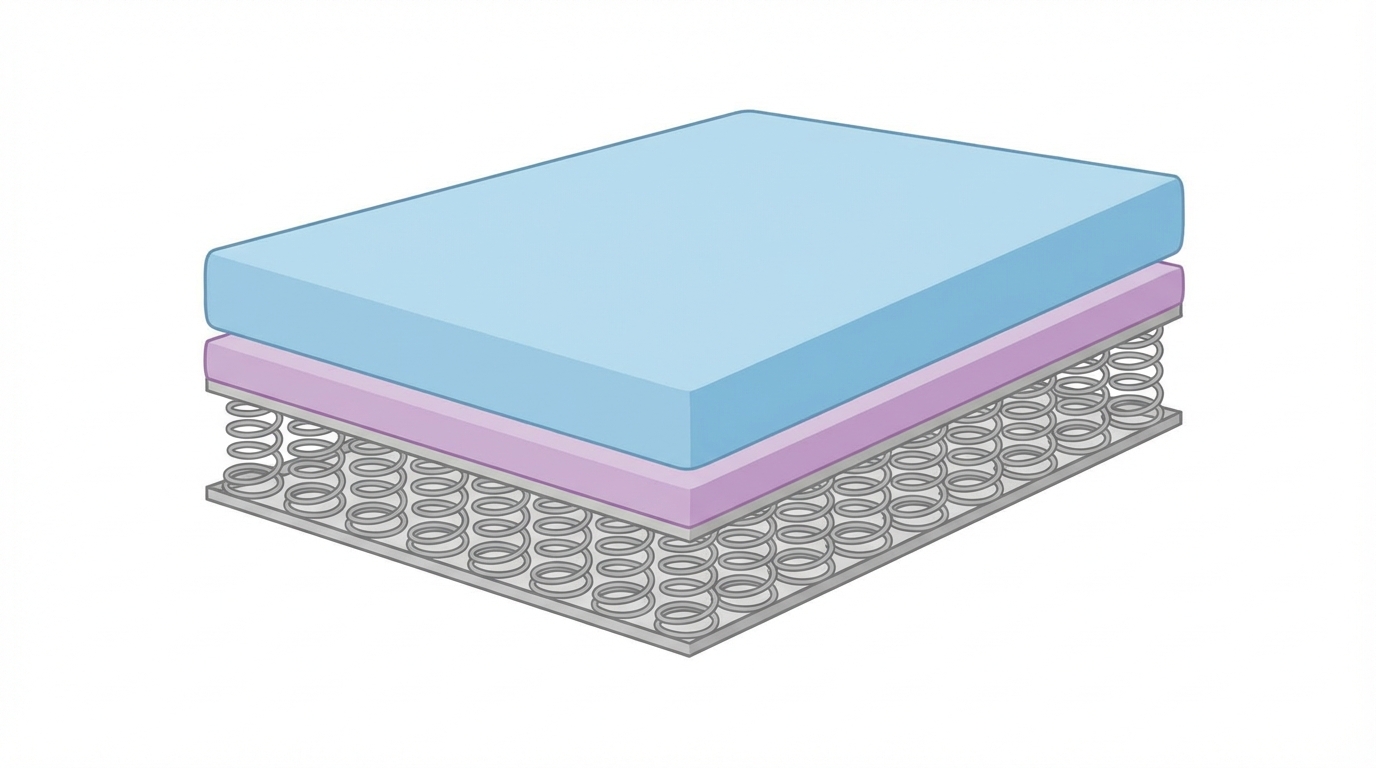
Once you know your mattress is not a great candidate for donation or reuse, mattress recycling is usually the next best choice. A modern mattress is full of materials that are surprisingly recyclable when handled correctly. Steel springs can be melted down and used for new metal products, polyurethane foam can be turned into carpet padding, and fibers can be used in insulation or industrial textiles. The Mattress Recycling Council reports that in well run programs, up to 75 percent or more of a typical mattress by weight can be recycled.
Many states and municipalities partner with dedicated mattress recycling facilities. Some operate drop off centers, while others coordinate with local waste haulers to separate mattresses from regular trash. The specifics of where and how to recycle will depend on where you live, but the basic process is similar. The outer fabric is cut away, the foam and fiber layers are separated, and the steel is pulled out, baled, and sent to scrap recycling. To you, it looks like one bulky item. To recyclers, it is a small bundle of raw materials.
Recycling usually comes with a modest fee, but it frequently costs less than entire bulky item trash service, and it keeps large, awkward items from clogging up landfills. If your city or county does not have a specific mattress recycling program, some private waste companies do, and a few mattress retailers participate in take back initiatives. When you are buying a new mattress at Sleepology, this is something you can ask about while scheduling delivery so you can coordinate everything at once.
From a health and environmental standpoint, this choice can feel especially good if your old mattress contains foam that has broken down or started to crumble. The Sleep Foundation notes that as foam ages, it can release more particles and may not meet current emissions standards for indoor air quality. By recycling, you reduce the chance that someone else will try to sleep on a compromised mattress for another decade, while still making use of the durable materials inside.
How To Find Mattress Recycling Options Near You
Locating the right recycling outlet is often the most confusing part for shoppers, but it does not have to be. Start by checking your city or county solid waste website for any mention of “mattress recycling,” “bulky item recycling,” or “household item drop off.” Many municipalities have search tools similar to a “waste wizard” that let you type in “mattress” and see what is accepted, which days, and at which locations. If your area participates in a statewide mattress program, that information is usually highlighted clearly.
If your local government does not list mattress specific options, call your regular trash and recycling hauler and ask if they partner with any recycling facilities. Some companies offer mattress recycling as an add on service during scheduled bulky pickups, even if it is not heavily advertised. Retailers may also maintain a list of regional partners, especially in areas where they frequently haul away customer mattresses. When you work with Sleepology for your new bed, our team can often help point you to responsible options in your region.
Online tools maintained by recycling nonprofits can be useful as well. Many allow you to search by zip code and type of item. If you end up driving a mattress to a drop off site yourself, make sure to confirm the hours, fees, and any preparation rules ahead of time. Some facilities require mattresses to be dry, wrapped in plastic, or tagged in a certain way. A quick phone call saves wasted trips and lets you plan how to protect the mattress from rain during transport.
Even if recycling requires a little more effort than simply leaving your mattress at the curb, it generally pays off in peace of mind. You know the usable materials are getting a second life and that you are not contributing unnecessarily to local landfill volume. For many Sleepology customers, that aligns with how they approach other purchases, like choosing hybrid mattresses that balance comfort, durability, and materials thoughtfully. Pairing a responsible goodbye with a responsible new purchase just feels right.
Municipal Bulky Item Pickup: Working With Your City’s Rules
For many households, municipal bulky item pickup is the simplest way to get rid of a mattress, especially if recycling programs are limited or you do not have access to a large vehicle. Most cities in the United States offer some form of bulky waste collection, either on a set schedule or by appointment. Mattresses are a common item in these programs, but every municipality has its own rules about how they must be prepared and when they can be placed at the curb.
In many areas, mattresses need to be wrapped in plastic or mattress bags before pickup. This protects sanitation workers from bedbugs and body fluids and helps keep the mattress from absorbing rain and becoming even heavier to lift. Your city might require a specific type of bag or at least a clear plastic covering, and these are often available at home improvement stores and online. Some localities also require you to tape a sign to the mattress that says “For Collection” or “Bulky Waste” so there is no confusion.
Scheduling can be a bit of a puzzle. Some cities hold quarterly bulky pickup weeks, others allow one or two free pickups per year by phone request, and some charge a fee each time. Local solid waste departments typically publish calendars and instructions, and many offer text or email reminders. Coordinating these dates with your new Sleepology delivery can help you avoid a mattress pileup in your hallway. For example, you might schedule your bulky pickup for the morning after your new mattress arrives and plan to sleep on the new one right away.
If you live in a multi unit building, procedures may be different. Some apartment complexes do not allow individual residents to place mattresses at the curb and instead require you to coordinate with property management. In that case, ask whether they have a preferred disposal method or scheduled bulk waste days. Leaving a mattress in a shared trash room without permission can lead to fines or strained relationships with neighbors.
After using city bulky pickup, many Sleepology customers choose to protect their new mattress from future spills and allergens with a high quality protector. A waterproof yet breathable protector from our pillows, sheets, toppers, and protectors collection can significantly extend the usable life of your new bed, which means fewer disposal headaches down the road.
Private Hauling, Junk Removal, And Rental Trucks
If municipal options are limited or do not align with your schedule, private hauling and junk removal services can fill the gap when you are figuring out how to get rid of a mattress. These companies typically send a crew to your home, carry the mattress out for you, and either dispose of it or, in some cases, take it to recycling or donation partners. This route costs more than city services but can save significant time and physical effort, especially if you live in a walk up, have mobility challenges, or are handling multiple bulky items at once.
Pricing generally depends on how much space your mattress takes up in the truck and how many items you are removing. Calling ahead with an inventory of items will usually get you a ballpark quote, and some companies provide instant estimates based on photos. When comparing services, ask directly whether they attempt to recycle mattresses and what proportion of items typically avoid the landfill. Companies that advertise eco friendly hauling often have established relationships with recyclers and charities.
Renting a small truck or borrowing a vehicle from a friend is another path, particularly if you are comfortable doing the lifting yourself or have a helper. Just make sure you have the right equipment. Ratchet straps, moving blankets, and a proper tie down method are essential if you are transporting a mattress on a roof or in an open truck bed. Unsecured mattresses can become dangerous road hazards. Many states have laws against hauling unsecured loads, and you can be ticketed if something flies off your vehicle.
From a cost perspective, private hauling can be quite reasonable when you combine multiple items. If you are decluttering before a move or replacing several pieces of furniture, bundling everything into one pickup often makes more sense than arranging a separate service for your mattress alone. As a bonus, you end up starting your life with your new mattress on a cleaner slate, without old clutter stacked in the garage.
Comparison: Donation, Recycling, City Pickup, Or Private Hauling?
It can be helpful to see the main options side by side when you are choosing how to get rid of your mattress. Each path has its own strengths, drawbacks, and best use cases.
| Option | Best For | Typical Cost Range | Key Considerations |
|---|---|---|---|
| Donation / Rehoming | Clean, gently used mattresses | Free, sometimes small pickup fee | Must meet cleanliness and safety standards |
| Recycling Facility | Mattresses not fit for use but structurally intact | Low to moderate fee | Keeps most materials out of landfill |
| Municipal Bulky Pickup | Convenience, budget conscious households | Often free or small city fee | Date and prep rules set by city |
| Private Hauling | Limited time or physical ability, multiple bulky items | Moderate to higher, per load | Ask about recycling or donation practices |
Seeing these options laid out can clarify which path matches your situation. If you are replacing a still decent guest mattress, donation or rehoming may be the most satisfying choice. If the mattress is worn out but your city has good recycling infrastructure, dropping it at a facility might feel best. On a tight budget, free city pickup often wins, while private hauling shines when your energy or schedule are at a premium.
No matter which route you take for your old mattress, pairing it with a thoughtful purchase of your new one closes the loop. Sleepology customers who choose supportive hybrids like the Sealy Posturepedic Elite Medium Hybrid Mattress – Albany II or pressure relieving models such as the Sealy Posturepedic Elite Soft Hybrid Mattress – Brenham II often find they sleep better for many years, which means fewer disposal decisions in the near future.
Preparing Your Mattress For Safe Removal
Once you have chosen your method, a bit of preparation will protect both you and anyone handling the mattress. Even if a junk removal crew or city team is doing the heavy lifting, simple steps can prevent injuries, property damage, and misunderstandings about cleanliness or pests.
Start by stripping all bedding, including mattress protectors and toppers. Wash anything you plan to keep and bag up items you intend to discard separately. If the mattress has been in a damp environment or you suspect mold, inspect the underside and any contact points with the frame. If you see visible mold growth, many services will require you to double bag the mattress or may refuse it entirely, so check local policies. In some cases, such a mattress should go straight to disposal rather than recycling.
Next, encase the mattress in a plastic mattress bag or heavy duty plastic sheeting, then tape it securely. This is especially important if there is any chance of bedbugs, as it helps contain them during transport. According to public health guidance, mattresses from homes with active infestations should be clearly labeled so that sanitation workers can handle them appropriately. If your mattress has no pest issues, bagging still protects it from rain and grime on its way out of your home and shows respect for whoever is handling it.
Clear a path from the bedroom to the exit, removing small furniture, area rugs, or clutter that could cause tripping. Propping doors open and protecting sharp corners with towels can prevent wall dings and make the process smoother. If you live in a building with shared hallways or elevators, let neighbors know about the timing if you expect any short term disruption.
Finally, plan for what you will sleep on the night your mattress leaves, especially if your new mattress is not yet in place. Some people temporarily move a guest bed into their main bedroom, while others opt for a high quality topper and supportive surface to create a short term solution. For example, using a firm support and a product like the Tempur-Pedic Mattress Topper – Pillow Travel and Guest Bundle can help you get through a night or two comfortably while transitioning between mattresses.
Coordinating Old Mattress Removal With Your New Sleepology Bed
The smoothest experiences happen when old and new mattresses trade places almost seamlessly. That usually means thinking through timing, logistics, and the configuration of your bedroom ahead of your new mattress delivery. When you plan this transition well, you reduce the chance of sleeping on the floor or getting stuck with two mattresses taking up valuable space.
When you schedule a mattress delivery with Sleepology, ask whether haul away service is available in your area. Many retailers, including us in certain regions, can remove your old mattress at the same time as delivering the new one for a modest fee. This can be more efficient than coordinating with your city individually, because the team is already at your home, familiar with moving mattresses, and able to navigate the same tight spaces your new bed will need to pass through.
If haul away is not an option where you live, aim to schedule municipal bulky pickup or private hauling within 24 hours before or after your new mattress arrives. That way, you minimize the downtime of having no bed and avoid storing your old mattress in hallways or garages for weeks. Keep in mind that new mattresses, especially hybrids and memory foam models, may need a bit of time to fully expand and air out after unboxing. The Mayo Clinic notes that mattress comfort and support are critical from night one, so having at least one usable bed available each night is important.
This is also an ideal time to reconsider your base or foundation. An aging, sagging box spring can undermine even the best new mattress, which may lead you back to disposal issues sooner than necessary. Investing in a supportive, adjustable base from our adjustable bed frame and base collection can boost comfort and extend the life of a new bed. It also makes mattress removal and future cleanings much easier, since many adjustable bases are lighter and more maneuverable than old wooden frames.
Sleepology’s curated assortments, such as the best hybrid mattresses and the best mattresses for back sleepers, are chosen with durability and long term comfort in mind. When you pair those with good removal planning, you set yourself up for a long, restful run without repeating the “how do I get rid of this thing” question any time soon.
“We coordinated our Sleepology delivery for Friday and booked city bulky pickup for Saturday morning. The new Sealy Posturepedic Plus was set up on our adjustable base, and the old king went straight out the door the next day. It was such a relief not having to stash a giant mattress in the garage for weeks.” – Denise K., December
A Simple Checklist For Getting Rid Of Your Mattress Responsibly

Once you understand all the moving parts, it can still feel like a lot to juggle. When I coach Sleepology customers through this process, we often boil it down to a short planning checklist they can stick on the fridge. Having clear steps keeps things from slipping through the cracks when you are also shopping for a new bed, rearranging furniture, or planning a move.
Use this checklist as a reference as you plan your own mattress exit:
- Confirm your mattress’s condition and decide if it is suitable for donation, recycling, or should be trashed
- Research local options, including charities, recycling facilities, municipal bulky pickup, and private haulers
- Decide on your primary removal method and get clear on fees, rules, and available dates
- Schedule your mattress removal date and coordinate it with your new mattress delivery timing
- Purchase supplies like mattress bags, tape, and moving straps if you will handle any part of the move
- Clear pathways in your home and prepare the mattress by stripping bedding and encasing it in plastic
- Make a backup sleeping plan in case there is any gap between old mattress removal and new mattress readiness
Most people find that once they see the process broken down like this, it feels much more manageable. You do not have to figure everything out in a single day. Tackle one or two steps at a time, and do not hesitate to call Sleepology or your local waste department with questions. In my experience, a 10 minute conversation upfront often prevents hours of frustration later.
Conclusion: Retiring Your Mattress With Confidence
Saying goodbye to a mattress is rarely anyone’s favorite task, but it does not have to be overwhelming or confusing. When you start with an honest assessment of your mattress’s condition and then match it with the right outlet, everything that follows becomes clearer. Usable, clean beds can be rehomed and appreciated by someone else. Worn out or compromised mattresses can be recycled to recover valuable materials or responsibly disposed of through city services or private haulers.
Viewing mattress disposal as part of the full sleep lifecycle also helps the process feel less like a chore and more like a thoughtful transition. You are not just getting rid of a bulky object. You are closing one chapter of your sleep story and opening another, ideally on a better fitting, more supportive bed. Pairing responsible disposal with a carefully chosen new mattress and foundation sets you up for years of healthier, more comfortable nights. Organizations like the Sleep Foundation and major medical centers remind us that consistent, high quality sleep is foundational to mood, immunity, and long term health. Your decisions here truly matter.
If you feel stuck or unsure how to adapt these ideas to your specific situation, you do not have to figure it all out on your own. At Sleepology, we help people connect the dots every day, from picking the right new mattress to mapping out what happens to the old one. A quick call or visit can turn a tangle of questions into a simple, step by step plan that fits your budget, your home, and your body. Once that plan is in place, you can focus on what you really care about, which is waking up rested and ready for the day on a bed that actually supports you.
Frequently Asked Questions
How do I know if my mattress is too old to donate?
A mattress is usually too old to donate if it is more than 8 to 10 years old, has deep body impressions, obvious sagging, or any tears, stains, or odors. Charities and shelters generally require mattresses that are structurally sound, free of heavy staining, and completely clear of bedbugs. If coils are broken, the edge is collapsing, or you wake up with increased back pain that eases as you move around, the support system has likely failed. In those cases, recycling or disposal is more appropriate than donation, even if you have been “making do” with it yourself.
Can I put my mattress in a dumpster or regular apartment trash?
In most places, you cannot simply toss a mattress into a regular dumpster or trash compactor, especially in apartment complexes. Many municipalities and waste companies specifically prohibit mattresses in standard dumpsters because they are bulky, can jam equipment, and are better handled through bulky item or recycling programs. If you live in a multi unit building, check your lease agreement or talk with property management about proper procedures. Placing a mattress in the wrong place can lead to fines or extra charges, so it is worth getting clear instructions before you move it.
What should I do if my mattress has bedbugs?
If your mattress has bedbugs, it should not be donated, sold, or given away. Instead, follow local health and waste guidelines, which usually involve placing the treated mattress in a sealed encasement or heavy plastic, taping it thoroughly, and clearly labeling it as infested so sanitation workers know to handle it with caution. Some cities require you to schedule a specific type of pickup for bedbug affected items. It is also wise to work with a licensed pest control professional to ensure the infestation is fully addressed in your home before bringing in a new mattress, so you do not immediately reinfest your replacement bed.
How much does it usually cost to get rid of a mattress?
Costs vary by location and method. Municipal bulky pickups are often free or involve a small fee, especially if they are limited to once or twice a year. Dedicated recycling facilities might charge a modest per mattress fee. Private junk removal typically costs more, but you are paying for labor, convenience, and in some cases eco friendly handling. When a retailer like Sleepology offers haul away service, it is often priced competitively because the delivery team is already on site. It is a good idea to call your city and at least one private service for quotes so you can compare.
Is mattress recycling really better than throwing it away?
Yes, from an environmental perspective, mattress recycling is generally much better than landfilling. A typical mattress contains significant amounts of steel, foam, fiber, and sometimes wood. Recycling programs can recover a large percentage of these materials for use in new products, which conserves resources and reduces landfill volume. In contrast, a whole mattress in a landfill takes up a lot of space, can create voids and instability as it breaks down, and does not make use of the valuable components inside. If recycling is realistically available in your area, it is usually the most responsible option once donation is off the table.
How can I make my next mattress easier to dispose of in the future?
Planning ahead can make your next mattress exit much simpler. Choosing a durable, well built mattress means you will replace it less often, so you are dealing with disposal every decade or so rather than every few years. Using a waterproof, breathable protector and maintaining a clean sleep environment will keep stains, odors, and allergens to a minimum, which improves both your health and future donation options. Many Sleepology customers also report that pairing their mattress with a strong, modern base makes moving and navigating tight spaces easier when the time comes. Asking about haul away and recycling options at the time of purchase can also give you a clear game plan for the end of your new mattress’s life.