

How To Get Rid Of An Old Mattress Without The Headache
If you are staring at an old mattress taking over your hallway or spare room, you are not alone. Most people are thrilled about their new bed, then immediately stuck wondering what to do with the old one. It is bulky, awkward, and not something you can quietly slip into the regular trash. You may also feel guilty about tossing it, worried about where it ends up, or unsure what your city actually allows. That combination of confusion and clutter can make the whole “new mattress” moment feel a lot less exciting than it should be.
Getting rid of a mattress touches more than convenience. The right move can protect your back, your wallet, and the environment. Mattresses are large items that often end up in landfills, where they take up disproportionate space. The International Sleep Products Association has estimated in past years that tens of millions of mattresses are discarded annually in the United States, and each one can occupy more than 40 cubic feet if it is not broken down. On top of that, local rules about dumping, curbside pickup, and recycling can be surprisingly strict. A quick wrong move can mean a fine, a “no pickup” tag, or an awkward conversation with your property manager.
You may also be asking a bigger question in the middle of all of this: “Is it even time to replace my mattress, or am I getting rid of it too soon?” The Sleep Foundation notes that most mattresses last around 7 to 10 years depending on materials and use, and that sagging, pain, and poor sleep quality are key signs that it is time to move on. When it really is time, planning the exit for the old mattress is just as important as choosing the right new one. Done well, it is a smooth, responsible transition from a bed that is no longer serving you to a sleep setup that finally fits your body and lifestyle.
Here, you will learn practical, step by step ways to get rid of an old mattress in a way that fits your situation. We will look at how to decide if your mattress can be donated, recycled, resold, repurposed, or whether it is better to arrange a haul away. You will see how local rules typically work, how to stay on the right side of city codes, and how to coordinate disposal with a new purchase from Sleepology so you are never stuck sleeping on the floor. Along the way, we will connect your decision about disposal to the bigger goal, better sleep, so that clearing out the old becomes the first confident step into something more comfortable.
Step One: Decide If Your Mattress Is Truly “Done”
Before you worry about where the mattress is going, it helps to get clear on whether it should go at all. Many people live with a mattress far longer than they should, and others try to donate or sell something that is simply past the point of being useful. Both can cause problems, from chronic back pain to rejected donations. A quick, honest assessment gives you a clearer path forward and helps you match your mattress to the right kind of disposal.
Aging is the first clue. Most adult mattresses start showing their age around year eight, especially if they were entry level models to begin with. According to Mayo Clinic, chronic morning pain, especially in the back and neck, is often linked to poor support during sleep, and your mattress is a major part of that support system. If your bed is older than 7 to 10 years and you wake up feeling worse than when you went to bed, it is usually a sign that retirement is near. Deep body impressions that do not bounce back, a ridge in the middle, or coils you can feel are also signals that support has broken down rather than simply “softened.”
Cleanliness and condition matter just as much. Donation centers and mattress recyclers typically require that a mattress be free from bed bugs, heavy staining, and significant tears. The Cleveland Clinic highlights that older bedding can harbor allergens like dust mites and mold, which can aggravate asthma and allergies. If you see dark spots, significant yellowing, or smell a persistent odor even after airing the mattress out, that is a clue that it is better suited for recycling or responsible disposal rather than another person’s bedroom. Safety always comes first, even if that means you have fewer disposal options.
Your comfort is the final test. Maybe the mattress still looks okay on paper but does not fit your body anymore. Bodies, sleep positions, and health needs change. What felt wonderful a decade ago might now leave your lower back unsupported or your shoulders pressured. If you have moved from back sleeping to side sleeping, for example, you may be better served by a more pressure relieving hybrid like the Sealy Posturepedic Plus Soft Hybrid Mattress – Paterson II. In that case, it can still make sense to rehome your gently used mattress, as long as it is structurally sound and clean.
“Mia walked me through a simple checklist on sagging, stains, and age, and I realized our 11 year old mattress had quietly become the main reason my hip pain was flaring up. Once we decided it was truly time to let it go, choosing a replacement and scheduling haul away felt like a huge weight off my shoulders.” – Lauren G., November
Understanding Your Mattress Disposal Options
Once you know the mattress really needs to go, the next question is how. Many people assume the only option is putting it out with the trash, then feel stuck when their city will not take it. The reality is that you usually have multiple choices, each with pros and cons related to cost, convenience, and environmental impact. Thinking through these ahead of time helps you choose an option that fits your values, schedule, and home.
Broadly speaking, you can donate, recycle, resell, repurpose, or arrange for professional removal. Donations work well for mattresses that are still in good condition, with no major stains or structural issues. Recycling is ideal when the mattress is unsuited for another person’s bedroom but still safe to handle. Resale is an option for newer, lightly used models, especially higher quality hybrids or premium foam beds. Repurposing is more of a creative route, turning parts of the mattress into something else. Professional removal is the path of least resistance when time, access, or physical limitations make DIY approaches unrealistic.
It is also important to understand that local rules shape your options. Some states, such as California, have dedicated mattress recycling programs that make it easier to drop off an old bed at participating locations. In other regions, your city may have specific “bulk pickup” days when large items like mattresses can go curbside. Many municipalities do not allow mattresses in regular dumpsters or mixed recycling containers, and some impose fines for illegal dumping. Checking your city or county website for “bulk waste” or “mattress disposal” is a quick way to see what is officially supported and whether you need to schedule in advance.
As you compare these routes, consider the true cost beyond the upfront price. Hauling a mattress yourself means arranging a vehicle, strapping it correctly, and possibly paying a landfill or transfer station fee. On the other hand, having your new mattress delivered from Sleepology with old mattress removal included can save you hours of lifting and driving. It also lets specialists who do this every day decide whether donation, recycling, or another route is the best fit for your particular mattress. When you look at the big picture of your time, your body, and your peace of mind, an option that looks more expensive at first can turn out to be the most economical overall.
Option 1: Donation, When Your Mattress Still Has Life Left

When Donation Is A Good Fit
Donation is often the first choice that comes to mind, especially if you care about reducing waste and helping others. It can be a wonderful option, but it works only when the mattress truly has usable life left. Charities are careful about what they accept. They need to protect recipients from allergies, pests, and poor sleep, just like you. That means your mattress must meet basic standards before most organizations will consider it.
A good candidate for donation is usually less than 7 to 8 years old, structurally sound, and free of major staining. The sides should be intact, with no large tears or exposed coils, and the surface should not have deep, permanent sagging. It should smell neutral or be easily freshened, not carry strong odors from smoke, pets, or moisture damage. If you upgraded from a gently used guest room mattress to something more luxurious, for example, that older bed often makes an excellent donation if it has only been slept on occasionally.
Health and safety are non negotiable here. Many charities follow guidelines similar to those promoted by organizations like the Centers for Disease Control and Prevention, which note that bed bugs and other pests spread easily through soft furnishings. If your home has had any active bed bug activity, however minor, it is best to skip donation altogether for that mattress and coordinate proper disposal instead. Even a suspected infestation is reason enough for a charity to say no. Taking the mattress to a donation center without disclosing that history is not only unhelpful, it can be harmful.
How To Donate Responsibly
If you believe your mattress qualifies, the next step is to find out who might accept it. Start by calling local charities, shelters, or furniture banks and asking directly about their mattress policies. Many have stopped accepting mattresses at curbside donation bins but will take them through scheduled drop off or pickup if they pass inspection. Be prepared to describe the age, brand, size, and condition honestly. Some organizations may request photos before committing to pick up, especially for larger items like king and California king beds.
You will also want to think about logistics. Most donation centers require that the mattress be transported indoors or kept in a clean, dry place until pickup day. Leaving it directly on the ground or in damp conditions can cause them to reject it at the last minute. If you have a new mattress being delivered from Sleepology, it is often easiest to keep the old mattress in the same room and coordinate timing so that your donation pickup occurs before or shortly after your new bed arrives. That way you are never juggling multiple mattresses in your hallway or garage.
“We were replacing a rarely used guest bed with a new Sealy Posturepedic Elite Medium Hybrid Mattress – Albany II. The Sleepology team helped us confirm the old bed’s condition was donation worthy and pointed us toward local organizations that accept mattresses. Knowing it would help another family instead of going straight to a landfill made the upgrade feel even better.” – Dana R., October
Option 2: Mattress Recycling And Why It Matters
What Mattress Recycling Actually Does
If your mattress is too worn for donation but not contaminated or infested, recycling is usually the most environmentally responsible choice. Many people are surprised to learn how much of a mattress can be reused. Industry groups note that up to 75 percent or more of an average mattress, including steel coils, foam, fabric, and wood components, can be separated and channeled into new products. Instead of taking up huge amounts of landfill space, those materials are given a second life.
The process is fairly straightforward from your perspective, even though it involves several technical steps behind the scenes. Once the mattress arrives at a recycling facility, workers or machines cut away the fabric and quilting, then separate the foam layers and coils. The steel is sent off to metal recyclers, the foam can be turned into carpet padding or industrial cushioning, and wood components may be chipped for fuel or mulch. By contrast, a whole mattress buried in a landfill can take many years to break down and often releases materials in a less controlled way over time.
From a health standpoint, recycling can also be kinder to your community. According to the Environmental Protection Agency and other environmental health sources, bulky waste like mattresses can contribute to overcrowded landfills and increase the need for new landfill space. When you choose recycling where available, you help reduce that pressure. Many cities support this route through dedicated mattress recycling events or drop off sites, sometimes in partnership with national mattress recycling programs.
How To Find And Use Recycling Options
Finding a recycling option starts locally. Search for “mattress recycling” plus your city or county name and look for official government pages, waste management companies, or non profit recycling organizations. Your municipal solid waste department might list specific facilities that accept mattresses, along with details on fees and drop off rules. Some areas run special events once or twice a year, while others have permanent sites that will take mattresses on weekdays or select Saturdays. A quick call or email can confirm whether you need an appointment and what condition the mattress must be in.
It is important to ask about bed bug policies. Most recycling centers will not accept any mattress with an active infestation, and many require that previously infested mattresses be treated and wrapped in plastic before drop off. If you suspect or know that there have been pests, be honest. There are usually separate disposal protocols for those mattresses to protect workers and prevent spread. Similarly, if your mattress has been heavily soaked from a leak or flood, recycling facilities may reject it for safety reasons.
If handling this on your own sounds like too much, this is where combining recycling with professional haul away can help. When you purchase a new bed from Sleepology, such as a Sealy Posturepedic Elite Soft Hybrid Mattress – Brenham II, you can ask about old mattress removal options that prioritize recycling where local partners allow. Our team stays up to date on what is possible in different cities and can route eligible mattresses to recycling rather than straight to disposal. You still benefit from a clear bedroom and a better night’s sleep, but your mattress has a better end of life story.
Option 3: Selling Or Gifting Your Mattress
When It Makes Sense To Resell
There are situations where your old mattress is not old at all. Perhaps you bought the wrong firmness, moved to a different size bed, or upgraded earlier than planned because you fell in love with a more advanced hybrid design. In cases like these, reselling can help you recoup some of your investment while giving someone else a good deal. The key is to be realistic about the market and transparent about condition.
Buyers tend to be most interested in mattresses that are three to five years old at most, from recognized brands, and in very clean condition. A premium mattress that has been lightly used in a smoke free, pet free home can be appealing if it is priced attractively. Be prepared to provide the original purchase date, brand and model name, and any documentation you have, such as receipts or warranty information. Clear photos in good lighting showing the top, sides, and label also help build trust and reduce the back and forth.
You should also approach pricing with a practical mindset. Used mattresses rarely sell for more than 25 to 35 percent of their original purchase price, even when they are in excellent condition. Many buyers see mattresses as personal items, closer to clothing than furniture, which shapes what they are willing to pay compared to retail. That said, even a modest sale amount can offset the cost of an upgrade, especially if you are investing in a long lasting model designed for your specific sleep style, such as one of our best mattresses for back sleepers.
Safety, Etiquette, And Alternatives
When reselling or gifting a mattress, safety and etiquette are essential. Always be honest about any spills, pets, or prior issues, and disclose if any professional cleaning has been done. Meet in public or in a well lit, secure location if the buyer is picking up from your home, and avoid sharing more personal information than necessary. It can be helpful to have one person present whose only job is to observe and help keep things orderly while the other person helps guide the mattress out of your space.
Gifting can be a simpler option if you have a friend, neighbor, or family member who needs a better bed but cannot afford a new one. Be just as transparent about the mattress’s history as you would with a buyer. Sharing why you are upgrading can actually help them feel more comfortable. For example, you might say that you changed to an adjustable base and needed a different mattress profile, so your previous medium firm hybrid is available. You can also suggest that they use a fresh protector and new bedding, ideally from a breathable collection like the pillows, sheets, toppers, and protectors you will find at Sleepology, to create a clean start.
If you try to sell or gift the mattress and it simply does not move after a reasonable amount of time, take it as a sign to reconsider donation or recycling instead. There is a point where the time and energy of managing messages and showings stops being worth it. Remember that your core goal is not to squeeze every last dollar out of the old mattress but to create a healthier, better supported sleep space for yourself right now.
Option 4: Bulk Trash Pickup And Municipal Rules
How Bulk Pickup Usually Works
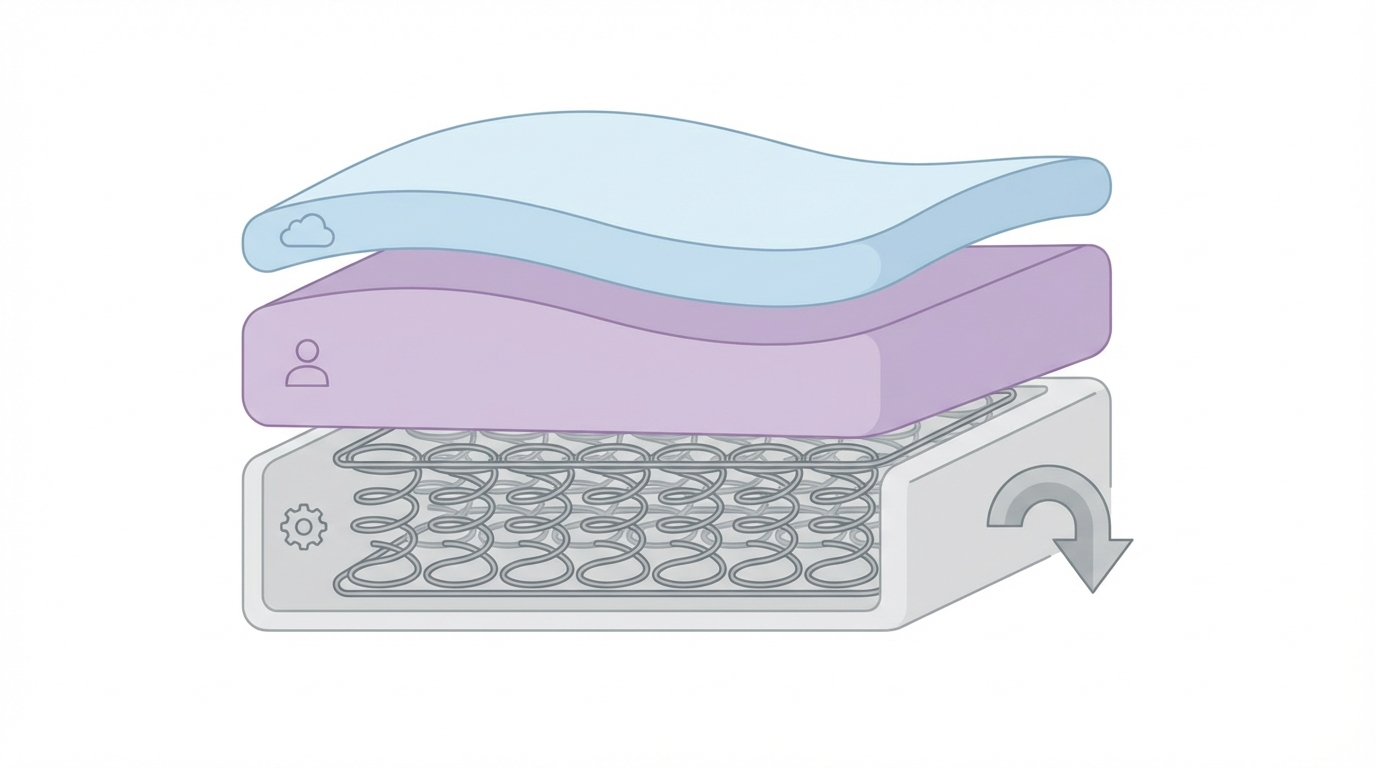
Many cities offer some form of bulk trash pickup for large items that do not fit in regular bins, and mattresses often fit into this category. The advantage is clear. You move the mattress to a designated spot on the correct day, and the city or waste contractor does the rest. However, this process usually comes with rules that are easy to overlook and that can change from one municipality to another.
Commonly, bulk pickup days happen once a month or a few times per year, and you may need to schedule your item in advance. There are often limits on how many large items can be put out at one time, and specific instructions about where to place them. Some cities require mattresses to be wrapped in plastic to reduce pest and moisture concerns, while others want them unwrapped so workers can see the condition. If you live in an apartment complex or condo, your building management might have additional rules beyond the city’s guidelines.
Most important, many municipalities do not allow mattresses to be placed in, or alongside, private dumpsters. The reason is partly space and partly contamination. A large mattress can block dumpster lids or access, and if it is infested with bed bugs, it can pose a risk to anyone handling nearby trash. Incorrectly disposing of a mattress this way may lead to it being left behind, tagged with a warning, or even fines in some areas. The safest path is always to check your city’s official website or contact their solid waste department to understand exactly what is permitted.
Pros, Cons, And Timing
Bulk pickup is typically low cost or free as part of your existing waste fees, which makes it attractive. It can work very well if you are not in a hurry and can plan your new mattress arrival around the pickup schedule. The downside is lack of flexibility. If your city only offers bulk pickup on the first Monday of each month and your back is already screaming for a better bed, waiting several weeks just to remove the old one may not be realistic. You might also face challenges if you live alone and cannot easily move a bulky mattress out to the curb by yourself.
Weather is another factor. Putting a mattress out in rain or heavy dew can soak it through, making it heavier and messier. Some services will refuse waterlogged mattresses because they are harder and more hazardous to handle. If you rely on bulk pickup, try to coordinate so the mattress goes out as close to pickup time as possible, and consider using a simple weather resistant cover during any overnight periods outside.
For many Sleepology customers, bulk pickup ends up being a backup plan rather than the main strategy. When they realize how much smoother the experience is when new mattress delivery and old mattress removal happen together, especially on busy weekdays, the appeal of waiting for a municipal schedule fades. Still, it can be a useful tool if your city supports it and your timeline is flexible.
“Our city only picks up bulky items once a month, and they have to be on the curb by 7 a.m. I tried to coordinate that with a previous mattress years ago and it was a circus. With Sleepology, we scheduled our new hybrid delivery and old mattress removal for the same window, and I did not have to drag anything down the driveway or call the city even once.” – Mark S., December
Option 5: Professional Mattress Removal Services
When Professional Haul Away Is Worth It
Professional mattress removal is the simplest option when you want the mattress gone without lifting, driving, or decoding municipal rules. This is especially valuable if you have stairs, mobility limitations, a very large bed, or a tight timeline. Many people also choose haul away services when they are getting rid of multiple items at once, such as a mattress, box spring, and an old frame. Having a team that can navigate tight corners, hallways, and elevators saves more than your time. It protects your walls, floors, and back too.
Services vary, but most professional removal companies offer in home pickup where they enter your space, remove the mattress from the frame, and carry it out. Some offer outdoor only pickups at a lower cost if you can get the mattress to the curb or driveway yourself. Pricing often depends on size, access, location, and whether they can donate or recycle the mattress. Look for companies that are insured and transparent about their processes and fees, and that provide clear windows for arrival so you are not waiting at home all day.
For Sleepology customers, the smoothest experience often comes from bundling professional removal with new mattress delivery. When you choose a new hybrid like the Sealy Posturepedic Firm Hybrid Mattress – Medina II or a plush Euro top like the Sealy Posturepedic Plus Medium Mattress – Paterson II Euro Pillow Top, you can ask our team about options to take the old mattress out during the same visit. That way, you move straight from old bed to fully set up, properly supported sleep, with no in between nights on the floor.
Questions To Ask A Removal Service
If you are comparing stand alone removal services, take a few minutes to ask key questions before you book. Helpful questions include whether the company is insured, what their base price includes, how they handle stairs or tight access, and what happens if you need to reschedule. You can also ask whether they prioritize donation or recycling where possible and what percentage of mattresses they typically keep out of landfills. Companies that are serious about responsible disposal are usually proud to share those details.
Availability and scheduling flexibility matter too. Same day or next day pickup can be helpful when you are in a time crunch, but you may be able to save money by choosing a slightly later date when the company can bundle multiple jobs in your area. Ask about any extra fees for larger mattresses, multiple items, or bed bug contaminated pieces so that your final invoice matches your expectations. A good service will walk you through all of this clearly so you can make an informed decision.
For many people, the deciding factor is peace of mind. Knowing that trained professionals will handle the heavy lifting, navigate tricky staircases, and follow local regulations correctly can be worth far more than the cost of the service. It keeps your focus where it belongs, on enjoying the comfort of your new mattress and the health benefits that come from better sleep, as emphasized by organizations like the Sleep Foundation, which consistently links high quality sleep surfaces to improved sleep continuity and reduced pain.
Comparing Your Main Disposal Options Side By Side
When you are weighing several paths at once, it can help to see them clearly compared. The table below summarizes the main pros, cons, and best use cases for four common ways to get rid of an old mattress.
| Disposal Option | Best For | Main Advantages | Main Drawbacks |
|---|---|---|---|
| Donation | Gently used, clean, structurally sound mattresses | Helps others, may be free, keeps mattress in use | Strict condition rules, not always available |
| Recycling | Worn but safe mattresses, no active pests or heavy soil | Reduces landfill impact, recovers materials | May require transport fees or specific locations |
| Bulk Trash Pickup | Budget conscious, flexible timeline | Low or no extra cost, uses existing city services | Infrequent dates, curbside rules, limited help |
| Professional Removal / Haul Away | Busy schedules, mobility limits, multiple items | Door to door service, minimal effort, expert handling | Higher cost than DIY, must vet providers |
Use this as a quick reference while you decide. Often, the choice becomes clear when you see your constraints and priorities in one place. For example, if you need the mattress gone this week and have no truck, recycling through a professional service may be far more realistic than a DIY donation attempt, even if that sounds noble on paper.
Special Situations: Bed Bugs, Mold, And Severely Damaged Mattresses
When Your Mattress Cannot Be Donated Or Recycled
Some mattresses are beyond saving, even in parts. If your bed has been infested with bed bugs, heavily soaked by a leak or flood, or structurally damaged in a way that exposes sharp components, the priority shifts to safe containment and disposal. Public health agencies and organizations like the Environmental Protection Agency emphasize that bed bugs in particular must be dealt with carefully to avoid further spread. When pests or contamination are involved, donation and most standard recycling options are off the table.
In the case of bed bugs, the first step is always treatment by a licensed pest control professional. They may recommend encasing the mattress in a special cover to trap remaining bugs after treatment, but many experts ultimately advise disposing of the mattress entirely, especially when there is extensive infestation. Once a mattress has been professionally treated and fully sealed, your city or waste company may allow it to be disposed of on bulk pickup day if clearly labeled. Some regions require mattresses with bed bug history to be wrapped in specific colored plastic or tagged before collection.
Water damage can be just as serious. A mattress that has been soaked in a flood, roof leak, or plumbing incident may harbor mold deep within its layers, something not always visible from the outside. Mold exposure has been associated with respiratory issues and allergic reactions, particularly in sensitive individuals, as noted by organizations like the American Academy of Allergy, Asthma, and Immunology. In these situations, the safest path is to dispose of the mattress as bulky waste according to your local rules rather than try to salvage it for use or recycling.
Safe Handling And Communication
If you are dealing with any of these special situations, protect yourself first. Wear gloves and, if you are sensitive to dust or mold, a basic mask when handling the mattress. Avoid dragging it through your home, which can spread pests or contaminants, and keep it away from other upholstered furniture. If you need to move it, try to contain it in heavy duty plastic sheeting that you tape securely around the entire mattress. Some hardware stores sell mattress bags specifically for this purpose.
Communication is key when working with waste management or a haul away service. Let them know clearly if there has been bed bug activity, significant water damage, or mold. They may have specialized protocols, including separate trucks or designated disposal sites, to handle these items. Withholding that information can put workers and other customers at risk and may result in last minute cancellations when the condition is discovered on arrival.
While it can feel discouraging to send a mattress straight to disposal, remember that safeguarding health is the priority. You can still make environmentally thoughtful choices moving forward, such as investing in a new mattress that is designed for durability and pairing it with a protective foundation like the Sealy Mattress Base Boxspring Foundation, Low Profile 5 inch, as well as a quality protector to reduce the likelihood of future damage.
Planning Ahead When You Are Buying A New Mattress
Timing Delivery, Removal, And Your Sleep
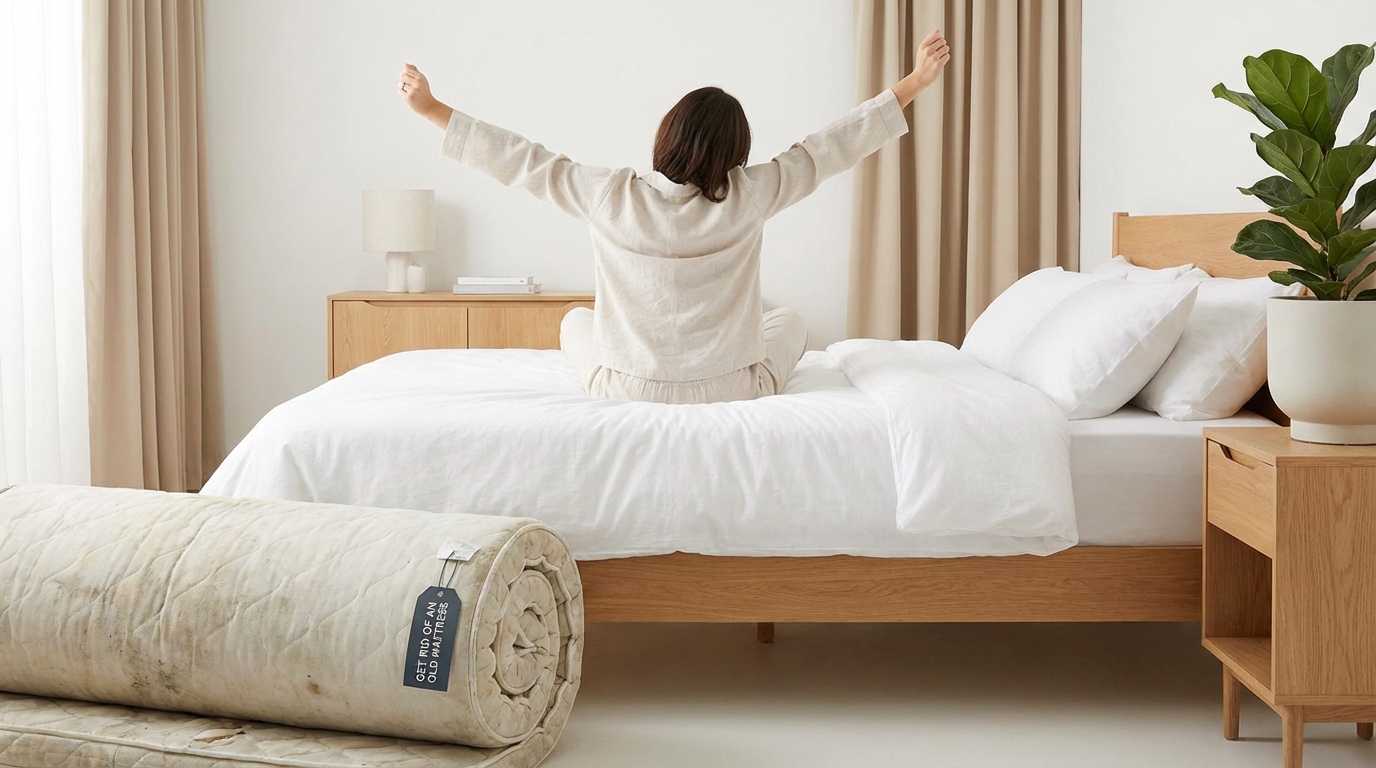
One of the easiest ways to get rid of an old mattress is to build the plan right into your new mattress purchase. Instead of treating disposal as a separate project, think of it as part of a complete sleep upgrade. When you shop at Sleepology, you can work with a Sleepologist to time your new mattress delivery and old mattress removal in a way that fits your schedule and keeps you comfortably off the floor.
Start by deciding when you realistically want to begin sleeping on your new bed. Work backward from that date. If you are using bulk pickup, find out when that service runs and whether your old mattress needs to be out the night before. If you are using professional removal, either through Sleepology’s delivery partner or a trusted service, choose a date and window that gives you some buffer in case of minor delays. Your goal is to minimize the gap between losing the old bed and gaining the new one.
If you need time to rearrange furniture, assemble an adjustable bed frame or base, or deep clean the room, factor that in as well. Many people find it easiest to have the old mattress removed and the frame or base installed in the same appointment, then add fresh bedding and accessories that evening. The more steps you group together, the less you have to think about coordinating separate visits and the sooner you can focus on how your body feels on the new surface.
A Simple Checklist For A Smooth Swap
To keep things organized, it can help to run through a short mental checklist while you make your plan:
- Confirm whether your old mattress is suitable for donation, recycling, or disposal only.
- Decide if you are using municipal bulk pickup, donation pickup, drop off, or professional haul away.
- Check your city or provider’s rules about wrapping, labeling, and placement.
- Coordinate dates so that old mattress removal and new mattress arrival are within a day or two.
- Prepare your room by clearing pathways, measuring tight spots, and protecting floors if needed.
- Arrange for help if you need an extra set of hands to move light items or supervise access.
- Have fresh bedding, pillows, and any new accessories ready for your first night’s sleep.
Once you move through this checklist, you will have a clear picture of the process from start to finish. That clarity usually does more than anything else to reduce stress. Instead of wondering if the old mattress will still be leaning in your hallway two weeks from now, you know exactly when and how it will leave, and when your new mattress will be ready for its first night.
Making The Most Of Your New Sleep Setup
Pairing Your Mattress With The Right Support And Accessories
Getting rid of an old mattress is only half of the story. The other half is making sure your new setup supports your body and your investment. A high quality mattress placed on a sagging, mismatched, or broken base will age faster and may not feel as supportive as it should. Manufacturers and sleep health experts alike emphasize that proper support and a clean, breathable sleep surface contribute directly to comfort, spinal alignment, and long term durability.
If you are upgrading to a hybrid mattress, such as those in Sleepology’s best hybrid mattresses collection, it is usually best to pair it with a solid, non flexing foundation or a compatible adjustable base. That ensures the coils and comfort layers can do their job. Back sleepers, for instance, often feel the most consistent support on a medium to firm hybrid like the Sealy Posturepedic Elite Firm Hybrid Mattress – Brenham II, especially when combined with a stable base that keeps the mattress level. This combination helps maintain neutral spine alignment, something the Sleep Foundation links to lower rates of back pain and better overall sleep quality.
Accessories matter for comfort and cleanliness. A waterproof yet breathable mattress protector helps shield your new mattress from spills and sweat, greatly extending its usable life. Pillows that match your sleep position can reduce neck strain. For example, side sleepers often do better with higher loft pillows to fill the space between shoulder and head, while stomach sleepers need something flatter. Toppers, like the travel friendly option in the Tempur-Pedic Mattress Topper, Pillow Travel and Guest Bundle, can add comfort in guest spaces or temporarily modify feel without changing the entire mattress.
“We thought replacing the mattress was the whole solution, but Mia explained how our bent, mismatched frame was letting the middle of the bed sag. Once we paired our new hybrid with a proper foundation and fresh protector, the difference was night and day. My husband’s shoulder pain eased within a week.” – Elise T., November
Conclusion: Clearing Space For Better Sleep
Letting go of an old mattress is one of those tasks that feels small on the surface but touches many parts of your life. It is about more than reclaiming square footage in a hallway or guest room. It is about creating space in your home and your routine for sleep that actually restores you. Whether your mattress has quietly aged past its prime, been damaged, or simply no longer fits your body, acknowledging that and making a plan to move on is an act of care for yourself.
You have seen that “how to get rid of an old mattress” does not mean “drag it to the nearest dumpster and hope for the best.” Depending on your mattress’s condition and your priorities, you can donate, recycle, resell, repurpose, or hire professional help, and you can combine these routes with city services or Sleepology’s delivery partners. You also know where those options do not apply, such as when pests or severe damage are involved. Equipped with that understanding, you can choose a path that respects your body, your budget, and your community.
Most of all, you are not expected to navigate this alone. As you consider your next mattress, whether that is a supportive hybrid for back sleeping, an adjustable setup for reading and relieving pressure, or a breathable guest bed that finally welcomes visitors in comfort, our Sleepologists are here to help. We can talk through your current mattress’s condition, suggest the most realistic disposal options in your area, and coordinate removal with your new delivery so the transition feels seamless. Clearing out the old bed stops being a burden and becomes the first step toward the rested mornings you deserve.
Frequently Asked Questions
How do I know if my old mattress is safe to donate?
A mattress is usually donation worthy if it is structurally sound, less than about 7 to 8 years old, and free from heavy stains, tears, and odors. The stitching should be intact, there should be no exposed springs or foam, and the surface should not have deep, permanent body impressions. Any history of bed bugs, significant water damage, or mold means it should not be donated. Before loading it into a vehicle, call the charity and describe the age and condition honestly so they can confirm whether it meets their requirements.
Can I recycle a mattress that has stains or minor wear?
Light cosmetic wear is often acceptable, but heavy staining, strong odors, or contamination from pests or fluids can disqualify a mattress from standard recycling programs. Most facilities are equipped to separate clean or moderately used materials, not to manage biohazard cleanup. If your mattress has minor discoloration from age but no signs of mold or bed bugs, a recycler may still accept it. Always check with the facility first, and be upfront about any issues so they can advise you on the safest route.
Is it illegal to put a mattress in a dumpster?
In many cities and apartment communities, it is against the rules to put a mattress in a shared dumpster, and some municipalities treat it as illegal dumping that can result in fines. Mattresses are bulky, can block access, and may harbor pests that spread to neighboring units. Even if your building has a private dumpster, management may prohibit dumping mattresses there. The safest approach is to review your local waste guidelines for “bulk items” and arrange proper pickup, recycling, or removal through approved channels.
Do mattress stores really take away your old mattress?
Many mattress retailers, including Sleepology in eligible areas, offer old mattress removal as part of delivery or for an additional fee. Typically, the delivery team will remove your existing mattress from the bedroom and haul it away at the same time they set up your new one. Policies vary by location, so it is always best to confirm whether haul away is available, what it costs, and whether there are any restrictions such as bed bug history. Coordinating removal through the store is often the most convenient way to avoid a second appointment or trip to a facility.
What should I do with an old mattress that has bed bugs?
If your mattress has or has had bed bugs, the priority is safe containment and disposal, not donation or standard recycling. Contact a licensed pest control professional for treatment and follow their instructions closely. Many will recommend encasing the mattress or discarding it entirely after treatment. Your city’s waste department may require that the mattress be sealed in a specific type of plastic and clearly labeled before bulk pickup. Be transparent with any haul away service so they can follow appropriate procedures and protect their workers and other customers.
Is it worth trying to sell my used mattress?
Selling can be worthwhile if the mattress is relatively new, from a reputable brand, and in very good, clean condition. Premium models that are three to five years old or less may attract buyers if priced at a reasonable fraction of their original cost. However, if you have trouble finding interest after listing it honestly with clear photos, or if your time is limited, it may be more realistic to donate, recycle, or arrange professional removal instead. Your main goal is to clear space and move into a better sleep setup, not to hold out for a perfect sale.
How can I keep my new mattress from wearing out as fast as the old one?
You can extend the life of your new mattress by pairing it with a supportive, compatible base, using a quality mattress protector, and following care instructions. Avoid placing it on broken or sagging foundations, which can cause premature impressions and loss of support. Rotate the mattress if the manufacturer recommends it, keep pets’ claws and rough edges away from the fabric, and address spills quickly so moisture does not seep into the core. Choosing a well built hybrid or foam mattress from a trusted brand and using it with a solid foundation, such as the Sealy low profile boxspring foundation, gives you a stronger starting point than many older beds provided.