

How To Get Period Blood Out Of A Mattress: A Calm, Step‑By‑Step Guide From A Sleep Expert
You wake up, look down, and your stomach drops. Your period came early, your pad shifted, or your cup leaked, and now there is blood on the mattress. It can feel embarrassing, stressful, and expensive all at once, especially if you share a bed or just invested in a new mattress. Take a breath. Period leaks are a normal part of having a cycle, and with the right approach, you can usually clean your mattress far better than you might think.
Mattresses are tricky to clean because you cannot toss them in the washing machine, yet they absorb liquids into layers of foam and fabric. That is why acting promptly and using the right techniques matters. According to organizations like the Sleep Foundation and Cleveland Clinic, sleep surfaces play a real role in comfort, hygiene, and even allergy control, so it is worth taking stains seriously, not just for looks but for your sleep health over time.
Here, you will learn exactly how to get period blood out of a mattress, whether the stain is fresh or has been there for a while. You will see safe home methods, what to avoid so you do not damage the mattress, and when it may be better to protect or even replace an older bed. Along the way, I will also show you how to prevent future leaks from becoming mattress emergencies by using the right protectors and bedding. My goal is to help you feel less panicked, more prepared, and confident that you can save your mattress and protect your sleep.
You are not the only one dealing with this, and you are certainly not “gross” or careless for having a mattress stain. Periods are simply part of life. With a calm, stepwise approach and a few sleep‑expert tricks, you can get things cleaned up, protect your investment, and get back to resting comfortably.
Why Period Blood Stains Mattresses So Easily
Period blood is not like a little water spill you can dab away in a minute. It is a mix of blood, uterine lining, mucus, and proteins, which makes it very good at clinging to fabrics and foam. These proteins are the main reason dried blood is so stubborn. Once proteins bond to fibers and oxidize, stains become much harder to fully remove. That is why timing is everything when you notice a leak.
Most modern mattresses, especially foam and hybrid designs, have absorbent comfort layers and quilted covers. Those layers are amazing for contouring to your body at night, but they also soak up liquids quickly. The capillary effect draws fluid deeper into the material, which is why brisk blotting is far more effective than pressing once or letting the stain sit. If you rub or use hot water, you are essentially cooking the proteins into the fabric and driving pigment deeper into the foam.
Medical and fabric experts generally agree that cold water is key for treating blood stains, because it helps dilute and lift blood without denaturing the proteins the way hot water can. The Mayo Clinic and other health organizations often note similar advice for clothing and linens: treat blood with cold water as soon as possible, avoid heat until the stain is gone, and be patient because older stains may need more than one treatment cycle.
As a sleep specialist, I also think about what happens after the cleaning. A mattress that has repeatedly absorbed fluids without proper drying is at higher risk for odor, mold, or dust mite problems. Research summarized by groups like the American Academy of Sleep Medicine shows that a clean, dry sleep surface can support better respiratory health and fewer nighttime allergy symptoms. So when you take time to clean and then fully dry a stained area, you are not just protecting the look of the bed. You are protecting the air you breathe every night.
“I was convinced I had ruined our new hybrid mattress after a heavy leak. Mia’s exact steps for cold water blotting and baking soda saved it. You truly cannot see where the stain was, and we avoided a thousand‑dollar replacement.” – Jenna K., November
Step One: Stay Calm And Prep Your Mattress For Cleaning
Before you reach for every cleaner under the sink, it helps to set up the space and your mattress correctly. A few minutes of preparation will make stain removal easier and reduce the risk of damaging your mattress materials or worsening the stain.
First, strip all bedding and get it into cold water. That might mean running sheets and mattress pads under a cold tap or putting them straight into a cold pre‑wash cycle. The same cold‑water principle that applies to your mattress applies to your linens, and dealing with them quickly prevents the stain from spreading as they sit in a hamper. Many stain removal tips from sources like Consumer Reports echo this approach, emphasizing that quick cold rinses give you the best odds of full removal later.
Next, look closely at the mattress tag or manufacturer’s care recommendations if you have them handy. Memory foam, latex, and innerspring mattresses can all tolerate a bit of moisture on the surface, but you should never saturate the mattress all the way through. Some covers are removable and machine washable, while others are non‑removable and need spot cleaning only. If you already own a protector, remove it, clean it separately, and work directly on the mattress cover.
Position the mattress so that air can circulate well during and after cleaning. If possible, open a window, turn on a ceiling fan, or aim a portable fan at the bed. You want the cleaned area to dry within a few hours rather than staying damp all day, which can invite musty smells or microbial growth. The Sleep Foundation and other sleep‑health groups frequently highlight moisture control as a key part of mattress hygiene, both for comfort and longevity.
Finally, gather your basic supplies before you start: clean white cloths or paper towels for blotting, a small bowl, cold water, mild liquid dish soap or gentle laundry detergent, baking soda, and optionally hydrogen peroxide or an enzyme‑based cleaner if you are dealing with a stubborn, dried stain. Having everything within reach helps you move methodically, instead of running around the house with wet hands while the stain sets further.
How To Get Fresh Period Blood Out Of A Mattress

Fresh stains are the most forgiving, and quick action here often means your mattress will look almost brand new once it dries. The goal with a fresh period leak is to dilute and lift the blood using cold water and gentle cleaners, without driving it deeper into the foam.
Cold water should be your first tool. Start by blotting the stain with a clean, dry cloth or paper towel to absorb as much surface blood as possible. Press firmly and lift, instead of rubbing. Rubbing spreads the stain and can damage delicate mattress fabrics. Once you have blotted away the excess, lightly dampen a cloth with cold water and continue blotting. You will see some of the stain transfer onto the cloth. Rotate to a clean area of the cloth frequently so you are not re‑depositing blood.
After your initial cold‑water blotting, mix a very small amount of mild liquid detergent with cold water in a bowl. You want a weak solution, not a bubble bath. Dip a clean cloth into the soapy solution, wring out well, and gently dab the stained area, again using a blotting motion. Then follow with another cloth dampened only with cold water to rinse out the soap. Repeat this cycle of soapy blotting and cold‑water rinsing until the stain looks significantly lighter.
At this point, you can sprinkle a thin layer of baking soda over the damp area. Baking soda helps absorb moisture and neutralize any developing odor. Let it sit for 15 to 30 minutes, then vacuum it up with an upholstery attachment. If you do not see obvious stain anymore, allow the mattress to air dry completely, ideally with a fan circulating air across the cleaned spot. Do not put sheets back on or sleep on the bed until it feels completely dry to the touch.
Optional: Using A Little Hydrogen Peroxide On Stubborn Fresh Stains
If you are working with a fresh stain that is still visible after cold water and mild detergent, you can consider a small amount of hydrogen peroxide. This is a more aggressive option, so test it first. Choose a 3 percent solution, which is the standard over‑the‑counter strength. On a hidden area or edge of the mattress cover, apply a drop or two and wait a few minutes to see if there is any bleaching or discoloration.
If your color test looks fine, apply a few drops of hydrogen peroxide directly to the blood stain. You may see it foam as it reacts with the blood, which is normal. Let it sit for about 5 minutes, then blot with a clean, dry cloth to lift both the cleaner and the stain. Follow with a cloth lightly dampened in cold water to dilute any remaining peroxide, then blot dry again. Repeat once or twice if needed, but avoid soaking the area.
Peroxide works by breaking down the chromophores, the color‑bearing parts of blood, which is why it can be so effective. At the same time, it has mild bleaching properties, so you want to be conservative, especially with dark mattress fabrics. Fabric care experts frequently emphasize spot testing for this reason. Use just enough to treat the stain, not to wet the entire area.
Once you are satisfied with the removal, let the mattress dry thoroughly, with a fan if possible. If the stain is faintly visible but much improved, you may choose to stop rather than risk damage from more aggressive treatment. Remember that function and hygiene are more important than absolute cosmetic perfection, especially for a mattress that will usually be covered by sheets.
“I followed Mia’s fresh stain steps and was shocked how quickly the spot disappeared. I had been scrubbing in the past and just made things worse. The blotting and small amount of peroxide were a total game changer.” – Tasha L., October
How To Get Dried Period Blood Out Of A Mattress
Dried stains are more stubborn because the blood has had time to oxidize and bind to fabric fibers. They usually require a two‑stage approach: first loosening and rehydrating the stain, then lifting it with gentle cleaning agents. Patience is crucial here. You may not get a perfect result in one session, but significant improvement is very realistic.
Begin by lightly dampening the stained area with cold water. You want to rehydrate the dried blood without soaking the mattress. A spray bottle is especially helpful for this, because you can mist instead of drench. Let it sit for about 10 to 15 minutes, then blot with a clean cloth to see how much lifts. This pre‑soak step primes the stain to respond better to cleaners, rather than remaining locked in and crumbly.
After rehydration, you can move on to a cleaning paste. A widely used option is a mixture of baking soda and cold water. Combine enough baking soda and water to make a spreadable paste, then gently apply it over the stain. Allow the paste to sit for 30 minutes. The mild abrasive action of baking soda, combined with its ability to draw moisture and dissolved material out of fabric, helps loosen the stain. Once time is up, use a damp cloth to wipe away the paste, blotting rather than scrubbing.
If the stain remains visible, an enzyme‑based cleaner is often the next best step. Enzyme cleaners are designed to break down protein‑based stains like blood, sweat, and body oils. Many laundry pre‑treatments and pet stain removers fall into this category. According to cleaning science resources and consumer testing groups, these cleaners work by using protease enzymes that essentially digest the stain particles so they can be lifted away more easily.
Using Enzyme Cleaners Carefully On Mattresses
When using an enzyme cleaner on a mattress, read the label and choose one that is marked safe for fabrics or upholstery. Spray or apply a small amount to a clean cloth rather than directly saturating the mattress. Blot the stained area with the dampened cloth, then allow the cleaner to sit for 10 to 15 minutes. You can then follow up with a cloth dampened with cold water to rinse, and a dry cloth to blot away excess moisture.
Avoid using enzyme cleaners on wool or silk mattress fabrics, since enzymes can break down those natural fibers. Most modern mattress covers are polyester or cotton blends, which generally tolerate enzymes well, but checking the tag is wise. Also avoid mixing enzyme cleaners with bleach or strong oxidizing agents, as that can deactivate the enzymes and create unnecessary fumes.
If you need more than one cleaning pass, let the mattress dry thoroughly between sessions. It is better to slowly lighten the stain over a couple of days than to oversaturate the mattress in one day and struggle to get it dry. This approach respects both the fabric and the internal foam layers, which are not meant to hold large amounts of water.
“Our guest room mattress had an old, dark period stain from my teenager that she was too embarrassed to tell me about. I used Mia’s baking soda paste and an enzyme cleaner on low, patient cycles over a weekend. It went from awful to barely noticeable, and it does not smell at all now.” – Karen D., December
Common Mistakes To Avoid When Cleaning Period Blood
It is easy to panic and reach for the strongest chemicals in the house, but some of the most common instincts are exactly what you want to avoid. Knowing what not to do can protect your mattress and your health.
The biggest mistake is using hot water or heat too early. Hot water can cause the proteins in blood to denature and bond firmly to fabric fibers. That is why care guidelines from fabric experts and medical organizations alike emphasize cold water first. The same heat concern applies to hair dryers or space heaters focused directly on a wet stain. While warmth can help dry a slightly damp mattress later, concentrated heat on a fresh stain risks setting it.
Another common misstep is using chlorine bleach on the mattress surface. Bleach is harsh, can weaken fibers, and may create permanent light patches without actually removing the underlying stain, especially on colored or patterned covers. It can also interact badly with the adhesives or foams used in modern mattresses, which are not designed for contact with strong oxidizing chemicals. Oxygen‑based cleaners are generally gentler, but even those should be used carefully and tested on an inconspicuous area first.
Scrubbing aggressively may feel productive in the moment, yet it usually makes the stain bigger and fuzzes up the mattress fabric. A rough scrubbing motion pushes the blood deeper and frays the cover, making that area more delicate in the future. Blotting, dabbing, and using absorbent powders like baking soda are far more mattress friendly. If you ever watch textile cleaning demonstrations from professional services, you will notice how much of their work is blotting and suction rather than vigorous scrubbing, and the same principle applies here.
Finally, do not forget about drying. Leaving a damp area hidden under sheets and blankets can create a humid microclimate that favors mildew and odor. The Environmental Protection Agency and sleep health organizations consistently recommend allowing soft furnishings to dry quickly after any liquid exposure to prevent indoor air quality problems. Once you have cleaned a stain, give the mattress open air and airflow until it feels completely dry, even if that means sleeping in another bed for a night.
Quick Mattress‑Safe Cleaning Methods For Different Mattress Types
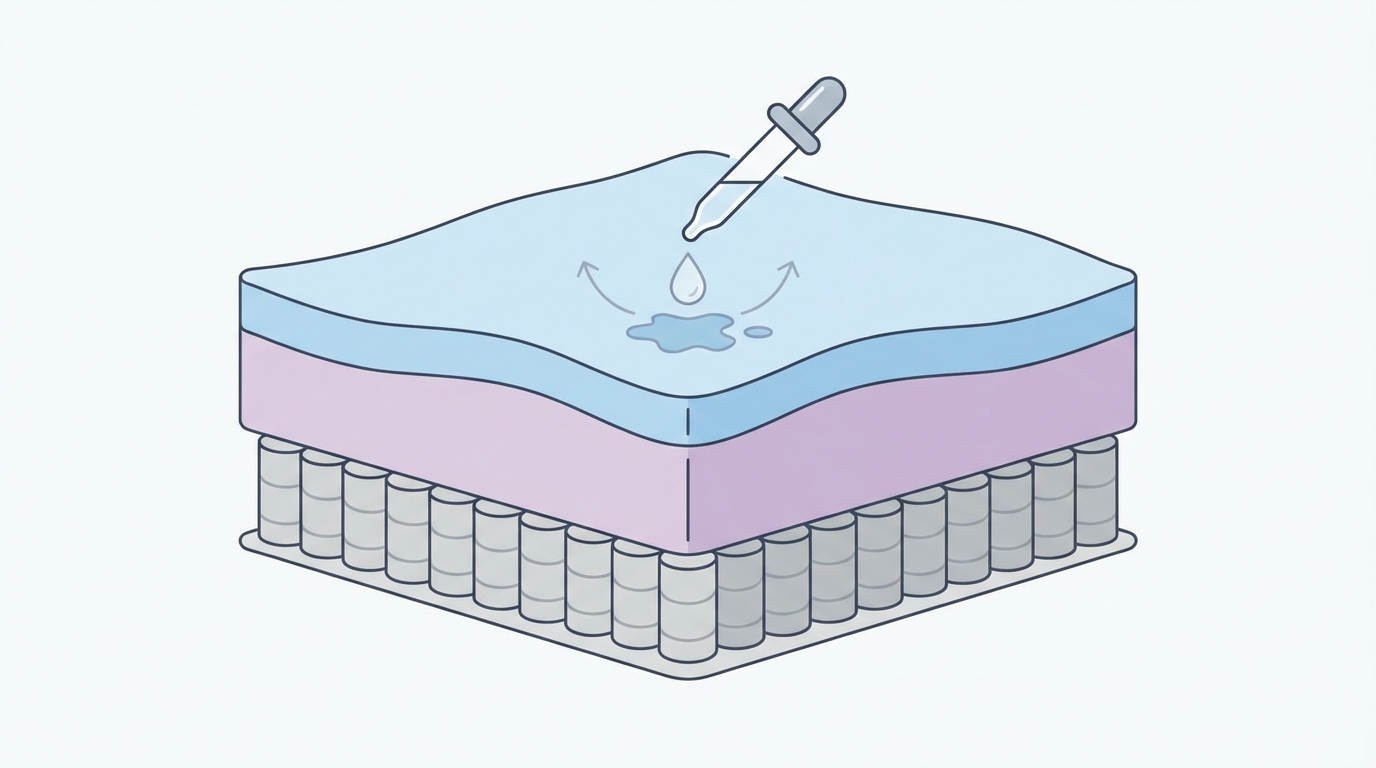
Not all mattresses react the same way to moisture and cleaners. Knowing what type of bed you have helps you tailor your cleaning method, which protects both your stain removal efforts and your warranty. If you are not sure what type you own, check the tag or your original purchase email.
Memory Foam And All‑Foam Mattresses
Memory foam and other all‑foam mattresses are especially absorbent, so you must be careful to avoid oversaturating them. Liquid can travel through foam cells and get trapped deeper within, where it is hard to dry. For these beds, keep all your cleaning solutions light and your cloths well wrung out.
Focus on blotting more often rather than applying more cleaner. Baking soda can be particularly helpful on foam beds, because it draws moisture up and out of the surface layers. A waterproof protector is almost essential for foam mattresses, because the material itself cannot be washed or fully wrung out like a traditional innerspring.
If your foam mattress is older and stains are frequent or deep, it may be worth comparing a few replacement options. Many sleepers who like the pressure relief of foam but want better airflow end up happy with a modern hybrid, like the Sealy Posturepedic Elite Soft Hybrid Mattress – Brenham II, which combines contouring foam with coils for breathability and easier moisture dissipation.
Hybrid Mattresses
Hybrid mattresses, which pair foam comfort layers with coil support cores, tolerate spot cleaning relatively well. Their coil units allow more airflow, which can help the mattress dry faster after a careful cleaning. You should still avoid pouring water or cleaner directly onto the mattress, but you can be slightly less nervous about light dampness than with an all‑foam design.
For period stains on a hybrid, use the same general cold‑water, blot, and baking soda sequence. If you decide to use an enzyme cleaner or hydrogen peroxide on a stubborn area, stick to the upper fabric and foam zone. Try to keep liquids from running down the sides, where they could potentially reach the coil unit and any surrounding padding.
Many modern hybrids also have more robust quilting and edge reinforcements, so they hold up better to occasional blotting than older, softer pillow‑top designs. If you are shopping for a supportive bed that can handle real‑life spills while still feeling plush, a model like the Sealy Posturepedic Elite Medium Mattress – Brenham II Euro Pillow Top can be a good fit, especially if you pair it with a protector.
Traditional Innerspring Mattresses
Traditional innerspring mattresses, especially those with thinner comfort layers and more breathable covers, may dry more quickly than dense foam beds. That said, many older innersprings are also less protected on the surface, so liquids may pass through fabric and fiberfill more easily.
You can generally use the same stain removal strategies, but be extra mindful about blotting up excess fluid so it does not drip into the coil system. Long‑term moisture exposure around metal coils can contribute to rust or odor issues. If your innerspring is already sagging noticeably or develops a persistent smell after a stain, it may be a sign that your mattress has reached the end of its practical life and replacement is the healthiest option.
If you like the feel of a traditional bed but want more cushioning and easier stain management, consider upgrading to a newer foam or hybrid from curated assortments like The Best Hybrid Mattresses or The Best Foam Mattresses. These lines focus on modern materials that balance comfort, support, and durability.
Comparison: How Different Cleaning Approaches Stack Up
Sometimes it helps to see the pros and cons side by side. Here is a quick comparison of the main mattress‑safe methods you are likely to consider for period blood stains.
| Cleaning Method | Best For | Pros | Cons / Cautions |
|---|---|---|---|
| Cold water + blotting + mild soap | Fresh stains, any mattress type | Gentle, low risk, uses common household items | May not fully remove older or dark stains |
| Baking soda paste (with cold water) | Light old stains, odor, foam beds | Helps lift moisture and smell, gentle abrasive | Slower, may need multiple applications |
| Hydrogen peroxide (3 percent) | Stubborn small spots, light fabrics | Strong stain‑lifting action, quick results | Can bleach fabrics, must patch‑test first |
| Enzyme‑based cleaner | Set‑in, protein‑heavy stains | Designed for blood, sweat, urine, very effective | Not suitable for wool or silk, follow label |
After choosing a method, always prioritize a thorough drying period and reassess the stain in natural light. If it is significantly lighter and odor‑free, you may have already achieved the best practical result, especially once sheets and protectors are back on.
Preventing Period Stains On Your Mattress In The Future
Once you have spent an afternoon rescuing a mattress from a period stain, prevention starts to look much more appealing. While no system is perfect, you can stack the odds in your favor with a combination of better bed protection and period‑night planning.
A waterproof mattress protector is your first, best line of defense. These thin, fitted covers create a barrier so that fluids never reach the actual mattress layers. According to guidance from several allergy and asthma organizations, protectors also help keep out dust mites and other allergens, which is an added bonus for sensitive sleepers. The key is choosing a protector that is both waterproof and breathable, so you do not feel hot or plasticky at night.
If you tend to sleep warm or live in a humid climate, a cooling protector like the TEMPUR‑Breeze Mattress Protector – Cooling, Waterproof, Breathable Cover can be a smart choice. It combines temperature‑regulating fabric with a waterproof membrane, which means you can guard against leaks while keeping a comfortable sleep temperature. For a more universally versatile option, the TEMPUR‑Adapt Mattress Protector – Waterproof Mattress Cover, Hypoallergenic offers snug fit, quiet protection, and easy machine washing.
Beyond protectors, consider how your period pattern lines up with your bedding routine. If you have a heavy or unpredictable flow, you might want to schedule fresh sheets and protector right before your expected start date each month. Using dark or patterned sheets during period week can also reduce visible stress when small leaks do happen. Sleep health organizations consistently point out that feeling relaxed and psychologically safe in bed contributes to better sleep quality, so if darker sheets help you worry less, that can be a valid choice.
Finally, remember that your sleep position and support can influence leaks too. If you are constantly rolling or sliding toward the foot of the bed because your mattress sags, your pad or cup may not stay where you expect. Upgrading to a properly supportive mattress, such as a Sealy Posturepedic Plus Firm Mattress – Paterson II Euro Pillow Top or Sealy Posturepedic Plus Medium Mattress – Paterson II Euro Pillow Top, can reduce excess rolling and help your body stay aligned, which may in turn keep period products more securely in place overnight.
When A Stain Might Be A Sign To Replace Your Mattress
Sometimes, getting period blood out of a mattress is not just about saving a surface. It can also be an honest look at whether your bed is already past its best years. On average, many mattresses are ready for replacement around the 7 to 10 year mark, though higher quality models may last longer. The Sleep Foundation and other consumer guides highlight sagging, lumps, and new aches as primary signs that a mattress is no longer supporting you properly.
If your mattress is older and has multiple old stains, a persistent odor, or visible mold spots after a leak, then an intense deep‑clean may not be the healthiest option. Moisture that has penetrated deeply into foam or padding can be very difficult to fully dry, especially if previous spills were never addressed. Over time, this can contribute to a musty smell or an increase in nighttime allergy symptoms, as noted by respiratory health organizations.
Think about how you feel when you wake up. If you are already dealing with soreness or back pain and then add the stress of a permanent stain, it may be more cost‑effective to invest in a new, well‑protected mattress than to keep nursing an old one along. When you replace, make sure your new mattress is immediately paired with a waterproof protector from the first night. That way, any future leaks remain a laundry task, not a furniture crisis.
If you are not sure which direction to go, you can always call a sleep specialist to talk through your situation. Many of my clients are surprised by how many options there are within their budget, especially when we look at value across several years. A thoughtfully chosen mattress, plus a high‑quality protector and supportive base from Sleepology’s curated collections like Pillows, Sheets, Toppers, Protectors or Adjustable Bed Frame and Base, can create a sleep system that is easier to keep clean and more comfortable night after night.
Supporting Your Sleep During Your Period

Cleaning the mattress is only part of the picture. Your period itself can make sleep feel harder, with cramps, bloating, and temperature swings. Research compiled by the American Academy of Sleep Medicine suggests that many people with periods notice lighter, more fragmented sleep during certain cycle phases, especially right before and during menstruation.
Your mattress and bedding can either add to that discomfort or help relieve it. If you are sleeping on a bed that is too firm, pressure points around your hips and lower back may feel sharper when you are already crampy. On the other hand, a mattress that is too soft may let your midsection sink, exaggerating lower back strain. This is one reason I often recommend medium to medium‑soft hybrids to period‑sensitive sleepers: they balance contouring around the pelvis with enough support to keep the spine relatively neutral.
Simple adjustments help too. During your period, layering a breathable mattress protector with soft, natural fiber sheets can reduce the sticky, overheated feeling that sometimes comes with hormonal shifts. Using an extra pillow between your knees in a side‑lying position can ease back tension. A well‑chosen travel or specialty pillow, like the Tempur‑Pedic Mattress Topper and Pillow Travel and Guest Bundle, can even double as lower‑back support on heavy days when you need a bit of extra cushioning.
Taking a few minutes in the evening to check that your protection is fresh, your protector is in place, and your bedding feels comfortable can reduce bedtime anxiety about leaks. The less you are worrying about your mattress, the more mental space you have to relax into sleep, which is exactly what your body needs to manage cramps, mood shifts, and the general fatigue that can come with menstruation.
Conclusion: You Can Protect Both Your Mattress And Your Peace Of Mind
Period leaks on a mattress are stressful, but they are also completely normal and manageable. By acting quickly with cold water and gentle blotting on fresh stains, using baking soda and enzyme cleaners strategically on older spots, and avoiding harsh chemicals or excessive moisture, you can dramatically improve or even eliminate most period blood stains. The key themes are timing, patience, and respect for your mattress materials, rather than brute force.
Looking forward, a breathable waterproof protector and supportive, well‑chosen mattress make future stains far less dramatic. A leak that once felt like a disaster becomes a simple load of laundry. Pair that with a sleep environment tailored to the physical ups and downs of your cycle, and your bed can become a place of comfort again, not a source of worry.
You deserve a clean, comfortable place to rest every night of the month. If you feel stuck between nursing an older stained mattress and choosing a new one that better fits your needs, you do not have to figure it out alone. A Sleepology expert can help you weigh the options so that your next chapter of sleep feels secure, supported, and easy to keep fresh.
Frequently Asked Questions
How do I get period blood out of a mattress quickly if I notice it right away?
If you spot the stain while it is still fresh, strip the bedding, then start blotting the mattress with a clean, dry cloth to remove as much surface blood as possible. Next, use a cloth dampened with cold water and continue blotting, never rubbing, until the stain lightens. A tiny amount of mild detergent in cold water can help break up the stain, followed by a rinse with plain cold water and thorough blotting. Finish by sprinkling baking soda over the damp area for 15 to 30 minutes, then vacuum it off and let the mattress dry fully with good airflow.
Can I use hydrogen peroxide on a mattress to remove period stains?
You can use a small amount of 3 percent hydrogen peroxide on many mattress fabrics, but it is important to patch‑test first because it can lighten or bleach some materials. Apply a drop or two to an inconspicuous area, wait several minutes, and check for color change. If there is none, you can apply a few drops directly to the stain, let it foam for a few minutes, then blot and rinse gently with cold water. Use as little peroxide as necessary, and avoid soaking the mattress so the inner foam and padding do not stay wet for too long.
What should I do about a period blood stain that has already dried on my mattress?
For dried stains, first lightly rehydrate the area with a mist of cold water and let it sit for about 10 to 15 minutes, then blot to see how much lifts. After that, apply a paste of baking soda and cold water and let it sit for 30 minutes before wiping and blotting it away. If the stain remains, an enzyme‑based cleaner designed for protein stains can help, applied sparingly and blotted rather than scrubbed. You may need to repeat this process over a couple of days, allowing the mattress to dry completely between treatments, to see the best improvement.
Is it safe to steam clean a mattress with period blood on it?
Steam cleaners use heat, and heat tends to set blood stains rather than remove them, especially if the stain is fresh or only partially treated. Additionally, steam can push moisture deeper into foam layers, where it is harder to dry, which raises the risk of mildew and odor. For these reasons, it is generally safer to stick with cold‑water blotting, baking soda, and targeted cleaners for blood stains, and reserve steam cleaning for other types of soiling if the manufacturer explicitly says it is safe.
How can I protect my mattress from future leaks during my period?
The most effective protection is a quality waterproof mattress protector that fully encases or covers the sleep surface, so leaked fluids cannot reach the mattress itself. Look for protectors that are both waterproof and breathable, such as cooling or performance models, to avoid feeling hot or sticky at night. Pairing a protector like the TEMPUR‑Adapt Mattress Protector – Waterproof Mattress Cover, Hypoallergenic with appropriately absorbent period products, dark or patterned sheets during your cycle, and a supportive mattress that keeps you from rolling excessively can greatly reduce your risk of serious stains.
When is it better to replace a stained mattress instead of trying to clean it?
Consider replacement if your mattress is already seven years old or more, has multiple deep or old stains, or has a persistent odor even after careful cleaning and thorough drying. If you are also experiencing sagging, lumps, or increased aches and pains on waking, safety and comfort together point toward replacing the mattress instead of investing more time and cleaners into an aging bed. A new, supportive mattress plus a waterproof protector typically offers a better long‑term value than repeatedly trying to rehabilitate a mattress that is already past its prime.
Will a mattress protector feel noisy or plastic if I am a light sleeper?
Modern waterproof protectors are often designed with soft knit or terry fabrics bonded to quiet, thin membranes that block liquids without the crinkly sound of older plastic covers. Many sleepers cannot tell they are using one once the sheets are on, especially with higher quality options. Choosing a protector that is specifically marketed as breathable and quiet, like the TEMPUR‑Breeze Mattress Protector – Cooling, Waterproof, Breathable Cover, can give you both discreet protection and a calm sleep surface that does not distract you at night.