


How To Get Pee Out Of A Mattress: A Sleepologist’s Step‑By‑Step Guide That Actually Works
You walk into the bedroom, pull back the covers, and your heart sinks. The smell hits first, then you see the stain. Whether it was a potty-training miss, a pet accident, or an unexpected bladder leak, pee on the mattress feels like a disaster waiting to set in. You might be wondering if the mattress is ruined, how fast you need to move, and what actually works without making things worse. Take a breath. You are not the first person to deal with this, and you absolutely can rescue your bed in most cases.
Urine accidents matter for more than just appearance. If pee soaks deeply into the mattress, it can cause lingering odors, bacteria growth, and permanent stains that shorten the life of your bed. The Sleep Foundation and other sleep health organizations note that a clean, odor free sleep environment is linked to better sleep quality and comfort, especially for people with allergies or respiratory issues. When a mattress smells sour or feels damp, your brain does not fully relax, even if you are exhausted. Cleaning this up well is not just about saving a mattress, it is about protecting your sleep.
You might have already searched for "how to get pee out of mattress" and been overwhelmed by conflicting tips, from pouring on hydrogen peroxide to using harsh cleaners that can actually damage foam and fabrics. As a sleepologist who has worked with mattresses for 20 years, I have seen which methods work reliably across different materials and which common hacks lead to crumbling foam, yellow halos, or smells that come back as soon as the room warms up.
Here you will learn a clear, step by step process for fresh accidents and dried stains, how to treat smells that keep returning, and how to protect your mattress going forward so one accident does not turn into a recurring headache. We will talk through what to do for kids versus pets, what is safe for memory foam and hybrids, when it is reasonable to move on to a new mattress, and which protectors and sleep accessories make the biggest difference. By the time you finish reading, you will have a calm, practical game plan and the confidence that you are doing the right things for your sleep and your mattress.
First Things First: How Mattress Materials React To Urine
Before you start spraying and scrubbing, it helps to understand what is happening inside the mattress. Urine is mostly water, but it also contains urea, salts, and other compounds that can break down certain foams over time. On contact, liquid follows the path of least resistance through the fabric and quilt layers and then spreads through the comfort layers below. How far and how fast it travels depends a lot on the type of mattress so your cleaning approach should match the material you are dealing with.
Traditional innerspring mattresses often have more airflow and less thick foam in the upper layers. Urine can travel vertically down toward the coils, but because there is less dense foam, it may not spread as widely horizontally. Hybrid mattresses combine foam layers with coils, so they can behave like a middle ground. High quality hybrids, such as the Sealy Posturepedic Elite Soft Hybrid Mattress – Brenham II, usually have multiple comfort layers that absorb liquid quickly, which makes fast action especially important if you want to avoid deep set smells.
All foam and memory foam mattresses are much more absorbent. The open cell structure that allows foam to contour to your body also allows liquids to wick and spread in every direction. Once urine penetrates deeply in foam, it is harder to fully remove, which is why protecting these mattresses is so critical. The Mayo Clinic and other health organizations emphasize that porous materials that stay damp can harbor bacteria and contribute to odor, so you want to thoroughly dry foam after cleaning, not just mask the smell. This does not mean a foam mattress is doomed after one accident, but it does mean you need to be deliberate.
Latex mattresses, whether natural or blended, are somewhat less absorbent than traditional memory foam, but their surface can still stain and retain odors if left untreated. They can also be sensitive to harsh chemicals like high concentration hydrogen peroxide. The manufacturers of many modern mattresses warn against strong solvents or bleach because they can break down adhesives and fibers, voiding warranties. As you go through the cleaning steps below, keep this in mind and always test any solution on a small hidden area first if you are working with specialty materials or a mattress that is still under warranty.
If you are not sure what type of mattress you have, you can usually find the model name and construction on the law tag or purchase receipt. That information is helpful for choosing safe cleaning methods. At Sleepology, we often coach customers through this step on the phone before suggesting a cleaning plan, because the right approach for an all-foam bed is different than for a firm pillow top like the Sealy Posturepedic Plus Firm Mattress – Paterson II Euro Pillow Top. A few minutes of detective work up front can save you from damaging the very mattress you are trying to save.
“My son had a huge accident on our three month old hybrid mattress and I panicked. Mia walked me through what kind of foam it had and exactly what to use. We followed her steps that night and by the next day there was no smell at all. Saved us from replacing a 1,400 dollar bed.” – Jenna R., November
Emergency Response: What To Do Right After A Fresh Accident
When urine is still wet, time really is on your side. The faster you move, the less chance the liquid has to travel deeper into the layers and set as a stain. You do not need to sprint across the house, but you also do not want the mattress sitting for hours while you debate what to do. Think of this stage as containment and gentle extraction. Your job is to pull out as much liquid as possible without pushing it further in or grinding it around.
Start by stripping all bedding, including any mattress protectors or toppers. Put sheets and protectors straight into the washer so the odor does not spread and so you are not tempted to put damp bedding back onto a half dry mattress later. If your protector is truly waterproof, you may find that the mattress underneath is still dry, which is ideal. We will talk more about protectors later, but if yours allowed liquid through, you will clean the mattress and then reassess whether it is still doing its job.
Once the surface is exposed, use clean, absorbent towels or several layers of paper towels to blot the area. Press down firmly with your hands to pull liquid up, then switch to fresh, dry sections of towel as they become damp. Avoid rubbing, scrubbing, or twisting motions. Rubbing only spreads the urine outward and grinds it into the fibers. Continue blotting until new towels are coming up barely damp. This step often takes longer than people expect, but every extra bit of liquid you remove now makes the later deodorizing and drying stages more effective.
At this point, you may be tempted to reach for bleach or a strong all purpose cleaner, especially if the smell is intense. According to the Sleep Foundation and mattress manufacturers, bleach and harsh chemicals can damage mattress fabrics and irritate your skin or lungs while you sleep. They can also react with urine compounds to create stronger odors. Gentle, targeted solutions work better and are safer for both you and the mattress. Once you have blotted thoroughly, you are ready to treat the area with a cleaning solution instead of plain water.
The Gentle Vinegar Solution For Fresh Human Urine
For fresh accidents from adults or kids, a diluted white vinegar solution is one of the safest and most effective first line treatments. Vinegar helps break down the uric acid in urine and neutralizes odors rather than just covering them up. It is also less risky for most foam and fabric types when used correctly. You do need to be cautious with very concentrated vinegar and always follow with thorough drying, but overall it is an excellent tool for human urine stains.
Mix a solution of roughly one part distilled white vinegar to three parts cool water. Distilled white vinegar is preferable because it does not contain added colors that could transfer to fabrics. Put the mixture into a spray bottle for better control. Lightly mist the stained area until it is damp but not soaking. Your goal is to reach the same depth the urine did without flooding the mattress. If the original accident was small, a light application is enough. For a larger area, work in sections so you do not oversaturate any one spot.
After spraying, let the solution sit for about 5 to 10 minutes. This contact time allows the vinegar to interact with the urine compounds. Then, repeat the blotting process with clean, dry towels to pull up the vinegar and loosened urine residue. You may notice the odor decrease substantially at this stage. If you still smell urine after several rounds of blotting, you can repeat the light spray and blot process once more. The Cleveland Clinic notes that that repeated, gentle cleaning is safer for porous materials than one intense, overly wet treatment that never fully dries.
Once you are satisfied that you have removed as much urine as possible, sprinkle a thin but even layer of baking soda over the entire affected area. The baking soda will help absorb remaining moisture and neutralize any lingering odors as the mattress dries. Leave it in place for at least several hours. For best results, give it a full day, especially with thicker foam or hybrids. We will talk more about drying and vacuuming in a later section, but after this vinegar and baking soda combination, you are well on your way to a clean mattress without harsh chemicals.
How To Get Dried Pee Out Of A Mattress

Sometimes you do not discover the accident right away. Maybe you notice a faint smell when making the bed, or you only see the stain after removing a mattress cover for washing. Dried urine is more challenging, but do not assume the mattress is a lost cause. You will be dealing with both rehydrating the stain and breaking down the compounds that have bonded with the fabric and foam. This takes more patience, but with the right method you can significantly reduce or even fully remove old marks and odors.
Start by gently vacuuming the surface of the mattress to remove dust, hair, and debris. This prevents anything loose from turning into mud when you reintroduce liquid. Use the upholstery attachment if you have one and avoid pressing the vacuum head too hard into the foam. Once the surface is clean, lightly mark the boundaries of the visible stain in your mind. Old urine can spread slightly beyond what you can see, so plan to treat an area that is a bit larger than the obvious mark.
Dried urine needs moisture to loosen from fibers, but you still do not want to soak the mattress. Begin with a vinegar and water solution as described earlier and spray just enough to dampen the stained area. Give it 10 to 15 minutes to work, then blot thoroughly. Often, you will see some of the yellow discoloration transfer onto your towels during this first round. If the stain is stubborn, you can increase the vinegar strength slightly, but keep it diluted to protect the materials.
Hydrogen Peroxide: When And How To Use It Carefully
Hydrogen peroxide can be a powerful tool for older, dark yellow urine stains that do not respond to vinegar alone, but it must be used with caution. It has mild bleaching properties and can damage or discolor certain fabrics and foam types if overused. Before you consider this step, check your mattress tag or manufacturer website. Many all foam and latex mattresses caution against hydrogen peroxide, especially in higher concentrations, and using it may void a warranty.
If your mattress construction is compatible, you can create a light cleaning solution using 3 percent hydrogen peroxide mixed with a small amount of clear, non bleach dish soap and optional baking soda. Apply this sparingly using a spray bottle or a clean cloth, dabbing it onto the stain rather than pouring. Watch the area for any signs of fabric lightening or texture changes as it sits for 5 to 10 minutes. If you notice any issues, blot it up immediately and rinse gently with a cloth dampened in plain water before drying.
The goal with peroxide is to break down remaining organic compounds that are causing discoloration and odor. You do not need a bright white mattress surface for it to be clean. In fact, chasing a perfectly white appearance with repeated chemical treatments can do more harm than good. Focus on reducing smell and texture issues first, then accept that very old stains may always leave a faint shadow. Once you have treated with peroxide, always follow up by blotting thoroughly with clean towels to remove excess solution.
After treating dried pee with either vinegar alone or a cautious peroxide mix, apply baking soda over the area. Baking soda will interact with residues and lift remaining moisture as it dries. Leave it in place for several hours, then vacuum it up and reassess. According to Consumer Reports, deep cleaning and full drying can sometimes require more than one treatment cycle for severe stains. If the odor is much improved but not gone, a second, gentler round is often all that is needed. If the smell is still strong after multiple attempts, particularly with a thick foam mattress, it might be time to consider whether the foam has been saturated beyond what is reasonable to restore.
“We discovered an old pet stain on our guest bed weeks later. I followed Mia’s ‘dried stain’ process twice and was shocked that the smell disappeared. We had been pricing new mattresses around 900 dollars, but this bought us several more years of use.” – Carlos M., October
Odor Control: How To Get Pee Smell Out Of A Mattress For Good
Even when a stain looks light, the smell can linger stubbornly, especially on warm or humid days. That is because odor causing compounds can remain in deeper layers of foam or fabric long after the surface appears clean. The Sleep Foundation notes that our sense of smell is particularly sensitive at night and that unpleasant odors can fragment sleep by causing micro awakenings. For people already struggling with insomnia or light sleep, this can be a real problem. Effective odor control is not about heavy perfumes, it is about true neutralization.
Baking soda is your best friend for this stage. After you have completed your main cleaning process and blotted away as much liquid as possible, cover not only the stained spot but a wide surrounding area with a generous but even layer of baking soda. Gently pat it into the fabric with your hand. Leave it on the mattress for at least 8 hours if you can, and ideally 24 hours. This longer contact time allows the baking soda to pull up moisture and absorb volatile compounds that cause smell. Opening windows or running a fan nearby can help the process along.
For chronic or intense odors, especially from repeated accidents, you can repeat the baking soda treatment several times over a week. Each round will pull a little more residual odor out of the mattress. Do not rush by using a thick, wet paste on the mattress surface, because that can be difficult to remove and may leave its own residue. Light, dry applications are easier to vacuum away and safer for quilted covers. Remember to use a clean vacuum canister and filter, since a dusty or dirty vacuum can reintroduce smells.
If you prefer a mild scent after cleaning, you can mix a very small amount of dried, finely ground lavender or other sleep friendly herb with the baking soda, but be cautious with essential oils. Some oils can stain fabrics or irritate airways. The Cleveland Clinic suggests that while certain scents like lavender may promote relaxation for some people, the foundational step is always a clean, well ventilated sleep space. Once your mattress is truly odor free, you can layer in a favorite linen spray or gentle fragrance on your sheets instead of relying on it to cover mattress odors.
After vacuuming the baking soda, do a nose test from several angles and at different times of day. If you only notice a faint odor when your face is very close to the mattress but not when you are at typical sleeping distance, you may already be in a good place. Combine your freshly cleaned mattress with a high quality, waterproof protector such as the TEMPUR-Breeze Mattress Protector – Cooling, Waterproof, Breathable Cover. A well made protector creates a barrier that helps lock in the clean state you have worked so hard to achieve and prevents new accidents from ever reaching the mattress in the first place.
Special Case: How To Get Pet Pee Out Of A Mattress
Pet urine is a different beast compared to human urine. It is often more concentrated and can contain additional proteins and compounds that are especially pungent. Pets also have a much stronger sense of smell than humans, so if they can detect even a trace of previous urine on a mattress, they may be drawn to mark the same spot again. For this reason, enzyme based cleaners are particularly helpful when you are dealing with cats and dogs. They do not just mask the odor; they break down the molecules responsible for it.
If the accident is fresh, follow the same initial steps of blotting thoroughly with towels to remove as much liquid as possible. Then, instead of reaching first for vinegar, choose a high quality, pet specific enzyme cleaner designed for use on upholstery or mattresses. These products contain enzymes that digest urine proteins and help fully neutralize the odor. According to many veterinary sources and pet behaviorists, using the right enzyme cleaner is one of the most important steps in preventing repeat marking.
Always read the directions on your chosen enzyme cleaner carefully. Most recommend saturating the stained area enough that the product reaches the same depth as the urine. That can feel counterintuitive after working hard not to over wet your mattress, so you will want to balance effectiveness with the realities of drying time. For deep stains, you may need to accept a longer drying window and plan to keep the mattress uncovered and well ventilated for a day or two. Use fans and, if weather allows, open windows to support airflow.
After the enzyme cleaner has done its work for the recommended time, blot again with clean towels to pull up excess moisture. Many products advise letting residues stay in the fabric to continue breaking down odor molecules, which is usually fine for mattress covers. Once again, baking soda can be sprinkled over the area after initial drying to absorb any residual scent and moisture. For intense cat urine odors, you might repeat the entire enzyme and baking soda process more than once before the smell is fully neutralized to both you and your pet.
If your pet has turned bed wetting into a pattern, it may be worth stepping back and looking at the bigger picture. A chat with your vet can rule out medical issues like urinary tract infections or age related incontinence. From a sleep side, it may also be time to pair your freshly cleaned mattress with a serious protective setup. A breathable, waterproof protector and even a washable topper such as the Tempur-Pedic® Mattress Topper - Pillow Travel and Guest Bundle for guest beds can create multiple layers of defense. That way, if your pet has another accident, you are washing a cover instead of deep cleaning foam again.
“Our older dog had several nighttime accidents on our king mattress. We almost gave up, but the enzyme cleaner and baking soda routine Mia suggested, plus a new waterproof protector, worked. We spent about 70 dollars on cleaning supplies and 150 on the protector instead of 2,000 on a new mattress.” – Lauren K., December
Step‑By‑Step: Complete Cleaning Routine For Urine On A Mattress
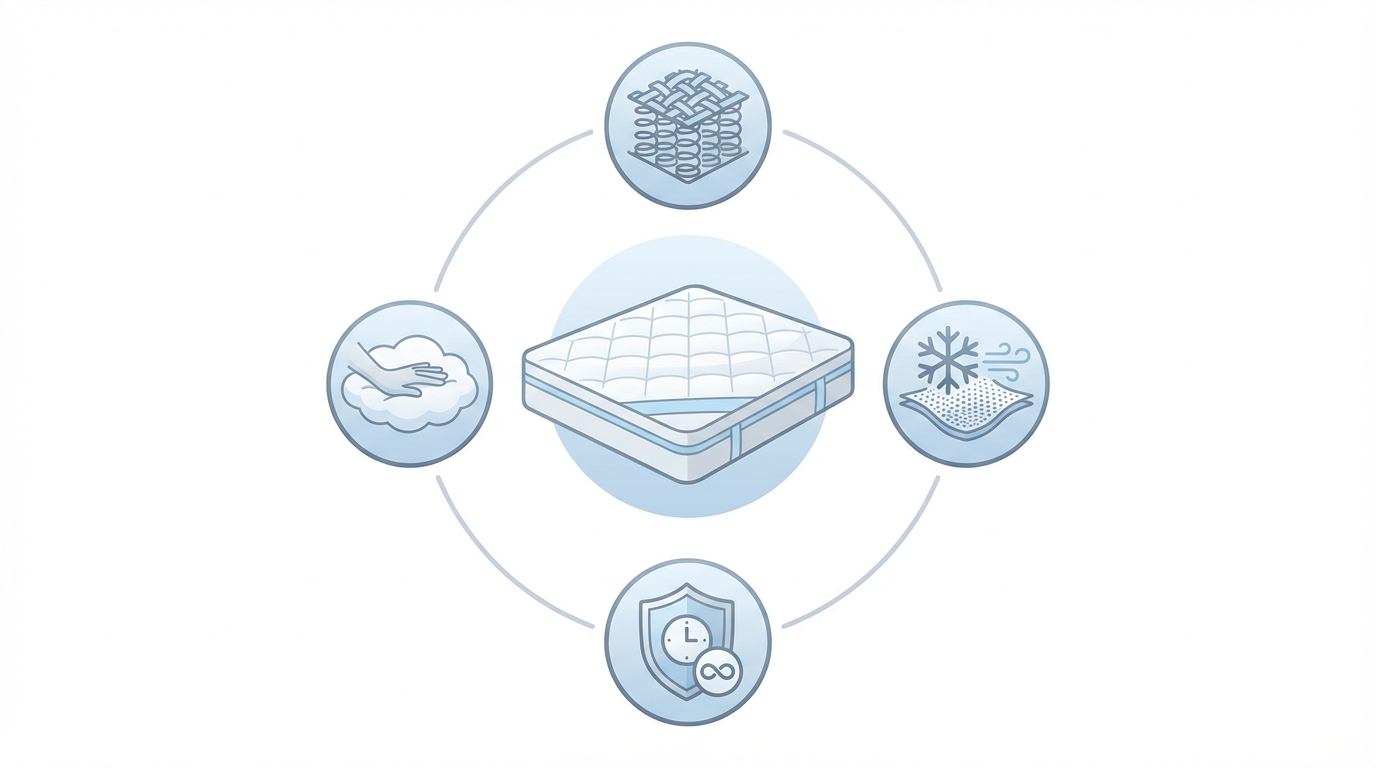
At this point, you have seen the individual pieces of the puzzle. Sometimes it helps to see the whole process laid out clearly so you can follow it when you are tired or stressed. Below is a practical, high level checklist you can use any time there is a urine accident on your bed, whether it is fresh or discovered later. Adjust the timing based on whether you are dealing with human or pet urine and the type of mattress you have.
For most people, the essential steps will look like this:
- Strip bedding and immediately start a wash cycle on sheets, protectors, and any washable toppers.
- Blot the wet area with clean towels, applying firm pressure and changing towels until they come up only slightly damp.
- Lightly apply a cleaning solution appropriate to the situation, such as diluted white vinegar for human urine or an enzyme cleaner for pet urine.
- Allow the solution to sit for the recommended contact time, then blot thoroughly again to remove as much liquid as possible.
- Sprinkle baking soda over the treated area and surrounding region, then leave it undisturbed for 8 to 24 hours.
- Vacuum up the baking soda using an upholstery attachment, then check for remaining odor or discoloration and repeat targeted treatments if needed.
- Once the mattress is fresh and fully dry, cover it with a high quality waterproof mattress protector before remaking the bed.
By following these steps in order, you avoid some of the most common mistakes people make, such as rubbing the stain aggressively, oversaturating the mattress with water, or putting sheets back on a still damp surface. Each step builds on the last, moving from containment to cleaning to deodorizing to prevention. If you keep a small kit of supplies near your laundry area, you will be able to respond quickly whenever a surprise accident happens.
After your mattress is clean and dry, plan to give it one more airing session with no sheets during the day whenever you can. According to educational materials from organizations like the National Sleep Foundation, regular airing and light exposure help keep mattresses fresher by allowing residual moisture to dissipate. Turning on a ceiling fan or placing a portable fan near the bed speeds up this process and can make a big difference in preventing that slightly sour scent that sometimes lingers after a major cleanup.
Drying Your Mattress Safely And Thoroughly
One of the most overlooked parts of learning how to get pee out of a mattress is proper drying. Many people do excellent work cleaning, only to trap moisture inside by remaking the bed too quickly. That trapped dampness can lead to musty odors, mildew risk, and even a slightly clammy feeling when you lie down. Drying is not glamorous, but it is critical for both comfort and hygiene.
After your cleaning and baking soda treatment, give the mattress as much airflow as possible. If your bed is on a slatted or adjustable base, you may be able to raise the head slightly and expose more surface area to the air. A sturdy base such as the Sealy Mattress Base Boxspring Foundation | Low Profile 5-inch height can support your mattress while still allowing some circulation. Point one or two fans at the damp area and, if weather permits, crack a window to let humidity escape.
Avoid using high heat on a mattress. While a hair dryer on a low, cool setting used from a distance can help, concentrated heat applied too closely may damage foam and fabrics or create hot spots that are uncomfortable later. Direct sunlight can be helpful in moderation as it has a mild natural sanitizing effect, but long hours of strong sun through a window can fade fabrics or over dry certain foams. Aim for gentle, consistent airflow instead of intense heat.
Check for dryness not only at the surface but also at depth. Press your palm into the previously wet area and hold it there for several seconds. If your hand feels cool or slightly damp after you lift it away, the mattress likely needs more time. For thick foam mattresses and pillow tops, it may take a full day or even a bit longer to dry completely after a significant accident. This might mean sleeping on a guest bed or a sofa for a night, which is understandably inconvenient, but it is far better than sleeping on a damp mattress that could develop odors or microbial growth.
When you believe the mattress is dry, leave the protector and bedding off for another couple of hours just to be safe. If you are prone to allergies or respiratory sensitivities, this extra margin of safety is worth it. The Cleveland Clinic and similar health experts emphasize that moisture control is a key part of a healthy sleep environment, particularly for people with asthma or mold sensitivities. Once you are confident the mattress is fully dry and neutral smelling, you can move on to the satisfying step of putting on clean, fresh bedding.
Protecting Your Mattress From Future Accidents
Once you have gone through the work of getting pee out of a mattress, you will almost certainly be more motivated to prevent a repeat event. The single most effective tool is a high quality, waterproof mattress protector. Not all protectors are created equal. Cheaper versions sometimes claim to be waterproof but allow seepage around seams or break down after a few washes, while plastic feeling covers can make you sleep hot and crinkly, which defeats the purpose of having a comfortable mattress.
Look for protectors that are both waterproof and breathable, with a smooth, quiet surface. Products like the TEMPUR-Breeze Mattress Protector – Cooling, Waterproof, Breathable Cover are designed to block liquids without trapping heat, which is especially important if you already tend to sleep warm. According to consumer testing organizations, a good protector can dramatically extend mattress life by shielding against sweat, spills, and accidents, not just urine. It is one of the highest value investments you can make once you have selected a mattress.
For households with children in the potty training phase or adults dealing with nighttime incontinence, consider layering your protection. You might use a fully waterproof encasement around the mattress, then a washable, absorbent pad or fitted protector on top of that. This way, minor accidents are caught by the top layer, which is easy to toss in the wash, while the encasement guards against larger events or slower leaks. The Pillows, Sheets, Toppers, Protectors collection at Sleepology is curated with this style of layered protection in mind, balancing comfort, breathability, and real world spill resistance.
It is also wise to build cleaning routines into your regular schedule. Washing your protector and sheets every one to two weeks, and more often after any spill, helps keep odor and bacteria at bay. Vacuum the surface of your mattress a few times a year and spot check for any stains that might have gone unnoticed. The Sleep Foundation and other experts note that routine maintenance can be just as important as emergency cleanup in keeping your sleep surface hygienic and supportive over the long term.
Finally, talk openly with family members about accidents in a shame free way. Kids often hide bedwetting or pets may struggle with anxiety, and the sooner you know about an event, the less damage it does. Keeping a simple “bed cleanup kit” under the bathroom sink or in the laundry room with towels, a spray bottle of your preferred cleaner, and a box of baking soda can make it easy for caregivers to act quickly, even in the middle of the night.
When To Repair, When To Replace: Is Your Mattress Still Worth Saving?
After repeated accidents or one severe incident, it is fair to ask whether you should keep fighting with a mattress or consider starting fresh. There is no single rule that fits everyone, but there are some clear signs that replacement might be the smarter option. If the mattress is already sagging, causing back pain, or more than 8 to 10 years old, and now it has deep set urine stains and smells, the combined issues may be affecting your sleep more than you realize.
According to the Sleep Foundation and similar organizations, a mattress that no longer supports your spine properly or that triggers allergies can significantly reduce sleep quality and overall well being. If you have cleaned thoroughly several times and still notice persistent odors, visible mold, or a musty smell that returns quickly after airing out, the internal layers may be compromised. In that case, continued cleaning efforts may be throwing good time and money after bad. It may be kinder to your body, not just your nose, to move on.
Budget is of course a real consideration. The good news is that modern mattresses are available across a wide range of price points, and many provide excellent protection features from the start. For example, hybrids like the Sealy Posturepedic Pro Medium Mattress – Dupont II Euro Pillow Top and Sealy Posturepedic Plus Soft Hybrid Mattress – Paterson II combine durable, supportive cores with high quality covers that stand up better to occasional cleanings. When paired with a reliable protector, you have a far more resilient setup than many older mattresses.
If you are replacing an all foam mattress that absorbed one too many accidents, you might take this as an opportunity to reevaluate what type of bed fits your sleep style and household realities. Our curated collection of The Best Foam Mattresses and The Best Hybrid Mattresses focuses on models that balance comfort, support, and practical durability, including how their covers perform with real life spills and spot cleaning. Making a thoughtful choice now, combined with the protective strategies you have learned, dramatically reduces the odds of ever dealing with a “ruined” mattress again.
Comparing Cleaning Approaches For Different Mattress Types
Different mattress constructions tolerate different levels of moisture and cleaning products. To help you quickly see how your approach might vary, here is a straightforward comparison of the most common mattress types and how they typically respond to urine cleaning.
| Mattress Type | Urine Absorption & Risk | Cleaning Approach Considerations |
|---|---|---|
| Innerspring | Less foam, more airflow, moderate absorption | Gentle solutions, avoid over soaking, dries somewhat faster |
| Hybrid | Multiple foam layers over coils, higher risk | Act quickly, limit moisture, prioritize protectors |
| All Foam / Memory | Highly absorbent, highest odor retention risk | Very limited liquid, no harsh chemicals, long dry times |
| Latex | Moderately absorbent, material sensitive | Avoid strong peroxide or bleach, gentle spot cleaning only |
Use this table as a quick reference, not a strict rulebook. Individual mattress models vary in thickness, quilting, and cover materials, so always lean toward gentler methods first and adjust only if needed. When in doubt, consult the care instructions that came with your mattress or reach out to a sleep specialist for guidance tailored to your specific bed.
Creating A “Clean And Protected” Sleep System
A mattress rarely lives alone. Your overall sleep comfort and how easy it is to recover from spills depend on the whole system: the base, the mattress, the protector, and the bedding that touches your skin. Thinking of these as a team can reduce stress the next time life happens. If an accident occurs, you are dealing with a series of washable, replaceable layers rather than one vulnerable core.
A supportive base or adjustable bed frame helps keep your mattress elevated, which promotes airflow during both normal use and drying after a spill. If you are considering upgrading, an Adjustable Bed Frame and Base can make it easier to position the mattress for cleaning and drying while also personalizing your sleep posture. Being able to raise the head of the bed slightly can even reduce reflux or snoring, which sometimes coexist with nighttime accidents in adults.
Next, focus on protectors and top layers. As mentioned, a waterproof, breathable protector is non negotiable in homes with children, pets, or anyone prone to bedwetting. Over that, you might add a thin, washable mattress pad or cozy topper that is easier to launder than a full encasement. Changing these outer layers seasonally, along with your sheets and blankets, keeps your bed feeling fresh and gives you a chance to spot any small stains early, before they become bigger challenges.
Finally, do not underestimate the power of high quality sheets and pillows for both comfort and cleanliness. Breathable, moisture wicking fabrics help manage night sweats and minor leaks, reducing the amount of fluid that ever reaches the mattress surface. Our Pillows, Sheets, Toppers, Protectors collection is curated to work together as a complete sleep system, where each piece supports both your comfort and the longevity of your mattress investment.
Conclusion: You Can Save Your Mattress And Protect Your Sleep
Urine on a mattress can feel overwhelming in the moment, but it does not have to mean the end of your bed or the start of permanent odors. With a calm, methodical approach, you can remove fresh pee before it sets, improve or even erase dried stains, and tackle stubborn smells that have been bothering you for weeks. The most important ingredients are not exotic products but time, patience, and the right sequence of steps: blot, clean gently, deodorize, and dry thoroughly.
Beyond this one incident, you now understand how different mattress materials respond to moisture and why protection matters so much. By pairing your cleaned mattress with a well made, waterproof protector and creating a simple response plan for future accidents, you shift from feeling reactive and stressed to feeling prepared. You also support your overall sleep health, since a clean, neutral smelling bed is far more inviting and restful than one you are worried about.
If you are still unsure whether your mattress is worth saving or you are considering replacing it with something more durable and easier to protect, you do not have to figure it out alone. At Sleepology, we spend every day helping people match real life needs kids, pets, night sweats, incontinence, sensitive backs with the right mattress and protection strategy. With the knowledge you have now and the right products in place, you can move past this accident and get back to what matters most, consistent, comfortable, restorative sleep.
Frequently Asked Questions
How fast do I need to act when there is pee on a mattress?
The sooner you act, the better. Urine starts soaking into fabric and foam immediately, and the deeper it goes, the harder it is to remove completely. Ideally, you will begin blotting within minutes of the accident, but even if you find it an hour or two later, it is still worth working quickly. The first goal is always to remove as much liquid as possible with towels before adding any cleaning solution. Prompt action can be the difference between a minor cleanup and a lingering stain and smell.
Is it safe to use hydrogen peroxide on any mattress to remove urine stains?
Hydrogen peroxide can help lighten older urine stains, but it is not safe for every mattress. On some foams and fabrics, especially memory foam and latex, it can cause discoloration, breakdown of materials, or void your warranty. If you choose to use it, stick to a 3 percent solution, test it on a hidden area first, and apply it sparingly. For many people, repeated gentle treatments with diluted vinegar and baking soda, along with thorough drying, are safer long term strategies than aggressive peroxide use.
What should I do if the urine smell comes back after the mattress seems dry?
If a urine smell returns after you thought the mattress was dry, it usually means some residue remains in deeper layers. In that case, repeat a targeted cleaning process focusing on odor control. Lightly mist the area with a compatible cleaner, blot well, then apply a generous layer of baking soda and leave it for 8 to 24 hours before vacuuming. For pet urine, an enzyme cleaner specifically designed for urine is often necessary. If, after several careful treatments, the smell persists strongly, especially on a thick foam mattress, it may indicate that the foam is saturated beyond what practical cleaning can fix.
Can I use a steam cleaner to get pee out of my mattress?
Steam cleaners are generally not recommended for urine stains on mattresses. The high heat and moisture can drive the urine deeper into the mattress instead of removing it, and trapped steam can increase the risk of mold or mildew inside the foam. Many mattress manufacturers also advise against steam cleaning because it can damage adhesives and materials. It is safer to stick with cool or slightly warm water based solutions, gentle cleaners, and plenty of air drying rather than saturating the mattress with hot steam.
How do I know if it is time to replace a mattress that has urine stains?
Consider both the age and condition of the mattress. If your mattress is already more than 8 to 10 years old, has noticeable sagging or lumps, and now has deep urine stains and persistent odors that do not improve after multiple careful cleanings, replacement is worth serious thought. If, however, the mattress is relatively new, still supportive, and only has a localized stain that responds to cleaning, it is often worth saving. Your sleep quality is the deciding factor. If lingering smells or hygiene worries make you reluctant to use the bed, that is a strong signal it may be time to explore a new, properly protected mattress.
What is the best way to protect a mattress from future pee accidents?
The best protection is a waterproof, breathable mattress protector that fully encases or securely fits over the mattress. Look for protectors with quiet, soft surfaces that do not trap heat, like the TEMPUR-Breeze Mattress Protector – Cooling, Waterproof, Breathable Cover. In homes with frequent accidents, consider layering a washable absorbent pad on top of the protector for easier cleanup. Regularly washing your protector and sheets and checking for small stains can also prevent deep set problems. With a good protector in place, most future accidents become a simple matter of doing laundry rather than deep cleaning your mattress.
Are natural DIY cleaners like vinegar and baking soda really effective for urine?
Yes, when used correctly, vinegar and baking soda are very effective for many urine accidents. Vinegar helps break down urine compounds and neutralize odors, while baking soda absorbs moisture and volatile molecules that cause smell. These ingredients are widely recommended by sleep and health organizations because they are gentle yet effective for many fabric surfaces. The key is to use diluted vinegar, avoid oversaturating the mattress, allow enough contact time, and always follow with thorough blotting and drying. For pet urine or severe, long standing stains, you may still need a specialized enzyme cleaner, but vinegar and baking soda are excellent starting tools.