

How To Clean Your Mattress: A Complete, Real‑World Guide From A Sleepologist
You spend a third of your life on your mattress, so it makes sense that at some point you look down, see a stain or catch a whiff of something musty, and think, “Okay, this is gross. How do I actually fix this without ruining my bed?” If that is you, you are not alone. I talk to shoppers every week who are embarrassed about spills, pet accidents, kid mishaps, or just years of sweat and dust they have been ignoring. A mattress is not easy to toss in the wash, so it is very normal to feel stuck.
Cleaning your mattress properly matters for more than looks. Over time, your bed collects sweat, skin cells, dust mites, and allergens that can irritate your nose, throat, and skin. The Sleep Foundation notes that most adults need 7 to 9 hours of sleep a night, and that a comfortable, clean sleep environment is a key part of getting that restorative rest. When the mattress underneath you smells off, feels gritty, or triggers allergies, your brain does not fully relax, and sleep quality takes a hit.
There is also money at stake. A well cared for mattress keeps its support longer, which means you can delay replacement and protect your investment. Consumer Reports has found that simple habits like vacuuming, spot cleaning, and using a protector can help a good mattress last more years before it sags or breaks down. If your bed cost hundreds or even thousands of dollars, a little routine care is one of the highest value home maintenance tasks you can do.
In the guide below, I will walk you through how to clean your mattress step by step, from quick freshening to deep cleaning, and how to handle specific stains like urine, sweat, and blood. You will see when to use gentle pantry ingredients, when to skip harsh chemicals, and when it is time to protect or even replace the mattress. My goal is that by the time you finish, you feel confident, not overwhelmed, and you know exactly what to do tonight, this month, and over the coming years to keep your bed fresh and healthy.
Why Mattress Cleaning Matters For Your Health, Sleep, And Budget
Before we jump into “how,” it helps to understand the “why.” A mattress does not just get dirty on the surface. Every night, your body releases moisture and sheds tiny flakes of skin that sink into the upper layers of foam or fabric. Dust mites feed on those flakes, and while they are not a sign that your home is dirty, their droppings are a very common trigger for allergies and asthma. The American Academy of Allergy, Asthma & Immunology notes that dust mite exposure can cause sneezing, congestion, itchy eyes, and nighttime coughing in sensitive people.
Even if you do not have diagnosed allergies, a contaminated mattress can still disturb sleep. The Cleveland Clinic points out that odors, humidity, and irritants around the face can lead to more awakenings and lighter stages of sleep. If you are waking up stuffy every morning, or sniffing a persistent sour smell that you cannot quite locate, your mattress may be part of the problem. Cleaning does not need to be perfect to make a real difference. Often, a single thorough session plus better protection going forward is enough to noticeably change how you feel in the morning.
Mattress hygiene is also about longevity. Modern mattresses, especially foam and hybrids, perform best when the upper comfort layers stay dry and structurally intact. Repeated spills that soak deep into the mattress can weaken foams, rust inner springs, and create permanent body impressions. When I help someone choose a new bed at Sleepology, one of my first questions is, “What happened to your old one?” Very often, the answer involves long term moisture or stains that were never fully addressed. A simple routine of vacuuming and using a waterproof protector is much cheaper than buying a new mattress two or three years earlier than necessary.
Finally, there is an emotional component that matters more than people think. Your bed is where you rest, heal, and reconnect with yourself or a partner. Sleeping on a visibly stained or musty mattress feels discouraging, especially if you are already stressed or exhausted. Taking one afternoon to reset, clean, and protect that space can be surprisingly uplifting. Many of my clients tell me they feel oddly proud after they deep clean their bed, the same way they feel after clearing a closet or scrubbing a kitchen that has been bothering them for months.
“I had honestly just thrown a sheet over some old stains and tried not to think about them. Mia walked me through how to clean the mattress and then helped me choose a protector. I spent about 60 dollars on supplies and protection instead of more than a thousand on a new bed, and I woke up the next day breathing easier. It changed my whole attitude about my bedroom.” – Lauren P., November
Step One: Get Set Up For Safe, Effective Mattress Cleaning
Prepare the Room And Strip The Bed
Good mattress cleaning starts with good setup. Begin by stripping absolutely everything off the bed, including fitted and flat sheets, pillowcases, mattress protector or pad, and any decorative throws that live at the foot of the bed. Put all washable items straight into the laundry hamper so you are not tempted to toss them back on later. If you have the energy, washing sheets and protector while you work on the mattress gives you a full reset by bedtime.
Next, create airflow. Open windows if the weather permits, turn on a ceiling fan or portable fan, and turn on a bathroom fan nearby if you have one. You want the room well ventilated so that moisture from spot cleaning can evaporate instead of sitting in the mattress. The Mayo Clinic notes that damp, poorly ventilated environments are friendlier to mold and mildew, and the same principle applies to a thick mattress core. Fresh air is your friend during this process.
If your bed is pushed tightly against a wall, gently pull it out a foot or two so that you can access all sides. This makes it easier to vacuum edges and treat stains that may have dripped down the side in the past. If the mattress is extremely heavy, work with whatever space you have, and avoid lifting more than you can safely handle. There is no perfect cleaning job that is worth a back injury.
Finally, gather your tools before you begin. Running back and forth for supplies is frustrating, and it is easy to overwet an area while you look for a clean towel. At minimum, you will want a vacuum with an upholstery or crevice attachment, several clean white cloths or microfiber towels, a small bowl or spray bottle, mild liquid detergent, baking soda, and cool or lukewarm water. For deeper stain work, hydrogen peroxide, white vinegar, and an enzyme cleaner designed for upholstery or pet stains can be helpful, but they are not mandatory for routine maintenance.
Check The Mattress Tag And Manufacturer Guidelines
Before you apply anything wet, pause and look for the care tag on your mattress. It is usually sewn into a side seam near a corner. While most tags focus on warranty and “do not remove” language, some brands include cleaning do’s and don’ts. Common symbols mirror fabric care codes on upholstery, such as “W” for water based cleaners, “S” for solvent based, or “WS” for either. If your mattress cover is zippered and removable, you may see washing or dry cleaning instructions there as well.
If your mattress is memory foam or latex, be especially conservative with liquids. These foams are open cell materials that hold onto moisture longer than cotton or polyester fabrics. Letting a water based cleaner soak deeply into foam increases the risk of slow drying, odors, and even mold growth in extreme cases. For these materials, you will rely more on light misting, gentle blotting, and generous dry time rather than scrubbing.
Hybrid and innerspring mattresses with quilted tops can tolerate slightly more moisture, but the rule is still “damp, not dripping.” Many major mattress makers caution against saturating the surface, because rust can develop on coils or metal components inside. The safest approach is to treat the topmost layers only and to keep clean water and cleaning solutions very controlled.
If you are unsure, treat a hidden spot near the foot of the bed or along a side seam as a test area. Apply your chosen cleaner sparingly, blot, and let it dry while you vacuum the rest of the mattress. If you see discoloration, shrinking, or stiffening once it dries, adjust your approach before tackling visible areas.
“I was terrified I would void my warranty by using the wrong cleaner on my new hybrid mattress. Mia explained how to check the tag and gave me a super simple routine using just diluted detergent and baking soda. I kept everything very light and my mattress looked brighter without any damage at all.” – Janelle R., October
The Core Routine: How To Clean Your Mattress From Top To Bottom
Think of mattress care in two tiers. The core routine is what you do once or twice a year to reset everything. Spot cleaning and odor control are what you do as needed between those deeper sessions. If it has been several years since you last cleaned your bed, start with the full process the first time.
Start With A Thorough Vacuum
Once the bed is stripped and the room is ventilated, your first active step is vacuuming. According to Consumer Reports, using a regular vacuum with an upholstery attachment is perfectly adequate for removing dust, hair, and loose debris from a mattress. High end, mattress specific vacuums are not required.
Attach the upholstery or soft brush tool to your vacuum hose and slowly run it across the entire surface, working in overlapping passes like you would when mowing a lawn. Pay close attention to seams, tufting, quilting patterns, and any crevices where dust tends to settle. If your mattress has a pillow top or Euro top, these stitched patterns can catch more debris, so move a bit more slowly there.
After you cover the top surface, gently vacuum along all four sides as well. Many people are surprised how much dust and pet hair collect along the vertical edges of a mattress. If your vacuum has a narrow crevice tool, you can use it to get into tight spots between the mattress and foundation or bed frame. The more loose material you remove at this stage, the more effective your later deodorizing and stain removal steps will be.
If you do not have a vacuum, you can still make progress. Use a clean, slightly damp microfiber cloth to wipe the surface in long strokes, rinsing frequently. This will not remove dust mites buried deeper in the fabric, but it will pick up a surprising amount of loose debris and freshen the top layer until you can access a vacuum.
Mix A Gentle Cleaning Solution
For general freshening and light stains, a simple diluted detergent solution is enough. Fill a small bowl or spray bottle with cool or lukewarm water and add a tiny amount of gentle liquid detergent, about half a teaspoon for a cup of water. You are aiming for a very mild solution that feels slick between your fingers but does not form suds everywhere.
Avoid bleach and aggressive oxidizing cleaners on most mattresses. The Sleep Foundation and many manufacturers caution that bleach can degrade fibers and foams and can leave behind strong fumes that might irritate you at night. Oxygen based stain removers can sometimes be used in very small, controlled amounts, but always test in an inconspicuous spot first and follow the product label instructions closely.
If your household has sensitive skin or fragrance allergies, choose a fragrance free, dye free detergent or a specialized upholstery cleaner labeled safe for allergy sufferers. Remember that whatever residue is left behind will be directly under your face for hours at a time. Gentle, minimal, and thoroughly blotted is always the goal.
How To Spot Clean Mattress Stains Without Ruining The Fabric

Once the mattress is vacuumed and you have a gentle cleaner ready, it is time to address specific spots. Different stains respond best to different strategies, so I will cover the three most common categories I see: protein stains like blood, biological stains and odors from urine or vomit, and yellowing from sweat and body oils.
Blood Stains: Why Cold Water Matters
Blood is a protein based stain, which means it responds best to cool temperatures. Hot water can cause the proteins to set, making the stain more difficult to remove. To treat fresh blood, start by blotting gently with a clean, dry white cloth or paper towel to lift as much as you can without spreading it. Do not scrub. Press, lift, and move to a clean part of the cloth as the stain transfers.
Next, lightly dampen a cloth with cold water and your mild detergent solution. Working from the outside of the stain toward the center, dab the area repeatedly. You are encouraging the stain to move into the cloth, not deeper into the mattress. Keep the cloth only slightly damp, and resist the urge to pour water directly onto the mattress.
For older, dried blood stains, you may need a bit more help. A solution of hydrogen peroxide diluted with water can break down stubborn protein stains. Use a mixture of roughly one part 3 percent hydrogen peroxide to two parts water, test it on a hidden area, then apply a small amount to the stain with a cotton pad or cloth. You may see gentle bubbling as the peroxide reacts. Blot, never rub, and follow with a clean damp cloth to remove residue. Let the mattress dry completely before covering it again.
Urine And Biological Stains: Controlling Odor And Bacteria
Urine stains can be emotionally stressful because they often come with persistent odor. Whether you are dealing with a toddler’s nighttime accident or a pet marking the bed, quick action is your friend. For a fresh incident, blot up as much liquid as possible using dry towels, applying firm pressure to draw moisture out of the top layers. Replace towels as they become damp so you are always pressing with a relatively dry surface.
Once excess moisture is removed, you can use a solution of equal parts white vinegar and water with a drop of mild detergent as your main cleaner. Vinegar helps neutralize the compounds in urine that cause lingering smell. Apply the solution lightly with a spray bottle or cloth, then blot repeatedly with clean, dry towels. Avoid soaking the mattress. This is where patience pays off. Several rounds of light application and blotting are better than one heavy application that drives liquid deeper.
For older urine stains or accidents from pets, an enzyme based cleaner designed for upholstery or carpet can be very effective. These cleaners contain enzymes that break down the proteins and uric acid crystals that trap odors. Follow the instructions on the bottle, test in a discreet spot, and again, err on the side of less liquid, more time, and generous drying.
Once the stain is treated, finish with a layer of baking soda over the area to absorb remaining moisture and odor. Let it sit for several hours, then vacuum thoroughly. Wirecutter’s cleaning experts point out that baking soda is particularly good at handling the acids in vomit and urine when given time to work, so do not rush this step if you can avoid it.
Sweat, Body Oils, And General Yellowing
Over time, many mattresses develop a general yellowish cast from sweat, body oils, and simple aging of materials. Some of this discoloration is cosmetic and may not fully disappear. The goal here is to reduce buildup and conquer any associated odors rather than to return the mattress to showroom white.
For light yellowing, your diluted detergent solution is often enough. Lightly mist or dab small sections at a time, then blot. Work in zones about the size of a dinner plate so you can control how wet the fabric gets. Give each section time to dry before moving on across the whole bed. A warm, dry day with good airflow will help enormously here.
If there are specific areas where sweat has caused darker staining, especially around the upper torso area, you can use a slightly stronger mix such as a teaspoon of oxygen based laundry booster (the kind sold to brighten whites) in a cup of cool water. Test carefully, apply sparingly, and blot thoroughly. Some people swear by mixtures of lemon juice and salt for yellowing, but these acids and abrasives can be harsh on delicate mattress fabrics, so they are a last resort and always a test first situation.
Deodorizing Your Mattress So It Smells Truly Fresh
Even if visible stains are minimal, odor can linger from years of normal use. Fortunately, you do not need heavy fragrances to tackle most mattress smells. Simple chemistry and good ventilation usually win.
Baking Soda: Your Low‑Risk Deodorizing Hero
Baking soda is one of the safest and most widely recommended ways to refresh a mattress. According to cleaning guidance from Consumer Reports and other home experts, sprinkling a layer of baking soda over the mattress surface and letting it sit allows it to absorb both moisture and acidic odor molecules.
Once any spot cleaning is completely finished and the mattress feels only faintly damp or fully dry to the touch, sift a generous but even layer of baking soda over the entire top surface. You can pour it from the box and spread it with your hand, or use a fine mesh strainer for a more even coating. Pay extra attention to areas that tend to be warmest during sleep, such as where your shoulders and hips rest.
If time is short, give the baking soda at least 30 to 60 minutes to work. If you can, a few hours is even better. For a deep reset, some people like to leave baking soda on all day and sleep somewhere else that night. Combine that with an open window and a fan, and you can often transform a musty mattress surprisingly well.
When you are ready to remove it, vacuum slowly with the upholstery attachment, pressing lightly into the fabric to lift all the powder. Be sure to check your vacuum’s manual before using it with fine powders, since some brands caution against heavy use with substances like baking soda. If that is a concern, you can broom or brush most of the baking soda into a dustpan first, then vacuum the remainder.
Optional: A Light Scent Without Heavy Fragrance
If you enjoy a subtle scent, you can add a few drops of essential oil to the baking soda before spreading it, or use a light fabric refresher after vacuuming. Look for unscented or lightly scented sprays marketed for allergy control if you are sensitive. Some products combine odor removal with dust mite and pollen reduction, which can help if you feel congested in bed.
Mist very lightly from a distance so you do not rewet areas you just dried. Your goal is a faint, clean smell, not a cloud of fragrance that competes with your own breathing overnight. Research from sleep medicine specialists suggests that strong perfumes in the bedroom can sometimes irritate airways, especially in people with asthma, so gentleness is key.
“We inherited a guest room mattress from my parents and it just smelled old. After following Mia’s step by step cleaning and a full day with baking soda and fresh air, the musty smell was gone. We added a new cooling protector and honestly the bed feels brand new for our guests.” – Chris D., December
Deep Cleaning, Mold Concerns, And When To Call A Professional
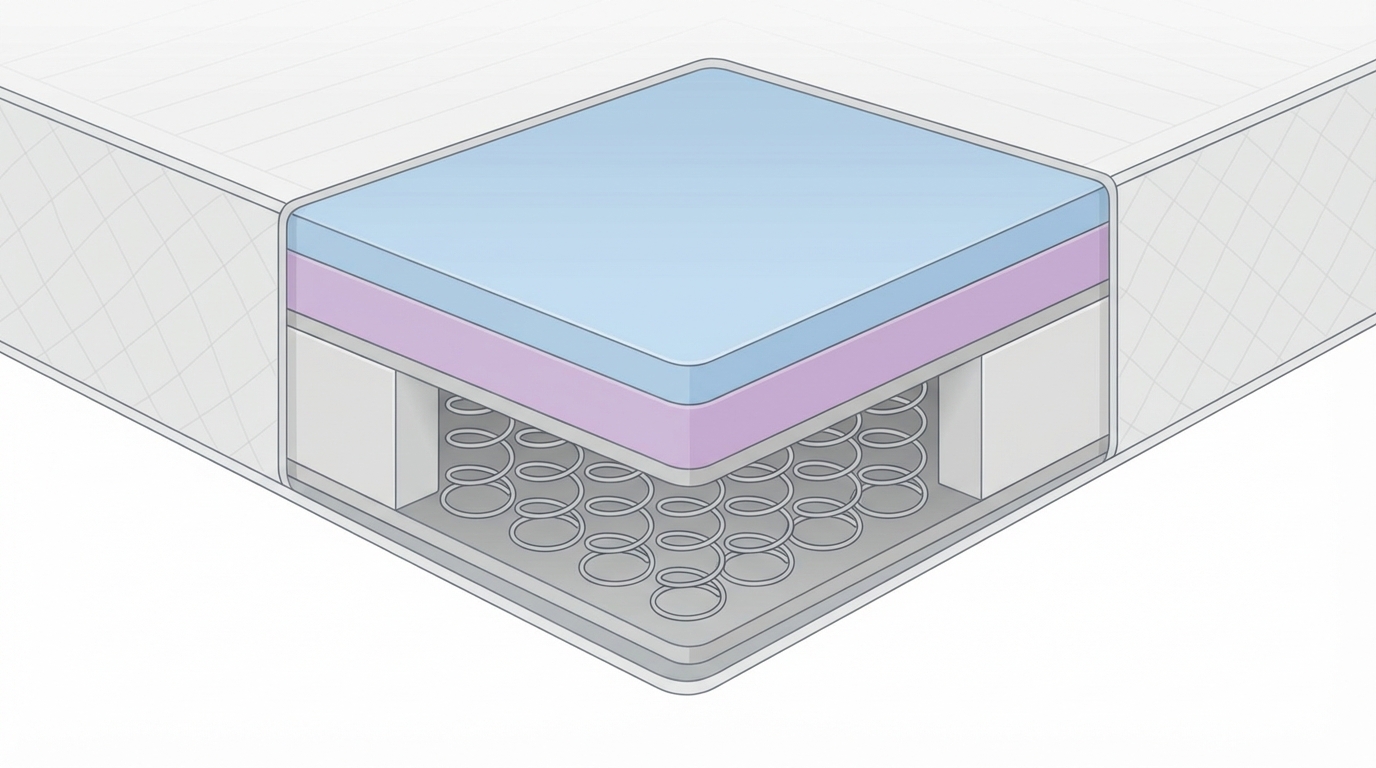
So far we have focused on routine maintenance and common stains. Sometimes, though, a mattress needs more serious attention. Maybe there was a major spill that soaked a large area, a flood or leak in the bedroom, or you notice dark spots that look suspiciously like mold. In those situations, it is important to be realistic about what cleaning can and cannot fix.
Surface level grime and light odors respond well to the methods above. Deeply saturated foam, strong mildew smell, or visible mold growth are different. Mold roots into porous materials like foam and cotton batting. Even if you clean the surface, spores can remain inside. The CDC and other health authorities recommend replacing porous items that are mold contaminated when possible, especially for people with allergies, asthma, or weakened immune systems.
Steam cleaning is sometimes marketed as a deep sanitation option for mattresses. When used carefully on compatible materials, it can help kill dust mites and bacteria near the surface. The risk is that high heat and moisture can also drive water deeper than you realize, and if drying is incomplete, you may create the very mold problem you were trying to avoid. If you choose steam, keep the head moving, use low moisture settings, and allow for maximum dry time in a warm, ventilated room afterward.
This is one situation where bringing in a professional cleaning service that specializes in mattresses or upholstery can be worth the cost. They have equipment that extracts moisture more effectively than consumer steam cleaners and can advise honestly if your mattress is too far gone. Get a clear quote first, because in some cases, the price of professional deep cleaning is not far off from the cost of a good midrange mattress on sale.
If you already have a mattress that is cleanable but you are worried about ongoing dampness in your home, consider environmental fixes too. A small dehumidifier in a humid bedroom, sealing window leaks, or improving airflow can help protect a newly cleaned or new mattress from recurring issues.
Ongoing Mattress Care: How Often To Clean And What To Do Between Deep Cleans
A question I hear constantly is, “How often should I clean my mattress?” There is no single right answer, but there are good guidelines. For most households, a thorough vacuum and deodorize routine once or twice a year is plenty. If you have allergies, pets in the bed, night sweats, or young children who co sleep, quarterly cleaning can be more comfortable. Think of these sessions the way you think about deep cleaning your fridge or oven, not like daily chores.
Between those big resets, focus on smart prevention. Wash sheets and pillowcases weekly or at least every two weeks. The Sleep Foundation recommends weekly sheet washing for hygiene, and it really does make a difference in how much sweat and skin debris makes it down to the mattress. If you use a mattress protector, wash it every one to three months, more often if there are obvious spills or bedwetting incidents.
Rotation still matters for many mattresses. While most modern models are no flip by design, rotating head to foot every three to six months can help spread out wear, especially for couples with different body sizes. When you rotate, take a few extra minutes to vacuum the newly exposed areas and visually inspect for any spots that need attention.
Finally, pay attention to signals that your mattress is struggling. If you clean regularly but you are still waking up congested, noticing new lumps or sagging, or feeling pressure points that were not there before, the issue may be age or structural breakdown rather than cleanliness. In that case, cleaning can help temporarily, but planning ahead for a replacement is wise.
Why A Mattress Protector Is The Most Important Cleaning Tool You Can Buy
Even the best cleaning routine will not protect a bare mattress from a middle of the night spill or a potty training accident. That is where a good protector becomes the unsung hero of mattress hygiene. Health organizations and consumer advocates consistently recommend mattress encasements or protectors as a frontline defense against dust mites, spills, and stains.
A quality waterproof protector acts as a barrier between life’s messes and the mattress core without changing how your bed feels. If you already own a mattress you like, adding a protector is the fastest way to protect that investment. If you are shopping for a new mattress, I always encourage people to budget for a protector in the same purchase, because it keeps day one freshness lasting much longer.
If you tend to sleep hot, look for a protector that balances waterproofing with breathability. For example, the TEMPUR-Breeze Mattress Protector – Cooling, Waterproof, Breathable Cover is designed to shield your mattress from spills while also helping to regulate temperature at the surface. That kind of protector is especially helpful on memory foam or hybrid beds, where airflow and moisture control support both comfort and longevity.
For households prioritizing hypoallergenic materials, a protector like the TEMPUR-Adapt Mattress Protector – Waterproof Mattress Cover, Hypoallergenic can be a smart choice. It creates a barrier against dust mites and pet dander without adding a plasticky, noisy layer under your sheets. Washable protectors like these mean that when something goes wrong, you are dealing with a machine washable cover, not a non washable mattress core.
Protectors are not just for brand new beds. If you have just gone through a big cleaning effort on an older but still supportive mattress, adding a protector now locks in that work. It gives you a fresh top layer and makes future maintenance much easier. Instead of panicking when a spill happens, you simply strip the protector, treat it in the laundry, and your mattress underneath stays dry.
“We have two kids and a Labrador, so our mattress was taking a beating. After cleaning with Mia’s method, we added a cooling mattress protector from Sleepology. Two months later our son had a nighttime accident and it never reached the mattress. I tossed the protector in the wash, and that was it. Best 100 dollars I have spent on ‘boring’ home stuff.” – Diego M., January
Matching Cleaning Methods To Mattress Types
Not every mattress responds the same way to moisture and cleaning products. Adjusting your method based on your mattress type keeps you safe and protects your warranty.
Foam Mattresses
All foam mattresses, including memory foam and specialty foams, are particularly sensitive to oversaturation. The open cell structure holds onto moisture, which can encourage odor and mildew. For foam, your top priorities are vacuuming, light spot cleaning, and excellent drying conditions.
Use less liquid than you think you need. Work with barely damp cloths instead of spraying directly onto the mattress. Avoid harsh chemical cleaners and stick to mild detergent, vinegar solution for odors, and carefully tested small amounts of hydrogen peroxide for stubborn stains. A breathable, waterproof protector is almost non negotiable on foam beds if you have kids, pets, or frequent drinks in bed.
If you are shopping for foam and want something easier to keep clean over the years, consider browsing a curated collection like The Best Foam Mattresses. Models in that group often have zippered covers or fabrics that balance comfort with durability, which can make routine care simpler.
Hybrid And Innerspring Mattresses
Hybrids and innersprings have coil support systems with foam or fiber comfort layers on top. Their quilted surfaces can tolerate slightly more active cleaning, but the same “do not soak” rule applies. Vacuuming is especially important on these beds because dust tends to collect around tufting and stitching.
Spot cleaning with mild detergent, baking soda deodorizing, and careful use of enzyme cleaners on biological stains are all appropriate on most hybrids and innersprings. Just be cautious near seams and avoid letting liquid run down the sides, where it could reach coils or edge support components.
If you own or are considering a hybrid model like the Sealy Posturepedic Elite Firm Hybrid Mattress – Brenham II, pay attention to any care instructions from the manufacturer, but rest assured that with a good protector and this cleaning approach, you can keep it in good shape for many years.
Pillow Top And Euro Top Mattresses
Pillow top beds have extra cushioned layers sewn on top of the main mattress. Euro tops are similar but more integrated into the design. These plush layers feel wonderful, especially for side sleepers, but can hide crumbs and dust in their quilting.
Vacuuming is your best friend here. Move slowly across tufted areas, letting the suction pull debris out of dips and folds. When spot treating, gently press the fabric down with one hand to create a flat surface for dabbing so you do not accidentally push cleaner deep into the pillow top. Because pillow tops are usually not flippable, rotation and protection matter a lot for their long term health.
If you are drawn to this feel profile, lines like the Sealy Posturepedic Pro Medium Mattress – Dupont II Euro Pillow Top offer a supportive core with a plush top layer. With a protector and consistent care, you get the best of both comfort and cleanliness.
Quick Reference: Mattress Type And Cleaning Approach
Here is a simple comparison to help you match your cleaning habits to your mattress type.
| Mattress Type | Moisture Tolerance | Cleaning Focus | Protection Priority |
|---|---|---|---|
| All Foam / Memory Foam | Low | Gentle spot cleaning, thorough drying | Essential waterproof, breathable cover |
| Hybrid (Coils + Foam) | Moderate | Vacuuming quilting, light spot cleaning | Strongly recommended protector |
| Innerspring Without Thick Top | Moderate | Vacuuming, stain treatment, deodorizing | Recommended, especially with kids/pets |
| Pillow Top / Euro Top Hybrids | Moderate but surface deep | Careful spot cleaning on plush top, vacuum seams | Essential to avoid saturating top |
Use this as a guide, not a rigid rule. When in doubt, less liquid, more airflow, and more protection will almost always serve you well.
When Cleaning Is Not Enough: Signs You Might Need A New Mattress

A clean mattress is not automatically a good mattress. Sometimes people clean obsessively, but they are still waking up sore, numb, or unrefreshed because the underlying support is worn out. Knowing when to clean and when to consider replacing your mattress can save you both frustration and money.
Most mattresses perform well for about 7 to 10 years, according to several sleep research summaries, although this varies by quality, body weight, and how you use the bed. If you are nearing or beyond that range and you notice deep sagging where you sleep, visible body impressions, or coils you can feel through the surface, cleaning will not fix those structural issues.
Another red flag is persistent pain that disappears when you sleep in another bed. If you go on vacation, sleep great on a hotel mattress, and then immediately wake up stiff and sore again at home, that is a sign your mattress might not be providing adequate support anymore. Cleaning can make it smell better, but it will not change the alignment of your spine.
If you decide it may be time to upgrade, think about your sleep position, body type, and any health conditions as you narrow choices. For example, back sleepers who like even support with some cushioning might find relief on a model from The Best Mattresses For Back Sleepers. If you love a blend of bounce and contouring plus easier heat dissipation, exploring The Best Hybrid Mattresses can give you options that are both comfortable and easier to keep fresh over the long term.
The good news is that everything you have learned about cleaning and protecting your current mattress will apply to any new one. Starting good habits from day one means your next mattress can stay comfortable and hygienic much longer.
Choosing Bedding And Accessories That Support A Cleaner Mattress
Your mattress is just one layer in your sleep system. Sheets, pillows, toppers, and protectors all play a role in how clean and healthy your bed feels and how much maintenance it needs.
High quality, breathable sheets help your body stay at a more even temperature, which can reduce excessive sweating at night. Natural fibers like cotton and some newer performance fabrics wick moisture better than low cost synthetics, which in turn keeps the top of your mattress drier. Washing sheets weekly clears away skin cells and oils before they can migrate downward.
If you are trying to revive a mattress that is structurally sound but feels a little too firm or has a slightly uneven surface from age, a topper can be a smart middle ground between cleaning and replacing. Toppers are also much easier to clean or replace than a mattress. For instance, a portable option like the Tempur-Pedic® Mattress Topper - Pillow Travel and Guest Bundle can add comfort where you need it and can be aired out, rotated, or moved to a guest bed as your needs change.
Pillows should not be overlooked in the cleanliness equation. They sit closest to your nose and mouth, accumulating sweat, drool, and skin flakes. Washable pillow protectors, regular laundering of pillow covers, and replacing pillows every one to two years keep that upper zone of the bed fresher. Cleaner pillows also reduce how much moisture and oil transfers from your head to the mattress near the top edge.
If you like to simplify shopping, curated groups like Pillows, Sheets, Toppers, Protectors make it easier to choose coordinated pieces that work together. A cohesive system that is all designed to be washable and breathable makes routine cleaning feel less like a chore and more like an easy reset.
Conclusion: A Cleaner Mattress Is Closer Than You Think
Mattress cleaning tends to sit on the mental to do list for far too long because it feels big, mysterious, and a little intimidating. Once you break it into steps, it becomes very manageable. Strip the bed, vacuum carefully, treat specific stains with gentle tools, deodorize with baking soda, and let everything dry with lots of fresh air. For most homes, doing that once or twice a year, plus spot treating spills right away, is all you need to keep your mattress fresh and supportive.
The real secret is prevention. A good waterproof, breathable protector, regular sheet washing, and the occasional rotation will do more to preserve your bed than any miracle cleaner. When something does go wrong, having that protector means the mess stops at a layer you can toss in the washing machine instead of soaking into an expensive mattress core.
If you are reading this after a frustrating spill or noticing stains that have been bothering you for years, give yourself credit for taking action now. You do not need to achieve perfection for your sleep to improve. Even one afternoon of focused attention can change how your bedroom smells, how your bed feels, and how relaxed you are when you lie down at night. And if you discover along the way that your mattress has simply reached the end of its life, you will be better equipped to choose and care for a new one.
Frequently Asked Questions
How often should I deep clean my mattress?
Most people do well with a thorough mattress cleaning once or twice a year. That means stripping the bed, vacuuming every surface, spot treating visible stains, and deodorizing with baking soda. If you have allergies, asthma, pets on the bed, or small children who are still having nighttime accidents, quarterly deep cleaning can feel better. Between those sessions, focus on washing sheets weekly and washing your mattress protector every one to three months so buildup does not accelerate.
Is it safe to use a steam cleaner on my mattress?
Steam can be safe for some mattresses if you are careful, but it is not risk free. High heat and moisture can help kill dust mites and bacteria near the surface, yet they can also drive water deeper into foams and fibers than you realize. If the mattress does not dry completely, you increase the risk of odors or even mold. If you choose to use steam, keep the nozzle moving, use low moisture settings, and follow up with strong airflow and plenty of dry time in a warm room. Always check your mattress warranty and care instructions first, because some brands specifically advise against steam.
What should I do if my child or pet has a nighttime accident on the bed?
Act quickly. First, remove bedding and blot up as much urine as possible with dry towels, applying firm pressure to draw moisture out of the mattress surface. Then treat the area with a solution of equal parts white vinegar and water with a drop of mild detergent, applying lightly and blotting repeatedly. For lingering odor, especially from pet urine, an enzyme cleaner labeled for upholstery can help break down odor causing compounds. Finish with a layer of baking soda, let it sit for several hours, and vacuum thoroughly. Once everything is dry, adding or upgrading to a waterproof protector is the best way to make the next accident much easier to handle.
Can I use bleach or strong disinfectants on my mattress to kill germs?
In most cases, bleach and harsh disinfectants are not recommended directly on a mattress. They can damage fabrics, weaken foams, cause discoloration, and leave behind strong fumes that are not healthy to breathe for hours at night. Mild detergent solutions, vinegar based mixes, and well chosen enzyme cleaners are usually sufficient for home care. If you need to disinfect after a significant illness or contamination, a light mist of 70 percent isopropyl alcohol can be used very sparingly on many fabrics, but always test first and allow for complete drying. For serious contamination, consider consulting a professional cleaner or replacing the mattress.
How can I tell if a musty smell is just age or a sign of mold?
A general old smell without visible spots is often a combination of dust, sweat, and low level humidity that responds well to vacuuming, baking soda, and better airflow. True mold or mildew tends to have a sharper, more persistent odor and may be accompanied by dark or greenish spots or patches on the surface or along seams. If the mattress has been in a damp basement, exposed to flooding, or shows clear signs of mold, cleaning the surface is unlikely to remove all spores inside the material. For health and safety, replacing a mold contaminated mattress is usually the best option, especially for people with respiratory sensitivities.
Will cleaning my mattress make it feel more supportive or fix sagging?
Cleaning can absolutely make a mattress feel fresher, but it will not repair worn springs, compressed foam, or deep body impressions. If the mattress surface has obvious dips where you lie, or you wake up with more pain than when you sleep elsewhere, that is a sign of structural wear, not dirt. In those cases, cleaning is still worthwhile for hygiene, but you may want to start planning for replacement. Sometimes, a high quality topper can buy you some time on an otherwise supportive mattress that feels a bit too firm or uneven, but it cannot fix a bed that is collapsing in the middle.
What is the single most important thing I can do to keep my mattress clean long term?
If you only do one thing, invest in a well fitting, waterproof, breathable mattress protector and actually use it. That simple layer takes the brunt of spills, sweat, and everyday life, while your mattress underneath stays almost untouched. Combine the protector with regular sheet washing and occasional vacuuming, and you will dramatically slow down the accumulation of stains and odors. It also makes cleaning easier on you emotionally, because a stained protector is easy to throw in the wash, while a stained mattress is stressful and harder to fix.