


How To Clean Stains Off A Mattress Without Ruining It
You do not really think about your mattress until something spills on it. One minute you are enjoying a quiet evening, the next you are staring at a dark ring of coffee, a pet accident, or a mystery yellow patch and wondering if you just ruined a very expensive purchase. If that is you right now, take a breath. Most mattress stains look worse than they are, and with the right approach you can clean them safely without harsh chemicals or guesswork.
Keeping a mattress clean is about more than appearances. According to the Sleep Foundation, mattress condition can influence sleep quality by affecting temperature, comfort, and even allergy symptoms, which in turn impacts how rested you feel during the day. A stained, musty mattress is more likely to harbor moisture, odor, and irritants, and over time that can shorten its lifespan and make sleep less restorative. When we are talking about a product you use every night for years, that really matters.
You are also not alone if you feel a bit overwhelmed. At Sleepology we talk to people every week who tried a DIY tip they found online, only to end up with a larger stain, bleach spots, or a mattress that stayed damp for days. Cleaning a mattress is different from cleaning sheets, because you cannot just toss it in the wash or saturate it with water. The right methods protect both the fabric and the interior foams or springs, so your mattress can keep supporting you the way it should.
Here you will find clear, step by step guidance on how to clean stains off a mattress based on the type of spill, what you should never use on your bed, and how to stop future stains from reaching the surface at all. You will also see where a quality protector, topper, or even a new mattress from Sleepology can make your life much easier. By the end, you will know exactly what to do the next time life happens on your mattress, and how to keep your bed fresher for the long run.
Mattress Stain Basics: What You Need To Know Before You Start
Before you reach for the nearest cleaner, it helps to understand how mattress stains behave. Mattress fabrics and foams are absorbent, and once liquid sinks in, it spreads sideways and downward. If you scrub hard or pour on too much water, you can actually push the stain deeper into the materials instead of lifting it out. That is why so many people end up with faint rings or larger discolored patches after they have “cleaned” a spill. The goal is to work slowly at the surface, lifting moisture up and out rather than driving it in.
Another key principle is to avoid heat. The Mayo Clinic notes that proteins, including those in blood and many bodily fluids, set more firmly when exposed to high temperatures. The same idea applies to stain molecules in your mattress. Using hot water, steam, or a hair dryer can literally bake a stain in, making it harder to remove later. Cool or lukewarm solutions and air drying are safer and usually more effective.
You also want to choose cleaning products that are compatible with your specific mattress. Memory foam and latex are sensitive to strong solvents and over saturation. Innersprings and hybrids tolerate a bit more moisture but can still develop rust or mildew if they stay damp. Most mattress manufacturers suggest mild cleaners, light applications, and generous drying time. If your mattress has any care instructions on the law tag or from the brand, it is worth a quick glance before you begin.
From my 20 years in the sleep industry, the mattress stain disasters people regret most are usually caused by panic. They dump a multipurpose cleaner on the bed, scrub furiously with a colored cloth, or try to unzip and wash a cover that was never meant to be removed. Slowing down for a moment to set up your space, gather the right tools, and choose the right method will save you time, stress, and money in the long run.
“I spilled herbal tea on our new hybrid mattress and totally freaked out. I followed Mia’s blotting and baking soda approach instead of scrubbing and the stain lifted overnight. I was shocked that such simple steps worked and relieved I did not have to replace anything.” – Rachel M., November
Your Mattress Cleaning Toolkit: Safe Products That Actually Work
Gentle Cleaners You Can Trust On Most Mattresses
When people ask how to clean stains off a mattress, they often expect a fancy or expensive solution. The truth is that for most common stains, simple household products perform beautifully when you use them correctly. Vinegar, baking soda, mild dish soap, and 3 percent hydrogen peroxide, used in the right combinations, can handle everything from fresh spills to lingering yellow patches. The advantage of these ingredients is that they are generally safe on most mattress fabrics when used sparingly and blotted, not scrubbed.
Distilled white vinegar is a workhorse for deodorizing and breaking down many water based stains, especially urine and vomit. It is naturally acidic, which helps neutralize odor molecules. Baking soda complements vinegar by absorbing moisture and odors while gently loosening residue as it dries. Mild, clear dish detergent helps lift oils and light soils from the surface without adding dyes or heavy fragrances that can irritate sensitive sleepers.
Hydrogen peroxide at 3 percent strength is effective on protein based stains like blood and sweat because it has a gentle bleaching and bubbling action that helps break bonds in dried residues. It should only be used on white or very light fabrics, however, because it can lighten or discolor darker textiles. The Cleveland Clinic has noted that hydrogen peroxide is commonly used as a mild topical antiseptic, which gives you an extra layer of reassurance when you are dealing with bodily fluids. Just remember that “mild” does not mean “harmless,” so moderation matters.
Just as important as what you use is what you avoid. Strong bleach solutions, harsh solvents, enzyme cleaners not formulated for fabrics, and heavy foaming carpet products can all damage mattress materials. Some can weaken foam, others can break down fire barriers, and many leave residues that are hard to fully rinse from a thick bed. When in doubt, spot test any cleaner on a hidden area and let it completely dry before treating a larger stain.
Tools That Make Mattress Cleaning Easier And Safer
A few basic tools can make mattress stain removal much more controlled. Clean, undyed cotton cloths or white paper towels help you blot without transferring color. A small spray bottle lets you mist solutions lightly instead of soaking one area. A soft bristle brush can help with very gentle agitation when needed, but you will use cloths far more often than brushes on a mattress.
A handheld vacuum or the hose attachment on your regular vacuum is helpful for removing dried baking soda and loose debris after a treatment. You might also want disposable gloves if you are dealing with urine, blood, or vomit, both for hygiene and so you do not hesitate to do a thorough job. Some people also keep a simple plastic basin or bowl handy to mix custom solutions with the right proportions.
Because drying is nearly half of the cleaning job, air circulation tools matter too. An oscillating fan, a ceiling fan, or even an open window on a breezy day can help moisture evaporate more quickly from the mattress surface. In very humid climates, a dehumidifier in the room can keep drying times reasonable. The goal is for the mattress to feel completely dry to the touch, not just on the surface, before you remake the bed.
Once you have this basic toolkit in place, cleaning stains off your mattress becomes much less intimidating. You know exactly which ingredients to reach for and how to apply them in a controlled way. From here, we will look at specific stain types and the best approaches for each, starting with fresh accidents where quick action makes the biggest difference.
Immediate Response: What To Do Right After A Spill
The First Five Minutes Are Your Friend
When a spill or accident hits your mattress, your first instinct might be to rush for soap and water. The most important move, though, is simply to remove excess liquid as quickly and gently as possible. Every minute liquid sits on the surface, it has more time to soak down into the comfort layers. Whether it is juice, coffee, urine, or anything else, your first step is almost always blotting.
Place clean, dry, undyed cloths or paper towels over the spill and press down firmly. Do not rub, because rubbing spreads the liquid horizontally and can push it deeper into the fabric and foam. Think of it like using your cloth as a sponge that you are pressing straight downward, lifting as much moisture out as you can. Replace cloths as they become saturated, and keep going until the area feels just slightly damp rather than wet.
Once you have controlled the moisture, you can decide what kind of stain you are dealing with. Clear liquids and light colored drinks often leave minimal residue if you catch them instantly, whereas sugary drinks, coffee, and bodily fluids will usually still need targeted treatment. Naming the stain type early helps you avoid using the wrong cleaner. For example, you do not want to tackle blood with very warm water or hit a delicate foam surface with a concentrated degreaser.
If the spill is large or has soaked deeply, take a moment to consider the mattress age and condition as well. For a very old mattress that already has sagging or hygiene issues, a major accident can be a tipping point that makes replacement the healthier option. Many Sleepology customers in that position choose a new hybrid such as the Sealy Posturepedic Plus Soft Hybrid Mattress – Paterson II, paired with a protector, both to address the immediate problem and to improve their sleep comfort overall.
Safety And Hygiene When Cleaning Bodily Fluids
Urine, vomit, and blood all require a bit more caution. The Centers for Disease Control and similar organizations consistently recommend gloves and careful handling when you are cleaning bodily fluids, even at home, to reduce the chance of contact with pathogens. For your mattress cleaning, that means slipping on disposable gloves, using dedicated cloths you are willing to discard or wash on a sanitizing cycle, and avoiding splashing as you apply solutions.
If vomit is involved, start by removing solids with a stiff piece of cardboard, a dustpan, or a plate, then dispose of them in a sealed bag. Only then should you begin blotting the remaining moisture. Open a window if possible, both for odor control and to give yourself fresher air while you work. While it can feel unpleasant in the moment, handling it calmly and methodically will make the cleanup faster and more effective.
Some people worry that these kinds of stains make a mattress permanently unclean, but that is rarely the case if you act promptly and allow thorough drying. According to Sleep Foundation experts, maintaining a regular cleaning schedule for your overall bedding and using protective layers is usually sufficient for a healthy sleep environment, as long as visible soils are addressed when they occur. The goal is not perfection or sterilization, just a clean, dry, low odor surface that supports your rest.
“Our young son had a stomach bug and I assumed his mattress was done for. I followed a step by step cleaning routine with vinegar and baking soda, plus lots of airing out. Not only did the smell disappear, but the mattress looks new again. We added a protector after that and I wish we had done it sooner.” – James R., October
How To Clean Fresh Urine Stains From A Mattress

Why Fresh Urine Needs Quick, Gentle Care
Urine accidents are among the most common mattress stains, especially in homes with children, older adults, or pets. Fresh urine is mostly water with some salts and organic compounds that contribute to odor. If you address it quickly, it is relatively easy to manage. The longer it sits, the more the urine components oxidize and bind to fibers, which is when noise like lingering smell and yellowish discoloration become harder to remove.
After you have blotted away as much liquid as you can, you want a solution that can both neutralize odor and lightly break up the remaining residue. A simple 50/50 mix of distilled white vinegar and cool water works well for many families. Vinegar helps counteract ammonia like smells and can gently loosen the stain from the fabric surface. Because you are working on a thick, absorbent object, you must control the amount of liquid closely to avoid soaking the mattress core.
Pour your vinegar and water mixture into a spray bottle and mist it over the stained area until it is evenly damp but not saturated. Let it sit for about 10 to 15 minutes, then blot again with clean cloths to lift the solution. You may notice some yellow color transferring to your cloths, which is a good sign that the stain is lifting. Once you have removed as much moisture as you reasonably can, you are ready to bring in baking soda.
Using Baking Soda To Deodorize And Dry
Sprinkle a generous layer of plain baking soda over the damp area. On fresh urine stains, this step does a lot of work. Baking soda draws out remaining moisture, absorbs odors, and helps lift dissolved particles to the surface as it dries. Do not rush this part. Leaving the baking soda in place for at least 8 hours, or overnight if possible, gives it time to fully dry and do its job.
While the baking soda is on the bed, it is fine to aim a fan at the mattress to encourage airflow. Just avoid placing anything on top of the area or lying on the mattress until cleanup is complete. When the baking soda looks dry and crumbly again, use your vacuum’s hose or a handheld vac to remove it thoroughly. Check the fabric. If the stain and odor are gone or very faint, you can let it air for another hour or two and then remake the bed.
If you still notice discoloration or smell, you can repeat the entire process once more. For mattresses with frequent accidents, such as a child transitioning out of pull ups, this is also a good moment to think about adding a high quality waterproof protector. The TEMPUR-Breeze Mattress Protector – Cooling, Waterproof, Breathable Cover is one option we like for its soft feel and quiet, breathable barrier that keeps future spills on the surface where they are easy to clean.
How To Remove Set In Urine And Old Yellow Stains
Understanding Old Stains And Oxidation
By the time urine stains have dried and turned yellow, you are not just dealing with moisture. You are dealing with oxidized compounds that have bonded more tightly to the fabric. Over years, similar yellowing can also result from sweat and natural body oils. According to Sleep Foundation guidance on mattress care, this slow discoloration is common on older beds, especially if they have never been protected with a dedicated cover or regularly deep cleaned.
Tackling these set in stains often calls for a slightly more assertive cleaner, particularly one that can break down proteins and oxidized residues. This is where a dilute hydrogen peroxide based solution can help, as long as your mattress fabric is white or very light and you do a spot test first. If your mattress surface is dark or richly colored, it is usually safer to stick with repeated rounds of gentle detergent and baking soda rather than risking light spots.
Mix about 8 ounces of 3 percent hydrogen peroxide with 3 tablespoons of baking soda and a small squirt of clear dish detergent in a bowl. Stir slowly until the baking soda dissolves. This mixture starts to lose strength as it sits, so plan to use it right away and discard any leftovers. Before you work on a prominent stain, dab a bit of the solution on a hidden edge or corner, let it dry fully, and make sure there is no uneven lightening.
Applying Peroxide Cleaner Without Overdoing It
Once you are confident your fabric tolerates the solution, dip a clean white cloth into the mixture and gently dab it onto the stained areas. You should see some of the yellowing begin to fade or transfer to the cloth. Avoid pouring the solution directly onto the mattress. That can lead to over saturation and could leave behind a crust of dried baking soda that is harder to remove from deep inside the foam.
Work in small sections, patiently reapplying and blotting. For very stubborn patches, you can allow the solution to sit on the surface for 5 to 10 minutes before blotting, but do not walk away for hours with the area soaked. When you are satisfied with the improvement, go over the area with a separate cloth dampened with plain water to remove any residual detergent and help prevent a sticky feel as it dries.
As with the fresh urine method, let the mattress air dry thoroughly. Aim a fan at the spot if you can. Sometimes, pairing this cleaning process with a topper can give an older but still structurally sound mattress a second life. A pillowy topper, potentially part of a bundle like the Tempur-Pedic® Mattress Topper - Pillow Travel and Guest Bundle, can refresh the feel you experience on the surface while your newly cleaned mattress does the foundational support work underneath.
Blood Stains: Fresh And Dried
Why Cold Water Matters For Blood
Blood stains make many people nervous, but structurally, they are just another protein based stain. The American Red Cross and other organizations that talk about fabric stain removal regularly emphasize the importance of cold water for blood, because heat causes proteins to denature and set. The same applies to mattress fabrics. If you use warm or hot solutions, you are far more likely to end up with a stubborn, rusty looking patch that will not budge.
For fresh blood, start with cool water on a white cloth and blot, never rub. You may be surprised how much lifts with water alone if you catch it early. Switch to fresh sections of your cloth as they pick up color, and be patient. If water alone leaves a faint mark, mix a small amount of clear dish detergent into cool water and continue blotting. Again, use light pressure and stay focused on lifting, not scrubbing.
If the stain has already dried or was not discovered right away, you will need a bit more help. This is another scenario where a careful peroxide solution can make a big difference on light fabrics. For mattress surfaces that cannot risk any bleaching, your best bet is to persist with cool water, mild detergent, and multiple short sessions rather than one long saturation.
Using Peroxide Paste For Tough Blood Stains
For light colored mattress covers, you can mix a slightly thicker cleaning paste using 3 percent hydrogen peroxide, dish detergent, and a little salt or baking soda. For example, combine about 2 ounces of peroxide with a tablespoon each of clear dish soap and fine salt. Stir until it forms a loose paste. Salt serves as a gentle abrasive, helping lift dried surface residue without tearing the fabric.
Spread a thin layer of this mixture directly over the blood stain with a spoon or gloved fingers and let it sit for 10 to 20 minutes. You will often see the stain lighten as tiny bubbles form in the paste. Once the time is up, remove the paste by scraping gently with the spoon, then blot any remaining residue with a clean cloth dampened in cool water. You may need to repeat the process once for very stubborn areas.
As the mattress dries, evaluate whether the stain is still noticeable enough to bother you. A very faint shadow that you can only see in bright daylight is usually safe to live with if the underlying materials are clean and dry. If visible staining persists and you are finding it stressful, that may be a sign that your mattress is reaching the end of its aesthetic lifespan, even if it is structurally okay. In those cases, people often use the situation as a catalyst to upgrade to a newer model from our best foam mattresses collection, especially if they were already feeling pressure points or dips.
Sweat, Oils, And General Yellowing
Where Those Yellow Patches Come From
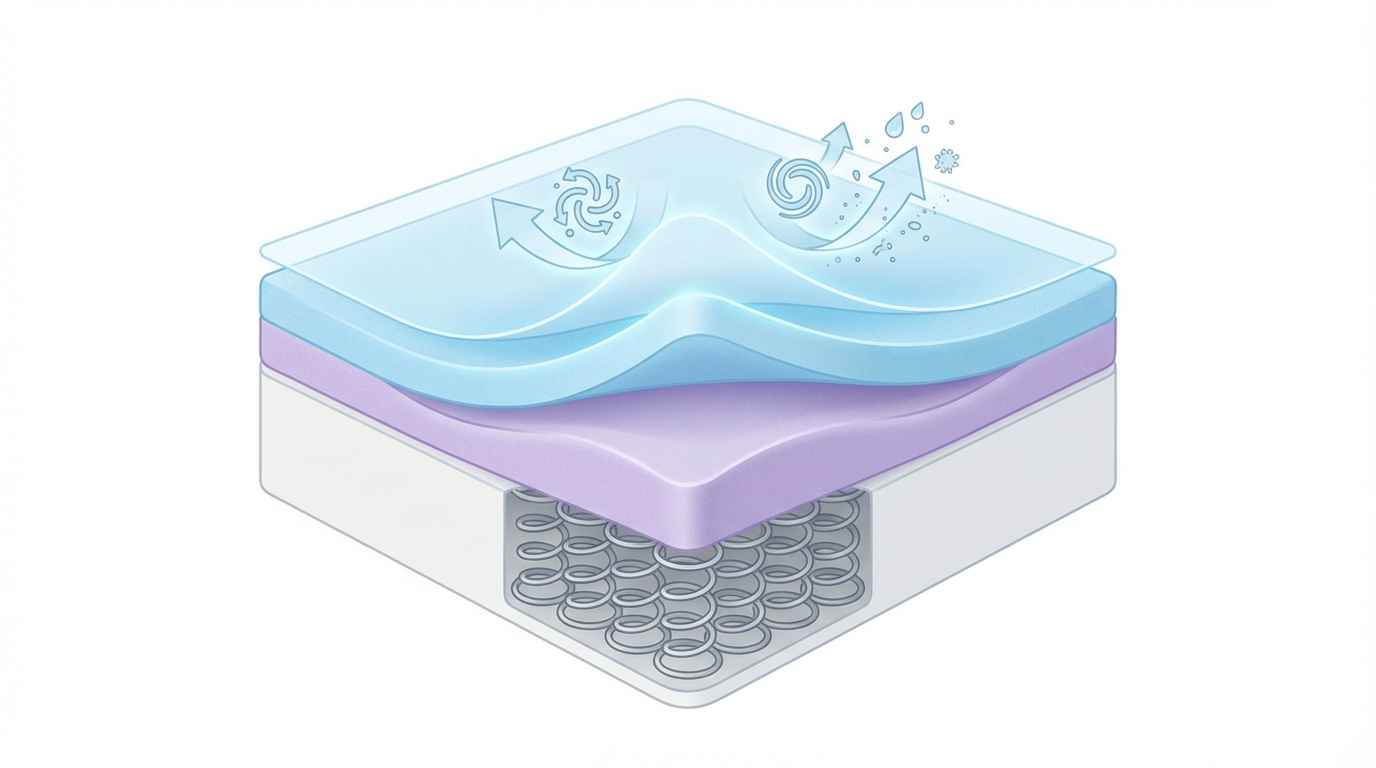
You might notice yellow shading or patchy discoloration on a mattress even if you have never spilled anything obvious on it. This is often a slow build up of sweat, body oils, and even skincare products that migrate through sheets over years. Sleep experts at organizations like Sleep Foundation note that we naturally lose moisture each night while we sleep, and in warmer or more humid environments, that effect is amplified. Without a barrier layer, your mattress surface will gradually reflect that history.
Mild yellowing that does not smell bad or feel sticky is mostly cosmetic. If you are not bothered by it, you can focus your energy on prevention and general freshness rather than erasing every mark. However, when these patches start to darken, feel tacky, or carry a stale odor, a cleaning session is worthwhile. Addressing the top layers of residue can improve airflow and reduce the chance that dust and allergens cling to the surface.
Your approach to sweat and oil staining is more about repeated light maintenance than one dramatic intervention. Unlike a single coffee spill, this is a pattern created over thousands of nights. The goal is to gradually lighten and freshen without over wetting the mattress.
Light Cleaning For Odor And Surface Freshness
Start by vacuuming the mattress surface with a brush attachment to remove dust and loose particles. Then lightly mist a solution of cool water and a small amount of clear dish detergent over the discolored areas. You do not want shine or visible wetness across the whole surface, just a very fine dampness. Use a clean cloth to gently work the solution in with small, soft motions, then immediately blot back up.
Once the surface feels evenly damp but not wet, sprinkle baking soda across the mattress, focusing slightly more on yellowed zones. Let it sit for several hours, then vacuum thoroughly. This simple combination of a mild surfactant and an absorbent powder often makes the mattress look and smell fresher without any bleaching risk. If odors persist, you can repeat the process every few weeks until you are happier with the result.
At a certain point, ongoing sweat staining is a sign that you would benefit from an upgraded barrier. A breathable waterproof protector like the TEMPUR-Breeze Mattress Protector – Cooling, Waterproof, Breathable Cover or a performance sheet set such as the Tempur-Pedic® ProPerformance™ Sheet Set can help keep moisture above the mattress surface. That means future cleaning focuses on removable, machine washable layers instead of the mattress itself.
“We had a high quality mattress that was structurally fine but had developed those yellow patches over years. I deep cleaned it with baking soda and switched to Tempur performance sheets and a protector from Sleepology. The bed smells fresher and I feel better knowing sweat is not going straight into the mattress anymore.” – Lauren S., September
Vomit And Other “Worst Case” Stains
Handling The Mess Calmly And Safely
Few things feel as overwhelming as waking up to a child or partner who has been sick in bed. The combination of odor, texture, and knowing someone you love feels awful can make you want to throw the whole bed away. From a cleaning standpoint, vomit is just another mixture of fluid and semi solid matter that you need to separate, remove, and then treat for odor and staining. The steps are straightforward if you break them down.
First, put on disposable gloves. Use something like a dustpan, piece of sturdy cardboard, or old spatula to lift solid material off the mattress and into a trash bag. Avoid pressing down as you scoop, because that can push liquid deeper into the fabric. Once you have removed the bulk of it, use dry, disposable cloths or paper towels to blot as much moisture as possible. Work from the outside edges inward to contain the area.
Open a window or turn on a fan for your own comfort. Quickly strip all bedding and place it in a hamper or washer. Focus on the mattress while the stain is still fresh. Cleanliness and speed matter more here than perfection on the first pass. You can always come back later for a second round of deodorizing if needed.
Deodorizing And Disinfecting The Mattress Surface
After blotting thoroughly, sprinkle a liberal amount of baking soda over the affected area. This begins odor control immediately and helps draw additional moisture up to the surface. Next, fill a spray bottle with a mixture of equal parts distilled white vinegar and water. Lightly spray this over the baking soda. It will fizz and foam a bit as the two ingredients react, helping to break up remaining residues.
Let this sit undisturbed for several hours, or overnight if possible. As it dries, the baking soda will harden slightly and then become powdery again. When it is fully dry, vacuum it away. At this point, many mattresses will smell significantly better. If a faint sour odor remains, you can repeat the process once more, or spot treat with a small amount of mild detergent solution, blotting and drying carefully.
If anyone in your household has a compromised immune system or the vomiting was related to a contagious illness, consider consulting a healthcare provider or following guidelines from credible sources like Mayo Clinic for household disinfection. While a mattress cannot be sanitized to the same standard as hard surfaces, keeping the area dry, clean, and covered with fresh bedding is usually sufficient in a typical home environment.
Coffee, Wine, And Other Beverage Stains
Tannins, Sugars, And Sticky Spots
Coffee, tea, red wine, and juice are classic mattress enemies. These drinks often contain tannins, which are plant based compounds that bind to fabrics and cause noticeable color. Sugary beverages also leave behind sticky residues that can attract dirt and even tiny insects if they are not fully removed. The approach here is to target both color and stickiness with a combination of detergent and, when appropriate, a small amount of vinegar.
As always, begin with blotting any fresh liquid using undyed cloths. Try not to be tempted to rub vigorously even if the stain looks dramatic. For fresh coffee or tea, cool water and mild detergent can go a long way. For red wine and darker juices, it may take repeated gentle sessions to see real improvement.
Step By Step For Common Drink Stains
For most drink stains, mix a bowl of cool water with a teaspoon or two of clear dish detergent. Dip a cloth into the solution, wring it out so it is damp rather than dripping, and gently dab at the stained area. Work from the outside edge inward to avoid enlarging the stain. Continue blotting with the soapy cloth, then follow with a separate cloth dampened with plain water to lift soap residue.
If the stain is stubborn, especially with wine or grape juice, you can add a small amount of distilled white vinegar to your cleaning solution. Test this on a hidden area first, because vinegar can sometimes interact with dyes. Give the area time to air dry between sessions so you do not repeatedly soak the same spot. In many cases, the stain will lighten to a point where it is barely noticeable.
Because drink spills often coincide with relaxing in bed, this is another moment to think about prevention. Enjoying a weekend coffee or the occasional glass of wine in bed is much less stressful when you know there is a reliable barrier in place. Many Sleepology shoppers who like to lounge in bed pair their mattress with a protector and a cozy sheet set such as the TEMPUR-Breeze® Cooling Sheet Set, which stays cool to the touch and is easy to wash if anything tips over.
What Not To Do When Cleaning A Mattress
Common Mistakes That Can Void Warranties Or Cause Damage
Knowing what to avoid is just as important as knowing what to use when you are cleaning stains off a mattress. One of the biggest mistakes is using too much liquid. Mattresses are thick, and water can travel surprisingly far into the core. If it does not dry completely, trapped moisture can lead to mildew smells, mold growth, or metal components rusting from the inside out. Many manufacturer warranties exclude damage from liquids for this reason.
Another risk is strong bleach or concentrated chemical cleaners. While it may be tempting to reach for the most powerful thing under your sink, those products can break down fibers, fade fabrics unevenly, and damage foams or latex. Even if the surface looks cleaner at first, you may see pilling, roughness, or cracking later. Some ingredients can also disrupt fire resistant barriers, which are critical safety features inside modern mattresses.
Aggressive scrubbing is another issue. Rubbing at a mattress stain with a stiff brush or abrasive pad can roughen the knit or woven cover, causing fuzziness or even small holes. It also physically pushes pigments deeper into the material, creating a permanent shadow. If your first impulse is to “really get in there” with elbow grease, take a moment to reset and choose a gentler method.
Finally, avoid removing a sewn on mattress cover unless the manufacturer explicitly says it is removable and machine washable. Many modern mattresses have covers that are integral to the construction and not designed to be taken off. Unzipping or cutting them away can expose internal components and void your warranty. Always check the care tag or brand website before assuming you can launder a cover separately.
How To Keep Your Mattress Cleaning Warranty Friendly
Most mattress warranties cover defects in materials and workmanship, not accidental stains. However, they usually expect that you will use the mattress reasonably and avoid exposure to things that obviously cause damage. That includes not soaking the bed, not using flammable or harsh chemicals, and not altering the structure by removing glued covers or fire layers.
A good rule of thumb is to treat your mattress like you would a quality upholstered piece of furniture. You would not dump a whole bucket of cleaner on your sofa or rip off its cover to put it in the washer. Instead, you would spot clean gently, use protectors, and replace removable textiles like throw blankets if they are badly stained. Applying that mindset to your bed will help you stay well within the boundaries of both good hygiene and warranty coverage.
If you are unsure whether a particular cleaning method might be a problem, you can always reach out to Sleepology or your mattress manufacturer for guidance. A quick phone call is far easier than dealing with a denied warranty claim later. And if you find your current mattress is too stained or delicate to clean confidently, upgrading to a modern hybrid like the Sealy Posturepedic Elite Soft Hybrid Mattress – Brenham II, paired with a protector from day one, can give you a much more forgiving setup.
Comparing Mattress Types: How Cleaning Differs
Mattress construction has a big impact on how forgiving a bed is when it comes to stains and cleaning. Understanding those differences helps you tailor your approach and decide what products might be best for your next mattress. Below is a simple comparison across common mattress types and how they behave when you are trying to clean stains off the surface.
| Mattress Type | How It Handles Moisture | Cleaning Considerations | Who It Suits Best |
|---|---|---|---|
| Traditional innerspring | Airy interior that can dry relatively quickly if not over soaked | Tolerates light surface cleaning, but padding can compress if scrubbed too hard | People who prefer a bouncy feel and want easier airflow |
| Memory foam | Highly absorbent, can hold moisture longer | Requires minimal liquid and very careful blotting to avoid deep saturation | Sleepers who like contouring pressure relief and motion isolation |
| Hybrid (foam + coils) | Combines foam layers with a coil support core | Surface must be treated gently like foam, but coils can help with drying | Many modern sleepers, especially couples, who want balance of support and comfort |
| Latex foam | Naturally more resistant to dust mites and mold when properly protected | Similar to memory foam in needing low moisture cleaning, but slightly more resilient | Eco conscious shoppers and those wanting a buoyant, responsive feel |
In , hybrid mattresses continue to dominate many best mattress lists because they balance support, pressure relief, and temperature control for a wide range of sleepers. From a cleaning standpoint, they behave much like an all foam bed on the surface, so you still need a protective layer and cautious stain removal. Choosing a hybrid from curated collections like our best hybrid mattresses and pairing it with a waterproof protector can give you modern comfort with practical day to day care.
Long Term Prevention: Protectors, Sheets, And Smart Habits
Why Prevention Matters More Than Perfect Cleaning
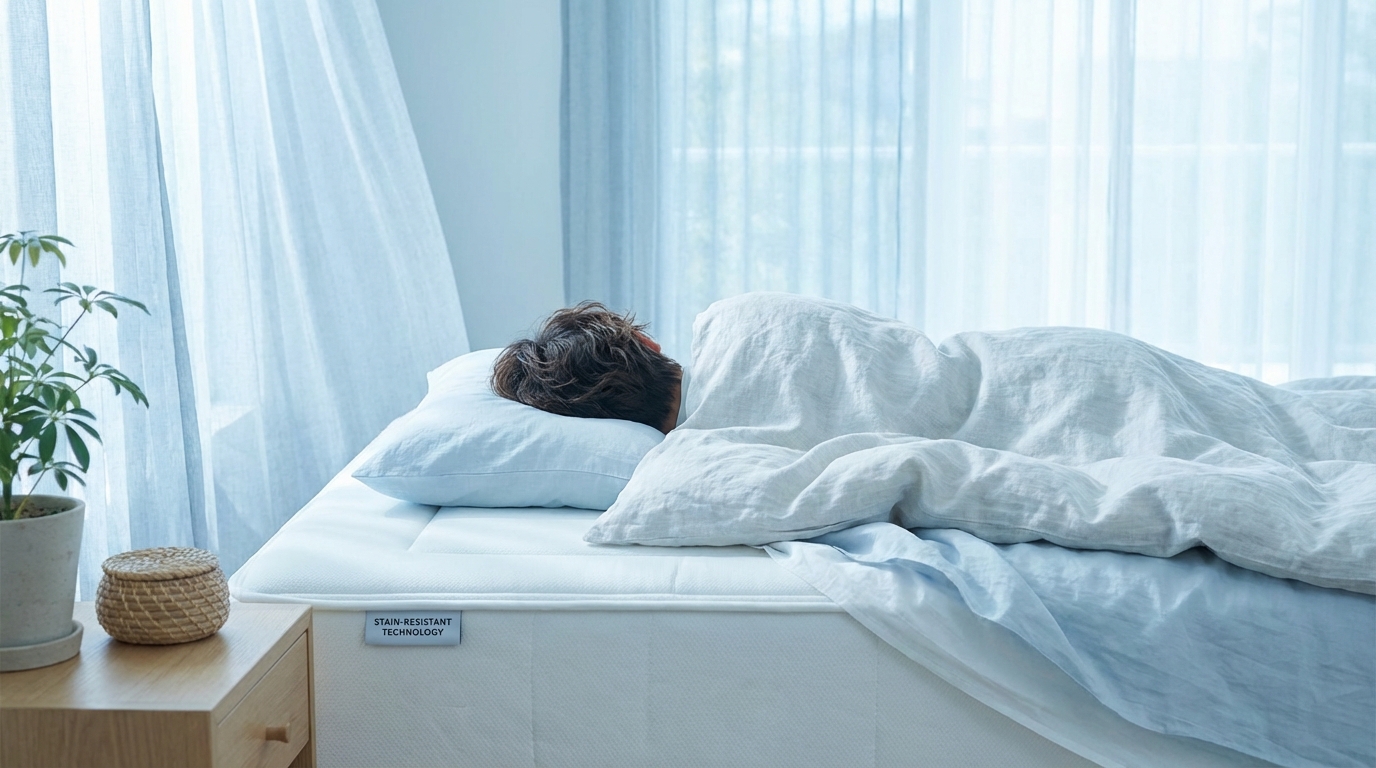
Even the best stain removal techniques are easier and more successful when the stain never reaches the mattress in the first place. That is where a layered defense system comes in. A high quality waterproof protector, good fitting sheets, and thoughtful habits around food and drink in bed make a bigger difference than any single cleaner. They also simplify your routines, because most of the surfaces you will be washing are removable and machine friendly.
According to guidance from organizations like Sleep Foundation, using a mattress protector is one of the simplest ways to extend the useful life of your bed. It safeguards against sweat, oils, spills, and everyday dust, all of which can break down materials over time. Modern protectors are a world away from the stiff, crinkly versions many of us remember from childhood. The best ones are thin, breathable, and almost invisible under your sheets.
In addition to a protector, investing in sheets that wick moisture and wash well can keep the sleep surface feeling fresher between deeper cleanings. Performance fabrics and breathable cottons are popular because they help regulate temperature and reduce the amount of sweat that reaches the layers below. That is especially useful if you tend to sleep hot or live in a warm climate.
Habits That Keep Your Mattress Fresher
Some of the most effective mattress care habits are simple lifestyle choices. Limiting how often you eat or drink in bed will naturally cut down on the risk of coffee rings and wine spills. If you enjoy breakfast in bed or late night tea, doing it on top of a tray or an extra blanket you can easily wash offers a middle ground between enjoyment and caution.
Regularly washing your sheets, typically every one to two weeks as many sleep health experts recommend, also has a meaningful impact. It removes sweat, skin cells, and oils before they have a chance to migrate into your protector or mattress. Vacuuming the mattress surface a few times a year when you rotate it or change seasonal bedding can also keep dust and allergens under control.
For people who know they are hard on mattresses, whether because of young kids, pets, or a busy lifestyle, it can be helpful to think about your whole sleep system as a set of layers. At Sleepology, we often recommend building a kit from our pillows, sheets, toppers, and protectors collection. That way, when life happens, you are usually swapping or washing a removable component rather than worrying about the mattress core itself.
A Simple Mattress Cleaning Checklist
Once you have a grasp of the principles and methods, it can help to have a quick reference checklist for routine mattress care. This is not about deep cleaning after a major spill, but about keeping your mattress in good condition over time.
Use this simple checklist a few times per year to keep your mattress fresher and make stain emergencies easier to handle:
- Strip the bed completely and wash all sheets, pillowcases, and protector according to their care labels.
- Vacuum the entire mattress surface, including seams and edges, with a brush or upholstery attachment.
- Inspect the surface for new stains or yellowing, and spot clean gently with mild detergent and water if needed.
- Sprinkle a light layer of baking soda over the surface, let it sit for several hours, then vacuum it up to freshen odors.
- Rotate the mattress head to foot if the manufacturer allows it to promote more even wear.
- Check that your protector is still waterproof and intact, and replace it if you notice cracking or peeling of the backing.
- Make the bed with clean, breathable sheets, smoothing them so they do not bunch and rub the mattress surface unnecessarily.
Following this routine helps you catch small issues early and maintain a healthier sleep environment. It also means that when a more serious stain shows up, you are working on a bed that is otherwise in good shape, which gives you more margin for successful cleaning.
When It Might Be Time To Replace Your Mattress
Signs That Cleaning Is Not Enough
No matter how careful you are, there comes a point where cleaning stains off a mattress is not the real issue anymore. If the mattress is sagging, leaving you sore in the morning, or visibly breaking down at the edges, those structural changes will affect your sleep far more than a small stain. Research summarized by Sleep Foundation suggests that most mattresses perform best for around 7 to 10 years, depending on construction and usage, after which comfort and support often decline.
Other red flags include chronic odors that do not respond to airing out or baking soda, widespread discoloration that makes you hesitant to sleep directly on the bed, or increased allergy or asthma symptoms that seem tied to time spent in bed. In those cases, intensive cleaning might make the mattress look better temporarily, but it will not address deeper wear and hygiene concerns.
Replacing a mattress can feel like a big step, but it often comes with immediate benefits in sleep quality and overall comfort. Many Sleepology customers tell us that they did not realize how much their old bed was affecting them until they woke up after a night on a new one with fewer aches and more energy. Stains and cleaning struggles are often the nudge that gets them to consider that upgrade.
Choosing A More “Cleanable” Mattress Next Time
If you are shopping with an eye toward easy maintenance, there are a few features worth prioritizing. A smooth, tightly knit cover is usually easier to spot clean than a heavily textured one, because stains have fewer places to hide. Light neutral colors are more transparent about cleanliness, which can be either a pro or a con depending on your preferences, but they also give you more flexibility with gentle peroxide treatments if needed.
Hybrid and foam mattresses from curated lines like our best foam mattresses collection often pair well with modern, stretch knit covers that respond well to thoughtful spot cleaning. Combine that with a waterproof protector from day one, and many of the emergencies that used to mean a stressful cleaning session become quick, manageable tasks.
When you are ready to explore options, a Sleepology sleepologist can help match you with a mattress that fits your comfort preferences and your lifestyle realities. Whether you have pets that sleep at your feet, a child who sometimes crawls into bed after a nightmare, or a partner who loves breakfast in bed, we can help you build a sleep setup that anticipates those moments instead of fearing them.
Conclusion: You Can Rescue Your Mattress And Protect It Going Forward
Mattress stains feel intimidating because your bed is such a central part of your life and such a big investment. The good news is that most stains, from fresh spills to older yellow patches, respond well to patient, gentle cleaning with common household products when you follow the right steps. Blotting instead of scrubbing, using cool solutions instead of heat, and keeping liquids to a minimum go a long way toward rescuing a mattress you were sure was ruined.
Understanding how different stains behave also gives you more control. Fresh urine needs rapid odor neutralization and drying, blood responds best to cold water and mild peroxide on light fabrics, sweat and oils benefit from periodic surface refreshes, and vomit clean up is about solid removal, odor control, and thorough drying. Once you learn these patterns, you are less likely to panic and more likely to reach for the right tool in your cleaning toolkit.
Looking ahead, prevention is your strongest ally. A breathable waterproof protector, quality sheets, and a simple seasonal cleaning routine will keep most messes from ever reaching the mattress core. And if your current bed is telling you through sagging, odor, or persistent stains that it is time to move on, you now know what to look for in a replacement that will feel good and stay cleaner longer.
If you are not sure whether to keep cleaning or start fresh, you do not have to decide alone. The team at Sleepology is here to answer your questions, walk you through care options, and, when you are ready, help you choose a mattress and accessories that fit the way you actually live and sleep. Your bed should be a place of rest, not stress, and with the right information and support, it absolutely can be.
Frequently Asked Questions
How do I clean a stain on my mattress if I do not know what caused it?
Unknown stains are common, especially on older mattresses or in guest rooms. Start with the most gentle approach so you do not set anything in. Vacuum the surface to remove dust, then use a solution of cool water and a small amount of clear dish detergent. Lightly dab the stain with a damp cloth, blotting rather than scrubbing. If the stain lightens, you can repeat that process. If it does not respond or has a strong odor, you can add a small amount of vinegar for odor control on light fabrics or consider a baking soda treatment to absorb smells. Always avoid hot water or strong bleach on mystery stains, because heat can set proteins and bleach can damage fabric or foam.
How long should I wait before sleeping on my mattress after cleaning a stain?
You should wait until the mattress is completely dry to the touch and does not feel cool or damp beneath the surface. Depending on how much liquid you used, room temperature, and airflow, this can take anywhere from several hours to a full day. Using a fan pointed at the cleaned area can shorten drying time. Sleeping on a damp mattress can trap moisture under your body, encouraging mildew and leaving you with a musty smell, so patience here is important. If you need to sleep somewhere while the mattress dries, consider moving to a guest bed or temporarily placing a topper on a sofa or daybed.
Can I use a steam cleaner to get stains out of my mattress?
Most mattress manufacturers and sleep health organizations do not recommend steam cleaners for mattresses. Steam introduces a lot of heat and moisture deep into the materials, which can cause foam deterioration, shrinkage of fabric, and even internal mold if the core does not dry completely. The high temperatures can also affect fire barrier materials. While steam cleaning might look effective on the surface in the short term, it often leads to long term issues that are not covered by warranty. Safer options are cool water based spot cleaning, followed by thorough air drying and the use of baking soda to absorb residual moisture and odor.
What should I do if my pet has an accident on the bed?
Treat pet urine similarly to human urine at first, by blotting thoroughly and using a vinegar and water solution followed by baking soda. However, pet urine can contain additional compounds and often has a stronger, more persistent odor. In some cases, an enzyme based cleaner specifically designed for pet messes on fabrics may be helpful. If you use one, follow the directions carefully and apply it sparingly to avoid over saturation. As always, test on a hidden area first. After cleaning, make sure the mattress is completely dry before putting bedding back on. For households with pets that regularly share the bed, a reliably waterproof protector is essential, and you may even want a spare protector so you can swap them out during laundry.
How often should I deep clean my mattress if there are no major stains?
If you are using a good quality protector and regularly washing your sheets, you usually do not need to deep clean your mattress very often. Vacuuming the surface and doing a light baking soda treatment once or twice a year is enough for most people. That routine freshens odors and removes dust and allergen build up. Spot cleaning should be reserved for visible stains or areas where you notice a change in smell or appearance. Over cleaning with liquids can sometimes do more harm than good, so focus on preventative layers and gentle maintenance instead.
Is it safe to use hydrogen peroxide on every mattress stain?
Hydrogen peroxide at 3 percent strength is generally safe for many white or very light mattress fabrics when used sparingly, but it is not a universal solution. It can lighten or discolor darker fabrics and certain synthetic fibers, leaving visible marks. It is also more appropriate for protein based stains like blood and sweat than for oily or dye heavy spills. Always spot test on an inconspicuous area first, let it dry fully, and check for any color change. If your mattress surface is dark, patterned, or if the care instructions advise against bleaching agents, it is better to stick with mild detergent and baking soda or consult the mattress manufacturer for approved cleaning methods.
How can I tell if a stained mattress is still healthy enough to keep using?
A stained mattress can still be perfectly safe and functional if the stains are small, do not smell bad, and the bed still feels supportive and comfortable. Pay attention to how you feel each morning. If you wake up with increasing back or joint pain, or you can see obvious sagging or lumps, those are signs the mattress is wearing out regardless of surface stains. Also notice any persistent odors, visible mold, or an uptick in allergy symptoms when you are in bed. If any of those are present, or if the mattress is older than 8 to 10 years and visibly discolored over large areas, it may be time to consider replacing it rather than continuing to fight with stains.