

How To Clean A Memory Foam Mattress: A Complete, Gentle Care Guide
Waking up on a memory foam mattress that feels a little stale or smells off is frustrating, especially when you spent good money to sleep better, not worse. Maybe you have light yellow sweat stains near the edges, a faint pet accident you can still smell on humid days, or you are simply nervous about damaging the foam if you clean it wrong. If you are hesitating with a spray bottle in one hand and Google in the other, you are not alone. Memory foam is different from traditional innerspring beds, and it deserves its own playbook.
Caring for your mattress properly is about more than looks. According to the Sleep Foundation, most adults need 7 to 9 quality hours of sleep per night, and sleep quality is closely tied to comfort, cleanliness, and allergens in your bed. When a memory foam mattress holds onto dust mites, moisture, or old odors, you may notice more congestion, restlessness, and even more frequent waking, especially if you have allergies or asthma. The goal is not perfection, it is creating a reliably clean, supportive surface that lets your body relax every night.
You will learn how to clean your memory foam mattress without soaking it, how to safely treat sweat, urine, and other stains, and how to freshen deep odors so they do not creep back. You will also see exactly what not to do, like why steam cleaners and harsh chemicals are risky for foam and can even void a warranty. Along the way, you will get realistic schedules for routine care, tips to prevent stains in the first place, and guidance on when cleaning is no longer enough and it may be time to upgrade.
Most of all, this is written for real life. Spills happen, kids have accidents, pets sneak on the bed, and busy weeks turn into busy months before you remember to wash the protector. With twenty years of hands‑on mattress experience, I have seen just about every scenario. You are in the right place, and with a little patience and the right steps, your memory foam mattress can be clean, fresh, and ready to support many more nights of good sleep.
Understanding Memory Foam So You Do Not Damage It
Before you grab cleaning products, it helps to understand what memory foam actually is. Memory foam is a viscoelastic polyurethane foam that softens with heat and pressure and slowly returns to its original shape. That slow recovery and deep contouring is what makes it so good at relieving pressure on your shoulders and hips. The same structure that makes it comfy also makes it vulnerable to heavy moisture and aggressive scrubbing, both of which can break cell walls in the foam.
Unlike a traditional innerspring mattress with lots of open air space, memory foam is dense. When liquid gets inside, it does not evaporate quickly. That trapped moisture can become a breeding ground for mold, mildew, and bacteria if the mattress is not dried thoroughly. The Cleveland Clinic notes that warm, damp environments are prime conditions for allergens and mold growth, which can worsen respiratory symptoms. This is why the number one rule of memory foam cleaning is to keep it as “low moisture” as possible.
Memory foam also reacts poorly to certain chemicals. Strong cleaners that contain bleach, ammonia, or solvents can weaken the foam, discolor it, and potentially cause it to crumble prematurely. I have had more than one customer bring in a mattress with a perfect rectangular bleach mark where they tried to sanitize a stain. The foam in that area often feels harder, flakier, and less responsive than the rest of the bed.
The upside is that you do not need harsh chemicals to get a memory foam mattress clean. Mild detergent, baking soda, white vinegar, and time are usually enough. Modern mattresses often include removable covers that can handle machine washing, and pairing your mattress with a quality protector, like the waterproof and breathable TEMPUR-Adapt Mattress Protector – Waterproof Mattress Cover, Hypoallergenic, will dramatically cut down how often you ever need to touch the bare foam.
“I was terrified I had ruined my memory foam bed after my kid’s spill, but Mia’s step‑by‑step advice walked me through cleaning it without soaking the foam. I added a protector afterward and have not had a single stain reach the mattress since. It honestly saved me from thinking I needed a new $1,400 bed.” – Karen S., October
Prep Work: Get Your Mattress Ready To Clean
Strip, Inspect, And Check The Care Tag
Start by removing everything from the bed. That includes sheets, blankets, duvet, mattress protector, and any toppers. Put all washable items straight into the laundry basket so you are not tempted to put anything back on a damp mattress later. The Mayo Clinic and other health organizations recommend washing sheets and pillowcases at least weekly in hot water to remove sweat, skin cells, and dust mites, and a deep clean day is the perfect time to follow that guidance.
Next, check the care tag on your mattress and any removable cover. Look for instructions such as “spot clean only,” “do not saturate,” or maximum water temperatures. Not all memory foam mattresses are built the same, and some have specialty fabrics or phase‑change cooling materials in the cover that need gentler care. If your model has a zippered cover, the tag may specify whether the cover is machine washable or should only be spot cleaned. Follow those instructions first, and use the guidance here to fill in the gaps.
While the bed is bare, take a few minutes to really inspect the surface. Look at the areas near the head of the bed for sweat or drool stains, check the middle zone where you usually sleep for any yellowing, and pay close attention to the sides if a pet or child had a spill. Use your nose too. If you smell a musty, earthy odor, that can signal older moisture that needs extra drying time. If the odor is sharp and ammonia‑like, you are probably dealing with urine.
Document what you see. That can be as simple as noting “two sweat halos near pillows, one light coffee ring on left edge, mild dog smell.” It sounds overly formal, but it helps you focus on the right products and not overclean the whole surface when just a few spots need attention.
Gather Gentle Cleaning Supplies
Having everything in one place before you start helps you work efficiently and avoid unnecessary trips across the house with damp towels. For most memory foam cleaning sessions, you will use a short list of essentials rather than a cabinet full of chemicals.
You will want a vacuum with an upholstery attachment, several clean white towels or microfiber cloths, a small bowl or measuring cup, a spray bottle, a mild liquid laundry detergent, baking soda, and distilled white vinegar. If you are dealing with older or stubborn stains such as blood, you may also use a small amount of hydrogen peroxide, but sparingly and only on white or very light fabrics where potential lightening is not an issue.
Set up your room for drying at the same time. Open curtains and blinds, crack windows if the weather allows, and position a fan so it can blow across the mattress. Good airflow is your best friend after any cleaning. The Sleep Foundation emphasizes that a cool, well ventilated bedroom environment supports better sleep, and you will get the added benefit of faster drying between layers of cleaning.
The Core Routine: How To Clean A Memory Foam Mattress Safely
This is the basic cleaning sequence you can use one or two times per year, plus anytime there is an accident. The order matters because you always want to remove dry debris first, then target stains, then handle odors, and finally get everything thoroughly dry.
Step 1: Vacuum To Remove Dust, Hair, And Allergens
Once the mattress is completely bare, use your vacuum’s upholstery attachment to gently clean the surface. Move slowly across the top in overlapping passes, then work around the edges and along the tape binding where dust and pet hair like to collect. A vacuum with a HEPA filter is especially helpful for allergy sufferers, since it captures smaller particles and dust mite debris.
Avoid using a beater bar or spinning brush that is meant for carpet, since those can be too aggressive on a knit or woven mattress cover. Short, controlled strokes are better than dragging the vacuum quickly. Aim to vacuum your memory foam mattress every three to six months as part of routine care, more often if you have pets that shed or you suffer from indoor allergies.
If you already see loose crumbs, glitter from a craft project, or pet hair tumbleweeds, this step will be very satisfying. More importantly, it prepares the surface so that when you apply any cleaning solution, it can actually reach the fabric and not just wet a layer of lint.
Step 2: Mix A Mild Cleaning Solution
For general stains and surface grime, you rarely need anything stronger than a diluted detergent solution. A reliable ratio is about one part mild liquid laundry detergent to five or ten parts cool or lukewarm water. Always err on the side of less detergent, since any residue left behind can attract more dirt later.
Mix the solution in a small bowl if you are dipping a cloth, or in a spray bottle if you prefer to mist the fabric. If you are using a spray bottle, label it clearly so someone else in the household does not confuse it with a different cleaner in the future. Avoid using hot water for protein based stains like blood, sweat, or urine, since heat can set those stains and make them harder to remove.
If your mattress cover has any special cooling fibers or performance finishes, spot test a hidden area along a side seam with your cleaning solution first. Dab, wait a few minutes, and check for any color change or texture difference before you move to visible areas.
Step 3: Spot Clean Stains Without Soaking
To treat a stain on memory foam, think “blot and lift,” not “scrub and soak.” Start by gently blotting any fresh spill with a dry, absorbent towel. Press down to draw moisture up, and keep rotating to a clean part of the towel as you go. Do not rub in circles yet, since that can push the liquid deeper into the foam.
Next, lightly dampen a clean cloth with your detergent solution. If you are using a spray bottle, mist the cloth rather than spraying directly onto the mattress to control how much liquid you introduce. Starting just outside the edge of the stain, dab toward the center with small, firm presses. The goal is to loosen and lift the stain into the cloth, so you should see discoloration transferring onto your towel as you work.
After a few passes, switch to another cloth dampened with plain water and blot again to rinse out the detergent. Then follow with a dry towel pressed firmly over the area to pull out as much moisture as possible. On memory foam, you never want the fabric to feel more than lightly damp to the touch. If your hand comes away wet, use more dry towels and pressure before you move on.
“I followed Mia’s advice to stop scrubbing and just blot. I was shocked how quickly the ring from my spilled tea disappeared with such a small amount of water. I always thought you had to really soak stains, and I can see now that was probably why my old mattress got that permanent musty smell.” – David L., November
Treating Specific Stains On Memory Foam

Some stains need a slightly different approach, especially when odor is involved. You can still follow the same gentle principles, with a few tweaks for each situation.
Sweat, Body Oils, And General Yellowing
Over time, sweat and natural skin oils can lead to light yellow halos near the head of the bed or in your usual sleeping spots. These stains are mostly cosmetic, but they are a sign that your mattress is absorbing moisture that you would rather keep at the surface. A breathable, waterproof protector, such as the TEMPUR-Breeze Mattress Protector – Cooling, Waterproof, Breathable Cover, can greatly reduce future buildup by creating a washable barrier without trapping heat.
To treat existing sweat stains, use your diluted detergent solution and the blotting technique described earlier. For older, more stubborn yellowing, you can add a small spoonful of baking soda to your detergent mixture to boost cleaning power. Apply sparingly with a cloth, let it sit for 10 to 15 minutes, then rinse with a damp cloth and blot dry. If the discoloration is very faint and not visible through sheets, sometimes the best choice is to focus on odor control and prevention rather than chasing perfection.
Sweat odors often respond well to baking soda deodorizing, which we will cover in more detail below. Remember that some slight color change over many years is normal and does not always indicate a hygiene issue.
Urine Stains And Odors
Urine is one of the most common and most stressful stains on a memory foam mattress. Whether it is a bed‑wetting child, a pet accident, or an adult leak, the key is fast action and enough odor control that the smell does not reactivate during humid weather. Urine contains urea, salts, and other compounds that can leave a lingering ammonia scent if not handled properly.
If the accident is fresh, first blot up as much liquid as possible with dry towels. You can put your full body weight into this, using folded towels to protect the foam from fingernail pressure. Once the area feels just damp, switch to a solution of equal parts white vinegar and cool water in a spray bottle. Lightly mist the stain and blot again. Vinegar helps neutralize odors and break down some of the compounds in urine.
After this vinegar step, you can apply a small amount of your mild detergent solution if any visible stain remains, then rinse lightly and blot dry. To finish, sprinkle a generous layer of baking soda over the damp area, extending slightly beyond the edges of the original stain. Let the baking soda sit for several hours, ideally overnight, then vacuum thoroughly. This combination of blotting, vinegar, and baking soda is very effective at reducing both visible marks and odor without overwhelming the foam with moisture.
If you find repeated accidents are occurring, especially with young children or older pets, it may be time to add or upgrade to a fully waterproof protector. The mattress itself should never be your first line of defense against liquids.
Blood, Vomit, And Other Protein Based Stains
Blood and vomit can look alarming on a mattress, but the same calm, methodical approach still applies. For blood in particular, it is important to avoid hot water, since heat can set protein stains. Start by blotting with a cool, damp cloth to lift as much of the stain as possible.
You can mix a gentle paste of baking soda and cool water and apply a thin layer on top of the stain. Let it sit for about 30 minutes, then wipe away with a damp cloth and blot dry. If any discoloration remains, a diluted hydrogen peroxide solution can help, but use it carefully, especially on darker fabrics, since it can lighten color. Always test a hidden area and apply with a cotton swab or cloth rather than pouring directly on the mattress.
For vomit, your first priority is hygiene. Wear gloves if possible, and remove any solids carefully with a spoon or paper towel, discarding them in a sealed bag. Then follow with your detergent solution and, if needed, a light vinegar solution to address lingering odors. After cleaning, allow significantly more drying time, and consider using a fan or dehumidifier in the room to make sure the area dries completely.
Deodorizing A Memory Foam Mattress With Baking Soda
Why Baking Soda Works So Well On Foam
Baking soda is one of the safest and most effective deodorizers you can use on a memory foam mattress. It works by neutralizing acids and absorbing some odors and moisture from the surface of fabrics. The American Cleaning Institute and numerous cleaning experts recommend it on soft furnishings partly because it does not leave a strong scent of its own, which is ideal for sleep environments where heavy fragrances can be irritating.
Because baking soda is a dry powder that sits on the surface, it avoids the main risk with memory foam cleaning, which is over‑wetting. It can reach into the small crevices of the fabric cover, absorb odors that have collected there, and then be fully removed with a vacuum. This makes it perfect both for general freshening and for treating specific spots after stain removal.
You can use baking soda as an occasional deep deodorizer or as part of a quarterly routine. In either case, the key is giving it enough contact time before you vacuum it up, so plan to do this when you will not need the bed for several hours.
How To Use Baking Soda For Whole‑Mattress Freshening
Start with a dry, vacuumed mattress. Open windows and set up your fan so there is good airflow in the room. Then, sprinkle a light but even layer of baking soda across the entire surface of the mattress. You do not need to create a thick snowdrift, just enough to lightly coat the fabric. If there are specific areas that tend to smell more, such as your usual sleeping spot or near a prior stain, you can add a bit more there.
Let the baking soda sit for at least two hours, and up to eight or more if your schedule allows. During that time, it is absorbing some odors and surface moisture. Try to keep kids and pets off the bed so they do not disturb the powder. Once you are ready to remove it, use your upholstery vacuum attachment again, moving methodically across the bed. Pay attention to seams and corners where powder can collect.
When you are finished, the mattress should look and feel like it did before, simply fresher. If any baking soda remains visible in the knit or woven cover, go over that area again slowly with the vacuum. Residual powder is not harmful, but it can feel gritty under thin sheets, so it is worth an extra pass.
After a full deodorizing session like this, many people notice their mattress smells noticeably neutral again, especially if there were lingering body or pet odors. At that point, washing your bedding in warm or hot water and adding a clean, breathable protector completes the reset.
“We had tried every spray under the sun on our guest room memory foam mattress, and the smell always came back. The baking soda method Mia described worked better than anything else, and it cost a couple of dollars instead of a new bed. That room actually smells clean when you open the door now.” – Melissa J., September
Protecting Your Mattress: Covers, Protectors, And Toppers

Cleaning becomes much easier when your memory foam mattress is well protected. Think of the foam core as the part you rarely want to expose, and the layers above as your washable shield.
Choosing The Right Mattress Protector
A good mattress protector should do three things: keep liquids and stains away from the foam, allow air to circulate so you do not overheat, and be easy to remove and wash regularly. Low quality protectors often fail on that second point, trapping heat and making sleepers sweaty and restless. That is one reason some people skip protectors and end up exposing the mattress itself to moisture and stains.
Look for a protector that is waterproof yet breathable, typically with a soft knit top and a thin waterproof membrane underneath. Cooling features, such as moisture wicking fibers or phase‑change materials, are a plus if you tend to sleep warm. For example, a cooling, waterproof option like the TEMPUR-Breeze Mattress Protector – Cooling, Waterproof, Breathable Cover is designed to guard against spills while still helping regulate temperature on high performance foam beds.
If you have a memory foam mattress in a guest room or a child’s bedroom, consider owning a second protector so you can change it quickly after an accident. Wash protectors every one to two months in warm water, or more often after any spill, and tumble dry on low if the care tag allows.
Role Of Toppers And Bedding In Mattress Hygiene
Toppers and thick mattress pads can provide an additional layer of defense and comfort. A quality foam or fiber topper will absorb some sweat and oils before they reach the mattress cover. Many are designed with removable, machine washable covers, which give you another easy‑to‑clean surface. If your current mattress feels a bit firmer than you like but is still structurally sound, adding a topper, such as a plush option found in the Pillows, Sheets, Toppers, Protectors collection, can improve comfort and add a layer you can launder.
Do not forget your pillows either. While this guide focuses on mattresses, pillows collect the same sweat, oils, and allergens that mattresses do, and they sit close to your nose and mouth. Many memory foam pillows come with removable, washable covers that should be cleaned regularly. Keeping the whole sleep system clean contributes more to allergy relief and overall freshness than focusing on the mattress alone.
Finally, choosing a mattress that combines support, airflow, and easy care materials sets you up for easier maintenance over the years. If your current memory foam mattress is deeply stained, sagging, or older than seven to ten years, looking at updated foam options, such as those in Sleepology’s curated Best Foam Mattresses collection, may provide a better long term solution than repeated deep cleanings.
Comparison: Cleaning Memory Foam Versus Other Mattress Types
To put memory foam care in context, it helps to see how it compares with other common mattress constructions. Each type has its own cleaning considerations and risks.
| Mattress Type | Cleaning Difficulty | Moisture Sensitivity | Typical Lifespan With Good Care |
|---|---|---|---|
| Memory Foam | Moderate, needs gentle, low‑moisture spot cleaning | High, foam can trap moisture and grow mildew if over‑wet | About 7 to 10 years |
| Hybrid (Foam + Coils) | Moderate, similar to foam on top; slightly better airflow | Medium, comfort foam still sensitive, but coil core dries faster | About 8 to 12 years |
| Traditional Innerspring | Generally easier, more airflow and less dense padding | Lower, but still avoid soaking; rust risk in coils | About 7 to 10 years |
Hybrid mattresses combine foam comfort layers with a coil support system underneath, which allows better airflow and somewhat faster drying than all‑foam models. If you like the pressure relief of foam but want a mattress that sleeps cooler and is a bit more forgiving during cleaning, a thoughtfully designed hybrid, such as the Sealy Posturepedic Elite Soft Hybrid Mattress – Brenham II, can be a smart choice.
Traditional innerspring mattresses still need protection from stains and moisture, but the open coil structure allows more air movement. That does not mean you should ever soak them with a carpet cleaner, but they are less prone to deep, slow‑drying wet spots than dense foam. No matter what type of mattress you have, though, the basic principles still apply: use a protector, clean up spills quickly, and avoid overwhelming the materials with water or strong chemicals.
How Often Should You Clean A Memory Foam Mattress?
There is no single schedule that works for every household, but a general framework helps you stay ahead of problems instead of reacting to them. Think of care in three levels: daily habits, routine maintenance, and occasional deep cleaning.
Daily and weekly habits focus mostly on bedding. According to organizations like the Sleep Foundation and Mayo Clinic, washing sheets and pillowcases at least once per week in warm or hot water helps reduce dust mites and body oils that would otherwise transfer into your mattress and pillows. If you sleep hot, share the bed with pets, or have allergies, consider two changes per week for pillowcases in particular.
Routine mattress maintenance can be done every three to six months. That includes stripping the bed, vacuuming the surface, checking for new stains, and deodorizing with baking soda if odors are starting to appear. It is also a good time to inspect your protector for any cracks, peeling, or looseness in the waterproof layer. If you can see through the backing or it feels stiff and noisy, replacing it will offer better protection.
Deep cleaning, where you treat specific stains and address deeper odors, is usually needed less often, perhaps once a year or whenever an accident occurs. If you find you are doing intensive stain treatments several times a year, it may be worth looking at your household patterns. Adding a stricter “no drinks in bed” rule, keeping pets off the mattress itself, or using an additional encasement can all reduce how often you need to get hands‑on with the foam.
Memory Foam Cleaning Do’s And Don’ts
After working with hundreds of mattresses, there are a few rules I repeat more than any others. These simple principles keep you on the safe side and protect both your investment and your health.
Here is a quick checklist you can refer to when you are about to clean:
- Do blot spills immediately, applying firm pressure with dry towels to remove as much moisture as possible.
- Do use mild detergent, diluted heavily with cool or lukewarm water, for most stain treatments.
- Do use baking soda to deodorize the surface and help manage lingering odors after cleaning.
- Do vacuum the mattress with an upholstery attachment every few months to remove dust, hair, and allergens.
- Do allow thorough air drying before putting bedding back on, using fans and open windows when possible.
- Do avoid saturating memory foam or using carpet or steam cleaners that push water deep into the mattress.
- Do avoid bleach, ammonia, and harsh chemicals that can break down foam cells and damage covers.
- Do consider a high quality, breathable waterproof protector so future messes are caught before they reach the foam.
Once you internalize these guidelines, cleaning a memory foam mattress feels much less intimidating. The goal is always to use the gentlest effective method first, add time and airflow rather than more product when something seems stubborn, and protect the mattress so you rarely need heavy‑duty interventions.
When Cleaning Is Not Enough: Signs It Might Be Time To Replace
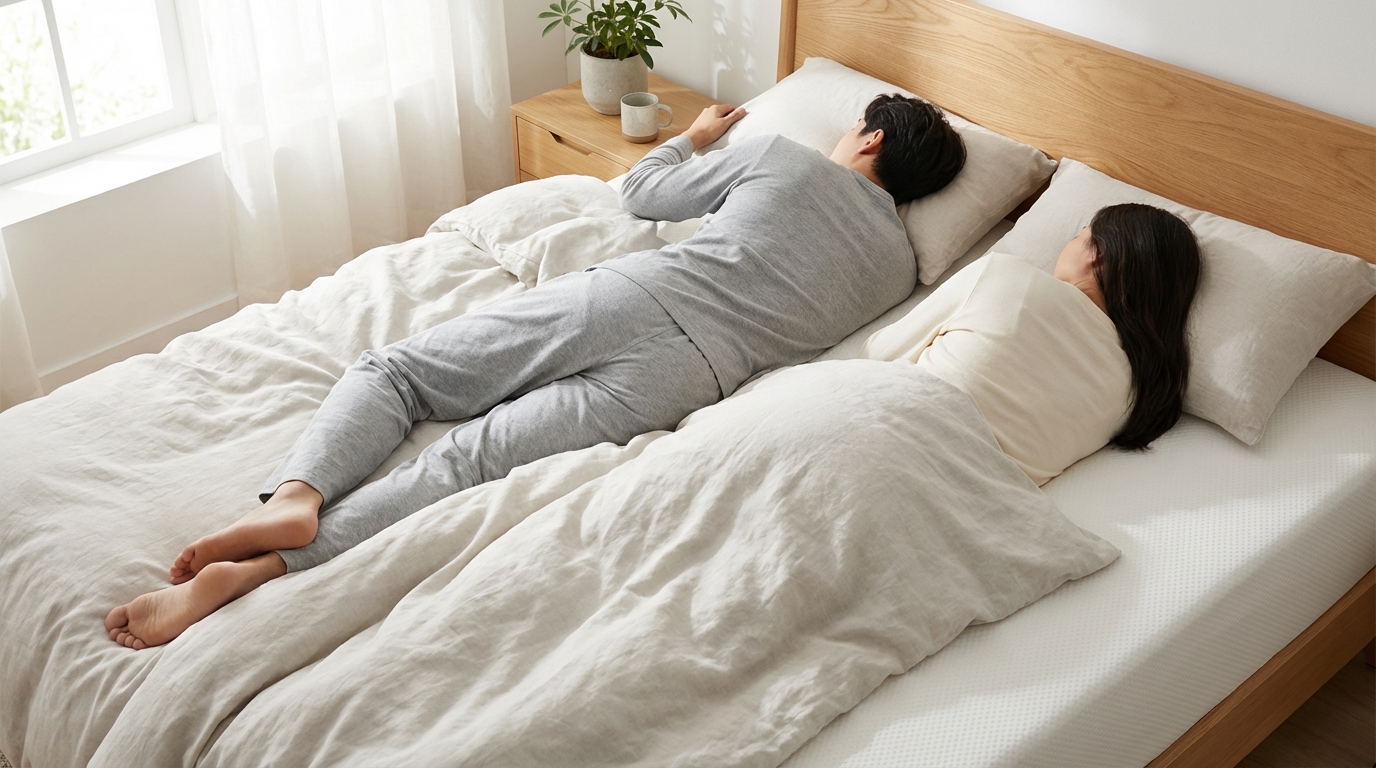
Even with perfect care, every mattress has a lifespan. If you find yourself scrubbing the same stains repeatedly or still smelling odors after careful cleaning and thorough drying, it may be a sign that the foam has absorbed more than it can comfortably release. Odors that come back strongly whenever the room is humid or warm can be a clue that moisture has penetrated deeper layers.
Comfort and support matter here too. The American Academy of Sleep Medicine notes that sleeping on a supportive, comfortable mattress is associated with less back pain and better sleep quality. If your memory foam mattress is more than seven to ten years old, sagging in the middle, or no longer returning to its original shape, you may wake up sore even if the surface looks clean. Cleaning cannot fix structural wear in the foam.
Health conditions can tip the scales as well. If anyone in your home has severe allergies, asthma, or a compromised immune system, and your mattress has a history of serious water damage or mold risk, erring on the side of replacement is often the safer choice. No cleaning guide, including this one, can fully resolve a mattress that has been saturated and allowed to stay damp in warm conditions for a long period.
When you are ready to consider a new bed, look for models with removable, washable covers, breathable designs, and materials that align with your comfort needs. Hybrid options, such as the Sealy Posturepedic Elite Medium Mattress – Brenham II Euro Pillow Top, combine foam’s pressure relief with better airflow, which can help everything stay fresher between routine cleanings.
Creating A Cleaner, Healthier Sleep Environment
Connect Mattress Care To Overall Sleep Health
Caring for your memory foam mattress is really about caring for your sleep system as a whole. According to large sleep surveys and organizations like the Sleep Foundation, people report better sleep quality when their bedroom is cool, dark, quiet, and clean. Your mattress is the literal foundation of that comfort. When it smells fresh, supports you evenly, and is protected from everyday spills and allergens, it becomes much easier to fall asleep and stay asleep.
Remember that even small changes make a difference. Washing sheets more consistently, adding a breathable waterproof protector, and vacuuming your mattress a few times a year will dramatically reduce what ever reaches the foam. If you pair those habits with gentle stain treatment and smart deodorizing when needed, you avoid the cycle of overcleaning and stressing about damage.
For some households, upgrading related components, like a supportive base or adjustable bed frame, can also help your mattress perform better. A solid, non‑sagging foundation keeps foam from bending or bowing, particularly in the center. If your current frame is not a great match, exploring sturdier options through a curated collection like Adjustable Bed Frame and Base can extend the life of both your mattress and your back.
Feel Confident With A Simple Plan
If you feel overwhelmed by all the scenarios we have covered, pull back to the basics and create a personal care plan. For many people, that looks like this: weekly sheet washing, vacuuming the mattress every three to six months, a baking soda deodorizing session at the same time, and spot cleaning only when a specific spill or accident occurs. Protectors and toppers carry the heavy load of catching stains, while the mattress itself gets relatively little direct moisture.
The most reassuring thing I can share from two decades in the sleep world is that you do not have to do everything perfectly. You just need to be attentive, gentle, and consistent. If you ever feel stuck between cleaning again and starting fresh with a new mattress, Sleepology is here to help you evaluate your current bed honestly and explore options that might support your sleep better, whether that is a plush foam model or a responsive hybrid from our Best Hybrid Mattresses lineup.
Taking care of your memory foam mattress today is an investment in countless future nights where your bed feels like a clean, welcoming place to land. You deserve that, and your body will thank you for it every morning.
Frequently Asked Questions
Can I steam clean a memory foam mattress?
Steam cleaning is not recommended for memory foam mattresses. The combination of high heat and large amounts of moisture can break down the foam’s structure, cause it to lose its responsiveness, and trap water deep inside where it dries very slowly. That lingering dampness creates an ideal environment for mildew and bacteria. Many manufacturers specifically state that using a steam cleaner can void the warranty, so stick to low‑moisture spot cleaning and surface deodorizing instead.
What is the safest way to clean urine from a memory foam mattress?
The safest approach is to act quickly and use a combination of blotting, diluted white vinegar, mild detergent, and baking soda. First, blot up as much urine as possible with dry towels, applying firm pressure. Then spray or dab a solution of equal parts white vinegar and cool water onto the area and blot again to help neutralize odors. If a visible stain remains, use a small amount of diluted mild detergent on a cloth, dab from the outside in, then rinse lightly and blot dry. Finish by covering the damp zone with baking soda, letting it sit for several hours, and vacuuming thoroughly.
How can I clean my memory foam mattress without removing the cover?
If your mattress cover is non‑removable or labeled “spot clean only,” you can still maintain it effectively. Vacuum the surface every few months with an upholstery attachment, then treat specific stains with a lightly dampened cloth and diluted detergent, being careful not to oversaturate the fabric. For odors, sprinkle baking soda over the top, let it sit for a few hours, and vacuum it up. Since you cannot wash the cover, using a high quality, washable mattress protector on top is especially important to keep future messes from reaching that non‑removable fabric.
Is it safe to use hydrogen peroxide on memory foam stains?
Hydrogen peroxide can sometimes help with tough protein stains like blood, but it should be used cautiously and only as a last resort. It has a mild bleaching effect and can lighten dyed fabrics or cover materials, so always test it first on a hidden area along the mattress side. If you decide to use it, dilute it with water, apply sparingly with a cotton swab or cloth, let it sit briefly, then blot with a damp cloth and dry towel. Avoid pouring peroxide directly on the foam, and remember that gentle detergent, baking soda, and time are safer first line options.
How do I know when my memory foam mattress is too dirty to keep?
There are a few red flags that suggest replacement might be safer or more practical than more cleaning. If the mattress has a history of heavy water exposure, such as flooding, and developed a persistent musty or moldy smell, it should be replaced, particularly if anyone in your home has respiratory issues. If strong odors return quickly after thorough, low‑moisture cleaning and full drying, that can indicate that moisture and contaminants have penetrated deeply into the foam. Finally, if the mattress is also sagging, lumpy, or more than about seven to ten years old, your sleep quality and support will likely improve with a new bed rather than continued cleaning.
How often should I flip or rotate a memory foam mattress while I am cleaning it?
Most modern memory foam mattresses are one sided, meaning they should not be flipped, since the comfort layers are designed to stay on top. However, many can benefit from periodic rotation. Rotating the mattress 180 degrees every three to six months helps distribute wear more evenly, especially if one person is heavier or if you tend to sleep in the same spot. The best time to rotate is when you already have the bedding off for vacuuming or deodorizing, since the mattress is clear and easy to handle.
Can I use fabric refresher sprays or essential oils on my memory foam mattress?
Occasional light use of a fabric refresher spray on the cover is usually safe, but it should never be a substitute for actual cleaning and deodorizing. Sprays tend to mask odors rather than remove their source, and strong fragrances can be irritating for some sleepers. Essential oils should be used with even more caution, since they are concentrated and can potentially stain fabric or interact with some materials. If you do use any scented product, apply it lightly to the cover only, allow full drying, and focus primarily on proven methods like baking soda deodorizing, proper ventilation, and routine washing of bedding and protectors.