


How To Clean Mattress Stains: A Complete, Real‑World Guide From A Sleep Specialist
You notice it while changing the sheets. That yellowish circle near the middle. Or a rusty spot closer to the edge. Or maybe a full‑on mystery splatter that you would really rather not think too hard about. Mattress stains are one of those things almost everyone deals with, but no one wants to talk about. You are not the only person to lift a fitted sheet and feel your stomach drop a little.
Stains are more than a cosmetic problem. Bodily fluids and spills can introduce bacteria, mold risk, and lingering odors that quietly chip away at your sleep quality. According to sleep health experts like the Sleep Foundation, a clean, supportive sleep surface is part of good sleep hygiene, which is closely tied to mood, immunity, and daytime performance. When you spend roughly a third of your life in bed, what soaks into that mattress matters.
The good news is that most mattress stains, even the scary ones like blood and urine, can be significantly reduced or fully removed with the right approach. You do not need a truckload of chemicals or an expensive service every time something goes wrong. You do need to know which cleaner works for which stain, how to avoid damaging your mattress, and when it is smarter to protect or replace instead of scrub for the tenth time.
In this guide, you will learn step‑by‑step methods for how to clean mattress stains of all kinds, how to handle fresh accidents versus old set‑in spots, the safest cleaning solutions for different mattress materials, and how to protect your bed so you are not starting from zero with each spill. You will also see where a better protector, topper, or even a new mattress can make stain management much easier over the long term. My goal is that you finish feeling calm, capable, and confident that you can rescue your mattress or make a smart decision about what comes next.
Mattress Stains 101: What You Are Dealing With And Why It Matters
Mattress stains usually fall into a few broad categories: body fluids like sweat, urine, blood, and vomit, food and drink spills, oils from skin and hair, and gradual discoloration from dust and humidity. Each type behaves differently in the fabric and foam, which is why one single magic cleaner never quite works for everything. For example, protein‑based stains like blood and milk respond best to cool water and enzyme or oxidizing cleaners, while tannin stains from coffee or tea respond better to mild detergent solutions.
From a health standpoint, stains are a red flag that your mattress has absorbed moisture and organic material. Over time that can encourage dust mites, bacteria, and in some conditions mold growth. The American Academy of Sleep Medicine notes that allergens in the sleep environment can worsen asthma and allergy symptoms and reduce sleep quality, and the mattress is a common reservoir for these triggers. Keeping the surface cleaner and drier really does translate to easier breathing and more comfortable nights for many people.
There is also a structural issue that often goes overlooked. When a mattress repeatedly absorbs liquid, especially on one area, the foams and fibers can break down faster. Instead of slowly compressing evenly across the entire bed, you can end up with soft, saggy spots where fluids soaked in. Over years, that can shorten the useful lifespan of the mattress and affect spinal alignment. That is one reason I encourage people to treat stain removal and waterproof protection as part of mattress care, not just housekeeping.
Finally, there is the very human side of this. Kids have nighttime accidents. Pets get sick. Bodies bleed and sweat and leak. Wine glasses knock over and stomach bugs hit at 2 a.m. These are signs of life, not failure. When you have a simple, clear plan for what to do next, there is much less panic and shame wrapped around the mess. You can just handle it, protect your mattress as best you can, and get everyone back to sleep.
“Our dog got sick on the bed twice in one weekend. I used Mia’s cleaning steps and honestly thought we would still have to replace the mattress, but the smell and stains were almost completely gone. We ended up putting the savings toward a mattress protector instead of a new mattress, which felt like a win.” – Lauren P., November
Essential Mattress Cleaning Rules Before You Start Scrubbing
Before we get into specific stain recipes, it helps to have a few ground rules. Most of the permanent damage I see during in‑store consultations is not from the original spill, it is from the well‑intentioned but over‑aggressive attempt to fix it. If you remember nothing else, remember that mattresses do not like being soaked, overheated, or scrubbed hard.
First, always start by blotting, not rubbing. When a spill is fresh, your instinct may be to scrub it away, but that actually pushes the liquid deeper into the comfort layers and spreads the stain wider. Using a clean, absorbent cloth or paper towel, gently press down and lift straight up, replacing the cloth as it becomes saturated. Work from the outer edge of the stain inward so you are not chasing it across the surface.
Second, think “lightly damp” instead of “wet.” Mattresses, especially memory foam and hybrids, are not designed to have water poured into them. Oversaturating can trap moisture deep inside where air circulation is poor. The Cleveland Clinic and other health organizations warn that damp, enclosed materials are prime territory for mold and mildew, which you definitely do not want in something you sleep on. Use spray bottles, small bowls, and wrung‑out cloths, and give the mattress plenty of time to dry before putting sheets back on.
Third, go gentle and color‑safe. Strong chemicals like bleach or undiluted solvents can weaken fibers, damage foams, and bleach fabric in uneven patterns. Perfumed cleaners can also leave behind residues that irritate sensitive skin or noses. Simple solutions like diluted clear dish soap, baking soda, white vinegar, and low‑strength hydrogen peroxide handle most household stains when used correctly. Always spot test on an inconspicuous corner first.
Lastly, treat your back and your schedule kindly. It is okay to handle an emergency cleanup at night and then do deeper stain work the next day when you are more rested. It is also okay to decide that a 12‑year‑old, sagging mattress with multiple old stains is not worth a six‑hour cleaning marathon. In those cases, putting your energy into a protective setup on a new, supportive bed will do far more for your sleep and health.
Your At‑Home Mattress Stain Toolkit
You do not need a closet full of specialty cleaners. For most people, a small, basic kit that lives with your laundry supplies is more than enough. The trick is knowing which tool to reach for, and in what order, when something spills. I encourage families to keep this kit stocked so that whoever discovers the mess can start an effective first response right away.
The core of your toolkit is your absorbent materials. That means white cotton rags or old towels without dyes, plus plain paper towels. The “white only” guideline might sound picky, but wet dyes from colored rags can transfer to mattress fabric and create new stains that are even harder to remove. You will also want a small bowl and spoon for mixing paste and solutions, and at least one spray bottle for diluted cleaners.
From a cleaning ingredient standpoint, think pantry and medicine cabinet. Baking soda is your odor and moisture workhorse, lifting mild discoloration and absorbing smells from sweat, smoke, vomit, and more. Distilled white vinegar cuts through some odors, helps dissolve mineral deposits, and supports baking soda in breaking up vomit and certain food spills. A small bottle of clear, unscented dish detergent is helpful for oily or greasy stains. For tougher protein stains and some set‑in discolorations, 3 percent hydrogen peroxide can be effective, especially on white and light‑colored mattresses.
You will also want a way to help the mattress dry efficiently. That can be as simple as a box fan set to blow across the damp area, a ceiling fan on a higher setting, or positioning the mattress in a sunny, well ventilated room for the day. If you are regularly dealing with nighttime accidents or heavy sweating, pairing your mattress with a breathable, waterproof protector such as the TEMPUR‑Breeze Mattress Protector – Cooling, Waterproof, Breathable Cover can dramatically reduce how much moisture ever hits the mattress at all.
“We bought the Tempur‑Breeze protector after our son’s third bedwetting incident in two months. It has already saved us from two more full cleanups, and the mattress looks brand new underneath. It was so much cheaper than replacing the whole bed, and I wish we had done it sooner.” – Daniel K., October
General Steps: How To Clean Mattress Stains Safely

Every stain type has its own quirks, but the basic flow is similar. If you can memorize a simple sequence, you are much less likely to panic or oversaturate during a middle‑of‑the‑night emergency. Think in terms of three phases: remove the excess, apply the right cleaner, and dry thoroughly.
The first phase is all about triage. Remove solid material with a spoon, paper plate, or dustpan. Then blot any liquid using a clean cloth, pressing down and lifting rather than dragging. Switch to fresh parts of the cloth or new towels as they fill. The goal here is to remove as much as possible before it soaks deeper into the mattress. For vomit or fecal material, put on disposable gloves and consider a mask; the Centers for Disease Control and Prevention notes that bodily fluids can contain pathogens, so basic precautions are appropriate.
Next, match the cleaner to the stain. For general unknown stains, a mild solution of cool water with a few drops of clear dish soap is a safe starting point. Dip a cloth into the solution, wring well, and dab delicately onto the stain, again working from the outside inward. For specific stains like urine, blood, and sweat, we will walk through targeted recipes in the sections below, because they respond better to specific ingredients like vinegar or hydrogen peroxide.
The final phase is drying. This is where many people unintentionally cause long‑term problems. After treating the stain, gently blot again with a dry cloth to remove as much moisture as you can. Then allow several hours of air drying with good airflow. A fan, open window, or a dehumidifier in a humid climate will help. The Sleep Foundation recommends making sure your mattress is fully dry before putting sheets or mattress pads back on, because trapped moisture can lead to mold and dust mite growth that aggravates allergies and asthma.
Once you are confident the area is dry, reassess. Some stains will need a second or even third gentle treatment to fade. As long as you are using mattress‑safe cleaners and not over‑soaking, it is usually better to repeat a mild process than to escalate to harsh chemicals or extreme scrubbing that damage the materials.
How To Clean Fresh Urine Stains From A Mattress
Urine stains are the ones that prompt the most frantic phone calls, especially from parents and pet owners. The key thing to remember is that fresh urine is much easier to deal with than dried, set‑in urine. If you can catch it within the first few hours, you have an excellent chance of removing most of the discoloration and odor.
Start by stripping all bedding and tossing it into the washer. Then use dry towels or rags to blot as much urine as possible from the mattress surface. Press firmly, then lift, and keep rotating to a clean area of the cloth as it gets damp. Avoid rubbing. If your child or pet tends to have accidents on one side of the bed, slide a folded towel under that area from below to protect the foundation while you work.
Once the area is blotted, mix a solution of half distilled white vinegar and half cool water in a spray bottle. Lightly mist the stained area until it is evenly damp but not sopping. The vinegar helps neutralize odor‑causing compounds in the urine and also works as a mild disinfectant. Allow this to sit for about 10 to 15 minutes. Then blot again with clean, dry cloths to pull out the now diluted urine and vinegar solution.
While the spot is still slightly damp, sprinkle a generous layer of baking soda over the entire stained area. It should look like a light snowfall. Let the baking soda sit for at least 6 to 8 hours, or overnight if possible, to absorb remaining moisture and odor. Once it is completely dry to the touch, vacuum the baking soda thoroughly using an upholstery attachment. If you still notice a faint smell, a second round of baking soda alone is often enough to finish the job.
In households where accidents are a recurring reality, consider combining this routine with a waterproof barrier. A breathable protector such as the TEMPUR‑Breeze Mattress Protector – Cooling, Waterproof, Breathable Cover can take the brunt of the moisture so that most of your cleanup happens in the washing machine instead of on the mattress itself.
How To Treat Set‑In Urine Stains And Odors
Older urine stains, especially those you just discovered while flipping a mattress or cleaning a guest bed, are more stubborn. By the time you see the ring or smell the musty odor, the liquid has long since dried and some of the pigment and odor compounds have bonded with the fabric or foam. You will probably not get the mattress back to showroom‑new, but you can usually lighten the stain and greatly reduce the smell.
Begin by vacuuming the area to remove dust and surface debris. If the stain feels at all damp, blot with a dry cloth first. Then you can move to a light oxidizing cleaner. Hydrogen peroxide is a common choice because it helps break down organic compounds. For mattresses, stick to standard 3 percent hydrogen peroxide from the drugstore. On white or off‑white fabrics, you can use it carefully; on dark or colored fabrics, do a generous spot test in an out‑of‑the‑way area to check for bleaching.
A simple solution for set‑in urine is 8 ounces of hydrogen peroxide, 3 tablespoons of baking soda, and a small drop or two of clear dish soap, mixed gently in a bowl. Do not shake in a closed container, since the carbonation can build pressure. Using a cloth, dab the solution onto the stained area. You should see some lifting or lightening as it sits. Let it dry completely, then vacuum any remaining powdery residue from the baking soda.
Persistent odor sometimes lingers even after visible stains fade. In that case, you can alternate treatments. One day use the peroxide mixture. The next day, once the mattress is thoroughly dry, mist lightly with a vinegar and water solution and air dry again, finishing with a long baking soda sit. According to allergy experts at organizations like the Mayo Clinic, controlling environmental triggers, including odors and residues from pet and human accidents, can be an important part of managing respiratory comfort at night, especially if someone in the household is sensitive.
There is a point, though, where an older mattress loaded with repeated urine stains is more than a cleaning problem. If you notice deep yellow or brown patches across multiple areas, a persistent ammonia smell that never fully clears, or signs of mold, it is time to think seriously about replacement. In those situations, stepping up to a modern hybrid like the Sealy Posturepedic Elite Soft Hybrid Mattress – Brenham II plus a waterproof protector gives you a much healthier, easier‑to‑maintain setup going forward.
How To Remove Blood Stains From A Mattress
Blood stains can look dramatic and feel embarrassing, but they are extremely common. Period leaks, nosebleeds, and small injuries are part of life. The main rule with blood is to avoid heat. Hot water sets protein stains, making them harder to remove. Always start with cool or cold water when you are cleaning blood from a mattress.
If the blood is still fresh, begin by blotting up as much as possible with a clean, dry cloth. Then dampen another cloth with cool water and gently dab at the stain, again from the outside inward. Do not pour water directly onto the mattress, just keep the cloth slightly damp. Often, this alone will significantly reduce a small fresh stain.
For more stubborn or dried blood stains, you can make a simple cleaning paste. Combine 2 ounces of 3 percent hydrogen peroxide, 1 tablespoon of clear dish soap, and 1 tablespoon of salt in a small bowl. Stir until it forms a spreadable consistency. Using the back of the spoon, gently apply a thin layer over the stain, just covering it. Let the mixture sit for 10 to 30 minutes. As it dries, it draws some of the stain up into the paste.
After the wait time, use a spoon or dull knife to lift away the dried paste. You should see some of the blood color come away with it. If there is still discoloration, lightly dampen a cloth with hydrogen peroxide and dab the remaining stain. On white mattresses, this can be very effective. On colored fabrics, rely more on the paste and spot test any direct peroxide use to avoid uneven bleaching.
Once the stain has faded as much as it is going to, blot with a clean damp cloth to remove cleaner residue, then blot again with a dry cloth. Allow the mattress to air dry thoroughly with good ventilation. If the accident that caused the blood stain is part of a recurring pattern, for example heavy periods, think proactively about protection. Pairing your mattress with a washable waterproof cover plus soft sheets like the Tempur‑Pedic ProPerformance Sheet Set or the ultra cool TEMPUR‑Breeze Cooling Sheet Set can give you a more forgiving and comfortable surface to manage those nights.
How To Clean Sweat Stains And Overall Yellowing
Those pale yellow stains and general dinginess that seem to creep across a mattress over the years are usually a blend of sweat, body oils, dust, and oxidation. Even if you are meticulous with showers and clean pajamas, your body naturally releases moisture and oils while you sleep. Over time they can slowly tint the fabrics, especially in warm or humid bedrooms.
The first step in addressing sweat stains is a simple refresh. Strip the bed, vacuum the mattress surface thoroughly with the upholstery attachment, and pay extra attention to seams and tufting where dust and skin flakes collect. Vacuuming alone does not remove stains, but it does eliminate a surprising amount of odor‑causing material and helps your cleaners work more effectively. Many mattress care guides from organizations like Consumer Reports highlight vacuuming a few times per year as a useful hygiene step.
Next, for localized yellow patches, you can use a spray bottle with a small amount of hydrogen peroxide. Work in sections so you can monitor progress. Lightly mist the discolored area until it is damp, not soaked. As the hydrogen peroxide dries, it often lightens the stain gradually. Remember that hydrogen peroxide should be patch tested first and used with extra caution on darker fabrics, since it can act as a mild bleach.
If the whole surface needs a general brightening instead of spot treatment, you can combine approaches. After vacuuming, sprinkle a generous but even layer of baking soda over the top of the mattress. Let it sit for several hours to absorb odors and some surface oils. Then vacuum again. Follow that with targeted hydrogen peroxide misting on the areas that still look noticeably yellow. Allow plenty of drying time before putting any bedding back on.
Sweat stains can be a sign that your sleep setup is running hot. Hot sleepers often sweat more, which leads not only to staining but to more frequent sheet changes and restless sleep. In , cooling mattresses and bedding are a major focus in the industry for exactly this reason. If your current bed traps heat, consider both a breathable mattress protector and potentially a cooler mattress itself, like the Sealy Posturepedic Plus Soft Hybrid Mattress – Paterson II, which combines foam and coils to improve airflow compared to solid foam designs.
“I thought our mattress was just ‘old and gross,’ but Mia talked me through a full vacuum and baking soda treatment plus a new cooling sheet set. Between the cleaning and the TEMPUR‑Breeze Cooling Sheet Set, the bed smells fresher and I do not wake up sweaty anymore. It bought us a couple more good years before we need to upgrade.” – Sharon L., November
How To Clean Vomit, Food, And Drink Spills Off A Mattress
Vomit and food spills add an extra layer of “ick” to the process, but the principles are the same. You are dealing with a mix of solids, liquids, fats, and sometimes dyes or tannins from foods and drinks. It is important to protect yourself, especially if someone is ill. Wear disposable gloves, and if smells trigger your gag reflex, a simple mask or scarf over your nose can make the task easier.
Start by removing solids gently. Use a dustpan, cardboard, or a stiff piece of plastic to scoop up as much as possible without grinding it into the fabric. Then use dry paper towels to blot up liquid. Once you have removed as much as you can, sprinkle a thick layer of baking soda over the entire affected area. The baking soda will help absorb remaining moisture and neutralize some of the initial odor. Let it sit for 15 to 30 minutes, then vacuum it up.
Next, mix equal parts distilled white vinegar and water in a spray bottle. Lightly spray the stained area. The vinegar will react with any remaining baking soda fizzing a bit, and help break down residues from vomit, milk, or many foods. Let this sit for several hours or overnight. You may want to run a fan or open a window because there will be a temporary vinegar smell that usually dissipates as it dries.
After everything is fully dry, vacuum the area again to remove any remaining powder. If you can still see discoloration, especially from deeply colored drinks like red wine or juice, spot treat with a mild dish soap and water solution. Remember to blot rather than scrub, and to keep the mattress from becoming overly wet. For very stubborn food or drink dye stains, gentle repetition is safer than escalating to harsh chemicals that might break down the mattress cover.
For families where kids like to snack in bed or where “movie night in bed” is a weekly ritual, it can help to set some gentle boundaries. Using trays, covered cups, and limiting especially dark or sticky foods in bed protects your mattress and makes cleanup much easier when accidents do still happen. A waterproof protector under your sheet is also a simple way to preserve the mattress while still enjoying that cozy time.
How Mattress Type Affects Cleaning Strategy
Not all mattresses react the same way to moisture and cleaners. Knowing what is inside your bed helps you make safer choices about how aggressive you can be. As someone who has worked hands‑on with hundreds of models over 20 years, I see very different behavior from dense memory foam versus bouncy innerspring designs.
Traditional innerspring mattresses with quilted tops and fiber fill tend to be a bit more forgiving of surface moisture. Their comfort layers are thinner, and air circulates more freely around the springs. They can handle light spot cleaning as long as you do not soak through to the core. All‑foam mattresses, especially memory foam, absorb liquid like a sponge. It is crucial to be conservative with sprays and solutions and to prioritize rapid drying so the foam does not stay damp deep inside.
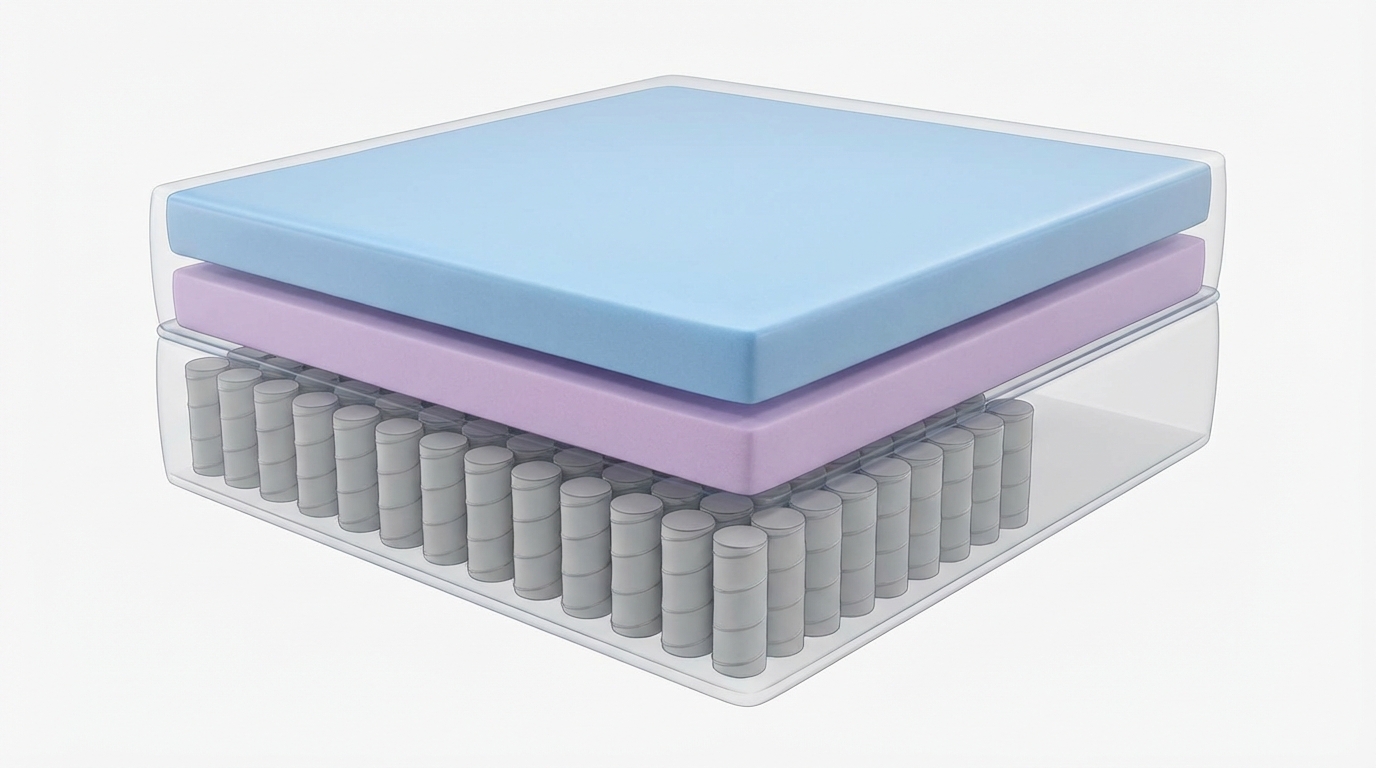
Hybrid mattresses sit between these two. They combine coil support with foam comfort layers, which often gives you a nice mix of responsiveness and pressure relief. Hybrids like the Sealy Posturepedic Pro Soft Mattress – Dupont II Euro Pillow Top or the Sealy Posturepedic Elite Soft Hybrid Mattress – Brenham II use advanced foams designed for breathability, but they still do best when you avoid heavy saturation. Spot treatments, quick blotting, and thorough drying will serve any of these designs well.
To help you compare the most common mattress types from a cleaning and stain perspective, here is a simple comparison:
| Mattress Type | How It Handles Moisture | Stain Risk Level | Cleaning Cautions |
|---|---|---|---|
| Traditional innerspring | Moderately absorbent surface, good airflow through coils | Moderate, especially on older quilted tops | Avoid soaking through quilting, check for rust risk on very old coils |
| All‑foam (memory foam) | Highly absorbent, slow to dry | High, stains can penetrate deeply | Use minimal liquid, prioritize waterproof protection, never steam clean |
| Hybrid (foam + coils) | Surface behaves like foam, core breathes better | Moderate to high depending on cover | Spot clean only, avoid heavy saturation near edges and seams |
Regardless of type, most manufacturers now design mattress covers to be non‑removable. Unzipping and washing them often voids warranties and can damage the internal layers if you try to pull them off. Always follow your mattress care instructions and test any cleaner in a low‑visibility area first.
If you are shopping specifically with “easy to keep clean” as a priority, looking at curated collections like The Best Hybrid Mattresses or The Best Foam Mattresses can help you zero in on designs that balance comfort, cooling, and practical day‑to‑day care.
How Often To Deep Clean Your Mattress (And Simple Maintenance Habits)
Most people only think about cleaning their mattress when something dramatic happens, but a light, regular routine can prevent many stains from ever becoming a big deal. Regular maintenance is also one of the easiest ways to stretch the useful life of your bed. Many bedding experts suggest a full mattress refresh every six months, or more often if you have allergies or pets that sleep with you.
A basic maintenance rotation looks like this. Every one to three months, strip the bed and vacuum the mattress surface to remove dust, skin cells, and crumbs. Sprinkle a light layer of baking soda and leave it for a few hours, then vacuum again. Check for any small stains or marks and address them with spot treatments before they have time to set in. This is also a good moment to rotate or flip your mattress if the model is designed for it, to promote more even wear.
Twice per year, pair this with laundering or replacing your mattress protector. A high quality protector is your first line of defense against almost every type of stain we have discussed. If your protector is cracked, peeling, or no longer waterproof, it is time for a new one. This is one of those quiet investments that pays for itself quickly in reduced deep cleaning and fewer mattress replacements over time.
Also consider your bedding in the maintenance picture. Soft, breathable sheets such as the Tempur‑Pedic ProPerformance Sheet Set or the TEMPUR‑Breeze Cooling Sheet Set are easier to launder frequently and can help wick sweat away from your body, lowering how much reaches the mattress surface. According to sleep hygiene guidance from organizations like the Sleep Foundation, washing sheets weekly in hot water is an effective way to reduce allergens and maintain a fresher sleep environment.
Over the years, I have seen that people who adopt a simple maintenance rhythm report not only fewer stains but also a quieter mind at bedtime. There is a small but real psychological comfort in knowing that where you are lying down every night is clean, protected, and intentionally cared for.
A Practical Stain Response Checklist
When something spills on the bed, especially in the middle of the night, it is easy to freeze, panic, or get overwhelmed by conflicting internet advice. Having a simple mental checklist helps you move into action quickly without overthinking each step. Families often tape a copy inside a linen closet door so anyone in the house can handle the first response.
Here is a straightforward sequence you can follow whenever you discover a new mattress stain:
- Protect yourself if needed with gloves, especially for bodily fluids
- Remove solids gently with a dustpan, cardboard, or spoon
- Blot liquid with white towels from the outside of the stain inward
- Choose a stain‑specific cleaner, and test in a hidden spot first
- Apply cleaner lightly, keeping the mattress damp, not wet
- Blot again with clean, dry cloths to remove lifted residue
- Apply baking soda to absorb odor and remaining moisture
- Vacuum thoroughly once everything is completely dry
After you walk through these steps, give yourself permission to rest. You can always reassess the stain in the morning light and decide whether another gentle pass is needed. Often, you will find that what looked catastrophic at 2 a.m. is far more manageable by 10 a.m. with coffee and a bit of perspective.
When Cleaning Is Not Enough: Signs It Is Time To Replace Your Mattress
There comes a point where even the most careful cleaning routine cannot compensate for age, wear, and repeated accidents. Knowing the difference between “worth another cleaning” and “time for a new mattress” can save you a lot of frustration. It also protects your health, since an old, heavily stained mattress can harbor allergens and microbes that are very hard to fully remove.
A few clear signs tell you it may be time to move on. If you see multiple large, dark stains, widespread yellowing, or any black or green spots that could indicate mold, replacement is usually the safer option. A persistent musty or ammonia‑like smell that returns quickly after cleaning is another red flag that the internal layers are compromised. And of course, if your mattress is sagging, lumpy, or older than eight to ten years, and you wake up with aches or stiffness, no amount of stain removal will fix that underlying comfort and support issue.
Clinical sleep specialists often remind patients that a supportive mattress is part of managing chronic pain and improving sleep continuity. According to research summarized by major health systems like the Mayo Clinic, better sleep quality supports immune function, cardiovascular health, and mental health. Thinking of a mattress as part of your wellness toolkit, rather than just a furniture item, can help frame replacement as an investment rather than a burden.
If you do decide replacement is the right move, you can use what you have learned from your stain battles to set yourself up for easier care with the new bed. Choosing a durable hybrid from collections like The Best Hybrid Mattresses, adding a breathable waterproof protector, and considering a comfortable topper or pillow bundle such as the Tempur‑Pedic Mattress Topper – Pillow Travel and Guest Bundle for guests are all ways to create a resilient, comfortable sleep system that is ready for real life.
Conclusion: Clean Mattress, Calmer Mind, Better Sleep
Stains on a mattress can feel like a personal failure or a permanent problem, but they are really just evidence that real people, pets, and lives pass across that fabric every day. With the right knowledge, most stains are fixable, and many can be prevented from happening again. Once you understand how to match simple cleaners to specific stain types, how to avoid damaging your mattress, and how to help it dry fully, you are already ahead of what most people ever learn about mattress care.
For fresh accidents, acting quickly with blotting, gentle vinegar or soap solutions, and baking soda can save you hours of work later. For older or tougher stains, patient repetition with mild oxidizers like hydrogen peroxide on appropriate fabrics can dramatically improve the look and smell of your bed. Layering in smart protection, like a quality waterproof mattress protector and breathable sheets, shifts most of the work to your washing machine instead of your hands and knees.
If you are looking at a very old, sagging, or heavily stained mattress and feeling defeated, know that this is often a signal that your sleep system is overdue for an upgrade rather than a reflection of your housekeeping. Whether you are choosing a new hybrid or foam mattress, or simply giving your current bed a deep clean and a fresh layer of protection, you deserve a sleep space that feels hygienic, comfortable, and easy to care for. If you would like help matching your cleaning reality and comfort needs to the right Sleepology products, our team is always just a conversation away.
Frequently Asked Questions
How do I clean mattress stains without damaging memory foam?
Memory foam is very absorbent, so the most important thing is to use as little liquid as possible. Always start by blotting up any spills with dry, white towels. Then apply small amounts of cleaner using a damp cloth or fine mist spray rather than pouring anything directly onto the foam. Focus on stain‑specific solutions like diluted vinegar for fresh urine or mild dish soap for food, and follow each cleaning pass with thorough blotting and extended air drying. Avoid steam cleaners and heavy saturation, which can trap moisture deep inside the foam and increase the risk of mold.
What is the safest way to get pee out of a child’s mattress at 2 a.m.?
Strip the bedding, then quickly blot as much urine as you can with towels, pressing firmly and lifting straight up. Once the area is no longer actively wet, lightly mist a half vinegar, half water solution over the stain and let it sit while you settle your child elsewhere. Blot again, then sprinkle baking soda over the spot and leave it overnight. In the morning, vacuum up the baking soda, check for remaining odor, and repeat if needed. If your child has recurring accidents, pairing the mattress with a waterproof protector such as the TEMPUR‑Breeze Mattress Protector – Cooling, Waterproof, Breathable Cover can turn those emergencies into simple sheet changes.
Can I use bleach on my mattress to remove stains?
It is not recommended. While bleach is a strong disinfectant, it can weaken fibers, discolor fabrics unevenly, and irritate skin and lungs with residual fumes. It also does not penetrate foam evenly, which means it can leave some microbes untouched while still damaging materials. For most household mattress stains, safer alternatives like hydrogen peroxide on light fabrics, diluted vinegar, baking soda, and mild detergents are more than sufficient. Always spot test any cleaner, and follow manufacturer care instructions when available.
How do I know if a mattress stain is mold and not just discoloration?
Mold usually appears as irregular, fuzzy or spotty patches that may be black, green, or dark brown, and it often comes with a distinct musty smell. Sweat and age‑related yellowing tend to look more like diffuse, smooth discoloration without texture. If you see spots that look raised, powdery, or fuzzy, especially in combination with a damp smell or a history of water damage, treat that as a mold concern. In those cases, health organizations like the Environmental Protection Agency generally recommend replacing porous items like mattresses rather than trying to remediate them, because mold can penetrate deeply and be difficult to remove completely.
How often should I clean my mattress if I have allergies or asthma?
If you live with allergies or asthma, a cleaner sleep environment can make a noticeable difference. Many allergists suggest vacuuming the mattress surface every one to two months, using a vacuum with a HEPA filter if possible, to reduce dust mites and allergens. You can pair that with a light baking soda treatment and spot cleaning as needed. In addition, using an encasement or high quality protector over your mattress and washing your pillows and bedding weekly in hot water are important steps recommended by groups such as the American Academy of Allergy, Asthma & Immunology. Together, these steps help minimize overnight exposure to common triggers.
Is it worth saving an old, stained guest mattress, or should I just replace it?
Look at three factors: age, structural condition, and the type and extent of stains. If the mattress is more than eight to ten years old, visibly sagging, or leaves guests complaining about discomfort, that alone is reason to consider replacement. If stains are minor and mostly cosmetic, a good cleaning and a new protector might be sufficient. However, if there are multiple old urine stains, strong lingering odors, or any sign of mold, replacement is the healthier choice. Upgrading to an affordable but supportive model from collections like The Best Foam Mattresses, then protecting it from day one, often ends up cheaper and more welcoming than trying to resurrect a badly compromised bed.
Do I really need both a mattress protector and a topper?
They do different jobs. A mattress protector is about defense, keeping liquids, sweat, and allergens from soaking into the mattress. A topper is about feel, adjusting firmness, cushioning pressure points, or giving an older but still supportive mattress a comfort boost. If your mattress is new or in good shape, at minimum invest in a waterproof protector to guard that investment. If you want to change how the bed feels or create a more luxurious guest setup, adding a topper or bundle like the Tempur‑Pedic Mattress Topper – Pillow Travel and Guest Bundle can be a smart extra, but it should go under the protector so cleanup stays easy.