

How To Clean A Mattress: A Sleepologist’s Complete Guide To A Fresher, Healthier Bed
If you are searching for how to clean a mattress, there is a good chance you are looking at a stain, smelling something a little off, or waking up feeling stuffier than you used to. It is not a fun moment. You spent real money on your bed, you sleep on it every night, and now it suddenly feels a little questionable. You might even be wondering whether you should try to save it or if it is time to start over with a new mattress altogether.
Mattress cleaning can feel confusing because there is a lot of conflicting advice online. Some guides treat every mattress like an old-school innerspring. Others recommend aggressive wet cleaning that can quietly void warranties or grow mold inside certain foams. From what I see every day at Sleepology, the gap between "what people try" and "what actually works" is wide, and it can cost people both sleep quality and money.
Here, you will get a clear, step-by-step way to clean your mattress safely, tailored to the type of mattress you have and the kind of mess you are dealing with. You will learn how often to clean, what products to use and avoid, how to handle common stains like urine, sweat, and spills, and how to know when cleaning is not enough and a replacement is the healthier choice. My goal is to leave you feeling confident that you can handle your current mattress situation and protect your bed better going forward.
Before we get into the "how," it helps to know why this really matters. According to the Sleep Foundation, most adults need 7 to 9 hours of sleep per night, and both sleep quality and allergies are closely tied to the health of your sleep environment, including your mattress and bedding. A dirty mattress can harbor dust mites, accumulated skin cells, and trapped moisture that contribute to congestion and poor rest. A clean, protected mattress is not just about looks. It is a low-effort way to support better sleep and extend the life of one of the most important pieces of furniture in your home.
Why Mattress Cleaning Matters For Sleep, Health, And Mattress Lifespan
Mattresses do not look dirty the way carpets or countertops do, which makes it easy to forget about them. Under the sheets, though, a lot is happening. Every night, you shed thousands of skin cells, produce sweat, and sometimes drop crumbs or cosmetic residue onto the bed. Over time, this creates a buffet for dust mites and can trap odors that slowly build up until you notice a lingering smell even after washing your sheets.
Health experts regularly point to allergens in the bedroom as a contributor to nighttime congestion and morning headaches. The American Academy of Allergy, Asthma & Immunology notes that dust mites are one of the most common indoor allergens, and they thrive in soft, warm, humid environments like mattresses and pillows. When I talk with customers who wake up stuffy but feel better as they move away from the bed, a neglected mattress is often part of the story. Cleaning the mattress, adding a quality protector, and washing bedding hot regularly can make a real difference.
There is also the simple math of protecting an investment. Consumer Reports has found that regular mattress maintenance helps extend usable lifespan by limiting deep-set stains and moisture damage. It is not just about "keeping it nice." Stains can sometimes void certain manufacturers' warranties, and trapped moisture can break down foam or encourage mildew. A quick routine clean twice a year and spot cleaning as needed is far cheaper than replacing a mattress years earlier than necessary.
Cleaning is also your reality check on whether your mattress is still serving your body. When you strip the bed and run your hands across the surface, you can feel sagging, lumps, and deep body impressions much more clearly. Many Sleepology customers only notice how badly their mattress has aged when they pull everything off for a deep clean. At that point, cleaning can improve hygiene, but it cannot fix lost support. Knowing that distinction helps you decide when to maintain and when to upgrade to something more supportive, such as a Sealy Posturepedic Elite Soft Hybrid Mattress, which is designed to keep support more consistent over time.
“I hadn’t cleaned our mattress in probably five years and honestly was bracing for the worst. Following Mia’s steps, it looked and smelled so much better, but I also realized how badly it sagged in the middle. We ended up replacing it at Sleepology, and the new hybrid plus a protector feels like a clean slate. Worth every dollar of the roughly $1,500 we spent.” – Laura P., November
Know Your Mattress Type Before You Clean
Before you grab the baking soda and spray bottle, you need to know what you are working with. Different mattress materials respond very differently to moisture and cleaning products. The wrong method can turn a small accident into a long-term problem, especially with memory foam and hybrid constructions.
Broadly, most modern beds fall into one of four categories. You have traditional innerspring mattresses with coil systems and quilted tops, often with fiber and foam inside. Then there are all-foam beds, usually memory foam or polyfoam, which contour more deeply and hold heat and moisture differently. Hybrid mattresses combine coils with thicker foam layers on top, which is what many people are sleeping on in . Latex mattresses use either natural or synthetic latex and tend to be more breathable and resilient.
Why does this matter for cleaning? Innerspring mattresses usually tolerate slightly more moisture on the surface, as long as you avoid soaking down into the coil unit. All-foam and hybrid beds are more vulnerable to trapped moisture and should never be saturated. Latex mattresses generally resist mold and dust mites better than other materials but still need gentle handling. Many modern mattresses also contain glued layers and specific fire barriers, which can be damaged by harsh chemicals or heavy steam cleaning. Always check your mattress tag or manufacturer instructions if you are not sure.
If you are shopping or already sleep on a premium hybrid like the Sealy Posturepedic Elite Medium Brenham II Euro Pillow Top, gentle, low-moisture cleaning is especially important to preserve the comfort layers. The same applies to memory foam models in our Best Foam Mattresses collection. A little extra care now keeps the feel of those pressure-relieving foams consistent and your warranty intact.
In the sections that follow, I will walk you through a general deep-cleaning framework, then layer in specific advice by mattress type. That way you can adapt the core process to the bed you actually own instead of following one-size-fits-all instructions that may not be safe.
How Often Should You Clean Your Mattress?

Most people either clean too rarely or only when something dramatic happens, like a pet accident. A realistic schedule lives in the middle. It respects your time but keeps your sleep surface solidly in the "fresh and healthy" zone.
A practical guideline is to deep clean your mattress about twice a year, a recommendation that matches what Consumer Reports suggests when talking with cleaning experts. That deep clean includes stripping all bedding, vacuuming the surface and sides carefully, treating any visible stains, and deodorizing with baking soda if appropriate for your mattress type. For many of our customers, tying this to spring and fall cleaning works well because you are already rotating wardrobe items or tackling other house projects.
Between those deeper sessions, a lighter monthly routine keeps things from building up. That might mean vacuuming the mattress surface quickly when you rotate it or change out seasonal bedding, and always treating any fresh spills or stains as soon as they happen. According to the Mayo Clinic and other health organizations, managing dust mites and allergens is an ongoing process, not a once-a-year chore, so consistency matters more than perfection.
Bedding hygiene is the other half of this picture. The Sleep Foundation notes that washing sheets and pillowcases weekly in hot water helps control allergens and bacteria, and many allergy specialists recommend encasing mattresses and pillows in protective covers. If you pair a good wash routine with a breathable, waterproof protector, you will likely spend far less time battling deep-set mattress stains. A protector like the TEMPUR-Adapt Mattress Protector gives you a washable first line of defense so your main mattress rarely sees spills at all.
Cleaning frequency is also about your household. If you have pets on the bed, kids who snack or co-sleep, someone with asthma or allergies, or you live in a humid climate, your mattress is under heavier use. In those cases, deep cleaning every three to four months is more realistic. On the flip side, a lightly used guest room bed may only need a true deep clean once a year plus regular airing and vacuuming.
“We have two kids and a dog who thinks our bed is his personal couch. Following a three-month cleaning schedule like Mia suggested has kept the mattress from getting that funky smell. The waterproof protector she recommended from Sleepology has already saved us from at least three juice disasters.” – Kevin R., October
Your Step By Step Deep Cleaning Routine
Deep cleaning does not have to be complicated. The key is to work in stages, keep moisture under control, and give the mattress plenty of time to dry before you remake the bed. Plan this for a day when you have several hours where the bedroom can stay well ventilated.
Start by gathering your supplies. You will need a vacuum with an upholstery attachment, a few clean white cloths, a mild laundry detergent for your bedding, a gentle enzyme cleaner or DIY solution suited to the type of stain you have, and baking soda if your mattress type can safely handle dry deodorizing. A small spray bottle is useful for applying solutions to the cloth rather than directly to the mattress. If your mattress care tag clearly states that no liquids should be used, follow that guidance and skip the stain treatments that require moisture.
Begin by stripping all bedding and washing it according to the care labels. This includes sheets, pillowcases, and any removable mattress protector or encasement. Wash in the warmest water safe for the fabric, which helps remove skin oils and kill dust mites. While the bedding is washing, use your vacuum's upholstery tool to clean the entire mattress surface slowly, paying close attention to seams, tufting, quilted patterns, and edges where dust and debris collect. Take your time; vacuuming is doing a lot of the hygienic heavy lifting.
Next, address visible spots or stains using a low-moisture approach. Instead of spraying cleaner directly onto the mattress, spray it onto a cloth and then blot gently, working from the outside of the stain inward. That prevents spreading and limits how much liquid seeps into the interior. For organic stains like sweat, urine, or blood, an enzyme-based cleaner is generally effective because it breaks down proteins. For simple food or drink spills, a teaspoon of mild dish soap in a cup of cool water, applied as foam with a cloth, can work well. Always test in a small, unseen area first.
If your mattress materials and manufacturer guidance allow it, you can deodorize the mattress after spot cleaning by sprinkling a thin, even layer of baking soda over the top surface. Let it sit for several hours so it can absorb residual odors and moisture. Studies in household cleaning consistently point to baking soda as a safe, gentle deodorizer for many fabrics when used dry. After the wait, vacuum thoroughly again to remove the powder. Open windows or run a fan to speed up drying and air exchange, and only remake the bed when you are sure the mattress feels completely dry to the touch.
How To Clean Different Mattress Types Safely
Different mattress constructions need small adjustments in how you clean them. Using the wrong method will not necessarily ruin a bed instantly, but it can shorten its life or change how it feels. Here is how to adapt your routine by mattress type.
Cleaning Memory Foam And Other All Foam Mattresses
All foam mattresses are the most sensitive to moisture. Memory foam and comfort foams act a bit like a sponge. If they absorb too much liquid, they can be slow to dry, which creates an environment where mildew or odor-producing bacteria thrive. That is why both sleep experts and many manufacturers caution against heavy steam cleaning or soaking foam beds, even when the intention is to disinfect.
For an all foam mattress, keep vacuuming and spot treatment as your primary cleaning tools. Vacuum slowly with an upholstery attachment, then treat stains using enzyme cleaner or mild soap solution applied to a cloth, not directly to the foam. Blot, do not scrub, and use as little fluid as possible. If a stain is large or very wet, blot first with dry cloths to pull up what you can before applying any cleaner. After spot cleaning, press another dry cloth onto the area to wick out remaining moisture.
Use baking soda sparingly and only if your mattress tag does not warn against it. A light dusting that sits for a few hours, then gets fully vacuumed up, can help with odors from sweat or minor spills. Avoid saturating the foam surface with baking soda paste or vinegar mixes. Those "DIY miracle" recipes travel deeply into foam and are almost impossible to rinse out fully. If odor is severe despite careful cleaning and you have had the mattress for several years, that is often a sign it may be time to consider replacing it with a fresh, supportive option from our Best Foam Mattresses lineup.
Cleaning Hybrid Mattresses
Hybrid mattresses combine foam comfort layers with a coil support core, which means they share sensitivities with both innerspring and foam beds. The coil unit itself can handle a bit more ventilation, but the upper foam layers still dislike being saturated. Many hybrids also have plush Euro pillow tops that can trap moisture if you use too much liquid.
Start with the same steps: strip the bed, wash bedding, and vacuum thoroughly. Pay extra attention to any gusseted edges or pillow-top seams where crumbs and dust collect. When treating stains, think about depth. If the stain is shallow and recent, gentle blotting with an enzyme cleaner will usually suffice. Avoid pushing liquid down through the quilting into the deeper foam. Use baking soda for odor control only in a dry sprinkle, then vacuum as with other mattress types.
Because hybrids are often higher profile and heavier, flipping them is usually not recommended unless the manufacturer specifically designs them as dual-sided. Instead, rotate them head to foot every three to six months to even out wear patterns. When customers choose a hybrid like the Sealy Posturepedic Plus Medium Paterson II Euro Pillow Top, I often suggest pairing it with a waterproof, breathable protector such as the TEMPUR-Breeze Cooling Protector. This keeps cleaning mostly at the protector level, which is machine washable, while preserving that comfortable pillow top.
Cleaning Innerspring And Latex Mattresses
Traditional innerspring mattresses, especially older two-sided models, tend to be a bit more forgiving. They often have more airflow within the coil system, which helps moisture evaporate if you do get the surface slightly wetter during spot cleaning. That said, you should still avoid soaking the comfort layers above the coils. Foam and batting can clump or break down if they get very wet and then dry unevenly.
For innerspring beds, you can follow the general deep-clean routine closely, with careful spot cleaning and baking soda deodorizing. If your mattress is genuinely double sided, you can flip it, vacuum and spot clean the second side, and let each side air out in turn. This is a nice opportunity to assess wear and decide how much life the mattress realistically has left.
Latex mattresses are naturally more resistant to dust mites and mold, which is one reason people with allergies sometimes prefer them. They still benefit from regular vacuuming and quick attention to spills. Clean latex surfaces with a barely damp cloth and a tiny amount of mild soap if needed, then blot dry and allow plenty of air circulation. Never use strong solvents or bleach on latex, since those can degrade the material. A fitted protector on top acts as your main stain barrier, and gentle mattress rotation can help latex wear more evenly over time.
Quick Guide: What Works On Which Mattress Type?
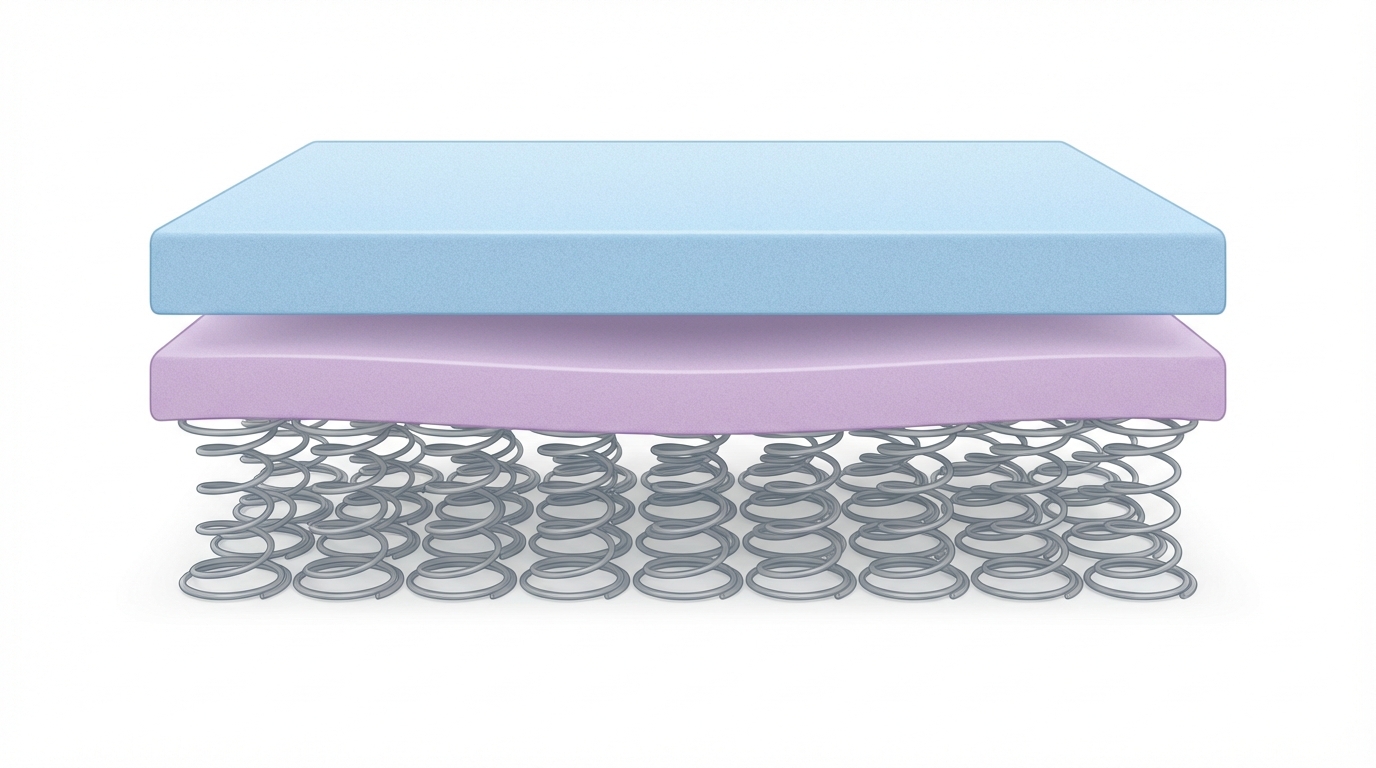
To help you picture the differences, here is a simple comparison of how common cleaning methods fit each mattress category.
| Mattress Type | Moisture Tolerance (Surface Only) | Best Cleaning Focus | Caution Points |
|---|---|---|---|
| Memory Foam / All Foam | Very low, use minimal moisture | Vacuuming, light spot cleaning, dry baking soda deodorizing | Never soak or steam; avoid heavy DIY liquid mixtures |
| Hybrid | Low to moderate, keep liquids shallow | Vacuuming, gentle spot cleaning, rotation | Do not flip unless manufacturer allows; protect plush tops |
| Innerspring | Moderate, but still avoid saturation | Vacuuming, spot cleaning, possible flipping | Older padding can clump if very wet |
| Latex | Low to moderate, quick-drying when thin | Vacuuming, light wiping, rotation | Avoid harsh chemicals and heavy steam |
No matter your mattress type, the principle is the same: keep things as dry as possible, act quickly on spills, and protect the surface so you rarely have to deal with serious stains in the first place.
“I was about to rent a steam cleaner for our memory foam mattress because I thought that meant ‘deep clean.’ When I spoke with Sleepology, they explained why that could actually damage the foam. Following Mia’s low-moisture method plus adding a cooling protector cost us under $200 and probably saved our $1,800 mattress.” – Jamal S., September
How To Treat Common Mattress Stains And Odors
Most people do not search for how to clean a mattress until something specific happens. Maybe a child has an overnight accident, a pet gets sick on the bed, or someone spills coffee during a lazy morning. The good news is that in many cases, if you act quickly and use the right approach, you can clean the mess effectively and avoid long-term smells.
Fresh stains are always easier to handle than old ones. Whether the issue is urine, sweat, blood, or food and drink, your first move should be to remove as much as possible with dry, absorbent cloths. Blot gently, pressing down to pull moisture up, and resist the urge to scrub aggressively, which can push the stain deeper. Once you have removed what you can, choose your cleaner based on the type of stain. Enzyme cleaners work very well on organic stains because they break down the proteins and compounds that cause discoloration and odor.
For general deodorizing, especially from sweat, body oils, or mild mustiness, baking soda remains a classic, low-risk tool. After vacuuming, sprinkle a thin layer across the surface and let it sit for several hours or overnight, then vacuum thoroughly. Research on household cleaning and odor control consistently supports baking soda as a simple odor absorber, especially when combined with better ventilation. If your room has windows, letting sunlight in during this process can add a bit of natural sanitizing power through UV exposure.
Some older internet advice encourages heavy use of vinegar, vodka, or strong hydrogen peroxide mixes across the entire mattress. While these can sometimes help in isolated, small spots, they also carry a real risk of over-wetting and damaging delicate materials or discoloring fabrics. A more balanced approach is to use targeted, small-volume treatments and reserve aggressive chemical methods for rare, worst-case scenarios where the alternative might be replacing the mattress altogether.
Special Situations: Urine, Blood, Vomit, And Mold
Certain situations feel more urgent and stressful, particularly if you are dealing with bodily fluids. The main thing is not to panic or start pouring every cleaning product you own onto the bed. A calm, stepwise approach usually gives you the best outcome.
With urine, especially from children or pets, speed is your friend. Blot up as much as possible right away with clean, dry towels, changing to a fresh section as each becomes damp. Once surface moisture is under control, apply a small amount of enzyme cleaner to a cloth and blot the area, working from the edges inward. Enzyme cleaners specifically designed for pet stains are often effective on human accidents too. Avoid hot water, since it can set odors and stains. After treatment, press a dry cloth on top to absorb extra moisture, then allow the mattress to air dry thoroughly before covering it again.
Blood stains are often intimidating, but they respond surprisingly well to cold water and patience. Again, blot first to remove any excess. Then dab the stain gently with a cloth lightly dampened in cold water. Many stain specialists, as cited by home care organizations, recommend cold water because it is less likely to set proteins in blood. If needed, you can add a tiny amount of mild dish soap to create foam and use that on the cloth. Hydrogen peroxide can sometimes help lift dried blood, but it can also bleach fabrics and should be tested in an inconspicuous spot first and used very sparingly.
Vomit is a tougher case because it combines liquid, solids, and strong odors. Wear gloves, remove solids carefully into a trash bag, and then treat the remaining area similar to a urine stain with enzyme cleaner and blotting. You might need to repeat gentle treatments and deodorizing more than once. If your mattress does not have a protector and the vomit has penetrated deeply in a thick foam layer, there is a point where replacement may be more hygienic than attempting endless cleaning.
Mold or mildew is a red flag. If you see visible mold growth on or inside the mattress, or smell a strong, musty odor that does not improve with cleaning and baking soda, it may not be safe to salvage. Moisture-related mold is especially concerning for people with asthma or immune sensitivities. Health organizations like the CDC advise taking mold growth seriously in soft furnishings because spores can spread when disturbed. A mild surface mildew stain from a one-time event might respond to careful cleaning and thorough drying. Persistent, widespread mold usually means it is time to retire the mattress and focus on improving room ventilation and humidity control before bringing in a new bed.
Drying Your Mattress Safely And Completely
Drying may be the least glamorous part of cleaning, but it is often the most important. Any cleaning that involves moisture, even small spot treatments, needs proper drying time to prevent odors and microbial growth. You cannot rush this by immediately making the bed or adding layers of bedding that trap moisture.
As soon as you finish any damp cleaning, open windows if weather allows and run a fan across the mattress surface. Direct airflow helps water evaporate more quickly from fabric and foam. If you have a ceiling fan, turn it on low and position a portable fan to move air lengthwise over the bed. Avoid aiming strong heat sources like hair dryers directly at one spot, since that can distort or overheat some foams.
If you have a modern mattress, do not haul it outside into direct sunlight unless the manufacturer explicitly allows this. A short period of indirect outdoor air can be fine for some materials, but prolonged UV exposure can degrade certain foams and fabrics. Instead, think about indoor cross-ventilation. In dry climates or seasons, simply leaving the mattress uncovered for several hours in a well ventilated room is often enough.
As a rule of thumb, a mattress that has only had light spot cleaning and baking soda needs at least several hours of dry time before you put on a protector and sheets. If there was a more significant spill or accident, aim for most of a day of drying. If you touch the area and feel any coolness or dampness, it is not ready yet. Patience here keeps your hard cleaning work from backfiring into musty smells.
Prevention: Mattress Protectors, Bedding, And Bedroom Environment

The easiest mattress to clean is the one that rarely gets dirty in the first place. Prevention does not mean living in fear of every coffee mug. It means building simple layers of protection and better habits so that everyday life is less risky for your bed.
A waterproof, breathable mattress protector is your single most impactful tool. It sits between your sheet and the mattress, catching spills, accidents, and sweat before they reach the mattress surface. Quality protectors today are much quieter and more comfortable than the old plastic versions many of us remember from childhood. For example, the TEMPUR-Adapt Waterproof Mattress Protector offers a soft, stretchy top layer that moves with the mattress, while still blocking liquids and allergens. If you sleep hot or live in a warm climate, a cooling option like the TEMPUR-Breeze Cooling, Waterproof Protector adds temperature regulation along with protection.
Bedding habits matter too. Washing sheets and pillowcases weekly in warm or hot water, as recommended by many sleep health organizations, reduces buildup of sweat, oils, and skin cells on your sleep surface. Rotating or refreshing pillows, and occasionally cleaning mattress toppers or encasements according to their care labels, keeps the whole bed ecosystem fresher. If you use a separate topper for extra softness, treating it as the main cleaning target and protecting it as well can take even more pressure off the underlying mattress.
Your bedroom environment also plays a quiet role in how clean your mattress stays. High humidity, poor ventilation, and frequent indoor smoking or heavy scent use can all encourage lingering smells in fabrics. Using a dehumidifier in damp climates, keeping relative humidity between about 30 and 50 percent, and cracking a window or running a fan regularly can make every cleaning effort more effective. For some sleepers, pairing the mattress with an adjustable base, like those in our Adjustable Bed Frame and Base collection, also helps with airflow around the bed while supporting more comfortable sleep positions.
After you have your protector and bedding routine in place, deep cleaning the mattress becomes more of a "checkup" than an emergency fix. That is where you want to be.
When Cleaning Is Not Enough: Signs You May Need A New Mattress
Even the best cleaning routine cannot reverse structural wear. A sparkling clean mattress that no longer supports you well is still the wrong mattress. Knowing when to stop fighting your old bed and invest in a new one is important for both comfort and health.
One clear sign is persistent sagging or deep body impressions that do not bounce back when you get up. If you strip the bed and see visible troughs where you sleep, especially if they are more than an inch deep, the support system is likely breaking down. According to sleep research and industry guidelines, a worn out mattress that no longer supports the spine in a neutral position can contribute to back and neck pain, as well as restless sleep. Cleaning can make that old mattress more hygienic, but it cannot rebuild a tired coil or foam core.
Another red flag is waking with new or worsening pain that eases as you move around during the day. When I interview Sleepology customers, a common pattern is, "I feel stiff and sore getting out of bed, but once I am moving for an hour, I feel better." That usually points to the mattress not holding the body in a comfortable alignment overnight. If the mattress is also more than seven to ten years old, it is very reasonable to start exploring replacements, whether you lean toward a pressure relieving foam style or a more responsive hybrid like the Sealy Posturepedic Elite Soft Hybrid Brenham II.
Severe or recurring odors after cleaning can also indicate deeper material breakdown or contamination that is difficult to fully resolve. If you have had a significant accident or flood, or notice mold, it may be healthier to replace the mattress, especially if anyone in the home has respiratory issues. In those cases, investing in a new mattress and a full sleep system of pillows, sheets, and protectors from our Pillows, Sheets, Toppers, Protectors collection gives you a true reset instead of constantly chasing lingering problems.
Cleaning is absolutely worth doing to extend your mattress’s lifespan and keep your sleep environment healthy. At some point, though, your body will tell you that even a perfectly clean mattress has reached the end of its supportive life. Listening to that signal, and pairing your new mattress with smart protection from day one, is the most powerful upgrade you can make.
Conclusion: A Cleaner Mattress, Better Sleep, And A Smarter Future Plan
Learning how to clean a mattress properly is really about taking control of your sleep space. Instead of guessing, you now know how to match your cleaning approach to your mattress type, how often to deep clean, and what to do when specific messes happen. You also know where the line is between a mattress that just needs some care and one that has truly aged out of effective support.
Remember that perfect is not the goal. Consistency is. If you can vacuum a few times a year, spot clean calmly when life happens, and use a good mattress protector and regular sheet washing, you are already ahead of most households. Sleep experts and organizations like the Sleep Foundation and Mayo Clinic consistently underline that small, regular hygiene habits in the bedroom pay off in fewer allergens and better sleep quality. Your mattress simply lasts longer and feels better when you give it this basic attention.
If you are realizing that cleaning alone will not fix your current bed, you are not failing. You are just at the natural replacement point. That can be an opportunity to choose something that truly fits the way you sleep now, whether that is a contouring foam mattress, a supportive hybrid, or pairing a new mattress with an adjustable base to reduce snoring or reflux. At Sleepology, our team, including myself, is here to help you sort that out and set up your new mattress with the right protector and bedding so future cleaning stays simple. You deserve a sleep environment that feels clean, comfortable, and easy to care for, and with the steps you have learned here, you are well on your way there.
Frequently Asked Questions
How do I clean my mattress without ruining it?
The safest way to clean a mattress is to focus on dry methods first and go very light with moisture. Start by stripping the bed and washing your bedding, then vacuum the mattress gently using an upholstery attachment, paying close attention to seams and edges. For stains, apply a suitable cleaner to a cloth, not directly to the mattress, and blot rather than scrub so you avoid pushing liquid into the interior. If your mattress label allows, you can sprinkle a thin layer of baking soda for a few hours to help with odors, then vacuum it thoroughly. Above all, avoid soaking the mattress, using harsh chemicals, or ignoring the care instructions provided by the manufacturer.
What is the best way to get urine out of a mattress?
For urine, acting quickly makes the biggest difference. Blot up as much liquid as you can immediately with clean, dry towels, pressing down firmly and switching towel sections as they become damp. Once surface moisture is reduced, use a pet or enzyme-based cleaner designed for organic stains by spraying it on a cloth and blotting the stained area gently from the edges in. Stick with cool water temperatures, since hot water can set smells, and use as little fluid as you can while still treating the area. Afterward, press another dry cloth to pull up extra moisture and allow the mattress to air dry thoroughly with good ventilation before putting bedding back on.
Is baking soda really safe for all mattresses?
Baking soda is generally safe when used as a dry, light sprinkle on most traditional innerspring, hybrid, and many foam mattresses, but you should always check your mattress tag or care instructions first. The key is to keep it dry and to vacuum it up fully after a few hours so it does not linger deep in the fabric. You should avoid turning baking soda into a paste or mixing it with large amounts of vinegar on the mattress, since that introduces too much moisture and can be difficult to remove from foam layers. If your manufacturer specifically advises against powders or if your mattress has a very delicate fabric, skip baking soda and focus on vacuuming and targeted stain treatment instead.
Can I steam clean my mattress to disinfect it?
For most modern mattresses, especially memory foam and hybrids, steam cleaning is not recommended. High heat and moisture from steam can break down foam cells, affect adhesives between layers, and drive water deep inside the mattress where it dries slowly and may lead to mold. Organizations like Consumer Reports highlight that regular vacuuming, good mattress protection, and prompt stain treatment usually provide enough cleanliness for home use without resorting to heavy steam. If you feel you need professional level disinfection, talk to the mattress manufacturer first or consider whether the mattress is old enough that replacement might be a safer long term solution.
How do I know if my mattress is too old to just clean?
Age, comfort, and visible wear are your main clues. If your mattress is approaching or past seven to ten years old, shows deep body impressions that do not recover, or has noticeable sagging, it is probably beyond what cleaning alone can fix. Waking up with persistent stiffness, back or neck pain that improves a few hours after getting up, is another strong sign that the internal support has broken down. If the mattress also has recurring odors after cleaning or any signs of mold, replacing it with a new, properly protected mattress is usually healthier and more cost effective in the long run.
How can I keep my mattress clean if I have kids and pets in the bed?
With kids and pets, planning for messes instead of trying to avoid them entirely works best. Use a high quality waterproof, breathable protector that fully covers the sleep surface to block spills and accidents before they reach the mattress. Layer washable, durable sheets on top and keep an extra set of sheets and a spare protector if possible, so you can change the bed quickly in the middle of the night. Vacuum the mattress and launder bedding regularly, and spot treat any accidents on the protector or sheets immediately, washing them in warm or hot water. With this setup, your mattress itself should only need occasional deep cleaning, even in a busy household.