

How To Clean A Memory Foam Mattress Without Ruining It
You are not the only one staring at a stain on your memory foam mattress, wondering what to do next and worrying you might make it worse. Memory foam feels different than a traditional innerspring, and the idea of getting it “too wet” or using the wrong cleaner can be intimidating. Whether it is a coffee spill, a kid accident, or years of sweat and dust, it is completely normal to feel unsure about the right way to tackle it.
This topic matters more than cosmetic looks. According to the Sleep Foundation, poor mattress hygiene can contribute to dust mites, allergy flare ups, and fragmented sleep, all of which can chip away at your daytime energy and mood. Memory foam is particularly sensitive to excess moisture and harsh chemicals, so the way you clean it really does affect its comfort, structural integrity, and lifespan. Done right, a careful cleaning routine can easily add years of healthy use to your bed.
You are about to get a practical, step by step guide to cleaning and freshening a memory foam mattress, plus specific strategies for tough stains like urine, sweat, and blood. You will also learn what to never do to memory foam, how to keep it fresh with minimal effort, and when a protective upgrade or even a replacement mattress is the smarter move. My goal, drawing on two decades in the sleep industry, is to help you feel confident that you can clean your mattress thoroughly without damaging it or voiding your warranty.
By the time you are done reading, you will know exactly which supplies to use, how much liquid is safe, how long to let your mattress dry, and how to prevent most messes from reaching the foam in the first place. Think of this as having a sleep specialist in your corner, walking you through the process so you can go to bed on a mattress that feels cleaner, smells fresher, and supports real rest.
Understanding Memory Foam And Why Cleaning It Is Different
Memory foam is not just “soft foam.” It is a viscoelastic material that responds to heat and pressure, which is what gives you that slow melting, contouring feel. The same open cell structure that lets it contour around your shoulders and hips also means liquid can soak deep into the core if you are not careful. Once moisture gets trapped in those cells, it is harder to remove and can create lingering odors or even mold over time.
Unlike the coils and airy padding of a traditional innerspring mattress, memory foam prefers a drier, more controlled cleaning approach. You cannot simply soak a stain and walk away. Too much water, aggressive scrubbing, or strong chemicals can break down the foam’s structure and shorten its life. Some cleaners even discolor the surface or cause it to harden in spots, which you will feel every night when you lie down.
Another reason to take cleaning seriously is your health. Organizations like the Mayo Clinic and Cleveland Clinic note that dust mites and accumulated allergens in bedding can aggravate asthma, eczema, and chronic nasal congestion. Memory foam itself can be less hospitable to mites than older style mattresses, but skin cells and dust still collect on the surface over time. A good cleaning routine keeps that build up under control so you are not sleeping on years of debris.
Finally, cleaning is really about protecting your investment. A quality memory foam or hybrid mattress is something most people expect to use for 8 to 10 years. According to industry research from groups like the International Sleep Products Association, proper care is one of the biggest factors in whether a mattress actually lasts that long comfortably. Treating spills quickly and using the right protectors can easily be the difference between a mattress that feels great for close to a decade and one that feels and smells “tired” after only a few years.
“I was terrified I had ruined my memory foam mattress after my dog got sick on it. I called Sleepology, followed their cleaning steps and added a waterproof protector they recommended. I thought I would be out another 1,000 dollars, but the mattress is like new and the smell is completely gone.” – Jenna M., November
Before You Start: Check Labels, Warranties, And Room Conditions
Read The Care Tag And Warranty First
Every memory foam mattress is a little different. Some have removable, machine washable covers. Others use delicate fibers or specialty foams that do not tolerate certain cleaners. Before you even pick up a spray bottle, look for the law tag and any care labels on the side or bottom of your mattress. Also check your paperwork or the manufacturer’s website for specific cleaning instructions.
Many warranties explicitly exclude damage from improper cleaning or “saturation” of the foam. That does not mean you cannot address stains, but it does mean you should follow their guidance on what is allowed. If the instructions conflict with something you read elsewhere, defer to the manufacturer. You are protecting not just the mattress but also your coverage if something structural goes wrong later.
If your mattress has a zip off cover, pay attention to the washing instructions on that fabric. Some can go in a gentle cold cycle and low heat dry. Others are spot clean only because of fire barrier layers or shrinkage risk. The foam core itself should never go in the washer or dryer, even if the cover does.
Set Up The Room For Faster Drying
One of the biggest mistakes people make is forgetting that foam takes longer to dry than fabric. Before you start cleaning, set the stage so your mattress can dry thoroughly. Open windows if weather allows, turn on a ceiling fan or a portable fan, and clear space around the bed so air can circulate freely.
If your bed sits on a solid platform with poor airflow, consider sliding the mattress partially off the base while it dries, or tilting it safely against a wall for a few hours so air can reach the underside. The goal is to avoid trapping moisture between the mattress and foundation. The Sleep Foundation notes that trapped humidity, especially in warm bedrooms, increases the risk of mildew and odors developing inside mattresses over time.
Gather Gentle, Foam Safe Cleaning Supplies
For most memory foam cleaning, you need only a short list of mild tools. Harsh chemicals, heavy perfumes, and colored cleaners are more likely to cause trouble than help. In a moment, we will walk through specific spot cleaning recipes, but as a starting point, have clean white towels, a spray bottle, a small bowl or cup, baking soda, clear mild dish soap or laundry detergent, white distilled vinegar, and a vacuum with an upholstery attachment within reach.
Choosing white or light colored cloths matters more than people think. Strong dyes in cleaning rags can sometimes transfer color onto damp foam, especially if you are scrubbing harder than you meant to. Microfiber or smooth cotton works best because it absorbs liquid quickly without leaving lint tufts behind on the surface.
The Core Process: Routine Cleaning For A Memory Foam Mattress

A good maintenance clean is not about battling one dramatic spill. It is about keeping dust, sweat, and everyday odors from accumulating in the first place. Done two to four times a year, this basic routine helps your sleep surface stay fresher and more supportive longer.
Start by stripping all bedding, including sheets, blankets, and any mattress protector or encasement. Wash your bedding according to its labels, preferably in warm or hot water when fabrics allow. Research published in allergy journals has shown that higher wash temperatures help remove dust mites and bacteria from linens more effectively, which in turn keeps your mattress cleaner between deep cleans.
Next, inspect the mattress surface in good light. Look for any obvious stains, discolored zones where sweat has built up, or areas where it smells musty when you get close. Make a mental note of those spots because you will come back to them with targeted stain treatments after you vacuum and deodorize.
Use your vacuum’s upholstery attachment to gently clean the entire mattress surface, paying extra attention to seams and any tufting. Rather than using a harsh rotating brush, which can scuff or snag the knit cover, choose the softest attachment you have and adjust suction lower if your vacuum allows. Move slowly across the mattress in overlapping passes so you actually pull up dust and hair rather than skimming the top.
Once the surface is free of loose debris, lightly sprinkle a thin, even layer of baking soda across the entire top of the mattress. Baking soda is a mild, natural deodorizer that helps absorb residual moisture and neutralize common bedroom odors without adding fragrances. Let it sit at least 45 to 60 minutes, and a few hours if you can spare the time, then vacuum again to remove the powder completely. If you see any remaining clumps, break them up with your fingers and pass the vacuum over once more so nothing gritty remains under your sheets.
“I followed Sleepology’s maintenance steps over a weekend and was shocked at how much dust the vacuum picked up. After the baking soda treatment, the mattress smelled neutral instead of ‘sleepy.’ It honestly felt like getting a fresh bed without spending a dime.” – Carlos R., October
Spot Cleaning Stains Without Damaging The Foam
General Principles For Treating Any Stain
When you are dealing with a specific stain, whether it is coffee, wine, or body fluids, the first two rules are always the same. Act quickly and avoid over soaking the foam. Memory foam responds best to a blotting approach instead of scrubbing. Scrubbing grinds the stain deeper into the material and can roughen the surface fibers.
Start by gently blotting up as much of the spill as you can with a clean, dry towel. Press down to absorb liquid, then move to a fresh section of the towel as it becomes saturated. If the accident is large, you may go through several towels. The goal here is to remove as much as possible before you ever introduce water or cleaner. For dried stains, you will skip to a slightly different approach in a moment, but it still starts with a dry blot or gentle scrape with a spoon to loosen residue.
Use only a lightly damp cloth or spray bottle to apply your cleaning solution. You should never see puddling or dripping on the surface. If you pick up a corner of the mattress and see liquid seeping downward, you are using too much. It helps to think of spot cleaning as cleaning the top half inch of foam, not the full depth of the mattress.
A Safe, Basic Cleaning Solution For Most Stains
For many everyday stains, a mild soap and water solution works very well. In a small bowl, mix one part clear, gentle dish soap or mild laundry detergent with about five parts cool or lukewarm water. Stir gently to distribute the soap without creating towering suds. Cool water is important because hot water can “set” certain protein stains like blood or sweat.
Lightly dip a clean white cloth into the solution, wring it until it is just damp, then dab the stained area, working from the outside of the stain toward the center. This helps keep it from spreading. After you have lifted as much as you can, switch to another cloth dampened with plain water and blot the area again to remove soapy residue. Finish by pressing a dry towel into the foam to pull out as much moisture as possible before letting it air dry.
If the stain is stubborn, you can repeat this process once or twice, but allow a little drying time in between passes so you do not accumulate too much water in one area. Resist the temptation to scrub or use a stiff brush. Foam is more delicate than it looks, and rough tools can permanently alter the texture where you clean.
How To Clean Common Memory Foam Mattress Stains
Urine Stains And Odors
Urine is one of the most common and most stressful spills people face, especially for parents and pet owners. The combination of moisture, salts, and proteins can leave both a visible stain and a strong odor if it is not handled carefully. According to sleep hygiene experts, lingering urine residues can also attract dust mites more readily, which is another reason to treat them thoroughly.
If the urine is fresh, start by blotting aggressively with dry towels until you are not pulling up any more liquid. Then mix a solution of one part white distilled vinegar to three parts cool water in a spray bottle. Vinegar helps break down urine compounds and neutralize odor, and when properly diluted, it is gentle enough for most foams.
Lightly mist the stained area so it is damp but not soaked, then lay a clean towel over the top and press down to pull the solution back out. Repeat once or twice as needed until the visible stain lightens. Afterward, you can sprinkle a generous layer of baking soda on the area and let it sit for several hours, or overnight if possible. The next day, vacuum up the baking soda thoroughly. The combination of vinegar and baking soda usually handles both the stain and the smell very effectively.
For older, dried urine stains that still smell, you may need to repeat this process a couple of times over several days. The key is patience. Give the mattress plenty of time to dry completely between treatments. Never use straight bleach on urine stains. Bleach can react with urine residues and actually make odors more intense while also degrading the foam and discoloring the cover.
Sweat And General Yellowing
Over time, even if you never have a dramatic spill, you may notice yellowish patches on the surface of your memory foam, especially in the areas where your torso and shoulders rest. This is usually from a combination of sweat, body oils, and oxidation of the foam itself. According to the Sleep Foundation, the average person loses about a pint of moisture overnight through sweat and breathing, and a portion of that ends up in your bedding and mattress.
To address light sweat staining, you can start with the mild soap and water solution described earlier, working in small sections. For more stubborn discoloration, add a teaspoon of baking soda to a cup of cool water and half a teaspoon of mild detergent. Dampen a cloth with this mixture and dab the discolored area gently. Let it sit for about 10 to 15 minutes, then blot with a clean, slightly damp cloth to rinse, followed by a dry towel to absorb moisture.
Keep your expectations realistic with long term yellowing. Some color change is simply age related and cosmetic, not a sign of poor hygiene, and it may not fully reverse. The main goal is to remove sweat residues and associated odors so the mattress smells fresh and feels clean against your bedding, even if a faint shadow of color remains under the cover.
Blood And Other Protein Stains
Blood and similar protein based stains are a bit more particular. The number one rule is to avoid hot water because heat coagulates protein, which makes stains harder to remove. Always use cold water for these spots. Begin by blotting as much as you can with a dry cloth, then switch to a cloth dampened with cold water and press, do not rub.
You can mix a small amount of mild detergent into cold water to help break down the stain. Another home method that many mattress owners find helpful is a paste of baking soda and cold water. Apply a thin layer to the stain, let it sit for up to 30 minutes, then gently wipe it away with a cold damp cloth. Finish with a dry towel and allow the area to air dry thoroughly.
If a faint mark remains but there is no odor and it does not bother you under the sheets, it is often better to leave it than to keep adding more liquid. The risk of saturating the foam and creating a bigger issue is not worth chasing perfection on a spot you will never see during normal use.
What Not To Do: Cleaning Mistakes That Can Ruin Memory Foam
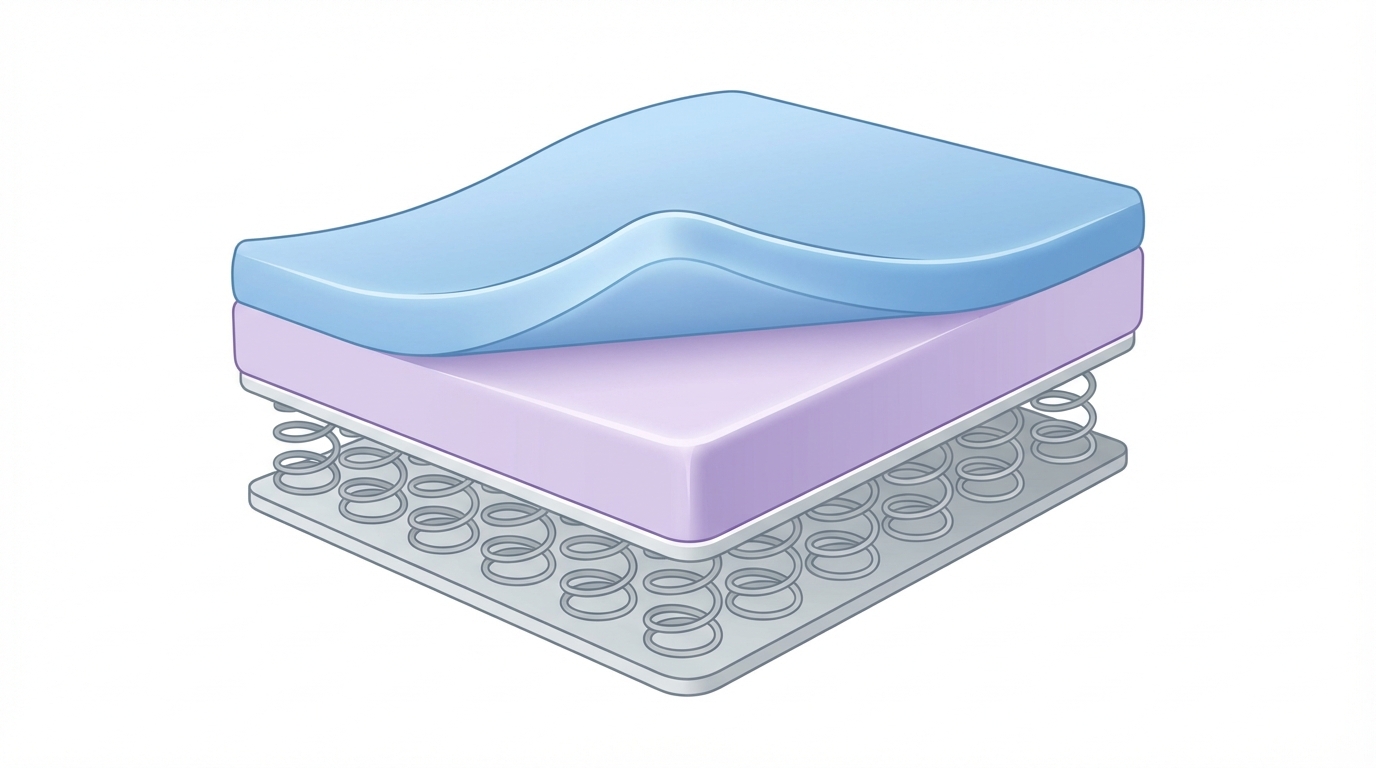
Many people who end up needing a replacement mattress sooner than expected did not sleep unusually hard on their beds. They simply cleaned them in ways that foam does not tolerate well. Understanding the big red flags helps you avoid unintentional damage, even when you are stressed about a stain.
One of the most harmful habits is over saturating the mattress. Pouring cleaner directly onto the foam, using a soaking wet sponge, or leaving wet towels lying on top for hours can all drive moisture deep into the core. That trapped water takes a long time to evaporate and can create conditions where mold thrives, especially in humid climates or in bedrooms with limited airflow.
Another common mistake is turning to the strongest cleaner you can find, like bleach, ammonia, or solvent based sprays. While these products may be fine for hard surfaces, they are too harsh for flexible polyurethane foams. They can eat away at cell walls inside the foam, leading to crumbling, loss of support, or crunchy areas that feel different under your body. They also risk stripping color from the cover or leaving behind chemical odors that linger for weeks.
People also sometimes reach for steam cleaners because they sound like a “deep clean.” For most memory foam mattresses, that level of heat and moisture is risky. Several major manufacturers and retailers, including Consumer Reports in their mattress care guidance, caution against steam cleaning foam because it can weaken adhesives, alter foam structure, and void warranties. Unless your mattress brand clearly states that steam cleaning is acceptable, it is safer to stick to cool or lukewarm spot cleaning and air drying.
Finally, be cautious with aggressive physical methods like scrubbing with stiff brushes, using a shop vacuum on full power directly on the foam, or taking a hair dryer on hot to speed drying. High heat and mechanical abuse can deform or glaze the foam surface. If you are ever unsure about a cleaning idea you read online, take five minutes to compare it against your mattress care instructions or call a sleep specialist for a quick second opinion.
“Before I found Sleepology’s guide, I almost rented a steam cleaner for our memory foam bed. When I read that it could void the warranty, I stopped and tried their low moisture method instead. It took more patience, but the mattress dried well, and we kept our warranty intact. That alone probably saved us over 1,500 dollars in potential replacement costs.” – Lauren S., September
Deep Cleaning Versus Replacement: How To Know Which You Need
Signs A Deep Clean Is Enough
Not every tired looking mattress is truly at the end of its life. Sometimes what feels like “this bed is done” is actually “this bed needs a proper reset.” If your mattress still feels supportive under your body, with no major sagging or hammocking, and you mostly notice surface odors, light staining, or increased dust, a thorough deep clean is often the right first step.
A deep clean means going beyond a quick vacuum and spot treatment. It includes carefully addressing any visible stains, deodorizing with baking soda, and possibly removing and washing the cover if it is designed for that. If you complete all of those steps and the mattress looks, smells, and feels significantly better, you likely still have meaningful life left in the foam.
Pay attention to how you sleep for a week or two after a deep clean. If you fall asleep more comfortably, wake up less stuffy, or stop noticing smells when you get in bed, those are all signs that cleaning made a real difference. According to sleep researchers, even small improvements in bedroom comfort and air quality can translate into better sleep efficiency, the amount of time you actually spend sleeping compared to the time you are in bed.
Signs It May Be Time To Replace Your Mattress
On the other hand, there are some issues cleaning cannot fix. If you see permanent body impressions deeper than about 1.5 inches, if you feel like you are rolling toward the center, or if you regularly wake up with new aches where the foam feels thin, those are structural problems, not cleaning problems. No amount of stain removal will rebuild support that has broken down internally.
Persistent odors that return quickly after cleaning, especially musty, earthy smells, can also point to deeper moisture or mildew within the foam. If you live in a very humid area and the mattress has absorbed moisture for years without a protector, it may be more hygienic to replace rather than fight an uphill battle. Health organizations like the American Lung Association note that mold exposure in the bedroom can aggravate respiratory issues, particularly for people with asthma or allergies.
If you are leaning toward replacement, think about how your needs may have changed since you first bought your current mattress. Many people who upgraded from an older all foam bed now do very well on modern hybrids that combine memory foam comfort layers with supportive coils. Options like the Sealy Posturepedic Elite Soft Hybrid Mattress – Brenham II are designed to deliver contouring pressure relief plus better airflow, which can help reduce overheating and moisture buildup that make cleaning harder in the first place.
When you are not sure whether to deep clean or replace, a quick conversation with a knowledgeable sleep specialist can help you sort through the signs. At Sleepology, we often walk customers through a simple checklist of comfort, support, hygiene, and age to decide together whether a fresh cleaning routine or a new mattress will genuinely serve their sleep better.
Prevention Is The Real Secret: Protecting Your Memory Foam Long Term
Why Every Memory Foam Mattress Deserves A Protector
If I could give only one piece of cleaning advice after 20 years in this industry, it would be this: use a quality, waterproof but breathable mattress protector from day one. A good protector catches nearly every spill and accident at the surface, where it can be washed out in your machine, instead of letting it reach the foam where cleaning is harder and riskier.
Modern protectors bear almost no resemblance to the crunchy plastic covers of decades past. Many use thin, stretchy fabrics that move with the foam and quiet waterproof membranes that block liquid but still let heat and vapor escape. That means you keep the contouring feel of your mattress without the noise or trapped heat of older designs.
For example, sleepers who run warm often appreciate a cooling cover like the TEMPUR-Breeze Mattress Protector – Cooling, Waterproof, Breathable Cover. It adds a moisture barrier and a bit of temperature regulation on top of your memory foam. If you prefer a classic, hypoallergenic option, something like the TEMPUR-Adapt Mattress Protector – Waterproof Mattress Cover, Hypoallergenic can shield the mattress from spills and allergens while still feeling soft and quiet under your sheets.
According to multiple mattress testing organizations and consumer advocacy groups, using a protector is one of the easiest ways to both extend mattress life and preserve your warranty, since most manufacturers do not cover stains or damage from liquids. It is a small upfront investment that often saves hundreds of dollars in professional cleaning or premature replacement later.
Your Simple Long Term Care Checklist
Once you have a protector in place and have given your memory foam mattress a solid initial cleaning, ongoing care can be simple. You do not need a complicated regimen or expensive products to keep things fresh over the years. What you really need is consistency with a few basic habits.
A practical maintenance schedule for most memory foam owners looks like this:
- Wash sheets and pillowcases weekly, or every two weeks at most, in warm or hot water if the fabrics allow.
- Launder your mattress protector every one to two months, or immediately after any spill or accident.
- Vacuum the mattress surface and apply a baking soda deodorizing treatment two to four times per year.
- Spot clean any spills or stains the same day they occur, following the low moisture methods above.
- Air out the mattress by removing bedding and opening windows for a few hours every few months, especially in humid climates.
- Rotate the mattress head to foot every six months if the manufacturer allows, to promote more even wear.
These small actions, spaced out over the year, keep your foam cleaner, drier, and more resilient. They also give you regular check in points to notice any changes in support or feel before problems become severe. Think of them as protecting both your investment and your nightly well being.
If you want to go a step further with comfort and hygiene, you might also explore upgrading some of the layers closest to your body. Our Pillows, Sheets, Toppers, Protectors collection includes breathable, washable components that can fine tune your sleep surface and make regular care easier. The cleaner your “sleep sandwich” is from top to bottom, the better your mattress will age underneath it.
Comparison: Cleaning Memory Foam Versus Other Mattress Types
Even if your current mattress is memory foam, it is helpful to understand how it compares to other constructions when it comes to cleaning and care. That way, if you decide to replace your bed in the future, you can factor maintenance into your decision and choose something that fits your lifestyle.
Here is a straightforward comparison of how different mattress types typically handle cleaning and moisture:
| Mattress Type | Cleaning Sensitivity | Typical Lifespan With Good Care | Ease Of Stain Removal |
|---|---|---|---|
| All Memory Foam | Highly sensitive to saturation, avoid harsh chemicals; low heat only | About 8 to 10 years | Moderate, requires careful blotting and air drying |
| Hybrid (Foam + Coils) | Foam comfort layers similar to memory foam, deeper coil core tolerates airflow well | About 8 to 10 years | Moderate to easier, depending on cover and protector |
| Traditional Innerspring | Less sensitive to occasional moisture on surface, avoid soaking core | About 7 to 9 years | Easier on fabric top, but stains can still reach padding |
| Latex Foam | Sensitive to strong chemicals and UV, handles brief moisture better than memory foam | About 10 to 12 years | Moderate, similar low moisture methods recommended |
This does not mean one type is “better” than another in absolute terms. It simply highlights that all foam beds, including hybrids with foam on top, reward gentler cleaning practices. If you are the kind of household where spills or pet accidents are more likely, pairing a memory foam or hybrid mattress with a premium protector can give you the best balance of comfort and practicality.
When customers at Sleepology mention that cleaning worries are a big stressor for them, we often talk through mattress options in our Best Foam Mattresses collection alongside protector choices. The right combination can deliver that deep, contouring comfort you love while minimizing the day to day anxiety around keeping it clean.
Odors, Allergies, And Air Quality: Looking Beyond Visible Stains
Why Your Mattress Smells “Old” Even When It Looks Clean
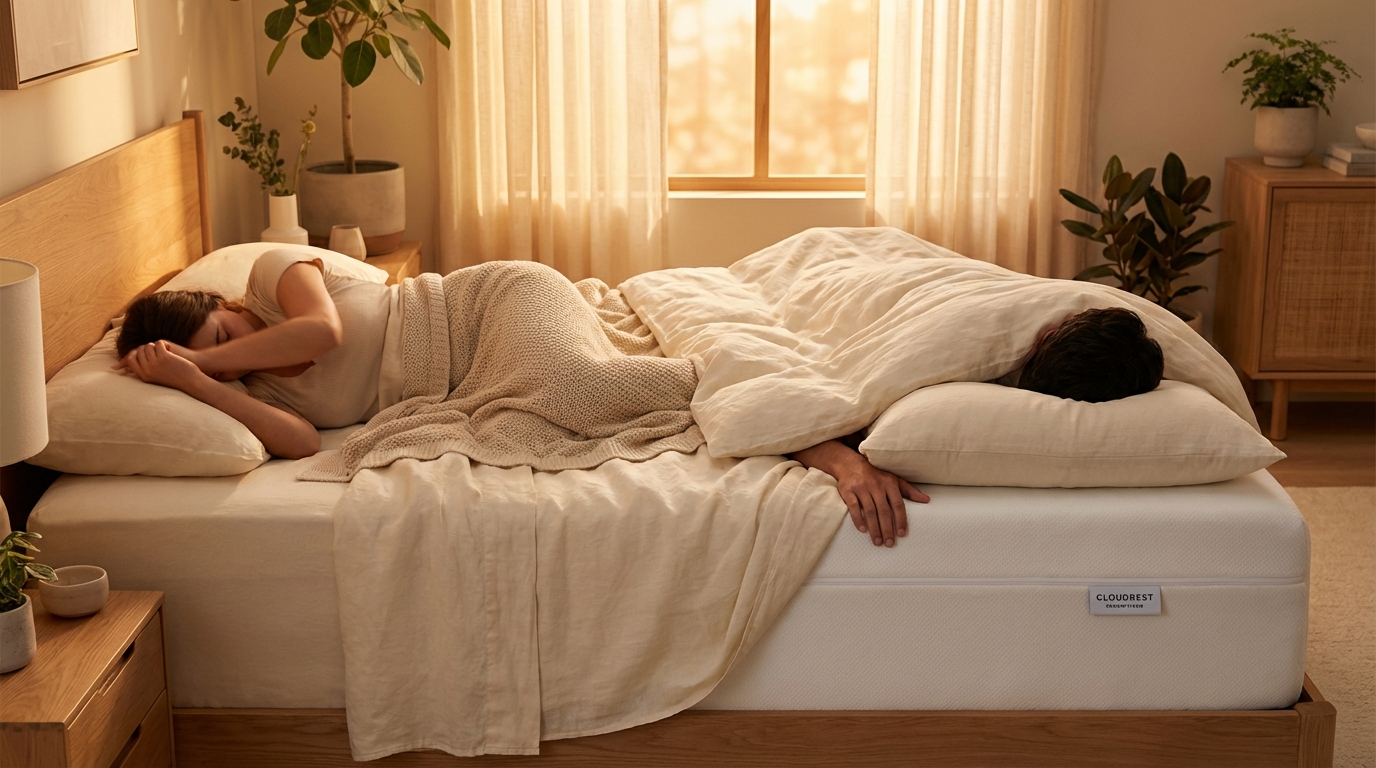
Sometimes the frustration is not a specific spot you can see, but a general “old mattress” smell that hits you when you pull back the covers. That odor usually comes from a mix of sweat residues, skin oils, dust, and normal environmental smells that have slowly settled into the cover and top foam layers over years of nightly use.
The tricky thing is that your nose gets used to scents you are around all the time. You might only notice the smell after a vacation on a different bed, or when changing your sheets after being out of the room for a while. While some aging scent is normal, persistent mustiness, sour notes, or a “wet dog” smell are signs it is time for a thorough clean or that moisture has been trapped too long in the foam or bedding.
Regular deodorizing with baking soda, as we discussed earlier, helps keep these background odors in check. Washing your protector and pillows frequently also makes a big difference. If odor returns quickly after cleaning and you have ruled out sources like damp laundry or pets, that is a clue to investigate for deeper moisture issues or consider whether the mattress is simply past its hygienic prime.
Allergies, Asthma, And Mattress Hygiene
For people with allergies, asthma, or sensitive skin, mattress cleanliness is more than a comfort issue. The American Academy of Allergy, Asthma & Immunology notes that bedrooms are a key battleground against dust mites, pet dander, and molds that can aggravate symptoms. Memory foam itself does not eliminate these triggers, but keeping the surface clean and dry reduces their habitats.
Using a washable, tightly woven protector over your memory foam acts as a barrier that dust mites find harder to penetrate. Pair that with frequent hot water washes for your sheets and pillowcases and you remove a significant amount of allergen load from where you breathe for a third of your life. Vacuuming the mattress with a HEPA filtered vacuum every few months further helps by removing fine particles that settle on the surface.
If you are highly reactive, you might also prefer a mattress with strong support that helps you reposition easily without fighting deep body impressions. That can make it simpler to keep bedding smooth and reduce friction on sensitive skin. Options like the Sealy Posturepedic Plus Extra Firm Mattress – Paterson II or the Sealy Posturepedic Elite Medium Mattress – Brenham II Euro Pillow Top combine durable support systems with comfort layers that work well under a protector and breathable sheets, which supports both spinal alignment and surface hygiene.
If you ever experience wheezing, coughing, or skin irritation that you suspect might be related to your bed environment, it is wise to talk with your healthcare provider. They can help you sort out whether mattress cleaning, encasements, or broader allergy treatment might give you the most relief.
Integrating Mattress Care With Your Overall Sleep Setup
Cleaning and protecting a memory foam mattress is only one piece of a comfortable, healthy sleep environment. The foundation you rest it on, the pillows under your head, and the sheets against your skin all interact with the mattress and influence how easy it is to keep things fresh.
For instance, a supportive base with good airflow, such as a quality slatted frame or an adjustable bed base, can help memory foam breathe and dry more effectively after light cleaning or on humid nights. Being able to elevate the head or foot of the bed can also make it easier to change bedding and inspect your mattress regularly, especially if you have mobility challenges.
Your choice of pillows and toppers matters too. Washable pillow covers and breathable toppers can absorb some of the sweat and oil that might otherwise find their way directly into your mattress. When these layers are easy to remove and launder, you create a more flexible hygiene system where the parts closest to your body get cleaned often, and the mattress itself needs less intrusive intervention.
Ultimately, caring for a memory foam mattress is about building a habit of gentle, consistent attention instead of emergency rescues after years of neglect. A few mindful product choices and a realistic cleaning routine can keep your sleep surface feeling comfortable, smelling neutral, and supporting deep rest for many years.
Conclusion: A Cleaner Mattress, A Calmer Mind
Cleaning a memory foam mattress does not have to be stressful or risky. Once you understand that foam prefers low moisture, gentle cleaners, and plenty of drying time, the process becomes much more manageable. You now know how to handle everyday upkeep, how to respond calmly to spills and accidents, and which common mistakes to avoid so you do not accidentally shorten your mattress’s life in the name of hygiene.
The bigger picture is this: a clean, well protected mattress supports more than just your back. It supports your immune system, your breathing, and your sense of calm when you climb into bed at night. By combining regular light maintenance, smart use of protectors, and thoughtful decisions about when to deep clean or replace, you are actively investing in better sleep for years to come.
If you are looking at your current mattress and still feeling unsure whether it just needs a reset or a full upgrade, you do not have to figure it out alone. The team at Sleepology is always happy to walk through your specific situation, from stains and odors to support and comfort, and help you choose the cleaning strategy or new mattress that truly fits your life. A fresh, welcoming bed is closer than it might feel right now, and you deserve to rest on one you feel good about.
Frequently Asked Questions
Can I use a steam cleaner on my memory foam mattress for a deep clean?
In almost all cases, it is best to avoid steam cleaning a memory foam mattress. Steam introduces a combination of high heat and heavy moisture that can weaken the foam’s structure, compromise adhesives, and encourage mold growth deep inside where air cannot reach easily. Many manufacturers and organizations like Consumer Reports also warn that using steam can void your mattress warranty. For deep cleaning, stick to thorough vacuuming, low moisture spot treatments, baking soda deodorizing, and, when possible, washing a removable cover instead of saturating the foam itself.
How long does it take a memory foam mattress to dry after cleaning?
Drying time depends on how much liquid you used, your room’s airflow, and humidity. For small, carefully blotted spot clean areas, several hours is often enough, especially with a fan on and windows open for ventilation. If you had to treat a larger area, plan on leaving the mattress uncovered for a full day. The most important rule is to make sure the foam feels completely dry to the touch and there is no cool, damp sensation when you press into the cleaned zone before you remake the bed. Rushing this step is one of the main reasons odors or mildew develop later.
Is it safe to use disinfecting sprays or wipes on a memory foam mattress?
Most household disinfecting sprays and wipes are designed for hard, non porous surfaces, not for soft, absorbent foam. Many of them contain alcohols, bleach, or quaternary ammonium compounds that can be too harsh for mattress fabrics and foams, potentially causing deterioration or discoloration. If you need to sanitize after an illness, focus on washing bedding and protectors in hot water and using mild vinegar and water solutions on the mattress surface rather than soaking it in commercial disinfectants. For serious contamination concerns, it is worth contacting the mattress manufacturer or your healthcare provider for guidance.
How often should I clean my memory foam mattress if I use a protector?
With a good waterproof but breathable protector in place, your foam core is shielded from most spills and body fluids. In that case, you can usually limit full mattress surface cleaning to two to four times per year, focusing on vacuuming and baking soda deodorizing. Your protector and sheets should still be washed much more frequently, usually weekly or at least every two weeks. Any time liquid reaches the protector or you notice a smell, remove and launder the protector right away and inspect the mattress underneath to see if a spot clean is needed.
What should I do if my mattress still smells bad after cleaning?
If odors linger after you have blotted, spot cleaned, and deodorized with baking soda, first confirm that all layers of bedding and your protector are freshly washed and completely dry. Sometimes smells cling to pillows or blankets more than the mattress itself. If the mattress alone still smells, try a second round of low moisture cleaning and baking soda, followed by extended airing with windows open and a fan running. Persistent musty or sour odors that return quickly may indicate deeper moisture or mildew inside the foam. At that point, especially if the mattress is older, it may be more hygienic and reassuring to consider replacement rather than continuing to battle a hidden issue.
Can I flip or rotate a memory foam mattress to help it wear and stay clean?
Most modern memory foam mattresses are one sided and not designed to be flipped. Flipping them would put the firm support core on top and compromise comfort. However, many brands do recommend rotating the mattress head to foot every six months or so, as long as your model allows it. Rotation does not directly affect cleanliness, but it can even out wear patterns, which helps your sheets and protector lie more smoothly and can make vacuuming and inspection easier. Always check your manufacturer’s guidance before rotating, as zoned or asymmetrical designs may have specific requirements.
Are there situations where I should call a professional cleaner for my memory foam mattress?
Professional upholstery or mattress cleaners can sometimes help with large scale stains or odors, but it is important to verify that they have specific experience with memory foam and that their methods are approved by your mattress manufacturer. You might consider professional help if there has been extensive contamination, such as flood water exposure, or if you have severe allergy or immune system concerns that make deep sanitization essential. Even then, if the foam has been heavily saturated or there is visible mold, replacement is often the safer, more cost effective option than trying to rehabilitate a compromised mattress.