

Have you ever wondered why you feel wide awake at 10 PM but struggle to get out of bed when your alarm goes off in the morning? The answer might be hiding in plain sight—or rather, in the light bulbs illuminating your home. Your body's internal clock, known as your circadian rhythm, is incredibly sensitive to light exposure, and the wrong lighting at the wrong time can throw your entire sleep-wake cycle into chaos. Modern life has us bathed in artificial light long after the sun sets, confusing our brains about when it's time to wind down and when we should feel alert. This constant exposure to bright, blue-toned light from our phones, computers, and overhead fixtures tricks our bodies into thinking it's still daytime, suppressing the natural production of melatonin—the hormone that helps us fall asleep. But here's the exciting part: the same technology that disrupts our sleep can also be used to restore it. Smart lights for sleep are revolutionizing how we approach rest and recovery, offering a practical solution to sync our circadian rhythm with our modern lifestyle. These intelligent lighting systems can automatically adjust their brightness and color temperature throughout the day, mimicking the natural progression of sunlight from dawn to dusk. By strategically using circadian rhythm lighting in your bedroom and throughout your home, you can signal to your body exactly when it's time to be productive and when it's time to relax. The science behind this approach is solid: our eyes contain special cells that detect light and send signals directly to the part of our brain that controls our circadian rhythm. When these cells detect bright, blue-toned light, they tell our brain it's daytime and suppress melatonin production. Conversely, when they detect dim, warm light—or better yet, darkness—our brain gets the message that nighttime is approaching and begins releasing melatonin to prepare us for sleep. Smart bedroom lighting takes this biological reality and works with it rather than against it, creating an environment that supports your body's natural rhythms instead of fighting them. Whether you're dealing with seasonal changes that leave you feeling sluggish, struggling with jet lag, working night shifts, or simply want to optimize your sleep quality, implementing smart circadian bulbs and light therapy at home can make a measurable difference in how you feel each day.
Key Takeaways
- Smart lights for sleep can mimic natural sunlight patterns to regulate your circadian rhythm
- Blue light filter features help your body produce melatonin naturally in the evening
- Circadian rhythm lighting adjusts color temperature throughout the day for optimal alertness and rest
- Light therapy at home combats seasonal disruptions to your sleep-wake cycle
- Smart bedroom lighting creates an ideal sleep environment paired with the right mattress
Illuminate Your Sleep: The Power of Smart Lights for Sleep Optimization
When I first learned about smart lights for sleep, I was skeptical that something as simple as changing my light bulbs could actually improve my rest. But after experiencing the difference firsthand, I became a true believer in the power of sleep optimization lighting. The transformation doesn't happen overnight, but within just a few days of using circadian rhythm lighting, most people notice they're falling asleep faster and waking up feeling more refreshed. The secret lies in how these lights work in harmony with your body's natural processes rather than fighting against them. Traditional lighting treats all hours of the day the same, blasting your eyes with the same intensity and color temperature whether it's 7 AM or 11 PM. Smart circadian bulbs, on the other hand, understand that your body needs different types of light at different times of day. In the morning, these intelligent bulbs emit bright, blue-toned light that mimics the energizing rays of sunrise, helping you feel alert and ready to start your day. As evening approaches, the lights gradually shift to warmer, dimmer tones that signal to your brain it's time to start winding down. This transition happens so smoothly that you might not even notice it consciously, but your body certainly does.
The relationship between lighting and sleep quality goes hand-in-hand with having the right sleep surface, which is why pairing smart bedroom lighting with a quality mattress creates the ultimate sleep sanctuary. Just as your mattress supports your body physically throughout the night, your lighting system supports your biological processes that make restful sleep possible. Many people invest hundreds or even thousands of dollars in a premium mattress but completely overlook their lighting environment, not realizing that even the best mattress can't overcome the sleep-disrupting effects of poor lighting. Smart lights for sleep address this missing piece of the sleep optimization puzzle, creating an environment where your body can naturally transition into rest mode. The beauty of these systems is their flexibility—you can program them to match your specific schedule, whether you're an early riser, a night owl, or someone whose schedule changes from day to day.
Light therapy at home using melatonin boosting lights has become increasingly popular as more people recognize the connection between light exposure and sleep quality. Research consistently shows that exposure to bright light in the morning helps regulate your circadian rhythm, making it easier to fall asleep at night and wake up feeling refreshed in the morning. Meanwhile, reducing your exposure to bright, blue-toned light in the evening allows your body to produce melatonin naturally, preparing you for deep, restorative sleep. Smart circadian bulbs automate this process, removing the guesswork and ensuring you're getting the right light at the right time without having to think about it. These systems can be controlled through smartphone apps, voice commands, or even motion sensors that automatically adjust lighting based on the time of day and your presence in a room. The convenience factor is significant—instead of manually dimming lights or switching lamps on and off throughout the evening, your smart lighting system does it all for you, creating a consistent routine that your body can depend on.
Understanding Circadian Rhythm Lighting
Your circadian rhythm is essentially your body's internal 24-hour clock, and it controls far more than just when you feel sleepy or alert. This biological timekeeper influences your hormone production, body temperature, digestion, immune function, and even your mental sharpness throughout the day. The master controller for this internal clock is located in a tiny region of your brain called the suprachiasmatic nucleus, and it takes its primary cues from light exposure detected by your eyes. When light enters your eyes, it doesn't just help you see—it sends powerful signals to your brain about what time of day it is, which then triggers a cascade of biological responses throughout your entire body. This system worked perfectly for thousands of years when humans lived by natural light cycles, but modern life has thrown a wrench into this finely-tuned mechanism. We now spend most of our time indoors under artificial lighting that doesn't change throughout the day, and we extend our waking hours well past sunset by flooding our homes and workplaces with bright light. This constant exposure to artificial light, especially in the evening, confuses our internal clock and disrupts the natural rhythm our bodies depend on for optimal health and restful sleep.
Circadian rhythm lighting works by recreating the natural light patterns that our bodies evolved to expect over millions of years. Here's how smart lights for sleep support your body's natural rhythms:
- Morning bright light exposure: Smart circadian bulbs gradually increase in brightness and emit blue-enriched light in the morning, mimicking sunrise and helping you feel alert and energized while suppressing residual melatonin from the night.
- Daytime maintenance: Throughout the day, sleep optimization lighting maintains cooler color temperatures and adequate brightness to support focus, productivity, and proper circadian timing.
- Evening transition: As bedtime approaches, smart bedroom lighting automatically dims and shifts to warmer color temperatures, signaling your brain to begin melatonin production and prepare for sleep.
- Night mode: If you need lighting during nighttime hours, smart lights can switch to very dim, red-toned light that won't disrupt your circadian rhythm or suppress melatonin production the way bright or blue light would.
- Consistent timing: Unlike manual lighting adjustments that might vary from day to day, light therapy devices and smart circadian bulbs maintain consistent patterns that help stabilize your circadian rhythm over time.
The key to effective circadian rhythm lighting is understanding that not all light is created equal when it comes to affecting your internal clock. The specific wavelength of light matters enormously—blue light wavelengths around 480 nanometers are particularly powerful at suppressing melatonin and making you feel alert, which is exactly what you want in the morning but the opposite of what you need at night. Red and amber wavelengths, on the other hand, have minimal impact on circadian timing, making them ideal for evening use when you need some visibility but don't want to disrupt your body's preparation for sleep. Smart lights for sleep take advantage of this scientific understanding by adjusting not just brightness but also color temperature throughout the day. The color temperature of light is measured in Kelvins, with higher numbers representing cooler, bluer light and lower numbers representing warmer, more orange-red light. Natural daylight at noon measures around 5500-6500K, while candlelight or sunset might be closer to 1800-2200K. By programming your smart bedroom lighting to follow this natural progression, you create an environment that supports rather than sabotages your body's innate sleep-wake system.
The Impact of Melatonin Boosting Lights
Melatonin is often called the "sleep hormone," but that description doesn't quite capture the full scope of what this powerful chemical does in your body. While it's true that melatonin helps you fall asleep and stay asleep, it also acts as a timing signal that coordinates various biological processes throughout your body according to your circadian rhythm. Your brain's pineal gland typically begins releasing melatonin about two hours before your usual bedtime, assuming you're not exposed to bright light that would suppress this process. As melatonin levels rise in your bloodstream, you start feeling drowsy, your body temperature drops slightly, and various systems begin their nighttime maintenance routines. This natural surge in melatonin production is called your "dim light melatonin onset," and it's a critical marker of your circadian timing. The problem is that modern lighting, especially the blue light emitted by LED bulbs, smartphone screens, tablets, and televisions, can delay or completely suppress this melatonin surge, leaving you wide awake when you should be getting sleepy. Even relatively dim light can have this effect if it contains the wrong wavelengths, which is why simply lowering the brightness of your overhead lights in the evening isn't enough to solve the problem.
Melatonin boosting lights work by eliminating the wavelengths that suppress melatonin production while providing enough illumination for you to safely navigate your home and complete evening activities. These specialized bulbs or smart lights for sleep use warm color temperatures—typically between 1800K and 2700K—that contain very little blue light. By switching to these warmer tones in the evening, you remove the primary environmental factor that prevents your body from naturally increasing melatonin production. The effect can be dramatic, especially for people who have been unwittingly sabotaging their sleep with bright, blue-toned lighting in the hours before bed. Many users of smart bedroom lighting report that they start feeling naturally sleepy earlier in the evening once they implement circadian rhythm lighting, and they fall asleep more quickly once they get into bed. This isn't a placebo effect—it's your body finally getting the environmental cues it needs to produce melatonin at the right time. Light therapy at home using this approach is particularly helpful for people who work evening shifts, have delayed sleep phase syndrome, or simply have developed poor sleep habits due to irregular lighting exposure.
"After installing smart lights throughout my home and setting them to automatically shift to warm tones after 8 PM, I noticed I was falling asleep 30-45 minutes earlier than usual within just one week. I didn't even feel like I was trying harder to sleep—my body just naturally felt ready for bed at a reasonable hour for the first time in years." – Review from November 3, 2024
The timing of light exposure is just as important as the type of light when it comes to supporting healthy melatonin production. Getting bright light exposure earlier in the day—particularly in the first few hours after waking—helps anchor your circadian rhythm and ensures that your melatonin production occurs at the appropriate time in the evening. This morning light exposure essentially sets your internal clock, creating a reference point that your body uses to time all of its circadian processes throughout the day. Smart circadian bulbs can facilitate this by providing bright, blue-enriched light in the morning to help you wake up and feel alert, then gradually transitioning through neutral daytime lighting, and finally shifting to warm, melatonin-friendly tones in the evening. This complete cycle of sleep optimization lighting works synergistically with your body's natural rhythms, making it much easier to maintain consistent sleep and wake times. For people who struggle with insomnia or irregular sleep patterns, this approach can be transformative, offering a drug-free method to restore normal sleep-wake cycles by working with biology rather than against it.

Blue Light vs. Warm Light: Choosing the Right Hue for Sleep
When I first started learning about smart lights for sleep, I was amazed to find out just how much the color of light in my bedroom actually matters. It turns out that not all light is created equal, especially when it comes to getting quality rest. The type of light you expose yourself to throughout the evening can either help you wind down naturally or keep you wide awake long past your bedtime.
Your eyes contain special cells that respond differently to various wavelengths of light. These cells send signals to your brain about whether it's time to be alert or time to sleep. Understanding how blue light and warm light affect these signals is the first step in using circadian rhythm lighting to your advantage.
The concept is pretty straightforward once you break it down. Blue light, which comes from the sun during daytime hours, tells your brain it's time to be awake and active. Warm light, similar to what you'd see during sunset, signals that it's time to start winding down. Smart bedroom lighting allows you to recreate these natural patterns right in your home, even when the actual sun isn't cooperating with your schedule.
I've found that pairing the right lighting with a comfortable sleep surface makes a huge difference in sleep quality. When you combine smart lights for sleep with a supportive mattress designed for optimal comfort, you're creating an environment where your body can truly relax and prepare for restorative sleep.
The beauty of smart circadian bulbs is that they can automatically adjust their color temperature throughout the day. In the morning, they can simulate bright daylight to help you wake up feeling refreshed. As evening approaches, they gradually shift to warmer tones that support your body's natural melatonin production. This automated approach to sleep optimization lighting means you don't have to think about it—your lights do the work for you.
Many people don't realize that the color temperature of light is measured in Kelvin (K). Higher numbers mean cooler, bluer light, while lower numbers indicate warmer, more amber tones. For reference, midday sunlight measures around 5500K, while a cozy sunset might be closer to 2000K. Smart lights for sleep typically offer a range from about 2000K to 6500K, giving you complete control over your bedroom's atmosphere.
The Effects of Blue Light on Sleep Quality
Blue light has gotten a bad reputation in recent years, and for good reason when it comes to nighttime exposure. During the day, blue light is actually beneficial—it boosts attention, reaction times, and mood. But when you're exposed to it in the evening, especially in the few hours before bed, it can seriously mess with your sleep cycle.
The main problem with blue light at night is that it suppresses melatonin production more powerfully than any other wavelength of light. Melatonin is the hormone that makes you feel sleepy, and your body naturally starts producing it a couple of hours before your usual bedtime. When blue light hits your eyes during this crucial window, it essentially tells your brain that it's still daytime, which can delay your sleep onset by an hour or more.
Research has shown that exposure to blue light in the evening can shift your circadian rhythm significantly. This means you'll feel alert when you should be getting drowsy, and you might struggle to fall asleep even when you're physically tired. The impact isn't just about how long it takes to fall asleep, either—blue light exposure can reduce the amount of deep, restorative sleep you get throughout the night.
| Light Type | Color Temperature | Effect on Melatonin | Best Time to Use |
|---|---|---|---|
| Blue Light | 5000-6500K | Strongly suppresses production | Morning and early afternoon |
| White Light | 3500-4500K | Moderately suppresses production | Daytime work hours |
| Warm White | 2700-3000K | Minimal suppression | Evening activities |
| Amber/Red Light | 1800-2200K | No suppression | 1-2 hours before bed |
What makes this particularly challenging in our modern world is that we're surrounded by sources of blue light after dark. Your phone, tablet, computer, and TV all emit significant amounts of blue light. Even some LED bulbs that look white to your eyes are actually quite blue-rich compared to older incandescent bulbs.
This is where a blue light filter becomes incredibly valuable. Many smart lights for sleep include settings that automatically filter out blue wavelengths as the evening progresses. Some systems can even sync with your other devices to remind you to enable blue light filters on your screens as well.
I've noticed that when I'm consistent about using a blue light filter in the evening, I feel sleepy at more predictable times. My mind doesn't race as much when I lie down, and I fall asleep faster. It's not an instant fix, but over the course of a week or two, the difference becomes really noticeable.
The intensity of light also matters, not just the color. Even warm-colored light can interfere with sleep if it's too bright. That's why dimming capabilities are such an important feature in smart bedroom lighting. Being able to gradually reduce both the brightness and the color temperature creates the ideal environment for melatonin boosting lights to do their job.
Benefits of Warm Light in Promoting Relaxation
On the flip side of the blue light issue, warm light is like a gentle nudge to your body that it's time to start shutting down for the day. When I switched to using warm light in my bedroom during evening hours, I was honestly surprised by how much more relaxed I felt. It wasn't a dramatic change at first, but the cumulative effect over several nights was undeniable.
Warm light creates an atmosphere that naturally promotes calmness. Think about sitting around a campfire or lighting candles during a relaxing bath—these activities feel soothing partly because of the warm, amber glow they produce. Smart lights for sleep can recreate this same quality of light at the touch of a button or through automated schedules.
The science behind why warm light works so well for relaxation has to do with how your brain interprets different light wavelengths. Warm, amber tones signal that the sun is setting and darkness is approaching. This is the cue your body has been responding to for thousands of years. Your internal systems recognize this pattern and begin the cascade of events that prepare you for sleep.
"After installing smart circadian bulbs in my bedroom, my evening routine completely transformed. The warm lighting helps me feel genuinely tired instead of just mentally exhausted. I fall asleep 30 minutes faster on average, and I wake up feeling more rested. It's been a game-changer for my sleep quality." – Sarah M., verified customer review from November 2024
One of the things I appreciate most about circadian rhythm lighting is how customizable it is. You can set your lights to begin warming up at a specific time each evening, creating a consistent pre-sleep routine without having to remember to adjust them manually. This consistency helps reinforce your body's natural sleep-wake patterns.
Warm light also has psychological benefits beyond the physical effects on melatonin. When your bedroom is bathed in soft, warm tones, it feels cozier and more inviting. This can help you mentally separate from the stress of your day and shift into a more peaceful mindset. The ambiance alone can make your bedroom feel like a sanctuary rather than just another room in your house.
For people who like to read before bed, warm light is particularly helpful. You still get enough illumination to see clearly, but the warmer color temperature means you're not suppressing melatonin production as much as you would with cooler, brighter light. Many light therapy at home setups include reading modes that provide adequate brightness while maintaining that sleep-friendly warm glow.
The transition from bright, cool light to dim, warm light doesn't have to be abrupt, either. Smart bedroom lighting systems can gradually shift the color and intensity over the course of an hour or two. This mimics the natural progression of sunset, giving your body plenty of time to respond appropriately. I've set mine to start the transition at 8 PM, and by 9:30 PM, my bedroom has that perfect amber glow that makes me actually want to get into bed.
It's worth noting that warm light isn't just for the bedroom. Using melatonin boosting lights throughout your home in the evening can help your entire household maintain better sleep schedules. When everyone is exposed to the right lighting cues, bedtime routines become smoother and more effective.
Seasonal Affects: Why Fall and Winter Disrupt Your Natural Rhythms
As someone who's always been sensitive to seasonal changes, I can tell you that fall and winter do a number on sleep patterns. The shift happens gradually, so you might not notice it right away, but by mid-November, many people find themselves feeling tired all day yet somehow wired at night. This isn't just in your head—it's a real phenomenon with biological roots.
The biggest culprit is the reduction in natural sunlight exposure. When days get shorter, you're likely waking up before sunrise and coming home from work after sunset. This means your eyes might not see much natural daylight at all during the workweek. Your circadian rhythm, which relies heavily on light cues to stay calibrated, starts to drift without these important signals.
What makes this particularly tricky is that artificial indoor lighting usually isn't bright enough to substitute for natural sunlight. Most office and home lighting sits around 300-500 lux, while outdoor daylight on a cloudy day measures around 10,000 lux. That's a massive difference, and your body notices. Without adequate bright light exposure during the day, your internal clock becomes less certain about when it should promote wakefulness versus sleepiness.
I've also noticed that seasonal changes affect not just when I sleep, but how well I sleep. The quality of rest during winter months often suffers because your circadian rhythm isn't receiving clear signals. This can lead to lighter sleep, more frequent nighttime awakenings, and that groggy feeling in the morning that no amount of coffee seems to fix.
The combination of disrupted sleep and reduced sunlight can also impact mood and energy levels. Many people experience what's sometimes called the "winter blues"—a general sense of low energy and motivation that corresponds with darker months. While light therapy at home can't solve everything, it can make a significant difference in maintaining both good sleep patterns and daytime alertness.
Creating a sleep environment that compensates for these seasonal challenges is really important. This means not only using smart lights for sleep in the evening, but also ensuring you get adequate bright light exposure during the day. When you pair proper lighting with a comfortable supportive mattress that promotes restful sleep, you're addressing both the environmental and physical factors that contribute to quality rest.
The Challenge of Reduced Daylight
Reduced daylight during fall and winter months presents several specific challenges to your body's ability to maintain a healthy sleep-wake cycle. Understanding these challenges is the first step toward addressing them effectively with smart bedroom lighting and other circadian rhythm lighting strategies.
When daylight hours shrink, your exposure to the bright morning light that normally helps set your internal clock becomes limited or nonexistent. If you're like most people with a typical work schedule, you're probably leaving for work in the dark during winter months and returning home after the sun has already set. This creates a situation where your eyes simply don't receive the light signals they need to keep your circadian rhythm properly synchronized.
The specific challenges of reduced daylight include both timing and intensity issues. Let me break down the main problems that affect your sleep during darker months:
- Delayed morning alertness. Without bright morning light exposure, your brain doesn't get the signal to suppress melatonin production promptly. This means you feel groggier in the morning and take longer to feel fully awake, even after a full night's sleep.
- Shifted sleep schedules. Your natural bedtime may drift later because your body isn't receiving clear environmental cues about when daytime ends. This can lead to staying up later than you intend, even when you know you need to wake up early.
- Inconsistent energy patterns. The lack of bright light during the day can flatten your natural energy curve, making you feel moderately tired all day rather than experiencing the normal peaks and valleys of alertness that align with your circadian rhythm.
- Increased evening alertness. Paradoxically, some people feel more alert in the evening during winter months because their circadian rhythm has shifted. They get a "second wind" right when they should be winding down, making it harder to fall asleep at a reasonable hour.
- Reduced melatonin contrast. When you don't get bright light during the day, your body produces less dramatic shifts in melatonin levels between day and night. This means the sleep signal isn't as strong, leading to difficulty falling asleep and less restorative rest.
These challenges compound each other in ways that can significantly impact your daily life. When you're not sleeping well, your productivity drops, your mood suffers, and you may turn to caffeine or other stimulants to compensate, which then further disrupts your sleep cycle. It becomes a difficult pattern to break without addressing the root cause—inadequate light exposure.
The intensity of indoor lighting is another often-overlooked issue. Standard indoor lights simply don't provide enough brightness to effectively regulate your circadian rhythm. Even a well-lit office typically provides only a fraction of the light intensity you'd get from spending just a few minutes outdoors. During winter, when outdoor time is limited, this deficit becomes even more pronounced.
Geographic location plays a role too. If you live in northern regions where winter days are extremely short, the challenge is even greater. Some areas experience only a few hours of dim daylight during the darkest months, making it nearly impossible to get adequate natural light exposure without making a deliberate effort.
Light therapy devices and smart circadian bulbs can help bridge this gap by providing appropriately timed bright light exposure even when the sun isn't cooperating. Using these tools strategically—bright light in the morning and gradually warming light in the evening—helps maintain the contrast your body needs to keep its internal clock running smoothly.
Strategies for Staying in Sync During Darker Months
After dealing with winter sleep issues for years, I've learned that being proactive about light exposure makes all the difference. The good news is that with the right strategies and sleep optimization lighting, you can maintain a healthy circadian rhythm even during the darkest months of the year.
The most effective approach involves creating artificial sunrise and sunset patterns in your home using smart lights for sleep. Start by setting your bedroom lights to gradually brighten in the morning, beginning about 30 minutes before your alarm goes off. This simulated sunrise helps suppress melatonin production and signals your body that it's time to wake up, even when it's still dark outside. Many smart circadian bulbs have sunrise simulation features built right in, making this easy to implement.
Getting bright light exposure as early in the day as possible is critical for maintaining your circadian rhythm during fall and winter. If you can't get outside first thing in the morning, position yourself near a window during breakfast or use a light therapy at home device while you're having your coffee. The goal is to expose your eyes to at least 10,000 lux of light within the first hour of waking. This strong morning light signal anchors your circadian rhythm and helps ensure you'll feel appropriately sleepy at bedtime.
Throughout the day, try to maximize whatever natural light exposure you can get. Take your lunch break outside if possible, even if it's cloudy—you're still getting more light than you would indoors. If you work in an office, position your desk near a window if you can. These small changes add up and help keep your internal clock calibrated.
As evening approaches, the strategy shifts to reducing light exposure, particularly blue light. Set your smart bedroom lighting to begin transitioning to warmer color temperatures around 2-3 hours before bed. This gradual shift mimics natural sunset and allows your body to start producing melatonin at the appropriate time. I've found that programming this transition to happen automatically removes the temptation to leave bright lights on too late.
Consider implementing a "digital sunset" as well, where you reduce your exposure to screens in the evening. If you must use devices, enable blue light filters on all your screens. Many smartphones and computers have built-in night mode settings that reduce blue light emission after a certain time. When combined with melatonin boosting lights in your physical environment, this creates a consistent message to your brain that it's time to prepare for sleep.
Maintaining a consistent sleep schedule becomes even more important during darker months. Try to go to bed and wake up at the same time every day, including weekends. This consistency helps reinforce your circadian rhythm, making it easier for your body to know when it should be alert and when it should be sleepy, regardless of what's happening with natural daylight.
Temperature can also play a supporting role in your sleep optimization strategy. Just as your smart lights can shift color temperature, adjusting your bedroom's actual temperature can support healthy sleep. Your body temperature naturally drops as you prepare for sleep, so keeping your bedroom slightly cooler (around 65-68°F) can help facilitate this process.
Don't underestimate the power of establishing evening rituals that work in harmony with your circadian rhythm lighting. When your lights begin to warm up and dim, use that as a cue to start your wind-down routine. This might include reading, gentle stretching, or other relaxing activities that help transition your mind and body from daytime alertness to nighttime rest mode.
If you find yourself still struggling despite implementing these strategies, you might need more intensive light therapy. Some people benefit from using dedicated light therapy devices that provide 10,000 lux for 20-30 minutes each morning. This can be particularly helpful for those who work night shifts or have schedules that make it difficult to get natural light exposure at appropriate times.
Remember that adjusting to new lighting patterns takes time. Your circadian rhythm doesn't reset overnight—it typically takes about a week of consistent light cues before you'll notice significant improvements in your sleep quality and daytime energy levels. Be patient with the process and stay consistent with your smart lights for sleep routine, and you'll likely find that the darker months don't have to mean disrupted sleep anymore.
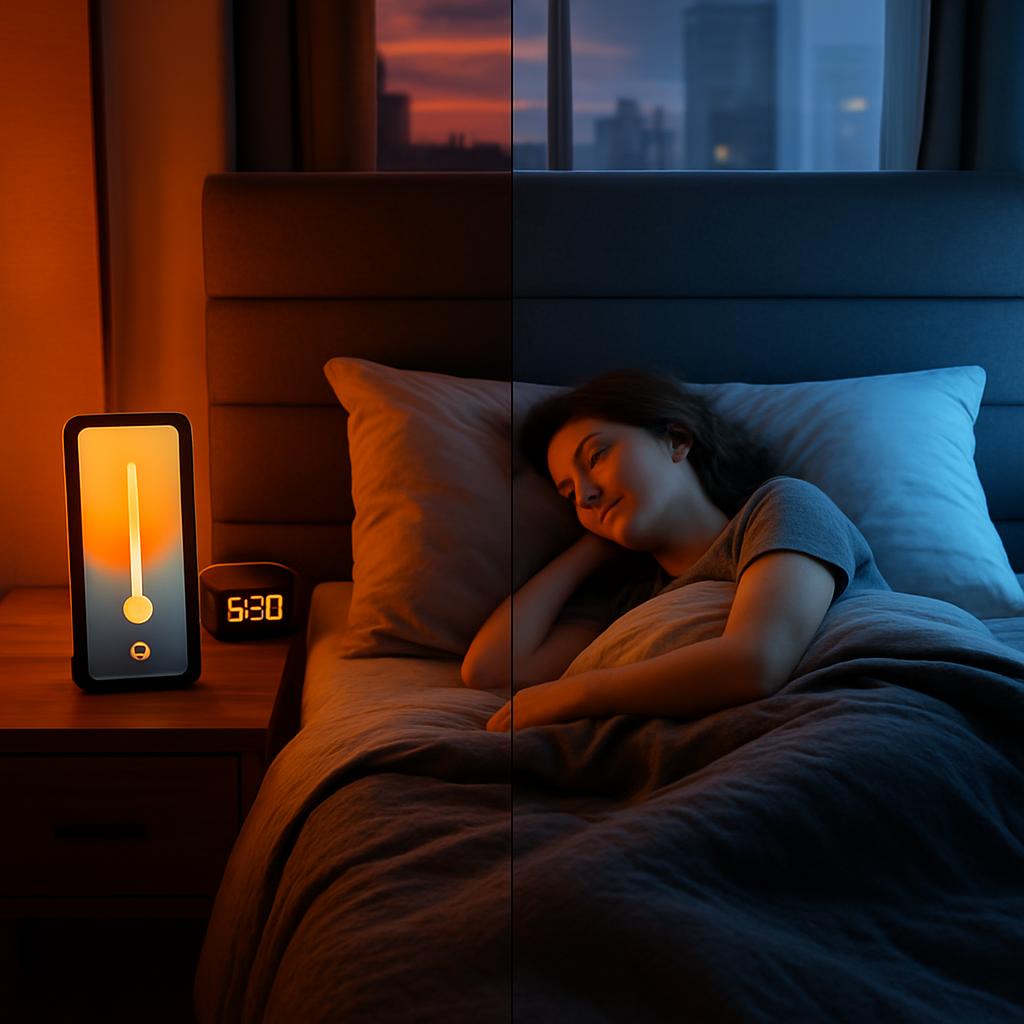
Harnessing Natural Sunlight: How Smart Lights Mimic Daylight
Your body runs on an internal clock that's been fine-tuned over millions of years to respond to one simple cue: natural sunlight. When the sun rises, your brain gets the signal to wake up, boost cortisol, and increase alertness. As daylight fades, your system starts ramping up melatonin production to prepare you for sleep. But here's the problem—most of us spend our days indoors under artificial lighting that doesn't come close to matching the quality or intensity of real sunlight. That disconnect confuses your circadian rhythm and makes it harder to fall asleep at night, even when you're exhausted.
This is where smart lights for sleep come into play. These aren't your standard lightbulbs. Smart circadian bulbs are designed to replicate the natural progression of sunlight throughout the day, shifting in color temperature and brightness to align with your body's biological needs. In the morning, they emit bright, cool-toned light that mimics the energizing effects of sunrise. This helps suppress lingering melatonin and signals to your brain that it's time to be awake and alert. As evening approaches, the lights automatically transition to warmer, softer tones that encourage melatonin production and prepare your body for rest.
The science behind circadian rhythm lighting is rooted in how different wavelengths of light affect your brain. Blue-enriched light during the day supports focus and mood, while amber and red tones in the evening reduce stimulation and promote relaxation. By programming your smart bedroom lighting to follow this natural pattern, you're essentially bringing the sun's rhythm indoors—even if you work in a windowless office or live in a climate where daylight is limited during certain seasons.
One of the most practical benefits of using light therapy at home is how seamlessly it integrates into your daily routine. You don't have to remember to flip switches or manually adjust settings. Once you configure your smart lights, they work in the background, gradually shifting throughout the day without any effort on your part. Some systems even sync with your local sunrise and sunset times, adjusting automatically as the seasons change. This is especially helpful during fall and winter when shorter days can throw off your sleep-wake cycle and leave you feeling sluggish or out of sync.
Pairing smart lights for sleep with a quality mattress can amplify the benefits even further. When your lighting supports your circadian rhythm and your sleep surface provides the right level of comfort and support, you're setting yourself up for truly restorative rest. If you've been waking up feeling unrested despite getting enough hours in bed, it might be worth considering an upgrade. A supportive option like the Sealy Medina Firm Hybrid Mattress offers the pressure relief and spinal alignment your body needs to take full advantage of the improved sleep environment your lighting creates.
Light therapy devices and smart circadian bulbs also offer flexibility that traditional lighting simply can't match. You can customize the intensity, schedule different settings for weekdays versus weekends, and even create "scenes" for specific activities—like a reading mode with focused light or a wind-down mode that gradually dims as bedtime approaches. This level of control makes it easier to stay consistent with your sleep routine, which is one of the most important factors in maintaining a healthy circadian rhythm.
For people who struggle with seasonal affective disorder or just feel more tired during the darker months, melatonin boosting lights can make a real difference. These smart bulbs help compensate for the lack of natural sunlight exposure, giving your brain the light cues it needs to stay regulated. The result? You feel more awake during the day and more naturally sleepy at night, without relying on caffeine or sleep aids to force your body into a rhythm it's fighting against.
The Science Behind Smart Circadian Bulbs
Smart circadian bulbs aren't just dimmer switches with a timer. They're built on research into how light influences your brain's production of key hormones like melatonin and cortisol. These bulbs use tunable white technology, which allows them to shift between different color temperatures measured in Kelvin. Lower Kelvin values produce warm, amber light similar to candlelight or sunset. Higher Kelvin values create bright, cool light that resembles midday sun. By adjusting the color temperature throughout the day, smart lights for sleep can guide your body through its natural wake and rest cycles.
The magic happens in a small region of your brain called the suprachiasmatic nucleus, or SCN. This cluster of cells acts as your body's master clock, and it's incredibly sensitive to light. When your eyes detect bright, blue-enriched light in the morning, the SCN signals your pineal gland to stop producing melatonin and start increasing cortisol. This makes you feel alert and ready to take on the day. In the evening, when the light around you shifts to warmer tones with less blue wavelength, the SCN tells your pineal gland to ramp up melatonin production, which makes you feel drowsy and ready for sleep.
What makes smart circadian bulbs so effective is their ability to automate this process. Instead of relying on you to manually adjust your lighting, these bulbs follow a pre-programmed schedule that mimics natural sunlight patterns. Some advanced models even incorporate sensors that measure the ambient light in your room and adjust accordingly, ensuring you're always getting the right type of light at the right time. This is especially useful if you live in an area with unpredictable weather or if your work schedule doesn't align with typical daylight hours.
Here's a breakdown of how different color temperatures impact your circadian rhythm throughout the day:
| Time of Day | Color Temperature (Kelvin) | Light Type | Circadian Effect |
|---|---|---|---|
| Morning (6 AM - 9 AM) | 5000K - 6500K | Cool white/Daylight | Suppresses melatonin, boosts alertness and cortisol |
| Midday (10 AM - 4 PM) | 4000K - 5000K | Neutral white | Maintains wakefulness, supports focus and productivity |
| Evening (5 PM - 8 PM) | 3000K - 3500K | Soft white | Begins transition, reduces blue light exposure |
| Night (9 PM - Bedtime) | 2000K - 2700K | Warm amber | Promotes melatonin production, signals sleep readiness |
Most smart bedroom lighting systems also allow you to fine-tune these settings based on your personal preferences and sleep goals. If you're a night shift worker, for example, you can program your lights to provide energizing blue-enriched light during your work hours and warm, relaxing light when you need to sleep during the day. This level of customization makes light therapy at home accessible to people with all kinds of schedules and lifestyles.
Another important feature of smart circadian bulbs is their ability to gradually change intensity. Instead of flipping on a harsh overhead light first thing in the morning, you can set your bulbs to slowly brighten over 15 to 30 minutes, simulating a natural sunrise. This gentle wake-up method is far less jarring than a traditional alarm clock and can help you feel more refreshed and less groggy. Similarly, you can program your lights to dim gradually in the evening, which cues your brain that it's time to wind down without the abrupt transition that can sometimes make it harder to fall asleep.
The technology behind these bulbs has improved dramatically in recent years. Early versions were expensive and difficult to set up, but today's smart lights for sleep are more affordable, user-friendly, and compatible with popular smart home platforms like Google Home, Amazon Alexa, and Apple HomeKit. This means you can control your lighting with voice commands, smartphone apps, or even automate them to work in sync with other devices like smart thermostats and white noise machines to create the ultimate sleep optimization lighting environment.
Integrating Light Therapy Devices into Your Routine
Adding light therapy devices to your daily routine doesn't require a complete lifestyle overhaul. The key is consistency and timing. Your brain thrives on predictable patterns, so the more regular you are with your light exposure, the more effective it will be at syncing your circadian rhythm. Start by identifying the times of day when you're most likely to benefit from targeted light therapy—typically first thing in the morning and again in the evening as you prepare for bed.
Morning light exposure is one of the most powerful tools you have for setting your internal clock. Within the first 30 to 60 minutes of waking up, try to get at least 15 to 30 minutes of bright, cool-toned light. If you're using smart circadian bulbs, you can automate this by setting them to turn on gradually before your alarm goes off, so you wake up to a room that's already filled with energizing daylight-like illumination. If you have a dedicated light therapy device, position it at eye level about 16 to 24 inches away from your face while you're having breakfast, checking emails, or getting ready for the day. You don't need to stare directly at the light—just having it in your field of vision is enough to trigger the desired hormonal response.
During the day, try to maximize your exposure to natural sunlight whenever possible. Step outside for a quick walk during your lunch break, work near a window, or take phone calls outdoors. Natural light is still the gold standard for circadian regulation, and even 10 to 15 minutes of direct sunlight can have a noticeable impact on your mood and energy levels. Smart bedroom lighting can supplement this, but it works best when combined with real sun exposure.
As evening approaches, the goal shifts from energizing to calming. This is when you want to reduce your exposure to bright, blue-enriched light and transition to warmer tones. Start dimming your overhead lights around two to three hours before bed, and switch to lamps or smart lights set to a warm amber glow. If you're watching TV or using a computer, enable the blue light filter on your devices or consider wearing blue light blocking glasses. These small adjustments signal to your brain that the day is winding down and it's time to start producing melatonin boosting lights naturally.
One of the best things about modern light therapy at home is how easy it is to automate. Most smart lighting systems let you create schedules or routines that run on autopilot. You can program your lights to turn on at a specific brightness and color temperature in the morning, shift to a neutral tone during the day, and gradually warm up in the evening—all without lifting a finger. Some systems even integrate with sleep tracking apps or wearable devices, adjusting your lighting based on your actual sleep patterns and activity levels.
If you're dealing with seasonal disruptions to your sleep, such as the shorter days of fall and winter, light therapy devices become even more important. Consider investing in a dedicated light therapy lamp with at least 10,000 lux output. Use it in the morning for 20 to 30 minutes to counteract the effects of reduced daylight and help maintain your circadian rhythm during darker months. Pair this with your smart bedroom lighting to create a consistent light environment that supports both your waking and sleeping hours.
Another helpful strategy is to create distinct lighting zones in your home. Keep your bedroom lighting soft and warm in the evening, while maintaining brighter, cooler lighting in spaces where you need to be alert, like your home office or kitchen. This spatial separation reinforces the mental association between certain environments and specific states of mind—your bedroom becomes a sanctuary for rest, while other areas remain energizing and focused.
Don't forget that light therapy is just one piece of the puzzle. It works best when combined with other healthy sleep habits, like maintaining a consistent sleep schedule, keeping your bedroom cool and dark, and investing in a comfortable, supportive mattress. When all these elements come together, the result is a sleep environment that naturally guides your body toward deeper, more restorative rest night after night.
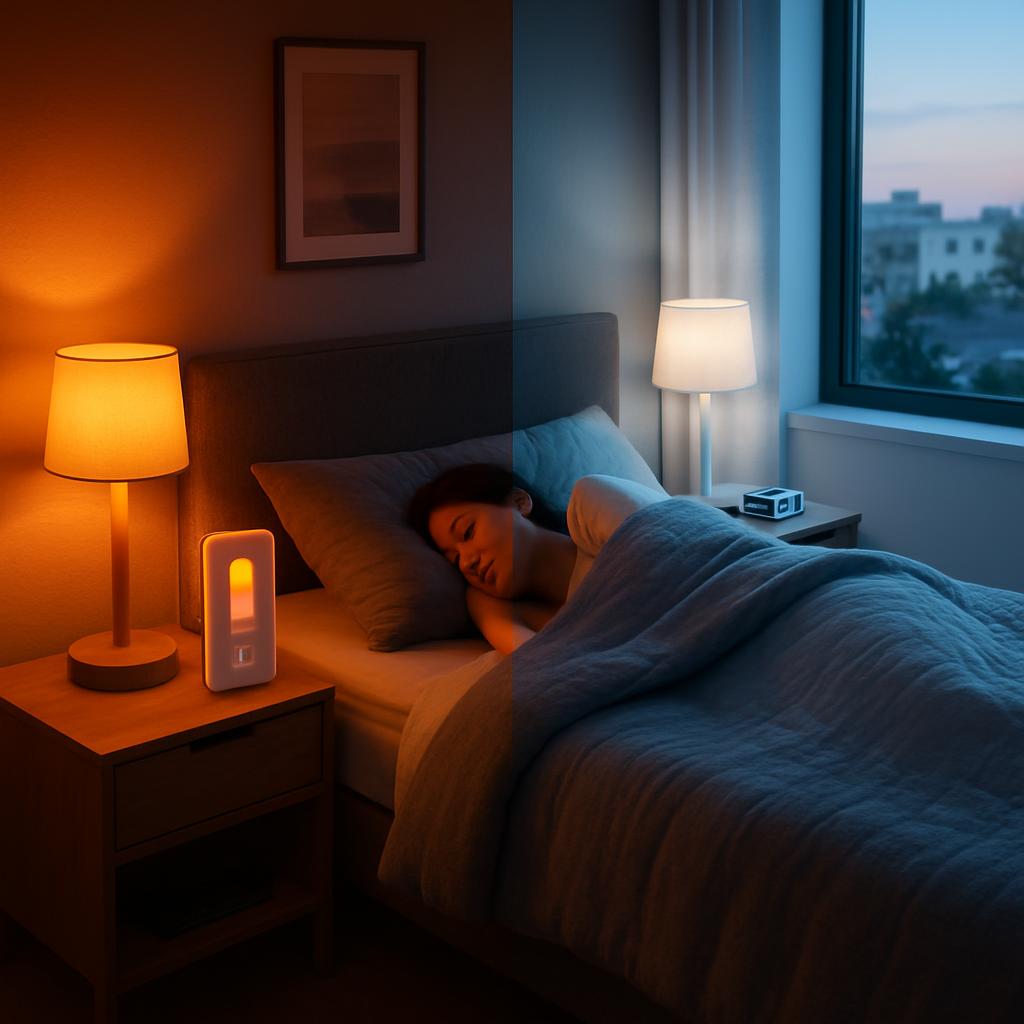
Creating Your Optimal Sleep Environment with Smart Lighting
When it comes to getting quality rest, your bedroom environment plays a more significant role than you might think. Smart lights for sleep have become game-changers in creating the perfect sleep sanctuary, working hand-in-hand with your body's natural sleep signals. I've seen firsthand how the right lighting setup can transform a bedroom from just another room into a true haven for restorative sleep.
The foundation of an optimal sleep environment starts with understanding that your bedroom should support every stage of your wind-down routine. Smart bedroom lighting allows you to control not just brightness, but also color temperature throughout the evening. As bedtime approaches, gradually shifting from bright, cool-toned light to warmer, dimmer hues tells your body it's time to prepare for sleep. This gradual transition mimics the natural sunset your ancestors would have experienced, triggering your brain to start producing sleep-promoting hormones.
Temperature regulation is another critical factor that works alongside your lighting choices. Your body temperature naturally drops as you prepare for sleep, which is why many sleep experts recommend keeping your bedroom cool. When you pair smart circadian bulbs with a supportive, breathable mattress like the Tempur-Pedic Breeze Cooling Mattress Cover, you create an environment where both light and temperature work together to support your circadian rhythm.
Smart lights for sleep offer incredible flexibility in customizing your space. You can program different lighting scenes for various activities in your bedroom. Reading before bed? Set your smart bulbs to a warm, focused light that provides enough brightness without overwhelming your senses. Ready to sleep? Trigger a scene that dims everything to near darkness or uses a gentle amber glow that won't interfere with melatonin production. Some smart lighting systems even offer a "sunset" mode that automatically adjusts color temperature and brightness over a set period, making your transition to sleep completely effortless.
The placement of your smart bedroom lighting matters just as much as the type of bulbs you choose. Overhead lighting should be dimmable and ideally controlled by smart circadian bulbs that can shift color temperature. Bedside lamps equipped with smart bulbs give you convenient control right where you need it most. Consider adding smart strips behind your headboard or under your bed frame for subtle, indirect lighting that provides just enough visibility for nighttime bathroom trips without fully waking you up.
Don't forget about natural light control during the day. While smart lights work wonders at night, your bedroom should still welcome natural sunlight during morning and daytime hours. This exposure to bright, natural light helps anchor your circadian rhythm and makes the evening transition to melatonin boosting lights even more effective. Use blackout curtains or smart blinds that can be programmed to open gradually in the morning, creating a natural sunrise effect that helps you wake more naturally.
Tips for Using Light to Improve Sleep Quality
Getting the most out of your sleep optimization lighting requires more than just installing a few smart bulbs and calling it done. The real magic happens when you understand how to use these tools strategically throughout your day and evening. I've learned that consistency is everything when it comes to training your body's internal clock, and your lighting choices play a starring role in that process.
Start by establishing a clear lighting schedule that aligns with your natural sleep-wake cycle. About three hours before your target bedtime, begin reducing blue light exposure in your bedroom and other evening spaces. This doesn't mean sitting in the dark—it simply means switching to warmer tones that won't suppress melatonin production. Most smart circadian bulbs can be programmed to make this shift automatically, removing the guesswork from your routine. Set your lights to gradually decrease in both brightness and color temperature as the evening progresses, creating a gentle slope toward sleep rather than an abrupt change.
The timing of your light exposure matters enormously. During the first hour after waking, expose yourself to bright, cool-toned light. This could mean opening your curtains to natural sunlight or using your smart lights at their brightest, most energizing setting. This morning light exposure is just as important as avoiding bright light at night—it sets your circadian clock for the entire day and helps ensure that melatonin boosting lights will work effectively when evening arrives.
"Since I started using smart lights that change color throughout the evening, I fall asleep so much faster. My bedroom feels like a peaceful retreat now, and I actually look forward to my bedtime routine. The warm glow in the evening genuinely helps me relax after stressful workdays." – Review from November 8, 2024
Pay attention to the specific color temperatures you're using. For evening hours, aim for lights in the 2000K to 2700K range, which produces that cozy, amber glow similar to candlelight. These warmer tones signal to your brain that day is ending. In contrast, morning and daytime lighting should be in the 5000K to 6500K range, mimicking bright daylight and promoting alertness. Many smart bedroom lighting systems include presets for different times of day, making it simple to maintain these optimal ranges without constantly adjusting settings manually.
Remember that light therapy at home extends beyond your bedroom. If you work from home or spend significant time in other rooms during evening hours, apply the same principles throughout your living space. Your brain responds to all light exposure, not just what happens in your bedroom. Creating a home-wide approach to circadian rhythm lighting reinforces the sleep signals your body needs.
One often-overlooked tip is to use your smart lights' dimming capabilities during nighttime awakenings. If you need to get up during the night, resist the urge to flip on bright overhead lights. Instead, use a very dim, warm-toned setting—just enough to navigate safely. Many smart lighting systems offer motion-activated night modes that provide this gentle illumination automatically. This approach helps you stay in a sleep-ready state, making it easier to fall back asleep quickly.
Finally, consider using your smart lights as a morning alarm alternative. Waking up to gradually brightening light feels dramatically different than being jolted awake by a traditional alarm. Program your smart bedroom lighting to begin brightening about 30 minutes before your wake time, simulating a natural sunrise. This gentle wake-up method can help you feel more refreshed and alert, starting your day on a better note while supporting your overall circadian rhythm.
Building a Cozy Fall Sleep Routine
As autumn arrives and the days grow shorter, creating a cozy fall sleep routine becomes even more important for maintaining healthy sleep patterns. The reduced daylight hours during fall and winter can throw off your circadian rhythm, making smart lights for sleep an essential tool for staying balanced. I've found that embracing the seasonal change while being intentional about your sleep environment can actually make fall one of the best seasons for quality rest.
Your fall sleep routine should begin earlier in the evening than your summer routine might have. With sunset arriving sooner, your body may start feeling sleepy earlier than usual—or conversely, the early darkness might confuse your internal clock. Combat this by maintaining consistent wake and sleep times regardless of when the sun sets. Use your smart circadian bulbs to extend "daylight" in your home during those early evening hours, then transition to warmer tones as your actual bedtime approaches. This gives your body clear signals about when it's truly time to wind down.
Fall is the perfect season to embrace warmer, cozier elements in your bedroom that complement your lighting strategy. Layer your bedding with breathable fabrics that provide warmth without overheating. The combination of a cool room temperature, warm bedding, and soft amber lighting from your melatonin boosting lights creates an irresistibly comfortable sleep environment. Consider adding texture through throw blankets and pillows that make your bedroom feel like a retreat from the cooling autumn weather outside.
Establish a pre-sleep ritual that takes advantage of fall's natural coziness. This might include reading a physical book under your dimmable bedside lamp, practicing gentle stretching or meditation with your smart bedroom lighting set to its warmest, lowest setting, or enjoying a cup of caffeine-free herbal tea while your lights gradually dim over 30 minutes. The key is consistency—performing the same relaxing activities in the same lighting conditions each evening trains your brain to recognize these signals as precursors to sleep.
Don't underestimate the power of scent and sound alongside your lighting setup. Fall scents like lavender, chamomile, or warm vanilla can enhance the cozy atmosphere you're creating. Pair these with white noise or gentle nature sounds if outside noise disrupts your sleep. When combined with proper sleep optimization lighting, these sensory elements work together to create a complete sleep sanctuary that addresses multiple aspects of your sleep environment.
Make your bedroom a screen-free zone at least one hour before sleep, especially during fall when you might be tempted to spend more time indoors on devices. The blue light from phones, tablets, and computers directly counteracts everything your smart lights are doing to support healthy sleep. If you must use devices in the evening, enable their blue light filter features and keep screen brightness low. Better yet, replace screen time with activities that align with your wind-down routine.
Take advantage of fall weekends to reset your sleep schedule if it's gotten off track. Use your smart bedroom lighting to create ideal conditions for earlier bedtimes and natural wake times. The cooler weather and earlier sunsets actually make fall an ideal season for establishing healthy sleep habits that can carry you through the entire year. Let your lighting guide you into a rhythm that feels natural and sustainable, rather than fighting against your body's signals.
Implementing Smart Lighting Solutions: Your Sleep-Enhancing Toolkit
Transforming your bedroom into a sleep-optimizing sanctuary with smart lighting doesn't have to be complicated or expensive. The key is starting with a clear plan and understanding which features will actually make a difference in your nightly rest. I've experimented with various smart lighting setups over the years, and I can tell you that the right combination of devices and settings makes an enormous difference in how quickly you fall asleep and how refreshed you feel in the morning.
Before purchasing any smart lights for sleep, take inventory of your current bedroom setup. How many light fixtures do you have? What's your typical evening routine? Do you read in bed, or do you prefer complete darkness when sleeping? These questions will help you determine which smart bedroom lighting products you actually need. Most people find success starting with smart bulbs in their bedside lamps and overhead fixtures, then expanding from there based on what works.
Your sleep environment extends beyond just lighting—it encompasses every element that affects your rest quality. That's why pairing your new smart circadian bulbs with a comfortable, supportive sleep surface is so important. An adjustable foundation like the Sealy Ease Power Base Adjustable Foundation works beautifully with smart lighting systems, allowing you to customize both your sleeping position and your lighting environment for ultimate comfort.
When building your sleep-enhancing toolkit, think about the entire evening timeline. You'll want bright, energizing light for activities like getting dressed or tidying up your bedroom in early evening. As bedtime approaches, you need lights capable of shifting to warmer tones and lower brightness. Finally, for middle-of-the-night bathroom trips, you need very dim lighting that won't fully wake you. Smart bedroom lighting systems that can handle all these scenarios through different scenes or automations will serve you best.
Integration with your existing smart home ecosystem is worth considering. If you already use voice assistants like Amazon Alexa or Google Assistant, choosing smart lights that work seamlessly with these platforms makes your system more convenient to use. The easier your lighting controls are to access, the more likely you'll actually use them consistently. Simple voice commands like "bedtime" or "good morning" can trigger complex lighting scenes without you lifting a finger.
Budget considerations matter, but remember that quality sleep affects every aspect of your health and daily performance. Investing in proper sleep optimization lighting pays dividends in energy, mood, and overall wellness. That said, you don't need to outfit your entire bedroom at once. Start with the lights you use most during your evening routine, then expand your system over time as you experience the benefits and identify additional needs.
Consider the long-term energy efficiency of your choices. LED smart bulbs use significantly less electricity than traditional incandescent bulbs, and they last much longer too. While the upfront cost might be higher, the energy savings and extended lifespan make smart lights a cost-effective choice over time. Plus, the ability to dim your lights and turn them off remotely prevents wasted energy from lights left on accidentally.
Don't overlook the importance of backup controls. While app-based and voice controls are convenient, having physical switches or buttons ensures you can always control your lights even if your phone battery dies or your internet connection drops. Many smart bulbs and switches offer both digital and manual control options, giving you flexibility in how you interact with your lighting system.
Selecting the Right Smart Bedroom Lighting
Choosing the right smart bedroom lighting products can feel overwhelming with so many options available, but focusing on a few key features will help you find exactly what you need. Not all smart bulbs are created equal, and understanding the differences between basic smart bulbs and true smart circadian bulbs will ensure your investment actually supports better sleep rather than just adding unnecessary tech to your bedroom.
The most critical feature to look for is adjustable color temperature. This is what separates basic smart bulbs from genuine circadian rhythm lighting solutions. Your smart bulbs should be capable of producing both cool, energizing light (around 5000K-6500K) for morning and daytime, and warm, relaxing light (around 2000K-2700K) for evening hours. Some budget smart bulbs only change colors for decorative effects but can't fine-tune the specific warm whites you need for proper sleep support. Always check the product specifications to confirm it offers true color temperature adjustment, not just colored light effects.
When evaluating smart lights for sleep, consider these essential features:
- Dimming range and smoothness. Your bulbs should dim down to very low levels without flickering or shutting off completely. The ability to go from bright task lighting to barely-there night light is crucial for supporting different phases of your evening routine and nighttime needs.
- Scheduling and automation capabilities. Look for systems that let you program lighting changes based on time of day, sunrise/sunset times in your location, or triggers from other smart devices. The best smart bedroom lighting systems can run your entire lighting routine automatically once you've set them up.
- App quality and ease of use. You'll interact with your smart lighting app regularly, so it needs to be intuitive and reliable. Read reviews specifically about app functionality before committing to a particular brand. Clunky apps that crash frequently or require constant troubleshooting will make you less likely to maintain your lighting routine.
- Compatibility with your ecosystem. If you use Alexa, Google Home, Apple HomeKit, or other smart home platforms, verify that your chosen lights work smoothly with these systems. Integration allows for voice control and coordination with other smart devices in your home.
- Energy efficiency ratings. LED smart bulbs vary in their energy consumption. Look for Energy Star certified products that deliver the light quality you need while minimizing electricity usage and heat production in your bedroom.
- Lifespan and warranty. Quality smart bulbs should last for years with normal use. Check manufacturer warranties and expected lifespans before purchasing. Replacing bulbs frequently defeats some of the cost and convenience benefits of going smart.
Think about the specific fixtures in your bedroom when selecting smart lighting products. Bedside table lamps typically use standard A19 bulbs, which have the widest selection of smart options. Overhead fixtures might require different bulb shapes or sizes. Some ceiling fixtures work better with smart switches that control non-smart bulbs, especially if you have multiple bulbs in one fixture—replacing six ceiling fan bulbs with smart versions gets expensive quickly, while one smart switch controls them all.
For true light therapy at home benefits, consider adding a dedicated sunrise alarm clock or light therapy lamp to your toolkit alongside your smart bulbs. These specialized light therapy devices typically provide brighter, more targeted light than standard smart bulbs, making them excellent additions for morning routines, especially during fall and winter months when natural daylight is limited. Used together with your smart bedroom lighting, they create a comprehensive approach to circadian rhythm support.
Don't forget about smart plugs as an affordable alternative or supplement to smart bulbs. If you have lamps you love but don't want to replace the bulbs, smart plugs let you control power to those lamps remotely and on schedules. While they won't give you color temperature adjustment, they work well for simple on/off automation and dimming with compatible lamps.
Finally, consider starting with a starter kit from reputable brands rather than piecing together individual components. Starter kits often include a hub (if needed), several bulbs, and sometimes switches or accessories, providing everything you need to get started at a better value than buying items separately. These kits also ensure all components work together seamlessly, eliminating compatibility headaches.
DIY Automations and Control for Tailored Lighting
Creating personalized automations transforms your smart bedroom lighting from a manually controlled system into an intelligent environment that anticipates your needs and supports your circadian rhythm automatically. The beauty of smart lights for sleep lies not just in their ability to change colors, but in how they can run your entire lighting routine without requiring constant attention or adjustment from you. Once you've set up effective automations, your lighting becomes one less thing to think about during your already busy days.
Start with basic time-based automations that align with your regular schedule. Program your lights to automatically shift to warmer, dimmer settings at a specific evening time—say, 8:00 PM if you typically go to bed around 10:30 PM. This gives your body a consistent two-and-a-half-hour wind-down period every evening. Similarly, set your lights to gradually brighten with cooler tones around your wake-up time, creating a gentle sunrise effect that helps you feel more alert as you start your day. These simple, time-based automations form the foundation of effective sleep optimization lighting.
Take your automations further by using sunset and sunrise triggers rather than fixed times. Most smart lighting platforms can automatically adjust your lighting based on when the sun actually sets in your location. This is particularly valuable during fall and winter when sunset times change significantly from week to week. Your lights can maintain the same relationship to natural daylight cycles throughout the year, ensuring your circadian rhythm gets consistent signals regardless of the season.
Motion sensors add another layer of intelligent automation, especially for nighttime bathroom trips. Place motion sensors in your bedroom or hallway, then program them to trigger very dim, warm-toned lighting only during certain hours (say, 11:00 PM to 6:00 AM). This way, you get just enough light to navigate safely without fully waking yourself up or disrupting your partner's sleep. The lights can even be set to automatically turn off after a few minutes of no motion, so you're not left with lights on if you forget to turn them off.
Voice control provides convenient manual override when you need to adjust your lighting outside your normal routine. Simple commands like "dim the bedroom lights to 20%" or "make the bedroom lights warmer" let you fine-tune your environment without getting up or fumbling with apps. You can also create custom voice commands that trigger specific scenes—saying "reading time" might set your bedside lamp to a comfortable brightness while dimming other bedroom lights, creating the perfect environment for your pre-sleep book.
Consider creating different lighting scenes for various bedroom activities beyond just sleep. A "relaxation" scene might set all lights to very warm tones at medium-low brightness for evening meditation or stretching. A "getting ready" scene could provide brighter, neutral-toned light for getting dressed or applying makeup in the morning. An "intimate" scene might use very low, warm lighting. Having these preset scenes makes it easy to optimize your lighting for whatever you're doing without manually adjusting multiple lights each time.
Integrate your smart bedroom lighting with other smart devices for even more powerful automations. When your smart thermostat detects you've left home, your bedroom lights could automatically turn off. When your smart lock indicates you've arrived home in the evening, your bedroom lights could warm up to their evening color temperature. If you use a sleep tracking device or app, some can even trigger your lights to adjust based on your actual sleep patterns rather than just preset times.
Don't forget about vacation or away modes. Program your smart circadian bulbs to turn on and off at varied times when you're traveling, making your home look occupied while you're gone. This security benefit is a nice bonus feature of smart lighting beyond the sleep benefits. You can often set these away modes with just a few taps in your lighting app before you leave town.
Experiment with gradual transitions rather than abrupt changes. Instead of having your lights suddenly switch from bright to dim at a specific time, program a 30 or 60-minute gradual dimming period. This mimics the natural sunset much more closely and provides an even gentler signal to your body that sleep time is approaching. Most smart bedroom lighting platforms support these gradual transitions—sometimes called "fading" or "ramping"—though they might require slightly more advanced setup than simple on/off automations.
Keep your automations flexible enough to accommodate life's variations. Weekend mornings might call for later wake-up times, or you might have occasional early bedtimes when you're particularly tired. Good automation systems let you easily pause or adjust schedules when needed without completely reprogramming everything. Some apps even learn your patterns over time and can suggest adjustments to better match your actual behavior.
Remember that perfecting your smart lighting automations is an ongoing process, not a one-time setup. Pay attention to how your body responds to different lighting schedules and scenes. If you're still having trouble falling asleep, try starting your evening warm light transition earlier. If you're waking up groggy, your morning brightness might need to increase more gradually or start sooner. The flexibility to continuously refine your settings is what makes smart lights for sleep so much more effective than standard lighting.
Embrace the Light for Better Sleep Tonight
If you've been struggling with restless nights, waking up groggy, or feeling out of sync with your natural sleep patterns, smart lights for sleep might be the missing piece of your wellness puzzle. Throughout this post, I've shared how these innovative tools can work with your body's natural rhythms rather than against them, creating an environment that truly supports restorative rest.
The beauty of circadian rhythm lighting lies in its simplicity and effectiveness. By mimicking the natural progression of sunlight throughout the day, smart circadian bulbs help your body understand when it's time to be alert and when it's time to wind down. This isn't just about convenience—it's about reconnecting with the biological rhythms that humans have followed for thousands of years, rhythms that modern life often disrupts with artificial lighting and screen time.
What I find most encouraging is how accessible this technology has become. You don't need to overhaul your entire home or invest in expensive equipment to start experiencing the benefits of light therapy at home. Starting with just one or two smart bedroom lighting fixtures in your sleeping space can make a noticeable difference in how quickly you fall asleep and how refreshed you feel in the morning. The melatonin boosting lights you use in the evening hours work quietly in the background, signaling to your brain that it's time to produce the hormones necessary for deep, restorative sleep.
For those of you dealing with seasonal challenges—and I know many of us struggle during fall and winter when daylight becomes scarce—smart lights offer a practical solution. Instead of fighting against the darkness and feeling constantly fatigued, you can use light therapy devices to supplement the natural light your body craves. This approach helps maintain your energy levels during the day while still supporting healthy sleep at night.
The integration of blue light filter technology into your evening routine is another game-changer. I can't stress enough how important it is to reduce blue light exposure in the hours before bed. When your smart lights automatically shift to warmer tones as bedtime approaches, you're giving your body clear signals that help maintain sleep optimization lighting throughout your home.
Creating the perfect sleep environment doesn't have to be complicated or time-consuming. With the right smart bedroom lighting setup, you can automate much of the process, letting technology handle the adjustments while you focus on relaxing and preparing for sleep. Whether you're reading a book, doing some light stretching, or simply winding down from your day, your lighting can adapt to support whatever activities help you transition into sleep mode.
Remember that improving your sleep is one of the most valuable investments you can make in your overall health and well-being. Quality sleep affects everything from your mood and cognitive function to your physical health and immune system. By using smart lights to sync your circadian rhythm, you're not just sleeping better—you're setting yourself up for better days, too.
As you consider implementing these changes, start small and be patient with yourself. It may take a week or two for your body to fully adjust to your new lighting routine, but most people notice improvements in their sleep quality relatively quickly. Pay attention to how you feel, adjust your settings as needed, and don't hesitate to experiment with different color temperatures and brightness levels until you find what works best for you.
The path to better sleep is within reach, and smart lights offer a practical, science-backed way to get there. Tonight could be the beginning of a new chapter in your sleep story—one where you wake up feeling truly rested, refreshed, and ready to make the most of each day. Your body knows how to sleep well; sometimes it just needs the right environmental cues to make it happen. If you're ready to complete your sleep sanctuary, explore the selection of quality mattresses at Sleepology that pair perfectly with your optimized lighting environment.
Frequently Asked Questions (FAQs)
What are smart lights for sleep and how do they work?
Smart lights for sleep are programmable bulbs that can change color temperature and brightness throughout the day to support your natural sleep-wake cycle. They work by mimicking natural sunlight patterns, using brighter, cooler light during the day to promote alertness and gradually shifting to warmer, dimmer light in the evening to encourage melatonin production and prepare your body for sleep.
How long does it take for circadian rhythm lighting to improve my sleep?
Most people begin noticing improvements in their sleep quality within one to two weeks of consistently using circadian rhythm lighting. However, some individuals may experience benefits even sooner, while others with more disrupted sleep patterns might need three to four weeks to fully adjust. Consistency is key—the more regularly you use your smart lights, the more effective they'll be at helping sync your circadian rhythm.
Can I use smart lights if I work night shifts?
Absolutely! Smart bedroom lighting can be especially helpful for shift workers. You can program your lights to create an artificial day-night cycle that matches your work schedule. Use bright, blue-enriched light when you need to be awake and alert for your shift, then switch to warm, dim lighting and use blue light filter settings when you're ready to sleep during daylight hours.
What color temperature is best for sleep?
For optimal sleep preparation, aim for warm light in the 2000K to 3000K range during the evening hours. This amber-to-orange glow mimics sunset and candlelight, helping trigger melatonin production. Avoid anything above 4000K (which appears white or blue-ish) in the two to three hours before bedtime, as these cooler temperatures can suppress melatonin and keep you alert.
Do I need to replace all my lights with smart bulbs?
No, you don't need to replace every light in your home. Start with the rooms where you spend the most time in the evening, particularly your bedroom and living areas. Even just installing smart circadian bulbs in your bedside lamps and main bedroom fixtures can make a significant difference in your sleep quality. You can always add more lights later as you experience the benefits.
How do melatonin boosting lights differ from regular smart bulbs?
Melatonin boosting lights are specifically designed to minimize blue light wavelengths in the evening, which allows your body to naturally increase melatonin production. While regular smart bulbs may offer color changing features, melatonin boosting lights are calibrated to provide the exact warm color temperatures that support healthy sleep hormones. They often include preset modes specifically for bedtime routines.
Can smart lights help with seasonal affective disorder?
Yes, using light therapy at home with smart lights can help combat seasonal affective disorder, particularly during fall and winter months when natural daylight is limited. Bright light exposure in the morning (around 5000K to 6500K) can help regulate your mood and energy levels. However, for clinical SAD, you may want to combine smart lights with dedicated light therapy devices that provide higher lux levels.
What features should I look for when buying smart bedroom lighting?
Look for smart lights that offer a wide color temperature range (2000K to 6500K), scheduling capabilities, gradual dimming features, and integration with your existing smart home system. The ability to create custom scenes or routines is also valuable for sleep optimization lighting. Some advanced models include built-in circadian rhythm programs that automatically adjust throughout the day without manual programming.
How bright should my lights be in the morning to help me wake up?
Morning light should be bright and cool-toned to signal wakefulness to your body. Aim for lights in the 5000K to 6500K range at higher brightness levels. Many people find that gradually increasing light intensity over 15 to 30 minutes (like a sunrise simulation) provides a more gentle and natural wake-up experience compared to suddenly turning on bright lights.
Will smart lights work if I have blackout curtains?
Yes, smart lights actually work exceptionally well with blackout curtains! The curtains block external light pollution and give you complete control over your light environment. You can use your smart circadian bulbs to create the exact lighting conditions your body needs, regardless of what's happening outside. This combination is particularly effective for shift workers or anyone needing to sleep during daylight hours.
Are there any side effects from using circadian rhythm lighting?
Circadian rhythm lighting is generally safe and has no known harmful side effects for most people. Some individuals may experience temporary adjustment periods where their sleep patterns shift slightly as their body adapts to the new lighting schedule. If you have any eye conditions or light sensitivity issues, consult with your healthcare provider before making significant changes to your lighting environment.
How do I set up a smart lighting schedule for better sleep?
Start by programming your lights to use bright, cool light (5000K-6500K) during morning and midday hours. Around 6-7 PM, begin transitioning to warmer tones (3000K-4000K), then shift to very warm light (2000K-2700K) about two hours before bedtime. Finally, dim your lights to 10-20% brightness in the last 30-60 minutes before sleep. Most smart light apps make it easy to create these schedules and automate the transitions.
Can children benefit from smart lights for sleep?
Yes, children can benefit greatly from sleep optimization lighting, especially since many kids struggle with bedtime routines. Smart lights can make the transition to sleep more gradual and natural, helping reduce bedtime resistance. The warm, dim lighting signals that it's time to calm down, while morning light can help kids wake up more easily for school. Just be sure to use appropriate brightness levels for younger children's sensitive eyes.
Do smart lights use a lot of electricity?
Most smart lights are LED-based and are actually very energy-efficient, using about 75-80% less energy than traditional incandescent bulbs. Even with the added smart features and connectivity, they typically use only 8-12 watts of power. The small amount of energy needed to maintain WiFi or Bluetooth connectivity is minimal, making smart lights an economical choice for both your sleep health and your electricity bill.
What's the difference between light therapy devices and smart circadian bulbs?
Light therapy devices are specialized lamps designed to provide very bright light (typically 10,000 lux) for therapeutic purposes, often used to treat seasonal affective disorder or sleep disorders. Smart circadian bulbs provide functional lighting for your home while also supporting your natural rhythms through color and brightness changes. Many people use both—light therapy devices for targeted morning treatment and smart bulbs for all-day circadian support throughout their living spaces.