

How Often Should You Change Your Mattress? A Sleepologist’s Complete Guide
If you are waking up tired, stiff, or already thinking about coffee before your feet hit the floor, your mattress has probably crossed your mind as a suspect. You might not see anything obviously wrong when you strip the sheets, yet something feels off. It is frustrating, because a mattress is a big purchase, and no one wants to replace it too soon or hang on to it too long. You are not imagining it. Mattresses quietly wear out long before they look terrible on the surface.
The timing of when to replace your mattress matters more than most people realize. According to the Sleep Foundation, most adults need 7 to 9 hours of sleep each night, and mattress comfort and support directly influence how restorative those hours are. Poor support can contribute to back and neck pain, night time awakenings, and even increased daytime sleepiness and irritability. When you keep a mattress past its prime, you are often paying the price in energy, mood, and productivity without realizing what is causing it.
You are probably looking for a clear, honest answer to a simple question: how often should you change your mattress, based on how you actually live and sleep, not just a generic rule of thumb. You may have heard everything from "every five years" to "as long as it feels okay," which is not very helpful when you are staring at a bed that is 8 years old and "sort of fine." The reality is more nuanced, and that nuance is what helps you avoid both premature replacement and years of subpar sleep.
In the guide that follows, we will unpack realistic lifespan ranges by mattress type, the concrete signs that matter more than the age on the receipt, and how your body, sleep habits, and care routines change the timeline. You will also get practical strategies to stretch the life of a good mattress and clear guidance for choosing your next one so you sleep better, not just newer. You are in the right place if you want straightforward, research informed advice with no scare tactics and no pressure.
The Short Answer: How Often Should You Change Your Mattress?
Most sleepers can expect to replace their primary mattress roughly every 7 to 10 years, but that is a starting point, not a hard rule. That range comes from a combination of independent testing organizations and sleep health experts. For example, the Sleep Foundation reports that many standard mattresses begin to show meaningful declines in support somewhere between years 7 and 10, especially with regular nightly use. Healthline and similar medical resources echo that timeline while emphasizing that comfort and symptoms should drive the final decision, not just the calendar.
Think of that 7 to 10 year window as the "check engine" light for your bed. Around year 7, it is wise to start paying closer attention to how you feel in the morning, how often you are waking at night, and what the surface of the mattress looks and feels like under your body weight. Some mattresses, especially high quality latex or thoughtfully engineered hybrids, can deliver good support beyond 10 years for certain sleepers. Others, particularly cheaper innerspring models or thin basic foams, may struggle well before year 7.
It also helps to recognize that you live on your mattress, you do not just sleep on it. Body weight changes, pregnancy, injuries, new partners, children climbing in, pets curled at your feet, and even changes in your work routine can all add new stress and new requirements. The American Academy of Sleep Medicine notes that changes in body weight and pain conditions often require reevaluating sleep surfaces, because the same mattress that worked at 30 may not feel right at 45. That is one reason two people with the same mattress age can have very different experiences.
So while age is important, a better practical rule is this: you should strongly consider changing your mattress when it can no longer keep your spine comfortably aligned, relieve main pressure points, and let you sleep through the night without frequent position changes or pain. Often that moment arrives somewhere in the 7 to 10 year window, but listening to your body is at least as important as counting the years.
“Our old mattress was nearly 12 years old, and I kept insisting it was ‘fine.’ Mia helped us check for sagging and asked about my morning back pain. We chose a Sealy Posturepedic Plus Firm Paterson II Euro Pillow Top, and within the first week my 3 p.m. slump disappeared. I wish we had replaced it three years earlier.” – Jordan T., November
Mattress Lifespan by Type: How Long Different Beds Really Last
Mattress marketing can be confusing. You might see "lifetime warranty" next to a bed that starts to feel tired after six years, or budget options that claim to last as long as premium models. Understanding how materials typically behave over time helps you plan more realistically.
Innerspring Mattresses
Traditional innerspring mattresses rely on metal coils for support, usually with a thinner comfort layer on top. They tend to feel bouncy and familiar, and many budget friendly options in big box stores fall into this category. The challenge is that steel coils can lose tension, and thin comfort layers compress and stay that way.
Independent reviewers and organizations like Consumer Reports often find that many innerspring mattresses deliver their best support for about 5 to 7 years, especially for average weight adults. Past that point, people frequently report sagging where they sleep most, more partner motion transfer, and a "roll to the middle" effect. The Sleep Foundation cites a typical lifespan of about 5.5 to 6.5 years for many innerspring models, with higher quality builds sometimes lasting a bit longer.
With innersprings, the quality of the coil system and the thickness and density of the top layers make a huge difference. A basic coil unit with thin polyfoam and no edge reinforcement will usually age faster than a more thoughtfully designed innerspring hybrid that uses pocketed coils and robust comfort materials. That is one reason many sleepers now prefer hybrids over classic spring only beds.
Memory Foam Mattresses
All foam mattresses, especially those that use high density memory foam in the comfort and transition layers, have a different wear pattern. Memory foam softens and slowly develops body impressions over time, but there are no coils to fatigue. When constructed with quality foams and kept on a solid foundation, many memory foam mattresses offer 8 to 10 years of good comfort for average weight sleepers.
Health resources and mattress testing groups often cite a 7 to 10 year useful lifespan for higher quality memory foam beds, aligning with the general 7 to 10 year guidance. Lower density, cheaper foams tend to compress and lose support sooner, often around the 5 to 7 year mark. Heavier sleepers, or couples who share a smaller size, may also compress foam more quickly.
For many side sleepers, a well made foam mattress can feel comfortable longer than an equivalent price innerspring, because foam distributes weight and cushions shoulders and hips effectively. At Sleepology, many side and combination sleepers find long lasting pressure relief on models like the Sealy Posturepedic Pro Soft Dupont II Euro Pillow Top, which layers responsive foams over a supportive core to help reduce those early body impressions.
Hybrid Mattresses
Hybrid mattresses combine a coil support core with thicker foam or latex comfort layers on top. Done well, this gives you some of the buoyancy and airflow of springs with the contouring and pressure relief of foam. In practice, high quality hybrids often land between pure foam and pure innerspring beds for lifespan, with many performing well for about 7 to 9 years.
Testing from organizations that evaluate real world wear, paired with input from sleep labs, suggests that individually pocketed coil systems with higher gauge steel and thoughtful zoning age more gracefully than open coil designs. When those coils are paired with mid to high density comfort foams, hybrids can maintain support and feel for close to a decade for many sleepers.
Within Sleepology's assortment, a durable example is the Sealy Posturepedic Elite Firm Hybrid Brenham II. It is built for people who want a more lifted, on top of the bed feel, while the hybrid design helps distribute wear across both foam and coils so you are less likely to see dramatic sagging early on.
Latex Mattresses
Latex is the longevity champion. Natural latex, in particular, is highly resilient, so it tends to bounce back more fully after compression and resist deep body impressions. Well built latex mattresses can stay supportive for 12 to 15 years, and in some cases longer, especially for lighter sleepers and those who rotate the mattress periodically.
Research reviewed by sleep health sources notes that latex outperforms many other foams in durability testing. It is also naturally more resistant to dust mites and mold than some other materials, which helps maintain a healthier surface over time. That resilience does not mean a latex mattress never needs replacing, but it does shift the expected replacement timeline out compared with conventional innerspring or entry level foam.
If you are the kind of person who would rather buy one higher quality mattress that you can keep longer rather than replacing more frequently, latex or a latex hybrid can be a smart investment. Even if the upfront cost is higher, the "cost per year of comfortable use" often works out in your favor.
How Your Body and Habits Change These Numbers
All of these lifespan ranges assume average nightly use, average weight, and relatively good care. Real life is often messier. Couples, heavier individuals, households with kids and pets on the bed, or people with medical conditions that keep them in bed more hours each day may reach the "time to replace" point sooner.
According to Mayo Clinic sleep specialists, chronic pain conditions, osteoarthritis, and spinal issues can make people more sensitive to pressure and alignment problems from aging mattresses. That means you may need to replace a mattress on the earlier side of the general range if you start noticing more pain, even if the bed looks physically intact. Listening to those signals is more important than trying to stretch a mattress to match a generic number.
“My husband is 6'4" and I have a history of hip pain, so I assumed we would destroy any mattress in five years. Mia walked us through materials and suggested a hybrid with better coil support. We chose the Sealy Posturepedic Elite Medium Brenham II Euro Pillow Top and, three years in, it still feels new. No more arguing about who gets the ‘good side.’” – Lauren S., October
Comparison: Typical Lifespan by Mattress Type

Use this quick comparison table as a realistic starting point. Your specific mattress and habits may shift you a bit earlier or later.
| Mattress Type | Typical Comfortable Lifespan | Best For | Watch For Earlier Replacement If… |
|---|---|---|---|
| Basic Innerspring | 5 to 7 years | Budget shoppers, guest rooms | You feel coils, see sagging, or hear squeaking |
| Quality Hybrid | 7 to 9 years | Couples, combo sleepers, back pain concerns | You see body impressions or lose edge support |
| Memory Foam | 7 to 10 years | Side sleepers, motion sensitive partners | You notice deep impressions or overheating |
| Natural Latex | 12 to 15 years | Long term value seekers, allergy conscious | Firmness feels "tired" or your body needs change |
This table is not meant to talk you into a specific type, but to frame expectations. The ideal choice for you blends lifespan with comfort, support, budget, and how you like a mattress to feel. A slightly shorter lifespan is not a problem if the mattress gives you noticeably better sleep and quality of life for those years.
The Warning Signs: How To Tell It Is Time To Replace Your Mattress
While age and material type give useful guardrails, the mattress itself and your body will give you clearer signals. Many people overlook these until their sleep is seriously suffering, because changes are gradual. Once you know what to pay attention to, the decision to replace becomes much easier and less emotional.
Your Body’s Morning Report Card
One of the most reliable indicators is how you feel in the first 30 to 60 minutes after getting up. Occasional stiffness after a heavy workout or a long drive is normal. Consistent aches that fade once you have been moving around for a bit are often mattress related.
Watch for patterns like lower back pain that is worst first thing in the morning, tightness in your neck and shoulders that requires stretching or heat, or hip soreness if you are a side sleeper. Clinical sleep centers, including those associated with Cleveland Clinic, note that inadequate spinal support and poor pressure distribution at night can exacerbate musculoskeletal pain and delay muscle recovery. An older mattress that has softened or sagged can shift your spine out of neutral alignment for hours, night after night.
If you travel or stay at a friend’s house and notice your pain improves on a different bed, that is another big clue. Many people realize their mattress is past its prime only after a hotel stay feels dramatically better, even on a mid range mattress.
Visible Changes in the Mattress Surface
While some foams and fibers naturally show slight body impressions over time, there is a difference between gentle contouring and structural sagging. When you strip the bed, look across the surface from the side. If you see a clear dip where you usually sleep, especially deeper than an inch or so, the support system underneath you is likely breaking down.
Other visible issues include lumps where materials have shifted, a ridge in the center between two sleeping areas, or fraying and thinning at the edges where you sit. If you can feel coils with your hand when pressing on the surface, particularly in an innerspring, that is a sign the comfort layers have compressed and may no longer be protecting you from pressure.
Persistent stains, yellowing, or an odor that does not go away after cleaning can also signal that sweat, moisture, and allergens have infiltrated the mattress layers. While a stain alone is not an automatic reason to replace, it often coincides with years of use and other forms of wear.
Sleep Quality and Nighttime Symptoms
Not all mattress issues show up as pain. Changes in how you sleep through the night matter just as much. Notice if you are:
- Waking more frequently, especially because you are hot, uncomfortable, or constantly shifting positions
- Feeling every movement from a partner that you did not notice before
- Experiencing more night time allergy or asthma symptoms, such as congestion, coughing, or itchy eyes
Over time, mattresses accumulate dust mites and other allergens. While good hygiene and protectors help, allergy researchers have found that older mattresses tend to host more allergen load, which can worsen symptoms for sensitive individuals. If your nighttime congestion improves when you sleep somewhere else or on a newer mattress, your bed may be part of the problem.
According to the Sleep Foundation and other sleep health organizations, fragmented sleep can be just as harmful as short sleep. Even if you are in bed for eight hours, multiple awakenings from discomfort or overheating prevent you from spending enough time in deep and REM stages. Replacing a worn mattress can reduce these interruptions, leading to better daytime energy and mood.
“I thought my insomnia was just stress. Mia asked me to track how often I woke up and whether there was a pattern. It turned out I was waking every time my husband rolled over because our old spring mattress had zero motion isolation. We switched to a Sealy Posturepedic Pro Medium Dupont II Euro Pillow Top, and the first night I slept six hours straight for the first time in months.” – Danielle M., December
Key Factors That Change How Often You Should Replace Your Mattress
Two people can buy the same mattress on the same day and have very different experiences eight years later. That is because lifespan is not just about the mattress, it is also about you, your home, and your habits.
Your Body Type and Health
Body weight, height, and body shape affect how force is distributed on the mattress. Heavier individuals and couples place more load on the comfort layers and support core, which can lead to faster compression and sagging. Tall sleepers may also place more concentrated pressure on certain zones, like shoulders and hips, which tests both support and pressure relief.
Health conditions play a role too. People with chronic low back pain, arthritis, fibromyalgia, or post surgical pain often need more precise support and cushioning. Research published in various orthopedic and sleep journals shows that medium firm to slightly firm mattresses, particularly those that support the lumbar region, often improve pain and function for many back pain sufferers. When these sleepers experience even modest changes in mattress performance, they feel it more quickly and may need to replace earlier to maintain their level of comfort.
Your Sleep Position and Preferences
Side, back, stomach, and combination sleepers each load a mattress differently. Side sleepers compress the mattress more at the shoulders and hips, which can create deeper body impressions over time. Back sleepers distribute weight more evenly, while stomach sleepers need firmer, more uniform support to prevent the midsection from sinking.
If you are a side sleeper on a softer mattress, you may see visible wear sooner, particularly if the foams are on the thinner or lower density side. That does not mean you chose incorrectly, only that your replacement window might be closer to the lower end of the typical range. Back or combination sleepers on a medium firm hybrid might be comfortable for longer, because the support is more evenly shared across coils and foam.
How You Use and Care for the Mattress
Mattresses age faster in active, busy homes. Kids who jump on the bed, pets who sleep at your feet, eating or drinking in bed, and frequent sitting on one edge all increase localized stress. If your mattress doubles as an office, with more hours per day spent sitting in the same spot, wear in that area will accelerate.
On the flip side, certain habits can stretch the useful life of a quality mattress without compromising hygiene or comfort. The combination of a breathable, waterproof protector and a supportive base can significantly slow down both material breakdown and allergen buildup. Sleep health experts consistently recommend protectors as a first line defense against spills, sweat, and dust mites.
Rotating your mattress according to the manufacturer’s guidelines, usually every 3 to 6 months for many foam and hybrid models, can also help redistribute wear. Not every mattress should be flipped, but most benefit from occasional rotation to even out compression.
This is also where your bed frame matters. A sagging box spring or slatted base with wide gaps can allow the mattress to bow or dip in unsupported areas, especially with foam and hybrid constructions. That is why Sleepology often pairs new mattresses with a supportive base, like an adjustable bed frame, for both comfort and longevity. A solid support system under the mattress helps it keep doing its job on top.
Practical Ways To Extend The Life Of A Good Mattress
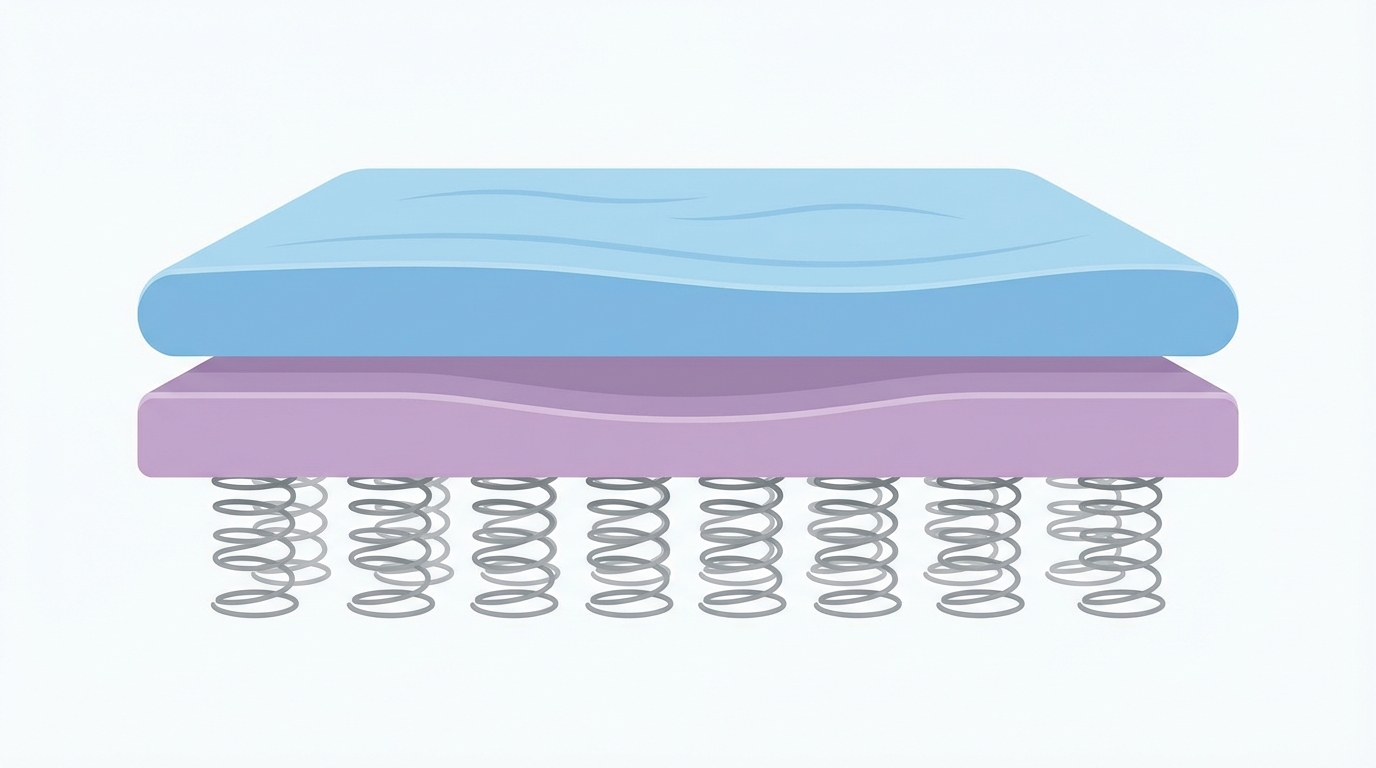
You do not need to baby your mattress, but a few simple habits can delay the need for replacement, as long as the mattress is still fundamentally supportive and comfortable.
After two paragraphs of context, here is one of the few times a concise checklist is genuinely helpful.
A simple maintenance routine might include:
- Using a waterproof, breathable mattress protector from day one
- Keeping your mattress on a sturdy, non sagging foundation or adjustable base
- Rotating the mattress every 3 to 6 months if the manufacturer recommends it
- Vacuuming the surface and sides a few times a year to reduce dust buildup
- Addressing spills immediately to prevent moisture from soaking into deeper layers
- Avoiding regular jumping or standing on the mattress, especially on the edges
- Allowing fresh air circulation by occasionally pulling back heavy bedding
None of these habits will turn a worn out mattress into a good one again, but they can easily add a year or two of healthy, comfortable use to a well made bed. They also protect your investment, which matters if you have chosen a higher quality foam, hybrid, or latex model with the intention of keeping it longer.
Once you notice persistent pain, deep sagging, or sleep disruption, however, extending the life of the mattress should no longer be the goal. At that point, trying to "make it last" is often more expensive in lost rest, extra chiropractor visits, and sheer frustration than choosing a new mattress that supports how you sleep now.
How To Decide: Replace Now Or Wait?
Even with all this information, it is normal to feel unsure when you are right on the edge of "maybe it is time." A simple way to bring clarity is to look at three specific dimensions together: age, comfort, and symptoms.
Step 1: Check the Age and Type
Start by confirming how old the mattress actually is. Many people underestimate by a year or two because time moves quickly and purchases blur together. Look for a law tag, warranty card, or old receipt. If your main mattress is:
- An innerspring and 7 or more years old
- A hybrid or memory foam and 8 to 10 or more years old
- A latex mattress and 12 or more years old
you are squarely in the window where replacement is common. That does not mean you must replace it now, but it does mean your other observations carry more weight.
Step 2: Evaluate Your Sleep and Symptoms
Next, pay attention for one to two weeks. Ask yourself:
- How often do I wake up with back, neck, or hip discomfort that improves within an hour of being up?
- Do I toss and turn, struggle to get comfortable, or wake feeling overheated?
- Has my partner noticed more motion, noise, or "rolling together" in the middle?
If the honest answer is "yes, often" to any of these, and especially if those issues improve on other beds, your current mattress is likely limiting your sleep quality.
According to many sleep clinics, including those associated with major hospitals, cognitive and physical performance both decline when sleep is consistently disrupted. You may notice it as slower thinking, foggy mornings, or needing more caffeine to function.
Step 3: Inspect the Mattress Itself
Finally, inspect the bare mattress in good light. If you:
- See noticeable dips or sagging where you sleep
- Feel lumps, ridges, or exposed coils
- Smell a persistent musty odor even after cleaning bedding
then the internal structure is probably significantly degraded. At this point, toppers and quick fixes will not restore lost support. They may improve surface feel temporarily, but your spine alignment is still at the mercy of whatever is happening underneath.
If two out of these three dimensions, age, symptoms, and visible wear, are pointing toward decline, it is usually time to replace. If only age is high but your body and the mattress both "report in" as doing well, you may have a bit more time. Check in again every 6 to 12 months rather than automatically buying on a schedule.
Choosing Your Next Mattress With Longevity In Mind
Once you decide it is time to change your mattress, the next challenge is choosing one you will not regret in three years. Longevity is important, but it should always sit alongside comfort, pressure relief, and proper spinal alignment.
Match Firmness To Your Body And Sleep Position
Research summarized by organizations like the Sleep Foundation suggests that a medium firm feel tends to work best for many people with back pain, because it blends contouring at the surface with stable support underneath. That said, "medium firm" can feel different depending on your body weight and preferred sleep position.
Side sleepers who are lighter often need something toward the softer end of medium to keep shoulders and hips from going numb. Back and stomach sleepers, as well as heavier individuals, typically do better with a medium firm to firm feel that keeps the midsection from sinking.
In Sleepology’s lineup, for example, a back sleeper with occasional low back soreness might gravitate toward the Sealy Posturepedic Firm Medina II, which uses firmer foams and a supportive core to keep the spine more neutral. A side sleeper with shoulder tenderness might feel more at home on the softer Sealy Posturepedic Plus Soft Paterson II, which adds cushioning at the top without abandoning support.
Choosing a mattress that truly fits your body now reduces the temptation to "fight" it with toppers and pillows down the road, which can shorten the bed’s effective comfort life.
Prioritize Construction, Not Just Warranty Length
Marketing often highlights a long warranty as proof that a mattress will last. In reality, most warranties only cover certain types and depths of sagging, and they do not guarantee that you will still find the bed comfortable at year 15. What matters more is how the mattress is built.
Look for:
- High density base foams in all foam models
- Individually pocketed coils with adequate coil count and gauge in hybrids
- Edge reinforcement if you sit or sleep near the side frequently
- Comfort layers with enough thickness and quality to avoid "bottoming out"
Independent testing organizations and consumer advocacy groups repeatedly find that mattresses with better quality materials perform more consistently over time, even when they come from mainstream brands you already know. You do not have to memorize foam densities, but working with a knowledgeable guide who understands the differences can help you choose a model that will hold up to your specific household.
This is also where trying a mattress on a showroom floor or at home with a generous trial period matters. What feels supportive and comfortable on day one is much more likely to age well than a mattress you are already "trying to get used to" in the first week.
Do Toppers Or Accessories Let You Delay Replacing A Mattress?
A common question is whether adding a topper or other accessories can buy you more time. The answer depends on what is wrong with the mattress.
If your mattress is still structurally sound but feels a bit too firm or a touch too soft, a high quality topper can absolutely fine tune the feel and extend your comfort with that bed. For example, if a medium firm hybrid is now slightly too firm for your aging shoulders but still flat and supportive underneath, a softer foam or latex topper can add the extra pressure relief you need.
However, if the mattress has deep sags, broken coils, or a clear "hammock" effect, a topper only hides the problem temporarily. Your body still sinks into the dip, and your spine alignment will still suffer. Major sleep health sites and clinicians generally caution against relying on toppers to fix structural issues. They can be great tools, but they are not a substitute for a healthy core mattress.
Other accessories, like pillows and adjustable bases, can dramatically improve comfort and support, especially for certain conditions. The right pillow height for your sleep position helps keep your neck in line with your spine, and an adjustable base can ease pressure on the lower back or reduce snoring by slightly elevating the head. These additions pair beautifully with a new mattress to maximize the value you get from your investment.
Sleepology carries a curated selection of pillows, sheets, toppers, and protectors chosen to complement our mattresses, but we always start with the question: is your underlying mattress still up to the job? If not, we help you focus on replacing the foundation first, then fine tuning with accessories, not the other way around.
When Your Mattress Is “Fine” But Your Needs Have Changed
There is one more scenario that often gets overlooked. Sometimes, you may technically be able to keep your current mattress, but your life has changed enough that it simply is no longer the right match.
You might:
- Be recovering from surgery and need easier mobility and a different firmness
- Be pregnant and suddenly far more sensitive to pressure at the hips and shoulders
- Have lost or gained significant weight since you bought your mattress
- Have developed new joint pain or a condition like sciatica or sleep apnea
In these cases, even a relatively young mattress may not support your best sleep anymore. Mayo Clinic and other major health organizations frequently recommend revisiting mattress choice after orthopedic surgeries, for example, because a surface that made sense pre surgery might not be optimal during recovery and beyond.
It is okay to outgrow a mattress before it reaches its technical lifespan. You have permission to prioritize your body, health, and sleep quality over squeezing a few more years out of a bed that no longer fits. Often, people in this situation benefit from mattresses with more targeted zoning, better pressure relief, or compatibility with an adjustable base that can assist with elevation and comfort changes over the night.
If you are unsure whether you are in this category, that is exactly the kind of conversation a Sleepologist can walk through with you. We regularly review specific health, comfort, and lifestyle shifts to determine whether adjustments to sleep position or accessories might be enough, or whether a new mattress would be a meaningful step forward.
Conclusion: A New Mattress Is Not Just A Purchase, It Is A Health Decision
You spend roughly one third of your life on your mattress. It quietly affects how your back feels when you sit at your desk, how patient you are in traffic, how your immune system responds to stress, and how present you feel with the people you love. Changing your mattress at the right time is less about chasing the latest trend and more about respecting the role sleep plays in your overall health.
For most people, replacing a primary mattress somewhere in the 7 to 10 year range is a smart guideline, with innersprings tending toward the earlier end and high quality foam, hybrid, or latex options sometimes lasting longer. The real decision, however, rests on how your body feels, how consistently you sleep through the night, and what you see and feel when you look closely at your mattress. Morning pain that fades after you get moving, obvious sagging or lumps, night time allergy flare ups, and deepened fatigue are all valid reasons to take a hard look at your bed.
You do not have to navigate this alone. At Sleepology, our role is to translate sleep science and decades of hands on mattress experience into clear, compassionate guidance for your specific situation. Whether that means confirming you can safely wait another year, suggesting maintenance steps to protect a great mattress, or helping you select a new model from collections like The Best Hybrid Mattresses or The Best Foam Mattresses, the goal is the same: better nights that support better days.
If you are on the fence right now, consider this your gentle nudge to pay attention. Notice how you feel when you wake up tomorrow, take a moment to really look at your mattress, and trust what your body is telling you. A supportive, well matched bed will not solve every problem, but it can make almost everything in your day a little easier to handle.
Frequently Asked Questions
How often should you change your mattress if you have back pain?
If you live with back pain, you may need to replace your mattress closer to the early end of the typical range, often around 6 to 8 years, or sooner if you notice symptoms clearly worsening. Your spine relies on consistent support throughout the night. As a mattress softens or sags, especially in the lumbar region, it can let your lower back sink out of neutral alignment, which many orthopedic and sleep specialists associate with increased discomfort. If your pain is consistently worse in the morning and improves after stretching and moving, and especially if it improves on other beds, it is wise to consider a new mattress even if yours is not yet "old" on paper.
How often should you replace a mattress for allergies or asthma?
For people with allergies or asthma, it is common to replace mattresses a bit more often, often around every 7 to 8 years, even if support still feels decent. Over time, mattresses accumulate dust mites, pet dander, and other allergens that can be difficult to fully remove from deep layers. Allergy and asthma organizations often recommend encasing mattresses and pillows in protective covers and washing bedding weekly, but even with great hygiene, older beds tend to hold more triggers. If you notice nighttime congestion, coughing, or itchy eyes that improve away from home or on a newer mattress, updating your bed and using a high quality protector can make a noticeable difference.
How long should a guest room mattress last compared to my own?
Guest room mattresses see far less nightly use, so they can often remain comfortable longer than your primary bed, sometimes 12 to 15 years or more, depending on type and quality. However, age is not the only factor. Foams can dry out and break down, and older innersprings can lose tension even if they are not used daily. Every few years, lie on your guest mattress yourself for at least 15 minutes in your normal sleep position to assess comfort and support. If you would not want to spend multiple nights on it, your guests probably would not either, and it is a good time to consider replacing or repurposing that bed.
Do children’s mattresses need to be replaced as often as adult mattresses?
Children’s mattresses usually experience fewer years of heavy adult weight, but they also go through unique stresses like jumping, spills, and growth spurts that change support needs. A well made kids’ mattress can often remain serviceable for 7 to 10 years, but the main consideration is whether it still fits your child’s size and development. As children grow into their teens, their bodies often benefit from moving out of thinner youth mattresses into more supportive, adult style beds. It is smart to reassess both size and comfort at major growth stages, not just follow a fixed replacement schedule.
Can rotating or flipping my mattress let me keep it longer than 10 years?
Rotating or flipping a mattress as the manufacturer recommends can absolutely help slow the development of body impressions and localized wear, but it does not prevent all aging. Foams and fibers still gradually soften and break down, and coil systems still lose some resilience with time. For some higher quality models, good maintenance might stretch comfortable life slightly beyond 10 years, especially for lighter sleepers. However, if you are already noticing pain, sagging, or sleep disruption, rotating alone will not restore lost support. Think of rotation as a way to get the best years out of a mattress, not as a way to avoid ever replacing it.
Is it worth spending more on a mattress if I still have to replace it eventually?
Spending more is worth it when the extra investment buys you measurably better support, comfort, and durability, not just a fancy name. A thoughtfully designed hybrid or latex mattress with quality materials may cost more upfront but can deliver significantly better sleep for longer, which reduces "cost per year of good use." It can also mean fewer stopgap purchases, like cheap toppers or replacement beds after only a few years. On the other hand, there is no need to overspend on features you do not need. The sweet spot is a mattress that aligns with your body, health, and budget and is built to hold that performance, rather than the absolute most expensive option.
How can I tell if a mattress in a showroom will actually last?
You cannot see inside a mattress easily, but you can ask smart questions and pay attention to a few clues. Ask about the types of coils and foam used, the thickness of comfort layers, and whether there is reinforced edge support. Reputable retailers and brands will be transparent about construction. Spend at least 10 to 15 minutes lying on the mattress in your normal positions, noticing whether it supports you evenly without pressure points or hammocking. Finally, look for a meaningful in home trial period and a clear, fair warranty. At Sleepology, we pair this kind of transparency with guidance from experienced Sleepologists so you are not just "testing" randomly, you are evaluating models that fit your needs and are designed for real world use.