

How Often Should You Buy a New Mattress? A Complete, Real‑World Guide
You are not imagining it if you are waking up more tired than when you went to bed and wondering if your mattress is quietly working against you. Most people hang on to their mattress years past its prime, either because it still “looks fine,” or because replacing it feels expensive and overwhelming. Meanwhile, their back, shoulders, and energy level pay the price night after night.
How often you should buy a new mattress is not a one size fits all answer. It depends on what your bed is made of, how you sleep, and what has changed in your body since you bought it. The tricky part is that a mattress can stop supporting you properly long before it completely sags or falls apart, so the warning signs are easy to miss until you connect the dots.
This guide is here to make that decision feel clear, not confusing. You will learn how long different types of mattresses truly last, the specific signs your own bed is due for retirement, how your body weight and sleep habits change the timeline, and what you can do to stretch the life of a good mattress without sacrificing your health. Along the way, I will point you toward mattresses and accessories at Sleepology that match the scenarios we talk about, so you can go from “Is it time?” to “I know exactly what to look for” with confidence.
As a sleepologist who has worked with thousands of sleepers over 20 years, I can tell you this: the right time to replace your mattress is not about a magic number on the calendar. It is about paying attention to your body, your bed, and the quiet ways they influence your mood, pain levels, and daily energy. Once you know what to look for, your decision gets much easier.
The Short Answer: How Often Should You Buy a New Mattress?
When people ask how often to replace a mattress, they are usually hoping for a simple rule. Broadly speaking, most adults should expect to buy a new everyday mattress every 7 to 10 years. That range lines up with what organizations like the Sleep Foundation report for average mattress lifespan, especially for quality foam and hybrid models. The reality underneath that range, though, is more nuanced and much more personal.
Your mattress ages the way a pair of shoes does. Two people can buy the same pair on the same day, and one pair might still feel supportive at year five, while the other is painful by year three. The materials, how often you use them, your body weight, and how you move all change how fast they break down. That is why the question “How old is your mattress?” matters, but “How does your body feel when you wake up?” matters even more.
It is also important to separate comfort from support. You can have a mattress that still feels soft or cozy but has quietly lost the deeper support your spine needs. Research from clinics like the Mayo Clinic has repeatedly linked poor sleep quality to higher risk of chronic pain, cardiovascular issues, and mood problems. When your mattress is no longer keeping your spine aligned, your sleep gets lighter and more fragmented even if you do not remember waking up.
So here is a better way to think about timing. Use 7 to 10 years as your “pay closer attention” window, then layer in the type of mattress you own, your body weight, your health changes, and some very specific red flags. If you are already checking off several of those boxes and your mattress is over 5 to 7 years old, you are likely past due. If you feel better anywhere except your own bed, that is a sign your body has already answered the question for you.
“Mia helped me realize my 11 year old mattress was the culprit behind my 3 pm crashes. Once I switched to a hybrid she recommended, I woke up without hip pain for the first time in years. I used to think being tired was just getting older. Turns out it was just my mattress.” – Laura S., November
How Long Different Mattress Types Really Last

Different mattress types age in different ways, which is why there is no single replacement age that fits everyone. Understanding the typical lifespan of the materials under you helps you set realistic expectations and spot early warning signs before you are miserable.
Innerspring Mattresses
Traditional innerspring mattresses rely on metal coils covered by padding and quilting. The coils provide the main support, while the foam or fiber on top gives you cushioning. Industry research that organizations like the Sleep Foundation summarize suggests that many innerspring mattresses start to lose noticeable support within 5 to 7 years, especially budget models with thinner coils or less dense comfort layers.
Early on, innersprings often feel bouncy and supportive, which is why they remain popular. Over time, the metal fatigues, connections loosen, and the padding compresses. You might first notice more creaks or squeaks, or feel yourself roll toward a dip in the middle of the bed. If you feel pressure on your shoulders and hips but also sense you are sinking too far, your coils and padding are likely aging at different speeds.
If you still love the buoyant feel of springs but want better durability, a modern coil system wrapped in foam, often called a hybrid, tends to age more gracefully. A sturdy, zoned coil design like the one in the Sealy Posturepedic Plus Firm Paterson II Euro Pillow Top combines strong edge support with targeted reinforcement under your lower back, which helps it hold up better over years of nightly use.
All Foam and Memory Foam Mattresses
Foam mattresses, including memory foam, distribute weight more evenly than coils and can last 7 to 10 years when built with higher density layers. According to the Sleep Foundation and several mattress industry surveys, well constructed foam beds often outlast equally priced innerspring mattresses because there are no moving metal parts to fatigue over time.
Memory foam in particular is prized for pressure relief and motion isolation, which is wonderful for side sleepers and couples. The tradeoff is that lower density foam can develop body impressions or “hammocking” where you feel stuck in a groove. If you can see or feel more than an inch or so of permanent dip in your usual sleep spot, your foam has likely lost its resilience. This can happen faster for heavier sleepers or if the mattress is used every night for many years.
A key sign your foam mattress has aged out is when you wake up with new pain in your lower back or between the shoulder blades, even though the bed still feels cushy at first. In my experience, people often keep foam mattresses two or three years beyond that point because they either do not notice gradual changes or assume their body is just getting older. A supportive foam option from our curated collection like those in The Best Foam Mattresses is designed with denser base layers that resist breakdown longer, giving you a more predictable 7 to 10 year run.
Hybrid Mattresses
Hybrid mattresses combine a coil support core with foam or latex comfort layers, giving you a mix of bounce and contour. In , hybrids continue to dominate the premium segment because they offer the pressure relief of foam with the durability and airflow of springs. Most quality hybrids land in the 7 to 10 year lifespan range, with some lasting longer if the coil system is robust and the foams are higher density.
What I see in showrooms and follow up conversations is that hybrids often feel supportive further into their life compared with traditional innersprings at the same age. The pocketed coils move more independently, which reduces motion transfer and helps prevent that “roll to the middle” effect for couples. When hybrids do start to age out, you may notice more subtle changes at first, like needing extra pillows to get comfortable or feeling slightly more pressure around your shoulders.
Two examples from Sleepology that illustrate long term hybrid support are the Sealy Posturepedic Elite Firm Hybrid Brenham II for sleepers who like a firmer, more lifted feel, and the Sealy Posturepedic Elite Soft Hybrid Brenham II for those who want more cushioning without losing alignment. Both pair substantial coils with performance foams that are engineered to resist deep body impressions over time.
“We switched from a 9 year old basic spring mattress to the Brenham II hybrid Mia recommended. I was skeptical about spending more, but a year later there are no dips at all and my husband’s shoulder pain is gone. We feel like we upgraded our whole bedroom, not just the bed.” – James P., October
Latex and Specialty Materials
Latex mattresses, especially those using natural or high quality synthetic latex, are some of the longest lasting options available. Several sources, including consumer testing organizations and brands that specialize in latex, report typical lifespans of 10 to 15 years with proper care. Latex is naturally springy and resilient, which means it tends to bounce back faster and resist deep impressions better than many other foams.
Research noted by health and sleep resources also points out that latex is more resistant to mold and dust mite buildup than many conventional materials, which can keep the feel and hygiene more stable over time. That does not mean you can ignore age forever, but it does mean you might reasonably stretch the replacement window slightly compared with a basic innerspring or low density foam mattress.
If you do own or are considering latex, remember that its longer lifespan assumes it is paired with a solid foundation and protected from excessive moisture and UV light. Sudden soft spots, visible cracking, or a change from buoyant to “dead” feeling under your hips are signs that even a long lasting latex mattress is telling you it is time.
How To Know It Is Time: Clear Signs You Need a New Mattress
The number one mistake people make is waiting for their mattress to look obviously ruined before they replace it. By the time your bed is visibly collapsing, your body has usually been compensating for several years. The smarter approach is to watch for specific changes in how you feel and how your mattress behaves.
Your Body’s Morning Report: Pain, Stiffness, and Fatigue
Your body is an honest reporter. If you consistently wake up feeling sore, stiff, or strangely more tired than you were at bedtime, it is worth asking whether your mattress is playing a role. According to the Sleep Foundation and clinical observations from health systems like the Cleveland Clinic, poor mattress support can contribute to low back pain, neck tension, and more frequent awakenings through the night.
Start by paying attention for a couple of weeks. Are you waking with new or worsening pain in your lower back, hips, or between your shoulders that eases after you move around for 30 to 60 minutes? That pattern often signals that your mattress is not holding your spine in a neutral position while you sleep. A bed that is too soft may let heavier areas sink too far, while a bed that has hardened with age can create pressure points that make your muscles tighten up all night.
Also notice your energy instead of just your total hours in bed. If you are getting your usual 7 to 9 hours but feel foggier, more irritable, or rely heavily on caffeine to function, your sleep quality may be eroding. The Mayo Clinic notes that fragmented sleep, even when total duration is the same, can increase the risk of anxiety, depression, and chronic health problems over time. When we replace a clearly worn mattress with one that matches a person’s body and sleep style, improved mood and clearer focus are often the first changes they notice.
Visible Changes in Your Mattress: Sagging, Lumps, and Soft Spots
While not every problem shows up visually, your mattress surface can reveal quite a bit. Remove all bedding and just look and feel with your hands. Do you see a dip where you usually lie, a ridge in the center, or obvious sagging near the edges? Even an inch or two of consistent indentation can shift your alignment enough to cause long term strain.
Run your palm across the surface and feel for lumps, valleys, or areas that feel noticeably softer or firmer than the rest of the bed. In innerspring mattresses, this can signal broken or fatigued coils. In foam and hybrids, it usually indicates that the top layers are compressing faster in high pressure zones like shoulders and hips. If your hand can feel it, your spine certainly can.
Listen with your ears as well as your eyes. If you hear creaking, squeaking, or clicking each time you or your partner move, it may be the mattress, the foundation, or both. While noise alone is not always a reason to replace your bed, it often comes along with structural wear that is reducing support. When someone tells me their mattress is both noisy and starting to sag, it is usually not worth trying to “fix” it.
You Sleep Better Anywhere Except Your Own Bed
One of the most telling signs that it is time for a new mattress is what I call the “vacation test.” If you consistently sleep better in hotels, at a friend’s house, or even on your own sofa than you do in your bedroom, your current mattress is probably holding you back. I hear this all the time from guests who return from a trip amazed at how much less their back hurt on a different bed.
Part of what is happening is contrast. Away from home, you are suddenly not lying in the same grooves and pressure patterns you have adapted to. If your pain disappears or your sleep feels deeper after just a couple of nights elsewhere, your body is telling you it responds better to a different level of support or cushioning. That does not necessarily mean you should copy that exact mattress, but it is strong motivation to re evaluate what you have.
If you are not traveling soon, you can create your own “test” by sleeping on a spare bedroom mattress or quality air mattress at home for a few nights. If you feel noticeably better on the alternate surface, the problem is unlikely to be your pillow or sleep schedule alone. It probably means your primary mattress is no longer the right partner for you, even if it looks okay on the outside.
“I thought my insomnia was stress until Mia asked how I slept on vacation. I realized I always crash on hotel beds but toss and turn at home. She helped me pick a medium pillow top similar to what I liked on trips, and within a week I was falling asleep in 15 minutes instead of 90.” – Chris D., December
How Your Body, Sleep Style, and Lifestyle Change the Timeline
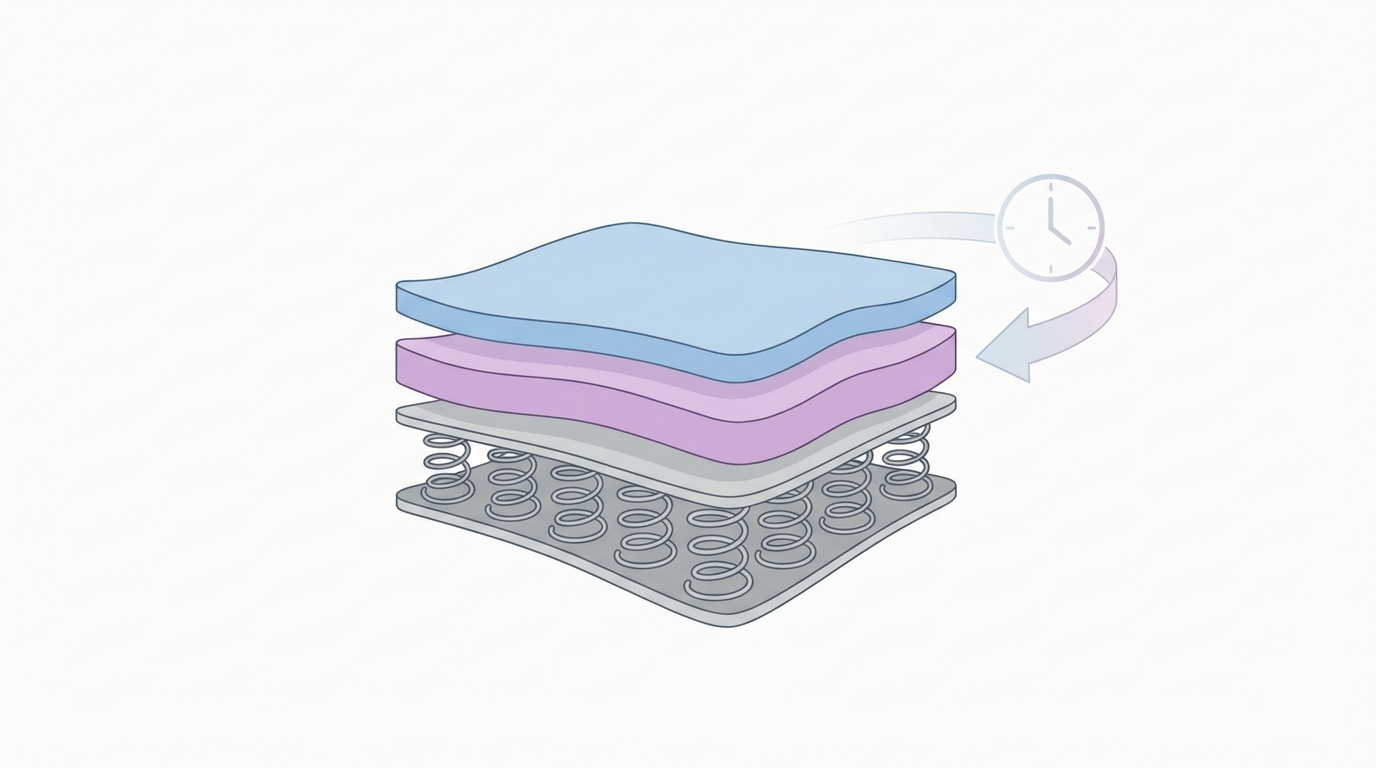
Two people can buy the same mattress on the same day and end up with very different replacement schedules. Your body weight, the way you sleep, and what has changed in your life since you bought your bed all influence how often you should buy a new one.
Body Weight and Shape
Heavier bodies compress mattress materials more deeply, which accelerates wear. That does not mean you need to replace your mattress every few years if you are tall, broad, or plus size, but it does mean you want to choose a more robust build and be realistic about lifespan. In my experience, a 250 pound sleeper on a budget all foam mattress will usually hit the “this is not working anymore” phase sooner than a 140 pound sleeper on the same model.
If you or your partner carry more weight in your hips and midsection, you may need stronger zoning and thicker support layers to prevent that area from sagging faster than the rest of the bed. A hybrid like the Sealy Posturepedic Elite Medium Brenham II Euro Pillow Top balances plush comfort with reinforced coils under the lumbar region, which helps maintain alignment even as the comfort layers naturally soften over the years.
On the other end of the spectrum, very lightweight sleepers may not compress the mattress enough to fully engage the deeper support layers, especially on very firm models. In those cases, the bed might technically last longer, but comfort could still suffer if the surface feels too hard. If you are petite and side sleep, you may need a slightly softer mattress to avoid pressure points, even if your existing firm bed is not “worn out” by age standards.
Sleep Position and Movement
Your primary sleep position affects both how quickly a mattress wears out and when it stops feeling good. Side sleepers concentrate more pressure into smaller surface areas like shoulders and hips, which can accelerate impressions on softer beds. Back and stomach sleepers spread weight more evenly but are more sensitive to mid section sagging that tilts the pelvis and strains the lower back.
If you change positions frequently or sleep “hot,” your mattress may also experience more mechanical and thermal stress over time. Many restless sleepers do best on a mattress with a bit of bounce to assist repositioning and more breathable foams or coils to keep heat from building up. A medium hybrid with cooling features, paired with breathable bedding from our pillows, sheets, and protectors collection, can handle a lot of movement night after night while staying comfortable.
Couples add another layer, because two bodies usually mean more total wear and more complicated pressure patterns. If one partner is much heavier than the other or sleeps in a very different position, you may notice sagging or discomfort on one side of the bed before the other. That is often your cue to start planning a replacement rather than waiting until both sides feel bad.
Life Changes, Health Shifts, and New Needs
The mattress that served you well in one chapter of life might be the wrong fit in the next. Pregnancy, weight loss or gain, surgery, injuries, arthritis, and changes in mobility all affect what kind of support and cushioning feels best. The National Institutes of Health and other research bodies have documented that chronic pain conditions, especially in the spine and joints, can be eased when mattress firmness better matches a person’s needs.
Even without a major health event, we naturally lose some disc height and flexibility in the spine as we move into our forties, fifties, and beyond. A mattress that felt pleasantly firm at 30 can feel uncomfortably hard or unforgiving at 55. Likewise, if you start experiencing more hot flashes or temperature swings at night, a dense memory foam bed that never bothered you before may now trap too much heat.
Instead of waiting for dramatic discomfort, use any big life shift as a reason to at least re evaluate your mattress. Sometimes we can fine tune your setup with accessories like a high quality topper or better pillow. For example, pairing a supportive but forgiving mattress like the Sealy Posturepedic Pro Medium Dupont II Euro Pillow Top with a body contouring option such as The BodyPillow by Tempur-Pedic can improve alignment and relieve joint strain for side sleepers without immediately changing the mattress itself. When small adjustments are no longer enough, that is a clear sign a full upgrade makes sense.
Mattress Lifespan by Type: At a Glance Comparison
To pull these threads together, here is a simple comparison of how long common mattress types tend to last under average use, assuming reasonable quality and care.
| Mattress Type | Typical Lifespan Range | Ages Out Because Of | Best For |
|---|---|---|---|
| Innerspring | 5 to 7 years | Coil fatigue, padding compression, sagging, noise | Budget shoppers, bounce lovers, guest rooms |
| Memory Foam / All Foam | 7 to 10 years | Body impressions, loss of support, heat buildup issues | Pressure relief, motion isolation, side sleepers |
| Hybrid (Coils + Foam) | 7 to 10 years | Gradual softening of comfort layers, some sagging | Couples, mixed sleepers, those wanting balance of bounce and contour |
| Latex (Natural or High Quality) | 10 to 15 years | Softening, potential cracking, support changes over time | Durability seekers, eco conscious shoppers, people with allergies |
Keep in mind these are averages, not guarantees. A well cared for hybrid with strong coils and dense foams can easily outlast a bargain latex blend. Your unique sleep habits and environment can stretch or shrink these windows by several years. Use this table as a starting point, then layer on your own body’s feedback and the signs it is sending.
Practical Ways To Extend the Life of a Good Mattress
Once you have invested in a mattress that genuinely fits you, it makes sense to protect that investment. While nothing can make a bed last forever, a few practical habits can easily buy you extra comfortable years and delay the next replacement.
Protecting Against Moisture, Spills, and Allergens
One of the simplest and most effective steps you can take is to use a quality mattress protector. This is different from a fitted sheet. A protector acts as a barrier between your body and the mattress itself, keeping sweat, body oils, spills, and skin cells from working their way into the foams and fibers. Over time, that buildup not only stains your bed but can also break down materials faster and contribute to dust mite and allergen growth.
Organizations like the Mayo Clinic and allergy associations point out that dust mites and accumulated allergens in bedding can aggravate asthma and allergies, especially when your face is just inches above the mattress for hours each night. A breathable, waterproof protector that you wash regularly reduces that load significantly and keeps the materials inside your mattress drier and more stable. Our pillows, sheets, toppers, and protectors collection includes protectors designed specifically to preserve modern foam and hybrid beds without changing their feel.
If an accident happens, blot moisture up quickly with an absorbent towel, use a light cleaner as recommended by your mattress manufacturer, and allow plenty of time to dry with good airflow. Avoid saturating the mattress with water or harsh chemicals. Steaming or soaking foams can damage adhesives, promote mold, and void many warranties.
Rotation, Support, and Everyday Habits
Rotating your mattress 180 degrees a few times per year can help even out wear, especially if you tend to sleep in the same spot or one partner is heavier than the other. Not all mattresses should be flipped, and many modern designs are one sided, but rotation distributes pressure across different coils and foam cells, allowing them to recover more fully. Check your care guidelines or ask a Sleepology specialist about what is recommended for your specific model.
Equally important is what your mattress is sitting on. A sagging box spring, flexing slats, or an unsupported center can cause even a new mattress to bow or deteriorate faster. Most queen and king mattresses need a frame with a center support bar and legs touching the floor to keep the foundation level. An adjustable bed frame or base not only gives you the benefit of elevating your head and feet for comfort but also offers solid, consistent support across the entire mattress surface.
Everyday habits matter too. Regular vacuuming of the mattress surface when you strip your sheets reduces surface dust. Keeping pets’ nails trimmed and avoiding jumping on the bed helps prevent punctures and localized stress. None of these habits will turn a 5 year mattress into a 20 year one, but they can absolutely keep a good quality bed in its prime longer and delay the day you need to buy a new one.
After you have done all you reasonably can to care for your mattress, there comes a point when maintenance turns into band aids. If you find yourself stacking multiple toppers or constantly rotating just to find a comfortable pocket, it is usually more cost effective to put that energy into a carefully chosen replacement instead.
How Often Should You Buy a New Mattress if You Want Better Sleep, Not Just a New Bed?

Ultimately, the goal is not to follow a rigid replacement schedule but to align your mattress changes with meaningful improvements in your sleep health. For most people, that means planning to replace a primary mattress roughly every 7 to 10 years, with variations based on type and your personal factors. If you are heavier, sleep hot, share the bed with a partner or pets, or have chronic pain, assume you might be on the earlier side of that range.
The key is to use age as a prompt to reassess, not the only trigger. Once your mattress passes about 5 to 7 years, pause once or twice a year and ask yourself a few simple questions: Do I wake up feeling rested most mornings? Has my pain level changed? Do I sleep better away from home? Is my mattress still level, supportive, and quiet? Honest answers to those questions will tell you more than any label on the tag.
When your current mattress clearly is not working, resist the urge to rush into whatever is on sale that weekend. Take time to match a new mattress to your body, health, and budget so you are not repeating the cycle in three years. Models like the Sealy Posturepedic Pro Soft Dupont II Euro Pillow Top can be a game changer for side sleepers with shoulder pain, while a responsive hybrid such as the Sealy Posturepedic Elite Firm Hybrid Brenham II may be ideal for back sleepers needing robust support.
Most importantly, remember that a mattress is not a luxury item. It is part of your health toolkit. According to the Sleep Foundation and numerous peer reviewed studies, consistently good sleep is tied to better immune function, emotional resilience, and long term disease risk. When you frame mattress replacement as part of caring for your body rather than as an optional decor upgrade, prioritizing it becomes much easier.
Frequently Asked Questions
How often should I replace my mattress if I have back pain?
If you are experiencing back pain, especially in the lower back, and your mattress is older than about 5 to 7 years, it is wise to take a serious look at replacing it. A study published in the Journal of Chiropractic Medicine found that people who switched from very old mattresses to newer, supportive models reported significant improvements in back discomfort and sleep quality within a month. If your pain reliably improves during the day and worsens after nights in your own bed, that is a strong clue your current mattress is no longer keeping your spine in healthy alignment. Choosing a medium firm or supportive hybrid that matches your sleep position can often make a noticeable difference.
Can a mattress really last 15 or 20 years?
Some high quality latex and very well constructed mattresses can physically last 15 years or more without falling apart, but that does not mean they remain ideal for you that entire time. Materials naturally soften, your body and health change, and hygiene becomes a concern as dust, sweat, and allergens accumulate. Most sleep experts and organizations, including the Sleep Foundation, still recommend assessing for replacement around the 7 to 10 year mark, even for premium mattresses, because support and comfort often decline gradually long before the bed looks worn out. If you have had the same mattress for 15 or 20 years, it is almost certainly not delivering the best sleep your body could have today.
How often should I replace a mattress in a guest room?
Guest room mattresses generally do not see nightly use, so they can go longer between replacements, often 10 to 15 years if they are decent quality and protected with a mattress cover. The main question to ask is how your guests feel. If visitors quietly mention that the bed is “a little saggy” or you notice visible dips when you change the sheets, it might be time. It can help to occasionally sleep in your guest room yourself to experience what your guests are feeling. If you are furnishing a guest room now and want a durable, versatile option that suits a wide range of sleepers, a balanced hybrid from our best hybrid mattresses collection is usually a smart choice.
Does using a mattress topper mean I can keep my old mattress longer?
A mattress topper can be a helpful tool, especially if your mattress is still fundamentally sound but feels a bit too firm or you need extra pressure relief for a while. Toppers can bridge the gap when your body changes or extend comfort for a couple of extra years. However, they cannot fix deep structural problems like sagging springs, broken coils, or severely compressed foams. If you are using a topper to hide dips or support issues, you are likely prolonging discomfort more than truly solving it. In those cases, investing in a new, supportive mattress and then fine tuning with a topper if needed is usually the healthier long term plan.
How will I know if my new mattress is actually helping?
Give your body a couple of weeks to adjust to a new mattress, especially if you switched firmness levels or materials. During that time, mild soreness can happen as muscles and joints adapt to a different posture, much like breaking in supportive shoes. After that initial period, you should notice clearer benefits: waking up with less stiffness, fewer night time awakenings, and more consistent energy throughout the day. Many people also report needing fewer pillows or props to get comfortable. If, after 30 days, you still feel worse or not noticeably better, reach out to the retailer or a Sleepology specialist. Sometimes a simple change in pillow height, adding a body pillow, or adjusting your base position can unlock the full comfort your new mattress is capable of.
Is it worth spending more on a mattress if I still have to replace it in 7 to 10 years?
Spending more does not automatically guarantee better sleep, but investing in a well built mattress usually means more durable materials, stronger support systems, and more consistent comfort across its lifespan. Think of it less as buying more years and more as buying better years. A higher quality mattress that keeps your spine aligned and reduces night time tossing can significantly improve your daily quality of life. When you spread that investment over 7 to 10 years, the cost per night often works out to be surprisingly reasonable, especially compared with what many of us casually spend on phones or streaming services we use far less than our beds.